What That Means for Doors
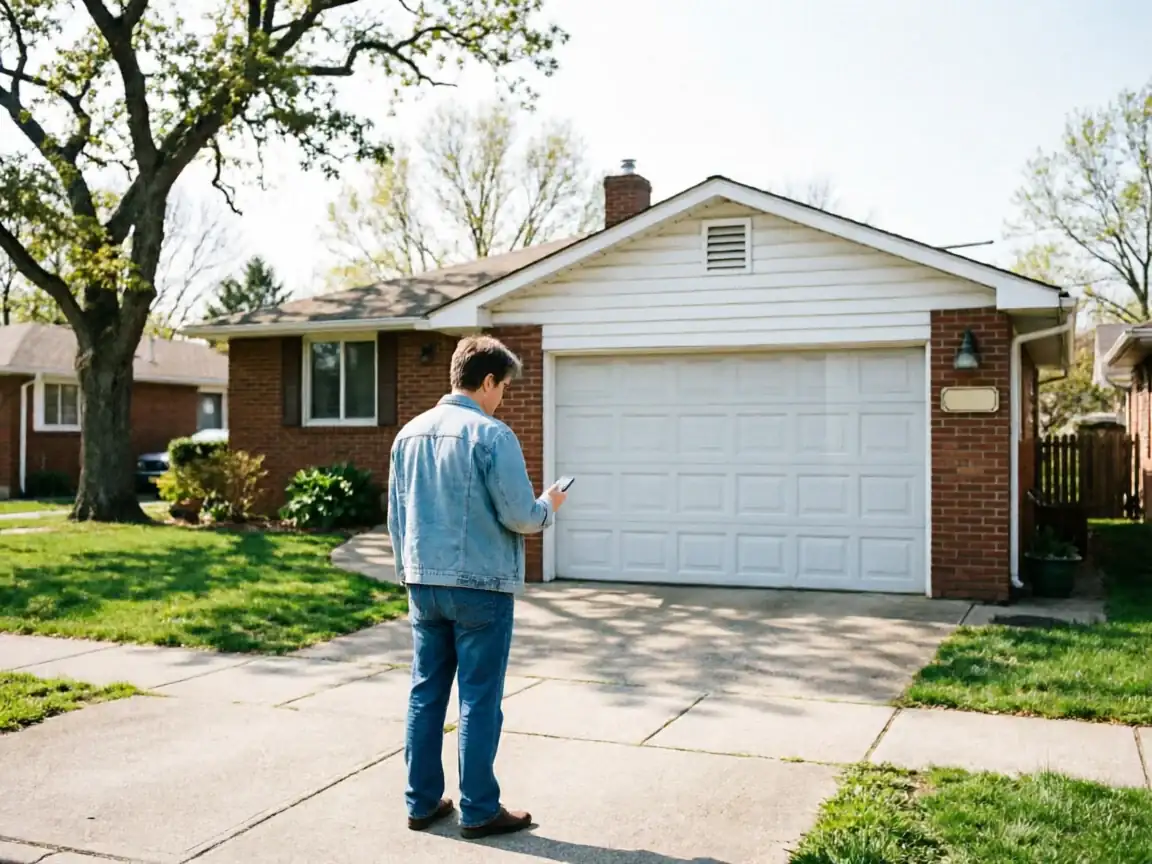
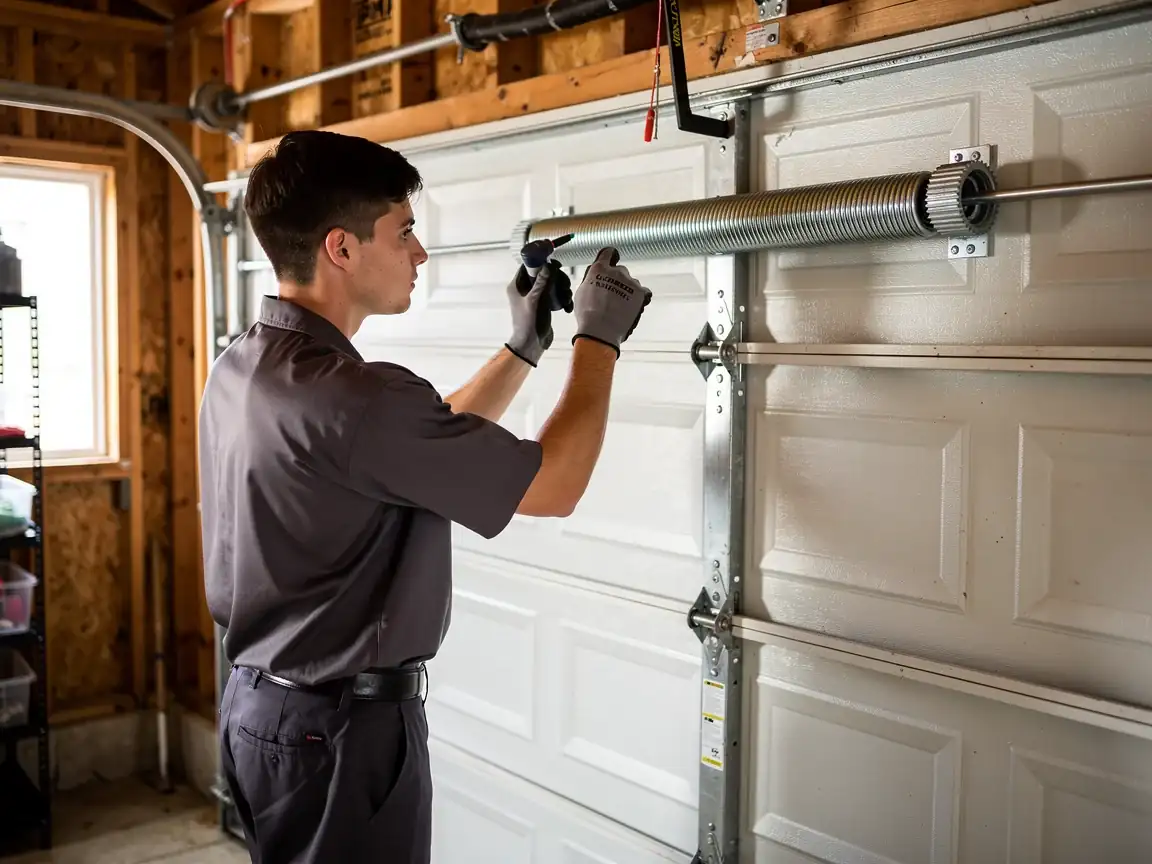
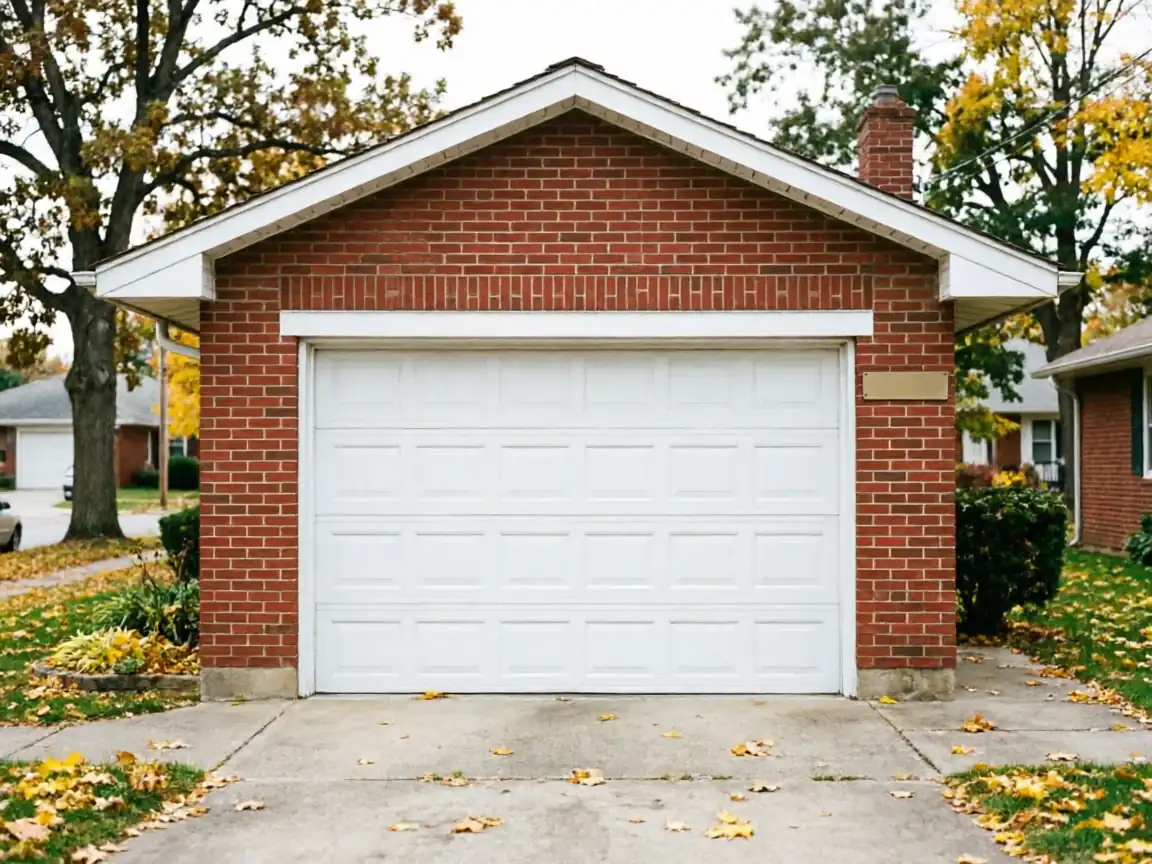
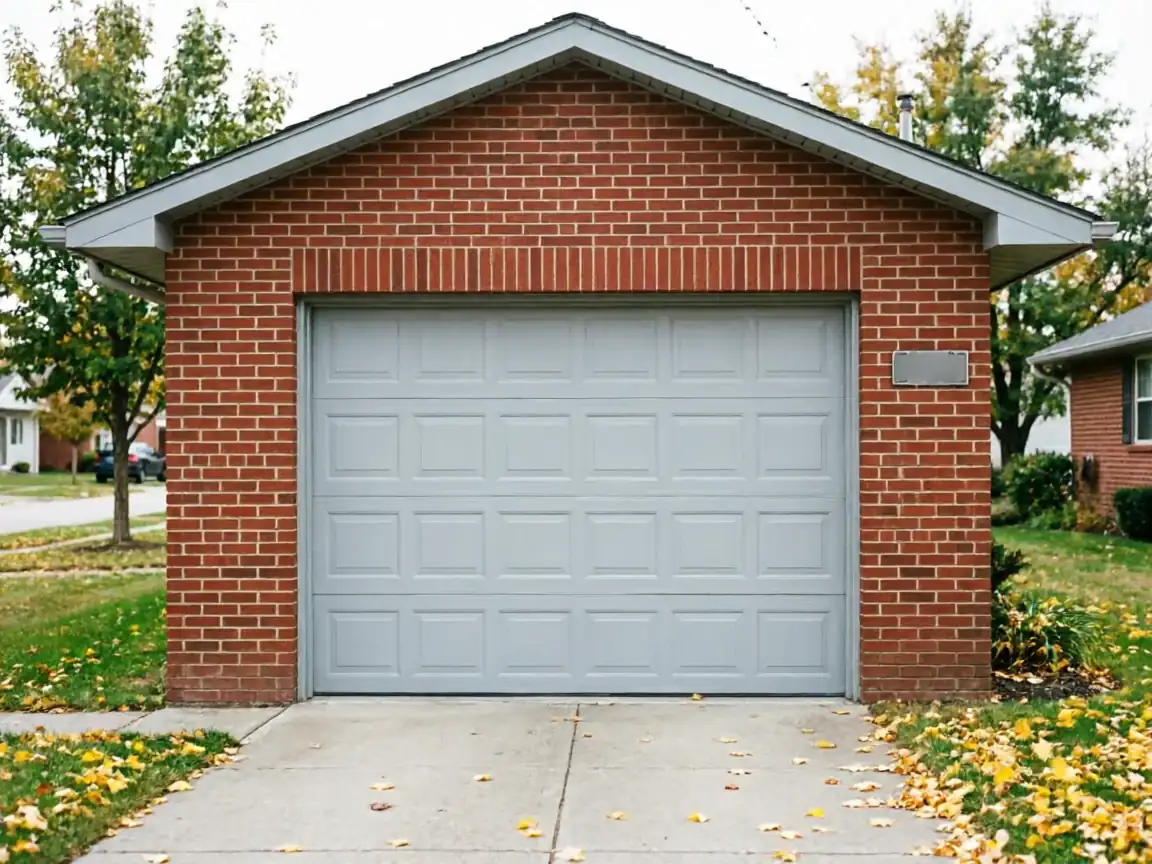
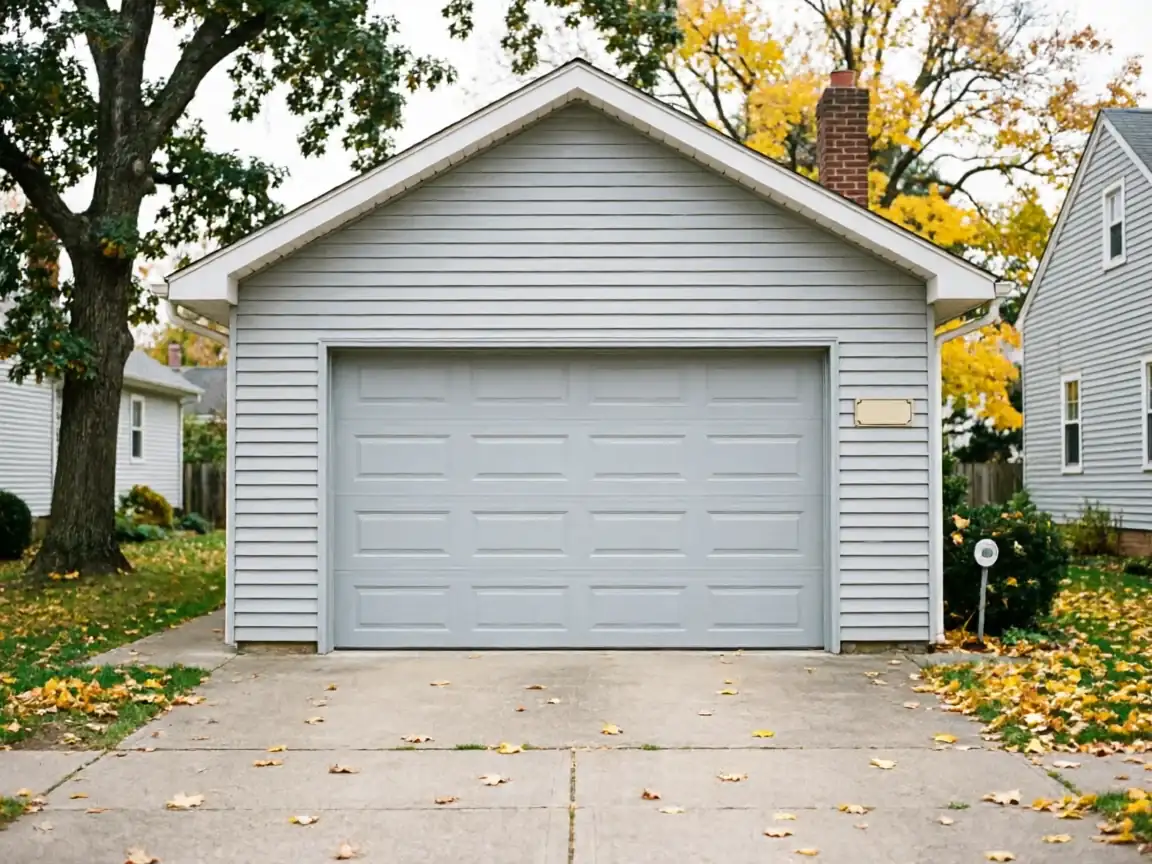
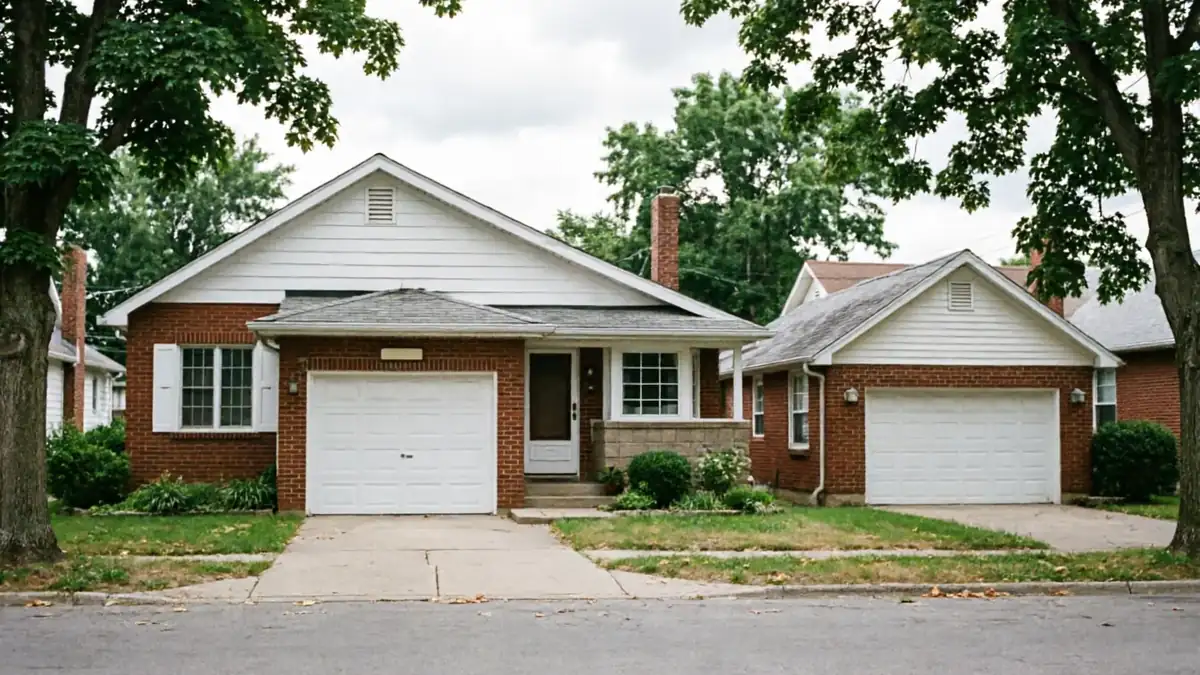
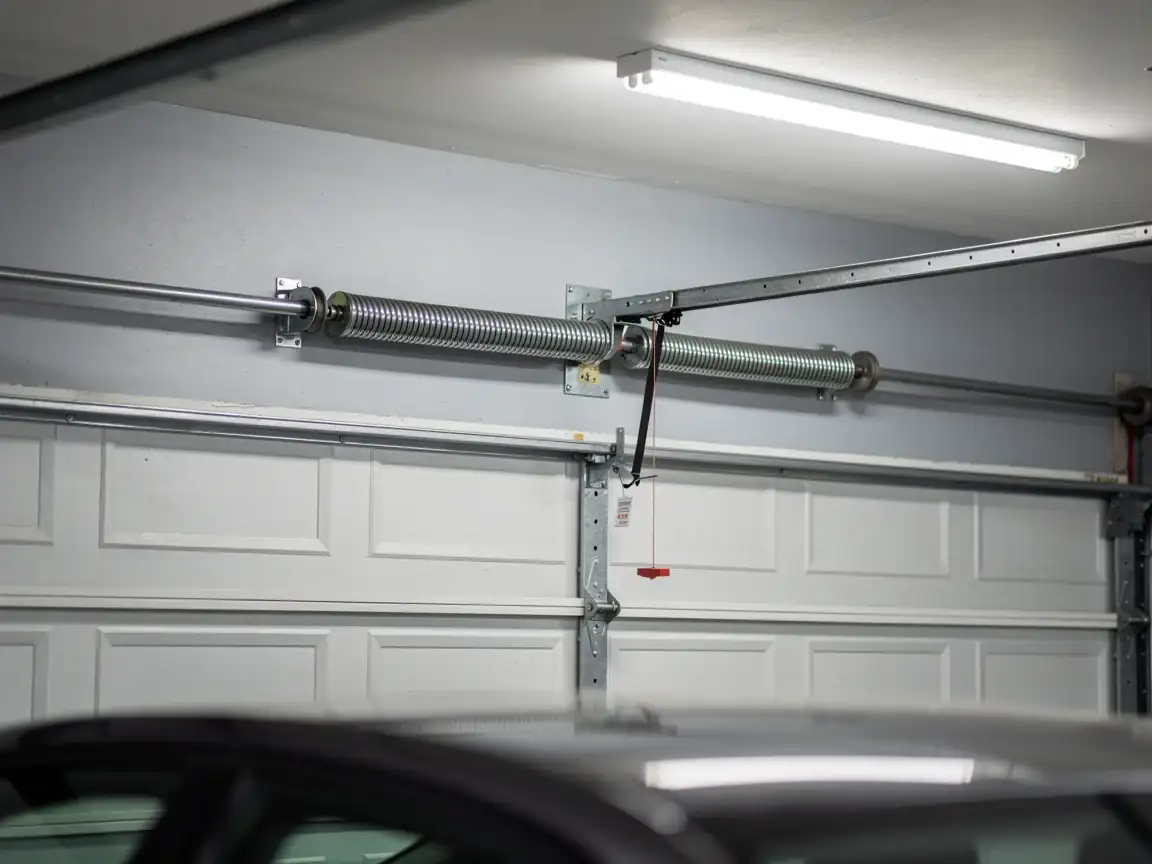
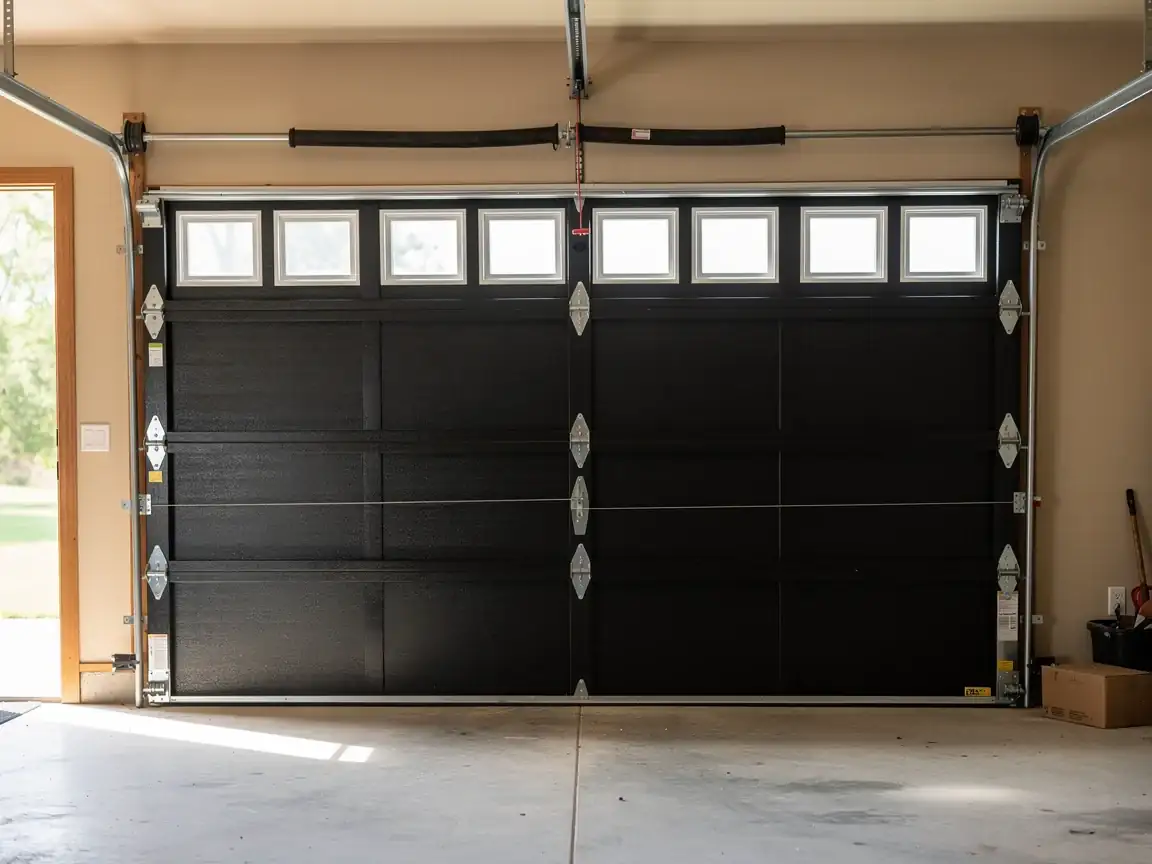
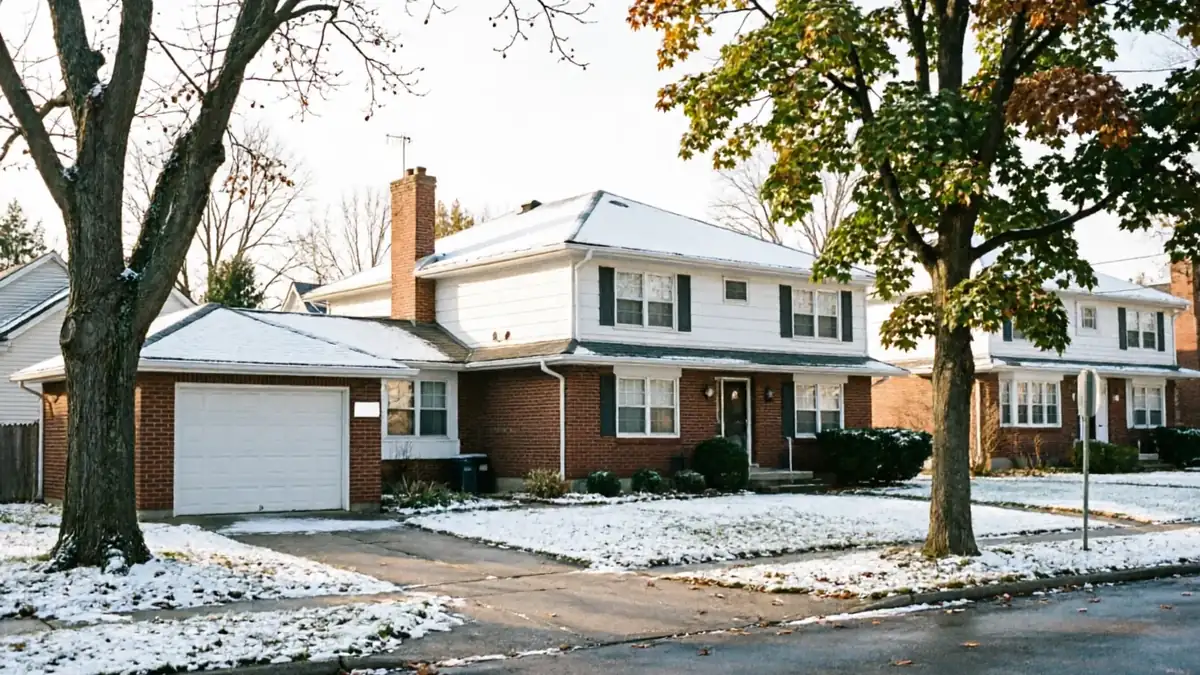
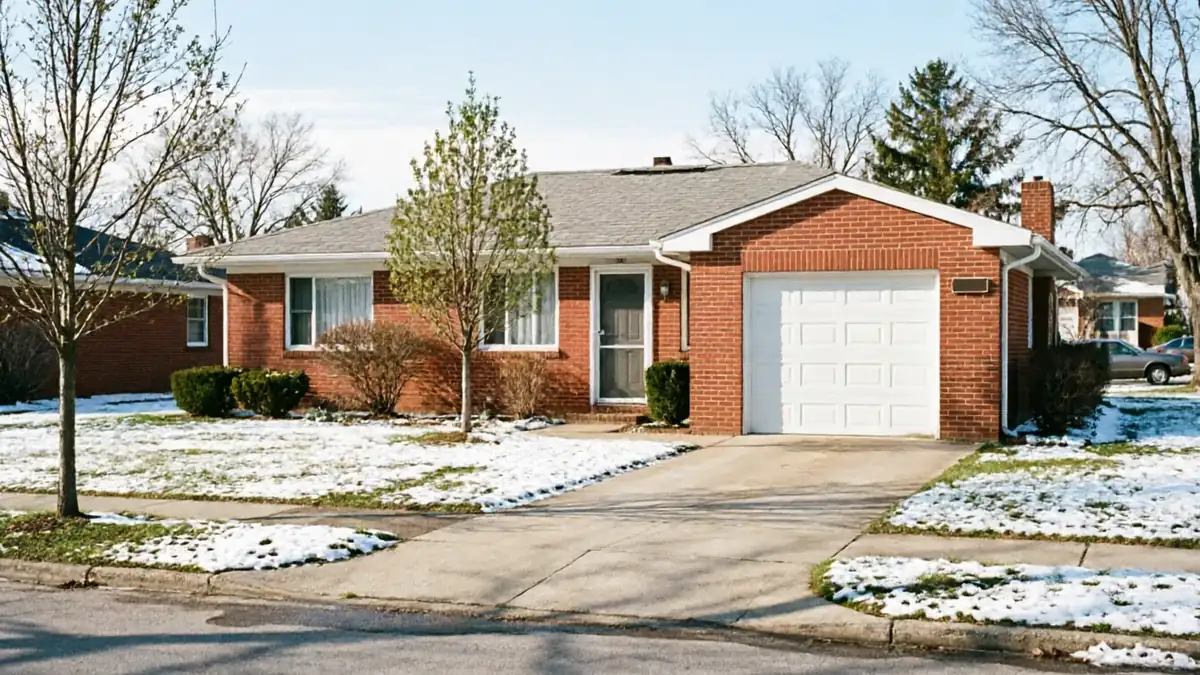
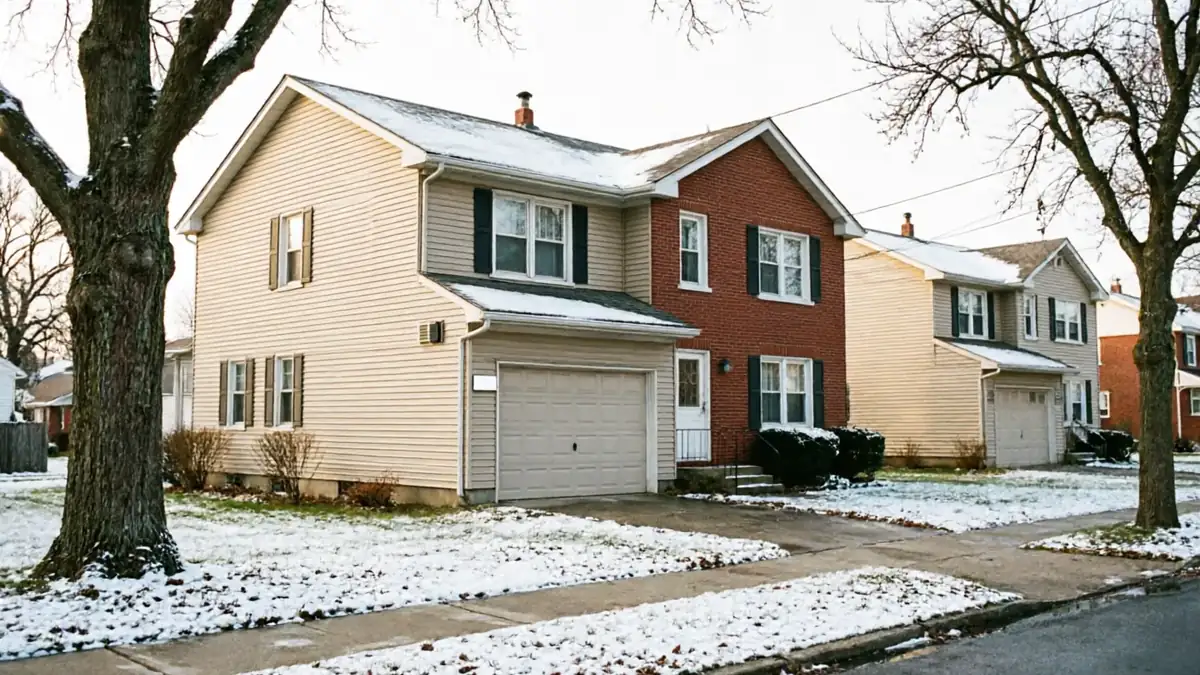
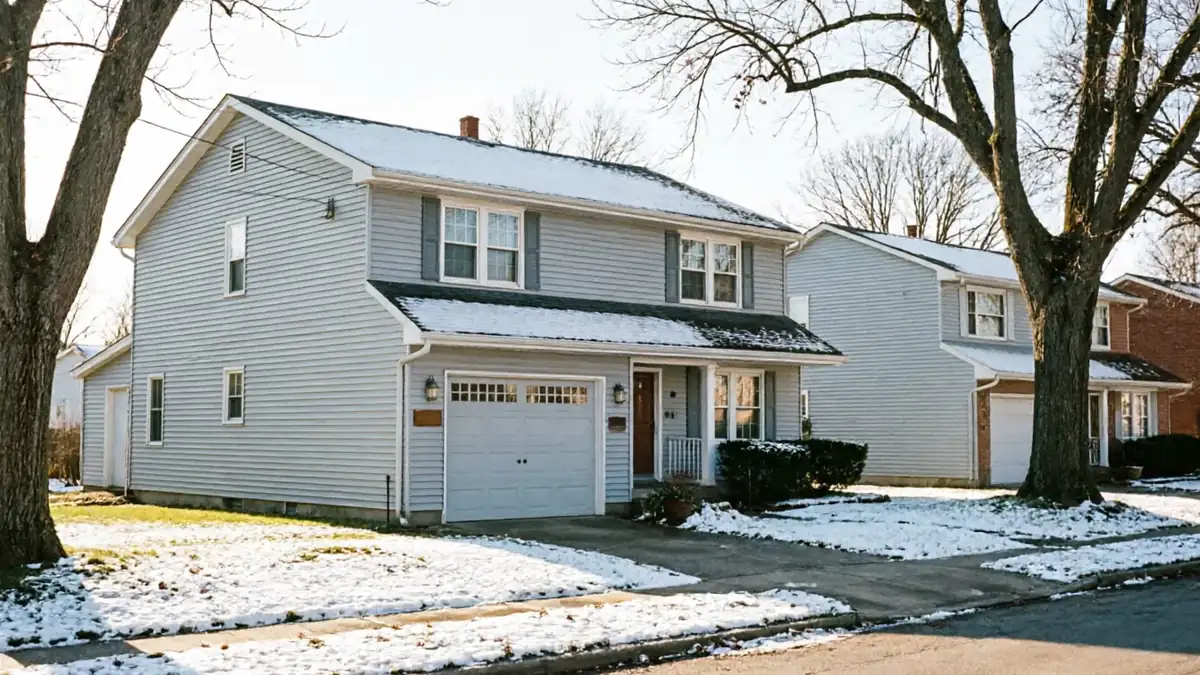
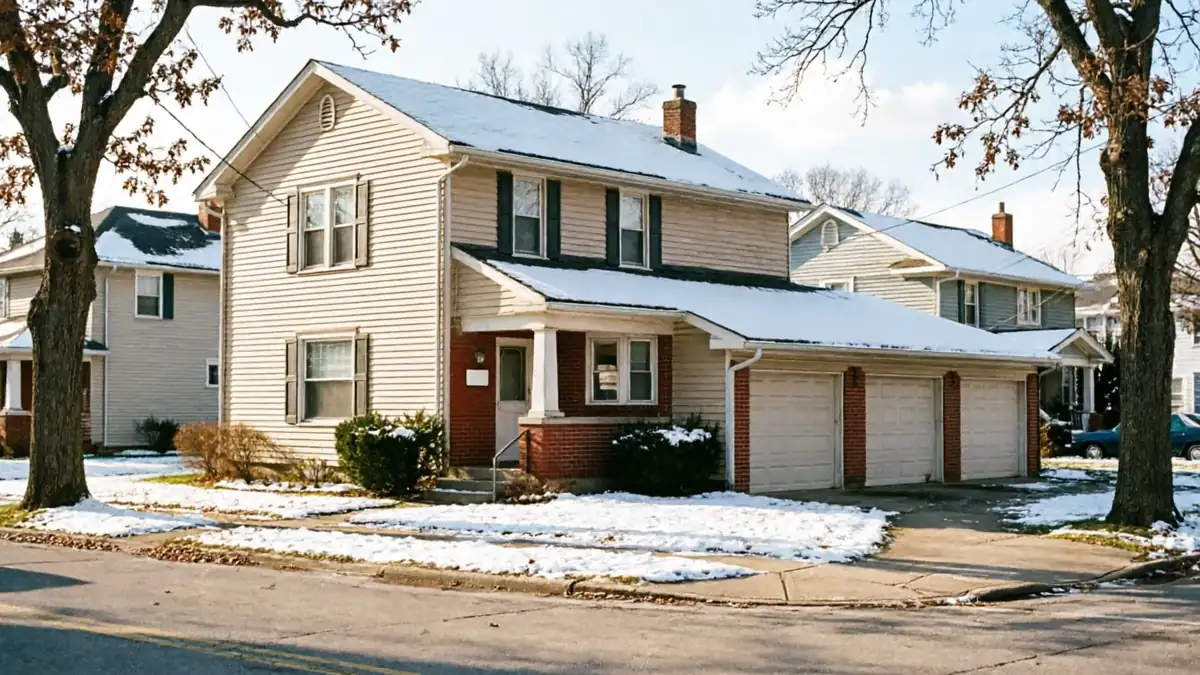
Winnetka's median build year sits at 1938, decades older than the 1977 median across our wider service area. That gap matters more than it sounds. A door and opener installed - or replaced once - on a house from the late 1930s or 1940s was likely sized and hung for hardware that nobody manufactures anymore: narrow track widths, low-headroom torsion setups, sometimes a jamb-mounted spring instead of the center-shaft style common on 1960s and 70s construction. When a cable snaps or a spring goes on one of these, the fix often isn't a direct swap - it's a measure-twice job because the opening itself is non-standard by today's catalog sizes. Houses built later, even a few miles away, tend to have the more common torsion hardware that any supplier stocks. Winnetka's older stock means more custom bracket work and, occasionally, a wait on a part that isn't sitting on a shelf. We tell people this up front rather than promise a same-day fix on something that needs ordering.
What People Here Ring About
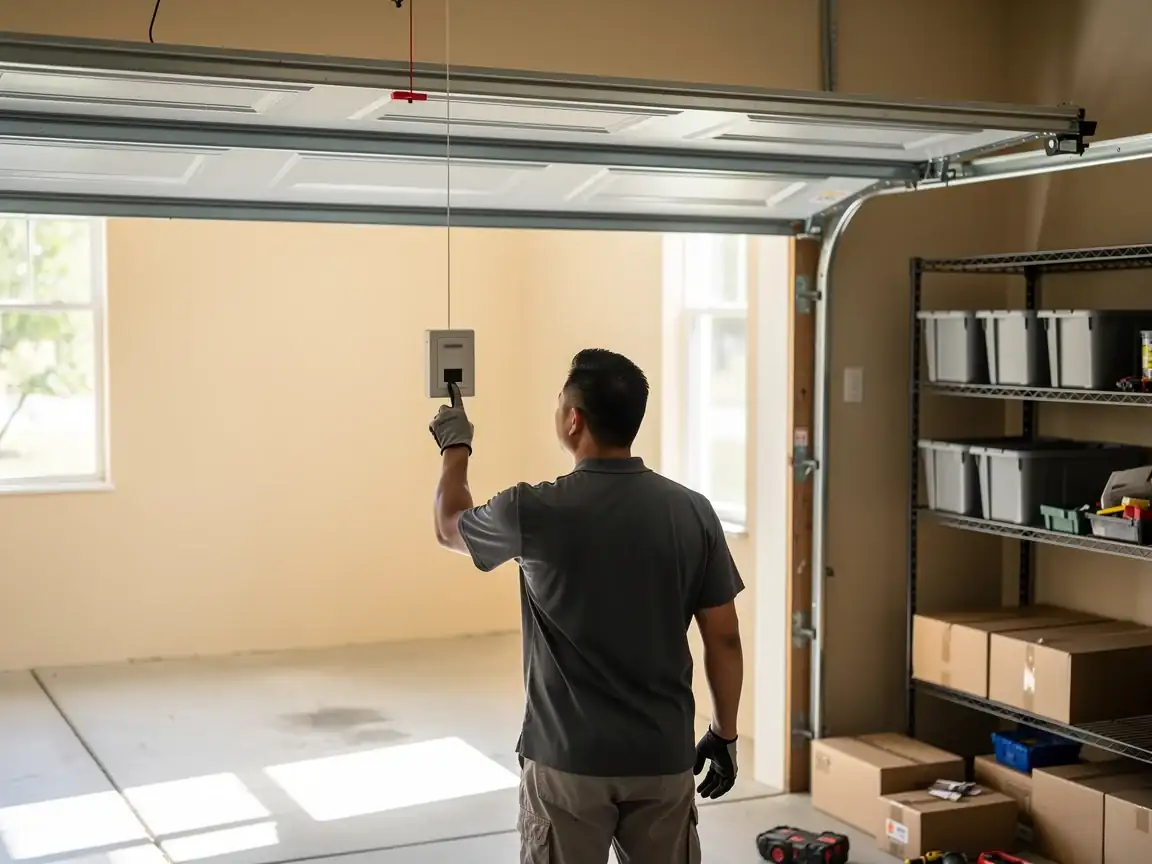
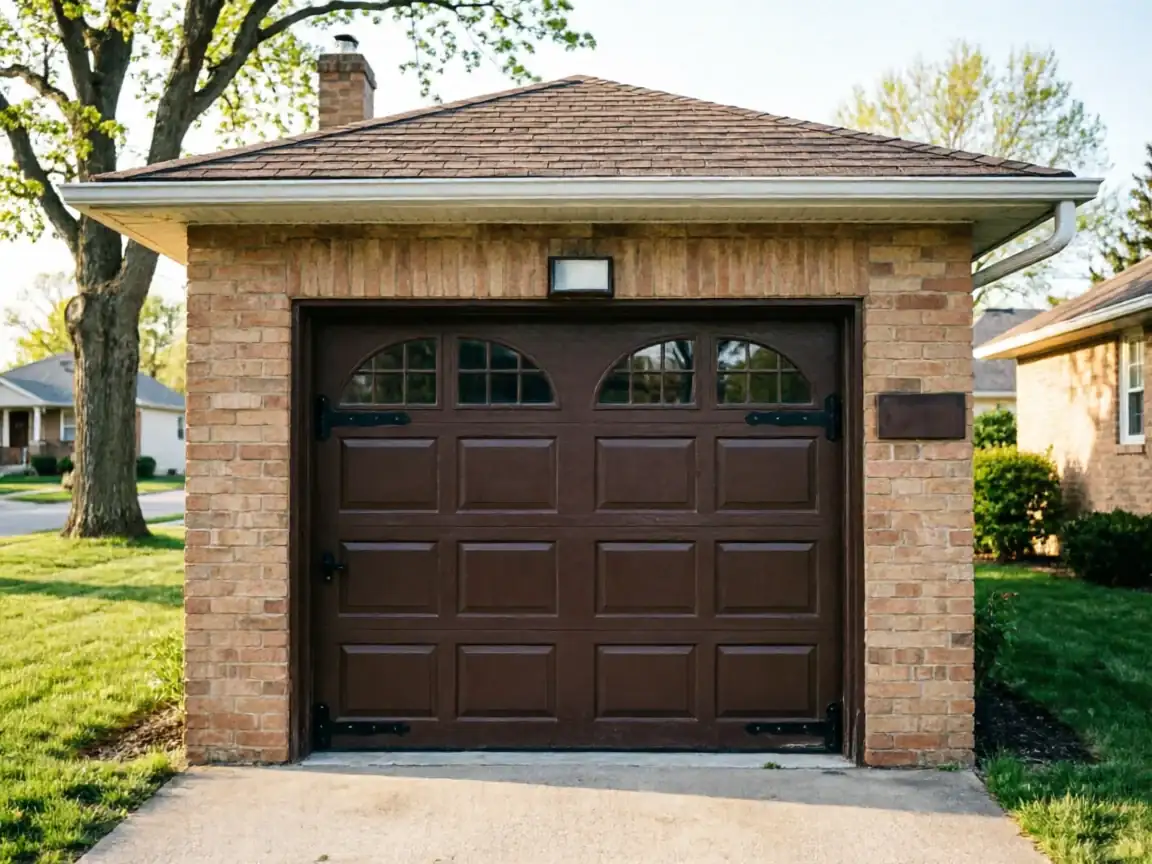
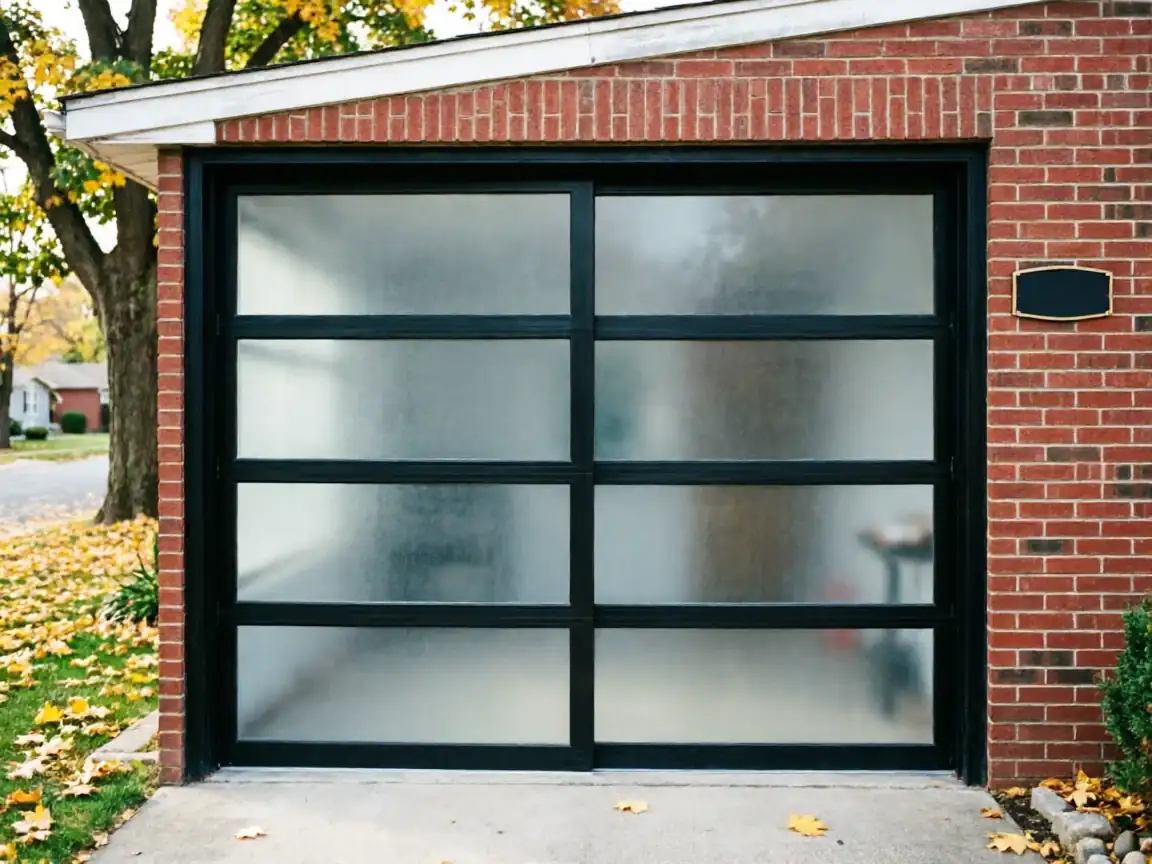
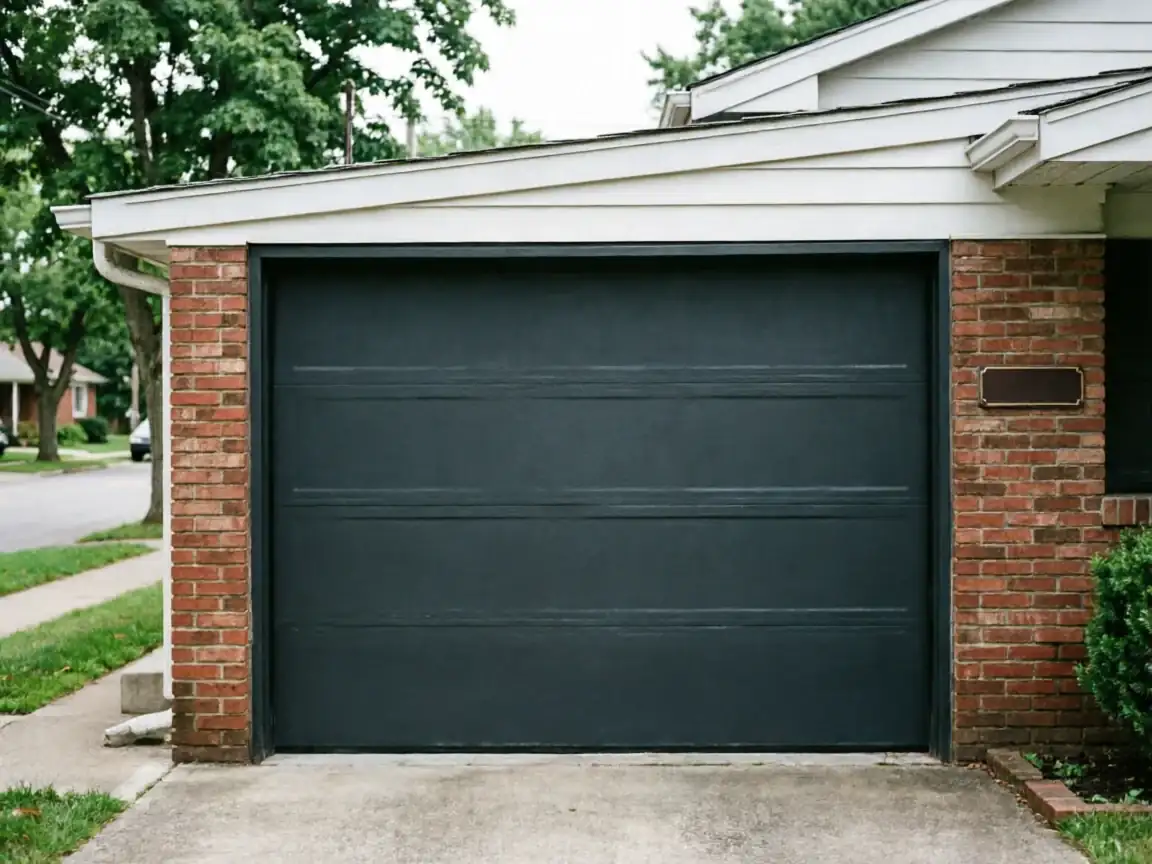
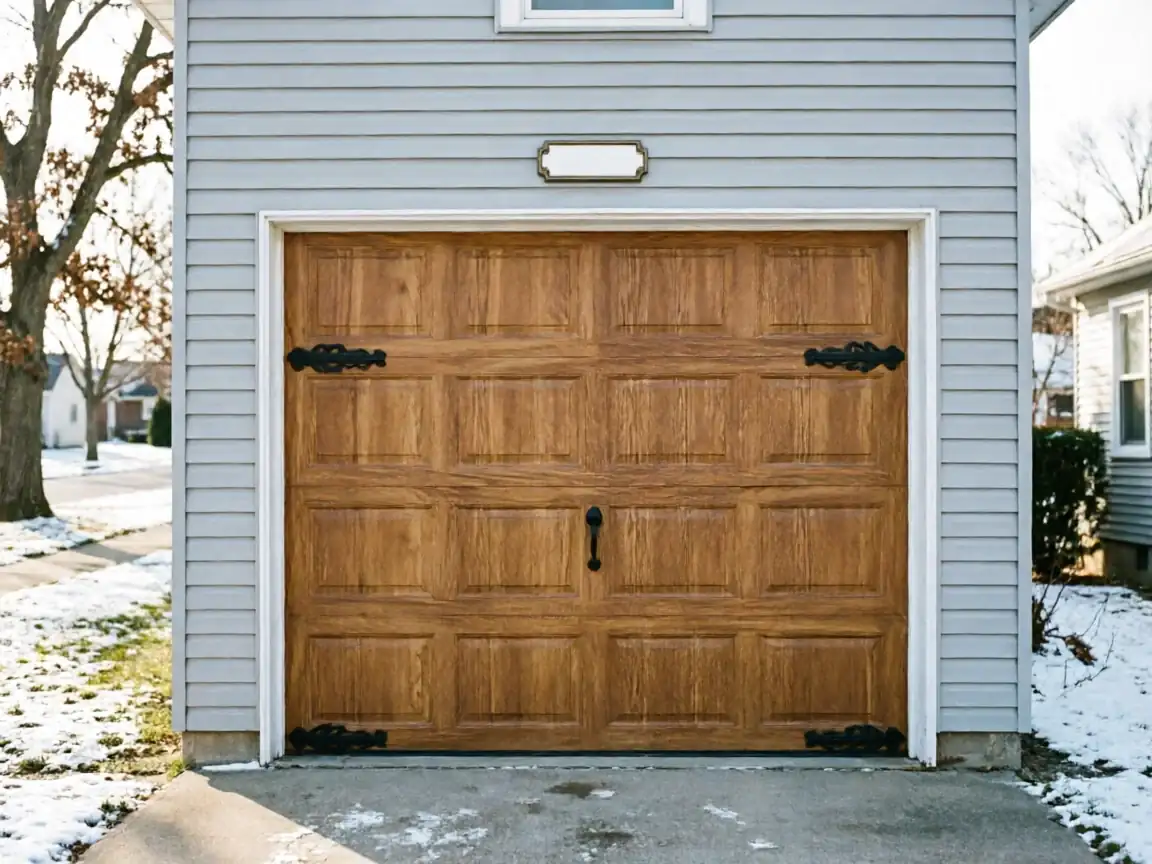
The calls we get from Winnetka skew toward hardware fatigue rather than opener electronics - springs that have outlived a few owners, rollers worn oval instead of round, and tracks bent from decades of settling in an older foundation. The cold winters this area sees stiffen old grease and shrink metal tolerances, so a door that's been dragging all fall often finally jams in January. We also see panel damage on wood doors original to the house, since wood swells and splits differently than the steel sectional doors more common on newer construction. It's less about opener apps and sensors here and more about keeping forty- or fifty-year-old moving parts turning.
Where We Stop
We come out from Deerfield, about 7 miles south, so we don't carry a local stock of parts sized for pre-war openings - anything genuinely odd-sized may mean a short wait on a bracket or rail cut to fit. We also won't push a repair on a door frame that's shifted enough to need carpentry; at that point replacement is the honest answer, not another patch. If your opener is original to a 1938 build, we'll tell you plainly when it's cheaper to replace the whole unit than keep sourcing parts for it.