How Local Conditions Play In
Deerfield sits in a cold-moderate climate band, which means winters bring the kind of ice loading and wind events that strain the grid and cause outages lasting hours rather than minutes. That matters more here than it would somewhere with a milder winter, because a power cut during a cold snap isn't just an inconvenience - it's a door you can't open while the temperature outside is doing real damage to anything left in the garage.
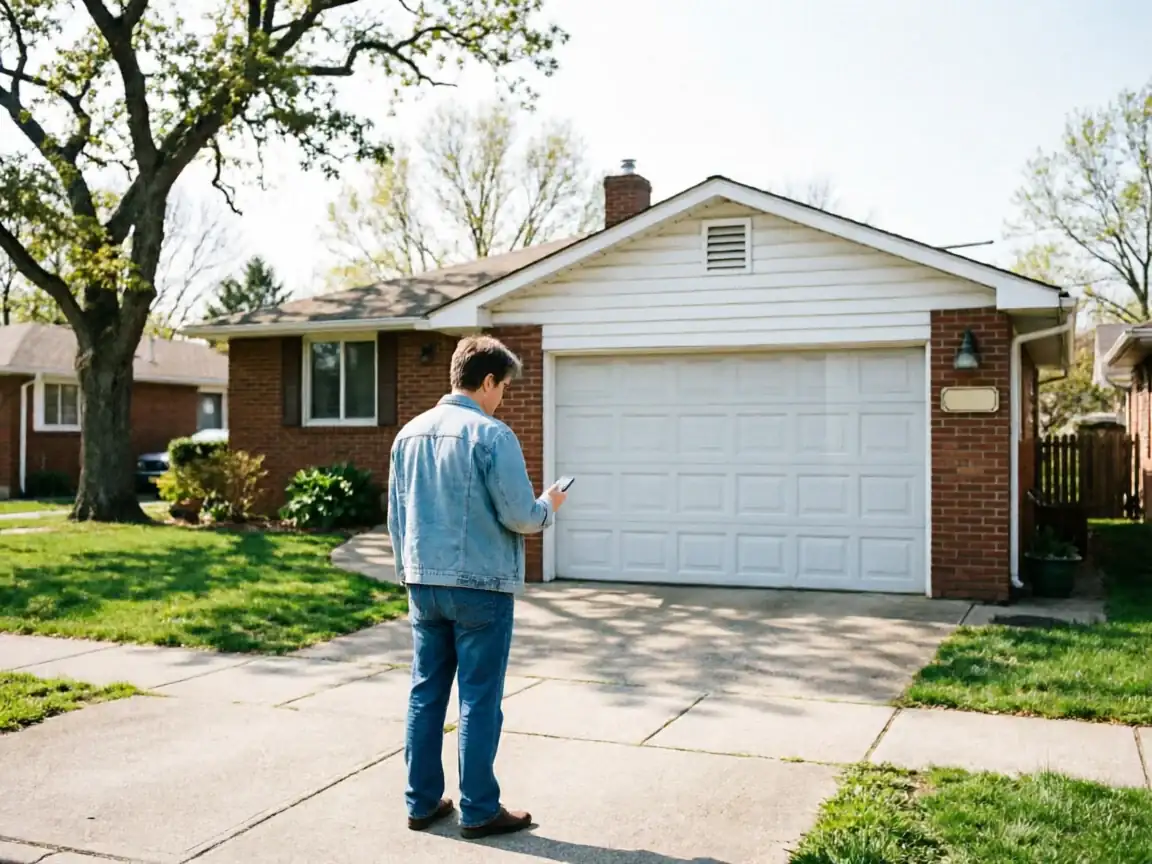
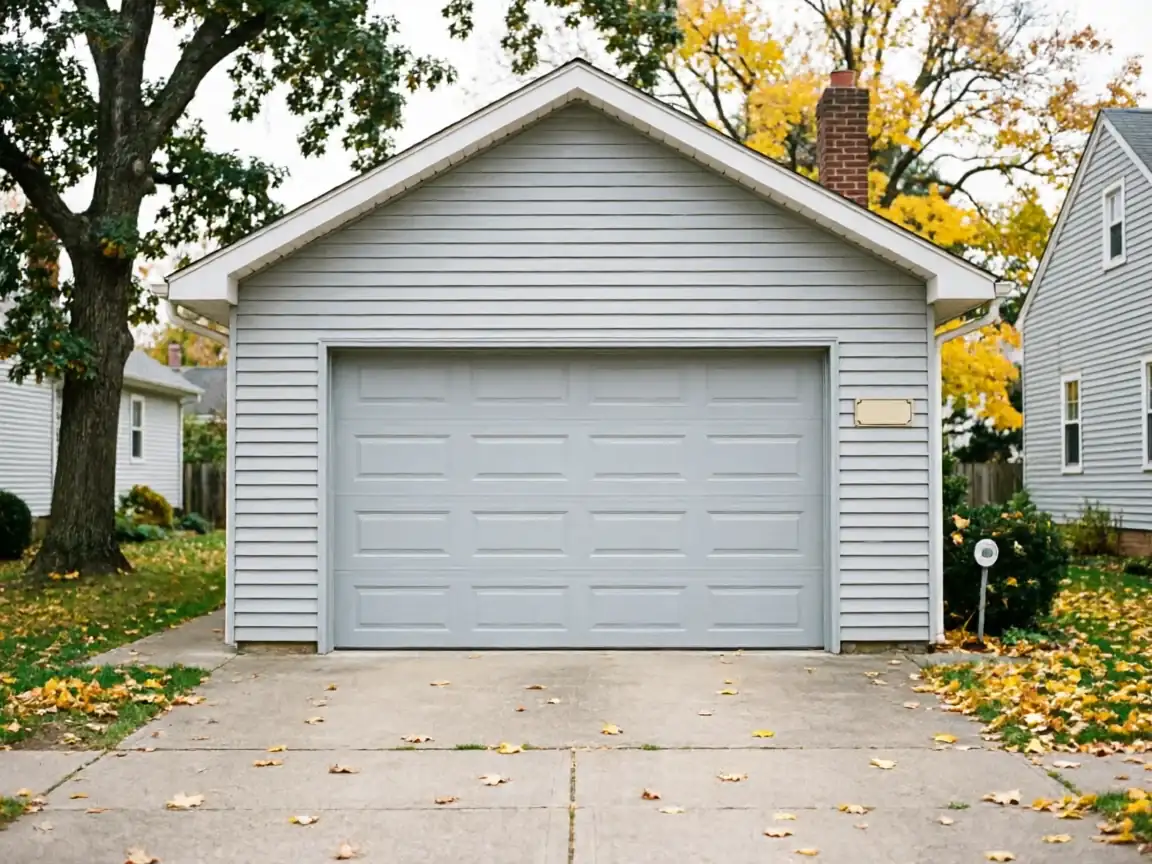
The housing stock compounds it. Homes in this area went up mostly in the 1960s and 70s, with the broader range running from 1938 to 2009 and a median build year around 1977. A lot of these houses have had their openers replaced once, maybe twice, since the house was built, but the replacement cycle doesn't always keep pace with technology. You'll find plenty of older chain-drive units still running fine mechanically, with zero battery backup, bolted into a house that's fifty-plus years old. When the power goes, that opener is dead weight until the grid comes back or someone pulls the release.
None of this is unique to one block. Across the towns this area tracks - Bannockburn, Riverwoods, Highwood, all within a few miles - the same pattern holds: older homes, older openers, cold winters that make outages a seasonal certainty rather than a rare event.
When to Get Help
If your opener won't respond at all - no light, no sound, no motor hum - and you've confirmed the outlet or breaker is live, that's worth a call. Don't keep hammering the remote button hoping it catches; repeated attempts on a motor that's drawing power but not moving the door can burn out a capacitor that was otherwise fine.
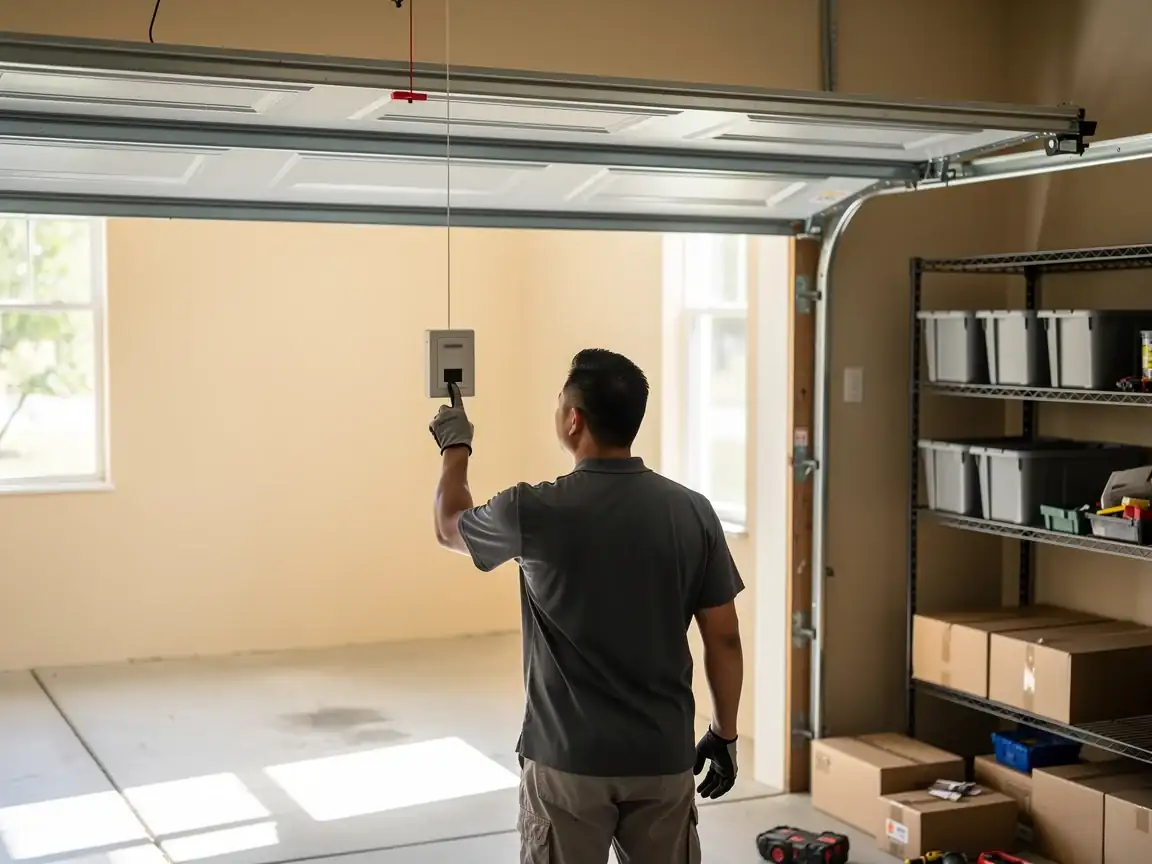
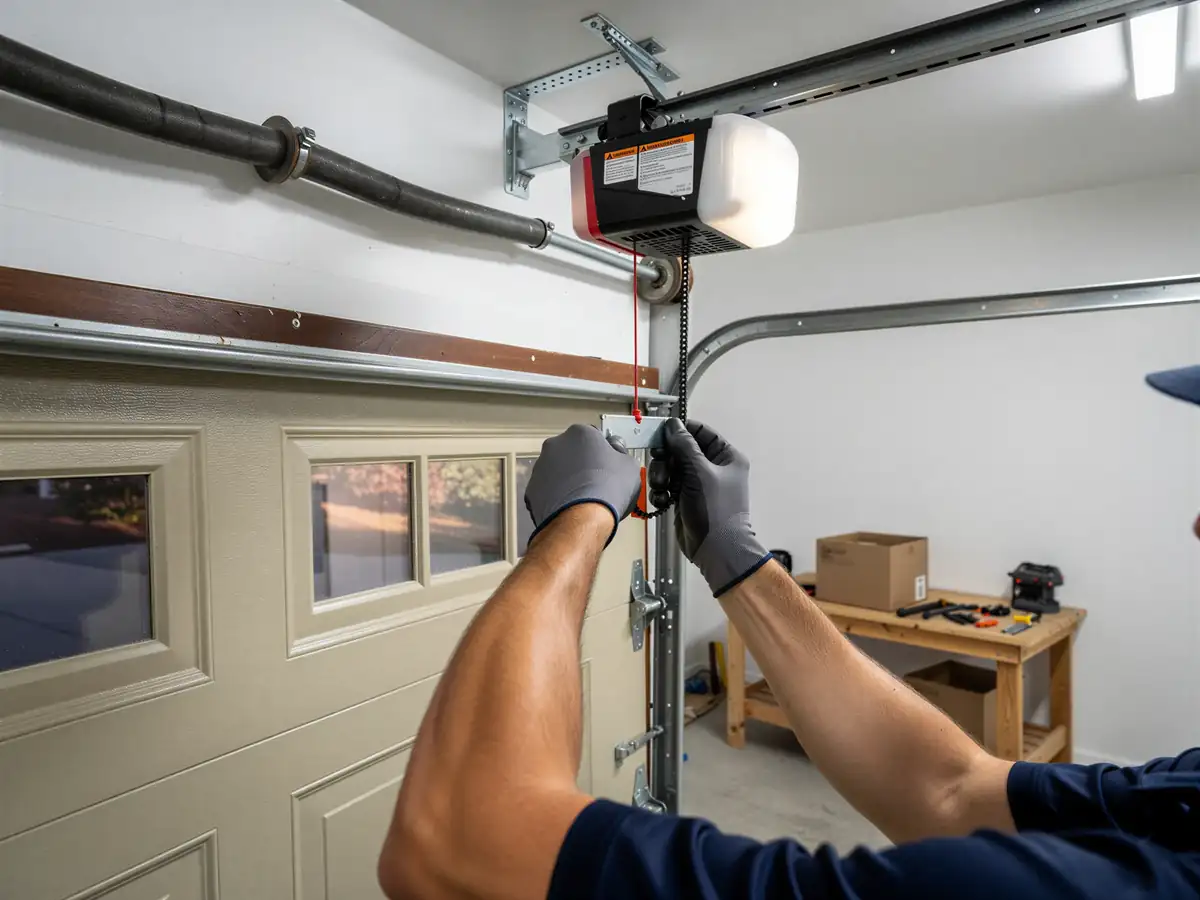
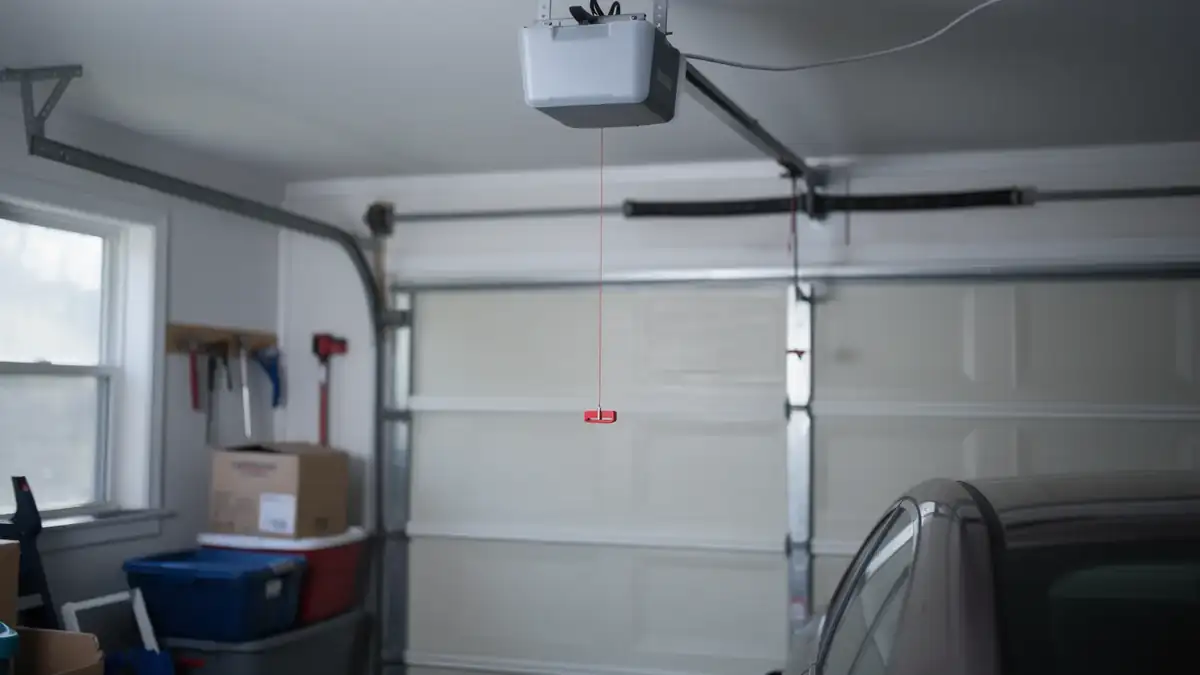
If the power's out and you need the car, use the manual release cord first. Every opener has one, usually a red handle hanging near the rail. Pull it, lift the door by hand, and you're moving. The honest limitation here: if that release cord has corroded or the pulley's rusted shut, which happens more on older installs that haven't had the hardware serviced, you can be stuck even with the right knowledge. That's a job for a call, not a tutorial.
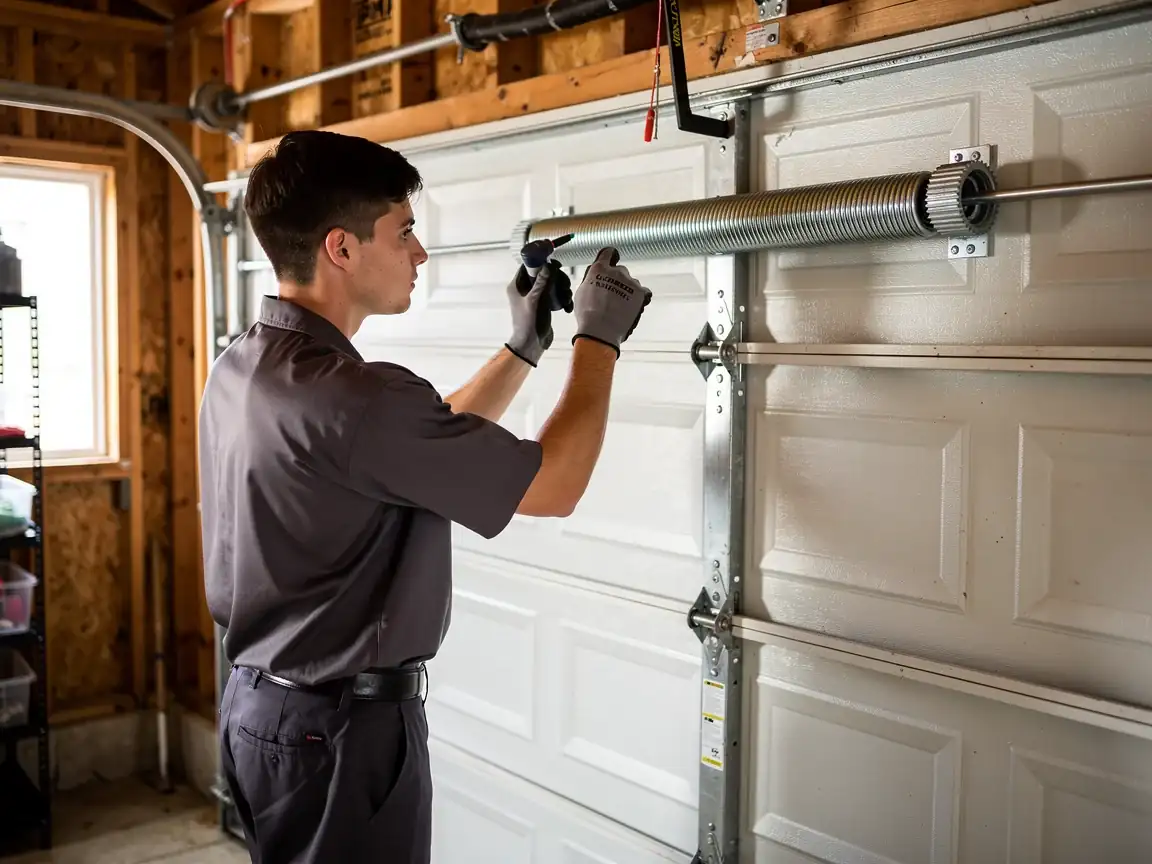
Also call if the door operates on manual release but feels heavy, uneven, or like one side is fighting you. That's usually a spring problem hiding behind an opener problem, and it's not safe to force.
The Situation
Most calls that start as "the opener won't work" during or right after a power cut split into two real problems
One: the opener itself lost programming or a logic board glitched from the power surge when service came back on - common with older control boards that weren't built with surge protection in mind, which describes a fair share of units installed in homes from the 1960s-70s wave. Two: the door was fine the whole time, but nobody in the house knew where the manual release was or how to use it, so it looked like a bigger problem than it was.
There's a third situation that shows up less often but matters more
A door that was already struggling - a spring losing tension, a track slightly bent - gets forced open manually during an outage and the forcing finishes the job the spring was already failing at. The outage didn't cause that; it just exposed it.
The Common Mistake
The mistake we see most is treating the opener and the door as one unit when diagnosing a problem. They're not. An opener that won't run tells you nothing about the springs, cables, or rollers underneath it - and a lot of the houses in this area are old enough that those parts are original or close to it, especially on houses near the 1938-1960s end of the build range.
The other common mistake is skipping the manual release entirely and calling it an emergency when it's really a five-minute fix with the red cord. We'd rather you know where that cord is before the power goes out than find it for you after. That's the honest answer, even though it's not the one that gets us a call.