How Local Conditions Play In
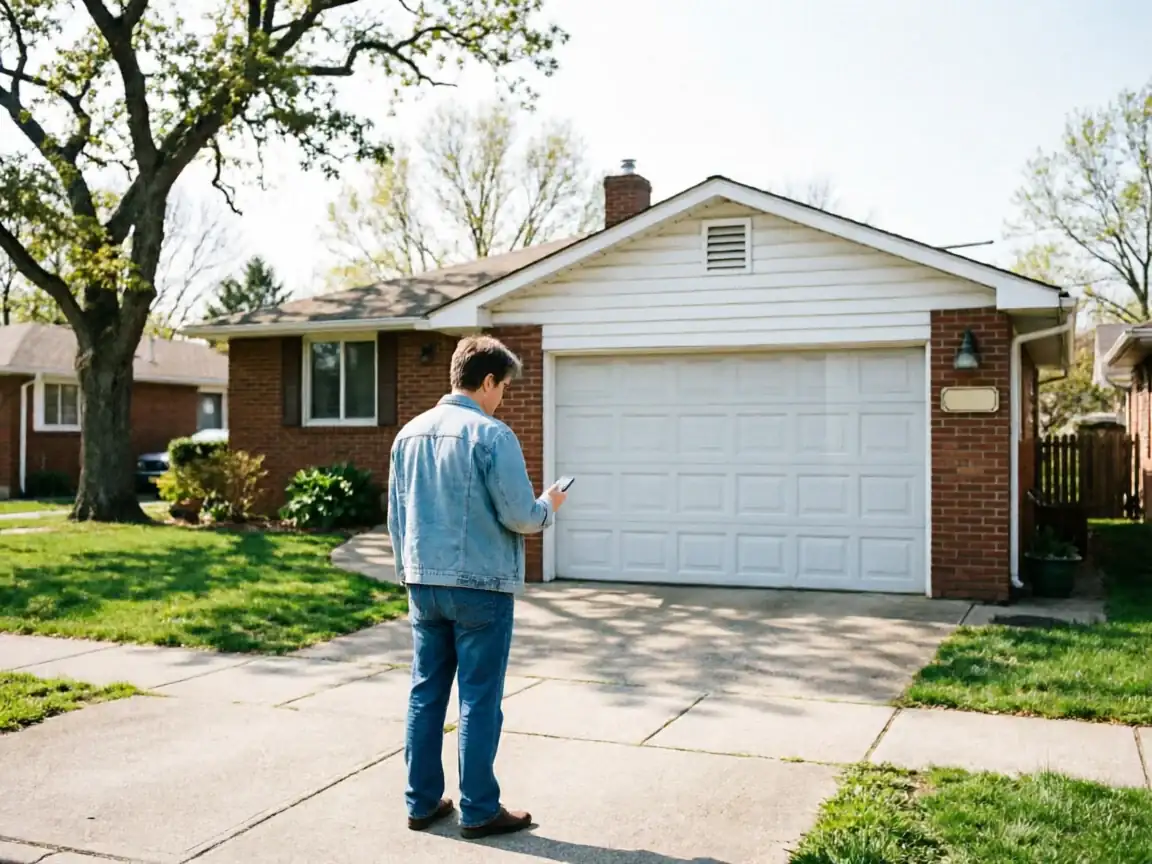
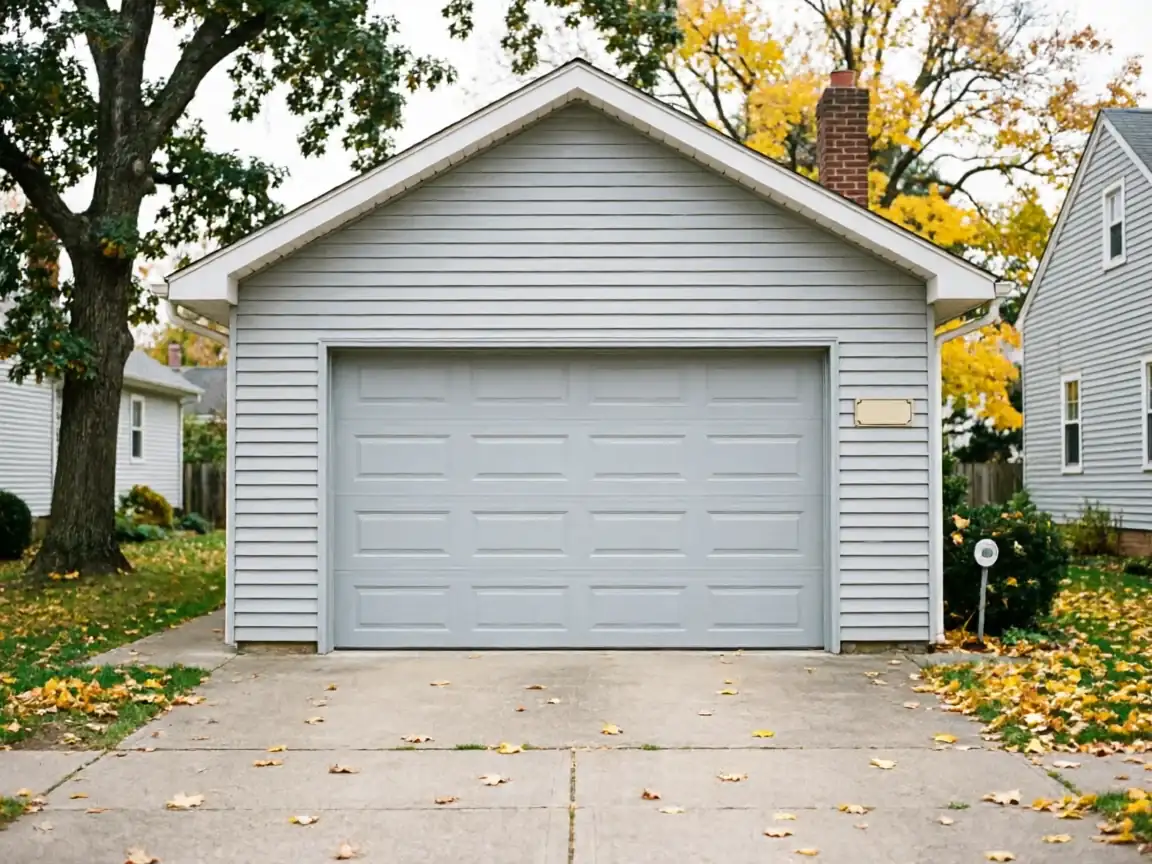
Most houses around Deerfield went up between the 1960s and 1970s, with the broader housing stock here running from 1938 up through 2009 and a median build year of 1977. That matters because a door installed on a house built in that window has had anywhere from 45 to 60 years to work through original hardware, replacement hardware, and whatever got bolted on in between. A service call on a 1968 house isn't the same job as one on a house built in 2005, even if the symptom - a door that won't close - sounds identical over the phone.
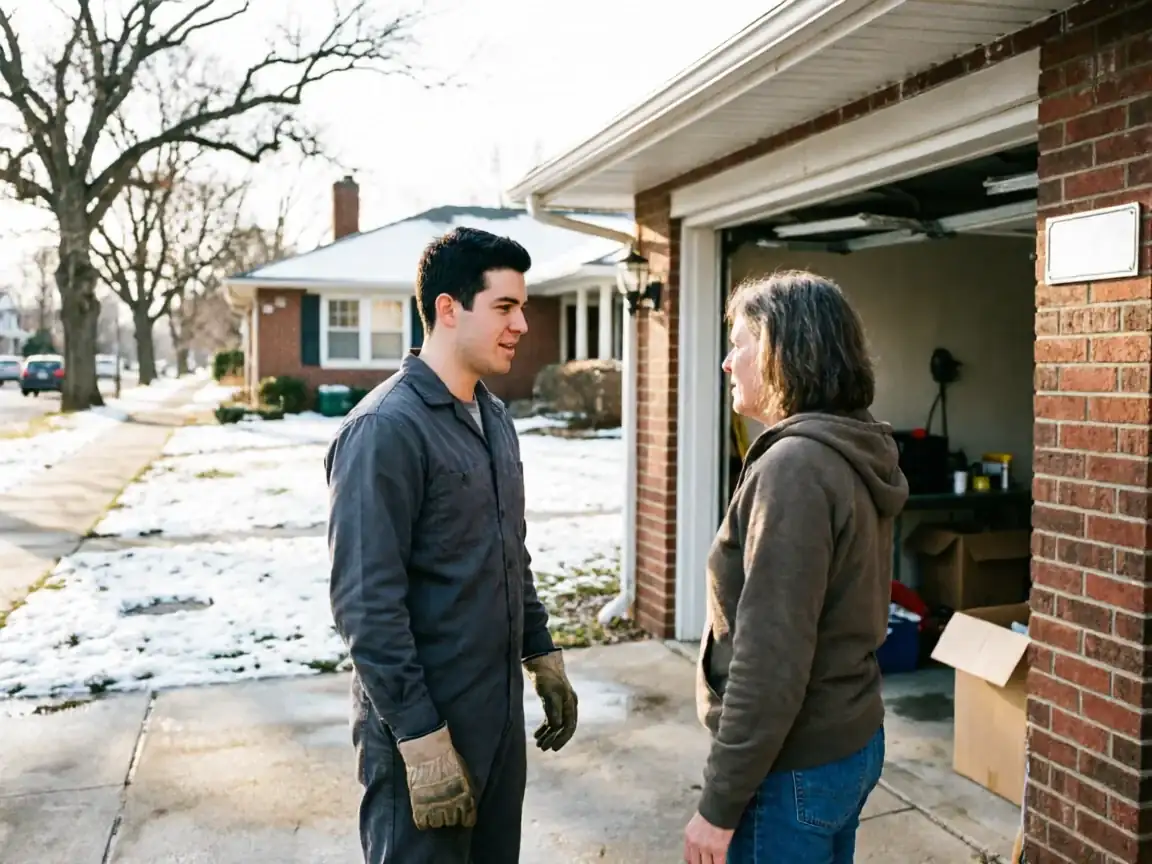
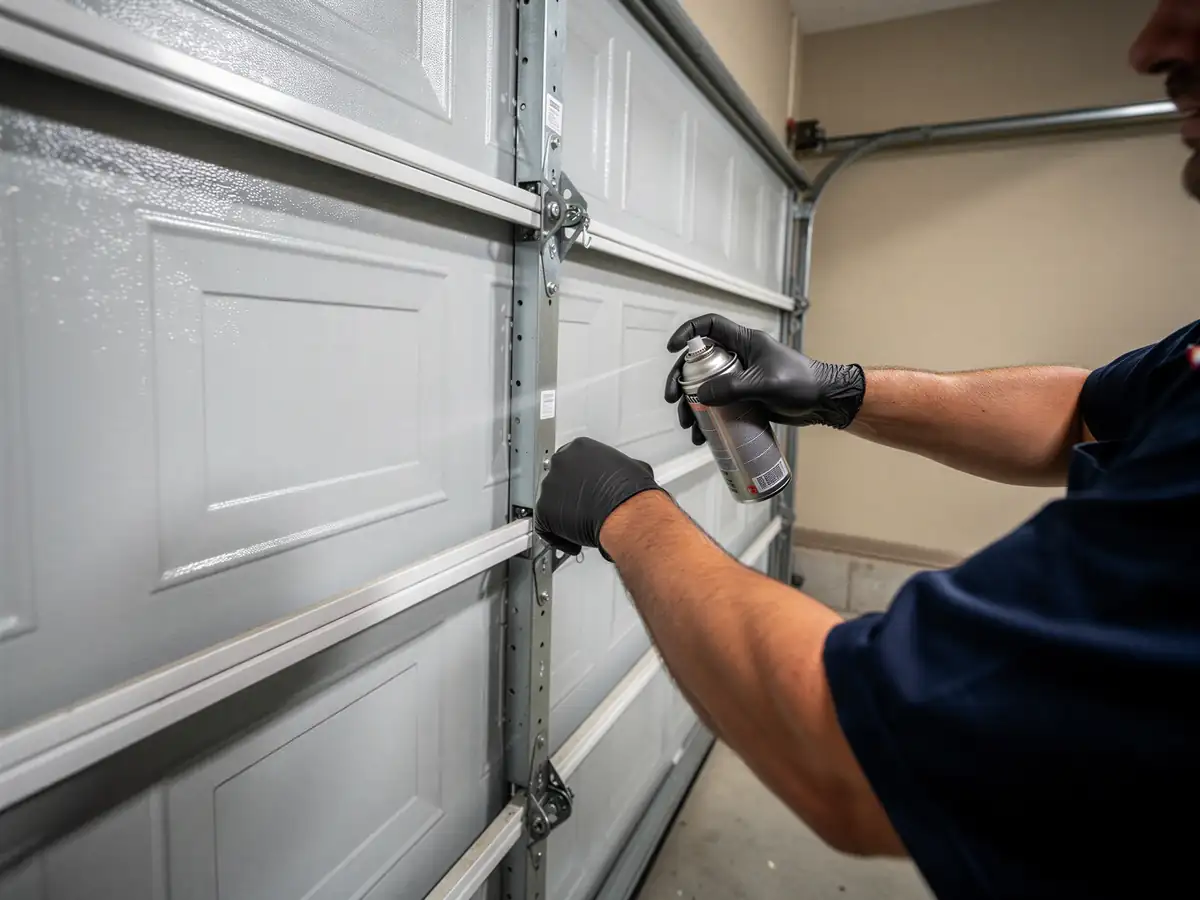
The climate here sits in a cold moderate band, which means swings between humid summers and winters that regularly drop below freezing. That swing is hard on steel tracks, on the rubber seal at the bottom of the door, and on lubricant that thickens in the cold and makes an opener strain to pull a door it could move fine in July. On a service call we're not just looking at the symptom you called about - we're checking whether the cold snap exposed a weak spring, a dry hinge, or a track that's slightly out of plumb from decades of seasonal expansion and contraction.
We check the panel seams too, since original doors from the 1960s-70s era of this housing stock often used different seal designs than anything sold today.
When to Get Help
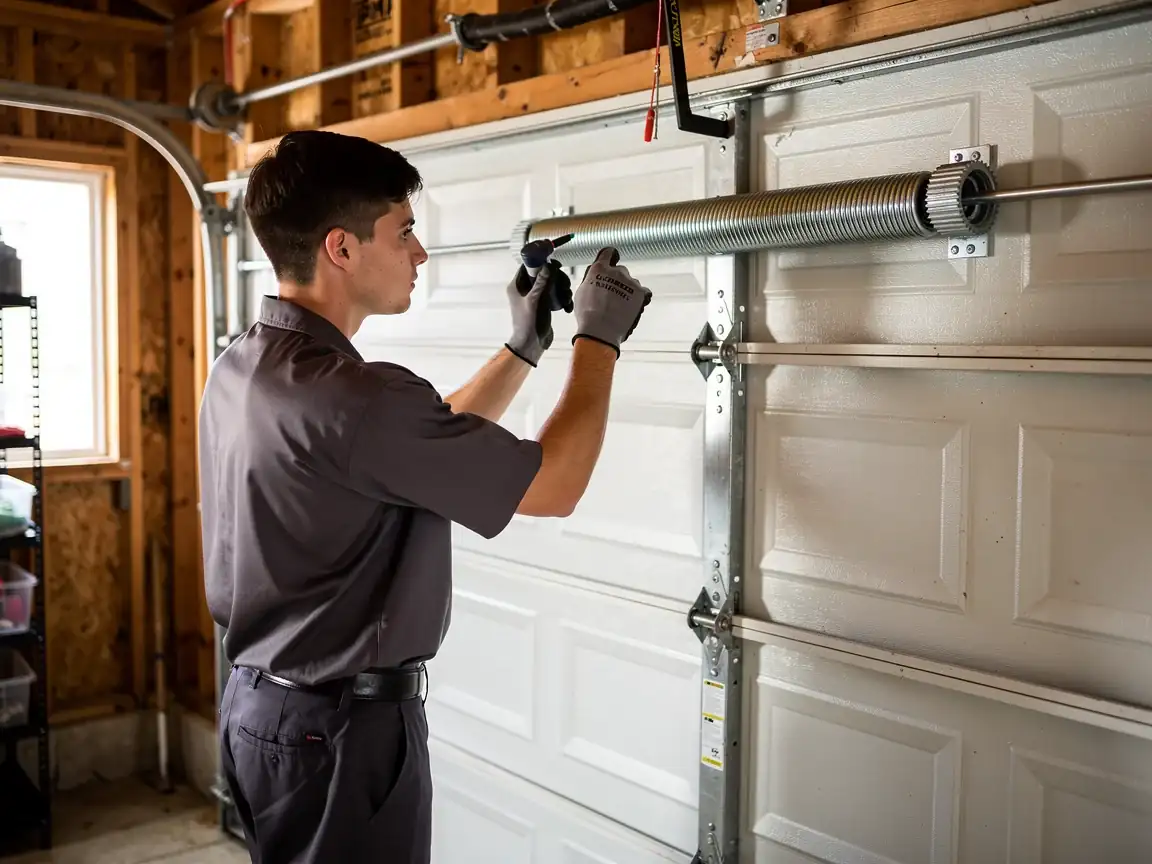
Call when the door is slow to open in cold weather, when it reverses partway up or down, when the opener runs but the door doesn't move, or when you hear a bang followed by the door refusing to budge - that last one is almost always a broken spring, and on the older torsion setups common to this area's 1960s-70s housing stock, that's not a safe DIY fix.
Also call before a problem gets loud. A door that's started grinding, or a track that's visibly pulled away from the frame on one side, usually has weeks of life left if it's caught early and months less if it isn't. Given the age spread in this market - homes built as far back as 1938 - a lot of the hardware failing right now was never meant to be the original equipment anyway; it's a second or third owner's replacement, installed to a different standard than what's code now.
We don't recommend waiting out a full cold season on a door that's already struggling in the Deerfield winter. Cold makes metal brittle and lubricant sluggish at the same time, which is a bad combination for anything already under strain.
The Situation
On a typical call, we start outside
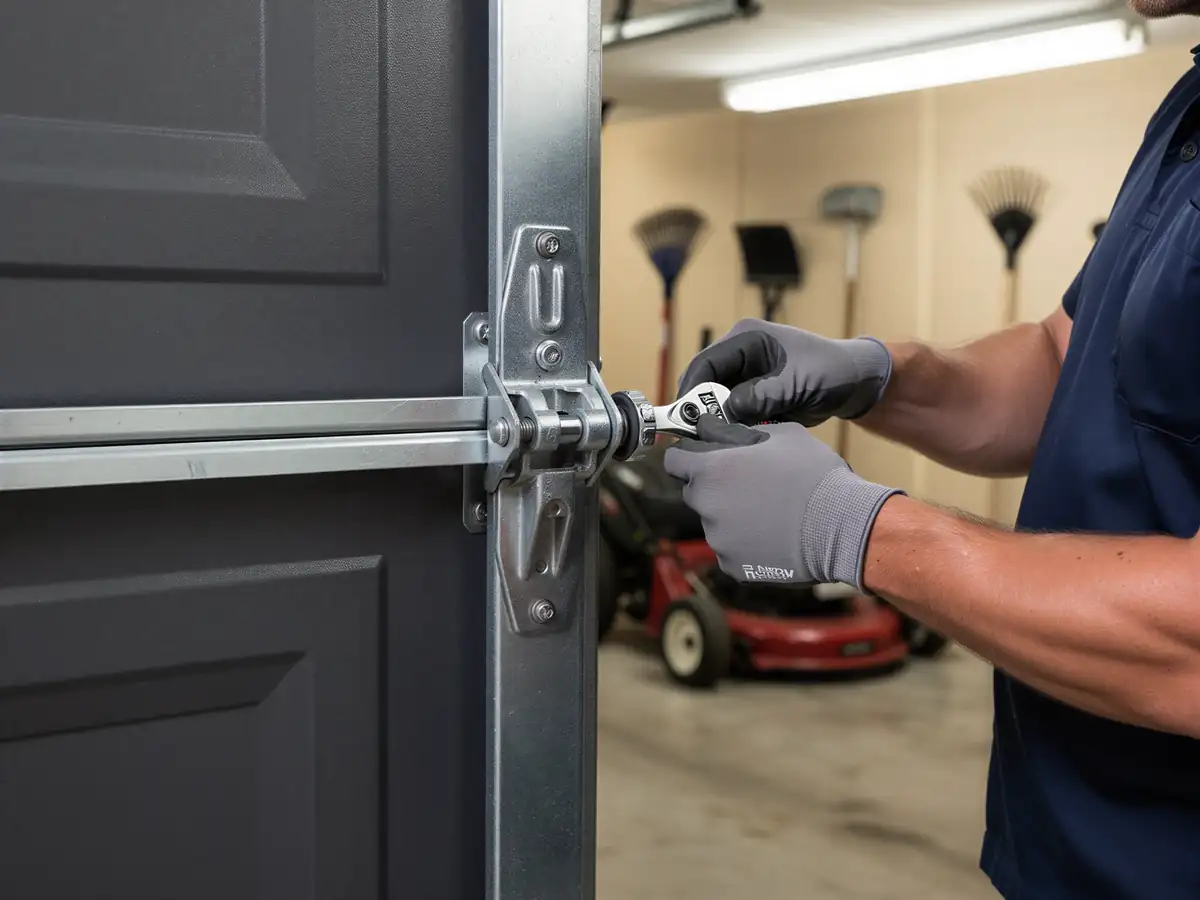
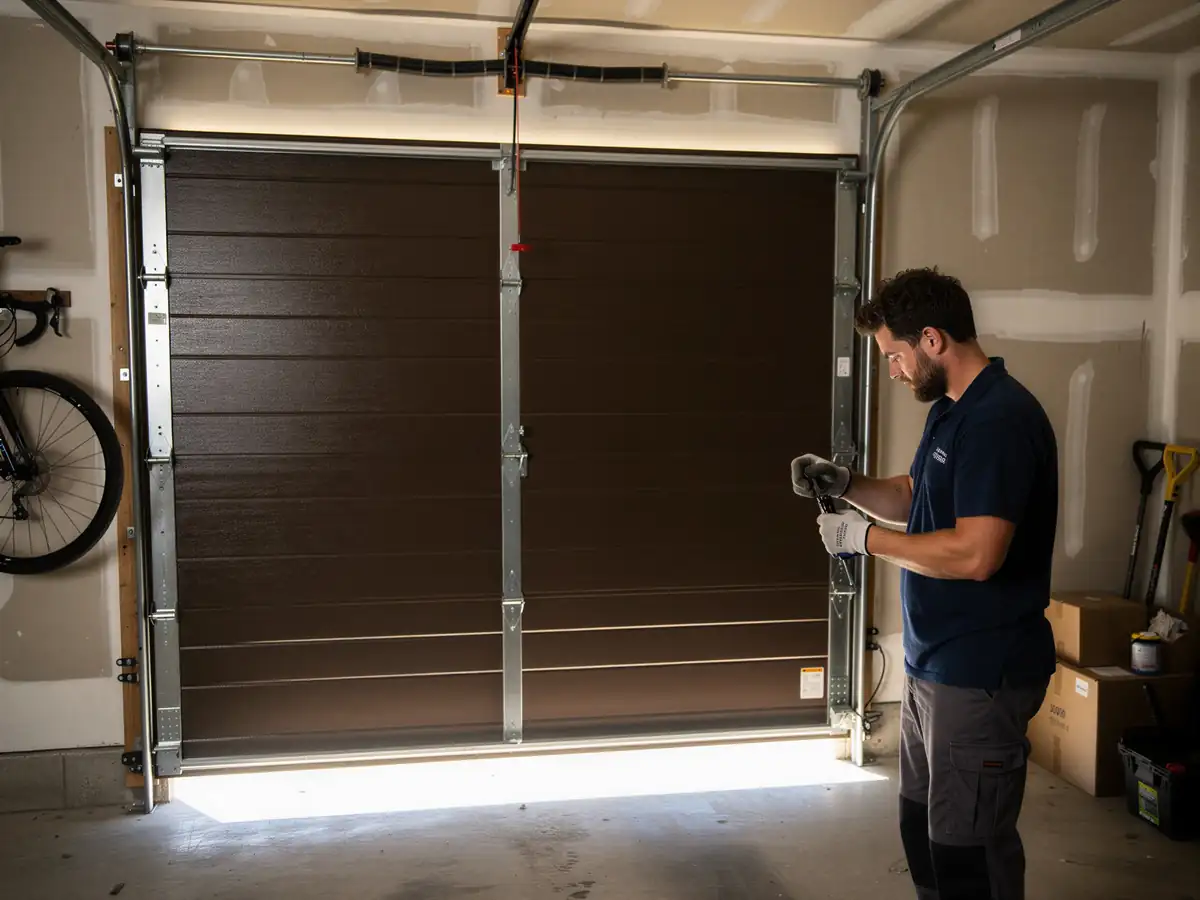
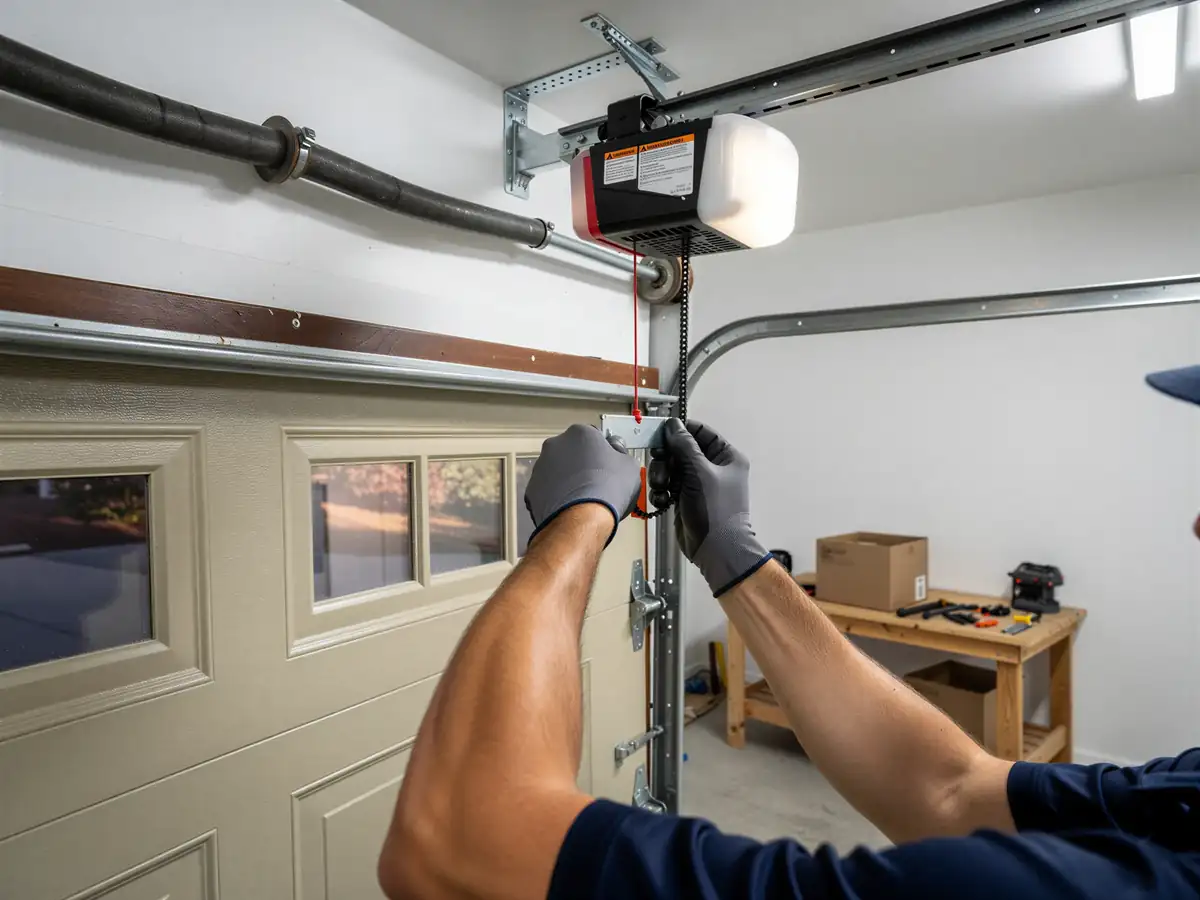
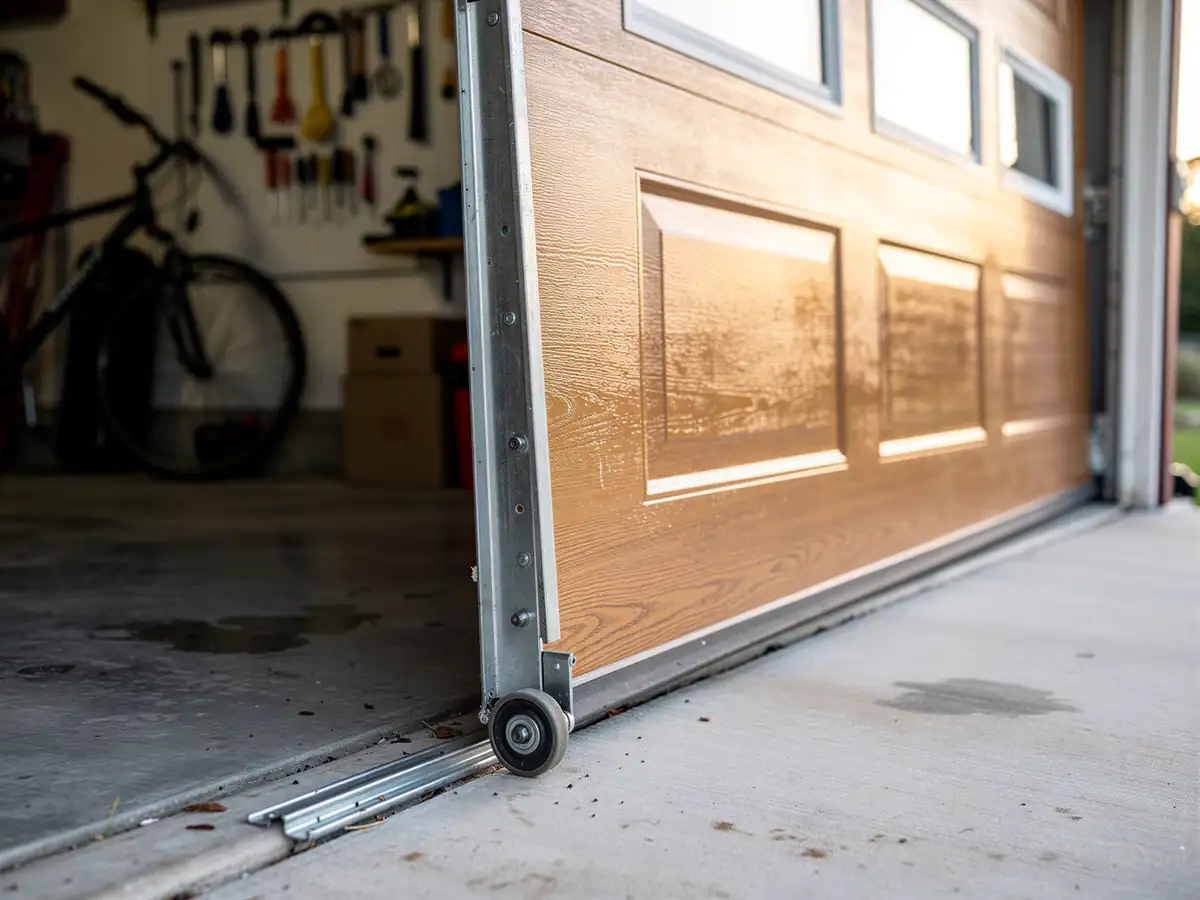
Track alignment, roller condition, the bottom seal, and whether the door is binding on one side more than the other - common on houses from the 1960s-70s stretch of local construction where the slab has settled slightly over fifty-plus years. Inside, we check spring tension, cable wear, and the opener's force settings, since a cold-weather door that's fighting stiff hardware will often have its opener cranked up to compensate, which just wears the motor faster.
Given that the surrounding area runs median household income around $125,104 with the majority of households being owner-occupied houses rather than rentals
Most of the calls we get are from people planning to stay and maintain the house, not flip it. That changes the conversation - we're usually talking about what keeps a door reliable for another decade, not the cheapest patch to get through a closing.
- $125,104 median household income
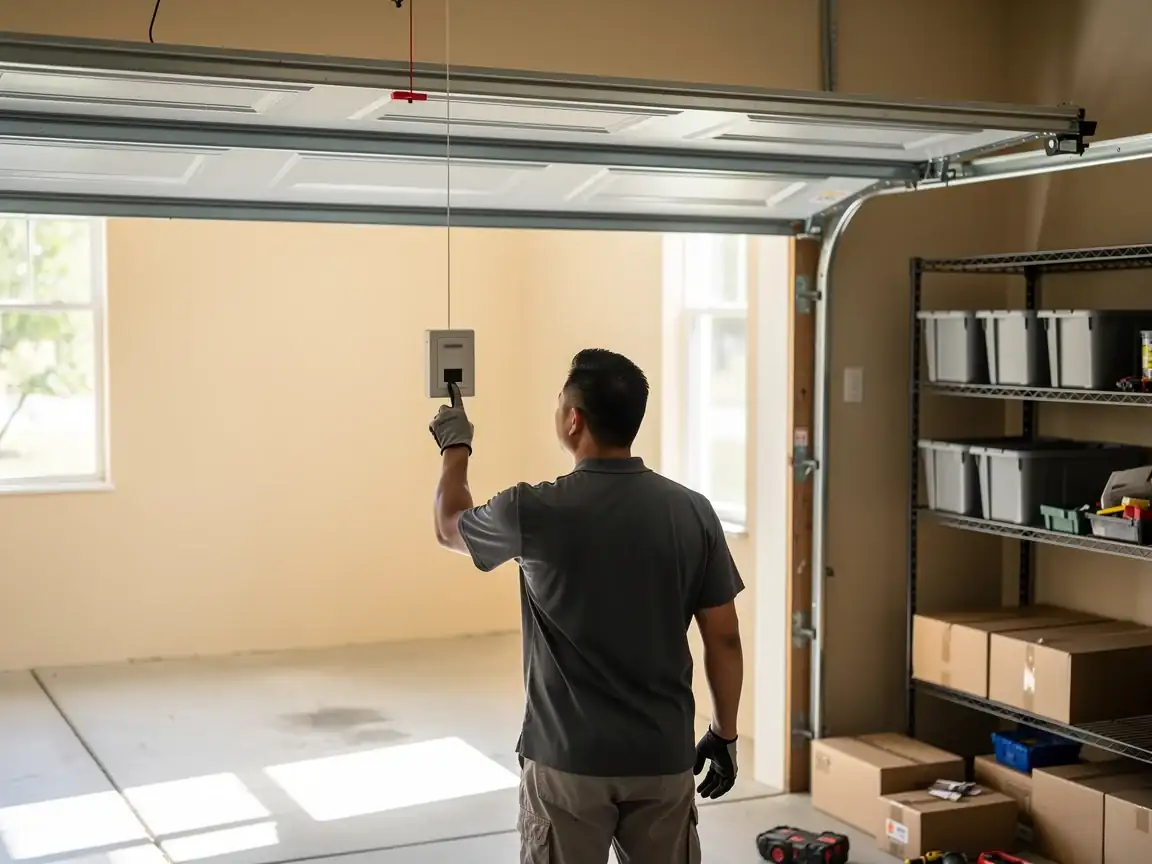
We test the auto-reverse safety feature every visit regardless of what you called about
It's a five-minute check and it's the one thing on a garage door that actually matters for safety, not just convenience.
The Common Mistake
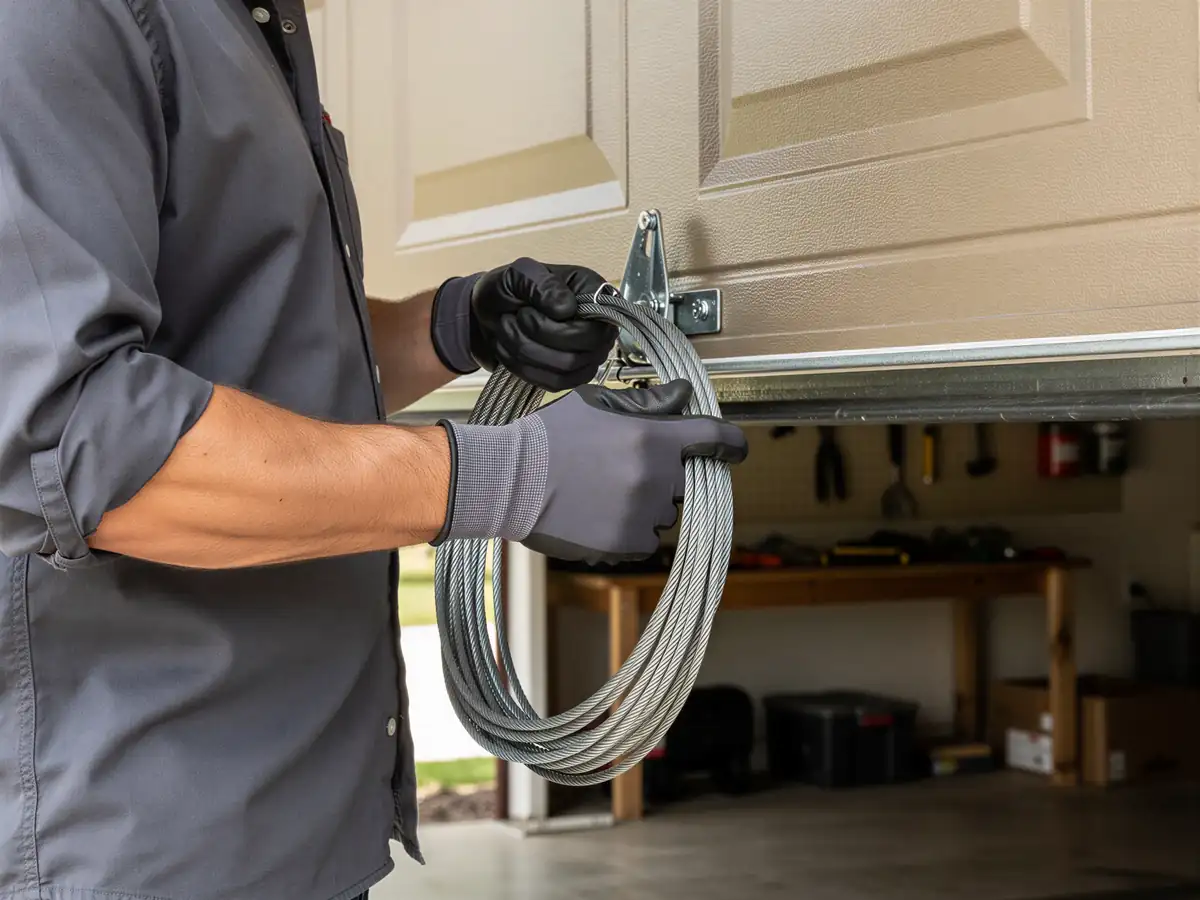
The mistake we see most is someone replacing a single part - a roller, a cable - without checking what's around it, on a door that's old enough that everything else is at the same wear point. If your house falls into that 1960s-70s band that makes up most of this area's stock, a spring replacement on its own without a cable and roller check is a call we'll be making again within a year.
The other mistake is assuming cold weather problems are opener problems. Often the opener is fine; it's just pulling against a track that's stiffened up or a spring that's lost tension in the cold. Swapping the opener doesn't fix that.
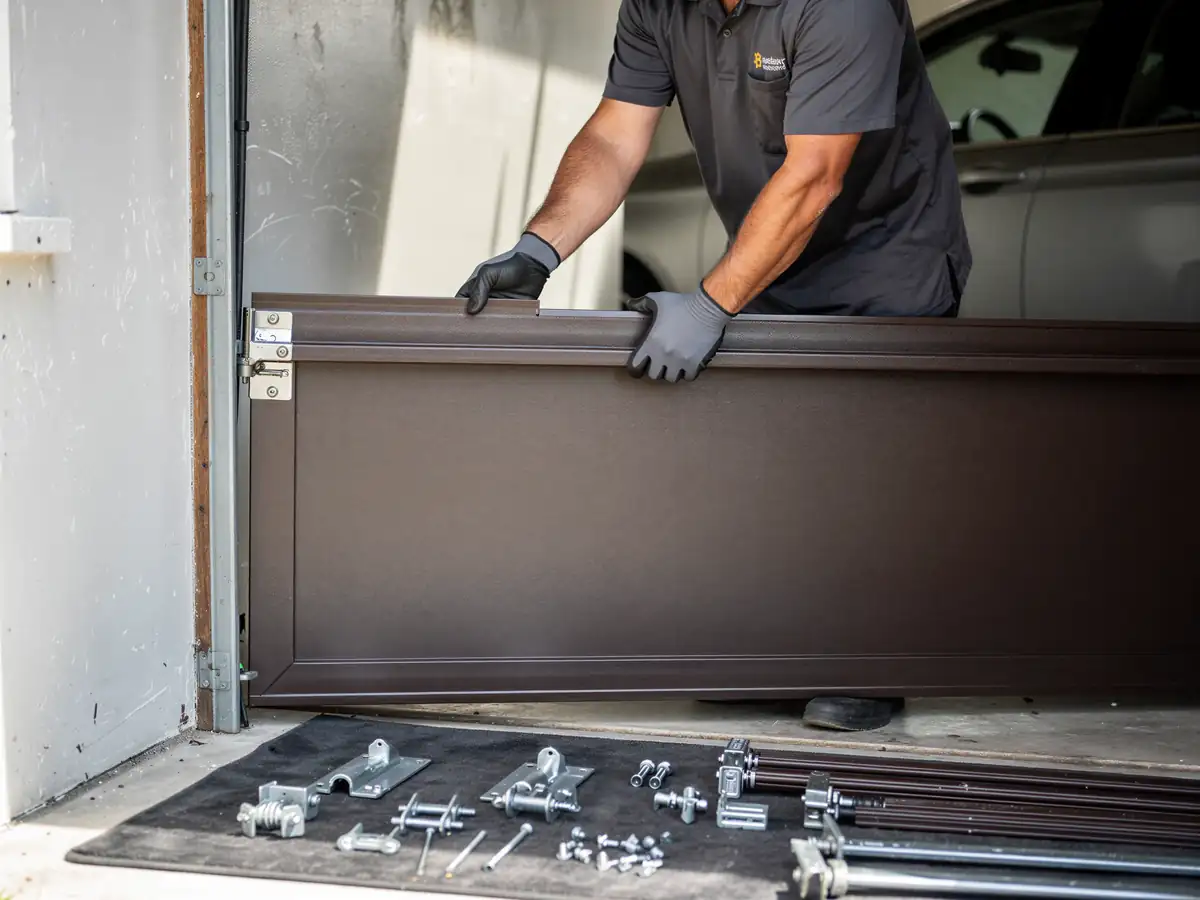
Honest limitation: we don't stock parts for every original mechanism still running on the oldest houses in this range - some 1938-to-1950s-era hardware uses components nobody manufactures anymore, and on those jobs a full replacement is sometimes the real answer, not a repair. We'll tell you when that's the case instead of forcing a fix that won't hold.