Why This Fails Locally
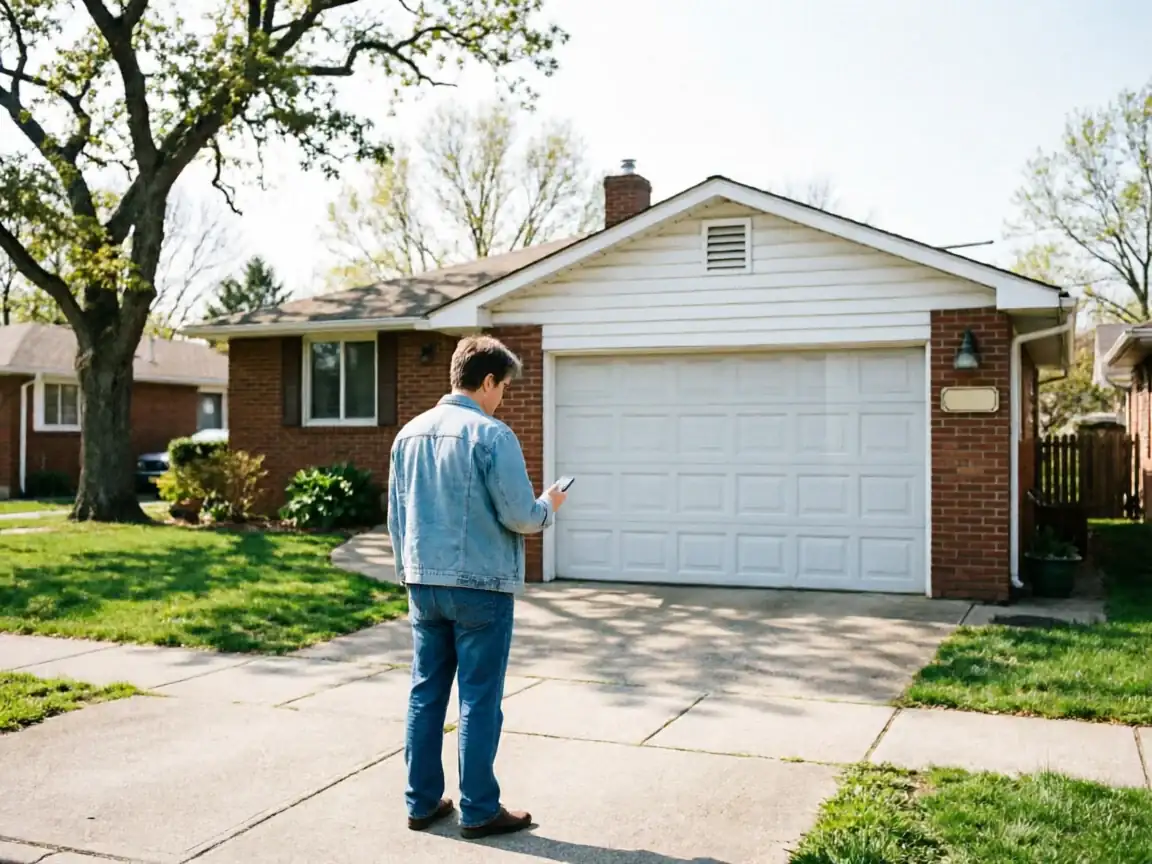
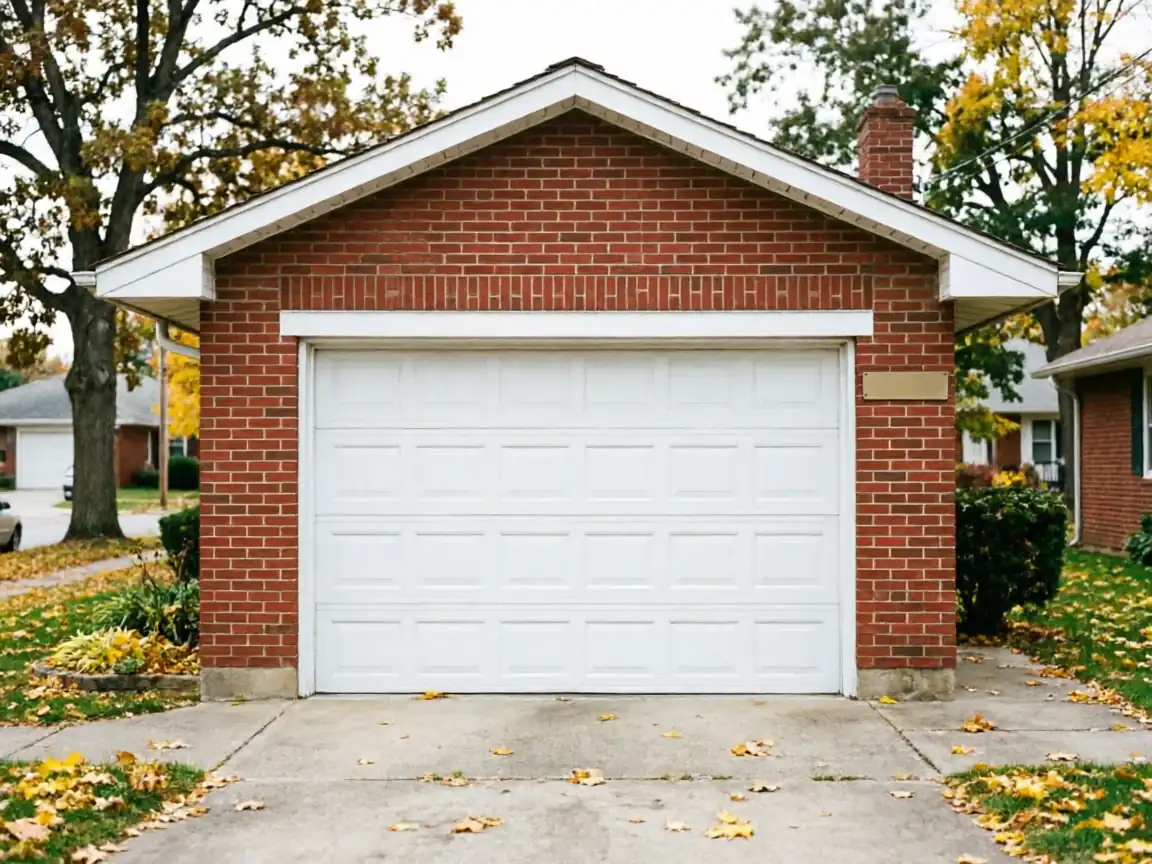
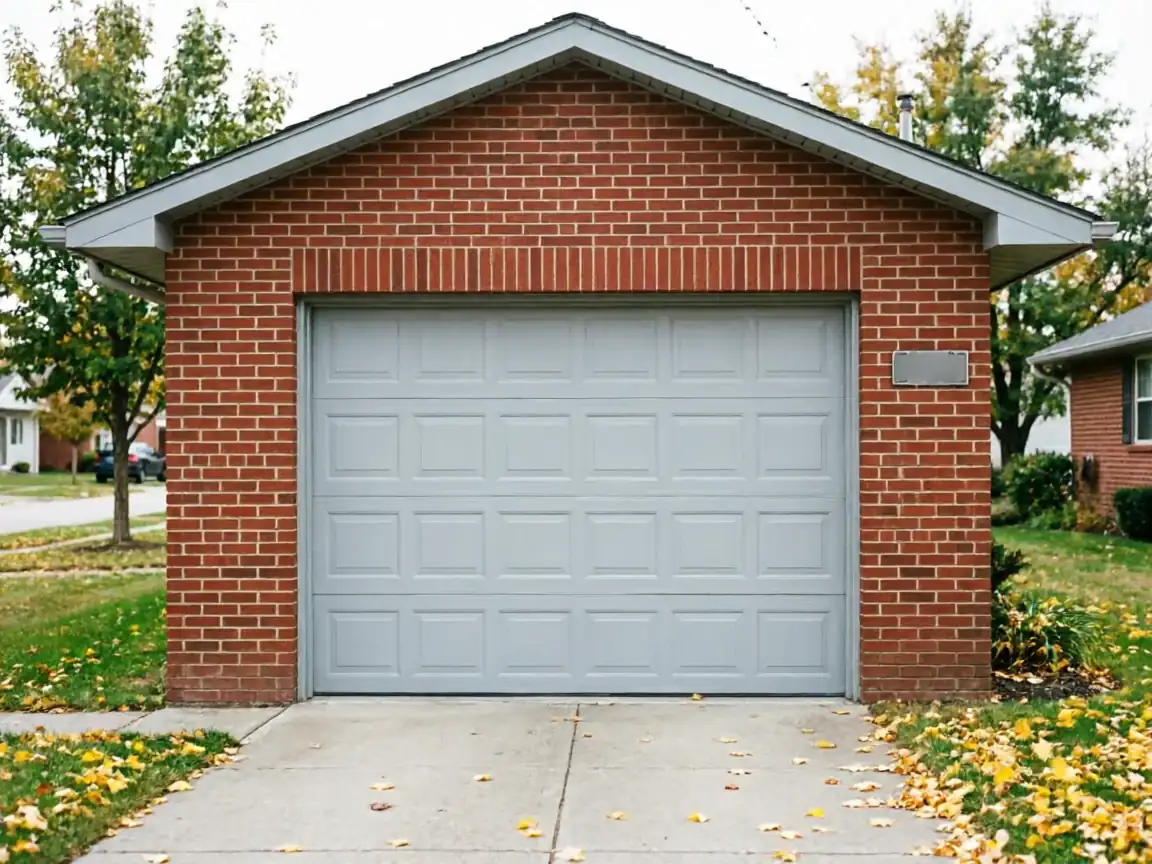
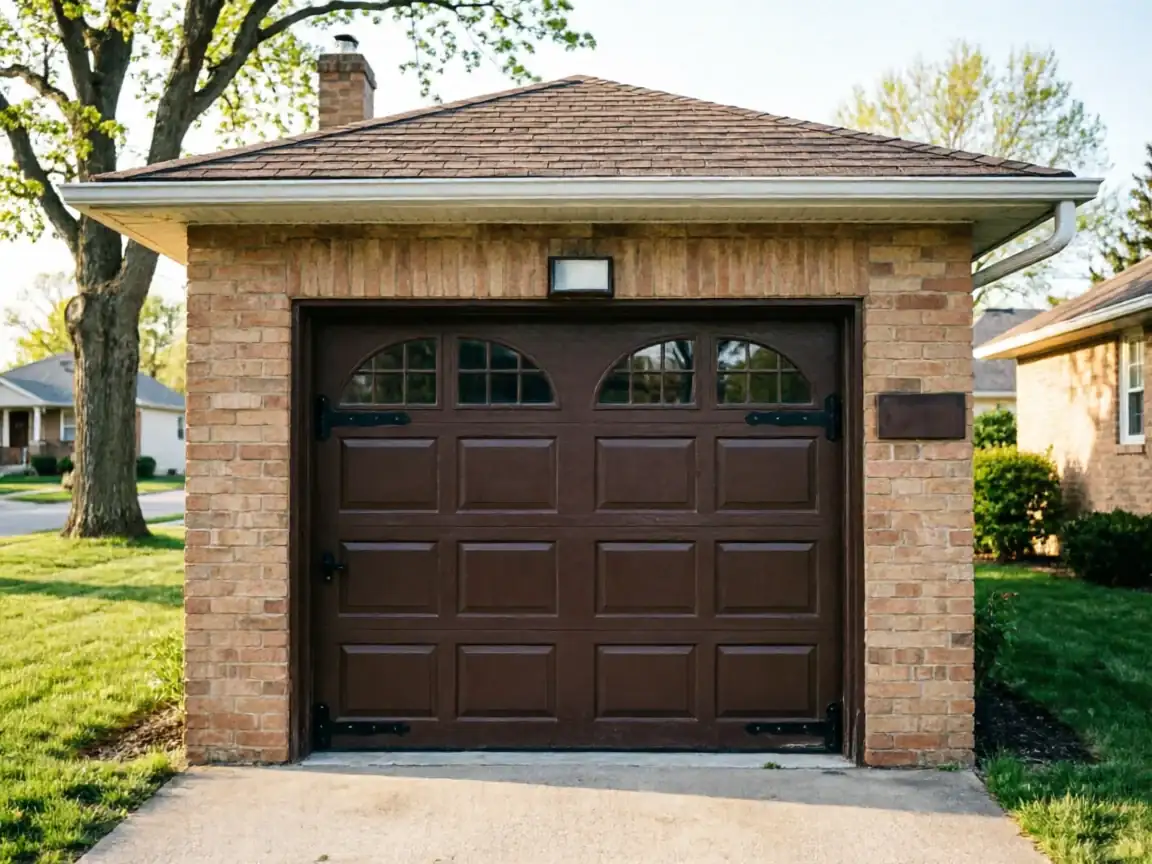
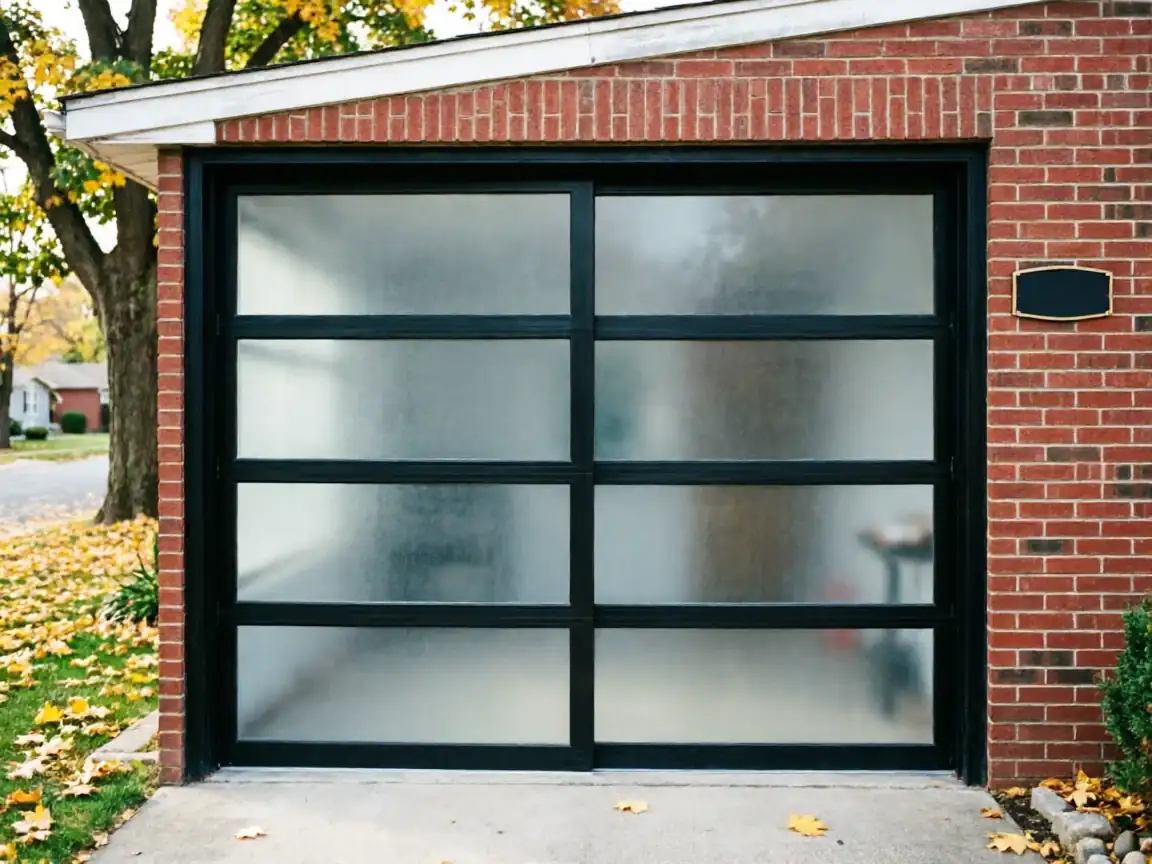
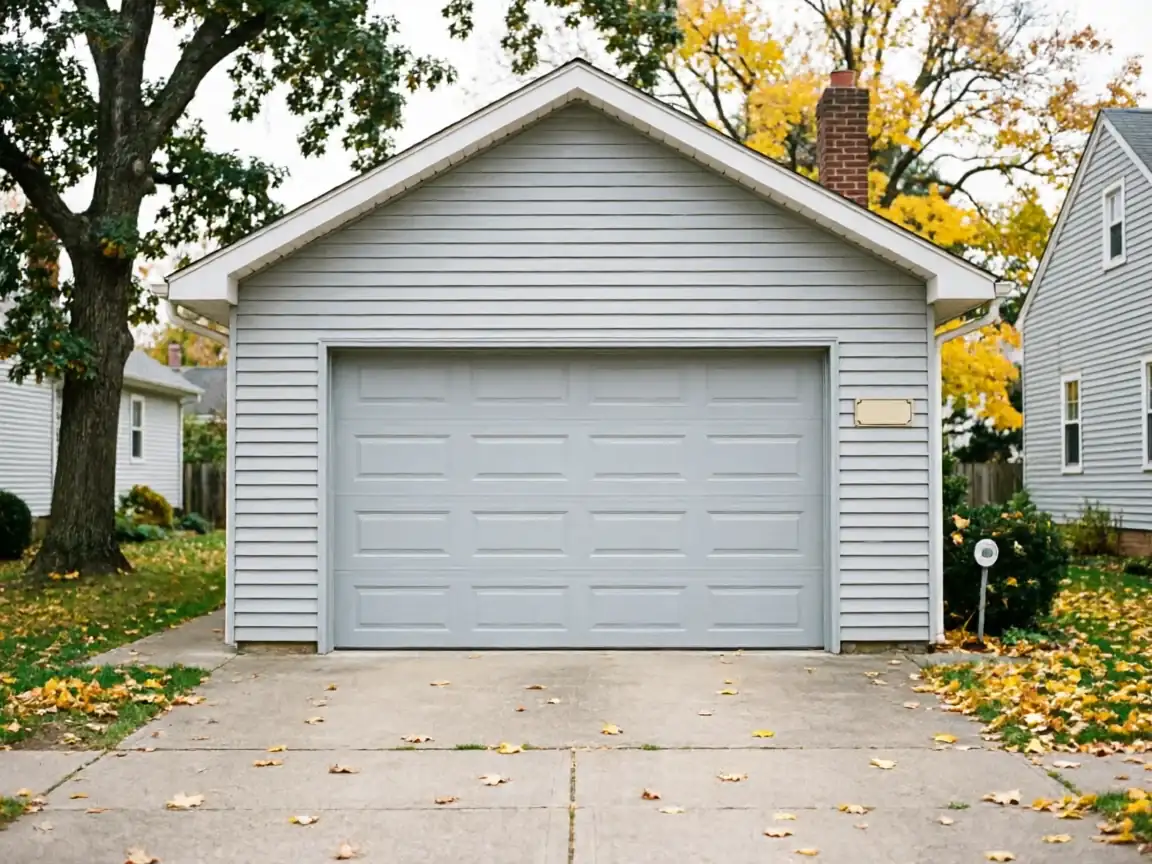
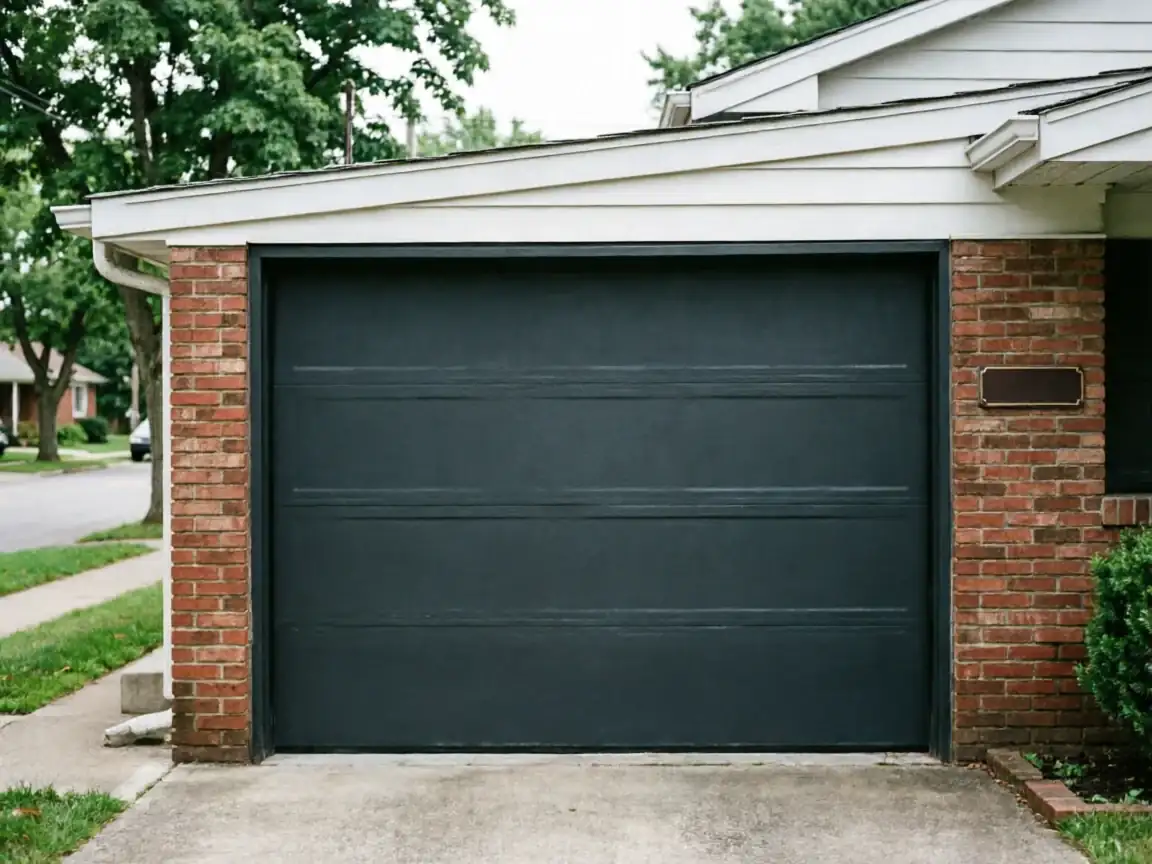
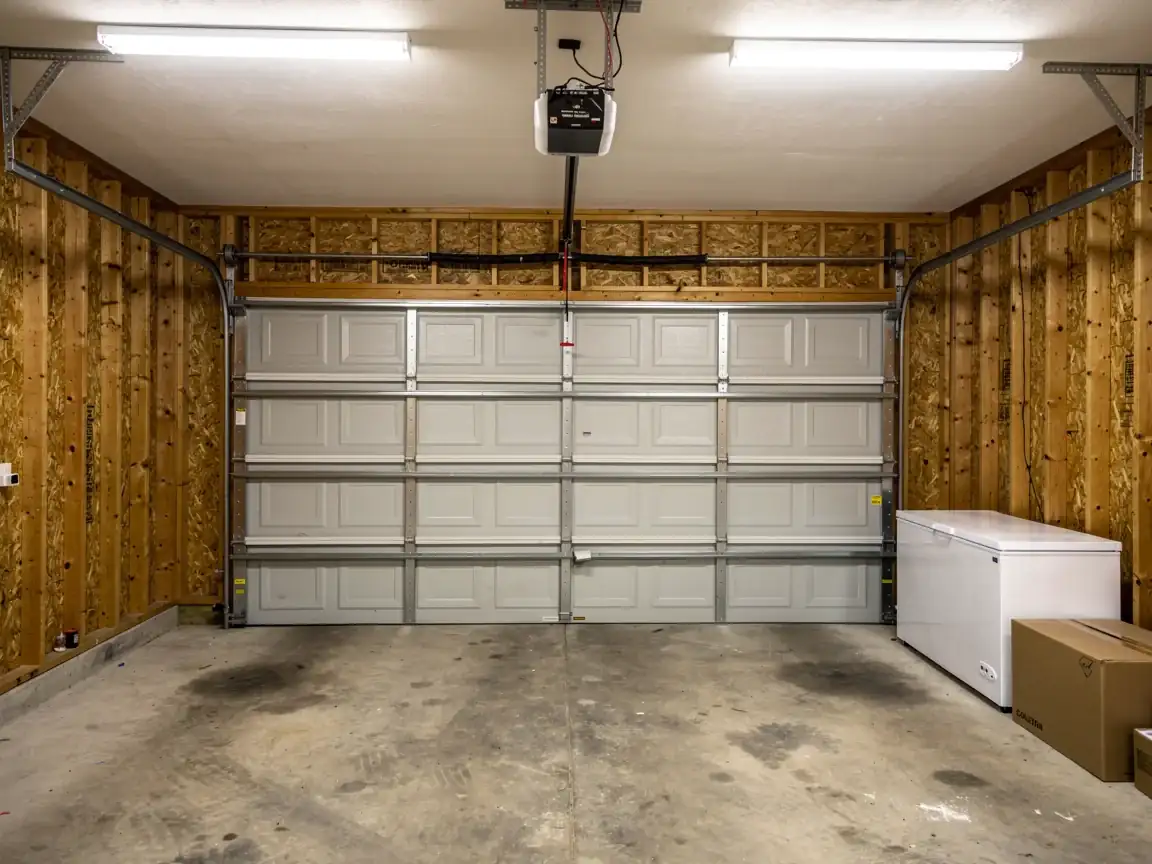
Most of the garage doors we service sit on houses built somewhere between 1938 and 2009, with the bulk of that stock going up in the 1960s and 70s across the 53 named areas we cover. That matters because a door installed in 1972 has outlived at least two or three openers, and whoever swapped the opener rarely touched the hardware underneath it - the hinges, the rollers, the spring cones. Nobody greases what they can't see.
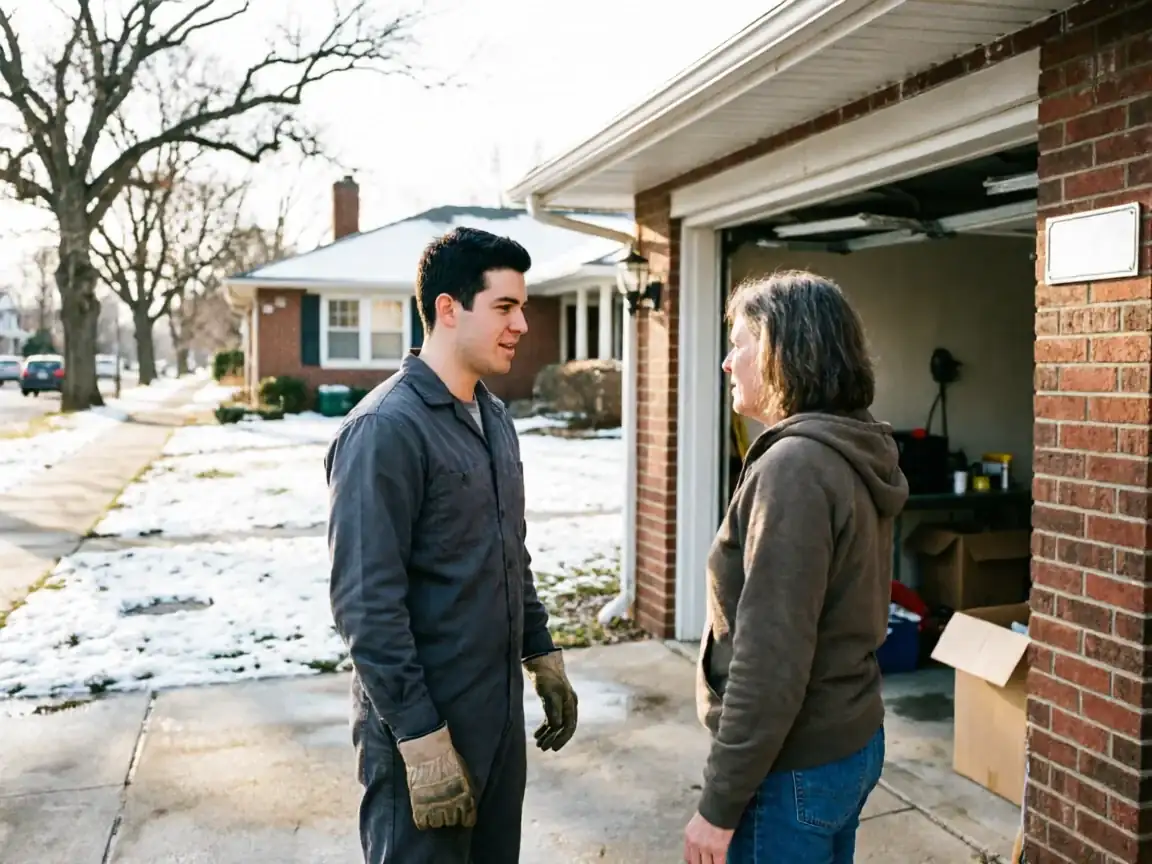
Then there's the climate. This is a cold-moderate band, which means the garage goes through a real freeze-thaw cycle every winter, not just a couple of cold snaps. Steel tracks contract, lubricant in old bearings turns to paste, and weatherstripping that was supple in July turns brittle and cracks by January. A door that rolled smooth in October can bind, shudder, or throw a cable by February, and it's rarely one dramatic failure - it's six small ones nobody scheduled a look at.
We see the same pattern house after house: original hardware paired with a newer opener, no service history, and a winter that finally exposes what summer hid.
What the Fix Involves
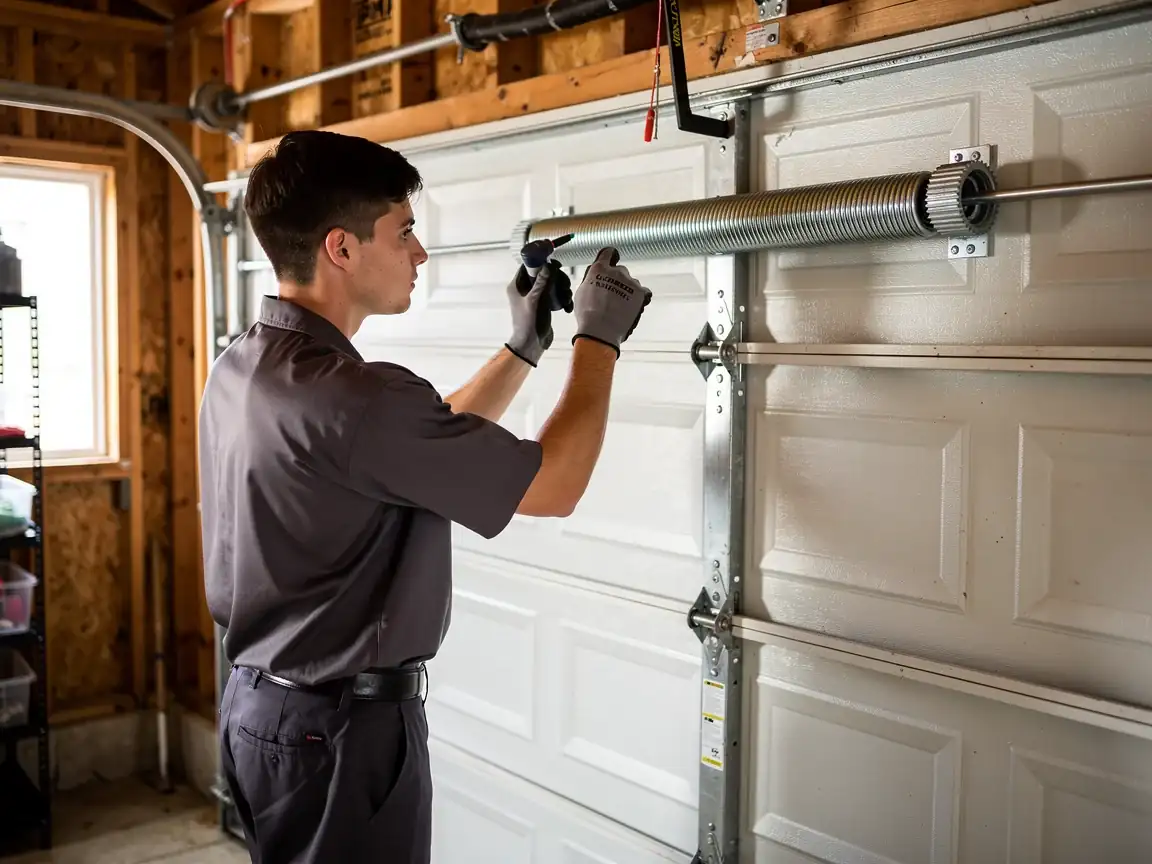
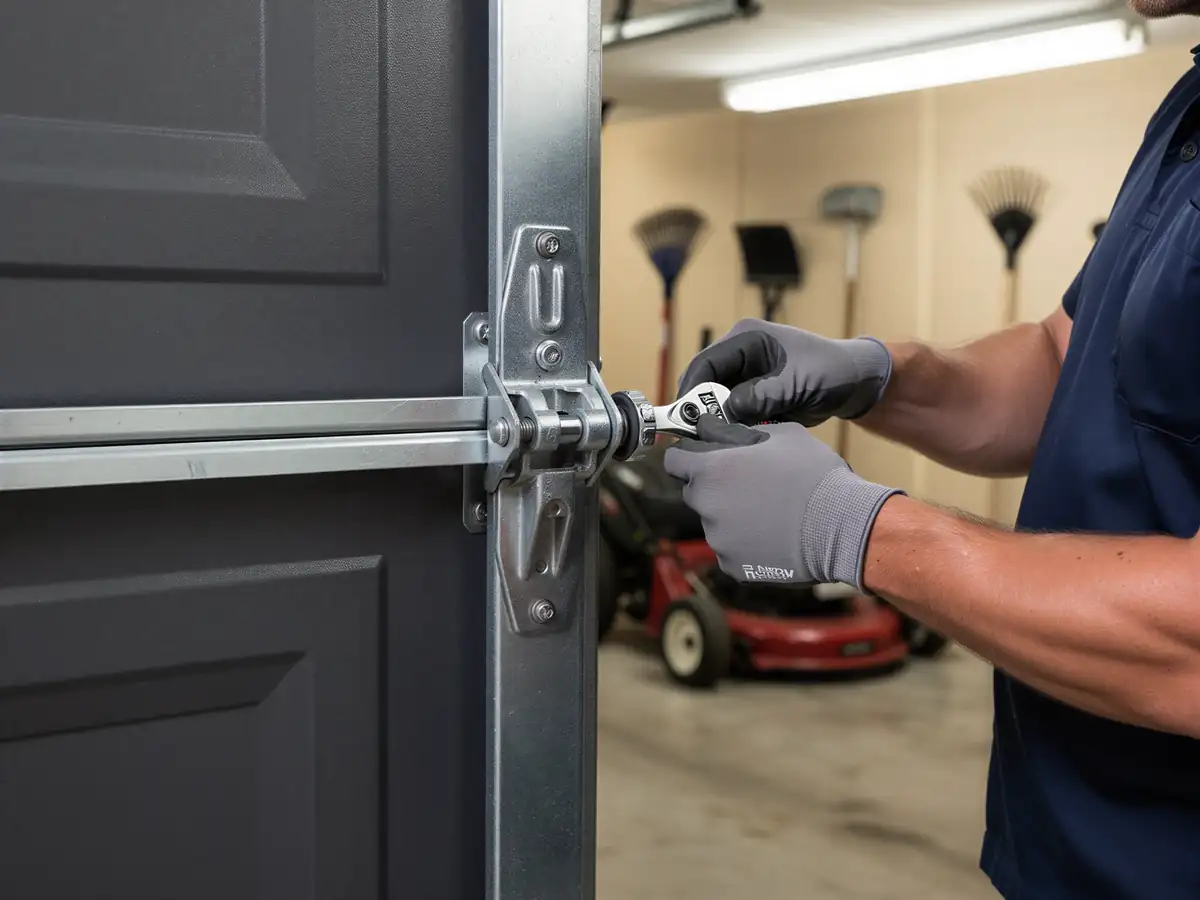
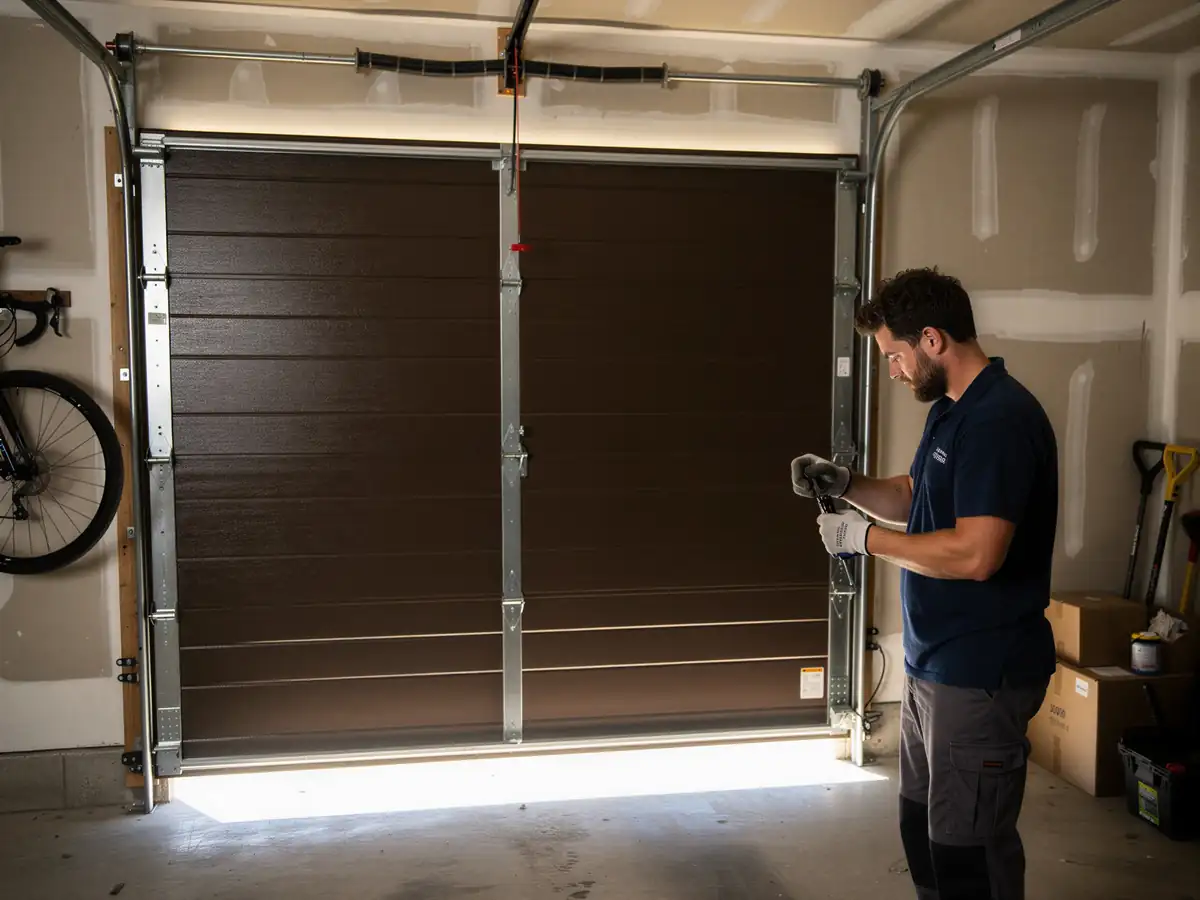
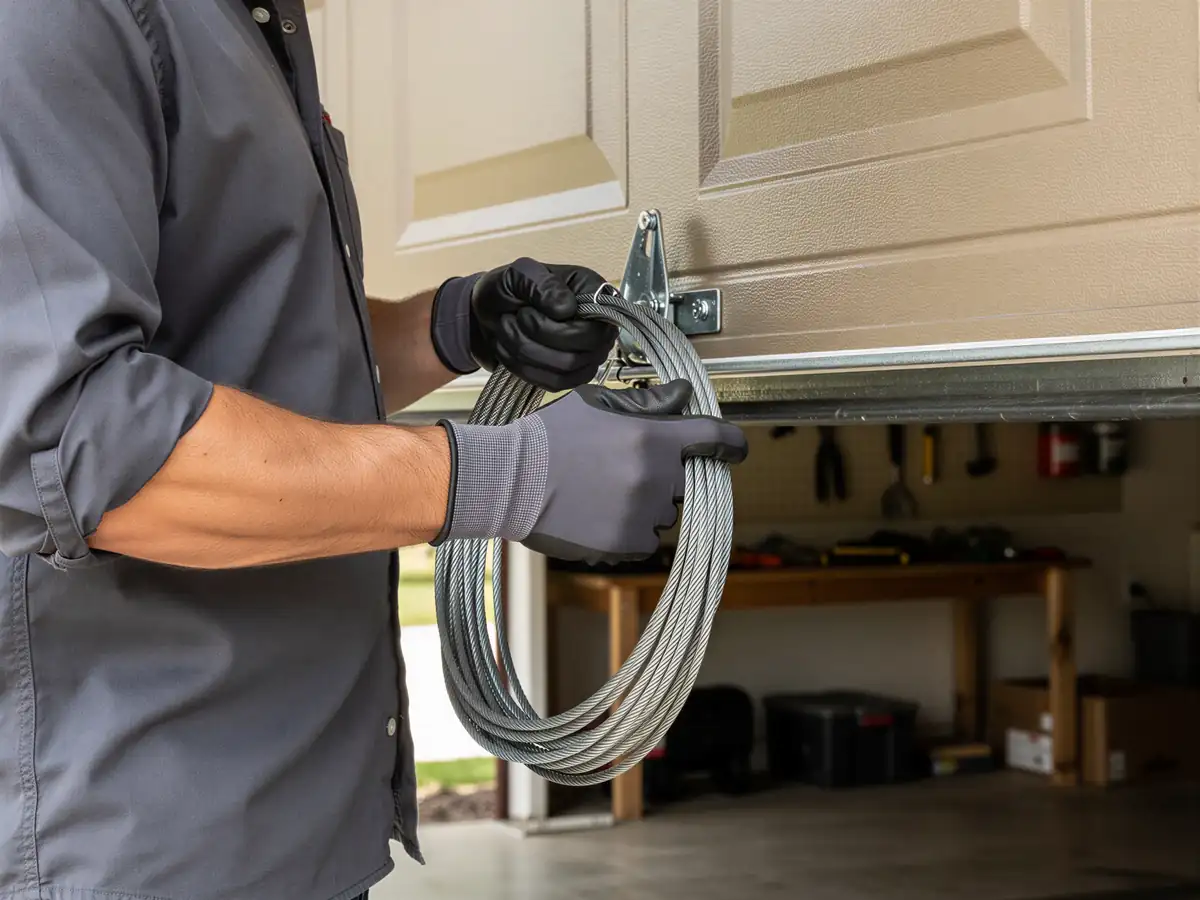
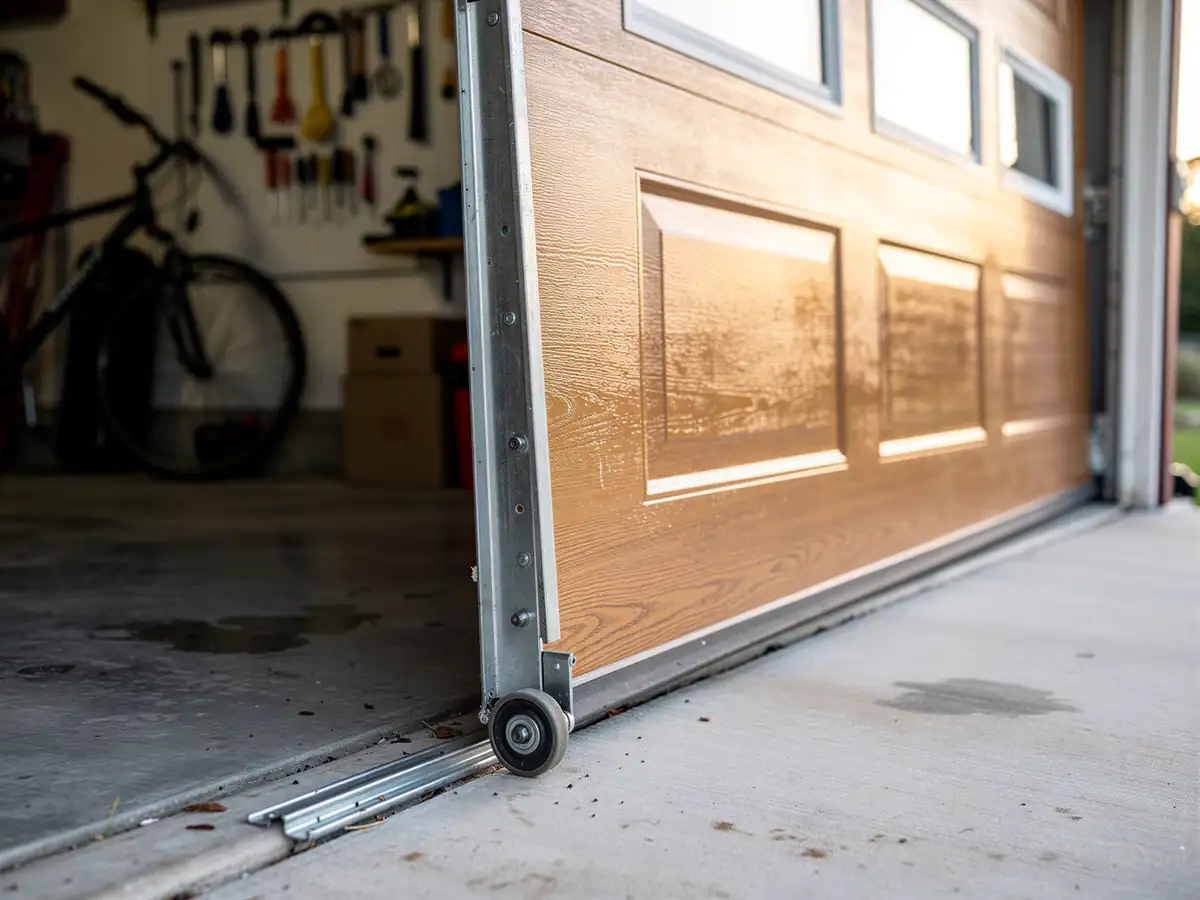
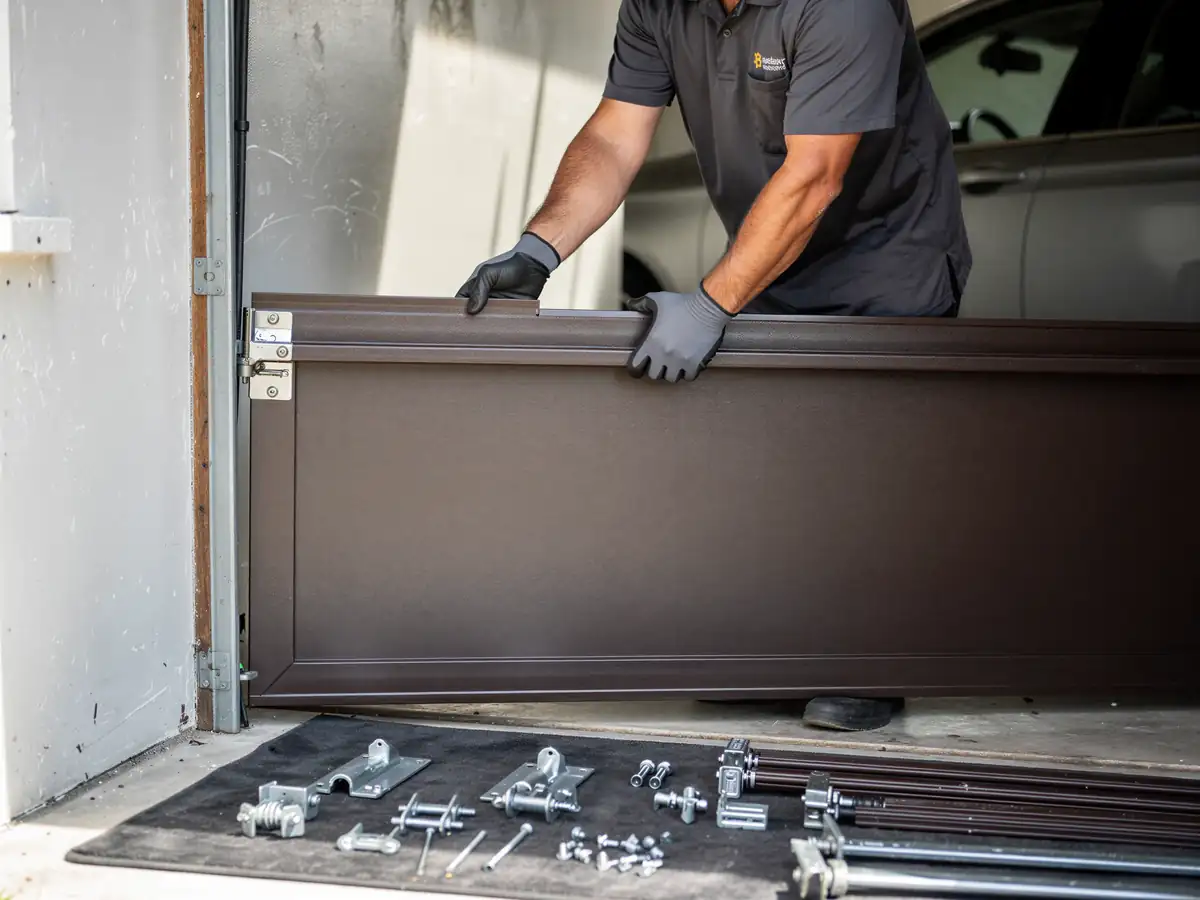
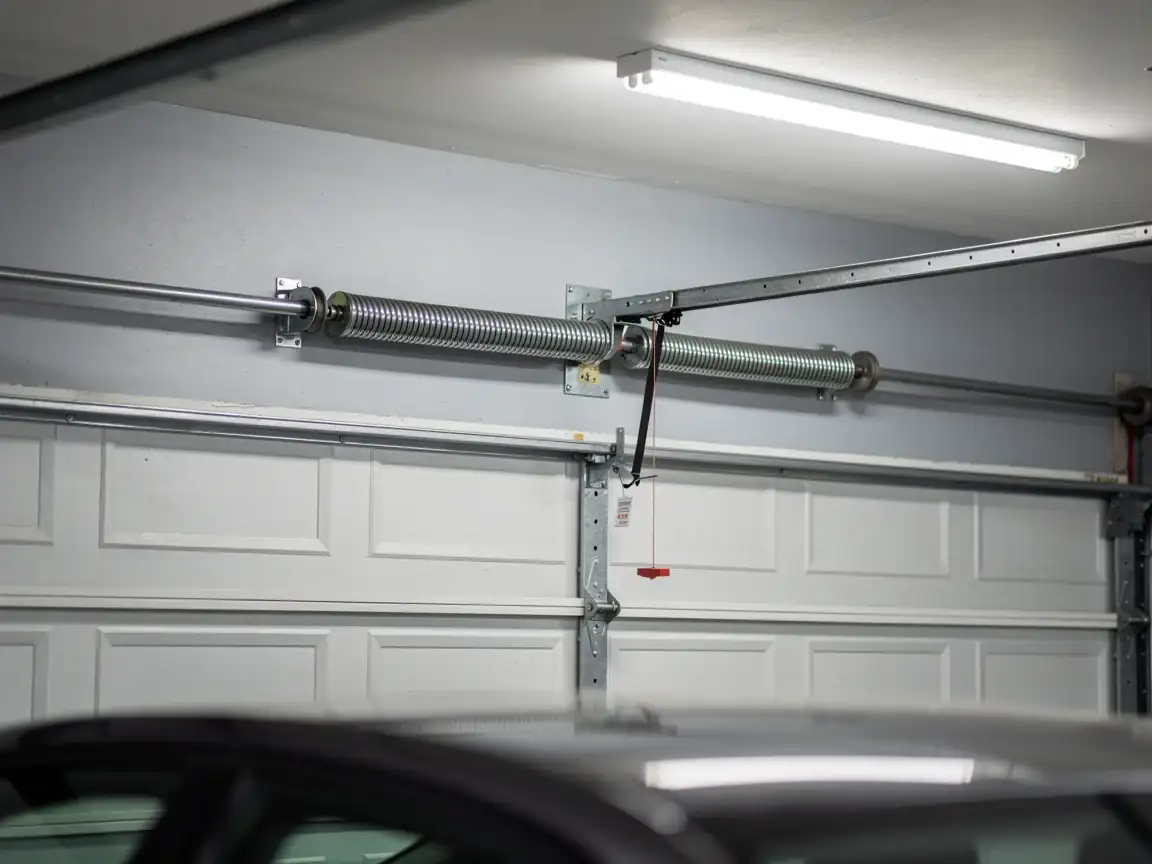
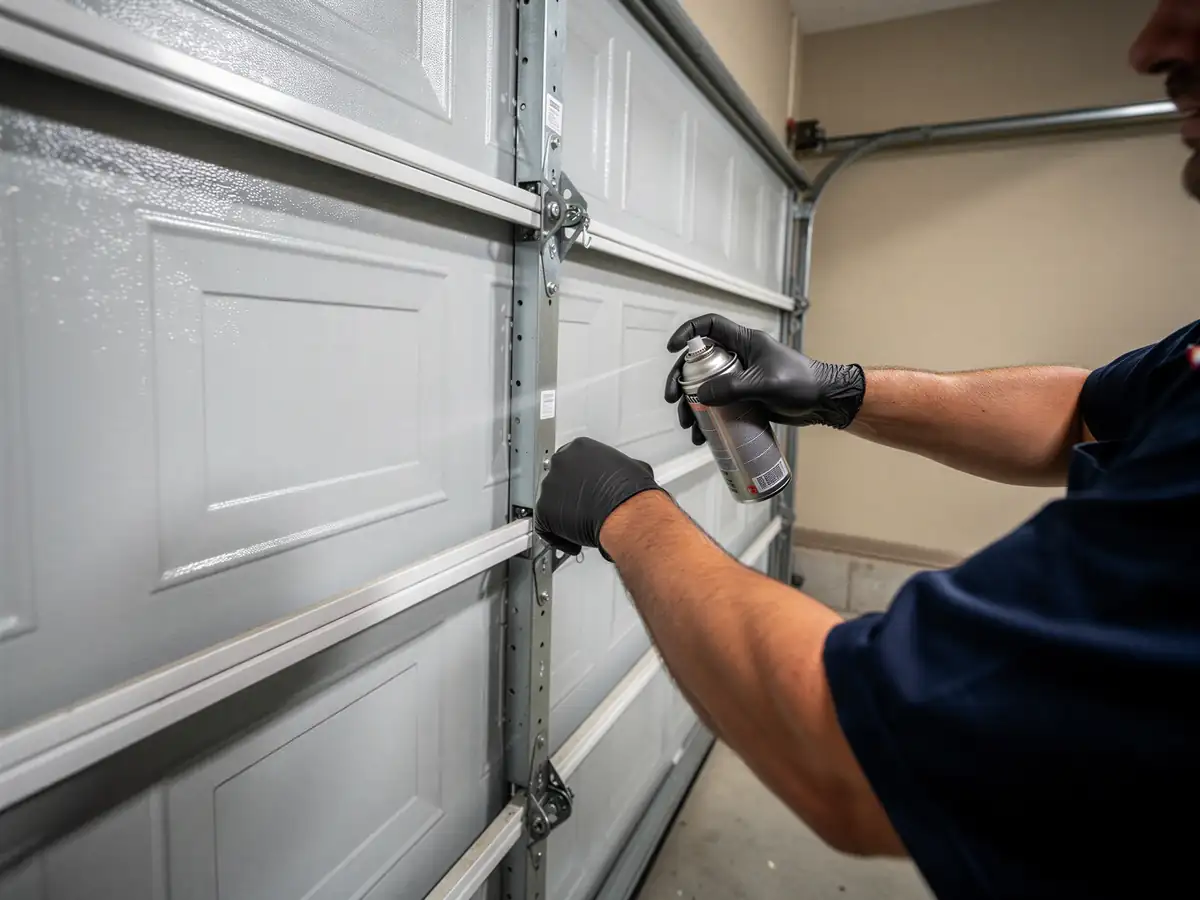
Maintenance on a door this age isn't a quick spray-and-go. We check spring tension and cone wear, since springs on older torsion setups weren't sized for today's heavier insulated panels if a door's been upgraded without re-balancing. We inspect rollers and track alignment, clean and re-lubricate hinges and bearings with grease rated for cold swings rather than the all-purpose can from the hardware aisle, and check cable fraying at the drum - a common failure point on hardware that's been through forty-plus winters.
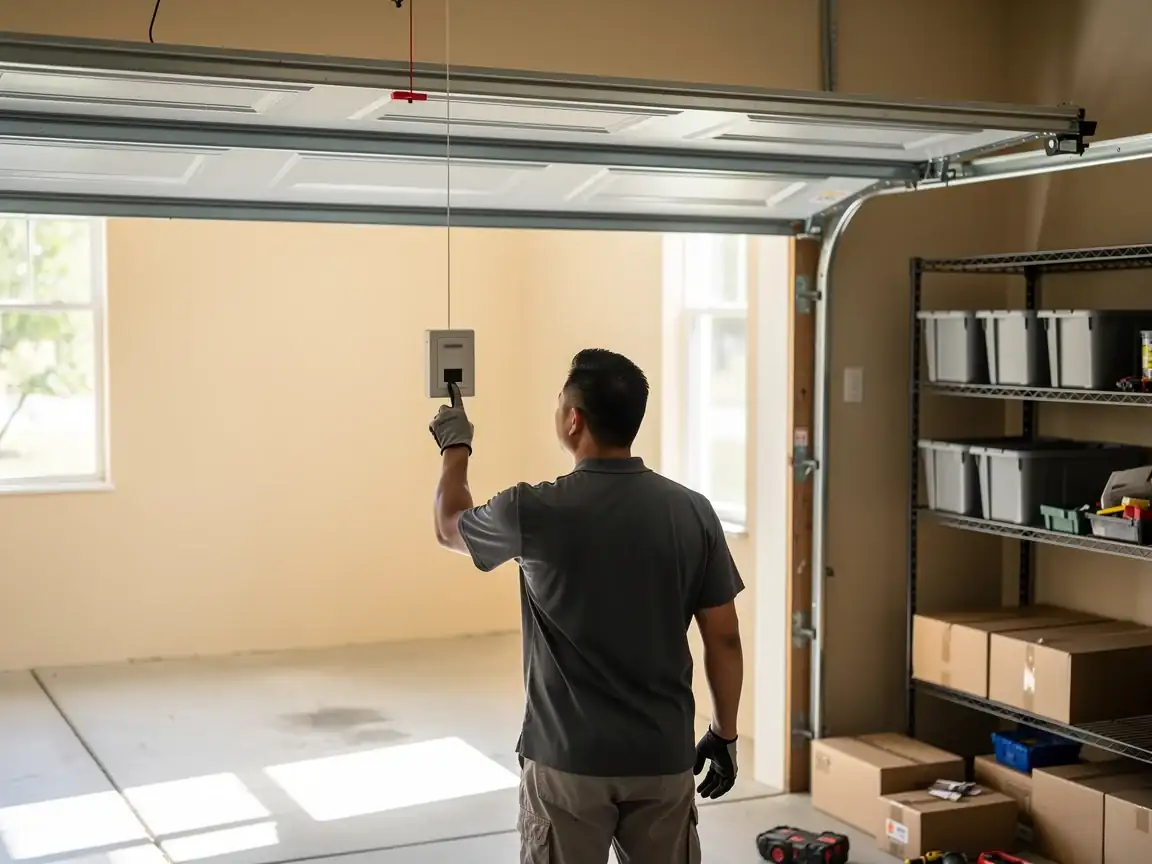
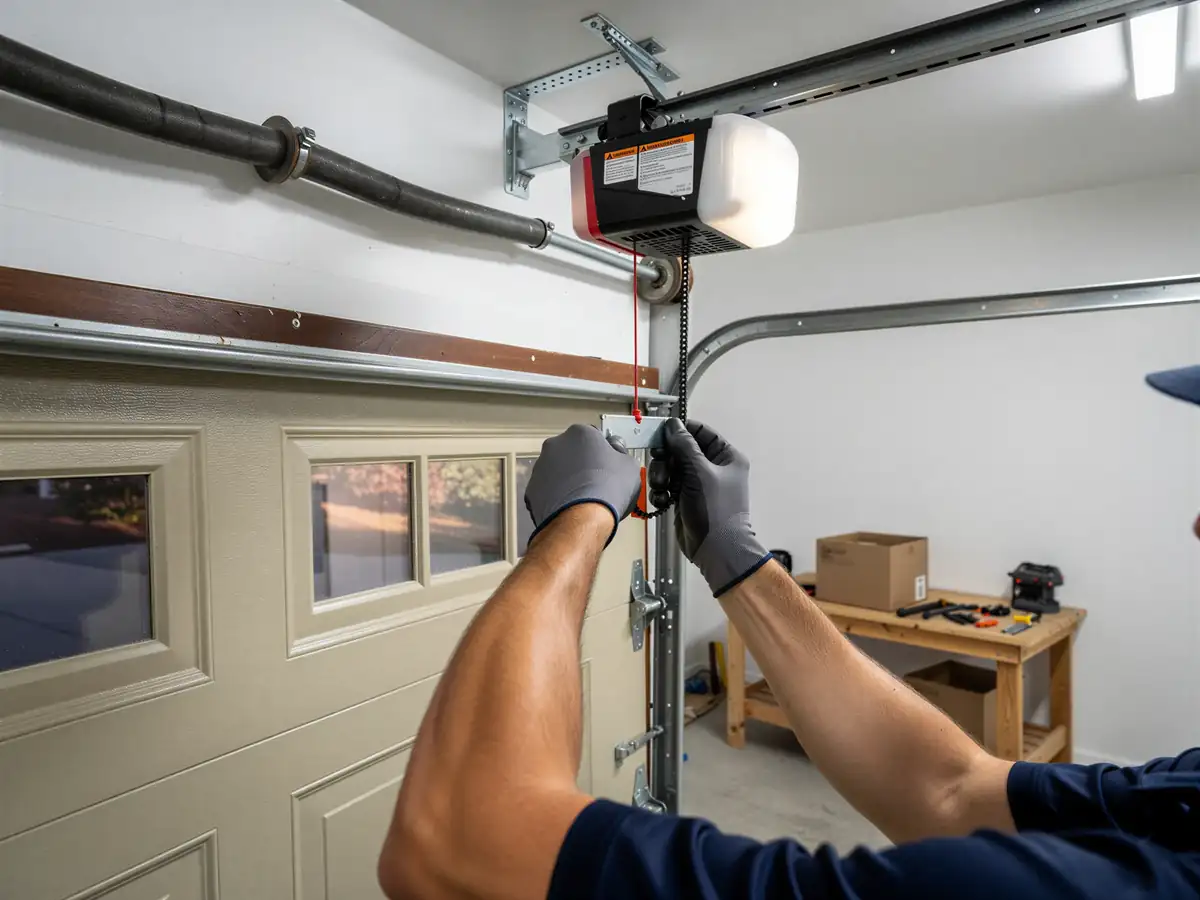
We also test opener force settings and safety reversal, tighten the lag screws and fasteners that work loose from seasonal expansion and contraction, and look at weatherstripping and bottom seal condition, since cracked seals let cold air and moisture into a garage that's often attached to the house.
What we don't do is replace parts that don't need replacing just to pad a visit. If a spring has life left in it, we say so. If the opener logic board is the real problem and not the door itself, we tell you that too, even though it means a different kind of job.
What You Are Seeing
Homeowners usually call us about one of a handful of things
A door that's suddenly loud where it used to be quiet, a remote that works some mornings and not others, a door that drifts closed on its own, or visible fraying on one of the lift cables. Sometimes it's simpler - the door just feels heavier to lift by hand than it did last year, which almost always points to spring fatigue rather than anything electrical.
Across a service area with 88,612 owner-occupied houses
These symptoms cluster by decade of construction more than by anything else. Older hardware on original housing stock shows cable and roller wear first; newer openers paired onto that older hardware show force-setting and alignment issues instead, because the opener is doing work the track and rollers were never tuned for.
- 88,612 owner-occupied
How Long It Takes
A standard maintenance visit - inspection, lubrication, tension check, hardware tightening, and a safety test on the opener - runs as a single appointment, not a multi-day job. If we find something during that visit that needs a part we don't carry on the truck, like a specific spring cone or a cable, that's a second trip once the part's in, and we'll tell you that on the spot rather than let you find out later.
We're honest that maintenance isn't a cure for a door that's already failing structurally. If a panel's warped or the track is bent beyond adjustment, no amount of grease fixes that, and we'll say so instead of running up a bill on a door that needs replacing, not servicing.