Why This Fails Locally
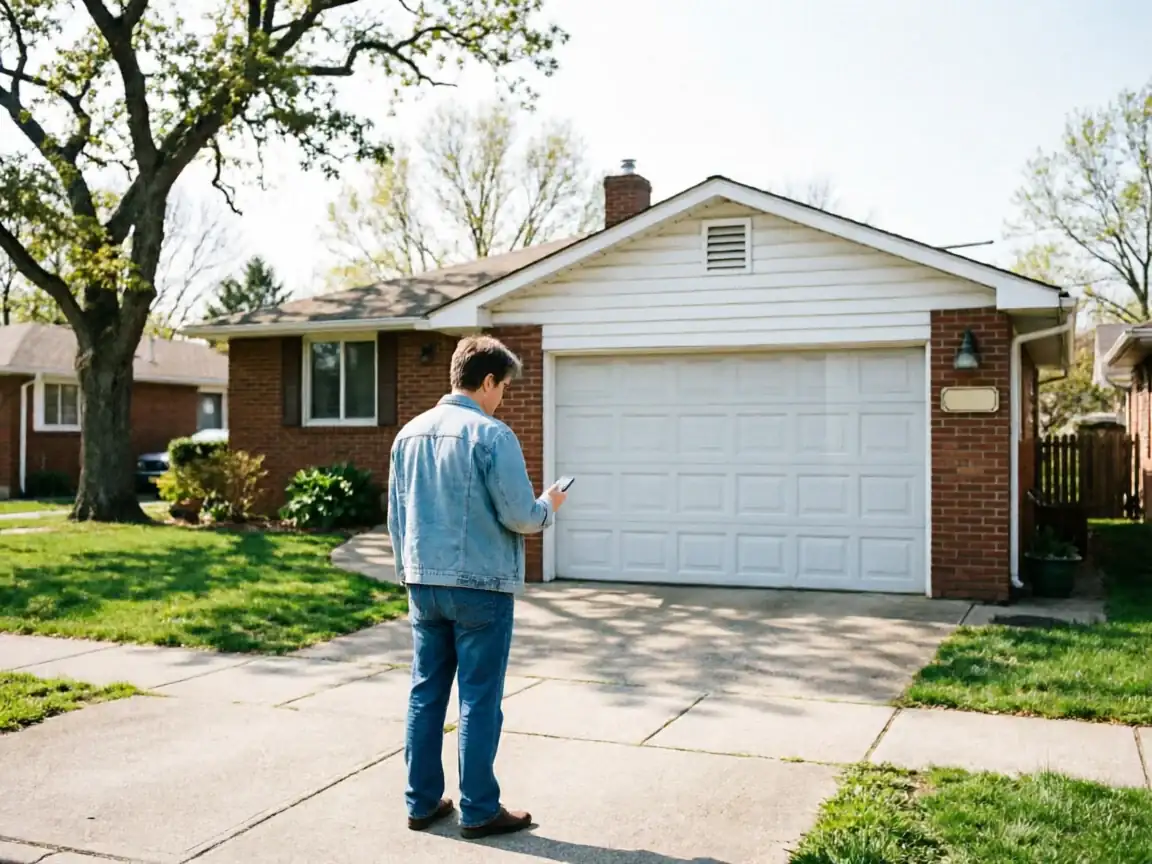
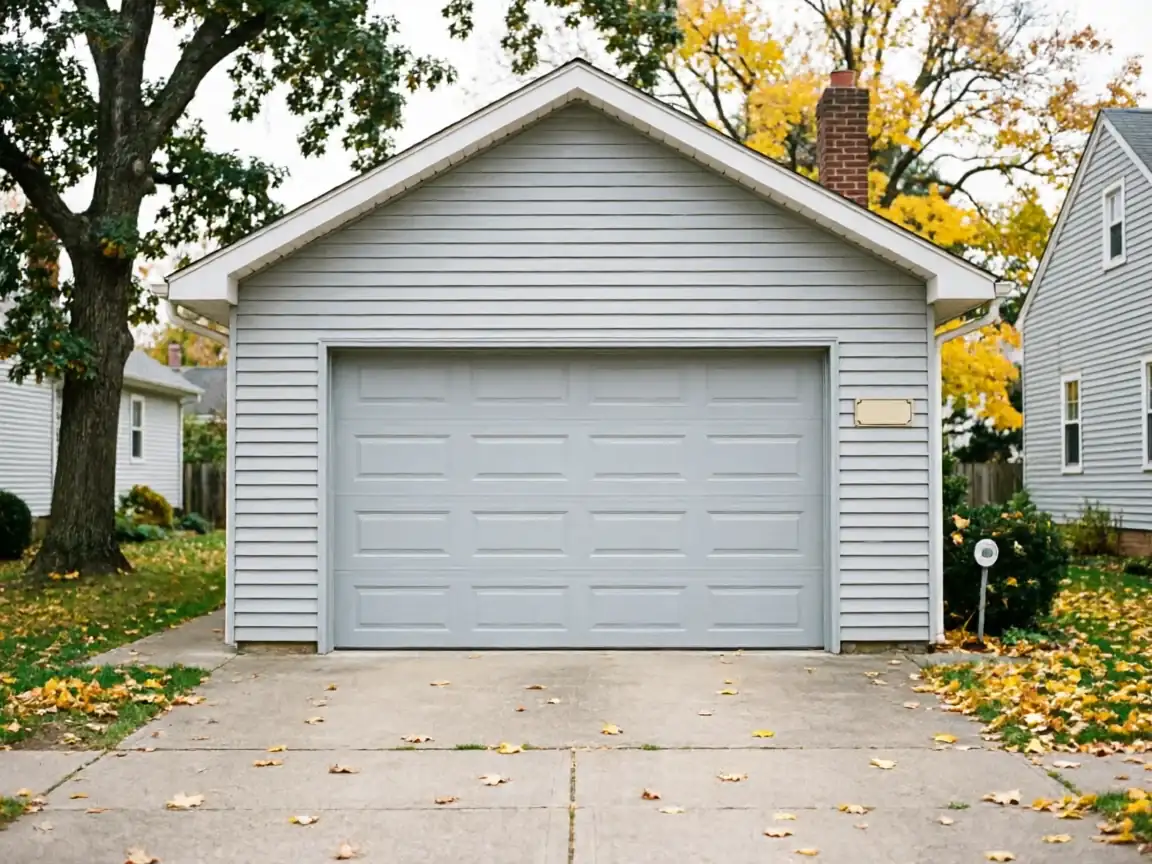
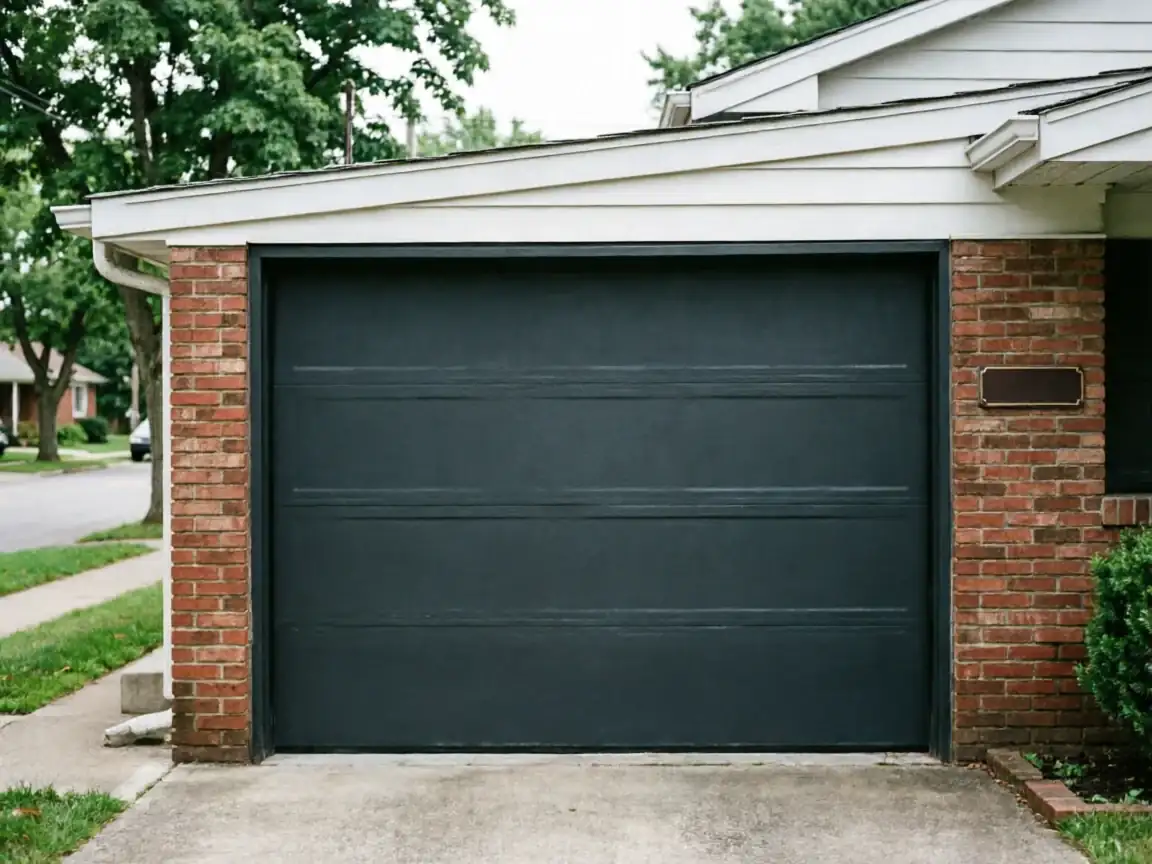
Deerfield's housing stock runs from 1938 to 2009, with a median build year of 1977, and most of the surrounding area - Bannockburn two miles off, Riverwoods just as close, Highwood and Lincolnshire a short drive out - went up in that same 1960s-70s wave. Doors and openers installed when those houses were built were sized for the hardware of their decade, and a lot of it is still in the opening. That means torsion springs rated for a lighter door than what's on the track now, or a spring that's simply done more open-close cycles than it was built for.
The cold is the other half of it. Deerfield sits in a moderate-cold climate band, which means steel springs and lift cables go through real temperature swings every winter - not Arctic, but enough freeze-thaw cycling to work-harden metal that's already past its rated life. A spring that's fine in August can snap in January because the metal has lost flex it had ten years earlier. On a 1970s-era door, that's often the first big failure a homeowner sees, and it tends to happen on the coldest morning of the week, not the mildest.
What the Fix Involves
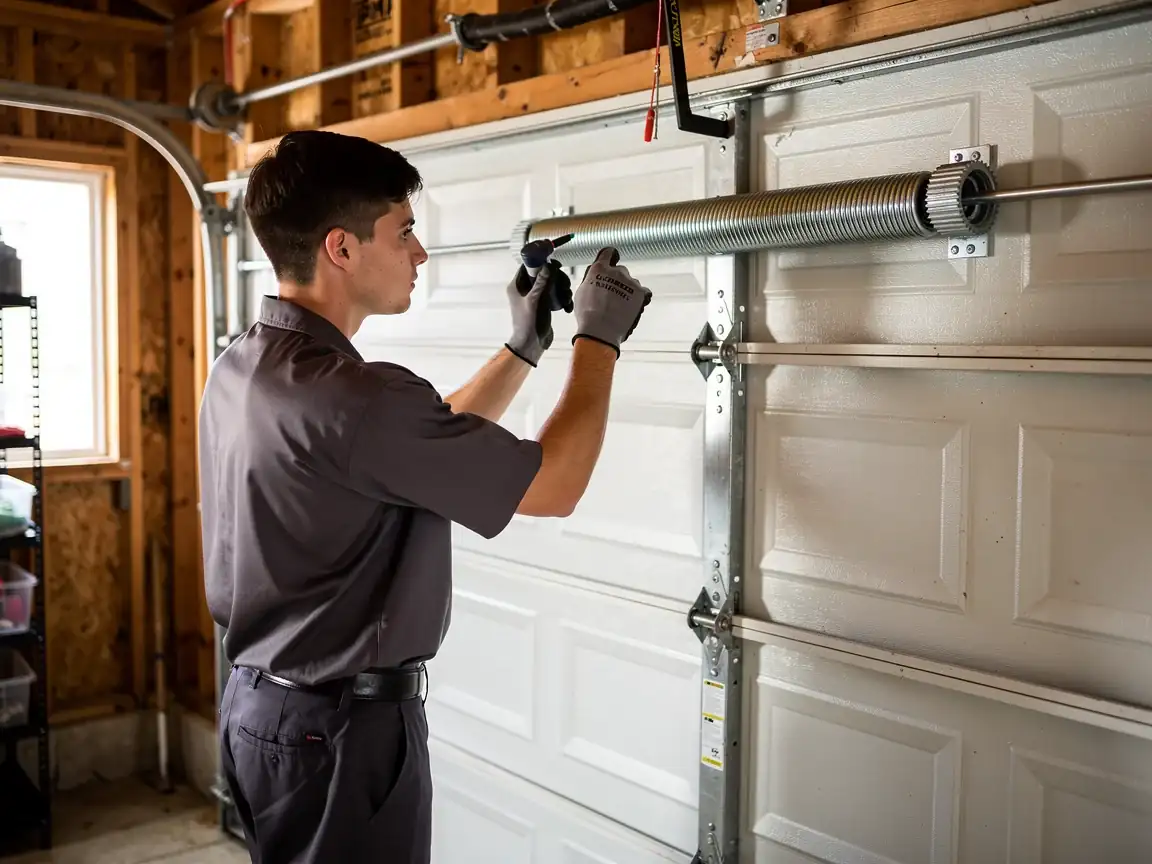
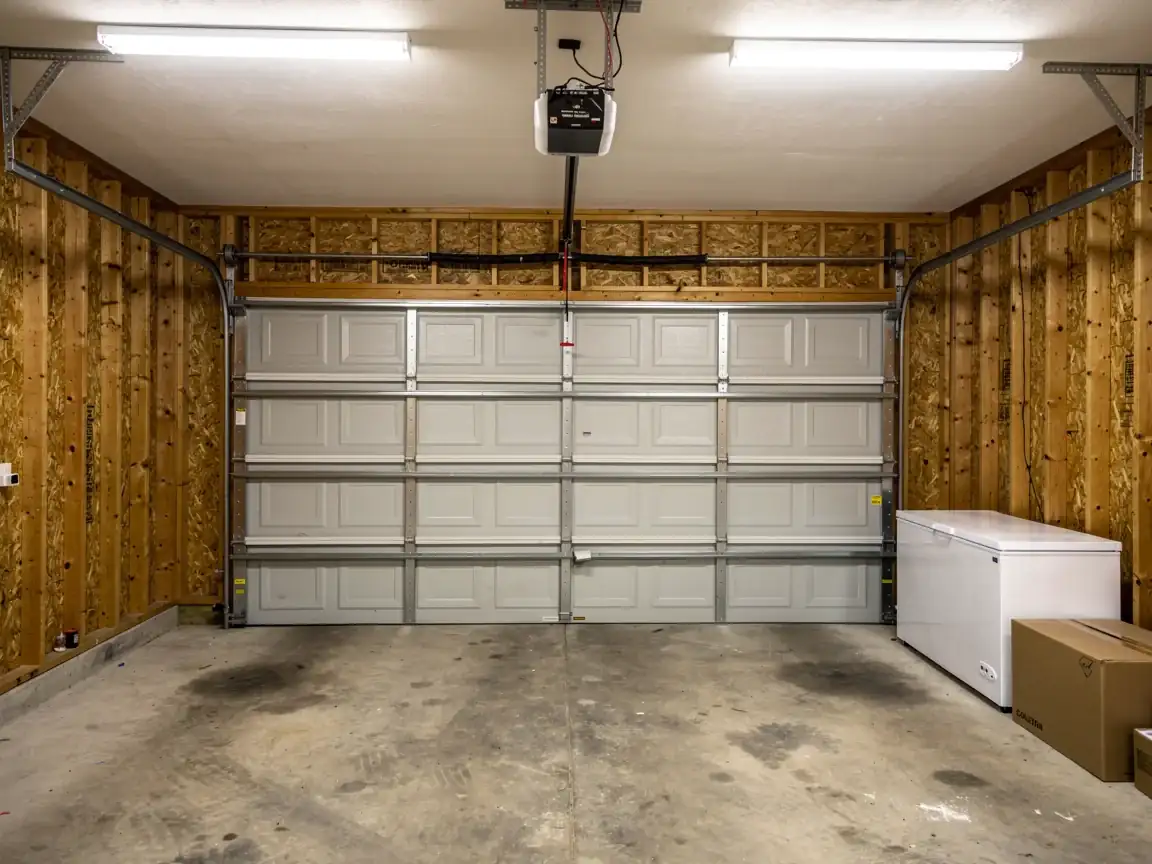
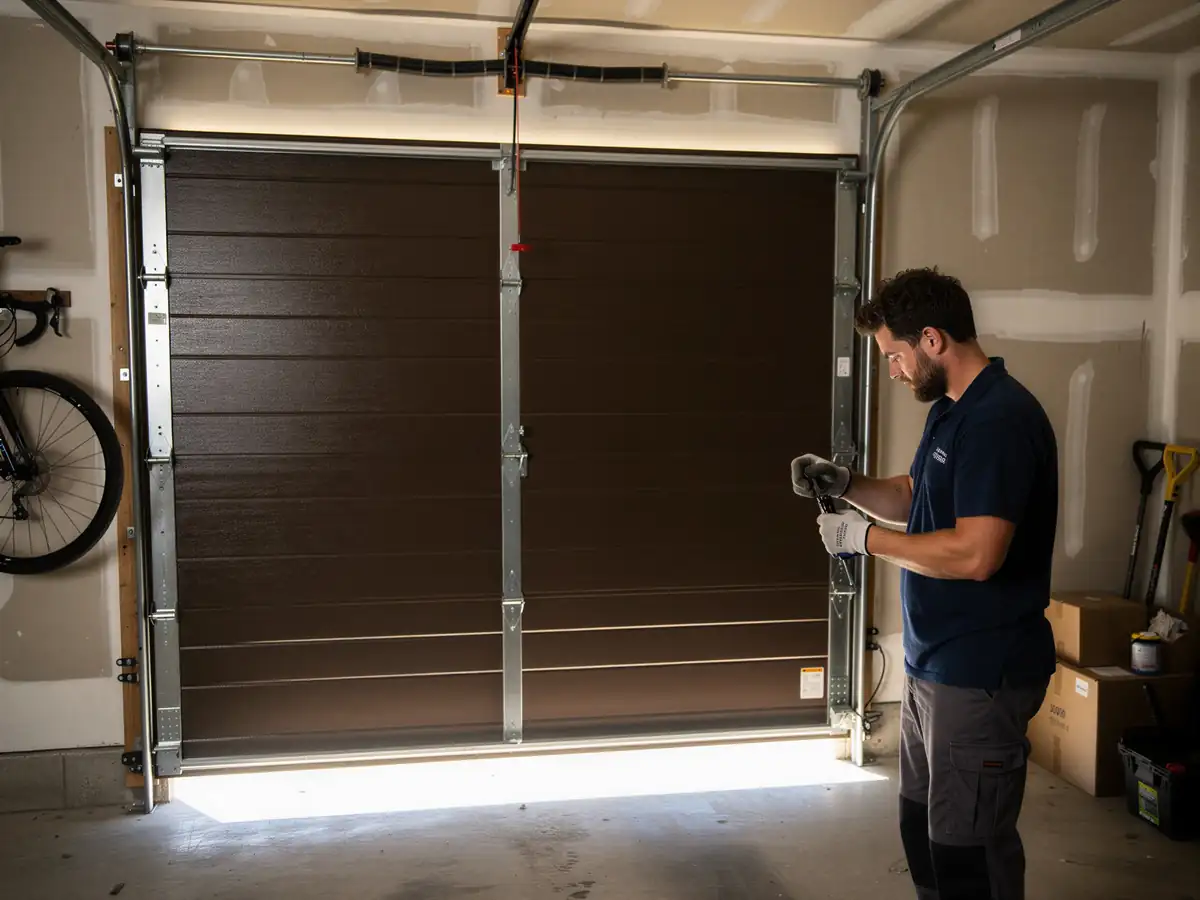
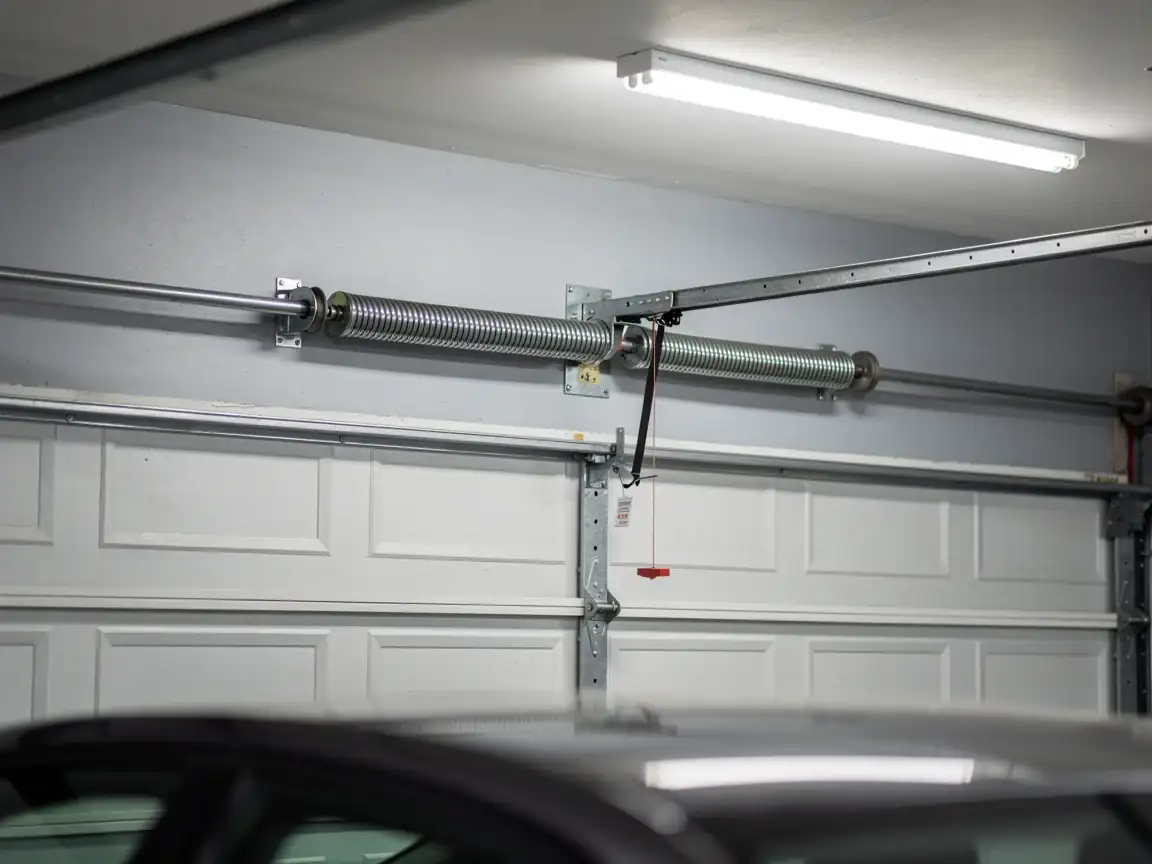
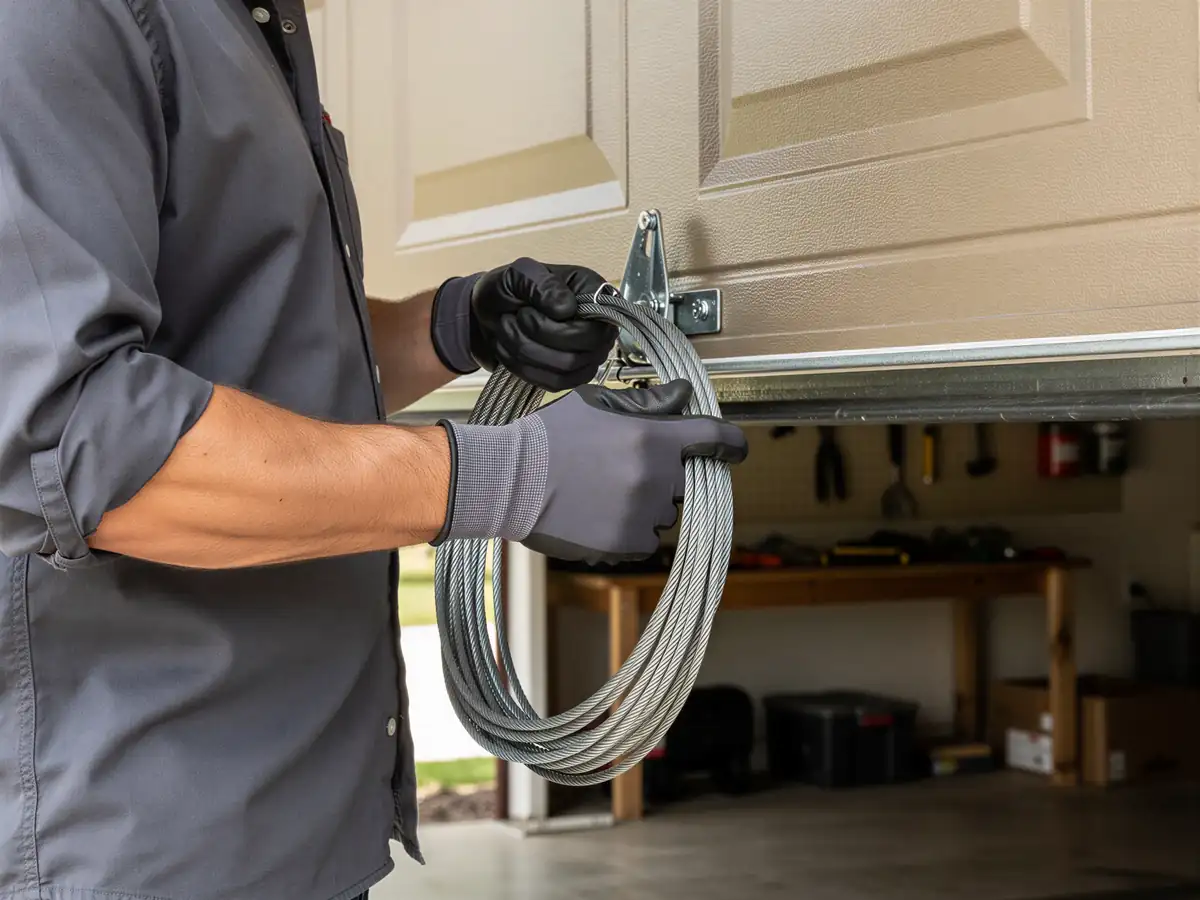
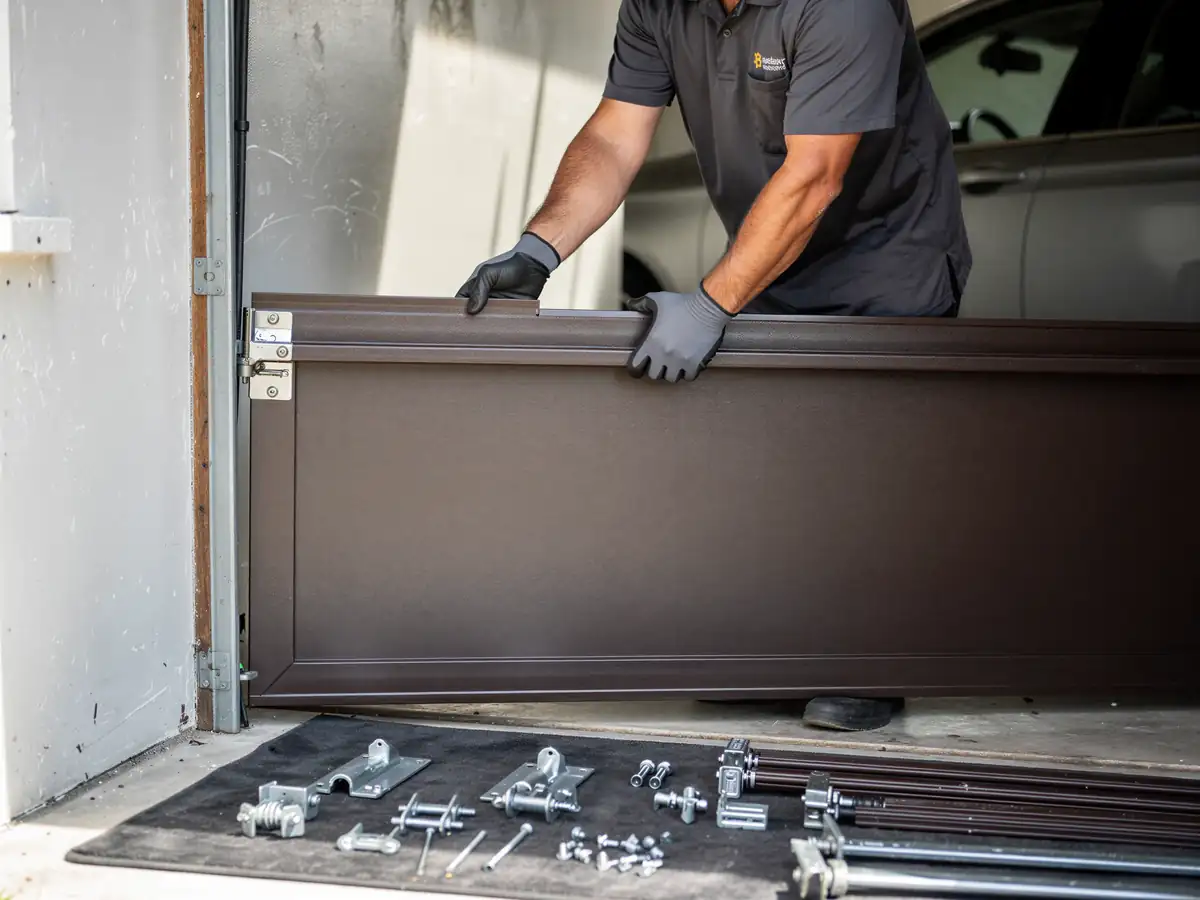
Most calls on houses from this era start with a full inspection of the spring, cable, and track together, because on hardware this old one worn part usually means the others aren't far behind. If the torsion spring has failed, we replace it with one rated to the actual door weight - not just whatever was in it - and check the drum and cable for wear from the extra strain of running on an undersized spring.
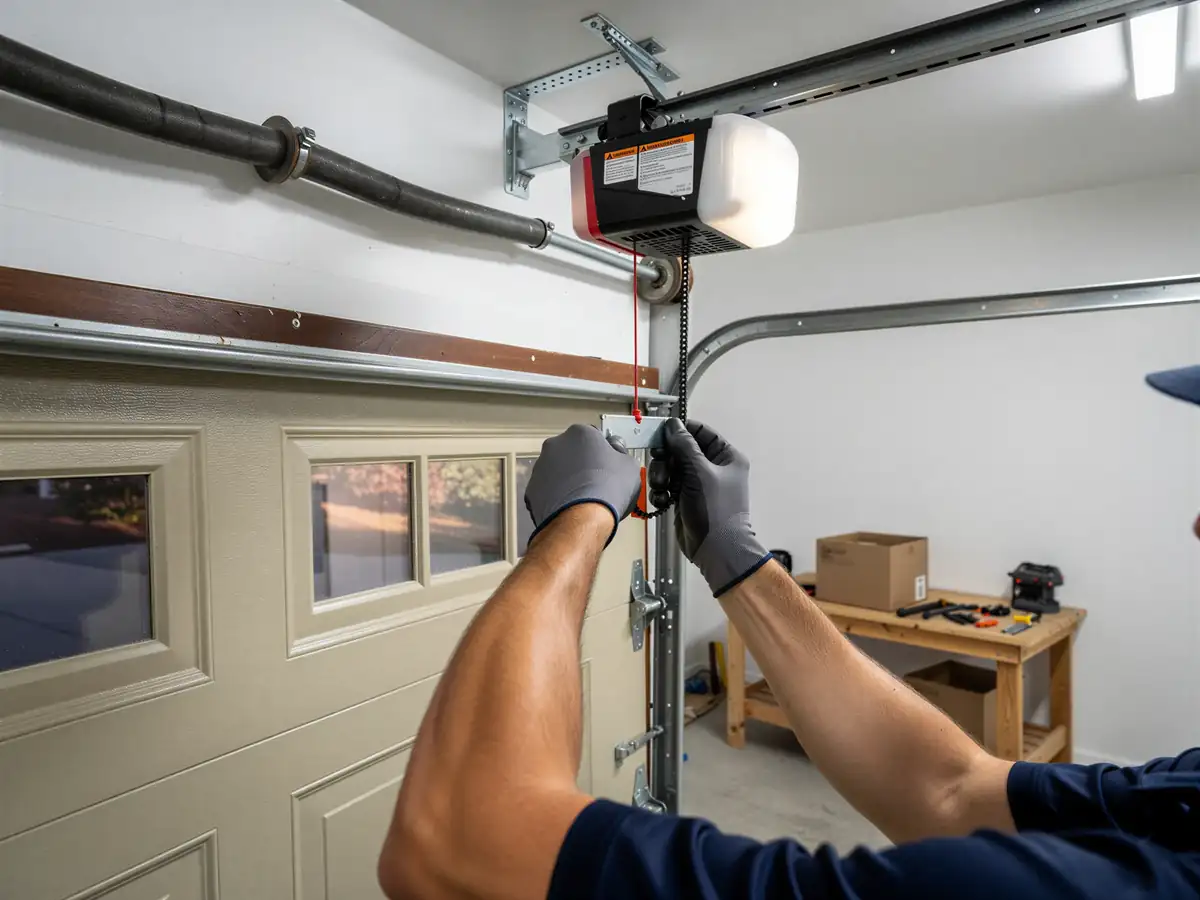
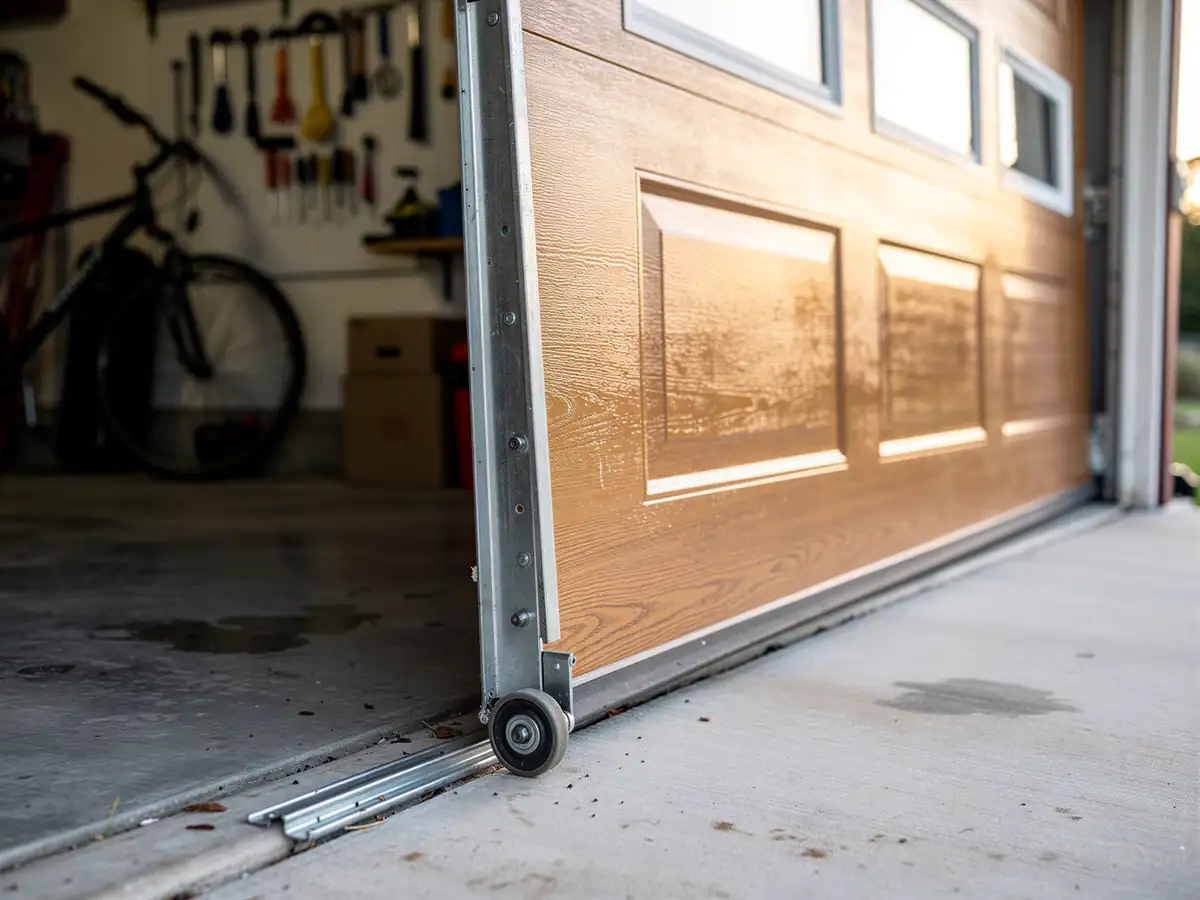
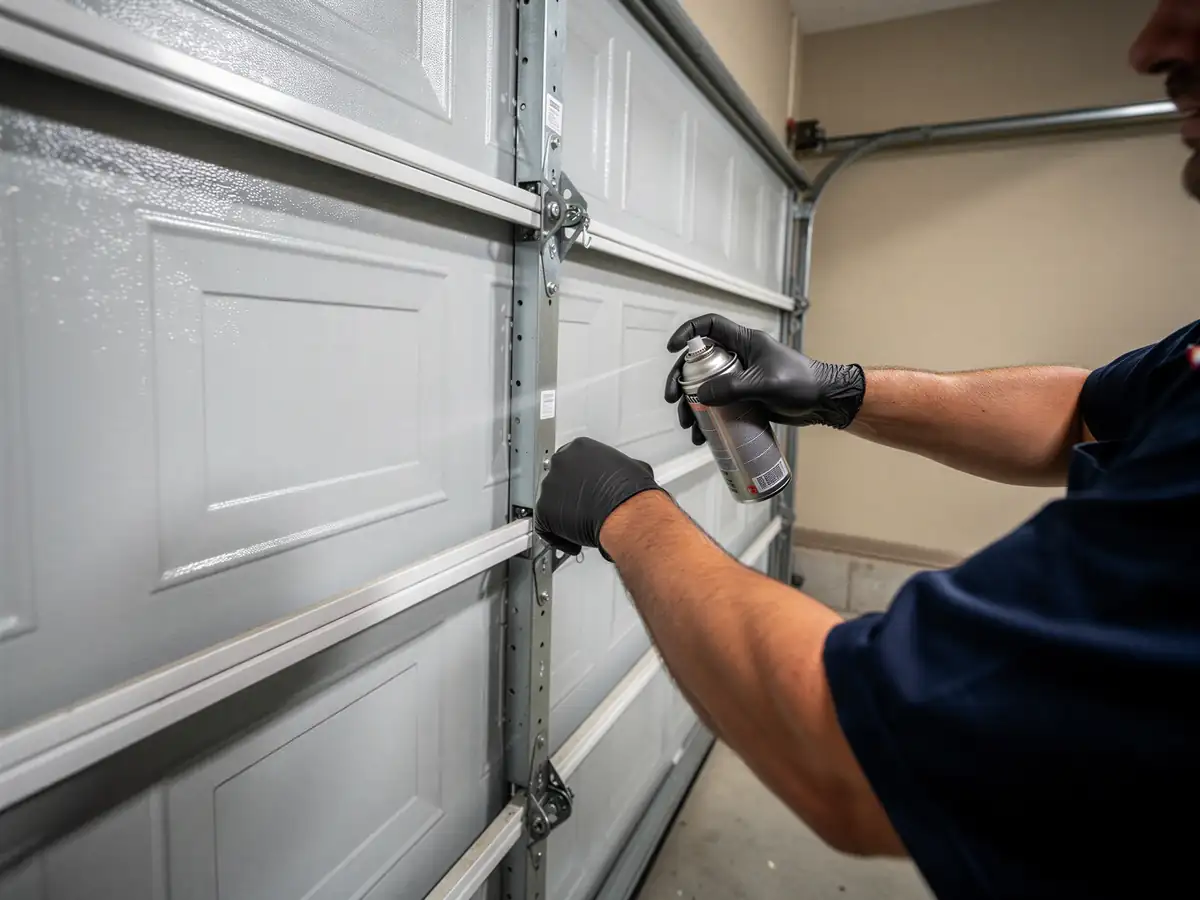
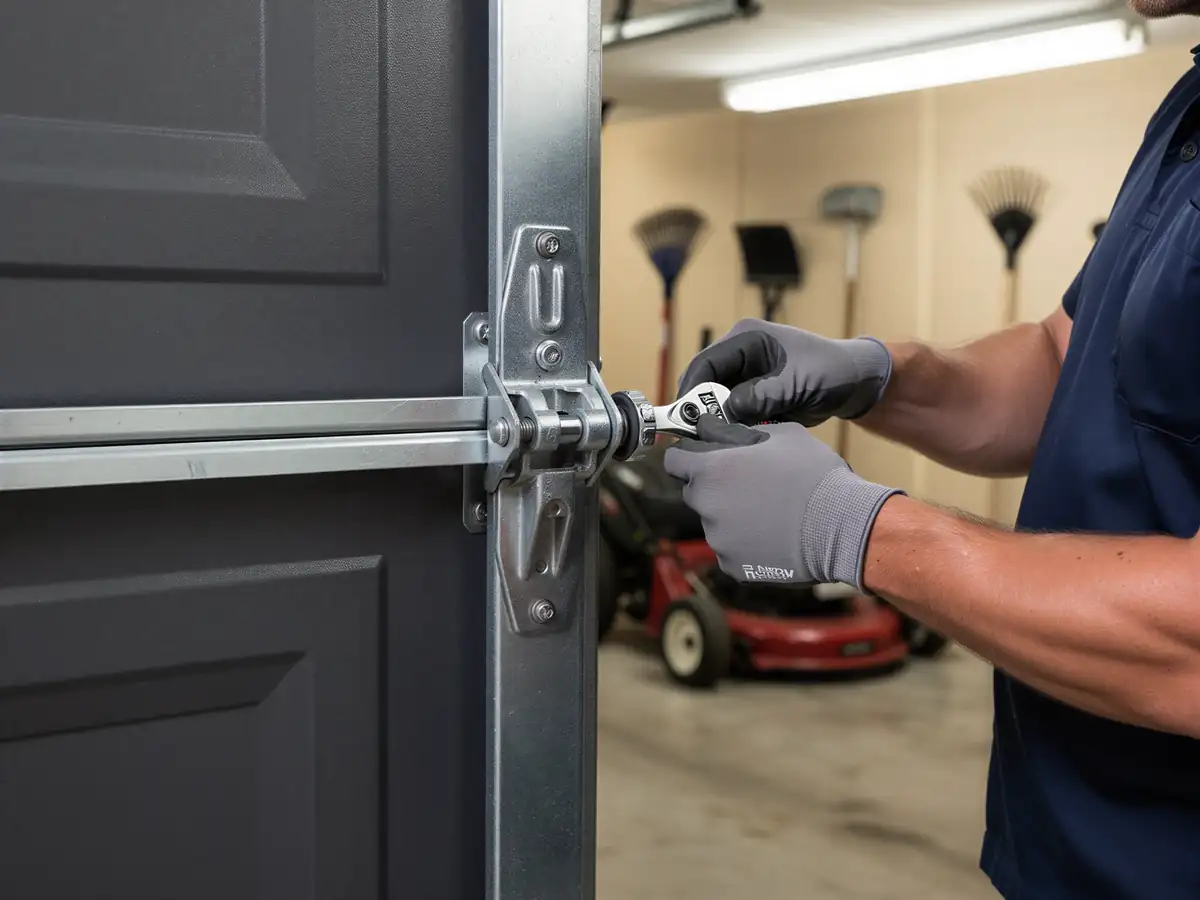
On doors from the 1960s and 70s we also look at the rollers and hinges, since steel rollers from that period wear unevenly and throw the door off-track long before the spring finally goes. If the opener is original to the house, we'll flag that separately rather than patch around it; an opener from that build era usually isn't worth repairing piece by piece. We don't replace a whole door system when a spring and a cable will do the job - that's a bigger ticket than most of these calls need, and we'll tell you plainly when a repair is the right call versus when it isn't.
What You Are Seeing
The most common version of this call is a door that won't budge and a spring that's visibly separated
You'll see a clean gap in the coil, usually on one side of the door. Less dramatic but just as common: a door that opens unevenly, drags on one side, or makes a loud bang partway through the cycle. That's usually a cable starting to fray or a roller binding in a track that's shifted slightly over decades of settling.
On older openers, the symptom is different
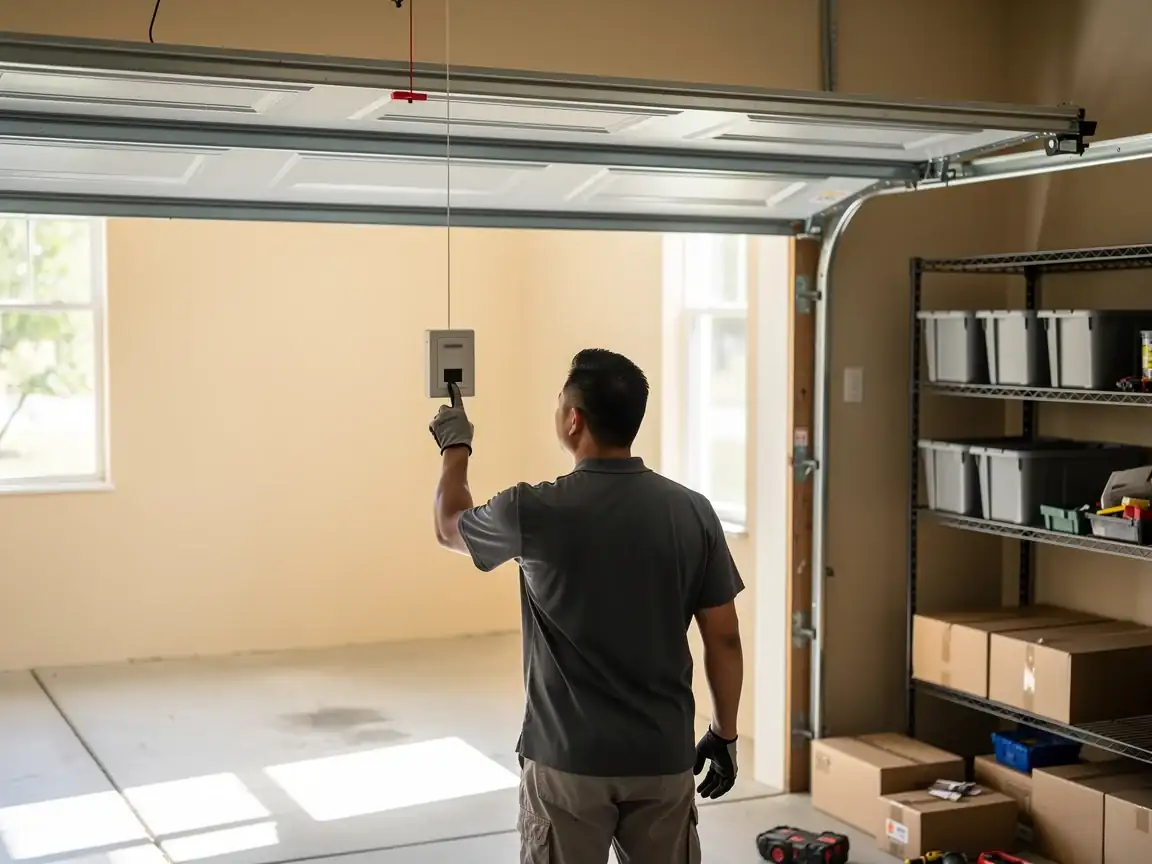
The door reverses for no reason, or the remote works intermittently. That's wear in the opener's internal gear or sensor alignment, not the door itself, and it's worth ruling out before assuming the whole system needs replacing. If you're hearing a grinding noise on the way up, that's rollers, not springs, and it's a cheaper fix if caught early.
How Long It Takes
A spring replacement on a standard double door is typically a same-visit job once we're on site and have confirmed the weight and size of the door. Cable and roller work adds a little time but is still usually finished in one appointment. What we can't always control is parts availability - if your door uses a less common size or an opener model that's no longer in wide production, getting the exact part can add a day or two. We'll tell you up front if that's the case rather than guess.