How Local Conditions Play In
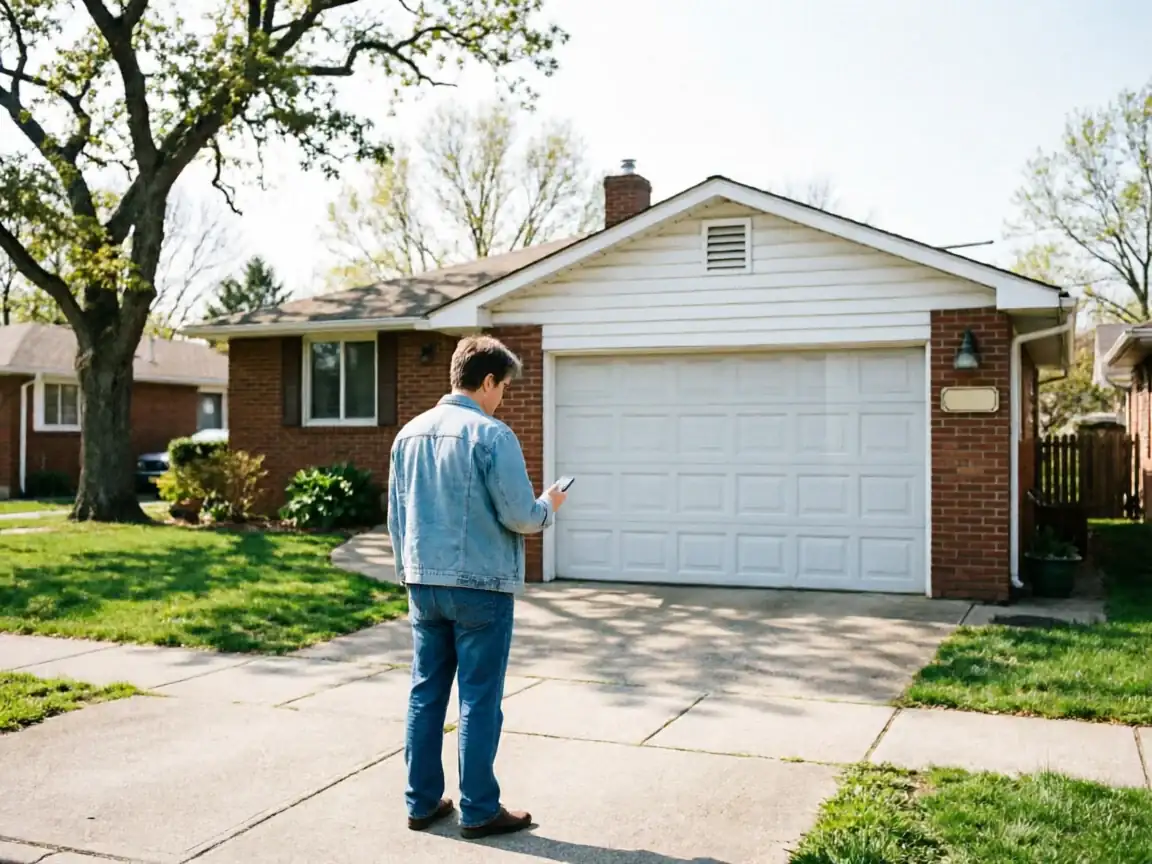
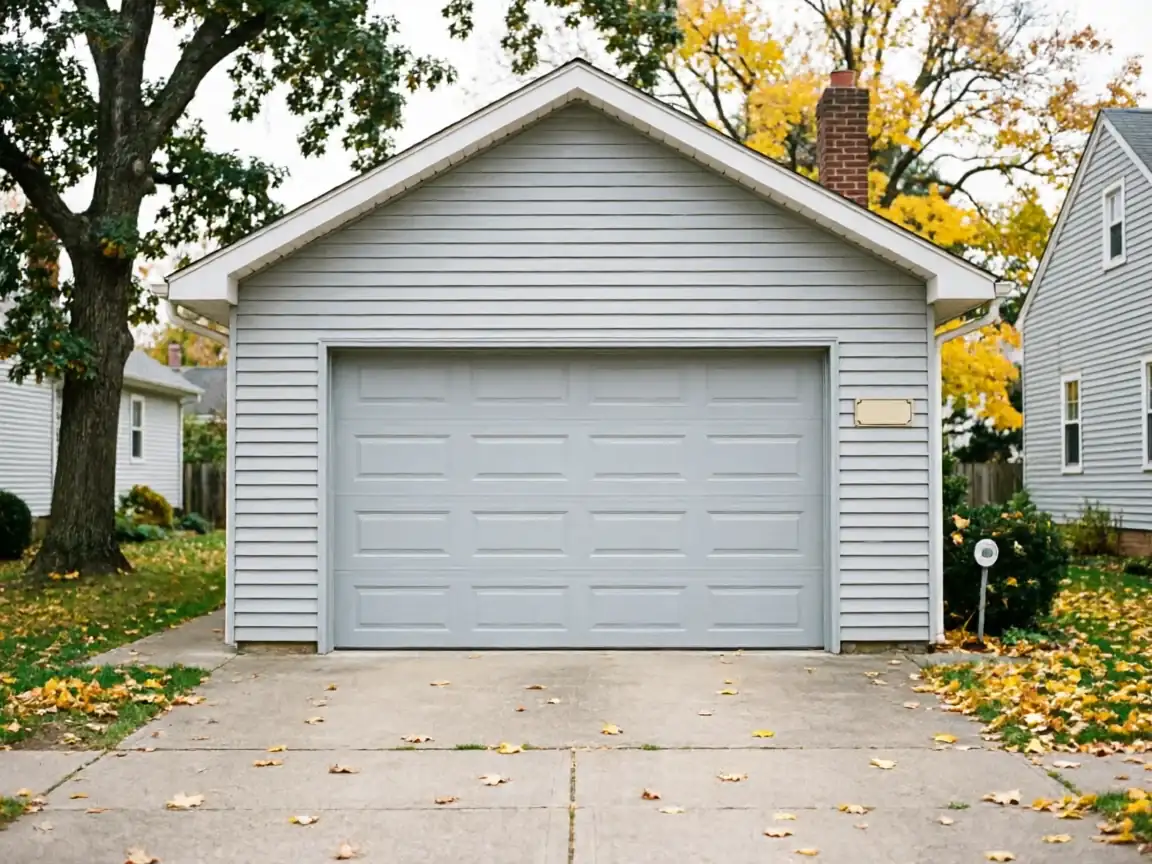
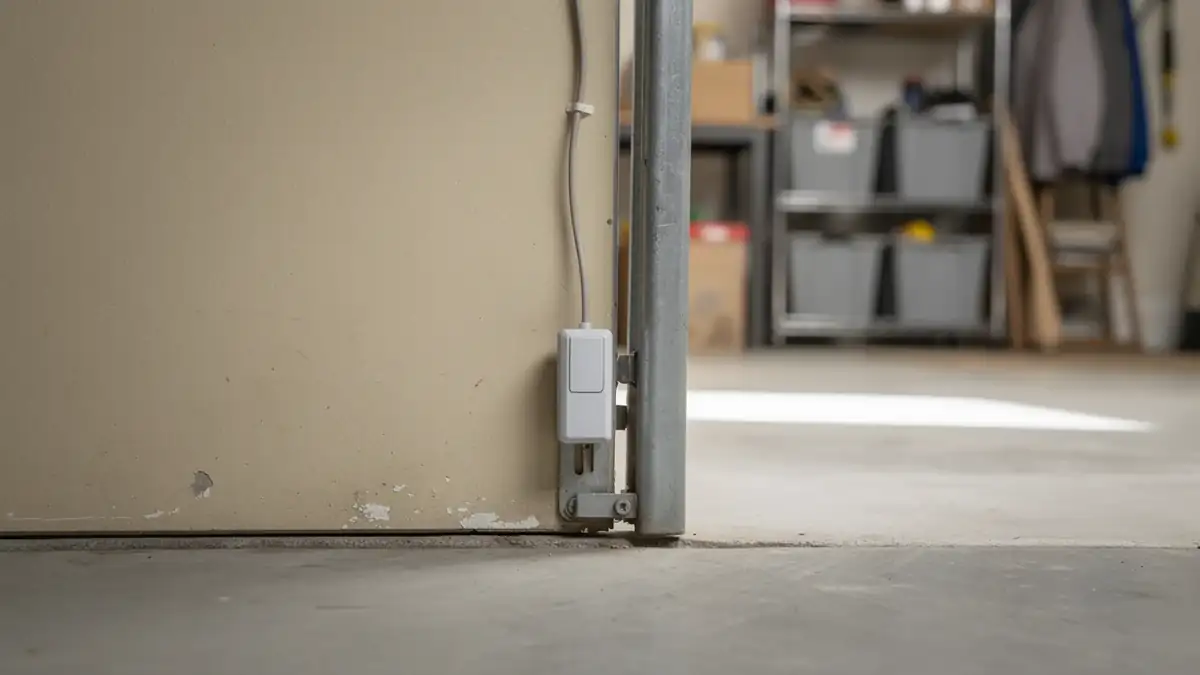
Deerfield's housing stock runs from 1938 up through 2009, but the bulk of it went up in the 1960s and 70s, back when the attached garage became standard on nearly every lot in this part of the North Shore. That matters for sensor drift because those garages were framed and slabbed decades before photo-eye safety sensors existed as a requirement. When a sensor bracket gets added later, it's often screwed into trim or a stud that's had forty-plus years to move.
The cold band here does the rest of the work. A garage that sits a few degrees above freezing in January and swings back up in a thaw puts real stress on anything bolted to a wood jamb. Concrete slabs in this climate heave slightly with frost, and that's enough to tip a sensor eye a few degrees off its mate across the opening. You won't see it happen. You'll just notice the door starts reversing for no obvious reason, usually on the coldest mornings.
This isn't a knock on any one house. It's just what happens when 1960s and 70s construction meets a cold-climate freeze-thaw cycle year after year, especially once the original wood trim has shrunk and re-swelled a few dozen times.
When to Get Help
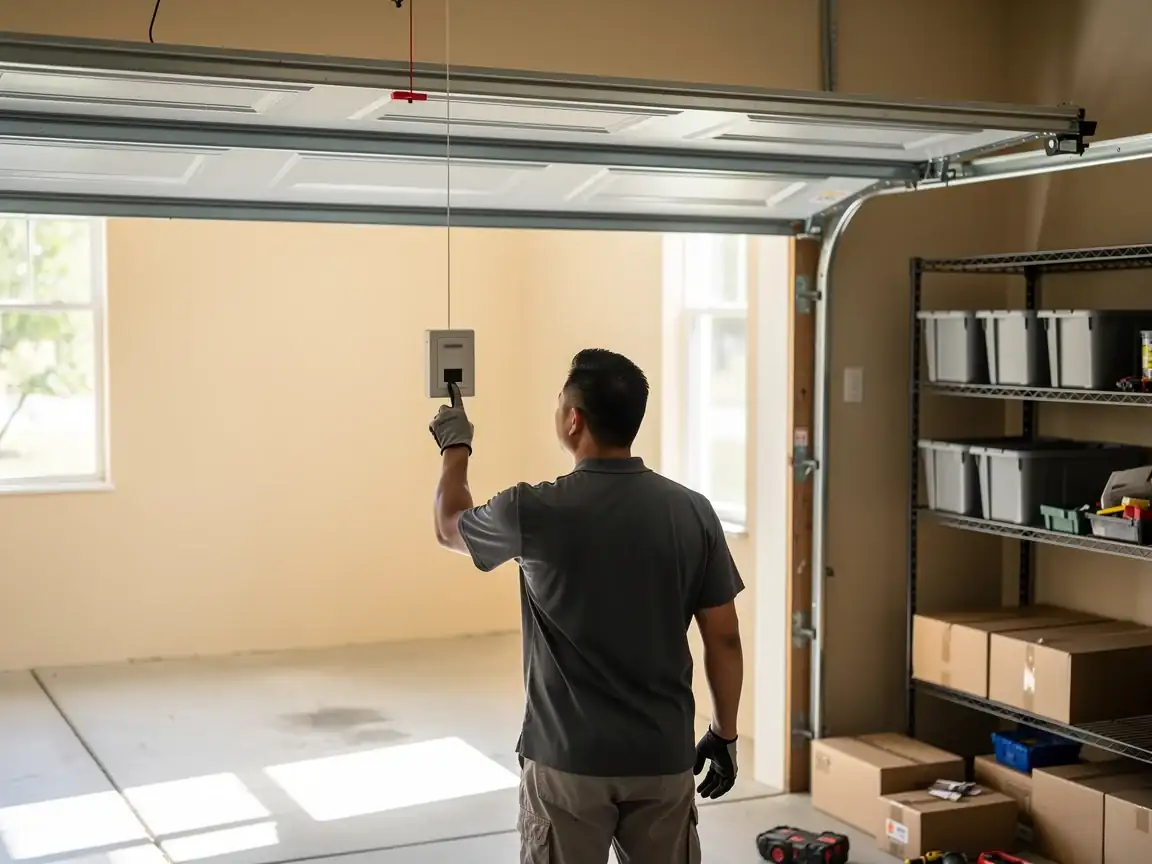
If the door reverses before it fully closes, or the opener light blinks a set number of times and won't clear, that's the sensors telling you they're out of alignment or blocked. A quick fix is to check both eyes are clean and pointed at each other dead level - cobwebs and dust are common in garages that sit closed most of the winter.
If you've wiped the lenses and nudged the brackets and it still won't hold alignment for more than a day or two, that's a sign the bracket itself has play in it, not the sensor. On a house from the 1960s or 70s stock common across this area, that's often a trim board that's loosened over the years rather than a bad sensor. That's a call-in job, because repeated re-aiming on a loose mount just repeats the same failure every cold snap.
Don't keep running the door with a sensor unplugged or taped over to get past a stuck reversal. That defeats the one part of the system built to keep the door from closing on a kid, a pet, or a car bumper.
The Situation
Across the service area
163,436 households and 88,612 owner-occupied houses, with a median household income of $125,104 - most garages are original to houses built between 1938 and 2009, median year 1977. That means a lot of sensor brackets were retrofitted onto trim that predates them, mounted with whatever screws were on hand at the time, into jambs that have already gone through decades of a cold-moderate climate cycle.
- 163,436 households
- 88,612 owner-occupied
- $125,104 median household income
The practical result: sensor drift here isn't usually a bad part
It's a mounting surface that's shifted under a bracket that was never meant to carry the load of staying perfectly level for fifty years. On newer builds in the area - the ones closer to 2000s construction - the brackets are often on steel jambs and hold their aim far longer.
We don't carry every obsolete sensor bracket style that shows up on the older end of that 1938-2009 range
So on some of the oldest jobs the fix is a full sensor swap rather than a replacement part for the original mount.
The Common Mistake
The mistake we see most is treating a drifting sensor as a one-time fix. Someone re-aims it, the door works for a week, then the cold snaps back and it's off again. On houses from the 1960s-70s stock that makes up most of this area, re-aiming without checking the bracket itself just resets the same problem for the next freeze-thaw cycle.
The other common mistake is assuming both sensors are equally worn. Usually one side - typically the one on the exterior wall catching more temperature swing - is doing most of the drifting, while the other side holds steady for years. Swapping both when only one is the problem wastes a part that was fine.
If your door's been fighting you every cold morning for more than a season, re-aiming isn't the fix. The bracket or the mount underneath it is.