Why This Fails Locally
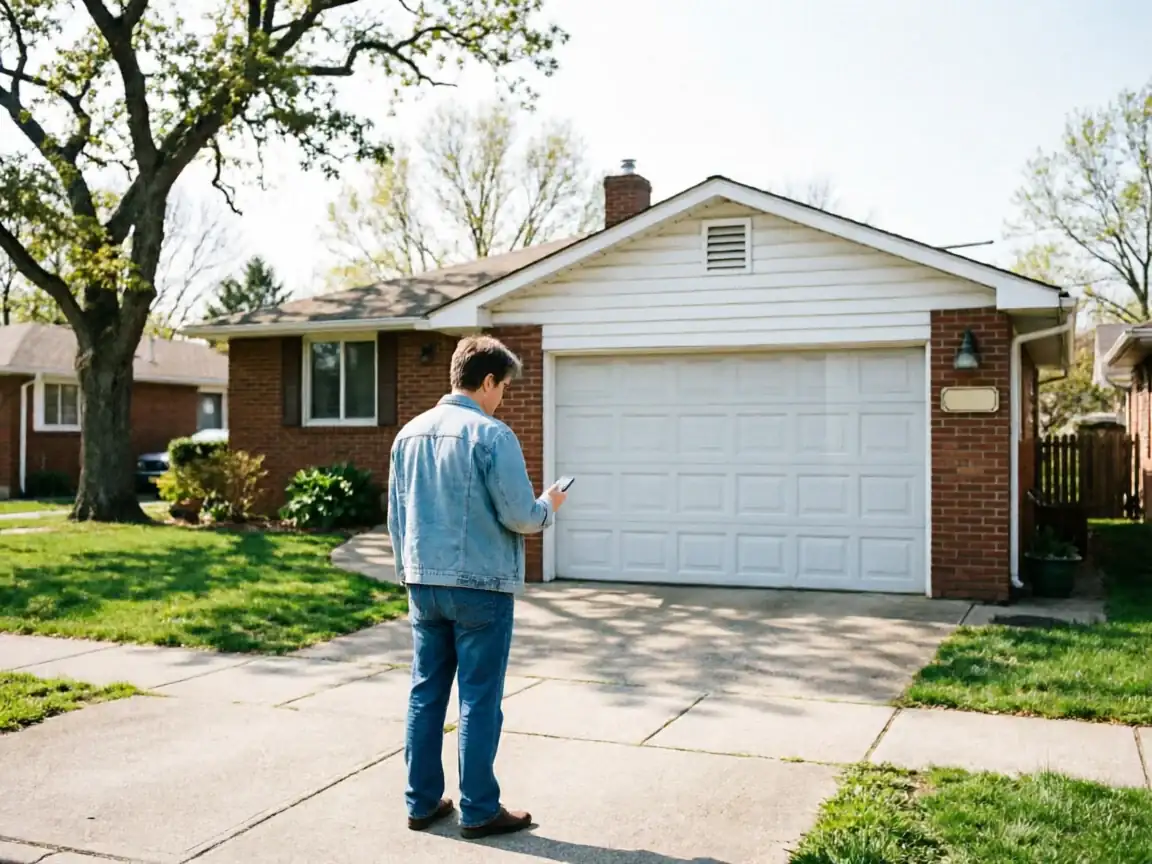
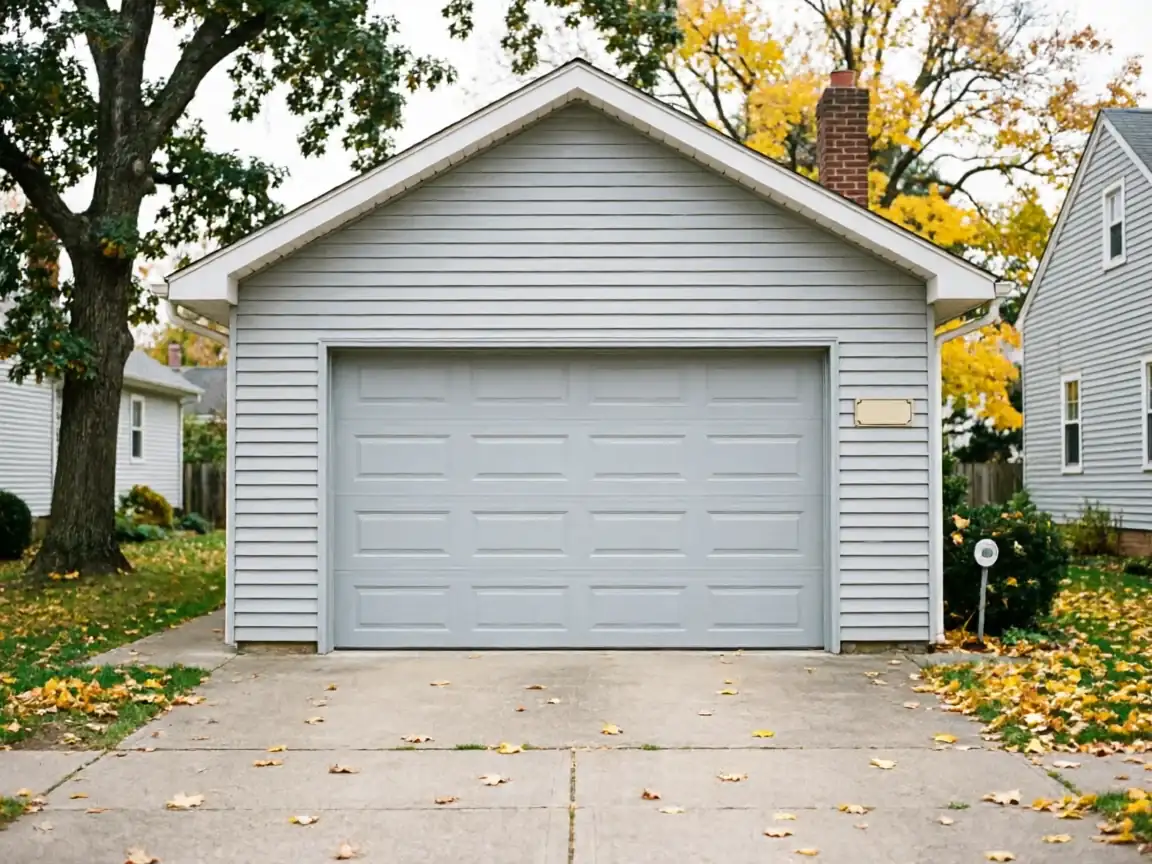
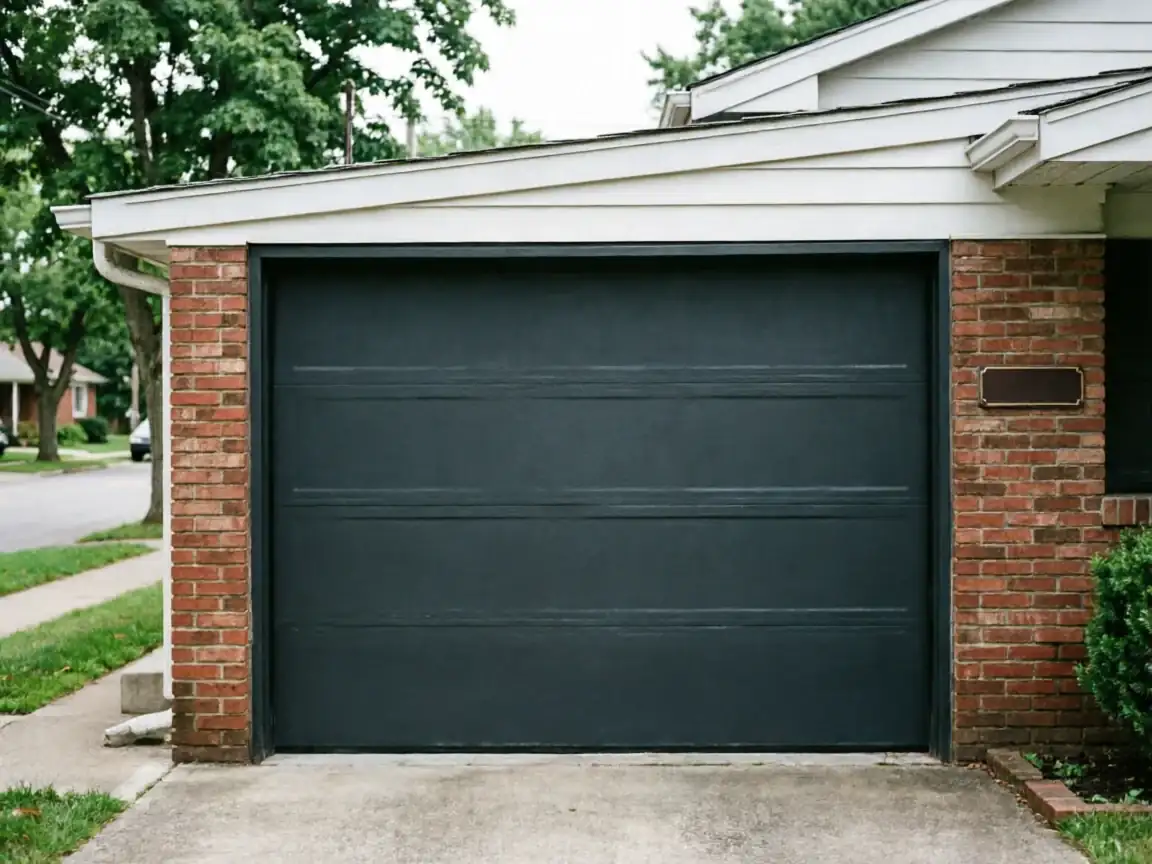
The housing stock across this service area runs from 1938 to 2009, but the median build year sits around 1977, and most of the 53 communities we cover are dominated by 1960s and 70s construction. Doors from that era shipped with steel tracks bolted to wood jambs that have since shrunk, swelled, and shifted a hundred times over. A track that was square when the house was framed is rarely square fifty years later.
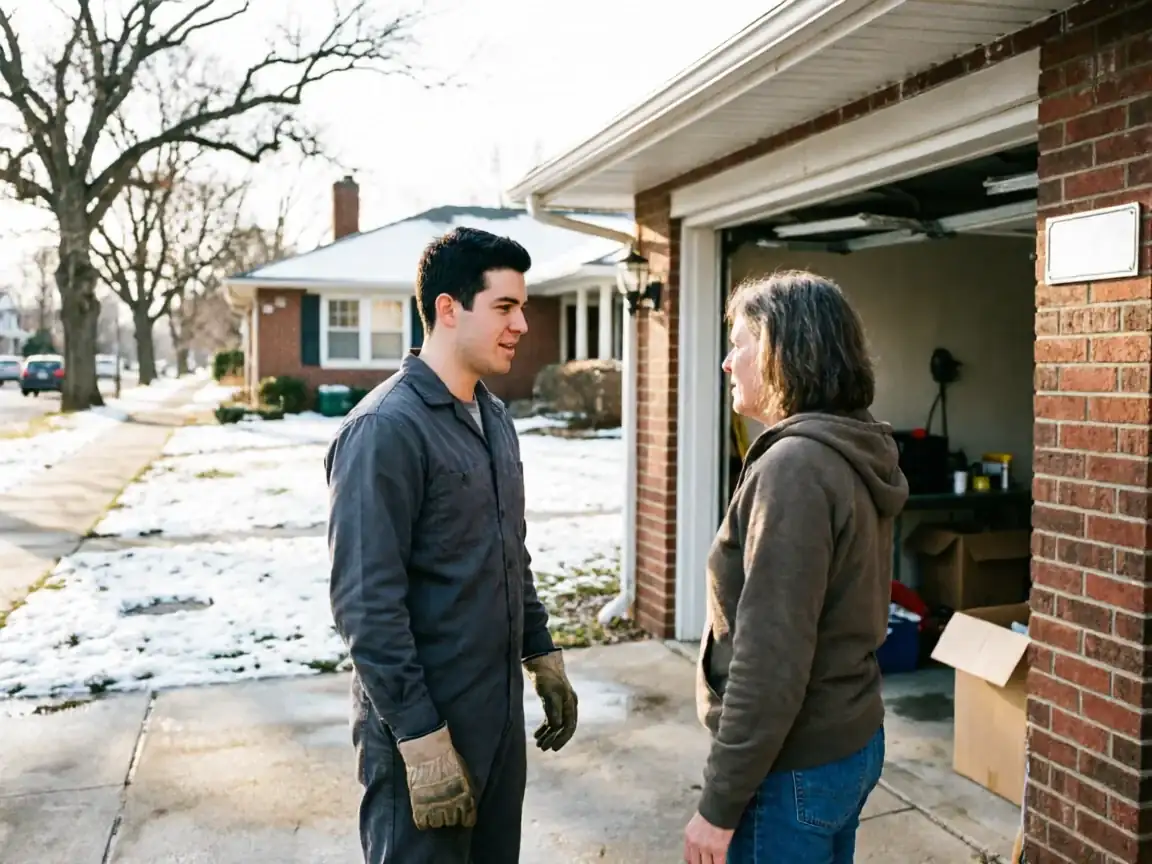
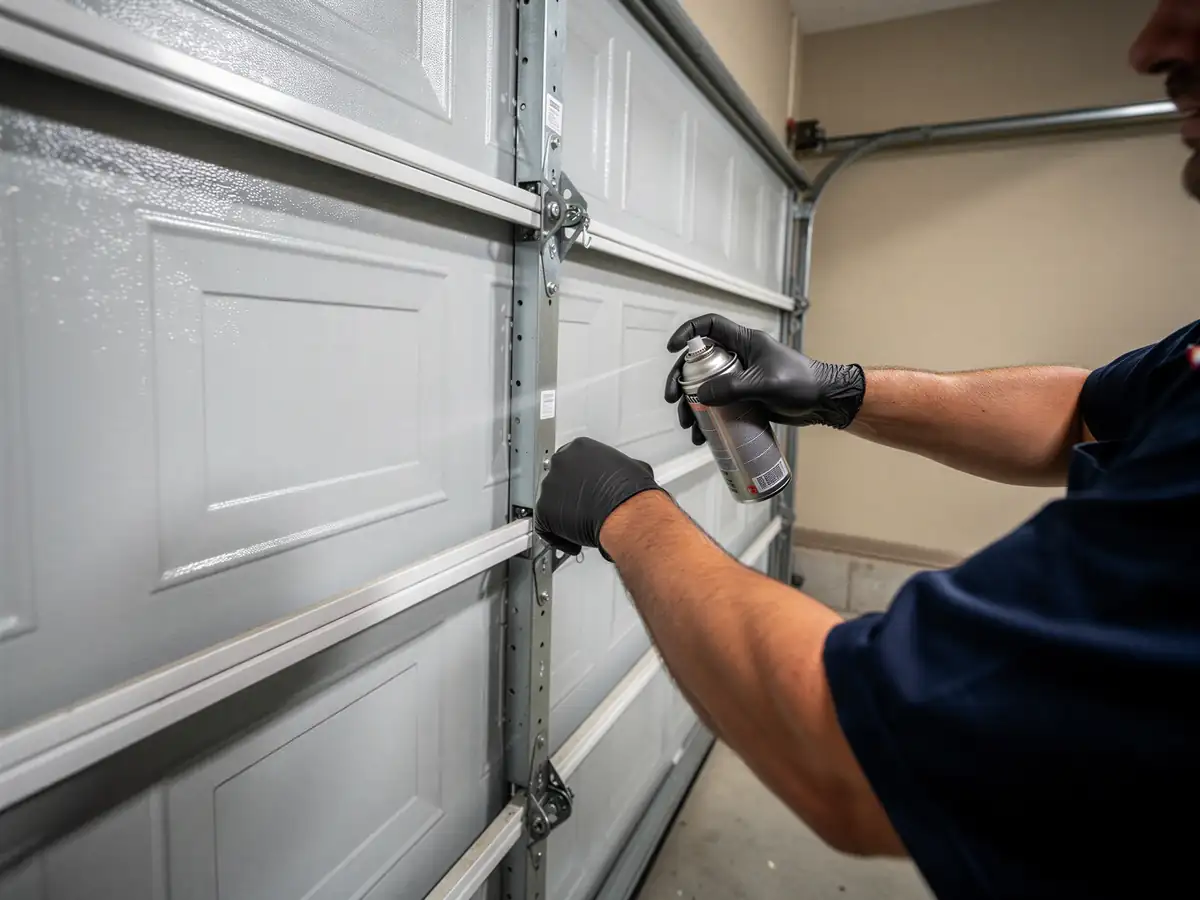
The cold moderate climate band this area sits in adds its own pressure. Winter stiffens the grease in old rollers and hardware, so a door that used to glide now drags against one side of the track. Drag plus a slightly bowed rail is exactly how a roller pops loose and a panel walks off the track. It's not a dramatic failure - it's cumulative, and it shows up more in houses built before nylon rollers and sealed bearings were standard.
Newer builds in the area, the ones closer to 2009, mostly don't have this problem yet. Their track brackets are better fastened and their rollers are sealed. This is a problem that tracks with age, not with any one street or subdivision.
What the Fix Involves
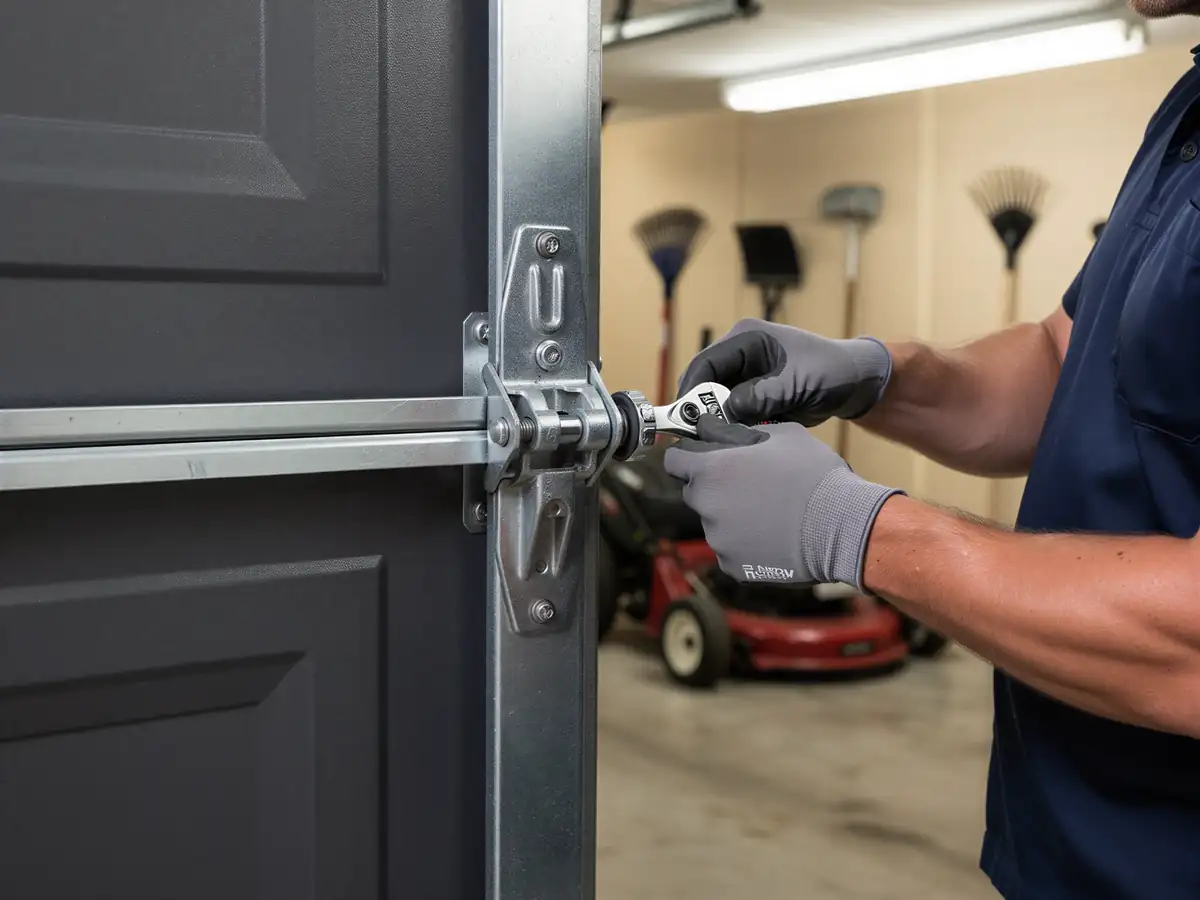
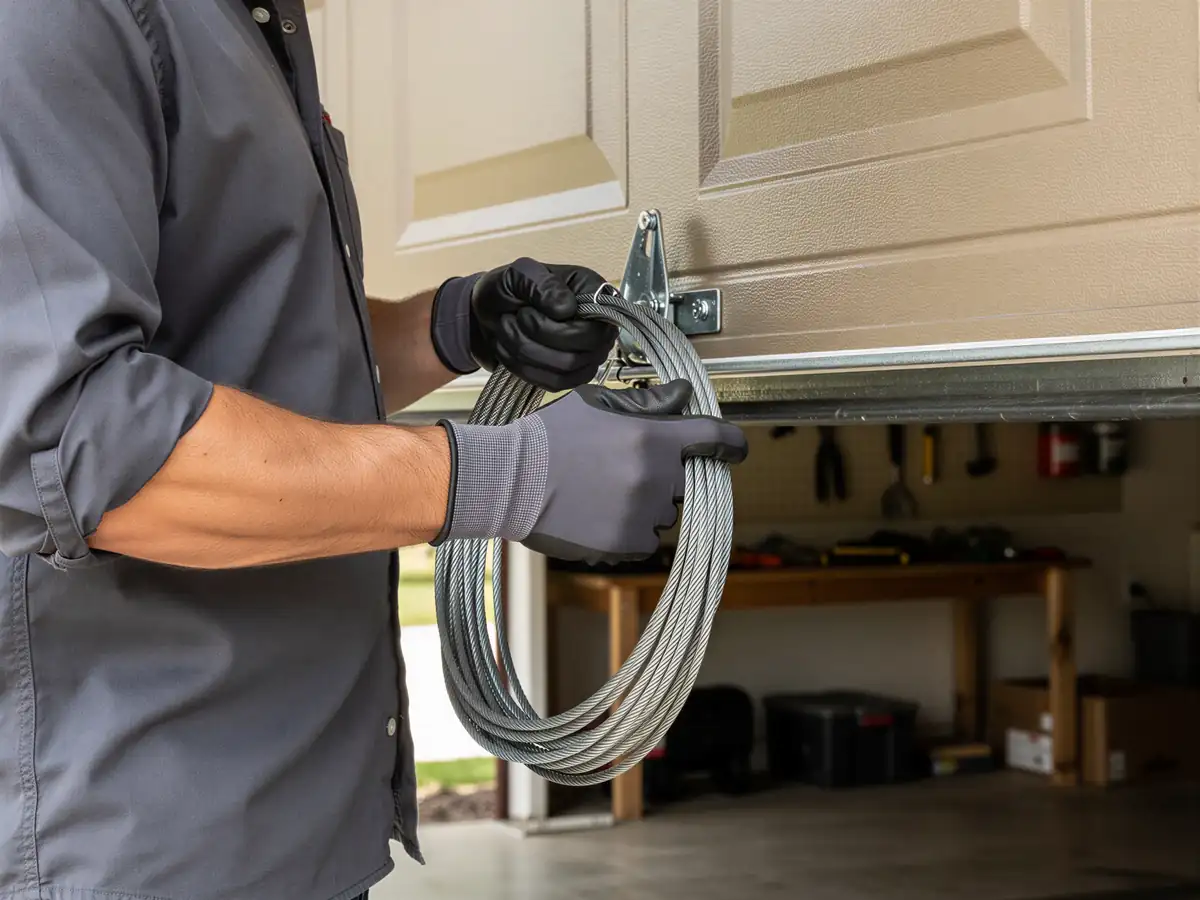
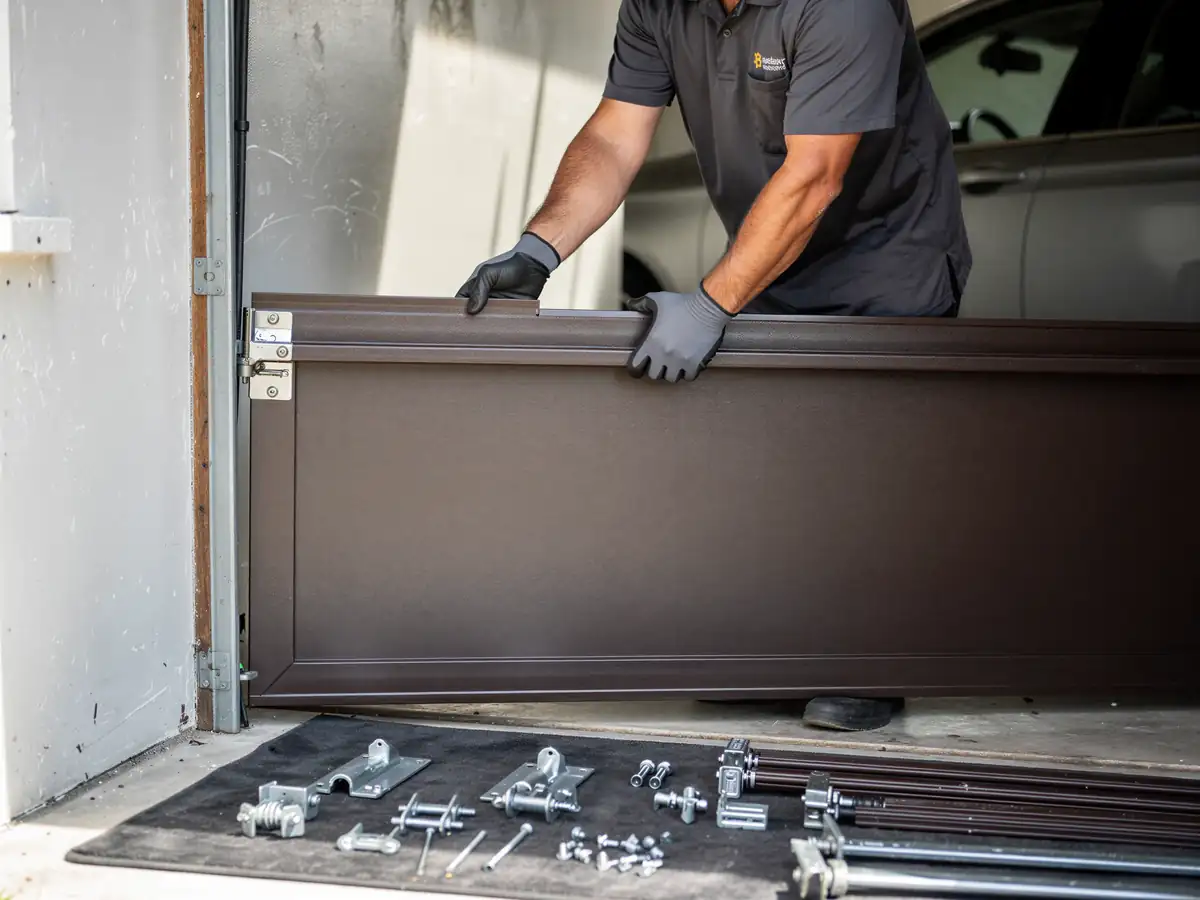
First step is figuring out whether the track bent, the bracket pulled loose from the jamb, or a cable jumped its drum - because those three look similar from the driveway but need different fixes. A bent track almost always gets replaced rather than hammered straight; straightened track fails again within a year more often than not, and we don't recommend it.
If the bracket pulled loose, that's usually a jamb problem as much as a hardware problem - the wood has to be solid enough to hold new lag screws, and in some older houses it isn't, which means a small carpentry fix before the track goes back up. We'll tell you straight if that's what we're looking at rather than bolting new hardware into soft wood and calling it done.
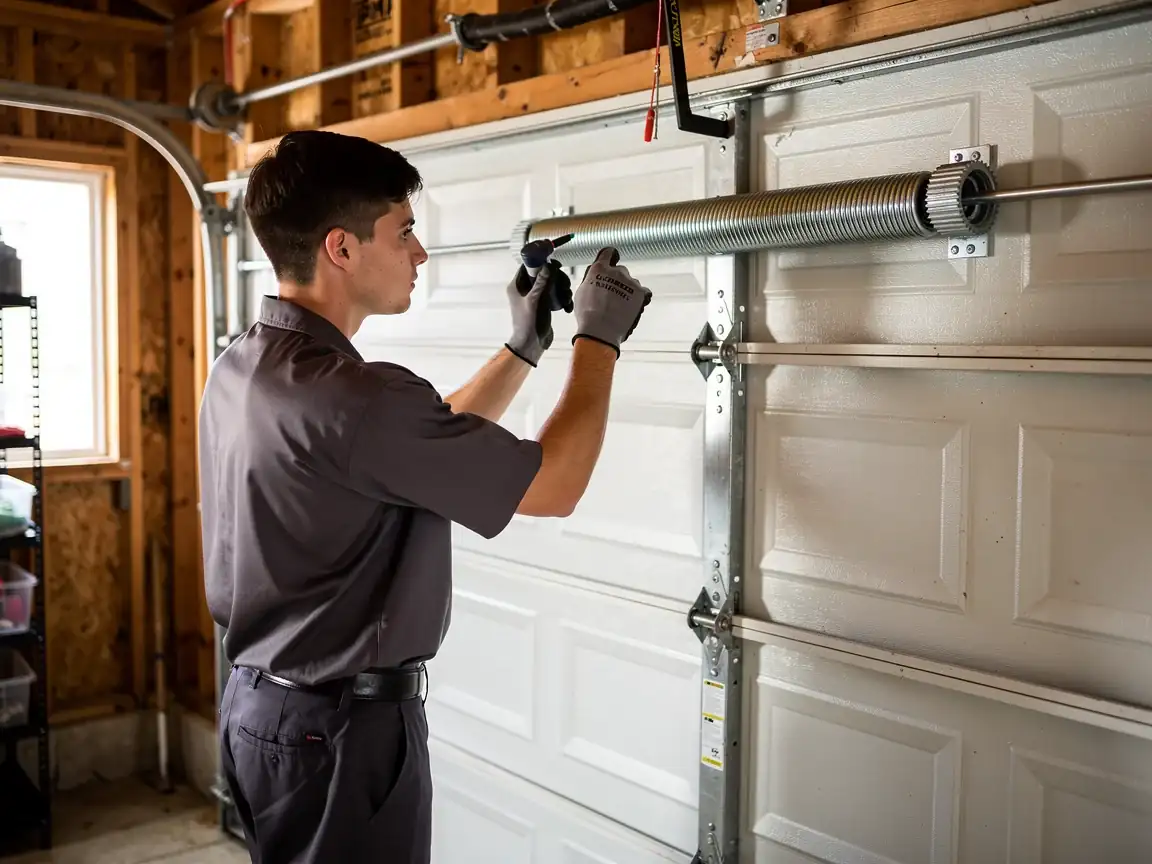
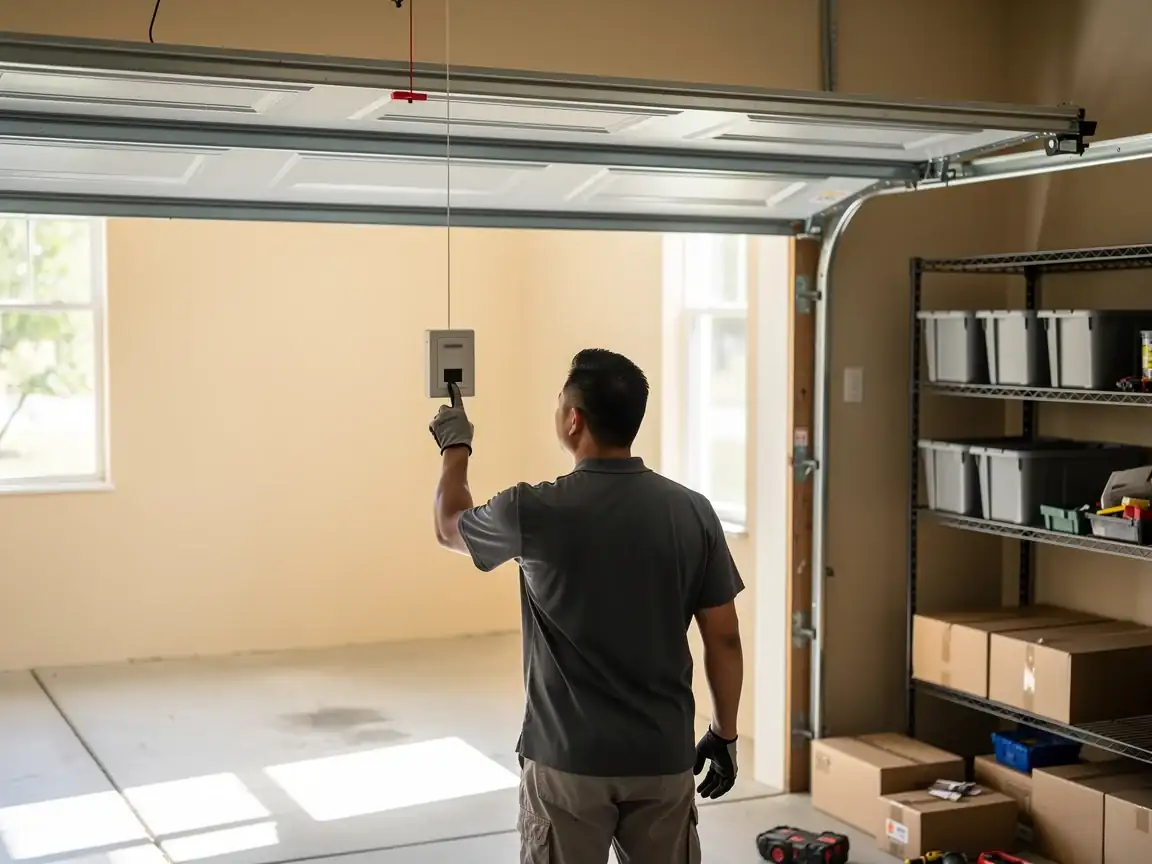
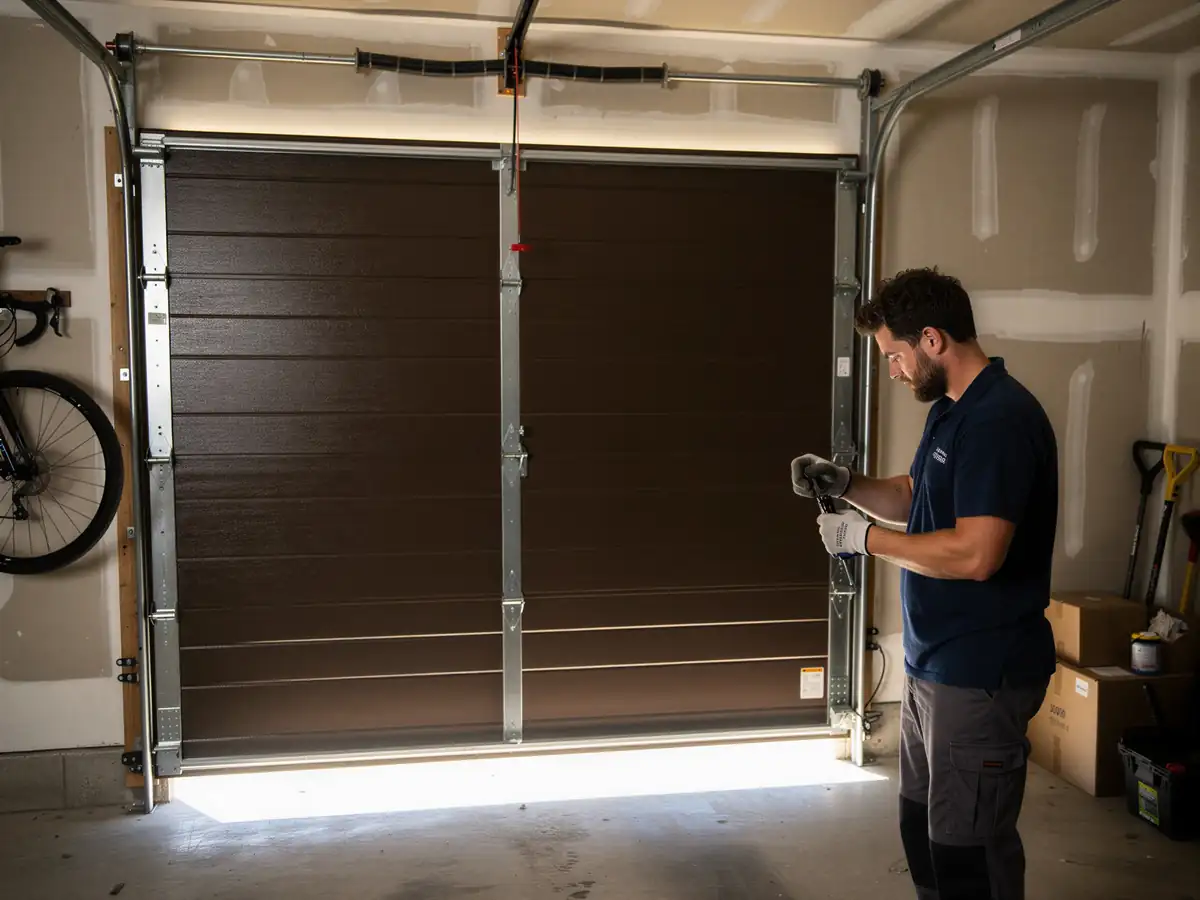
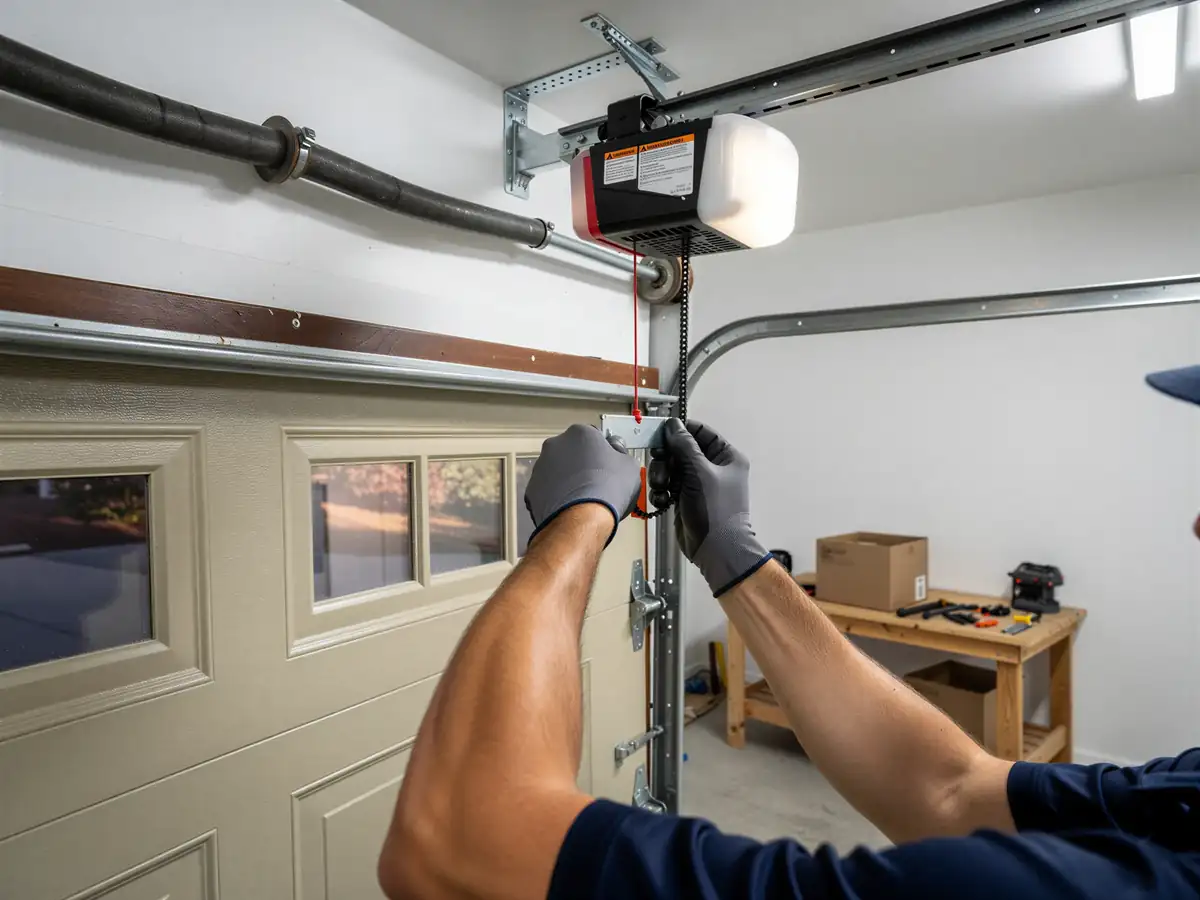
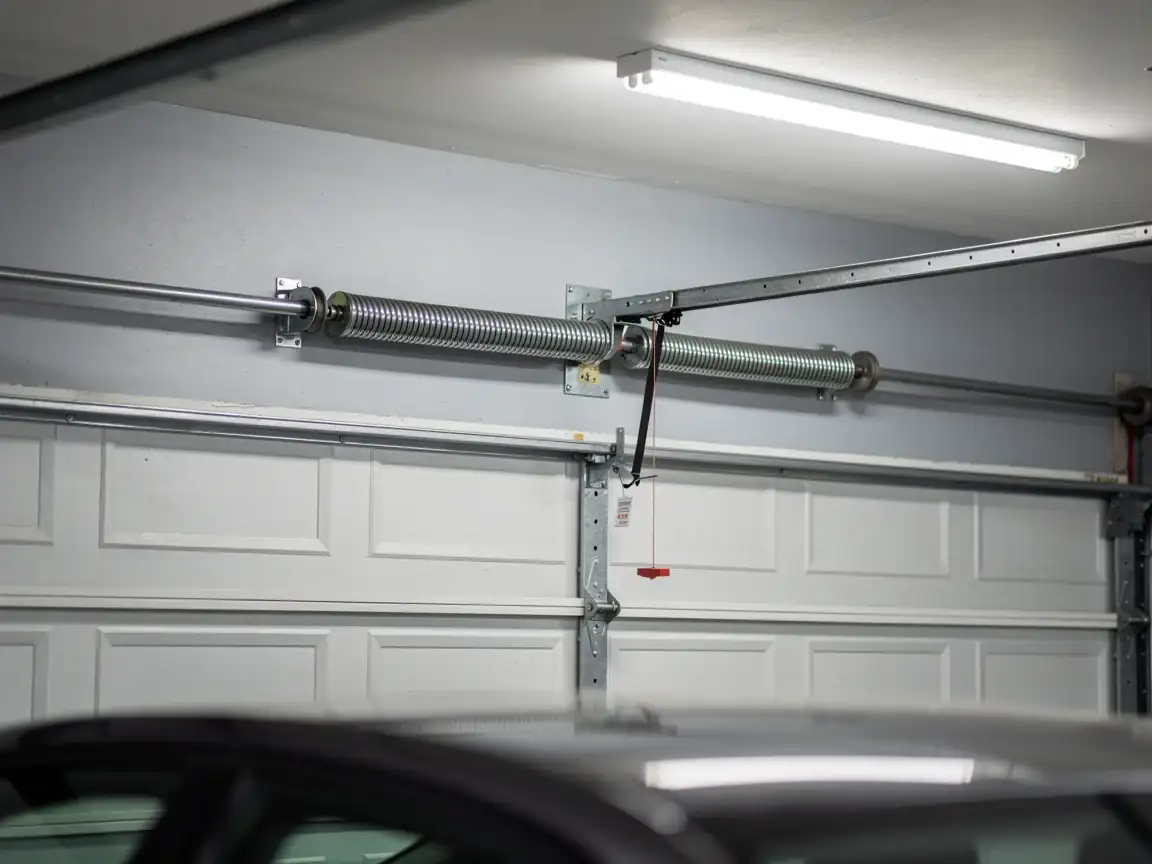
Once the track and brackets are sound, the door gets reset on its rollers, the track is leveled and plumb-checked on both sides, and the opener's travel limits get reset so it doesn't slam the panel back into a track that's still slightly off. We check the springs too - a door that's been fighting a bent track for weeks sometimes stresses the spring enough to need attention of its own. One honest limitation: if the track damage goes back far enough that the door panel itself is bent or racked, replacing the door is usually cheaper than chasing the fix piece by piece.
What You Are Seeing
The usual sign is a door that runs fine most of the way up or down
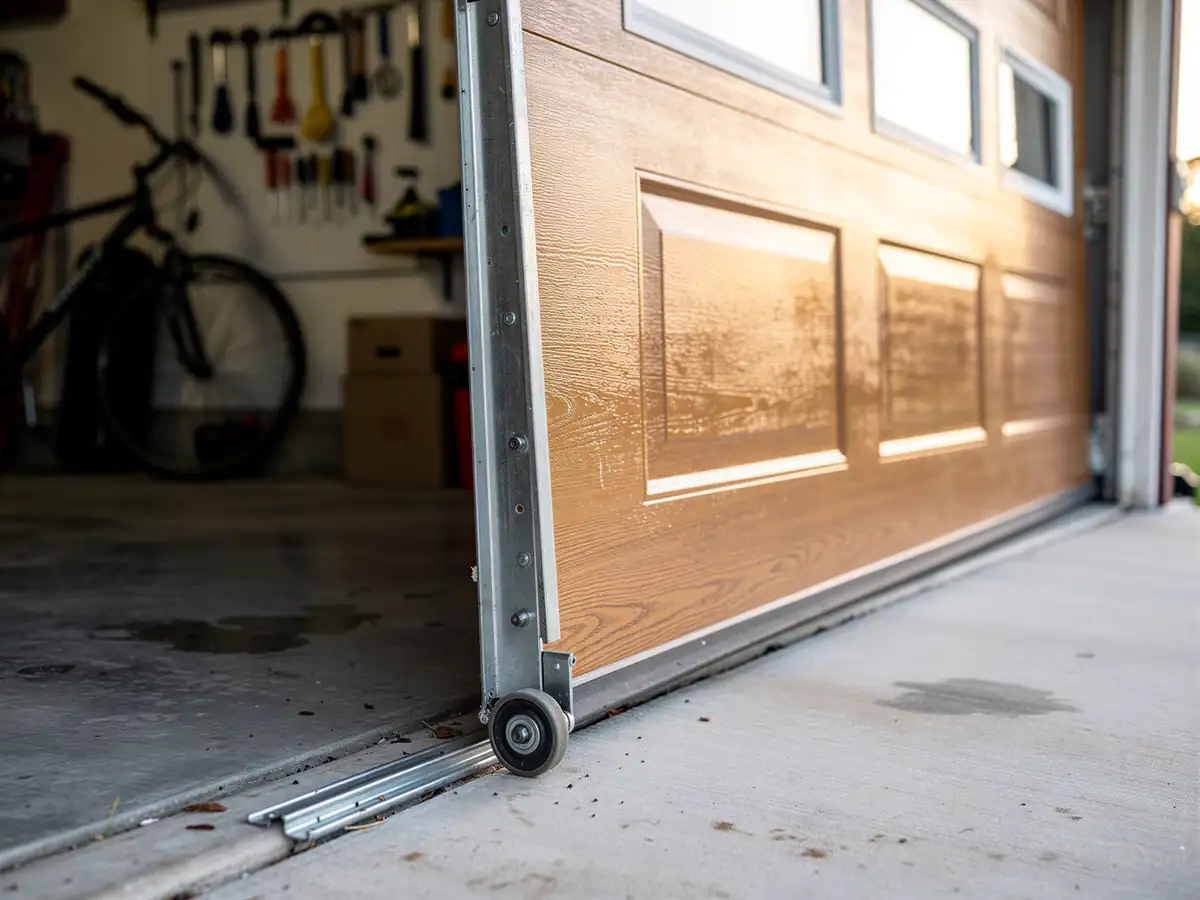
Then catches, shudders, or stops dead at one specific spot - that's almost always where the track has pulled away from the jamb or where a roller has already left the rail. Sometimes you'll see a visible gap between the bottom of the track and the wall, widening as the door moves.
Another pattern: the door looks fine sitting closed
But you can see daylight along one edge where the panel isn't seated square in the track. If you run the opener and hear a grinding or scraping sound right before it stops, that's usually metal on metal where a roller has jumped the rail and is riding the edge of the track instead of the inside groove.
In colder months, a door that was working fine in October and started catching in January is showing exactly the pattern you'd expect from stiffened hardware working against a track that was already slightly out of alignment
Don't keep running the opener once a door catches - forcing it through a jammed track bends things further and turns a track fix into a track-and-panel fix.
How Long It Takes
Most calls for a door off its track come down to one of two jobs once we're on site: resetting the door on existing hardware, or replacing a section of bent track and rehanging it. The first is quick work. The second takes longer because the new track has to be leveled, squared to the jamb, and test-run before the opener's limits get reset.
What actually slows a job down isn't the track itself - it's finding out the bracket pulled loose from soft or rotted jamb wood, which means a repair to the wood before any hardware goes back up. That's the kind of thing you can't always see from outside, and it's why we look at the jamb before quoting the fix rather than after.
Most off-track calls across this service area get resolved in a single visit once we've confirmed what's actually damaged. The exception is a door old enough or racked enough that replacement makes more sense than another round of patch repairs - in that case we'll say so rather than keep fixing the same symptom.