How Local Conditions Play In
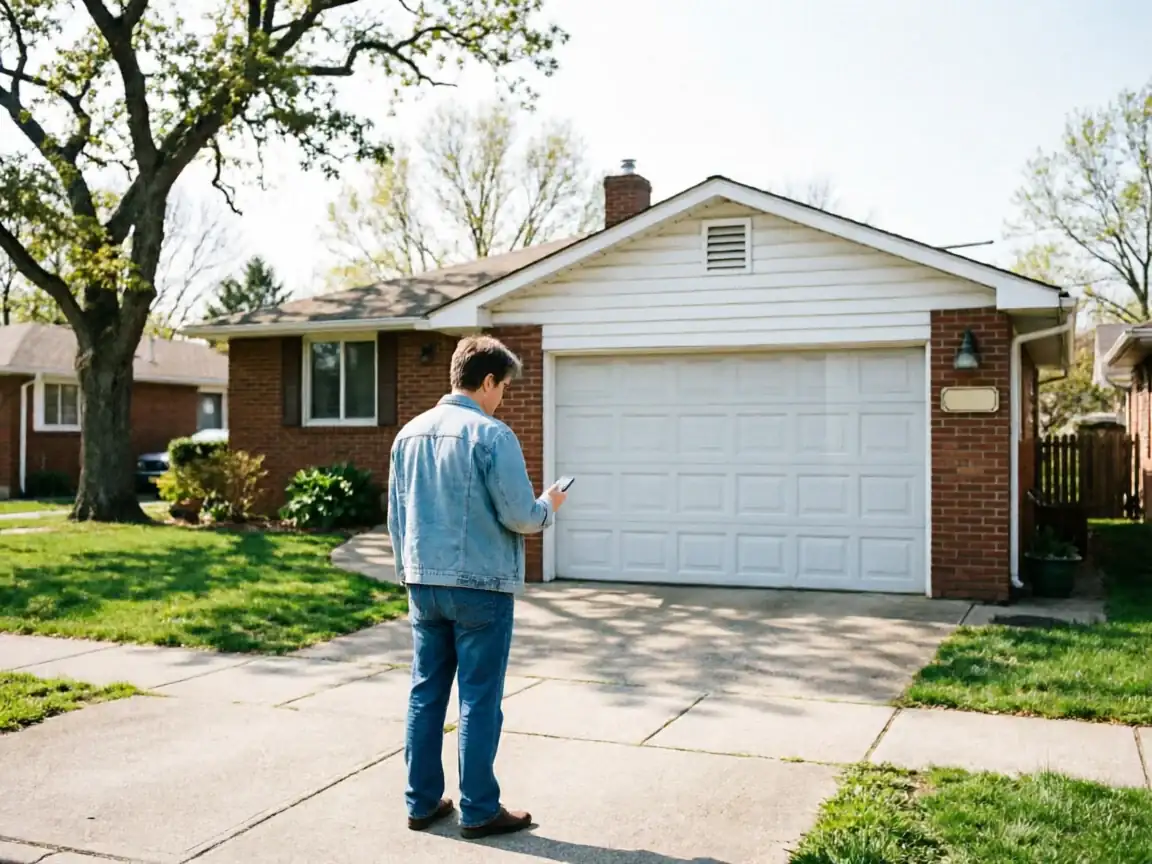
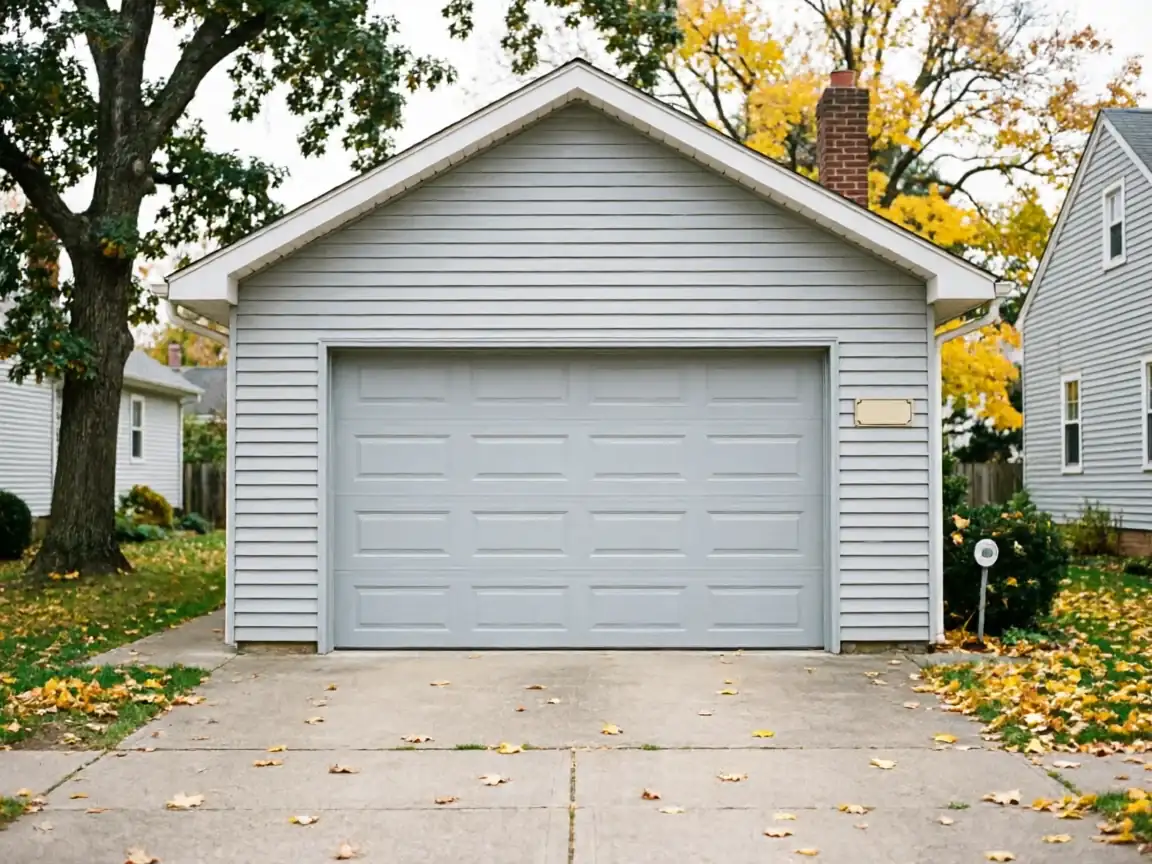
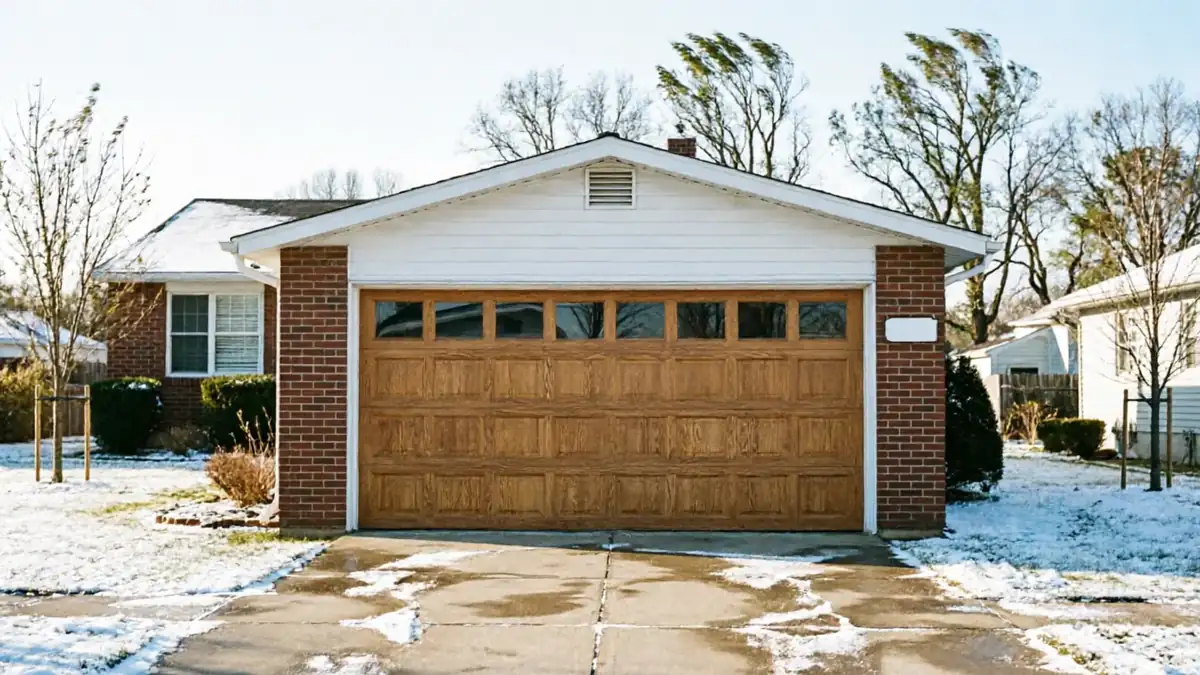
Deerfield's housing stock runs from 1938 up through 2009, but most of what you see driving around was built in the 1960s and 70s, the same era repeated across the 53 named subdivisions in this part of the North Shore. That era liked a wide single door over the garage, often 16 feet across for a two-car bay, instead of two narrower 9-foot doors. A wide door is a bigger sail. Every square foot of panel is a square foot of surface catching wind, and a 16-foot door has almost twice the area of a 9-foot one for the same height.
The climate band here is cold, moderate - not hurricane country, but enough seasonal wind load, especially during the cold-front passages that come through ahead of winter storms, to matter for a panel that size. Builders in that decade weren't speccing wind-rated hardware the way codes require now; they were building to the standards of the day, which assumed a smaller door or didn't account for wind load on garage doors at all. That gap between a 1970s-built door and current wind-load expectations is the thing to understand before anything else.
When to Get Help
Call before the door fails, not after. If you own one of the wide single doors common to this area's 1960s-70s builds and you notice the door bowing visibly in gusts, hear the track hardware rattling or shifting during wind, or see daylight flexing between the bottom panel and the floor when it's windy, that's load the door wasn't built to carry well. A door that bows under wind stress once will bow again, and each cycle stresses the same seams.
If a panel has already cracked, delaminated, or popped a hinge screw loose after a windy stretch, don't just re-tighten and move on. The underlying issue - a wide, aging panel without reinforcement - is still there. Get it looked at before the next front comes through.
The Situation
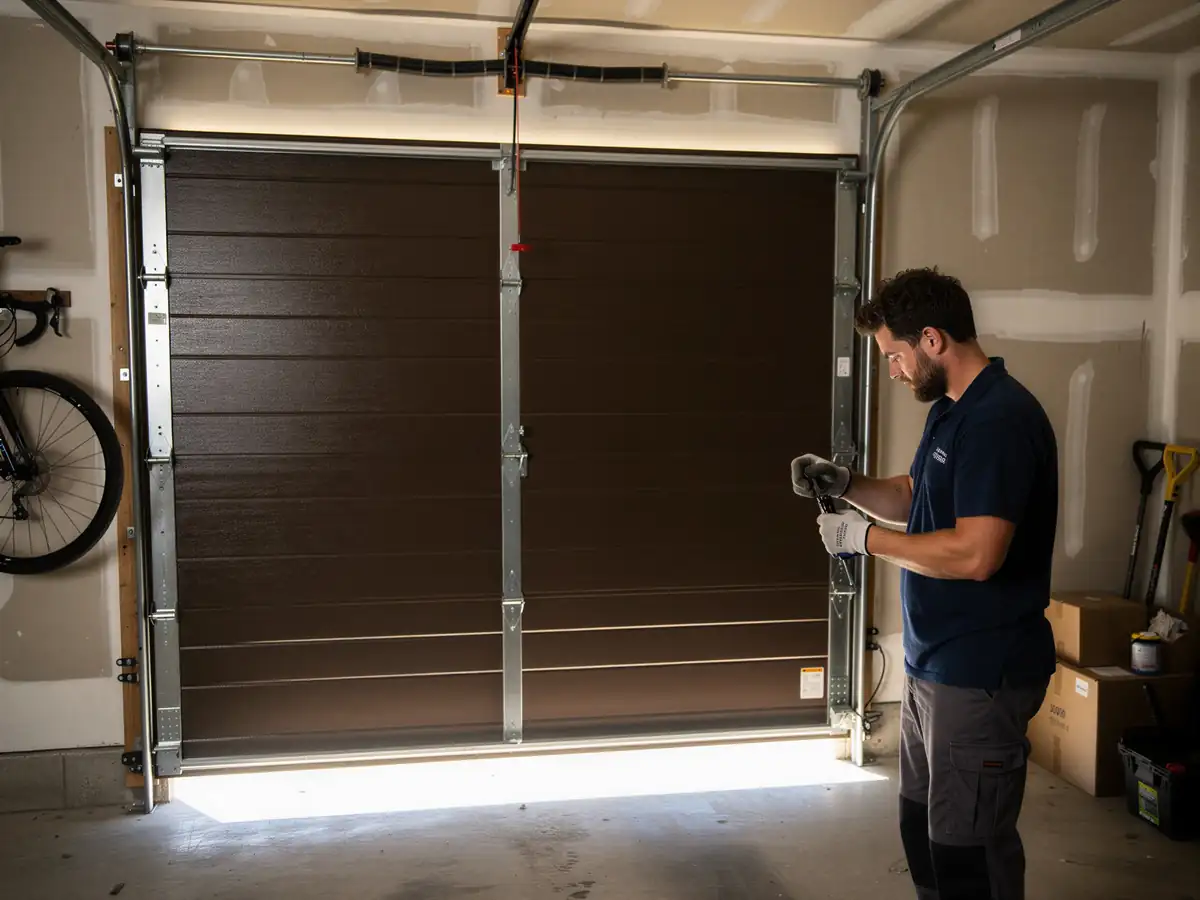
A lot of the original 16-foot doors still in service in Deerfield's older sections are steel or wood panels from an era before manufacturers widely added center struts or reinforced stiles for wind resistance on that width
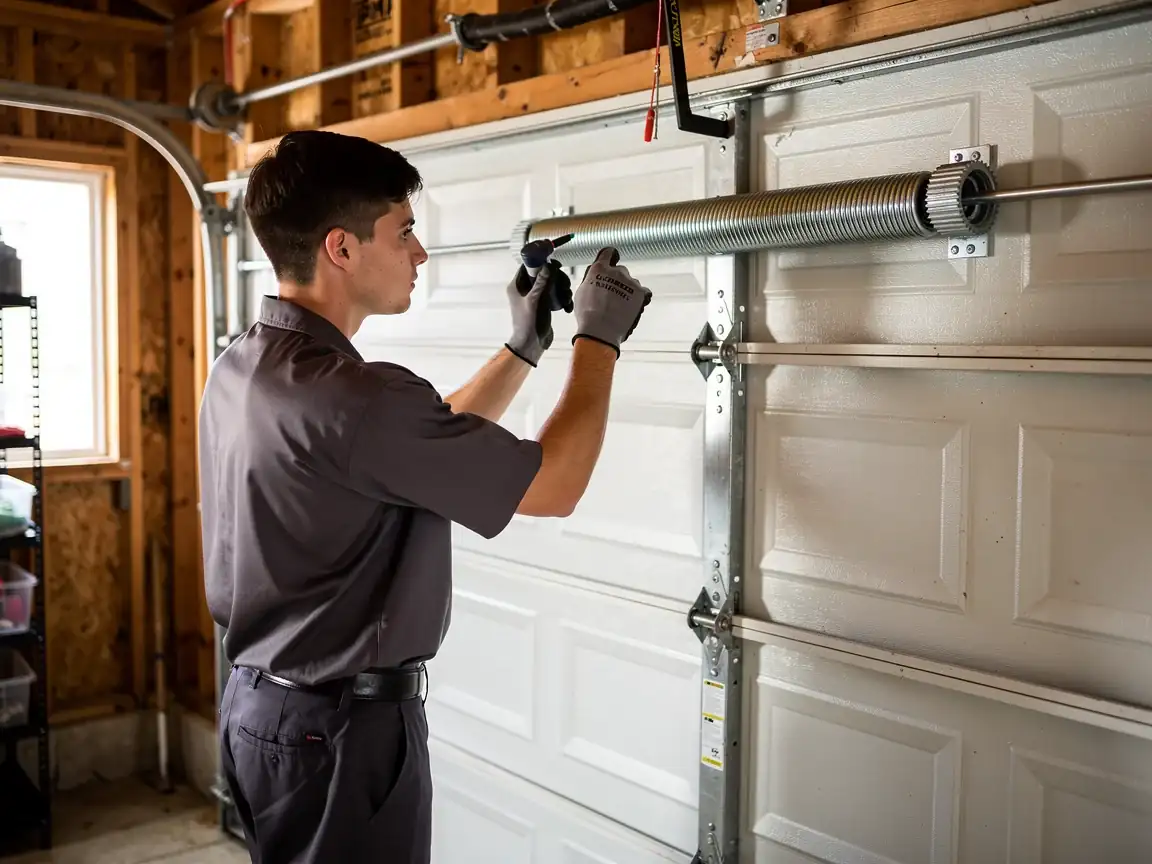
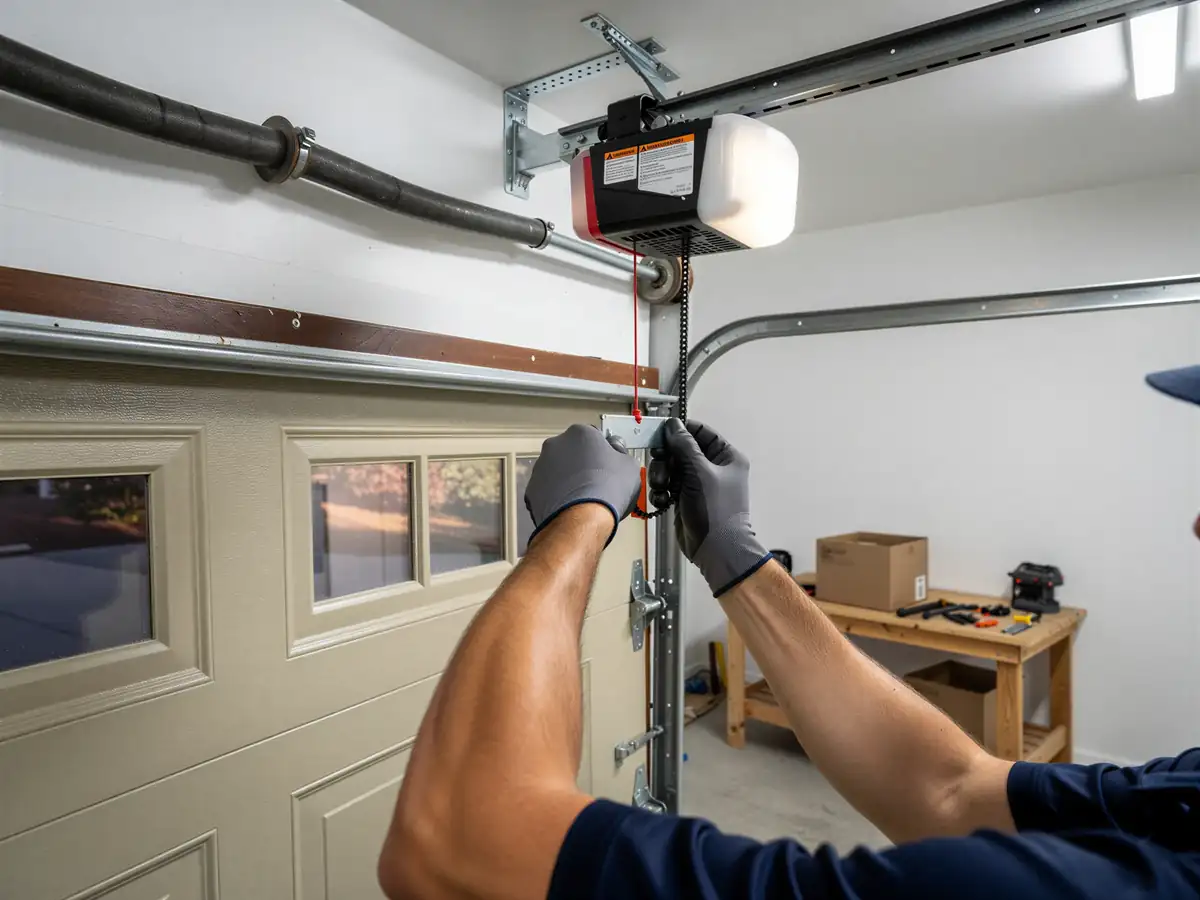
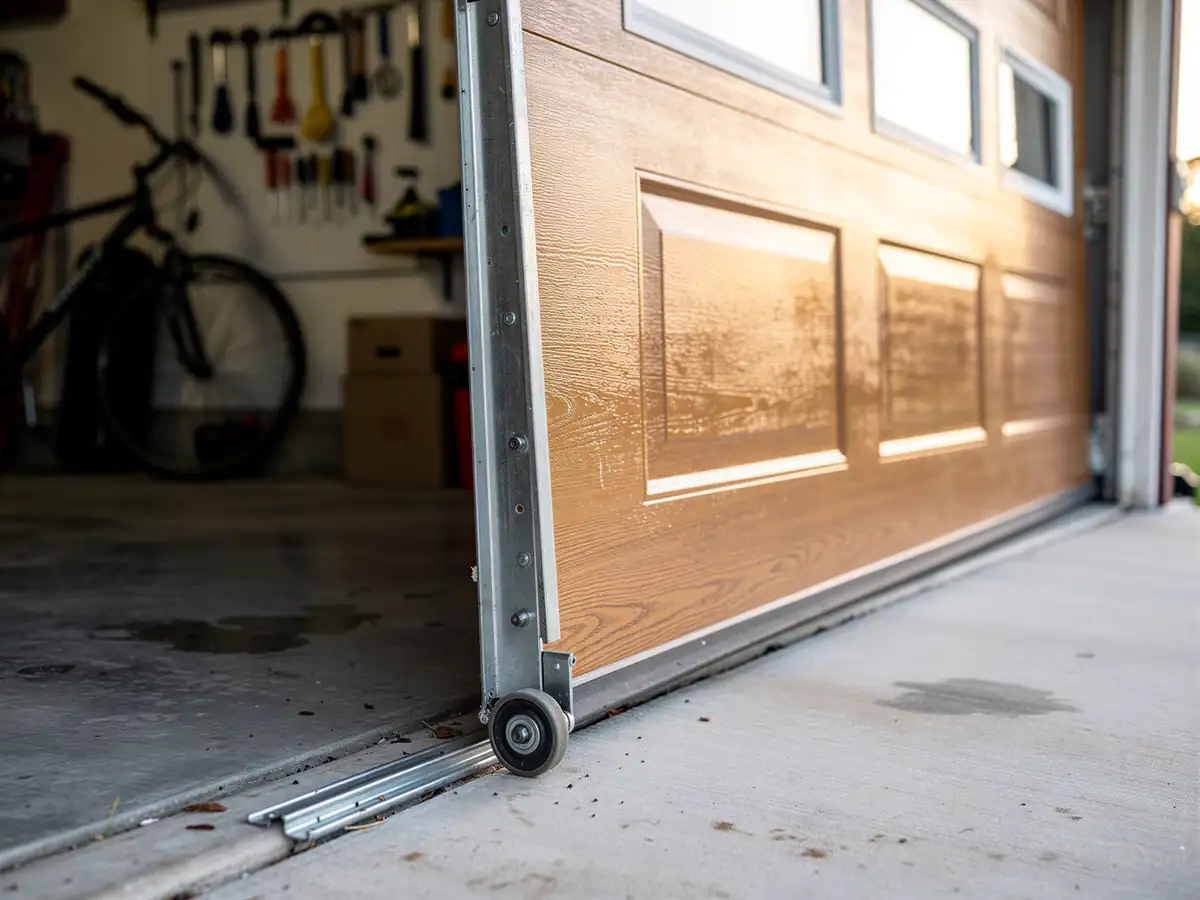
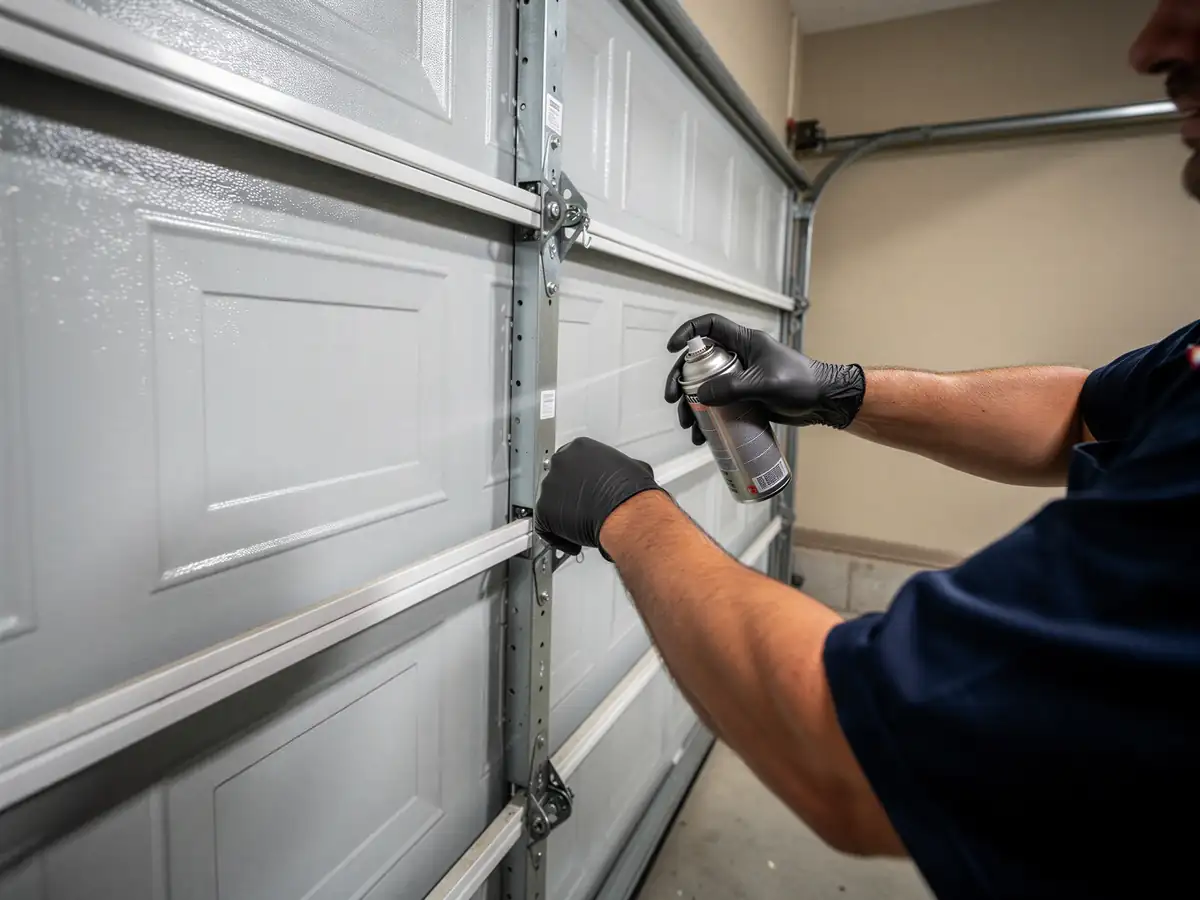
Over decades, the hardware ages along with the door: hinges loosen, track brackets work slightly loose in the jamb, and the door that was adequate in 1975 is carrying more flex than it was designed for, simply from age plus a width that was never ideal for wind in the first place.
This isn't a dramatic failure most of the time
It's a slow one - a door that sags a little more at the top corners each year, that needs a bit more force to close straight, that starts to show a visible bow on a gusty day where it used to sit flat. By the time an owner notices it, the wear has usually been building for a while.
The Common Mistake
The common mistake is treating a bowing wide door as a cosmetic issue or a one-time weather event, and just waiting for the next calm week to forget about it. Tightening a loose hinge or hanging a brace on the inside of the panel can buy time, but on a 16-foot door with original hardware from a 1960s or 70s build, it's treating a symptom.
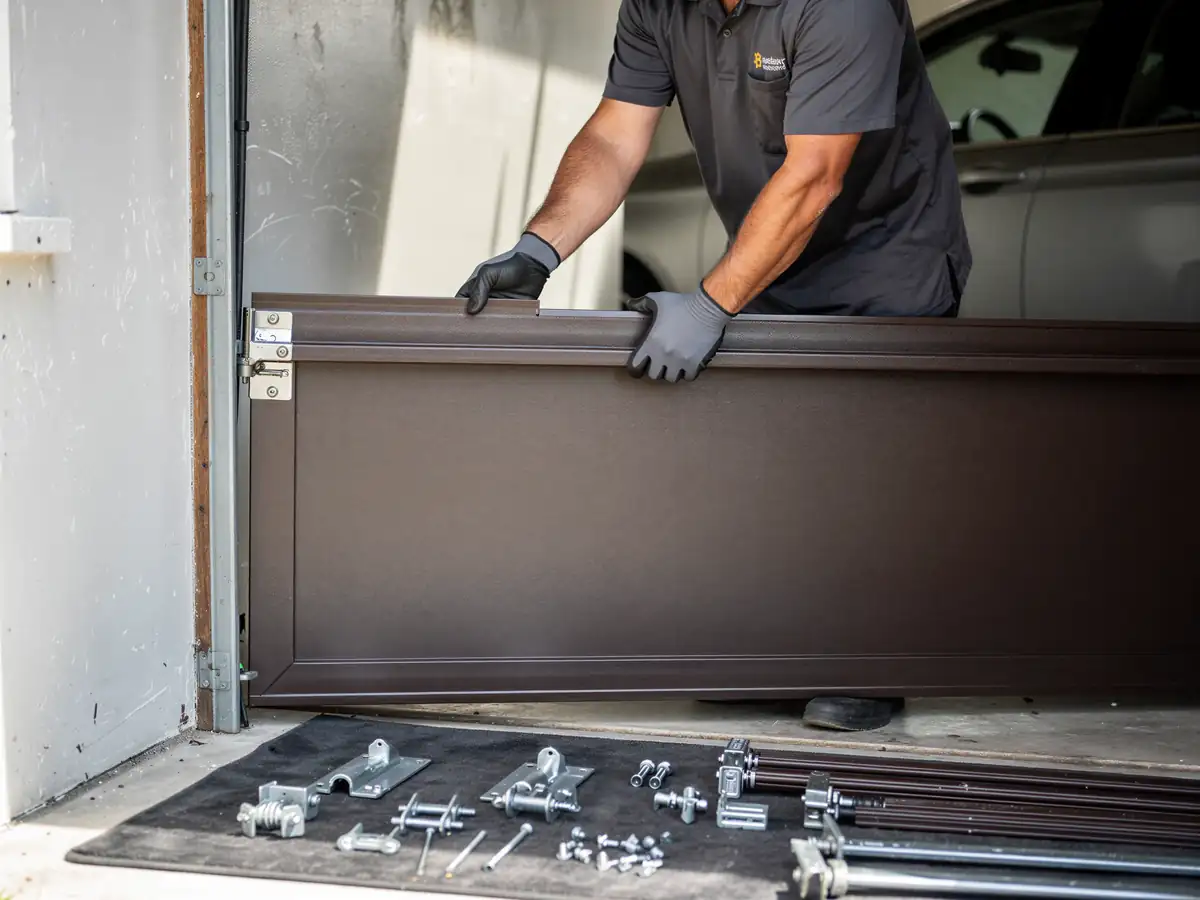
Here's the honest limit: if the door and track are original to a house built in that era, retrofitting wind reinforcement onto an old panel usually costs close to what replacing the door outright does, once you account for labor and the fact that matching hardware for a door that old often isn't stocked anymore. For a door still sound otherwise, reinforcement can make sense. For one already bowed and cracked, replacement is usually the better use of the money, not the add-on fix.