How Local Conditions Play In
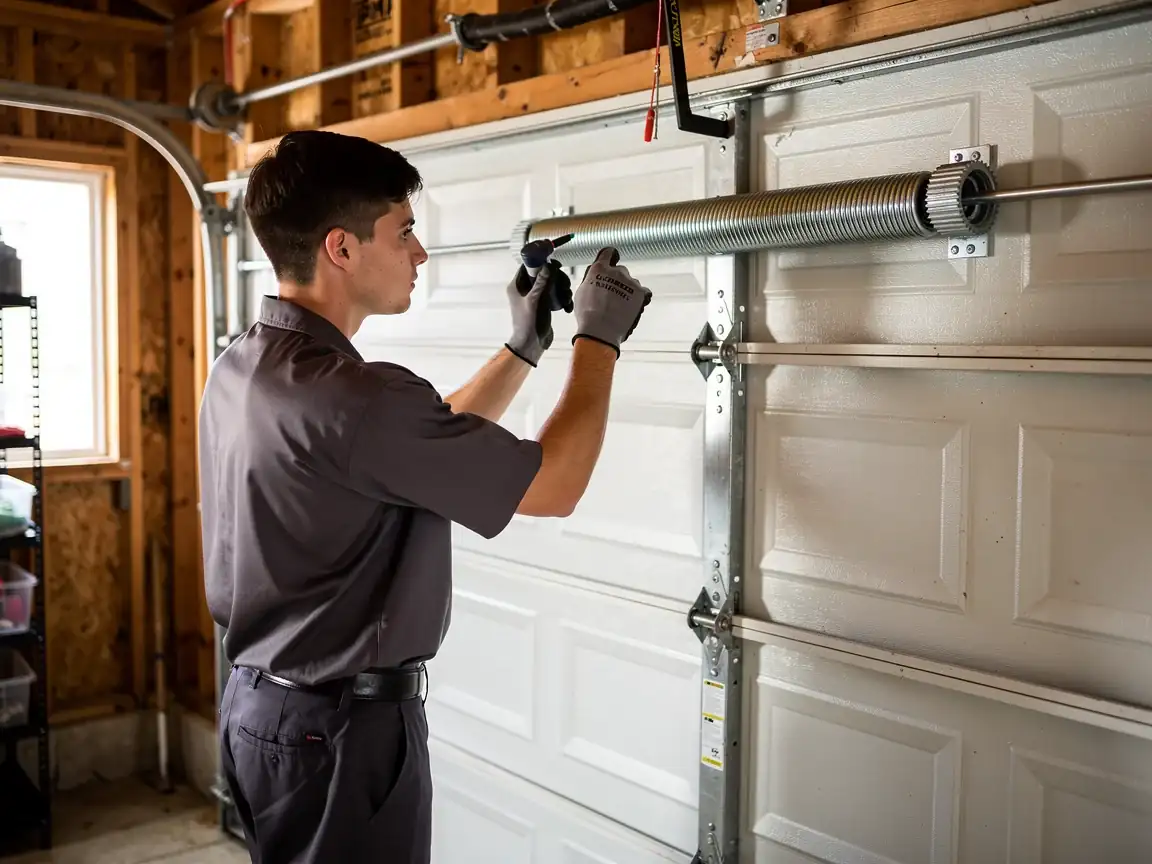
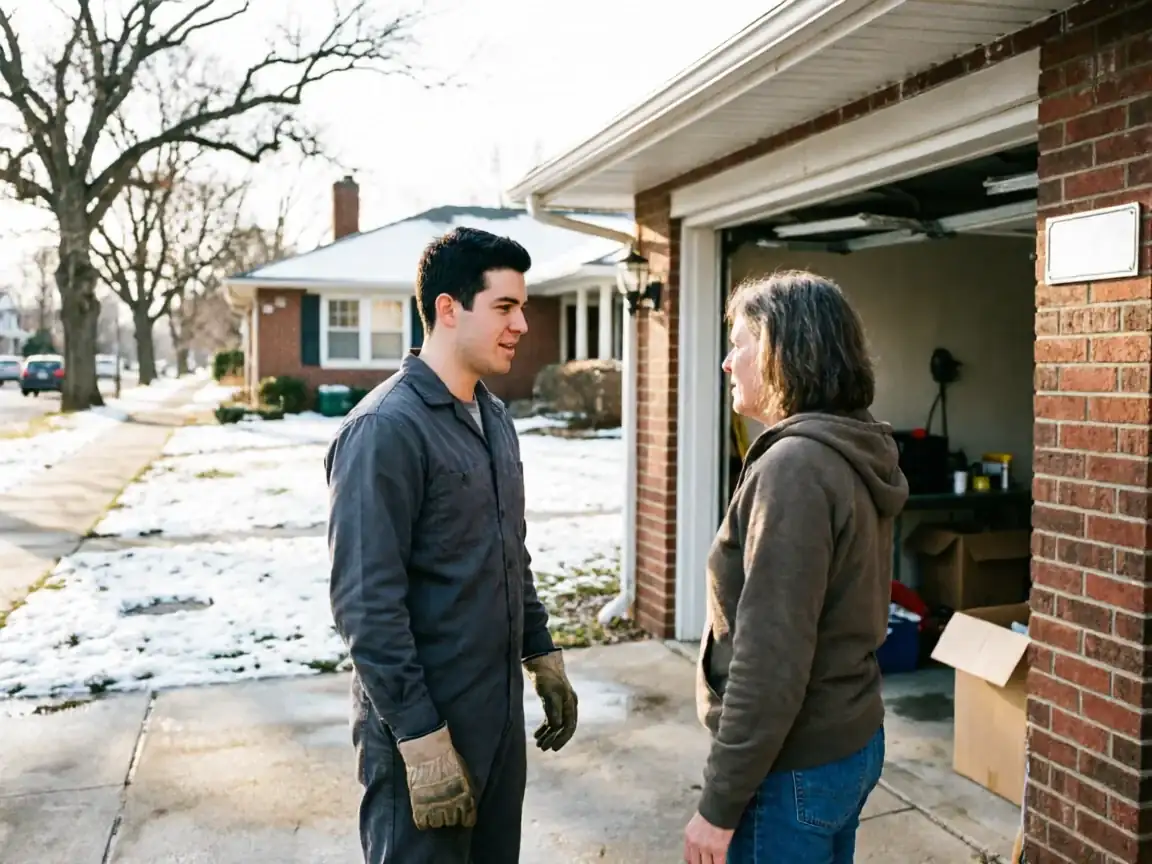
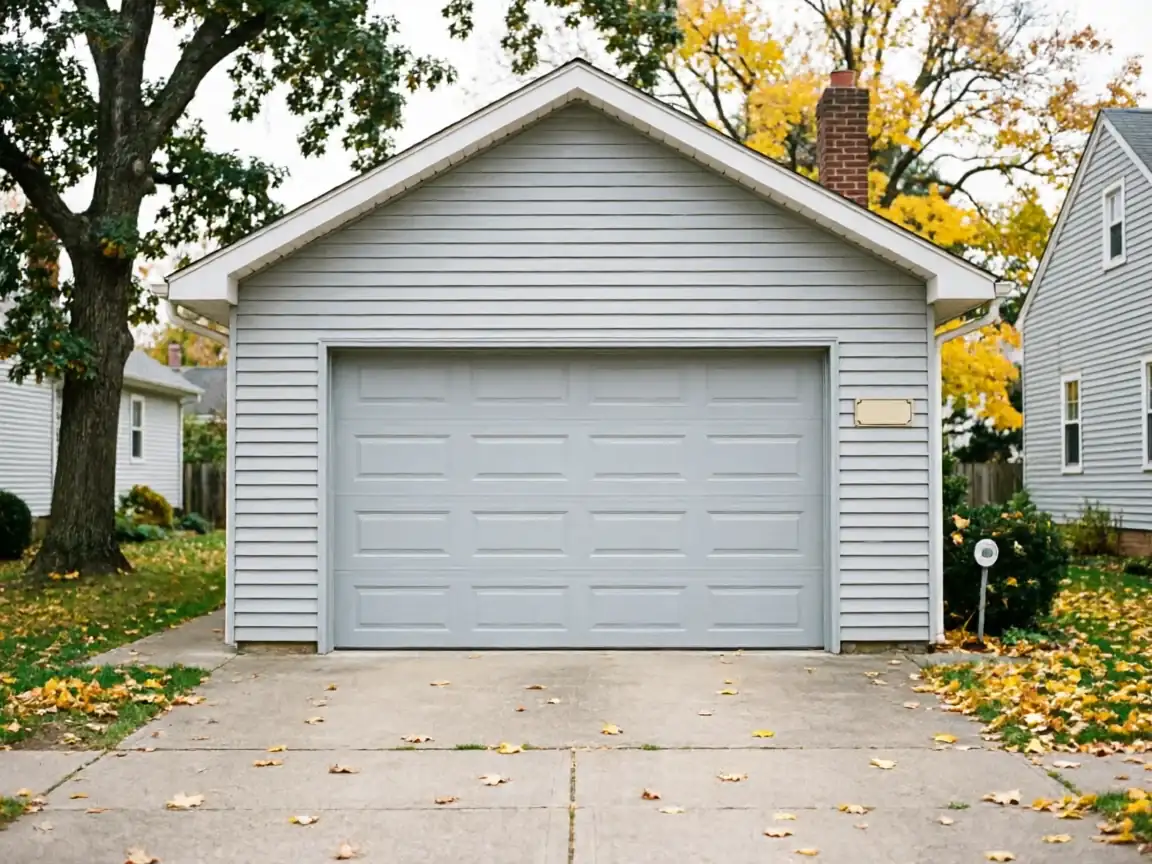
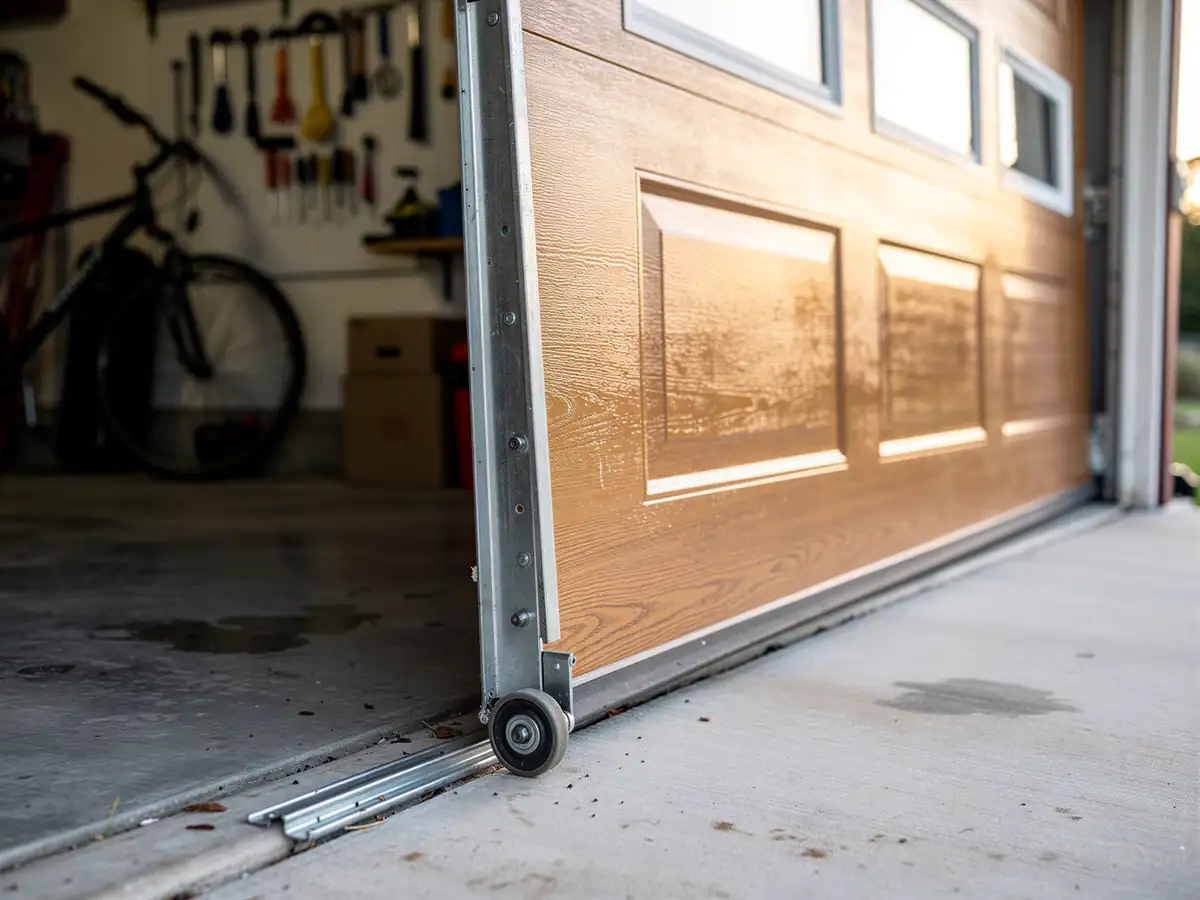
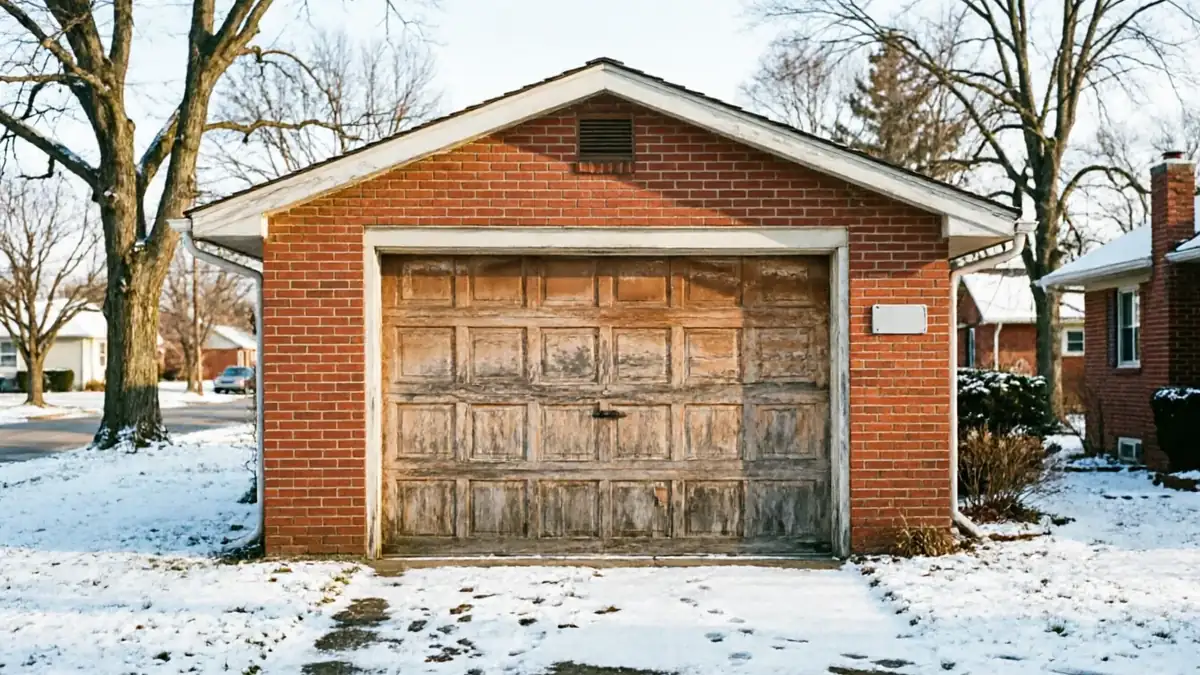
Deerfield's housing mostly went up in the same stretch as the rest of the county's older suburbs - built between 1938 and 2009, with the median landing around 1977. That means a lot of doors on the street are original or close to it: steel panels on torsion springs sized for hardware that was common in the 60s and 70s but isn't the standard stock size anymore. The area sits in a cold-but-moderate climate band, which doesn't mean brutal winters every year, but it does mean repeated freeze-thaw cycles that work on seals, lift cables, and the galvanized coating on older springs. A door that's fine in August can bind in January because the track has pulled a sixteenth of an inch out of plumb from years of that cycle. None of this means replace on sight. It means the failure point on a 1970s door is usually predictable - spring, cable, or roller - and that's worth knowing before you call for a quote on a whole new unit.
When to Get Help
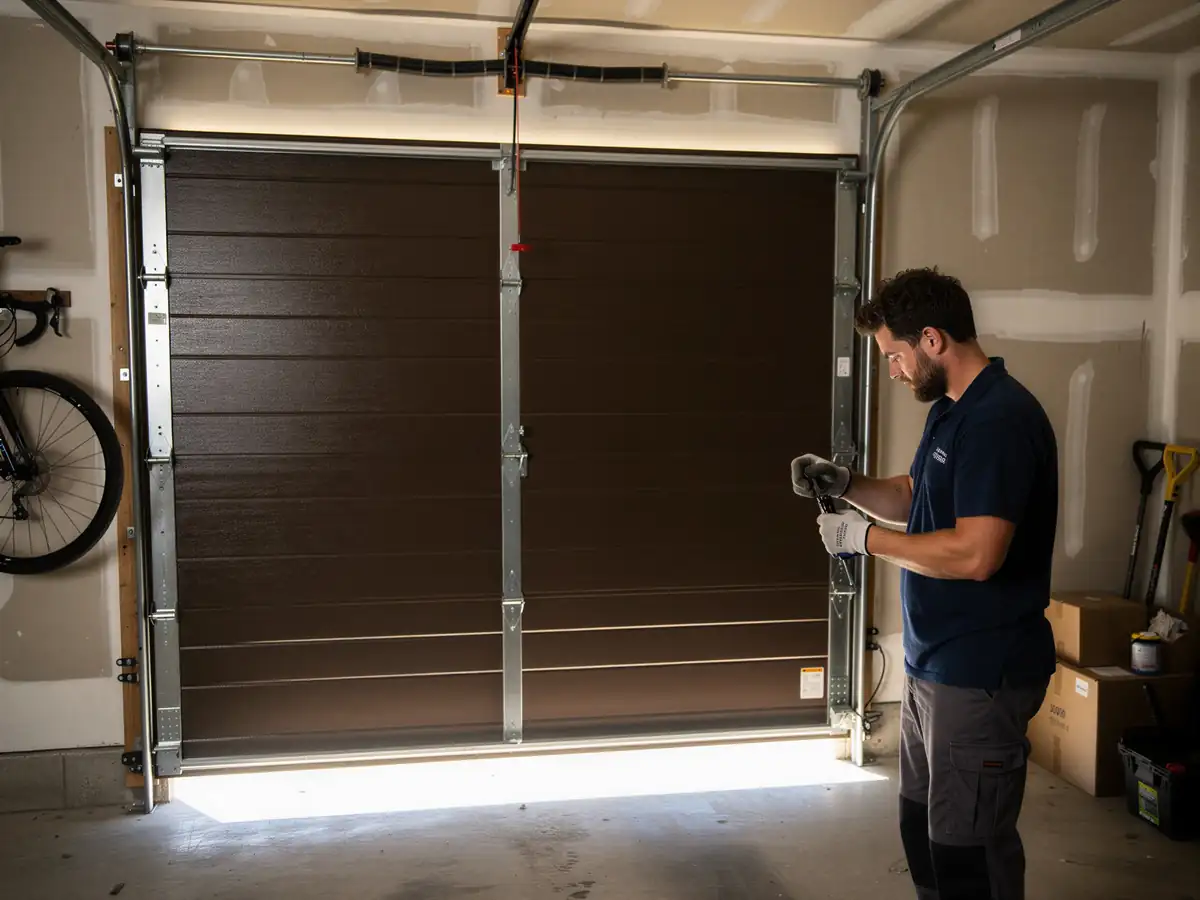
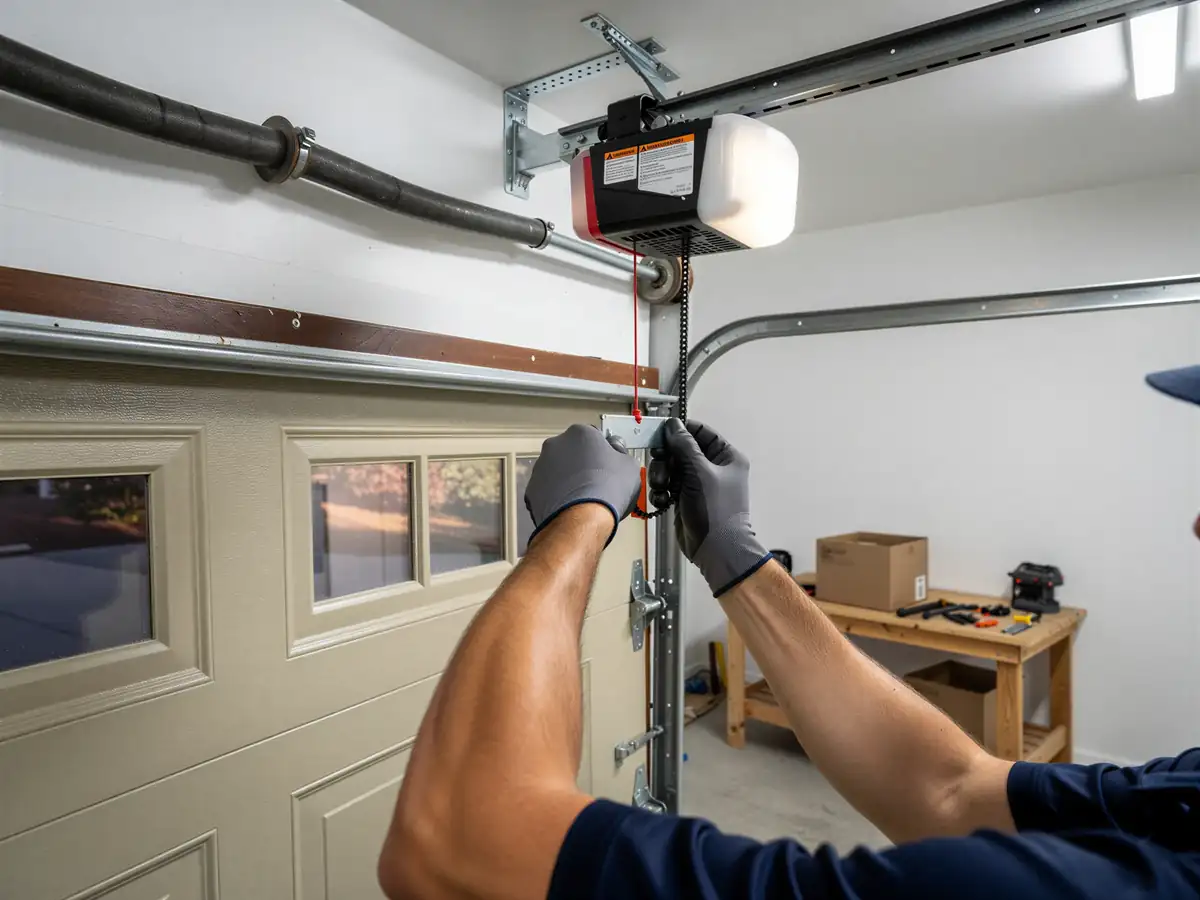
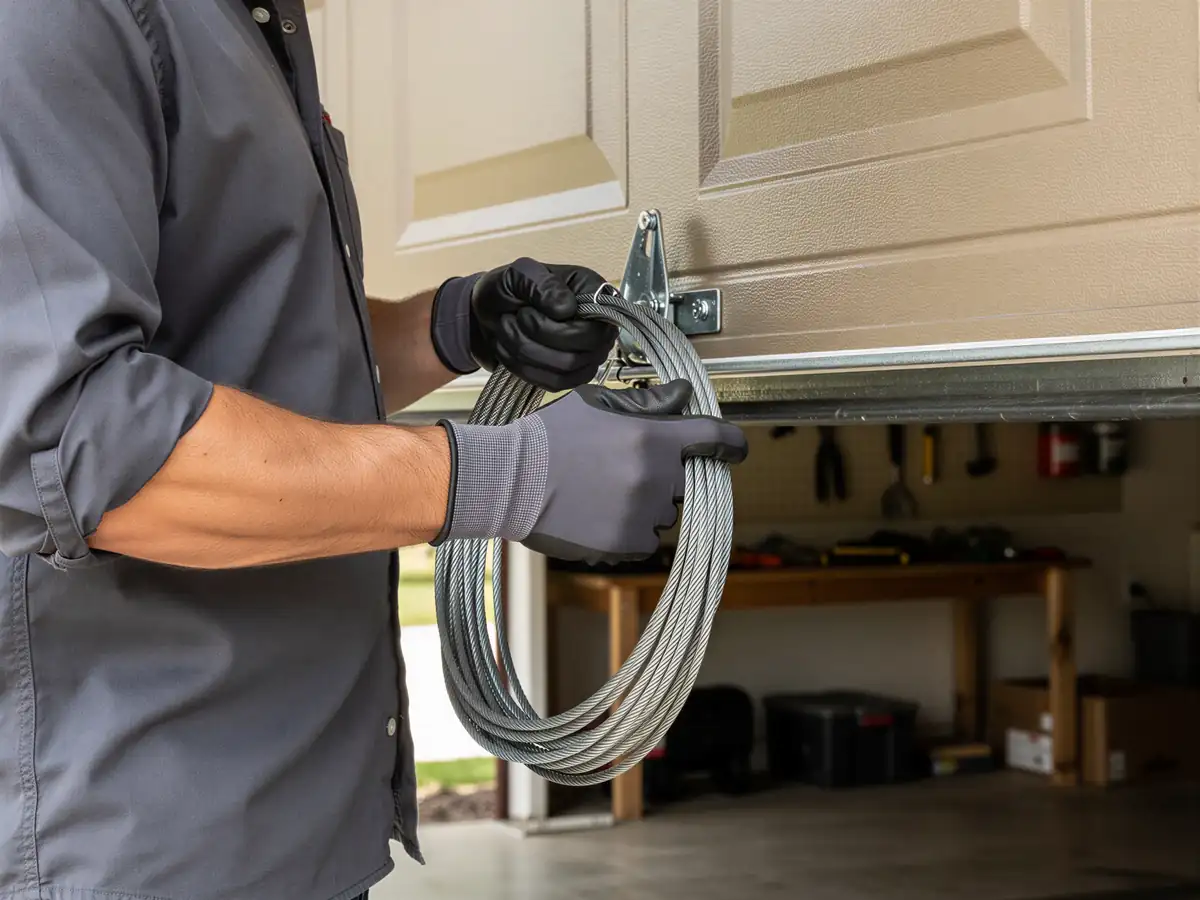
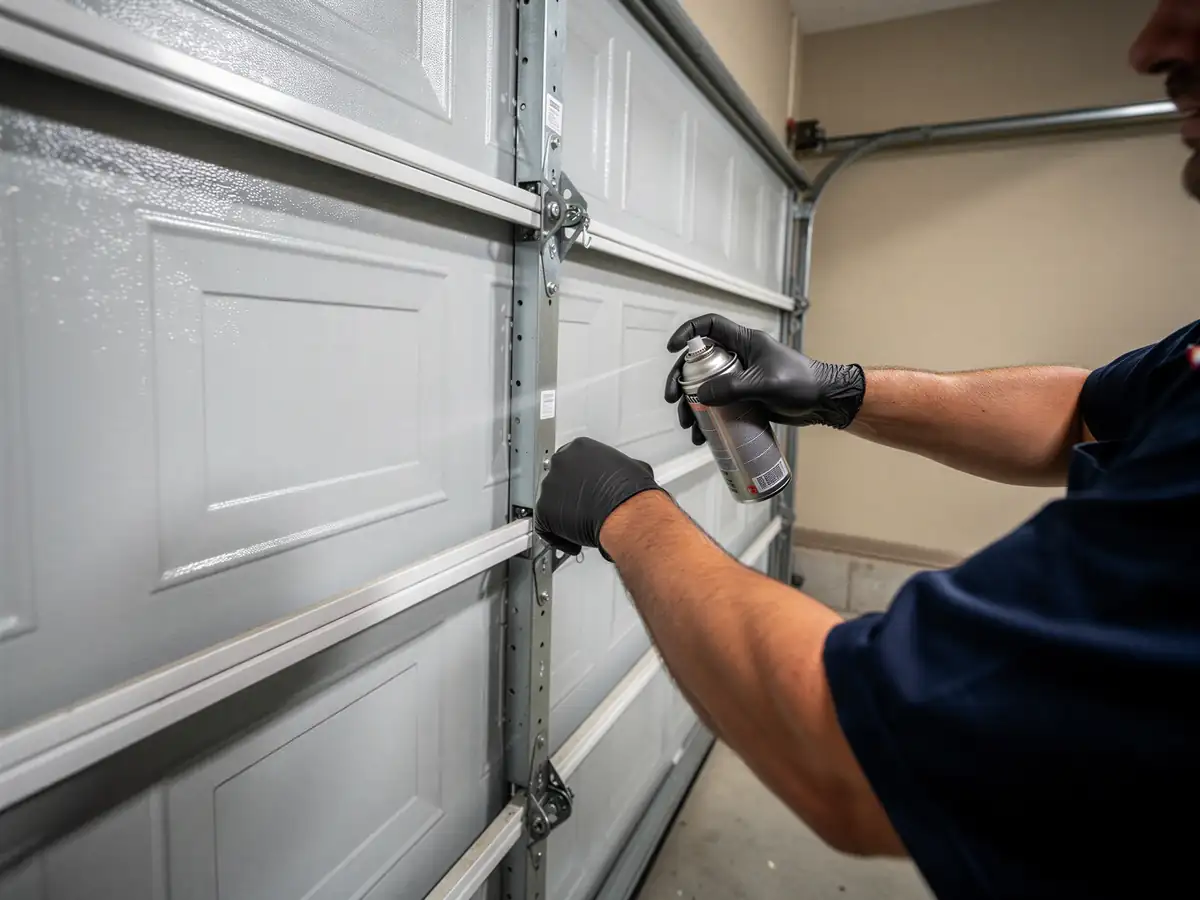
Call before the door stops working entirely, not after. A torsion spring that's lost its tension will let the door drop fast on the last foot of travel - that's a sign it's near the end, not a fluke. Rust at the spring coils, a cable fraying where it wraps the drum, or a track that's visibly bowed are all repair-now situations. On the honest-limitation side: original hardware on some of these older builds isn't a part we keep on the truck. A torsion spring sized to a 1970s steel door sometimes has to be special-ordered, and that can mean a short wait rather than a same-day fix. If the door is still structurally sound - panels straight, no rot in a wood-faced section - that wait is worth it. If the panels themselves are the problem, the calculation changes.
The Common Mistake
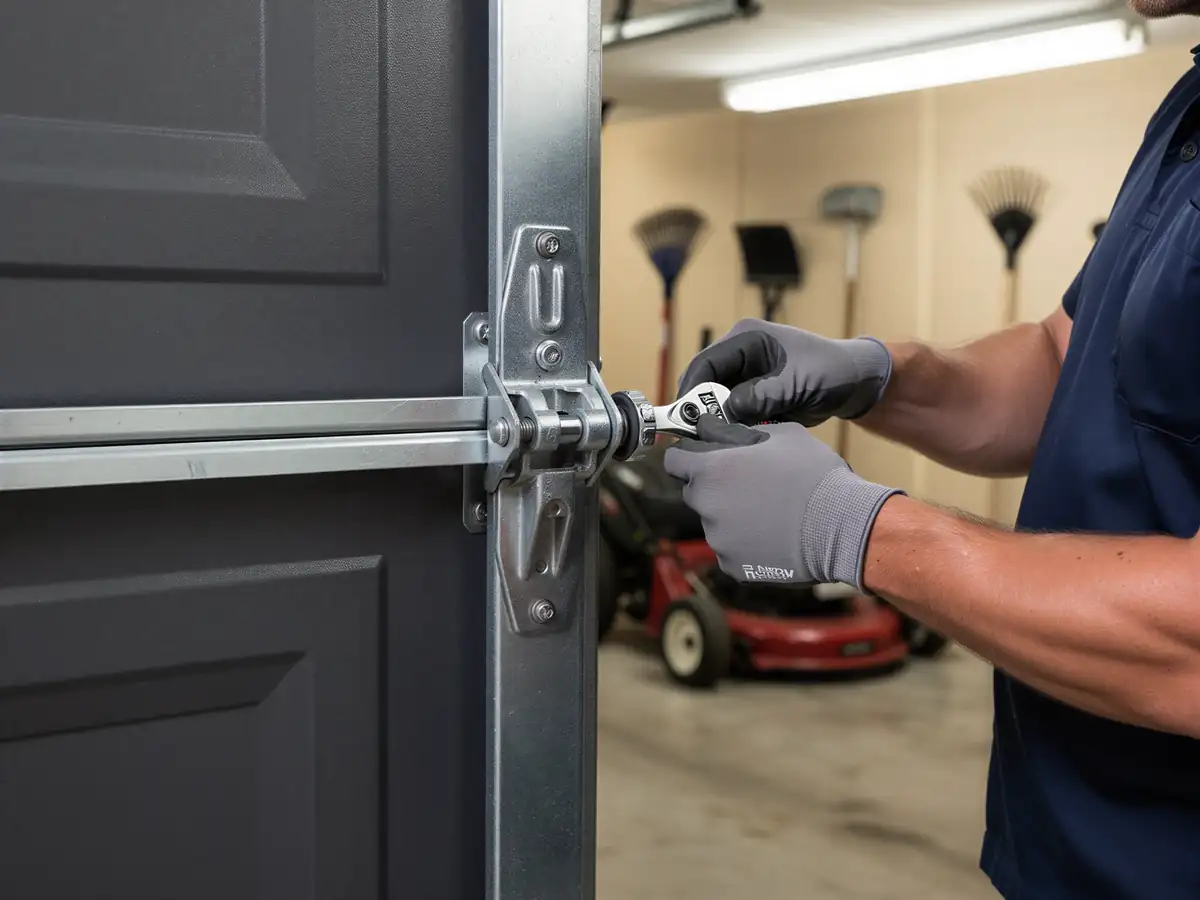
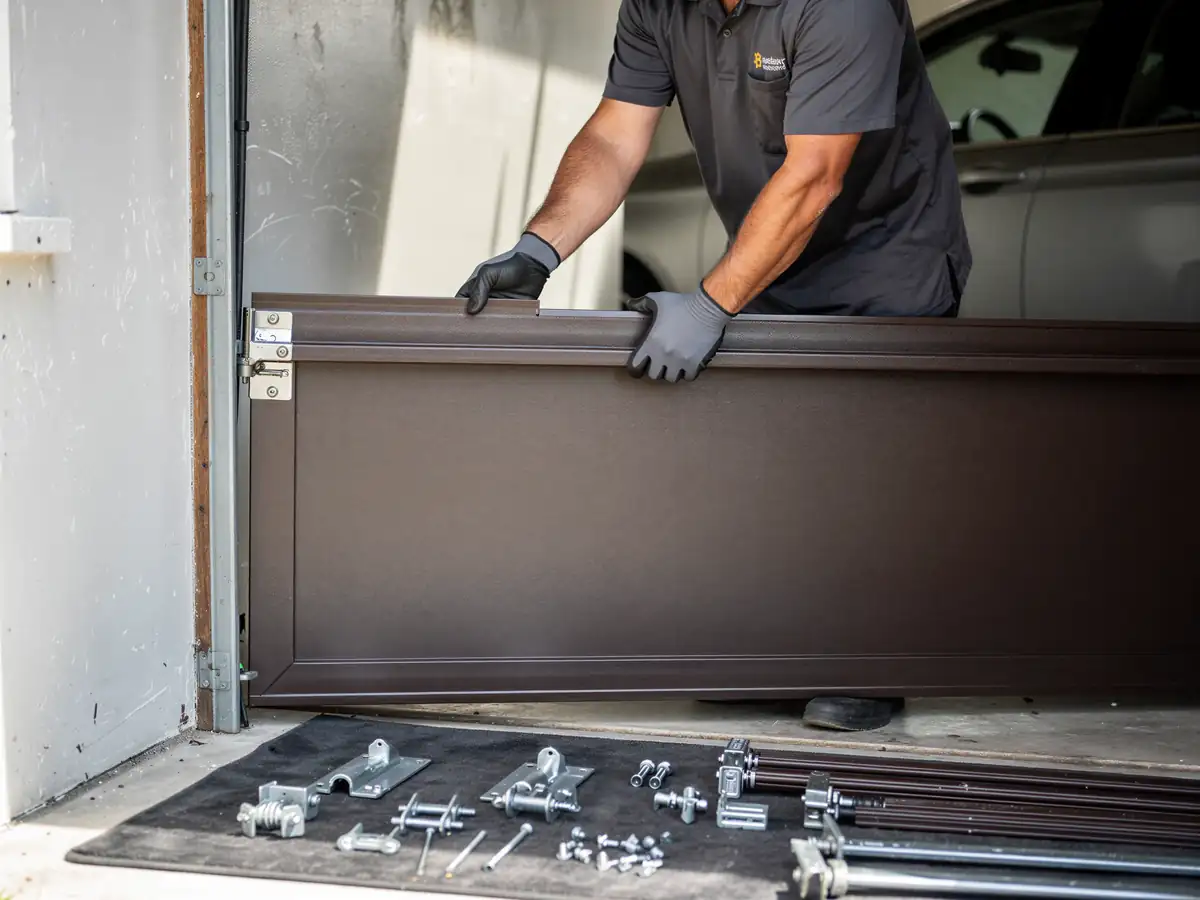
The mistake we see most is treating the spring and the door as one problem. A broken torsion spring on an otherwise solid steel door is a repair - new spring, maybe new cable, done in an afternoon. Replacing the whole door for that is money spent on parts that weren't broken. The opposite mistake also happens: patching a door that's rusted through at the bottom panel or has a frame that's racked from years of an unbalanced spring working against it. At that point you're paying repair labor on a door that's going to need replacing within a year or two anyway. The honest answer is that age alone isn't the deciding factor - a straight, rust-free 1970s steel door with a dead spring is a better bet than a newer door that's been neglected. Check the panels and the track before you decide the spring is the whole story.