Why This Fails Locally
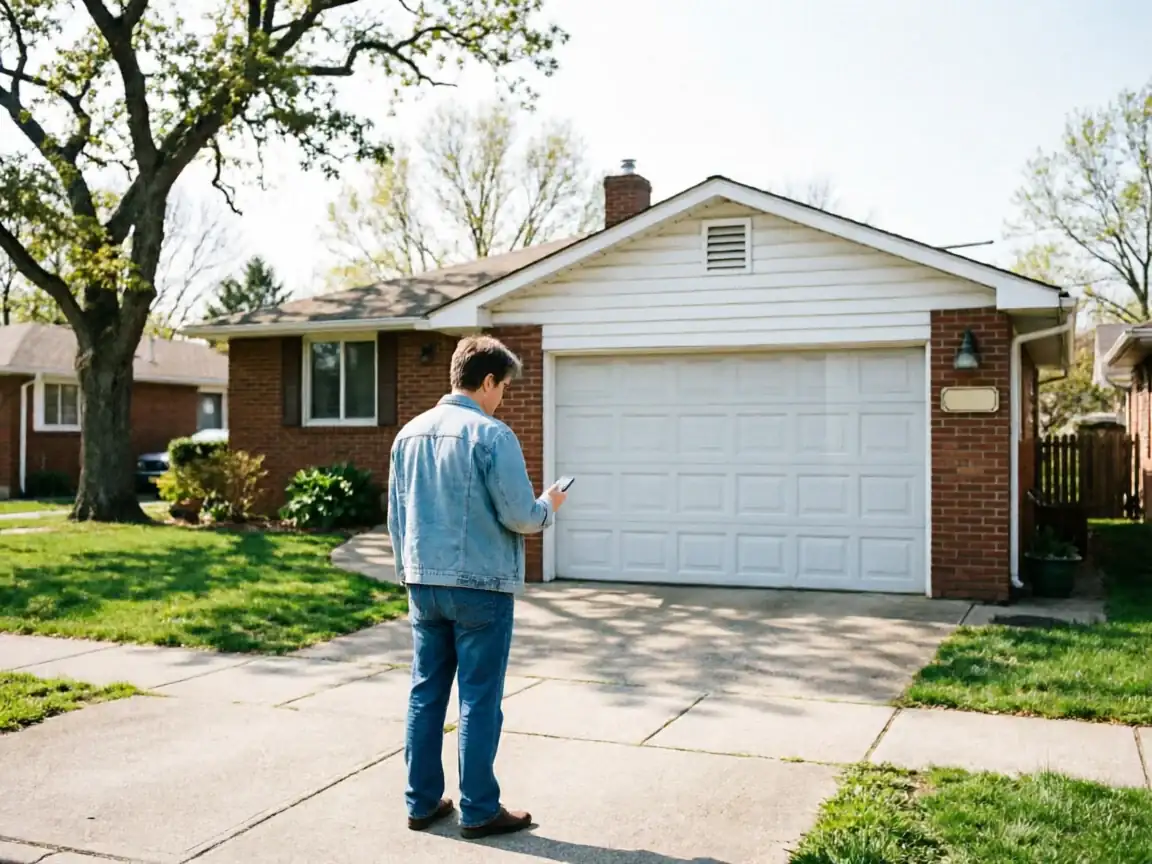
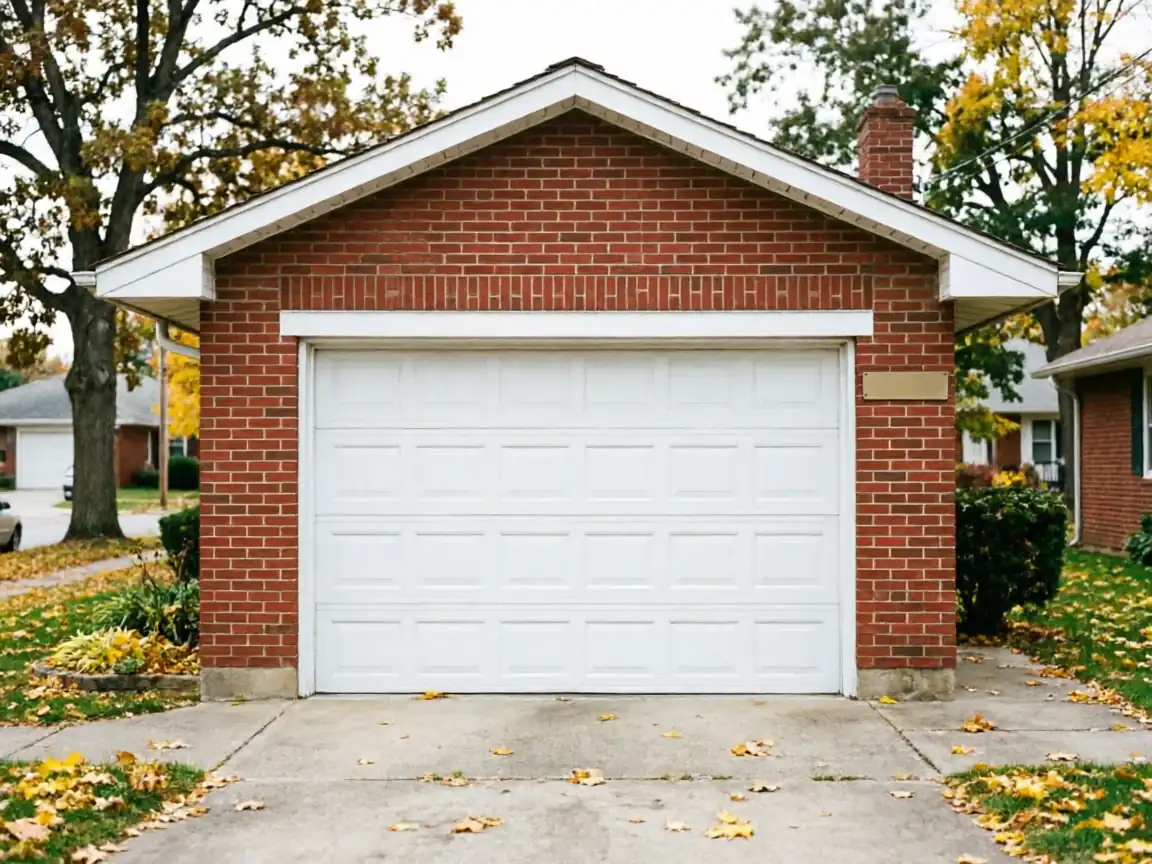
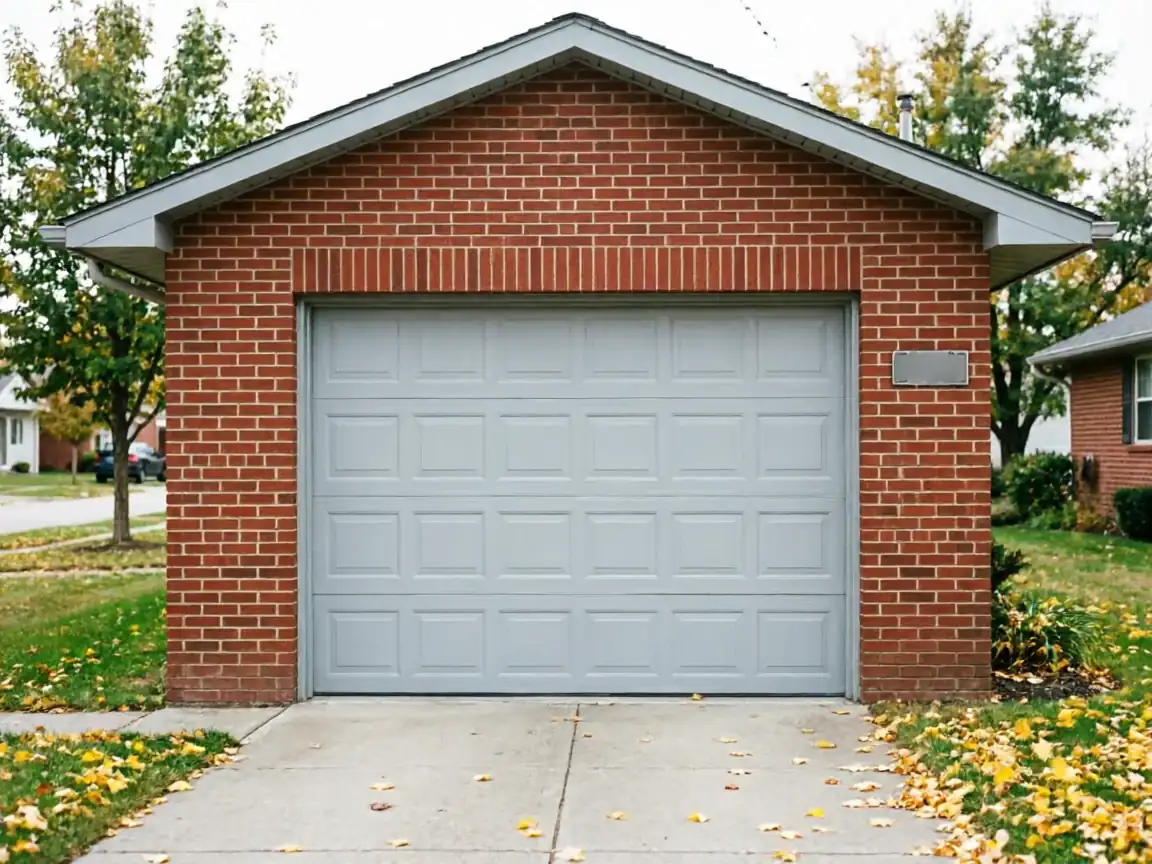
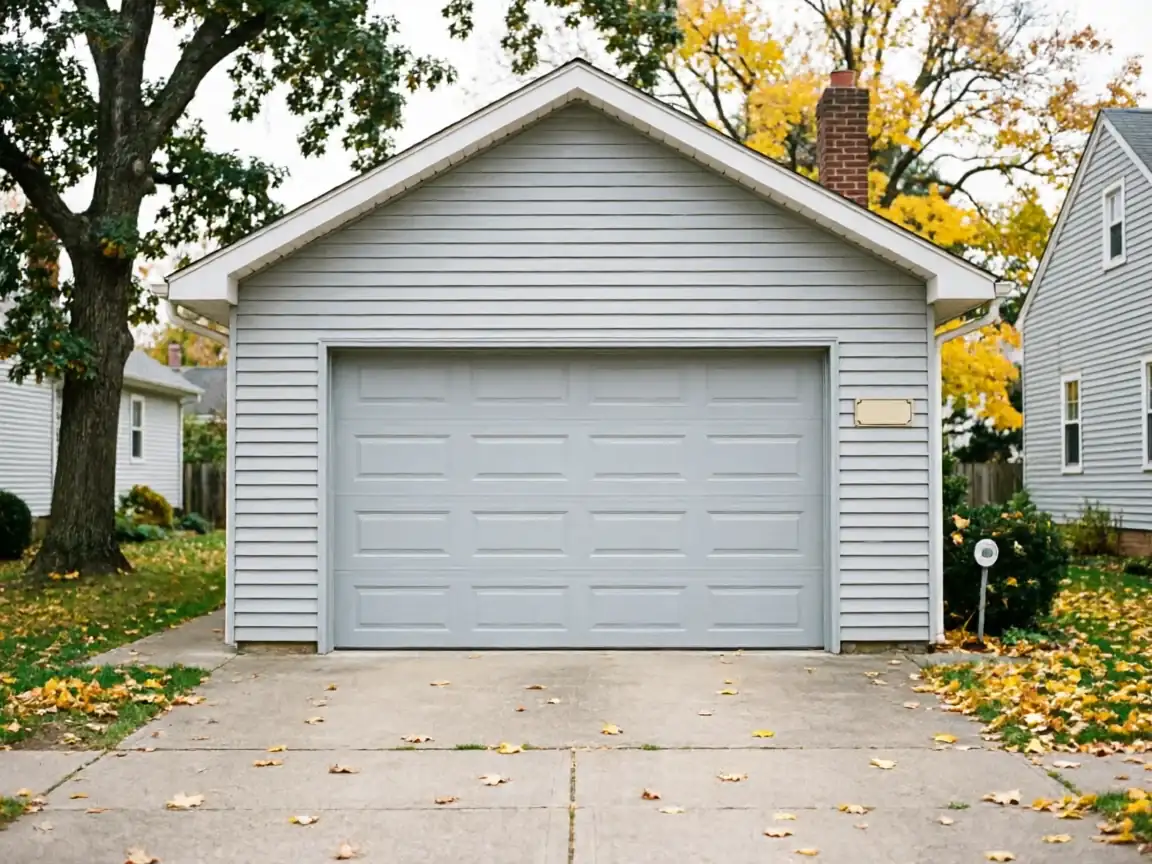
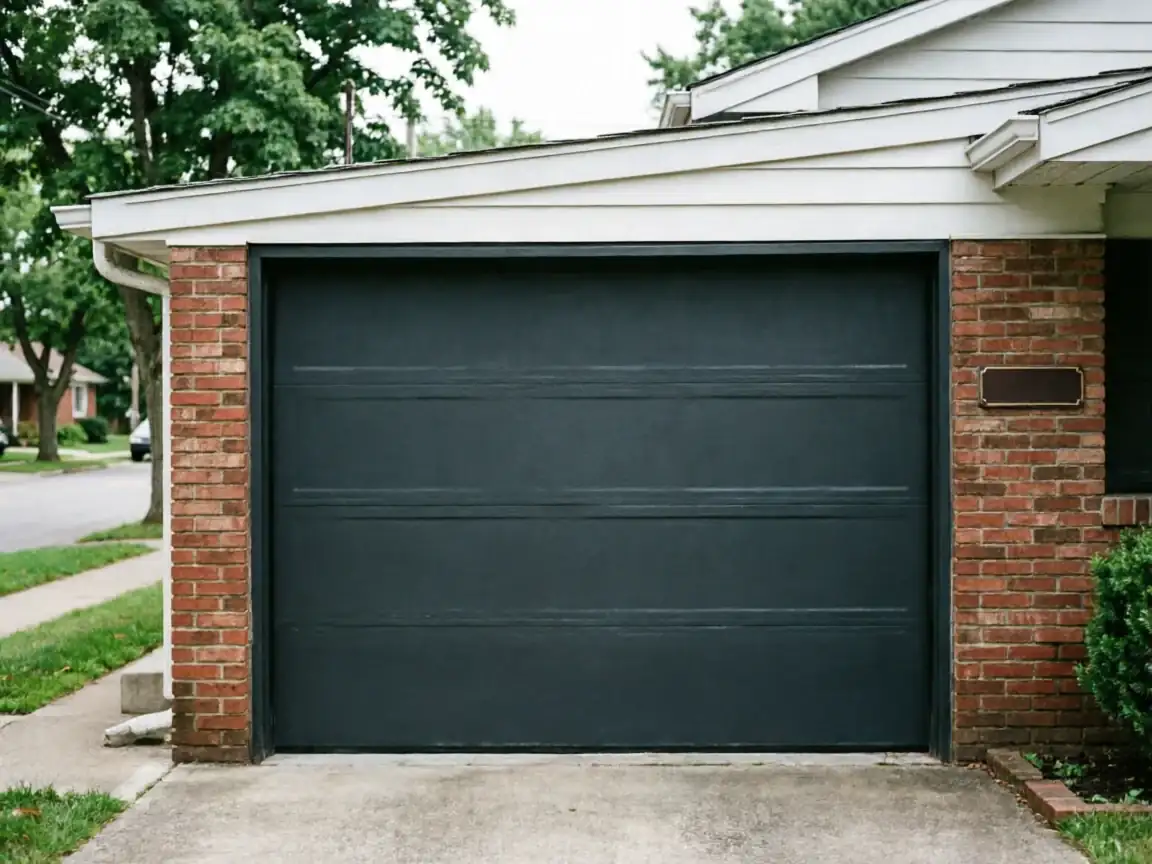
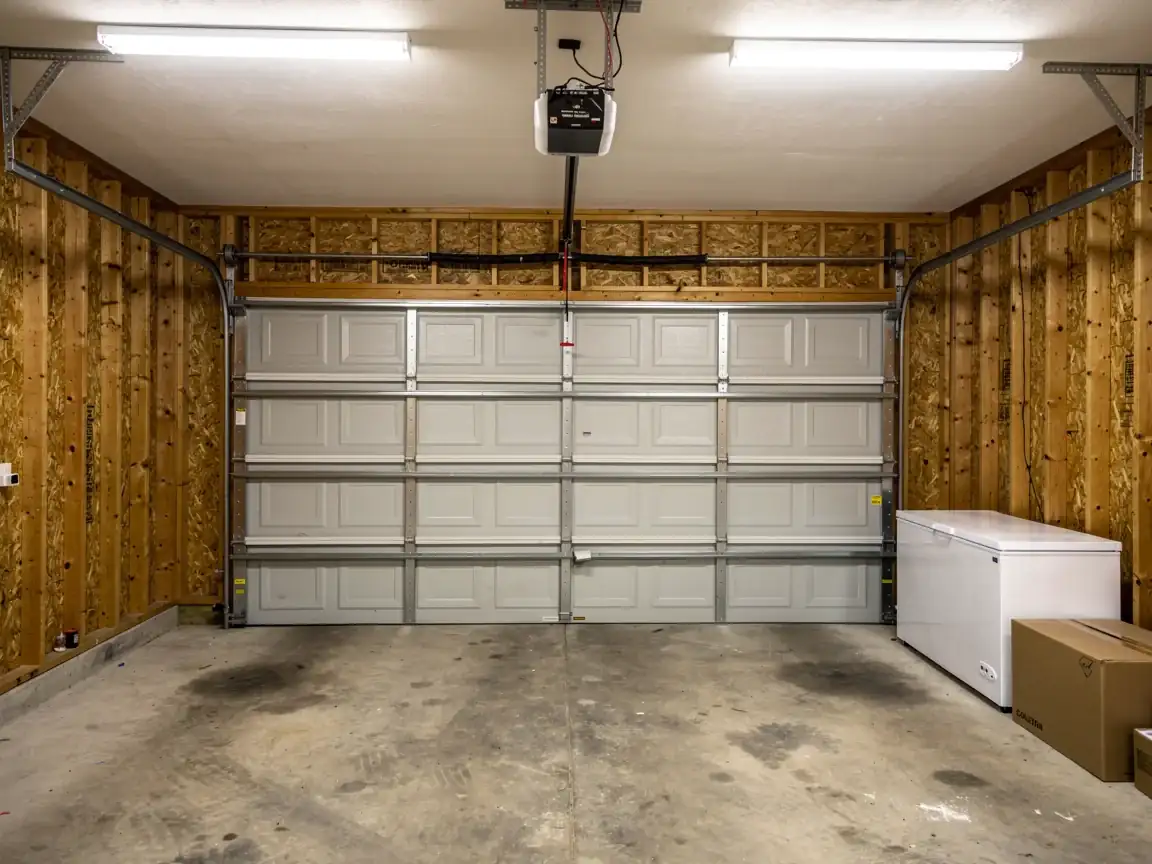
Most of the housing stock across this service area went up between 1938 and 2009, with the bulk of it dating to the 1960s and 70s. That matters for panel failure because those decades are when steel sectional doors became standard, and a lot of those original doors - or their first-generation replacements - are still hanging. Steel panels from that era are thinner than what's sold today, and after 40 to 60 winters of freeze-thaw cycling they don't flex the way they used to.\n\nThe climate here is cold-moderate, which means repeated cycles of ice forming in the panel seams, expanding, and cracking the paint seal. Once that seal is gone, rust gets into the steel from the inside out, usually starting at the bottom panel where road salt and snowmelt sit against the door for months at a time. You'll also see dents from snow blowers, plow throw, and basketball hoops mounted too close - common on driveways built in this era when garages sat closer to the street.\n\nWe see the same failure pattern across the 53 communities we cover: a single bottom or second-row panel gives out years before the rest of the door, because it takes the brunt of the weather and the daily bumps everyone else ignores.
What the Fix Involves
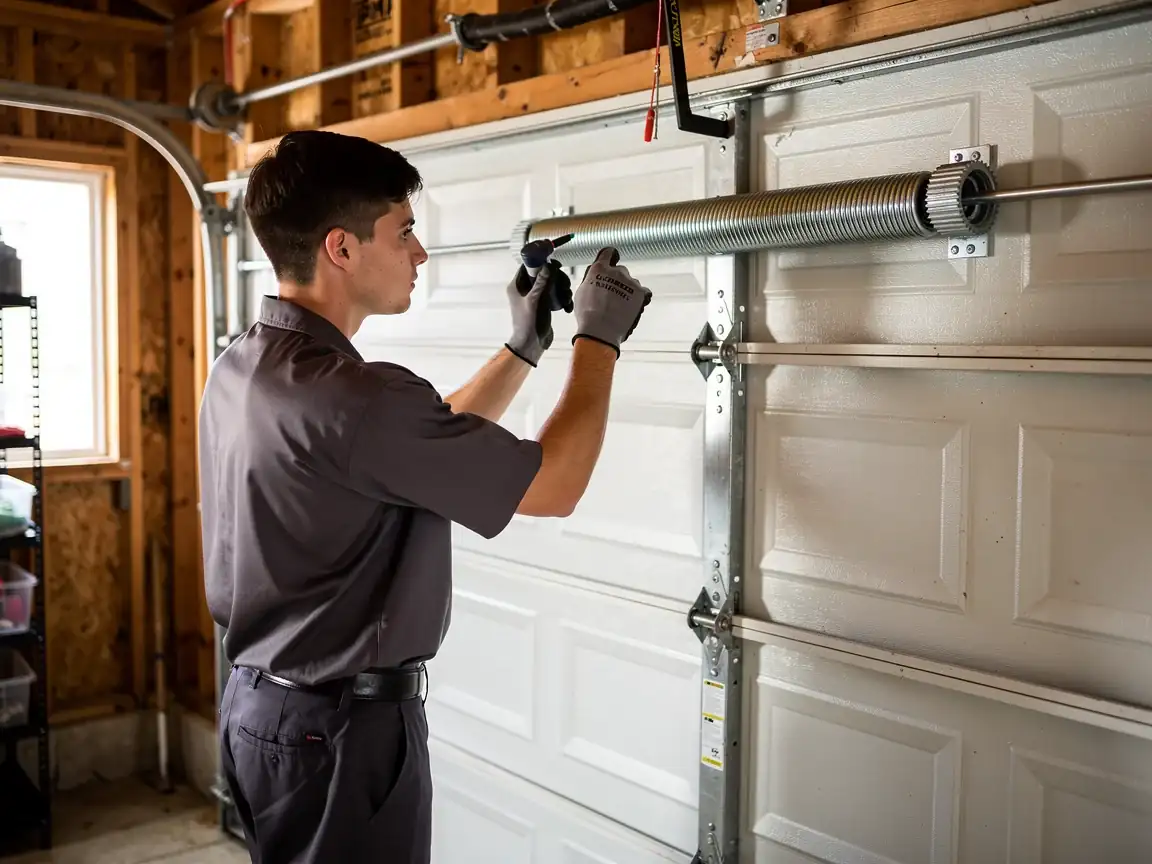
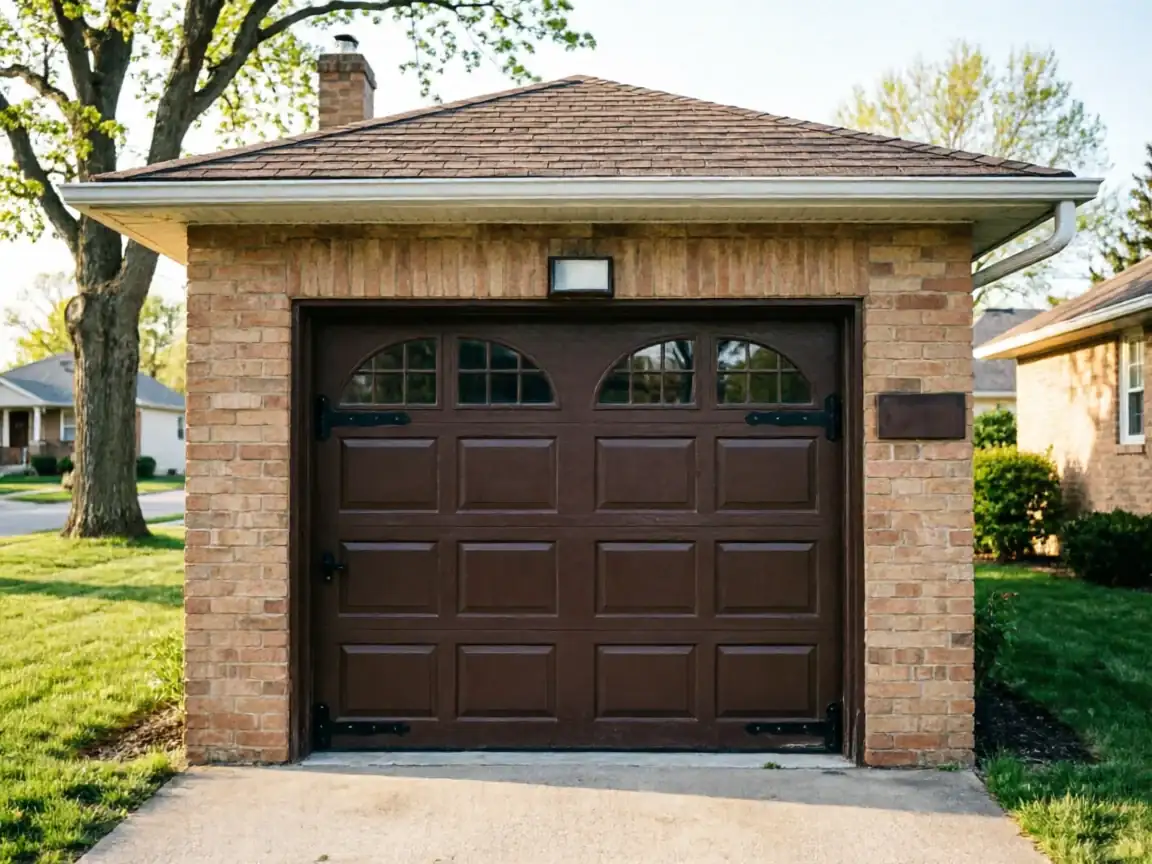
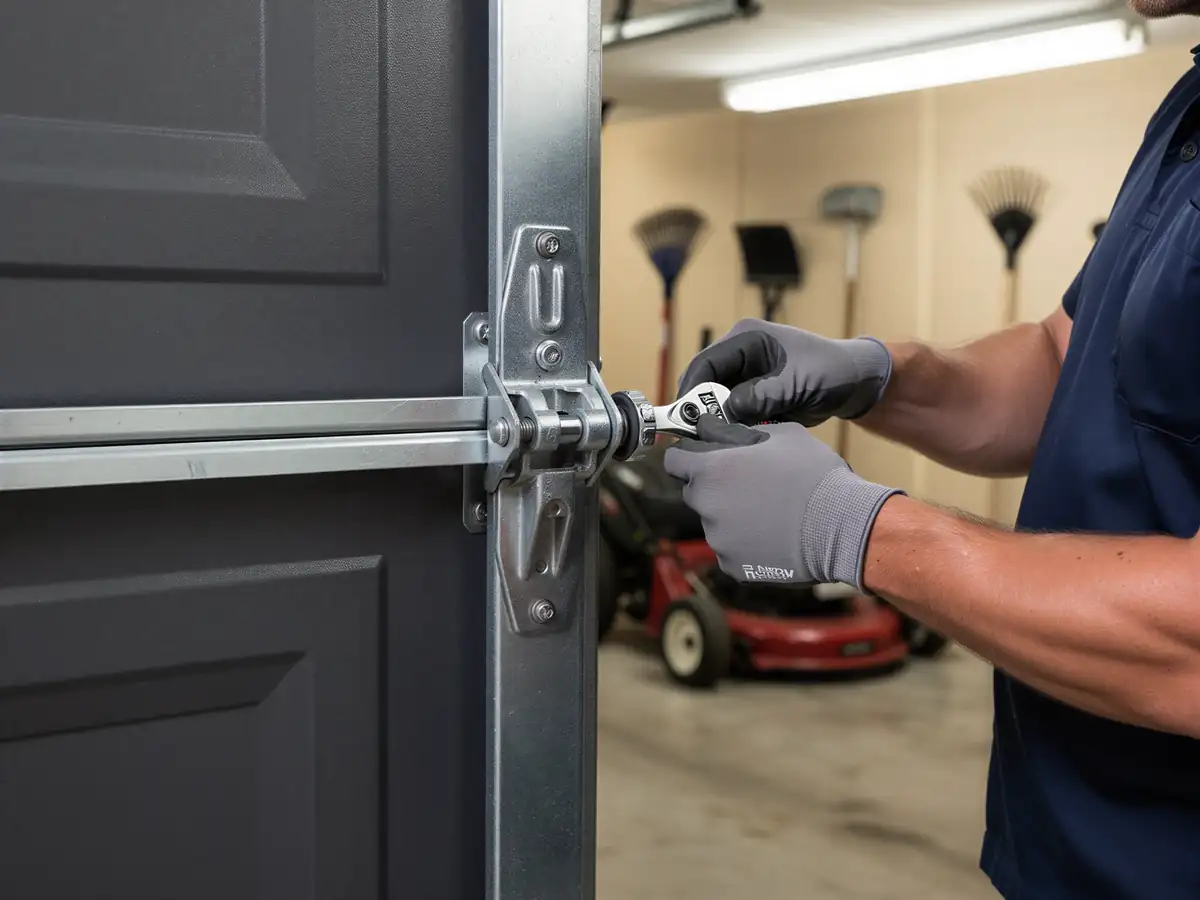
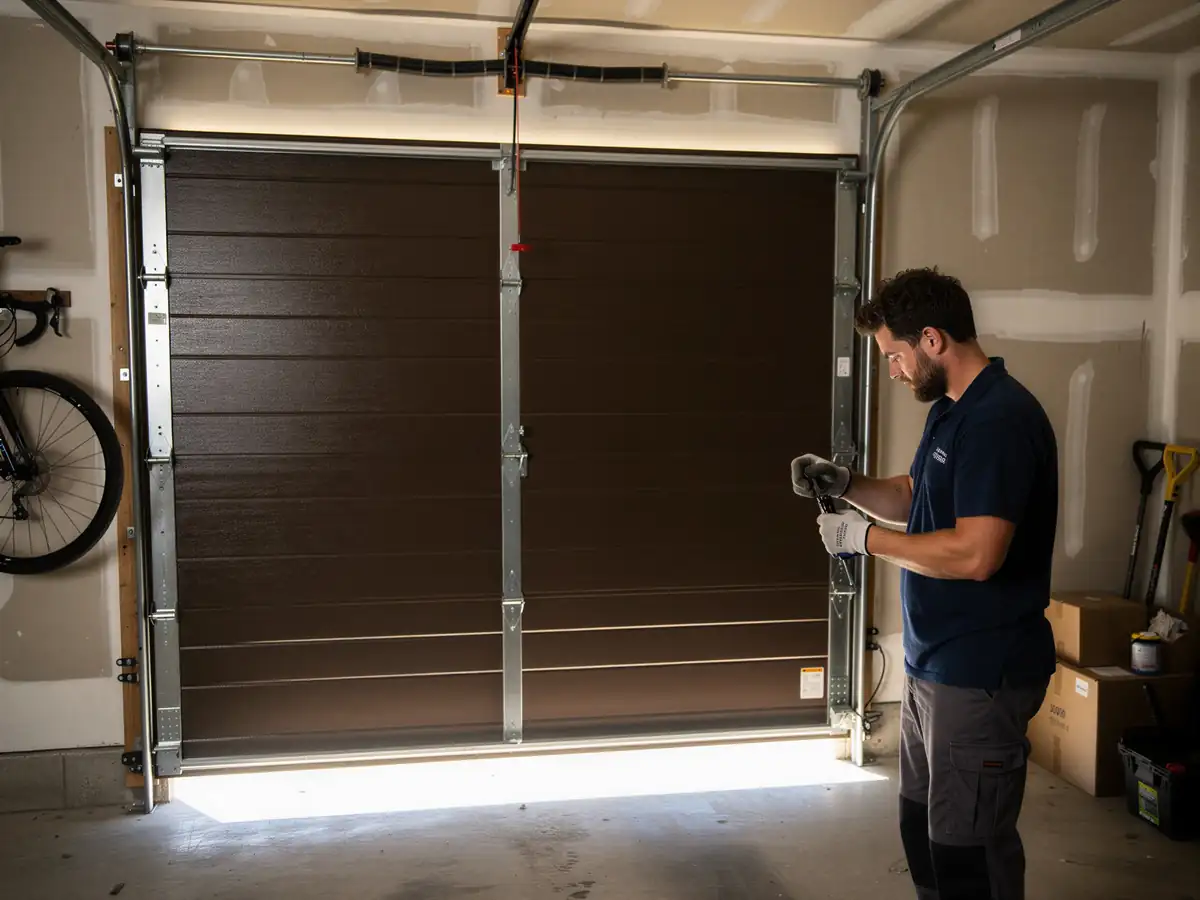
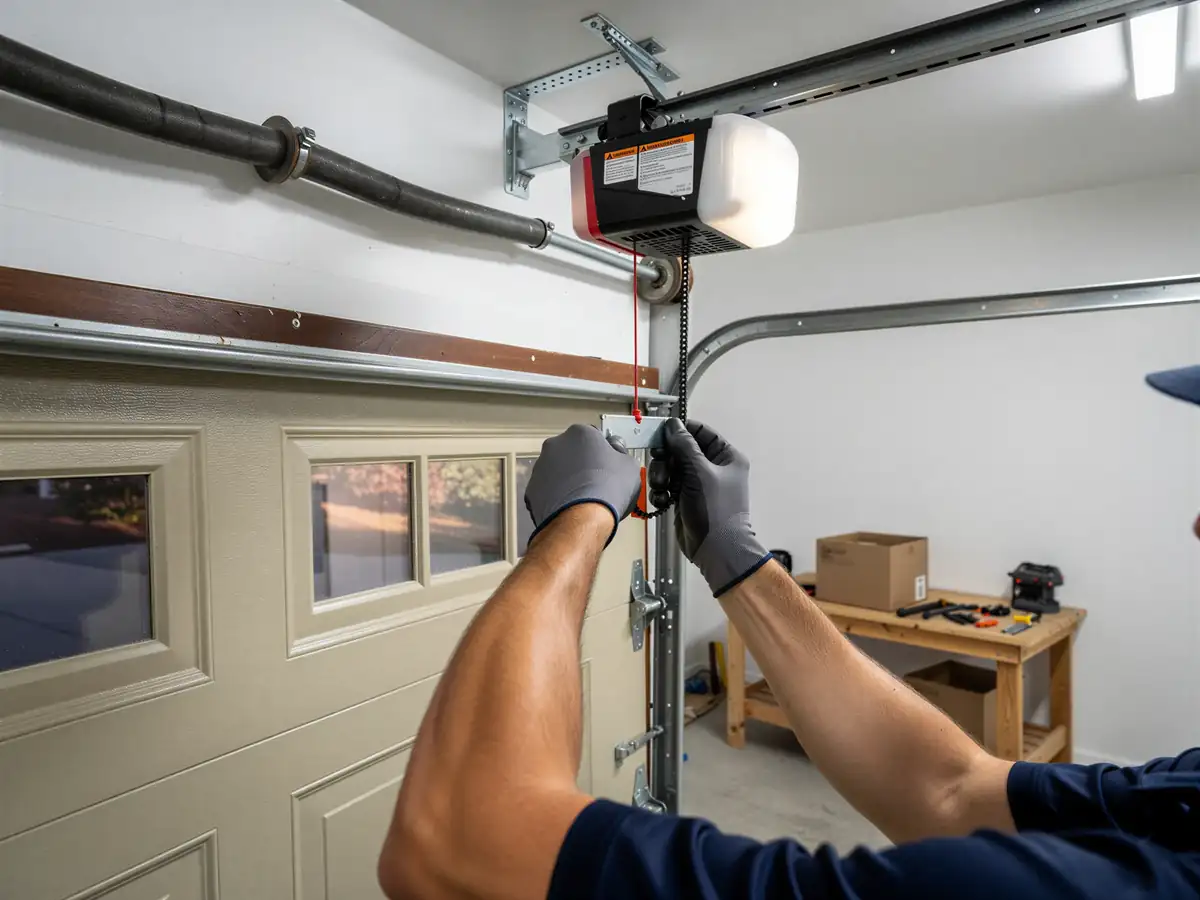
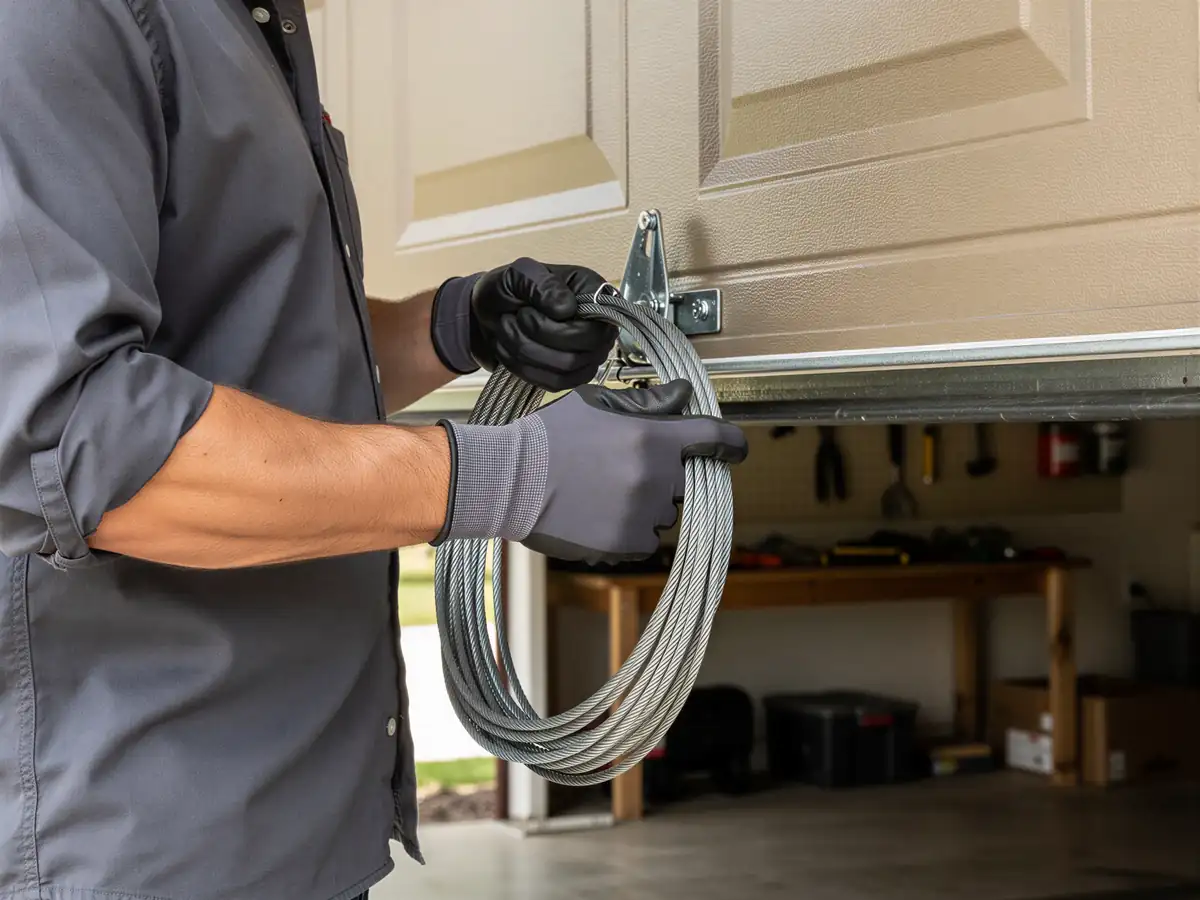
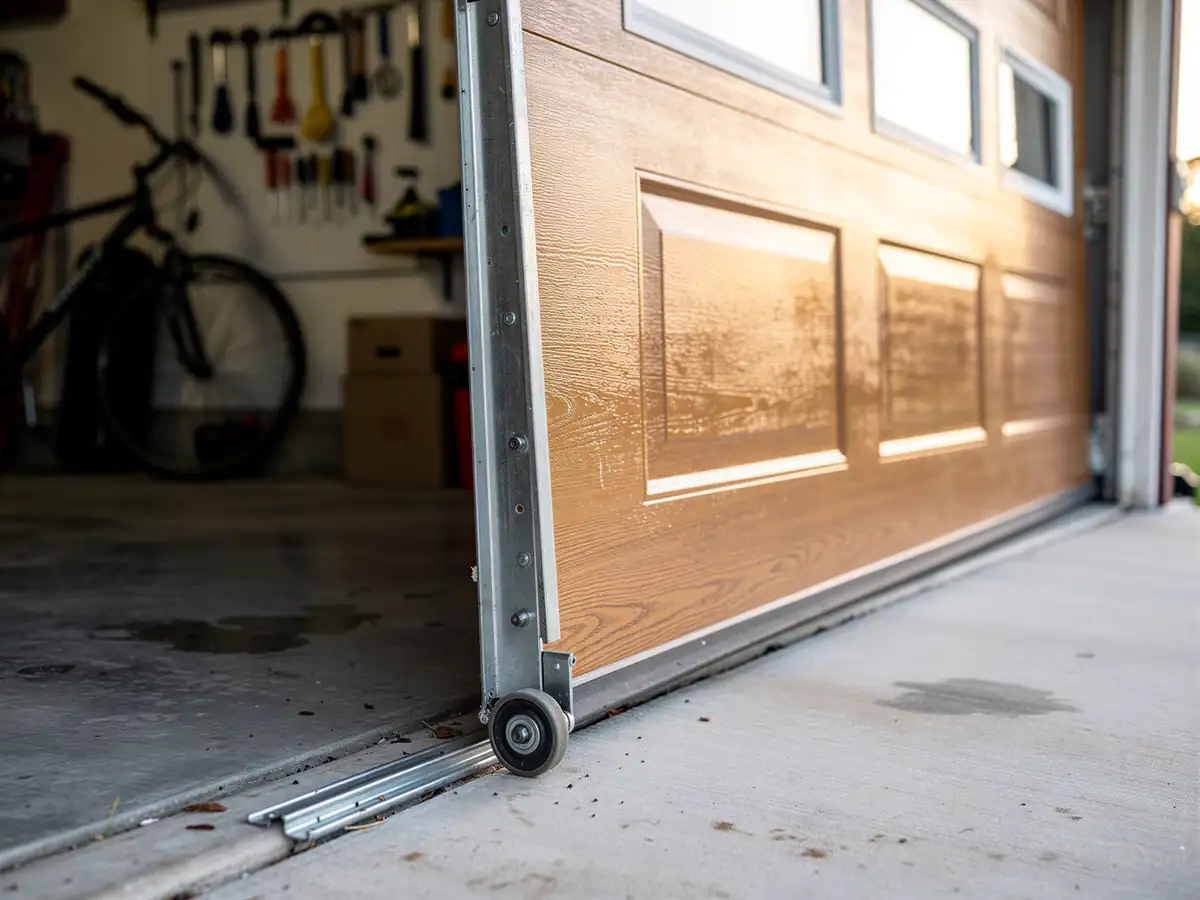
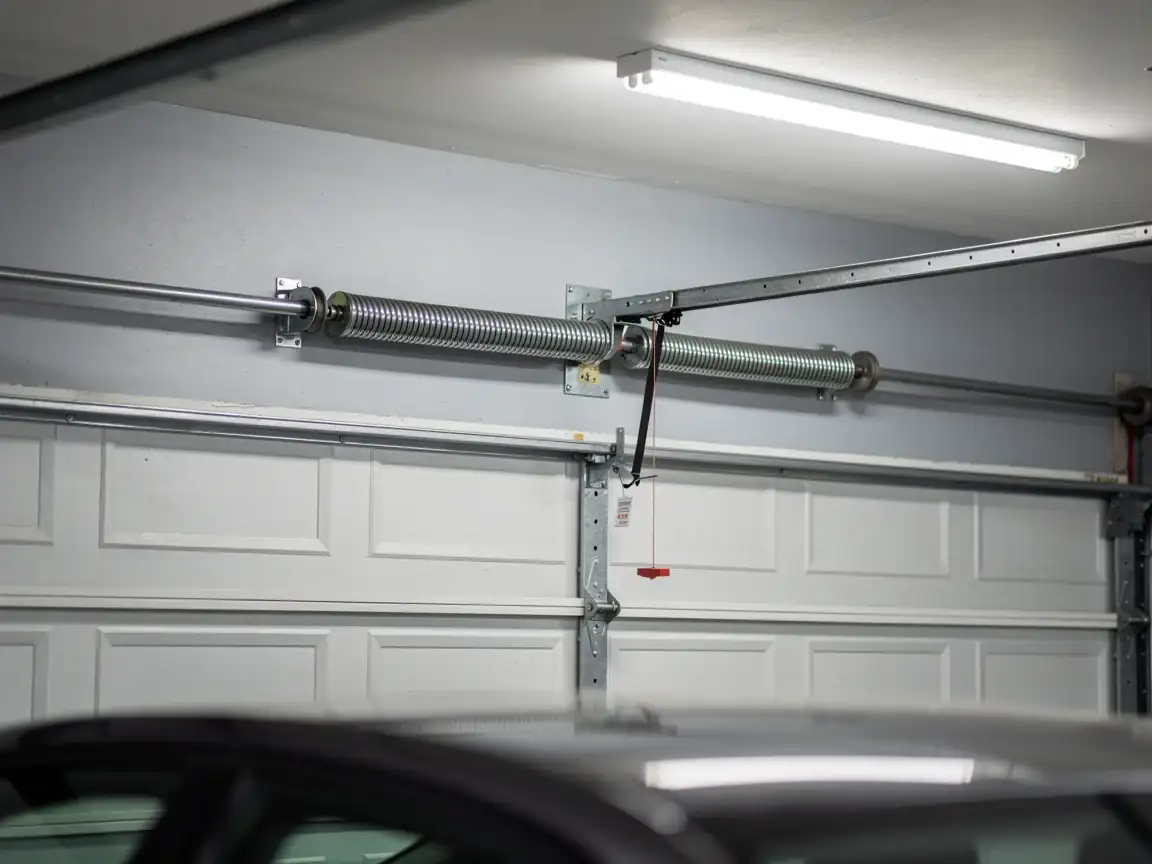
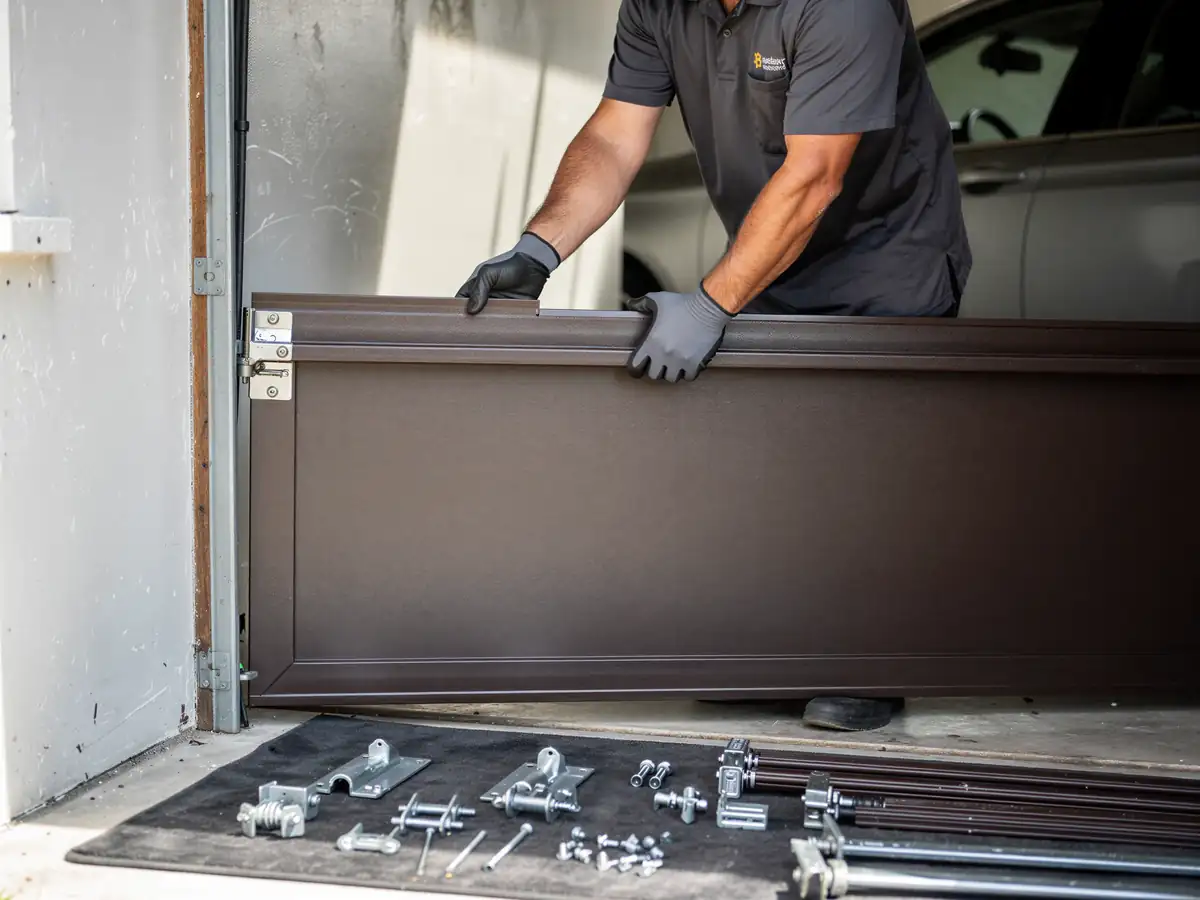
Panel replacement starts with matching the existing door - same manufacturer, same panel design, same color if we can get it. Doors built in the 1960s-70s window are often long discontinued, so the first step is figuring out whether a matching panel still exists or whether we're sourcing a close match that we paint to fit.\n\nOnce we have the panel, the job is mechanical: pull the hinges and rollers off the damaged section, unbolt it from the panels above and below, and swap in the new one. On doors with torsion springs under tension, we disconnect the spring force before touching anything, because an uneven door under load is how fingers get hurt.\n\nHere's the honest limitation: if more than one or two panels are shot, or if the track and hardware are as old as the panel, patching one section is a short-term fix. At that point we'll tell you straight that full door replacement costs less over three years than chasing discontinued panels for a door that's going to keep failing anyway. We won't sell you a panel swap on a door that's done.
How Long It Takes
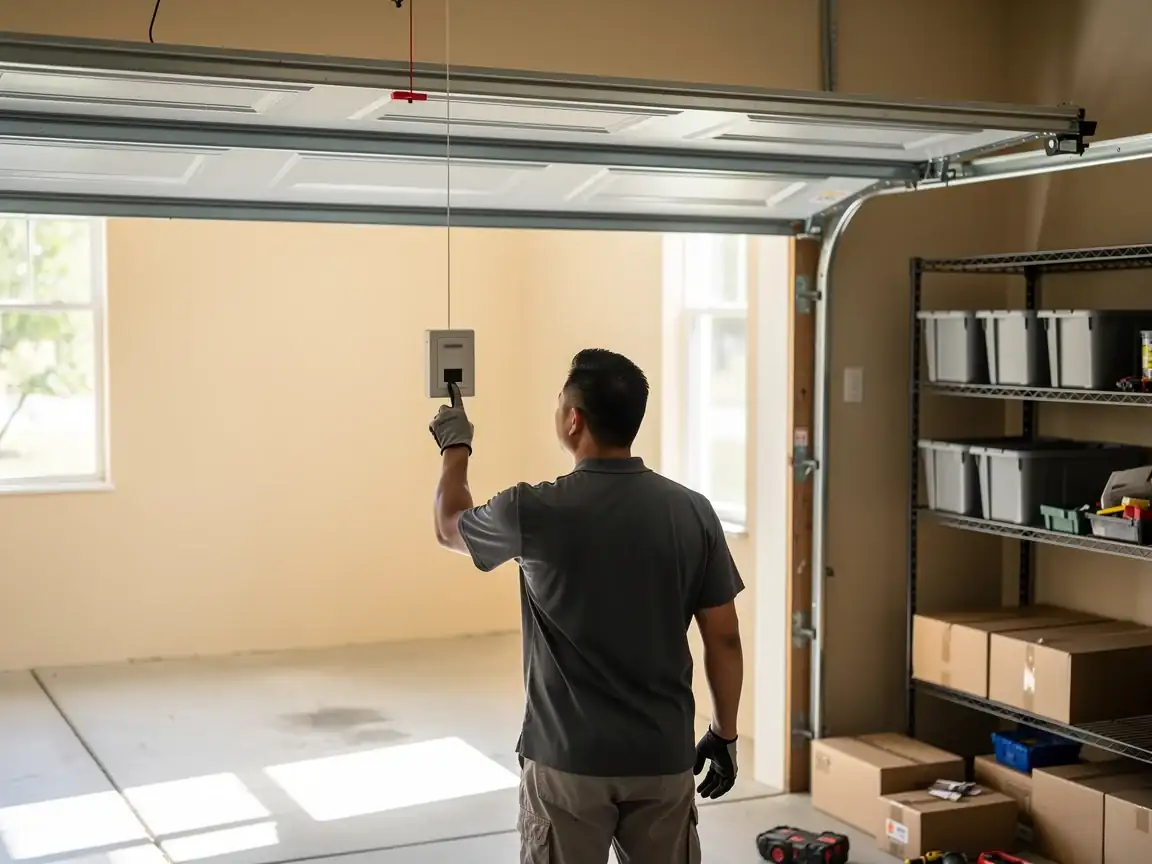
A straightforward panel swap on a door with parts in stock is usually a single visit - most jobs run under two hours once we're on site with the right panel in the truck. The variable is sourcing: if your door's manufacturer still makes that panel style, we can often get it fast. If the door is old enough that the panel's been discontinued, we may need a few extra days to track down a matching or close-match panel before we schedule the install.\n\nWe won't quote a one-visit timeline over the phone without seeing the door first, because matching an older panel sometimes means ordering from a different supplier than usual, and that changes the schedule. What we can tell you up front: once the panel's in hand, the install itself doesn't take long - it's the waiting on parts for an older door that adds the days.