How Local Conditions Play In
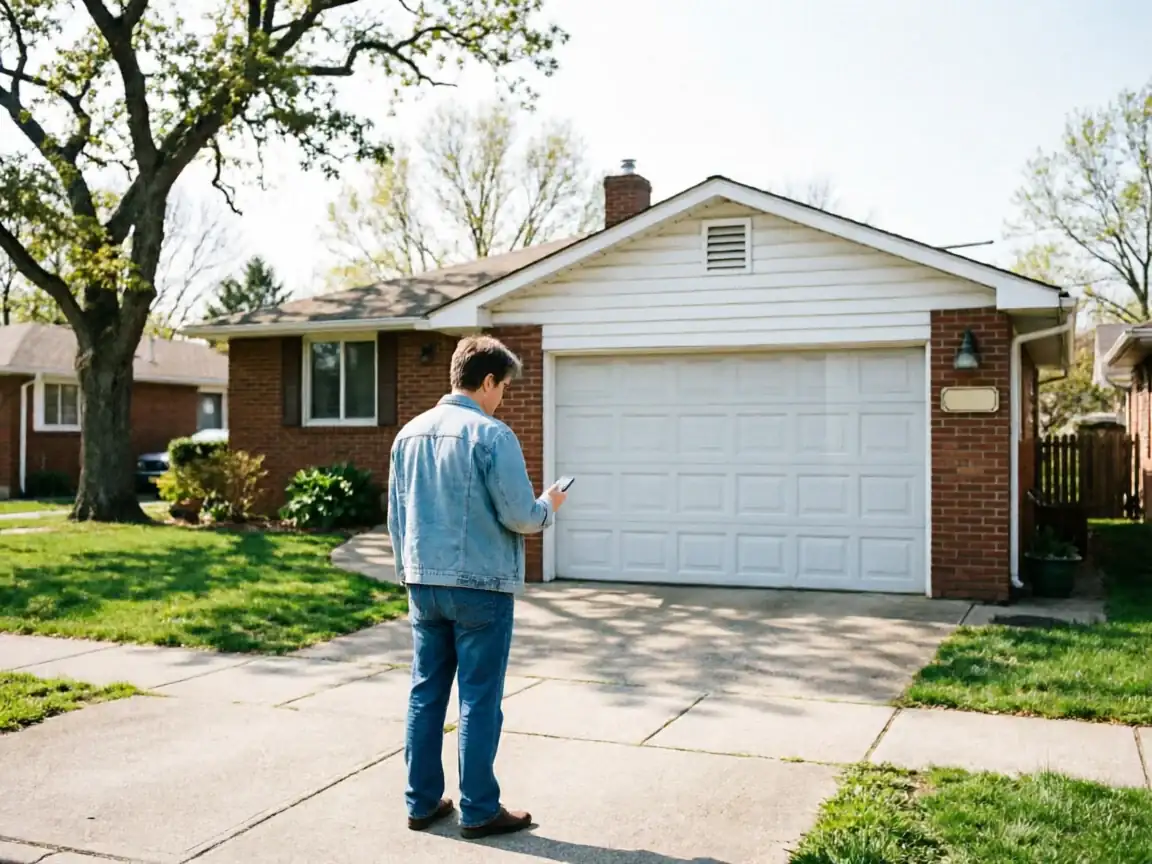
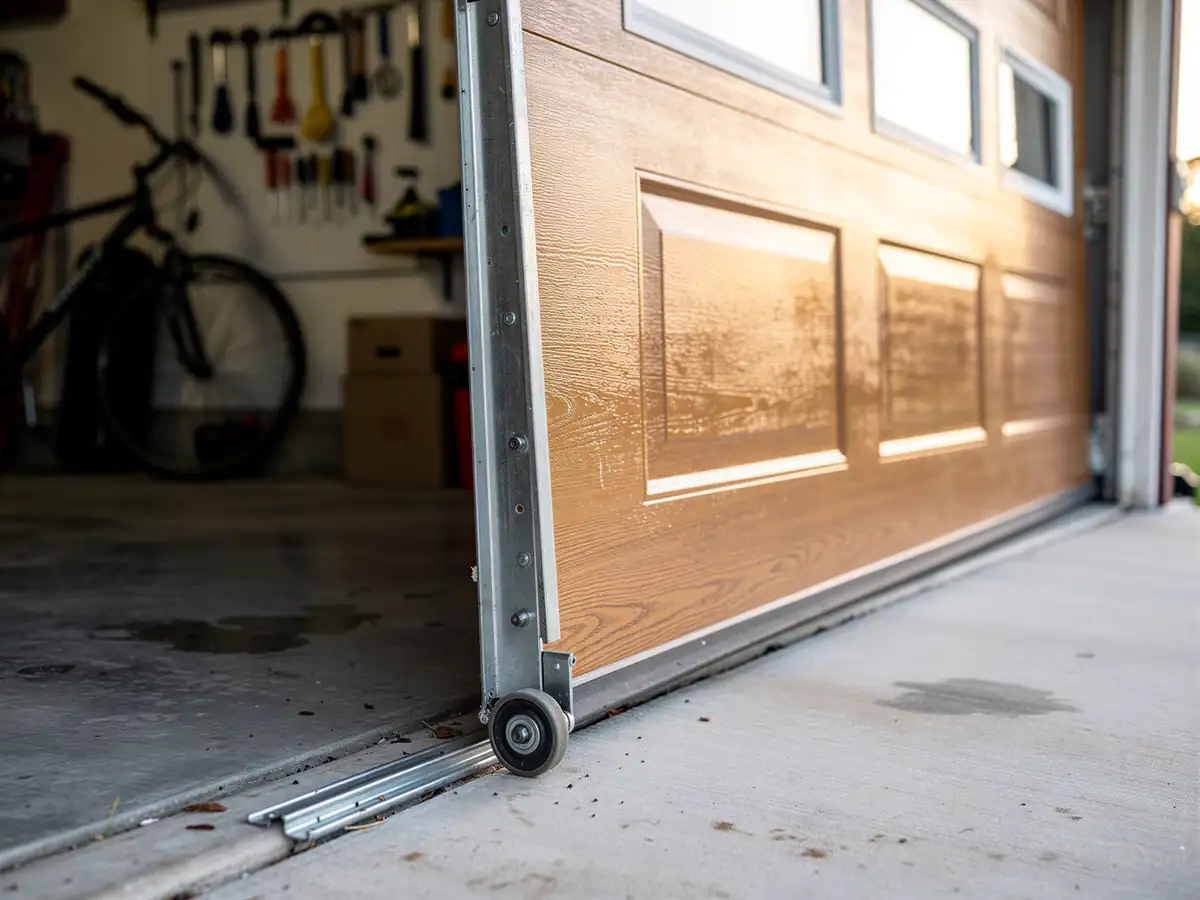
Most houses in this part of the North Shore went up between 1938 and 2009, with the median landing around 1977, and the bulk of the stock across the 53 named areas we work in dates to the 1960s and '70s. That matters for a door swap because a house built in that window usually still has its original jamb width and headroom clearance, which newer insulated sectional doors don't always match without some carpentry at the header. Add in a cold climate band with real winter swings, and steel panels from that era are thinner-gauge than what's sold now, so the old door is working harder against temperature-driven expansion and contraction than a modern double-layer steel door would. Household income in the service area runs a median of $125,104, which is part of why we see more owners here upgrading to insulated doors rather than patching a 1970s single-layer panel one more time. None of that means every door from that period needs replacing tomorrow - plenty of them are fine with a spring and roller service. But when a door from that era starts showing daylight through the panel seams or the bottom section is rusted through, that's an age-of-house problem, not a one-off defect, and it's worth planning the swap instead of chasing another patch repair.
When to Get Help
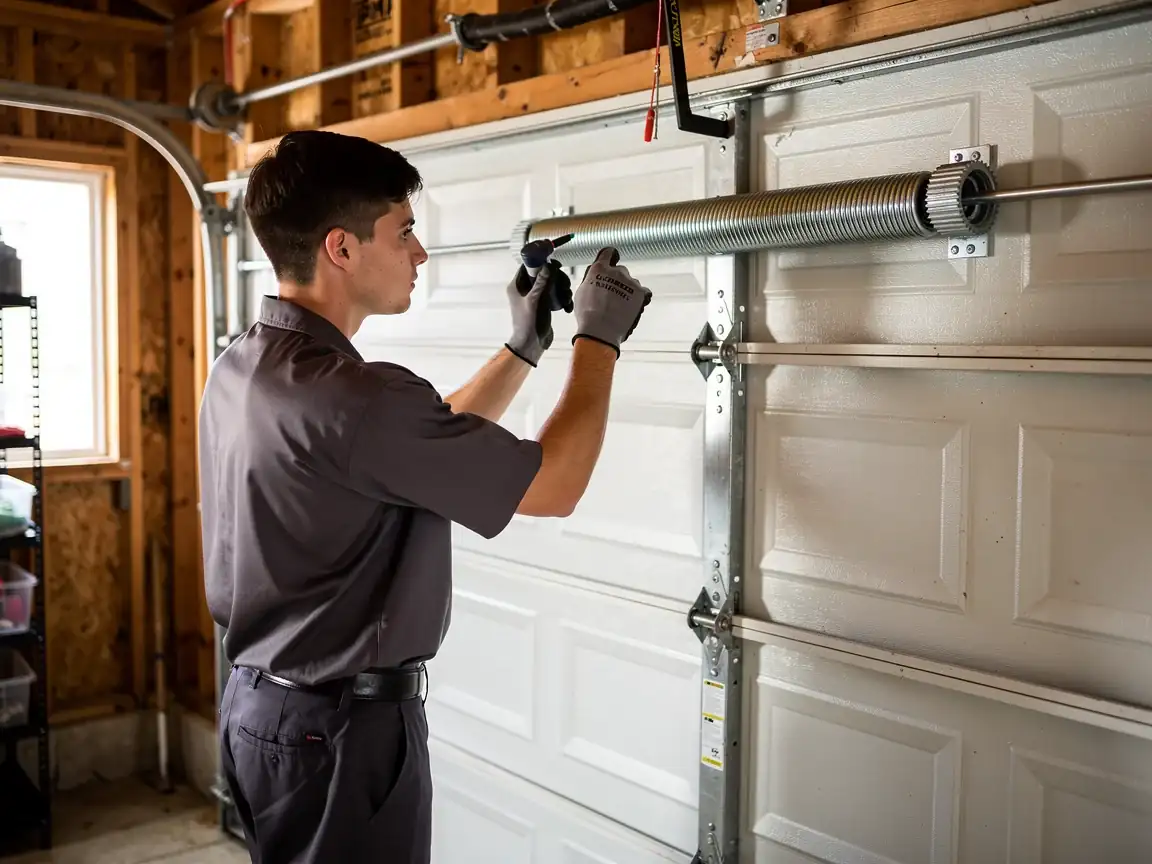
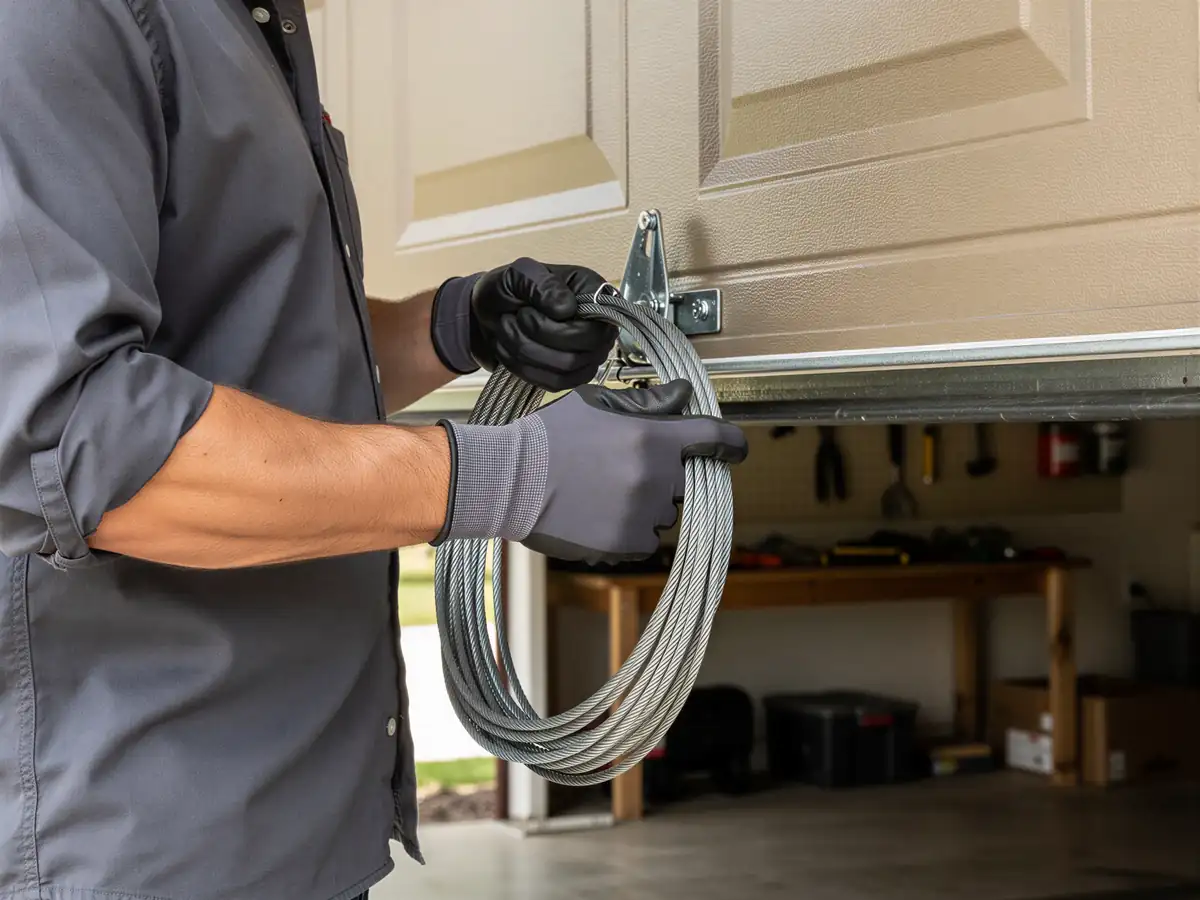
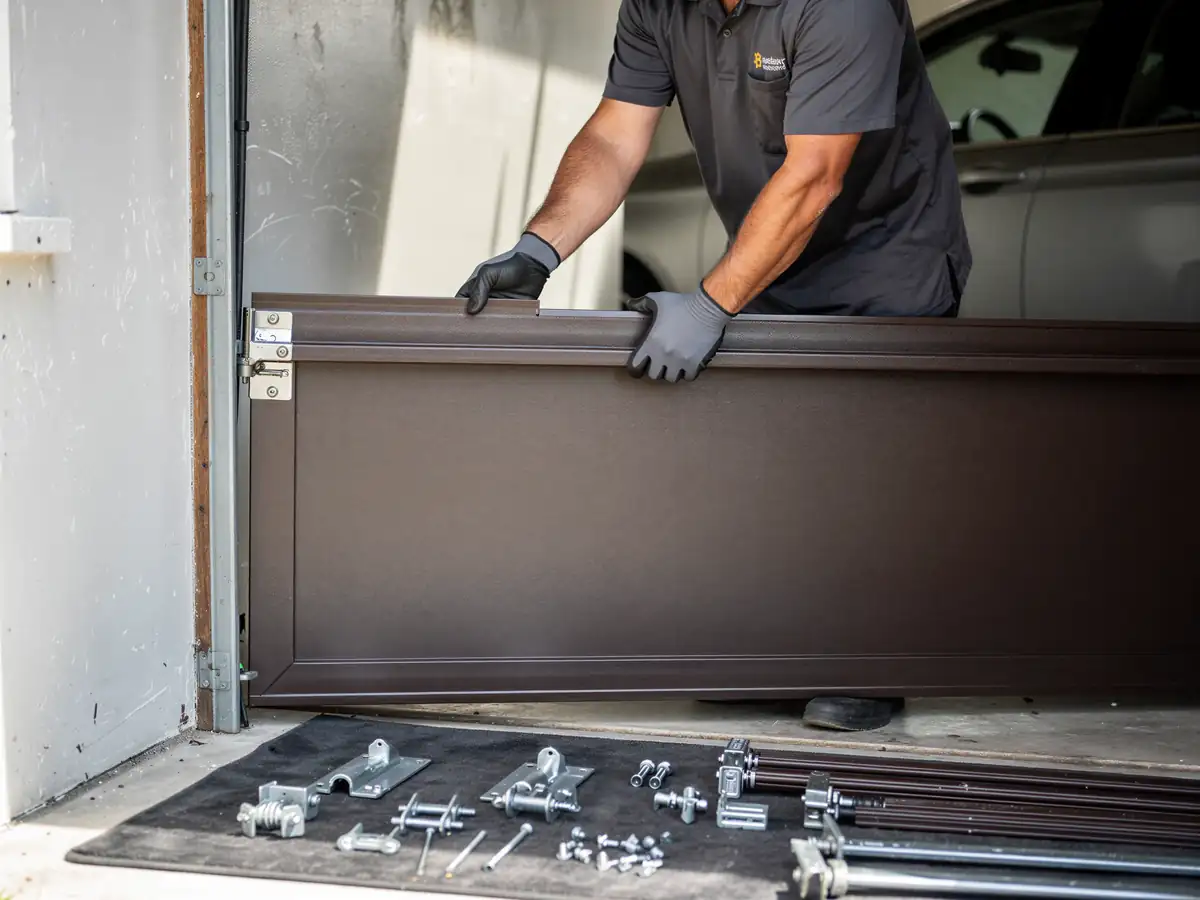
Call before the door fails all the way, not after. A torsion spring that's starting to sag unevenly, or a door that labors visibly in the first cold stretch of the year, is telling you the hardware is at the end of what it can do - and in a cold-climate house built in the 1960s or '70s, that hardware has usually been doing its job for decades already. If the door drops suddenly with a loud bang, that's a broken spring under tension, and it's not a DIY fix - the cable and spring assembly under load can take a finger or worse. If the opener runs but the door barely lifts, or lifts and then reverses, that's usually the spring compensating for age, not an electrical issue. And if you're already looking at buying a replacement door here because a panel is cracked, bent, or water-damaged at the bottom, get a measurement and condition check done before ordering, since older openings in this housing stock don't always match current standard door sizes without adjustment.
The Common Mistake
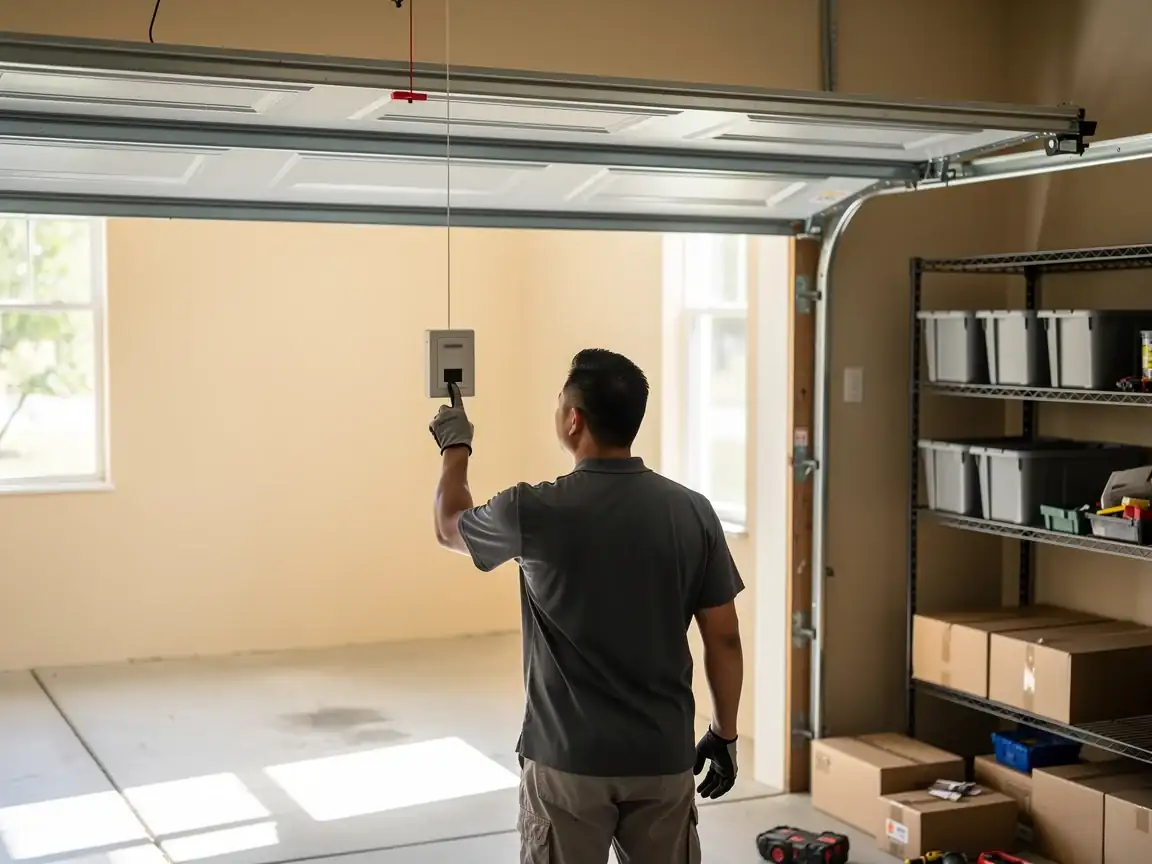
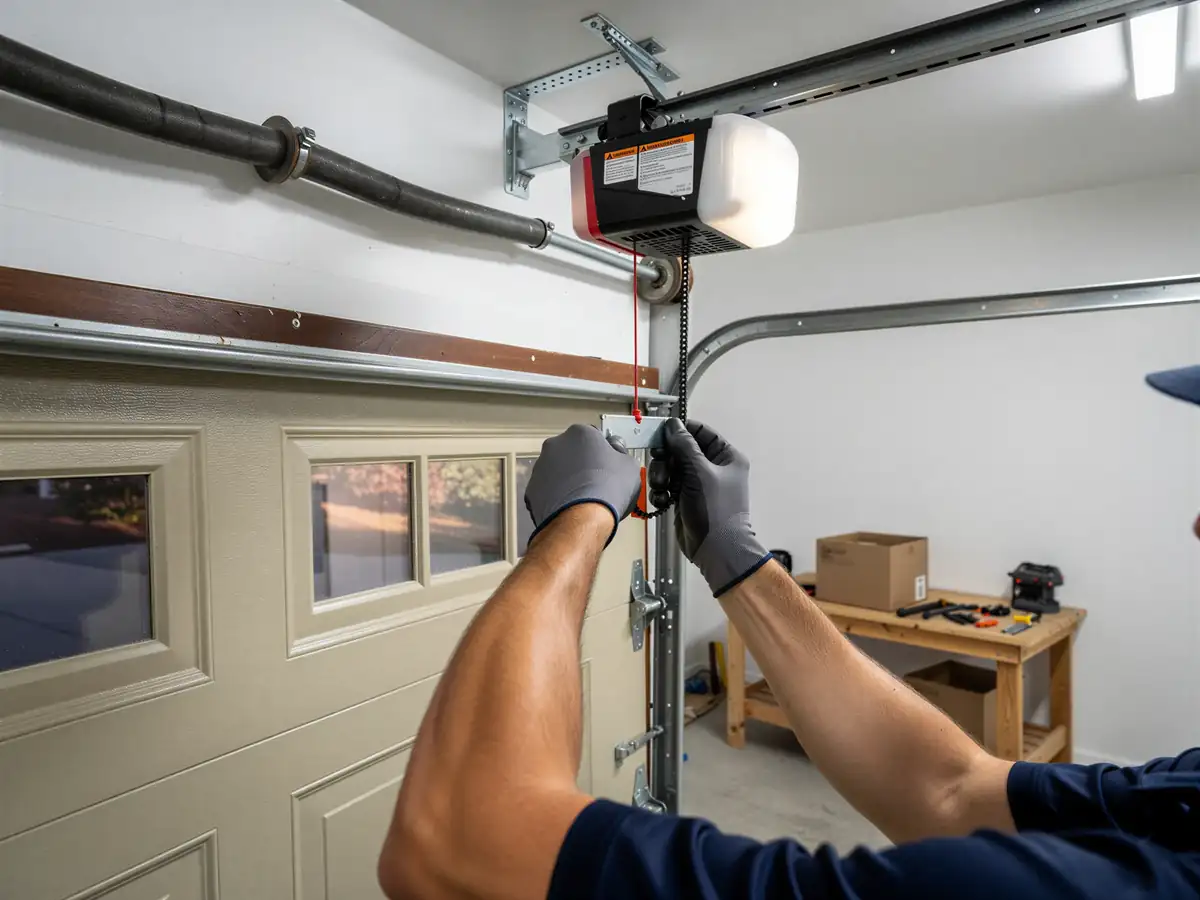
The mistake we see most often is replacing the opener and assuming that fixes the door. A new opener motor on an old, heavy, unbalanced door just means a stronger motor straining against the same bad springs - it doesn't last, and it can strip the drive gear faster than the old motor did. The other version of this mistake is ordering a standard-width replacement door for a house in this area without checking the actual opening first, since homes built across the 1960s-70s stretch of this housing stock don't all use the same jamb dimensions that newer construction does. We'll be straight with you: we don't carry every obsolete track width or spring cone off the truck, and a true custom-width door can mean a real wait on the order. That's worth knowing before you commit to a date, not after.