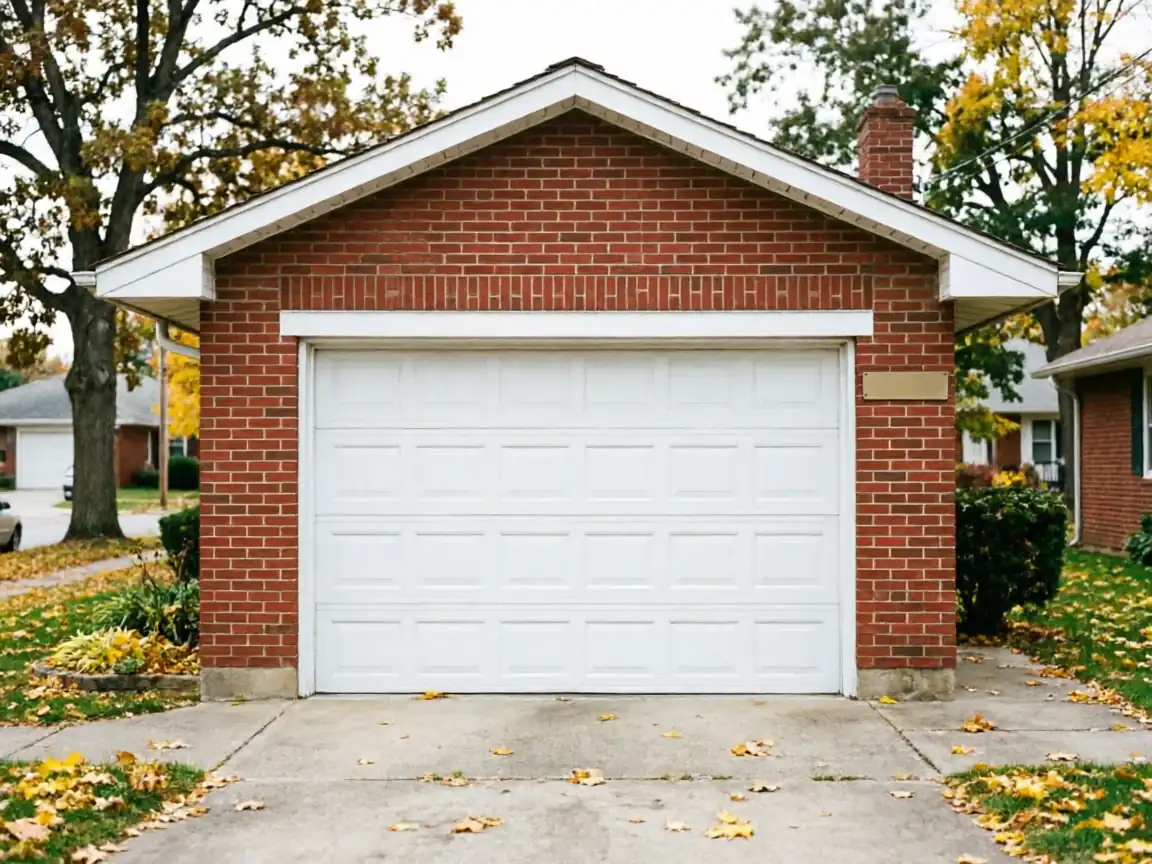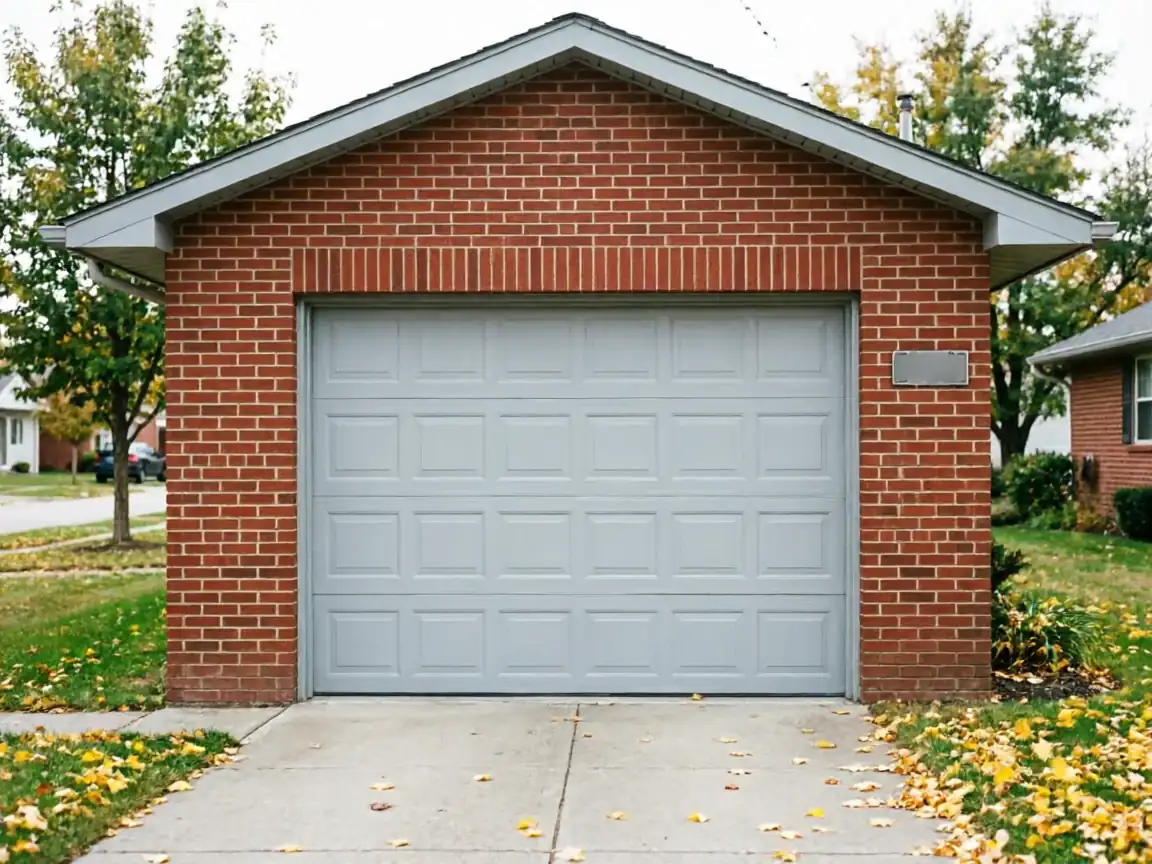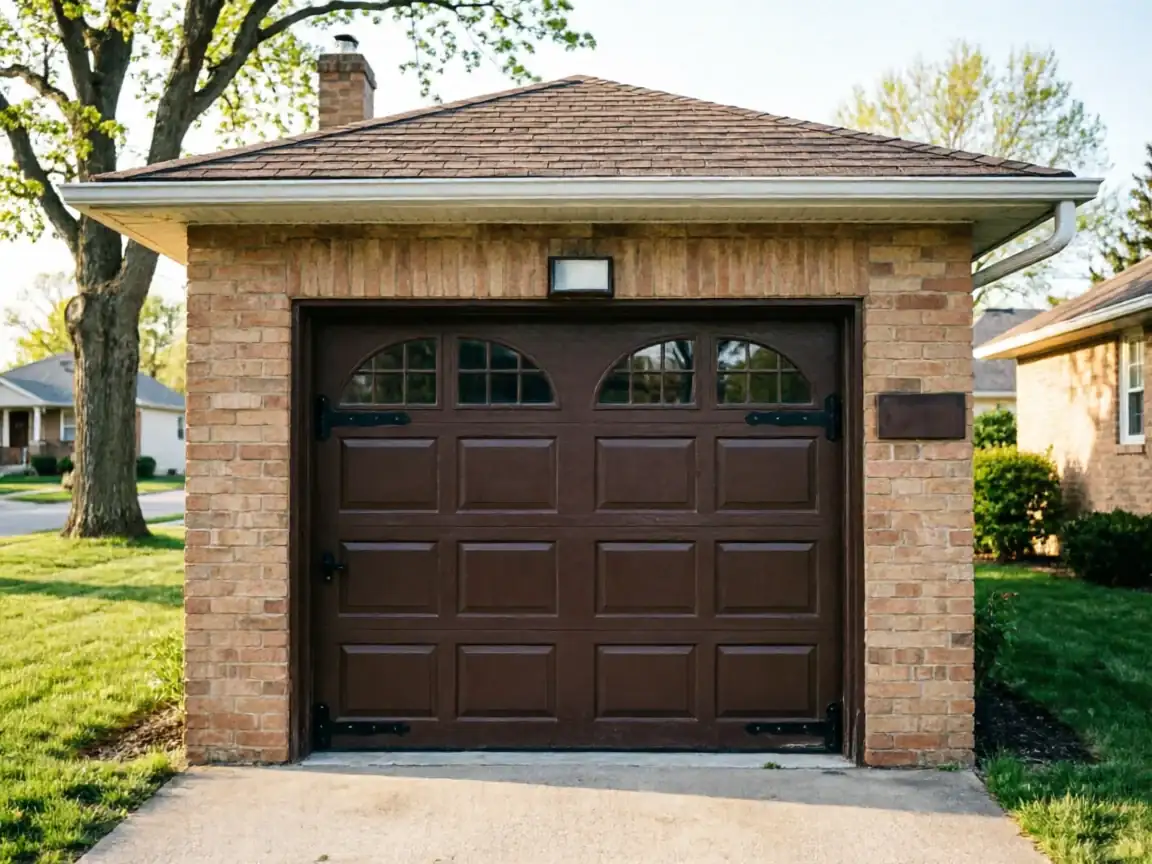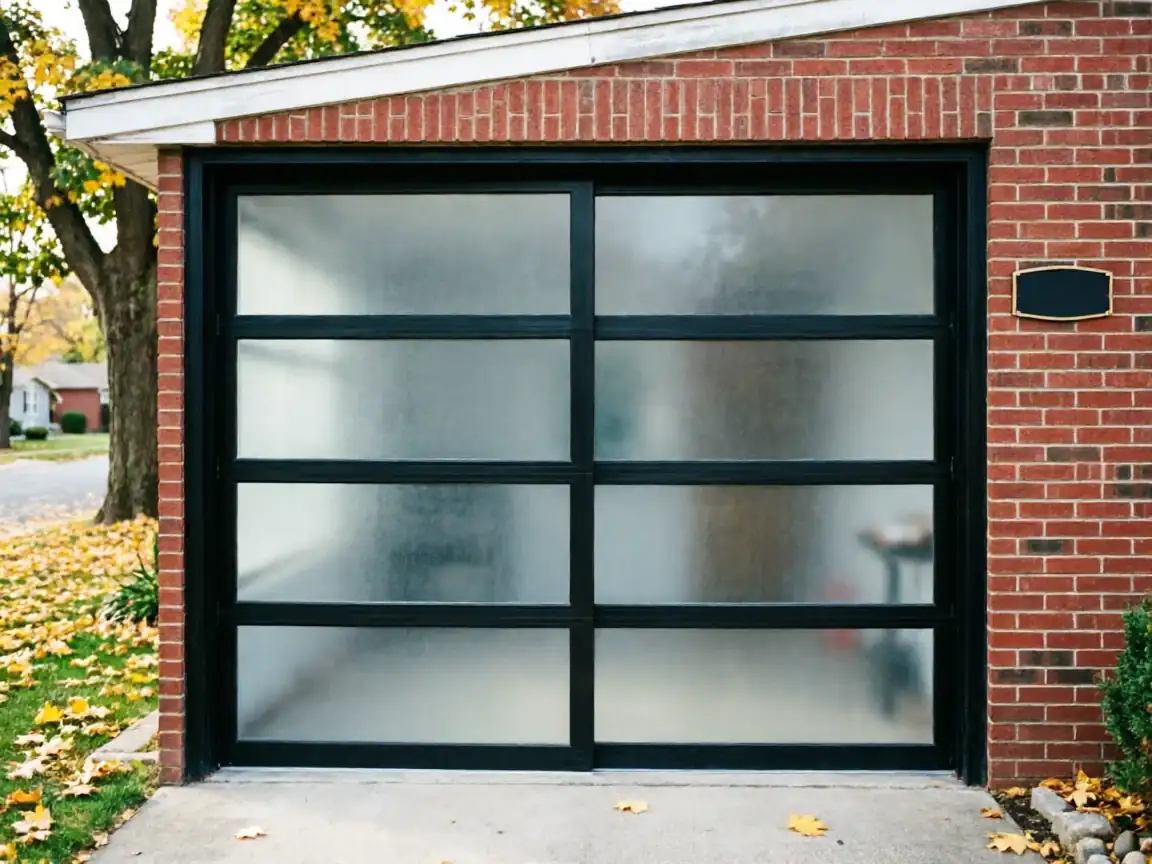
Why This Fails Locally
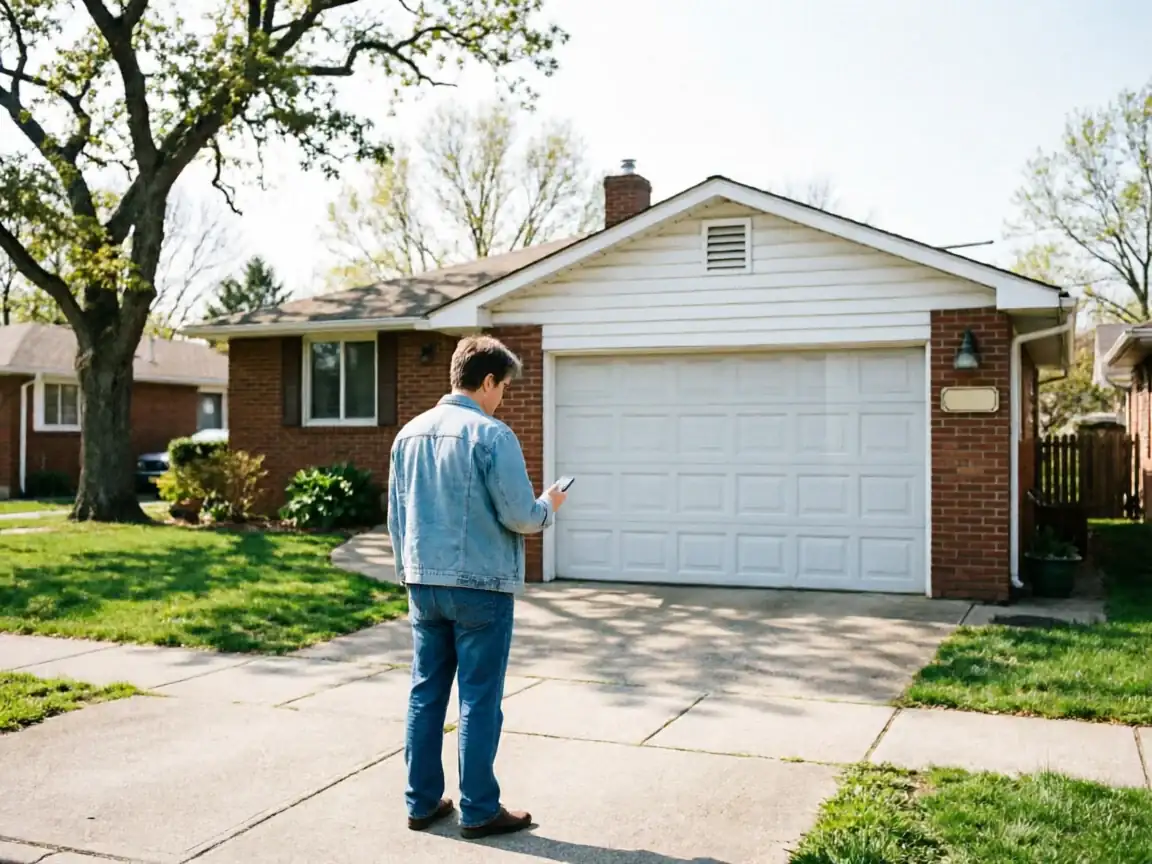
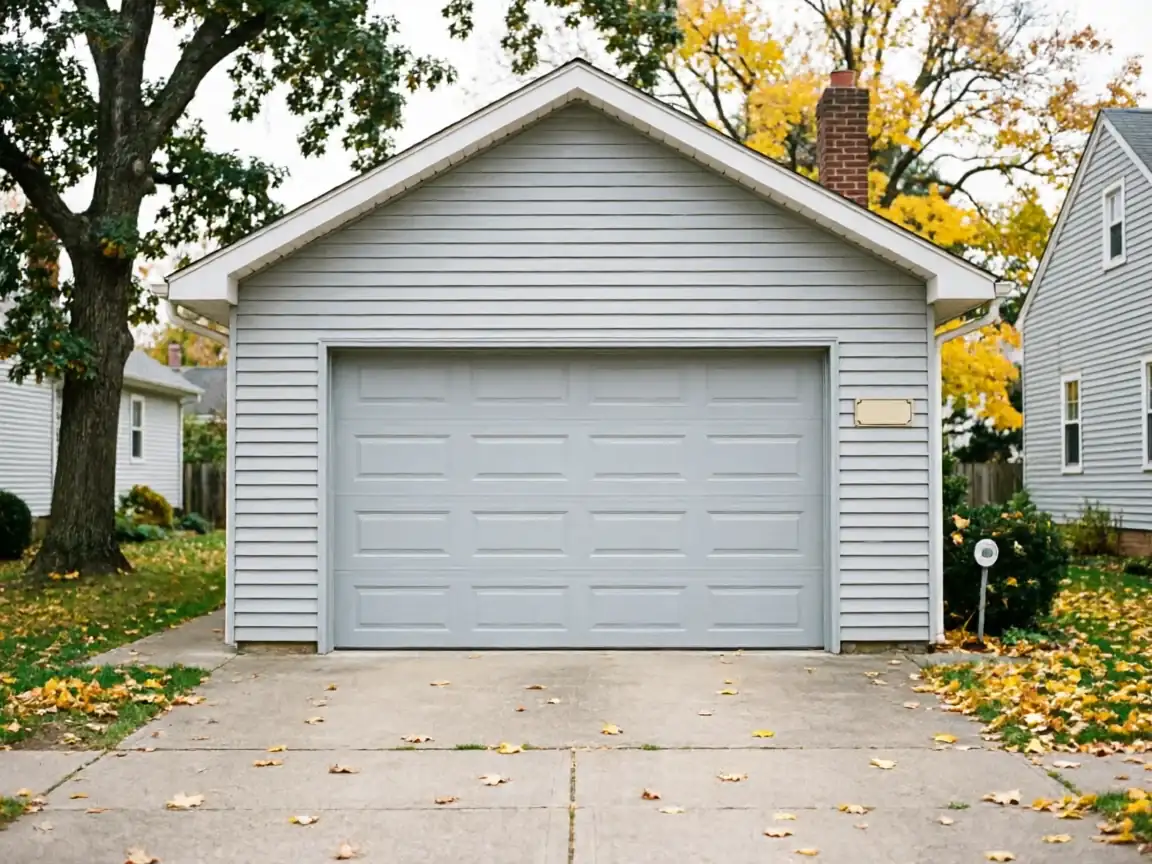
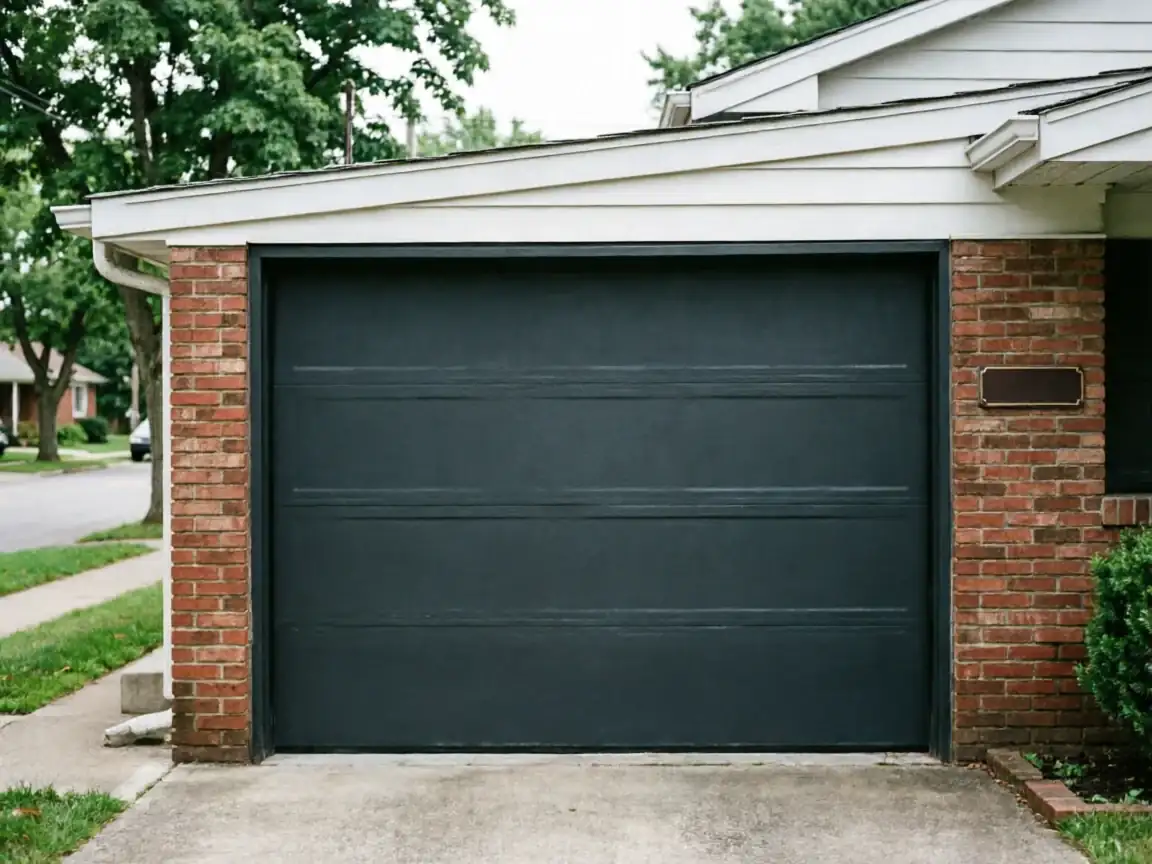
Most of the housing stock around Deerfield went up between 1938 and 2009, with the median build year sitting at 1977 and the bulk of it dating to the 1960s and 70s. Doors from that era were sized to openings that builders stopped using decades ago, and a lot of them were installed with hardware nobody stocks anymore. When a homeowner calls us about a door that binds, sags, or won't seal at the bottom, it's usually not a one-part fix - it's a door that was never built for the insulation standards or wind load expectations we work with today.
The cold moderate climate band this area sits in matters too. A door built in the 70s wasn't engineered with a thermal break or a tight bottom seal, because that wasn't the standard then. Decades of winter freeze-thaw cycles work on the panel seams, the track alignment, and the weatherstripping, and eventually the door just gives up trying to seal. You're not looking at bad luck. You're looking at a door doing exactly what a 50-year-old door does in this weather. That's the gap installation closes - not patching the old door again, but putting in one built for what the house actually needs now.
What the Fix Involves
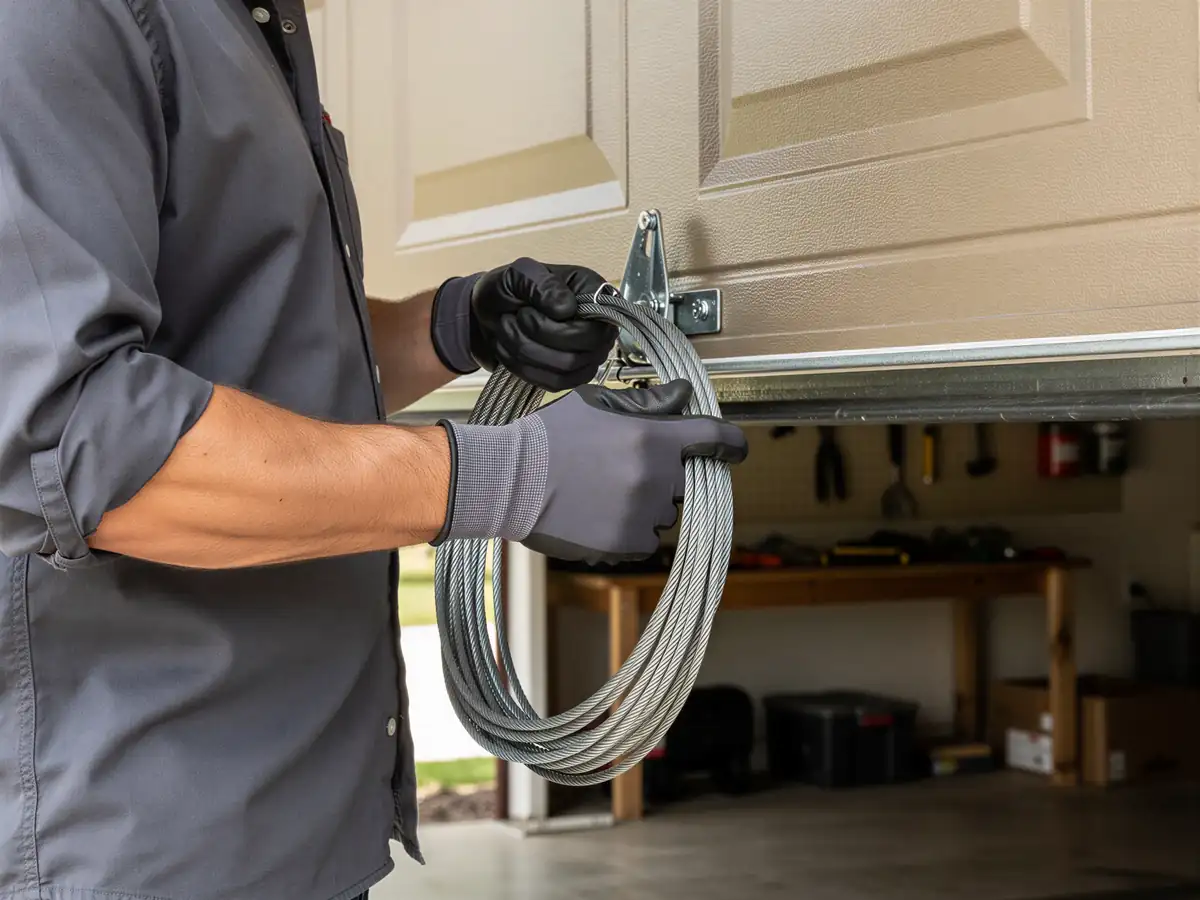
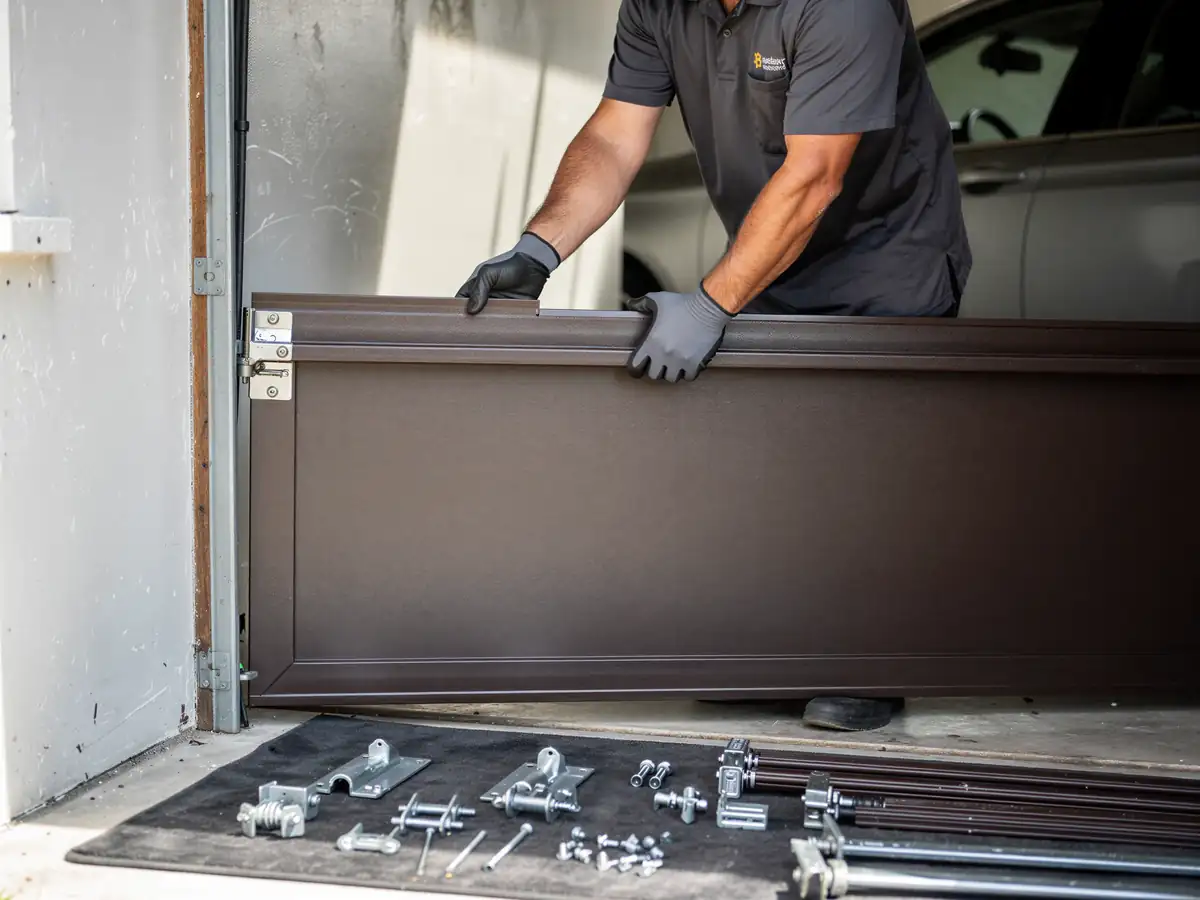
A proper installation starts with measuring the actual opening, not assuming it matches a catalog size - a lot of Deerfield-area openings from the 1960s and 70s run narrower or shorter than today's standard panel sizes. We pull the old door and track completely, check the jambs and header for rot or settling (common in houses built before modern sill flashing was standard), and reframe where needed before anything new goes in.
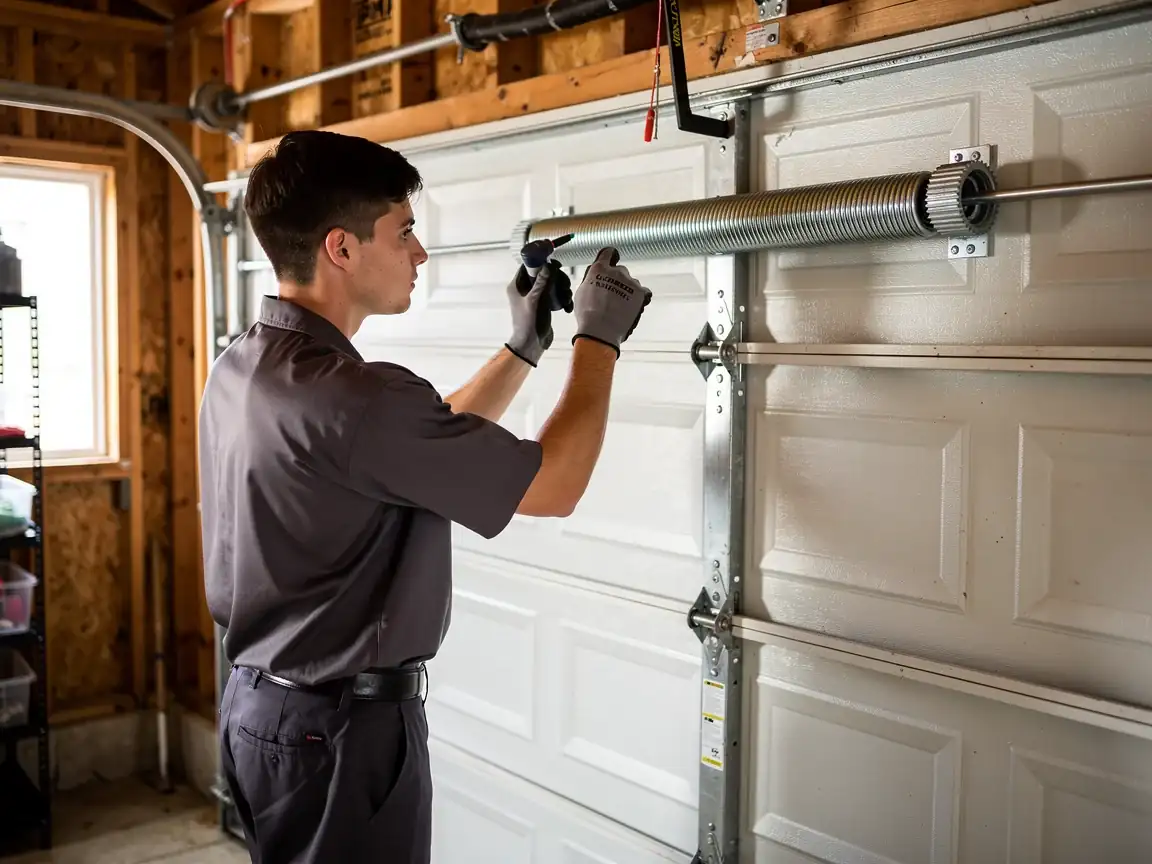
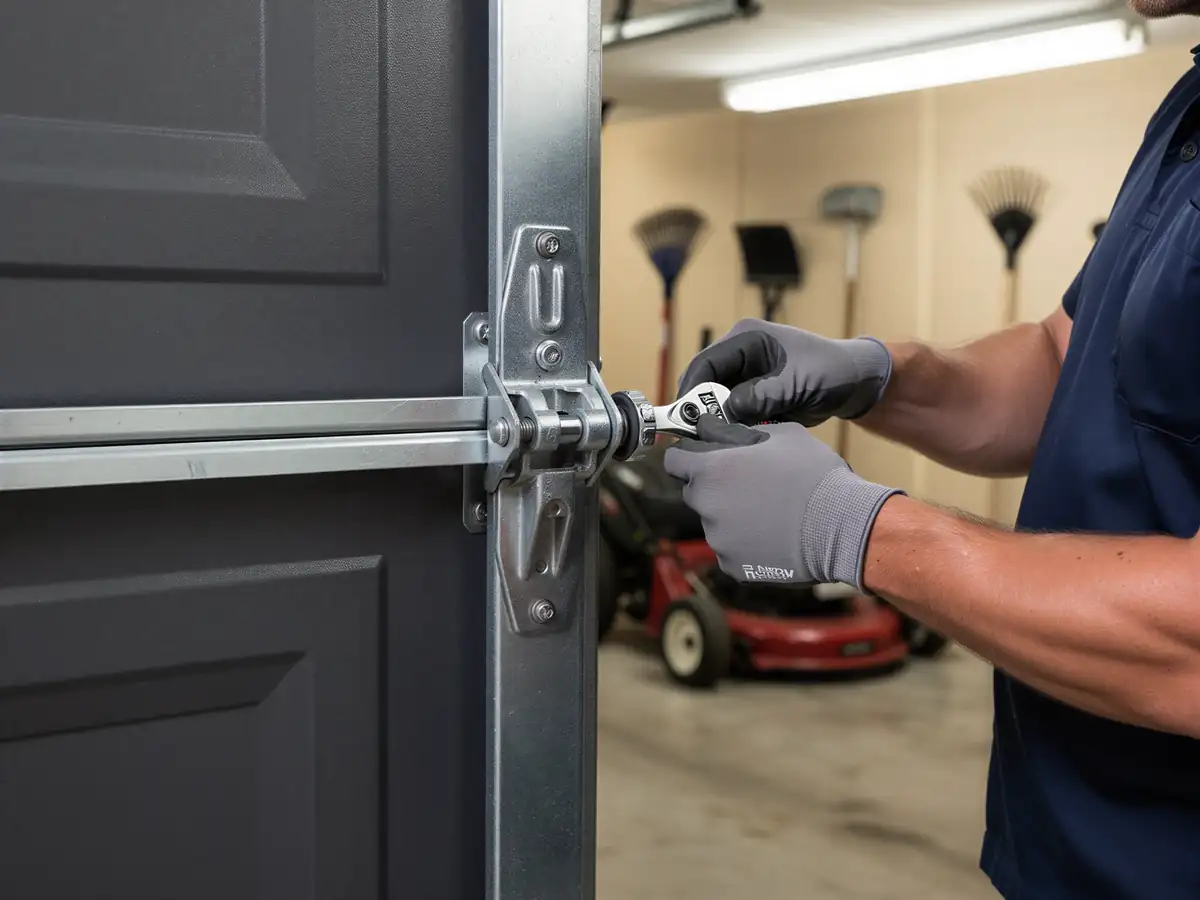
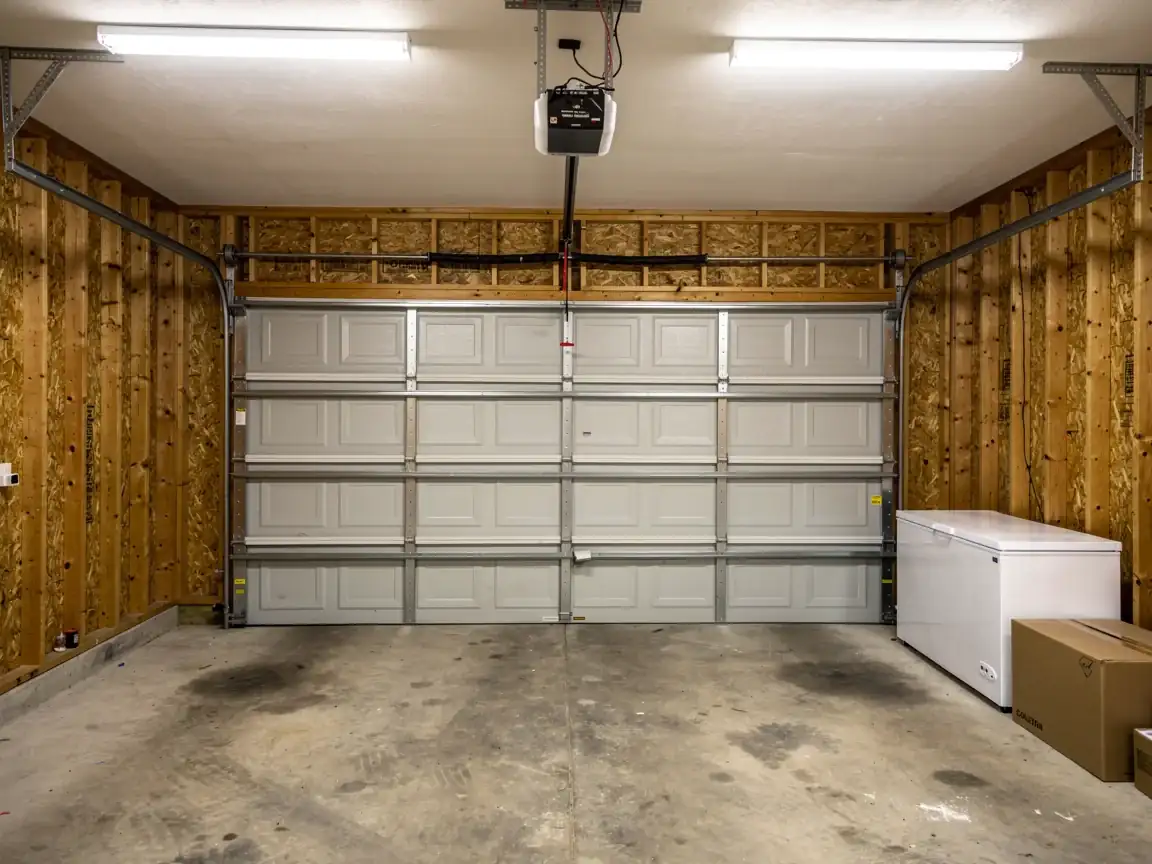
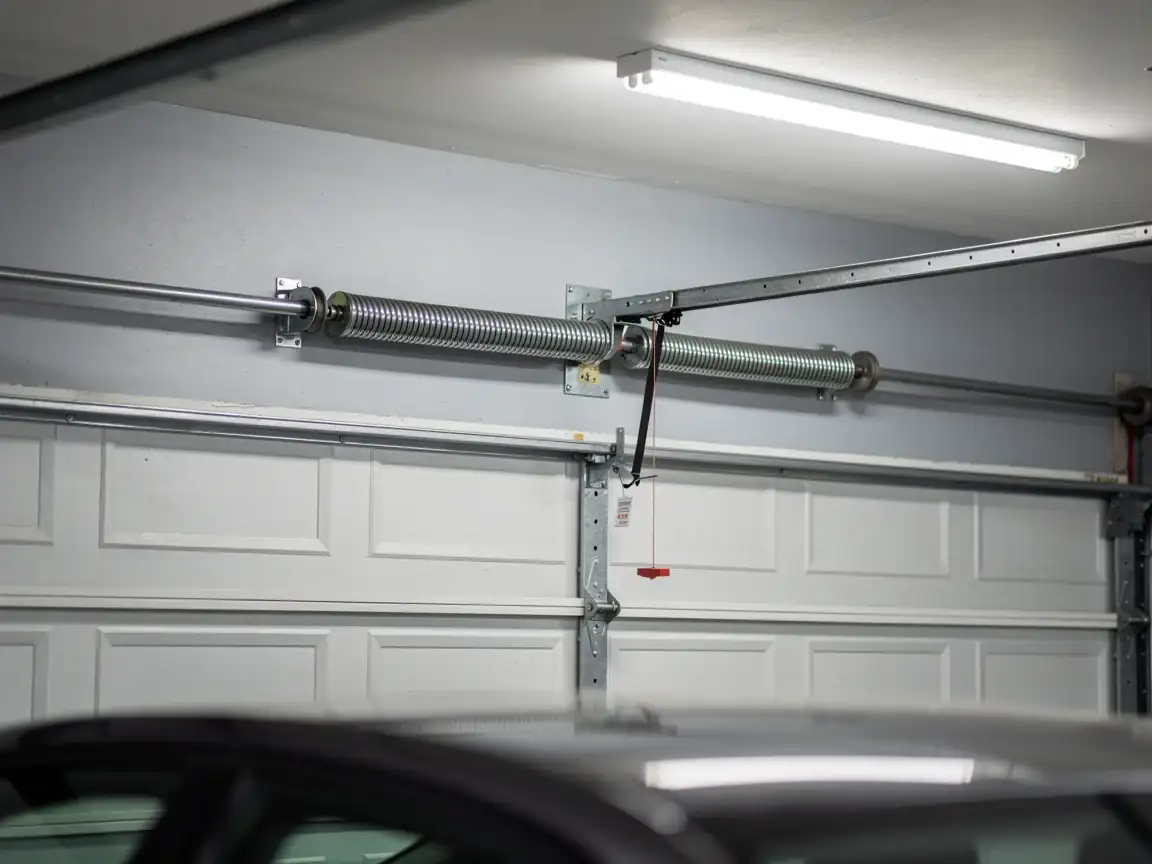
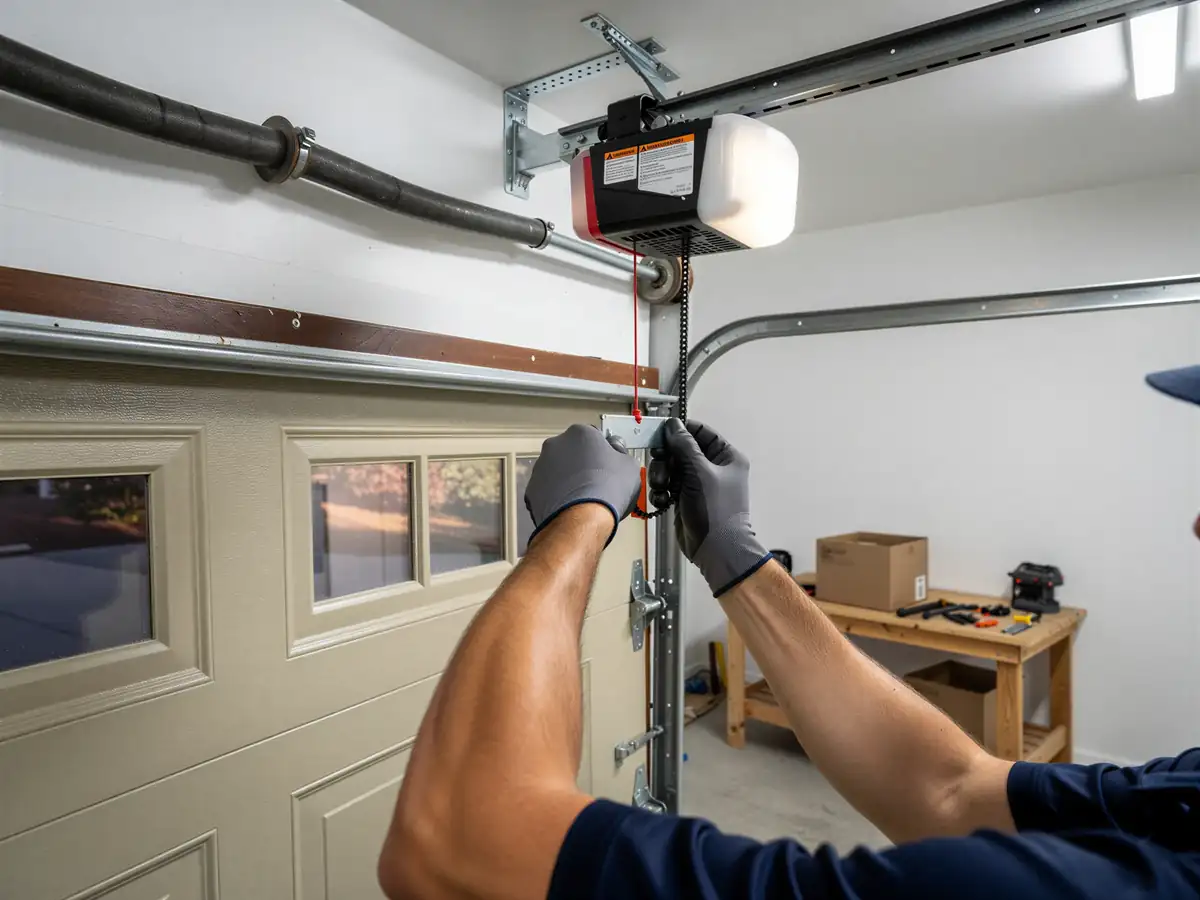
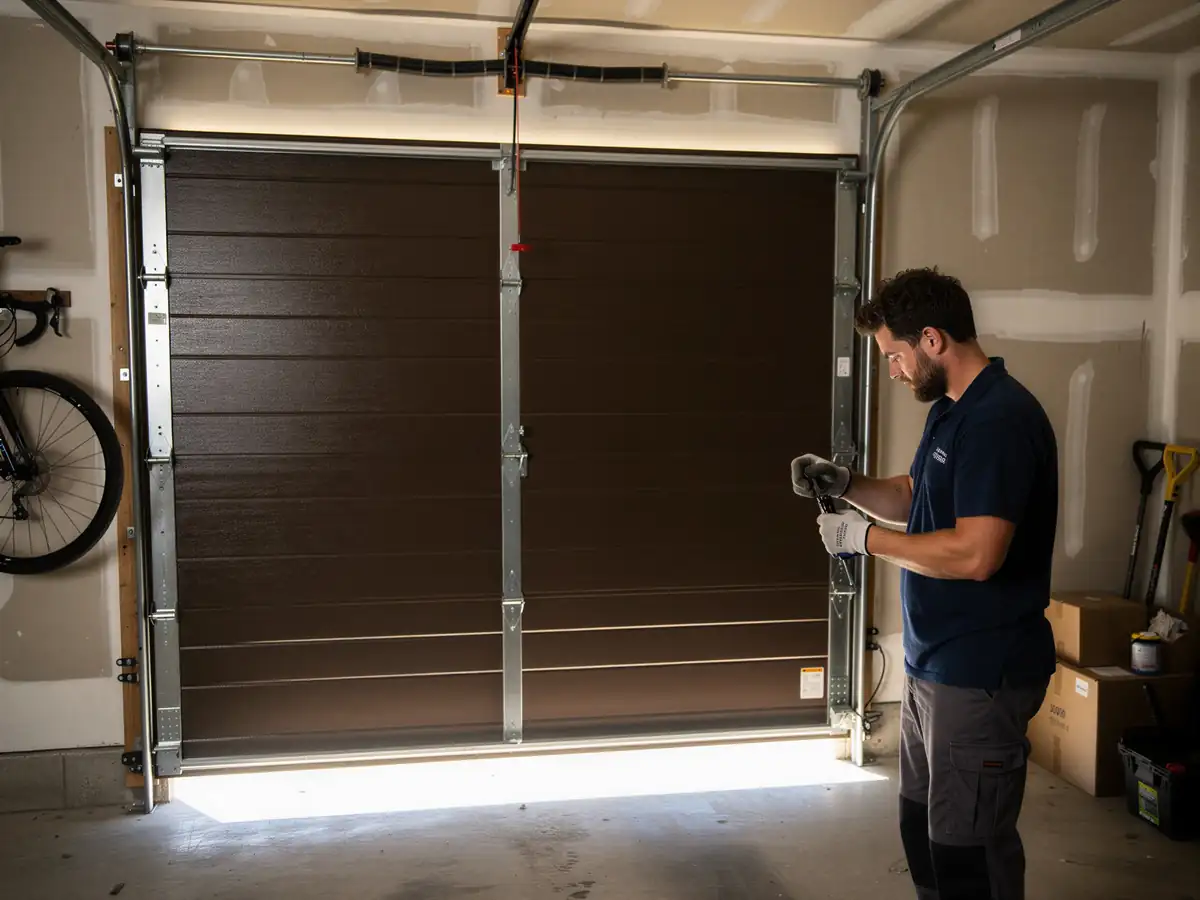
From there it's new track, new springs sized to the door weight (not reused from the old setup, which is a common shortcut that causes early failure), and a door with an insulation rating that makes sense for this climate band. We set the opener to match, test the balance, and check the seal under real closing pressure, not just a quick open-close cycle.
One limitation worth saying plainly: if the opening itself is out of square beyond a certain point, or the header framing is compromised, that's carpentry work before it's a door job, and we'll tell you that up front rather than force a door into a frame that won't hold it straight.
What You Are Seeing
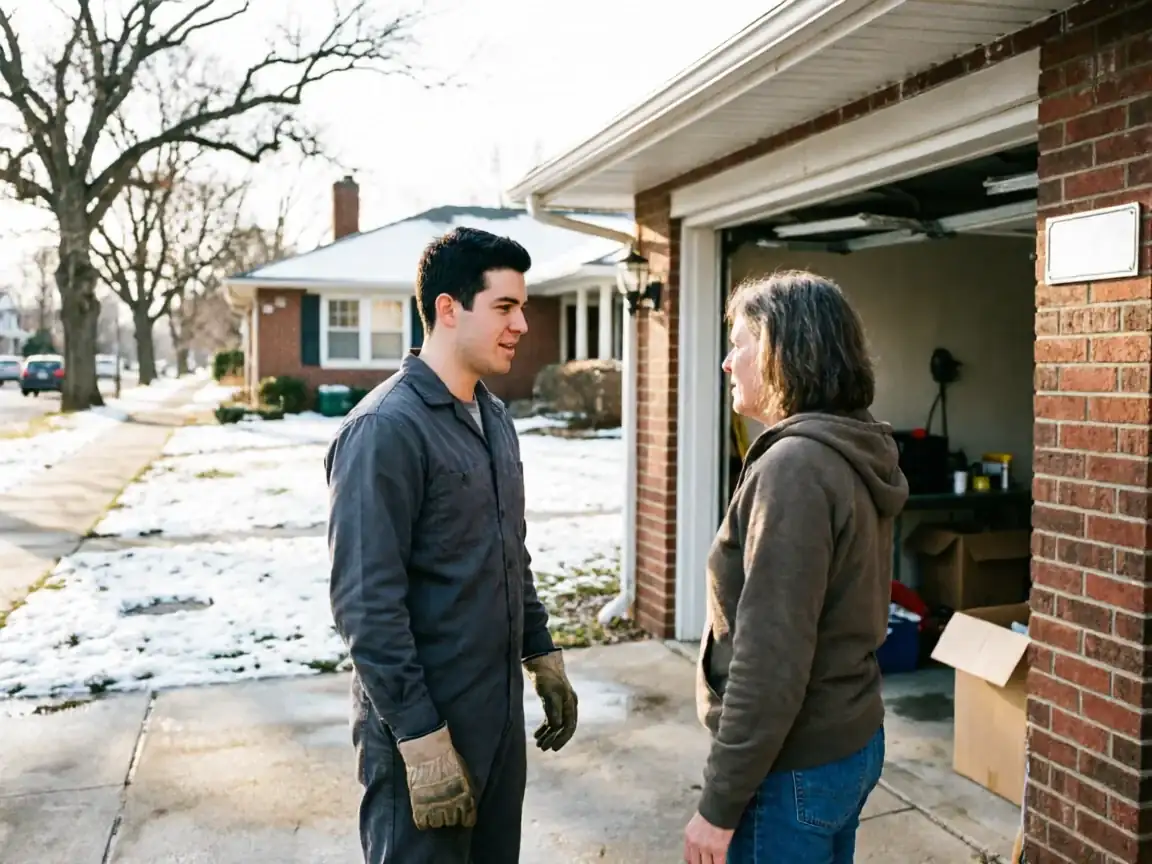
The calls we get before an installation usually sound similar
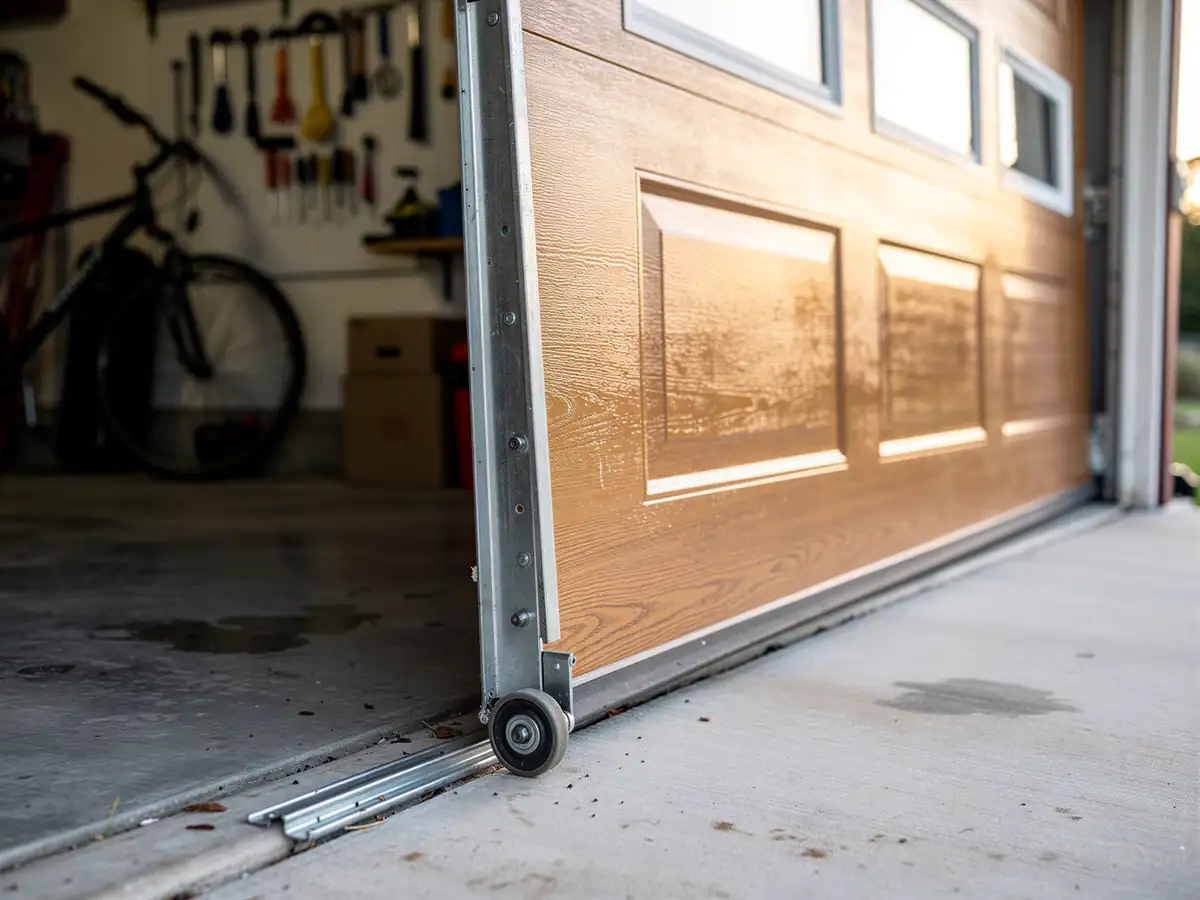
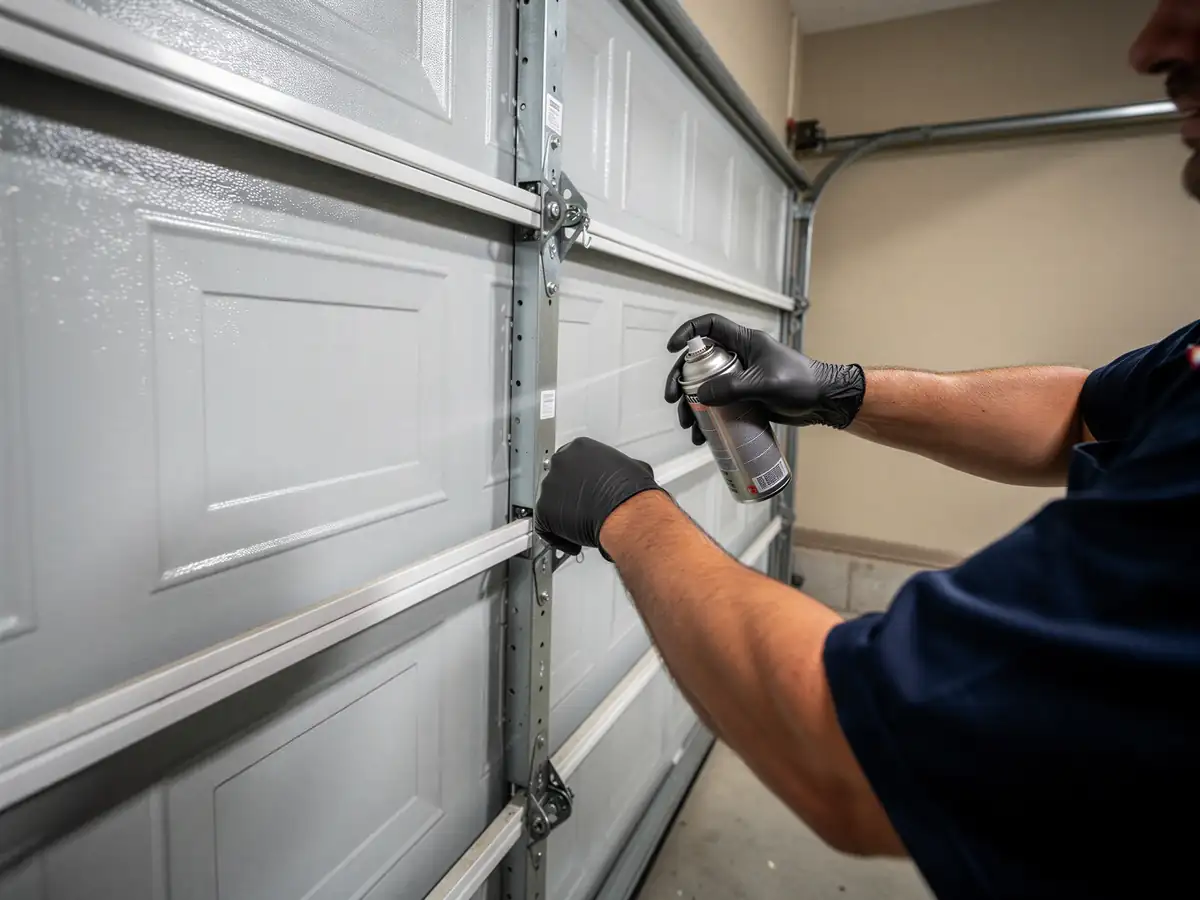
The door looks fine shut but daylight shows under the bottom corner, the door shudders or walks in the track partway through the cycle, or the opener strains and reverses before the door fully closes. On older panel doors, you'll sometimes see rust bleeding through at the seams or a visible sag across the top panel when the door's halfway up.
Sometimes it's simpler
The door still works, but a homeowner wants an insulated door that actually holds heat in the garage through winter, instead of the single-layer steel that was standard when the house was built. Either way, these aren't cosmetic complaints. They're a door telling you the hardware and the panel have reached the end of what they can do.
How Long It Takes
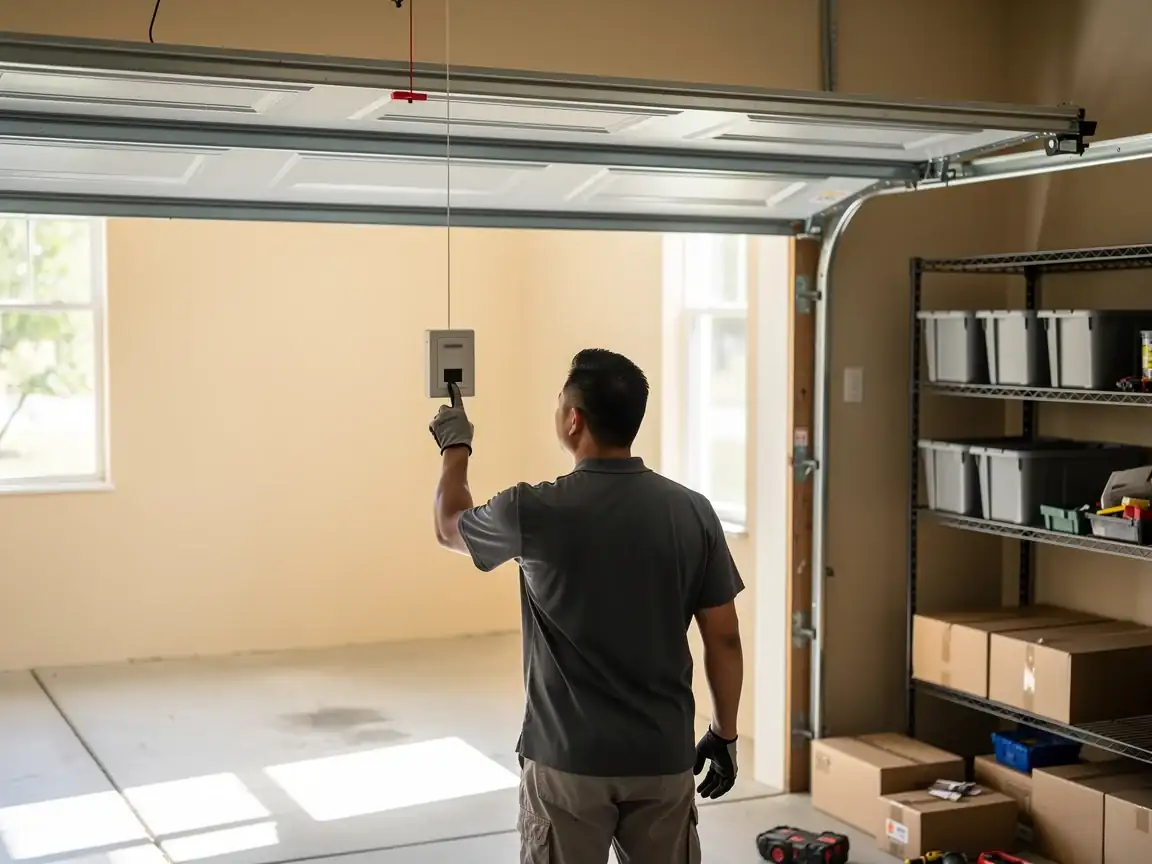
A standard single-door installation runs most of a day once the old door and track are out and the opening is confirmed square. Double doors or jobs needing header or jamb repair take longer, since that framing work has to be solid before the new track goes up. We'll give you a real estimate once we've seen the opening in person, not a phone-quote guess - too much of the timeline depends on what's behind the old door, not just the door itself.