Why This Fails Locally
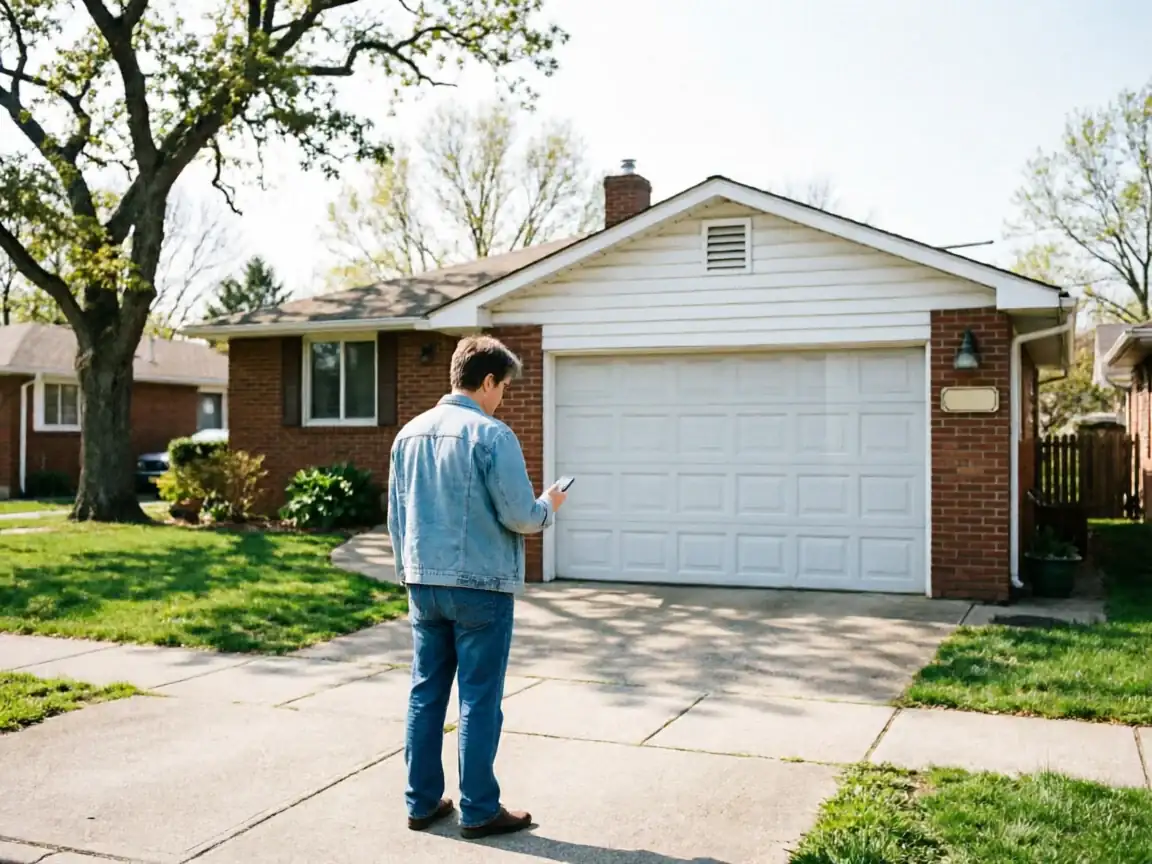
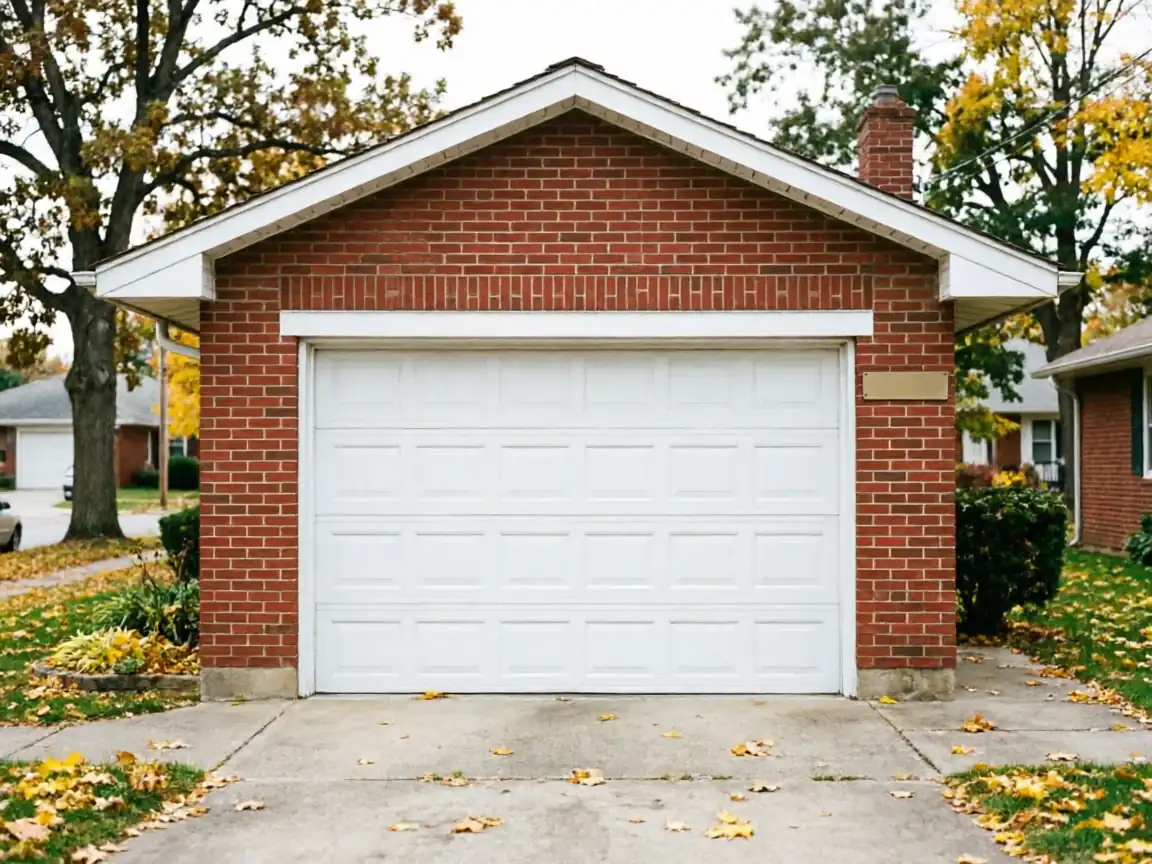
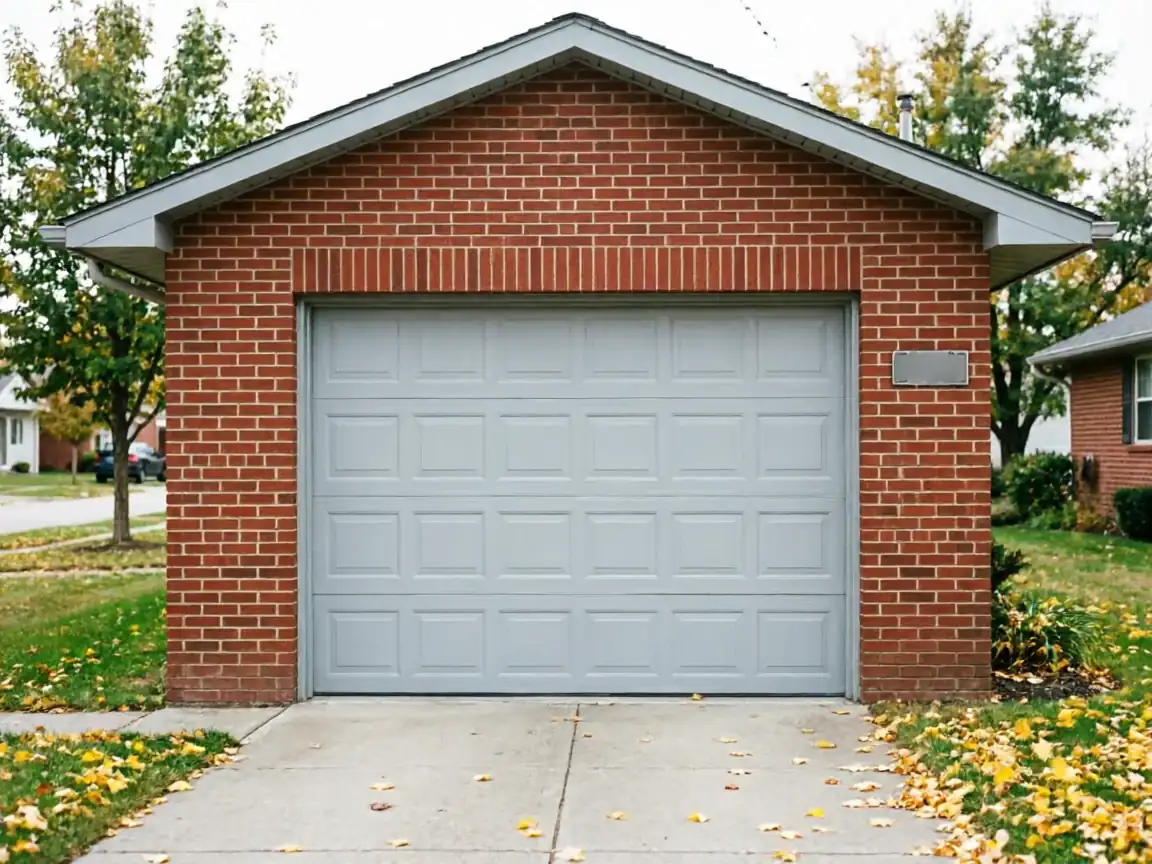
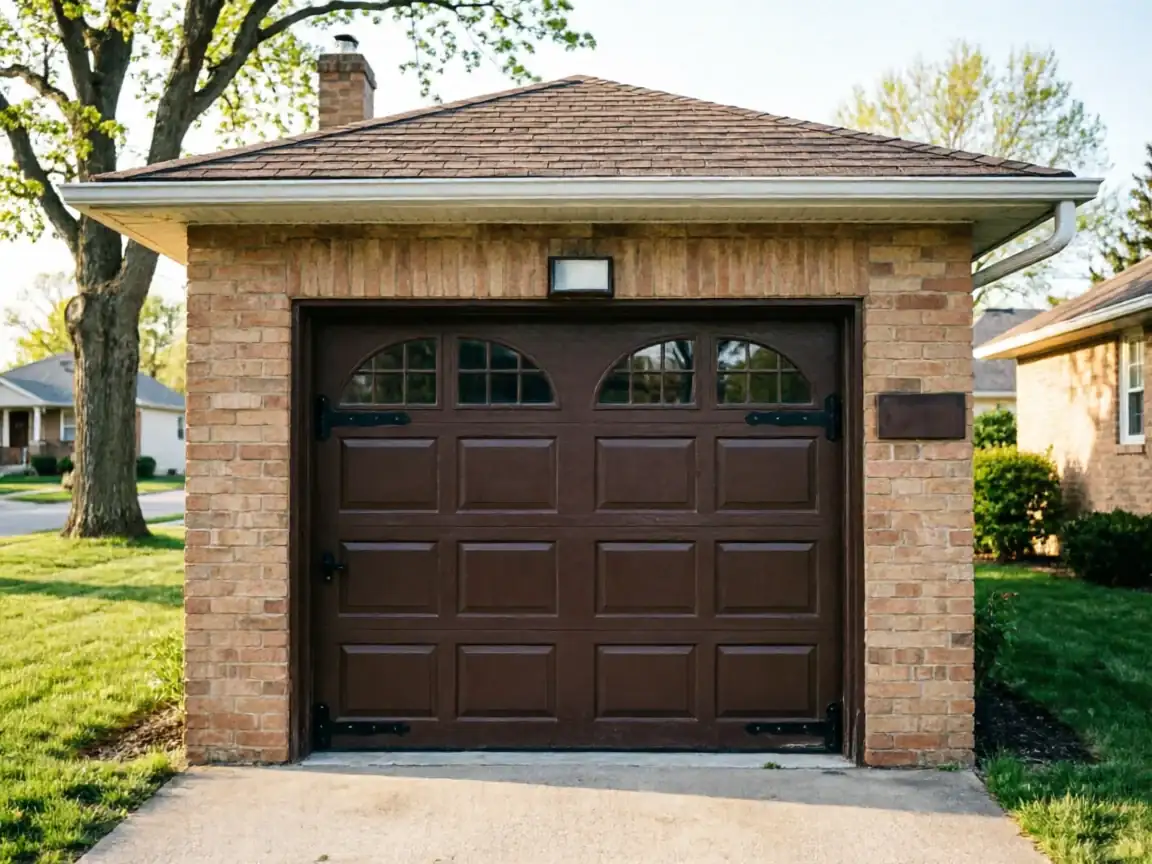
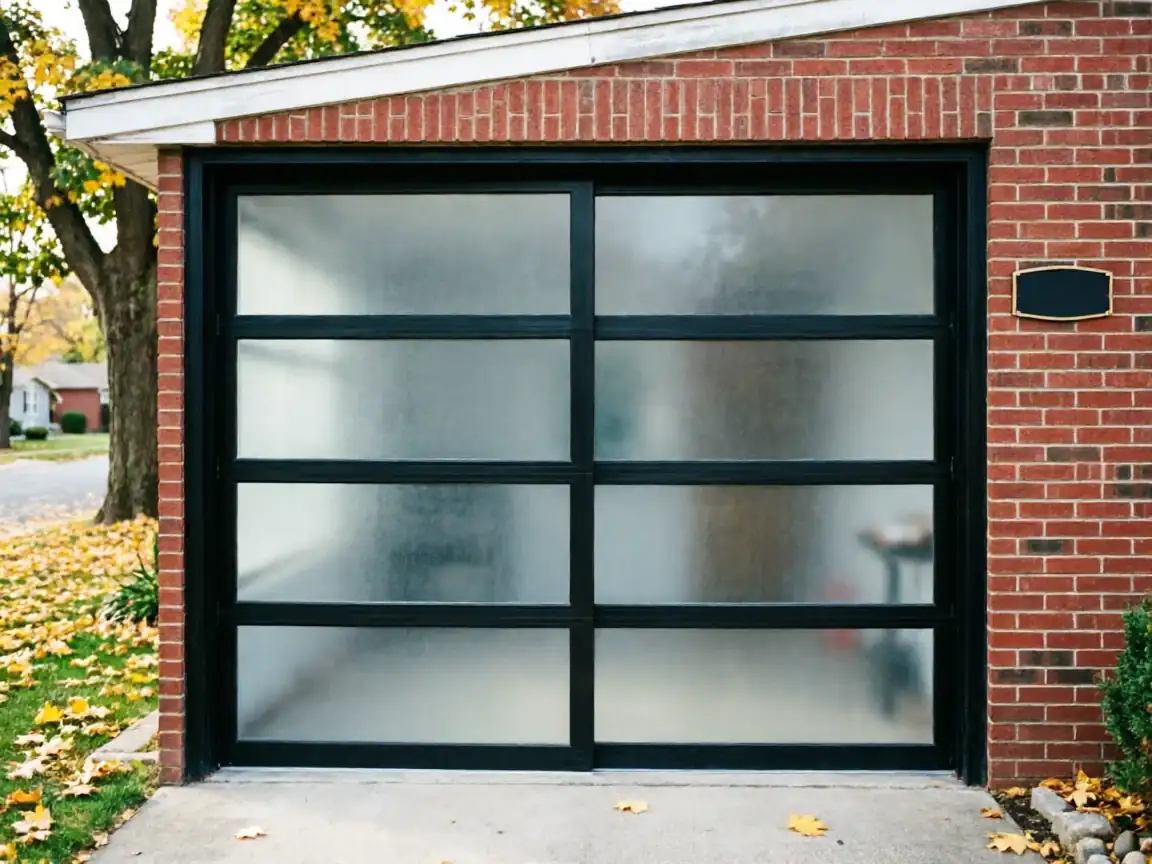
Most of the garage doors we open up in this service area sit on houses built between 1938 and 2009, with the bulk of that stock going up in the 1960s and 70s. Openers from that era, and even the replacement units installed in the 80s and 90s, were built with steel gears, exposed circuit boards, and sensors that were never rated for a real cold-climate winter. In a moderate-cold climate band like this one, that matters. Repeated freeze-thaw cycles swell wood jambs and shift the rail mount a few degrees off true, which throws off travel limits long before the motor itself gives out. We see the same failure pattern across the roughly 88,612 owner-occupied houses in this service area: a homeowner replaces the springs or the rollers, thinks the door is fixed, and the opener keeps grinding because it was already fighting a door that's heavier and stiffer than it was the day the unit went in. The opener isn't the first thing to wear out here - it's usually the last thing to get blamed, after the door itself has been quietly getting harder to lift for a couple of winters running.
What the Fix Involves
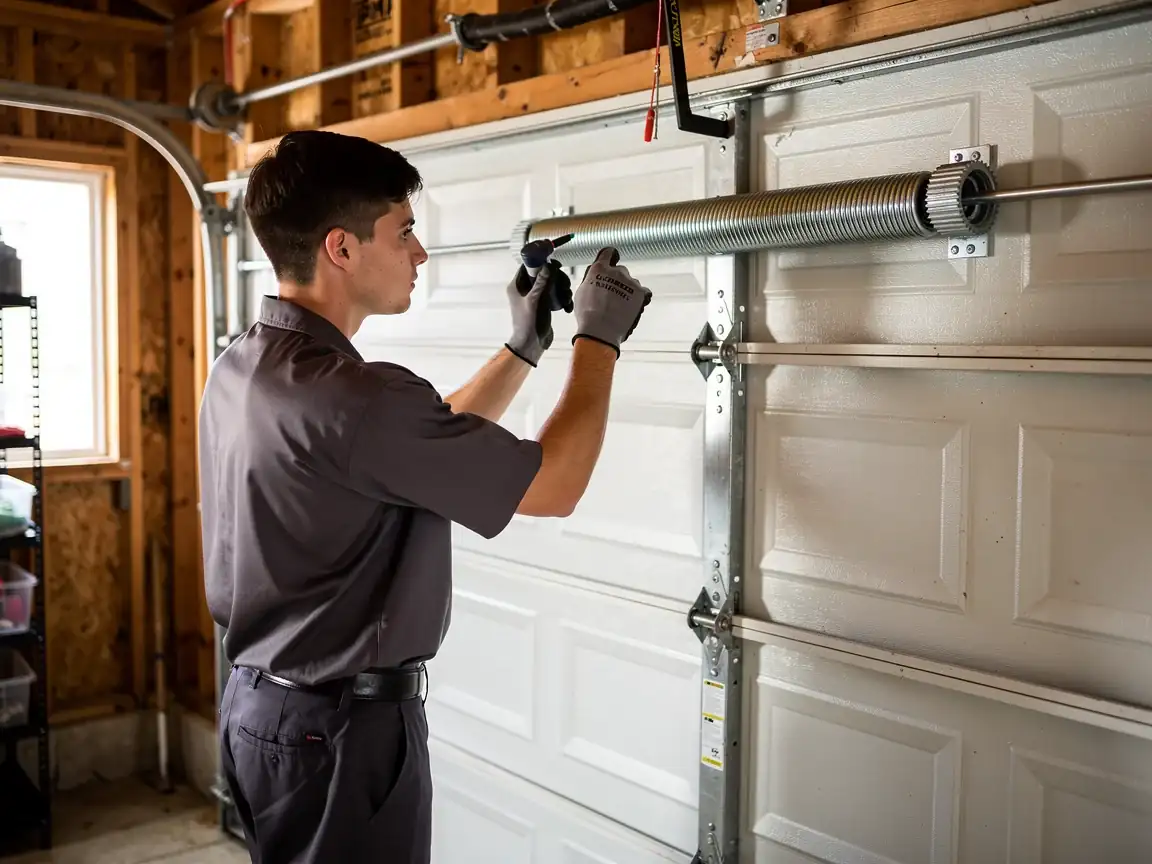
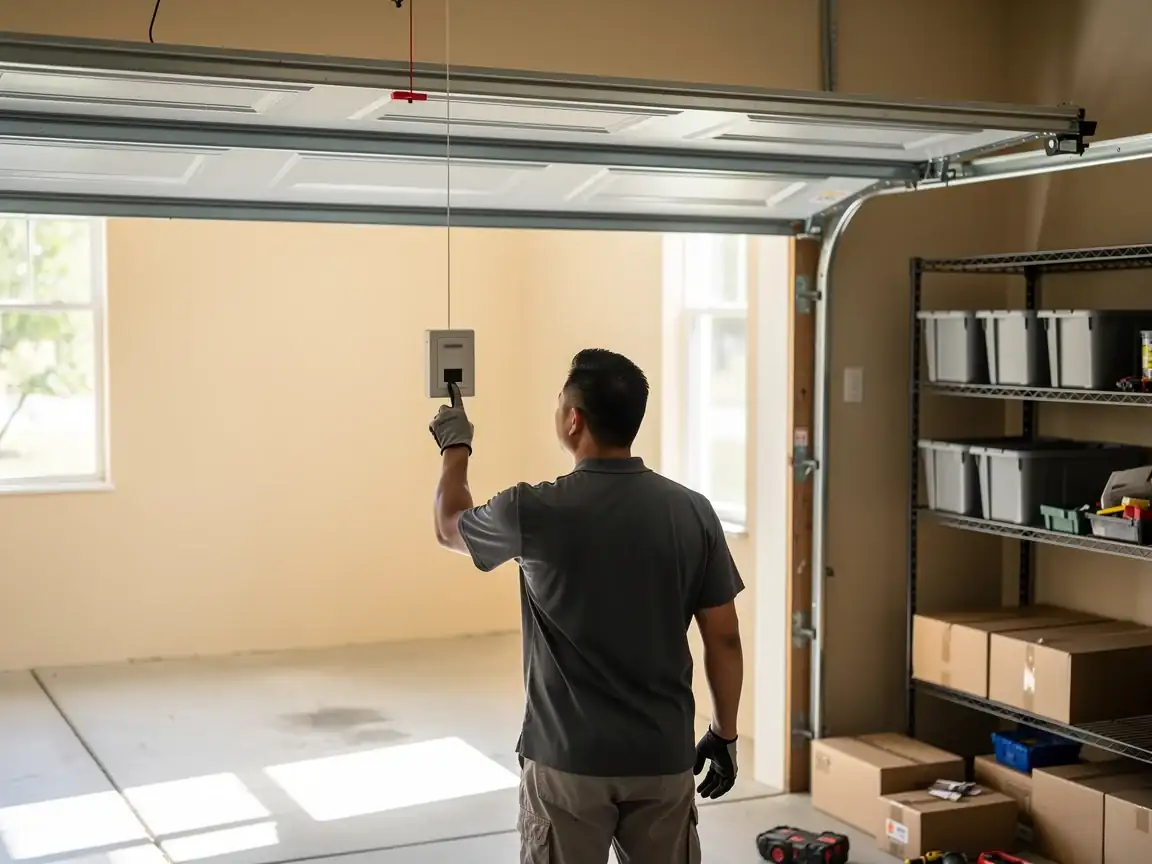
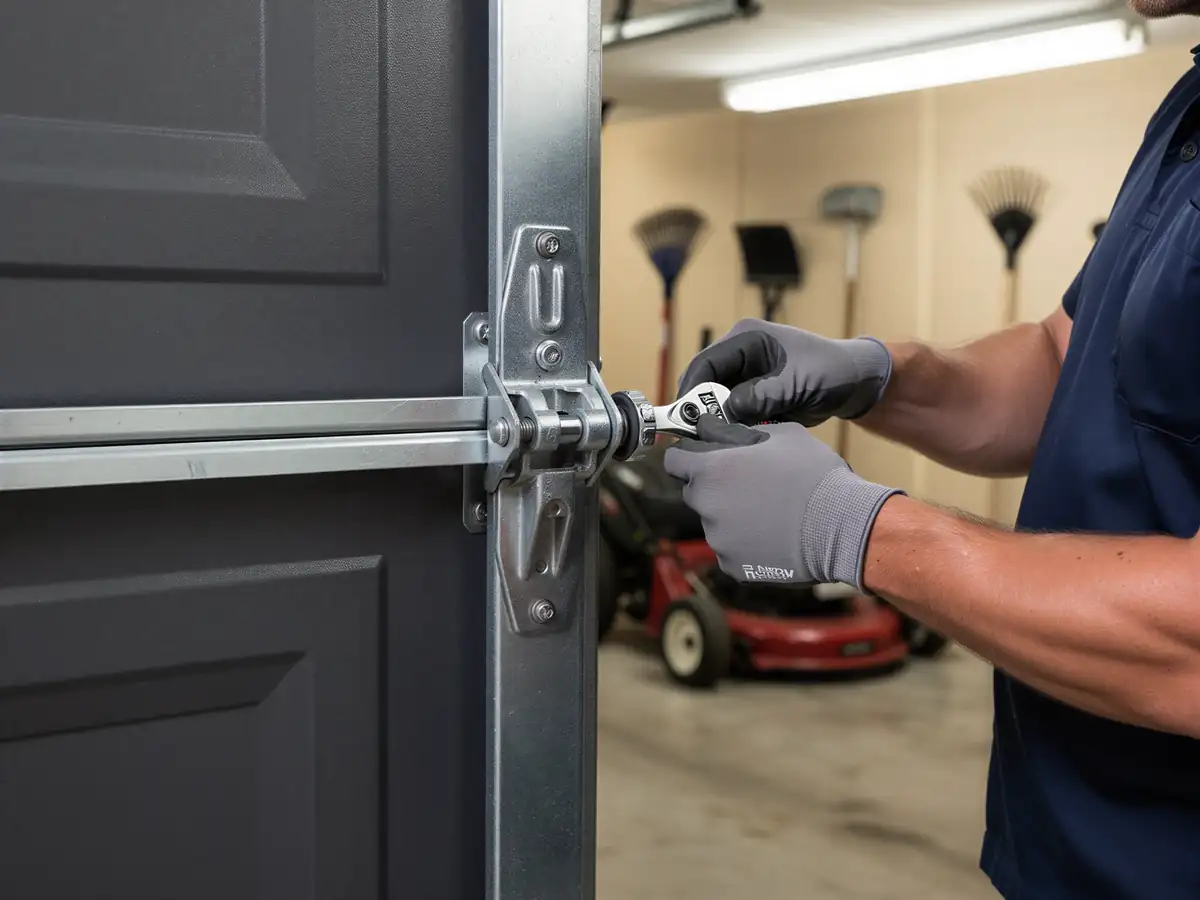
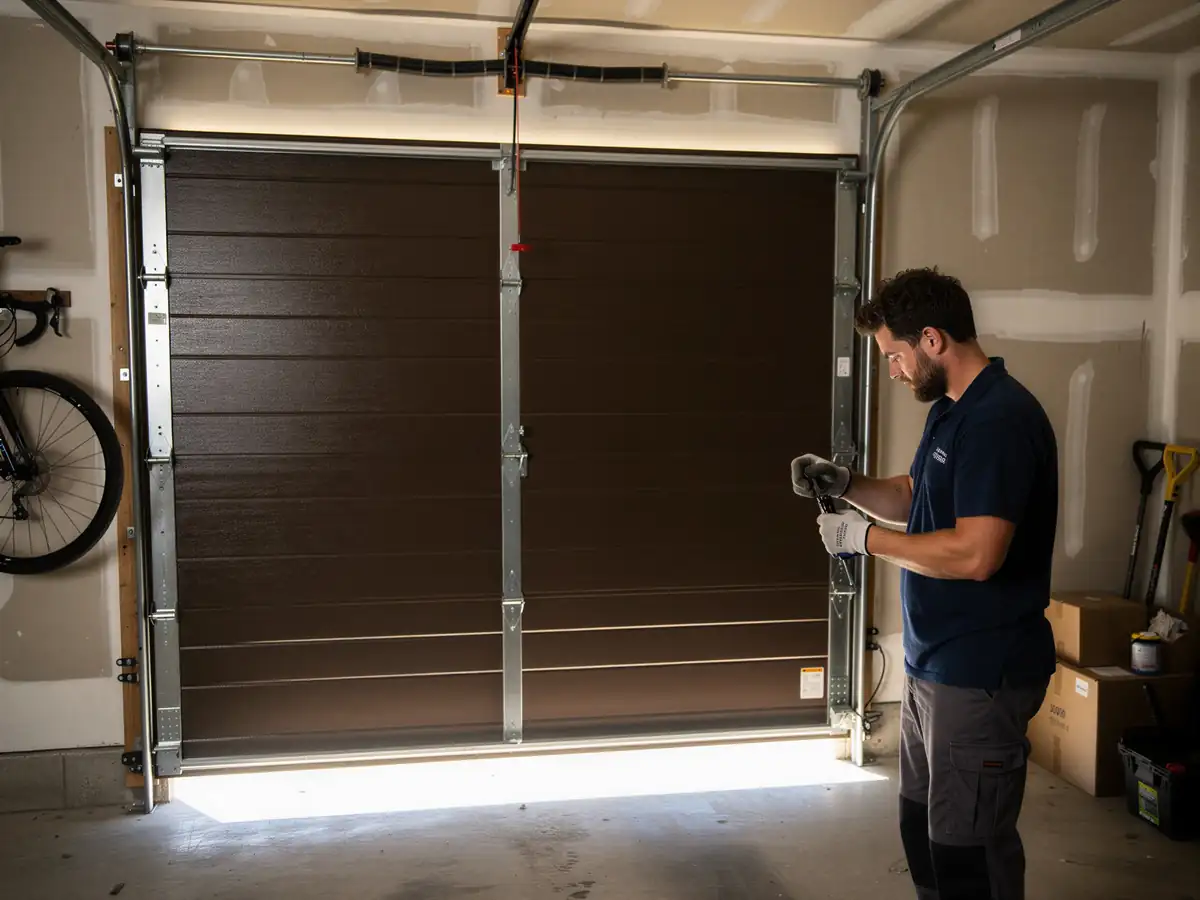
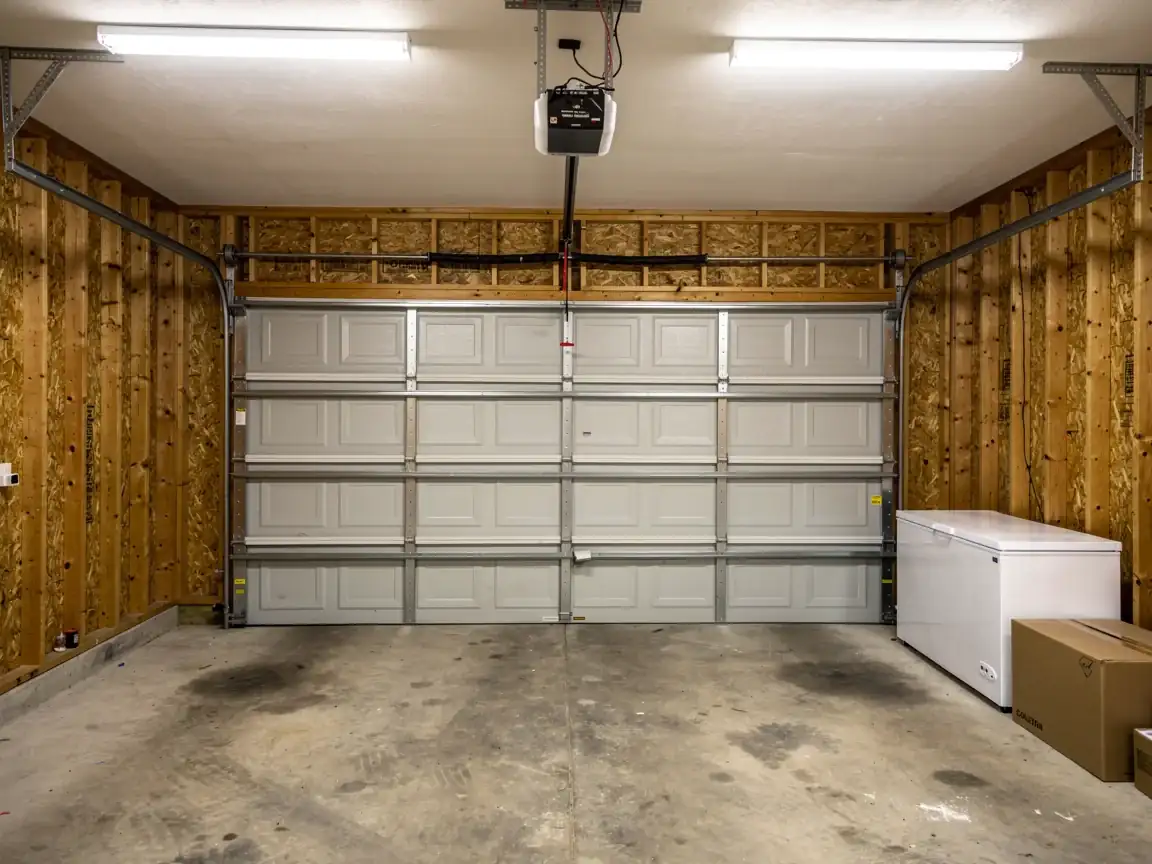
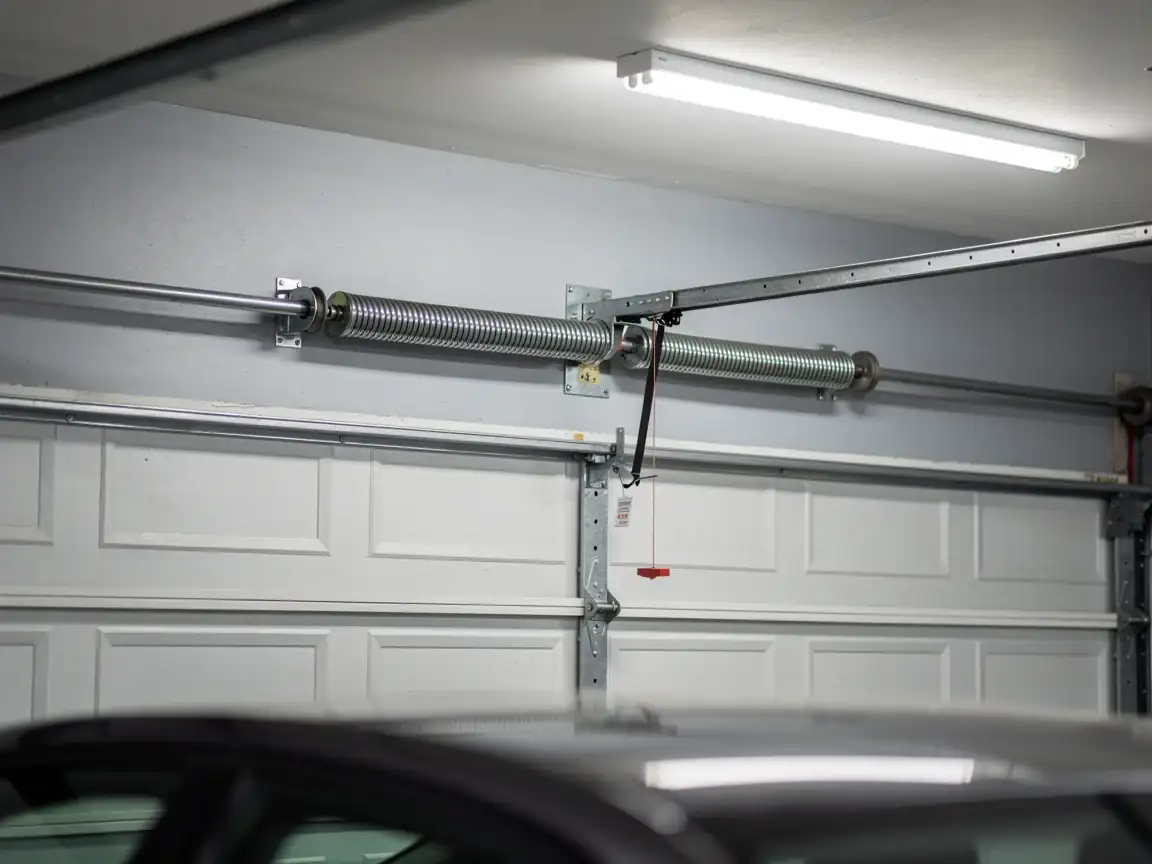
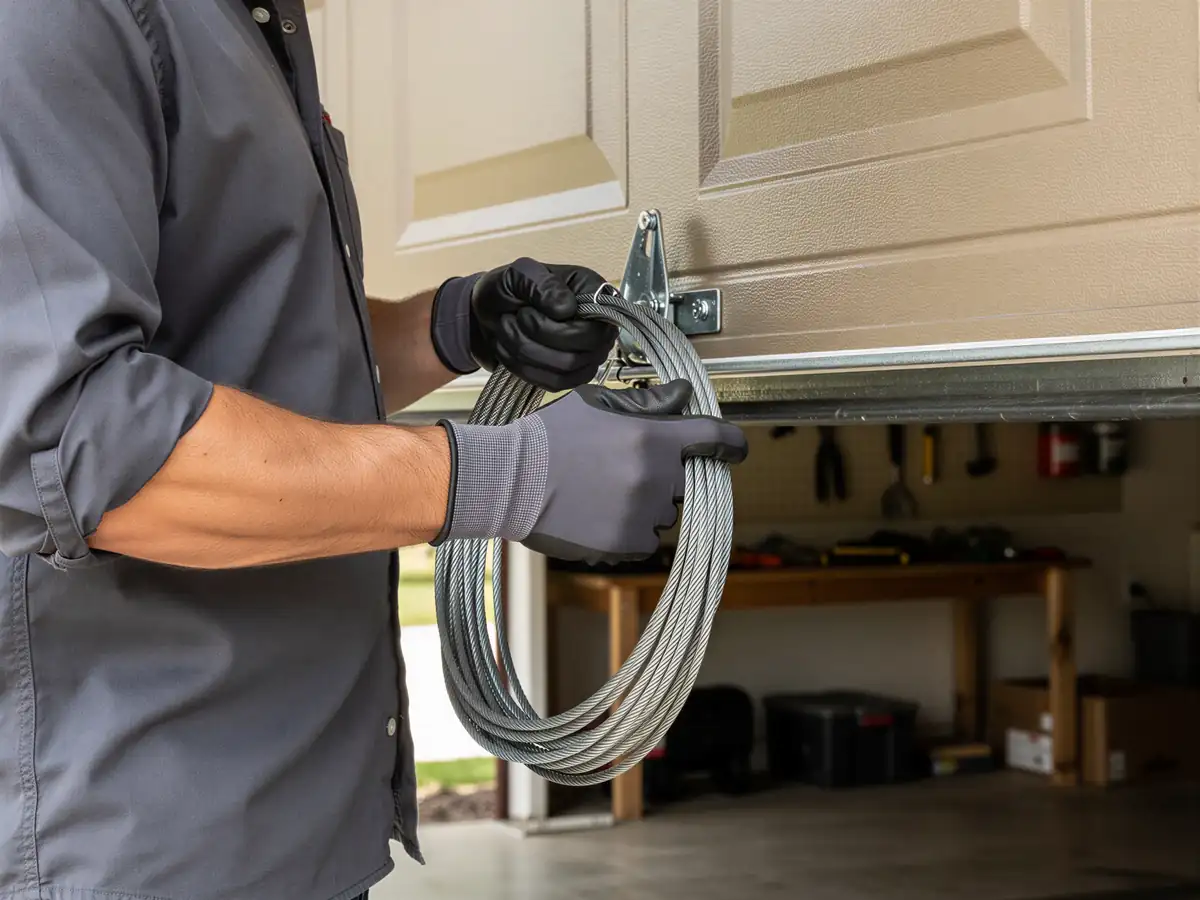
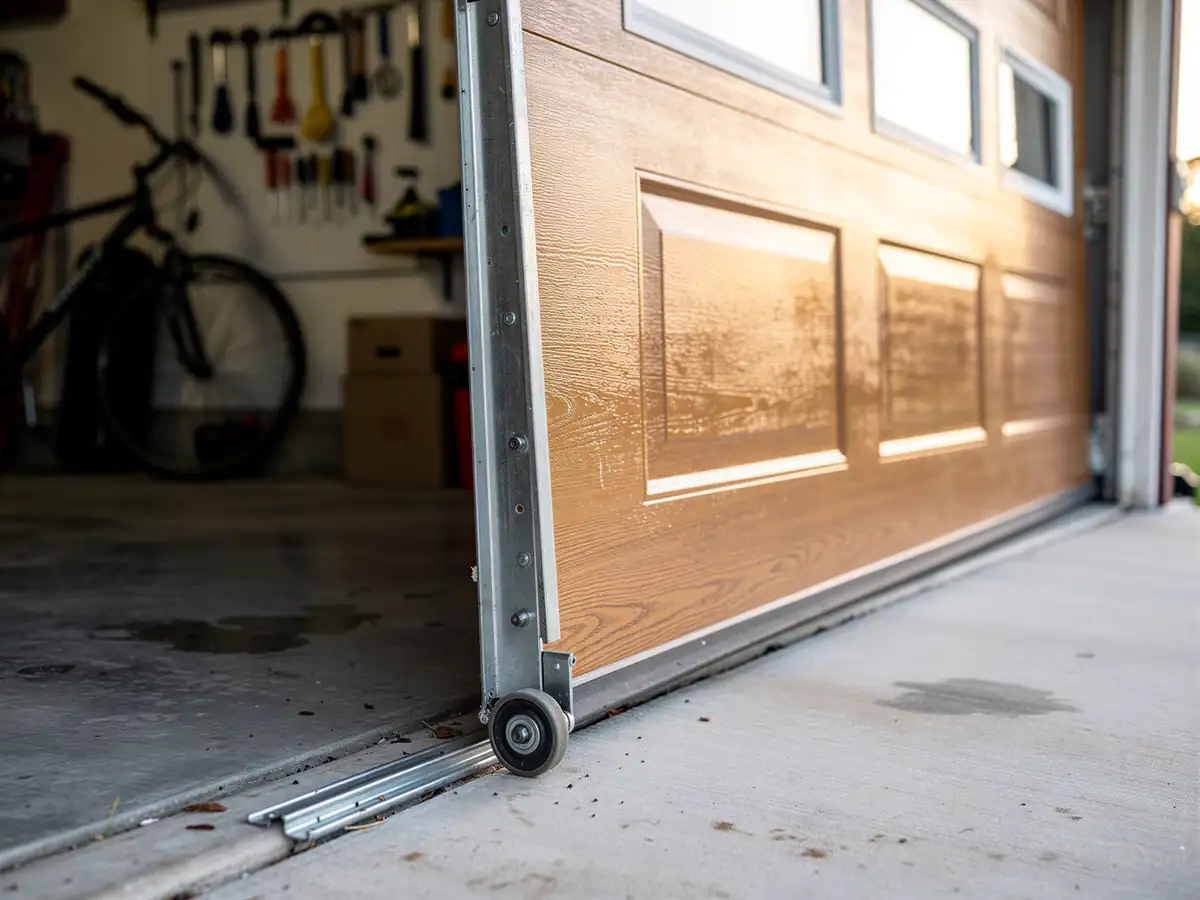
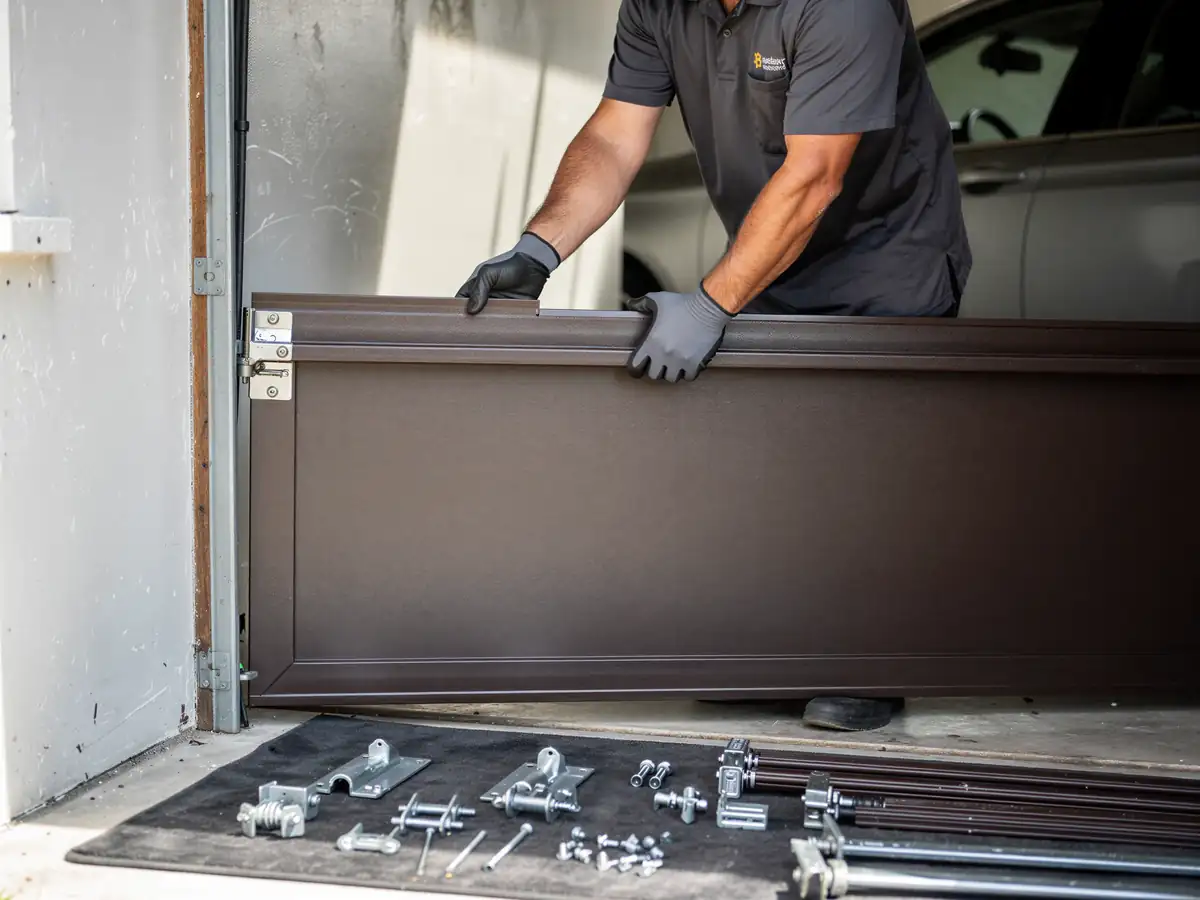
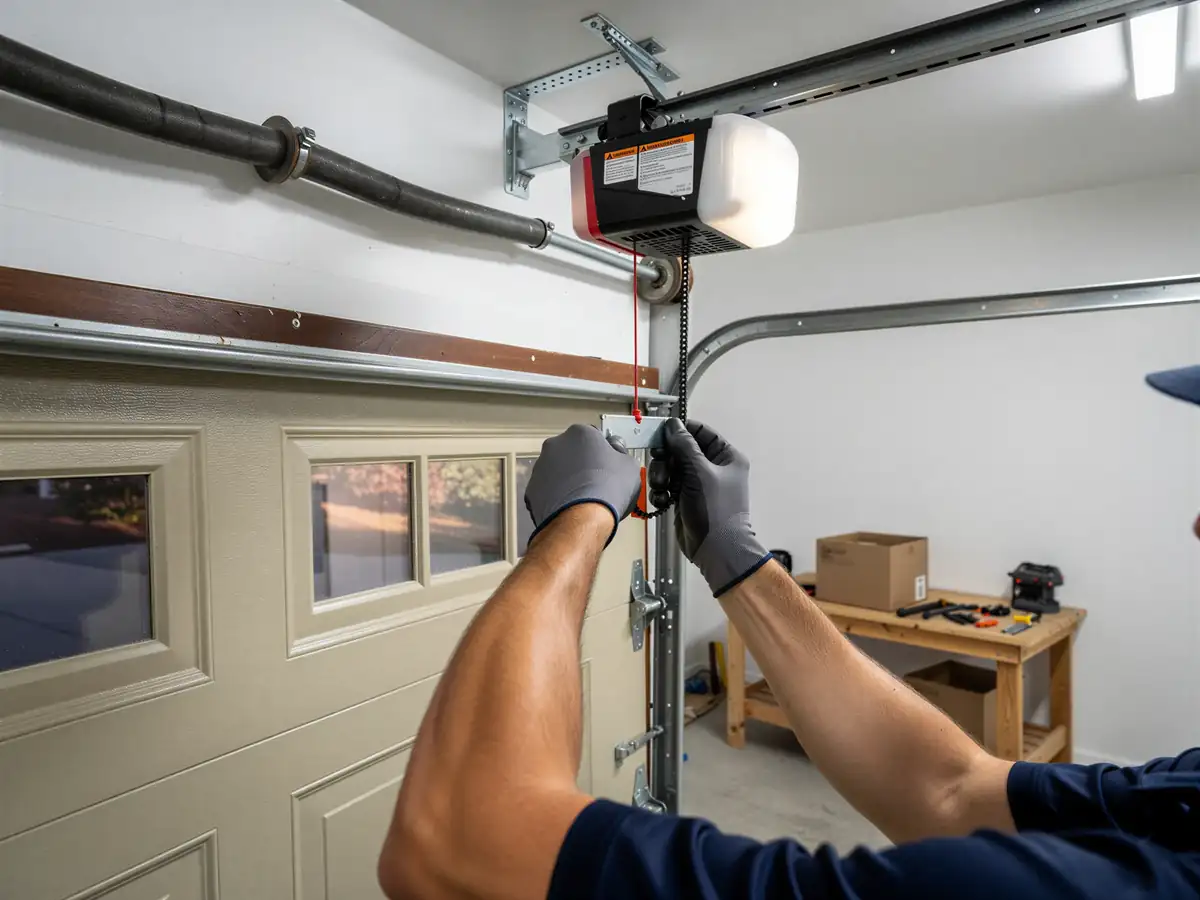
A proper opener install starts with matching the unit to the door it's lifting, not just swapping box for box. On the older doors common across this area's housing stock, that means checking the header clearance, the track alignment, and whether the existing wiring and wall control are even worth reusing. We set travel limits and force settings by hand rather than trusting factory defaults, because a door that's been riding slightly misaligned for years needs the opener dialed in to its actual weight and balance, not a showroom average. Battery backup matters more here than in a lot of markets, given how often winter storms in a cold-climate band take the grid down along with the garage. We won't install a belt-drive unit on a door with hardware that's already failing - if the rollers or cables are shot, that gets fixed first, because an opener bolted onto bad hardware just fails again in a year. That's the one limitation worth saying plainly: an opener install is not a substitute for door repair, and we'll tell you when it's the wrong first move.
How Long It Takes
A standard opener swap, once the door hardware itself checks out, is a same-visit job. If the header bracket, wiring, or wall control needs replacing too - common on houses from the earlier end of the 1938-2009 build range - plan on it taking longer in the same visit rather than a return trip. We won't give a universal number here since it depends on what we find once the old unit comes down, but we'll tell you on site, before anything's torn apart, what the job actually involves.