Why This Fails Locally
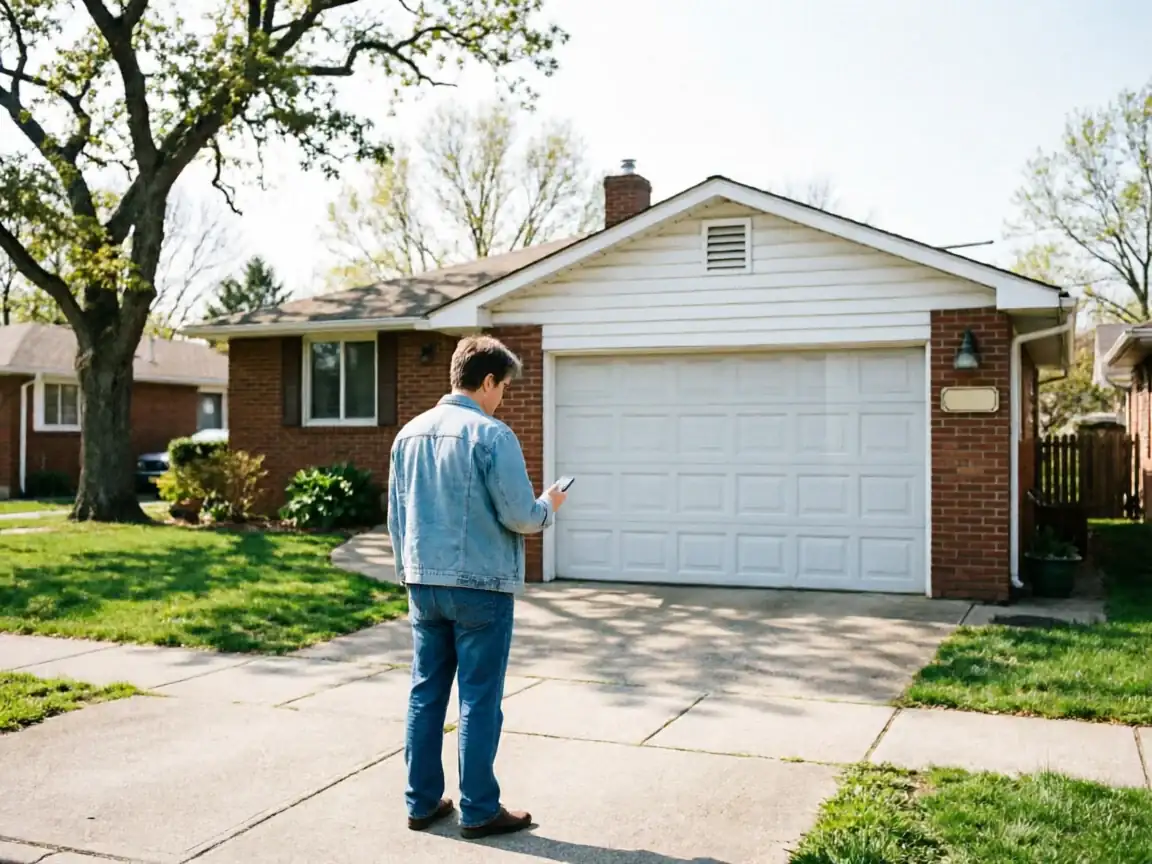
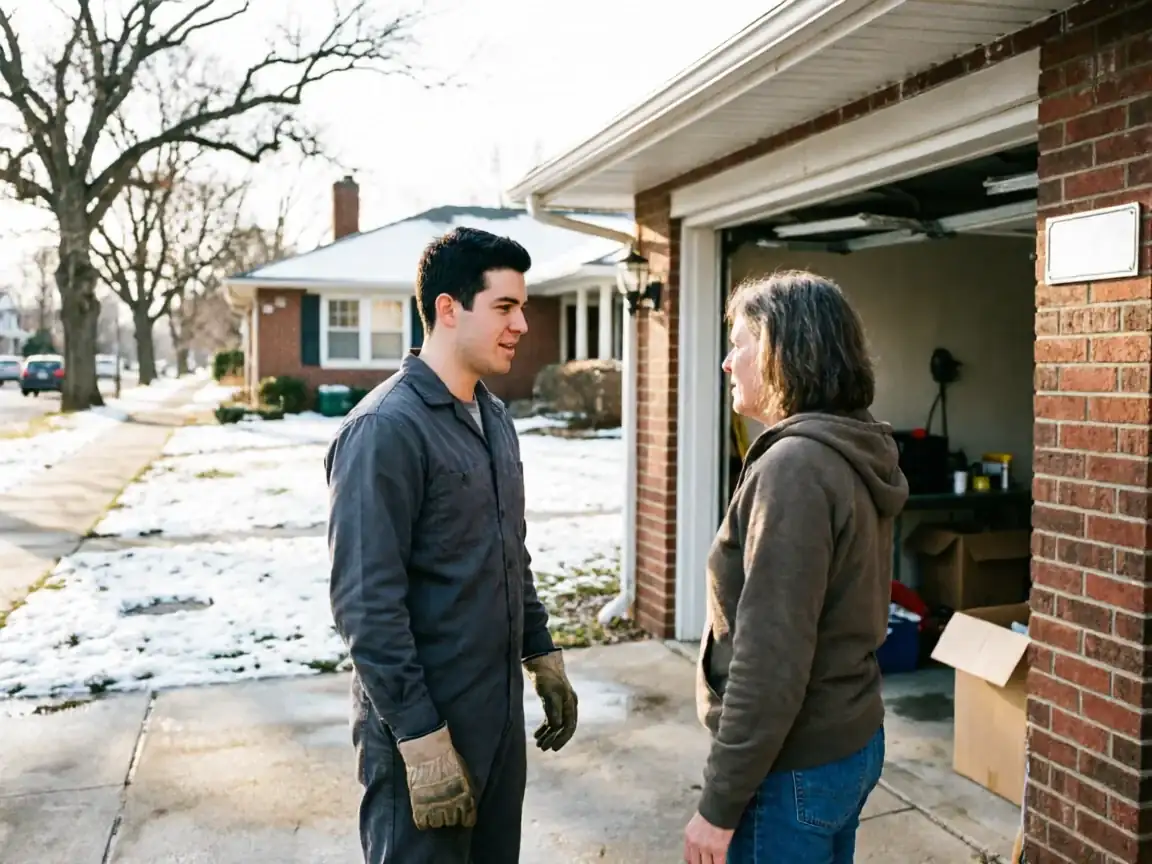
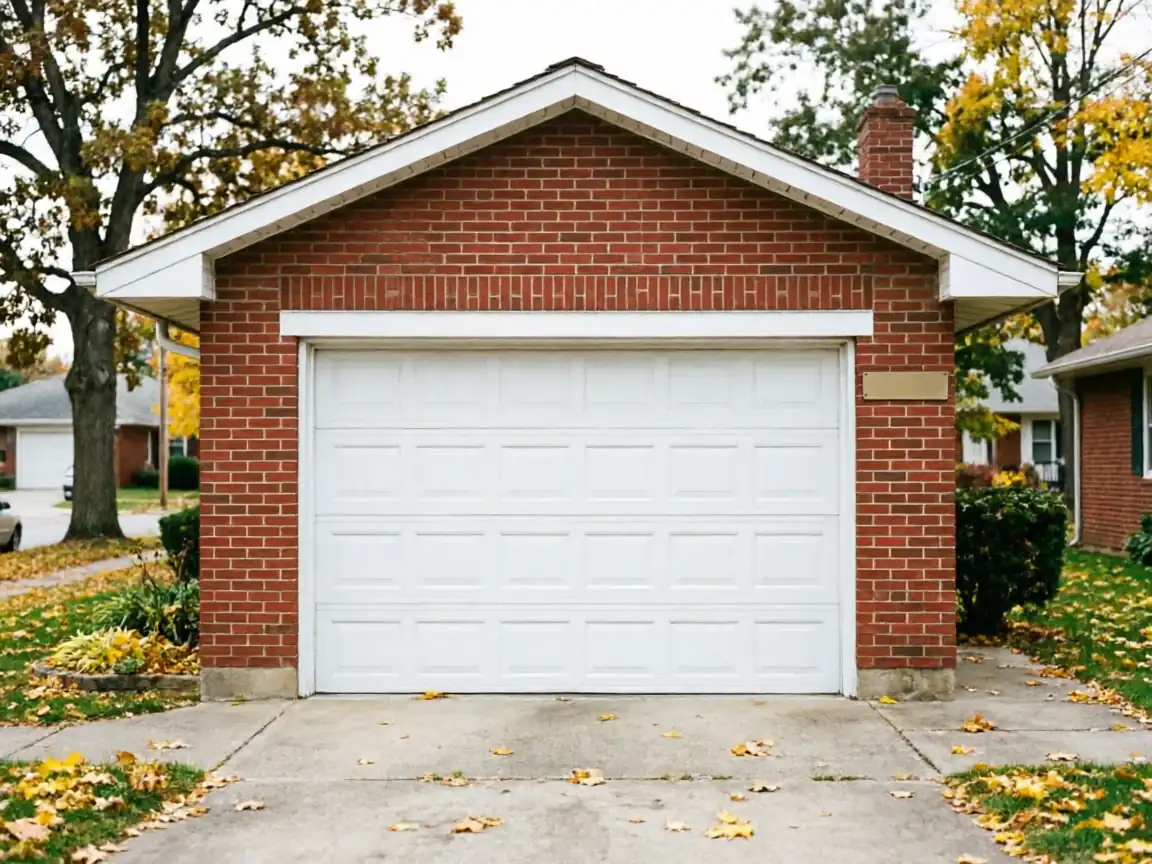
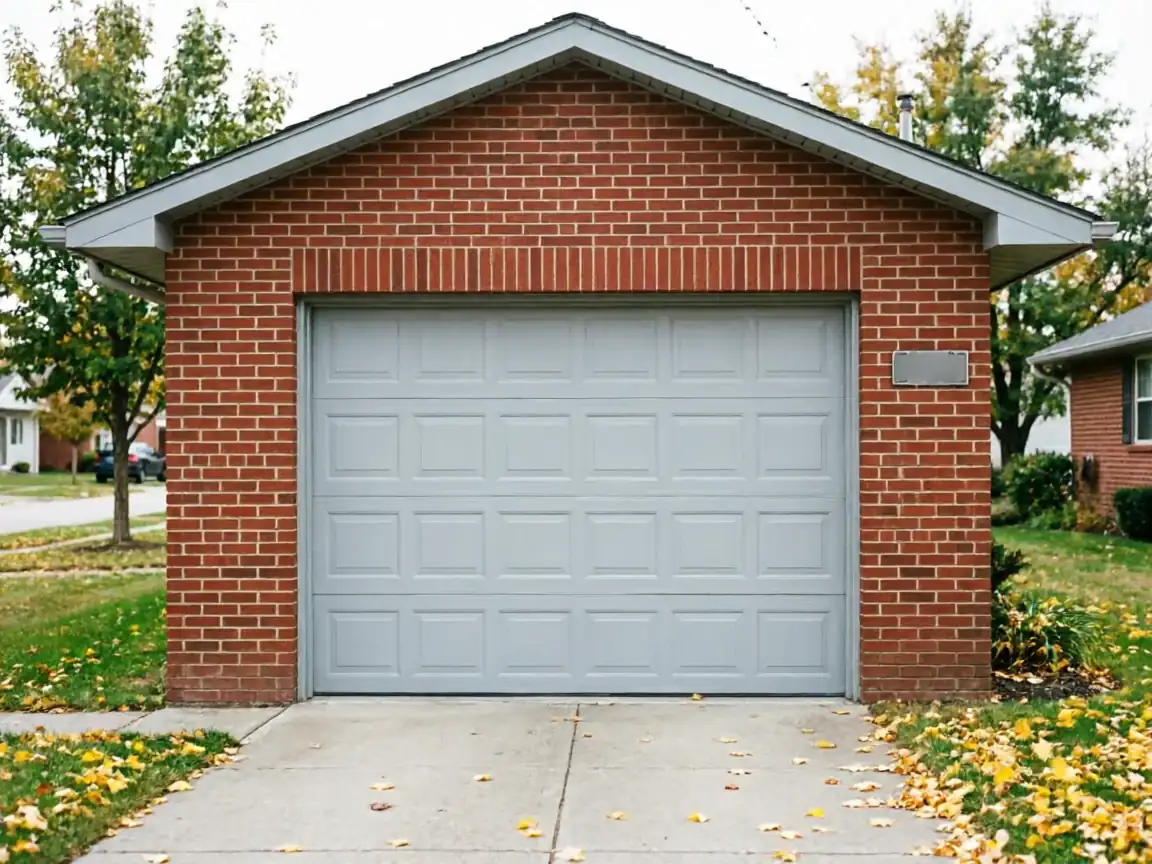
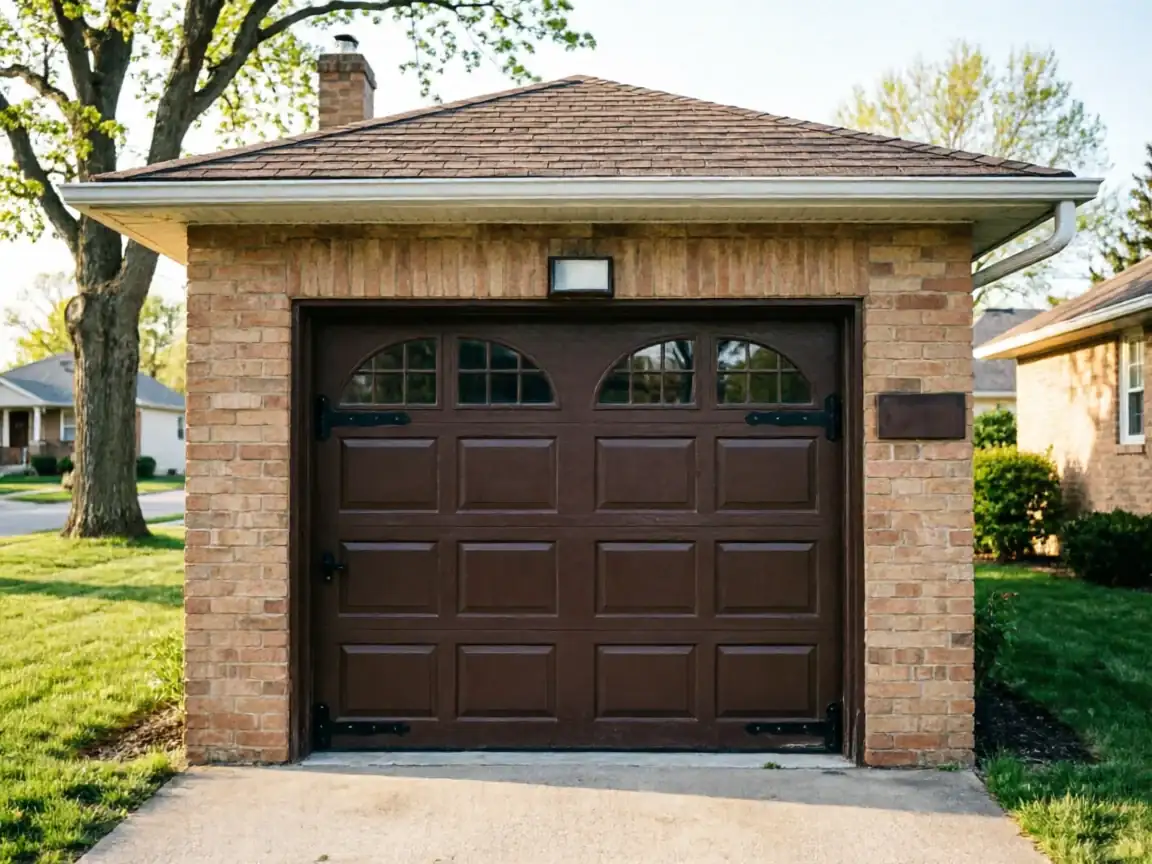
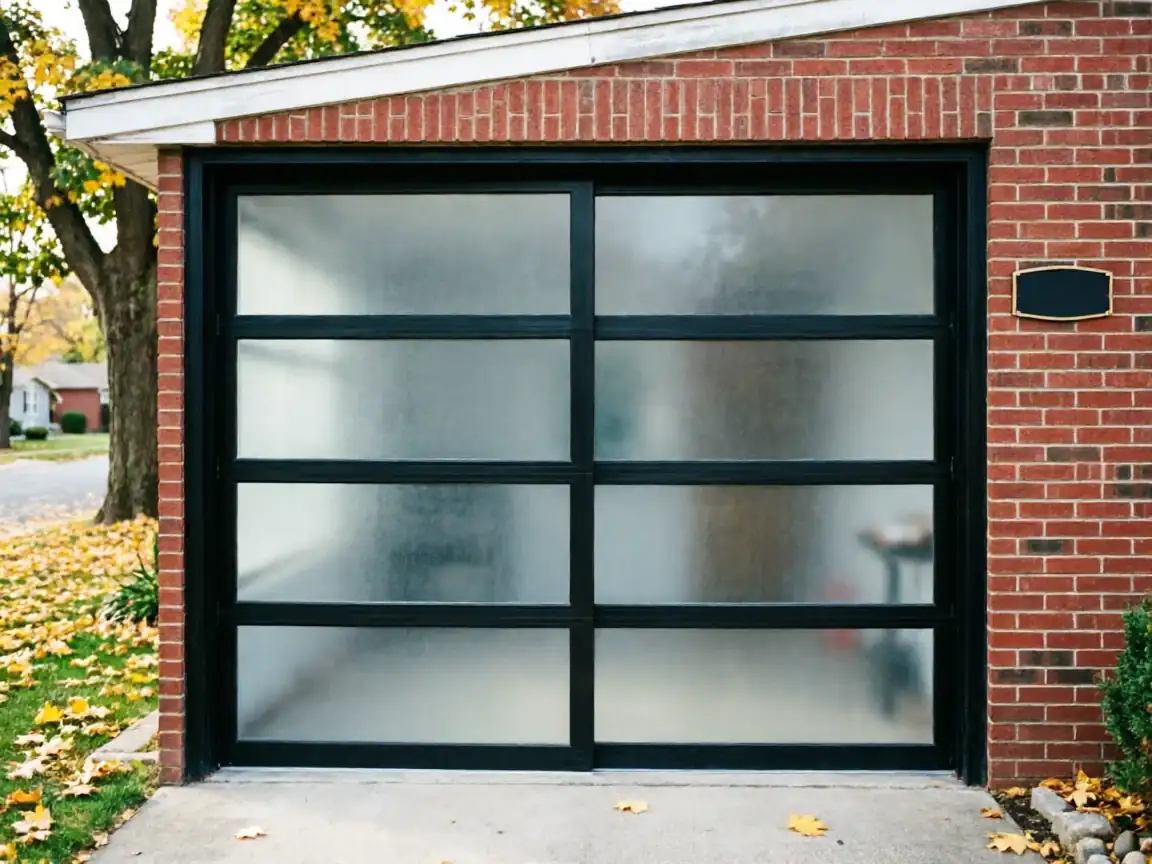
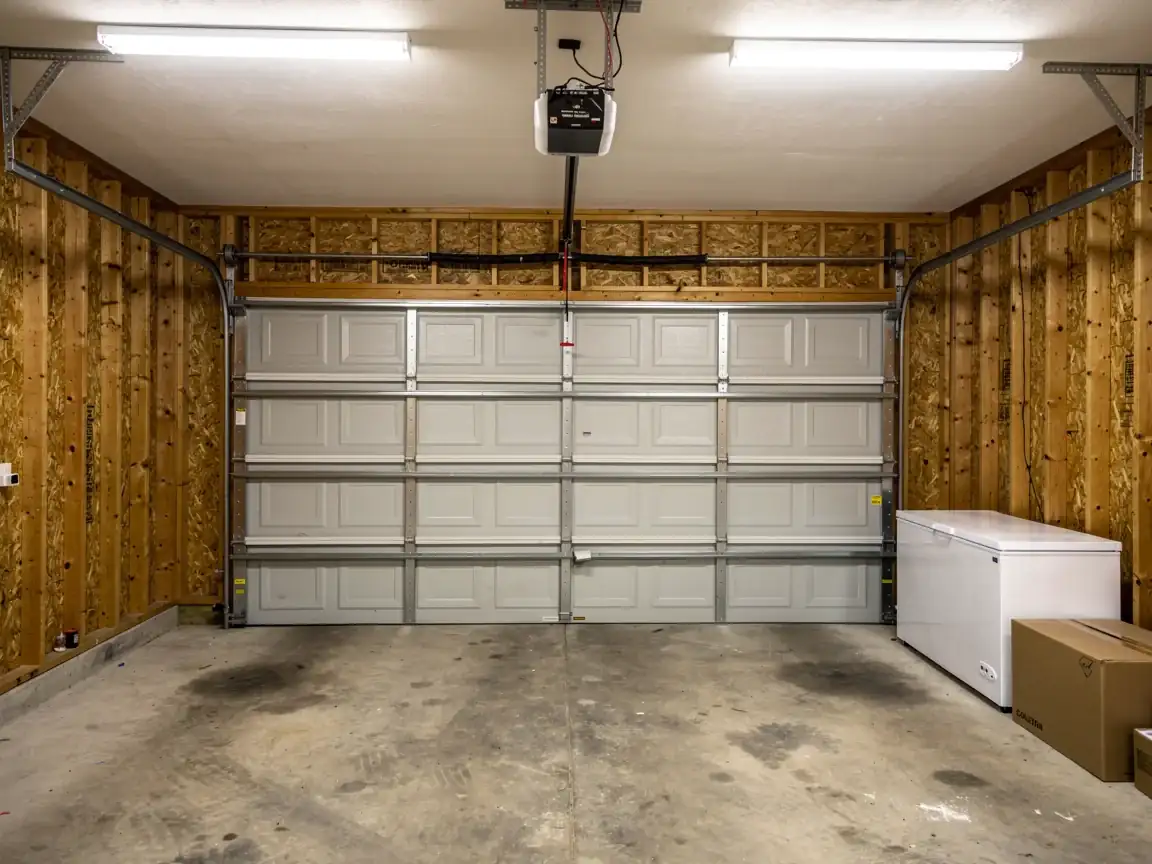
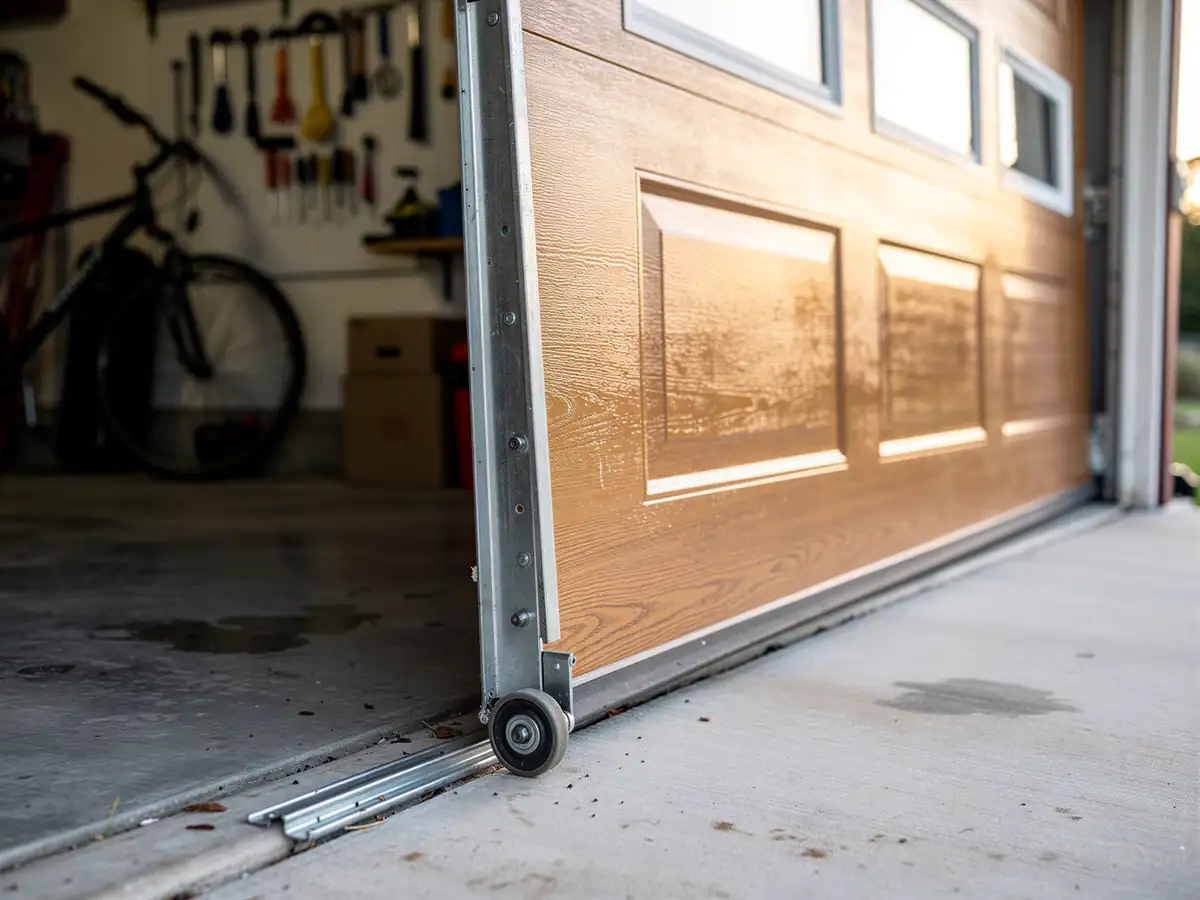
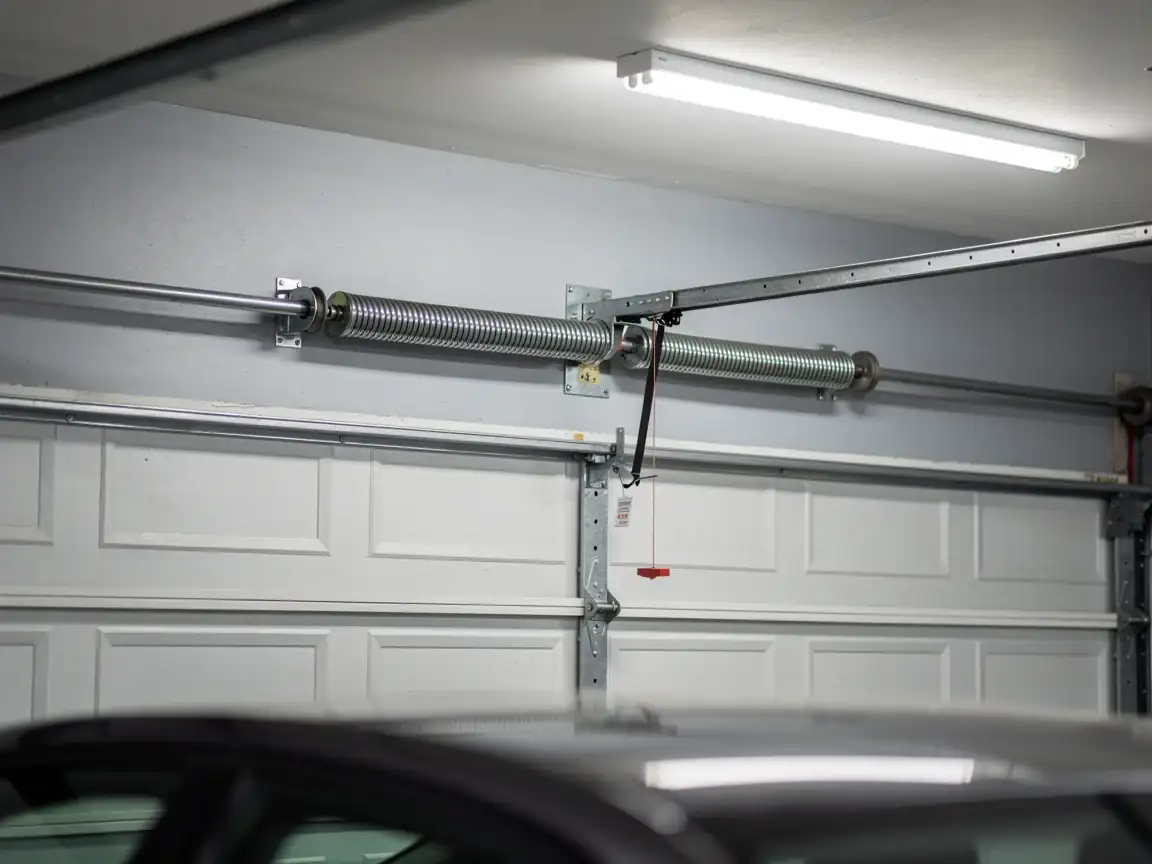
Deerfield's housing runs from 1938 up through 2009, with the median build year sitting at 1977, and most of the 53 named areas in this service territory are dominated by 1960s and 70s construction. That matters for garage doors because a door and opener installed in that window has had decades to go through freeze-thaw cycles in a cold-moderate climate band. Steel torsion springs lose tension gradually, but the cold makes the loss feel sudden - a spring that was marginal in October snaps in January when the metal contracts and the lift load on the opener spikes. Nylon rollers from that era crack rather than wear smooth, and the cold makes cracked nylon brittle enough to shatter on the next cycle. None of this is damage in the sense of something broken by accident. It is the ordinary end point of hardware built for an earlier design life meeting forty or fifty winters. Houses built closer to 2009 in this same area see less of it, but the bulk of the stock here skews older, so the failure shows up on a predictable schedule rather than as a surprise.
What the Fix Involves
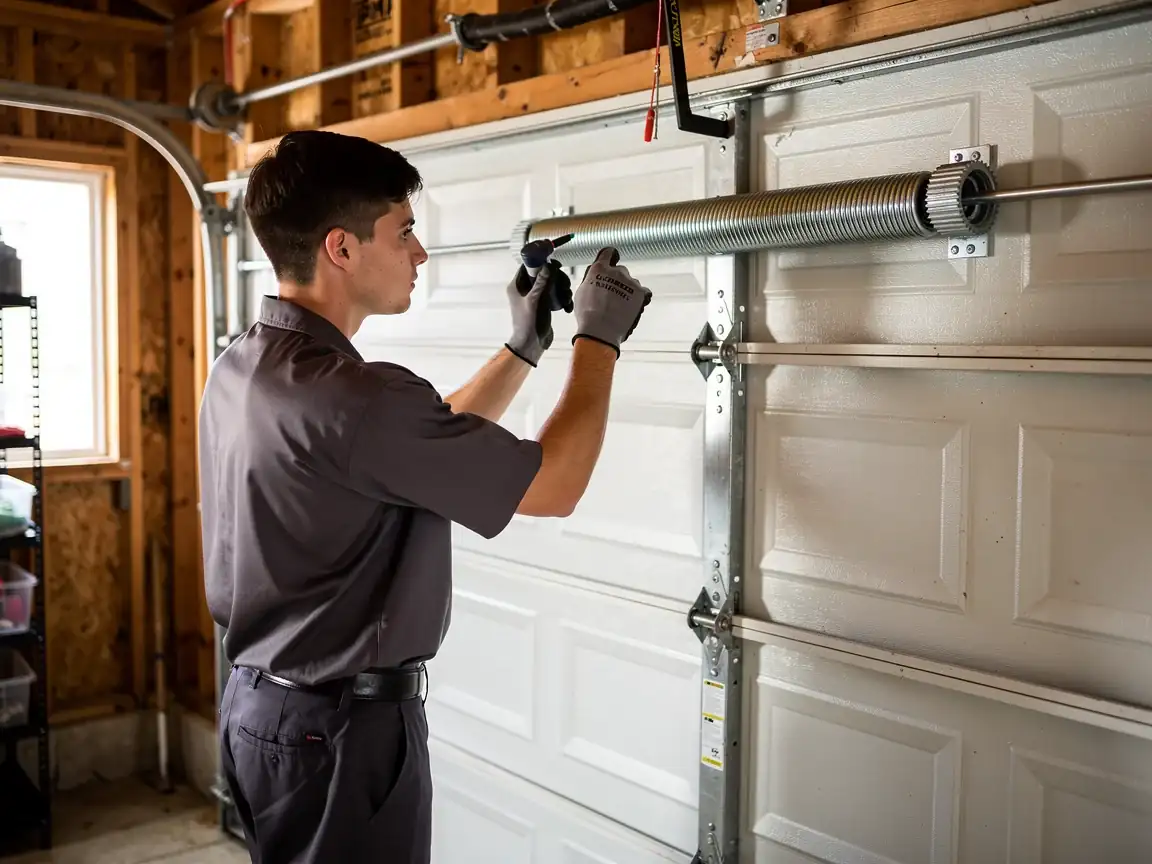
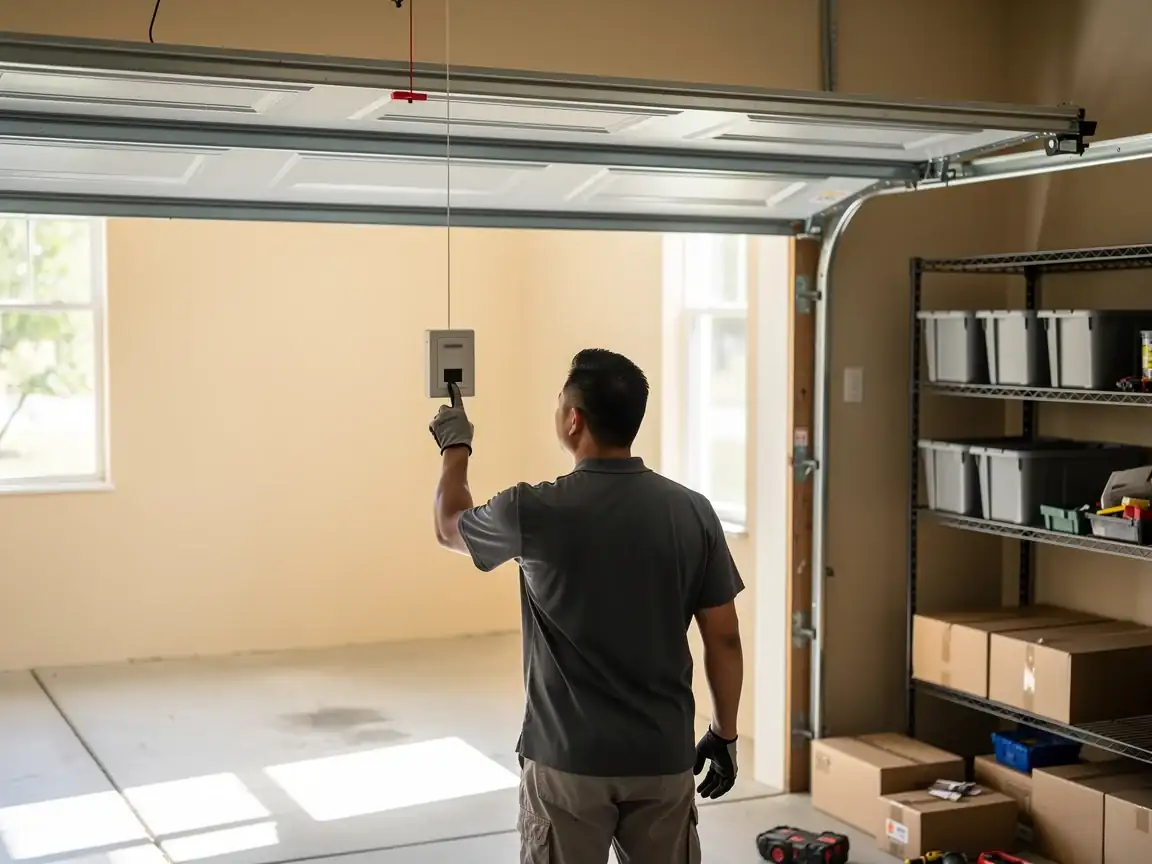
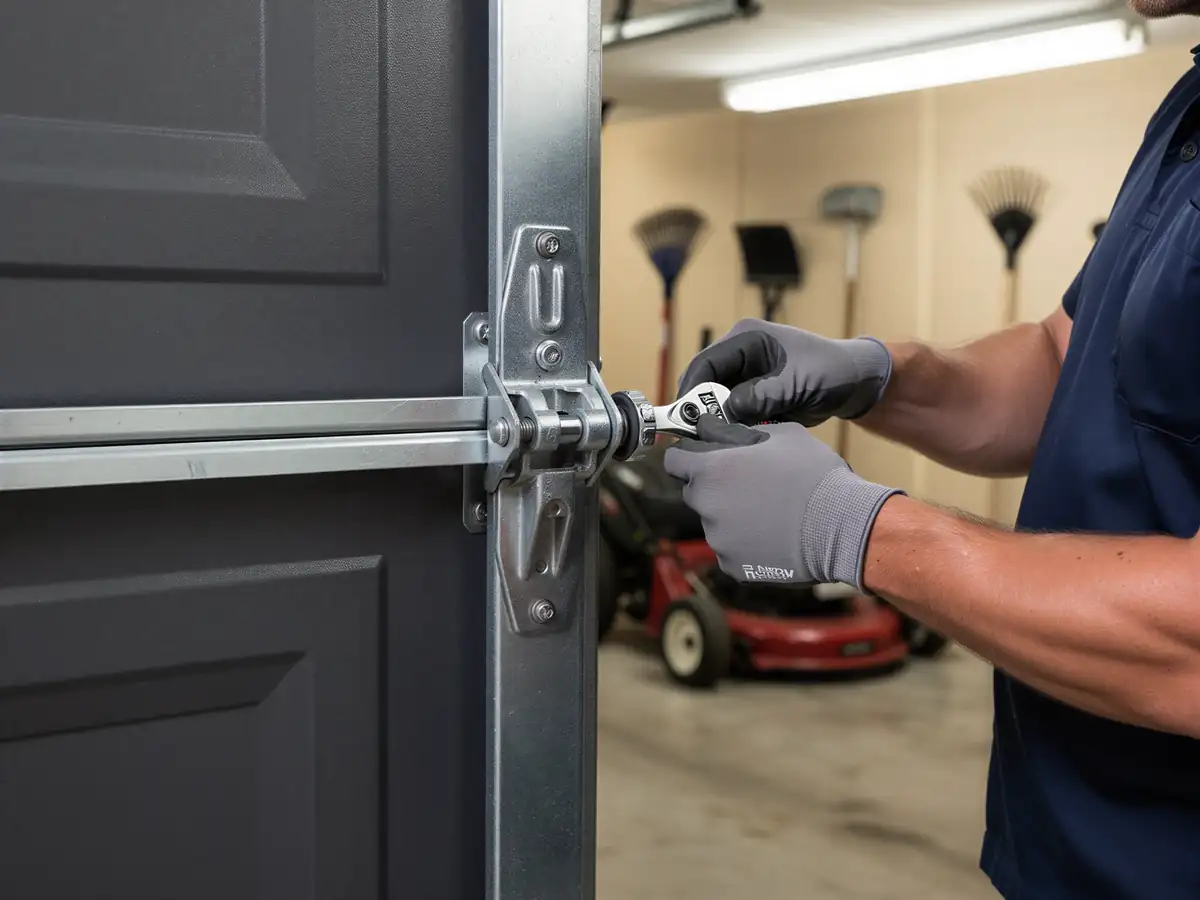
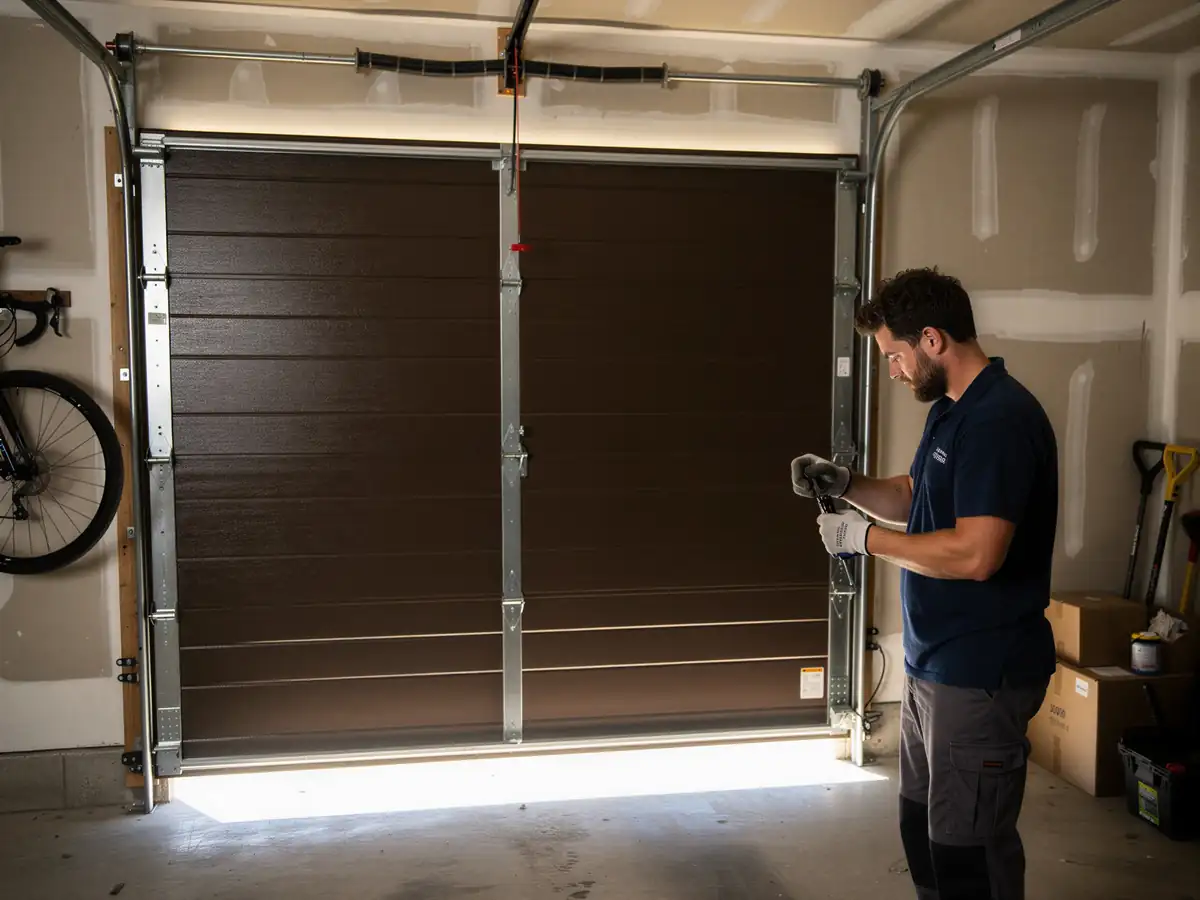
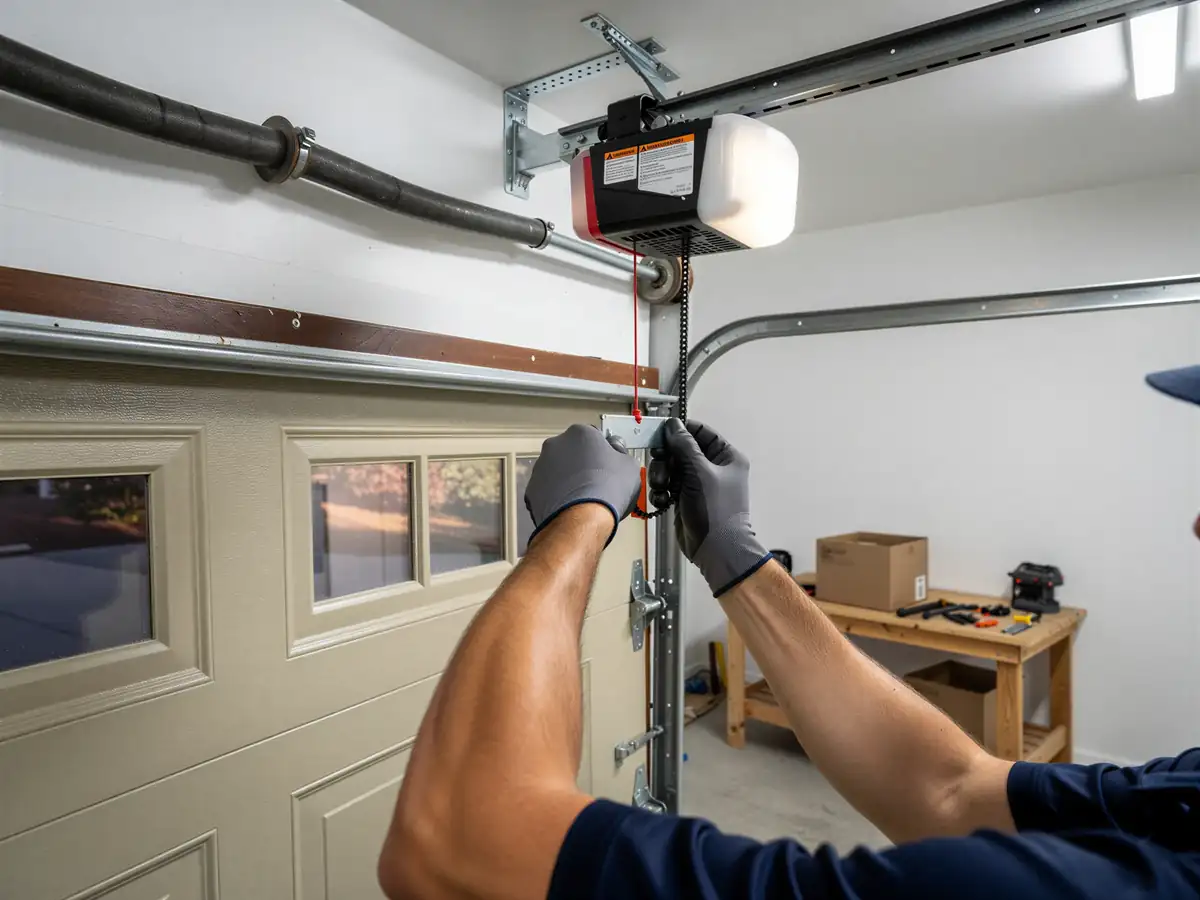
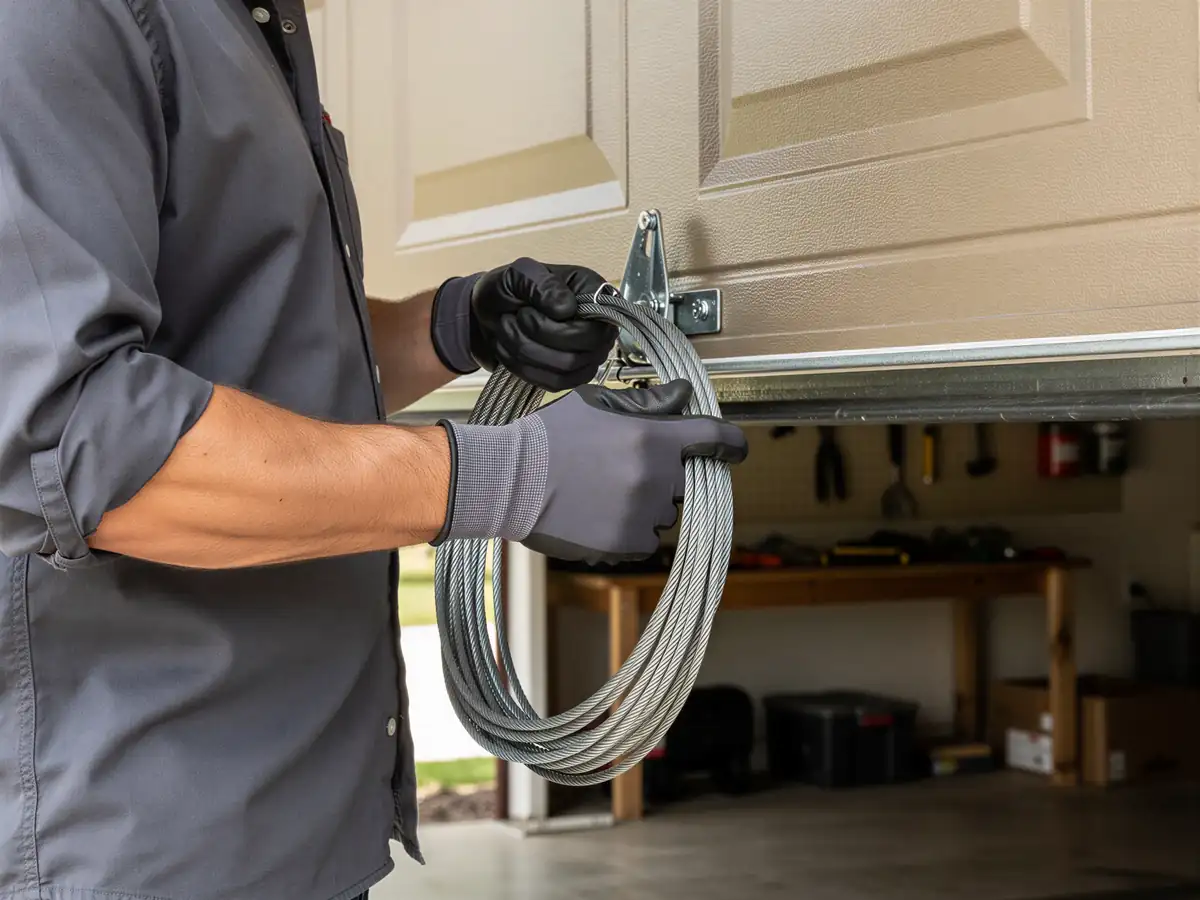
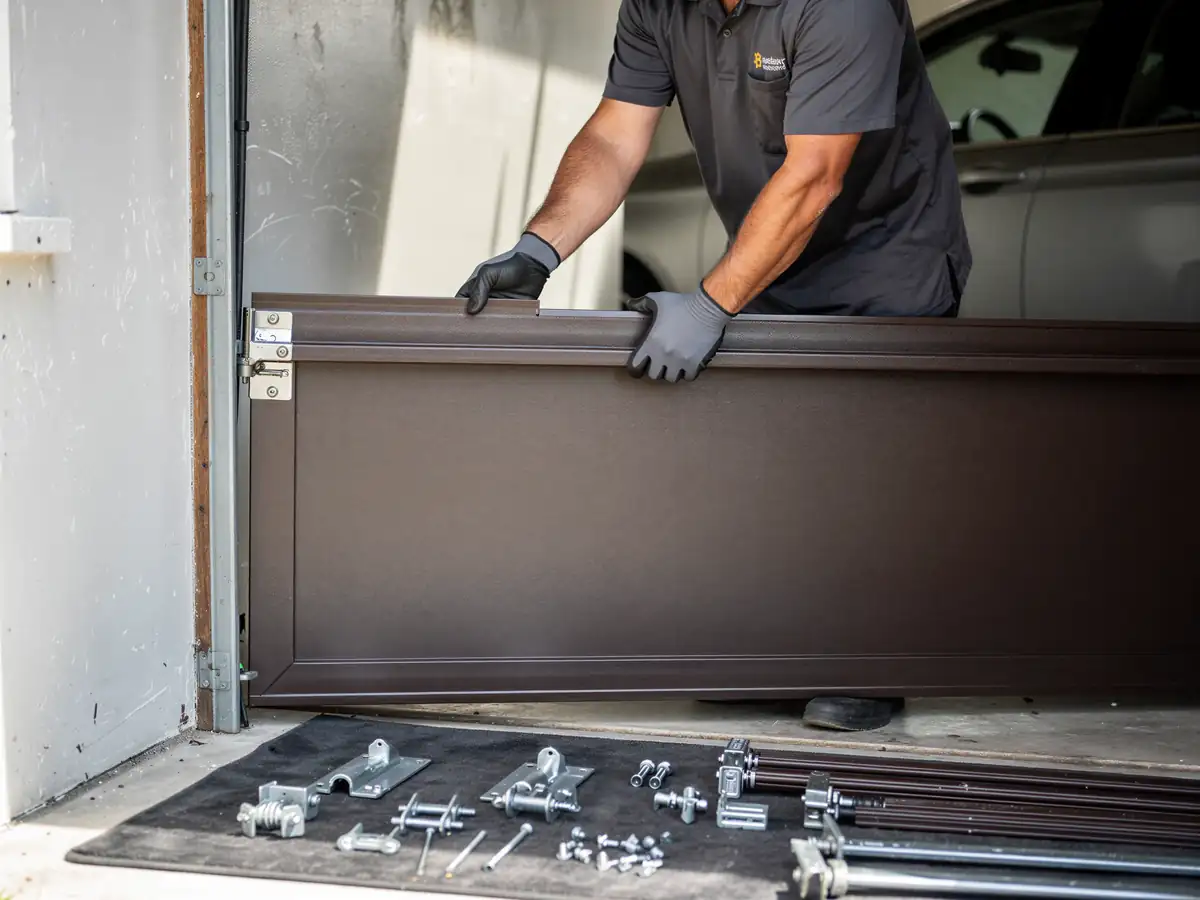
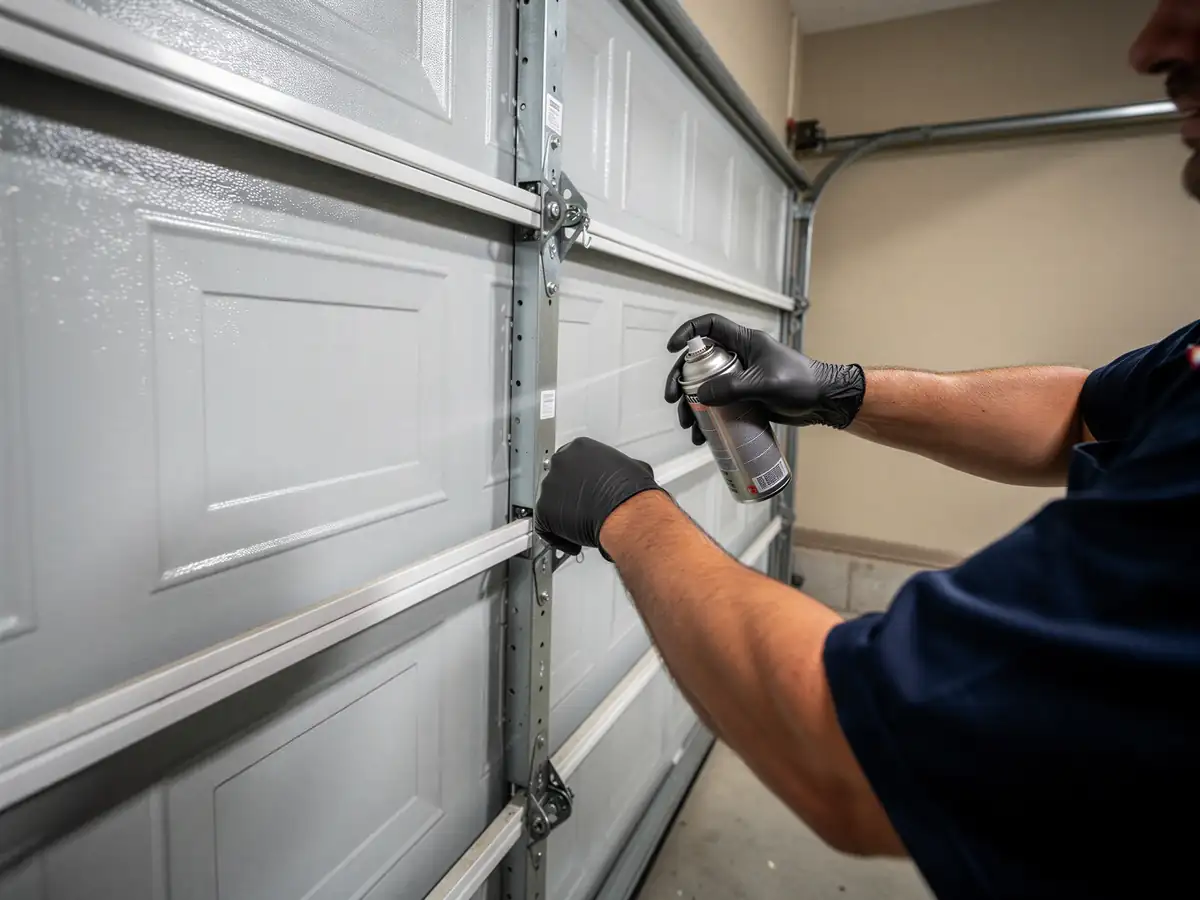
We start by cycling the door by hand with the opener disconnected, because that's the only way to tell if the spring, the track, or the opener is carrying the actual fault. On the older torsion setups common in this area's 1960s and 70s builds, that usually means replacing both springs as a pair even if only one broke - mismatched spring age on a double door throws the balance off and shortens the life of whichever spring is newer. We check cable wear at the drum, reset the track if a roller has walked it out of alignment, and lube points that actually need it instead of spraying the whole door down for show. If the opener itself is original to a house from that build window, we'll say so plainly: some of those motors are past the point where a repair is worth the labor, and we'd rather tell you that up front than sell you a patch that fails again in a year. One limitation worth naming - if a part is obsolete enough that it's no longer stocked anywhere, the honest fix is a hardware swap, not a wait for a part that isn't coming.
How Long It Takes
A straight spring replacement on a torsion setup, once we're on site with the right size spring for your door's weight, usually runs under an hour. Roller and track work takes about the same, sometimes less if it's a single roller. Where it runs longer is on opener diagnosis - older units from this area's 60s-70s housing stock don't always have clear fault codes, so narrowing down a circuit board issue versus a worn gear set takes more time than the repair itself. We won't quote a firm number without seeing the door, because a job that looks like a ten-minute roller swap sometimes turns up a bent track underneath it once we get the door moving freely.