How Local Conditions Play In
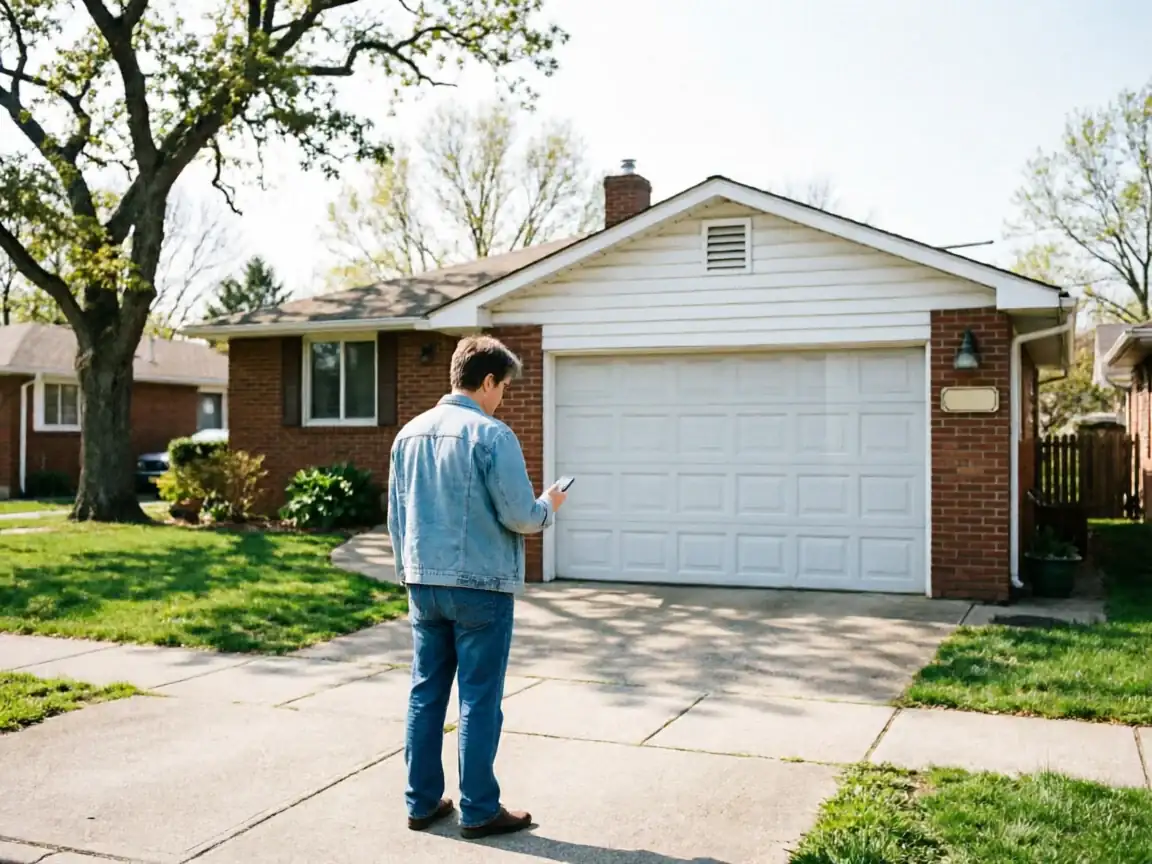
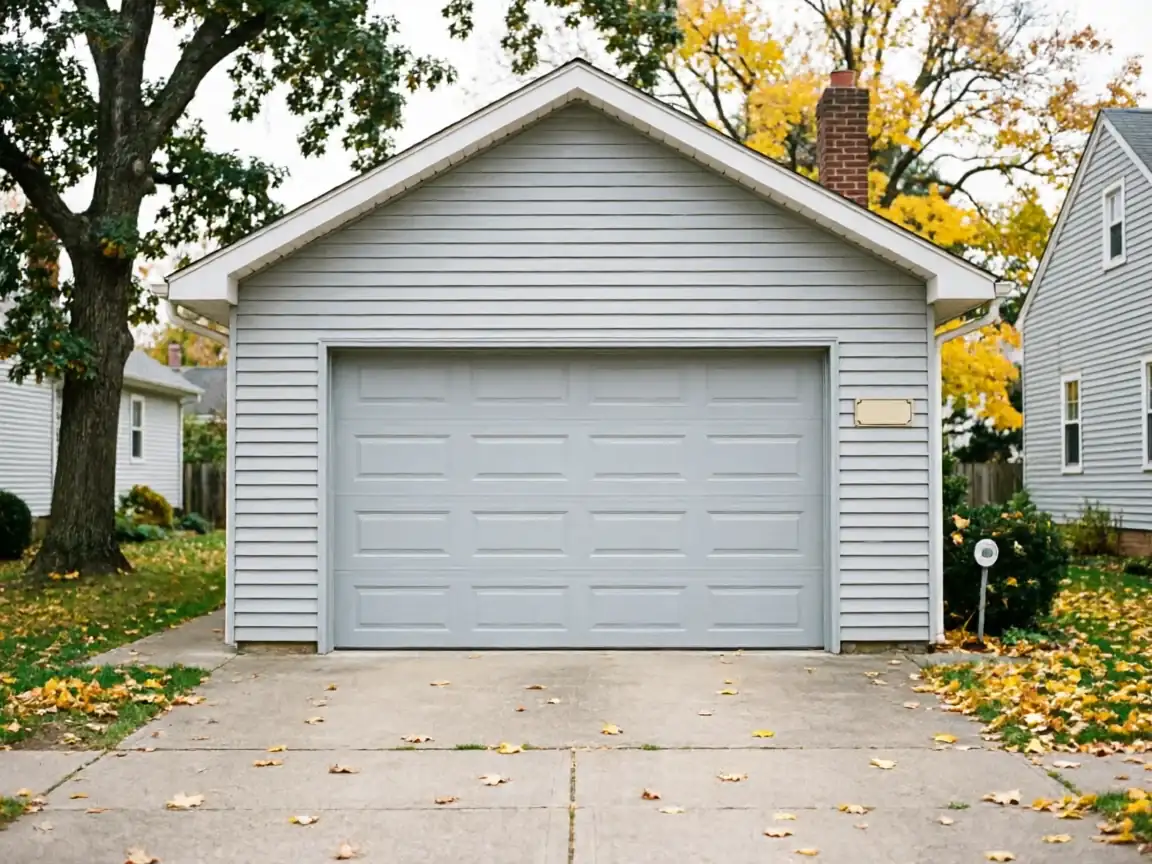
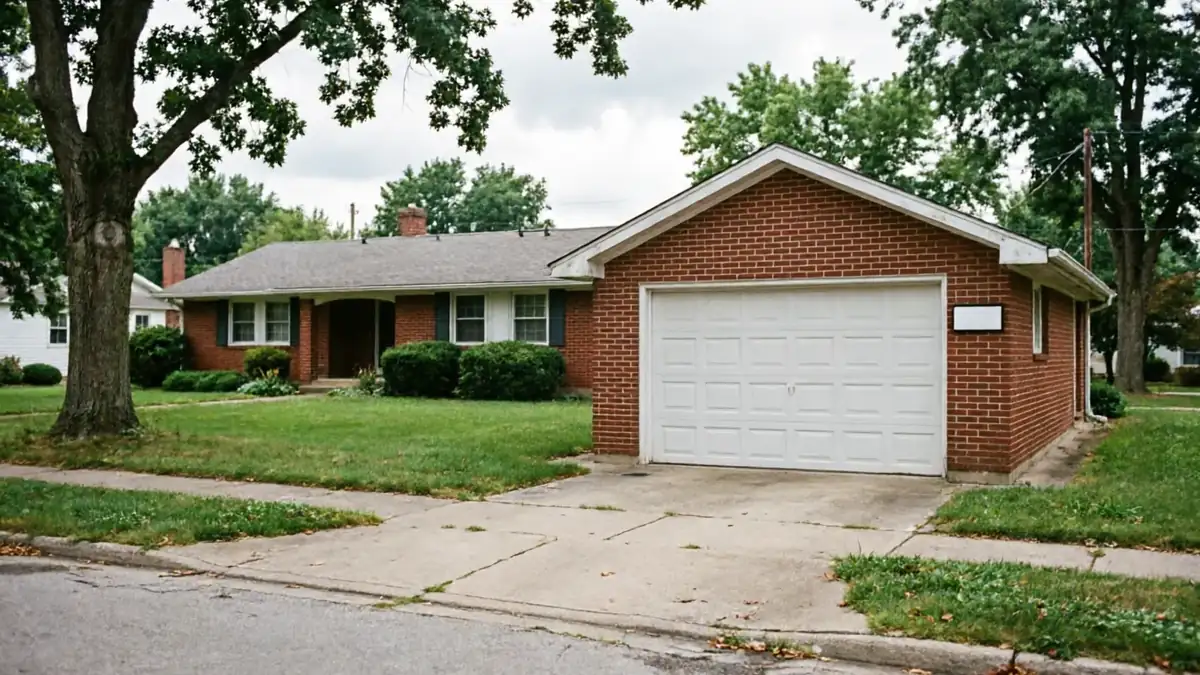
Deerfield's housing was built mostly between 1938 and 2009, with the median year landing at 1977. That spread matters here because attached garages didn't become the standard build until the 1960s and '70s construction wave that makes up most of the housing stock in this area. Walk the older pockets and you'll still find detached garages set back from the house - a separate structure with its own door, its own slab, no shared wall with living space. Walk the later subdivisions and the garage is tucked under the same roofline as the kitchen or a bedroom.
That difference changes what the door has to do. A detached garage door only has to keep out weather and whoever's walking by. An attached garage door is doing double duty - it's also the thermal boundary between an unheated bay and a room someone's living in. In a cold-moderate climate like Deerfield's, that boundary does real work for months at a time. An uninsulated door on an attached garage lets cold air sit against a shared wall all winter, and that shows up as a cold bedroom floor or a chilly mudroom, not just a cold garage.
We see both setups regularly across this part of the North Shore, and the right door spec genuinely depends on which one you've got.
When to Get Help
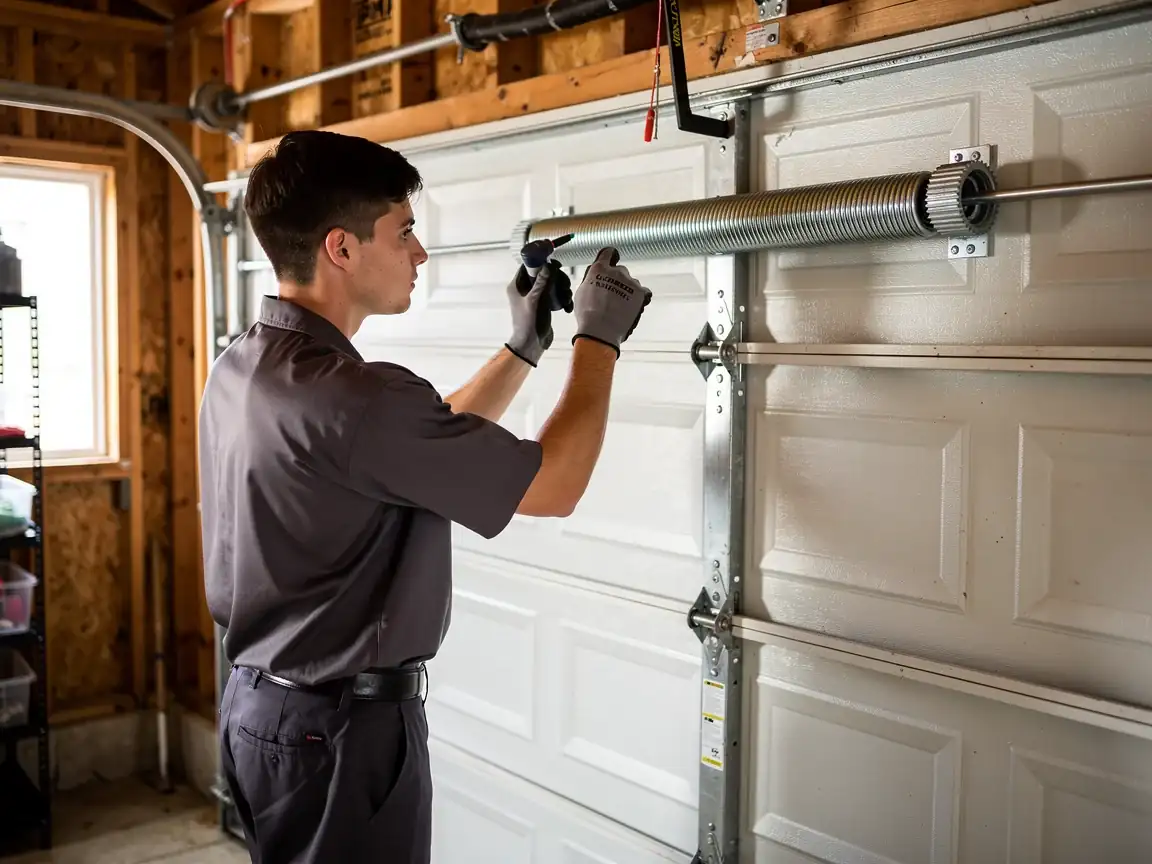
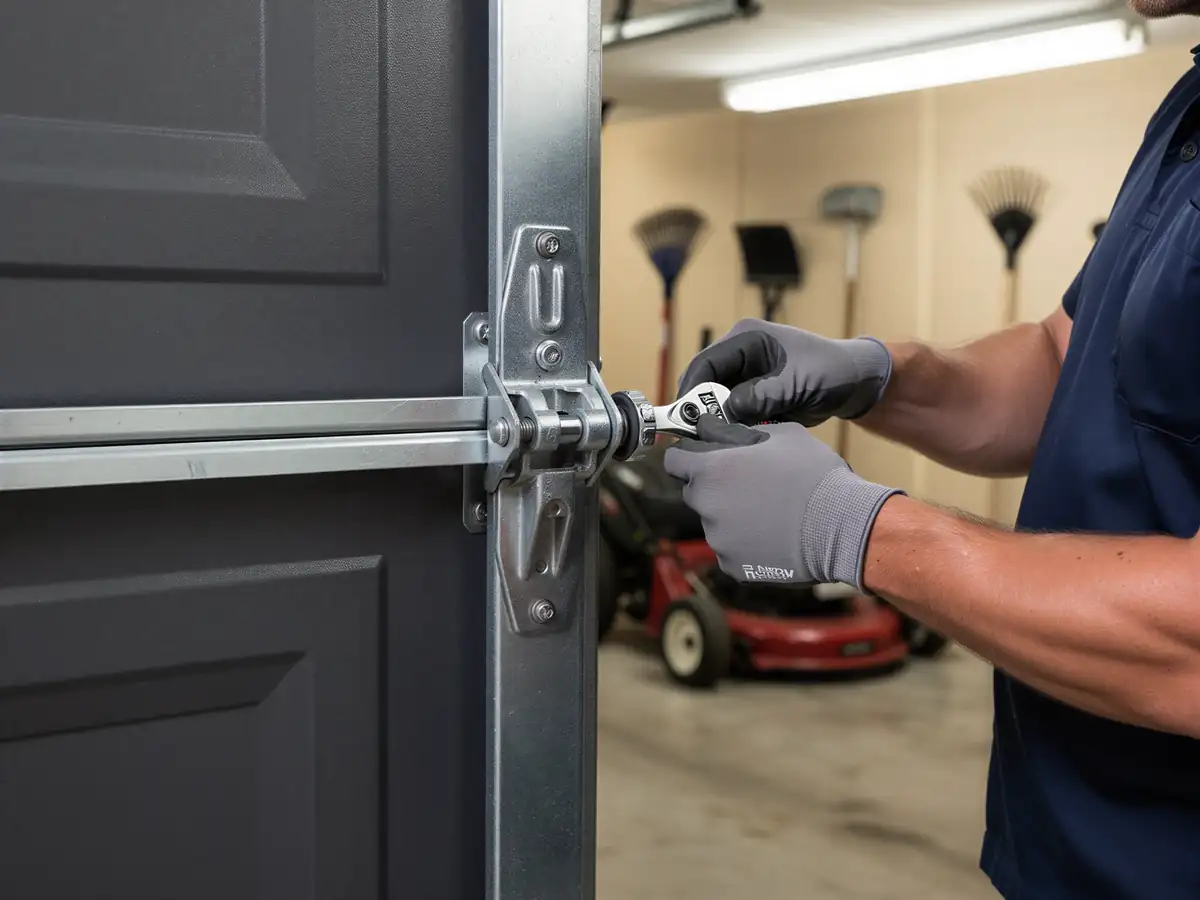
If you've got a detached garage from the older end of Deerfield's build range - pre-1960s, standalone structure - the signs you need a tech are usually mechanical: a door that's heavy to lift by hand, a spring that's visibly stretched or snapped, hardware that's rusted from sitting exposed with no heated space nearby to keep condensation off it. These doors work hard without much help from the house around them.
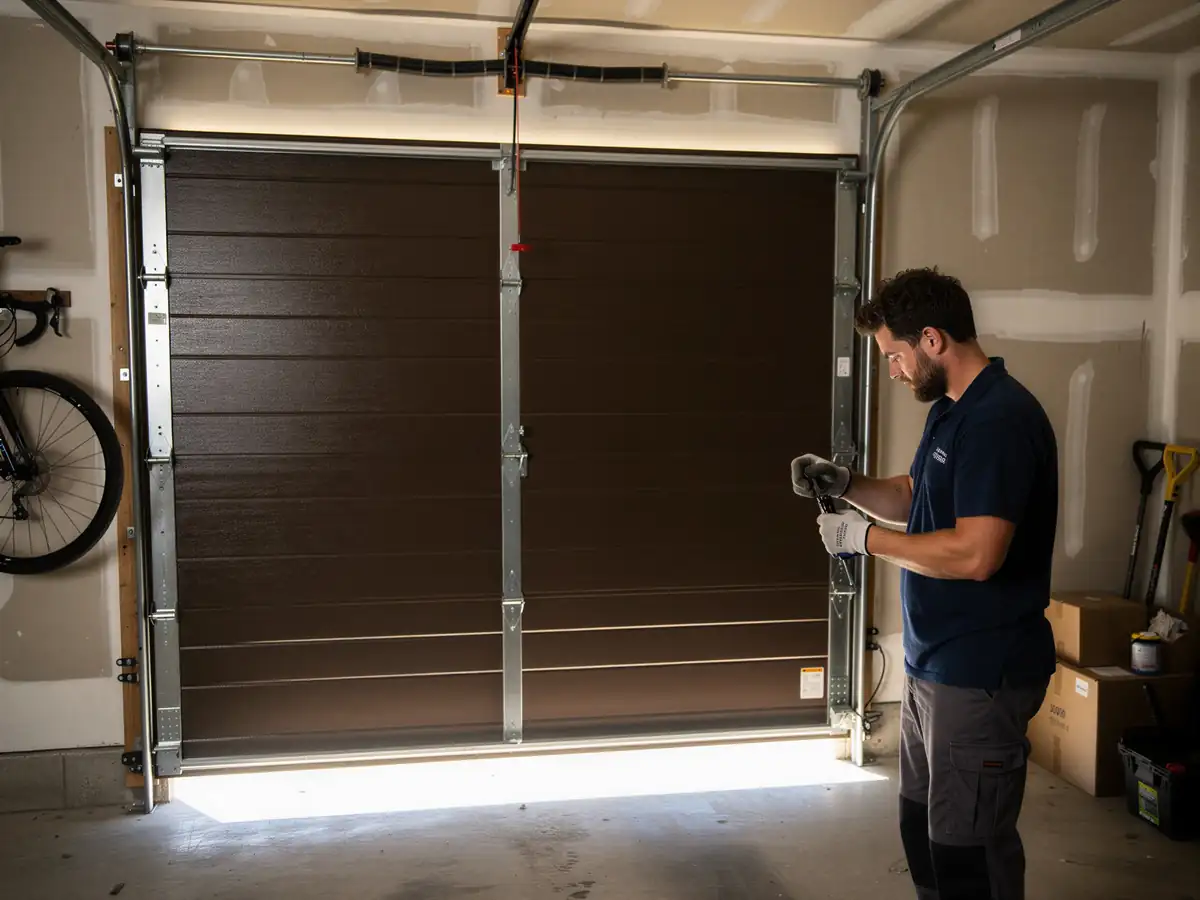
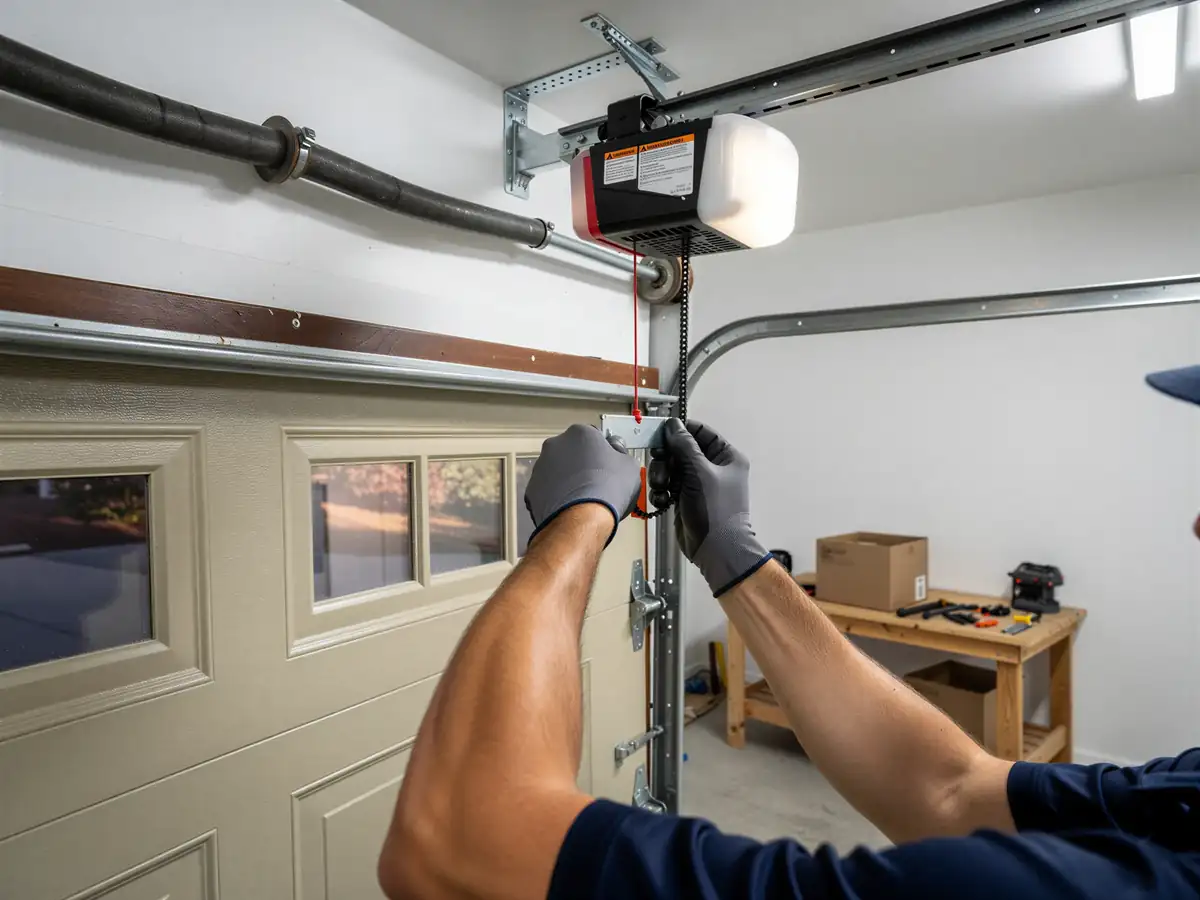
On an attached garage from the 1960s-70s stock that dominates the area, the signs to watch are different. If the door doesn't seal tight at the bottom, or the panel is thin single-layer steel with no insulation, you'll feel it on the other side of that shared wall before you notice anything wrong with the door mechanically. A tech can tell you quickly whether what you're feeling is a seal problem, a panel problem, or just an old door that's done its job and is ready to be replaced rather than patched.
Either way, don't wait for a full failure. A spring that's already stretched thin on a detached door, or a panel that's cracked and letting water through to the slab, gets worse on its own timeline, not yours.
The Situation
Most of the calls we get track pretty closely with the two build eras in Deerfield
Older detached garages, often on homes near the 1938-start end of the range, tend to have doors that were replaced once, decades ago, and are now due again - springs worn out, tracks bent from age rather than damage. Attached garages from the heavier 1960s-70s construction period tend to have the original door insulation spec from whenever the house was built, which by 1977 standards is thin compared to what's sold today.
Neither situation is an emergency by default
A detached garage door that's slow and heavy isn't putting your house at risk - it's inconvenient and it's going to fail eventually, but it's not touching your living space. An attached garage door that's under-insulated isn't dangerous either; it's a comfort and energy issue that shows up slowly, on your heating bill and in the room next to the garage.
What we're seeing most right now in homes around here
From Bannockburn and Riverwoods in close to Lincolnshire and Highwood a bit further out, is a mix: owners calling about the mechanical stuff on older detached setups, and owners calling about insulation and sealing on attached setups built during that mid-century run.
The Common Mistake
The mistake we see most is treating a detached garage door and an attached garage door as the same repair. They're not. Replacing an attached garage door with a panel that matches the old one in size but not in insulation value means you've spent money and kept the exact problem you had - a cold wall shared with living space in a climate that's cold enough, often enough, for that to matter.
The other common mistake runs the other way: over-insulating a detached garage door on a standalone structure that never shares a wall with heated space. You can spend extra on a heavily insulated door for a detached garage and get almost none of the benefit, because there's no adjoining room for it to protect. The insulation spec should match the structure, not just the opening.
One honest limitation: we can tell you what door spec makes sense for your garage type and this climate, but we can't tell you your exact heating bill savings from switching - that depends on your furnace, your walls, and plenty else we don't measure. If a detached door is sound and just cosmetically tired, sometimes the right call is leaving it alone rather than replacing it for looks.