What You Pay
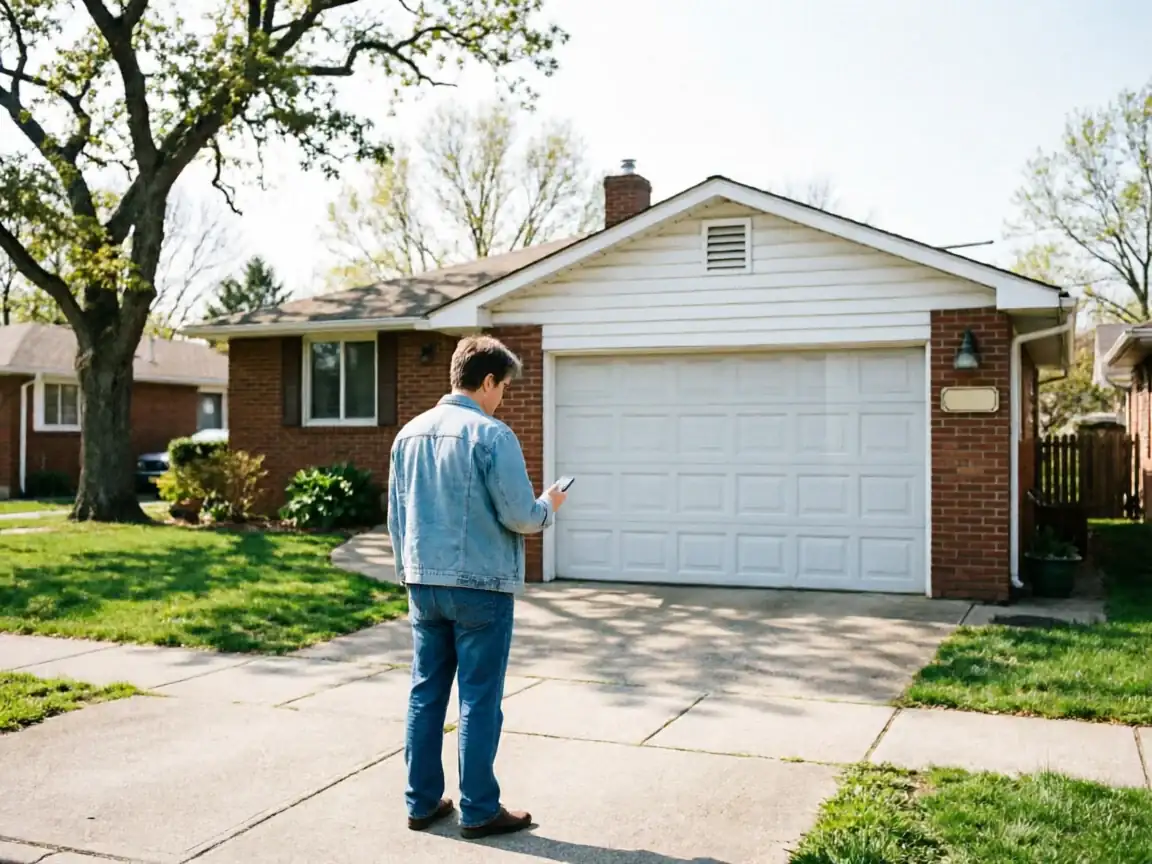
Cable repair pricing depends on what's actually broken and what's attached to it. A single frayed lift cable on a lighter door is a different job than a full cable-and-pulley replacement on an old extension spring setup, and Winnetka has a lot of the second kind. Homes here go back to a median build year of 1938, decades older than most of the towns we drive out to from Deerfield, and that older housing often still runs the original-style hardware: exposed extension springs over the tracks, with cables and pulleys doing the work that a torsion system does on newer doors.
We don't quote a number without seeing the door, because the difference between a worn cable and a cable that's already stripped a pulley or bent a bracket is not something you can price over the phone. What we can tell you is that older cable-and-pulley systems usually cost less to fix than they do to argue with - the parts are simple, but they have to be sized and routed right for the door they're on. We travel the 7 miles out from Deerfield for these calls regularly.
What the Fix Involves
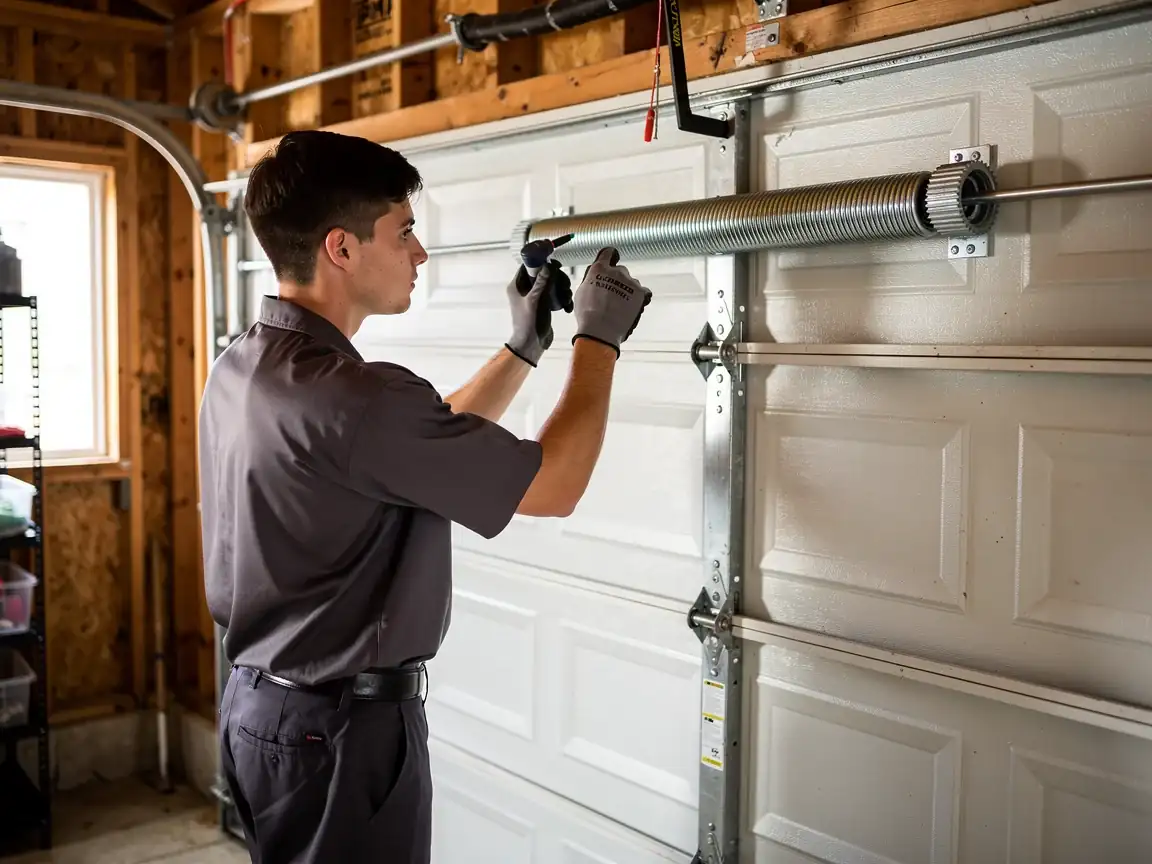
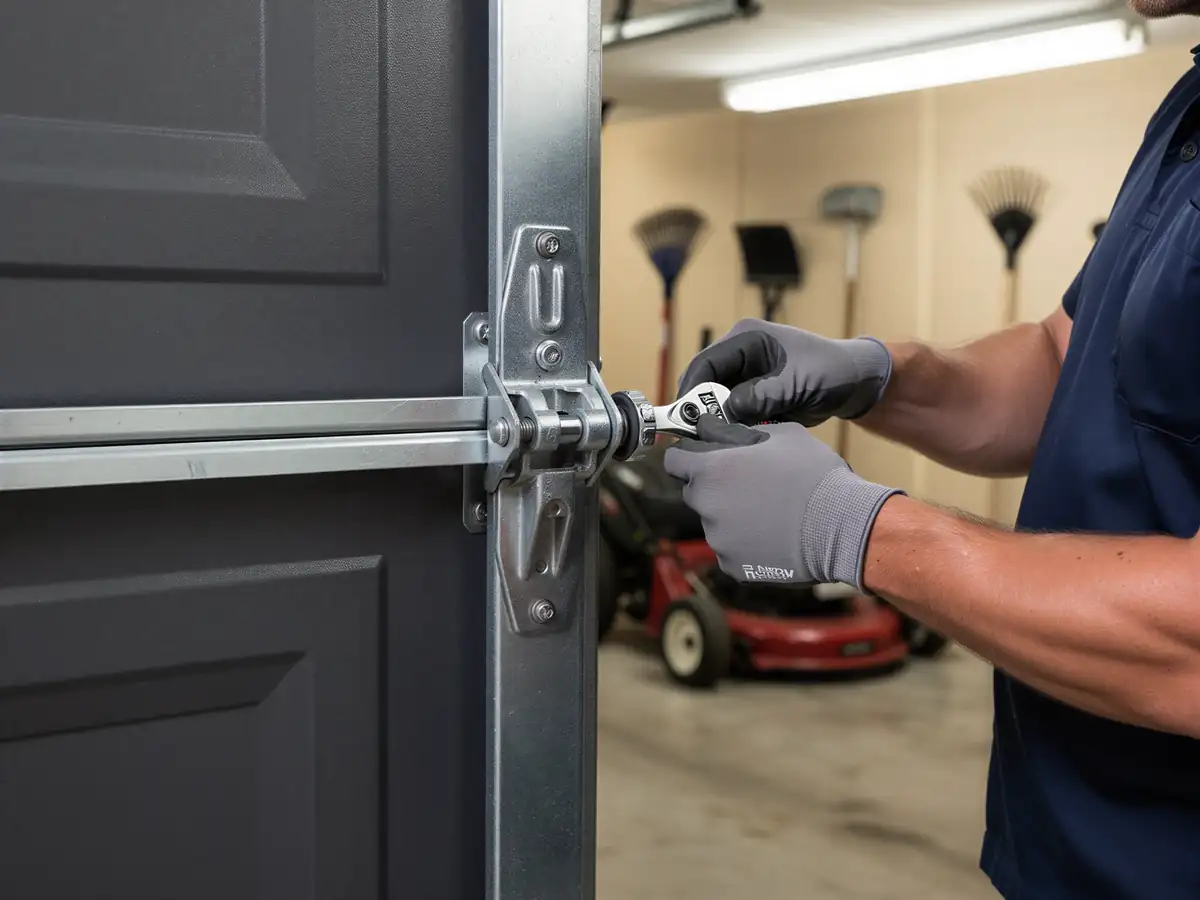
On a door this old the cable isn't just a wire, it's part of a counterweight system. The extension spring stretches, the cable runs it through a pulley, and the pulley is usually mounted to a bracket that's as old as the door. When a cable frays or snaps, the first thing we check is whether the pulley and bracket took damage on the way down, because replacing the cable alone and leaving a bent bracket just sets up the next failure.
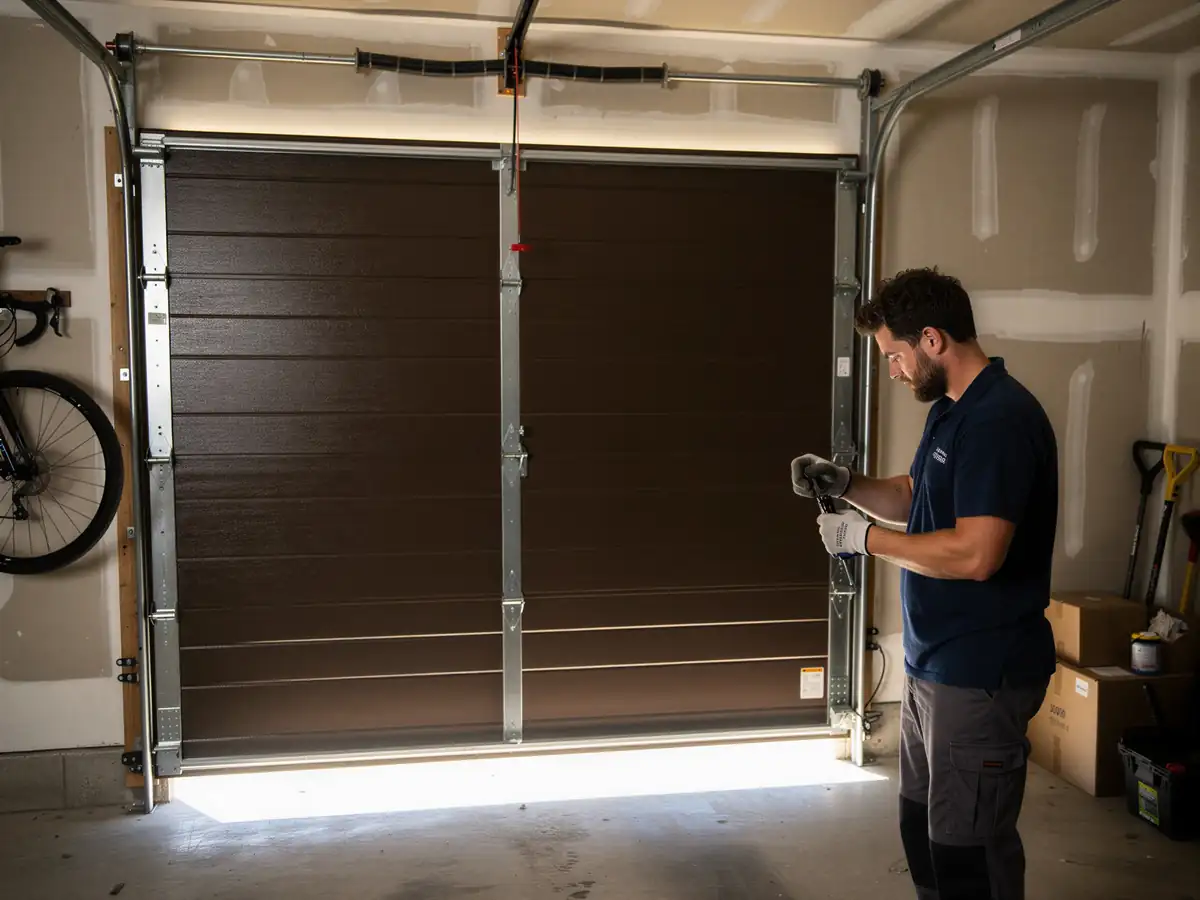
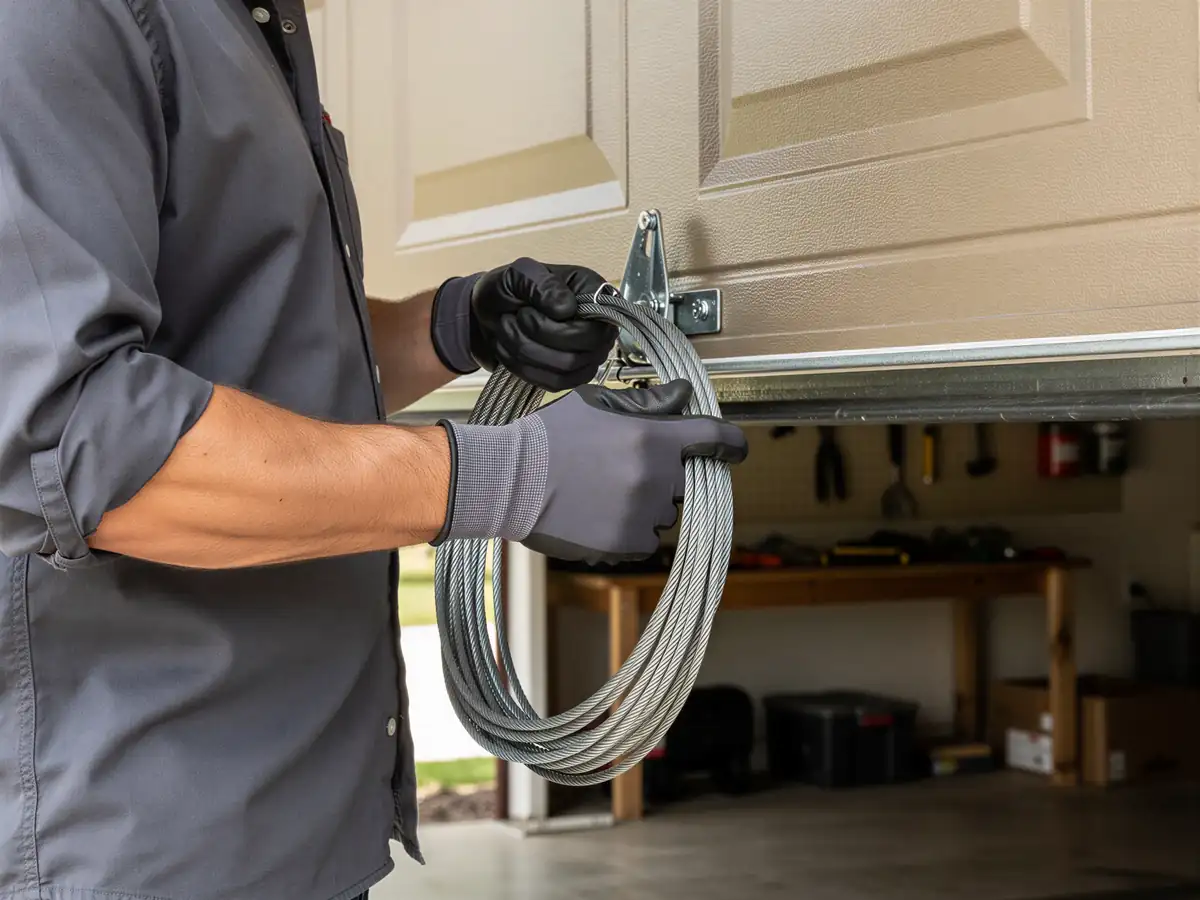
We strip the old cable off the drum or pulley, check the spring for stretch and rust, and run a new cable sized to the door's weight and travel - not a generic length cut to fit. On a two-car door with a center post, both sides get checked even if only one cable failed, since the other side has usually seen the same forty-plus years of use. We also look at the track alignment, because a door that's been running on a half-worn cable tends to walk sideways in the track before anyone notices.
Can You Do This Yourself
A cable under tension from a stretched extension spring is not a weekend project
And we'd rather tell you that straight than have you find out the hard way. The spring is still holding a lot of stored energy even when the door looks dead in the tracks, and on the older pulley-and-bracket systems common in Winnetka's 1938-era housing, that bracket can let go without much warning if it's already fatigued.
What you can safely do yourself
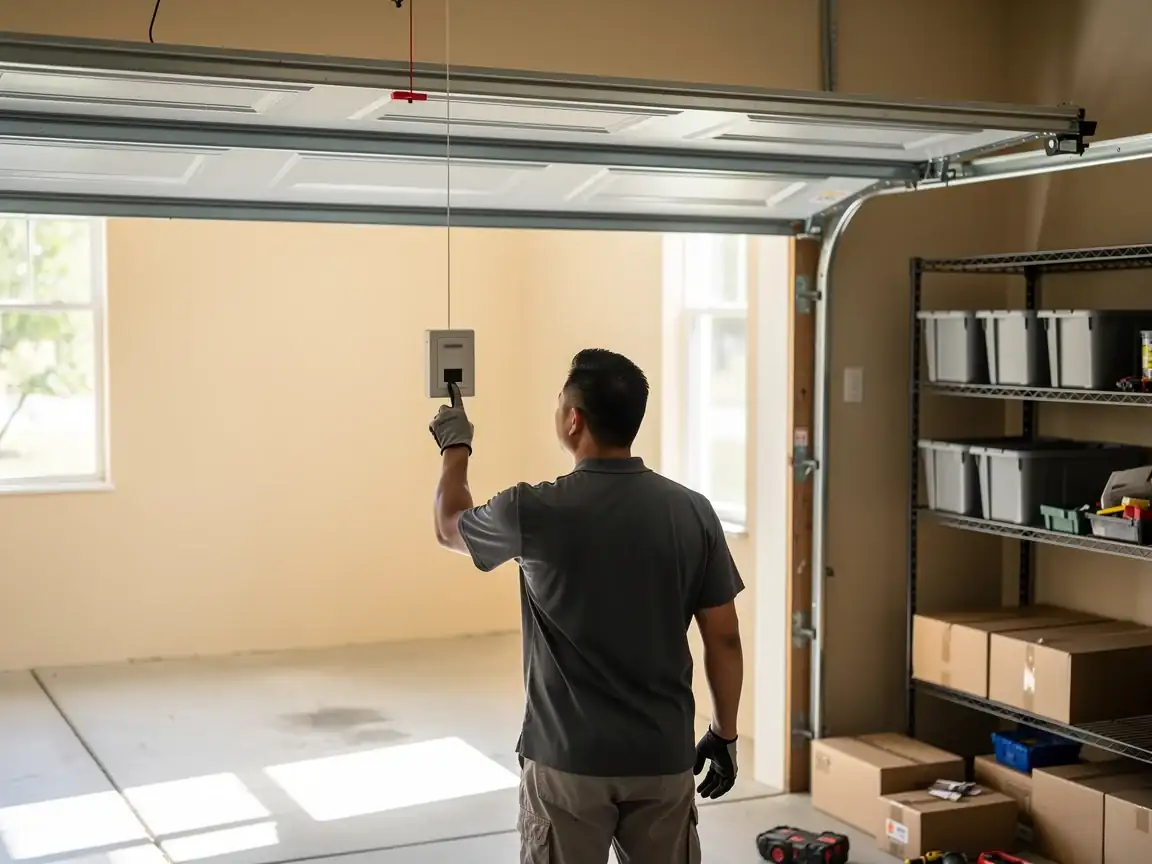
Look at the cable where it wraps the drum or pulley and check for rust, fraying strands, or a kink. If you see any of that, stop opening and closing the door - a cable that's about to go usually gives a visible warning first. Don't try to loosen or unhook the spring to inspect further. That's the part of the job that hurts people, and it's also the part where a torsion-to-extension conversion, if that's ever warranted, needs someone who's done it before.
The Complications
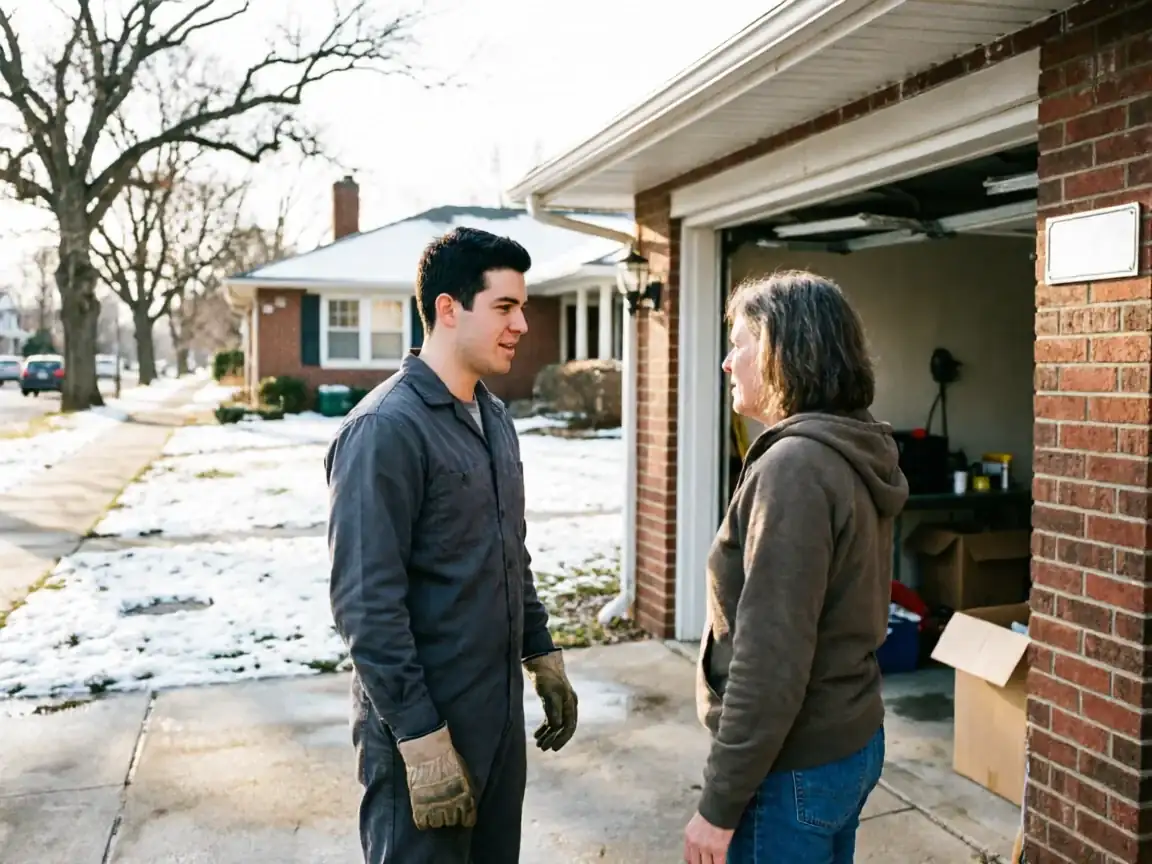
Winter in this part of Illinois counts as cold, and cold matters to cable work more than people expect. Metal contracts in low temperatures, and a cable that's marginal in October can snap in January because the clearance it had is gone. We see more of these calls in the colder months, and it's rarely a coincidence.
The other complication is parts availability on the oldest doors. Some of the original pulley hardware from the 1938-era housing stock here isn't made anymore, and we sometimes have to adapt a modern pulley to an old bracket rather than find an exact match. That's an honest limitation - we'll tell you up front if a part needs to be substituted rather than matched, and what that means for how the door runs afterward. It's still a sound fix, just not an invisible one.