What You Pay
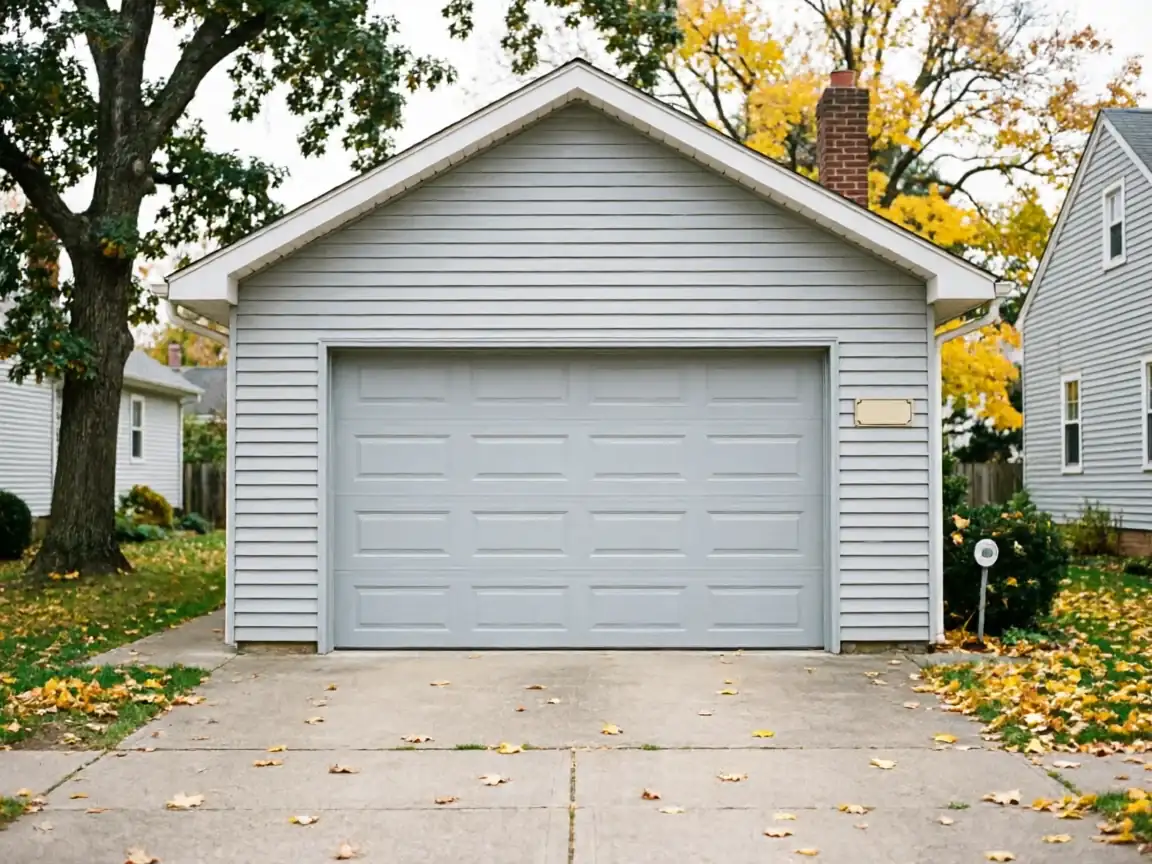
We don't post a flat number here because Winnetka's garages don't give us a flat job. Houses in this town center on a build year of 1938, a good two decades older than the 1977 median across the rest of our service area, and that age shows up in the bracket work before it shows up in the opener itself. A lot of these garages were framed with a header height that never expected a rail-mount unit, so the quote usually carries an extra line for a low-headroom kit or an extension bracket that a 1970s-built garage in another town wouldn't need. At a median household income of $250,001, Winnetka owners also lean toward belt-drive units with battery backup rather than the base chain-drive models we install more often elsewhere - that's a choice, not a requirement, but it's the pattern we see. What we won't do is quote a number sight unseen. Headroom, door weight, and whether the circuit already exists all move the final figure, and on a house this old at least one of those three is usually in play.
What the Fix Involves
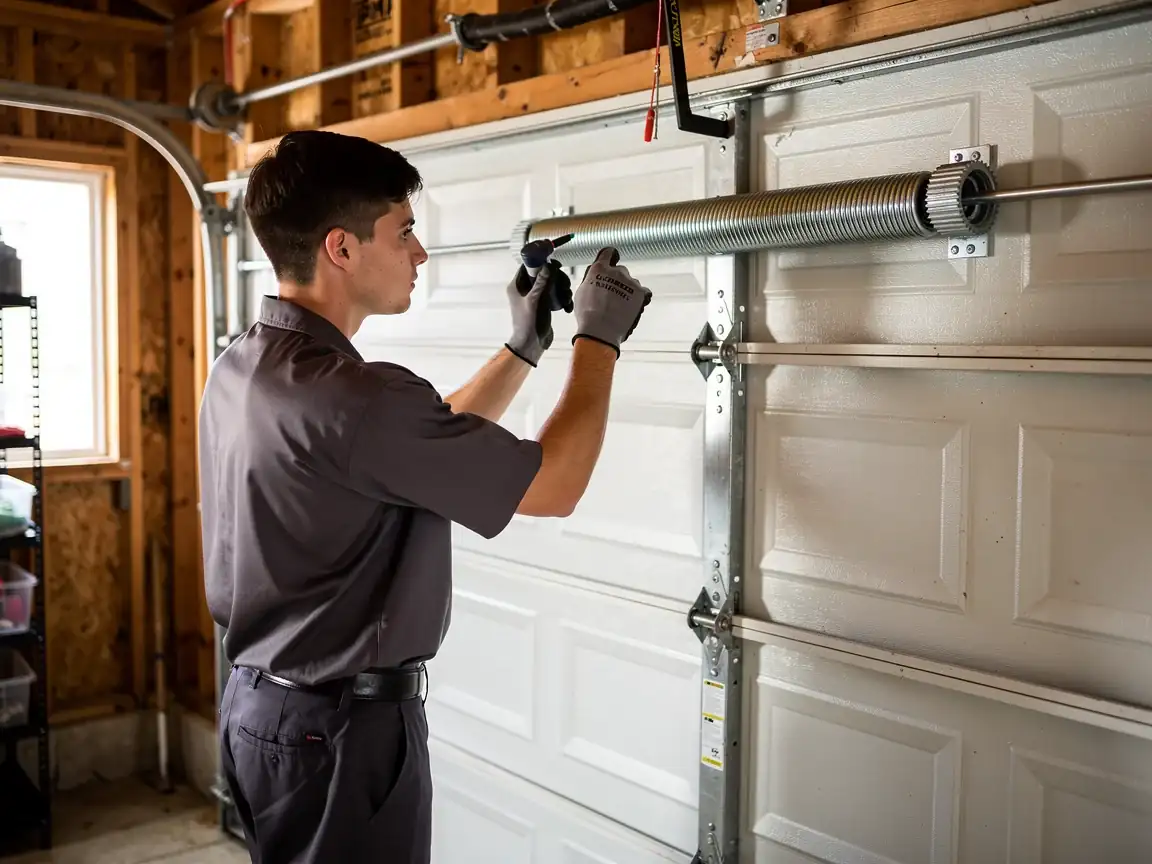
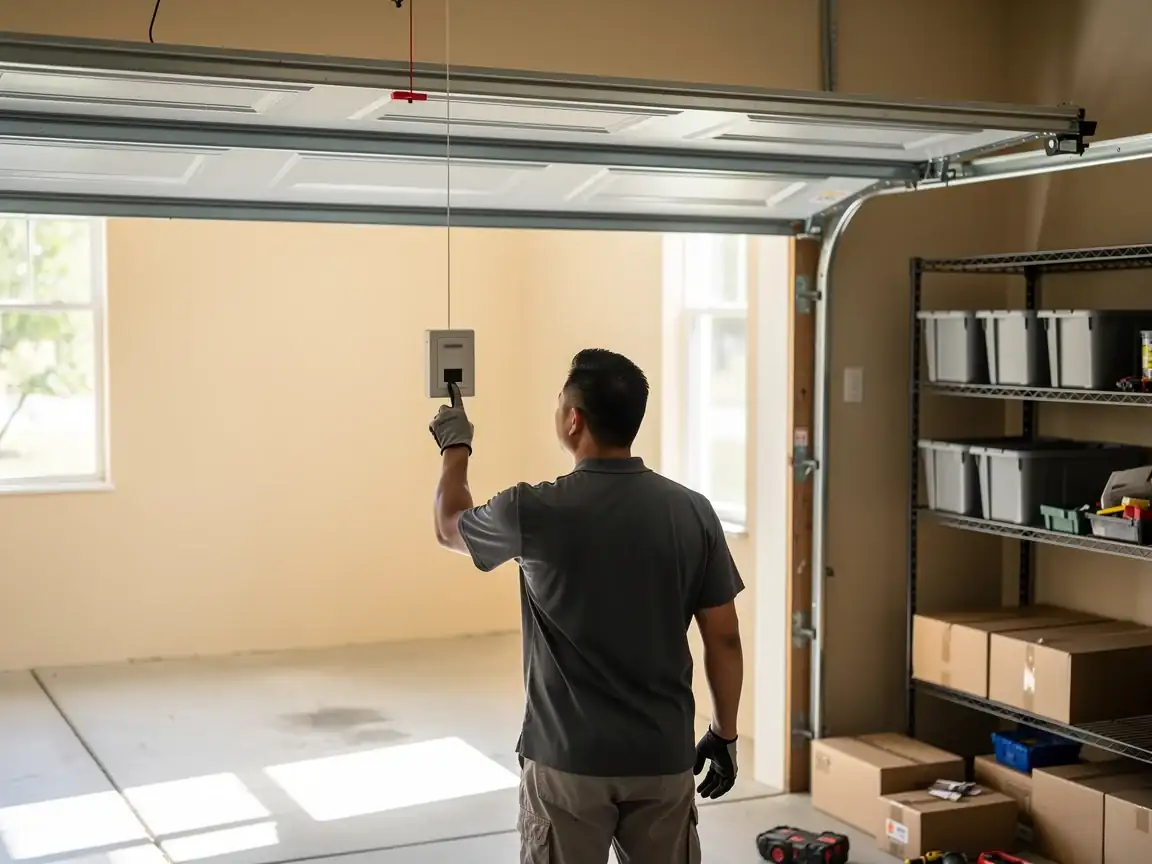
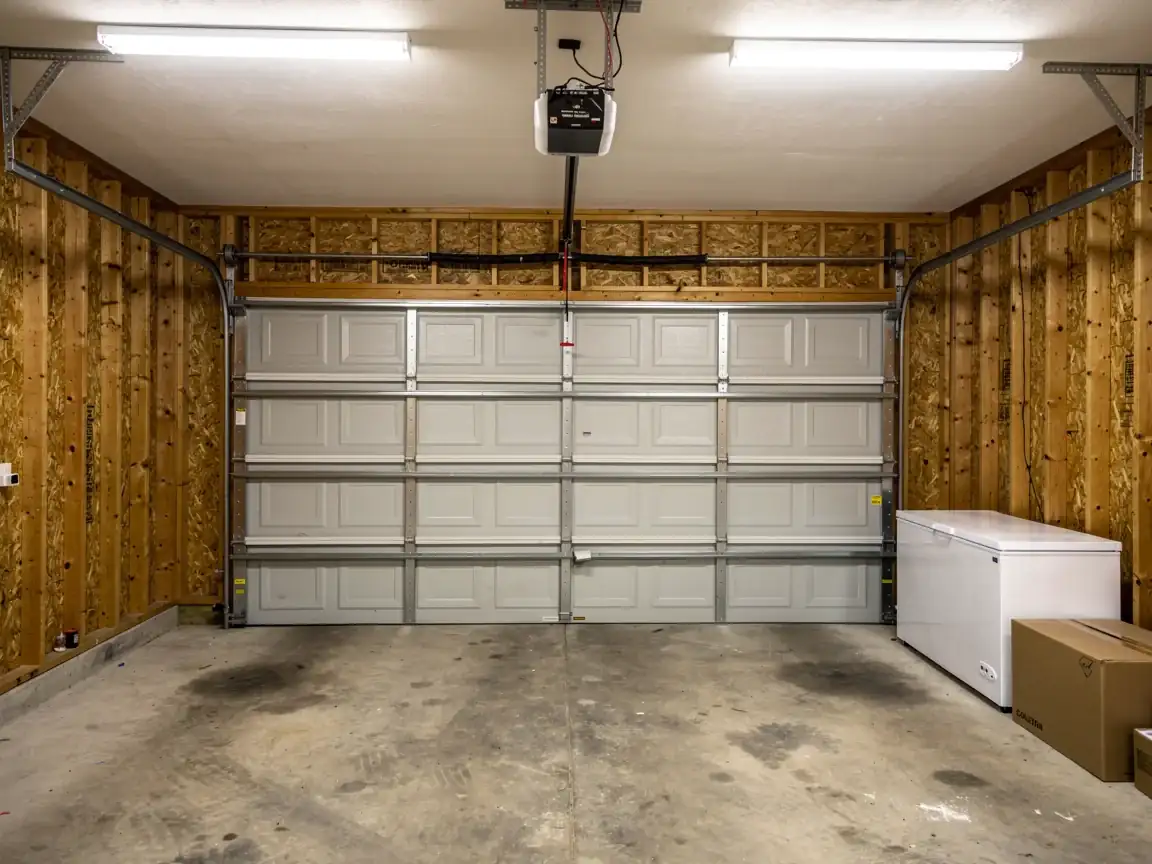
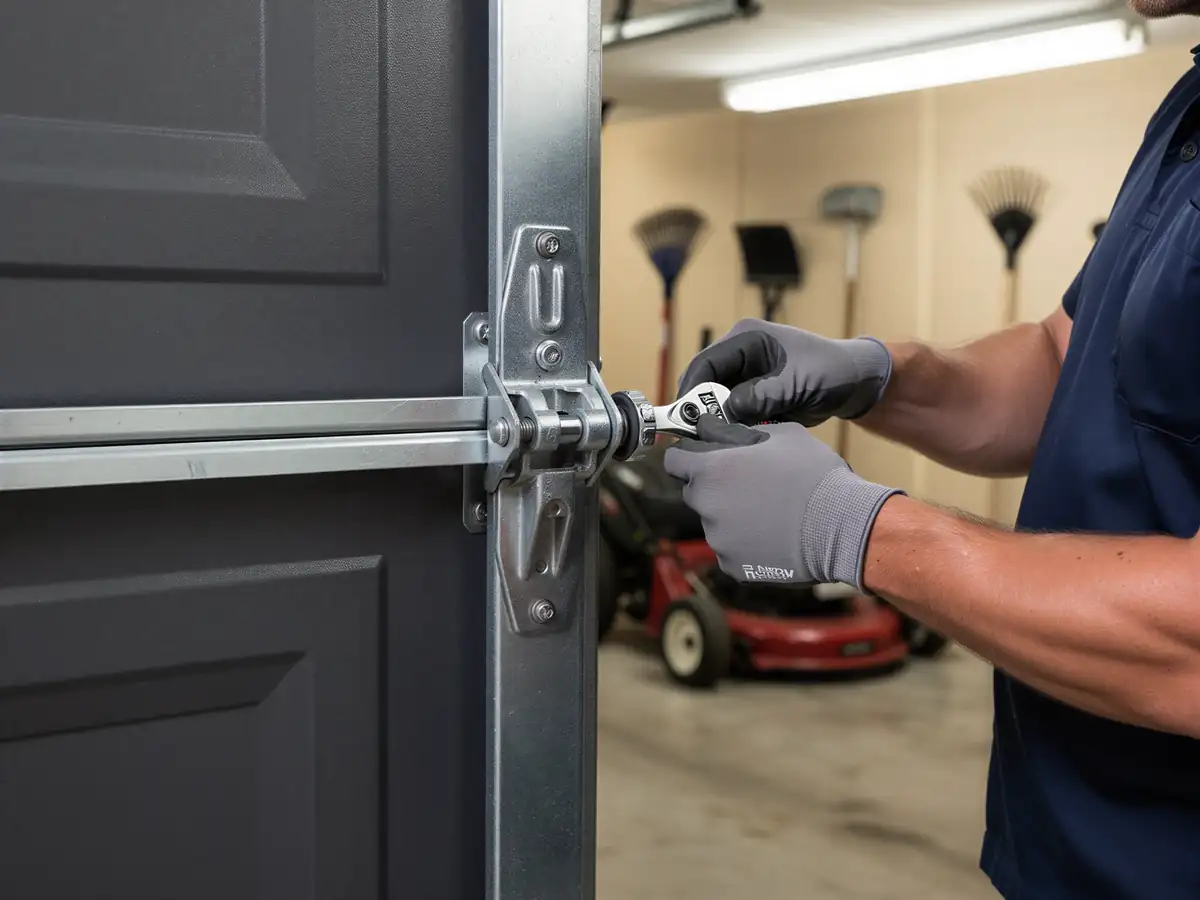
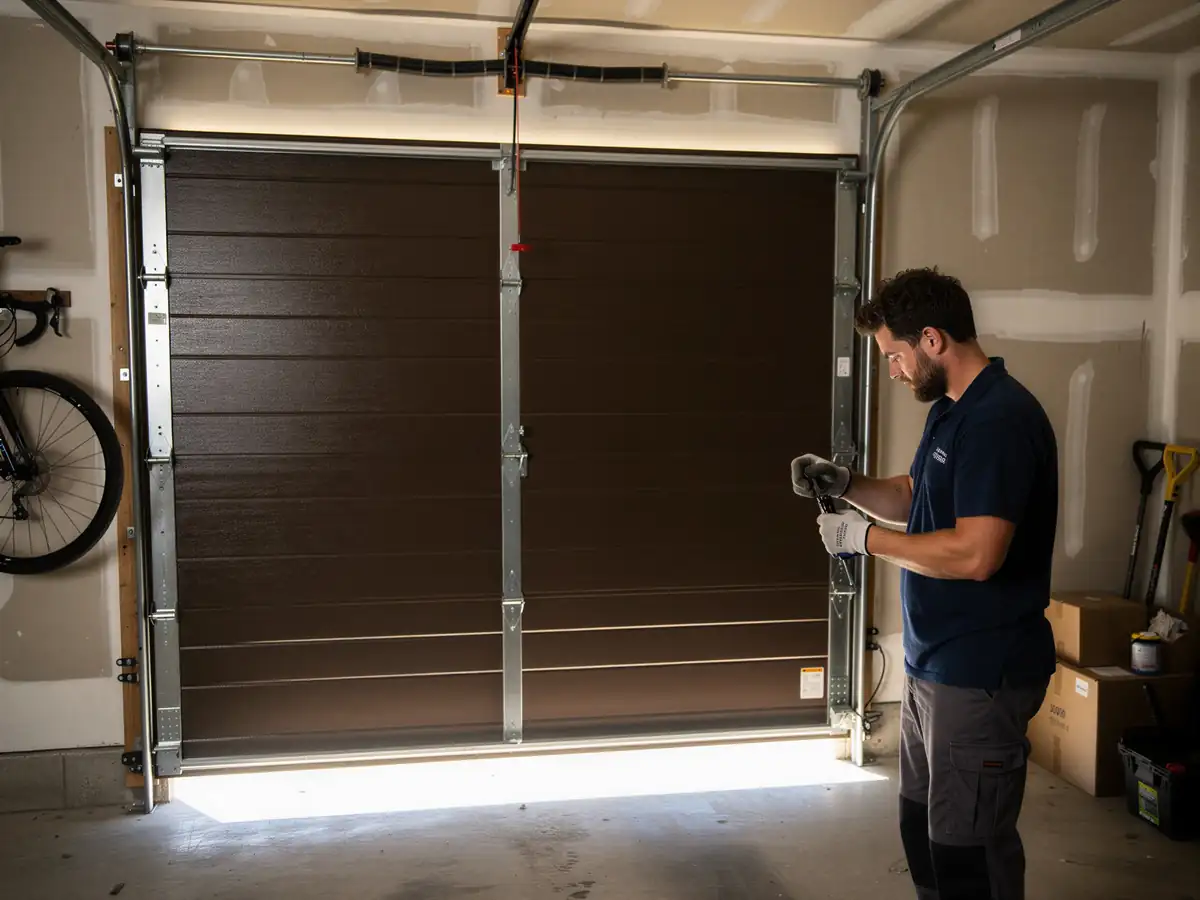
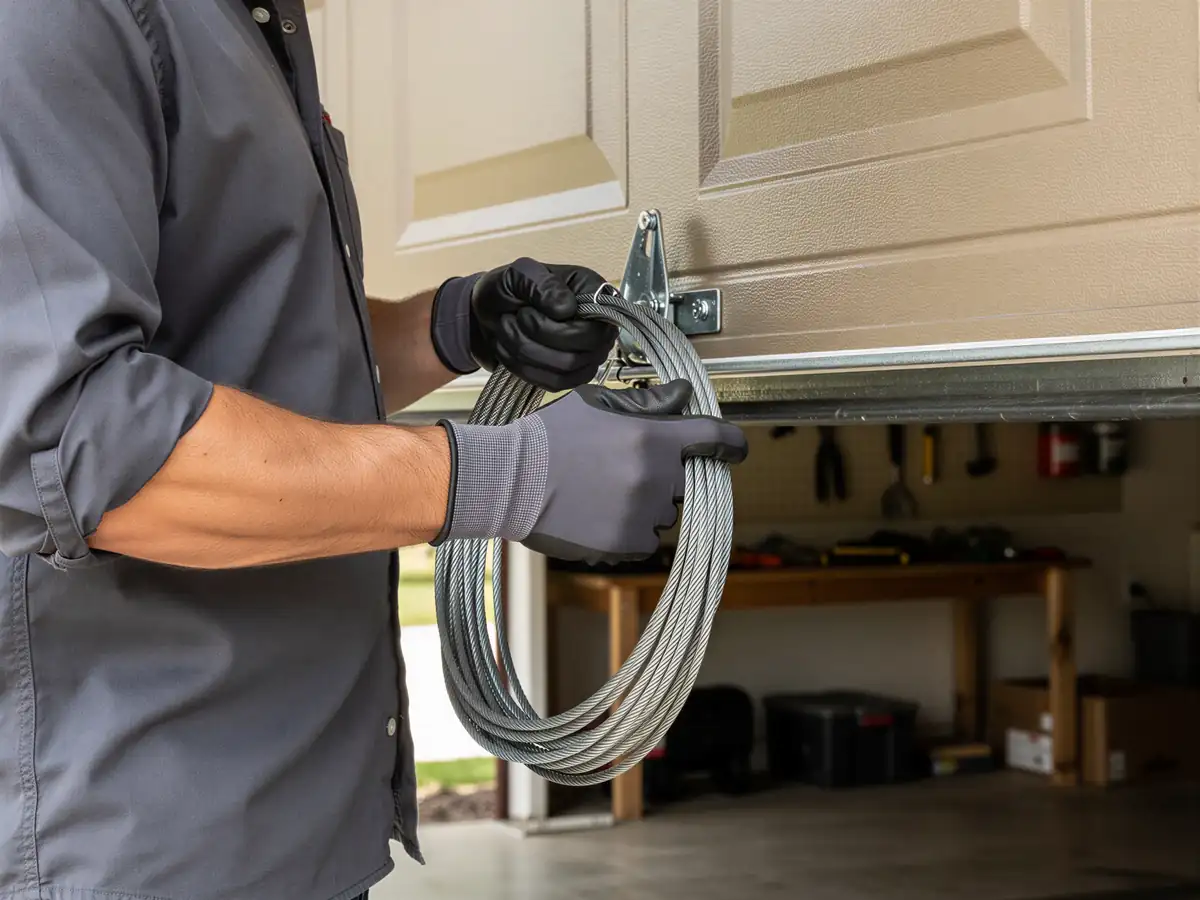
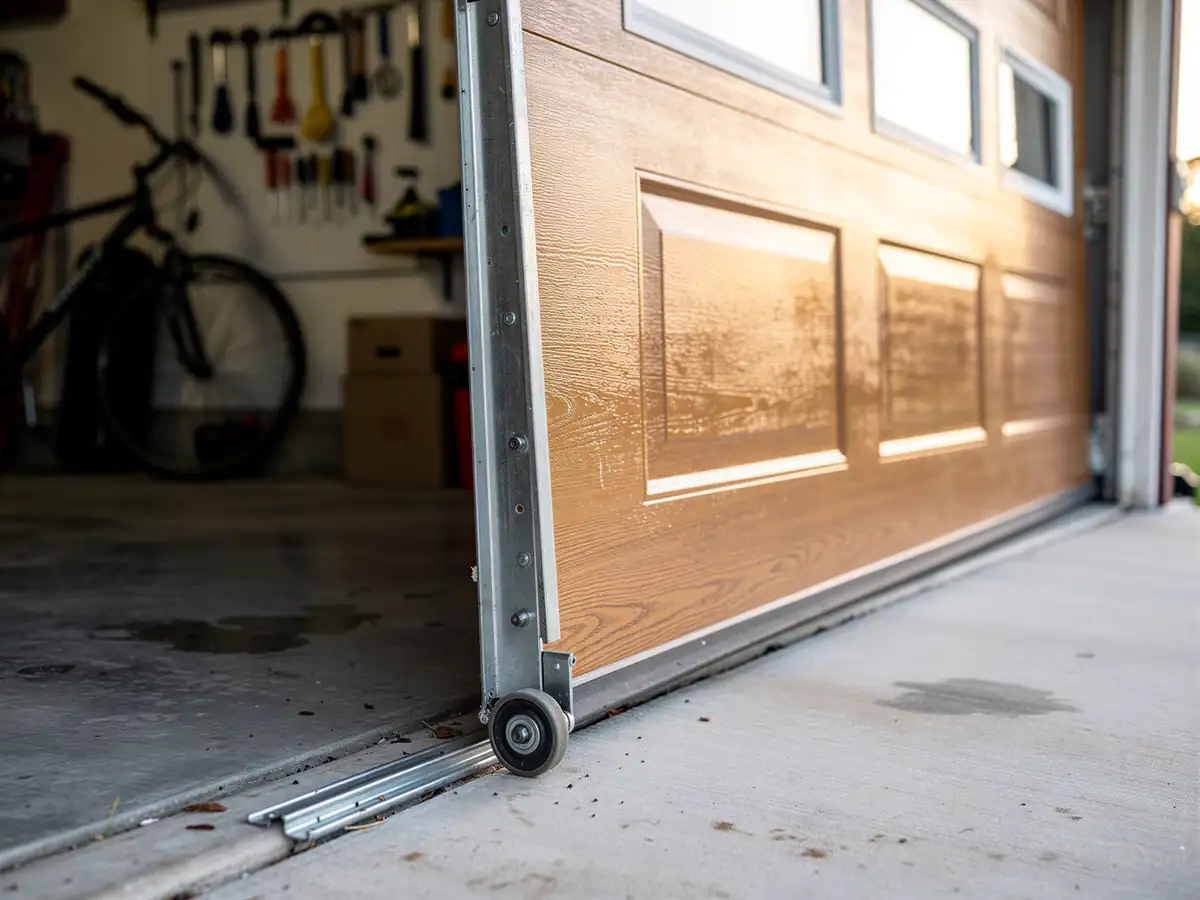
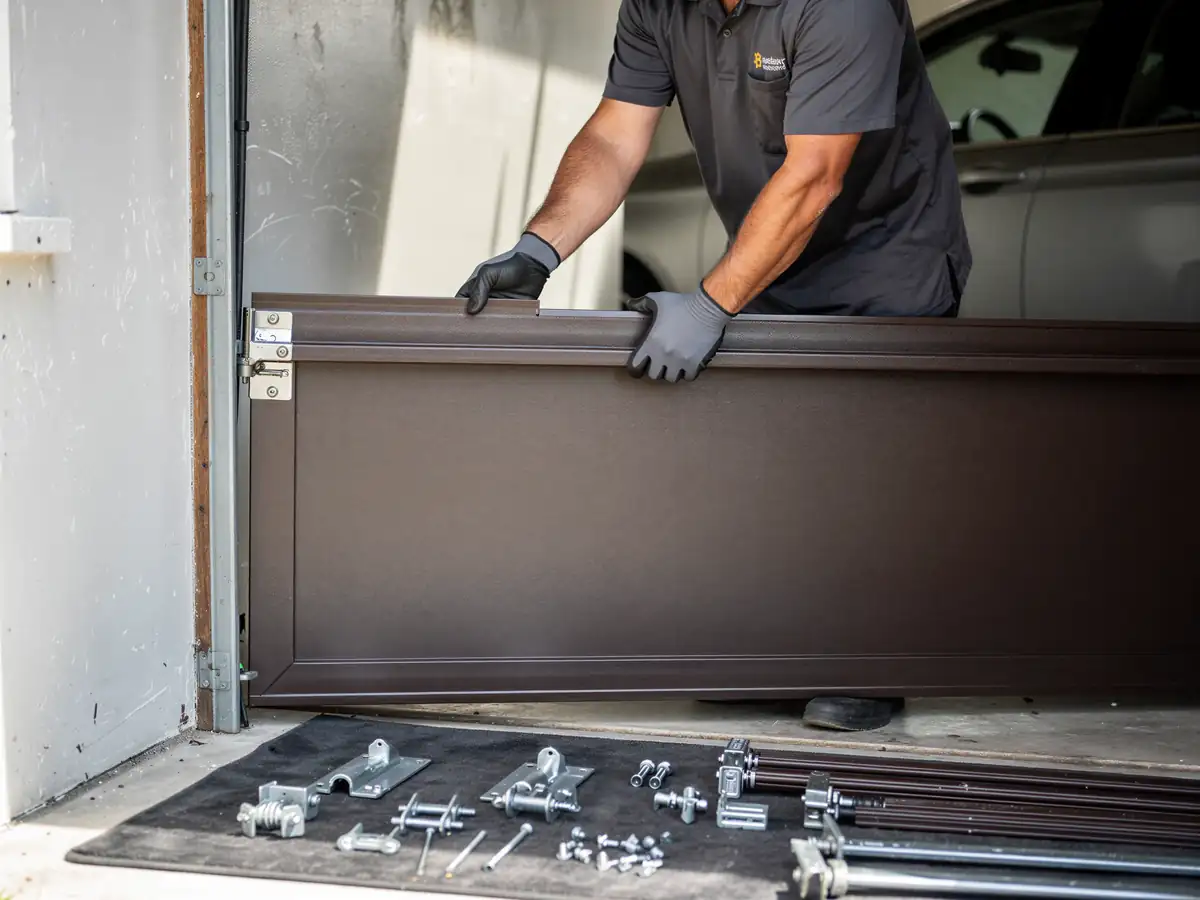
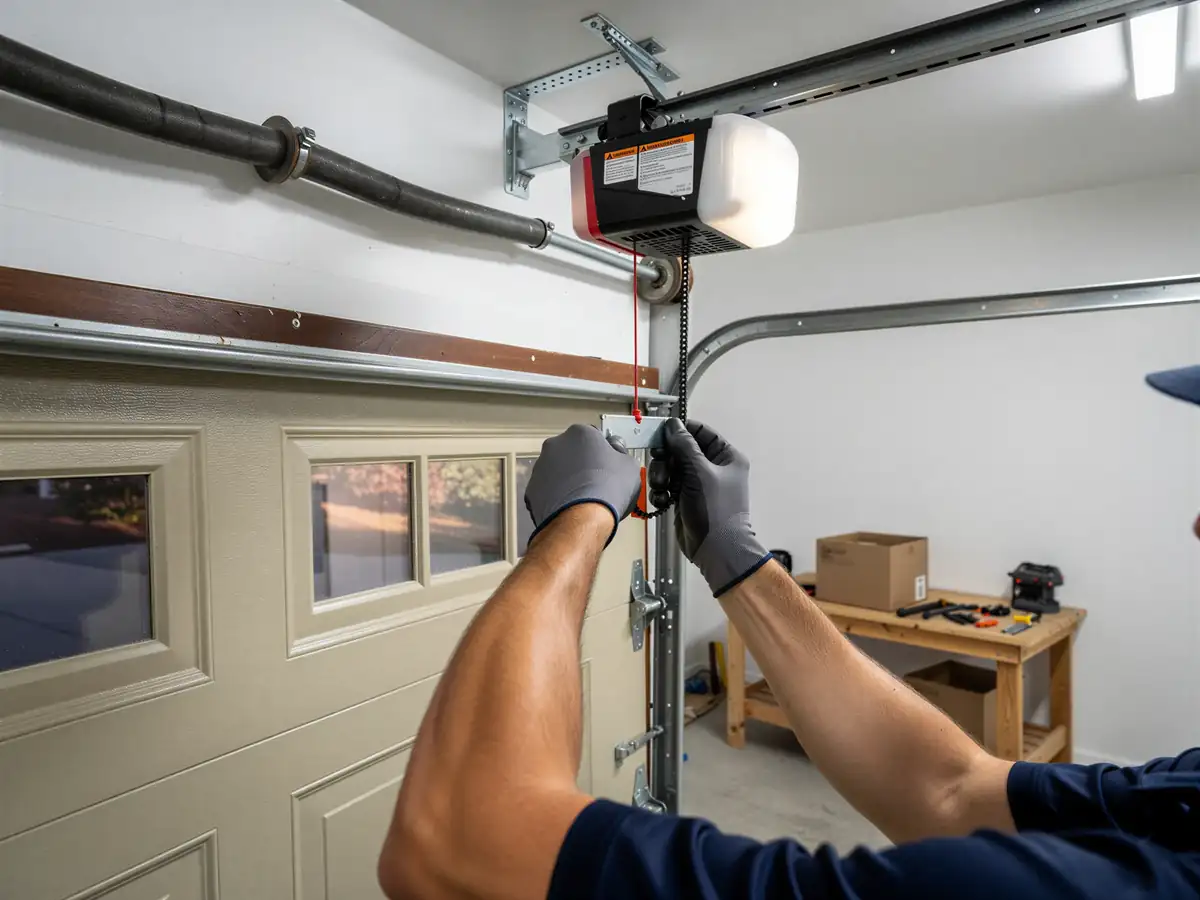
The trip itself is seven miles out from our Deerfield shop, which means the job starts with a drive, not a crew that happened to be working the next block. Once we're on site, the first thing we check is header clearance - 1938 construction often leaves less of it than today's openers assume, and that single measurement decides whether a standard rail fits or whether we're cutting over to a low-headroom conversion. From there it's the usual sequence: mounting the rail, hanging the motor head, running the arm to the top panel, and wiring in the safety sensors at the base of the track. On a house this old, we're also checking whether there's an existing dedicated circuit in the garage at all - plenty of these were built before an opener was ever part of the plan, so a licensed electrician sometimes needs to run power before we can finish. We test travel limits, force settings, and the photo-eye reversal before we call it done. None of that changes door to door, but the order we do it in depends on what 1938 framing left us to work with.
The Complications
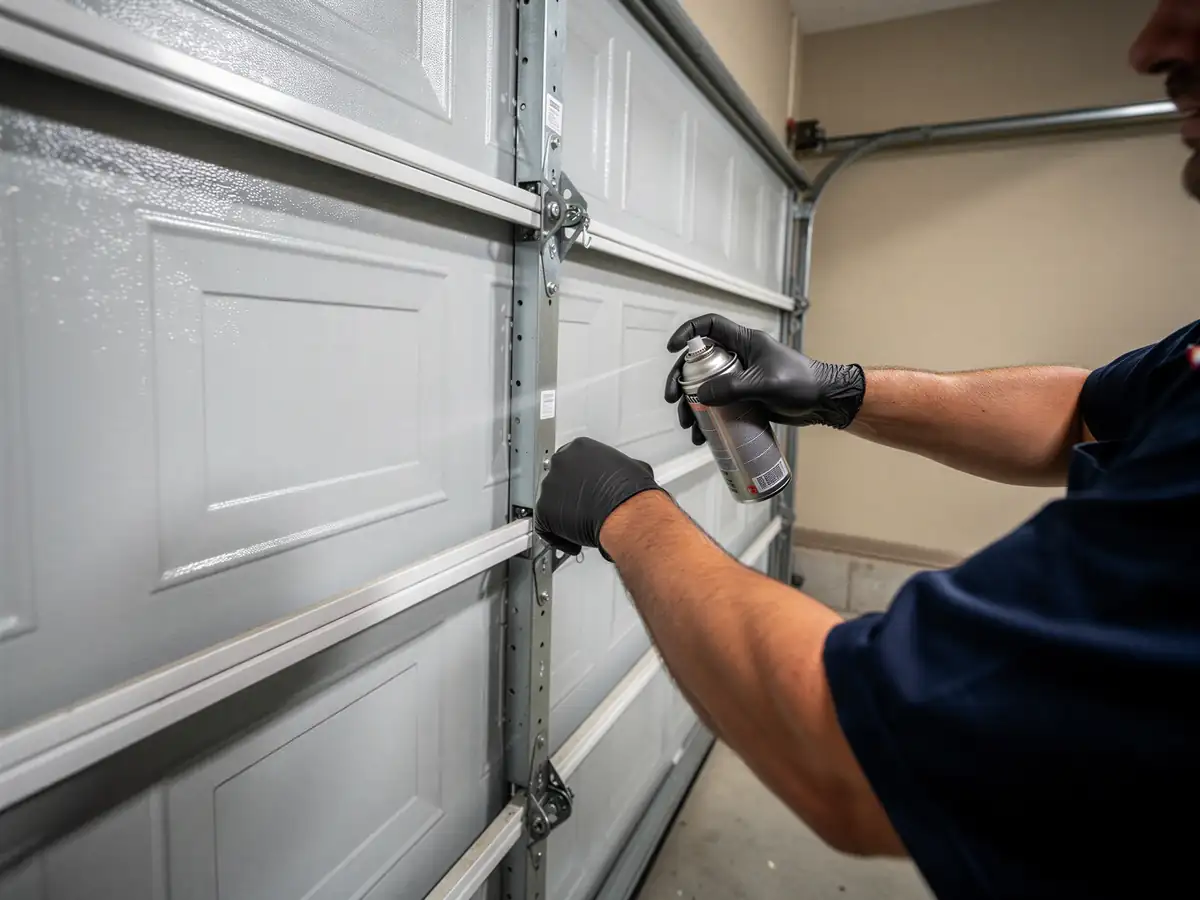
Winnetka sits in the same cold climate band as the rest of our coverage area, and cold is hard on the parts people don't think about - grease in the gear housing stiffens, plastic drive gears get brittle, and a belt that's slightly under-tensioned in July will slip in January. That's true everywhere we work, but it bites harder here because the garages themselves are older and often less sealed than a 1970s build, so the motor sits closer to outdoor temperature swings than it would in a newer attached garage. The bigger local complication is still the framing. A house built in 1938 rarely has the wall blocking a modern opener rail is designed around, so bracket work that takes fifteen minutes in a subdivision garage can run closer to an hour here. With only 4,268 households in Winnetka itself - a small slice of the 163,436 across the full area we cover from Deerfield - we don't see this exact combination of age and headroom as often as we do in towns with more mid-century stock, so every one of these jobs gets measured fresh rather than assumed from the last one.