What You Pay
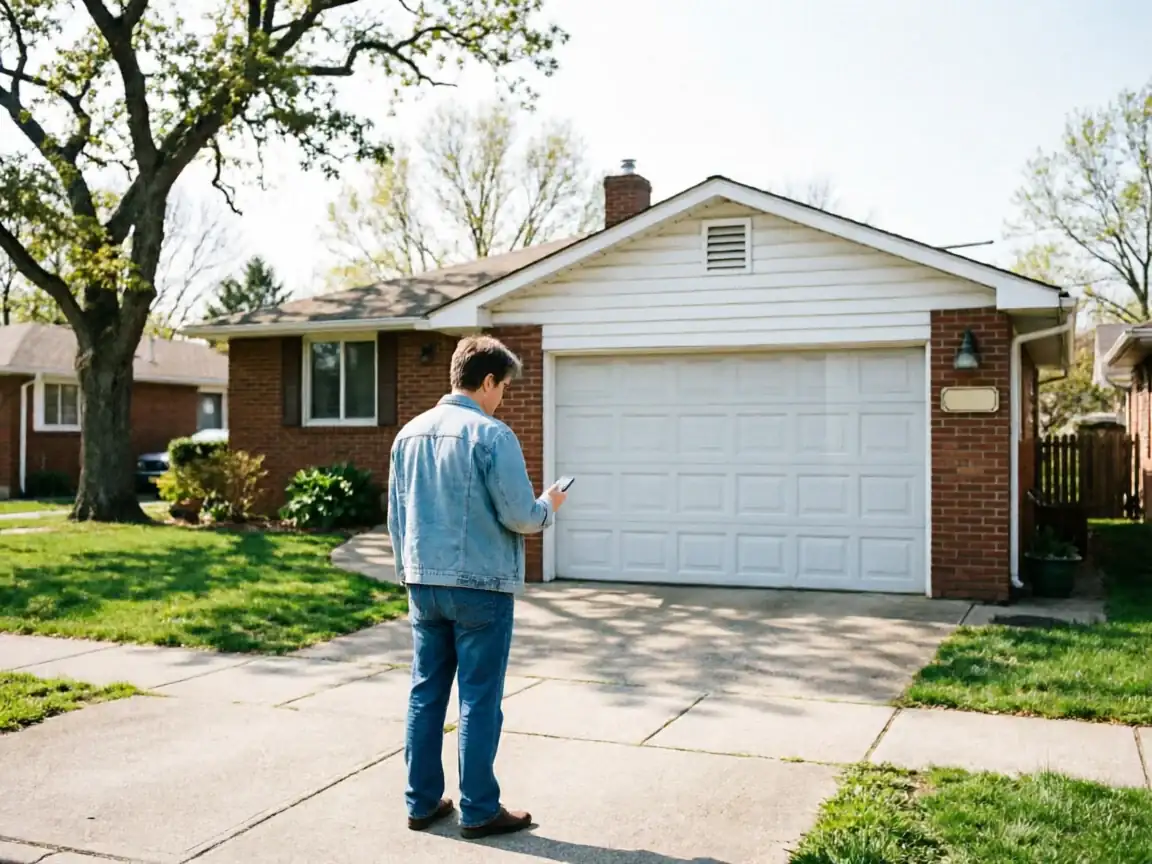
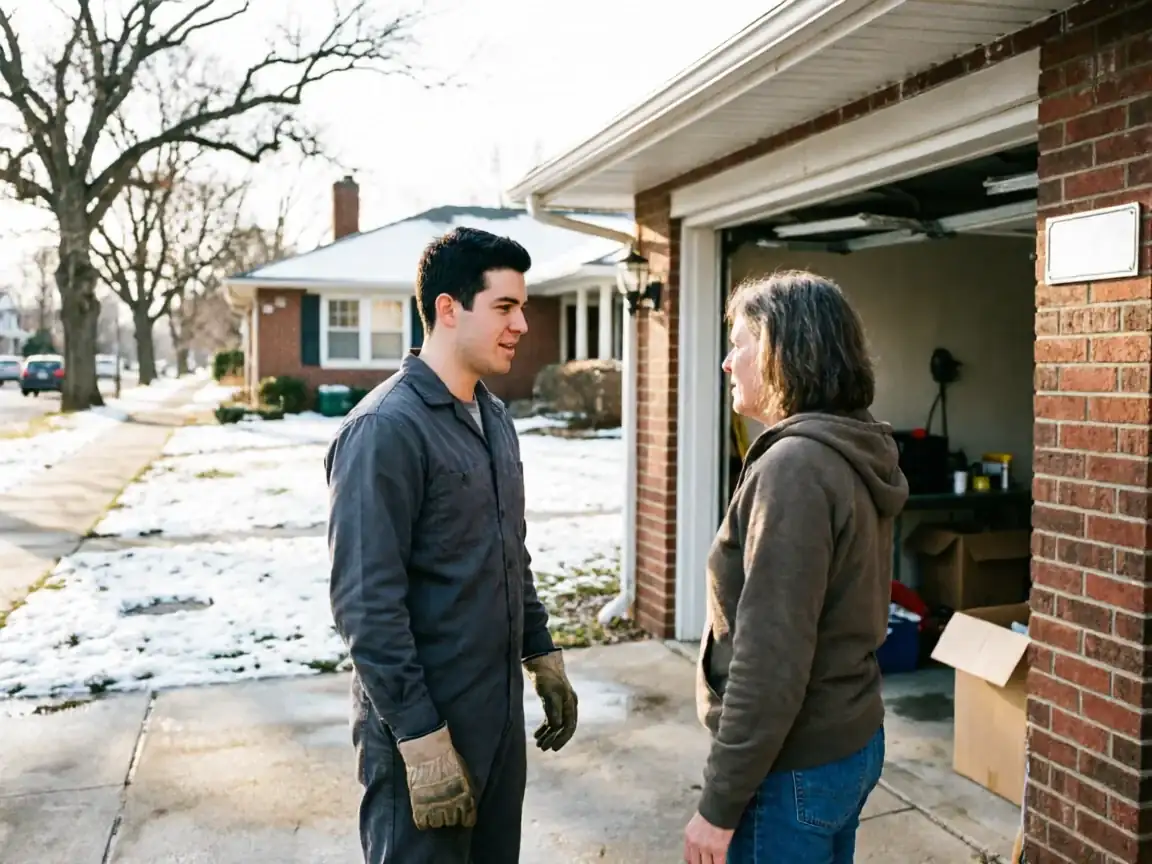
We don't post a flat number for Winnetka because the job depends on what's behind the panel, not the town name. What we can tell you is why the estimate here tends to run different from newer-built suburbs in this service area: the area overall has homes built between 1938 and 2009, and Winnetka sits right at that early edge. A house built in 1938 has had roughly nine decades to accumulate layers of hardware changes, or none at all. Maintenance on a door where nothing's been touched since a mid-century replacement is a different scope than a tune-up on a 1990s opener. We price after we see the spring size, the track style, and whether the opener is original or already a swap. A cracked 1970s panel costs less to maintain than a warped original one that's been painted eight times. We travel the 7 miles from Deerfield for every call here, and that trip is built into how we schedule, not into a surcharge. If a part needs ordering because the hardware is old enough that nobody stocks it anymore, that adds time, not necessarily cost - we'll tell you which before we start, not after.
What the Fix Involves
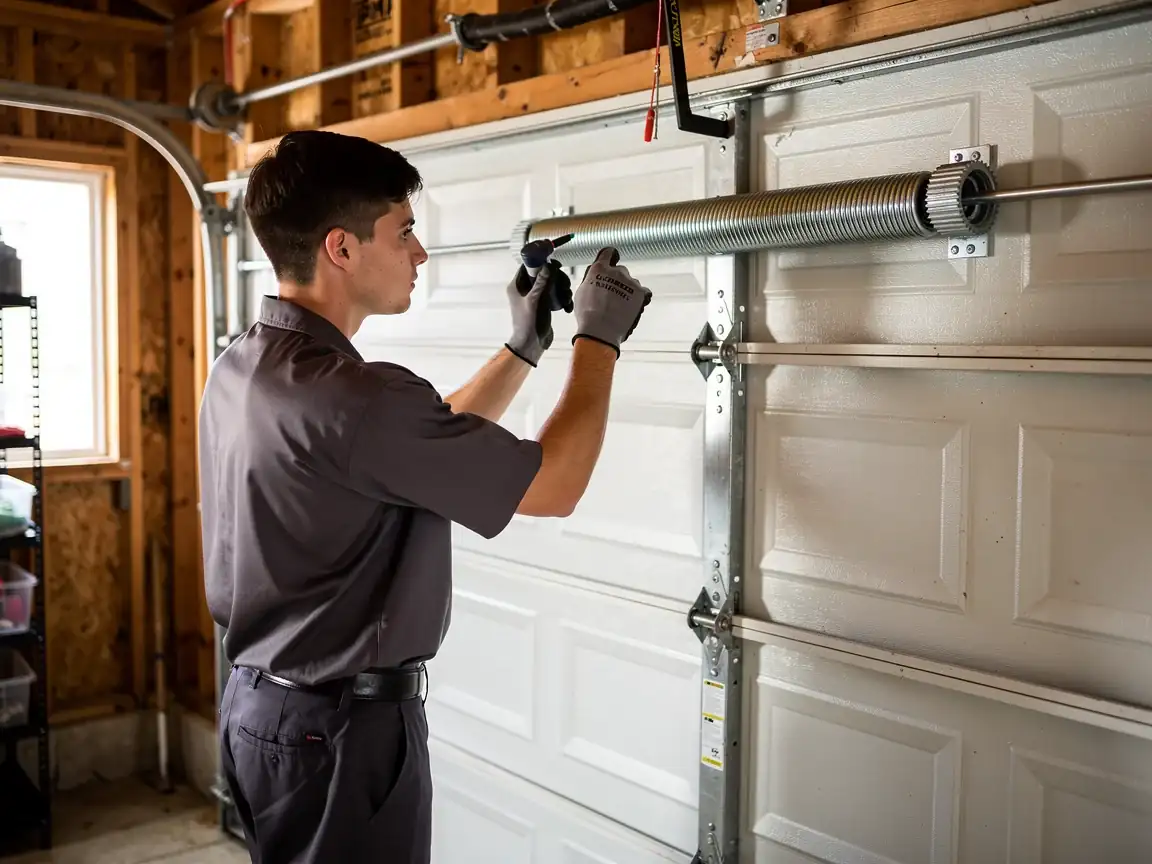
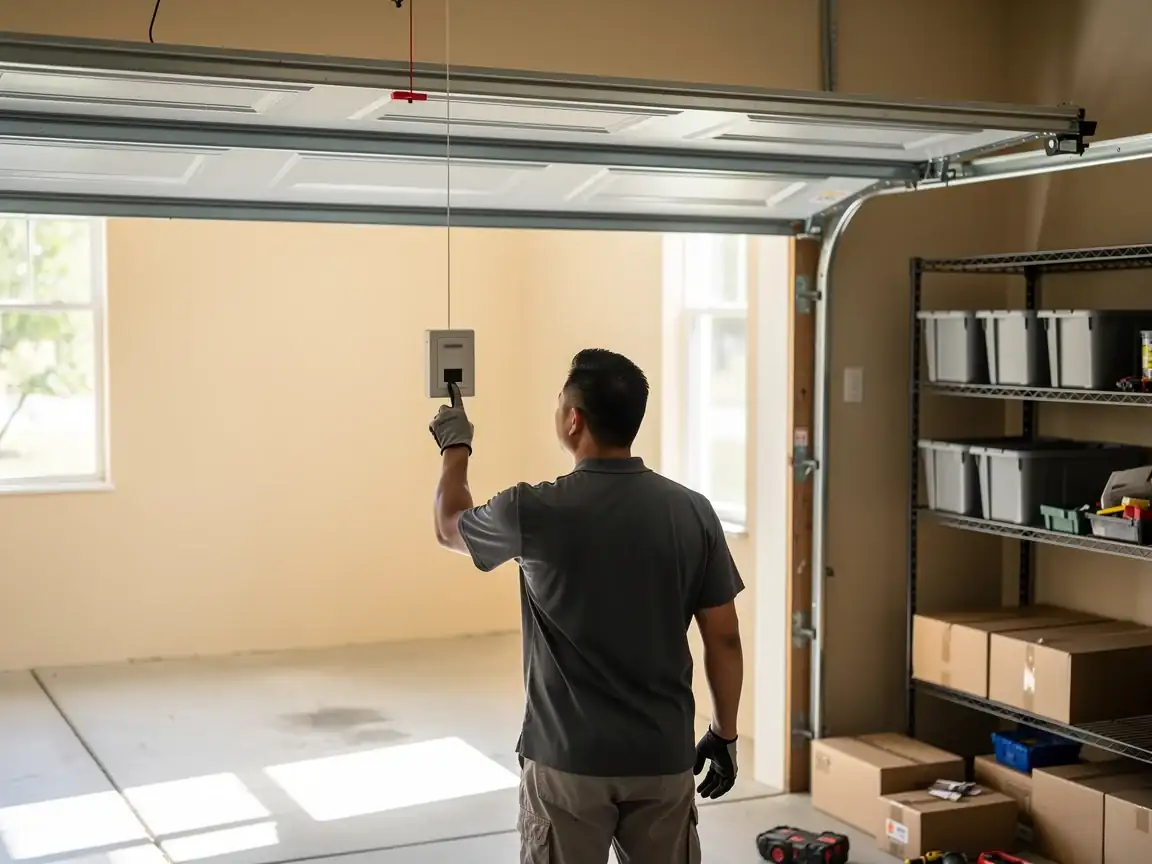
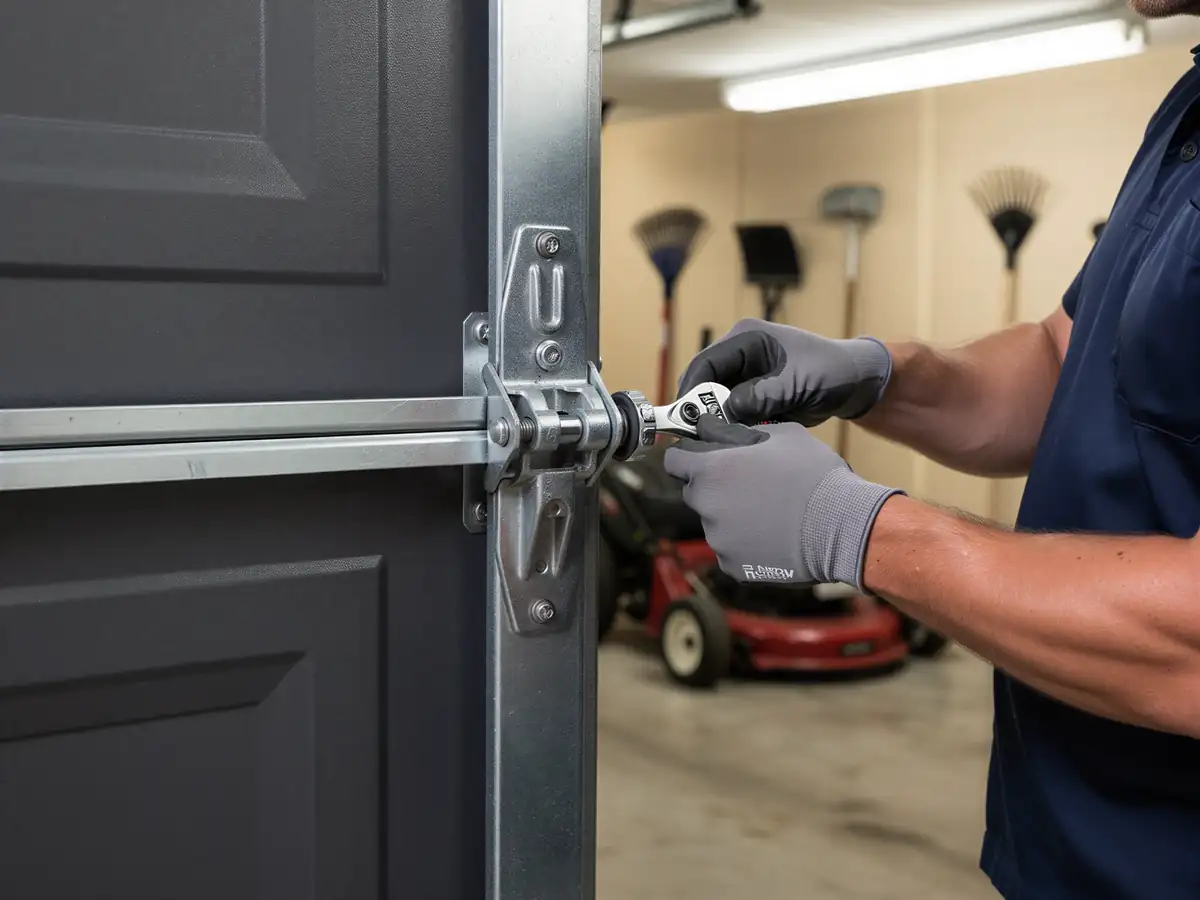
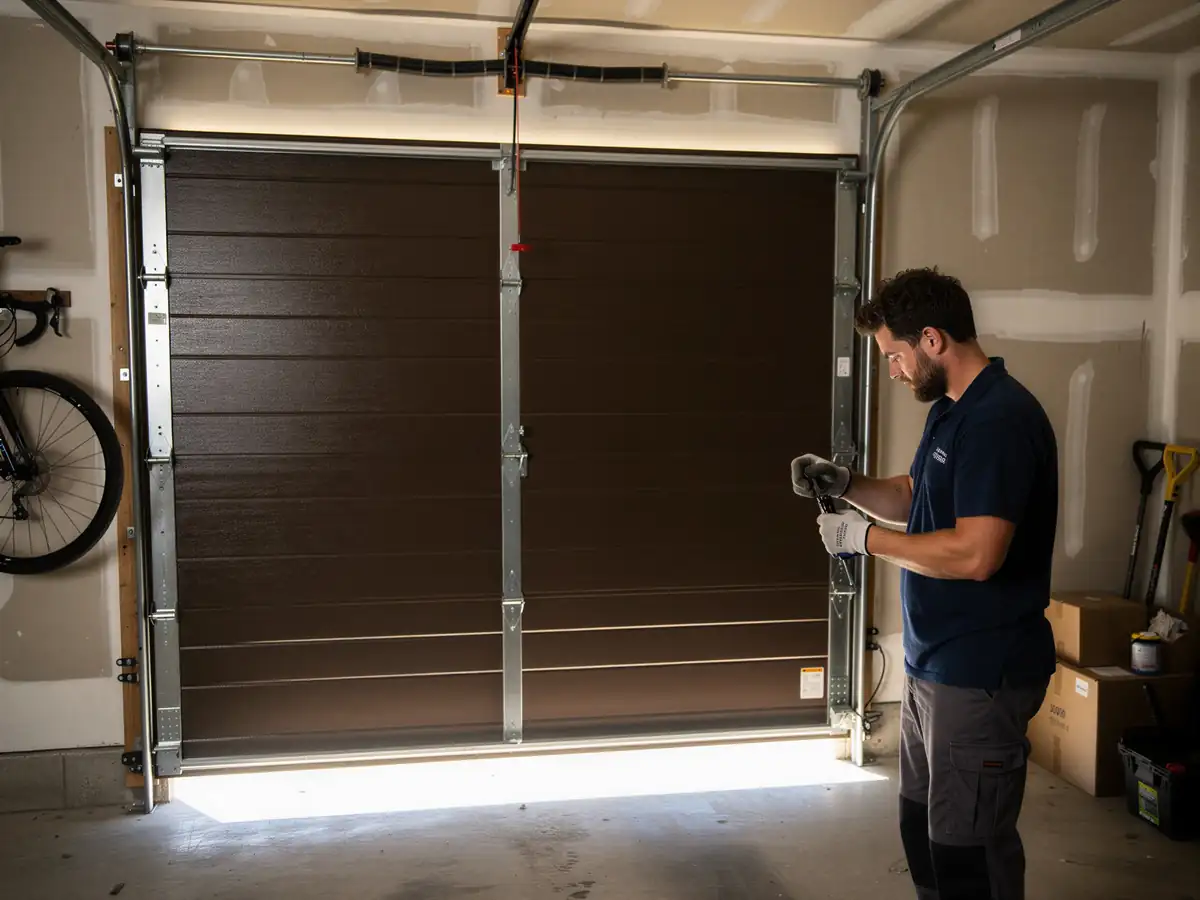
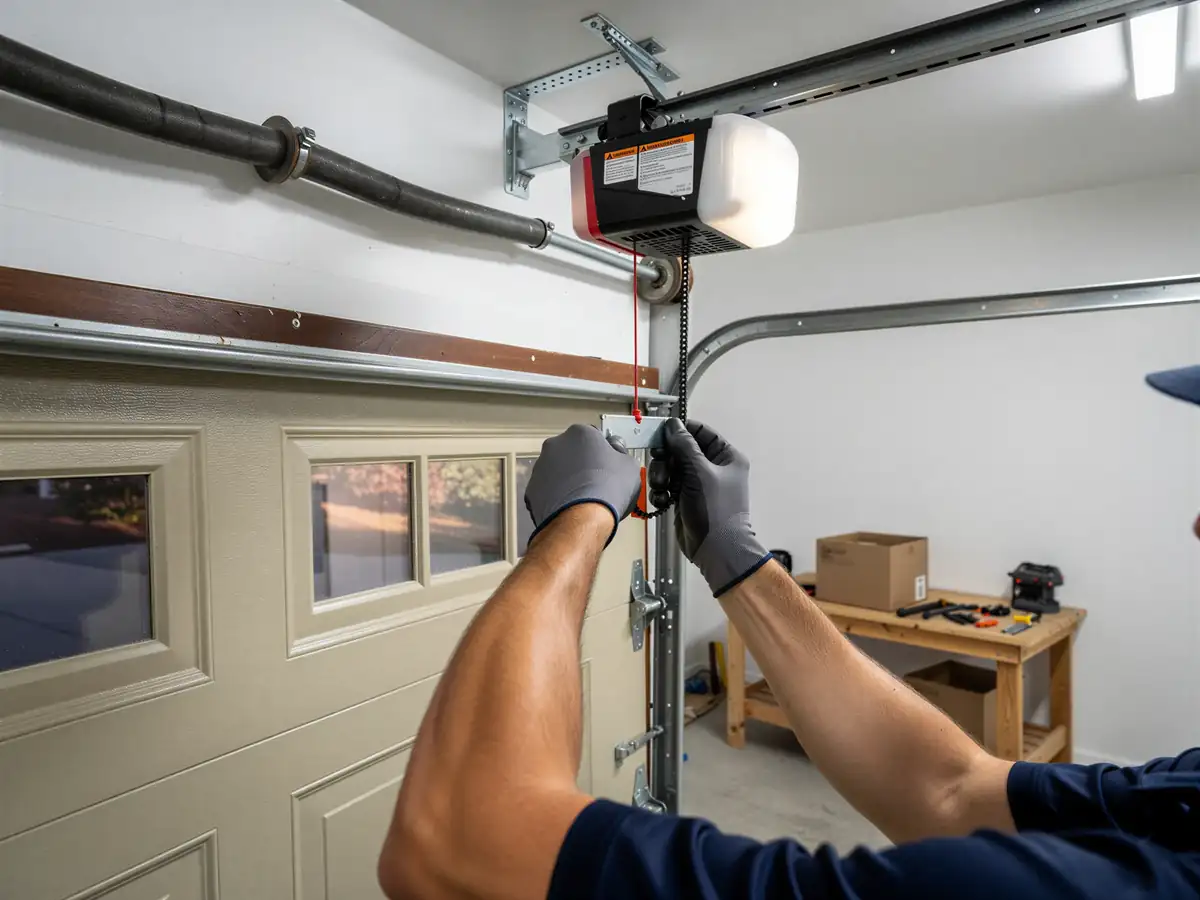
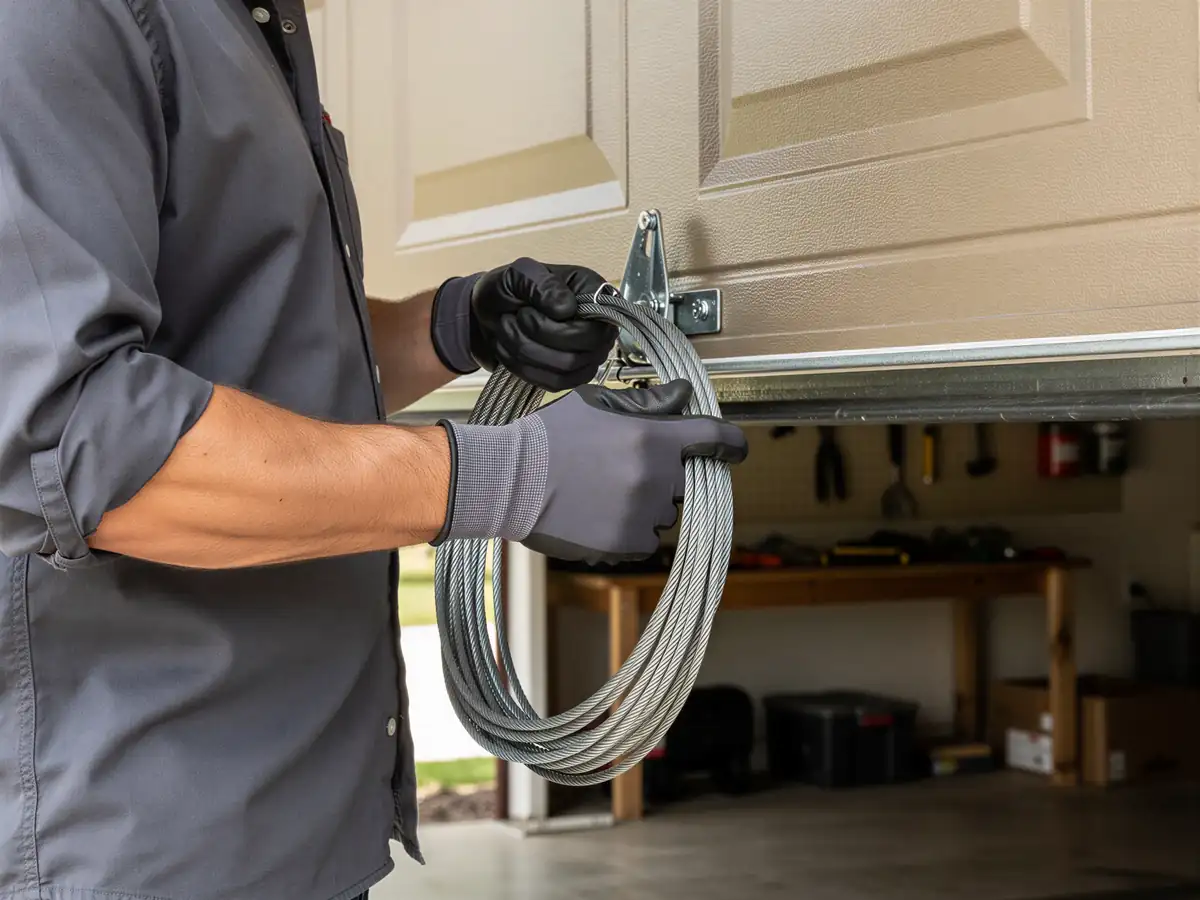
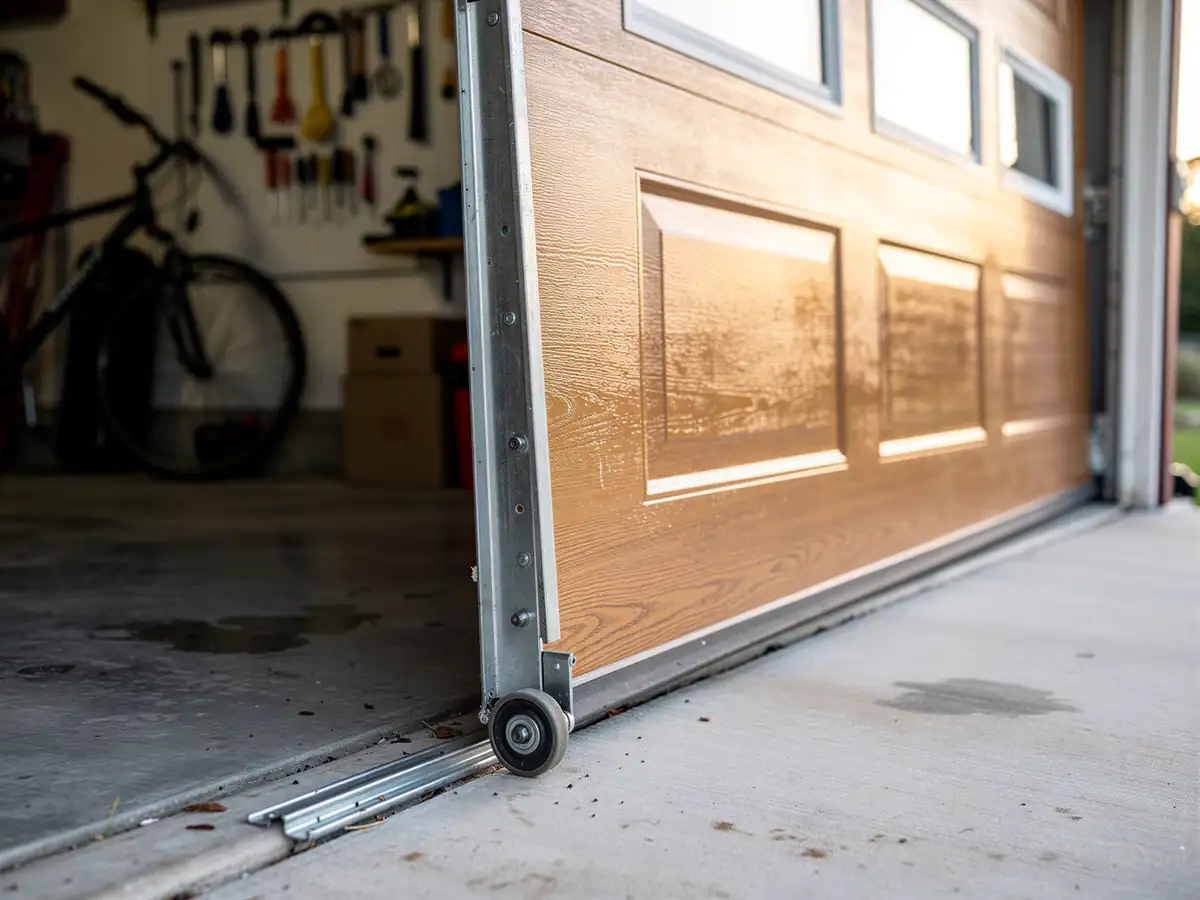
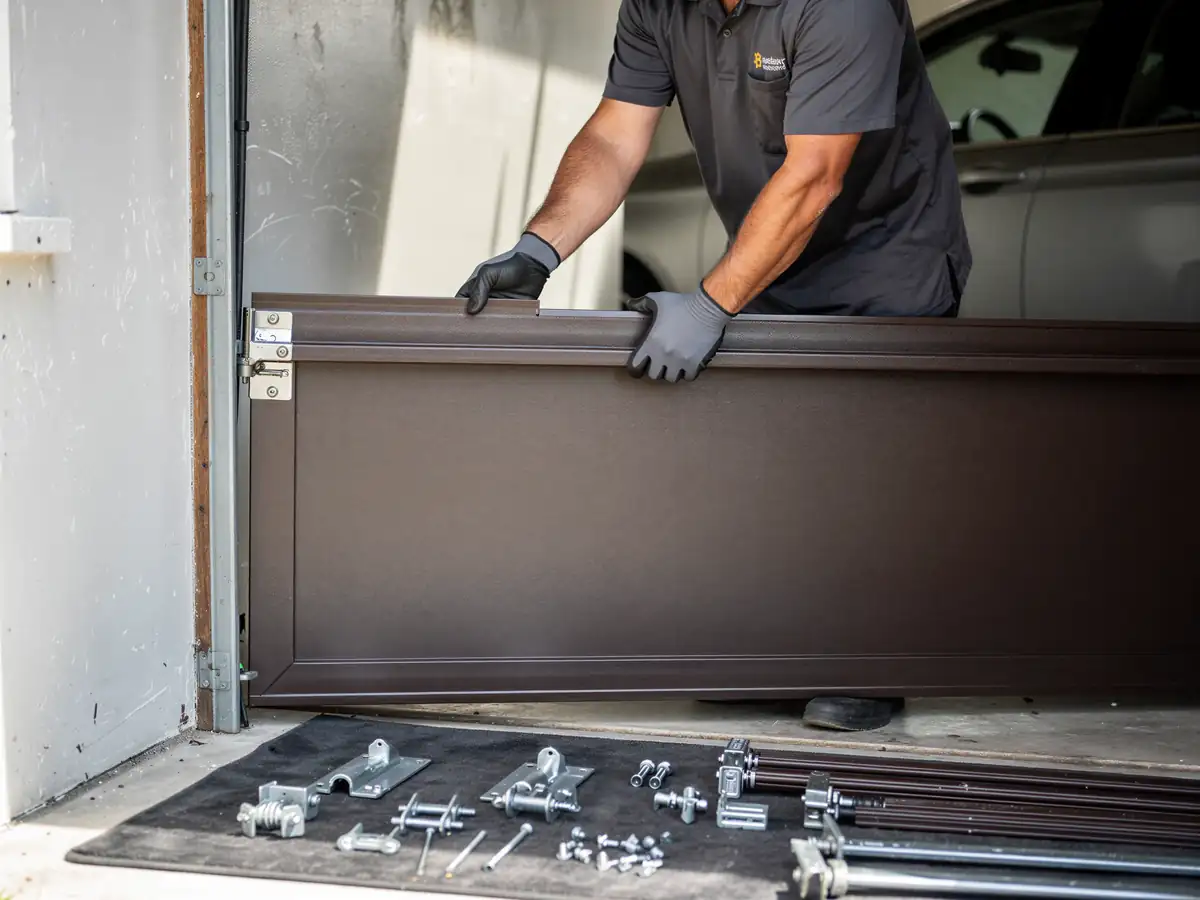
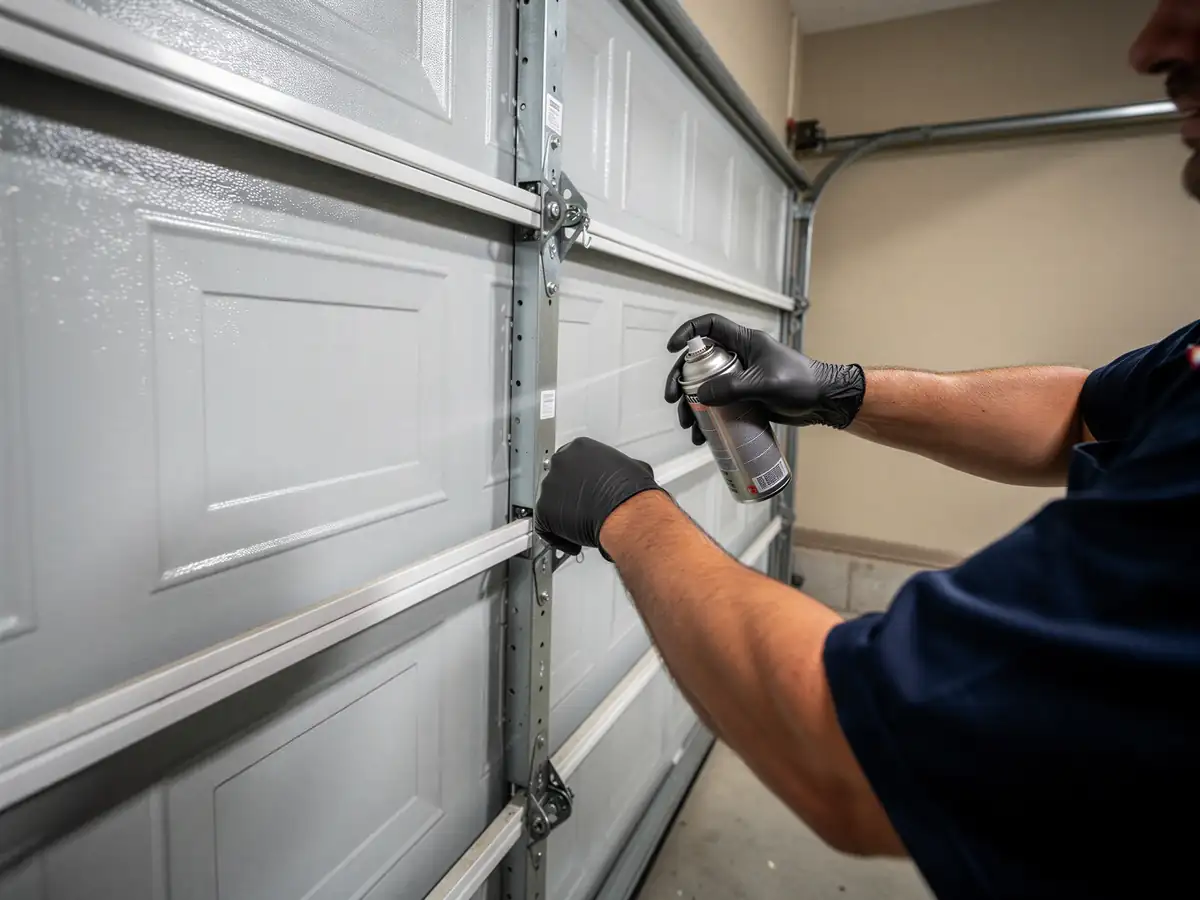
On a house from the 1938 end of the range, the first thing we check is the spring mount and the track gauge, because original setups in homes this old sometimes used hardware sized differently than anything made today. Maintenance here starts with a full look at what's original versus what's been replaced piecemeal over the decades - a new opener bolted onto an old track is common, and it changes how we lubricate and adjust. We check cable fraying at the drum, roller wear in the track, and whether the torsion spring has the right turns for the door weight it's carrying, since an undersized spring on an old door is a frequent find. Cold-climate maintenance also means checking weatherstripping and hinge lubrication before winter, since this area's climate band is cold enough that stiff springs and gummed-up rollers show up hard in January. We adjust spring tension, tighten loose hardware, lubricate moving parts with the right grease for the temperature swing, and test the auto-reverse safety function. On older original doors we also flag any hardware that's near end of life so you know it's coming, rather than finding out when it snaps.
The Complications
The complication specific to Winnetka's housing age is parts. When original hardware from 1938 is still in place, matching spring wire gauge or track width to what's currently manufactured isn't always straightforward, and sourcing can take longer than a same-week job on a newer door. We're upfront when that's the case rather than forcing a part that's close enough. The other complication is that older homes in this area often have had partial updates - a new opener in the 90s, a repainted panel in the 2000s - and maintenance has to account for a hybrid system instead of a clean original or a clean modern setup. That means more diagnostic time before we touch anything. One honest limit: if a door's spring, track, and opener are all original and all near end of life at once, maintenance isn't the right call - replacement is, and we'll say so instead of running a tune-up that buys you a few more months on hardware that's done.