What You Pay
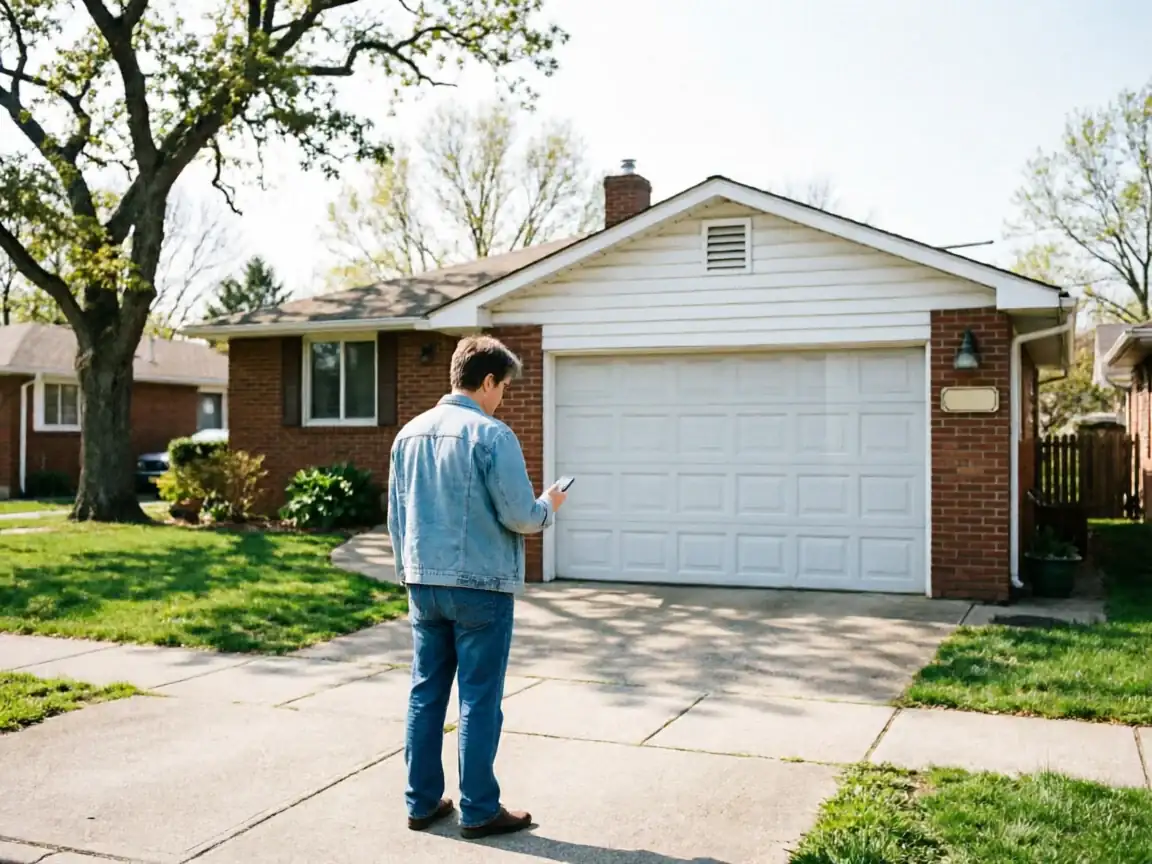
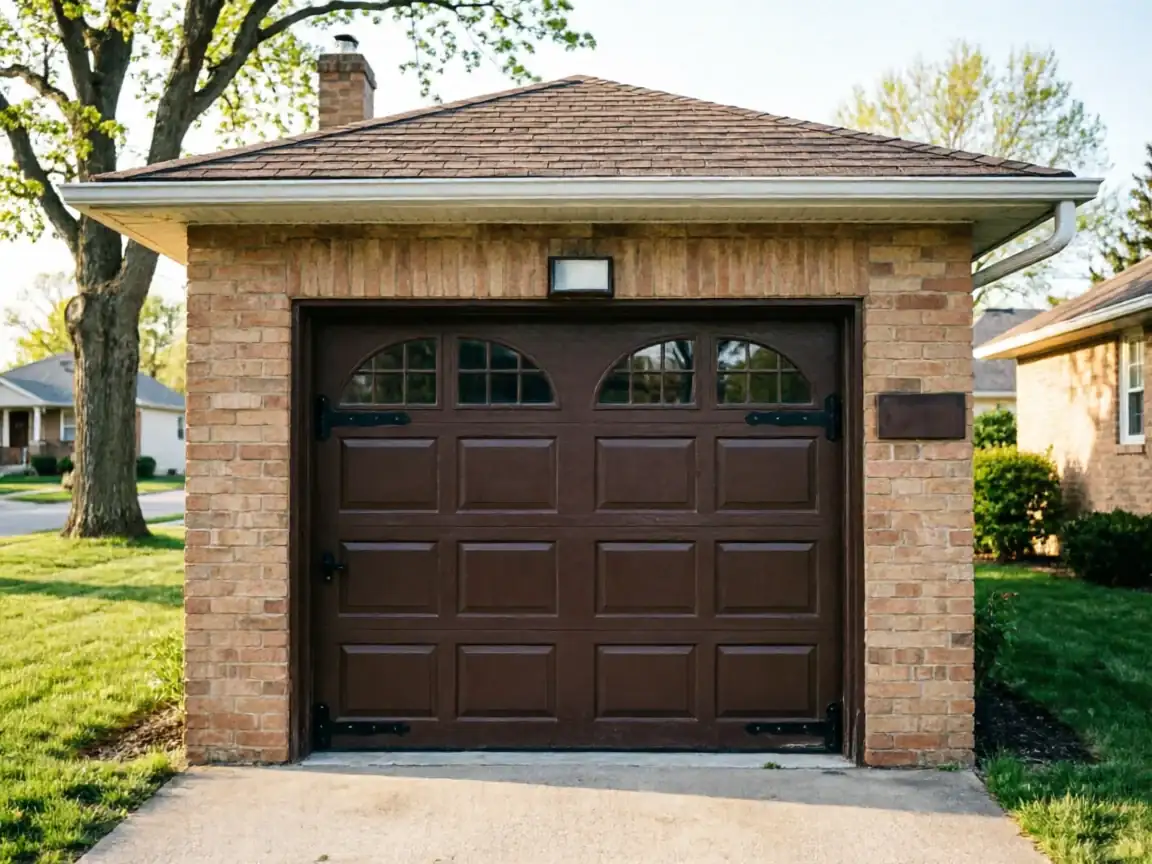
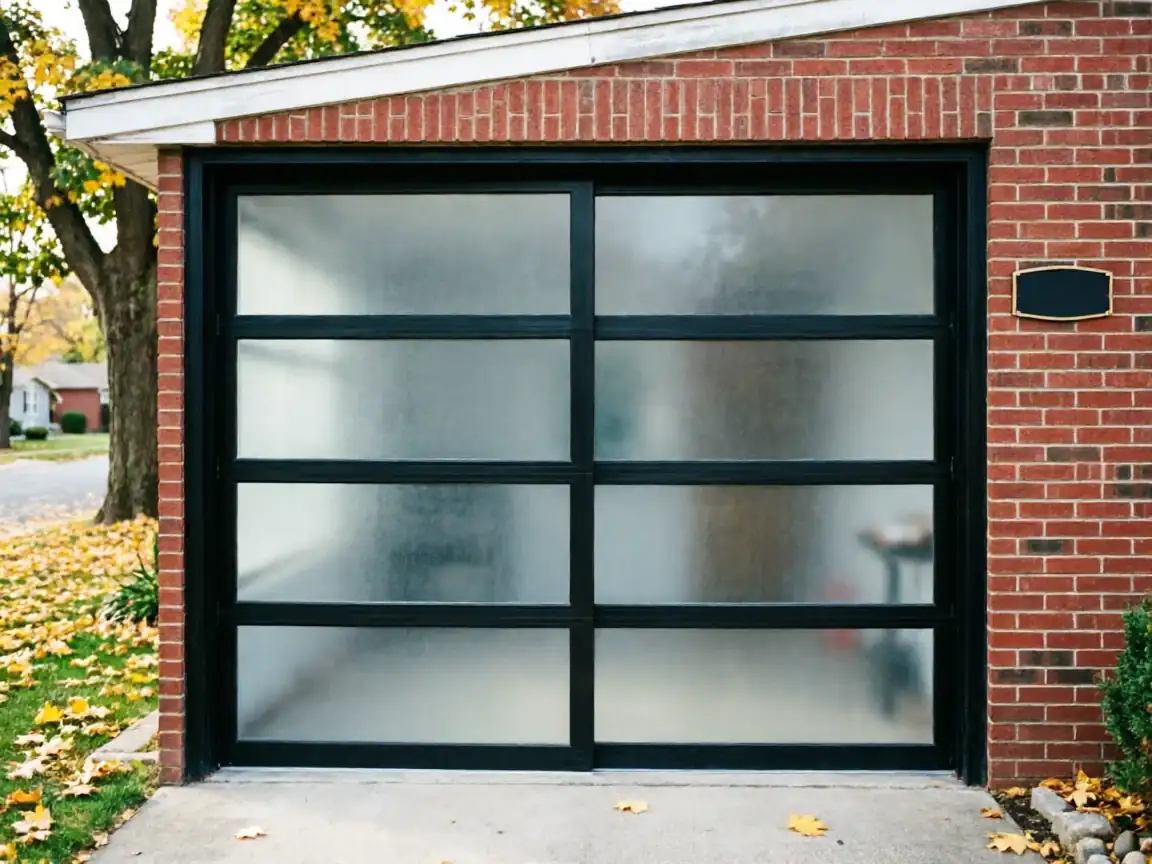
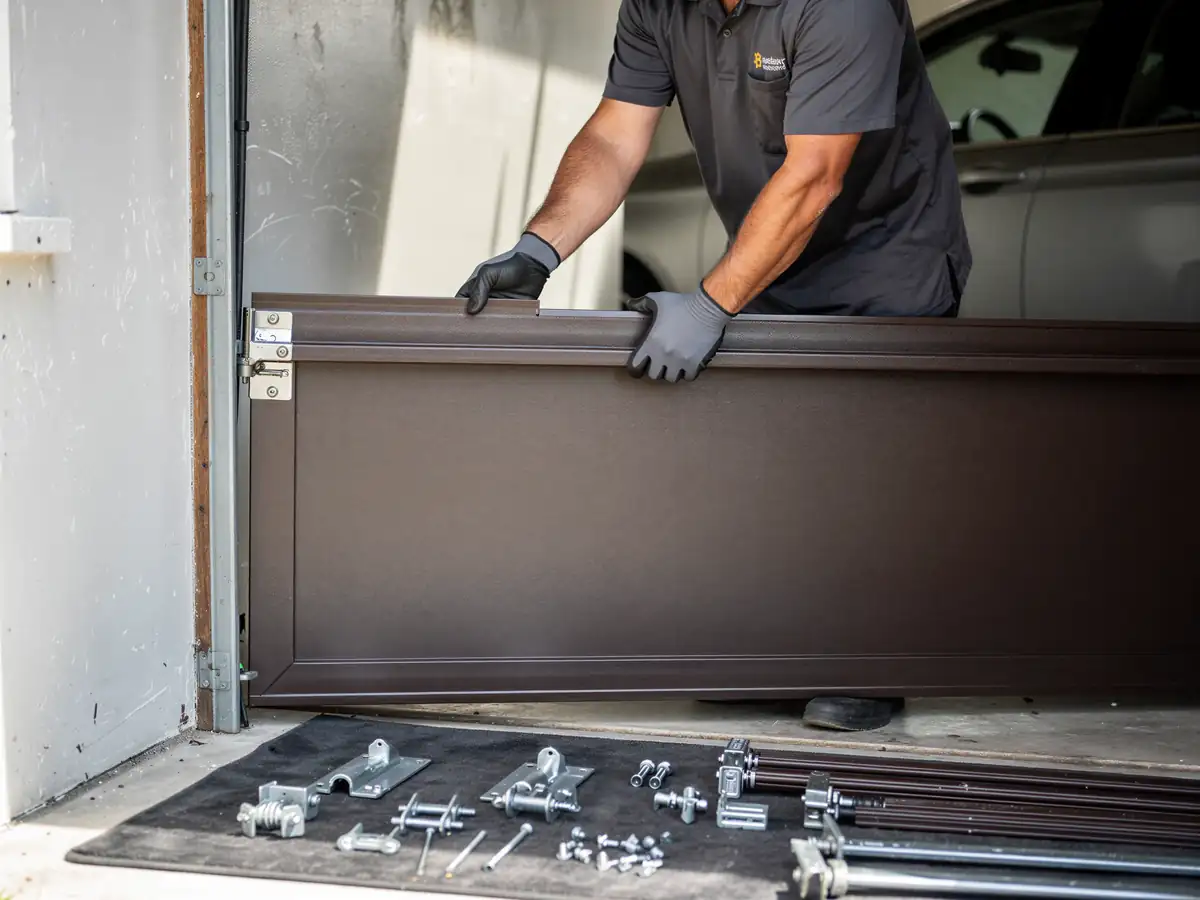
Winnetka is a small market by household count - roughly 4,268 households total, which is a fraction of the larger named areas we cover out of Deerfield. That matters for pricing in one specific way: fewer calls here means less chance the next job on a given street is a cookie-cutter steel door, and more chance it's something particular to the house. With a median household income of $250,001, a good share of the repair calls we get from this town involve higher-end doors - solid wood, custom-clad, oversized panels - rather than the builder-grade steel sections that dominate newer subdivisions elsewhere in the service area. Parts for those doors cost more and sometimes take longer to source, which shows up in the estimate before labor is even counted. We don't carry a price list here because the job mix is too different house to house, but we'll tell you on the phone whether what you're describing sounds like a standard spring swap or something that needs a part ordered first.
What the Fix Involves
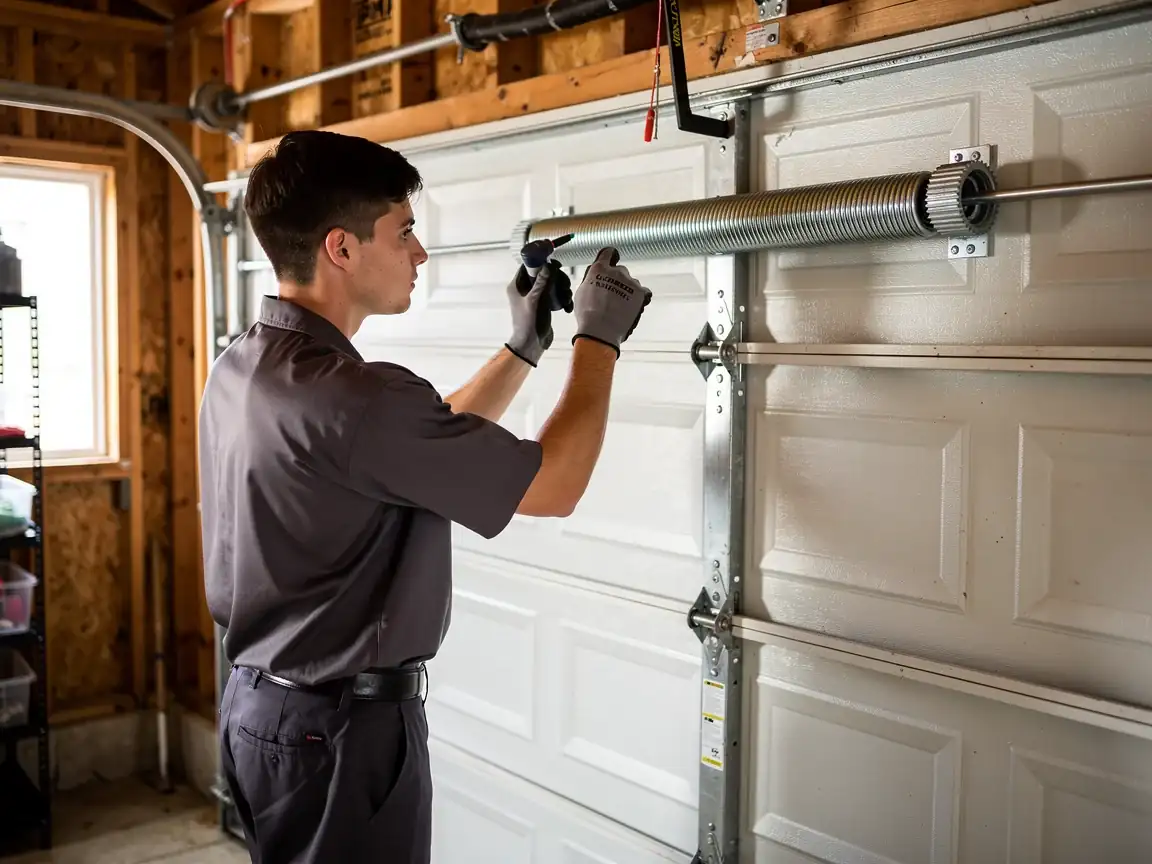
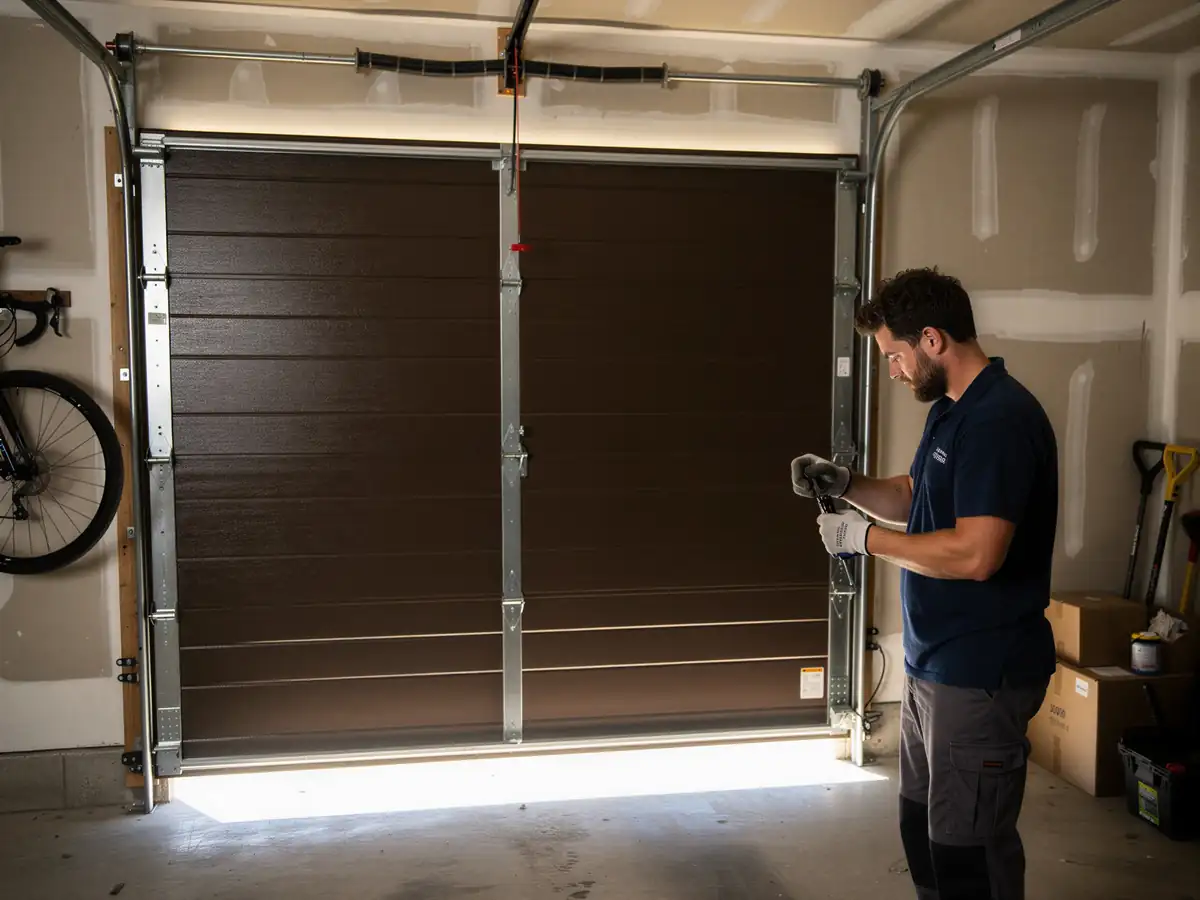
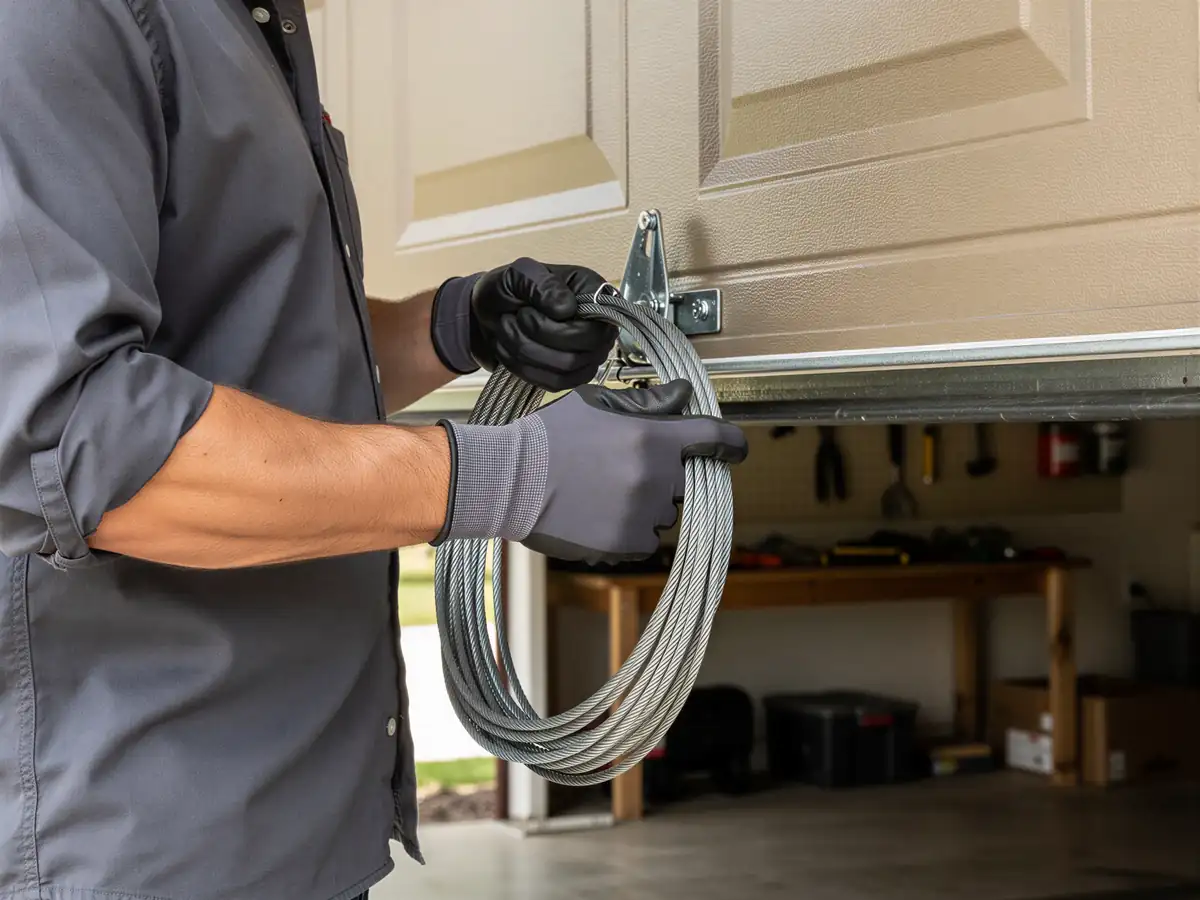
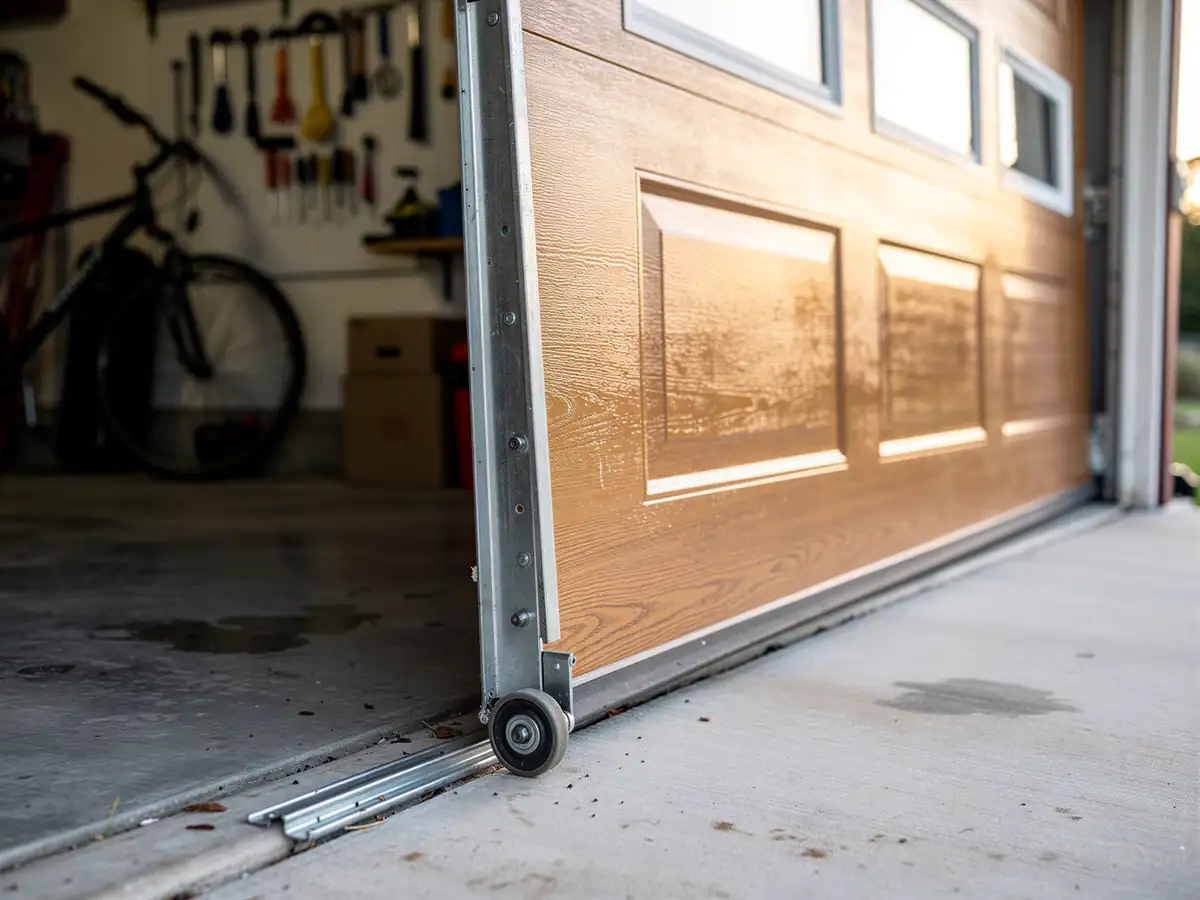
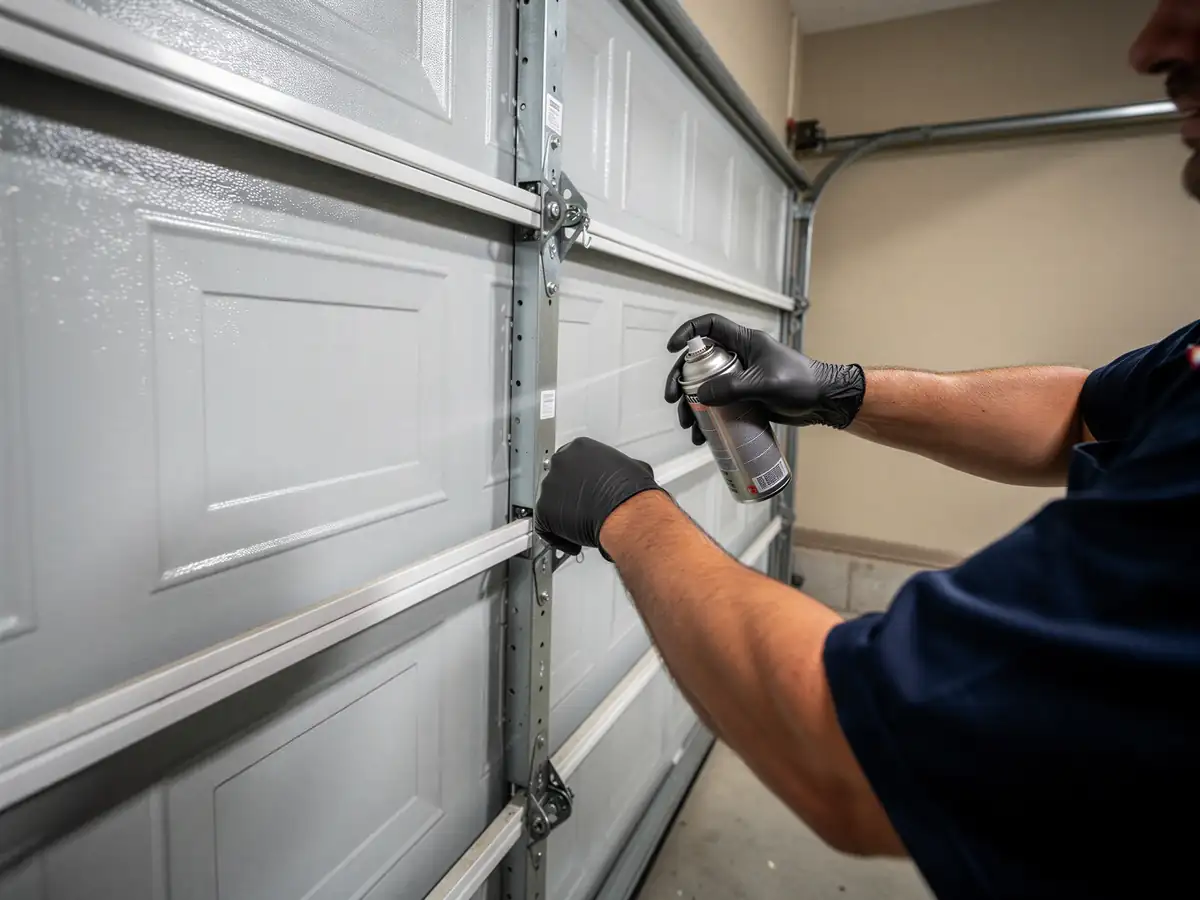
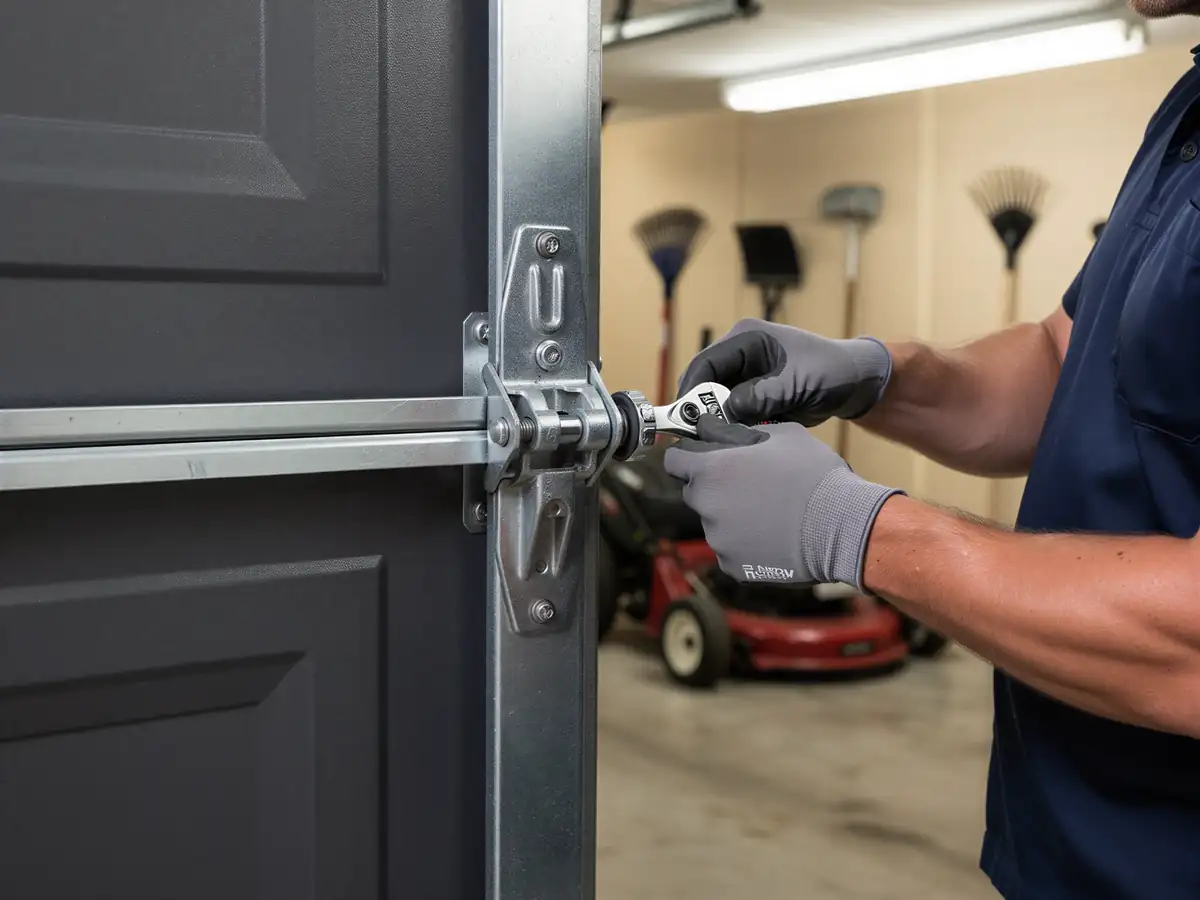
The median year built in Winnetka is 1938, which puts a real chunk of the housing stock decades ahead of the 1960s-70s era that's typical across most of the territory we serve. Doors and openers on houses that old have usually been replaced at least once, but the framing around them - the jamb, the header, the way the track was ever mounted - often wasn't updated to match. That means a straightforward spring swap can turn into a bracket repair once we're actually looking at the opening. Cold winters here put extra strain on springs and rollers the same way they do across this whole climate band, so the failure we see most is a torsion spring that's lost tension or snapped outright, usually paired with rollers that have gone stiff and loud. On older frames we also check the track alignment before doing anything else, because a door that's been forced on a slightly bent track will eat a new spring just as fast as the old one.
The Complications
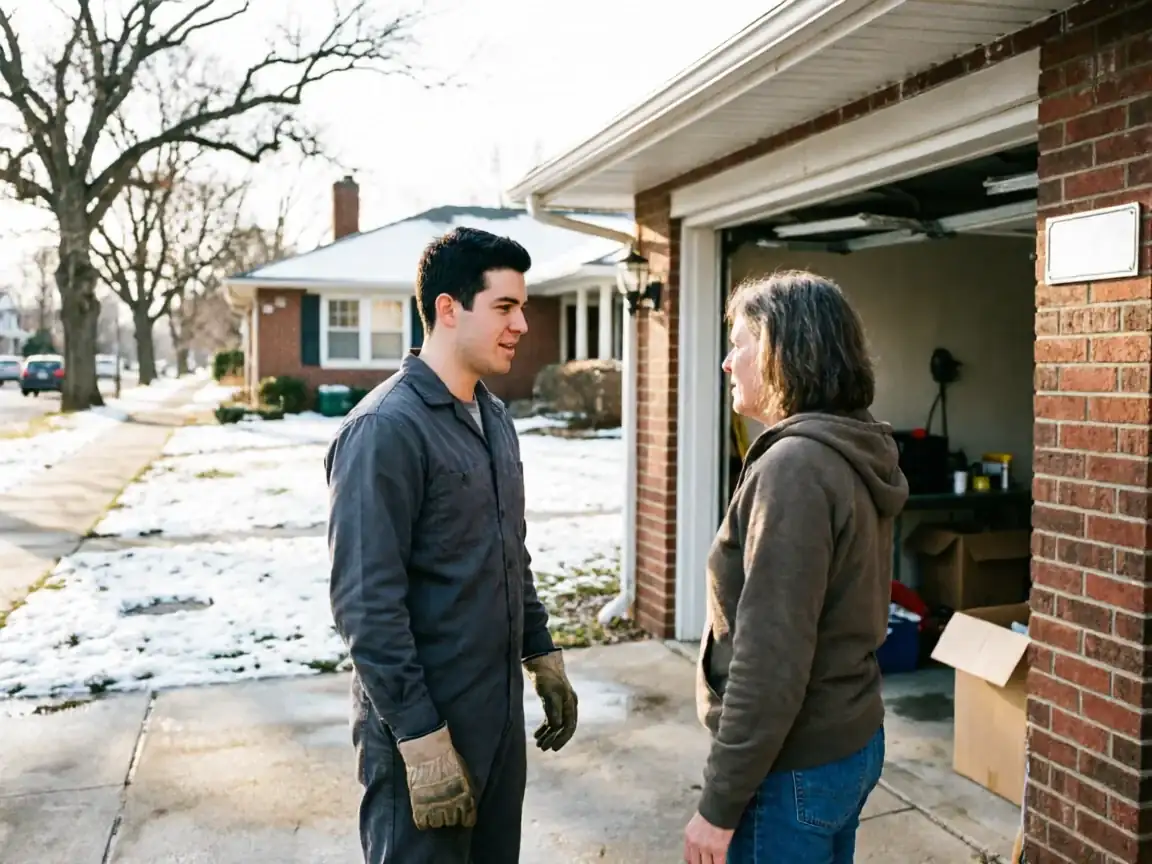
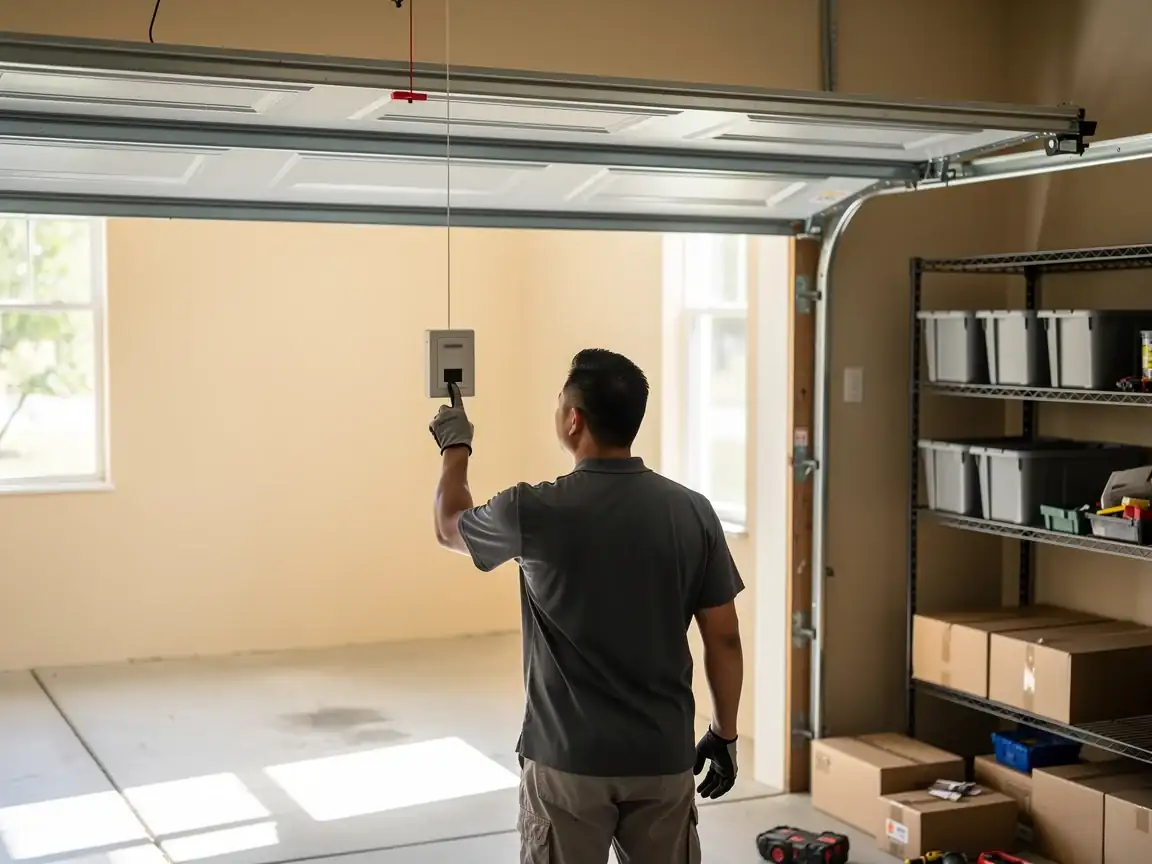
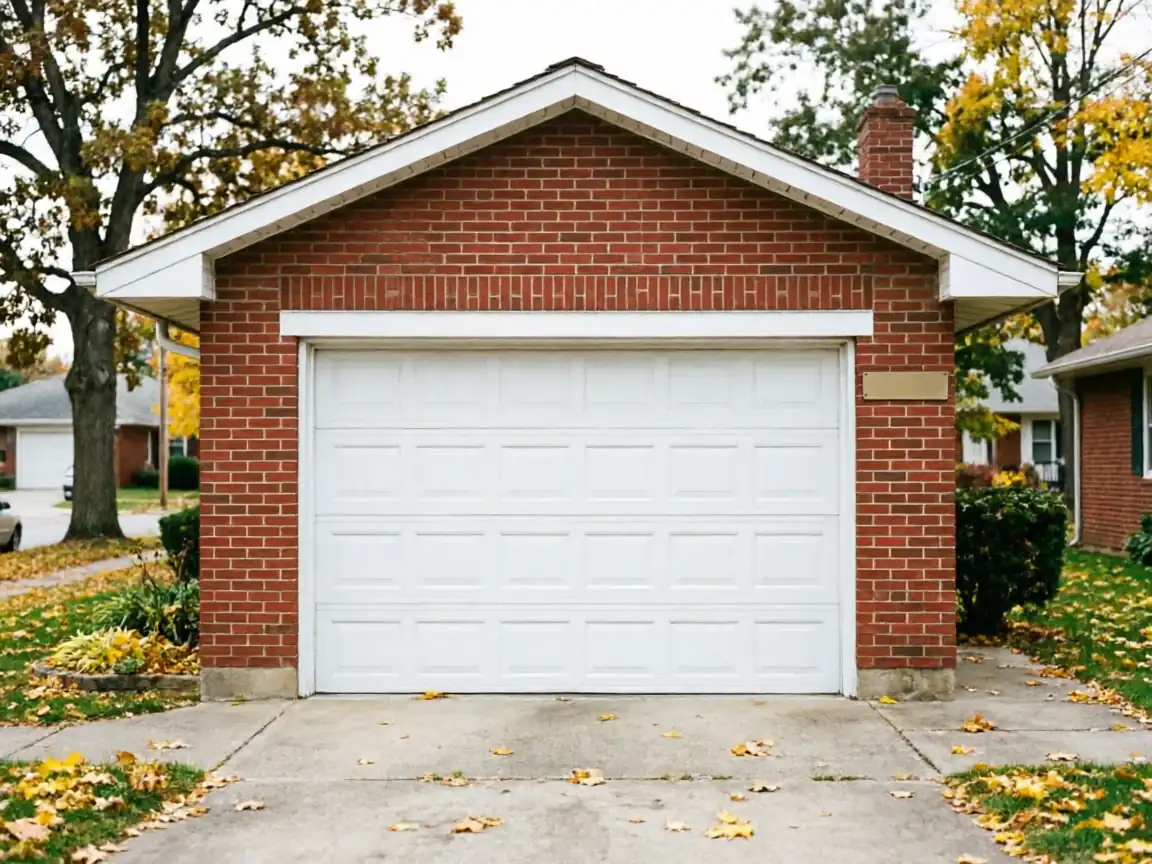
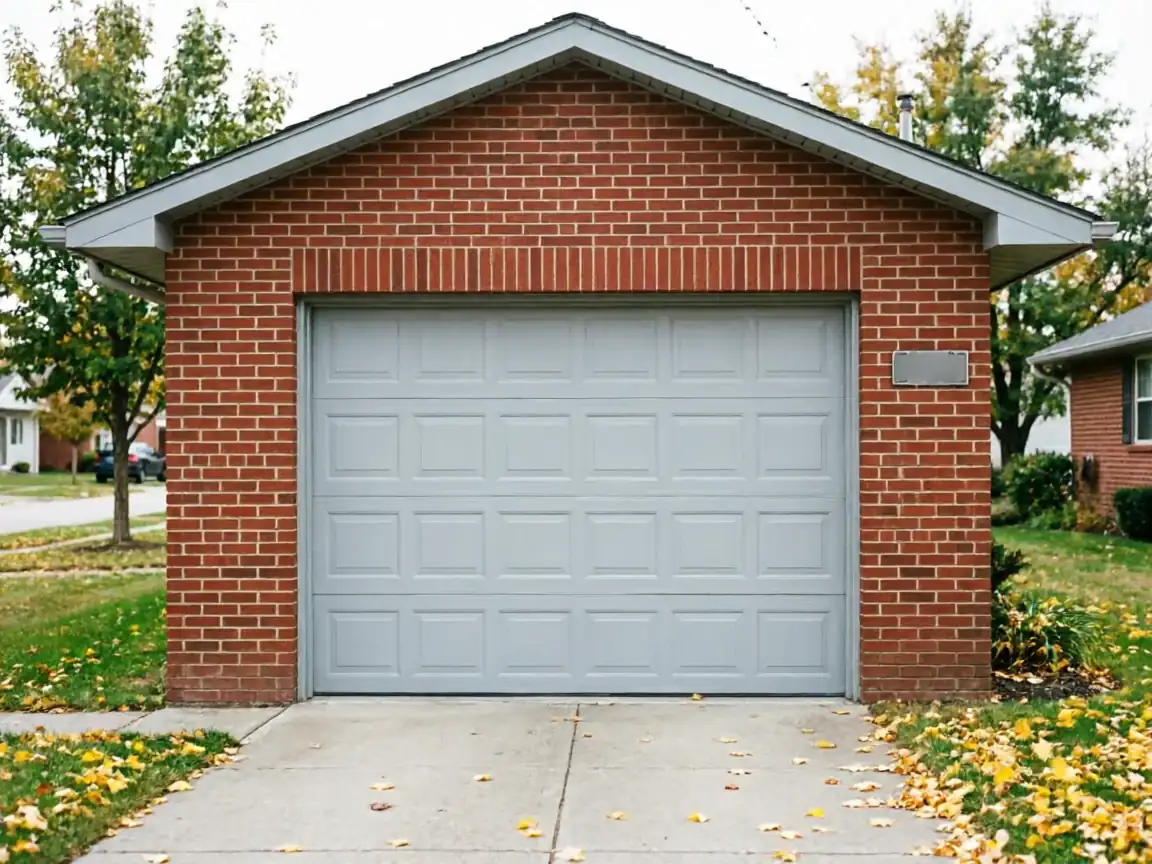
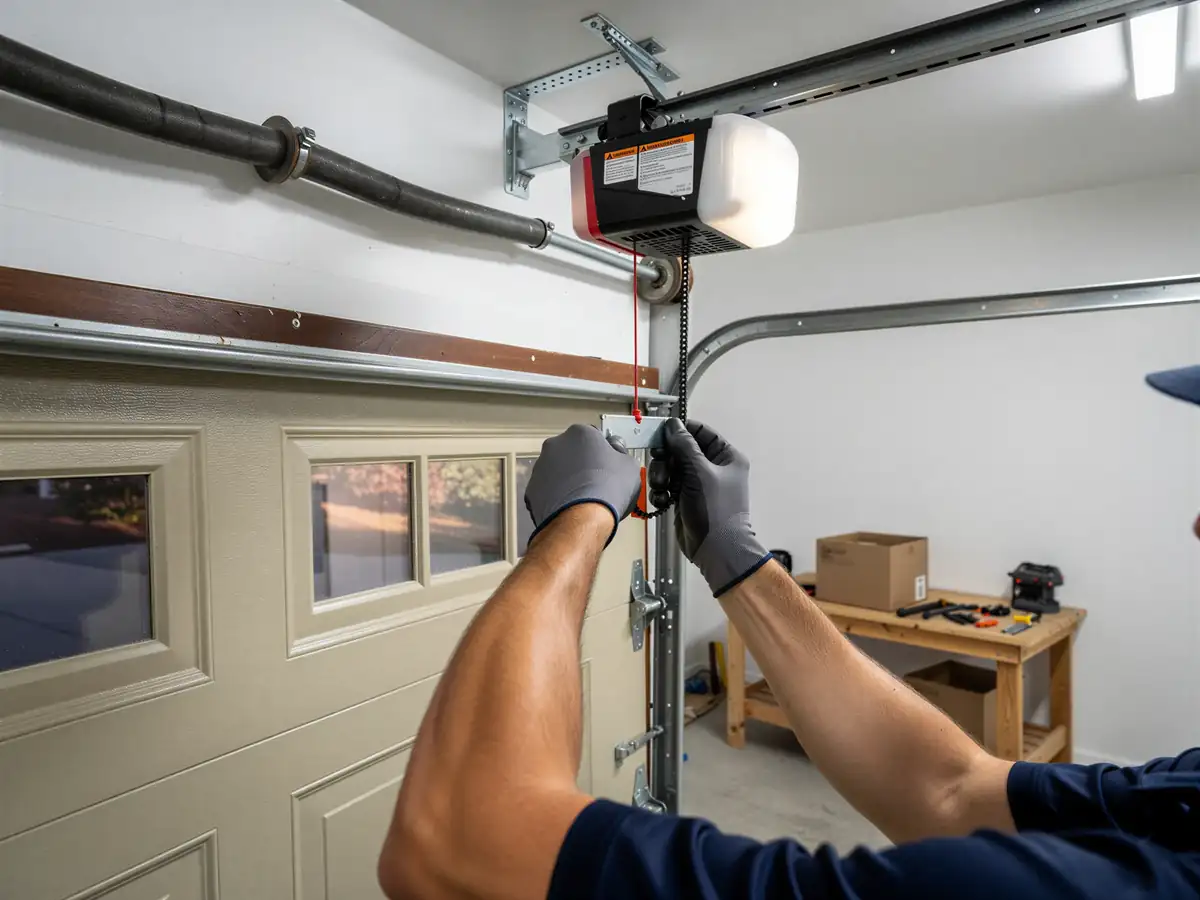
Winnetka sits about seven miles from our Deerfield base, which is close enough that it doesn't change how we schedule the day, but it's far enough that we're not treating it as a backyard call either - a truck headed out here is a dedicated trip, not a drive-by. The bigger complication is usually the house itself. Original 1938 construction sometimes means a garage opening that's narrower than modern door sizes, which rules out a straight swap-in replacement and turns a simple repair into a framing conversation. We also run into openers that were added decades after the house was built, wired into circuits that weren't planned for them, which is a job for an electrician as much as for us. None of that is unusual for housing this age - it's just worth knowing going in that the fix on an older Winnetka door can take a different shape than the fix on a newer one, even when the symptom sounds the same on the phone.