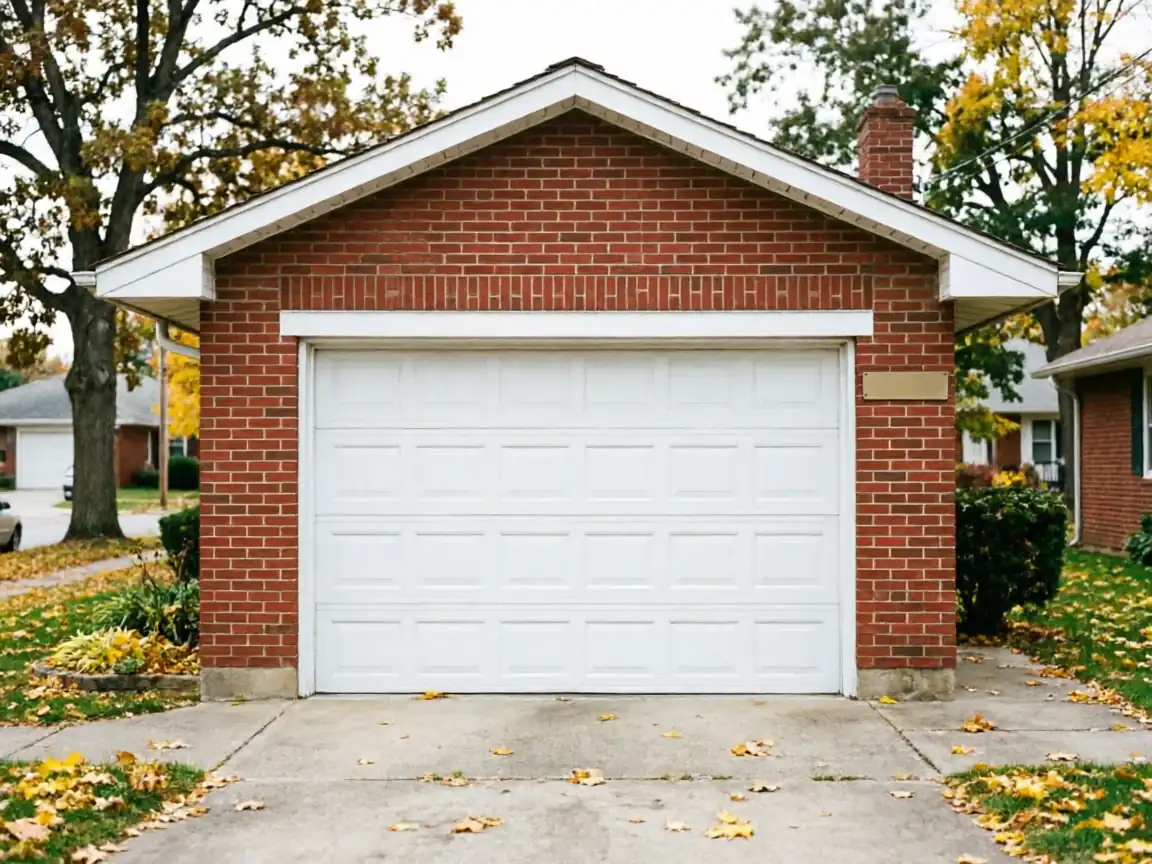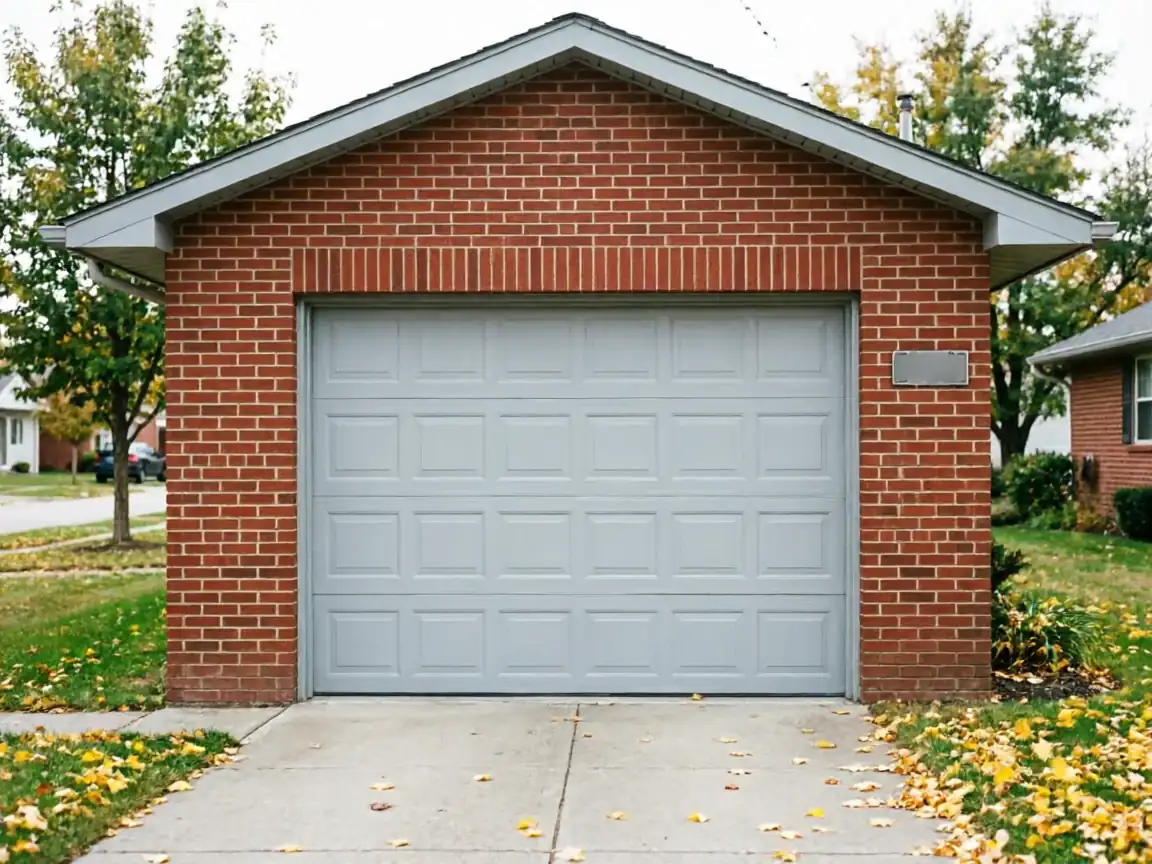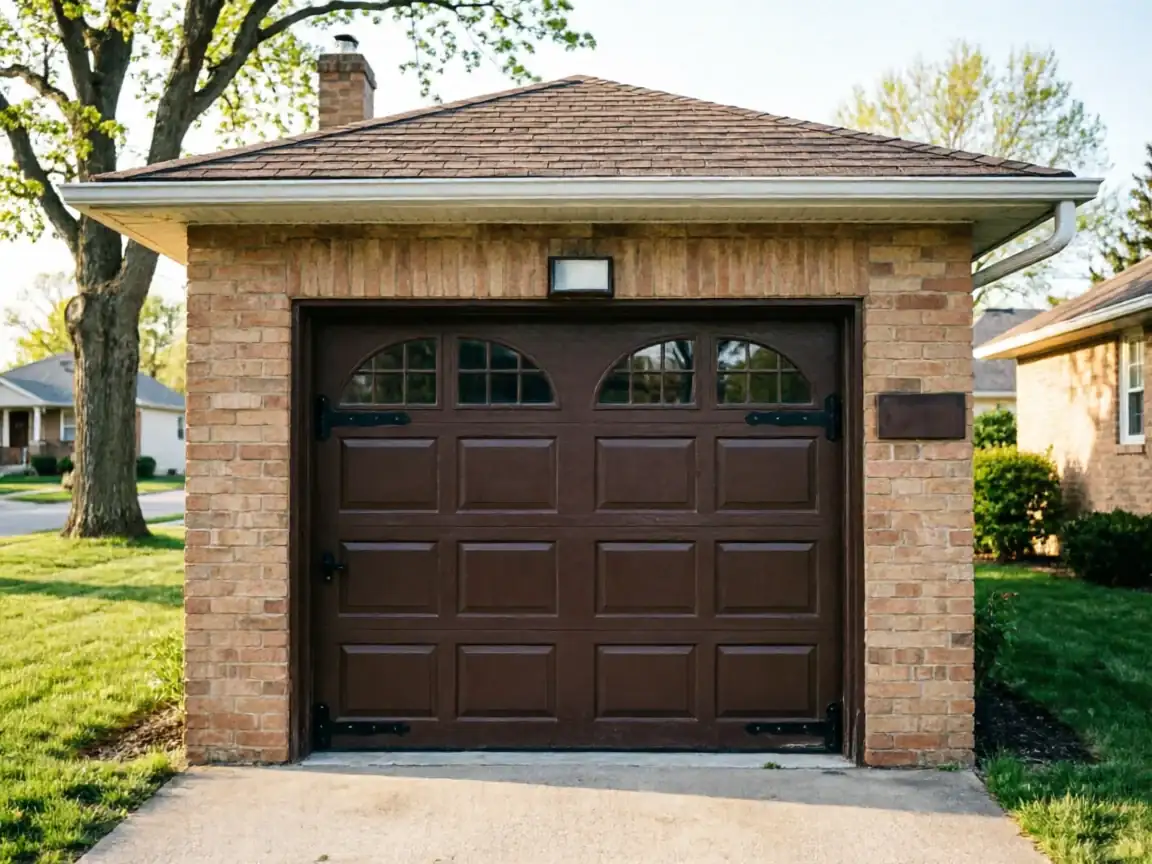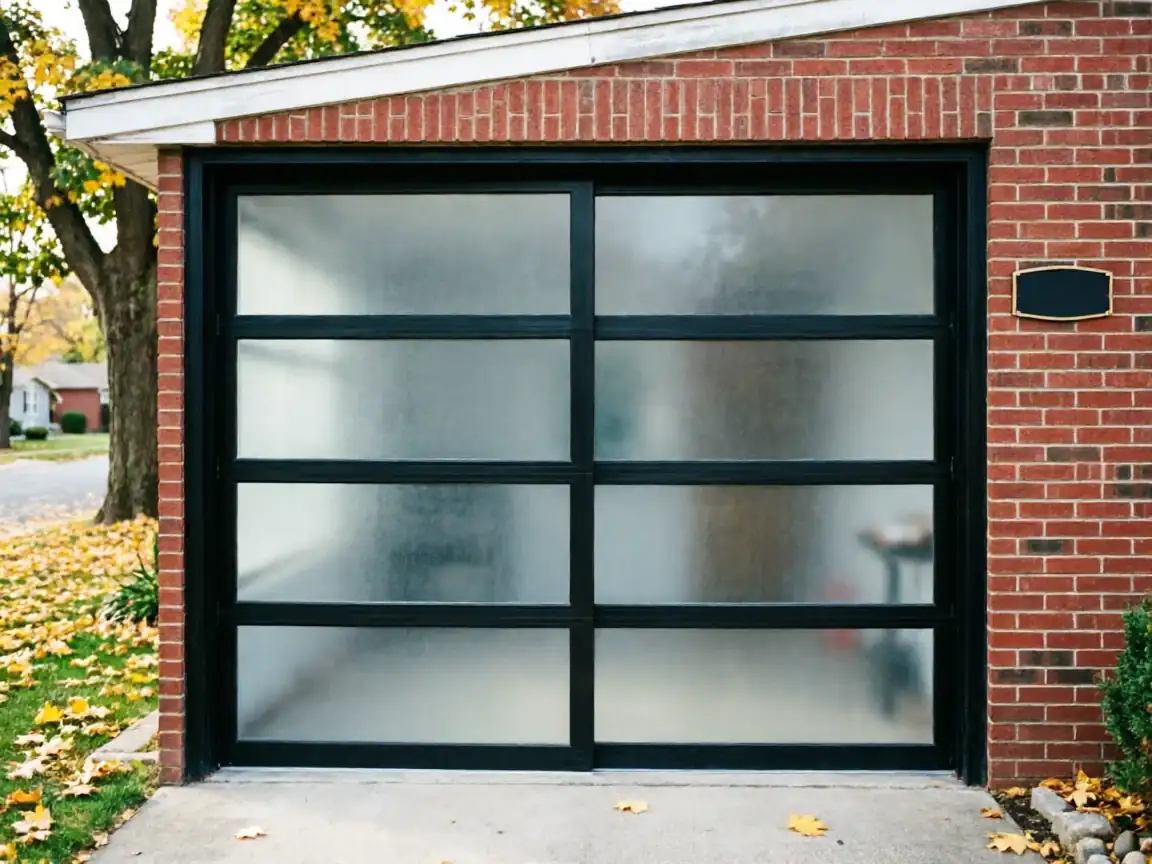
What You Pay
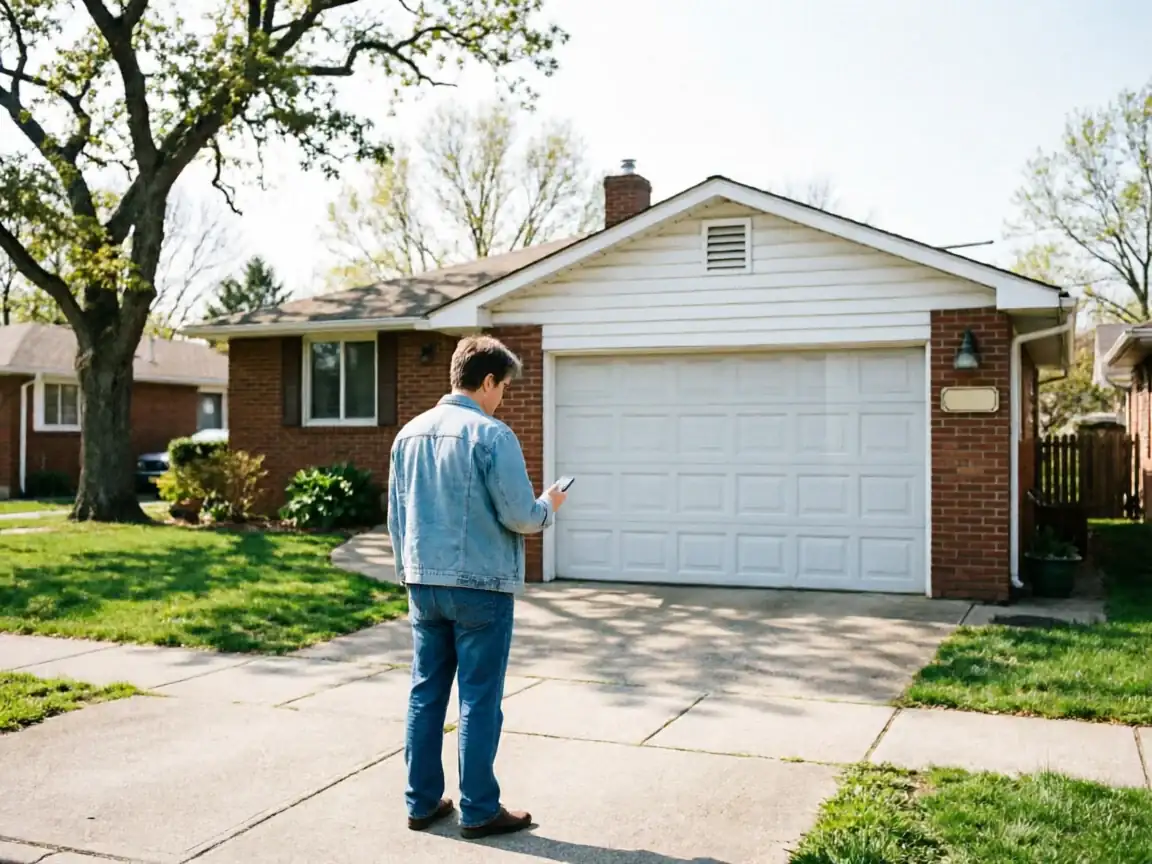
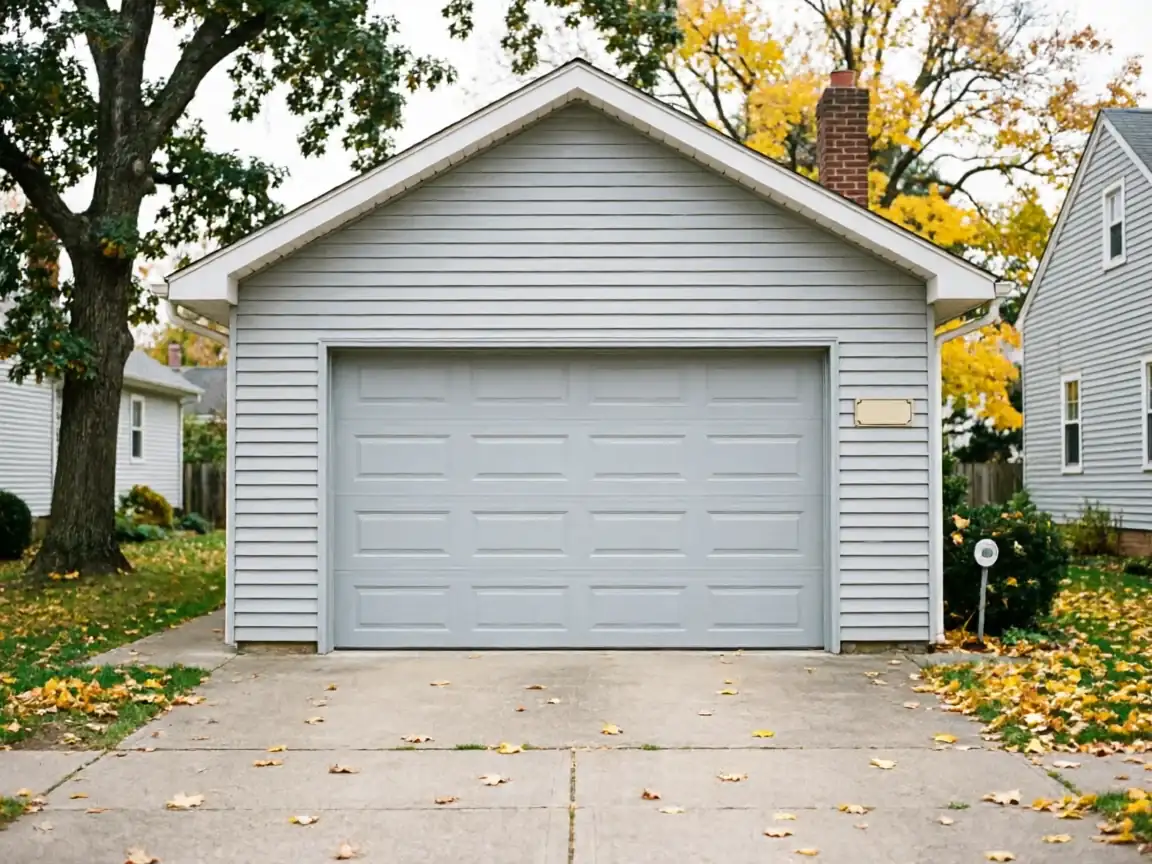
We don't post a flat number here because what a Winnetka off-track call costs depends on what's riding the track in the first place. A lot of homes in this part of town date to around 1938, decades before the service area's overall median build year of 1977, and that matters: a door from that era is often a single heavy wood slab, not a lightweight sectional steel panel. Heavier material puts more load on the rollers and the track brackets, so when it jumps the rail, the fix is rarely a five-minute snap-back. We look at whether the track itself bent, whether the bracket pulled loose from old or softened jamb wood, and whether the rollers are the original steel type that wears a groove into the track over years of use. None of that gets priced sight unseen. What we can tell you is that Winnetka's median household income, at $250,001, runs well above the roughly $125,104 median across the rest of the area we cover, which tends to mean homeowners here are replacing worn hardware outright rather than patching it repeatedly. That's a choice we lay out on site, not a number we guess at over the phone.
What the Fix Involves
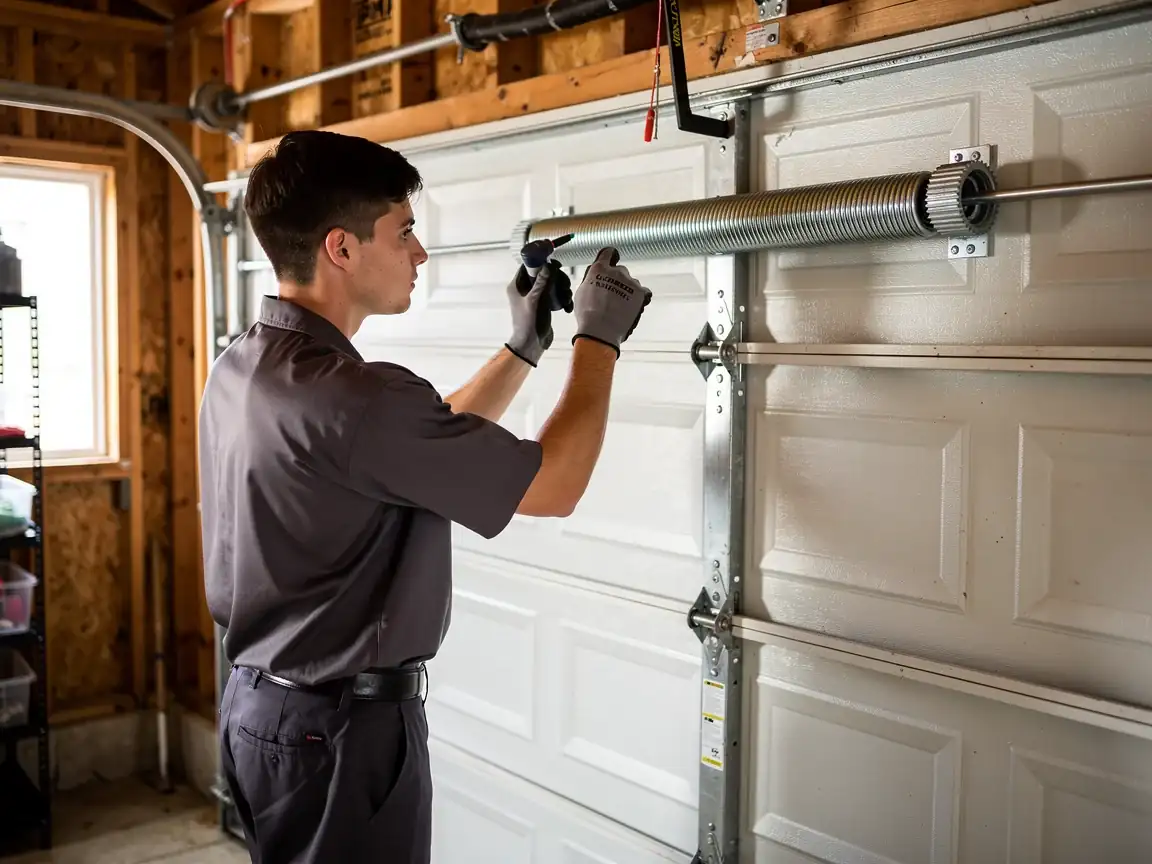
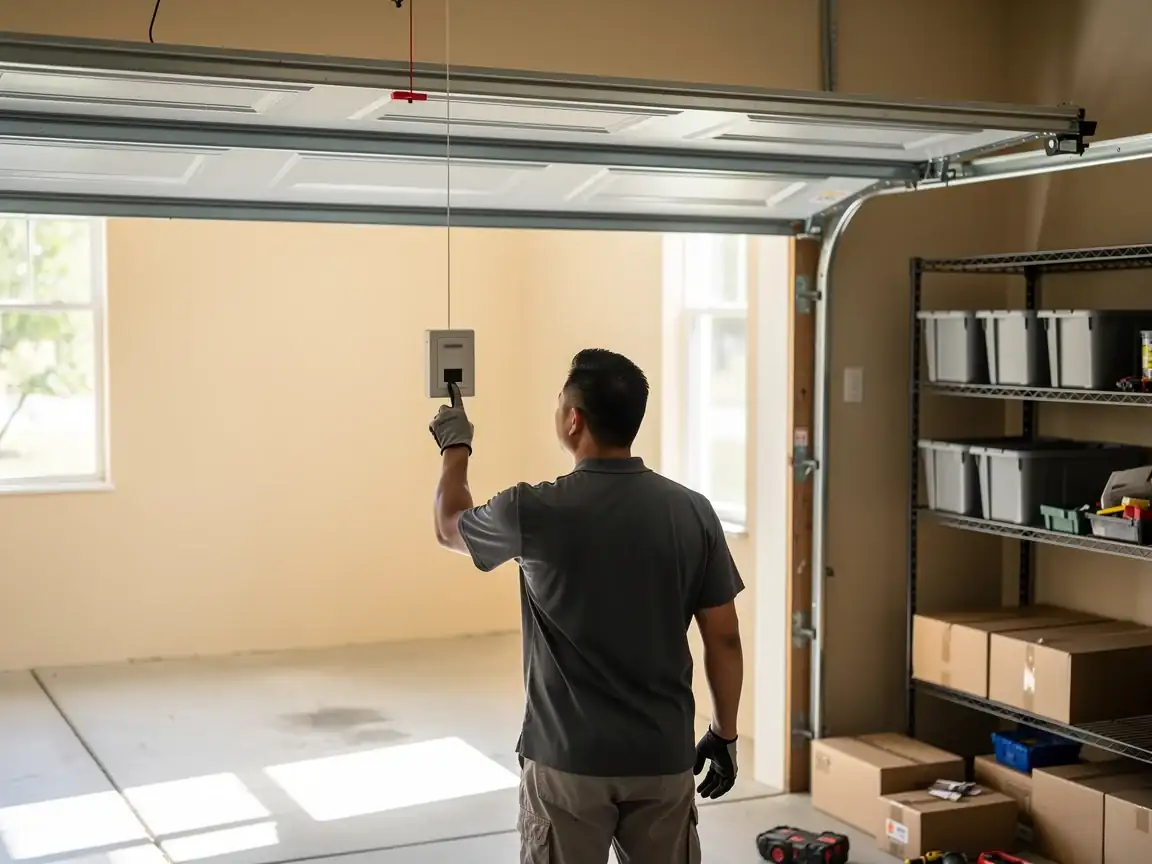
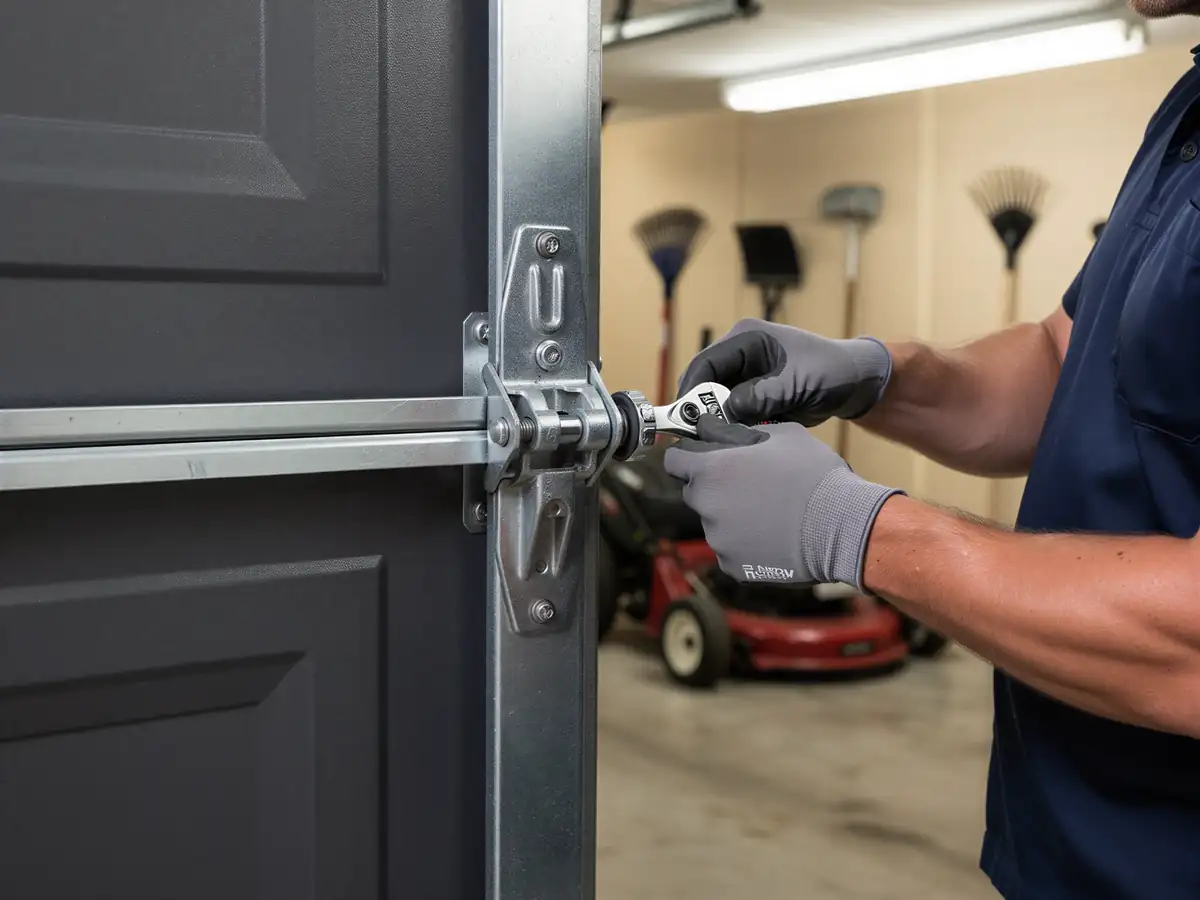
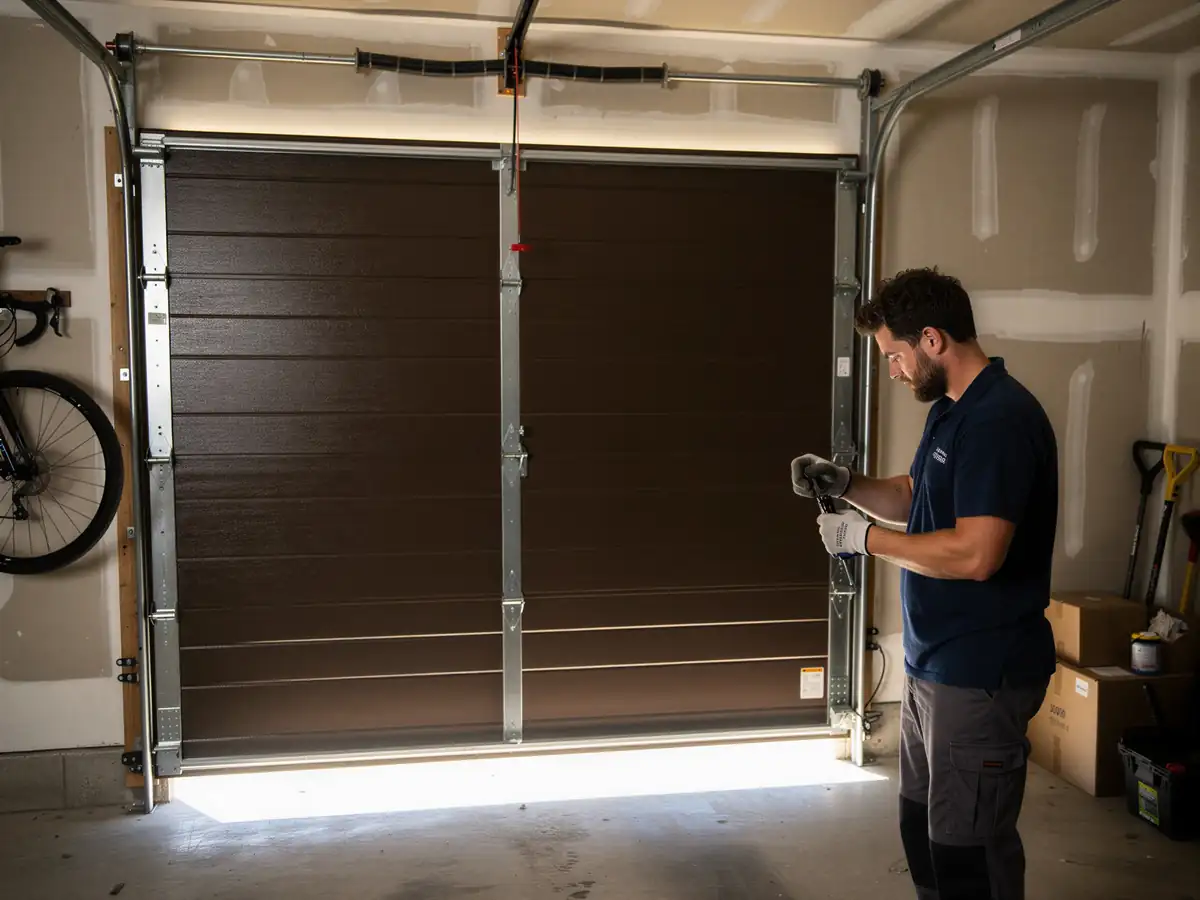
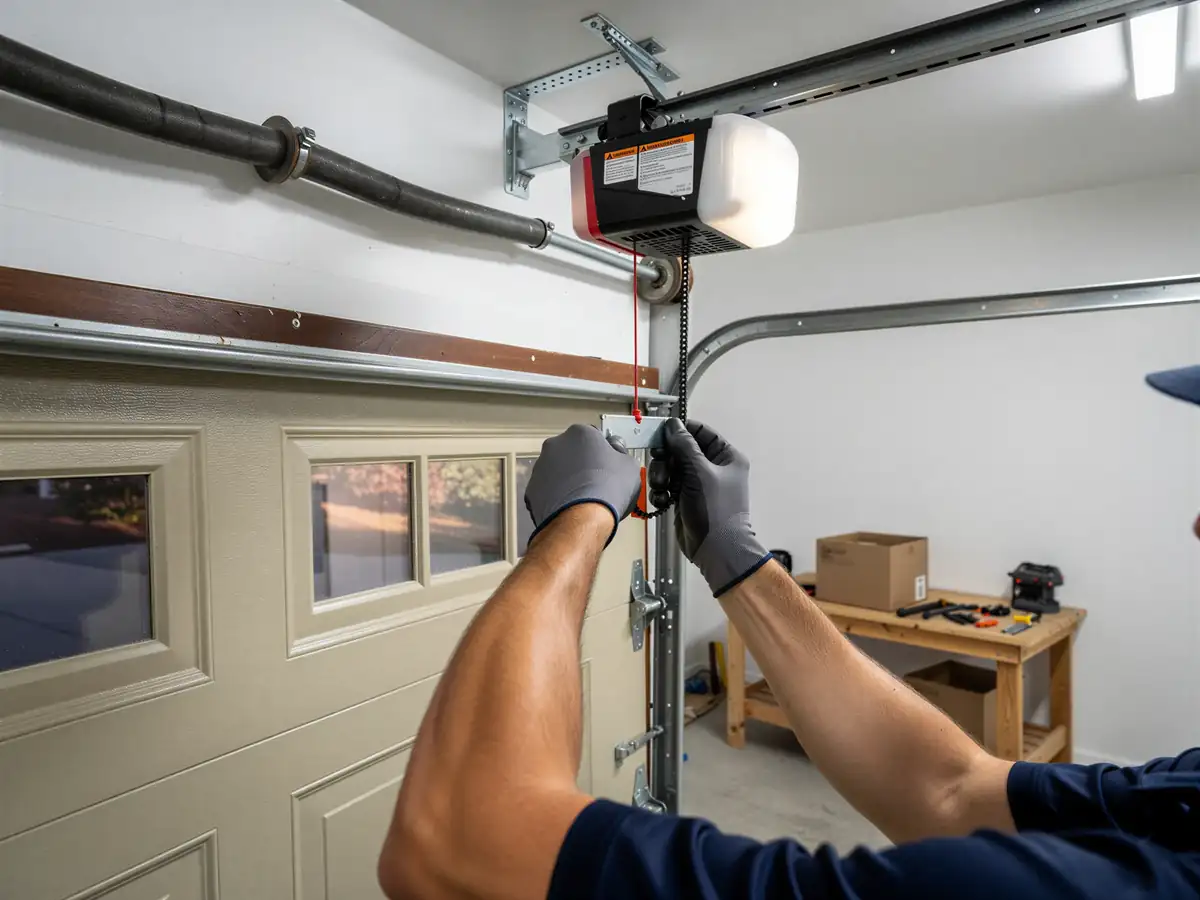
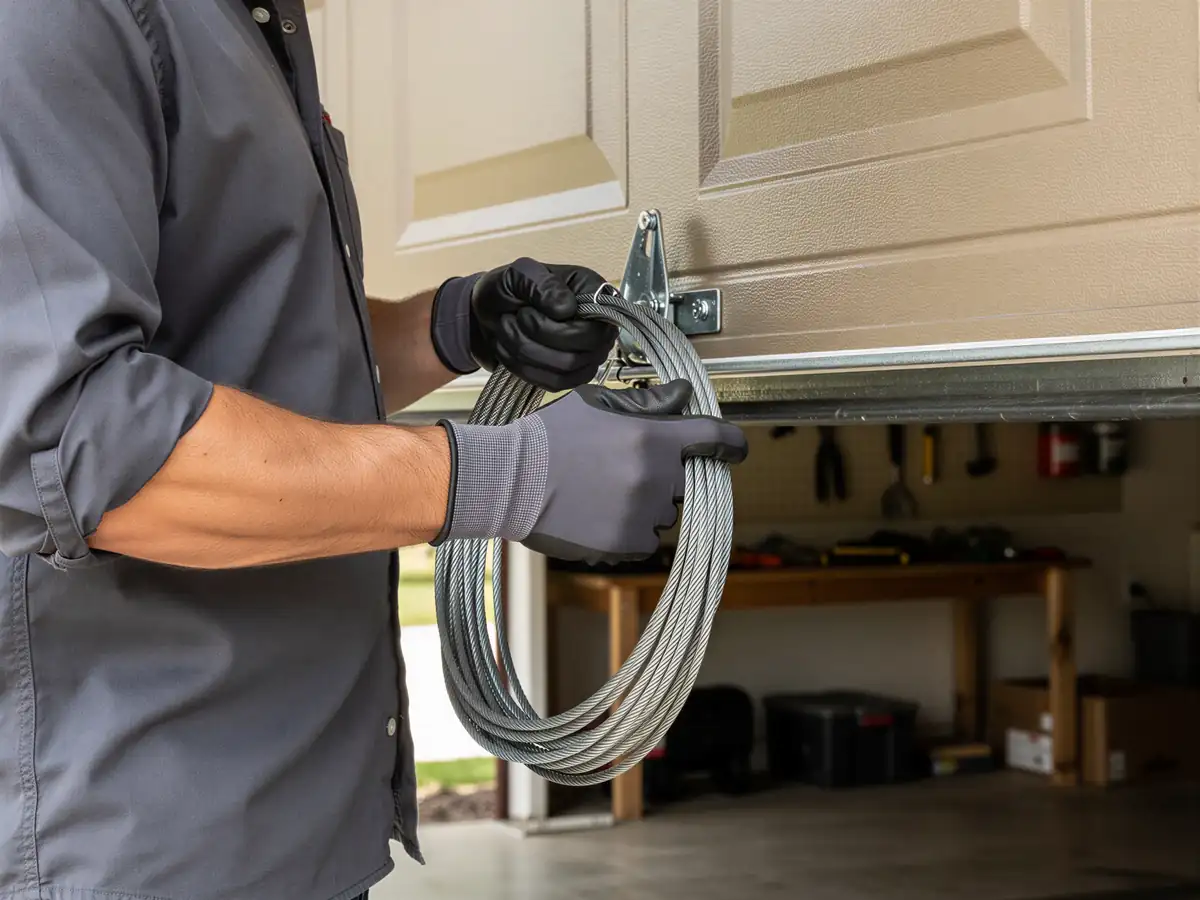
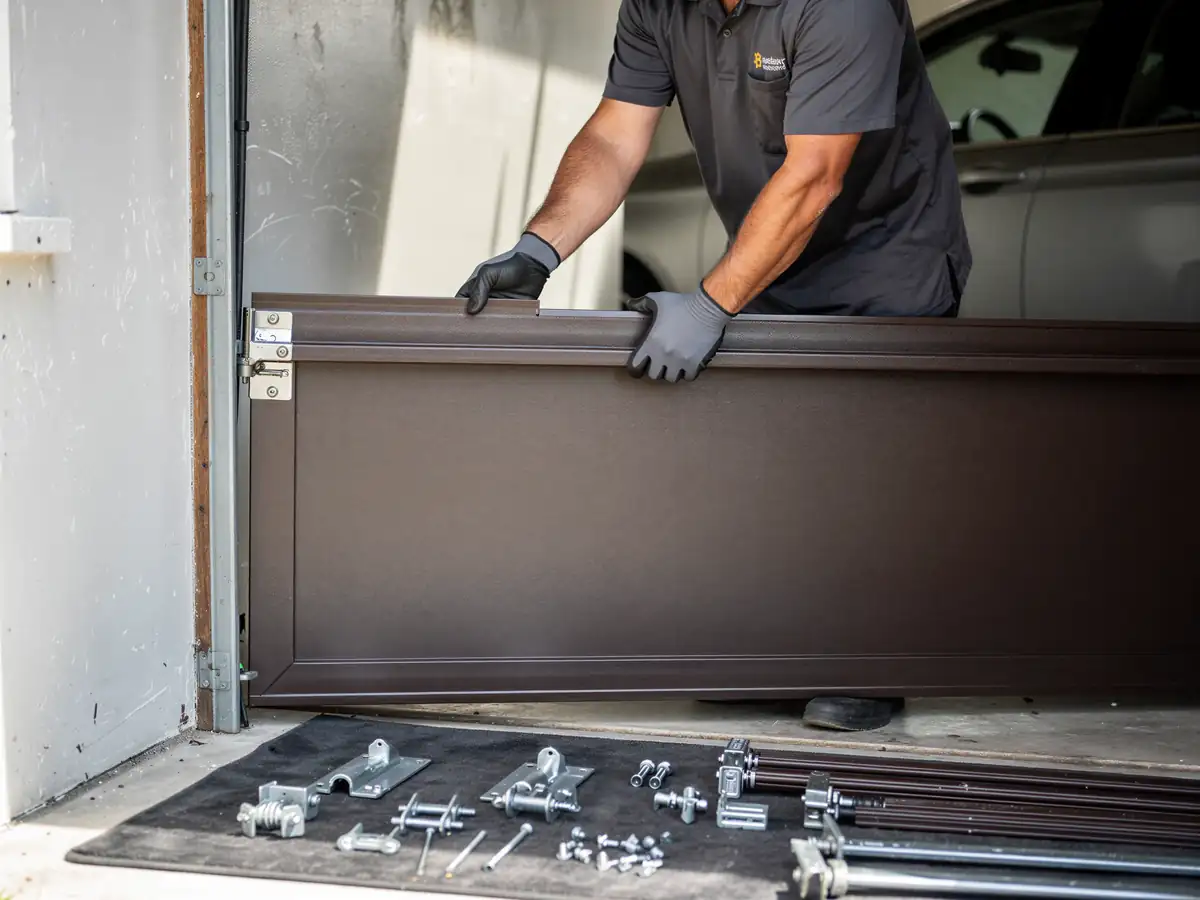
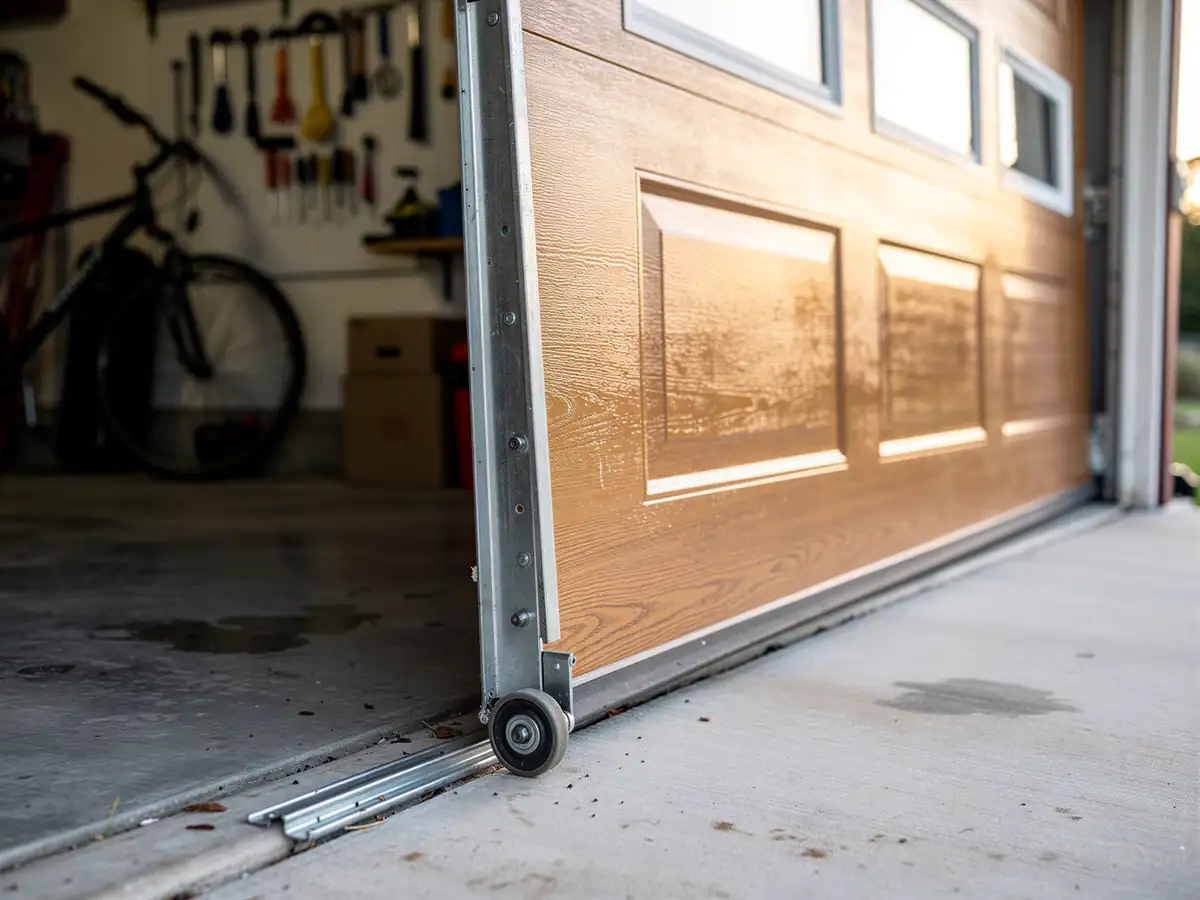
Getting a door back on track starts with figuring out why it left the track, not just lifting it back on. On a door built to 1938-era dimensions, the opening itself is often narrower than what you'd frame today, which means the track run is shorter and the clearance between roller and rail is tighter. Less clearance means less room for error if a bracket shifts even slightly. We check the horizontal and vertical track sections for bends, check that both brackets are still lagged into solid wood rather than a jamb that's dried out and split over eight decades, and check the rollers themselves - stem rollers on an old wood door carry more weight than the nylon rollers on a modern steel one, so they wear differently. If the track is just knocked loose, it's a re-set and a tightened bracket. If the rail is bent or the roller has chewed a groove into it, that section of track gets replaced, matched as closely as we can to the existing gauge so the rest of the run doesn't bind.
The Complications
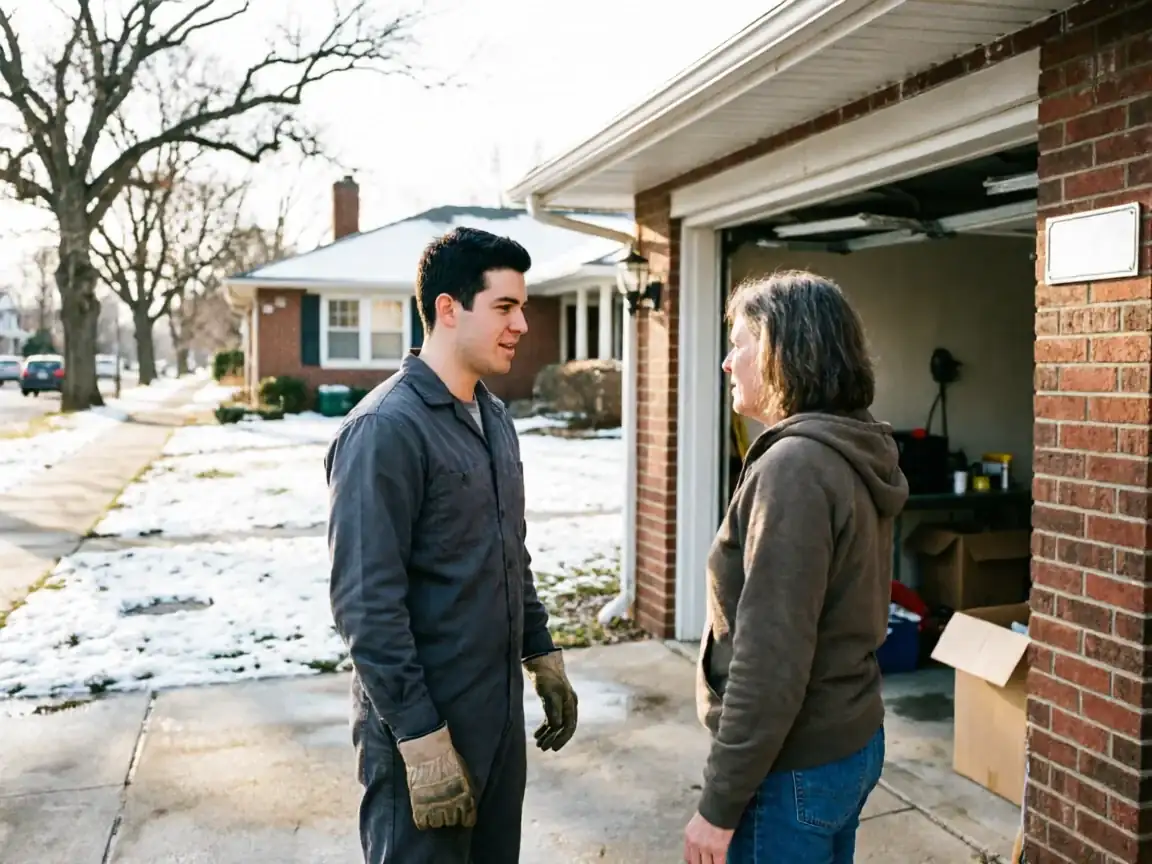
Winter in this part of Illinois is the complication most homeowners don't think about until it's happening to them. Cold, moderate-humidity swings stiffen old lubricant in the track and brackets, so a door that was running fine in October can start binding in January for no reason the homeowner can see. On an 85-year-old opening, that stiffness shows up as the door catching right where the track meets the header - often the same spot where decades of settling have shifted the bracket a fraction of an inch out of plumb. We're coming from Deerfield, about 7 miles out, so a same-day fix on this kind of call depends on what's already scheduled on the route that day; we don't promise a window we can't hold. The other complication is parts: original hardware sized for a narrower 1930s-era opening isn't something every supplier stocks, so a track section sometimes has to be fabricated to match rather than ordered off a shelf.