What You Pay
Winnetka's median household income runs $250,001 - roughly double the $125,104 median across the rest of the area we cover from Deerfield. That gap matters more than people think when a door starts acting up. In a lot of towns, a cracked panel or a worn opener gets patched and left alone because the owner just wants it working again. Here, we see the opposite more often: homeowners decide a door that's showing its age isn't worth nursing along, and they replace it instead of layering another repair onto hardware that's already decades old.
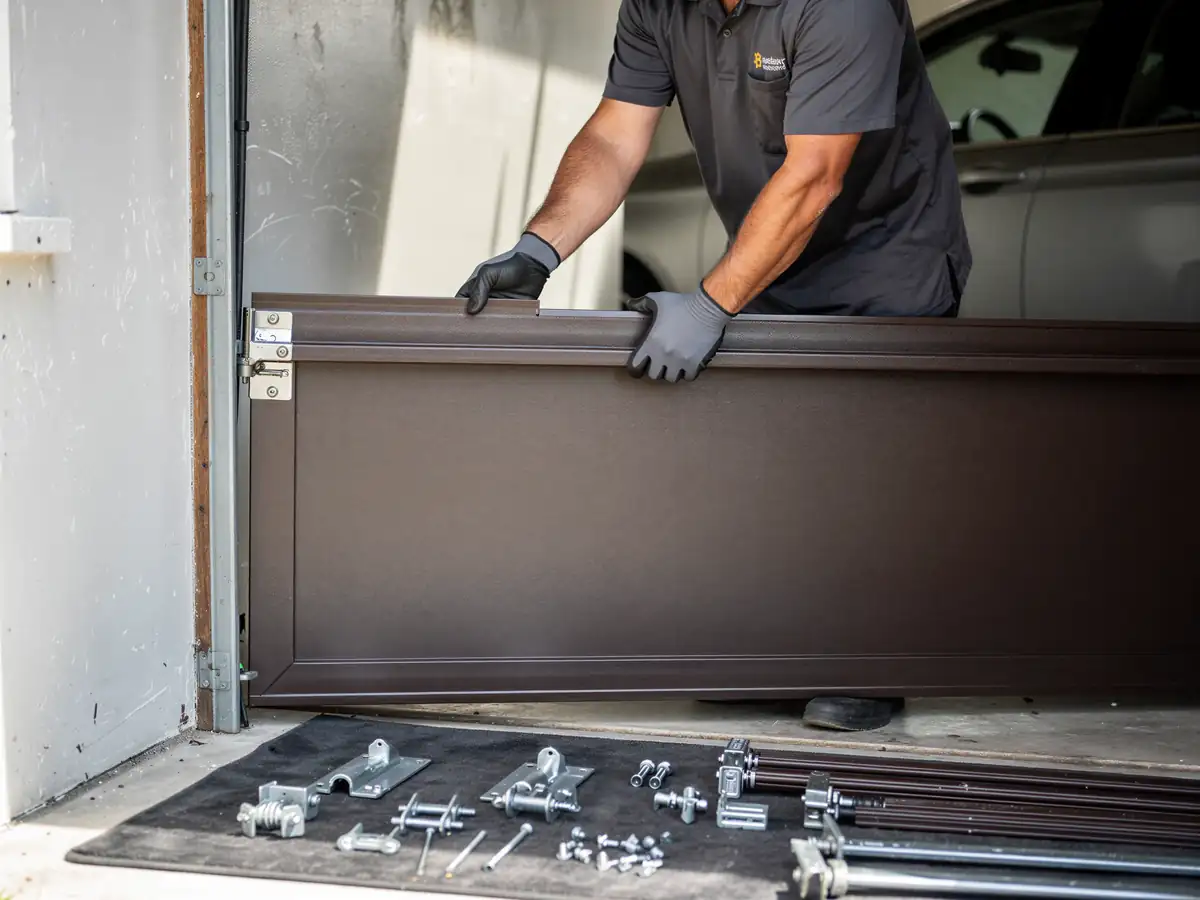
That said, replacement isn't automatically the right call just because the budget allows it. If the spring or the opener failed but the door itself, the track, and the frame are sound, a repair is still the cheaper and faster path, and we'll say so. We don't carry a price list that applies evenly across every job - a torsion spring swap and a full door replacement aren't priced the same, and neither should be quoted the same over the phone before we've seen what's actually wrong. What we can tell you up front is which direction a house like yours in Winnetka usually falls, once we know what's broken.
What the Fix Involves
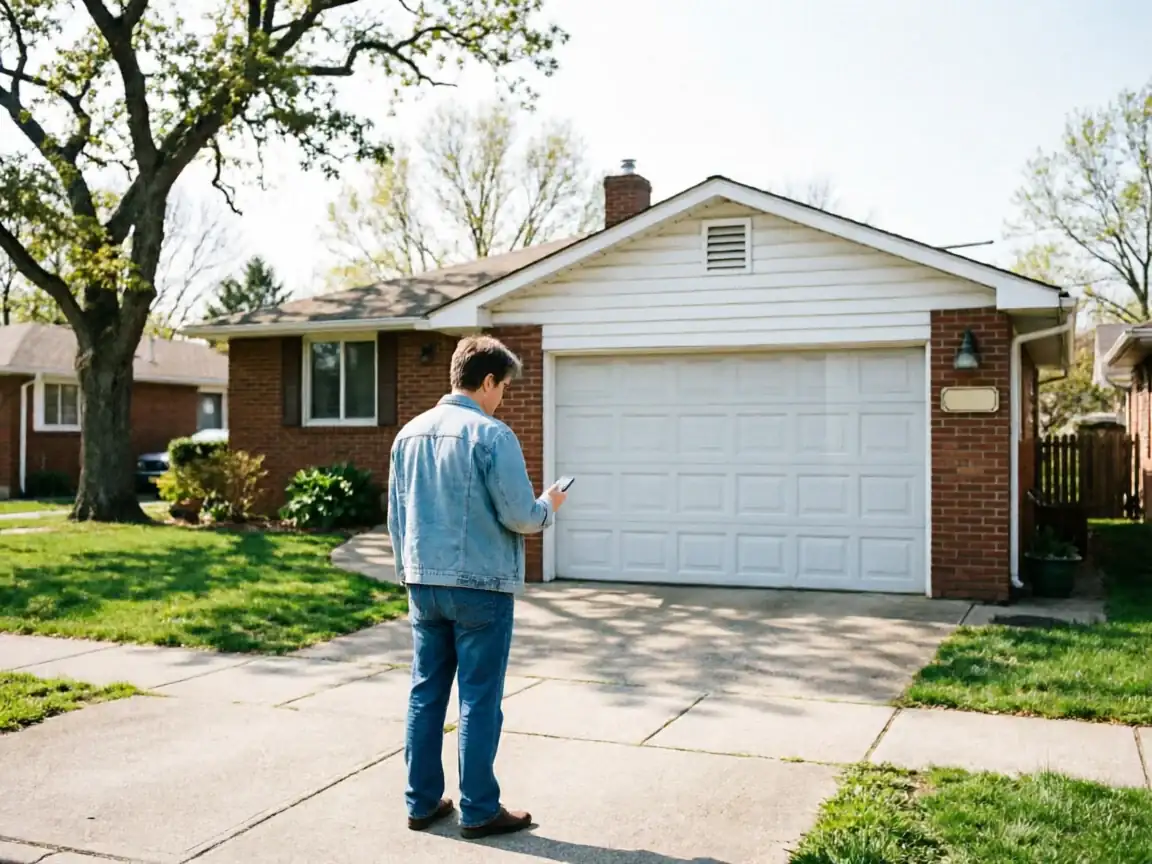
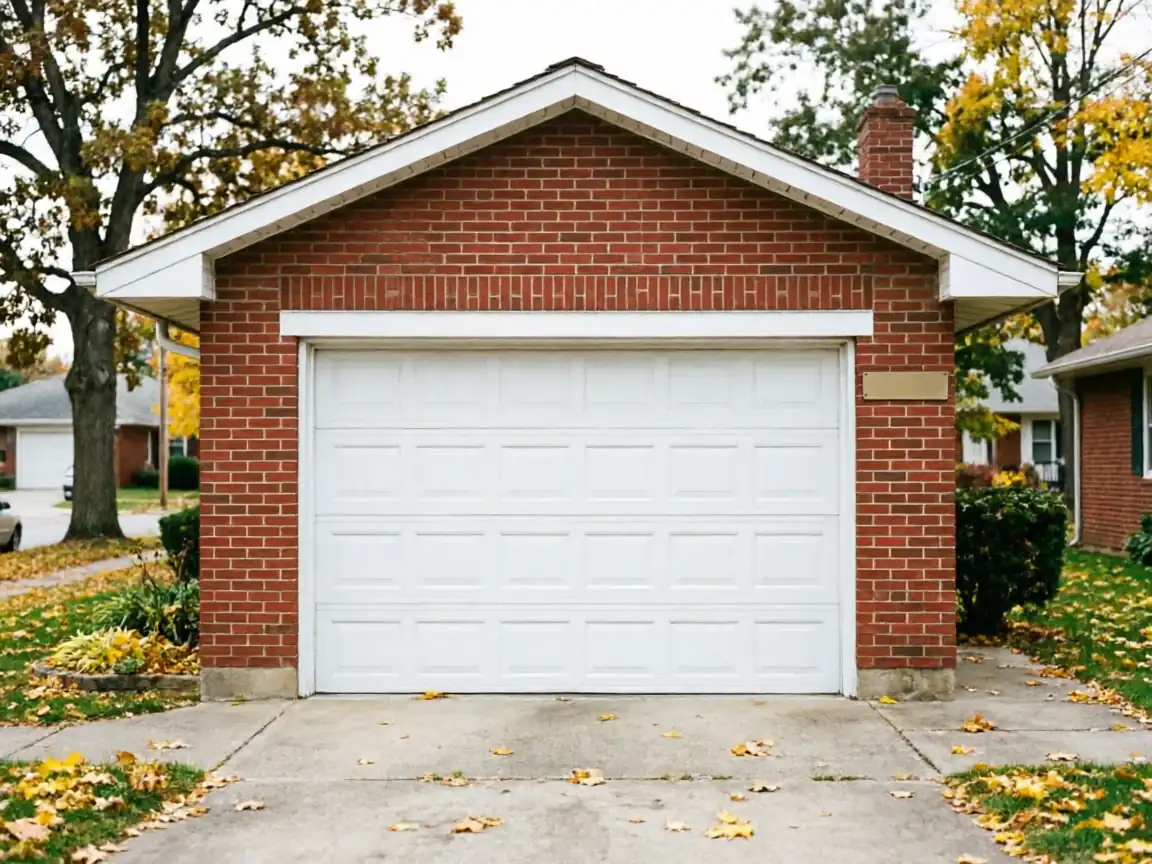
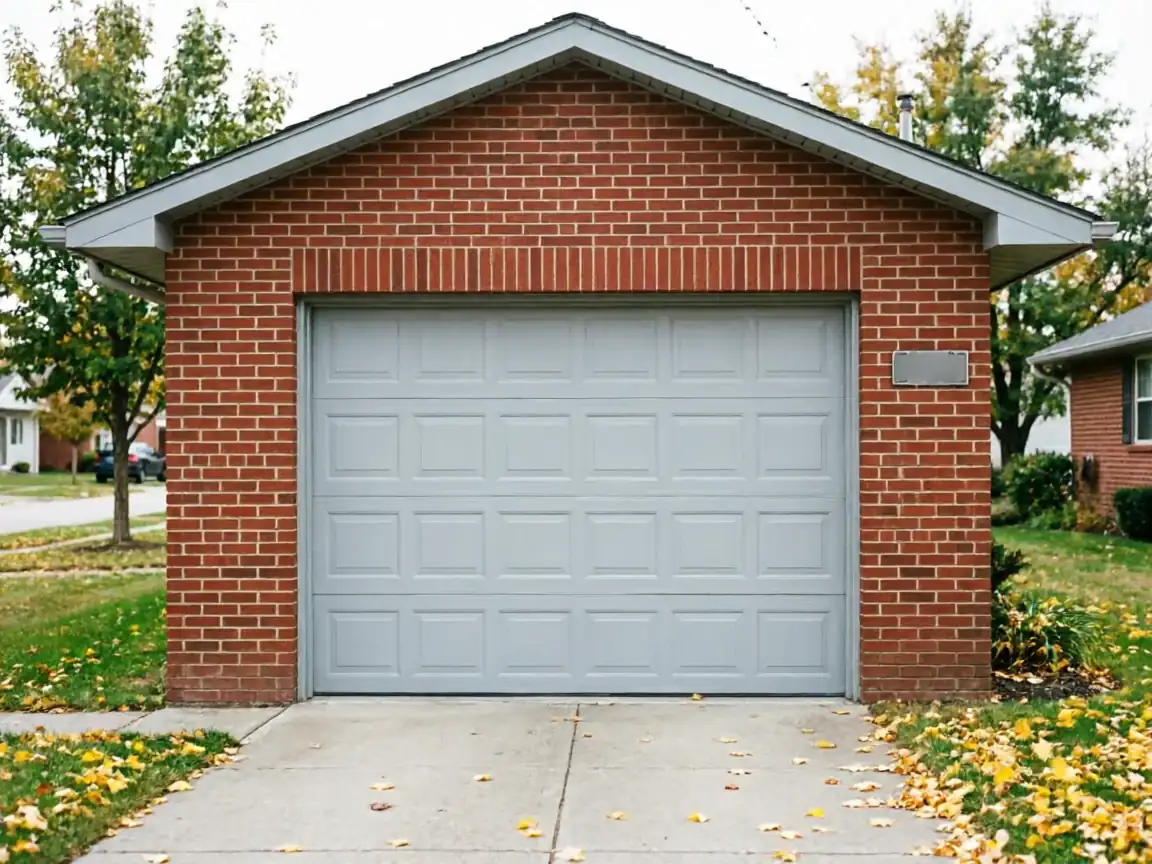
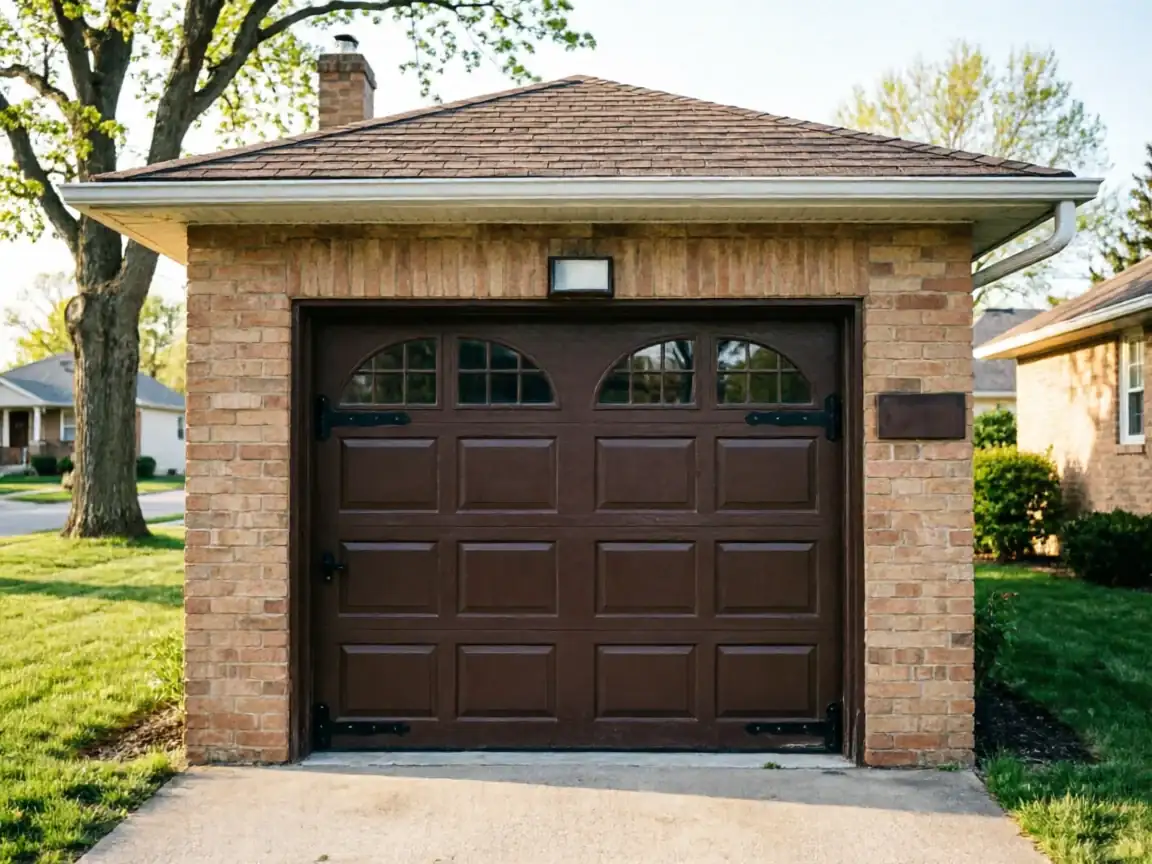
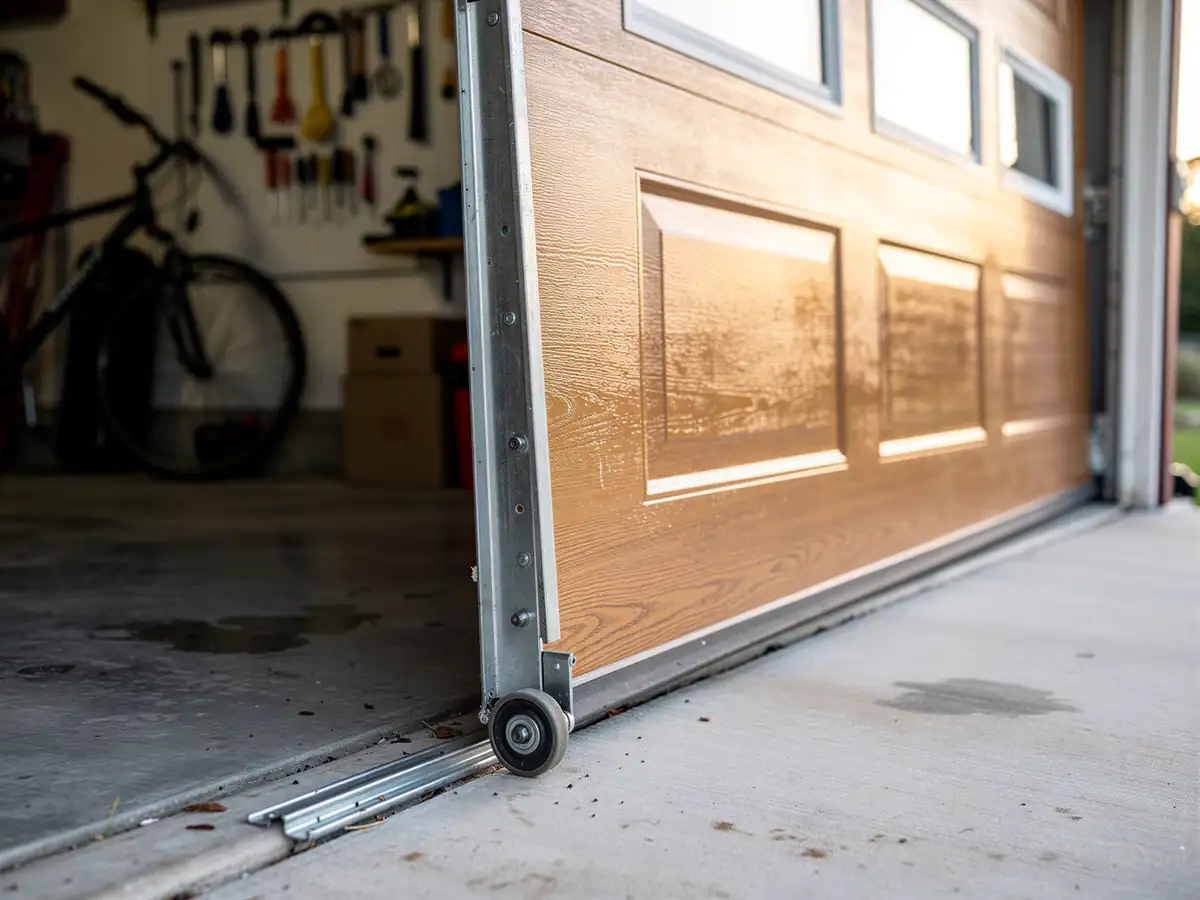
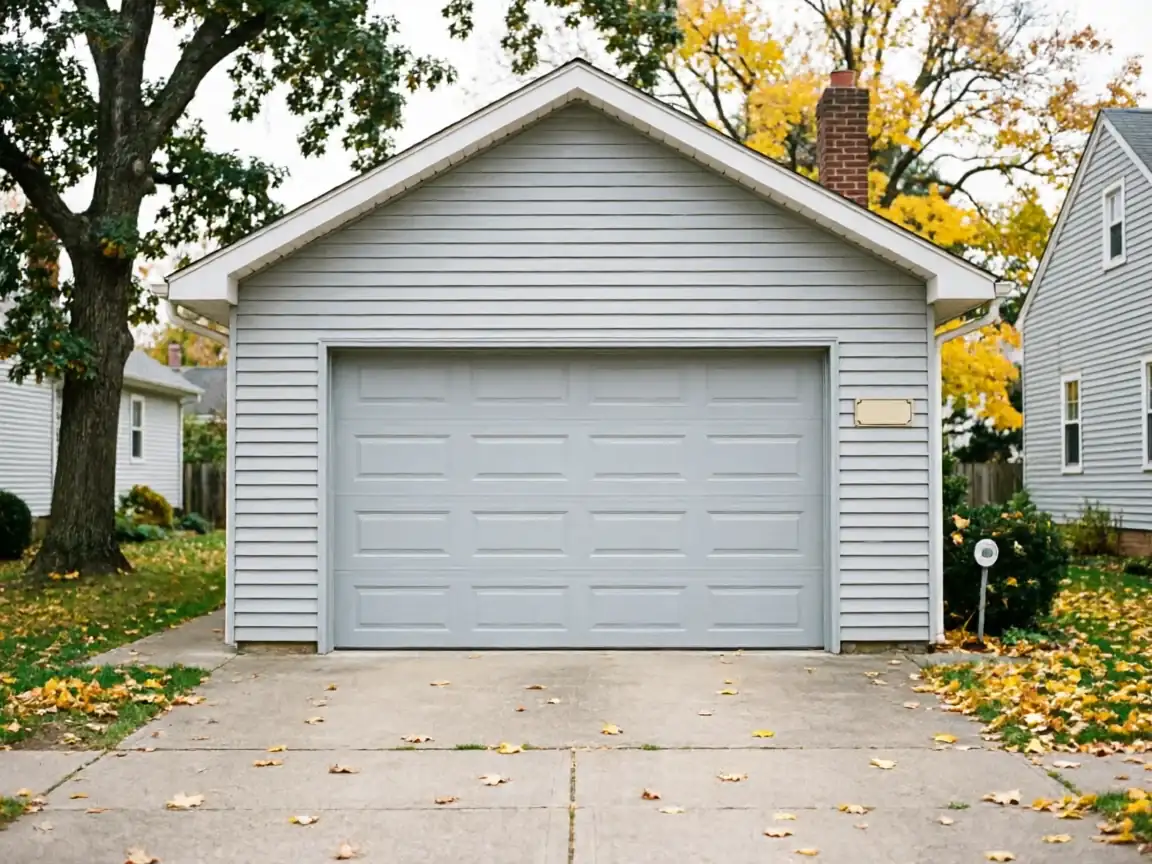
A lot of what we open up in Winnetka sits on the older end of what we see across the service area, where the housing stock runs from 1938 through 2009. Winnetka's own median build year lands right at that 1938 start point, which means original hardware - side-mounted torsion setups, steel track that's been reset more than once, doors sized to openings that don't match today's standard widths.
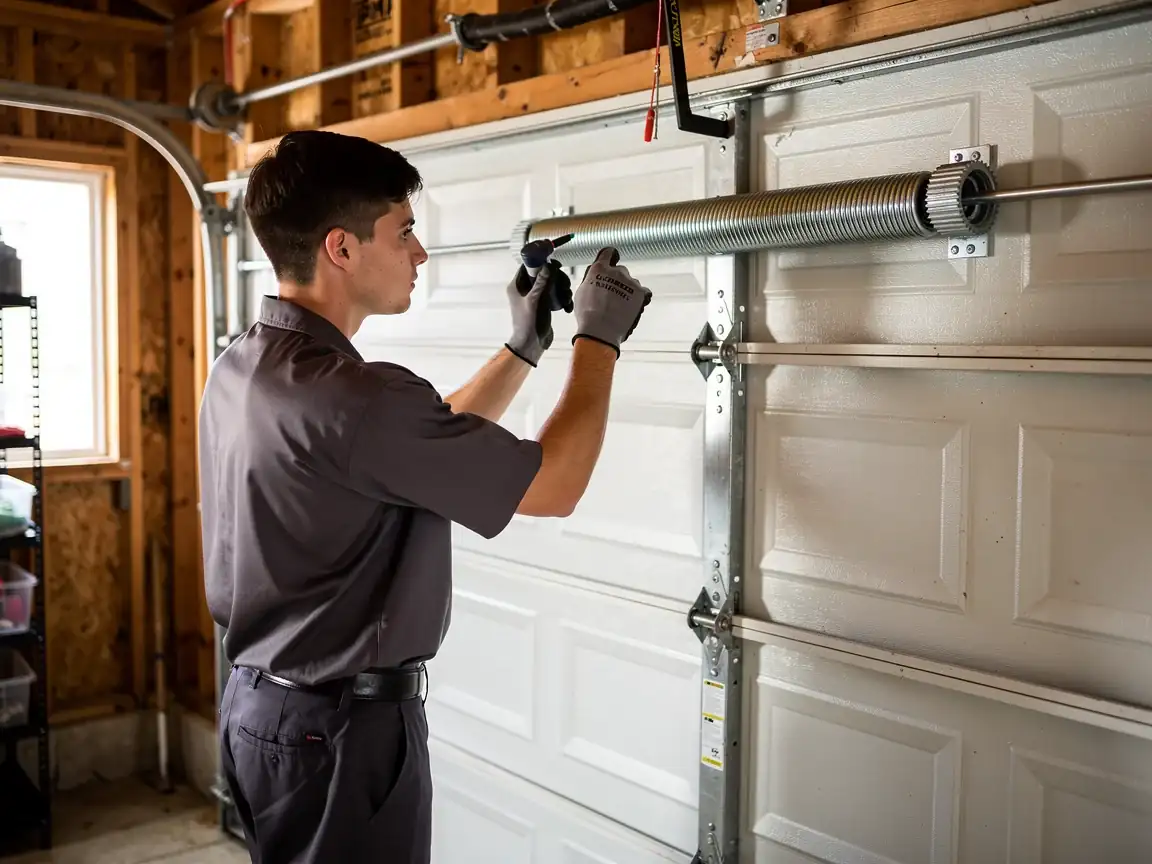
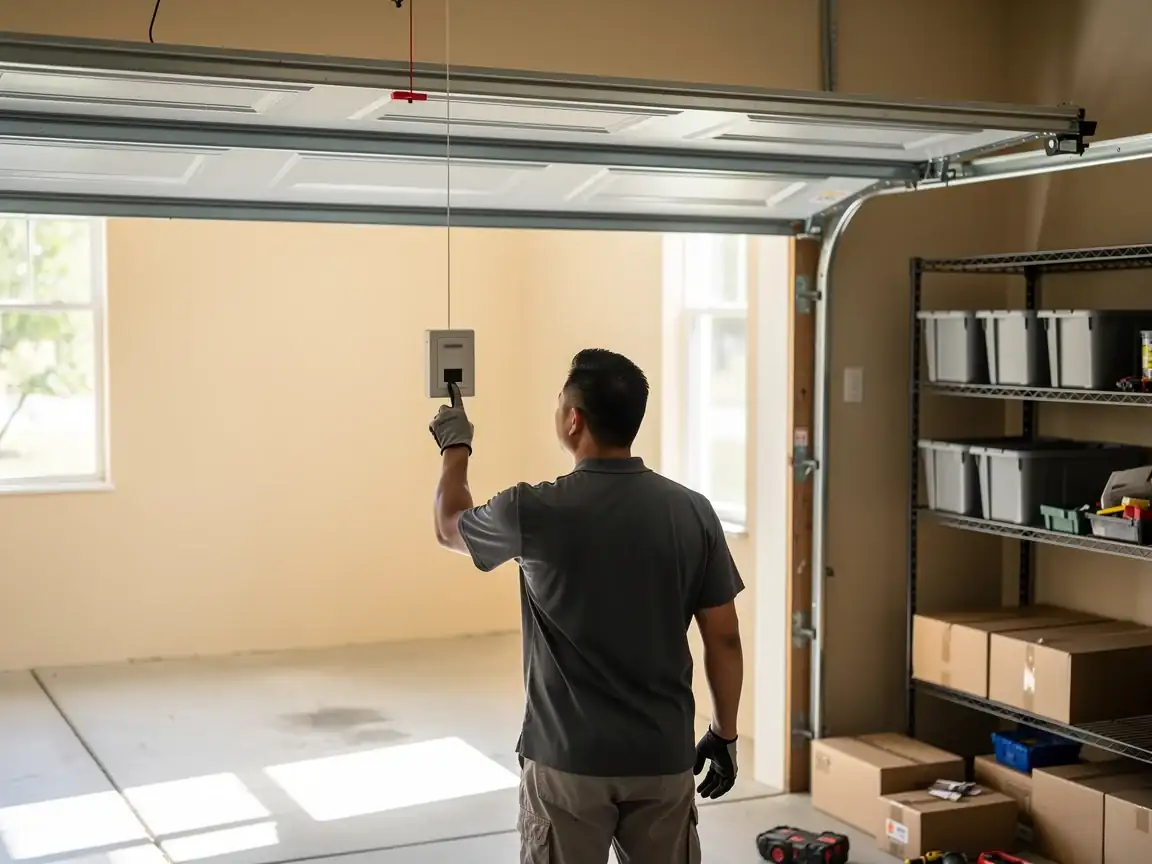
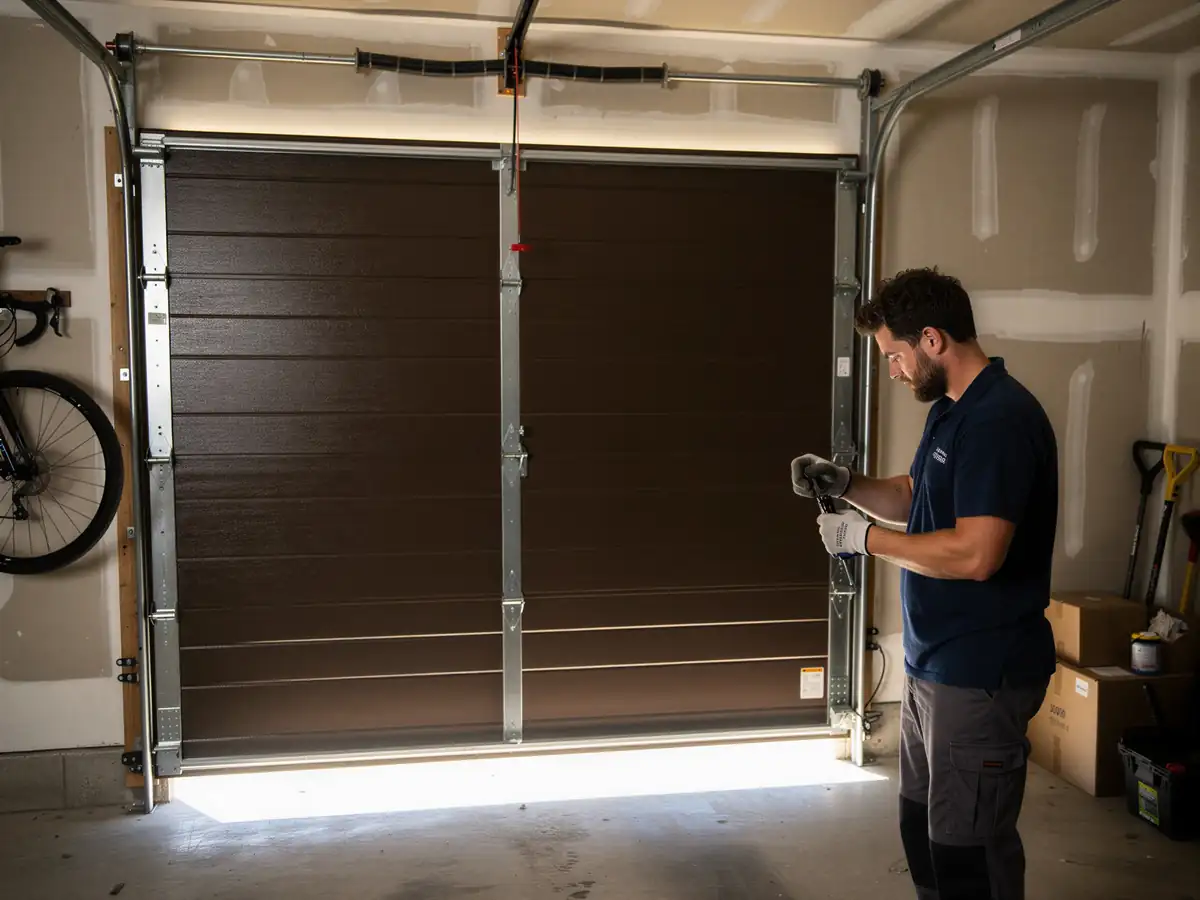
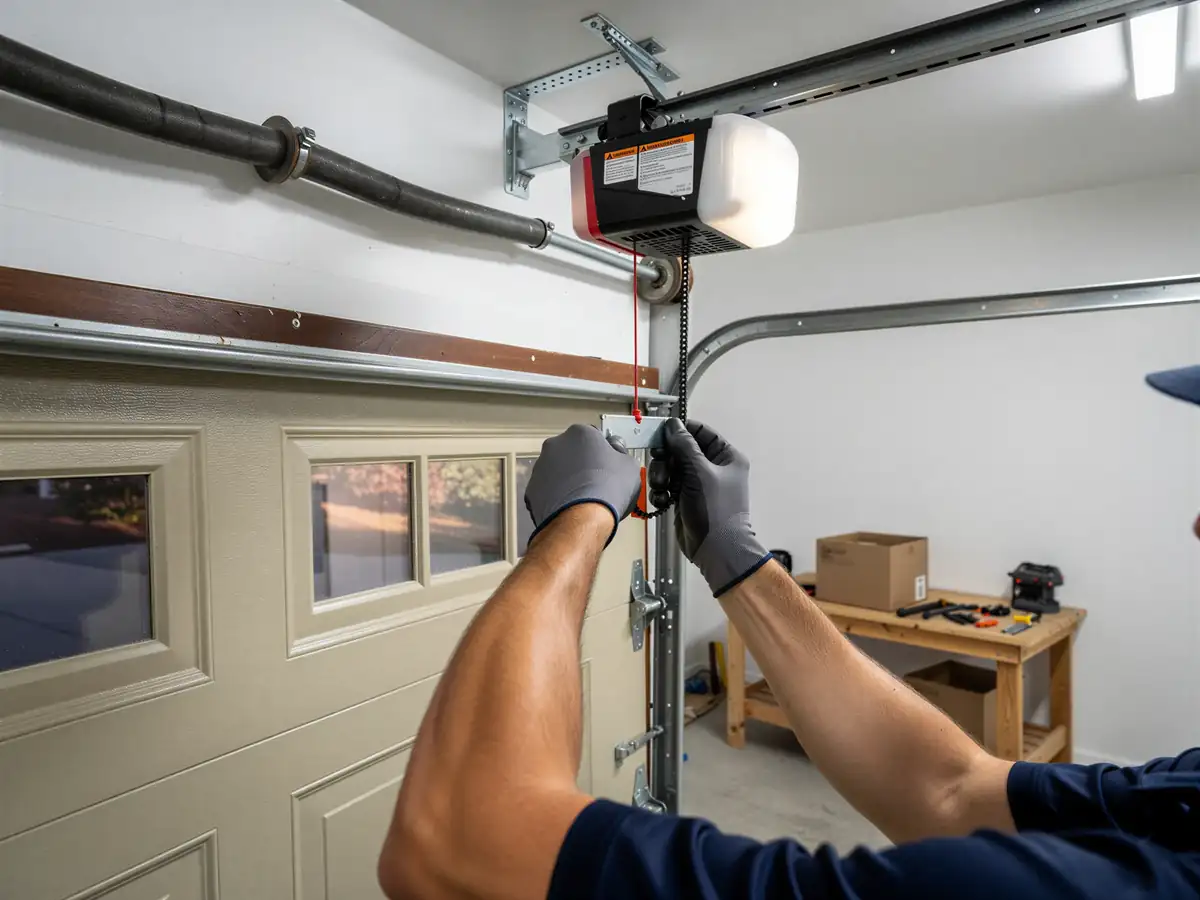
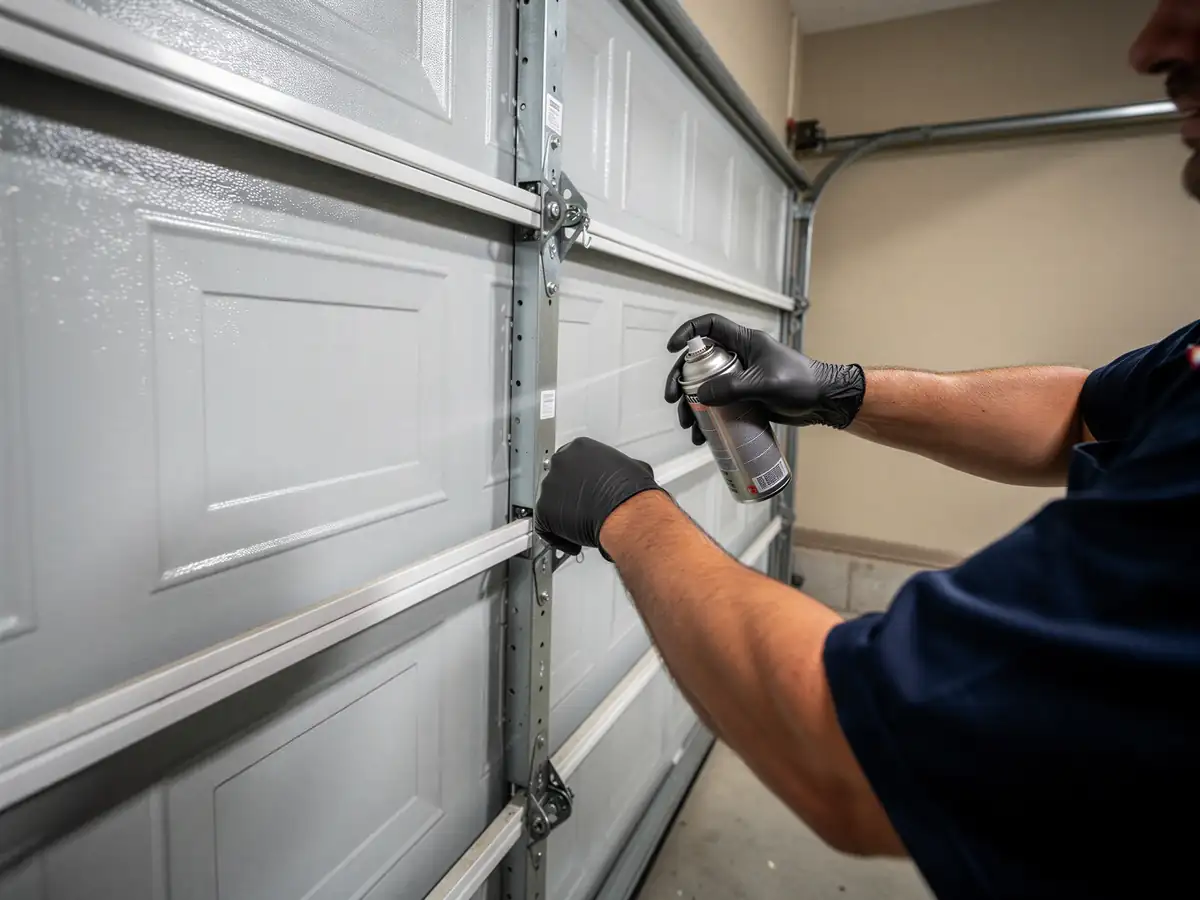
The fix usually starts with figuring out whether the spring, the track, or the opener is the actual point of failure, since on a door this old more than one of the three is usually worn. We check tension and balance before touching anything else, because a door that's out of balance will keep breaking whatever part you replace. Cold-weather lubrication is part of most visits too - this area sits in a cold climate band, and grease that's thickened up over a winter will drag on rollers and strain a motor that's otherwise fine. We replace what's actually failed rather than swapping the whole assembly out of habit, which keeps the job closer to a repair bill than a full replacement one.
Can You Do This Yourself
Some of it, yes
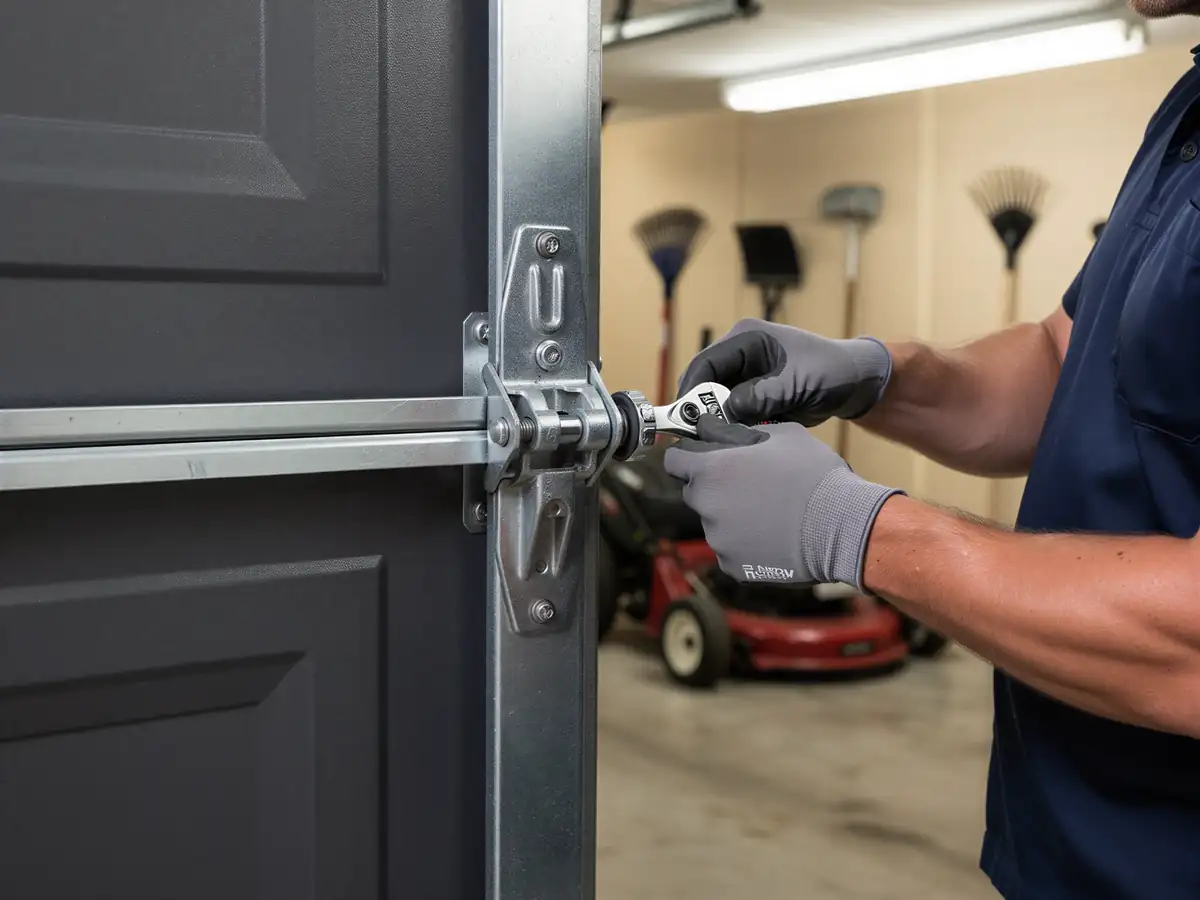
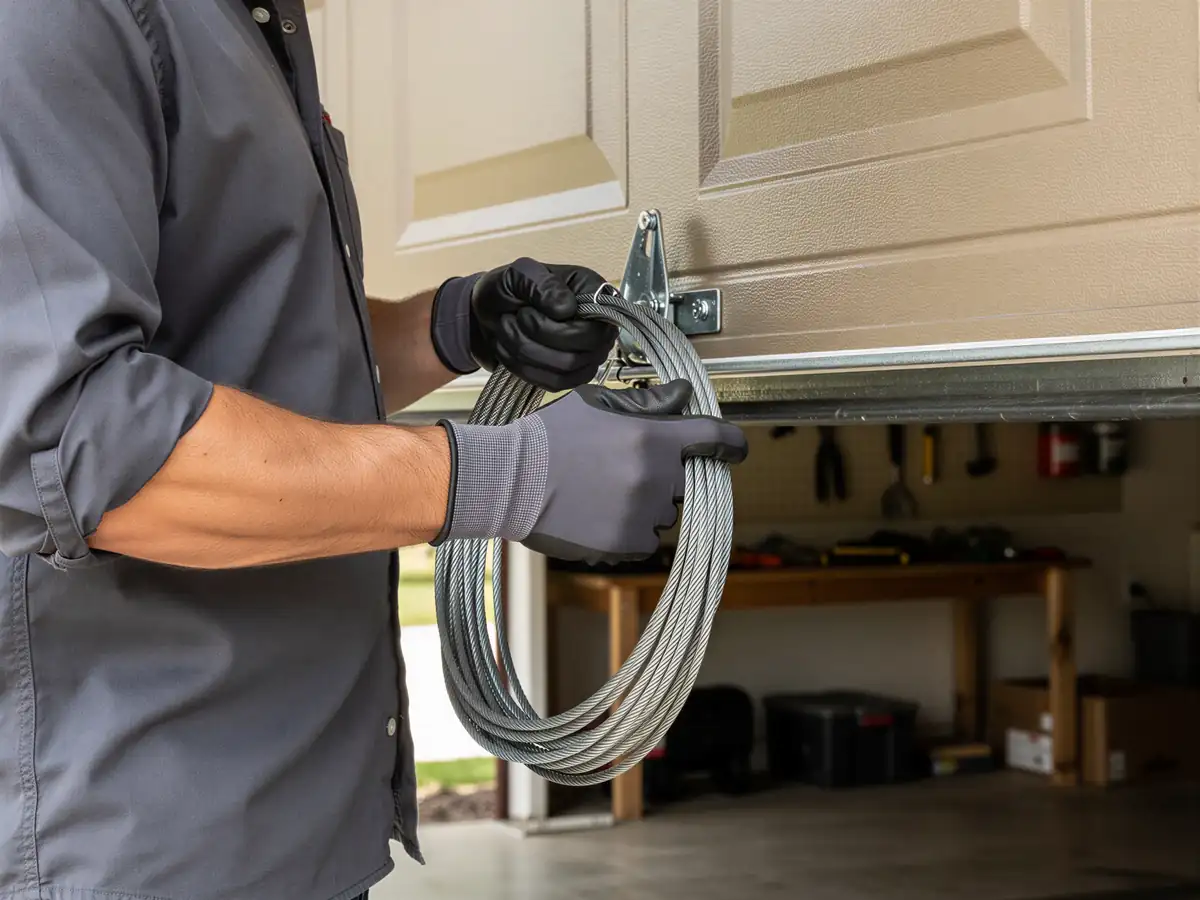
Lubricating rollers and hinges, tightening loose bolts on the track, clearing debris from the sensor eyes - none of that needs a truck to show up. A torsion spring is a different matter. It's under enough tension to cause real injury if it lets go while you're working on it, and on a house built around 1938 you're not always dealing with a spring size you can just order off a shelf.
That's the honest limitation here
Winnetka has 4,268 households, which is on the smaller side of the towns we cover, and the doors in it aren't always a standard size. Original openings from that era sometimes run narrower or taller than what current stock parts are built for, so a repair that looks simple can turn into a wait on a special-order piece. We'll tell you when that's the case rather than installing something close enough and hoping it holds. If the fix is genuinely a bolt-and-lubricant job, we'll say that too - there's no reason to book a truck for something you can do with a wrench and ten minutes.
- 4,268 households
The Complications
We cover Winnetka from Deerfield, about 7 miles out, so there's no local branch to swing by - every job here means a drive, and that's worth knowing before you call expecting someone around the corner. It doesn't change what we can fix, just how a same-day request gets scheduled against the rest of the route.
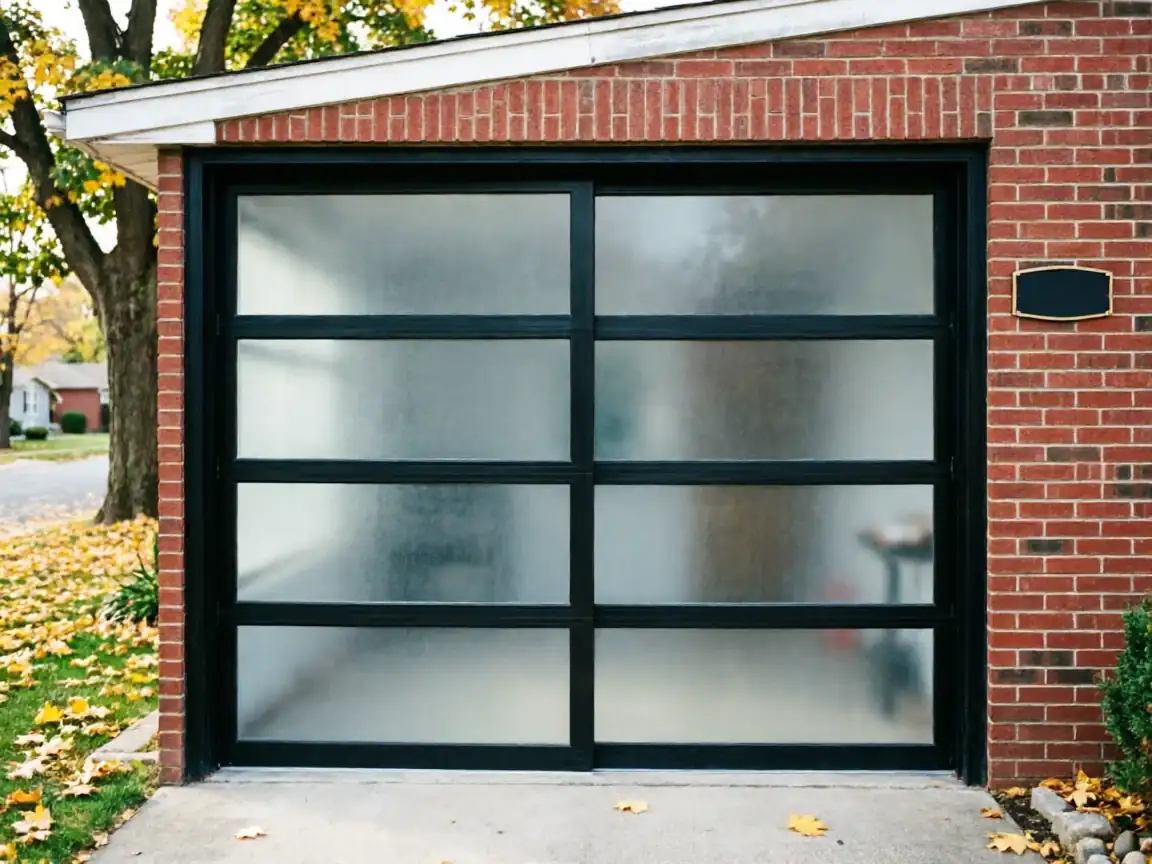
The bigger complication is the housing stock itself. With a median build year around 1938, Winnetka sits at the old end of what we see across the 53 areas we serve, and older houses carry older problems: non-standard door widths, track mounted to framing that's shifted slightly over eighty-plus years, and in some cases wood doors original to the house that a hardware-store replacement won't match. None of that is unfixable, but it does mean more time spent measuring and confirming parts before we start, rather than grabbing a standard kit off the truck. Combine that with the area's cold winters, which stress springs and hinges harder than a mild climate would, and a job that looks routine on the phone sometimes needs a second visit once the part's in hand.