Why This Fails Locally
Libertyville's median household income runs $162,270, well above the $125,104 median across the wider service area. That gap matters here because it changes where the repair-or-replace line actually sits. On a tighter budget, a single dented panel gets patched and left alone. At this income level, most owners we talk to would rather swap the whole section once a dent has bent the stile, because a mismatched patch on an otherwise clean door bothers them more than the cost difference.
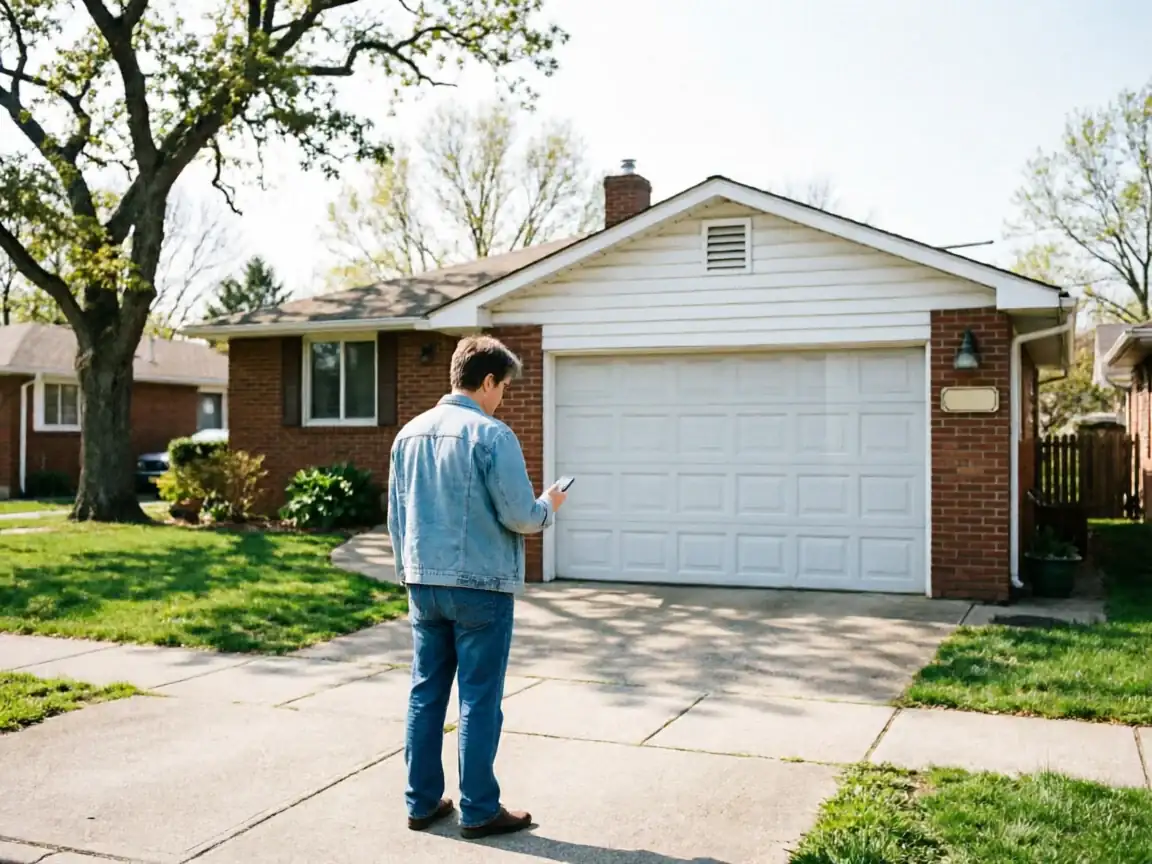
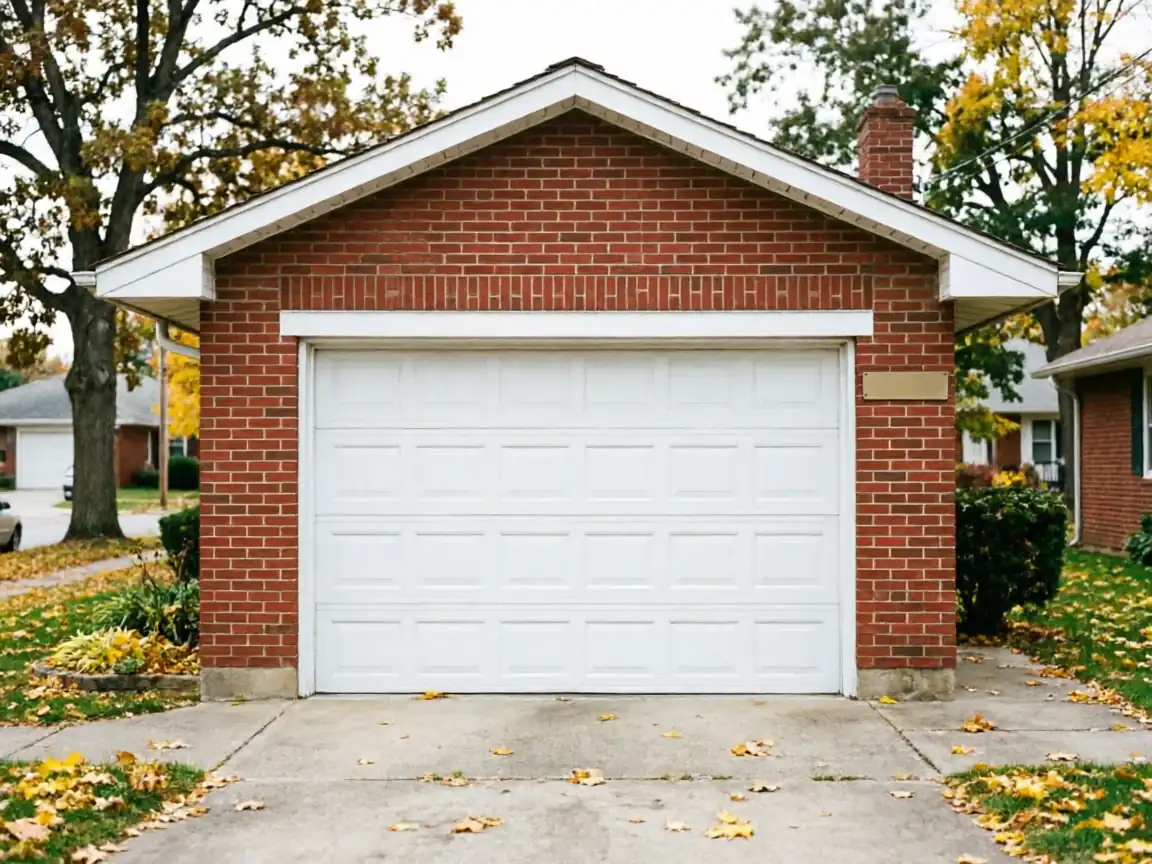
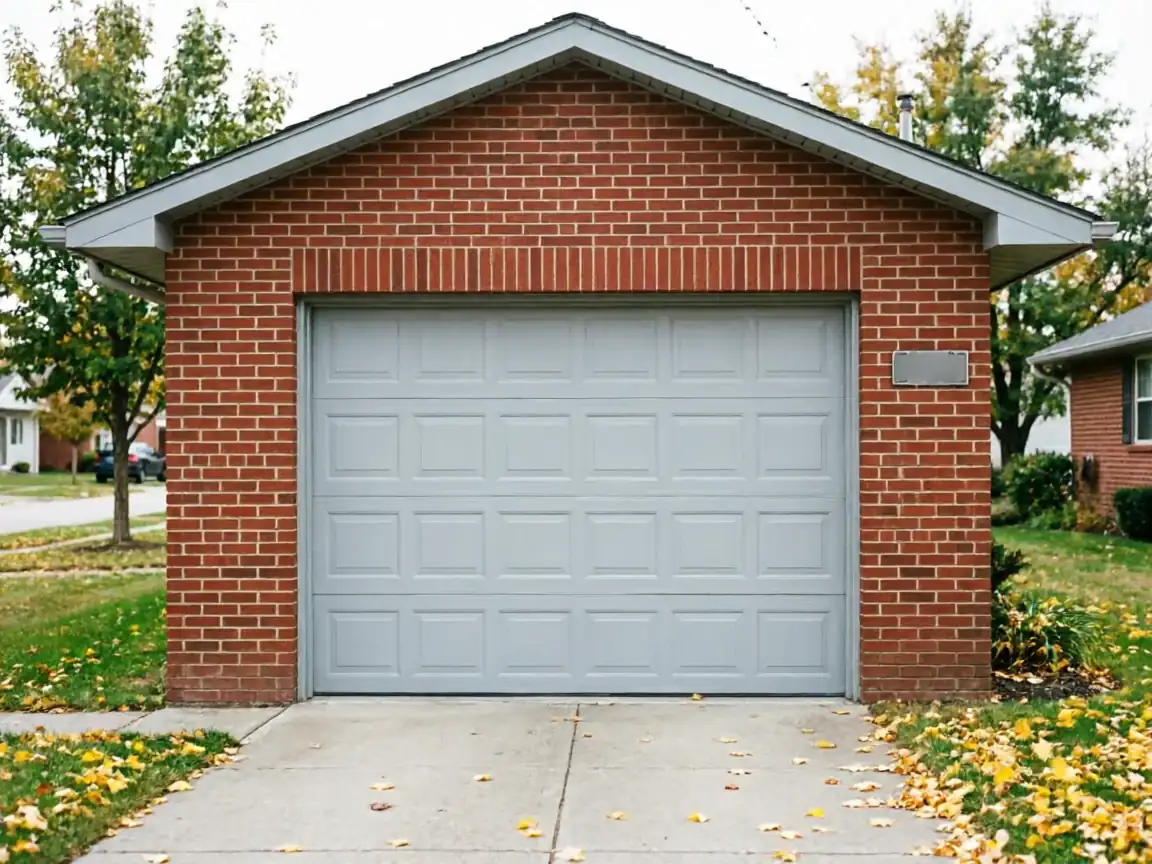
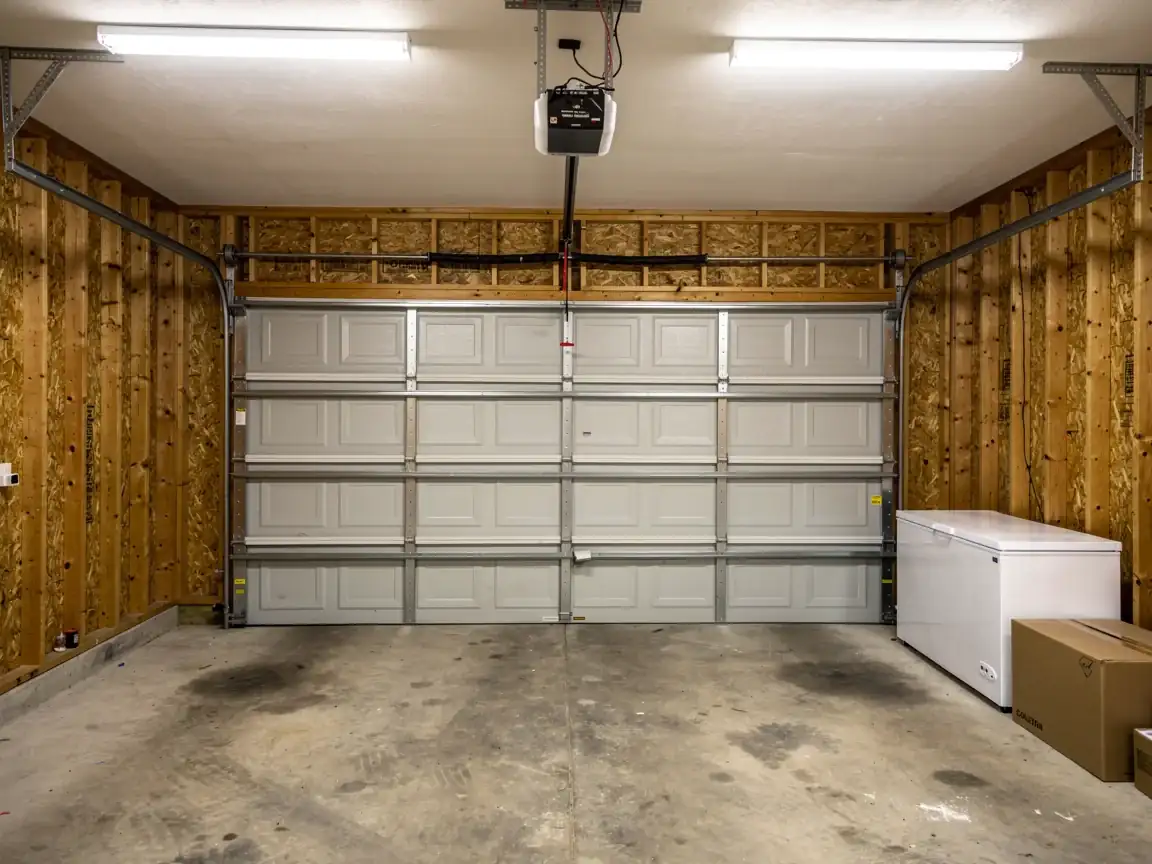
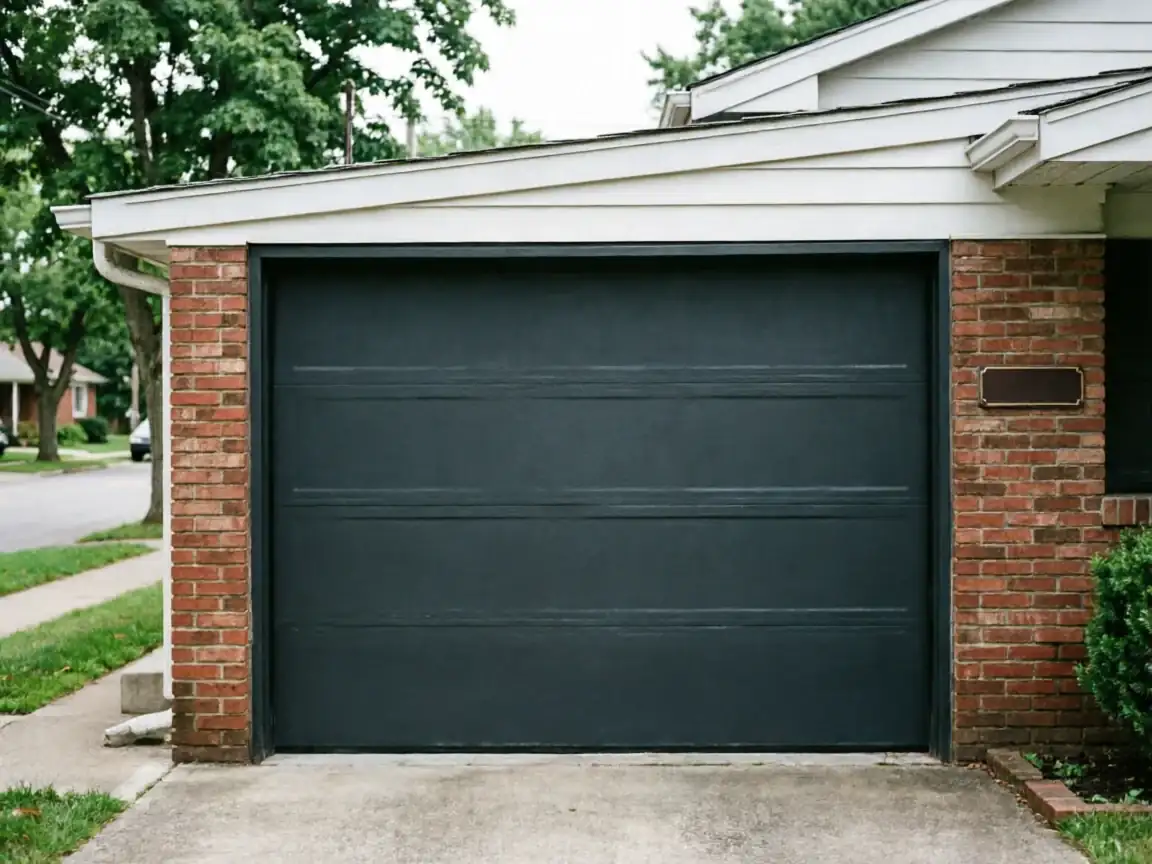
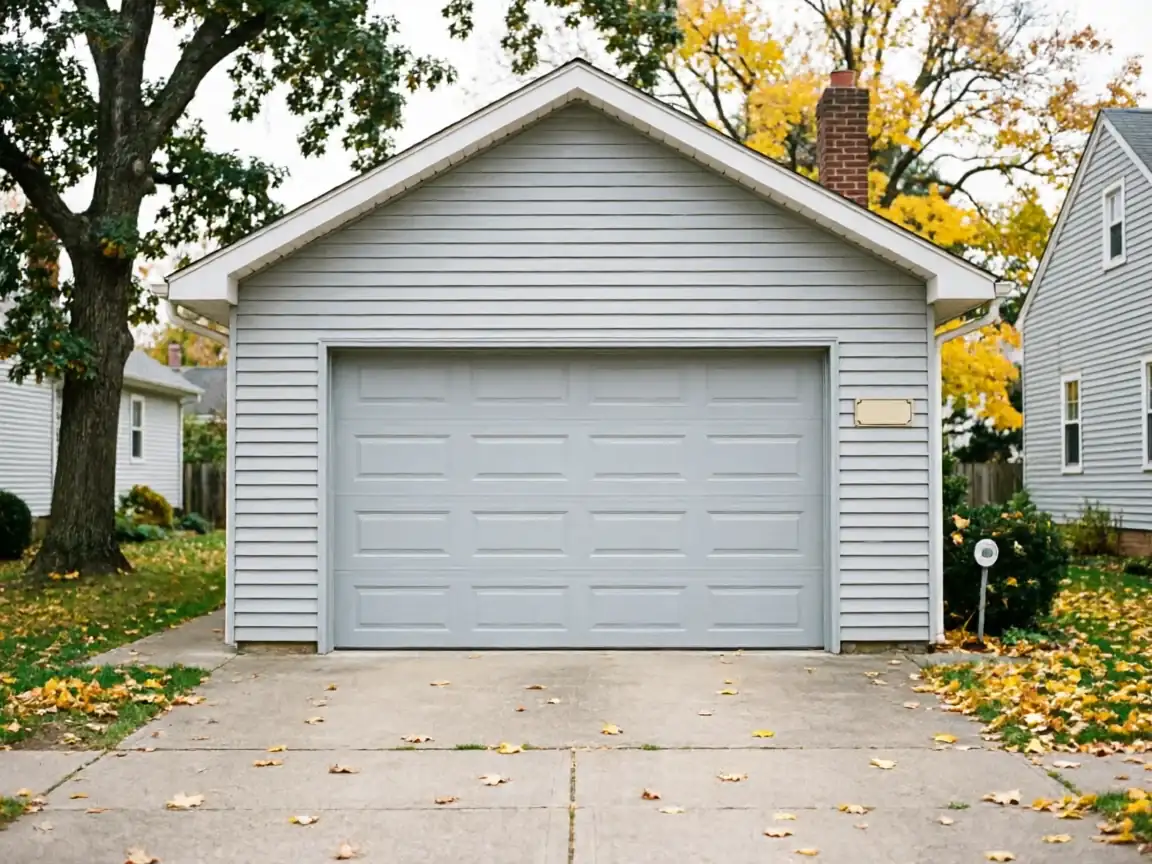
The houses themselves set up the failure. Most of this area's stock dates to around 1976, which lines up with the broader 1938-2009 build range and its 1977 median across the service area, and with the 1960s-70s concentration seen across most of the named communities here. Doors from that run are single-layer steel, no insulation layer bonded behind the skin, so a car bumper tap or a errant basketball doesn't just dent the panel - it buckles the seam where it meets the next section, and that seam is where the door starts binding on the track.
How Long It Takes
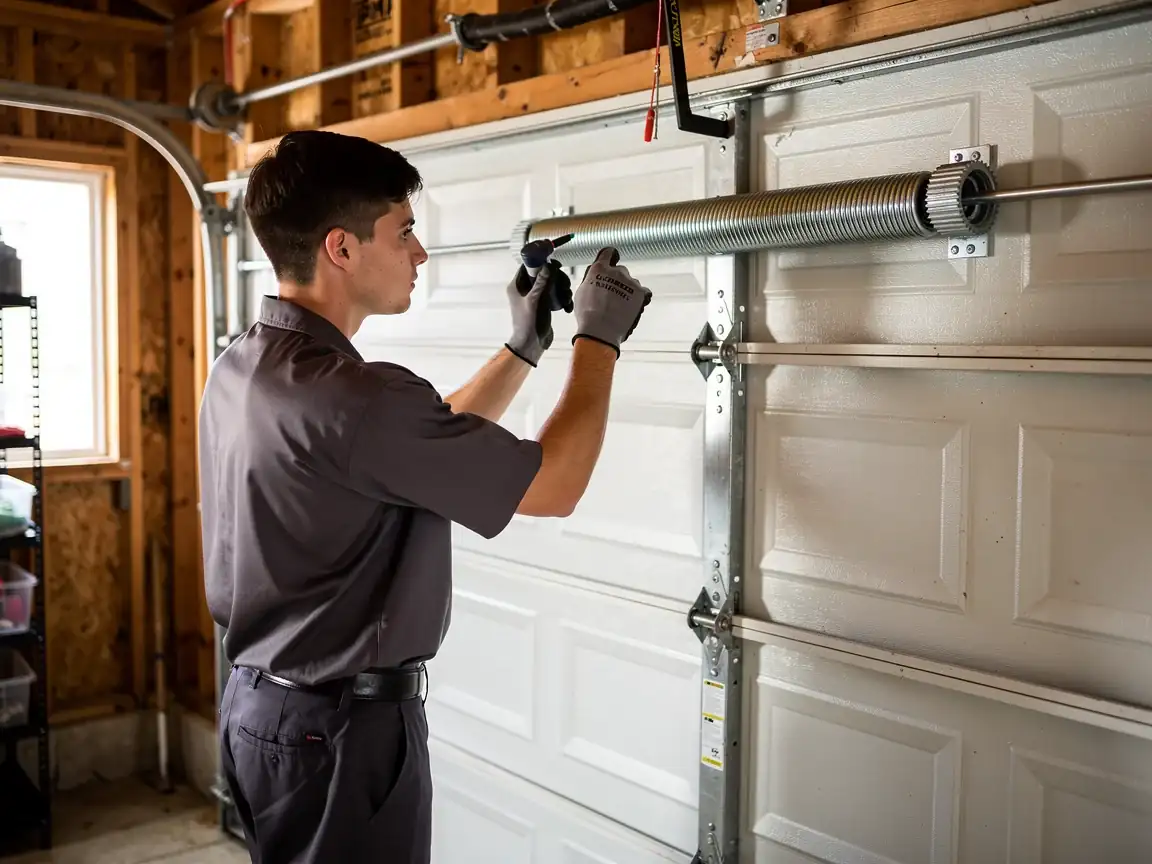
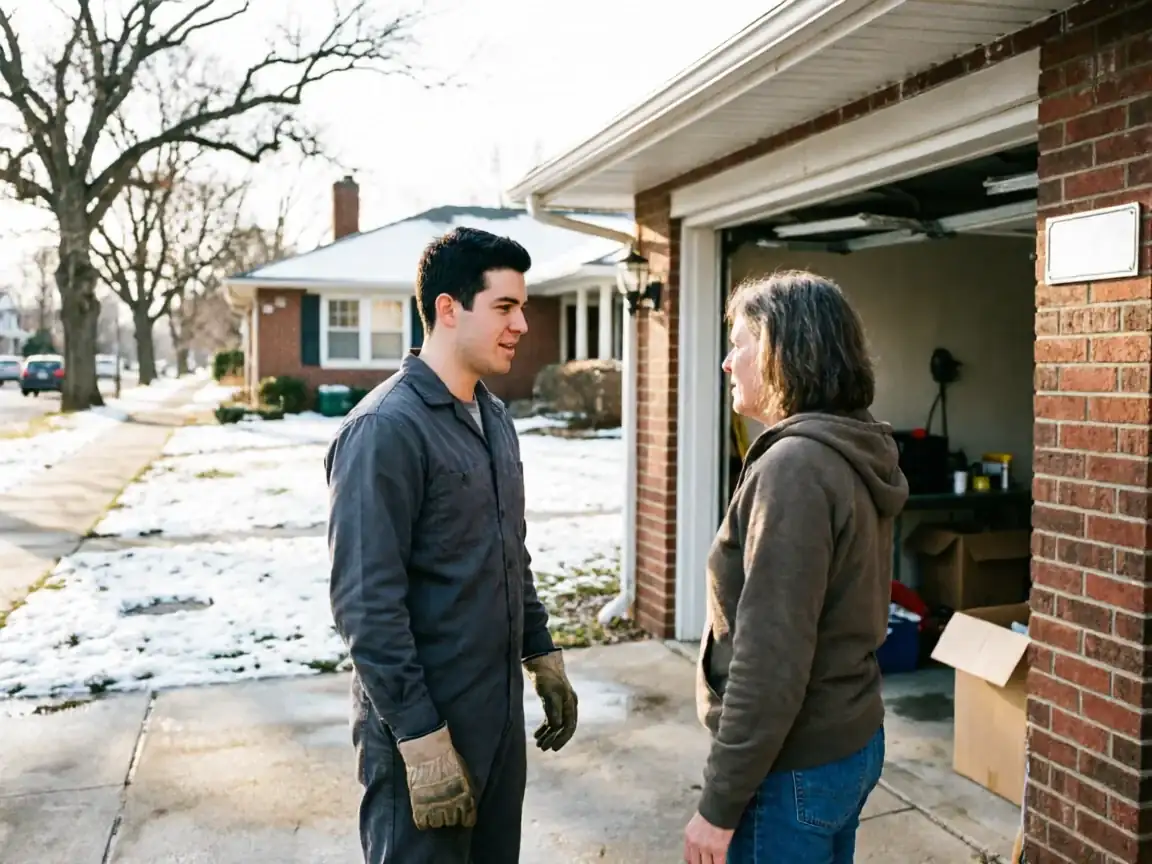
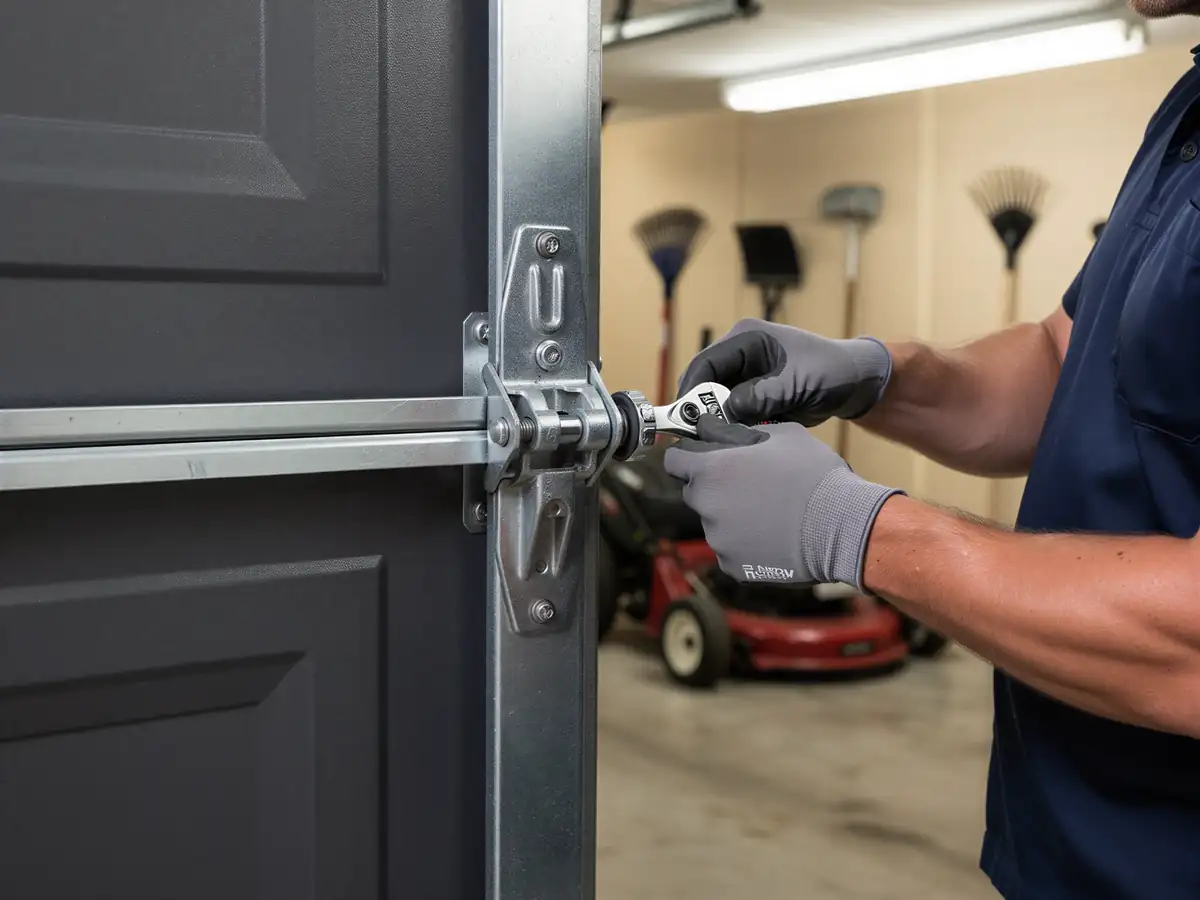
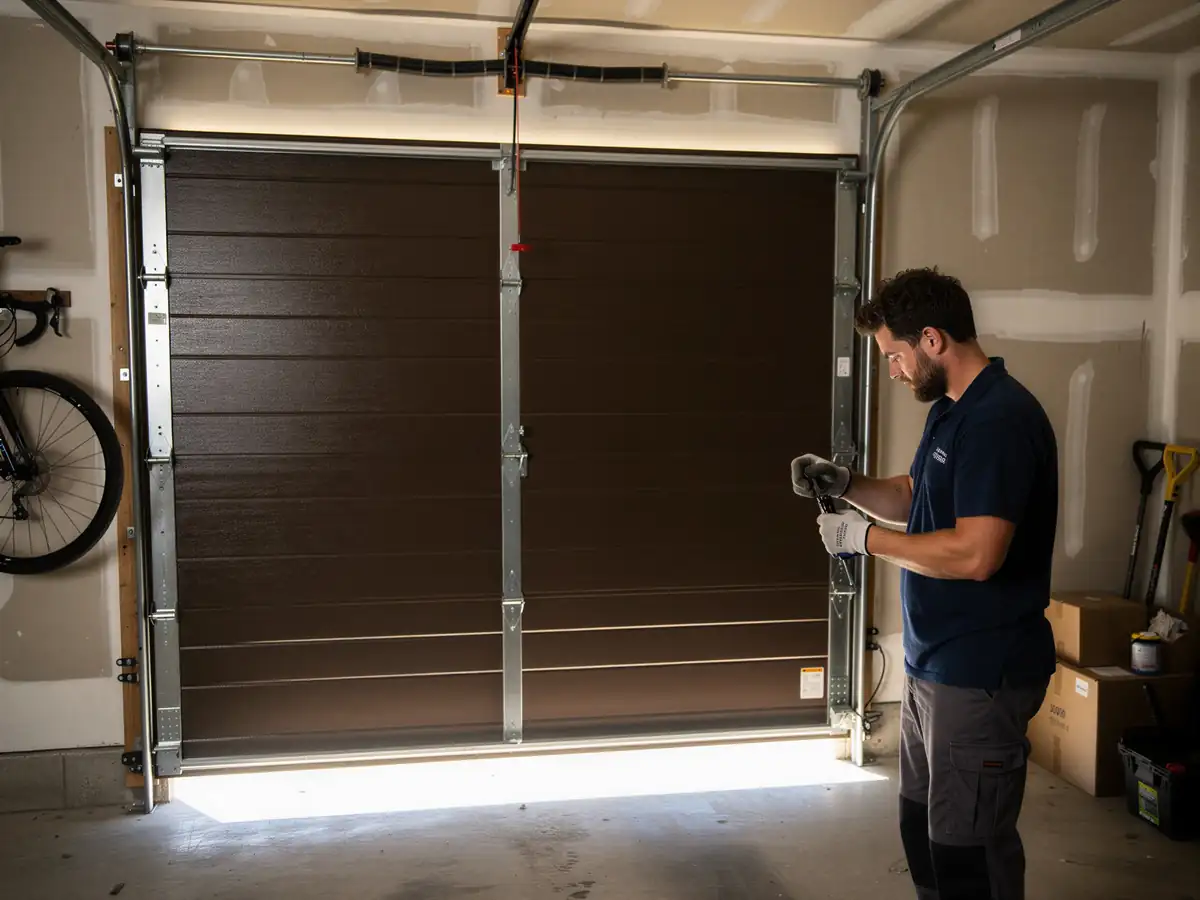
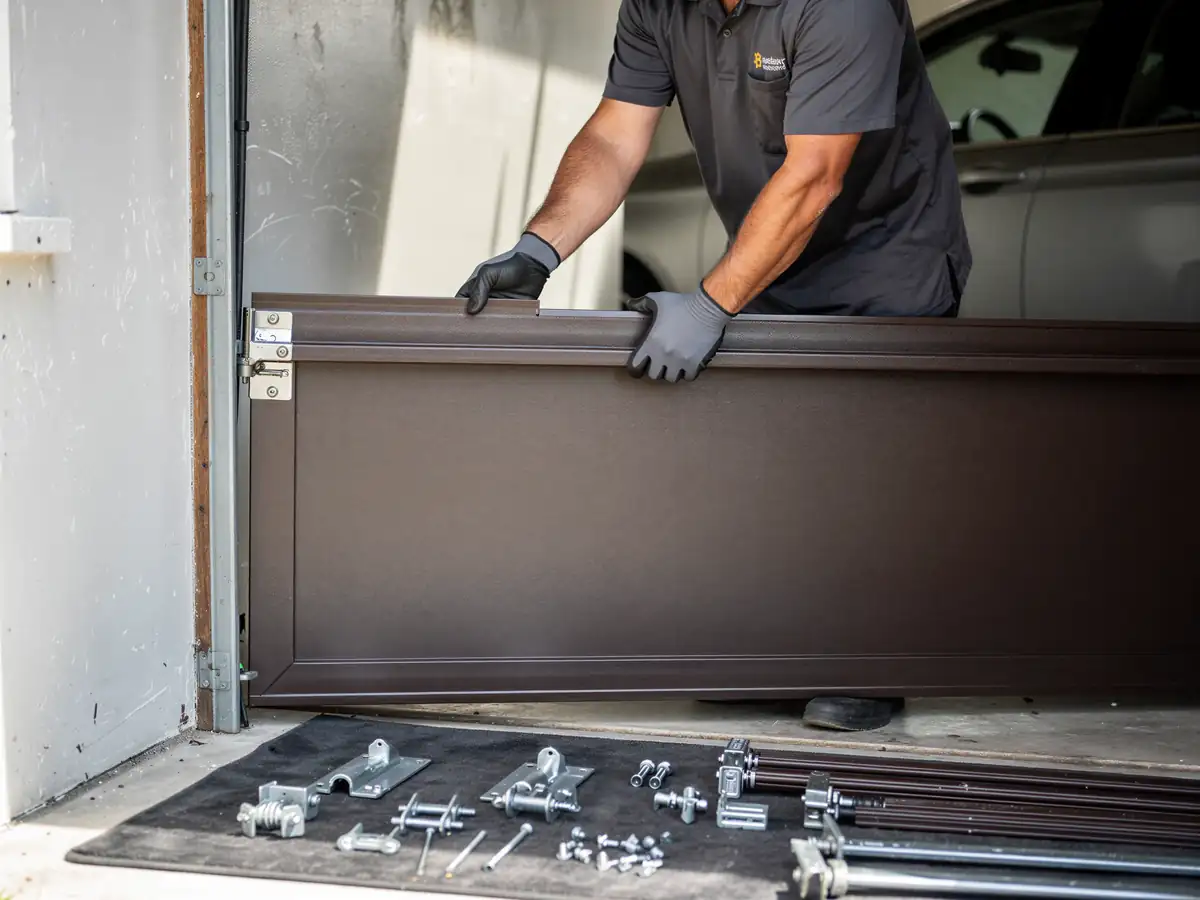
We come from Deerfield, about 10 miles out, so the job doesn't start until the truck is on-site and the panel's been matched to your door's width and section height. Once we're there with the right part, a single-panel swap on a standard double door is a few-hour job: pull the damaged section, disconnect it from the hinges and roller brackets, set the new one, and rebalance the spring tension so the door doesn't slam or hang crooked.
What stretches the timeline is sourcing. A 1976-era door's panel profile doesn't always match what's on a supplier's shelf this month, and if the color or ribbing pattern isn't a stock match, we have to order it in before we can schedule the install. We won't quote a firm day until we've confirmed the part is actually available, because promising a date on a part we don't have yet wastes your time more than it saves it.
Can You Do This Yourself
A bolt-on panel kit looks simple enough from the outside
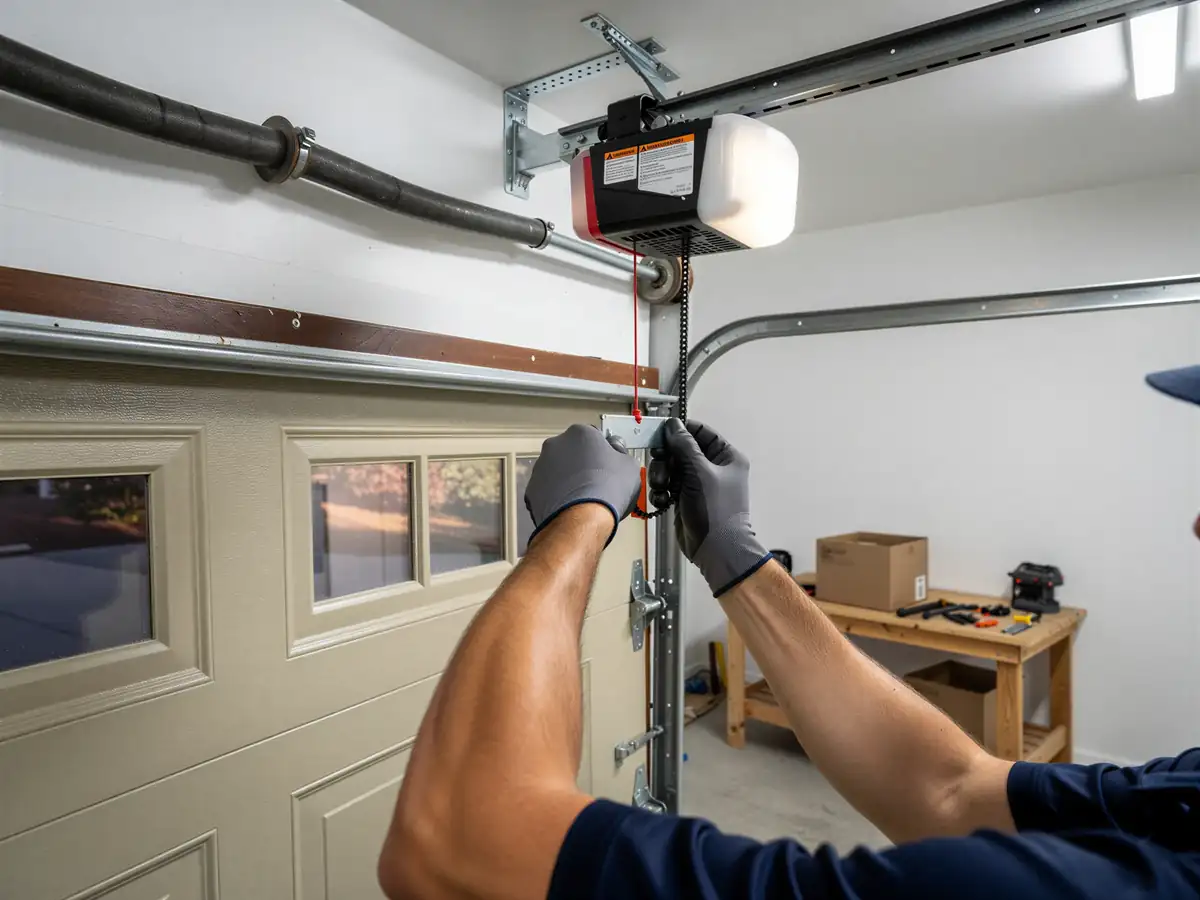
Unscrew the old section, bolt in the new one - but torsion spring tension has to come off the door first, and getting that wrong on a double door is how people end up with a cracked windshield or worse. We're not going to pretend otherwise.
The honest limitation on our end
If your door is an older single-layer steel model and the exact panel profile has been discontinued, we may not be able to match it perfectly. In that case replacing the whole door is usually the better call, not because we're trying to upsell a bigger job, but because a mismatched panel on an otherwise original 1970s door looks worse than either fixing it right or leaving it alone. We'll tell you straight if that's where your door sits before we order anything.
What You Are Seeing
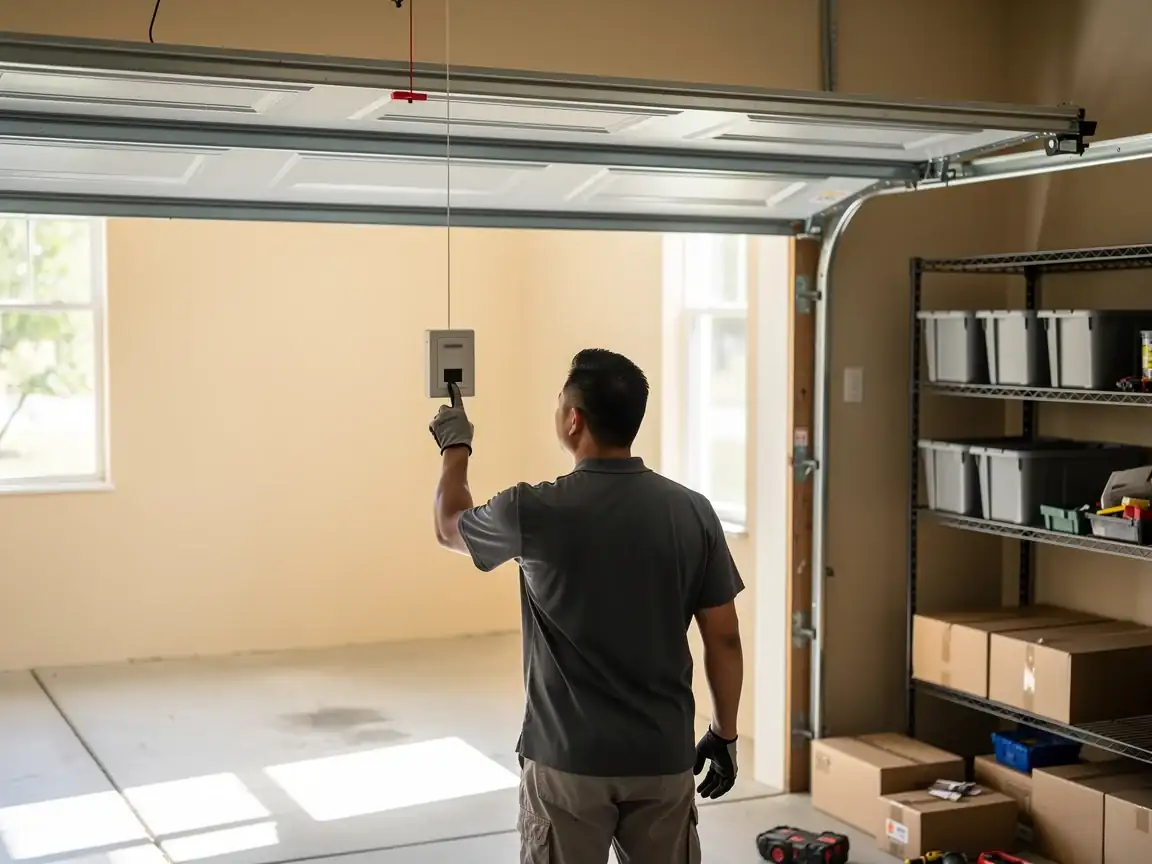
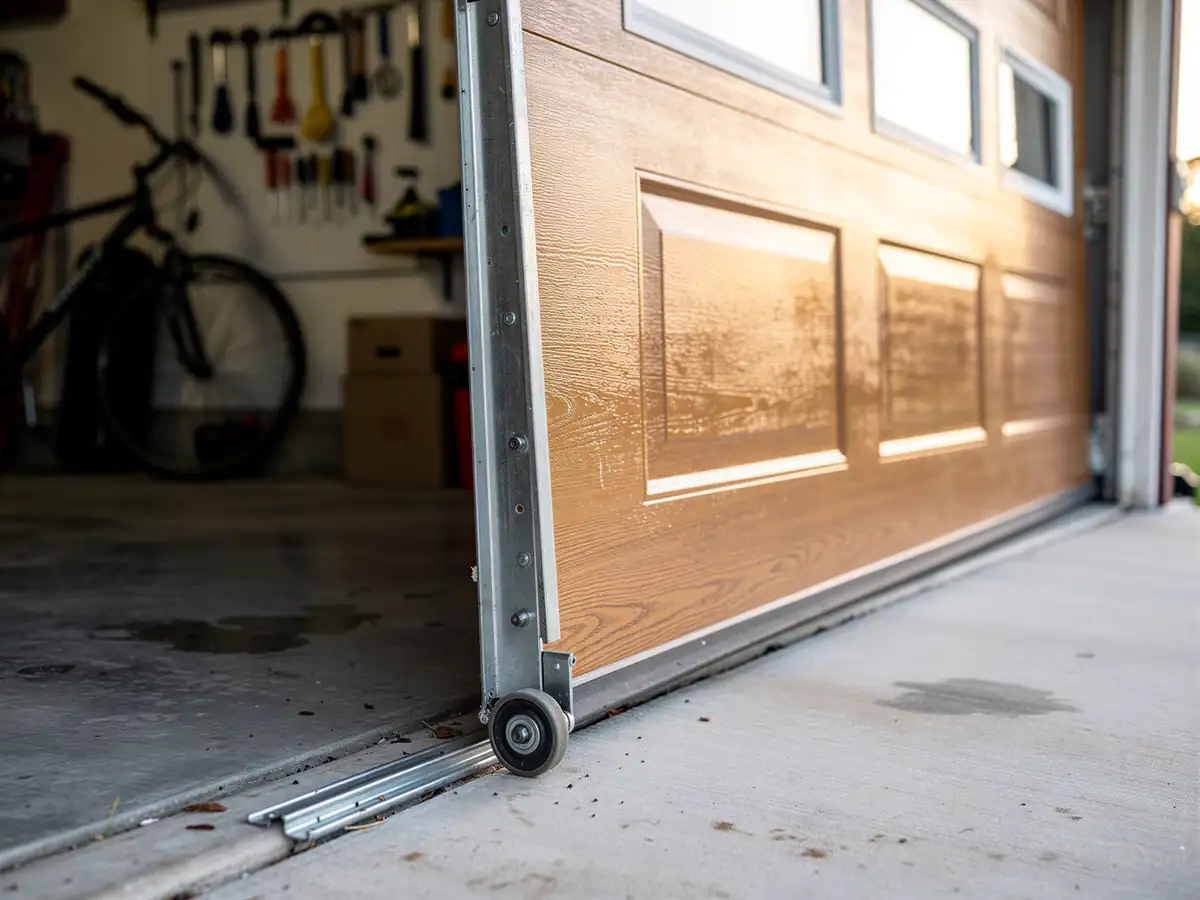
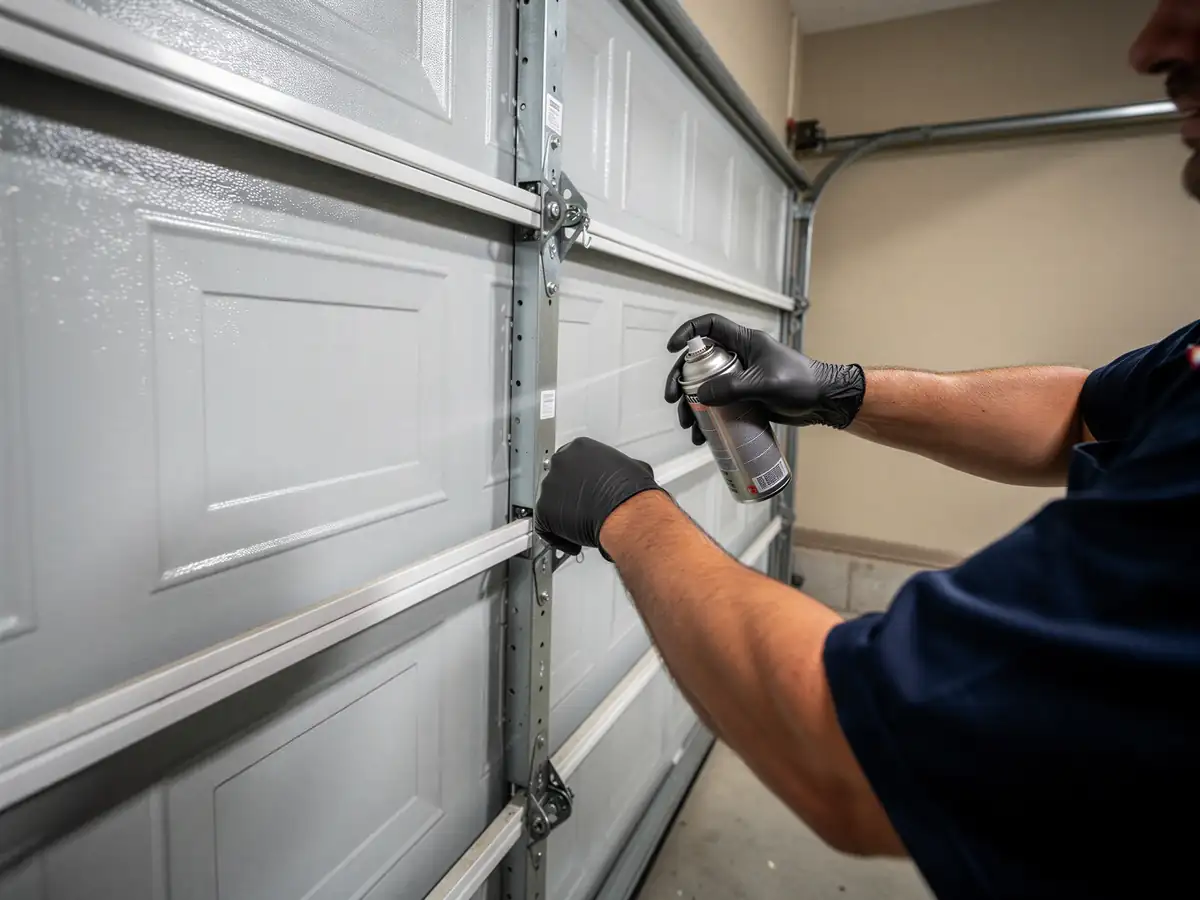
On the single-layer steel doors common in this area, the damage shows up in a few predictable spots. A dent low on the door, usually from a trailer hitch or a mower clipping the bottom section, tends to buckle the seam and keep the door from sealing flush against the floor. A dent higher up, near a hinge point, throws off the roller alignment and you'll hear the door grind or catch partway through its travel.
Rust is the other one we see on doors from the 1976 construction window - not surface rust, but pitting along the bottom panel edge where snowmelt sits against the steel through a Midwest winter. Cold-climate freeze-thaw cycles work a dent into a crack faster on an older single-layer panel than on newer insulated stock, because there's no second skin holding the shape once the seam gives.
Parts We Carry
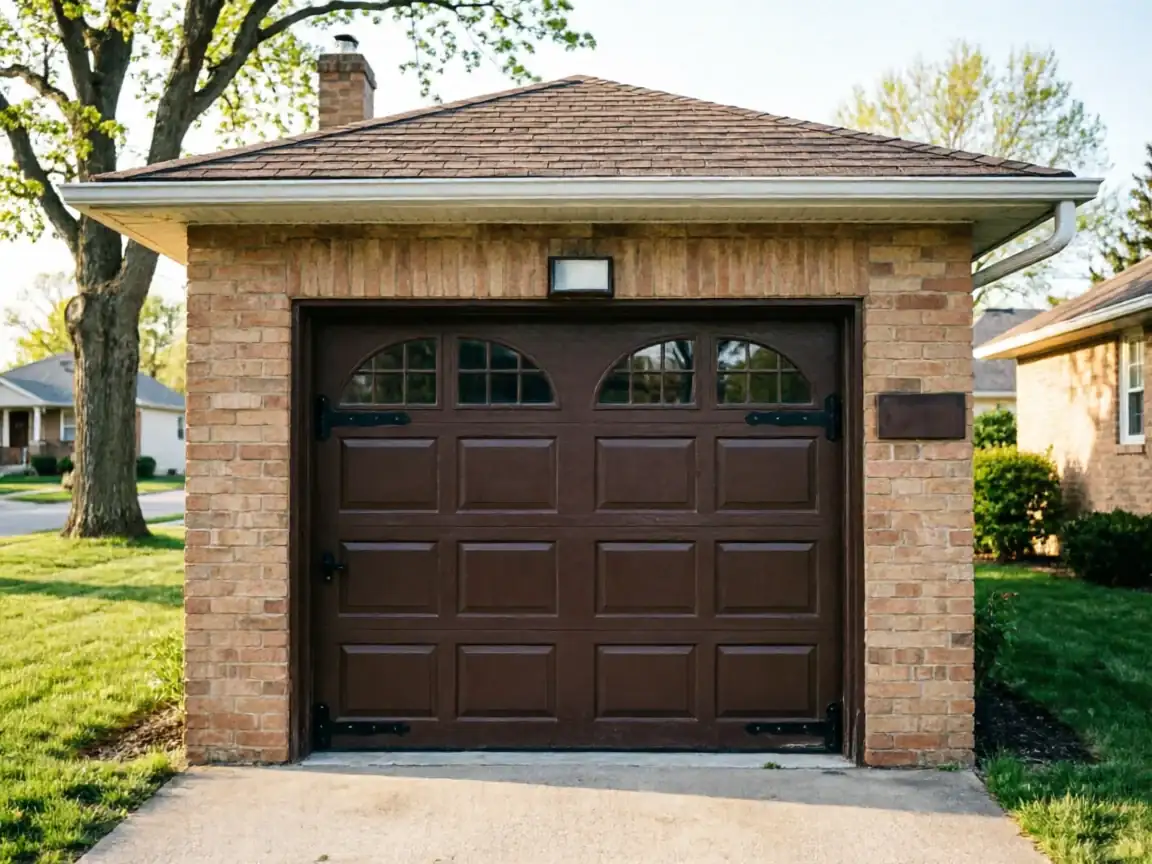
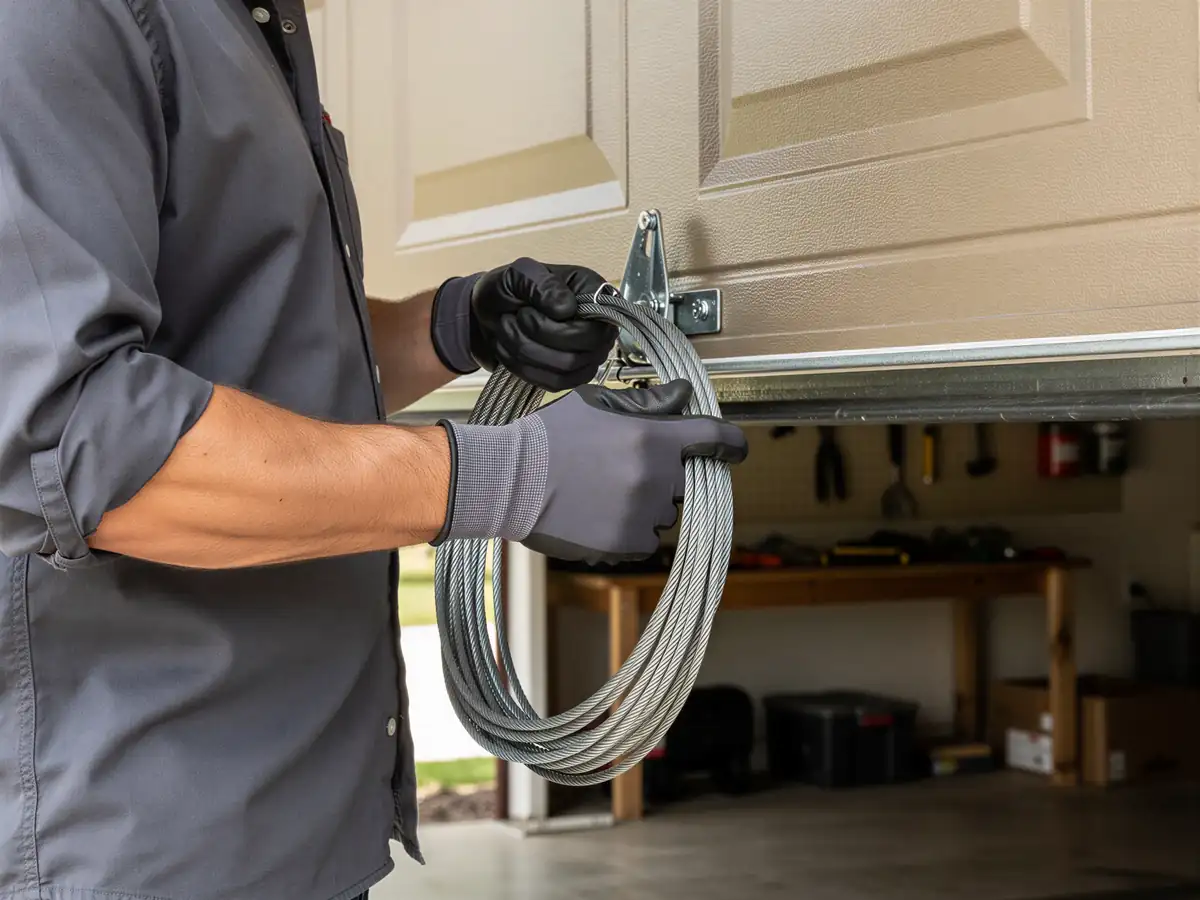
We stock steel replacement panels sized for the section heights common on 1960s-70s builds across this part of the service area, along with the matching hinge and roller bracket hardware that older single-layer doors use - that hardware has changed dimensions over the decades, so a panel that fits doesn't always mean the brackets will. For doors in the 1970s-1980s range specifically, we carry panels in the standard raised and flush profiles most often found on houses from that build era.
What we don't keep on the truck is every discontinued color or embossing pattern. If your door uses a finish that's no longer manufactured, we'll tell you that up front rather than installing something that's close but visibly off, and talk through whether a full door replacement makes more sense for your situation.