Why This Fails Locally
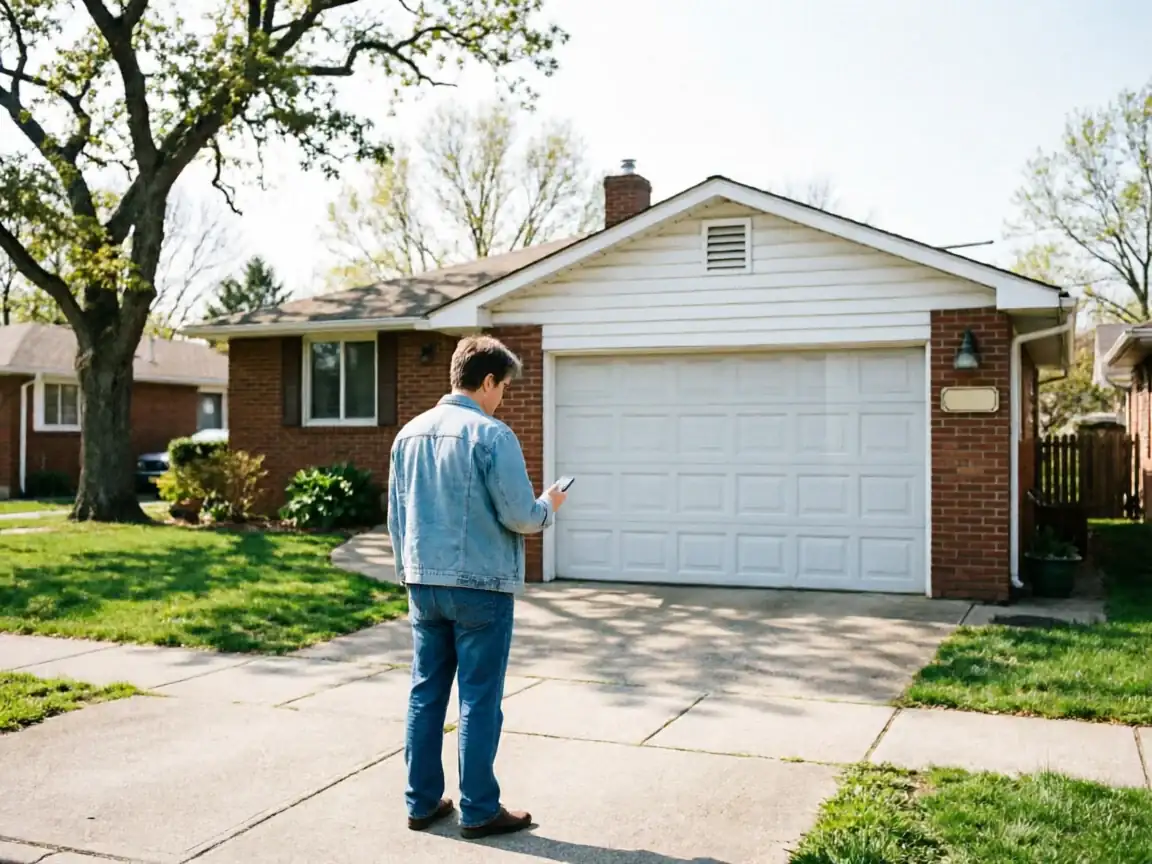
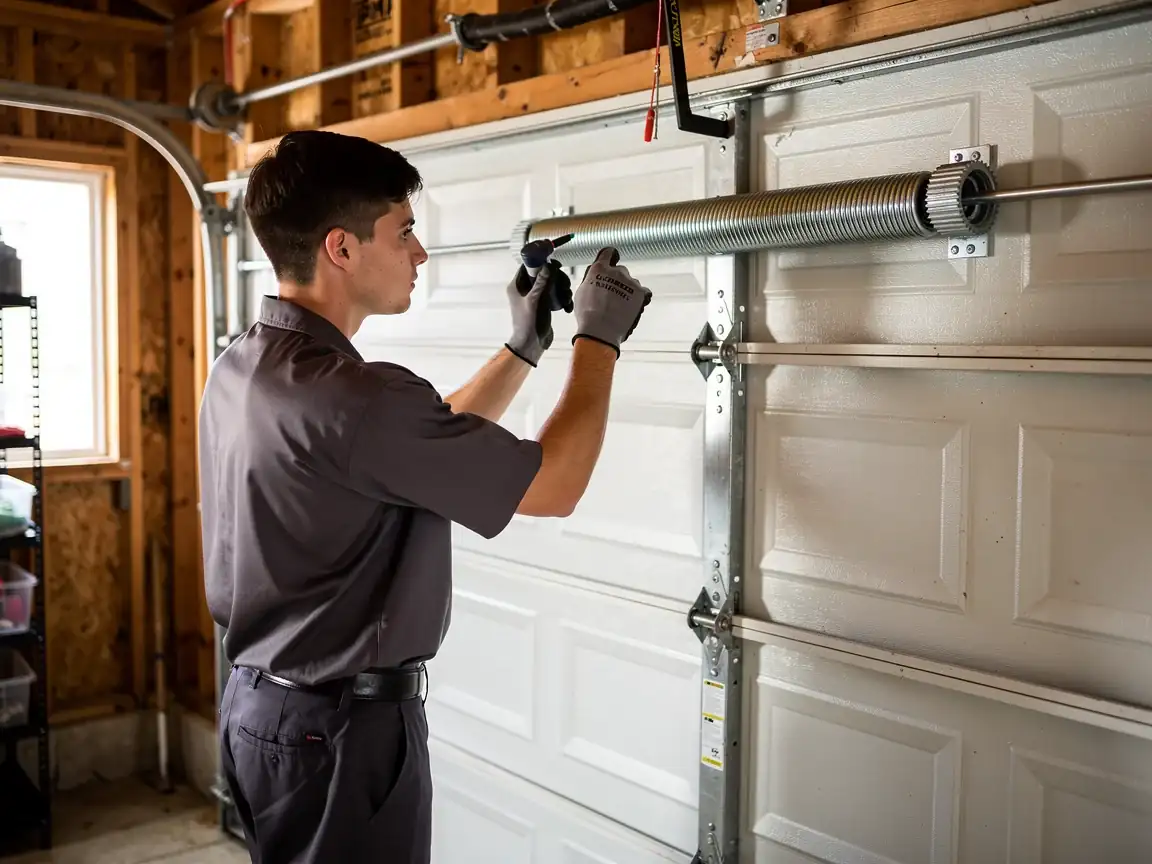
Libertyville's median build year sits at 1976, which puts a good chunk of this town's garage doors a decade or more ahead of what we see on newer streets closer to Deerfield. That matters because the hardware changed a lot between the early 70s and the 90s. A door from 1976 is more likely to carry an older torsion setup, sometimes with a single spring doing the work a modern double door needs two springs for. That single spring wears out faster and fails harder - when it goes, the door doesn't just stick, it drops. We also see openers from later retrofits bolted onto original track that was never sized for them, which throws the chain or belt out of alignment over time. None of this is unique to one house; it's a pattern tied to when this part of town went up, not a one-off. We drive the 10 miles out from Deerfield because this pattern shows up often enough to be worth knowing before we open the panel.
How Long It Takes
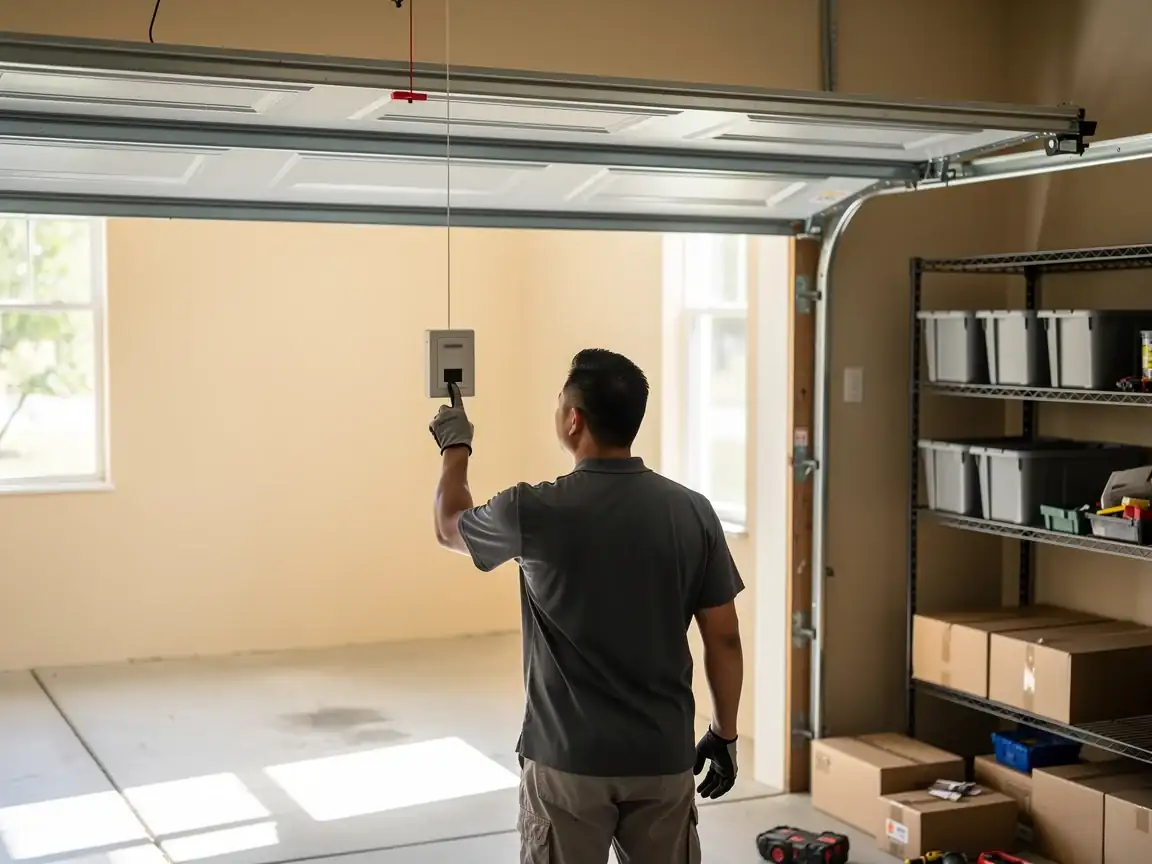
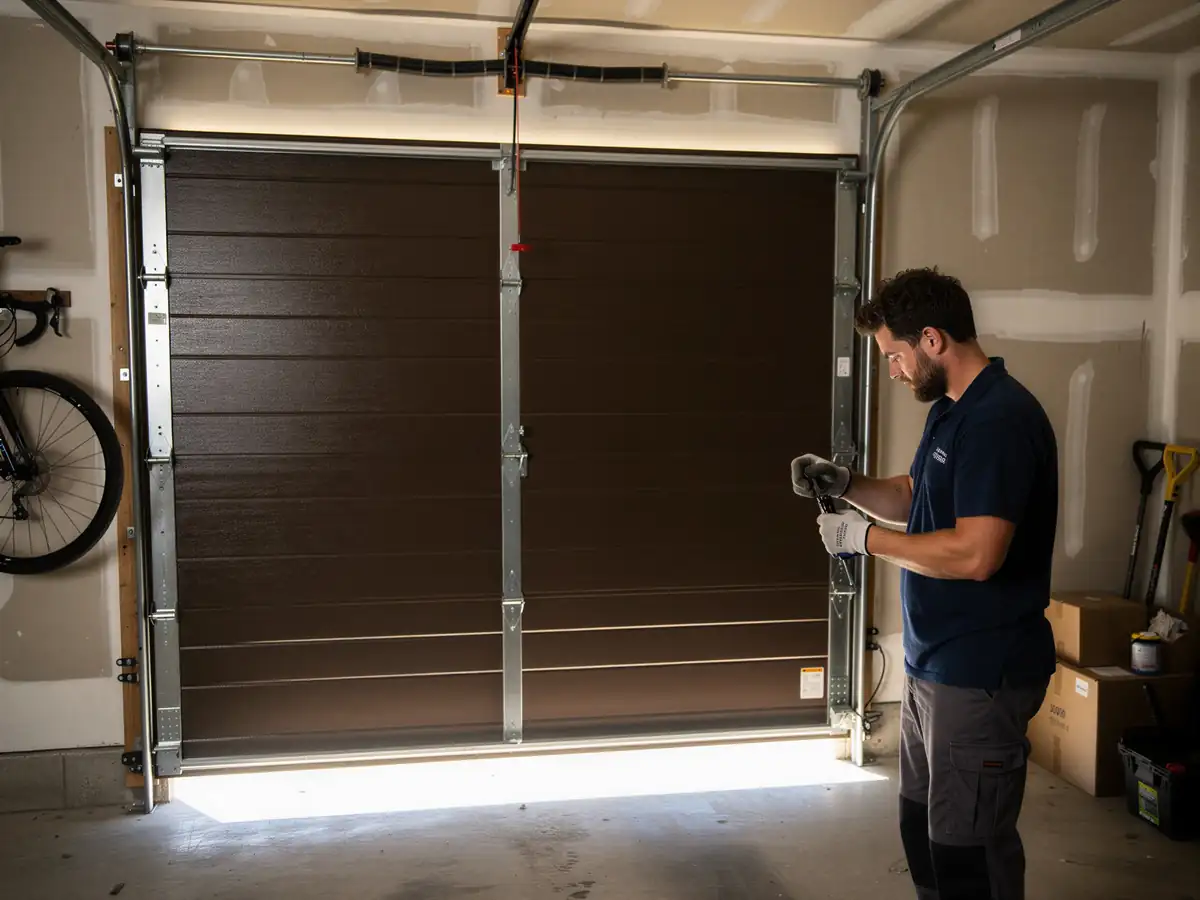
A straightforward torsion spring swap on the older single-spring setups common here usually runs under an hour once we're on site, assuming the shaft and drums aren't also worn. Where it runs longer is diagnosing opener and track mismatches from a later retrofit - sometimes the opener is fine and the track is the problem, sometimes it's the reverse, and we don't guess before we look. Because we're coming from Deerfield, the drive itself adds time to the day that a local shop wouldn't have, so we're straight with people about scheduling rather than promising a same-hour arrival we can't back up. The honest version: book ahead when you can, and tell us what the door is doing (grinding, drifting, refusing to close) so we bring the right parts on the first trip instead of a second one.
What You Are Seeing
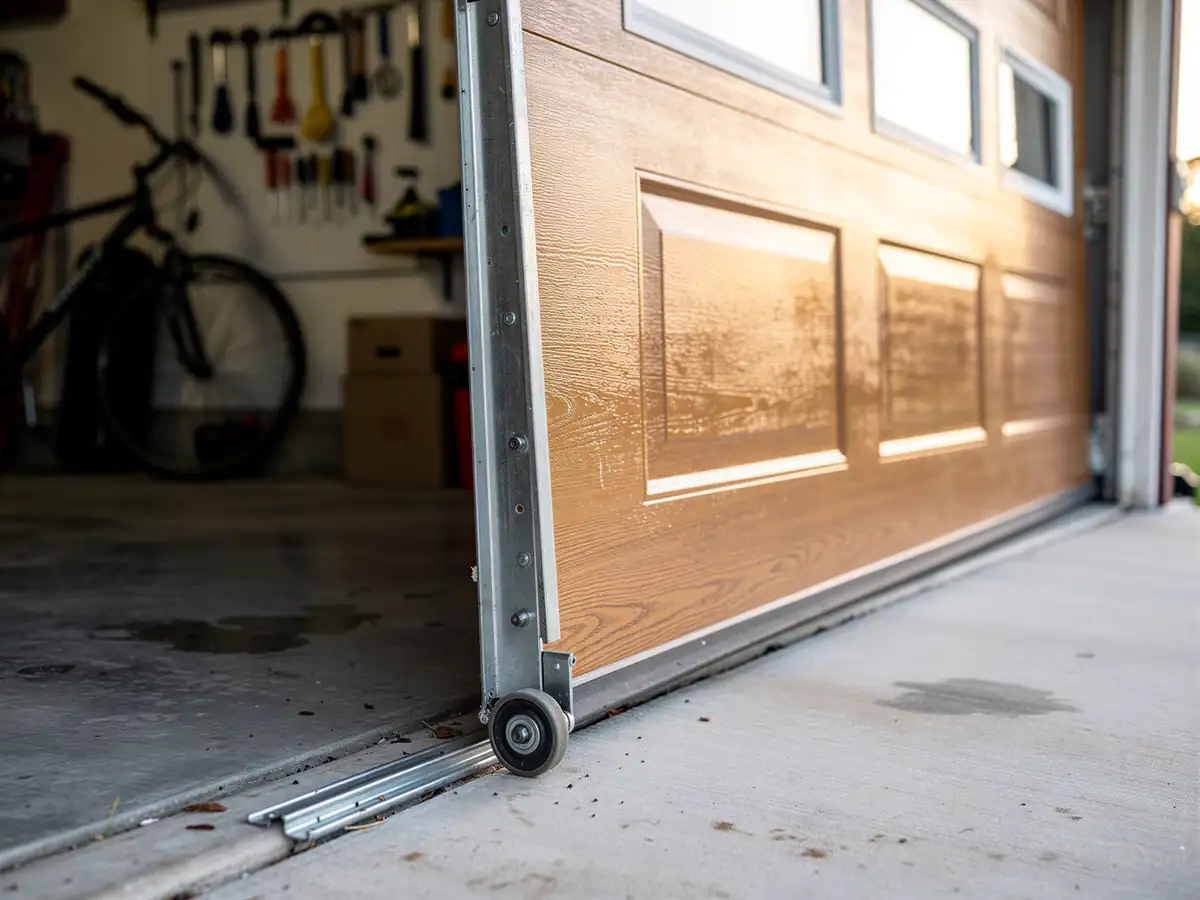
With household income here running higher than the wider service area average ($162,270 against $125,104), we see more owners replacing rather than patching once a door hits a certain age, especially on the double-door setups that came in later. But the base housing stock still dates mostly to the mid-70s, so even well-kept homes often have original rollers and drums that have simply outlasted their expected life. The cold winters this far north of the city add their own wear - steel contracts in low temperatures, and a track that was slightly out of plumb in July can bind hard in January. We're not here to sell a full replacement on every call; plenty of these doors just need the worn parts swapped out and they'll run another decade.
Parts We Carry
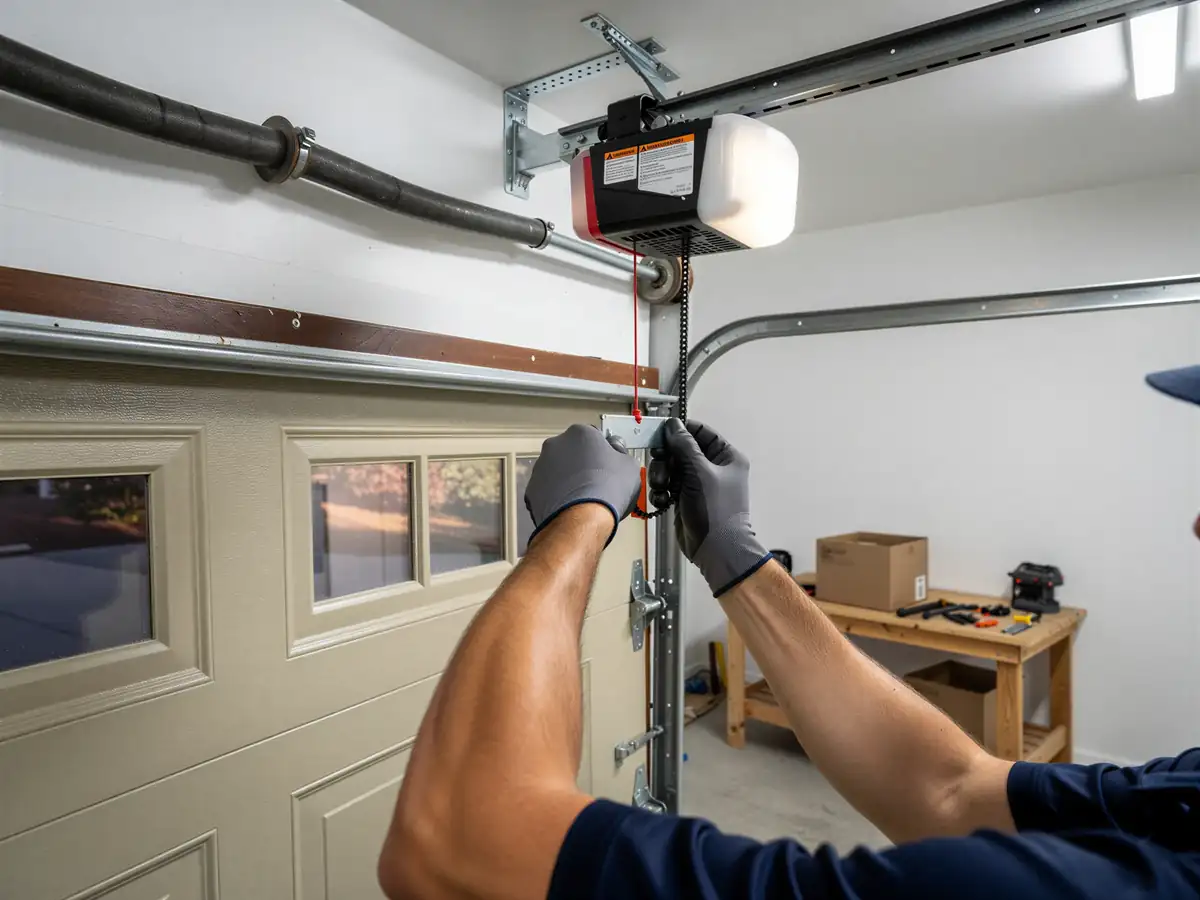
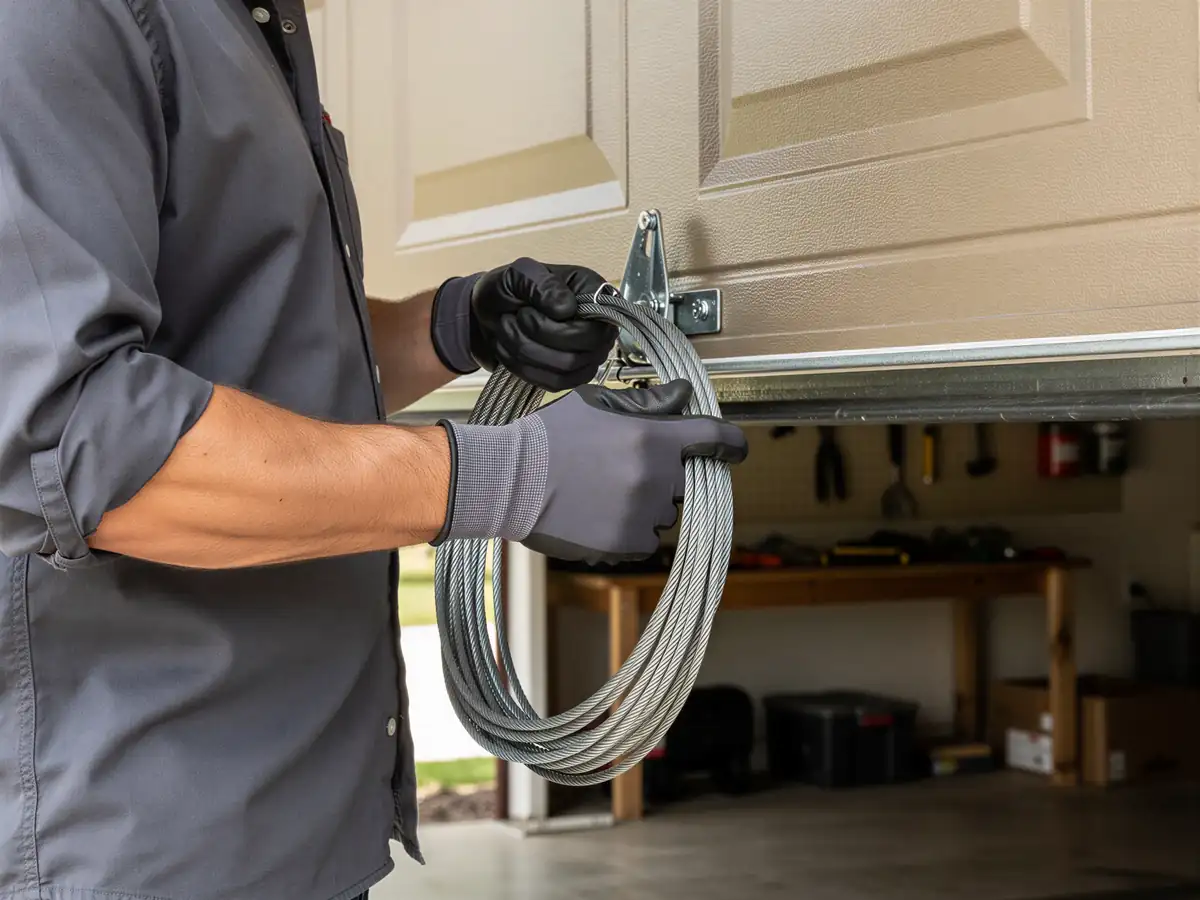
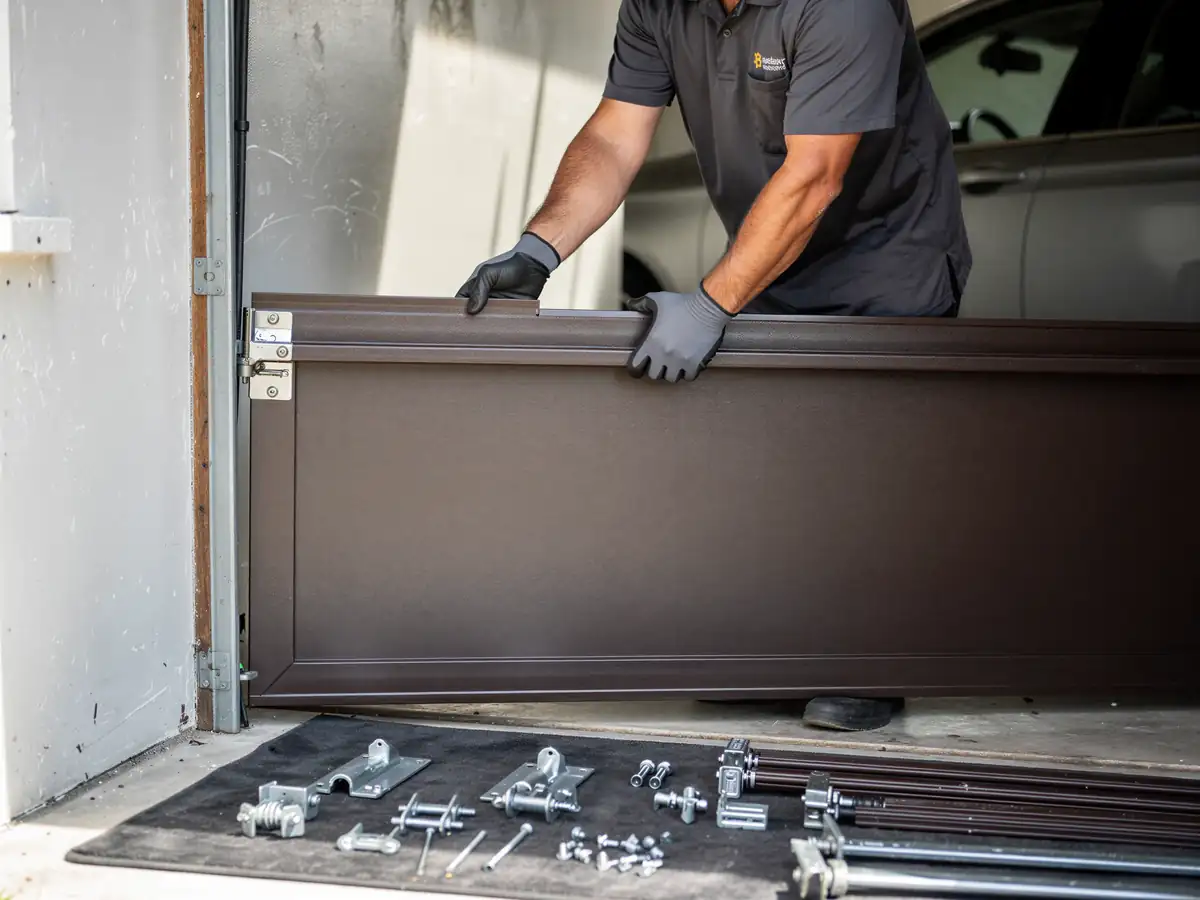
We stock torsion springs sized for both the older single-spring systems and the newer double-spring setups you'll find on later retrofits, along with standard cable, roller, and hinge sizes that cover most of what was installed in this area's 1960s-through-2000s building range. Opener parts are more hit or miss - if a unit is an older model no longer in production, we may need to order the board or logic unit rather than carry it on the truck, and we'll tell you that up front rather than make a second trip look like bad planning. For anything genuinely obscure, replacement is usually the faster and cheaper call than hunting down a discontinued part.