Why This Fails Locally
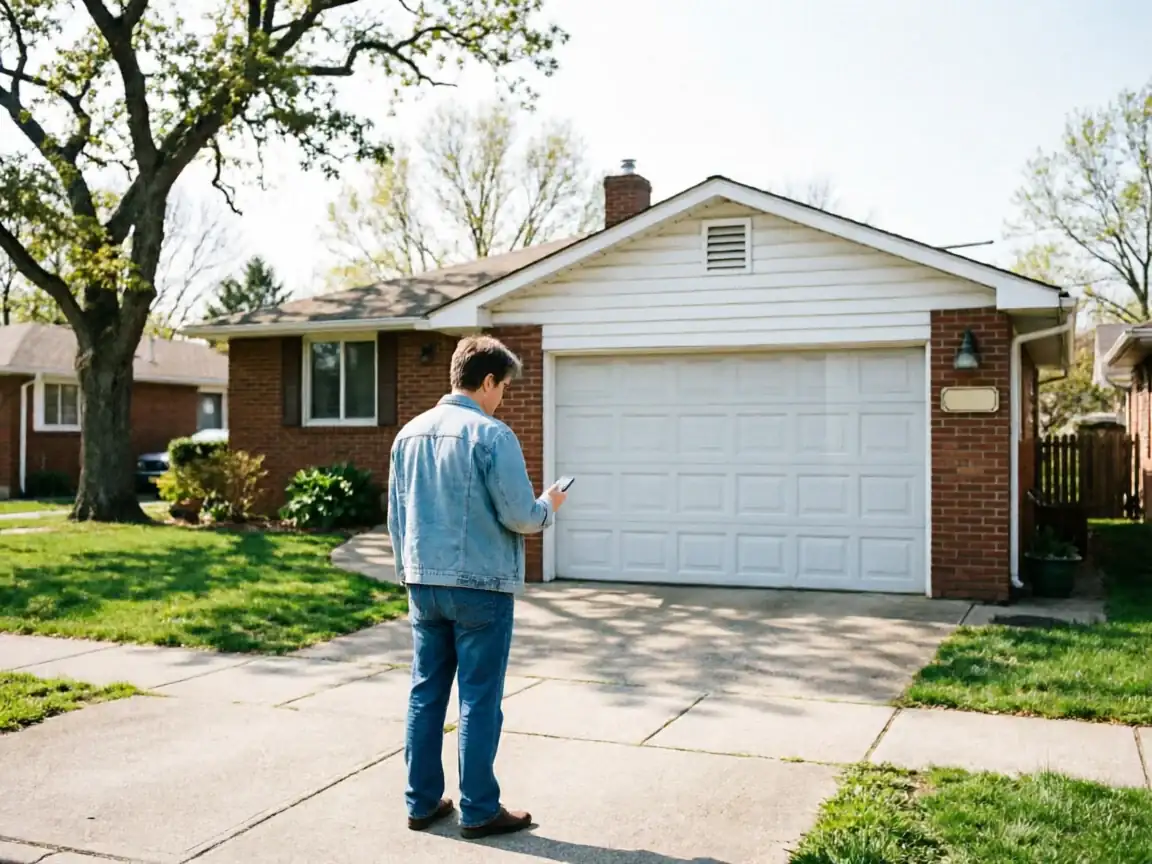
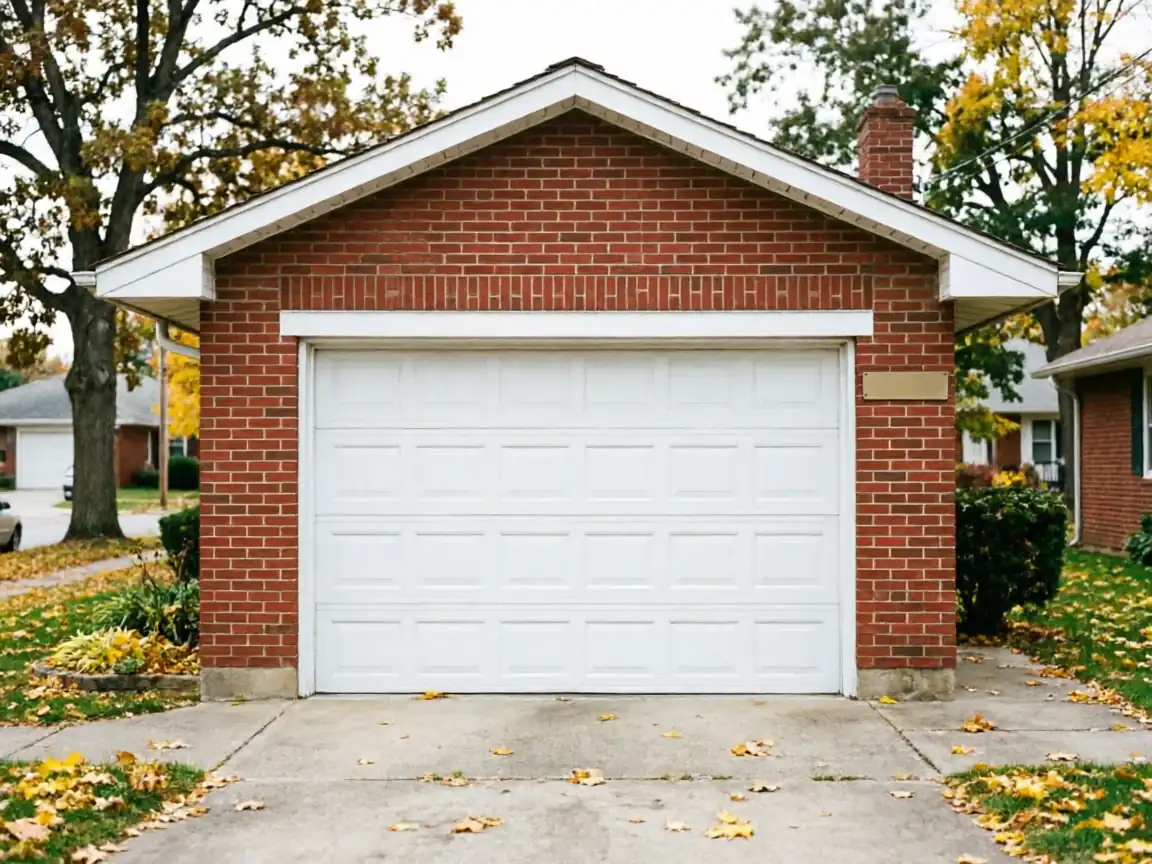
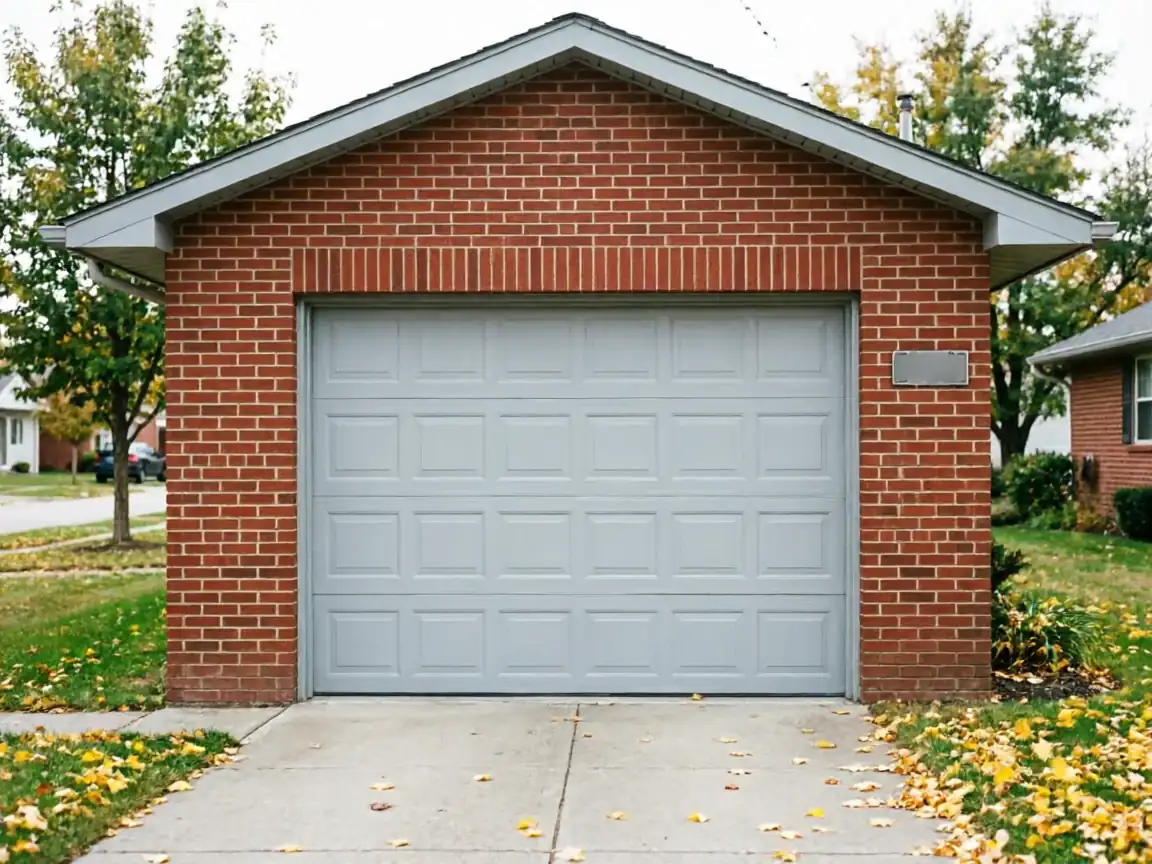
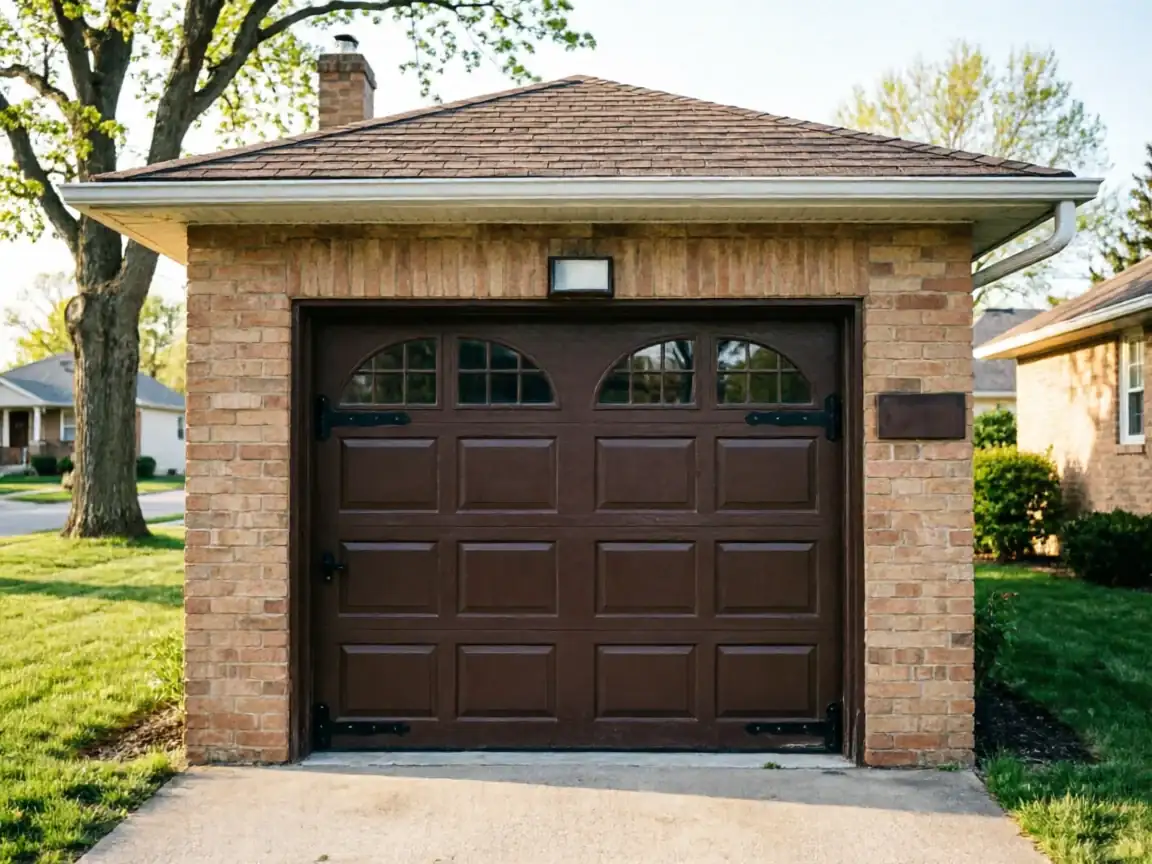
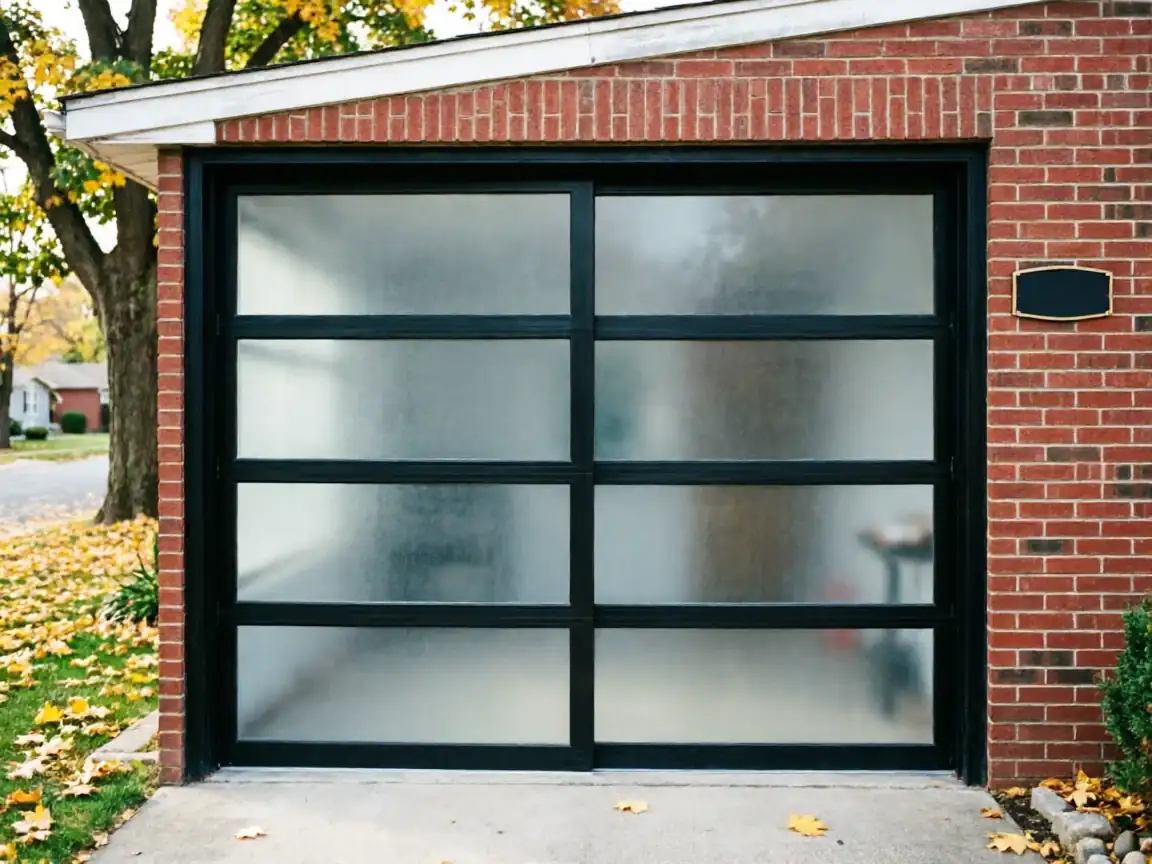
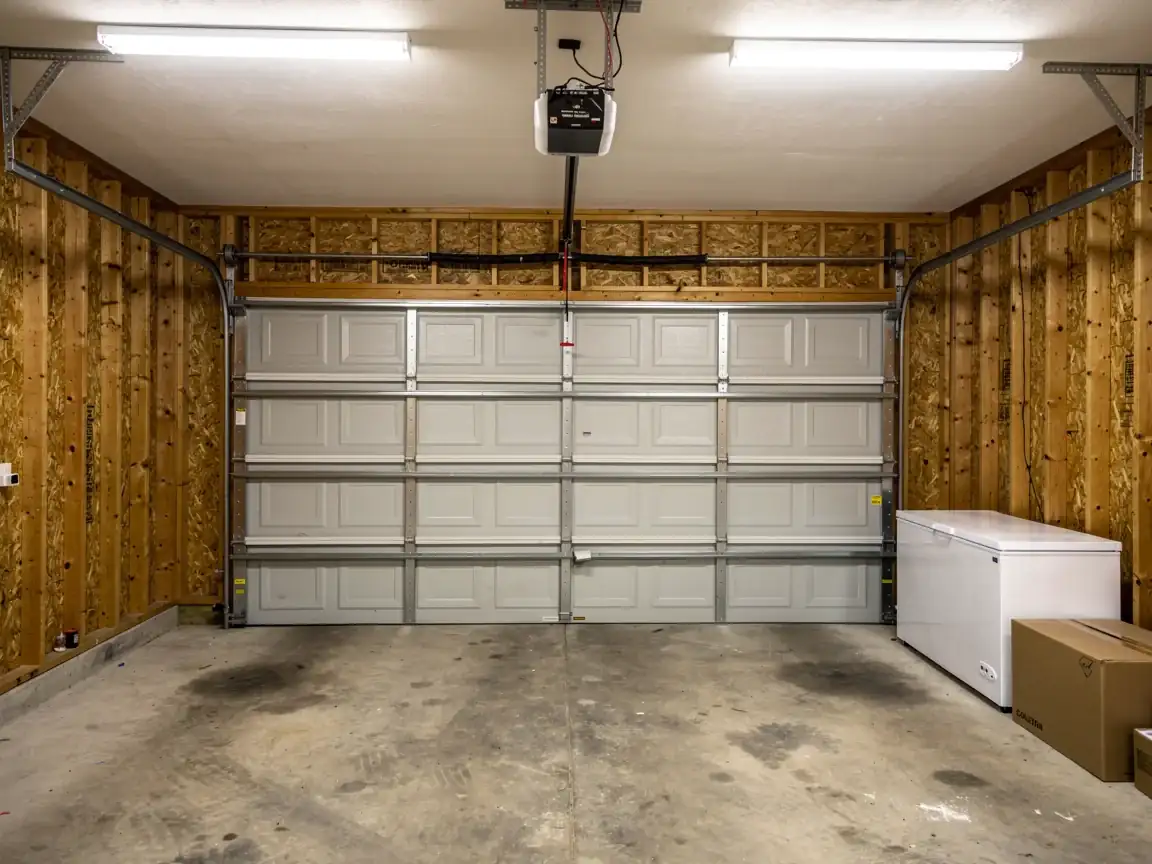
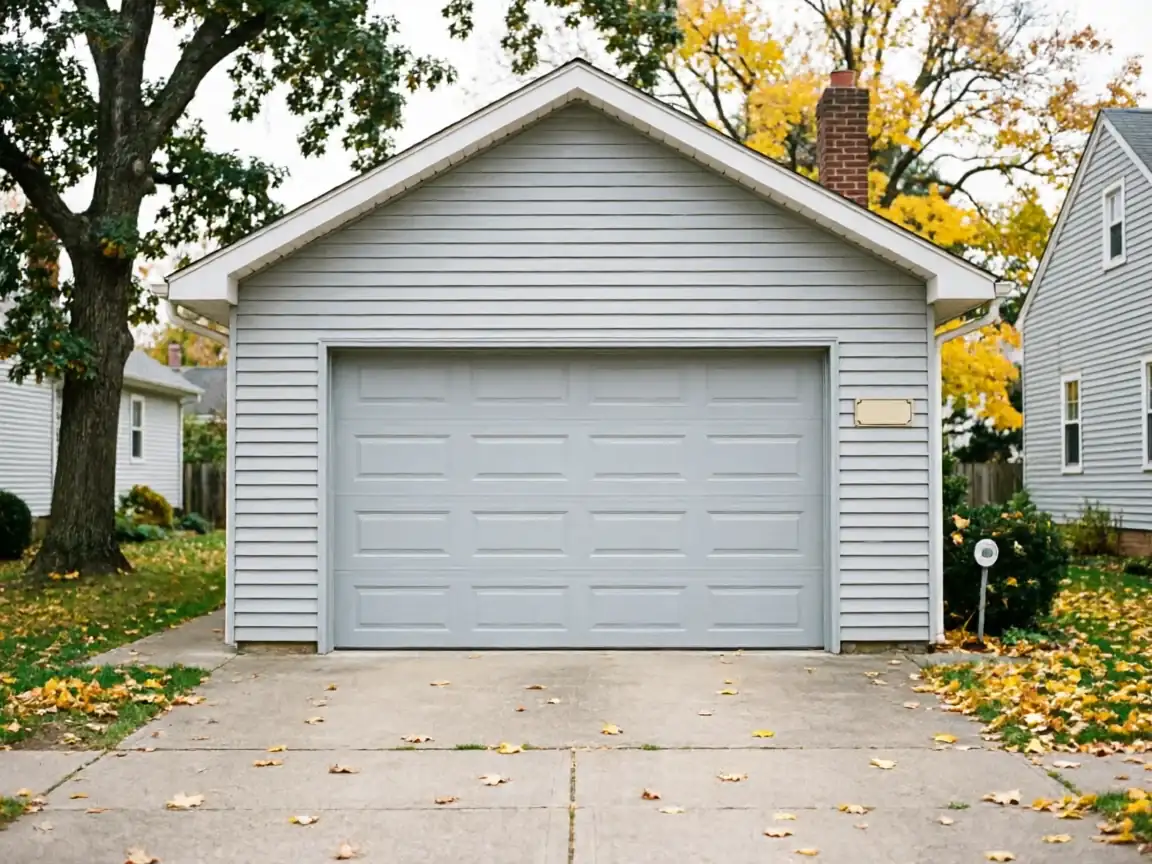
Most houses in Libertyville went up around 1976, which puts this town squarely in the service area's 1960s-70s band rather than the newer construction you'll find closer in toward Deerfield. That matters because a door hung in the mid-70s was almost always paired with a torsion spring sized to the steel and insulation standards of that decade - lighter sections, thinner tracks, and hardware that wasn't built with today's heavier insulated panels in mind. When a homeowner here swaps in a modern replacement door but keeps the original spring and drum setup, the spring is now working harder than it was ever sized to. That mismatch doesn't show up as a sudden break. It shows up as a door that gets slower to open over eighteen months, then stops lifting evenly on one side. We see this pattern across the 1960s-70s stock in the wider service area, but a town built right in the middle of that window, like Libertyville, runs into it more often and sooner than newer subdivisions do.
How Long It Takes
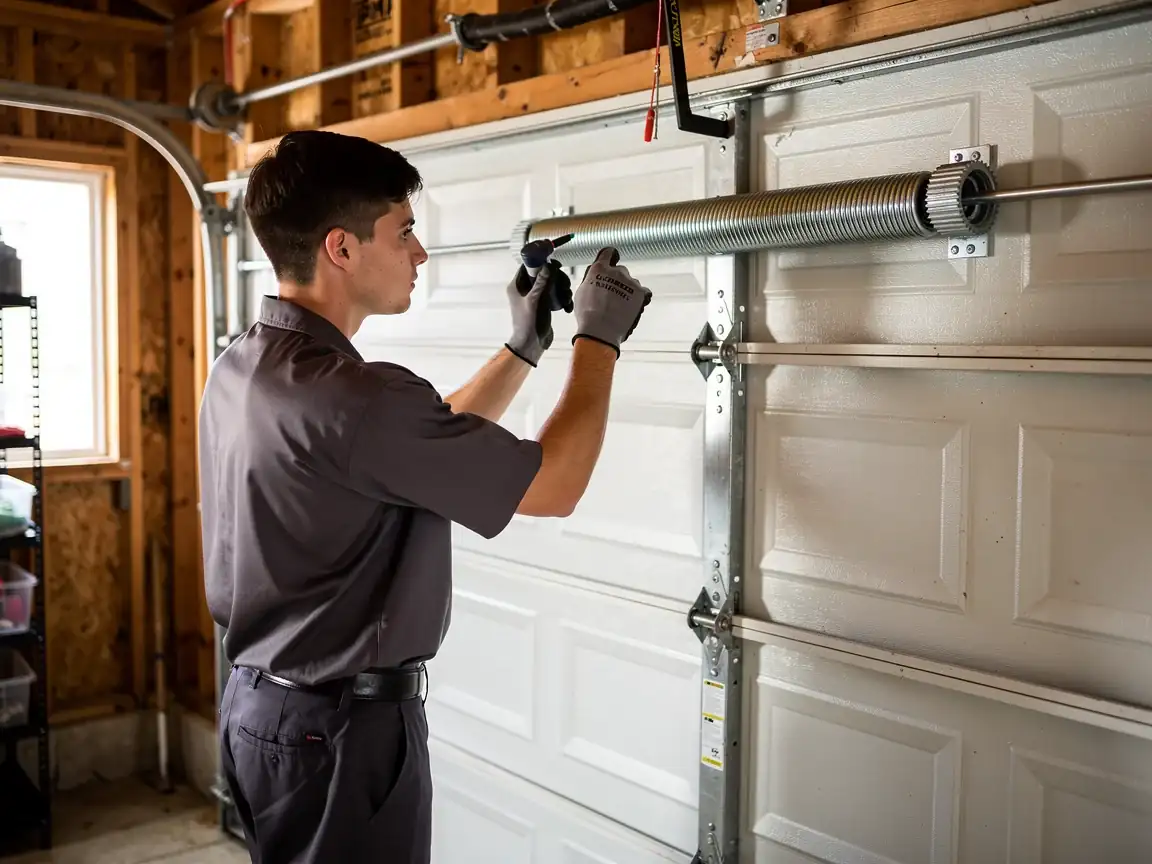
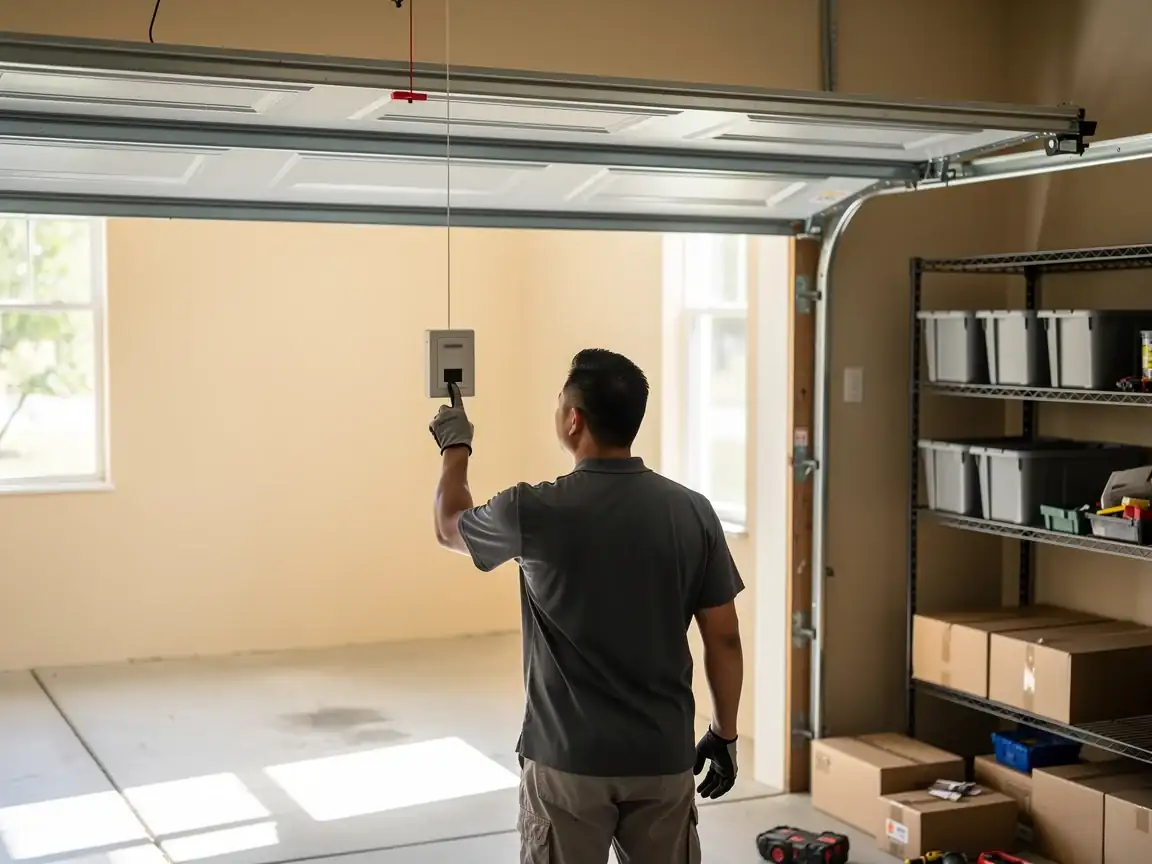
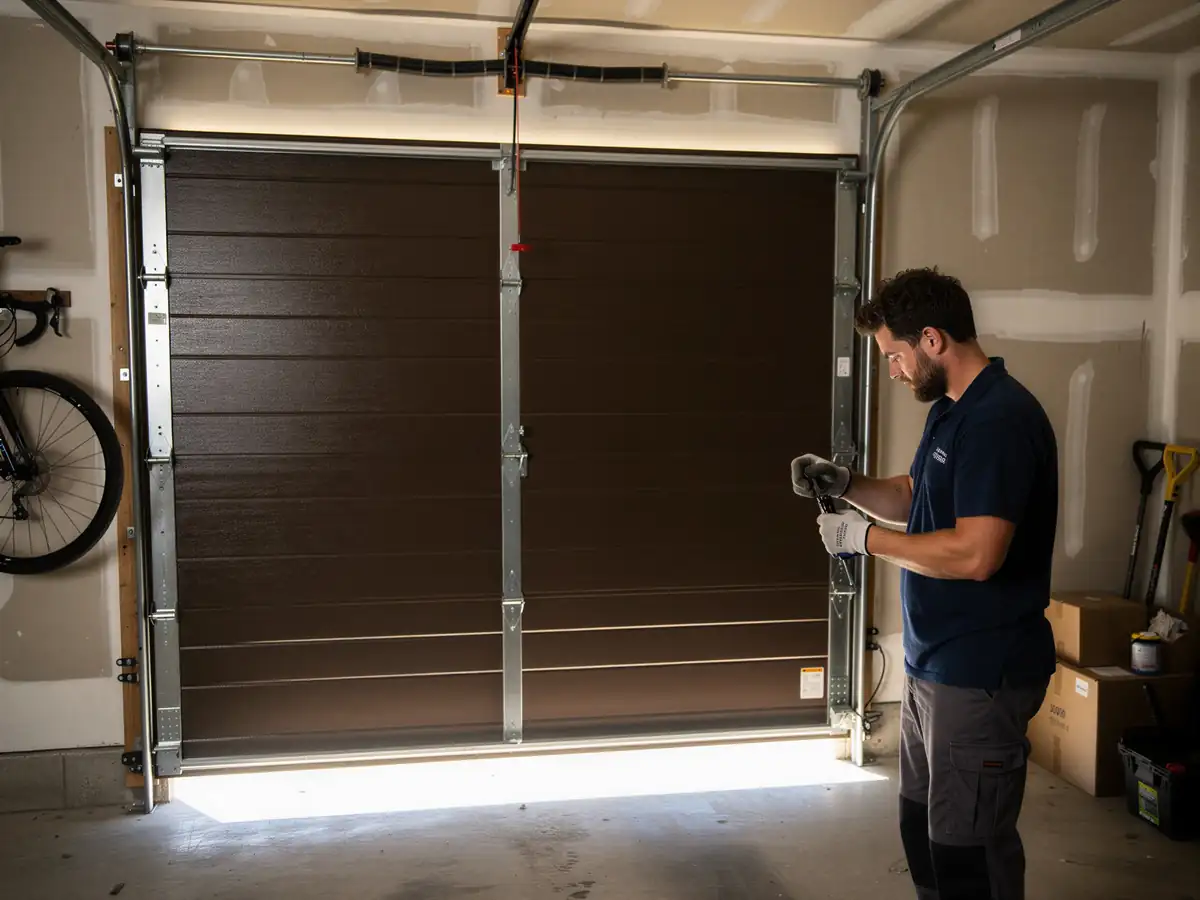
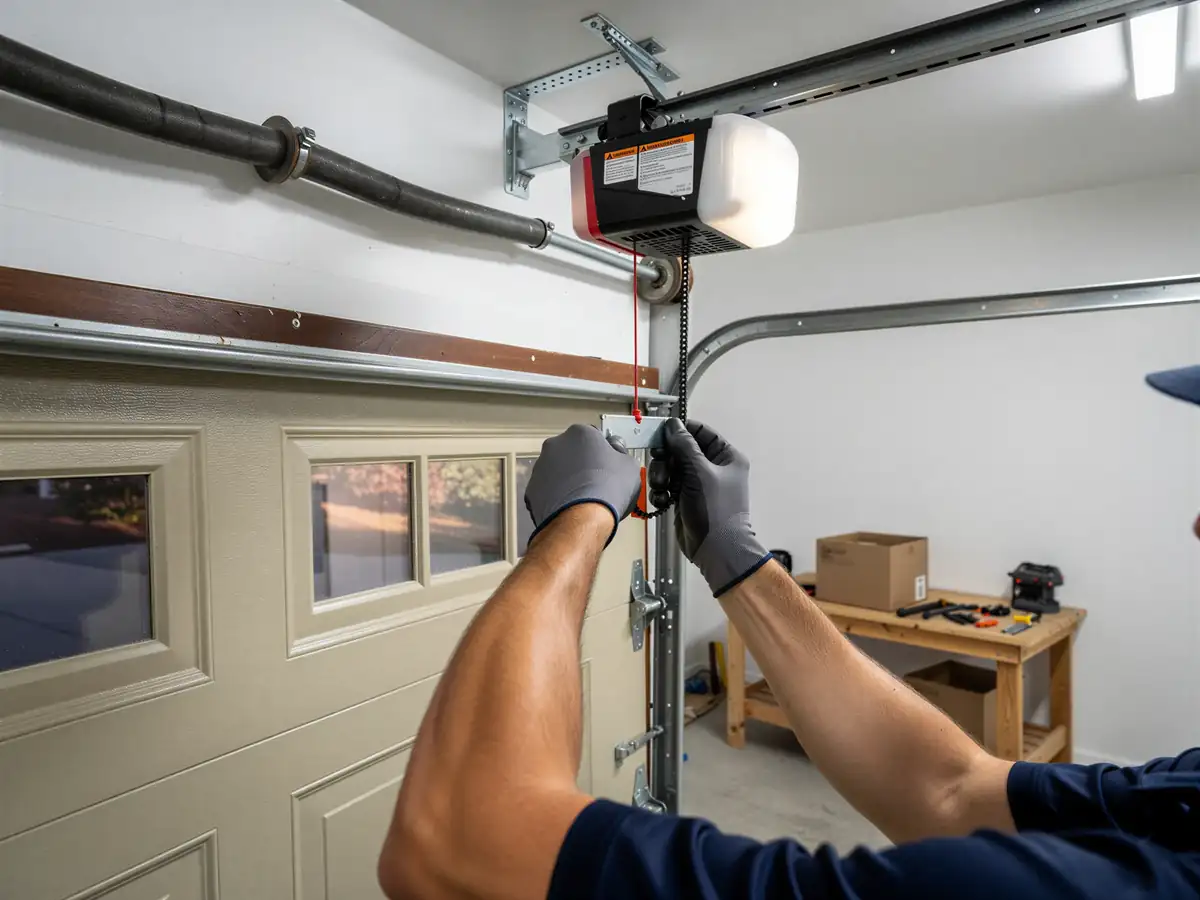
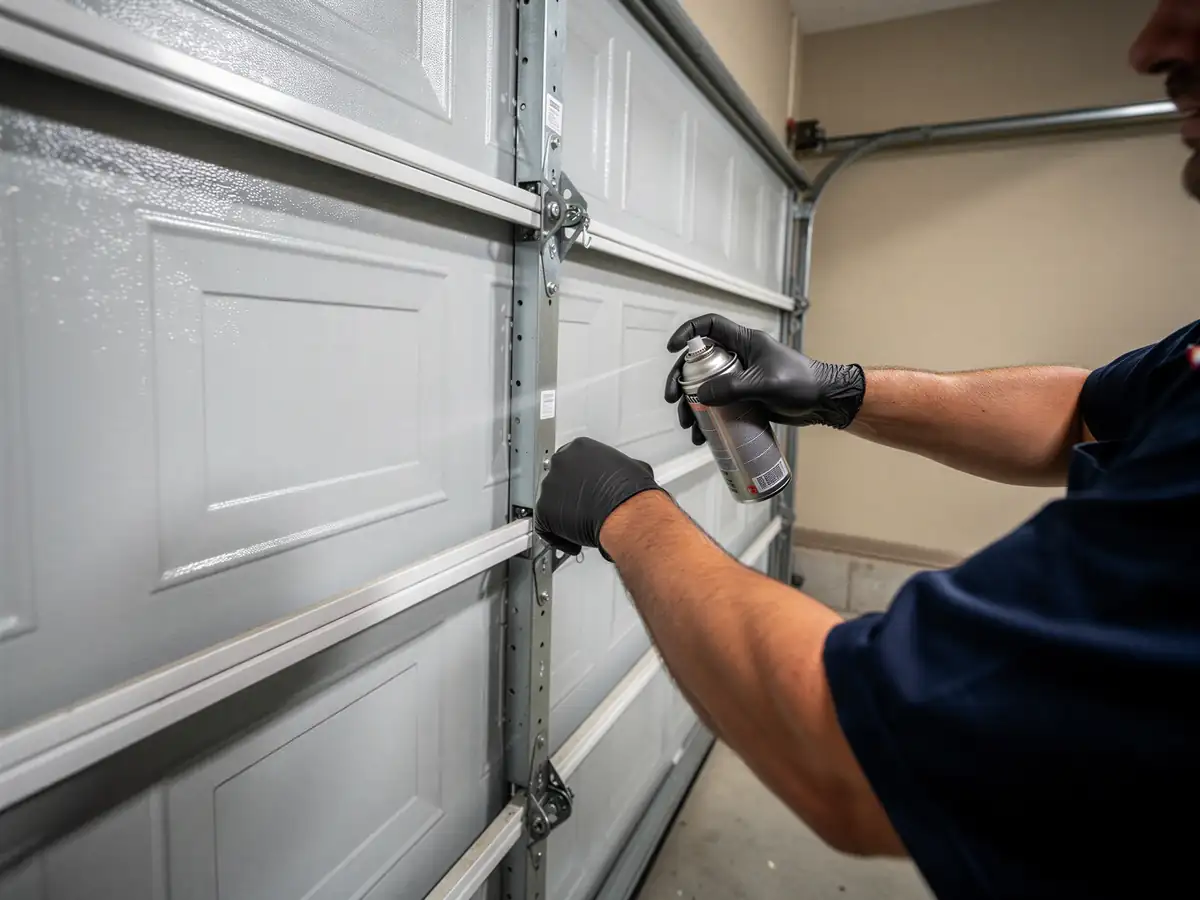
A standard maintenance visit - spring check, track alignment, roller and hinge lubrication, cable inspection, opener force test - runs the same length here as anywhere else in the service area, but we're driving the 10 miles out from Deerfield to get to you, so we build that into the scheduling window rather than treating Libertyville as a drop-in stop. If the door is original to a 1976-era build and hasn't had the springs re-tensioned in years, expect the visit to run longer than a newer door would, because we're often resetting spring tension that's drifted well off spec rather than just confirming it's fine. We won't rush that step. A spring set wrong takes two minutes to make and years to undo safely.
What You Are Seeing
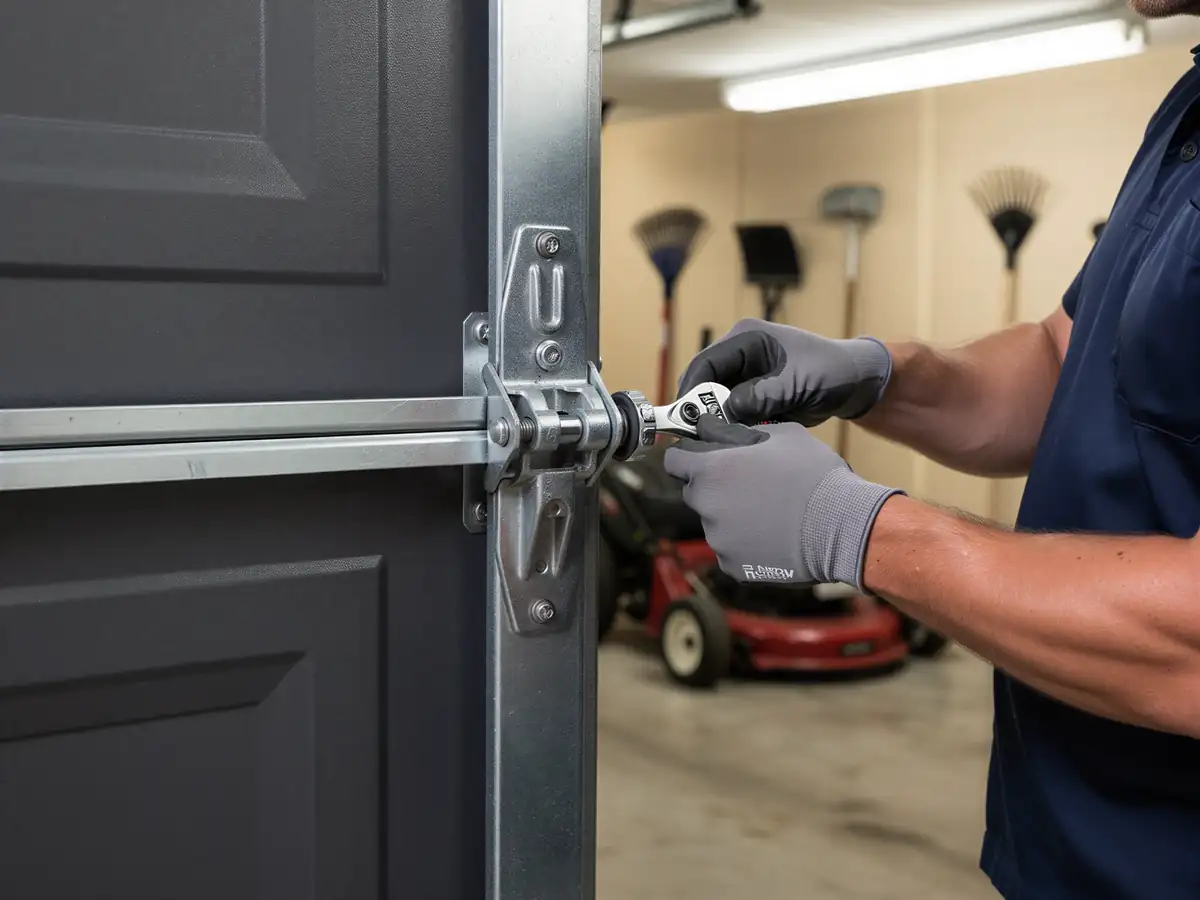
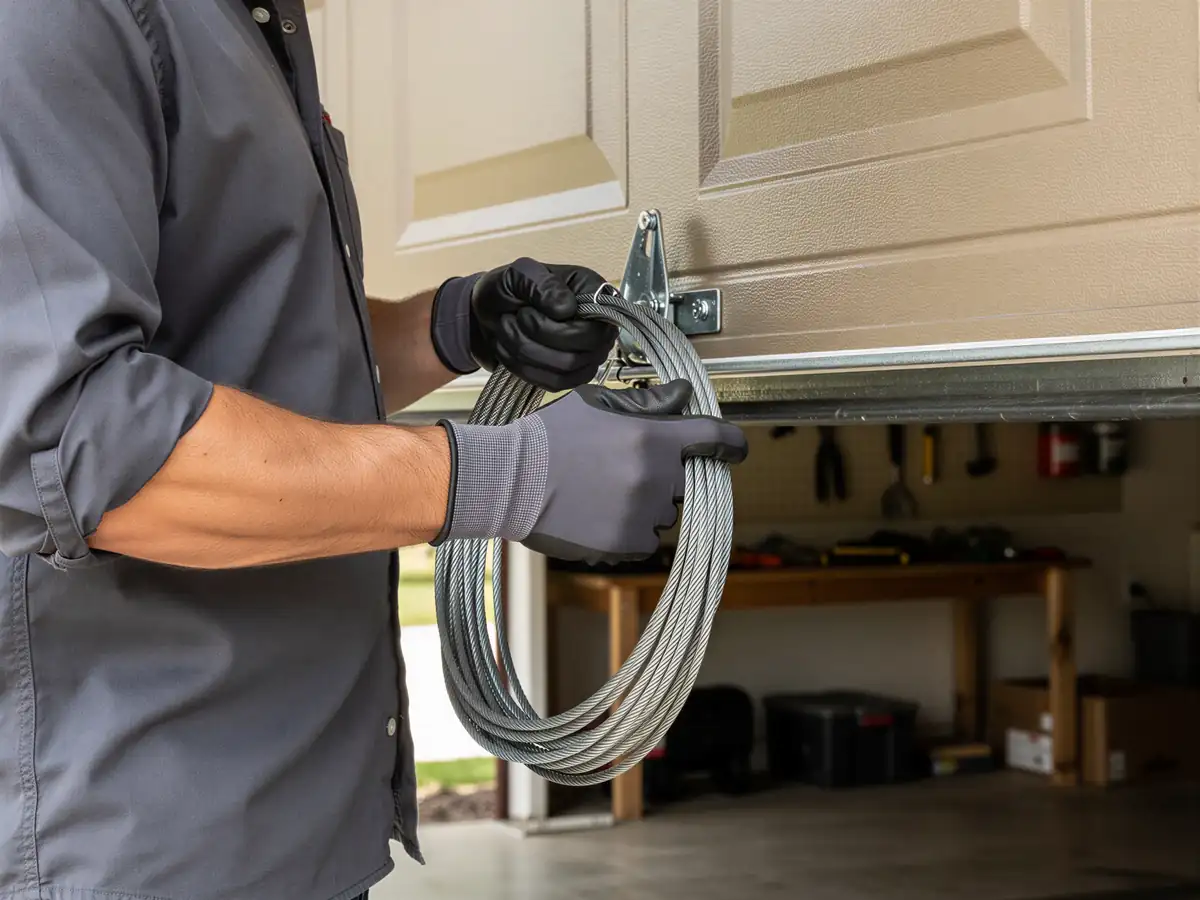
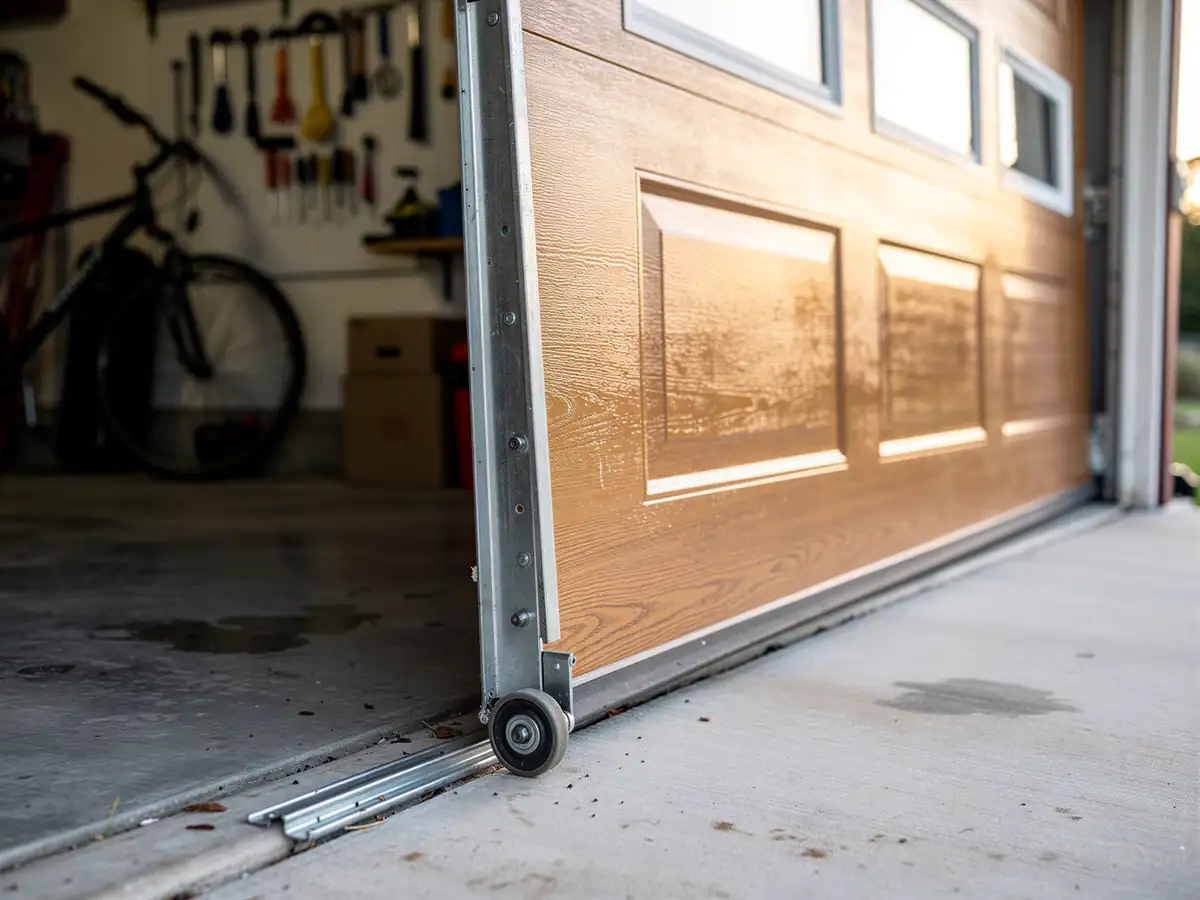
In a town built around 1976, the complaints we hear most are a door that lifts unevenly, a loud bang or pop when the opener engages, and a track that's visibly pulled away from the frame on one side. These usually trace back to original hardware that's simply aged out - galvanized cable starting to fray, a center bearing plate that's worn its bushing thin, or a spring that's lost enough tension that the opener is doing work it was never built to do. Winters here put real demand on all of it; cold, dry air stiffens lubricant and makes a marginal spring or cable show its wear faster than it would in a milder month. If your door's noise has changed in the last few cold snaps, that's worth a look before the hardware fails outright.
Parts We Carry
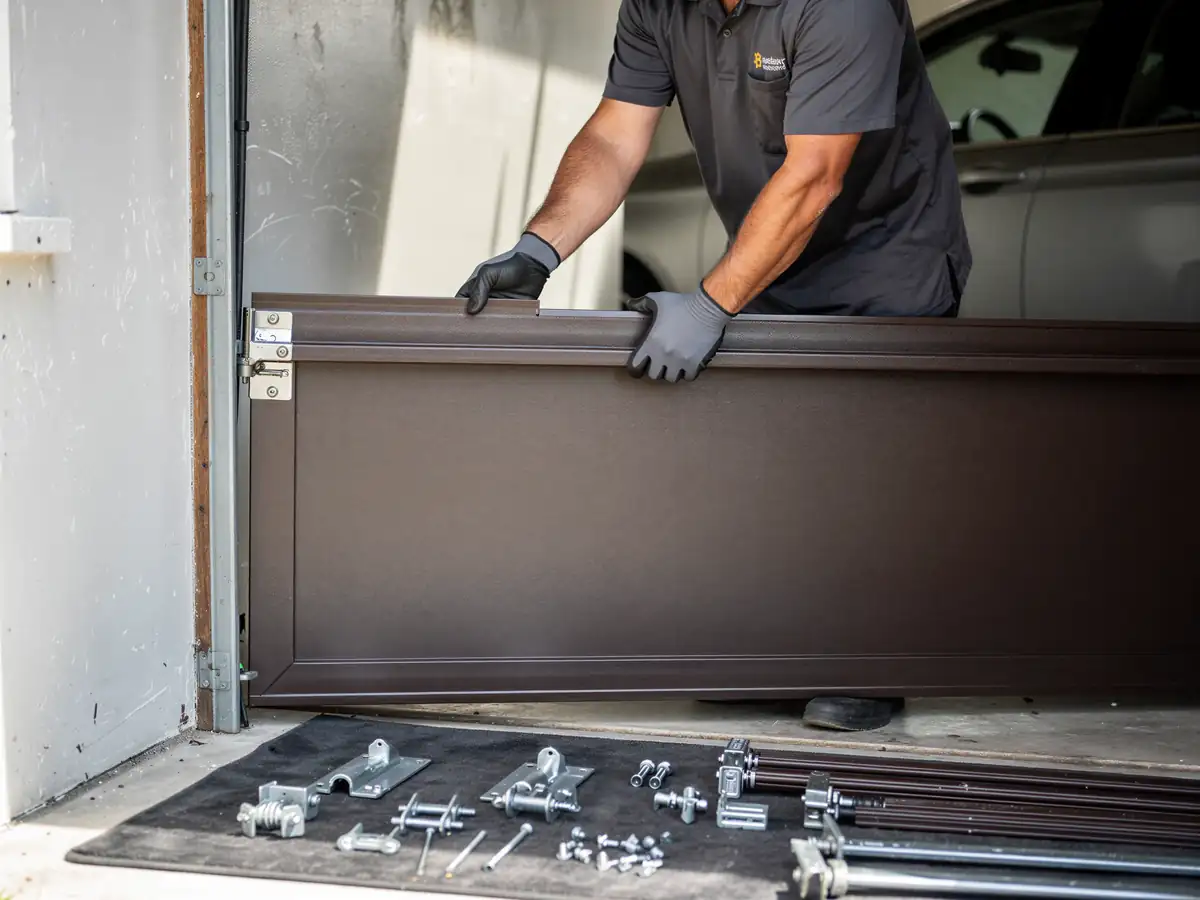
We stock the springs, cables, rollers, and hinges that fit the hardware common to 1960s-70s builds across the service area, since that's the era Libertyville and most of its neighbors share. What we don't carry on the truck is anything obsolete enough that the manufacturer stopped making it decades ago - some original 1970s opener parts fall into that category, and if your door needs one of those, we'll tell you honestly that replacement is the better call rather than hunting for a part that may not exist anymore. We'd rather say that upfront than have you wait on a part that's never coming.