Why This Fails Locally
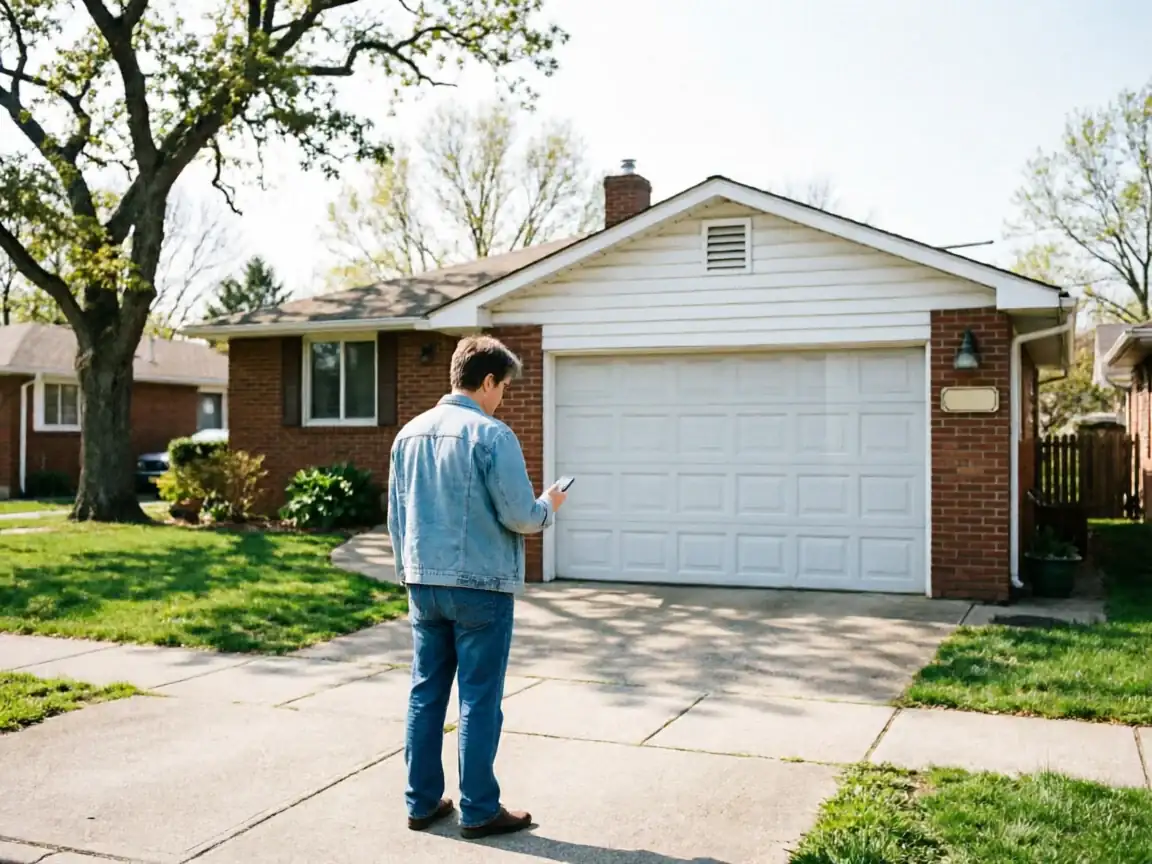
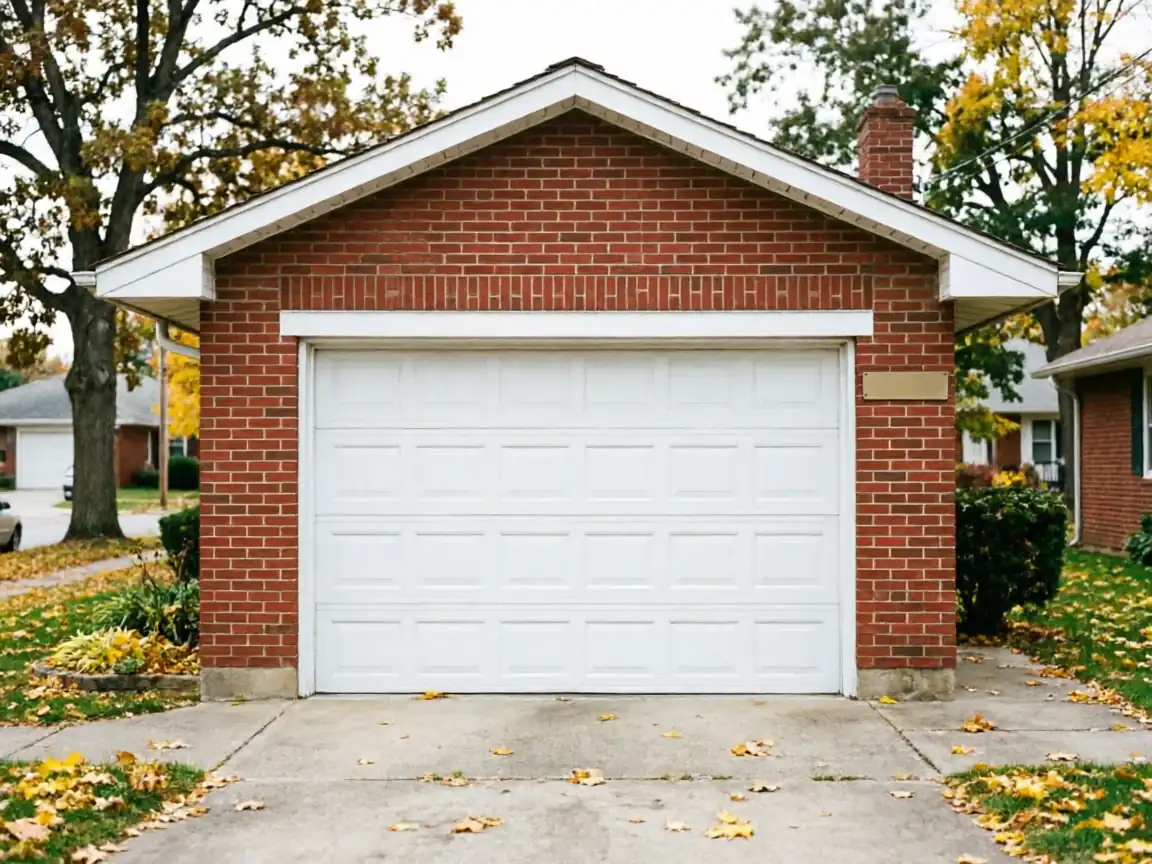
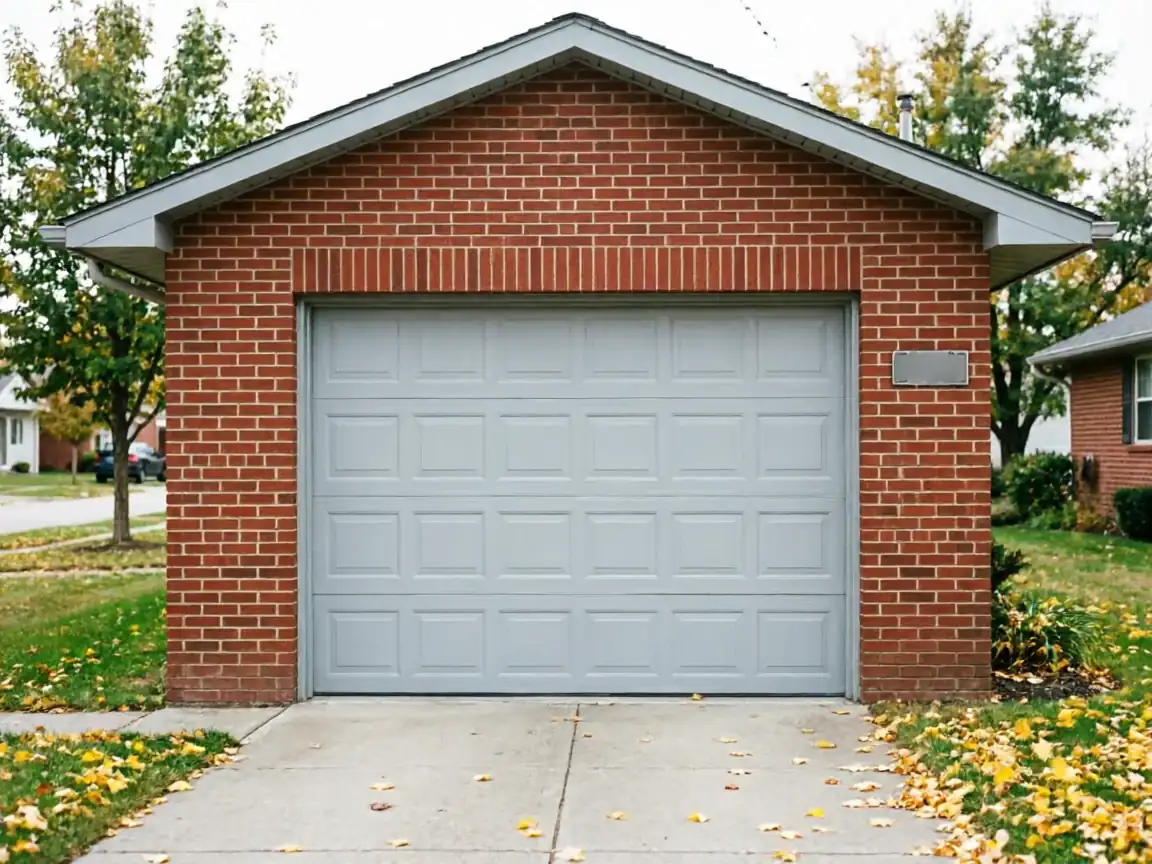
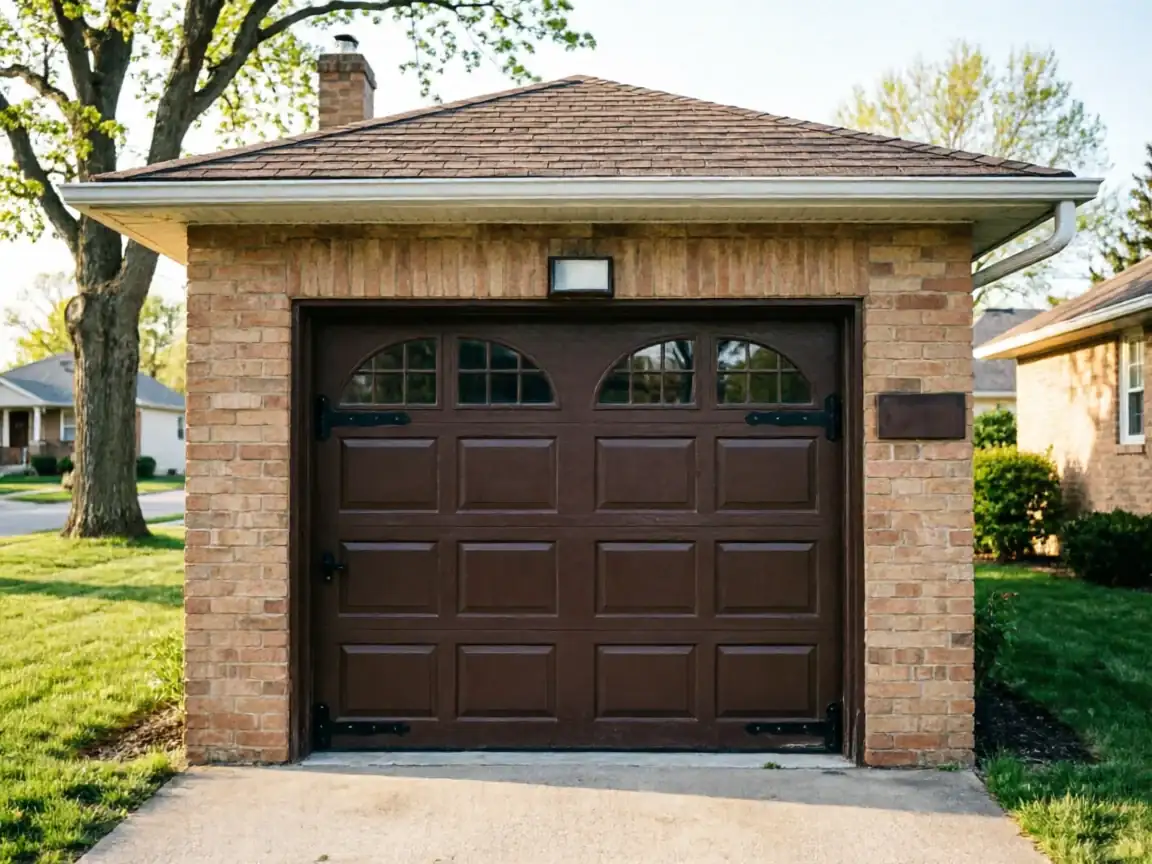
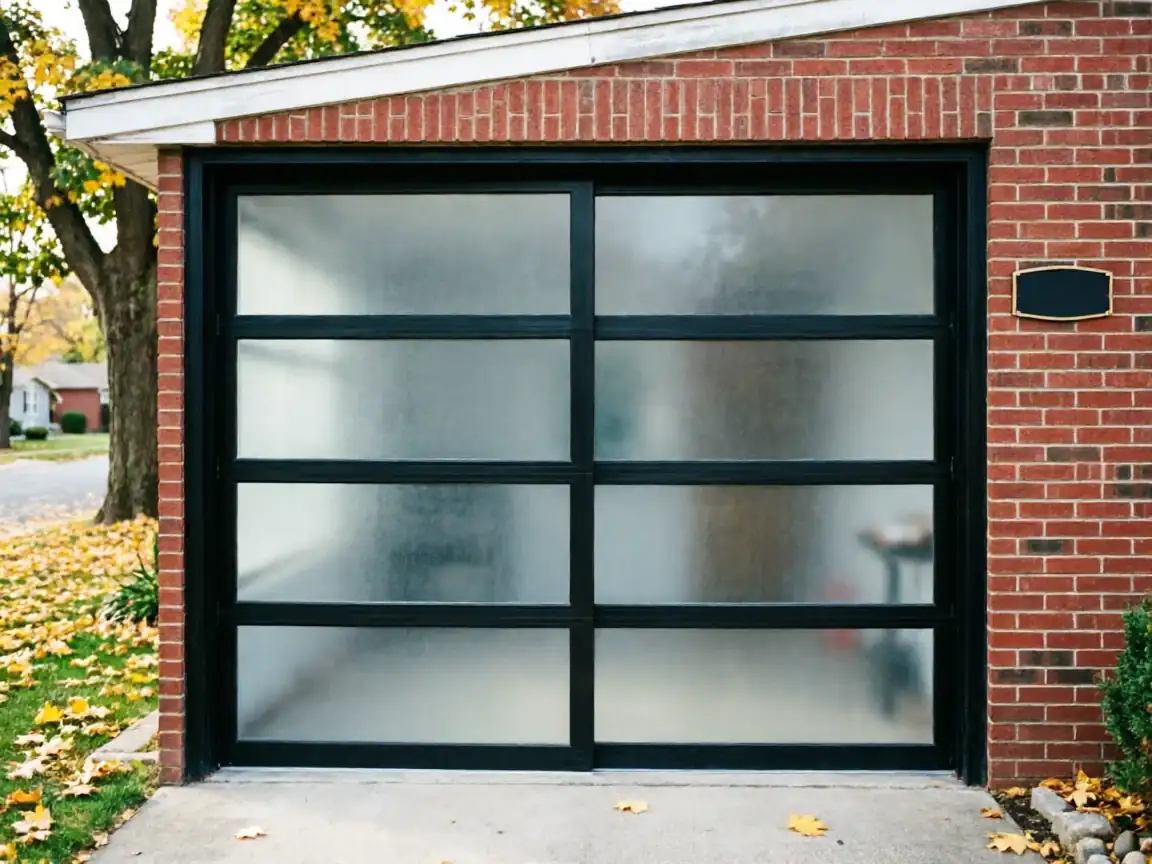
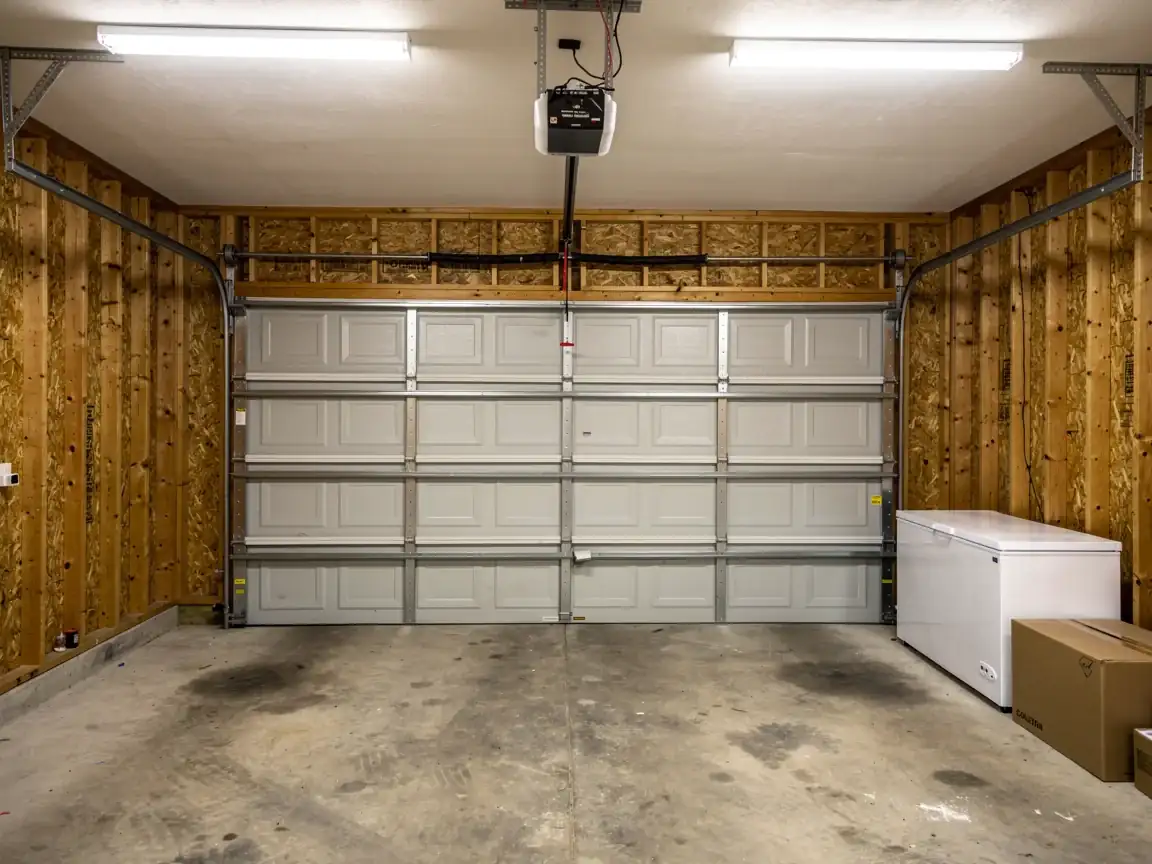
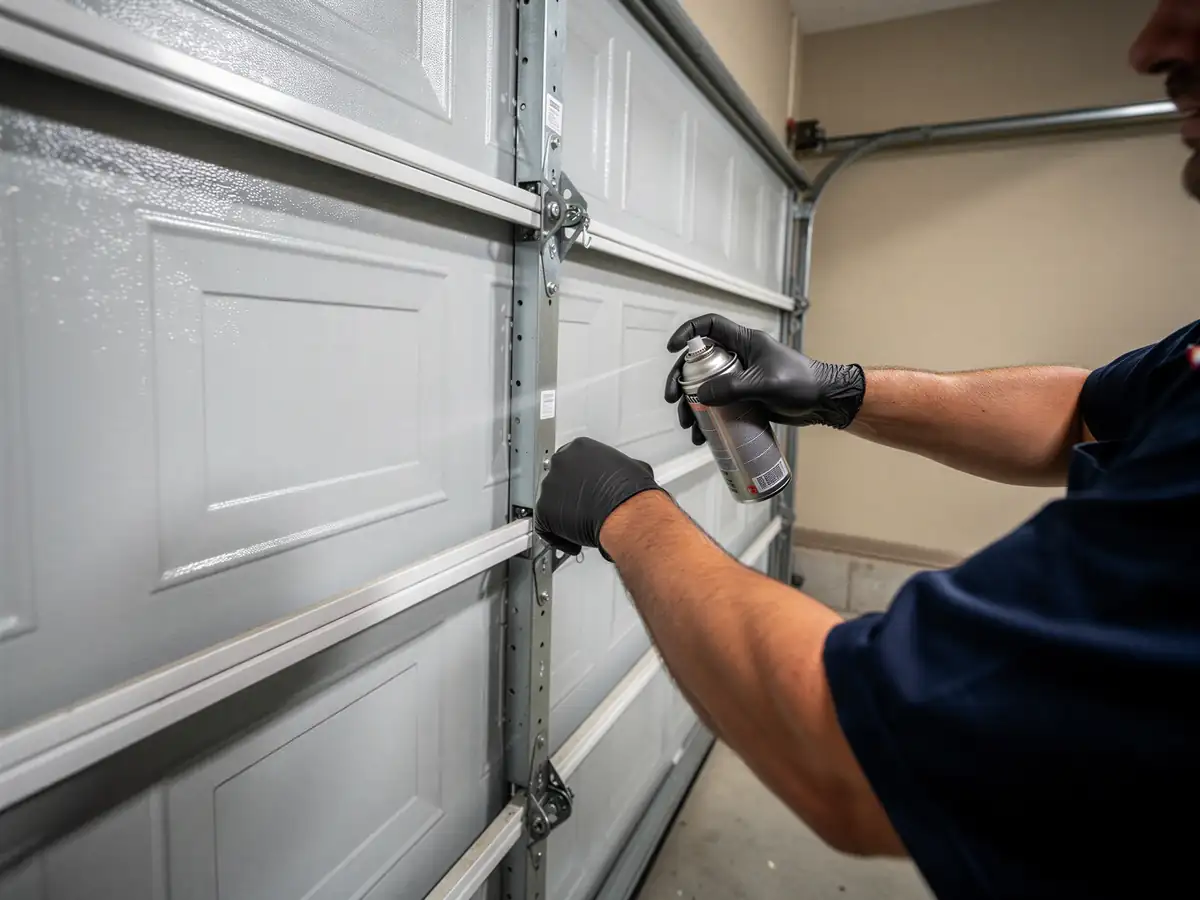
Most garage doors standing in Libertyville went up around 1976, which puts them square in the run of steel sectional doors that replaced the old wood panel doors of the postwar years. These are two-car-wide doors on galvanized aircraft cable, wound onto a drum at each side, running either on torsion springs overhead or extension springs along the horizontal track. Forty-five-plus winters of cold-weather cycling is a lot of flex on a 1/8-inch cable. The zinc coating slows rust but doesn't stop it once the lubricant dries out, and a cable that's been quietly fraying at the drum or the bottom bracket doesn't give much warning before it lets go. We see this pattern across the area's 1960s-70s stock generally, but Libertyville's own build year sits a little later than some of the towns closer to Deerfield, so the hardware age and the failure point can shift by a few years depending on which block you're on.
How Long It Takes
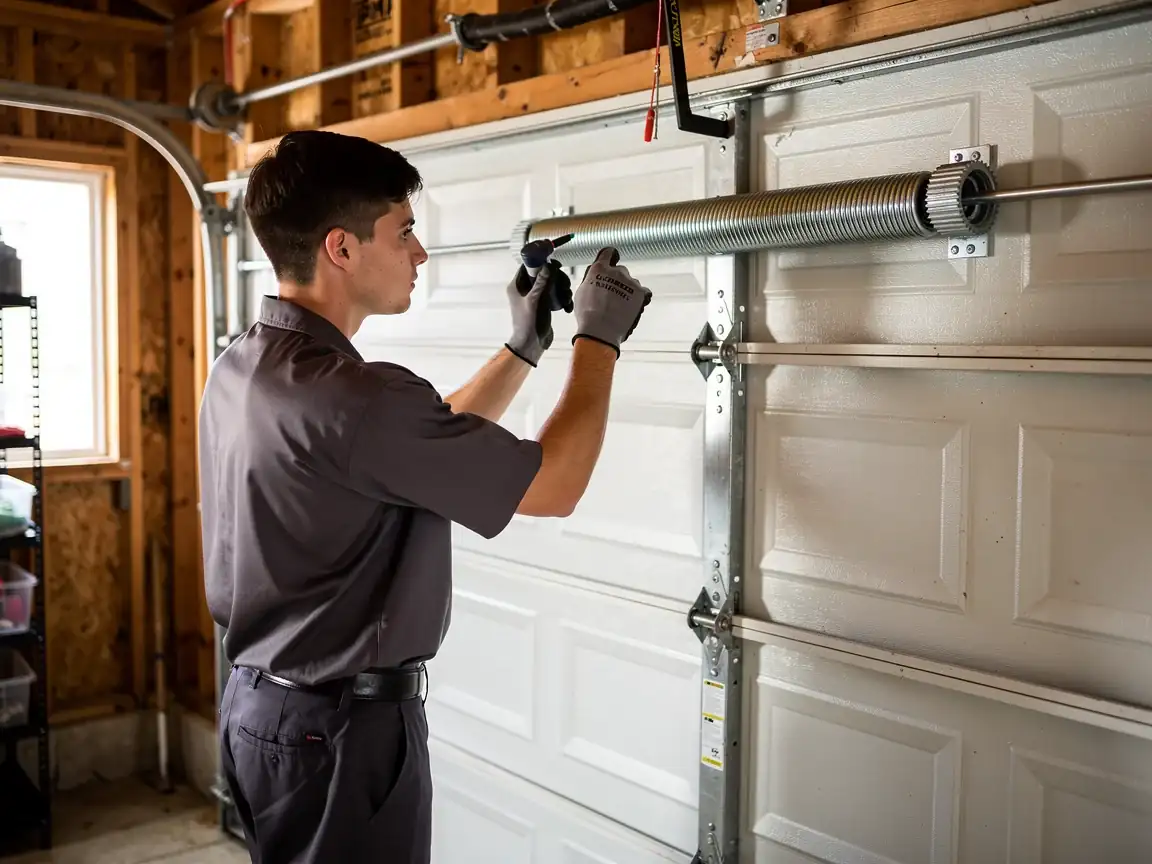
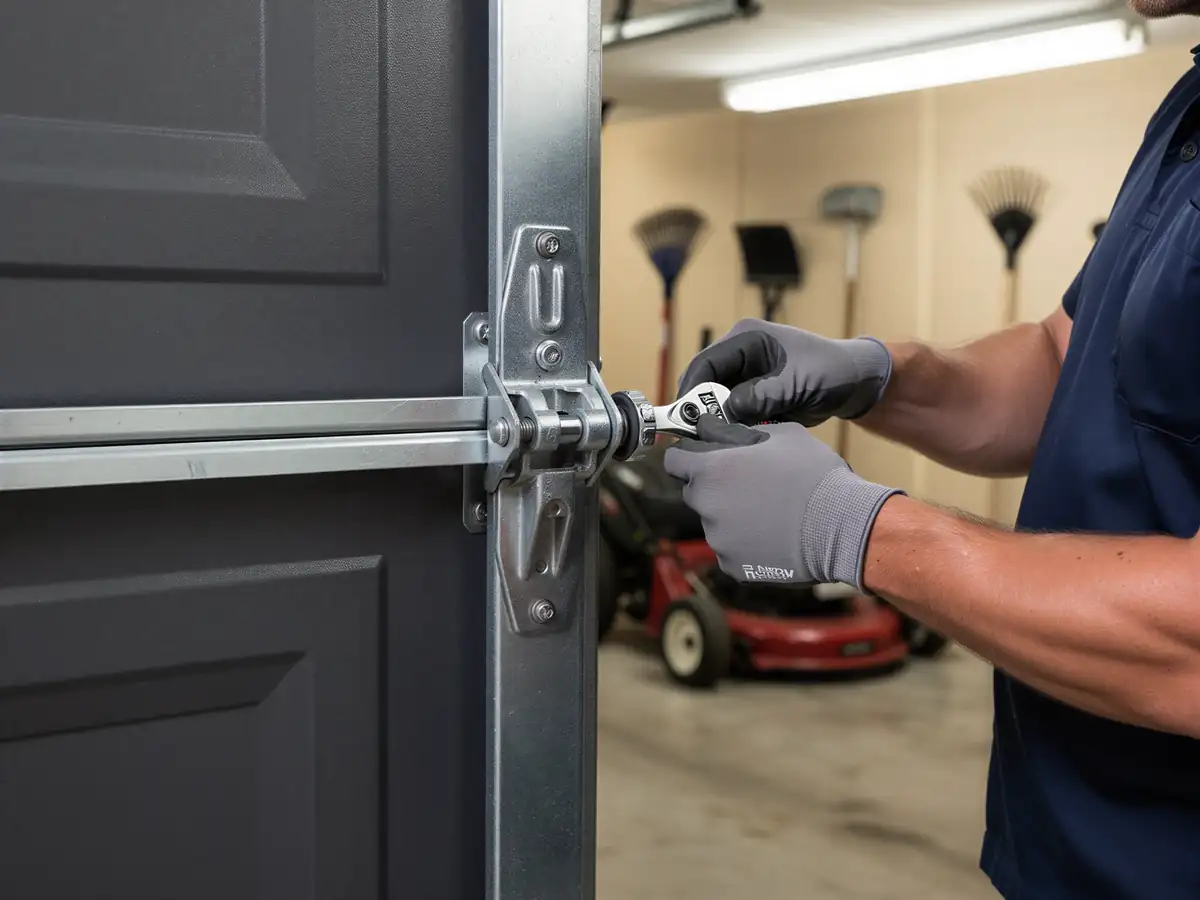
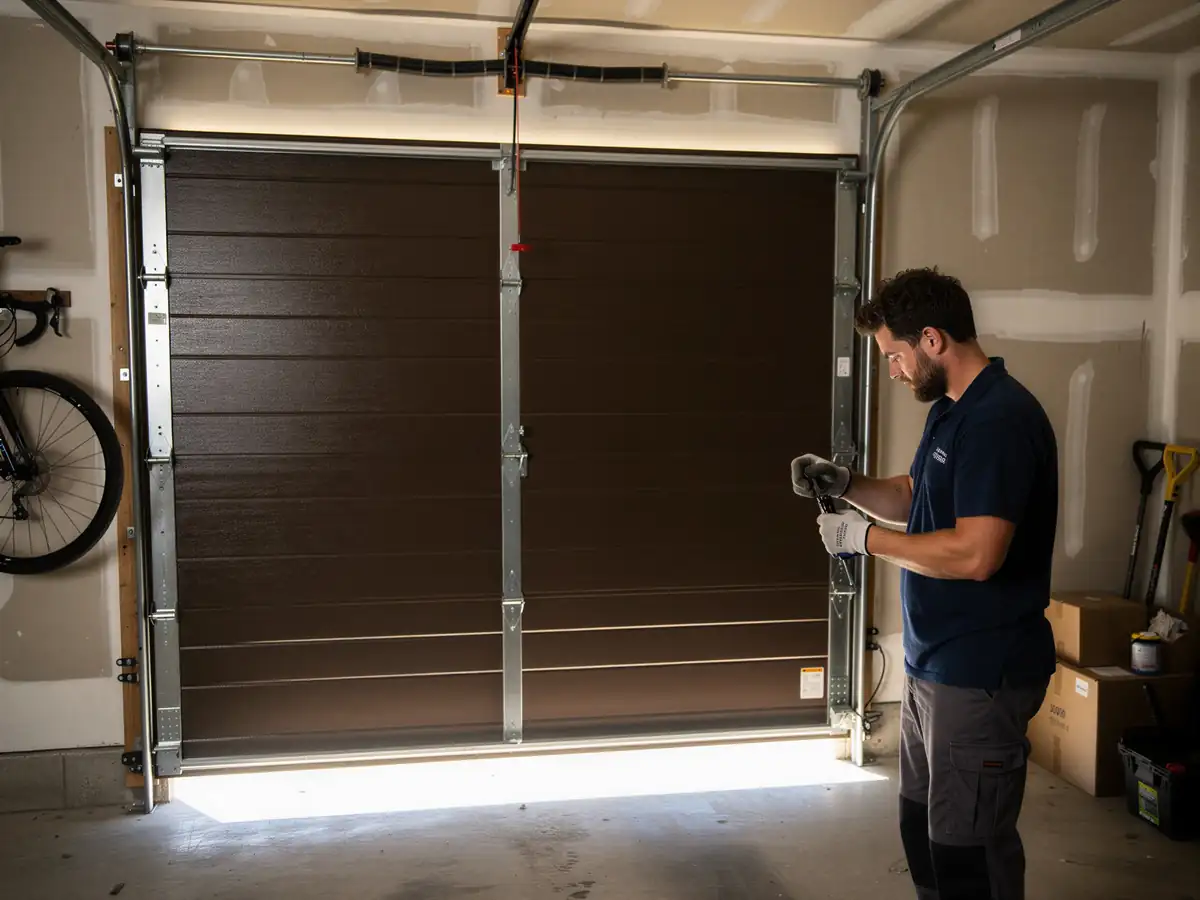
A single frayed or snapped cable on a residential door is a straightforward swap once we're on site - cut the old cable, measure and wind the new one to the drum, check the drum setscrews and the bottom bracket, and test the door through a full cycle. We travel to Libertyville from Deerfield, about 10 miles south, so factor that drive into when we can get there rather than how long the repair itself takes once the truck is parked. If both cables are original to a 1976 door and one has gone, we'll usually recommend replacing the pair together rather than waiting for the second one to fail on its own schedule - it's cheaper to do both in one visit than to make two trips.
What You Are Seeing
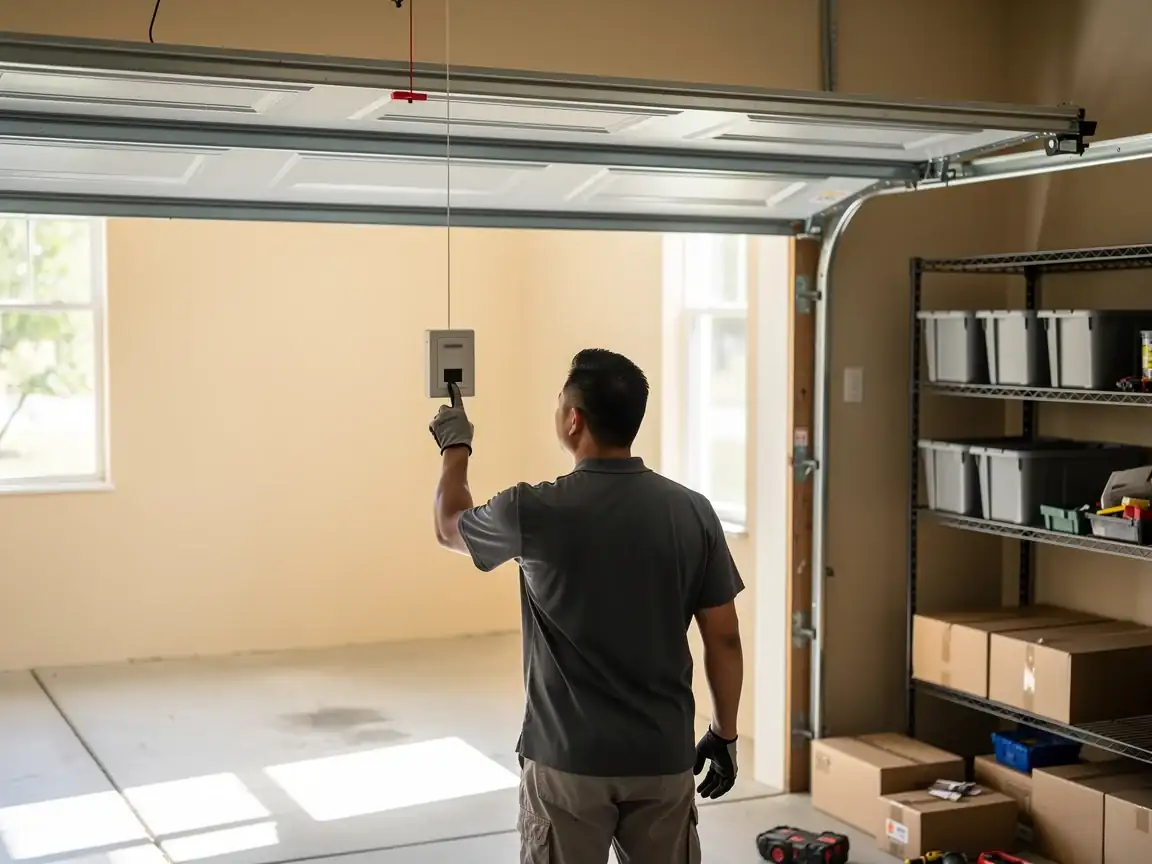
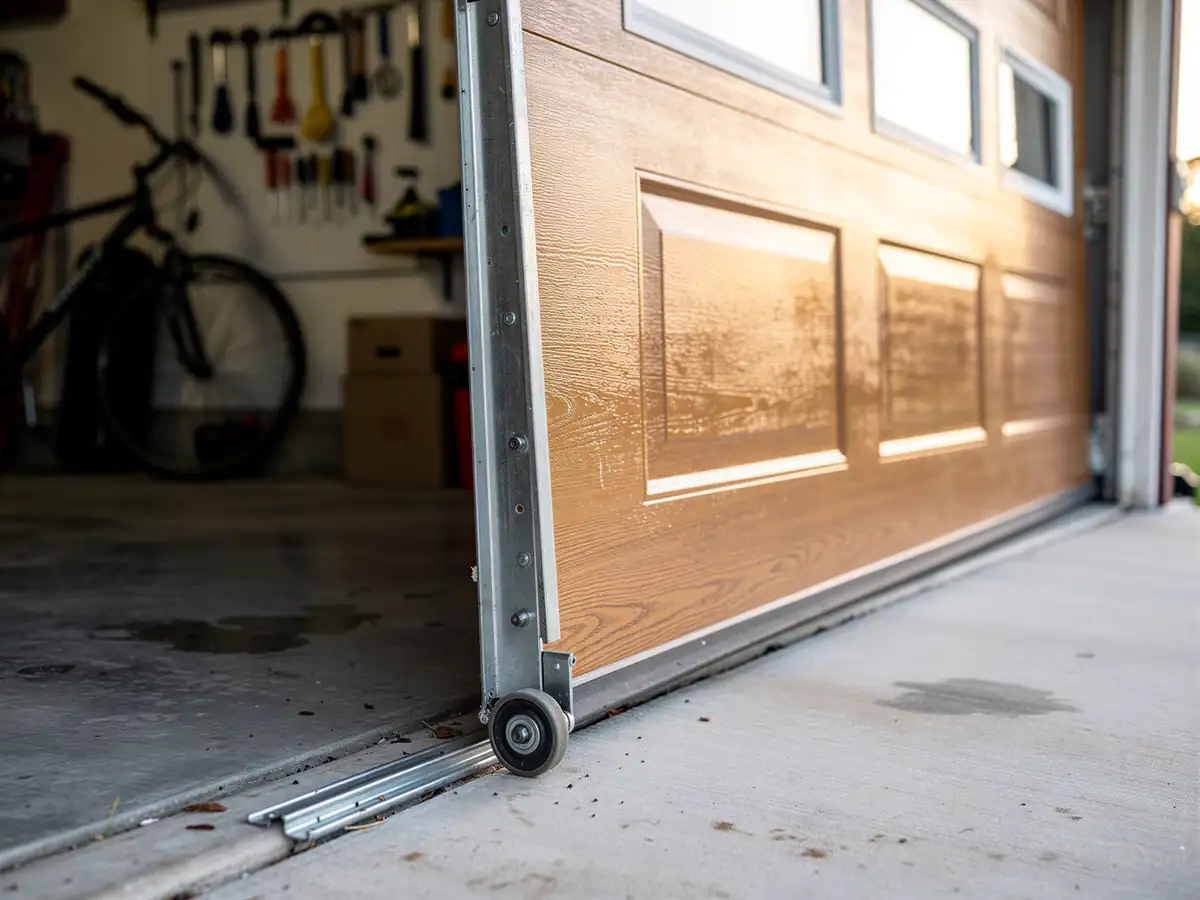
A door that drops suddenly on one side, hangs crooked in the opening, or makes a loud bang followed by the opener straining against nothing is a cable that's let go, not a motor problem. Fraying usually shows up first as a popped or kinked strand near the drum or the bottom roller bracket - easy to miss until it catches on something. On older extension-spring doors you might also see the cable has jumped its pulley track, which looks different from a clean break but causes the same lopsided hang. If the door still opens but makes a grinding or clicking noise as it travels, that's often the cable rubbing where it shouldn't, and it's worth having looked at before it goes all the way.
Parts We Carry
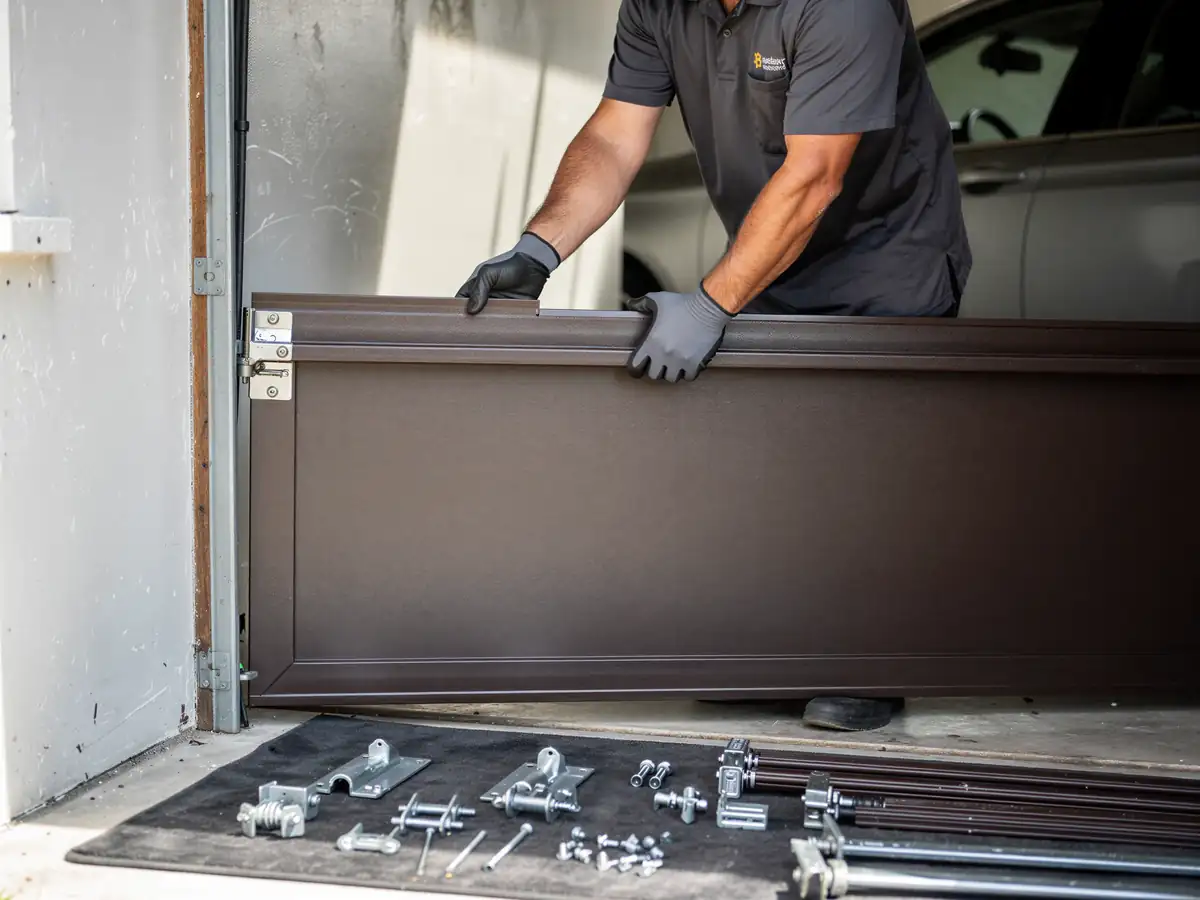
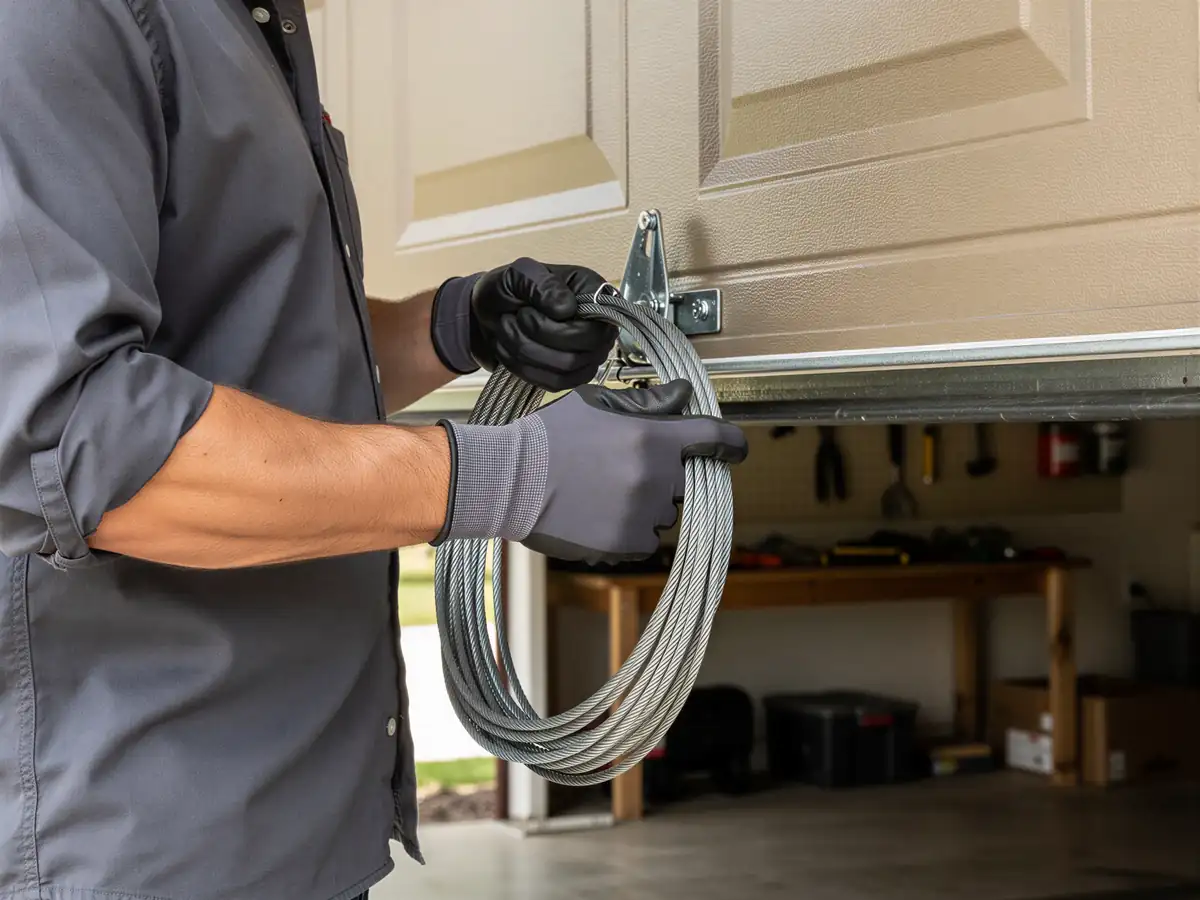
We carry galvanized aircraft cable in the standard residential gauges along with drums, bottom brackets, and pulleys to match both torsion and extension setups, which covers the hardware still running on Libertyville's 1970s-era doors. What we don't stock on the truck is anything custom-cut for an odd door height or a non-standard track width - those get ordered once we've measured on site, which adds a day or two rather than a same-visit fix. For a straight cable swap on a standard-size residential door, we're usually carrying what we need already.