Why This Fails Locally
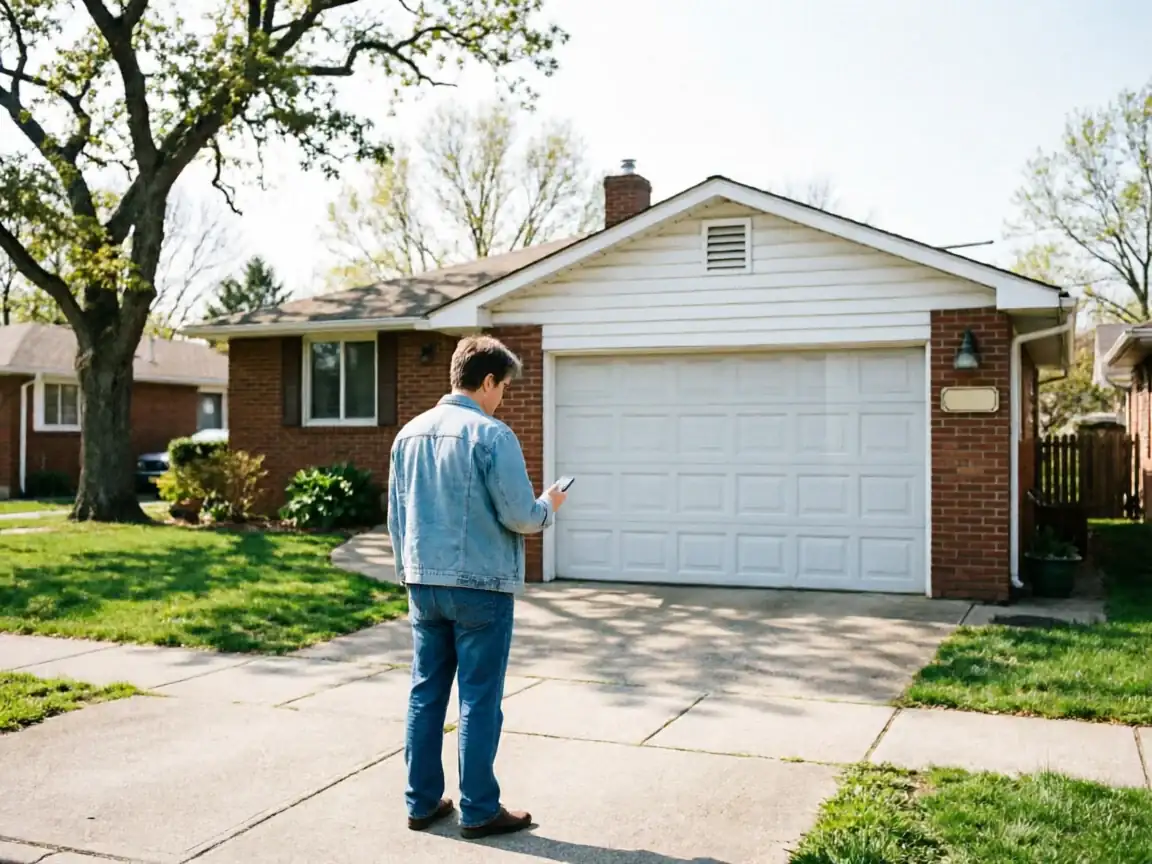
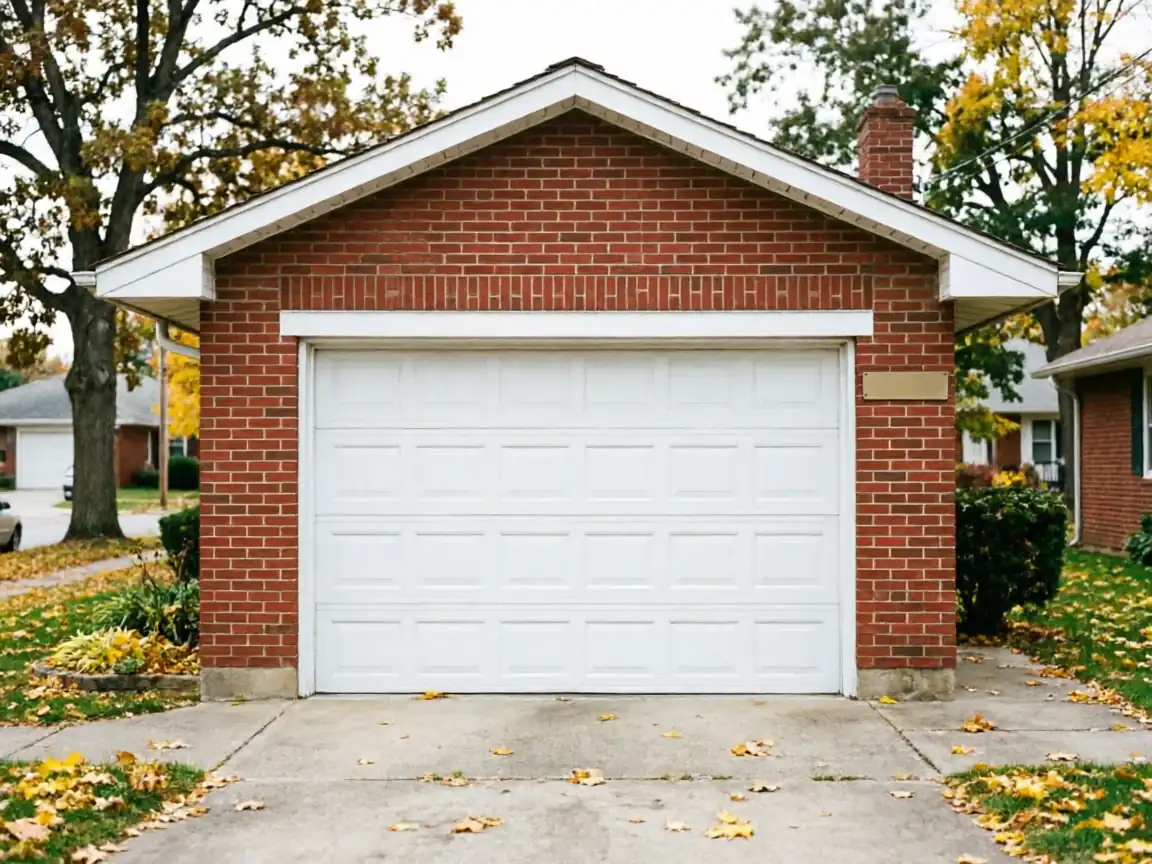
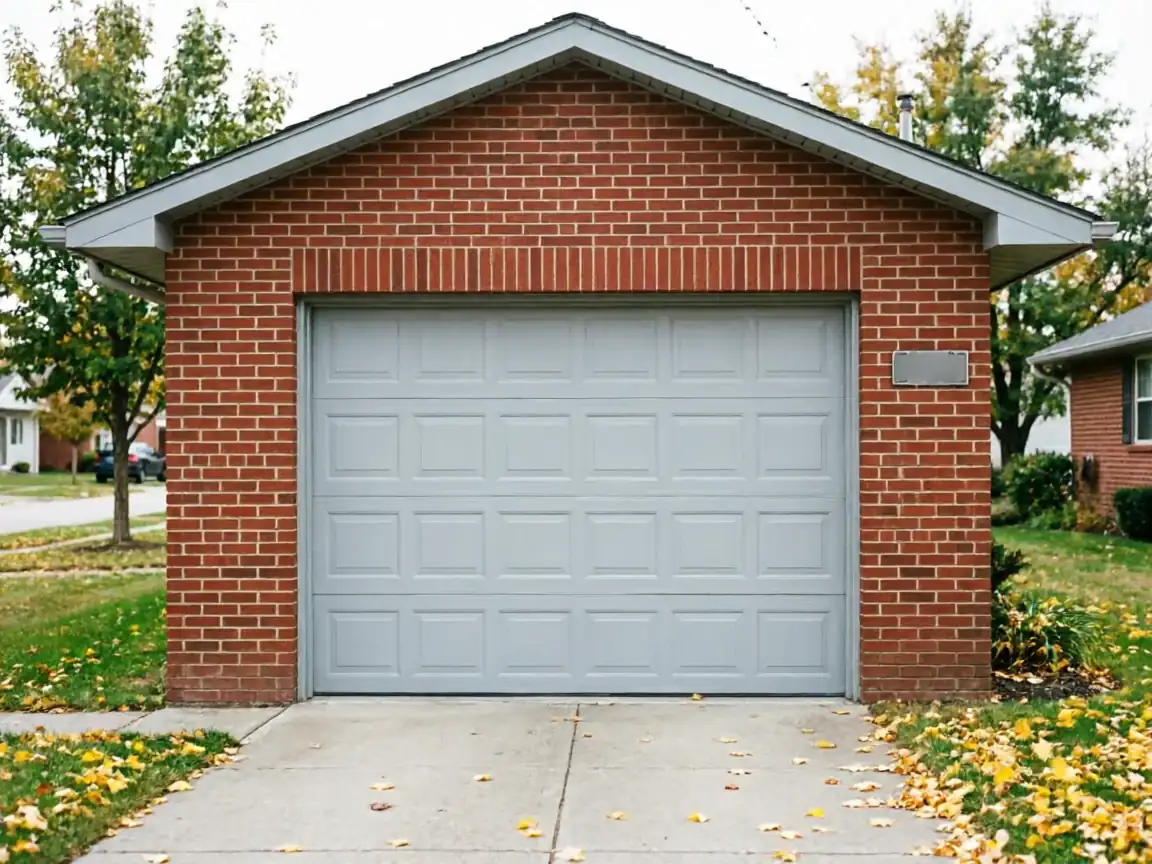
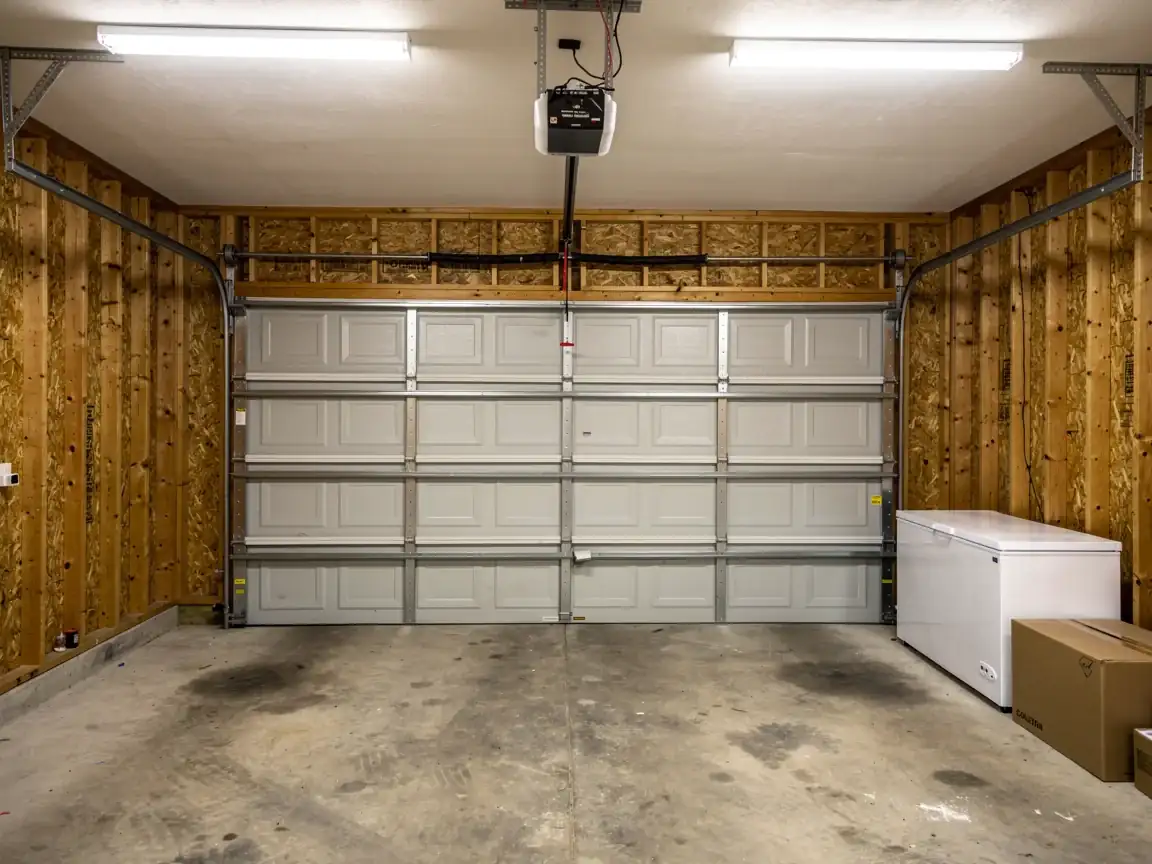
Most houses in Libertyville went up around 1976, and a lot of that original garage hardware is still bolted to the same jambs it shipped with. Nobody pulls a torsion spring or a track bracket unless something breaks, so if your door has never been replaced, you're running on roughly fifty-year-old steel. That's not a guess about your house specifically - it's the math of the build era. The failure mode we see from this vintage is predictable: the door itself is thin single-layer steel with no insulation, the track is narrower than anything made today, and the opener, if it's been swapped at all, is bolted to framing that was never engineered for a heavier insulated panel. When a homeowner here calls about a new door, the conversation usually starts with "it just feels heavy" or "it won't seal at the bottom anymore" - both are symptoms of a 1970s opening meeting a modern door expectation. We size new installs to the actual opening and hardware era we find, not a generic replacement kit.
How Long It Takes
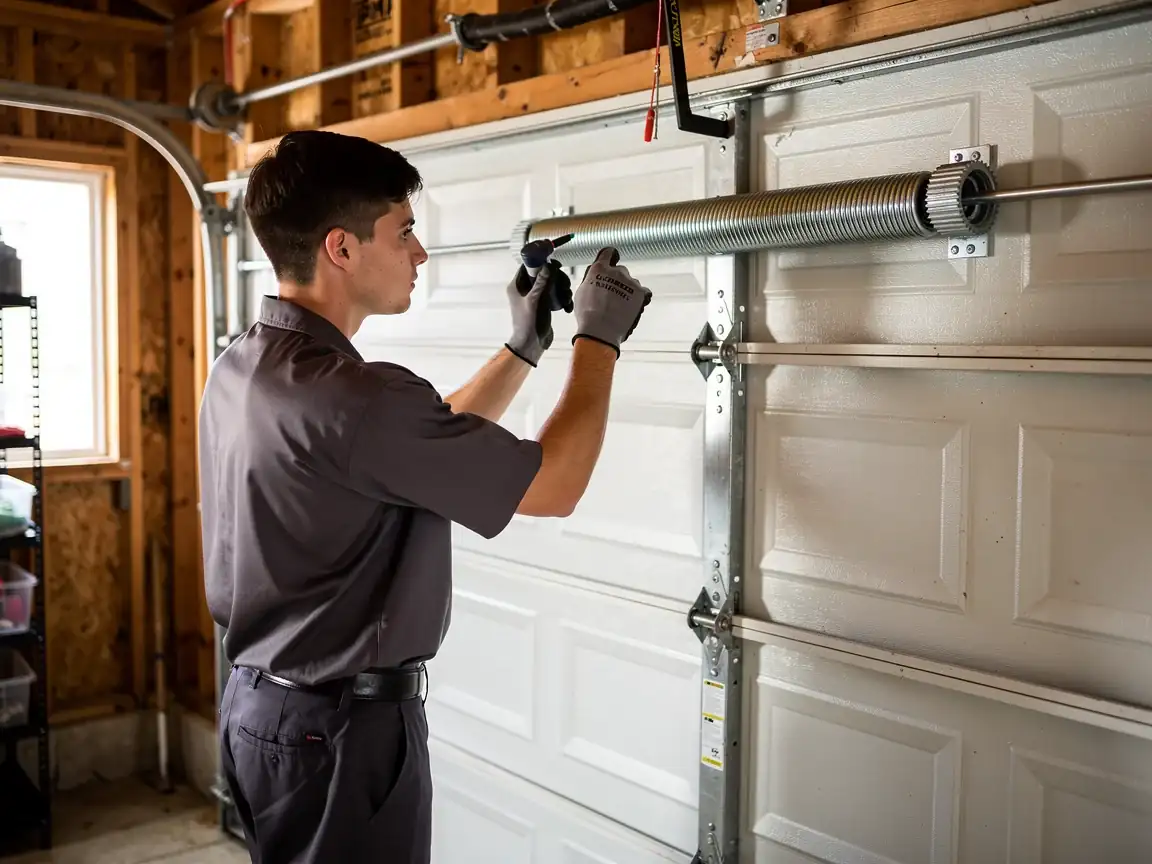
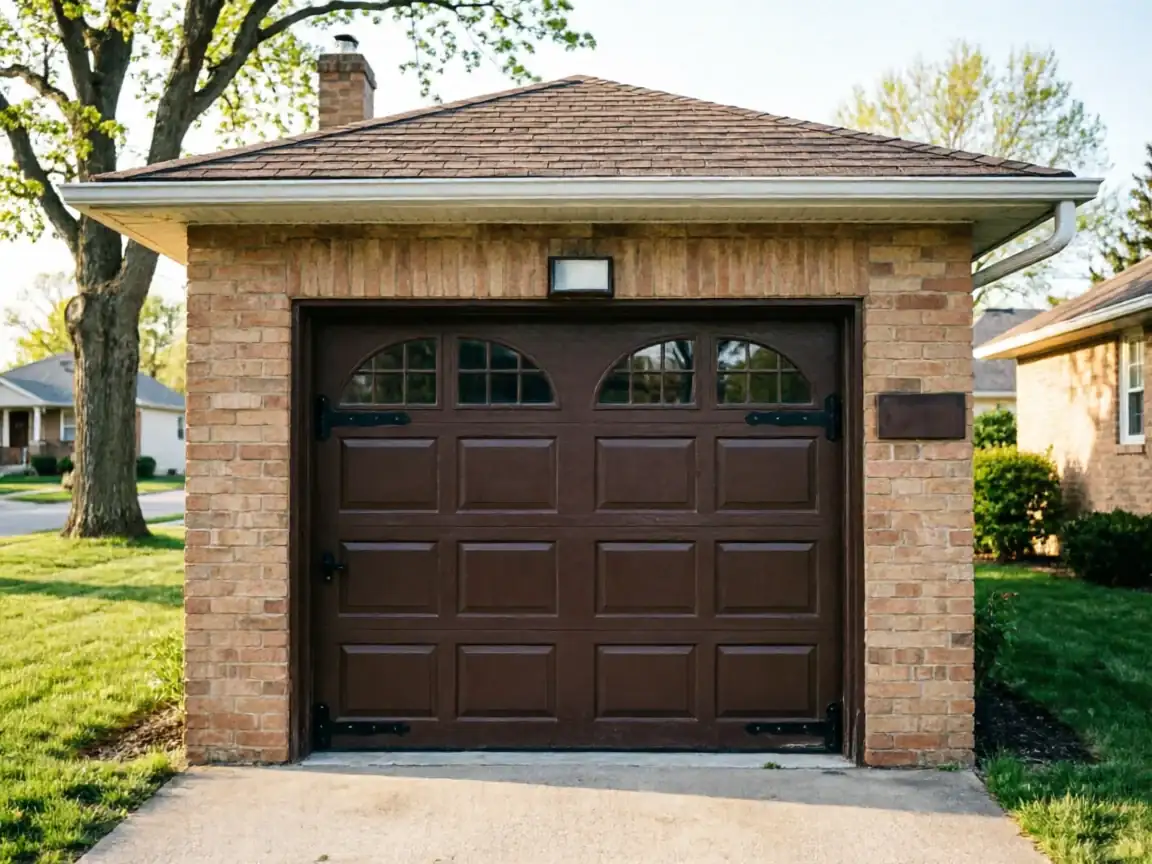
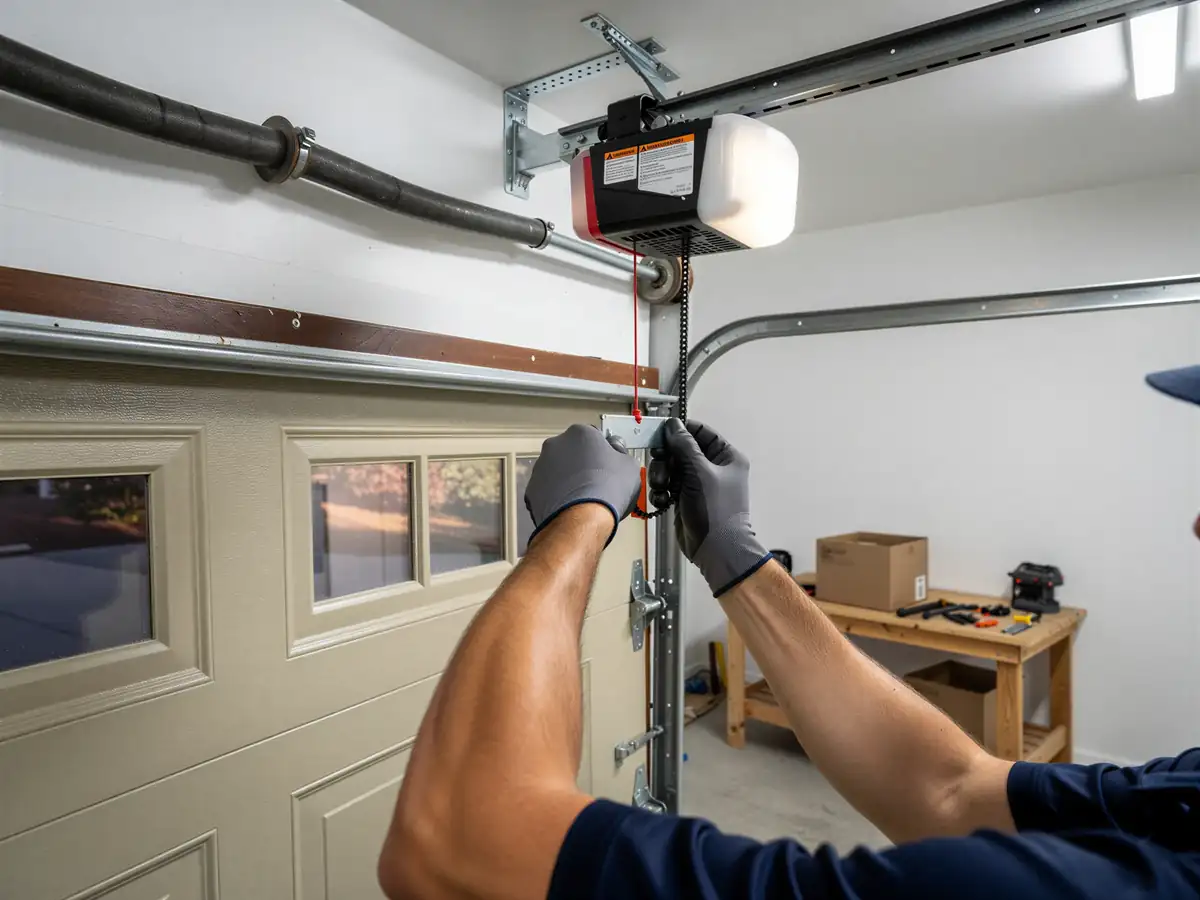
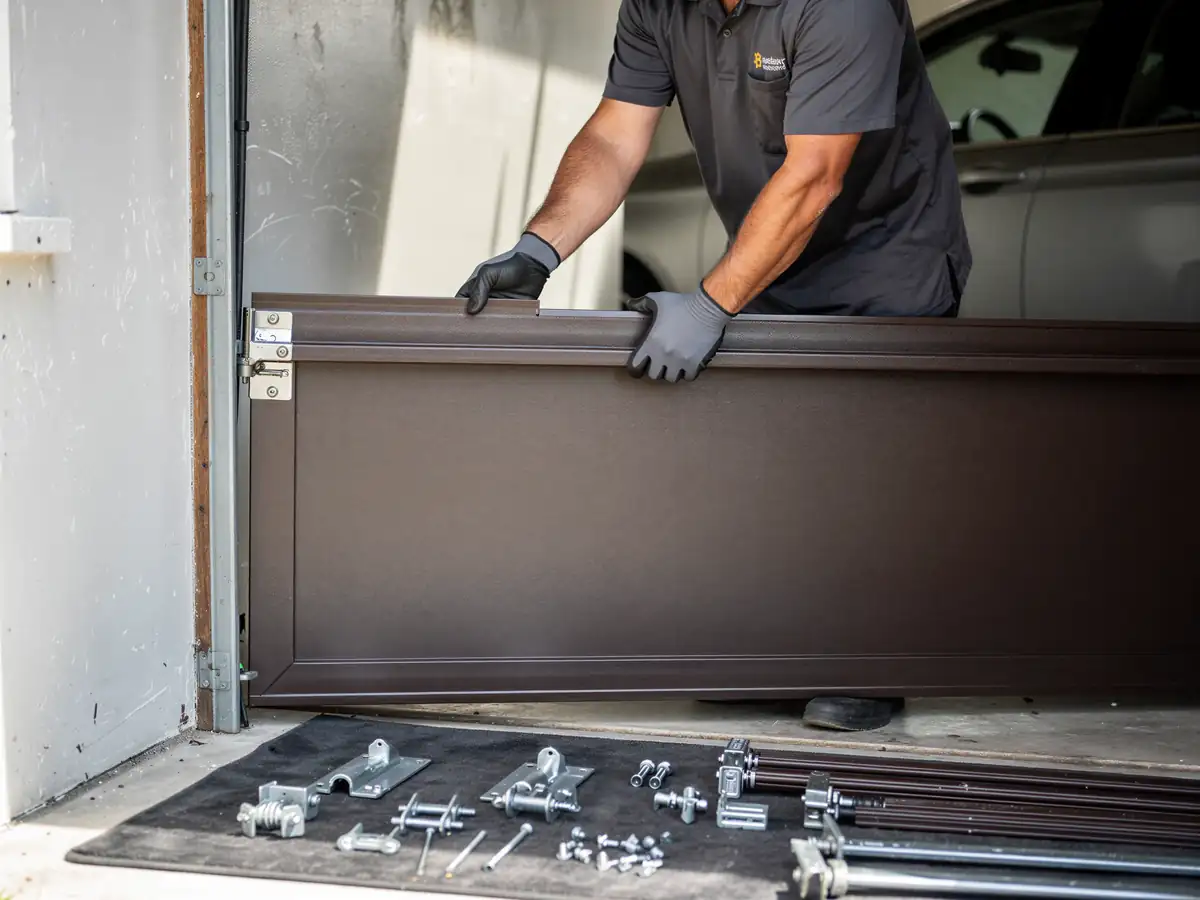
A straightforward swap - same size opening, new door, new opener, no framing work - is typically a single visit from our Deerfield crew. Libertyville sits about 10 miles out, so travel isn't the variable; what adds time is what's behind the old door. If the jamb has shifted over the decades or the header needs reinforcing to carry a heavier insulated panel, that's a second trip once we've seen it in person and ordered the right part. We don't pad the estimate to look efficient, and we don't promise a same-day job if the opening needs correction. Cold-climate insulated doors also weigh more than the single-layer steel they're replacing, so we check spring sizing against the new door weight before we leave, not after.
What You Are Seeing
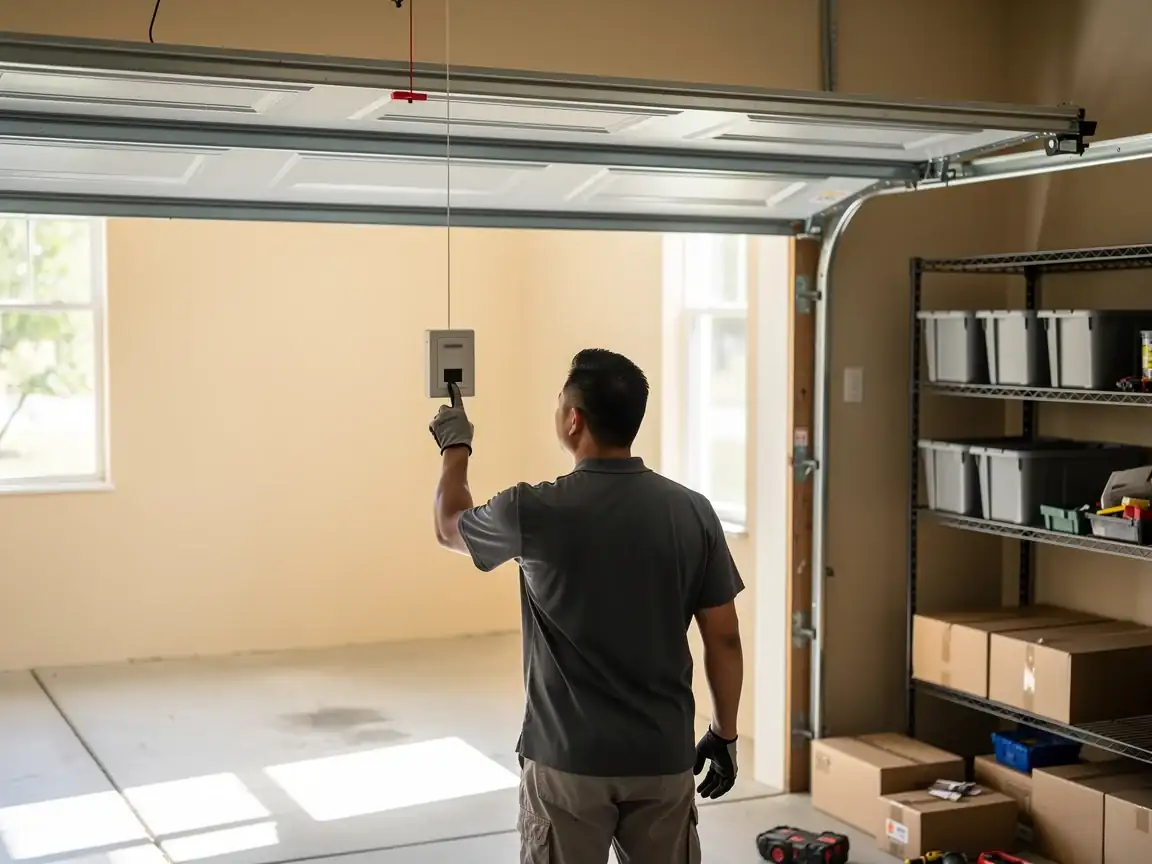
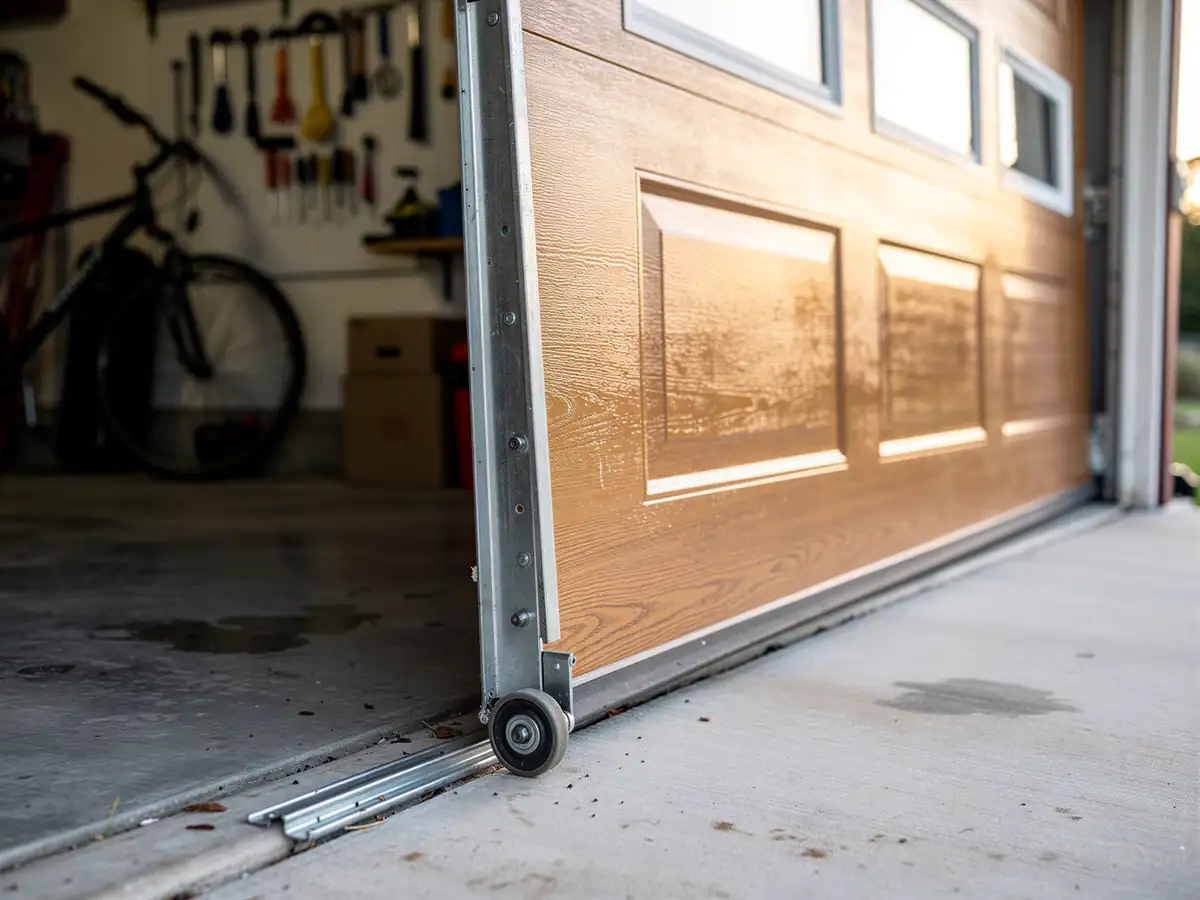
If your door drags on the way down, binds halfway, or the opener strains and reverses before it closes, that's usually track or spring failure consistent with original 1976-era hardware finally giving out. Rust streaking at the bottom panel seams, daylight visible around the edges in winter, or a door that feels noticeably heavier to lift by hand than it used to - these all point to the same thing: steel and insulation standards have moved a long way since this house was built, and the door hasn't kept up. In this climate band, a door that no longer seals tight at the bottom isn't just a draft problem, it's a sign the panel or weatherstrip track has warped enough that a full replacement makes more sense than another patch.
Parts We Carry
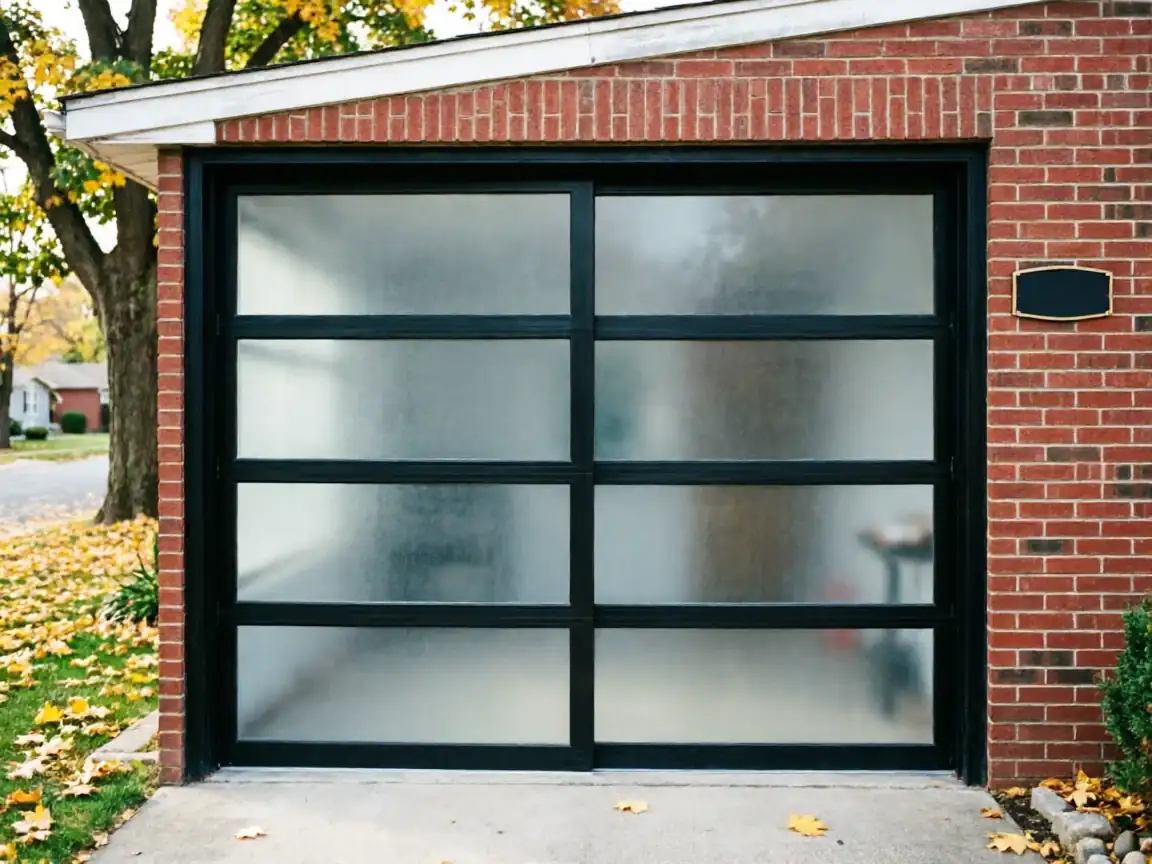
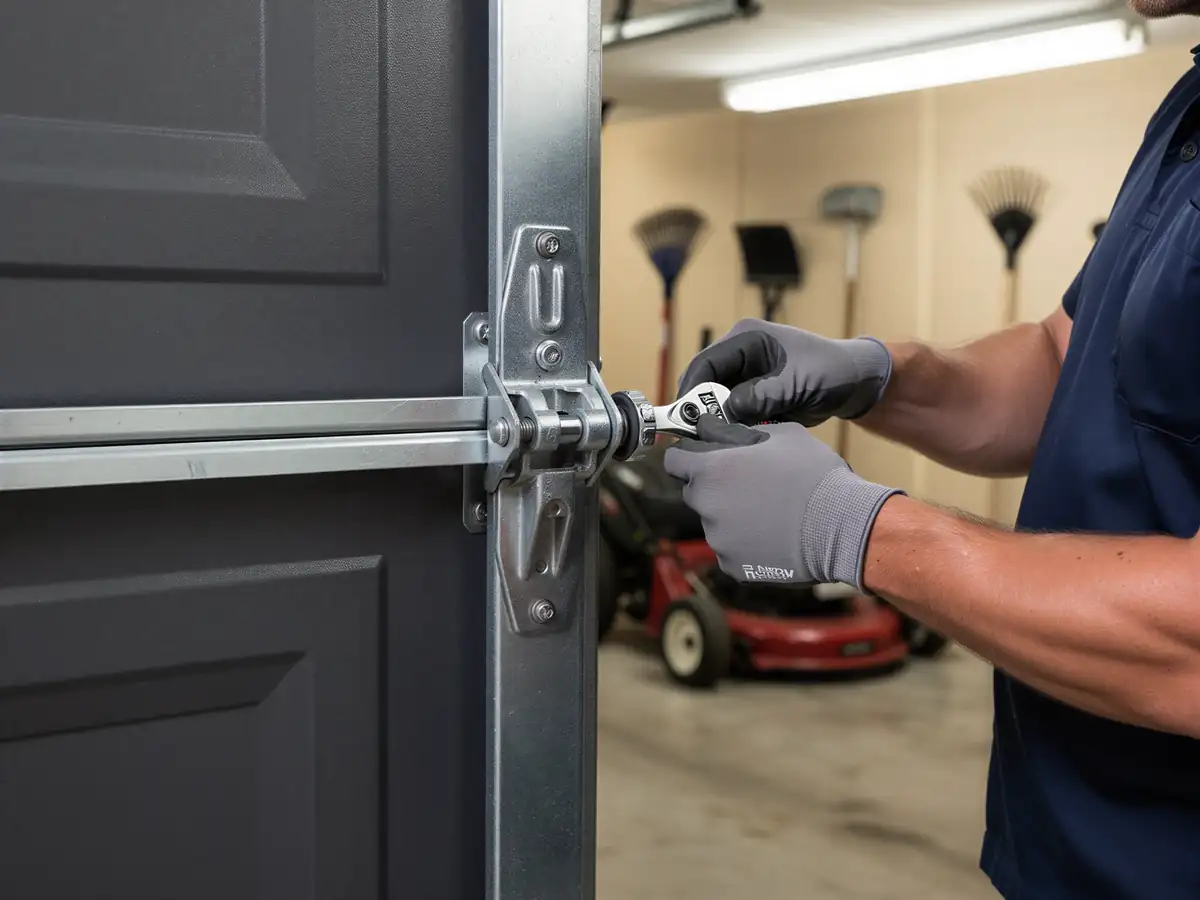
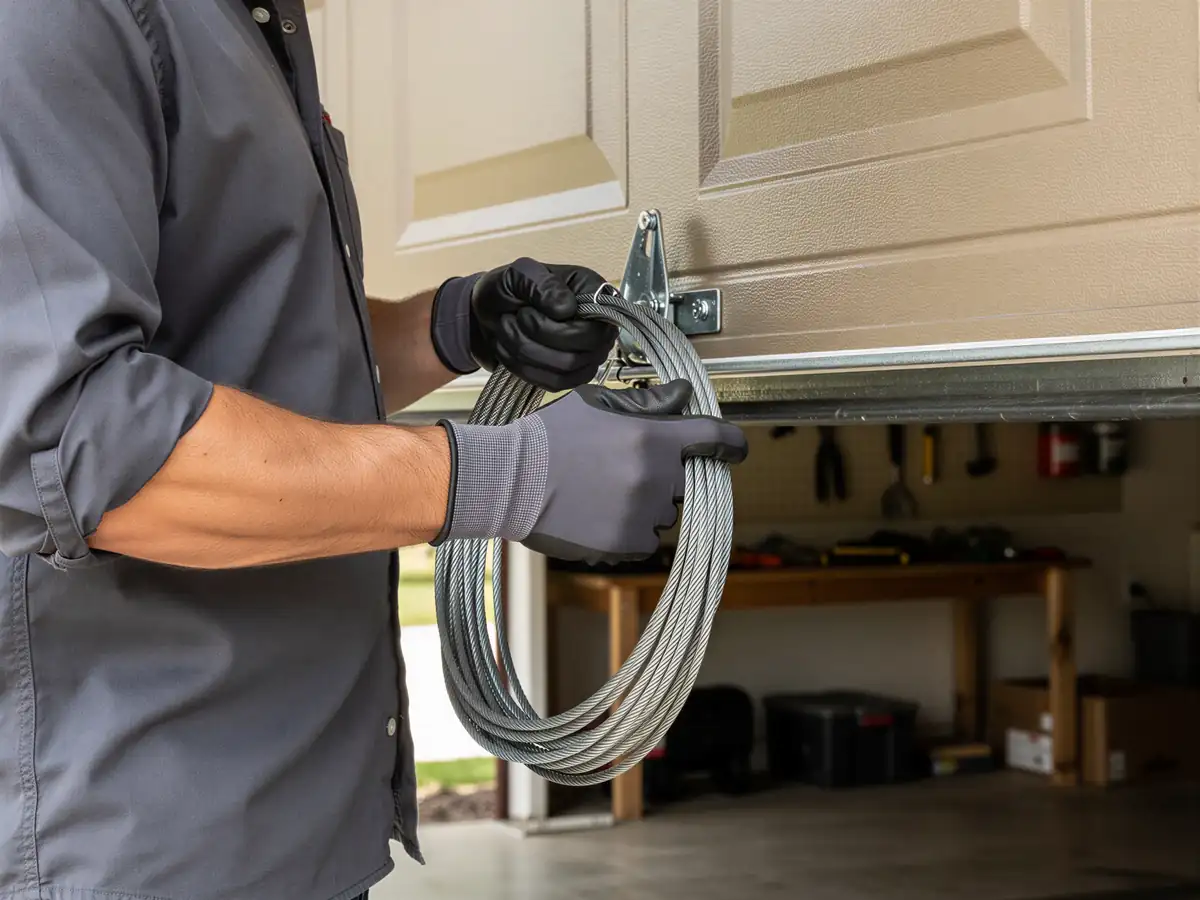
We stock standard torsion springs, steel rollers, and track sections sized for common 1960s-80s openings, which covers most of what we find in this area. What we don't keep on the truck is anything custom - a non-standard opening width, a specialty insulated panel in an uncommon size, or hardware for an opener model that's been discontinued. Those get ordered once we've measured in person, and that's the honest limit on how fast we can move: if your opening is standard, we're usually working with parts already on hand; if it isn't, there's a lead time and we'll tell you upfront rather than guess.