What You Pay
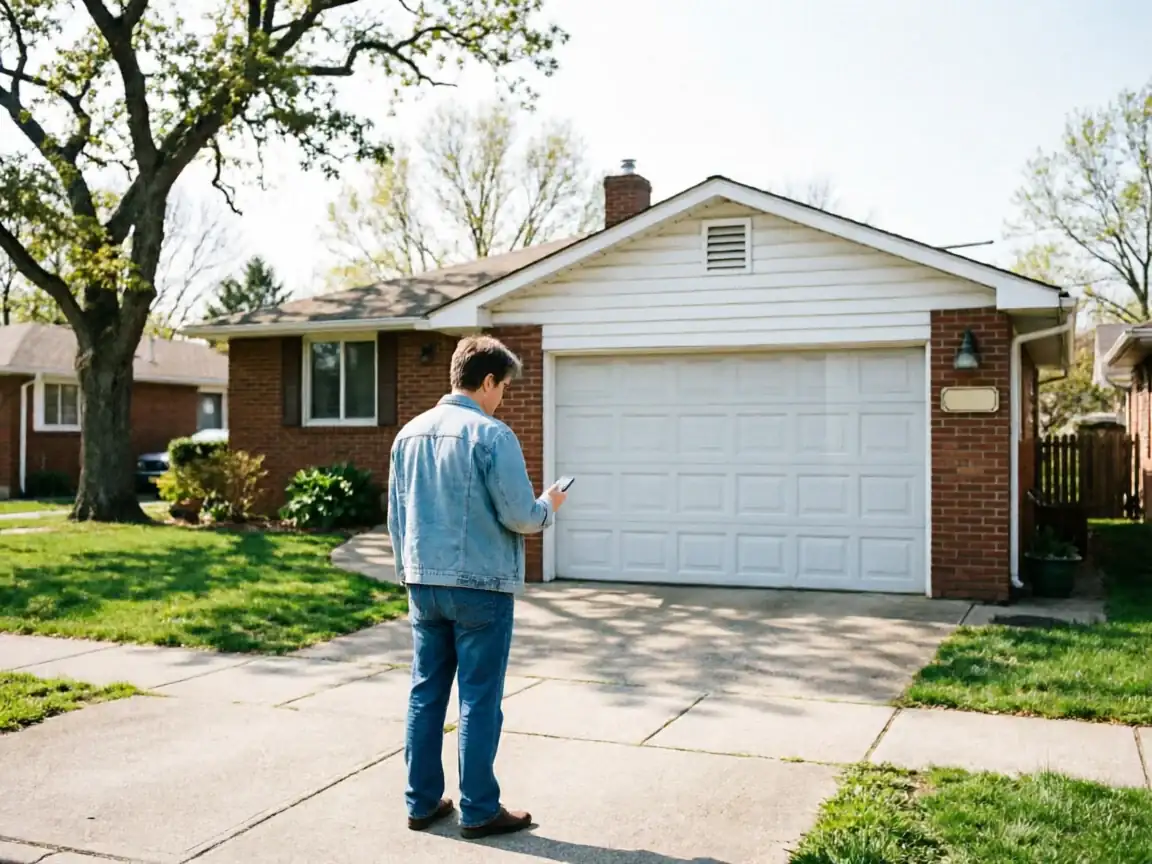
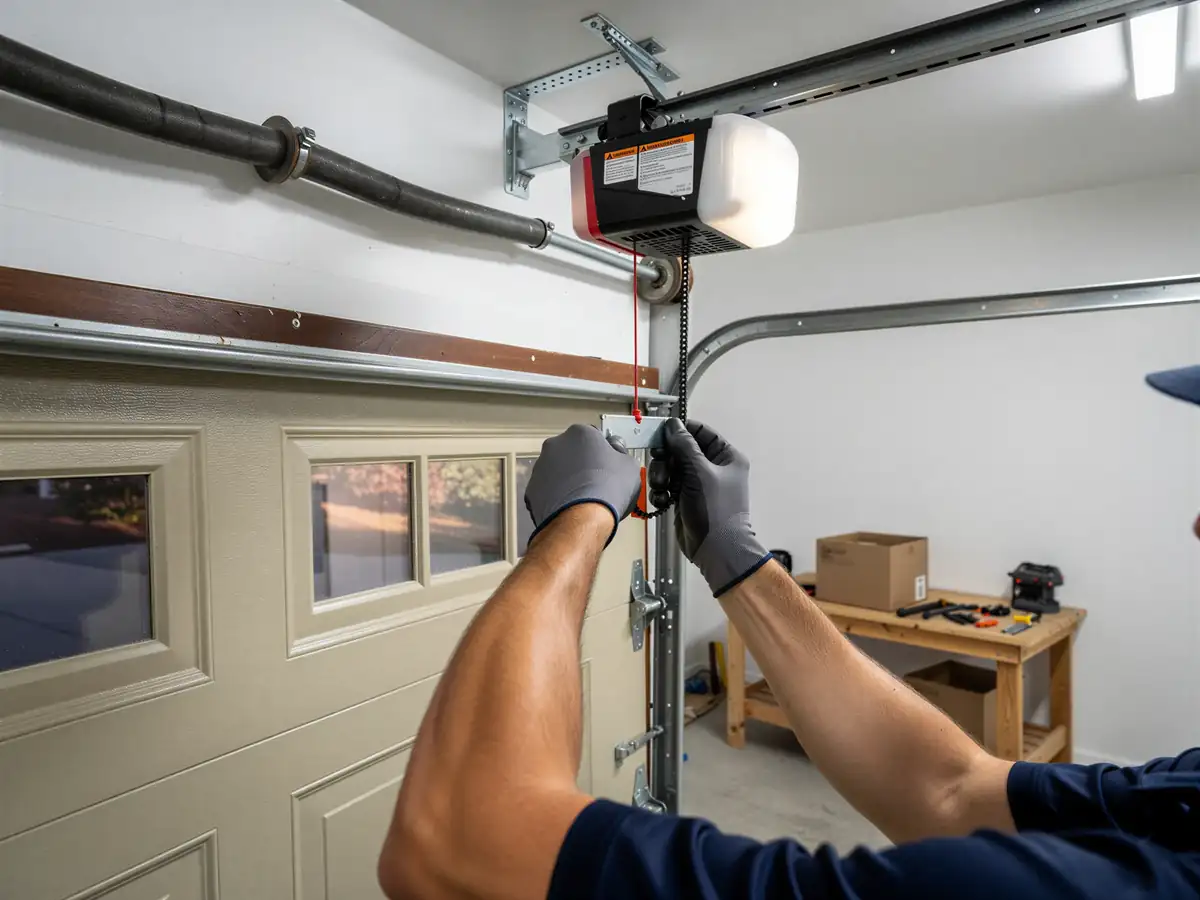
Lindenhurst is a small town - 5,081 households - so we're not quoting off a high-volume neighborhood like the denser pockets closer to Deerfield. What you pay for an opener here comes down to the same handful of variables everywhere: horsepower, drive type, and whether you want battery backup. A half-horsepower chain drive costs less than a belt drive or a DC motor unit with soft start and stop. We don't post a flat number because the honest answer depends on what's already mounted on your ceiling and whether the bracket and header need rework. What we can tell you is that we price the job before we touch anything, not after. If your existing rail and track are in good shape, you're paying for the opener and labor, not a full teardown. If they're not, we'll show you why before we add it to the bill.We don't install the bargain big-box units - we've seen too many of them back on a service call inside two years.
Parts We Carry
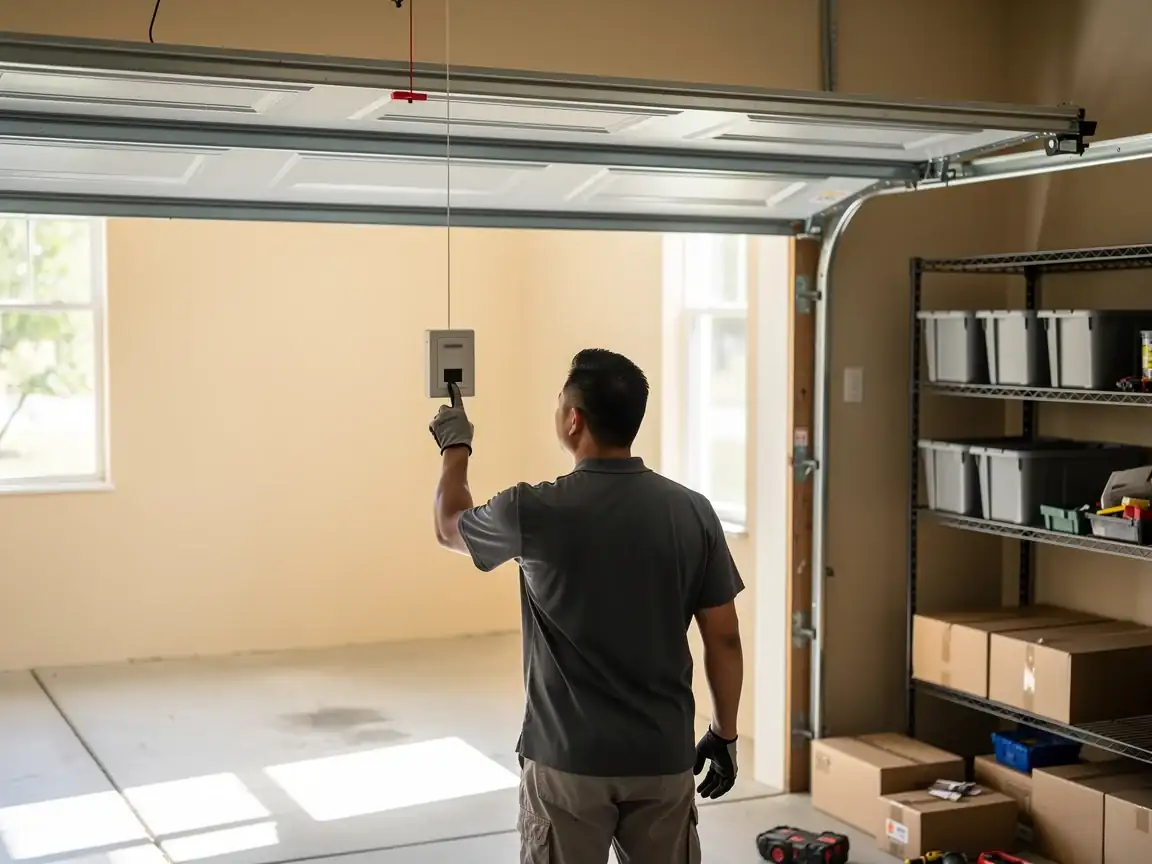
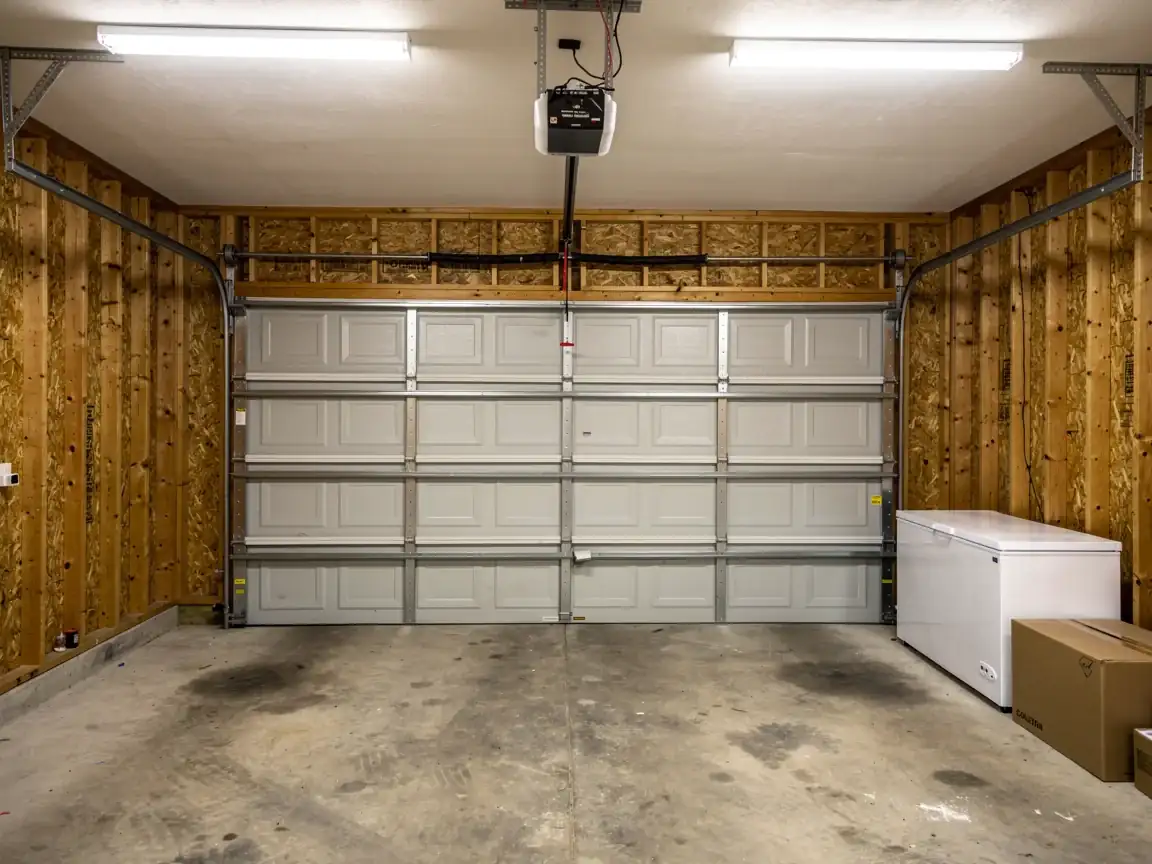
We stock belt-drive and chain-drive openers, plus screw-drive units for the handful of homes here with shorter headroom. Lindenhurst's housing stock runs newer on average - most of it from the 1980s - so headroom and ceiling clearance tend to be more forgiving than in the older 1960s-70s stock closer in toward Deerfield, which means we're not always jury-rigging low-clearance brackets the way we sometimes have to elsewhere in the service area. We carry battery backup units as a stocked option, not a special order, because this area sits in a cold climate band where winter power blips are routine and a dead opener at 10°F with no backup means hauling the door by hand. We also keep standard safety sensor kits, replacement logic boards for a couple of common opener brands, and wall console upgrades. What we don't carry on the truck is anything exotic - a smart-home integration module that needs a part number we've never stocked gets ordered in, and that's a lead-time conversation we have with you up front rather than a promise we can't keep.
What You Are Seeing
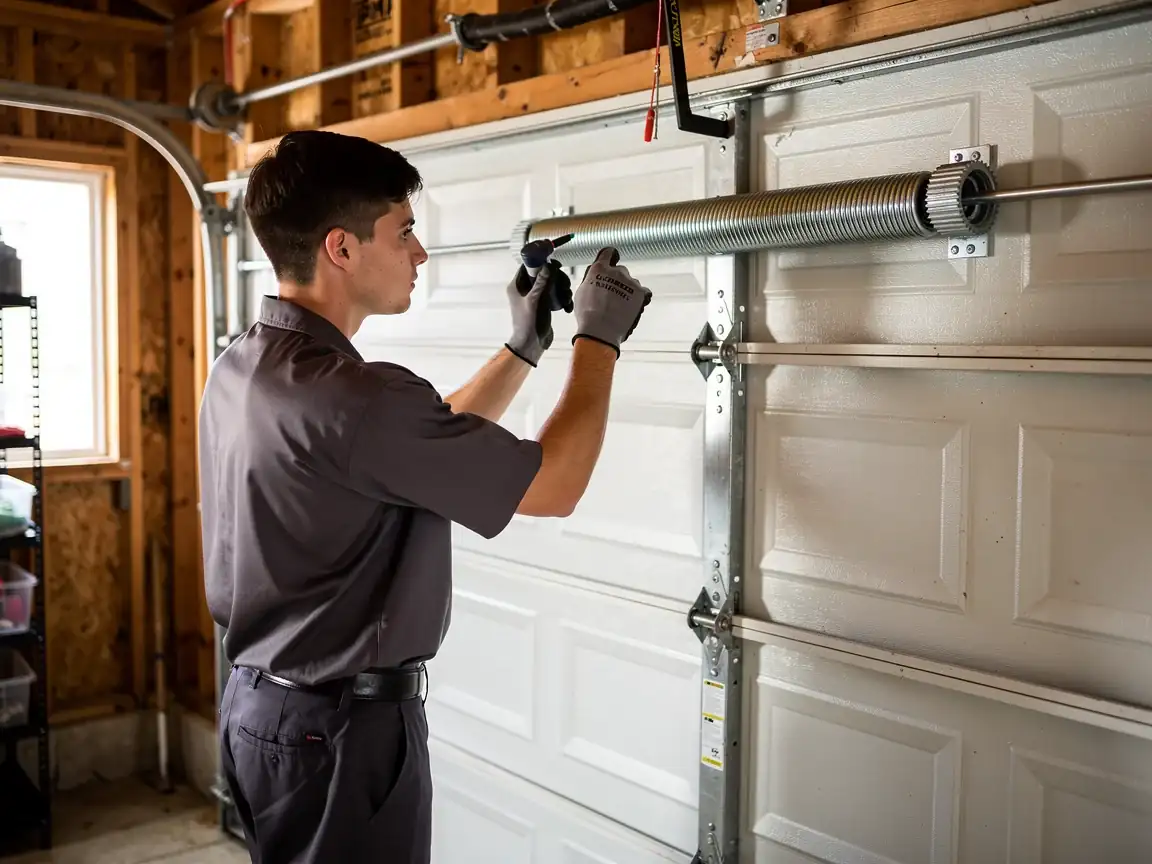
If your opener is grinding, reversing without touching anything, or running but not actually lifting the door, that's usually the motor or the gear, not the door itself. In a town like this, where median household income runs around $127,837 - a bit above the wider service area's $125,104 - we see more owners replacing an opener proactively, before it fails outright, rather than waiting for a dead unit on a cold morning. That's a reasonable call when the existing unit is pushing fifteen-plus years old. What we don't recommend is replacing an opener to fix a door problem - if your panels are sagging or a cable's frayed, a new opener won't fix that and we'll say so instead of selling you one anyway.