What You Pay
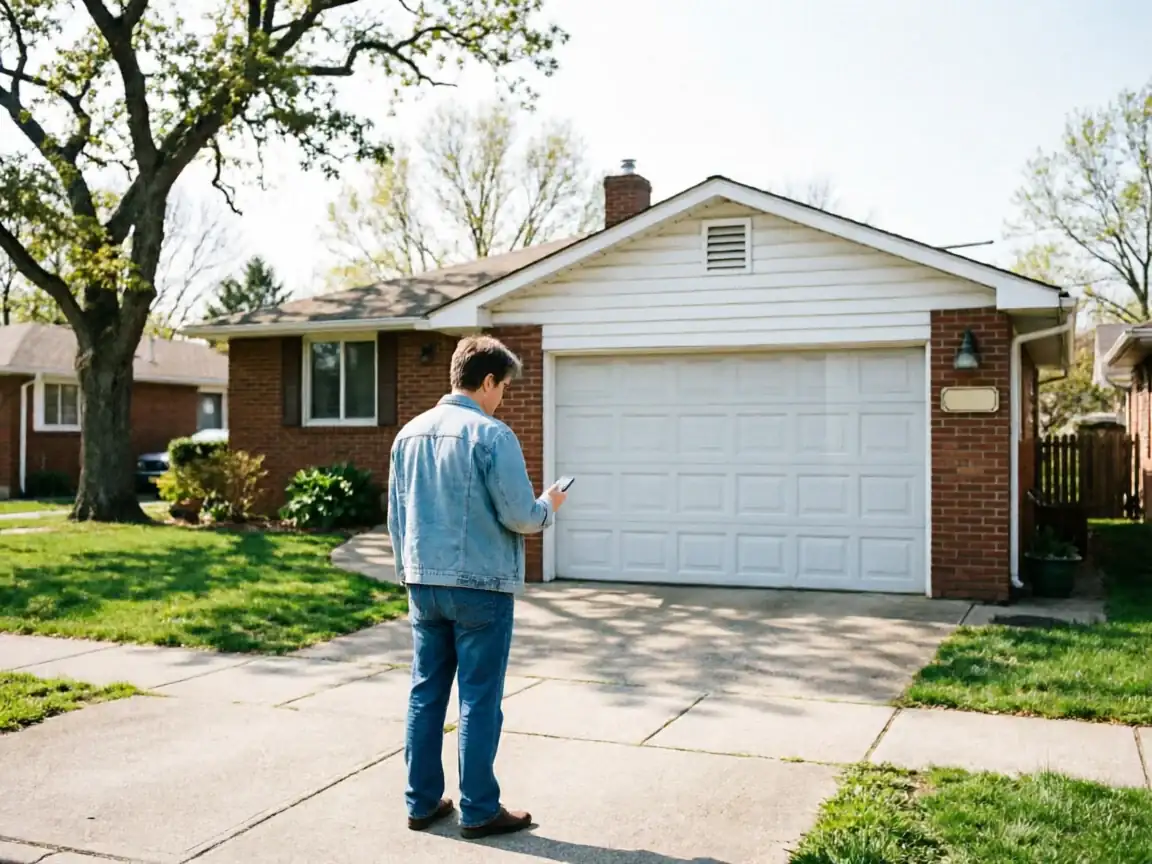
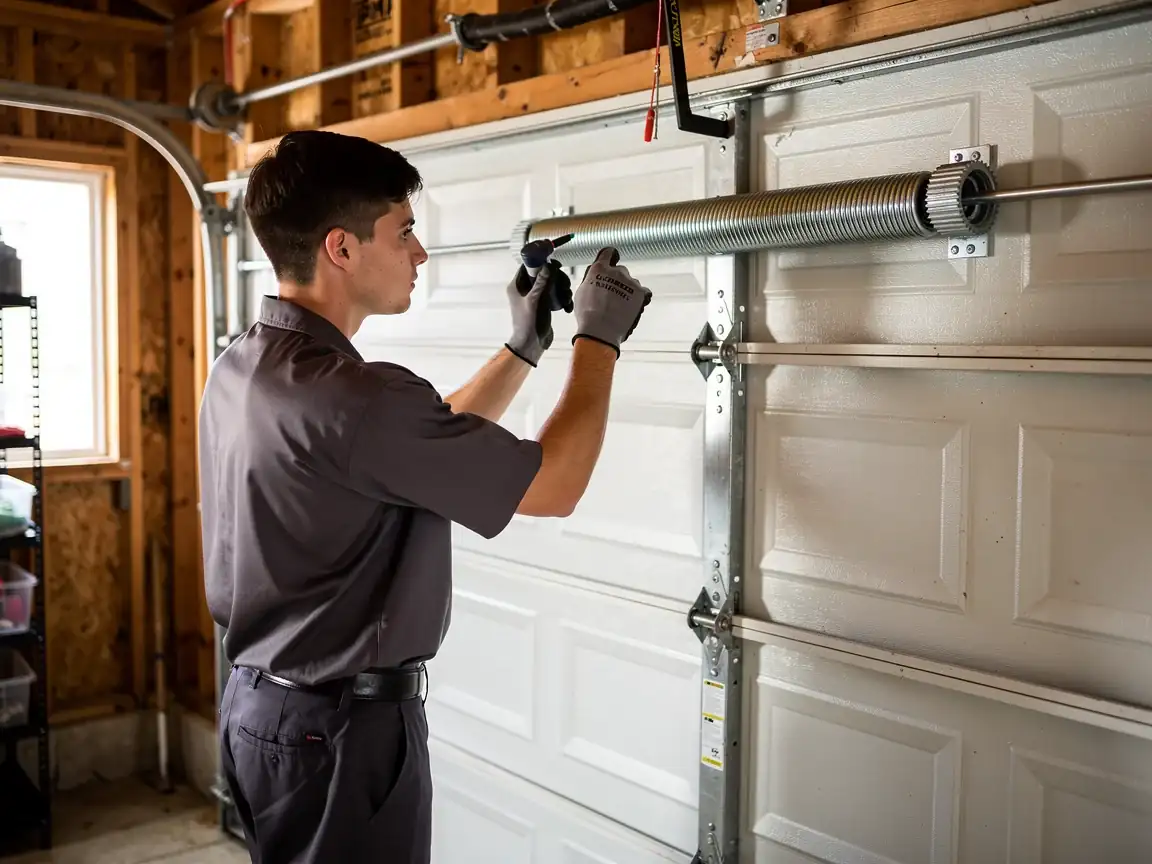
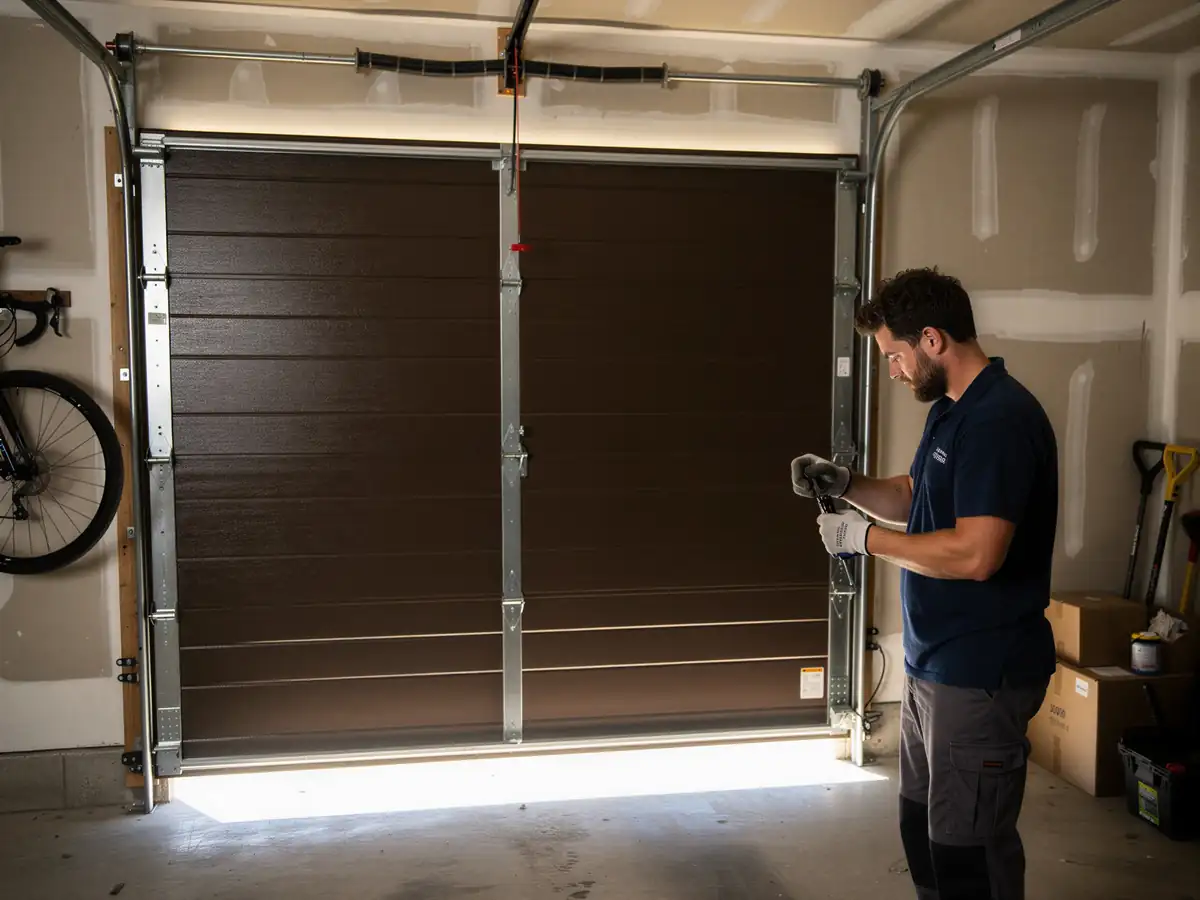
Lindenhurst's housing stock runs newer than most of the territory we cover out of Deerfield. The median home here went up around 1986, almost a decade past the service area's overall median of 1977. That gap matters more than it sounds: a door installed in 1986 almost certainly came with a torsion spring mounted on a steel header above the opening, not the older extension-spring setup still common on 1960s-and-70s houses closer to Deerfield. Torsion parts are the current standard - manufacturers still make them, distributors still stock them, and a tech doesn't have to source a part discontinued twenty years ago. That keeps a straightforward torsion-spring swap or roller job here closer to a standard repair than a specialty one. What we can't do is quote a number without seeing the door - a 16-foot double door with two springs costs more in parts than a single 8-foot door, and if the opener's original to the house, 1986 is old enough that the gears and capacitor are probably due regardless of what brought us out. See our Lindenhurst service details for what we cover, or check our Deerfield home base for the rest of the territory.
Parts We Carry
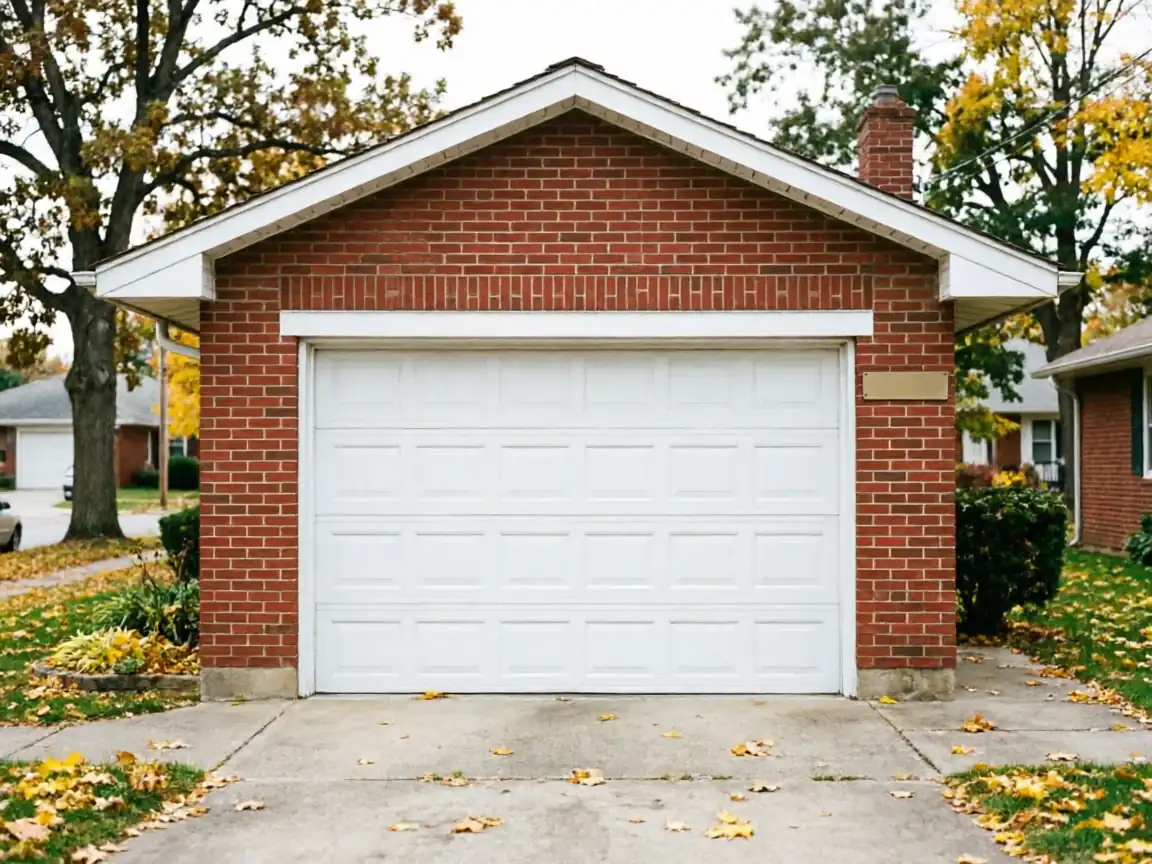
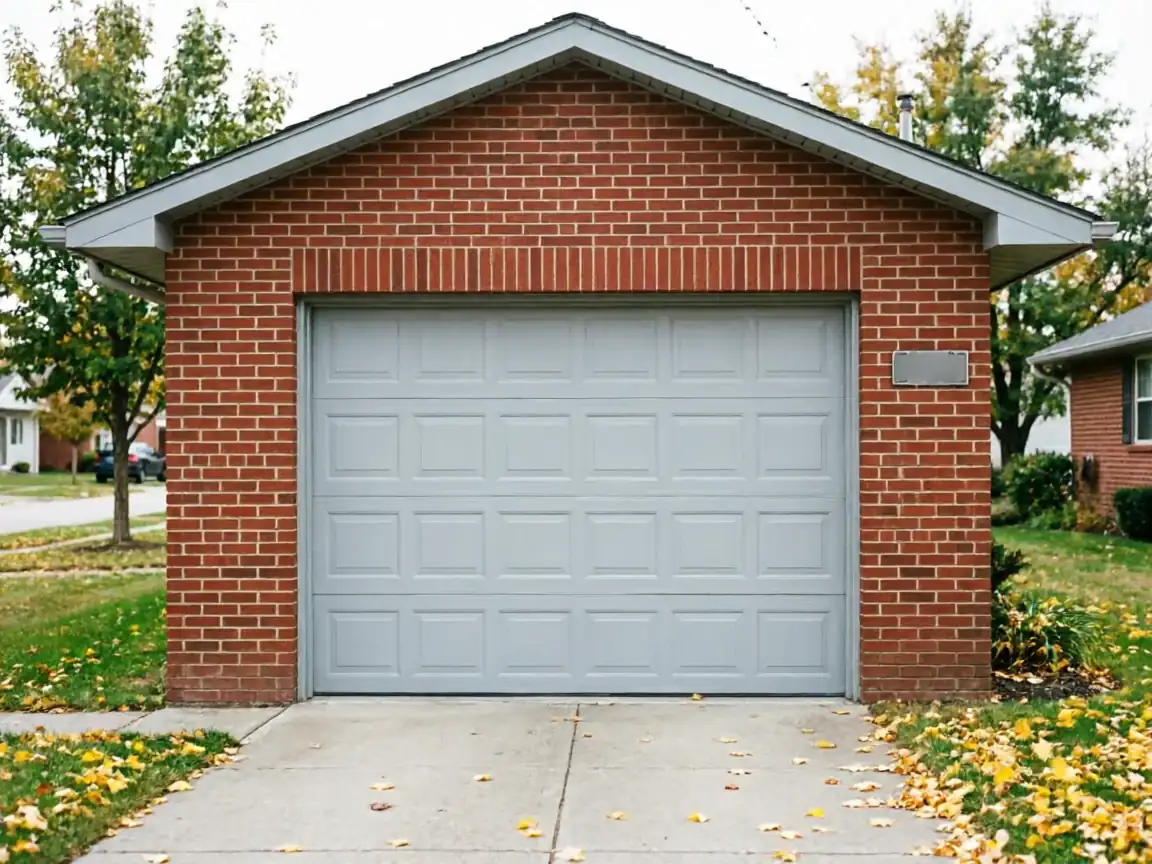
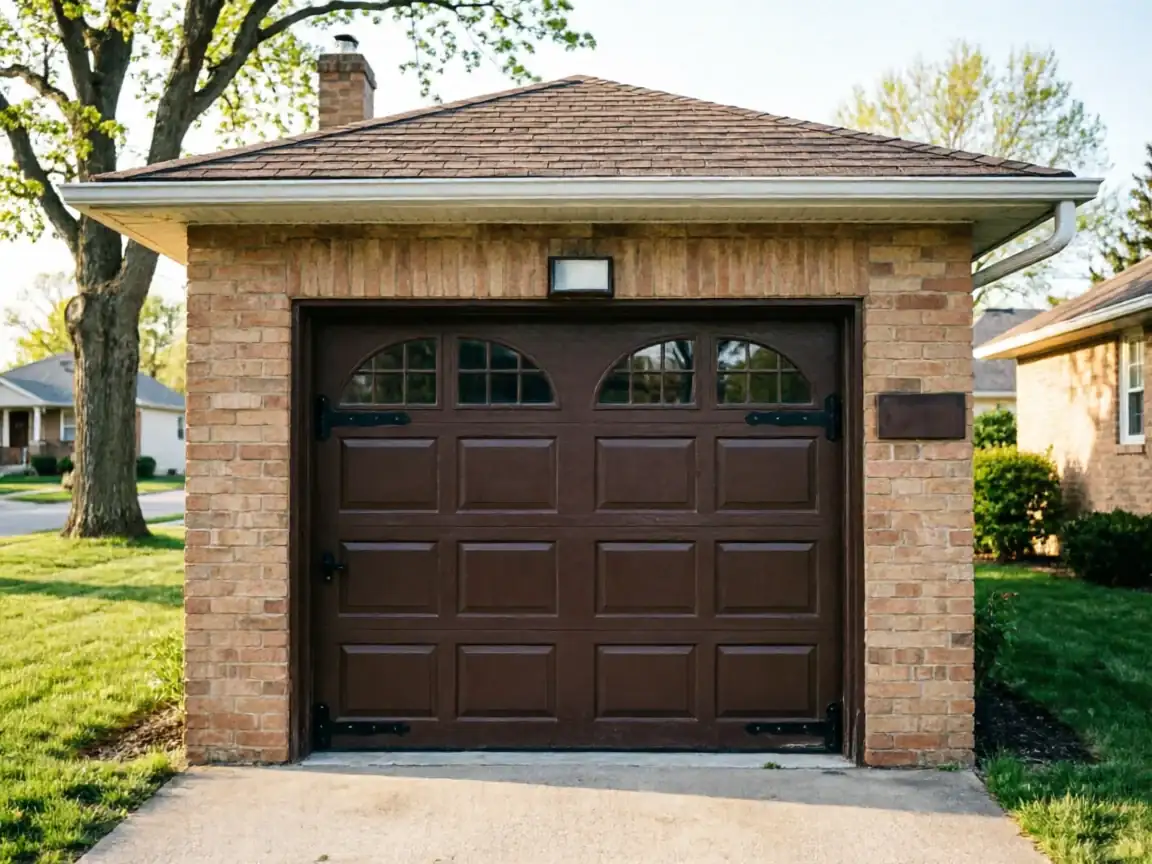
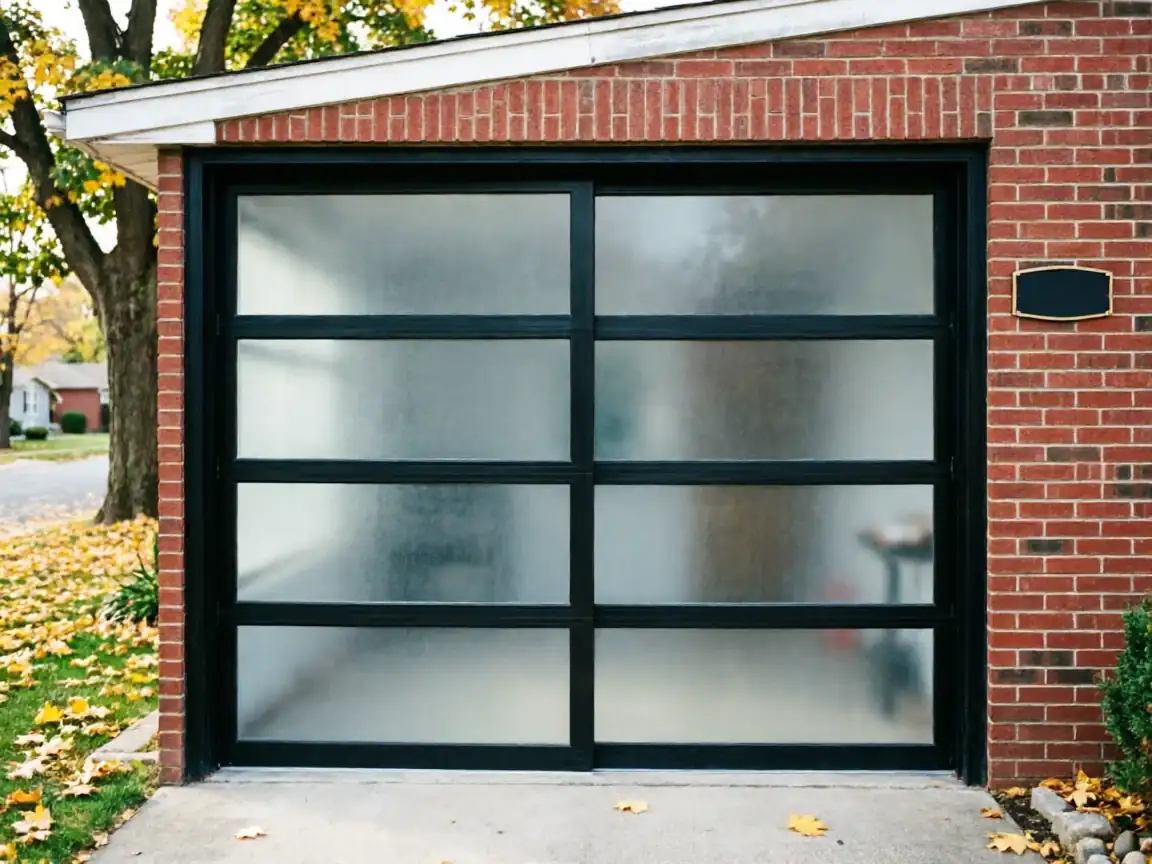
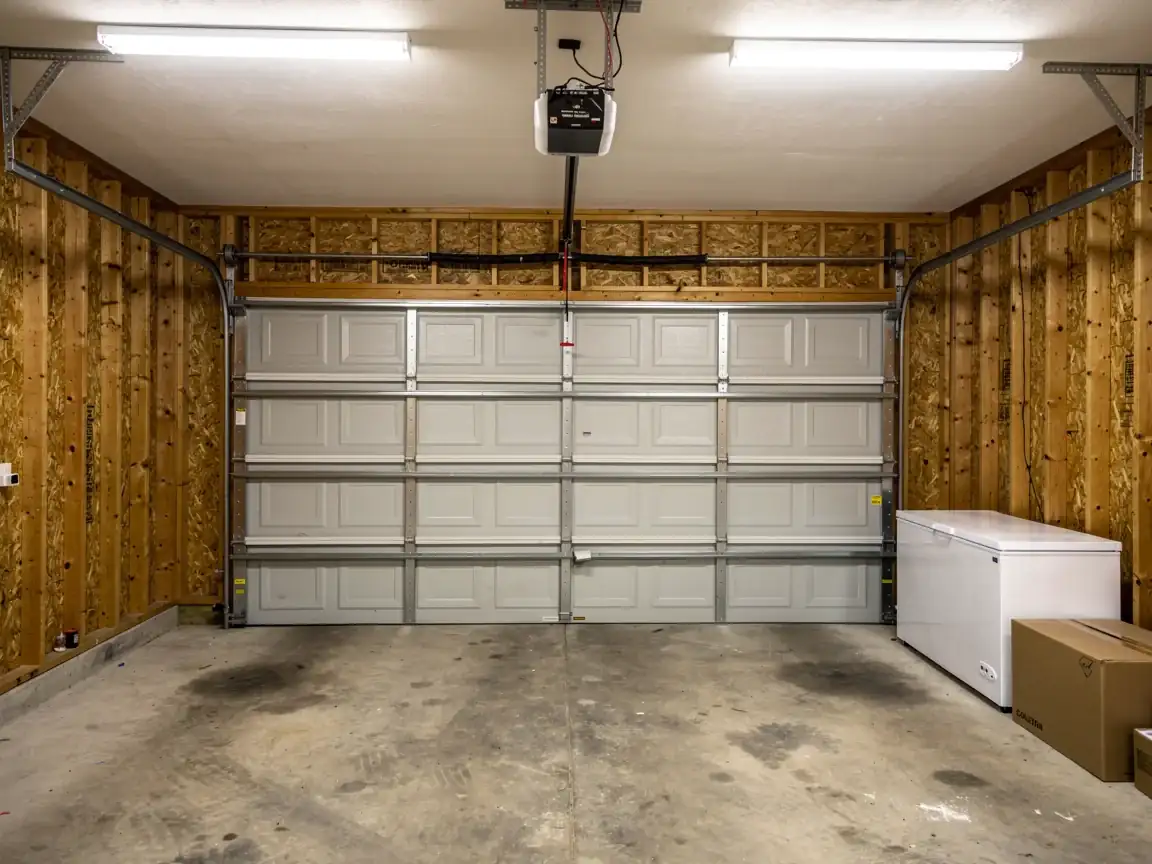
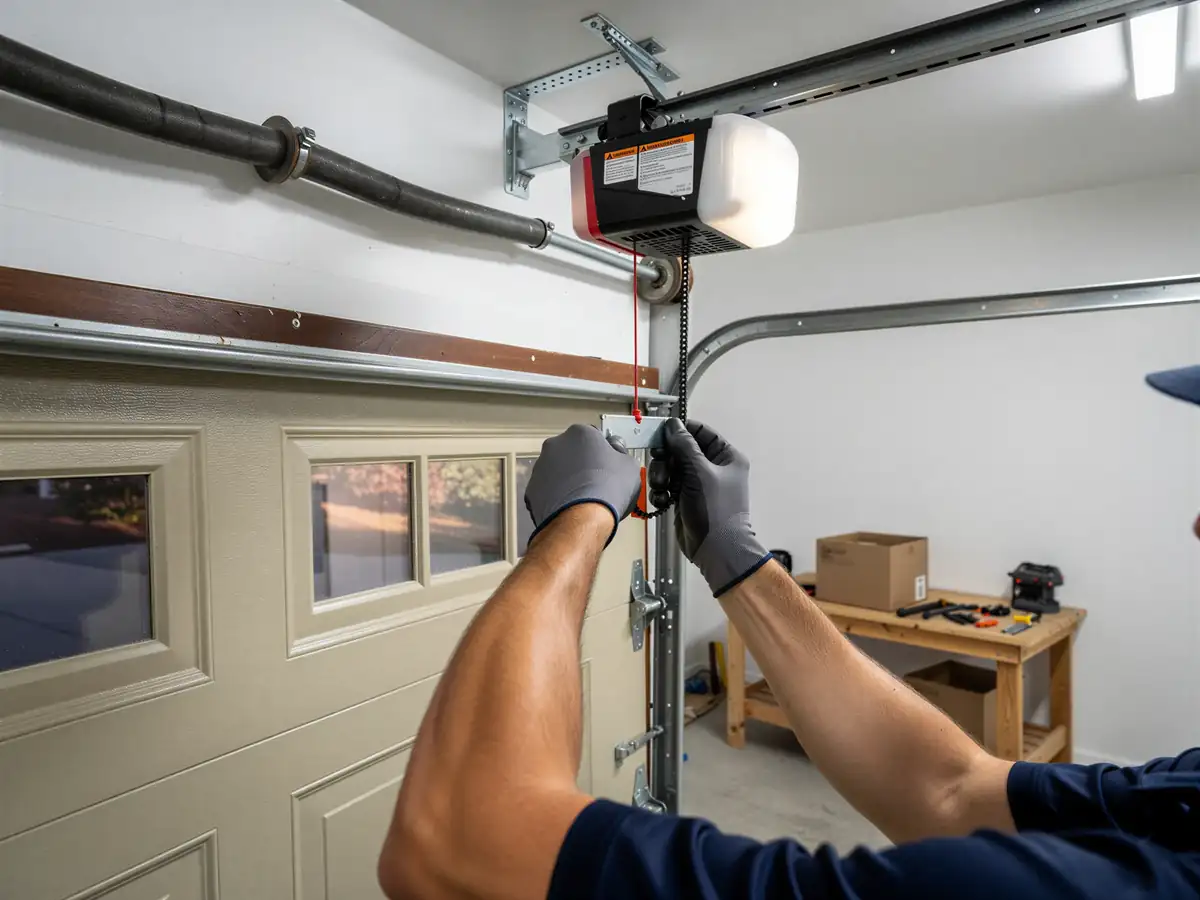
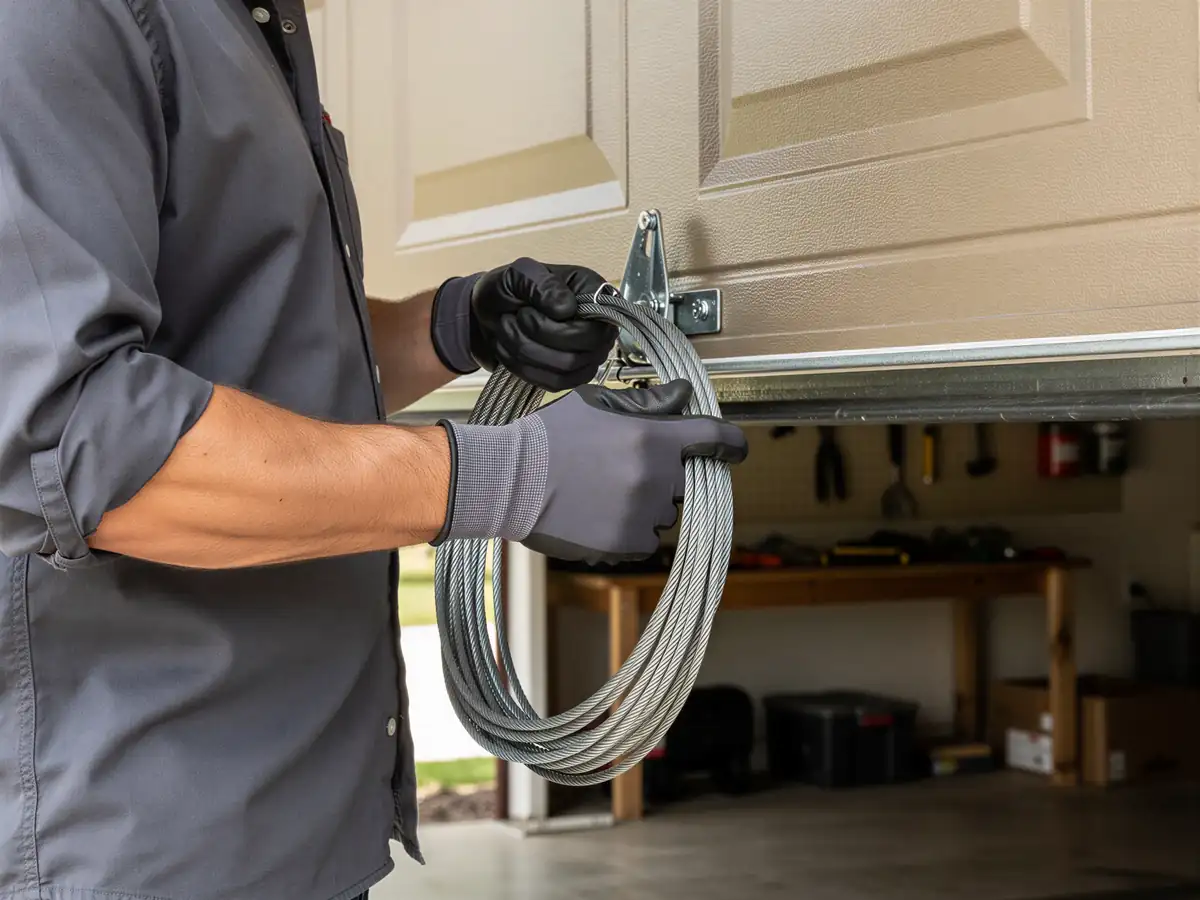
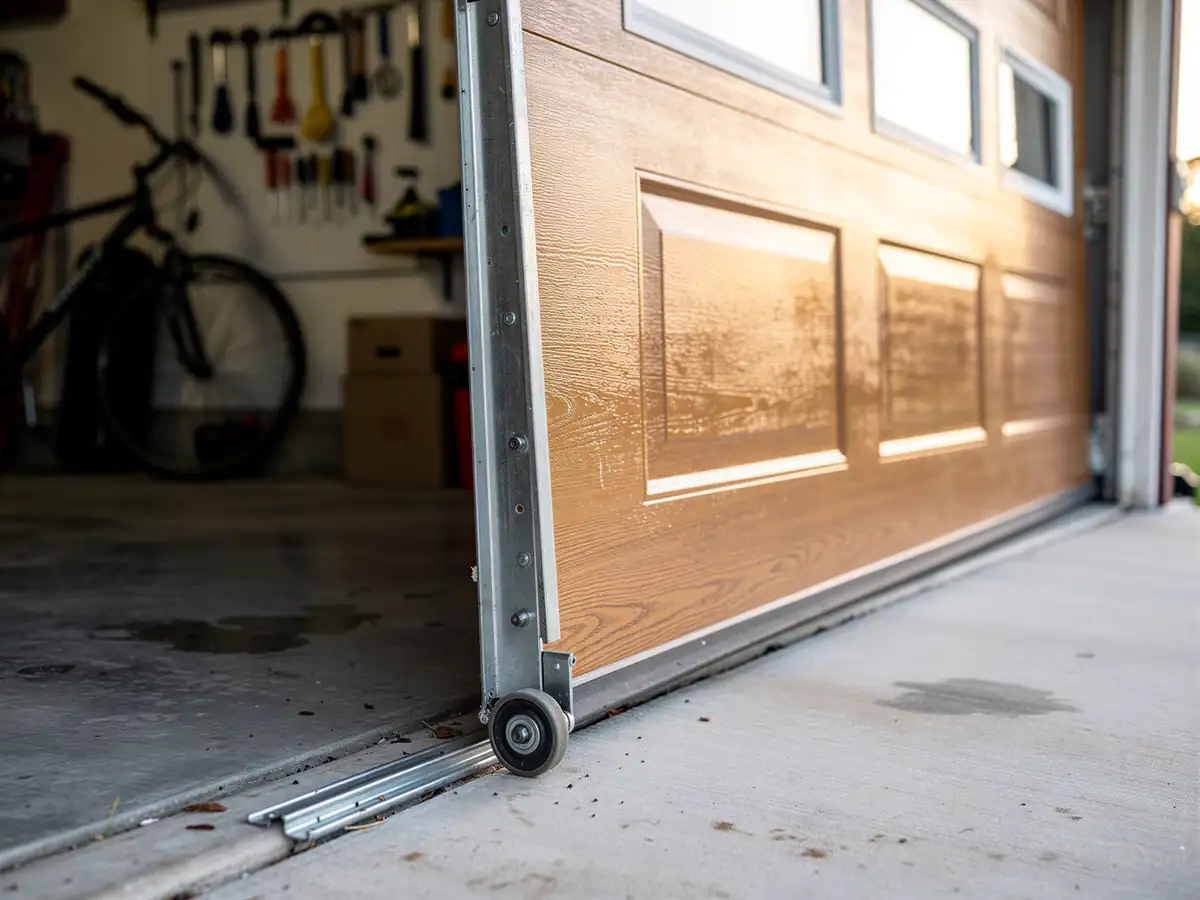
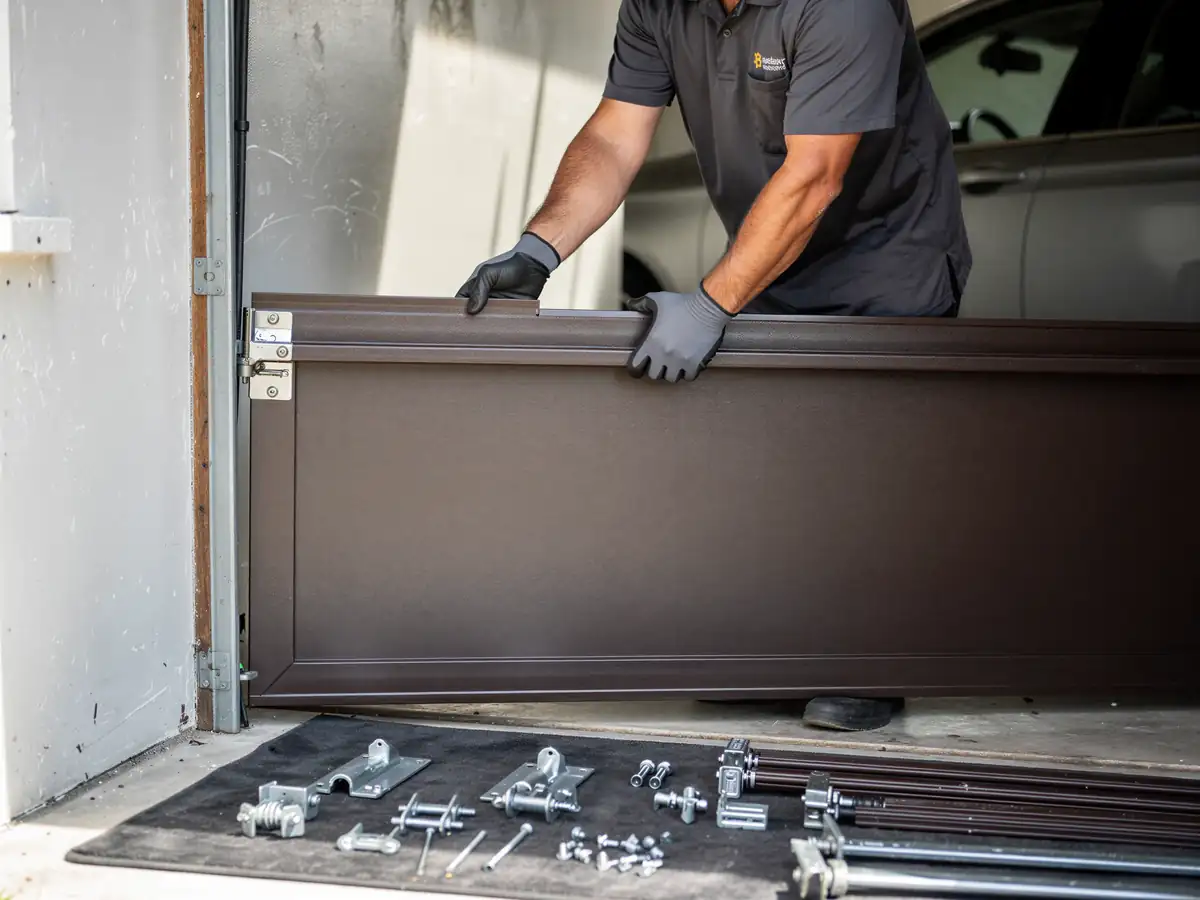
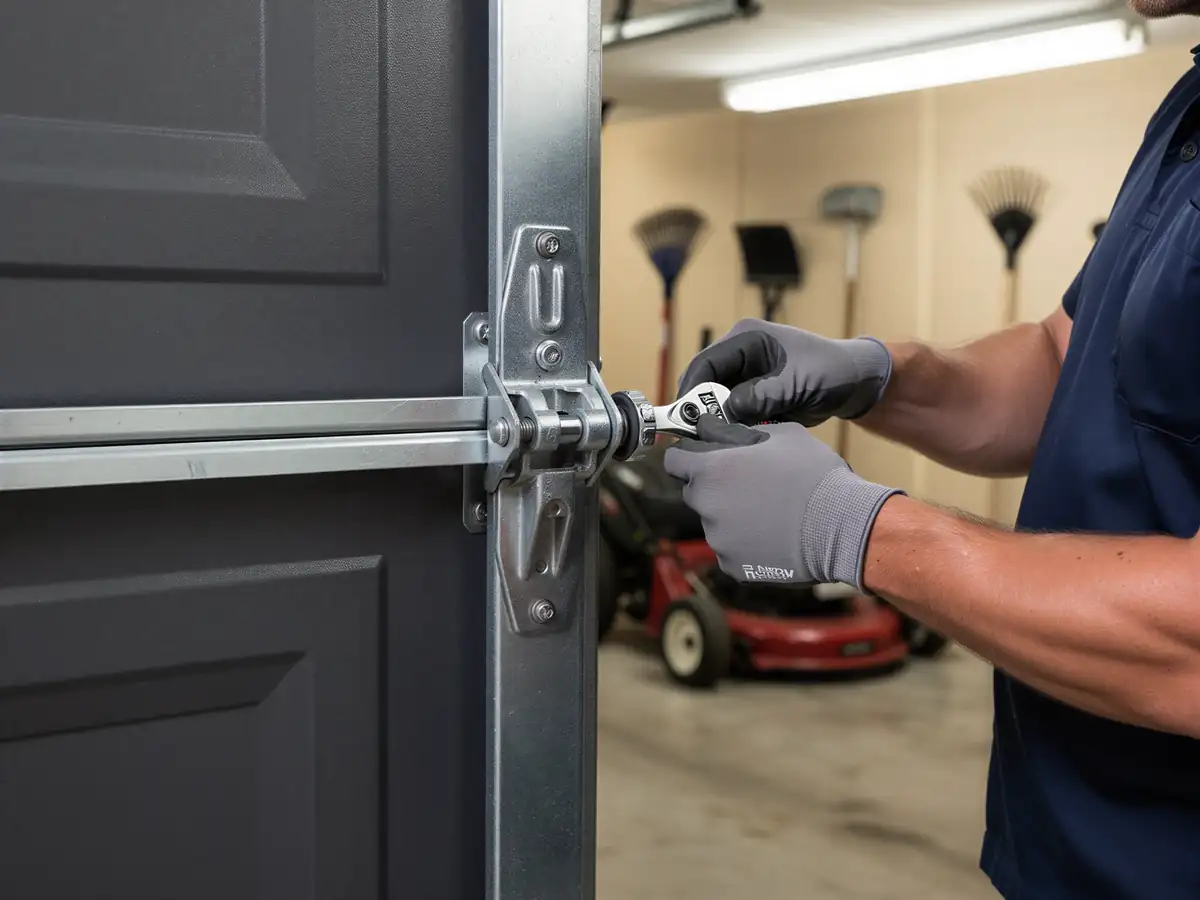
Given when this area was built, most of what we carry on the truck for a Lindenhurst call is torsion-era hardware: torsion springs sized to the door's weight and track length, steel roller and cable sets built for sectional doors, and opener parts - drive gears, capacitors, logic boards - for the chain and belt-drive units that became standard in homes from the 1980s on. We also stock insulated steel panel sections, since a lot of houses from that build period went up with sectional doors from the start rather than the older single-panel or wood-slab doors you still find on pre-1960s houses elsewhere in the territory. What we don't carry on the truck: parts for extension-spring, side-mounted systems. If a Lindenhurst house happens to have an older door - some lots got redone or replaced earlier than the surrounding build - that part may need to be special ordered, adding a day or two versus what's on the shelf. That's the honest limitation: we carry what matches the housing stock we see most, and the truck can't hold every part for every era.
What You Are Seeing
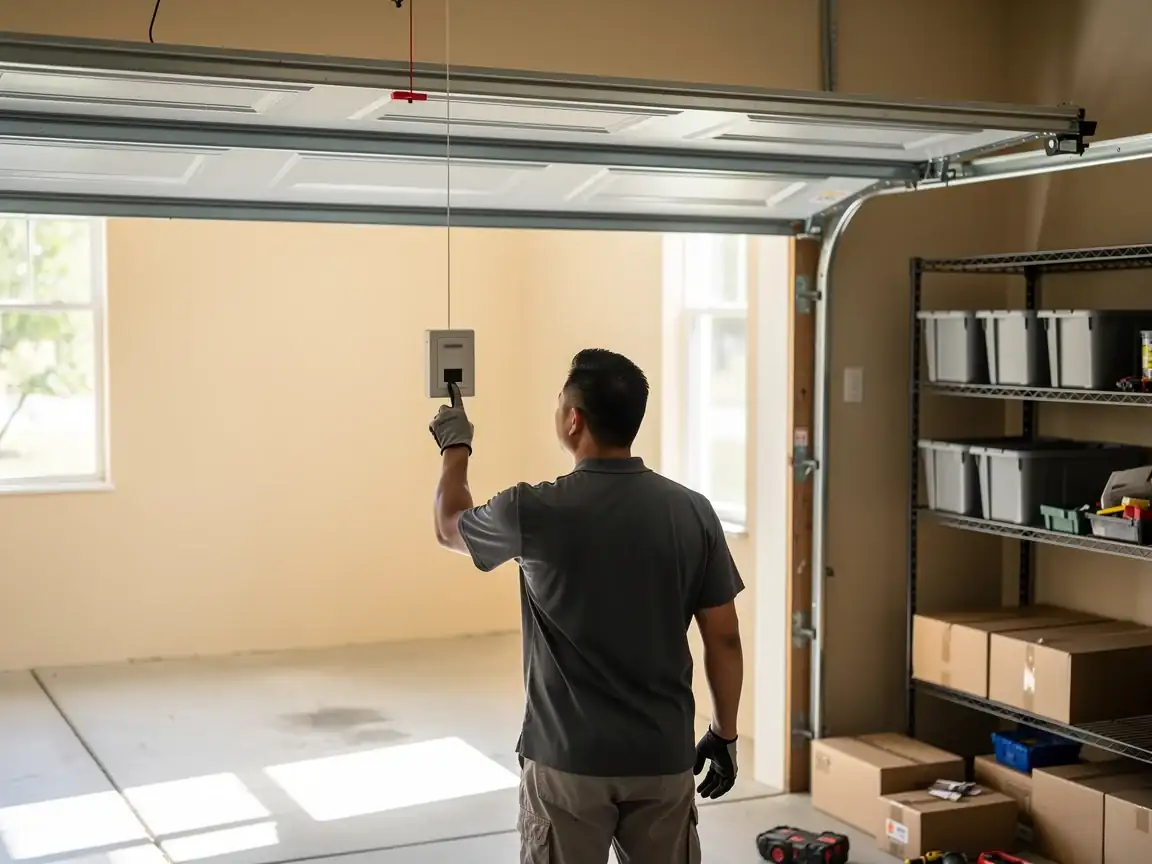
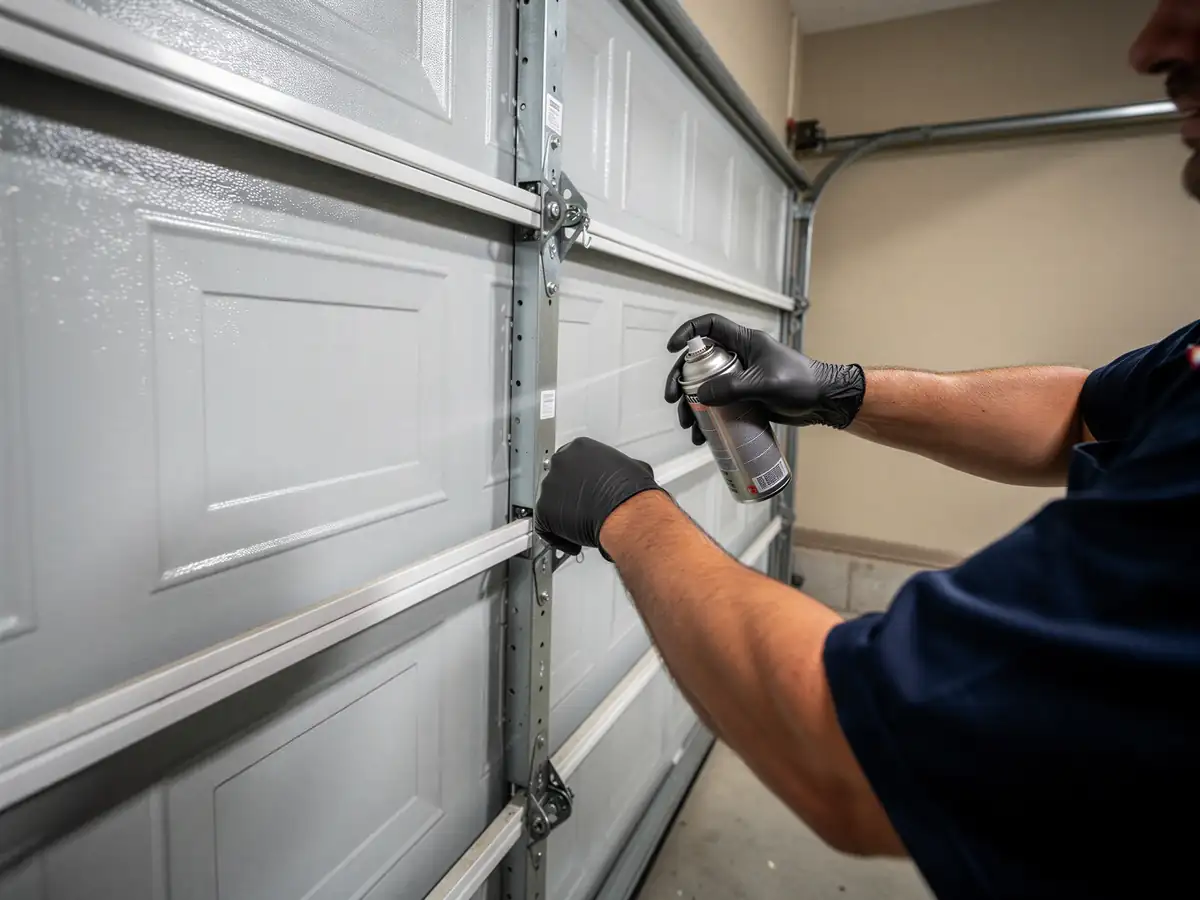
A door built around 1986 is pushing forty years of cycles, and the symptoms show up in a predictable order: rollers that grind before they jam, a cable with visible fraying at the drum, an opener that runs the motor but won't pull the door past the first foot. Torsion springs on a well-used door from that era are usually near or past their rated cycle count, which is why a spring that's never broken can still be the reason the door feels heavy or closes unevenly. Cold snaps speed all of this up - metal contracts, grease thickens, and a spring that was marginal in October can let go in January. Because Lindenhurst's stock leans newer than much of the rest of the service area, we see fewer of the side-mounted, low-headroom setups that show up on older houses - most of what we find is standard torsion hardware on steel sectional doors, a more straightforward repair than retrofitting obsolete parts onto 1960s hardware.