What You Pay
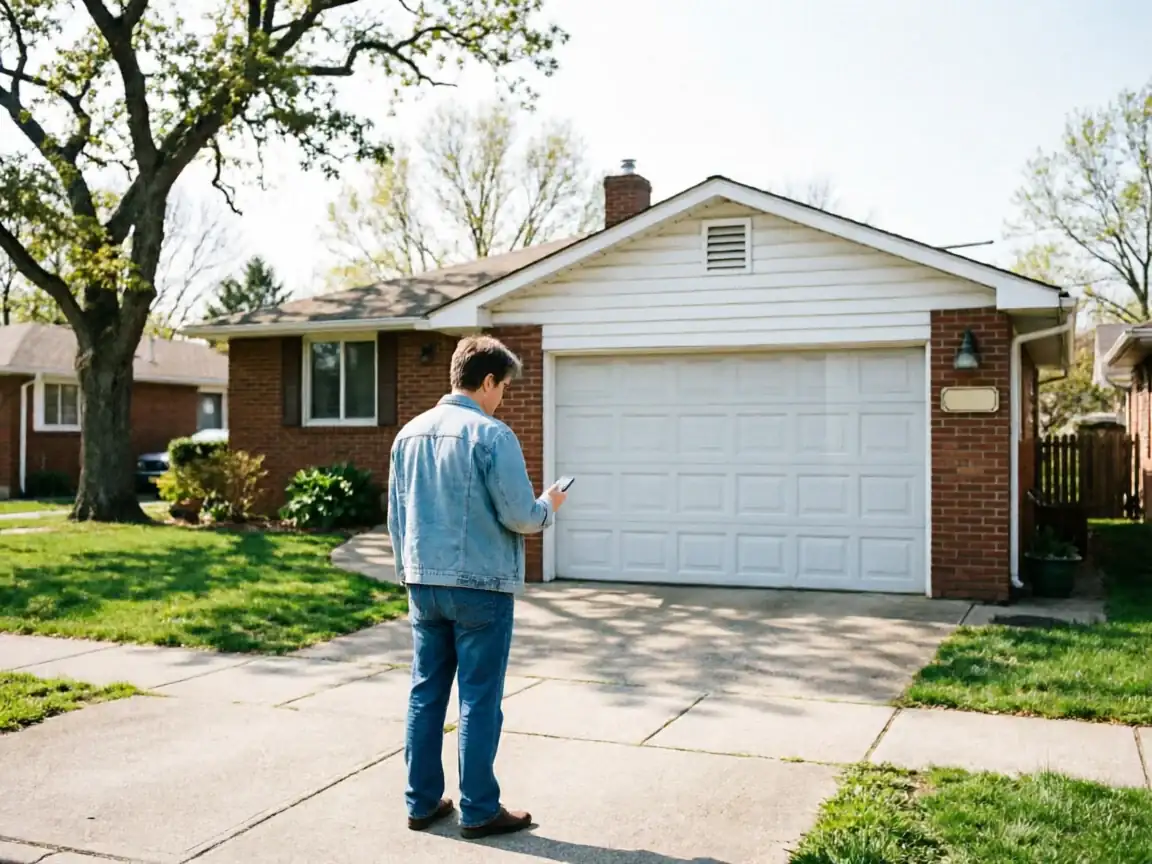
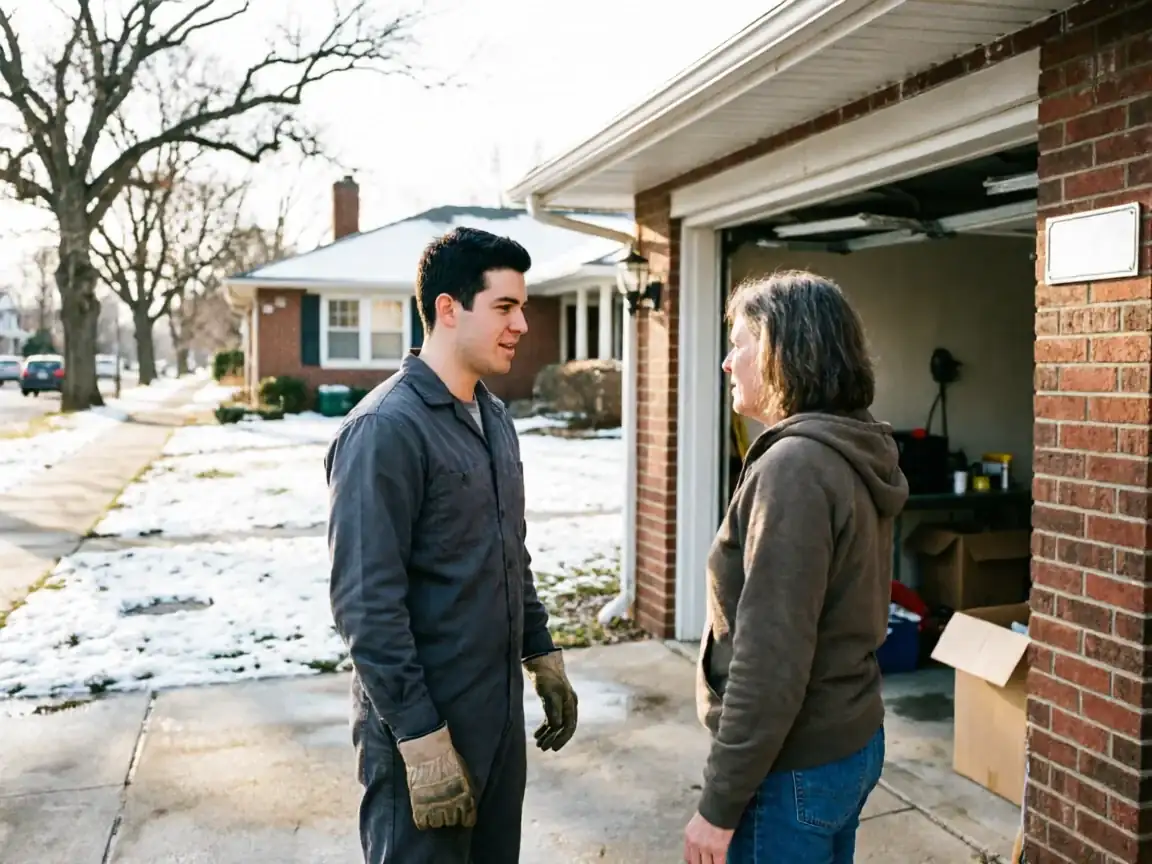
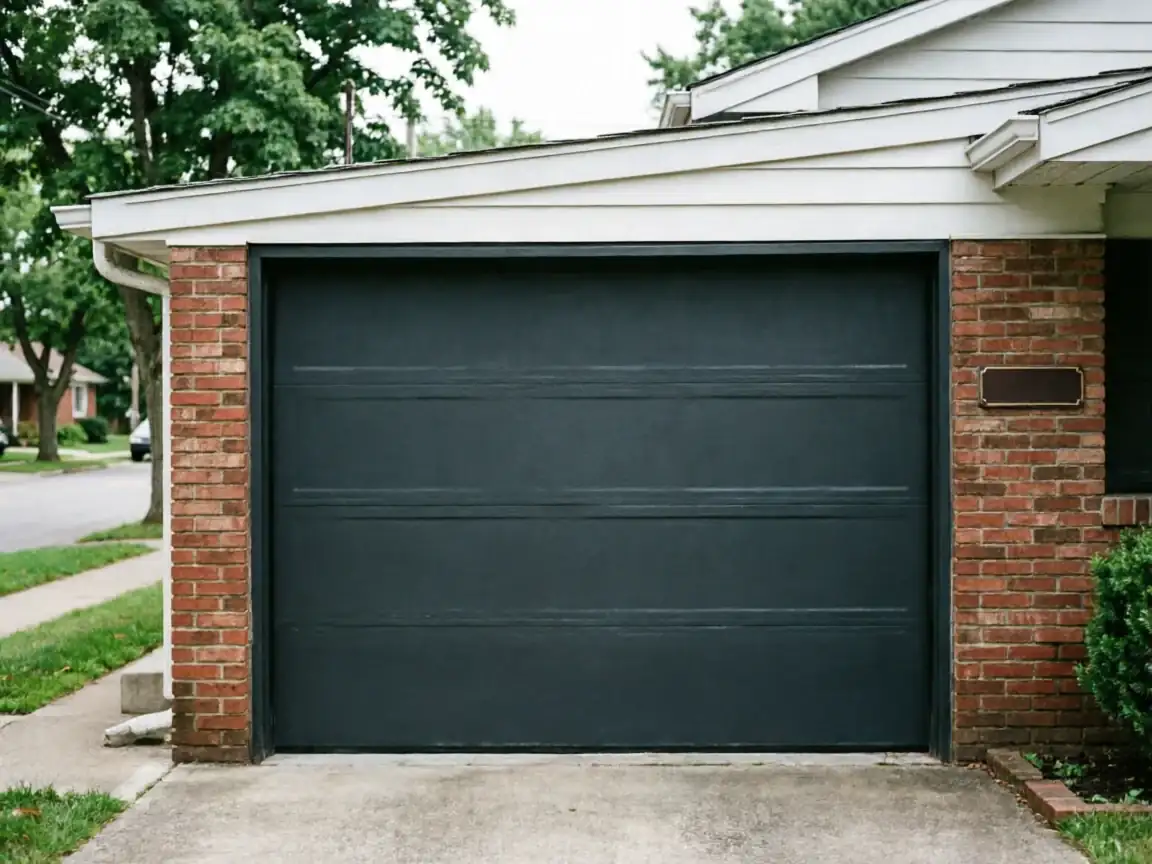
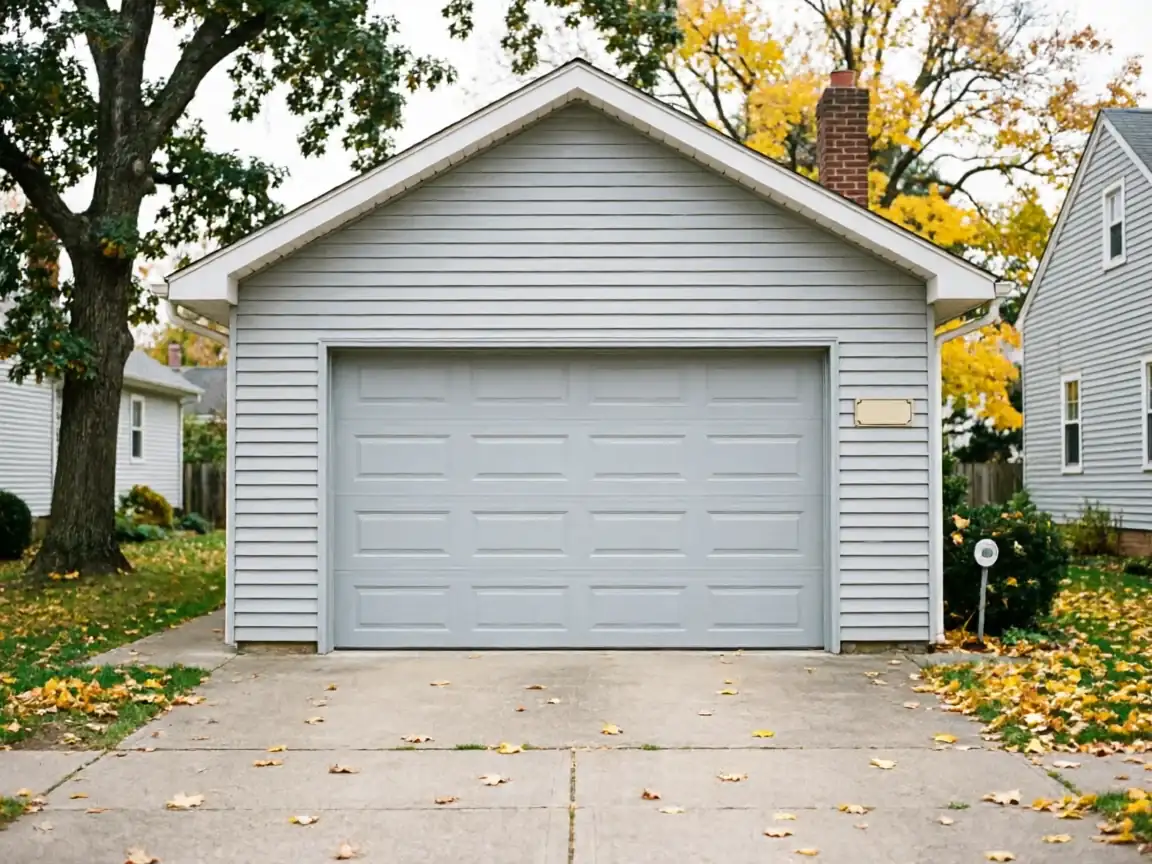
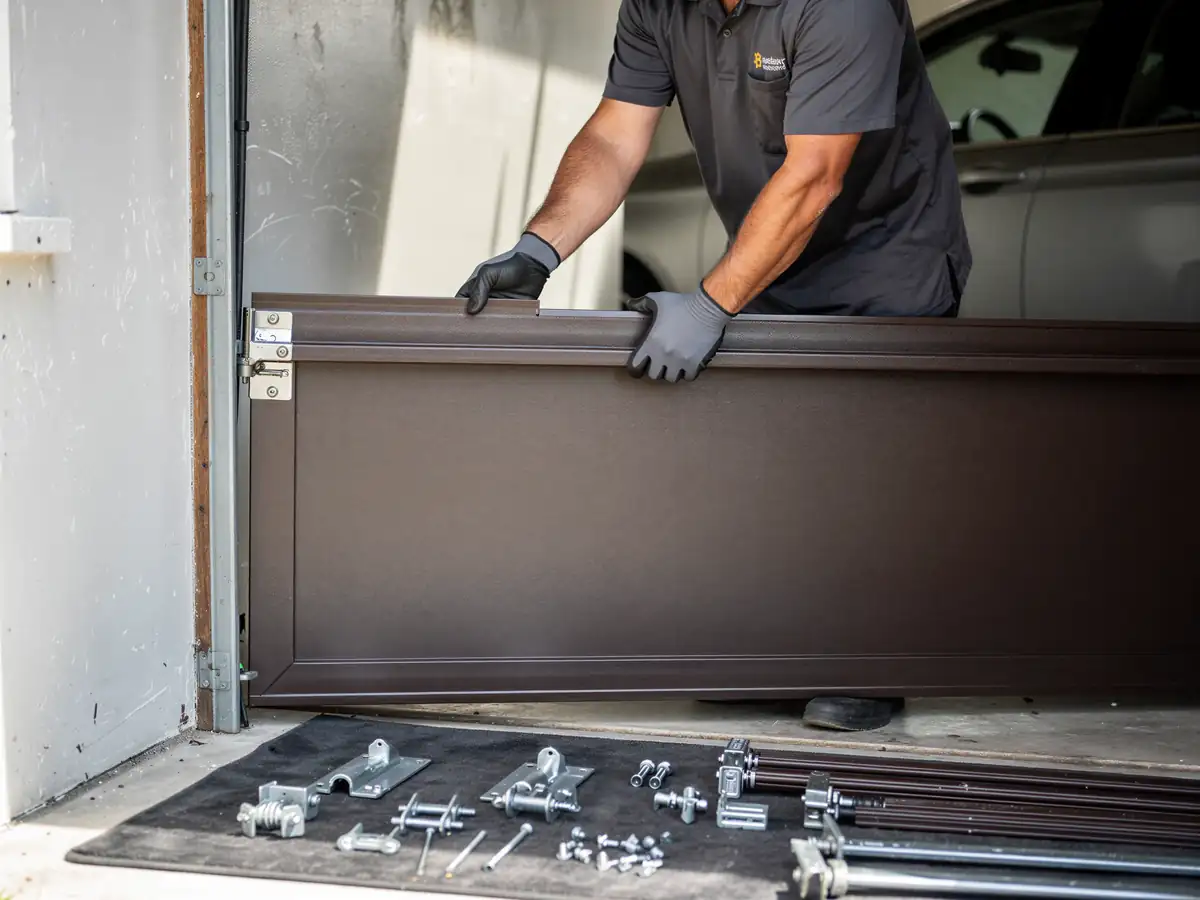
Lindenhurst sits about 20 miles out from our Deerfield shop, which is the first thing to know about cost here: travel is built into any quote before a single panel gets measured. What also shapes the number is the house itself. The typical Lindenhurst home went up around 1986, which means a lot of these garages were framed for steel doors that were thinner and lighter than what we install today, so a straight swap sometimes needs new jamb blocking or a wider header bracket to carry a heavier insulated panel. We don't price that kind of extra labor over the phone - it depends on what the opening looks like once we're in front of it. Household income in the service area runs high, median around $127,837, and we see that reflected in what people choose: more owners here go for insulated steel or composite doors with a quieter belt-drive opener rather than the bare minimum. We'll give you options at both ends and tell you plainly which one is worth the money on your house. One honest limit: if your opening is out of square by more than a small amount, we'll say so before we quote, because fixing framing costs more than the door.
Parts We Carry
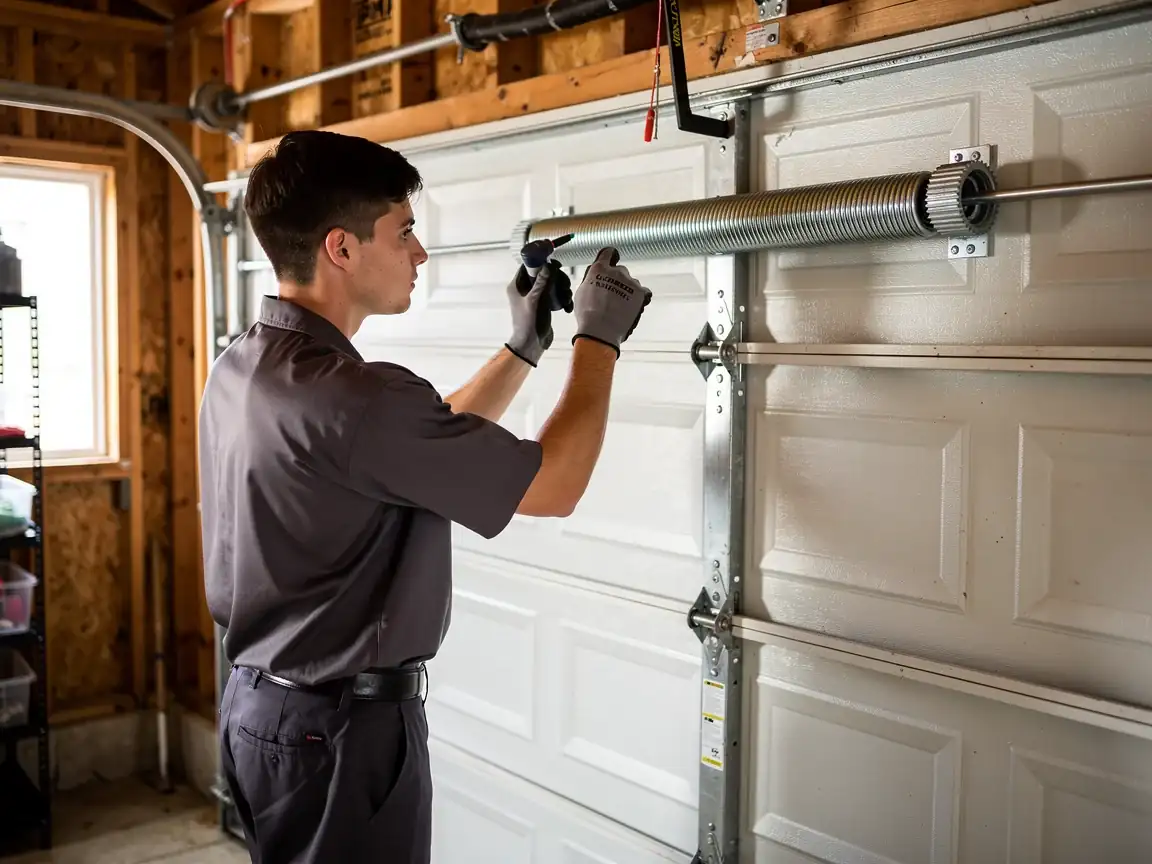
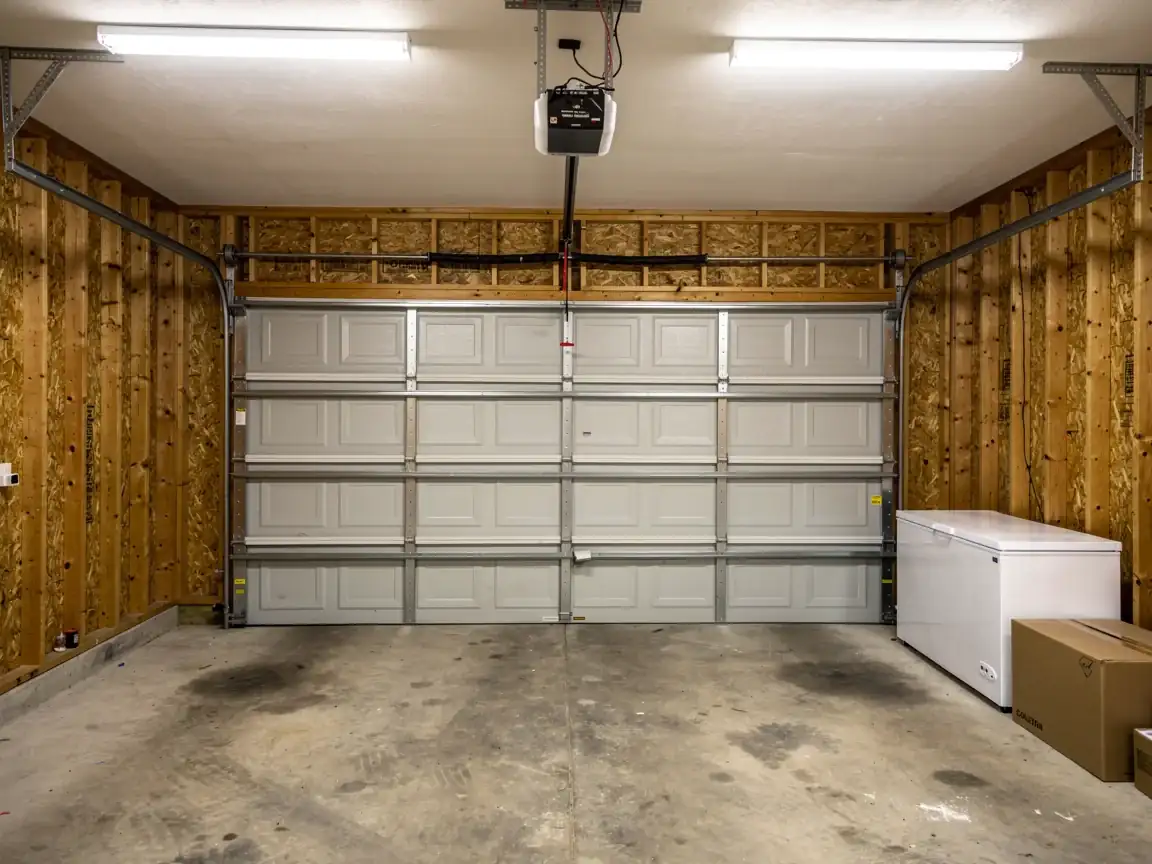
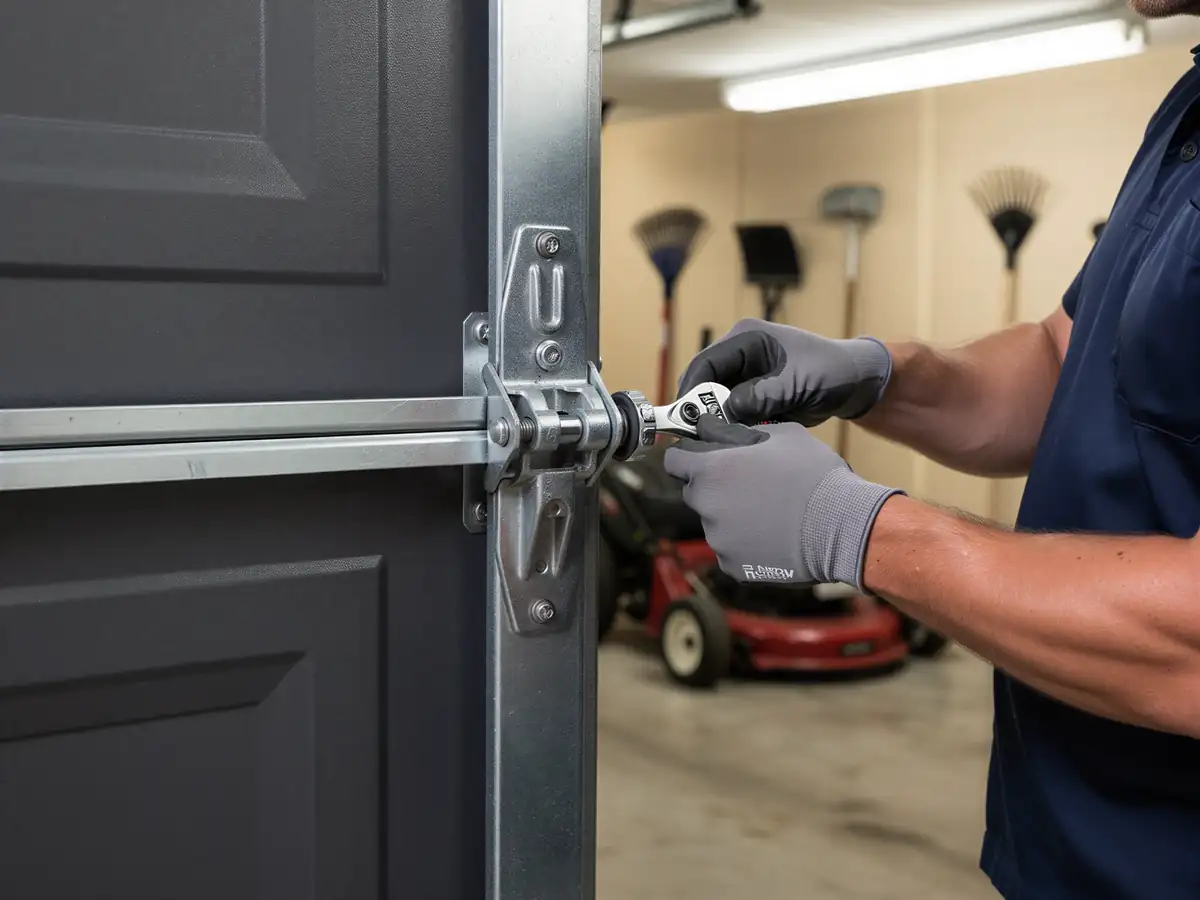
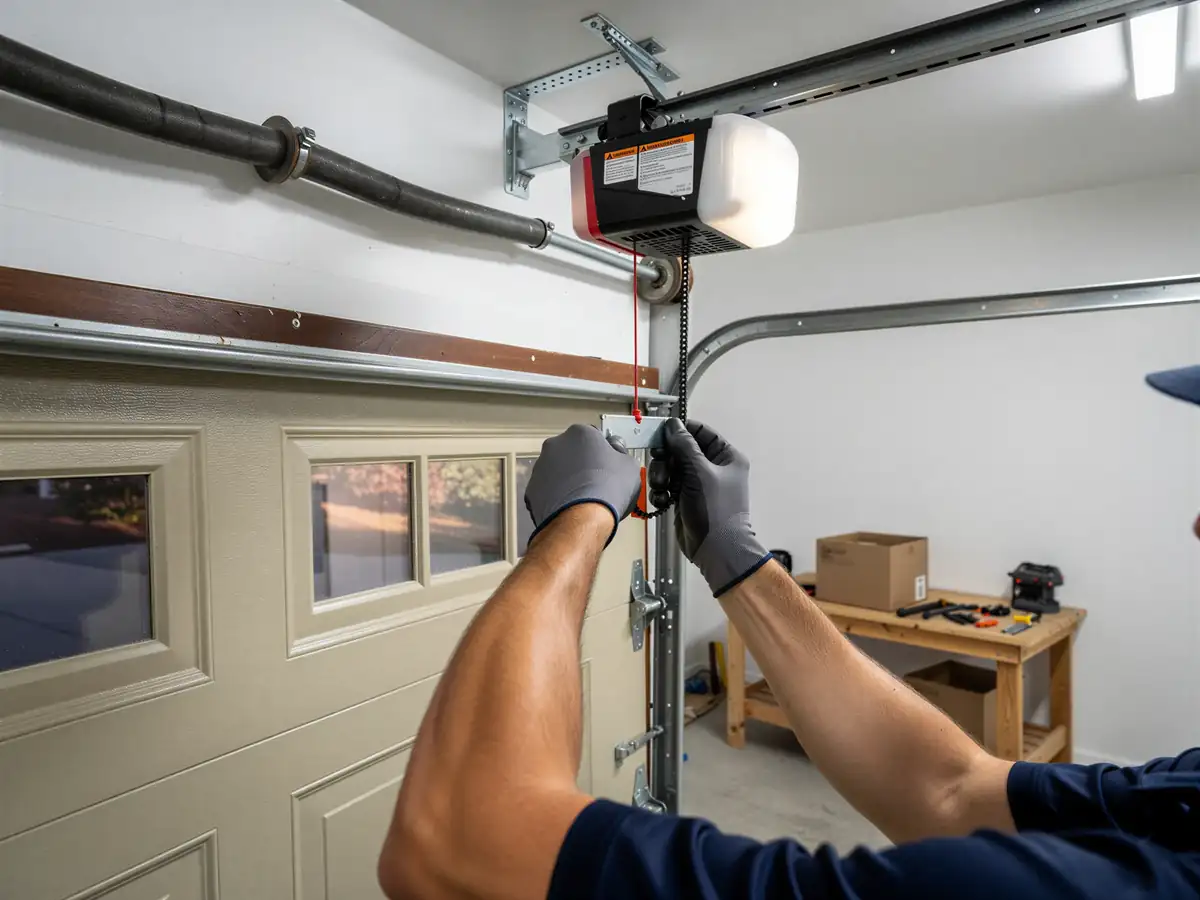
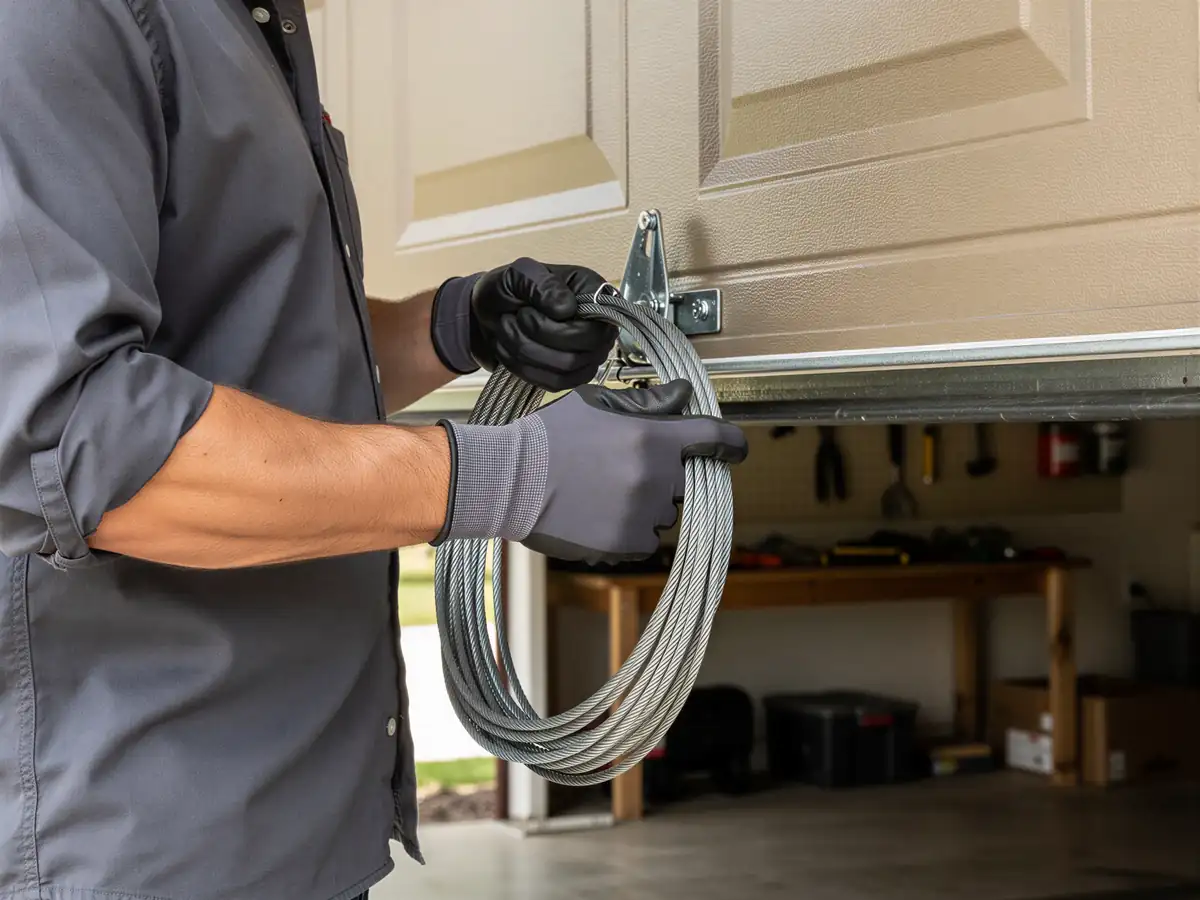
On a house built in the mid-1980s, we expect to find the original torsion spring still on the shaft, the original chain-drive opener still bolted to the ceiling, and galvanized track that's held up fine but has the narrower radius bend that era used. We carry springs and torsion bars sized for that generation of track, plus the drums and cable that match it, so we're not special-ordering parts for a door that's been doing its job quietly for close to forty years. We also stock weatherstrip and bottom seals rated for the cold-moderate winters this part of the state gets - that matters more than people think, because a seal that's fine in a mild climate can crack and let drafts in once temperatures swing hard. What we don't carry on the truck is anything custom-sized for a non-standard opening; those get ordered and that adds lead time, which is worth knowing before you set a date to have the old door off the hinges.
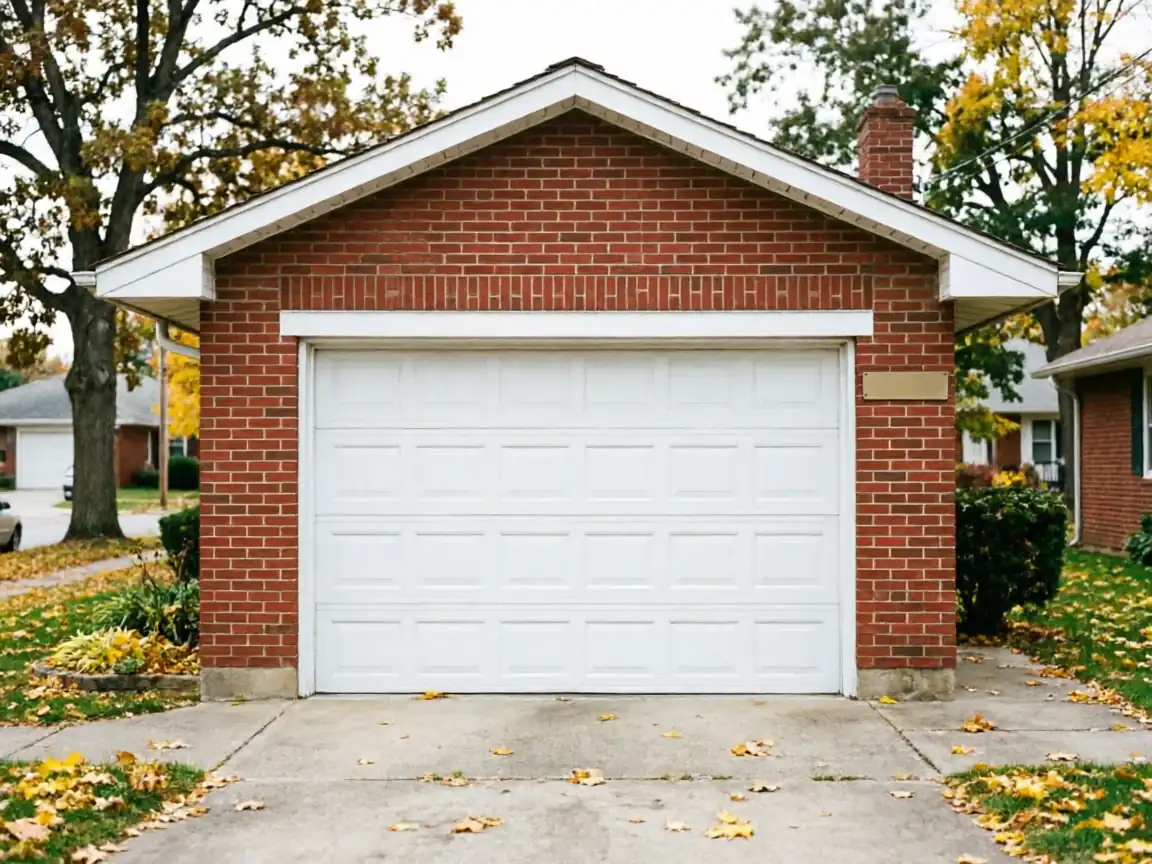
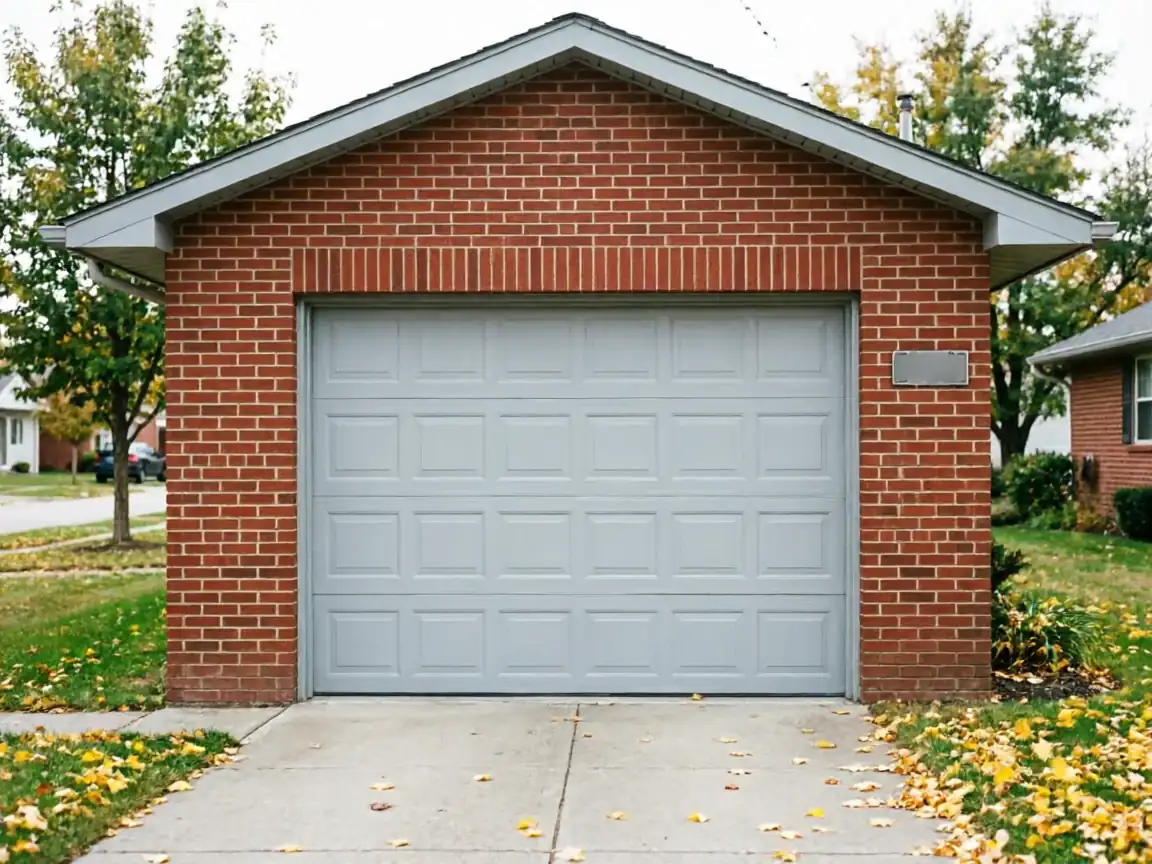
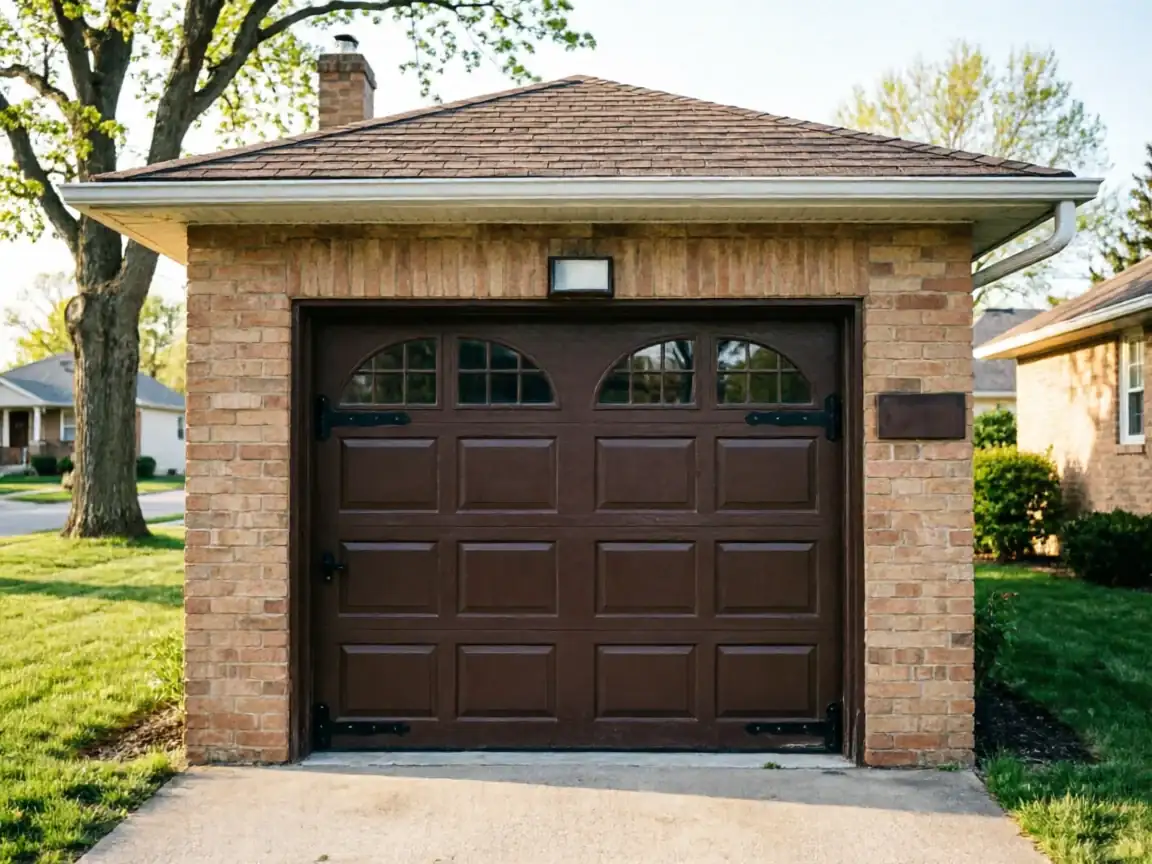
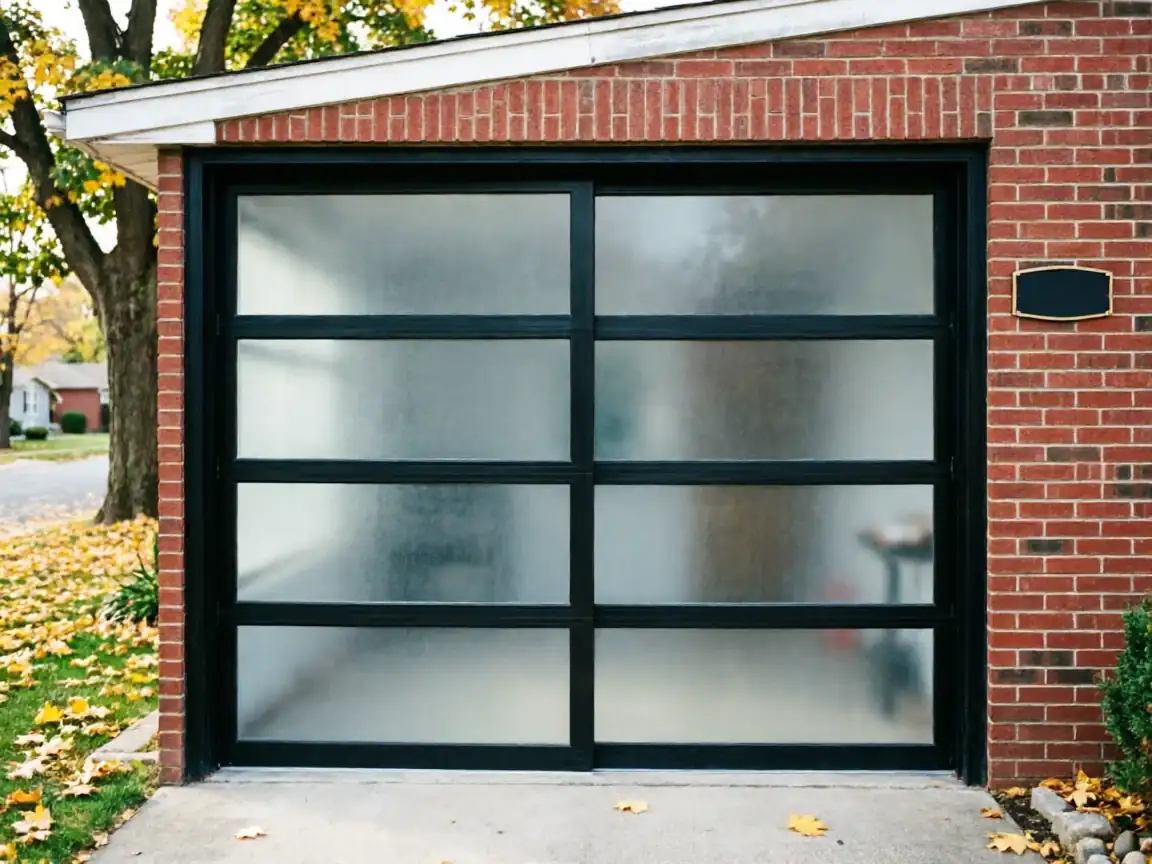
What You Are Seeing
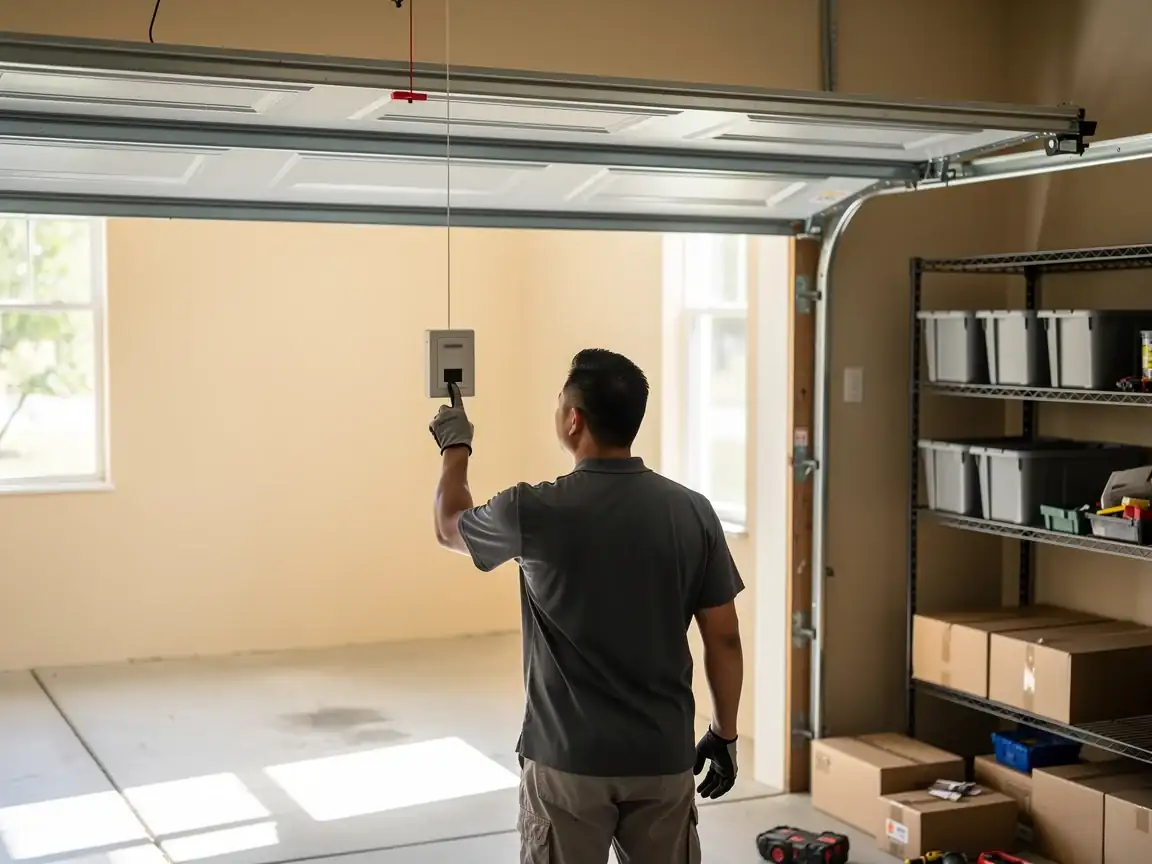
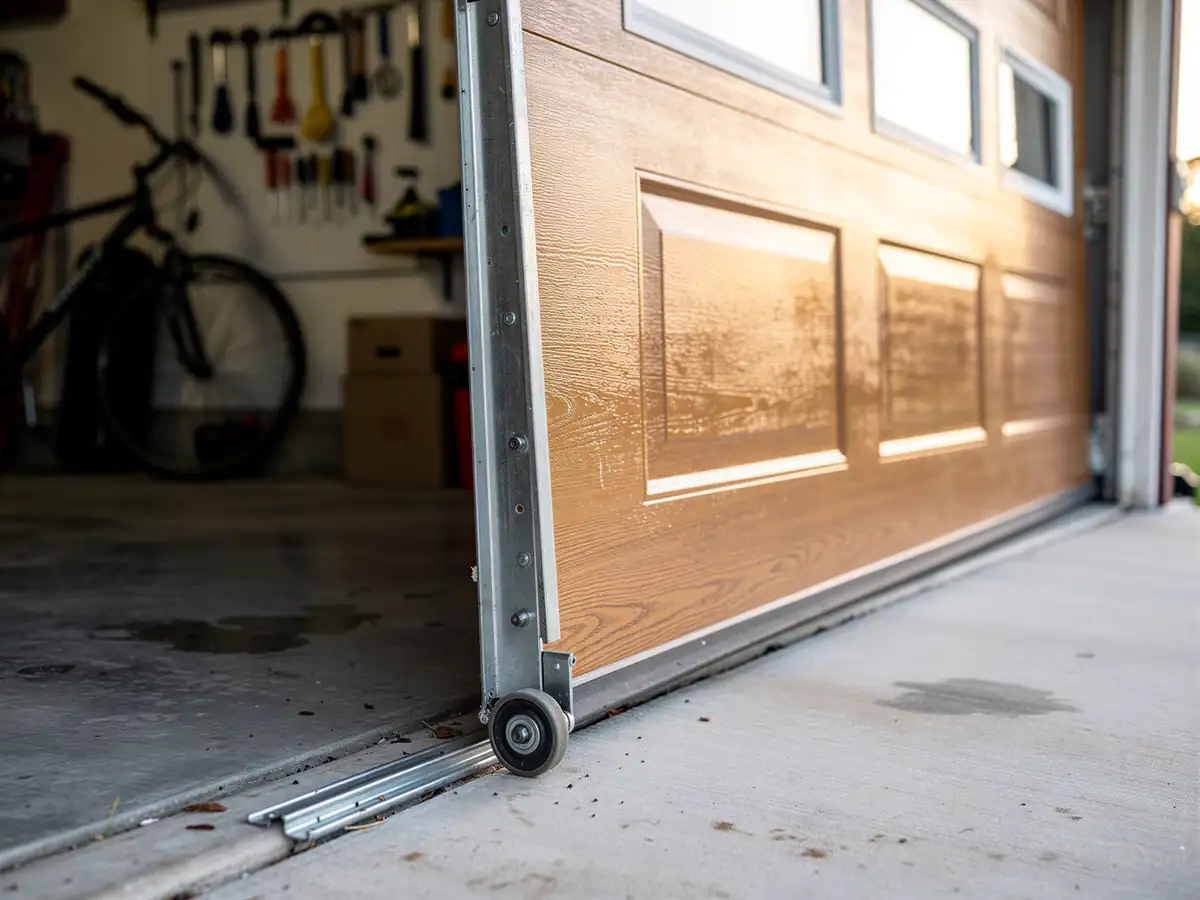
If your door is sagging at one corner, or the opener strains and reverses on the way down, there's a decent chance the hardware under it is original to a house built around 1986 - springs don't last forty years, and when they go, the cable, drum, and sometimes the track take uneven wear with them. A door that's loud or slow to respond isn't automatically broken; sometimes it's a 1980s-era opener with a motor that was never strong to begin with, straining against a heavier door than it was built for. Cold-moderate winters in this area also show up as cracked or flattened bottom seals, which look minor but let real drafts into an attached garage. We look at the whole opening, not just the door panel, because replacing one piece and leaving original hardware behind on a house this age usually means a second call within a year or two.