What You Pay
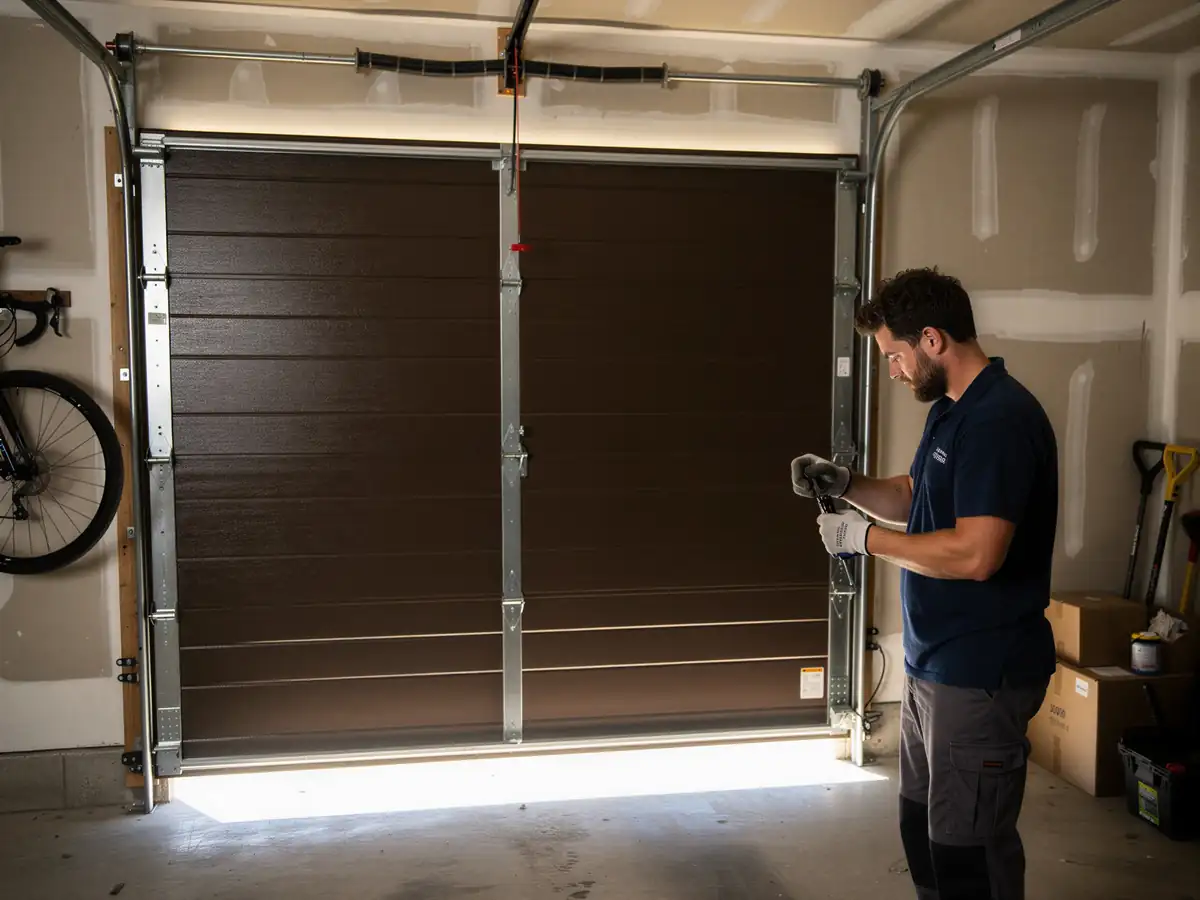
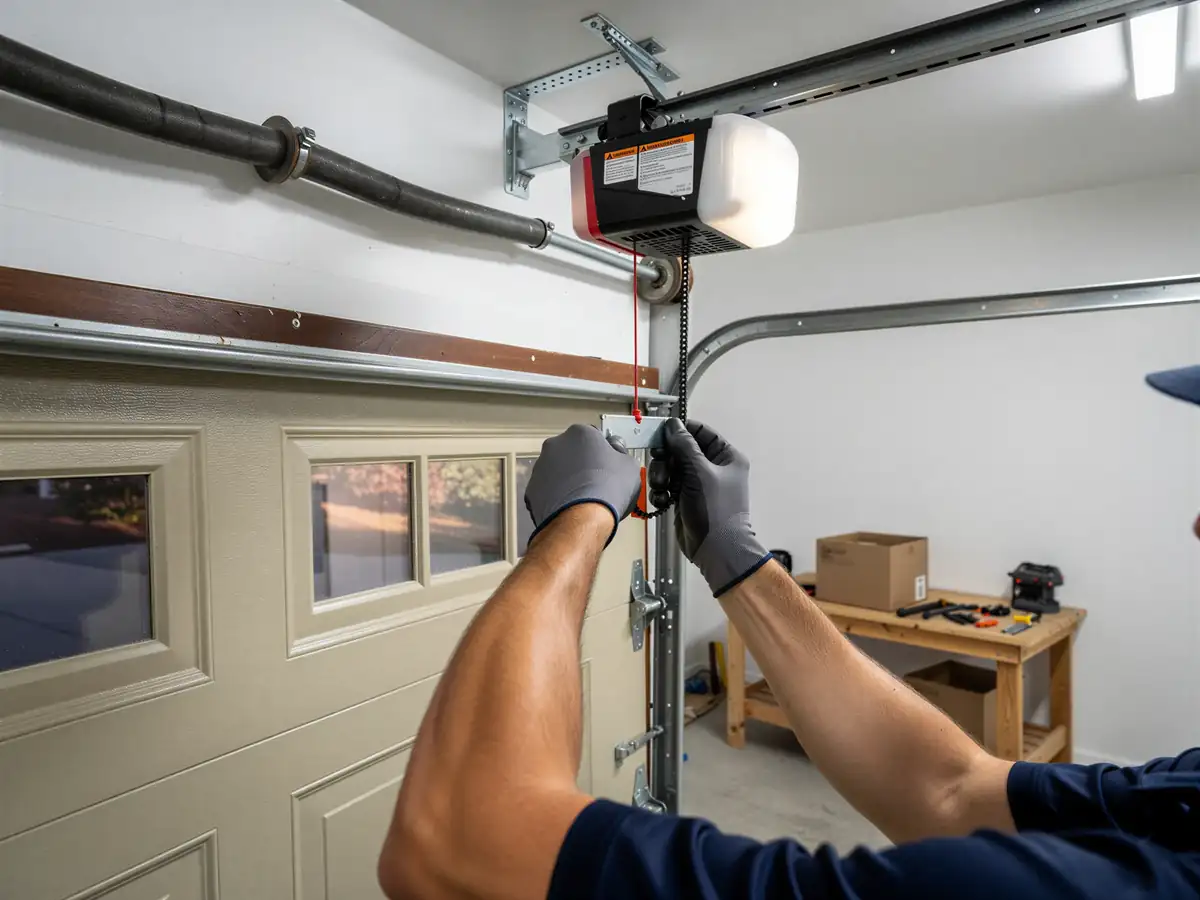
What a job costs here comes down to what's actually failing, and in Lindenhurst that's usually tied to age. The median home in town went up around 1986, which puts a lot of original garage door openers right at or past the point where the motor, the gears, or the logic board are just worn out rather than broken from one event. A spring job is a spring job regardless of town, but an opener swap on a house this age often means replacing a unit that predates current safety-sensor standards entirely, not just patching one part. We quote the job once we've seen the door, not off a phone description, because a 1986-era door with the original hardware can need a torsion conversion that a newer door wouldn't. We travel out from Deerfield, about 20 miles, and that trip is factored into the visit rather than tacked on as a surprise. Household incomes in Lindenhurst run a bit above the wider service area's median of $125,104, but that doesn't change what the parts cost - steel is steel and a spring is rated for cycles, not for the street it hangs on. We'll tell you straight if a repair is cheaper than a full door and when it isn't.
Parts We Carry
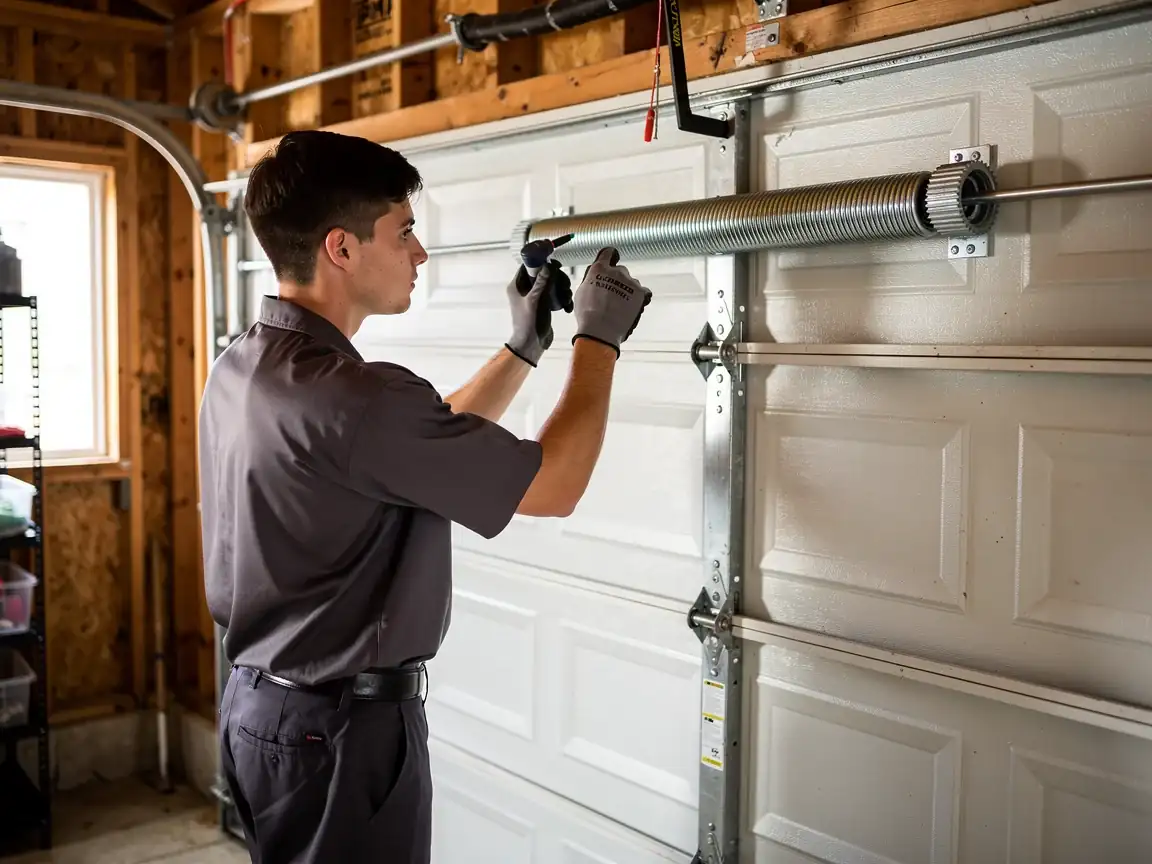
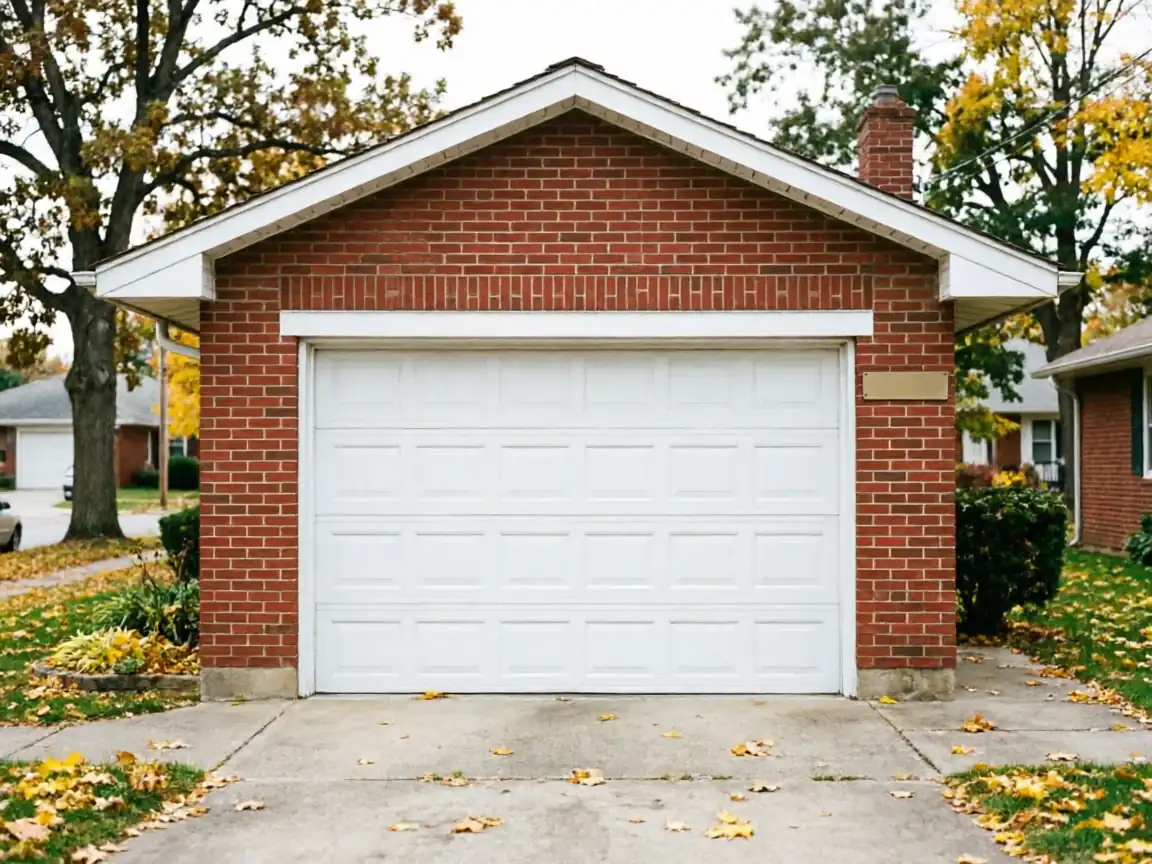
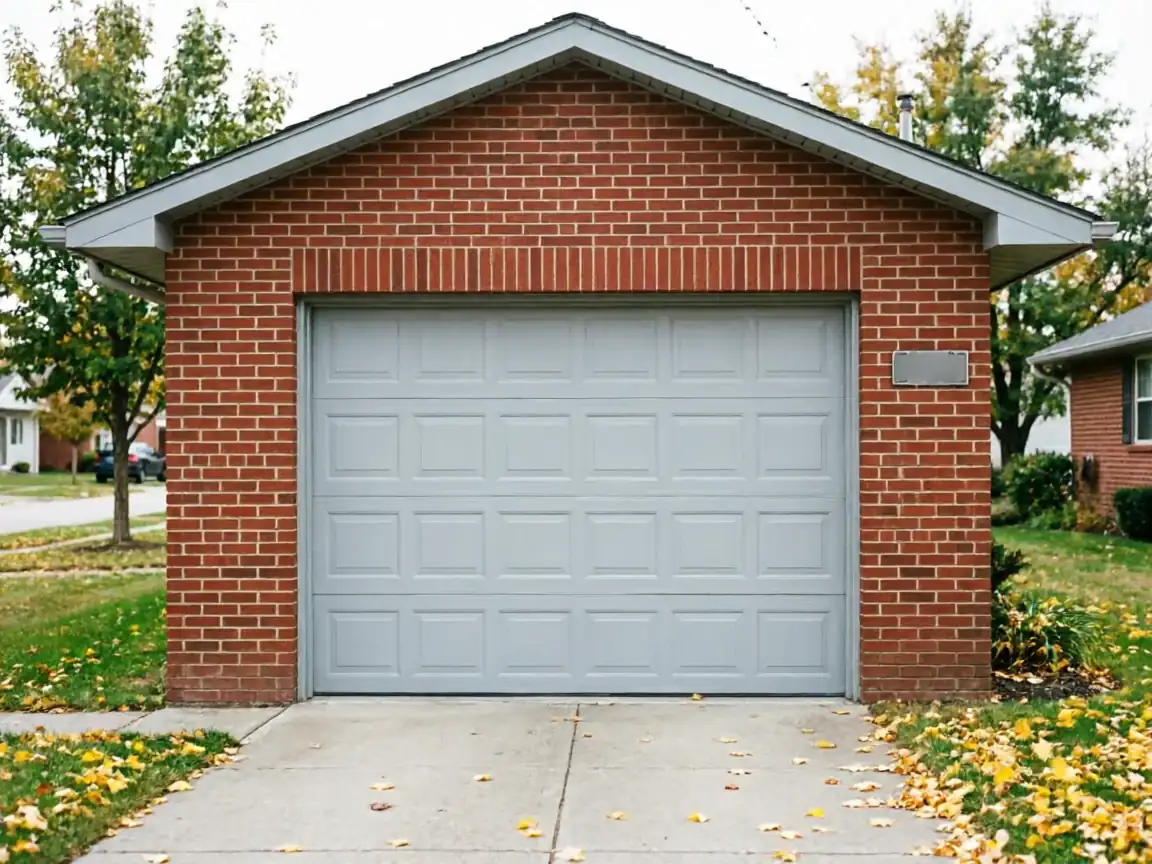
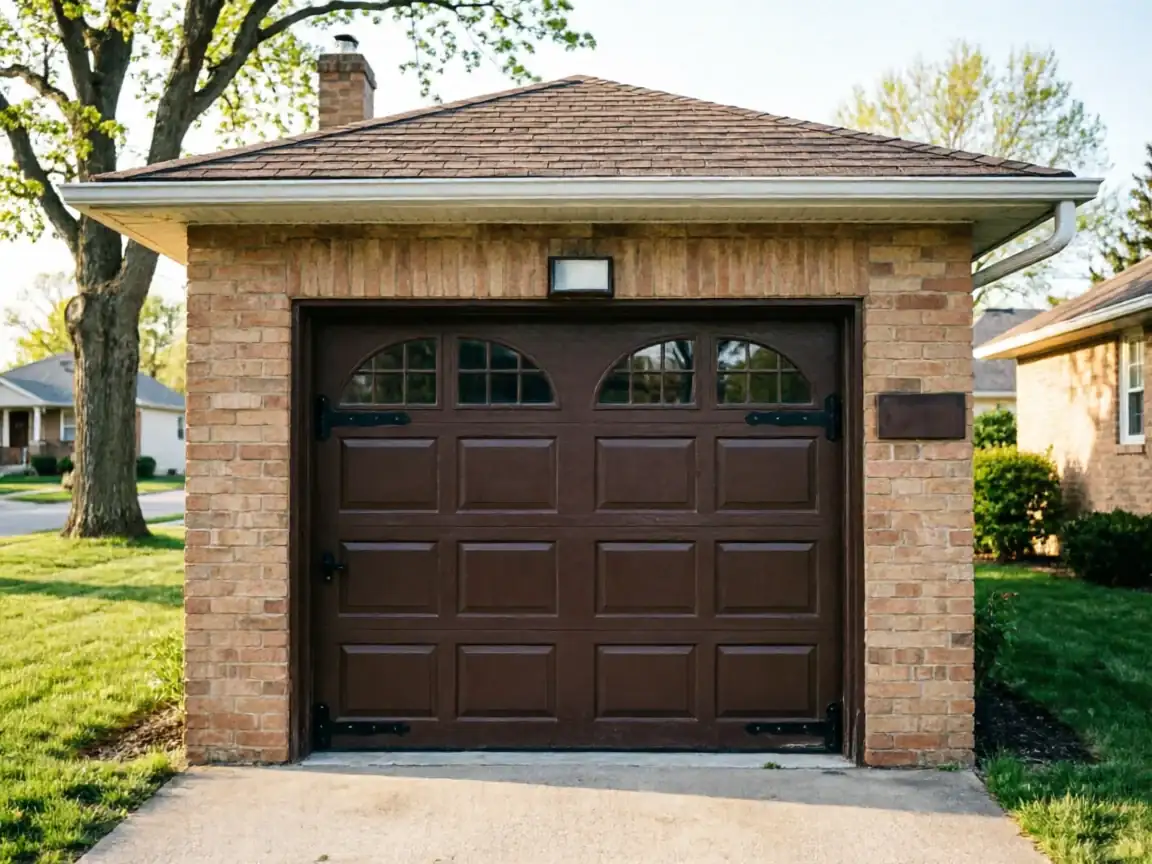
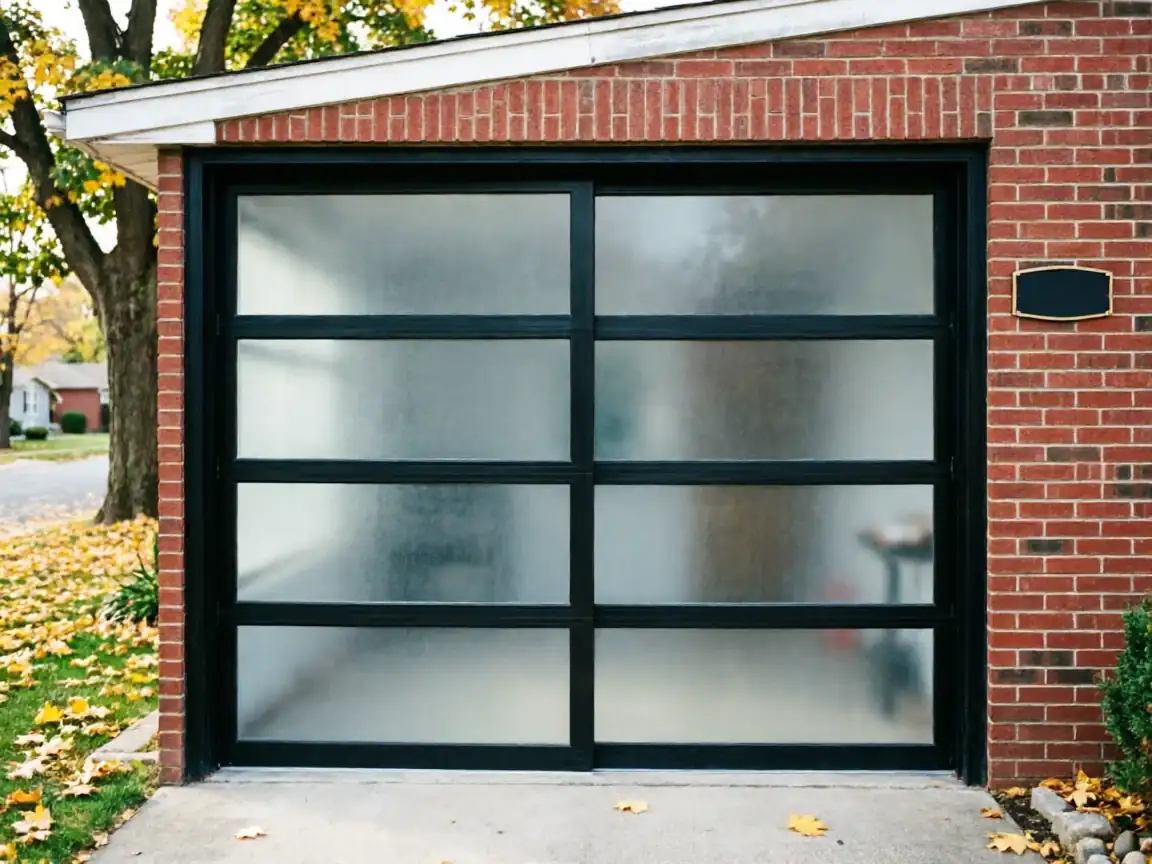
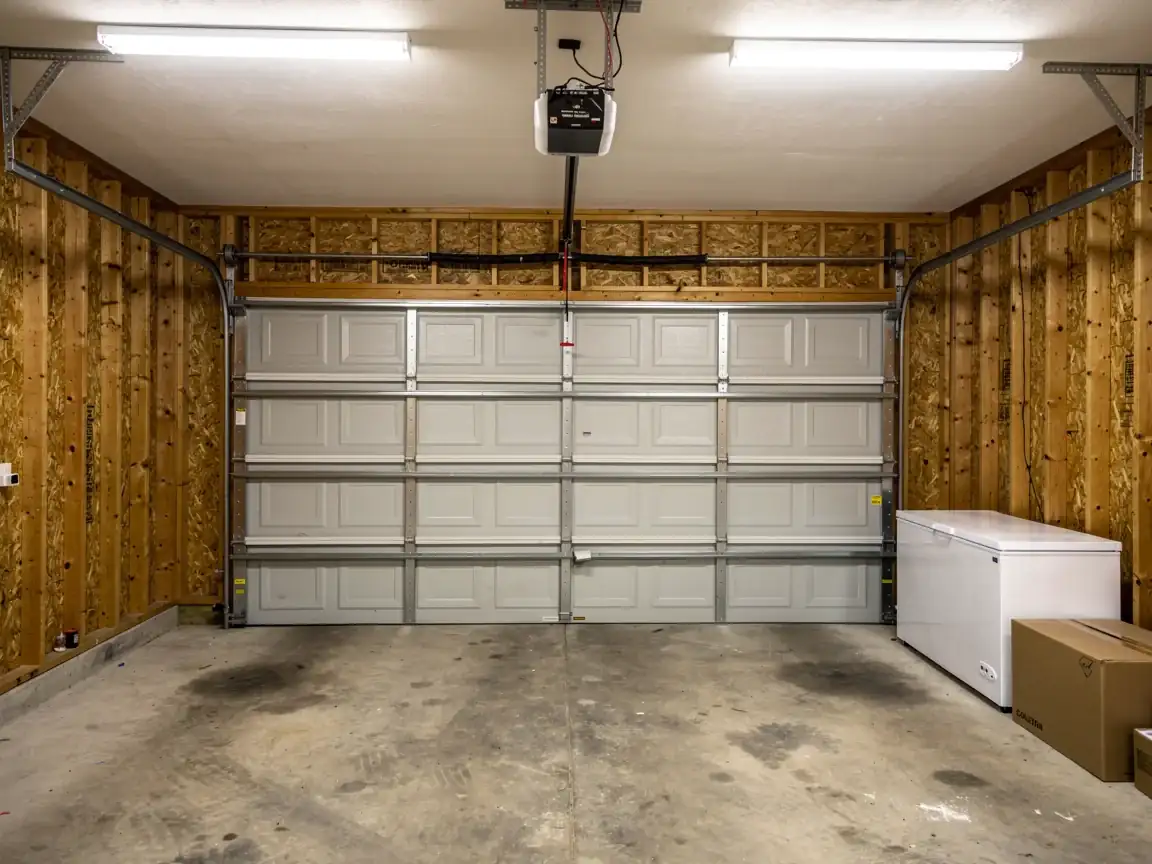
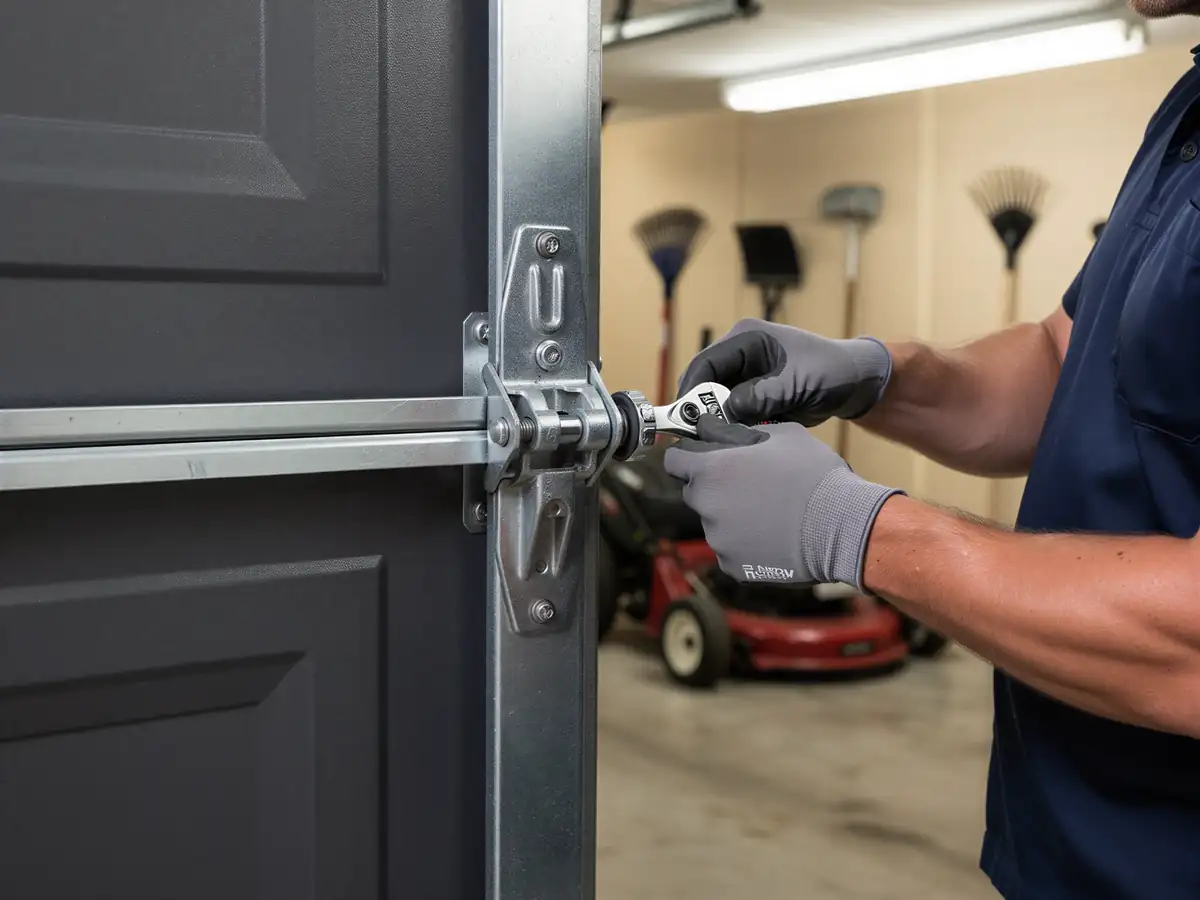
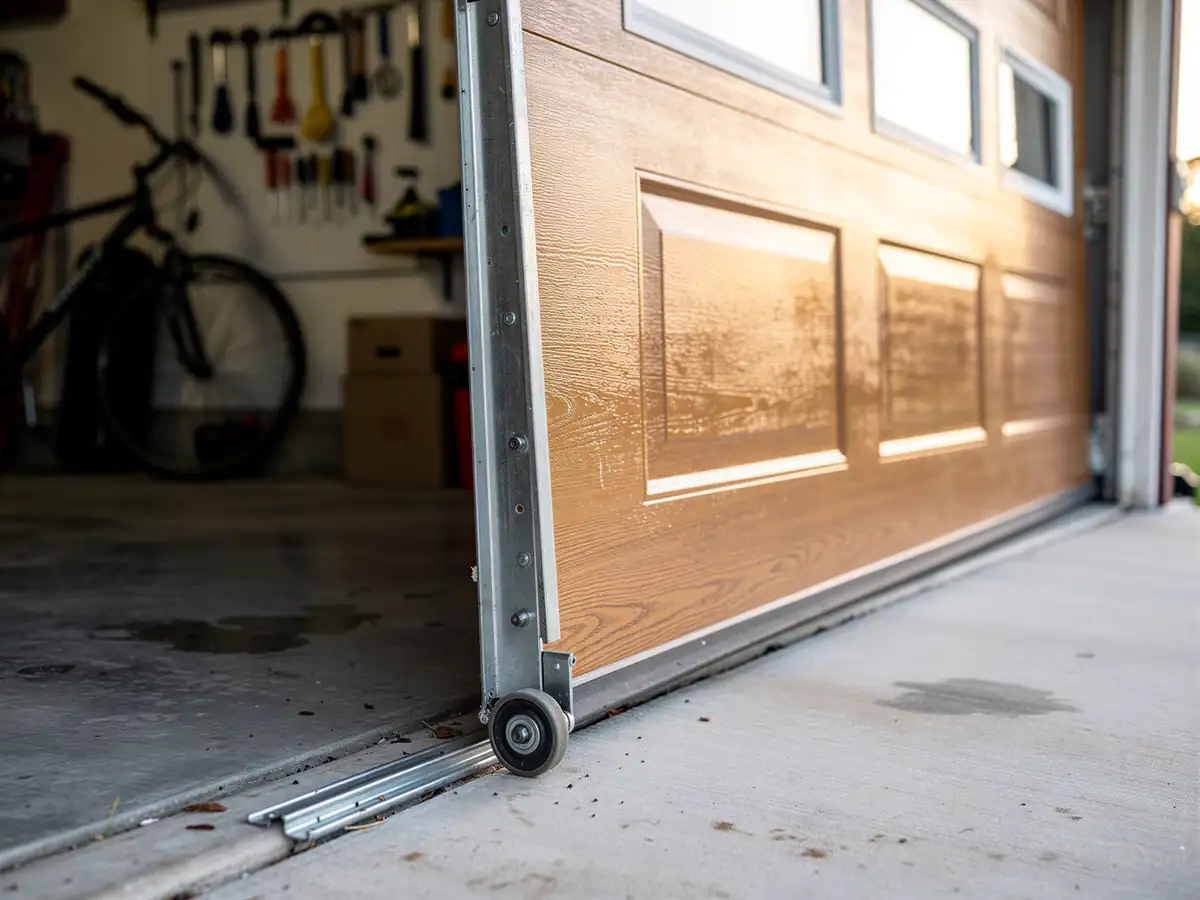
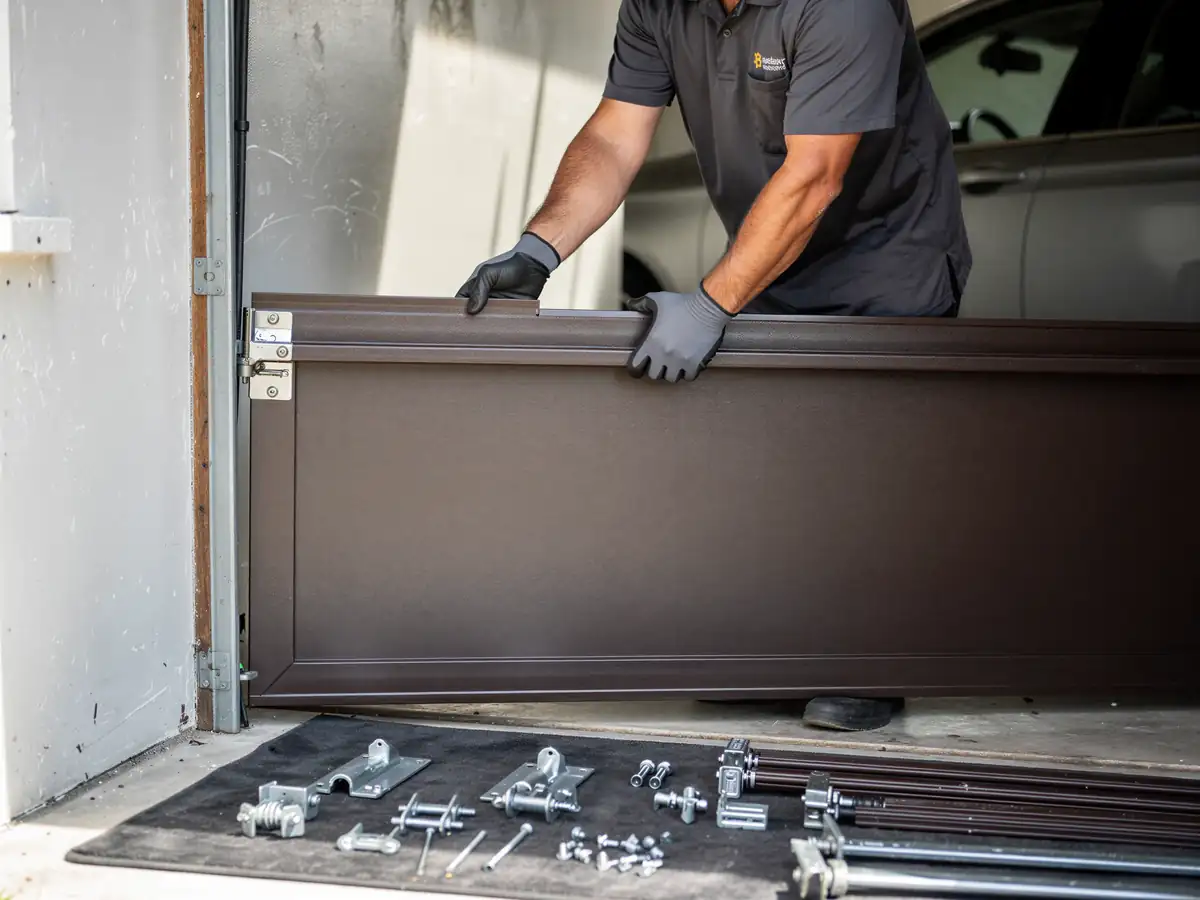
For a town built out mostly in the 1980s, the doors we see are standard steel sectional panels on torsion or extension springs, with openers that are either original chain-drive units or a first or second replacement installed sometime after. We carry standard torsion springs, extension spring sets, and the rollers and hinges that match this generation of door. Where we run into trouble is matching panel color or window-lite pattern on a door that's 35-plus years old and long out of production - those are special-order, and we'll say so up front rather than promise a same-visit match. Openers from this era, if still original, are prime candidates for replacement rather than repair once the circuit board starts failing, since parts for them stopped being made years ago. We stock current safety sensors and drive kits for the swap. We don't carry niche aftermarket tracks for non-standard door widths, and if your door needs one, we'll tell you that's a special order with its own lead time rather than guess at a fix that won't hold.
What You Are Seeing
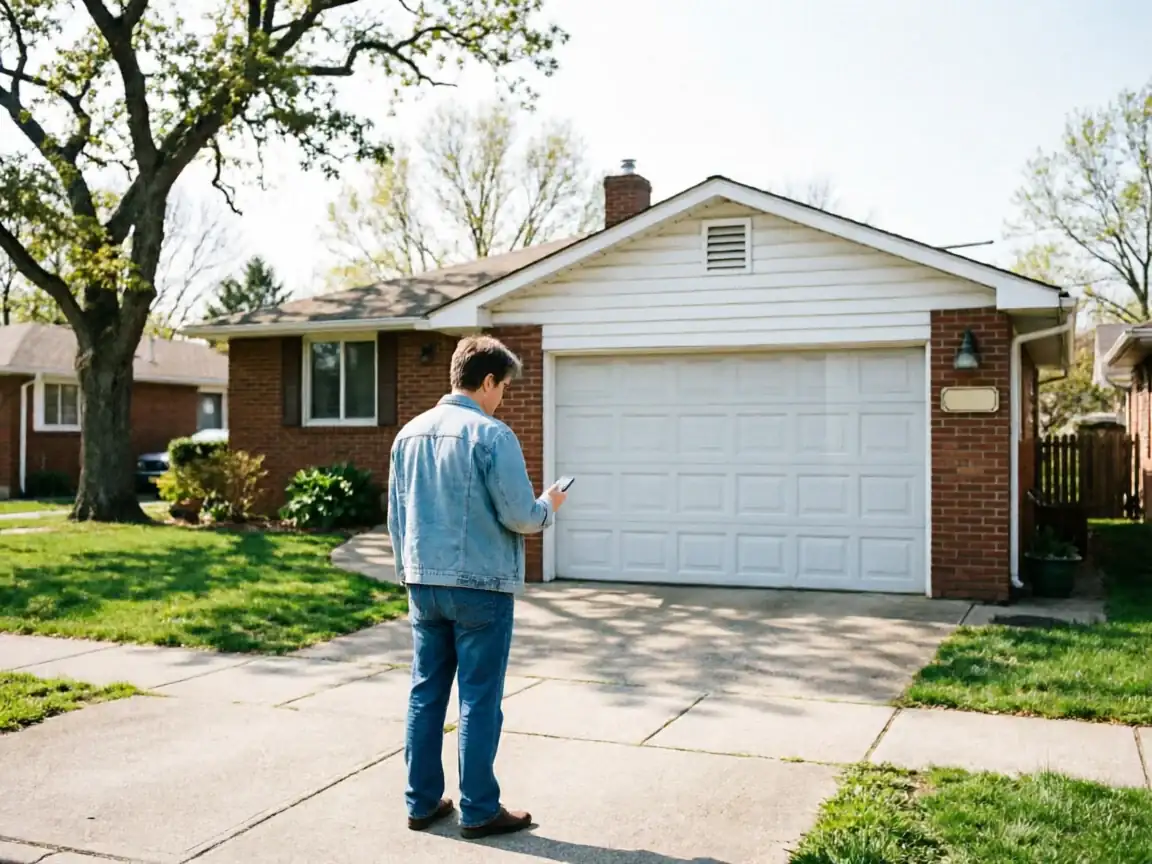
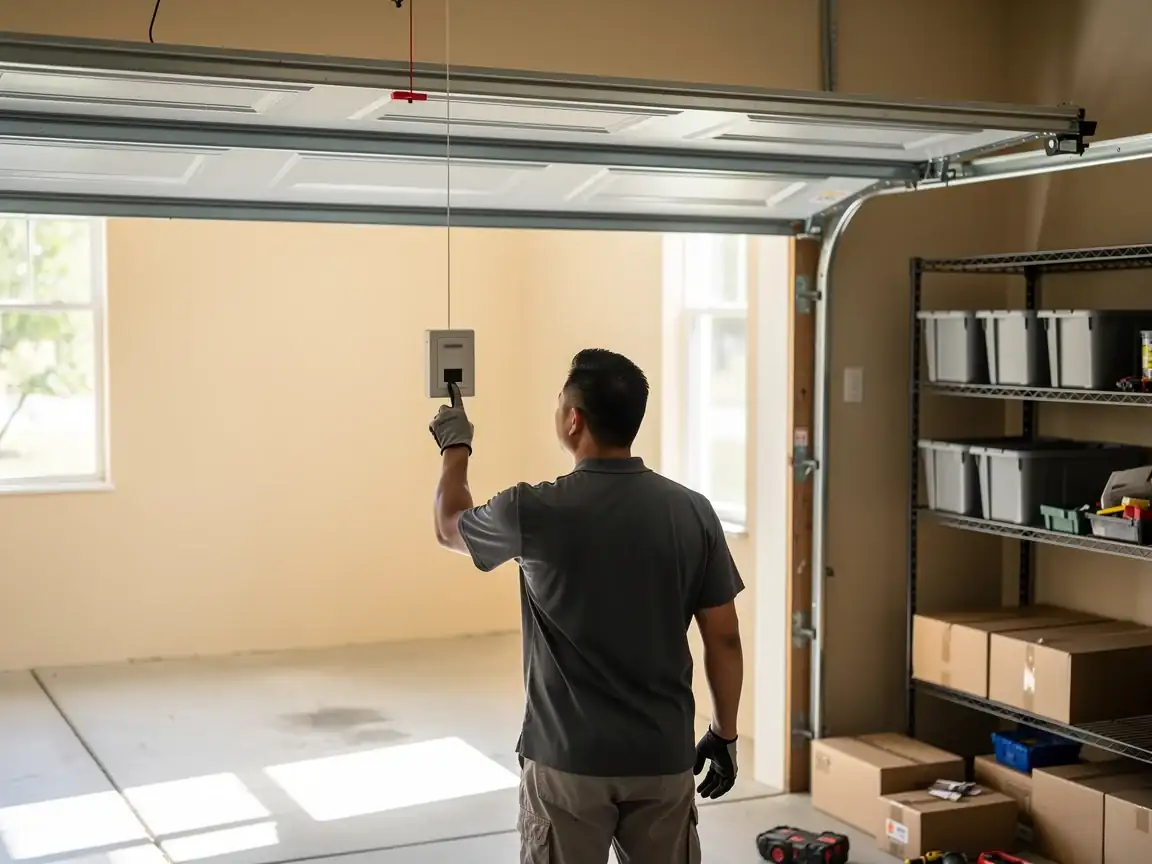
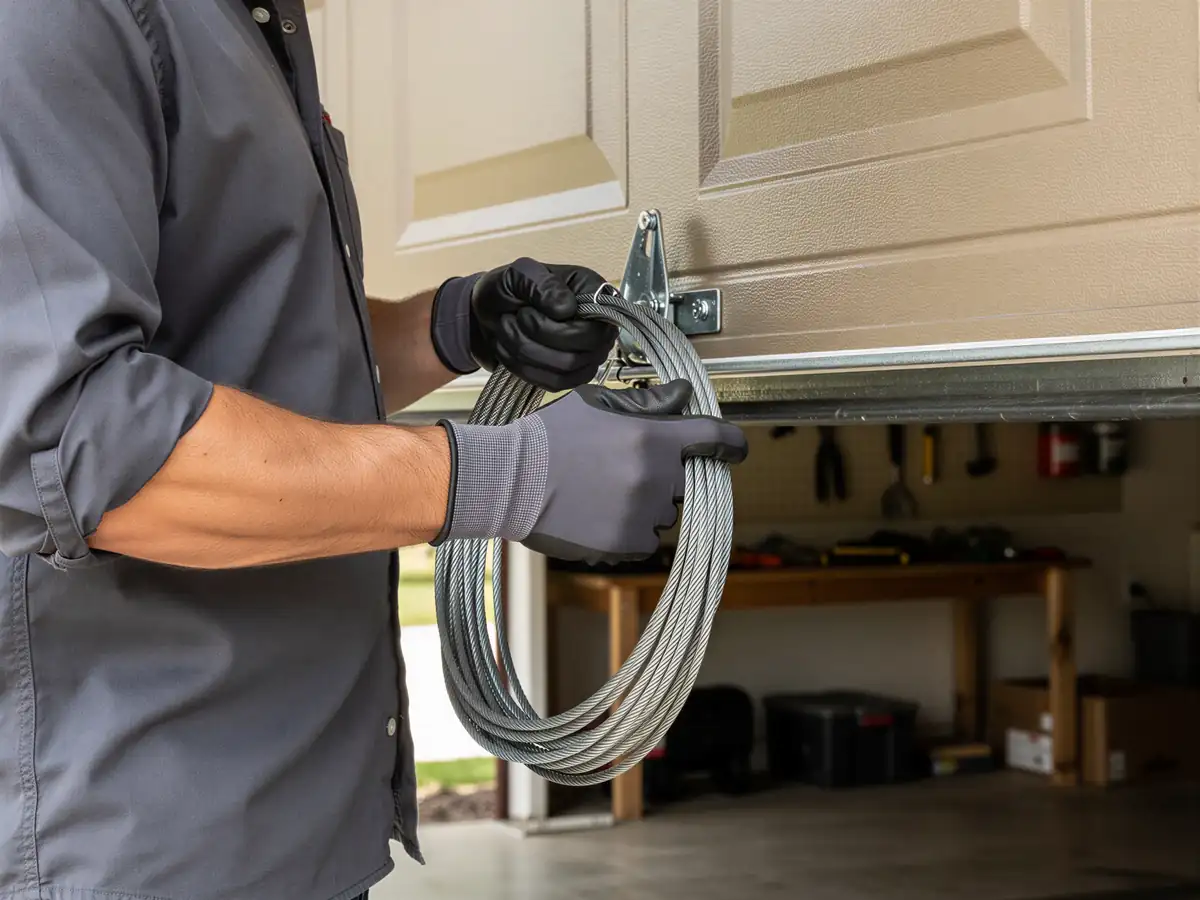
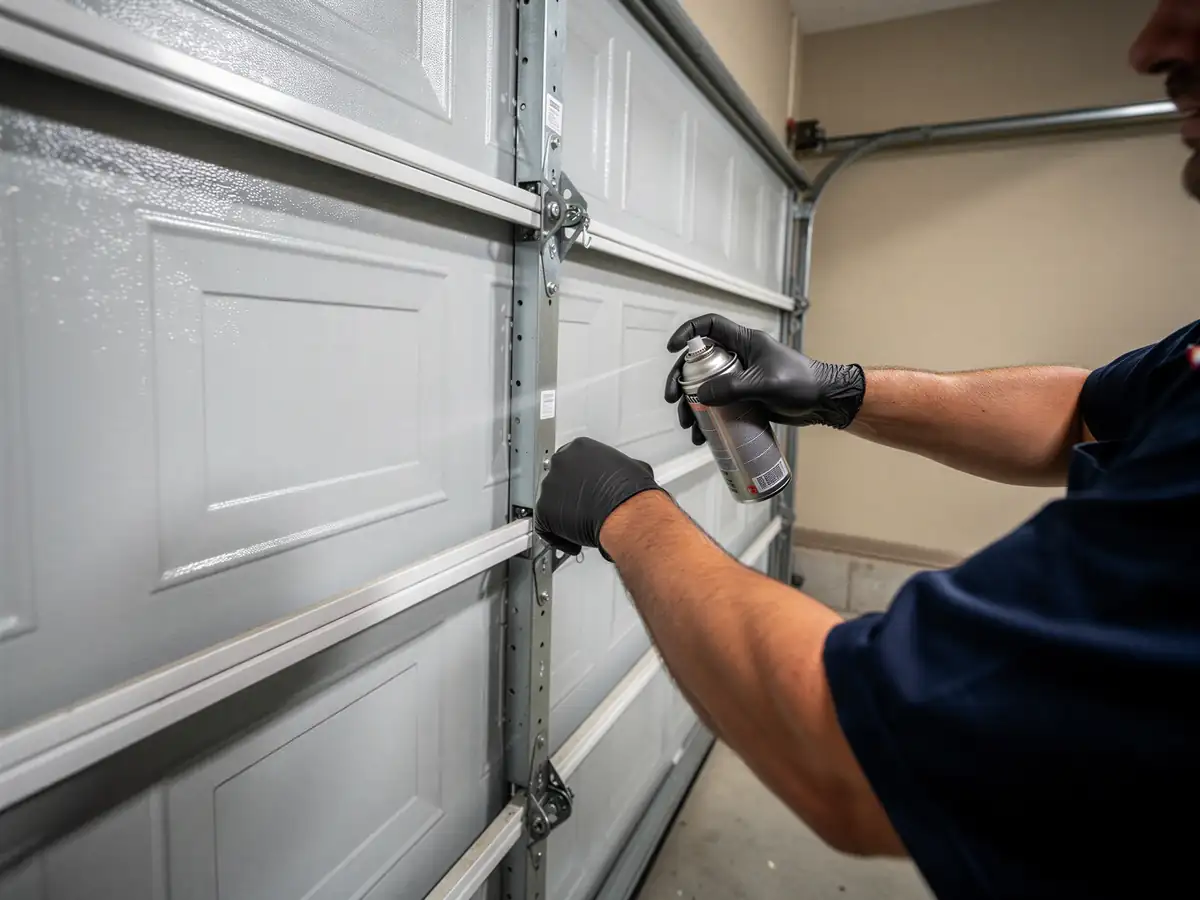
The fault we run into most in Lindenhurst isn't a dramatic failure - it's an opener from the original 1986-ish build finally giving out, or a door that's starting to bind because the track hardware has loosened over four decades of use. If your opener doesn't have a photo-eye safety sensor near the floor on each side of the track, that's a sign it predates the 1993 federal safety standard, and it's worth replacing outright rather than patching. A door that reverses on its own, or won't close all the way, is often that same aging opener rather than anything wrong with the door panels themselves. Noisy rollers and a door that looks slightly crooked when it's halfway up point to worn rollers or a stretched cable, not a dying spring - those are different repairs with different costs. With about 5,081 households in Lindenhurst and most built in that same mid-80s window, we see the same handful of failure patterns repeat house to house. If you're not sure what you're looking at, describe what the door does - jerks, reverses, won't budge - rather than guess at the part, and we can narrow it down before we're even on site.