What You Pay
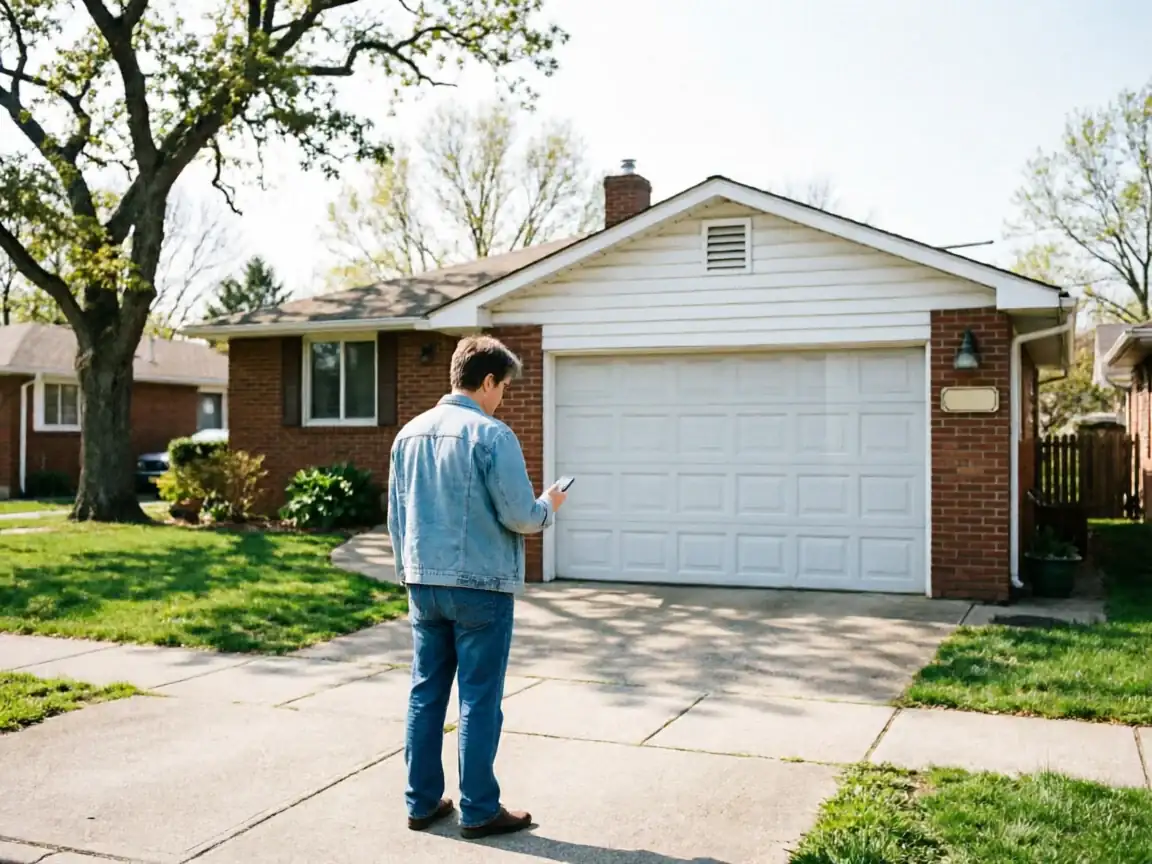
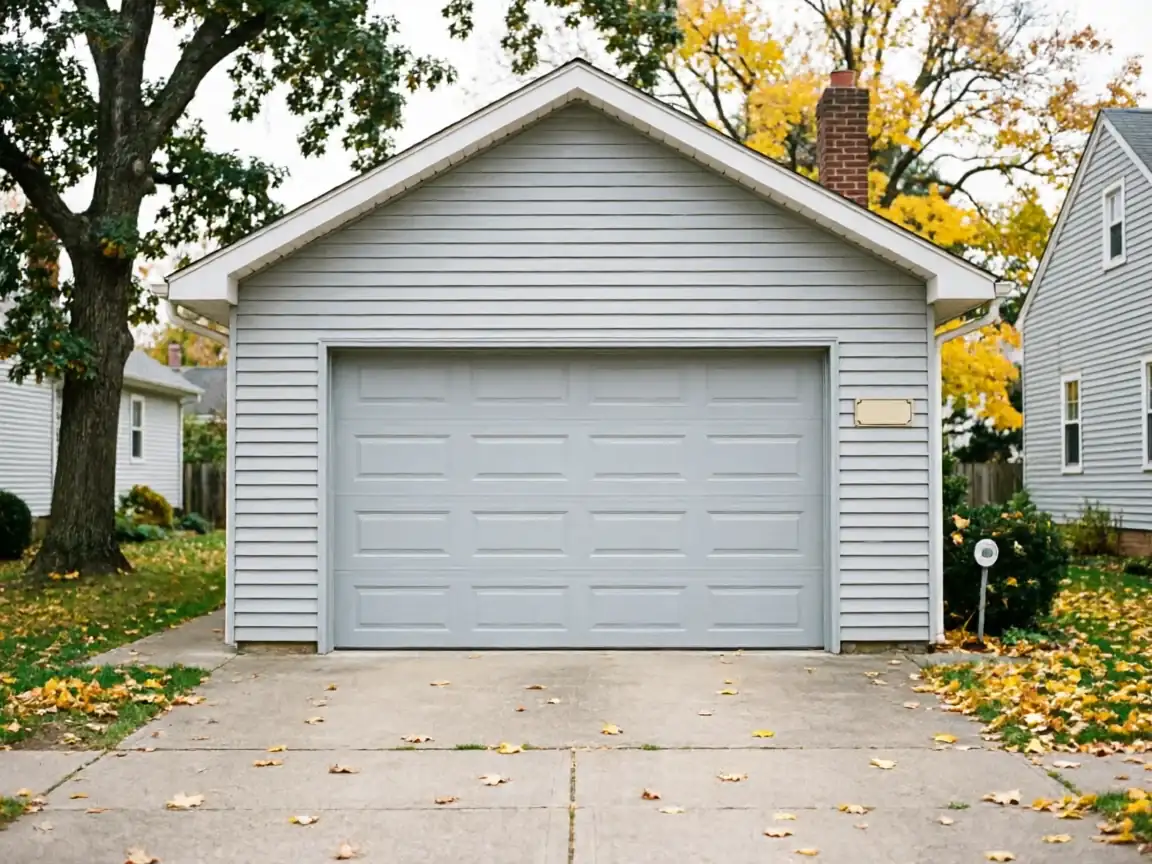
We don't have a Lindenhurst-specific price list to hand you here, and we're not going to make one up. What we can tell you is what drives the cost on a maintenance visit: how many moving parts need attention, and whether anything's already past adjustment and into replacement territory. A door built around 1986 - which is where most of Lindenhurst's housing centers - is old enough that the original springs have put in close to forty years of cycles, but young enough that it's not fighting the warped tracks or non-standard hardware we see on homes from the 1950s and 60s elsewhere in the territory.
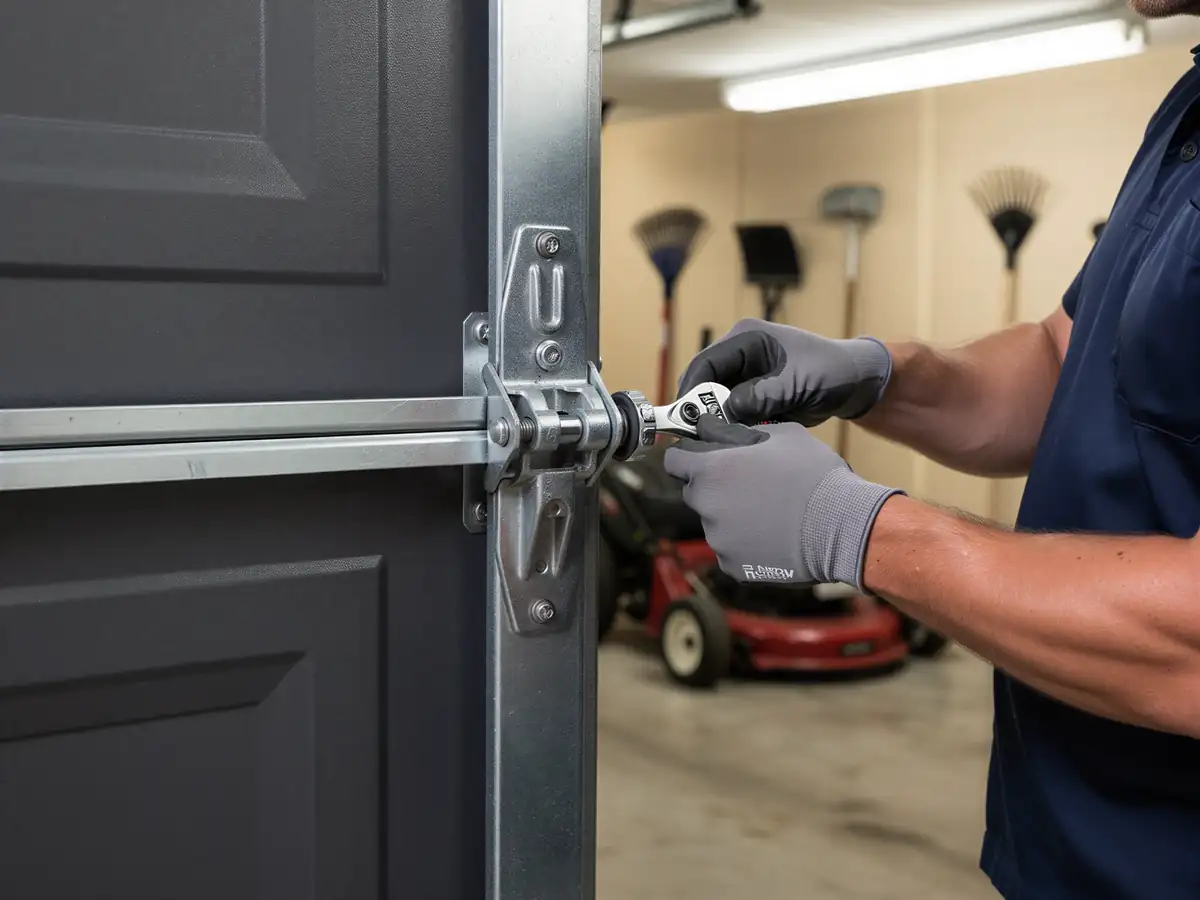
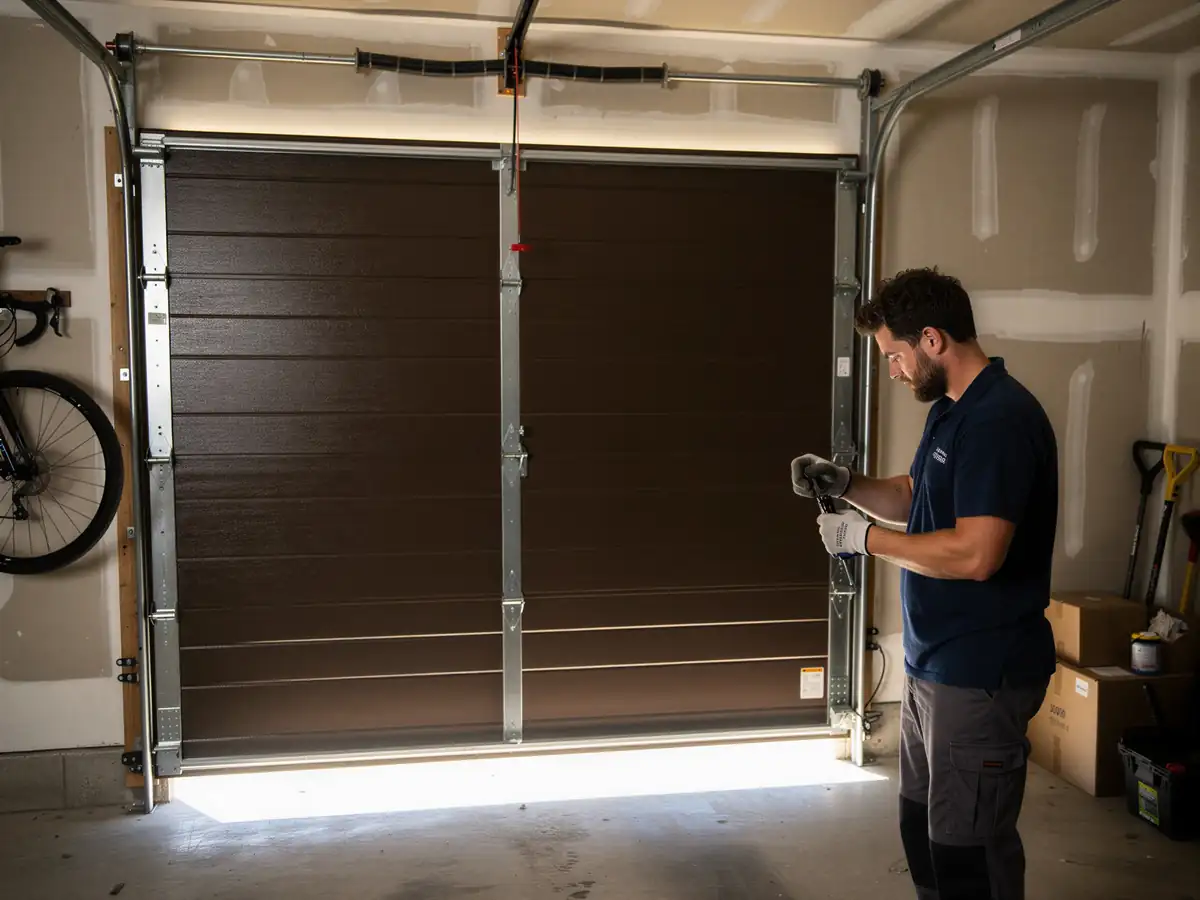
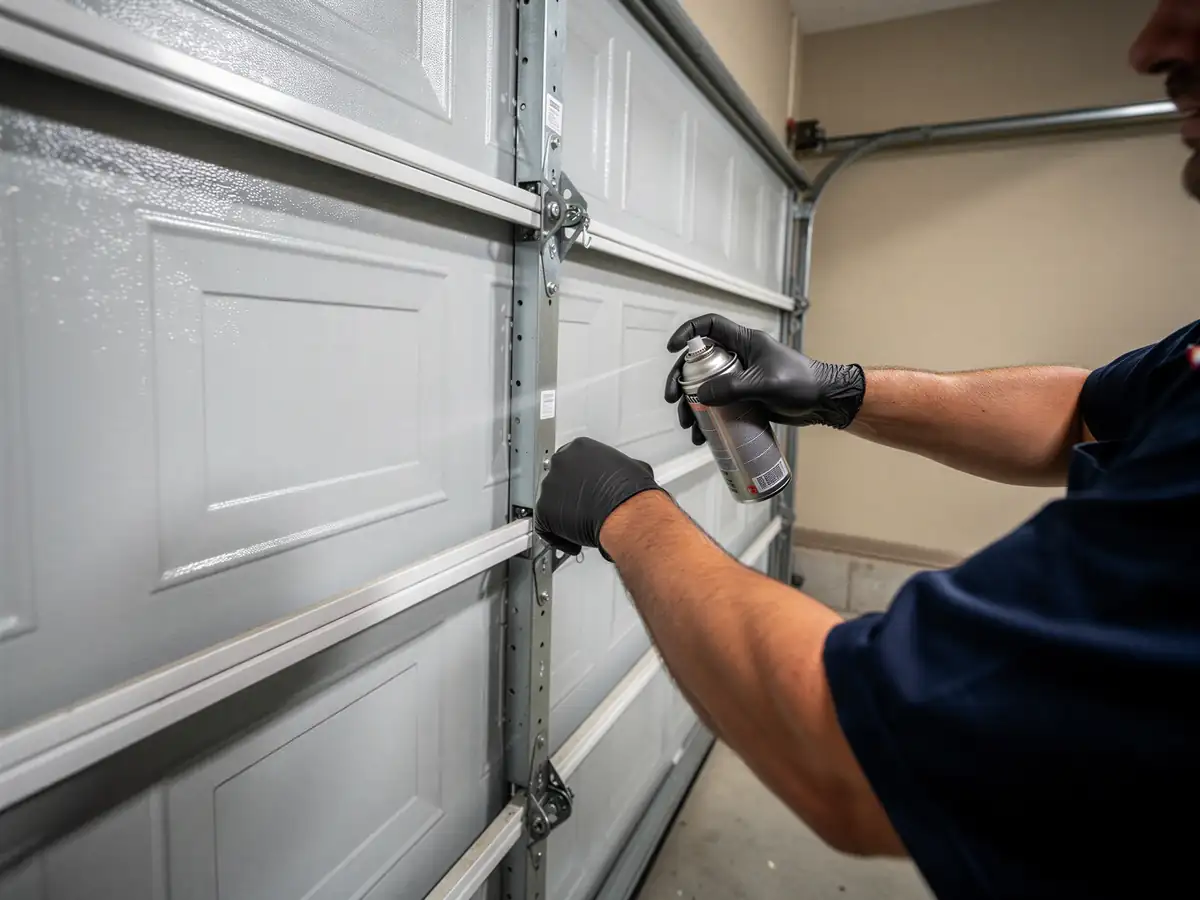
Because we're coming from Deerfield, about 20 miles out, a maintenance call here is a scheduled trip rather than a quick add-on between two nearby jobs. That doesn't change what the work costs, but it does mean we're not the outfit to call if you need someone standing in your driveway in twenty minutes. Plan the visit, and we'll do the job properly once we're there - lubrication, hardware torque check, track alignment, balance test, the works.
Parts We Carry
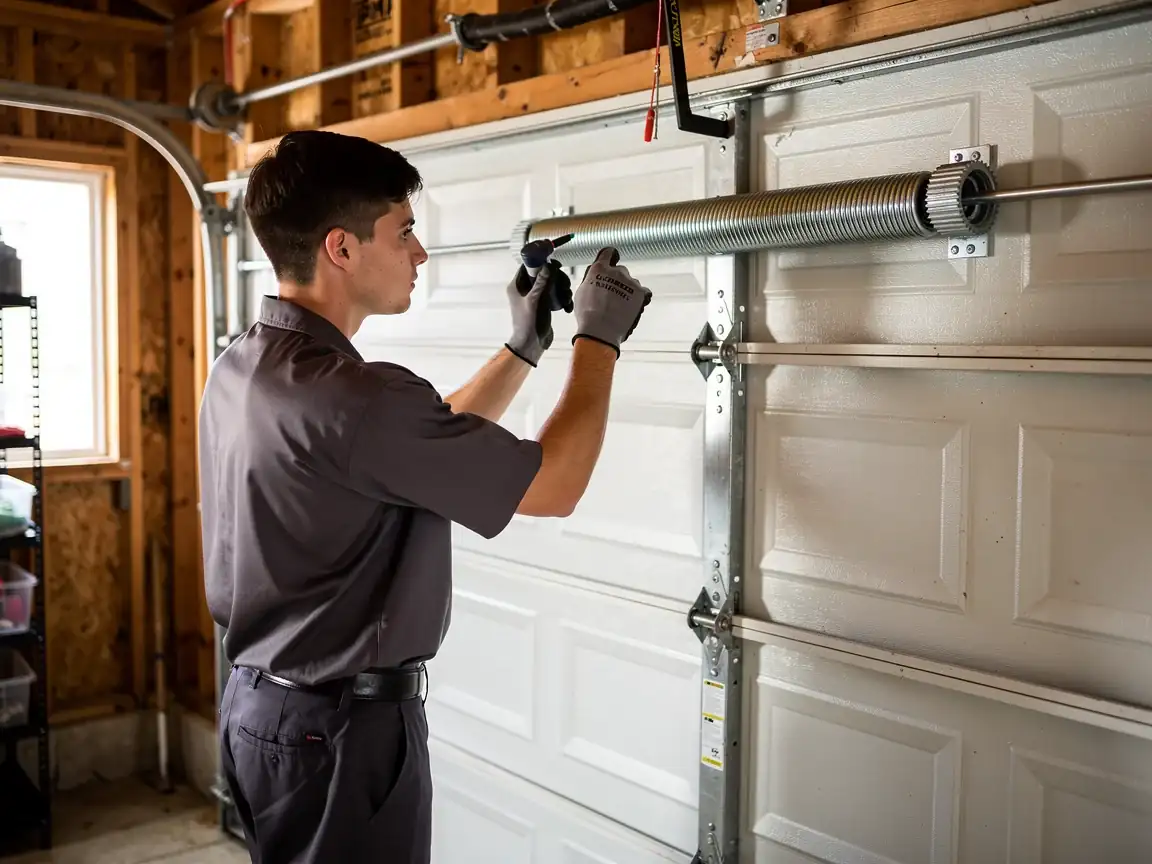
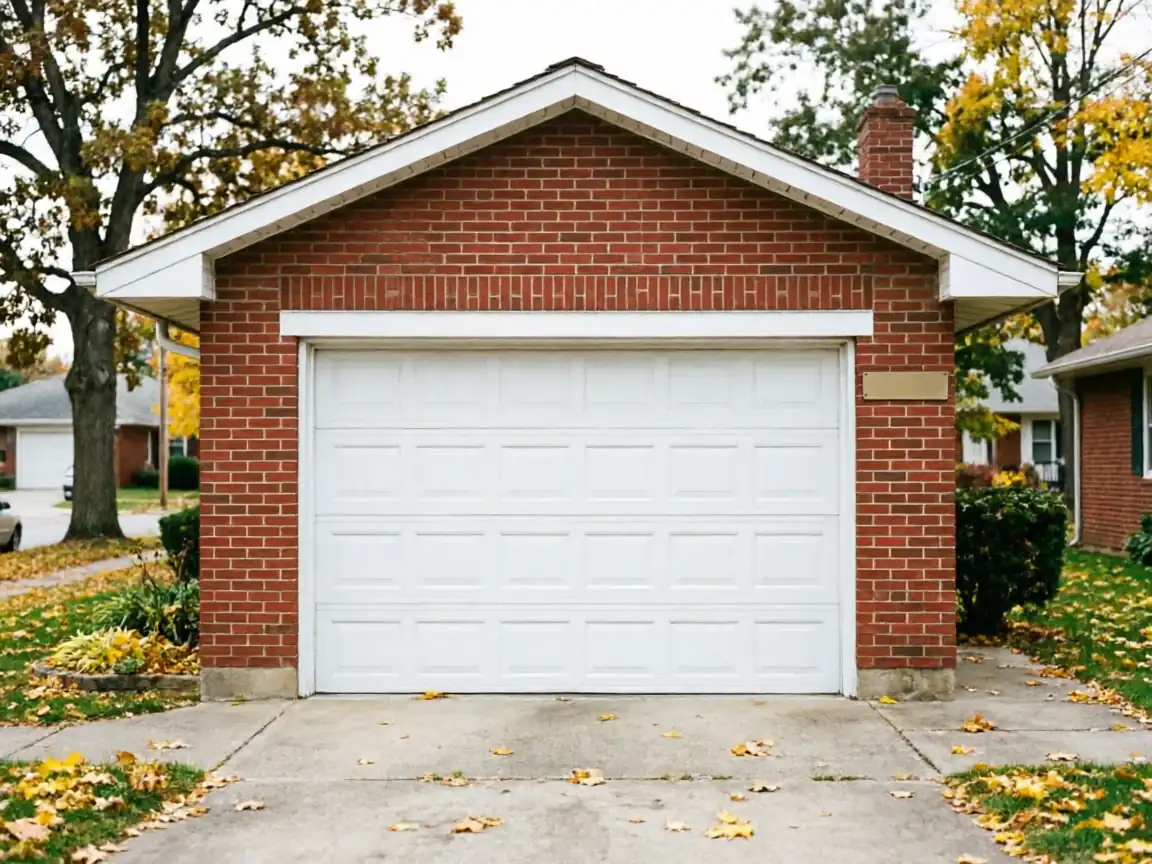
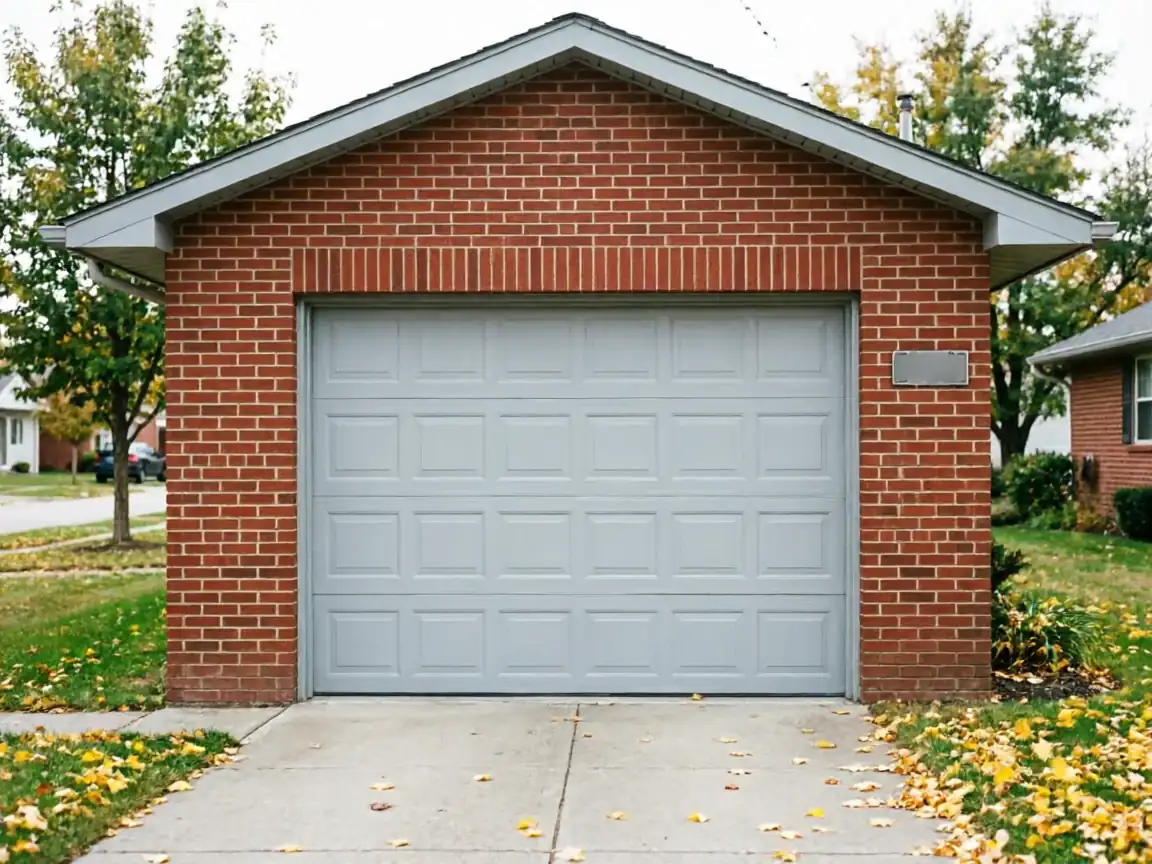
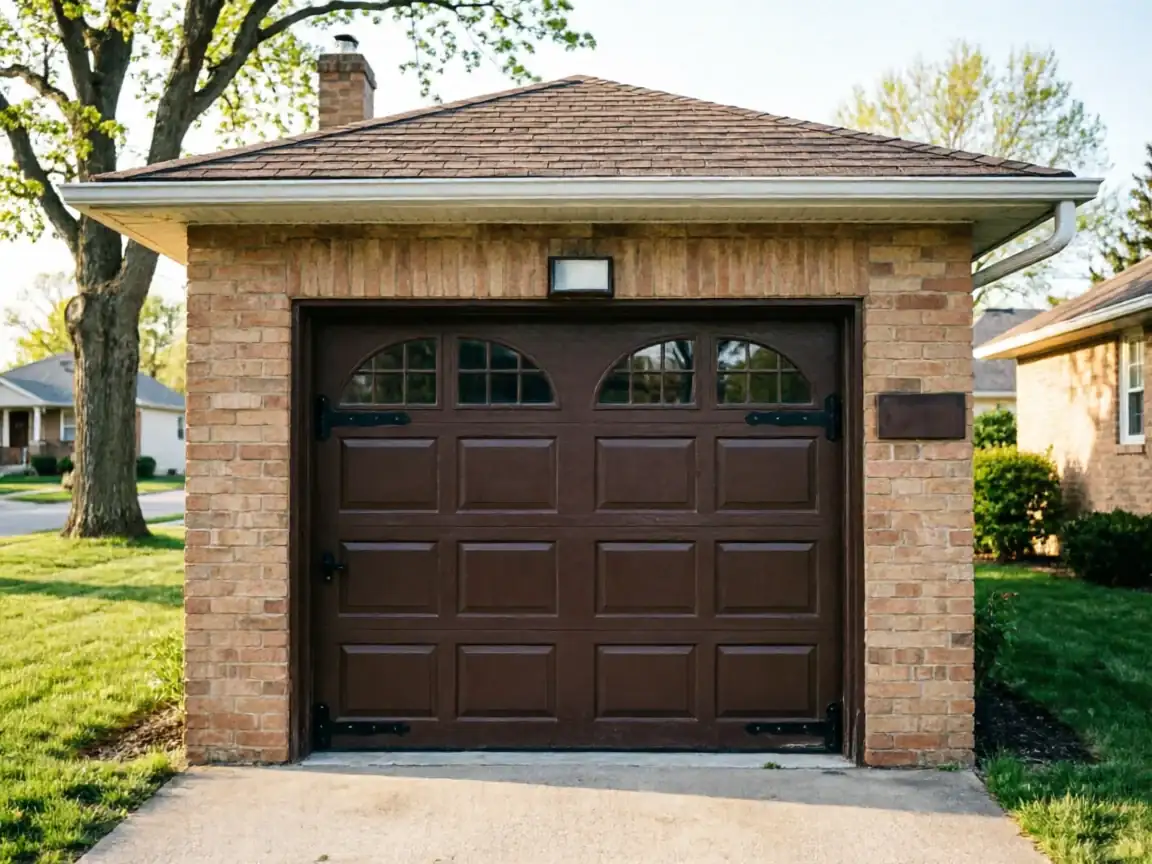
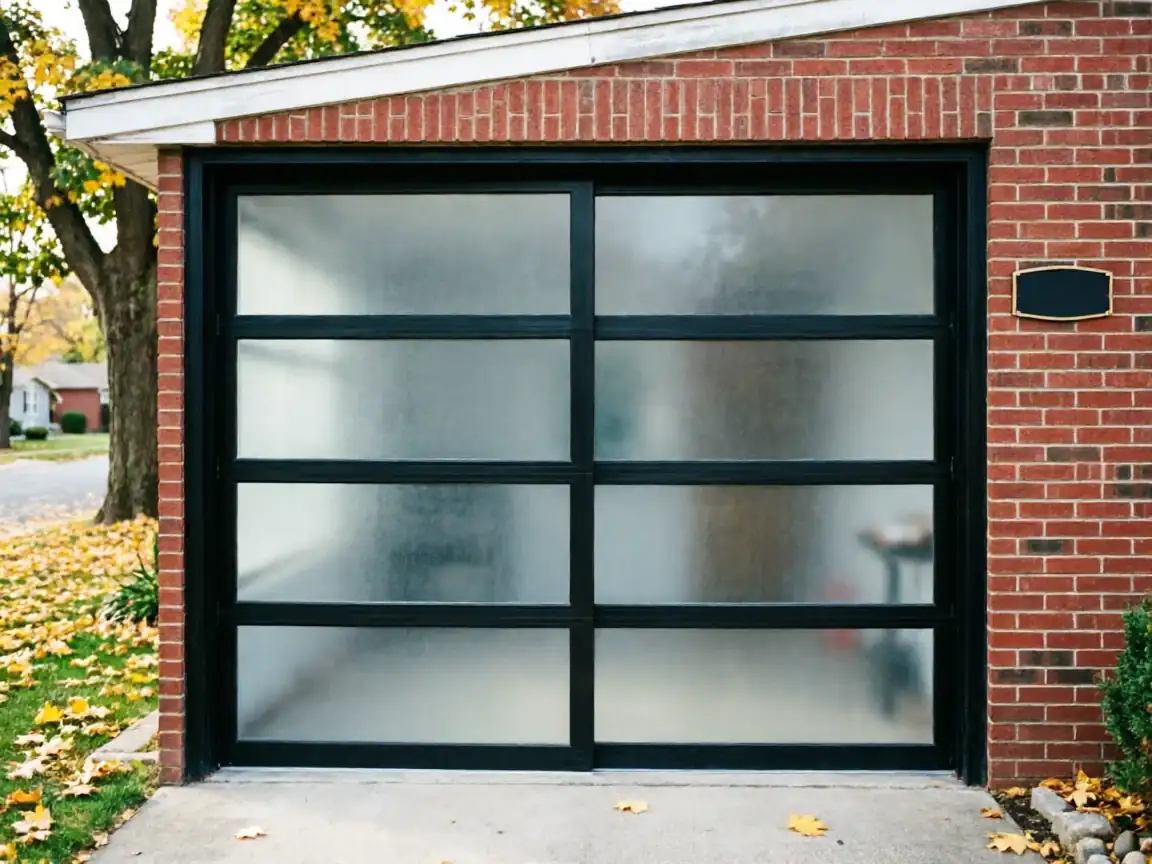
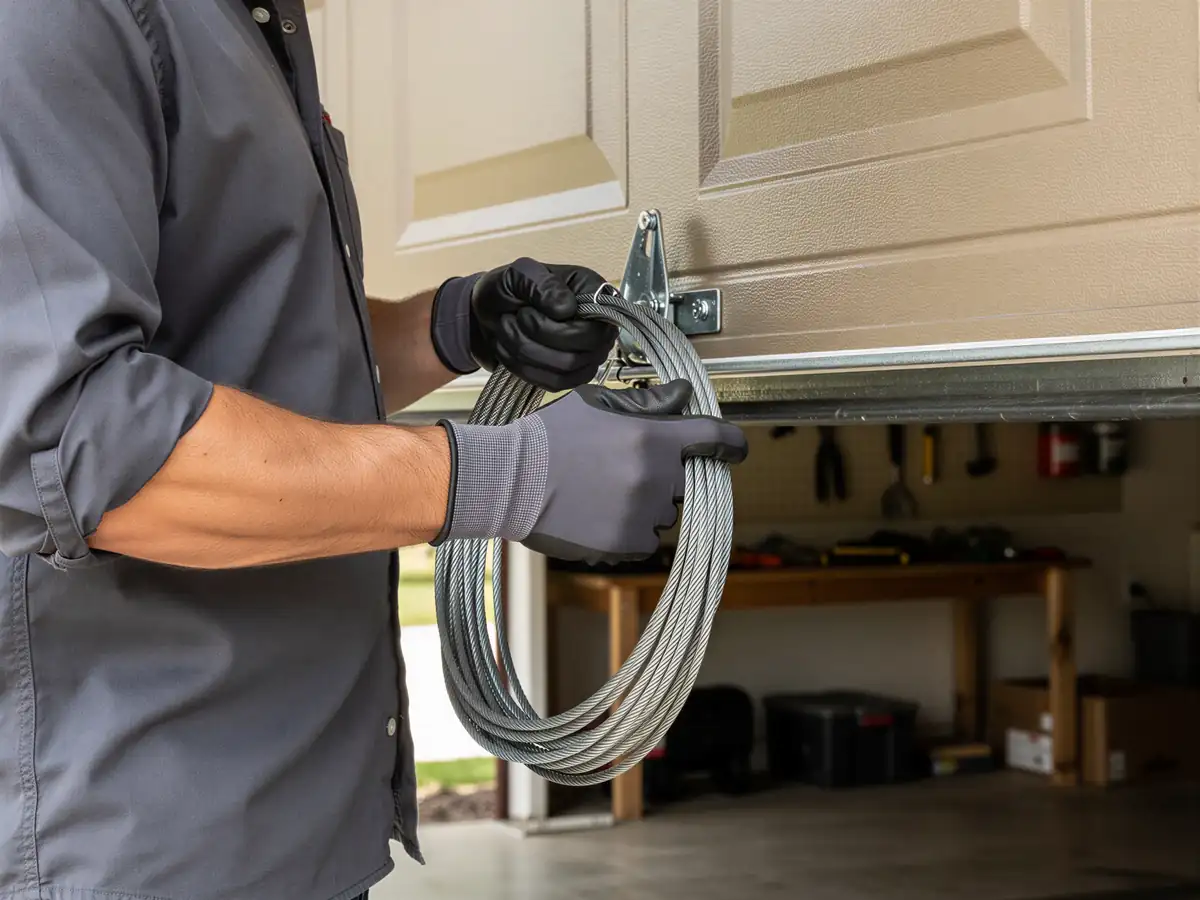
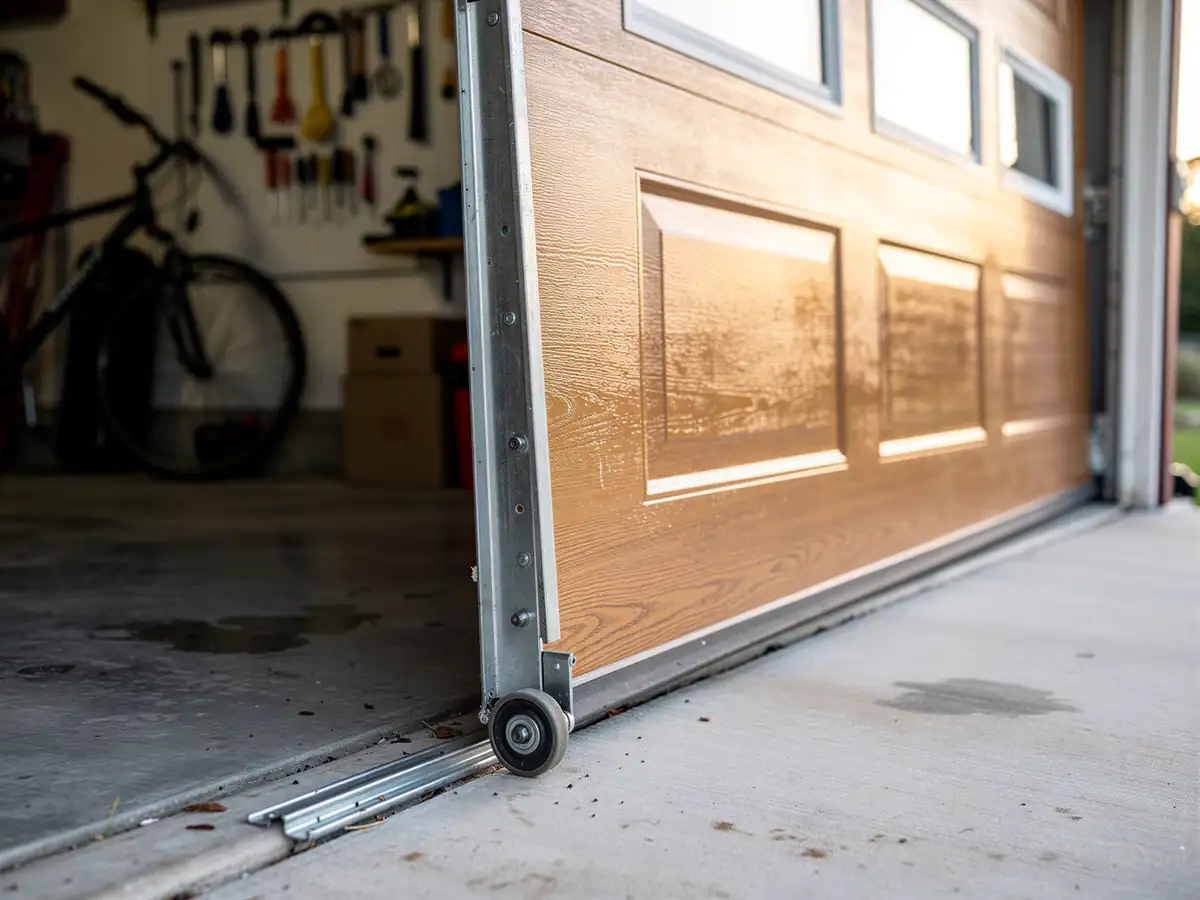
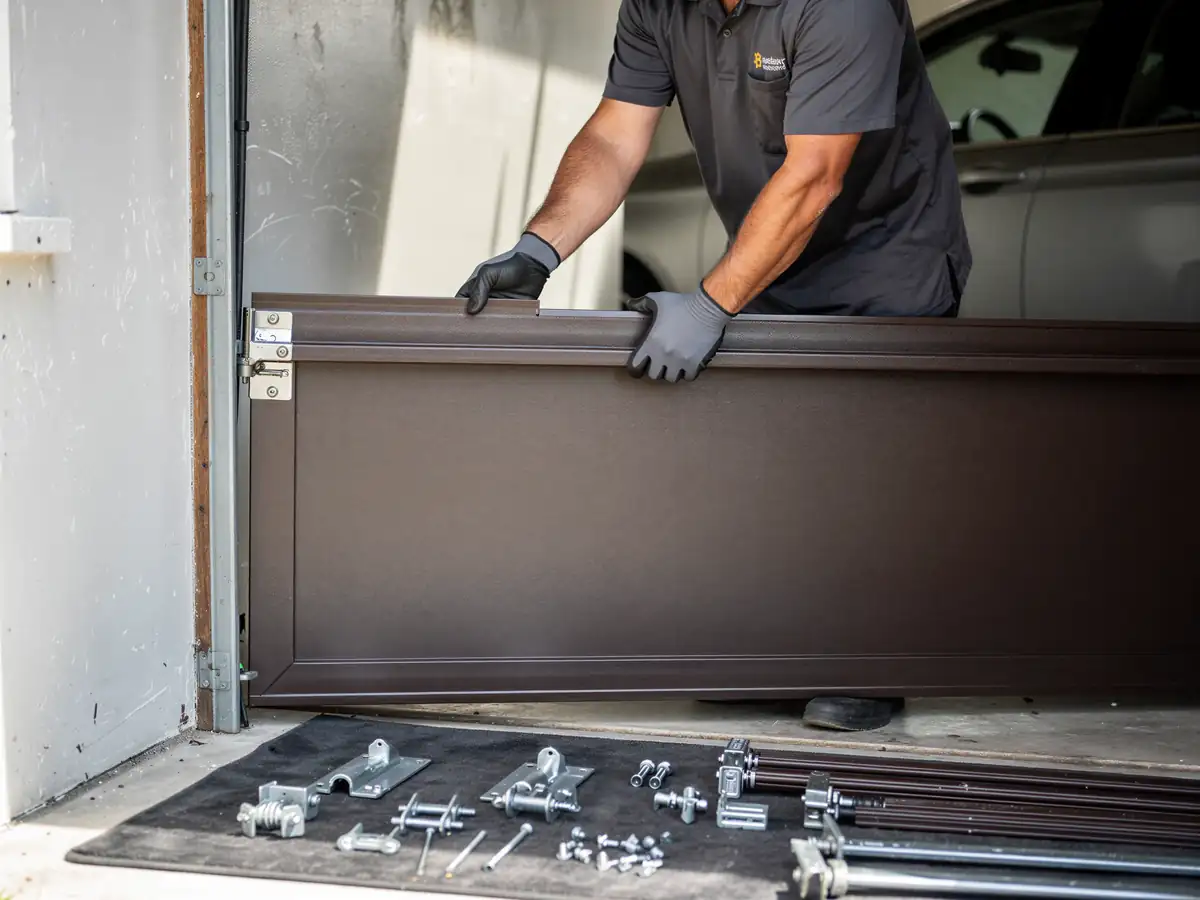
Doors going up in Lindenhurst through the 1980s came standard with galvanized torsion springs on steel sectional panels - a real step up from the one-piece wood or fiberglass doors common on older housing stock in parts of the broader service area. That's good news for maintenance: the hardware is more standardized, and springs, rollers, and cable of that era are parts we carry stock of rather than parts we have to chase down.
What we don't stock, and won't pretend to: obsolete track hardware from houses built well before or after that window, or opener parts for discontinued models nobody's made for a decade. If your door falls into that category, we'll tell you straight whether it's worth sourcing the part or whether replacement is the better use of your money. We're not going to run up a parts-search bill on your dime when a new unit costs less in the long run.
How Long It Takes
A standard maintenance visit on a mid-1980s door
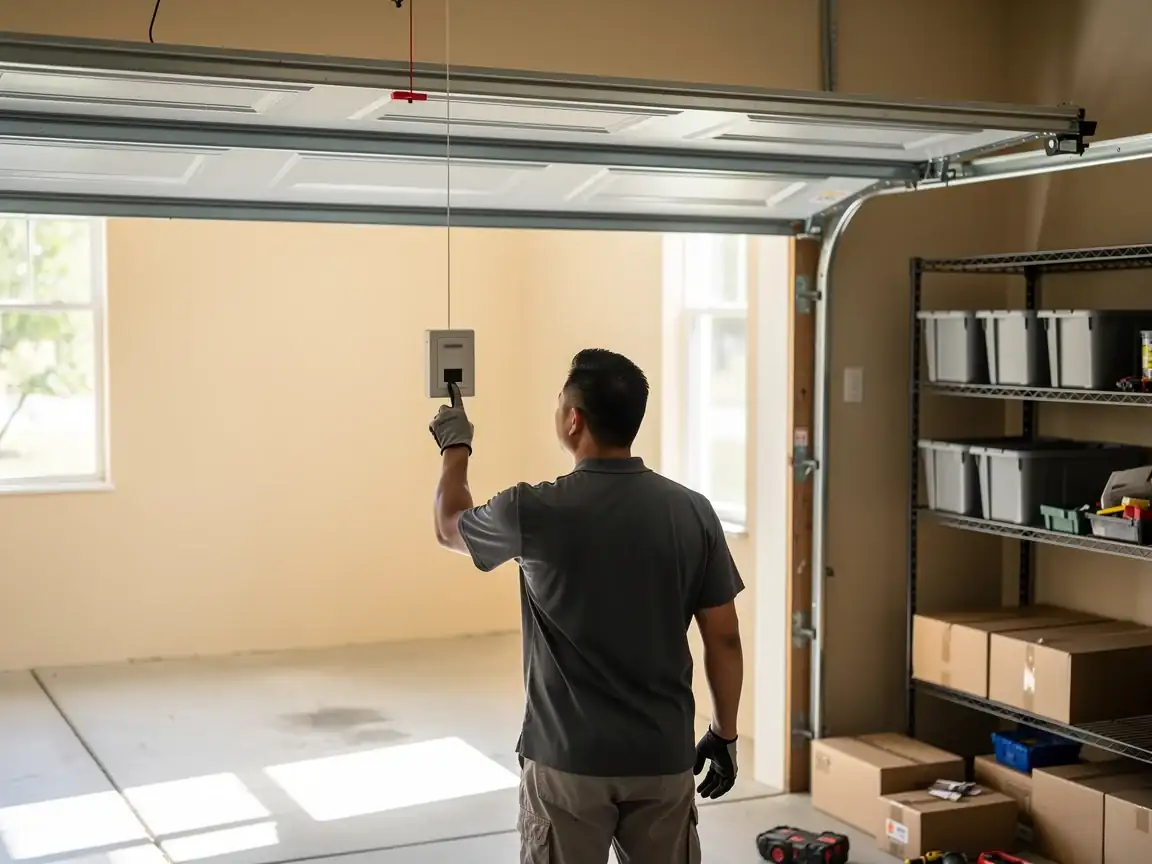
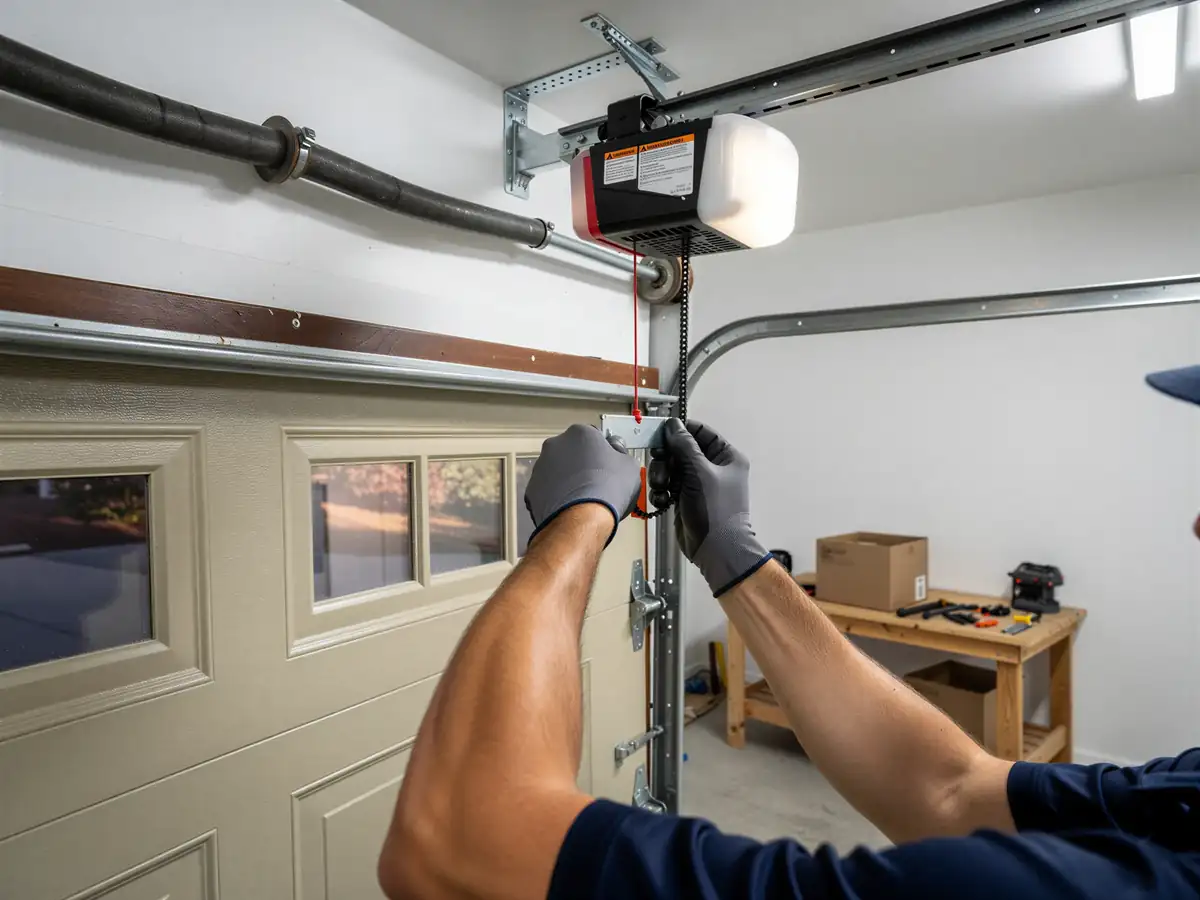
Lubrication, spring tension check, roller and track inspection, opener safety test - runs about what you'd expect for a single door in decent shape: most of an hour, sometimes less if the last service wasn't long ago. Because Lindenhurst sits roughly 20 miles from our Deerfield base, build that travel time into your morning or afternoon rather than expecting us mid-call.
- 20 miles
What we can't give you is a same-day emergency window here the way we might closer to home
If a spring lets go and the door won't move, that's its own kind of call, and we'll be honest about when we can get there rather than promise something we can't keep. For scheduled maintenance, though, the drive doesn't change the work itself - it just means we batch Lindenhurst visits rather than squeeze them in.
What You Are Seeing
With most Lindenhurst homes dating to around 1986, the failures we see here cluster in a fairly narrow band: springs nearing the end of their cycle count, opener logic boards from an earlier generation of circuit board starting to act erratic, and weatherstripping that's gone brittle after three-plus decades of a cold climate putting it through repeated freeze-thaw. That's a tighter, more predictable pattern than you'd find in a town with housing spanning six different decades, where you might be dealing with anything from 1940s one-piece doors to 2000s builds in the same ten-block radius.
If your door is sticking on one side, groaning on the way up, or the opener light is blinking a code you don't recognize, those are the kinds of symptoms that fit this housing stock. Catching them at a maintenance visit, before the spring actually breaks, is the whole point of scheduling one rather than waiting for a failure call.