What You Pay
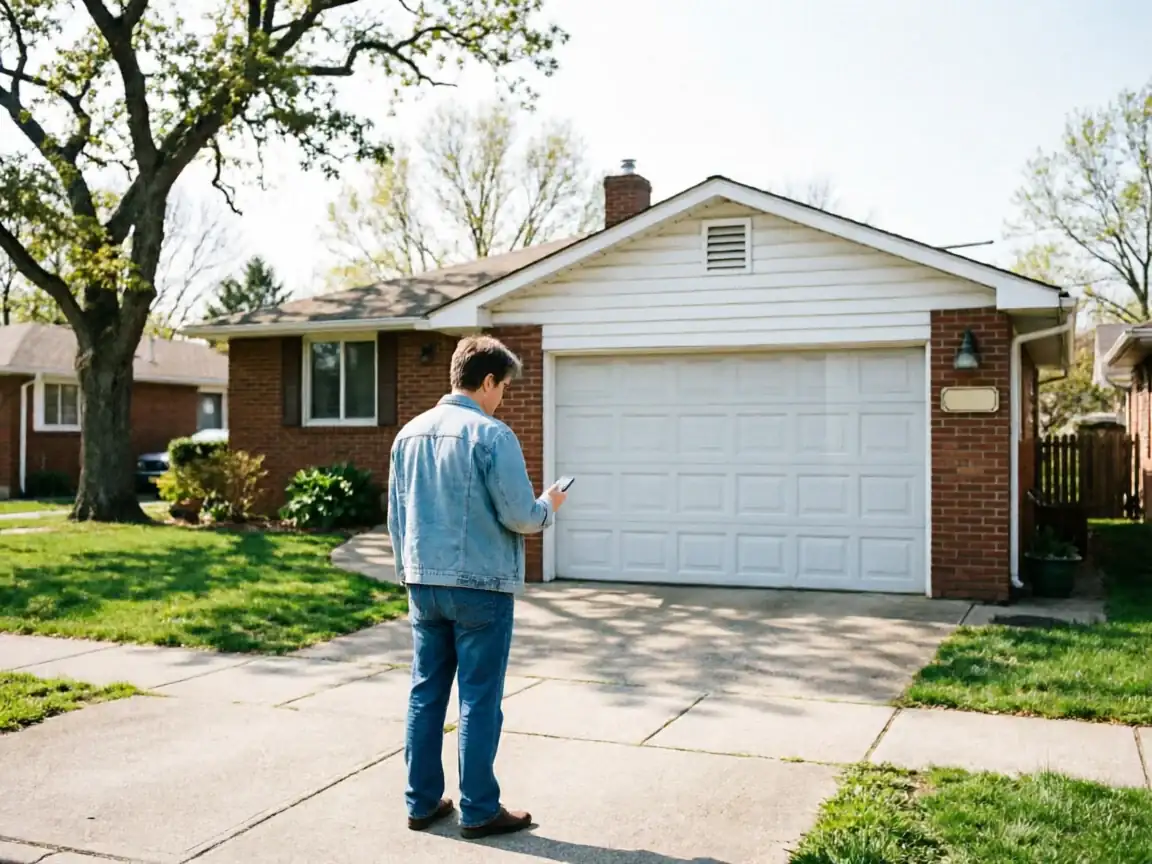
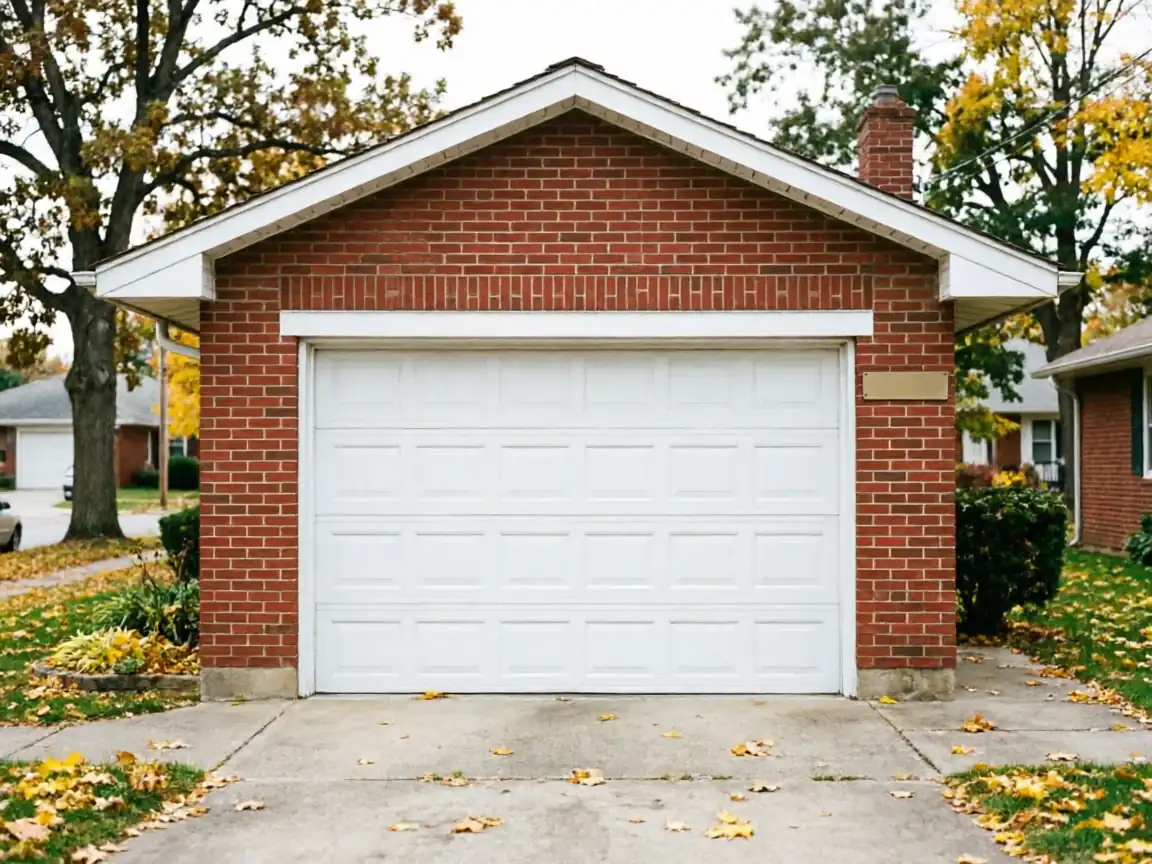
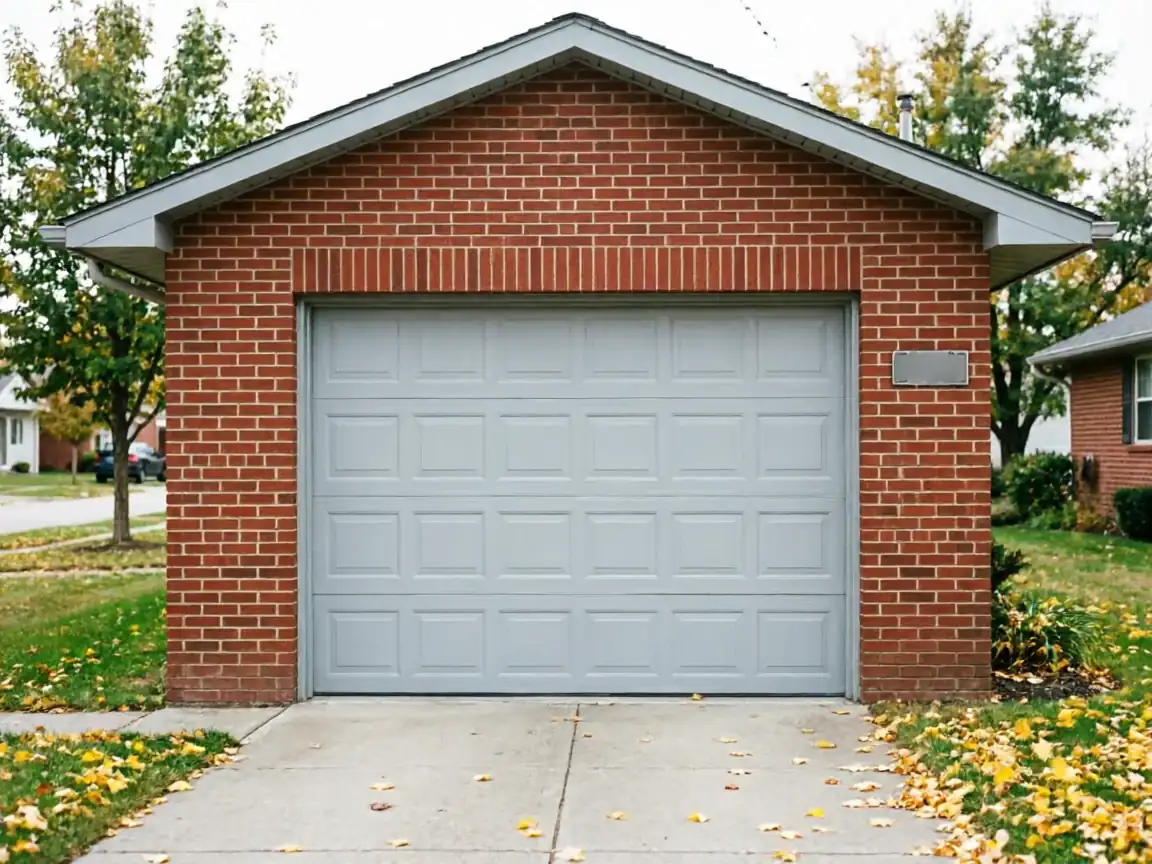
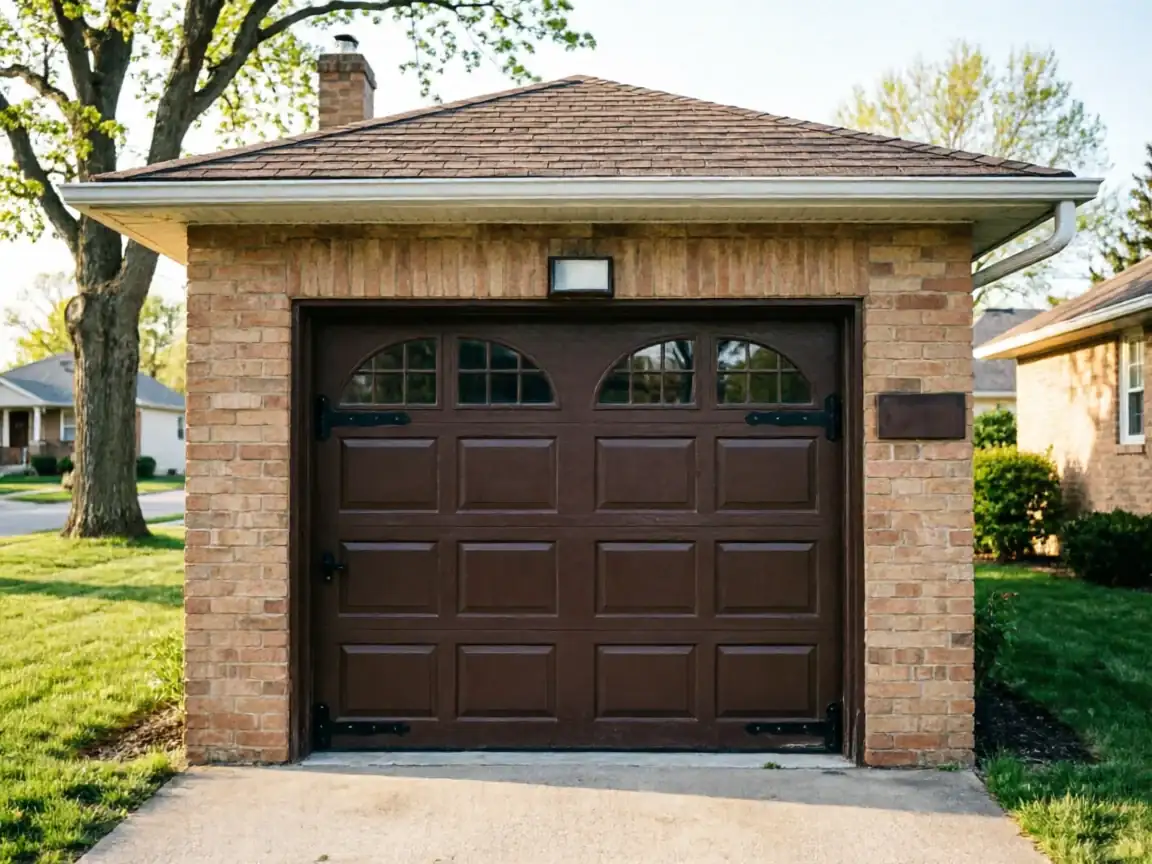
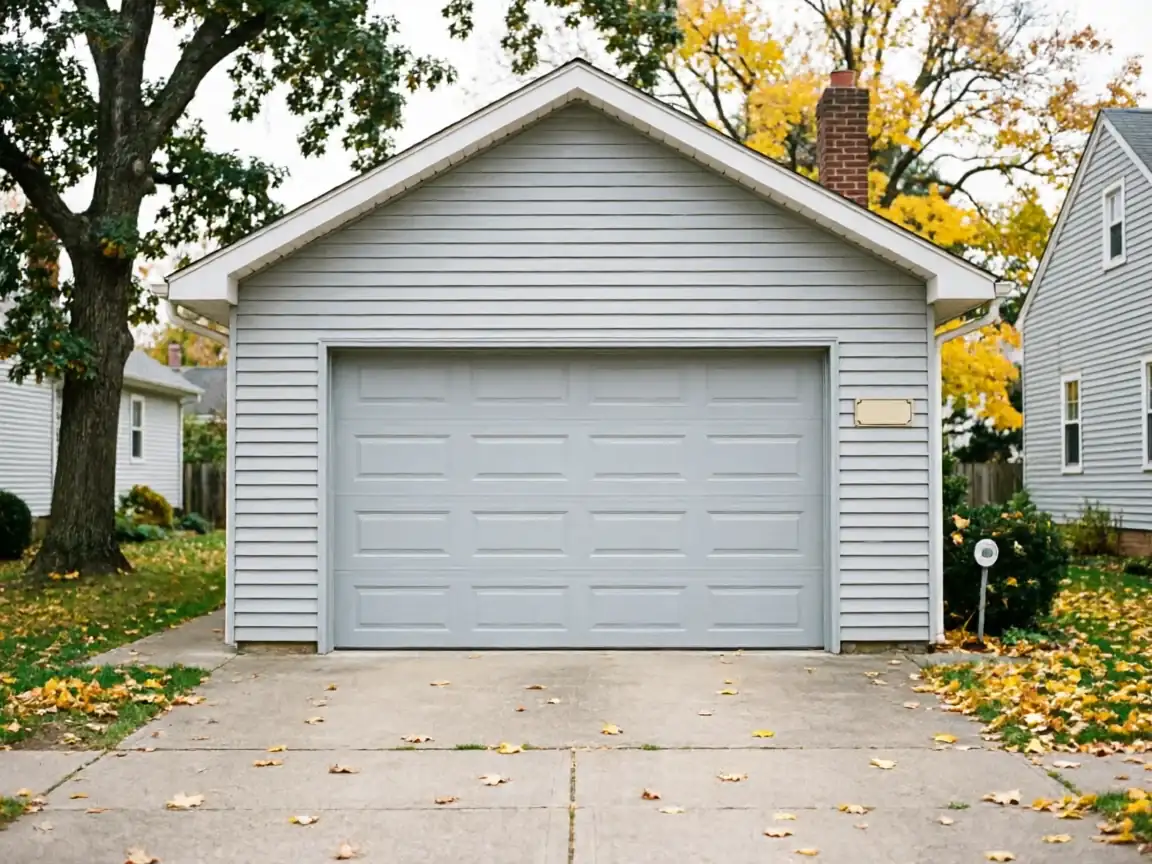
Lindenhurst's homes mostly went up around 1986, which puts most of the stock in the steel sectional era - lighter gauge panels than the older one-piece doors you'd find closer to the lake, usually on a standard 16x7 double or 8x7 single opening. That matters for cable repair because these doors run galvanized lift cables on a torsion or extension spring system designed for mass-produced hardware, not custom work. We don't have a fixed price to print here - cable cost depends on whether it's a single snapped cable on a torsion door or a full set on an older extension-spring setup, and whether the drum or pulley got chewed up when the cable let go. What we can tell you is that a straight cable swap on a torsion door is one of the more affordable repairs we do, because the parts are common and the labor is predictable. If the spring itself failed at the same time, that's a separate cost on top.
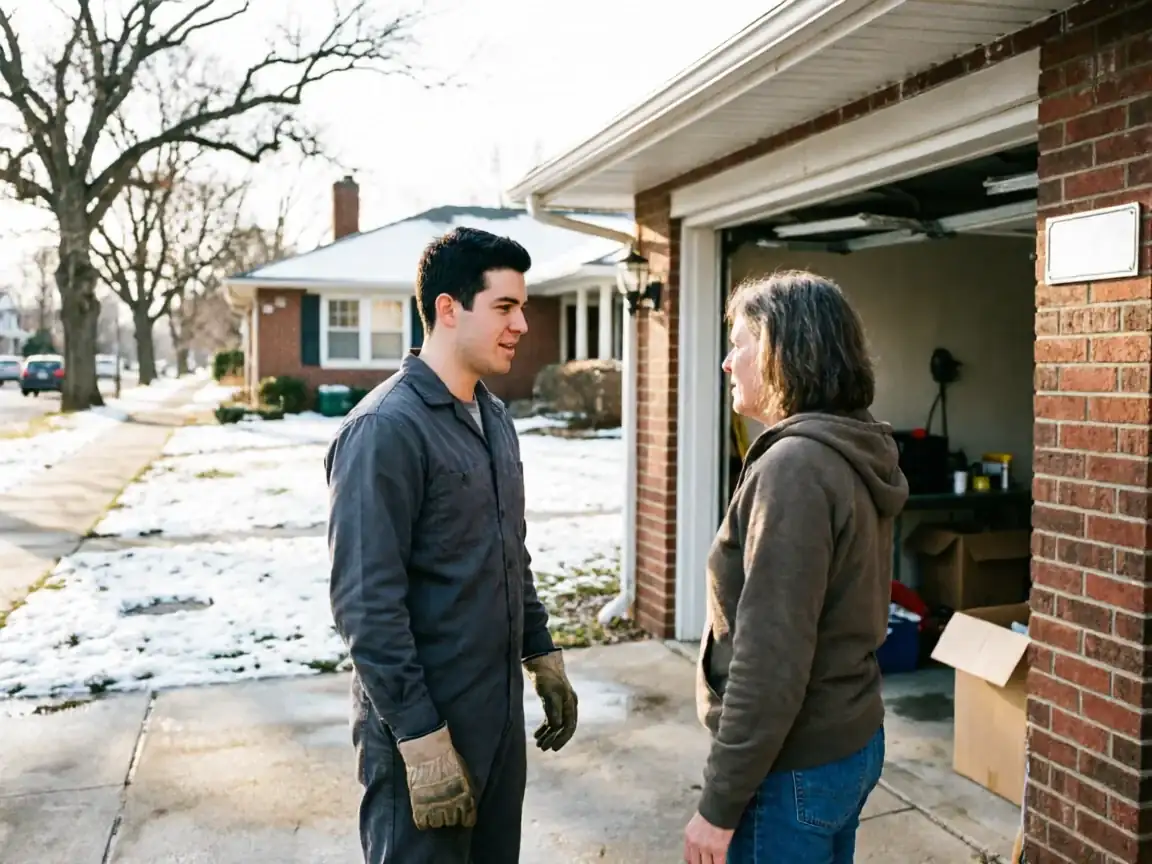
We travel from Deerfield, about 20 miles south, so there's no local branch adding a trip charge baked into your invoice - just the drive, which we factor in when we quote the job over the phone.
Parts We Carry
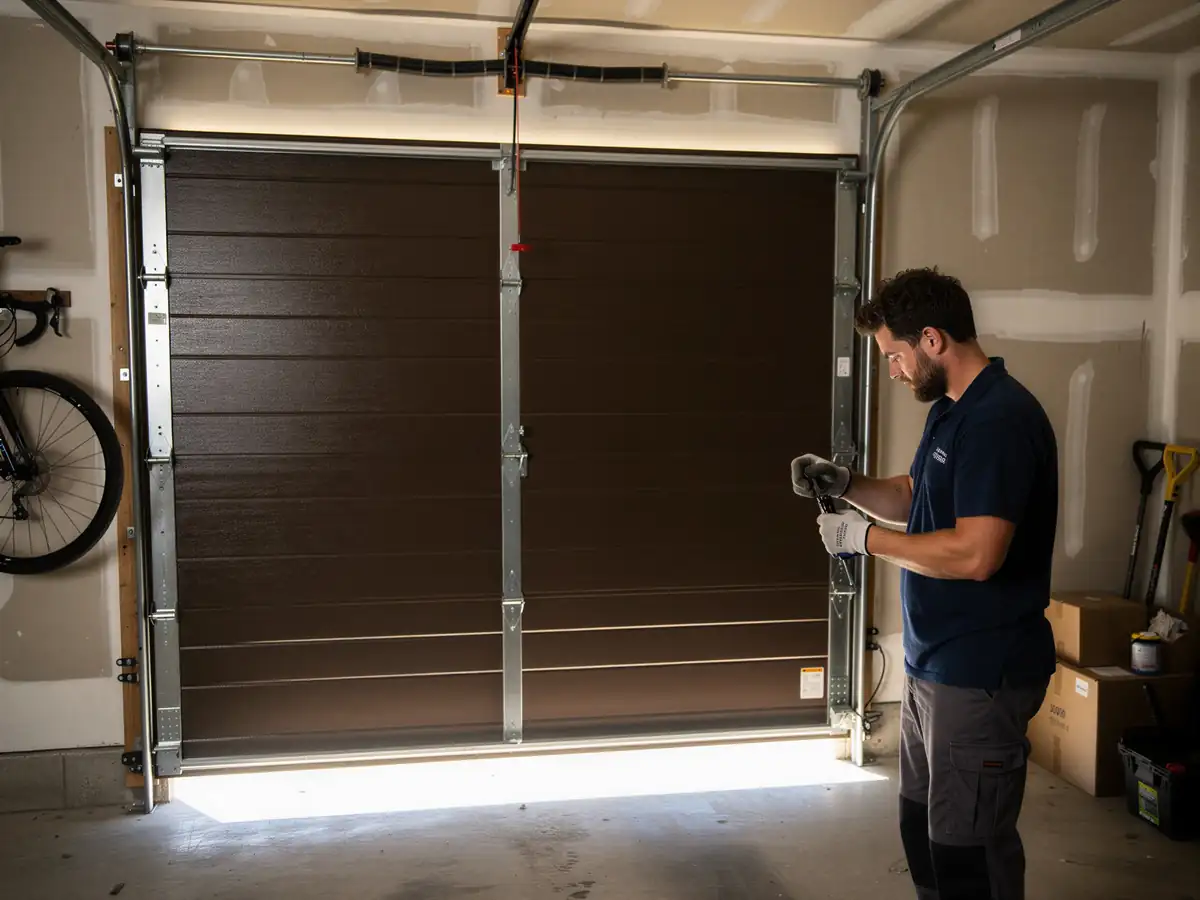
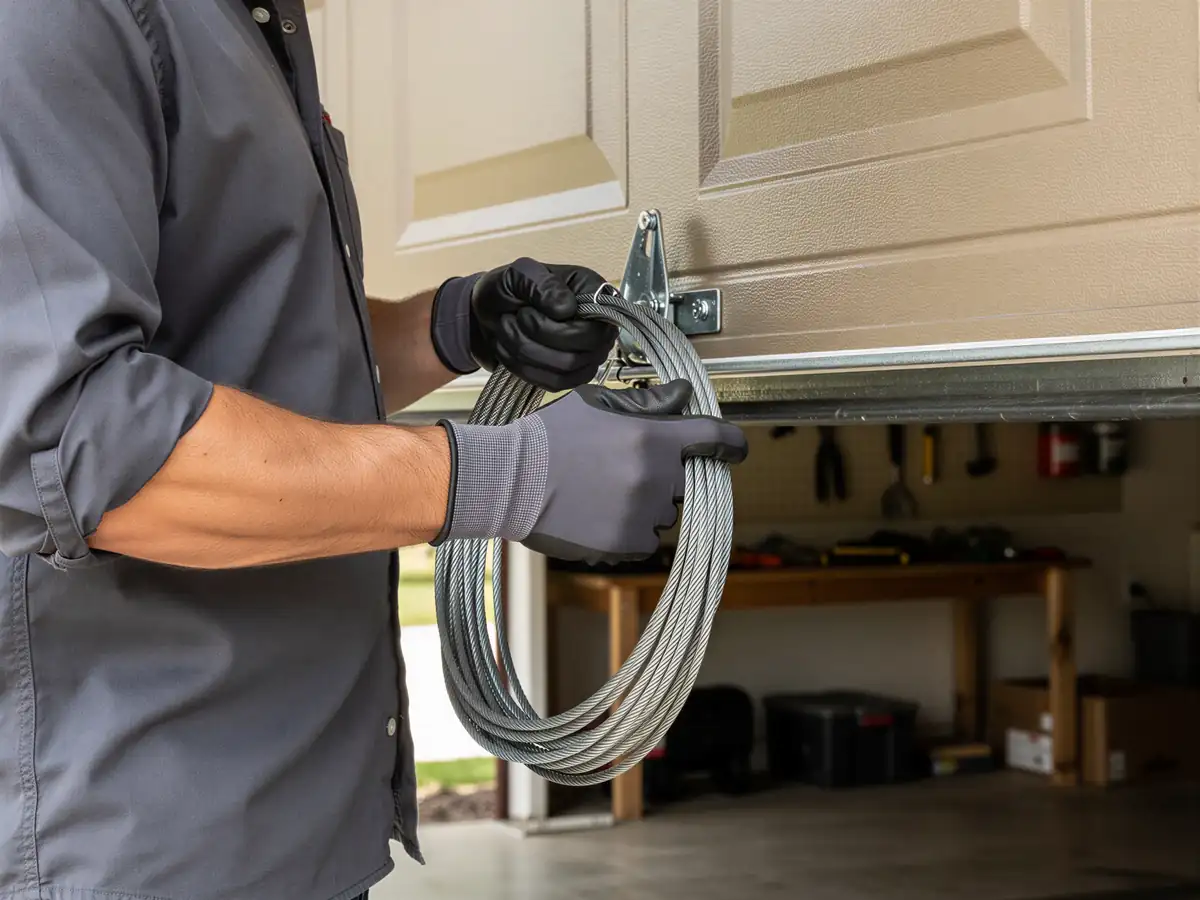
Because Lindenhurst's housing is mostly 1980s-and-later construction, the doors we see here are steel sectional panels on torsion springs far more often than the older extension-spring, one-piece doors you'd find in a neighborhood built before 1960. That's good news for parts: galvanized aircraft cable in the common gauges, standard drums, and the pulleys that go with them are stock items for us, not special-order. The region's housing is split across dozens of small pockets with different builders and different eras, so we do carry a range of cable lengths and end-fitting styles rather than assuming one size fits every door.
Where we run into a wait is on older extension-spring doors with non-standard track widths, or on doors where the cable drum itself is cracked and the manufacturer no longer makes that exact part. On a 1986-era home that's uncommon, but if your house was moved in from an older lot or had a door swapped out of era, we'll tell you straight if we need to order rather than promise a same-visit fix we can't deliver.
How Long It Takes
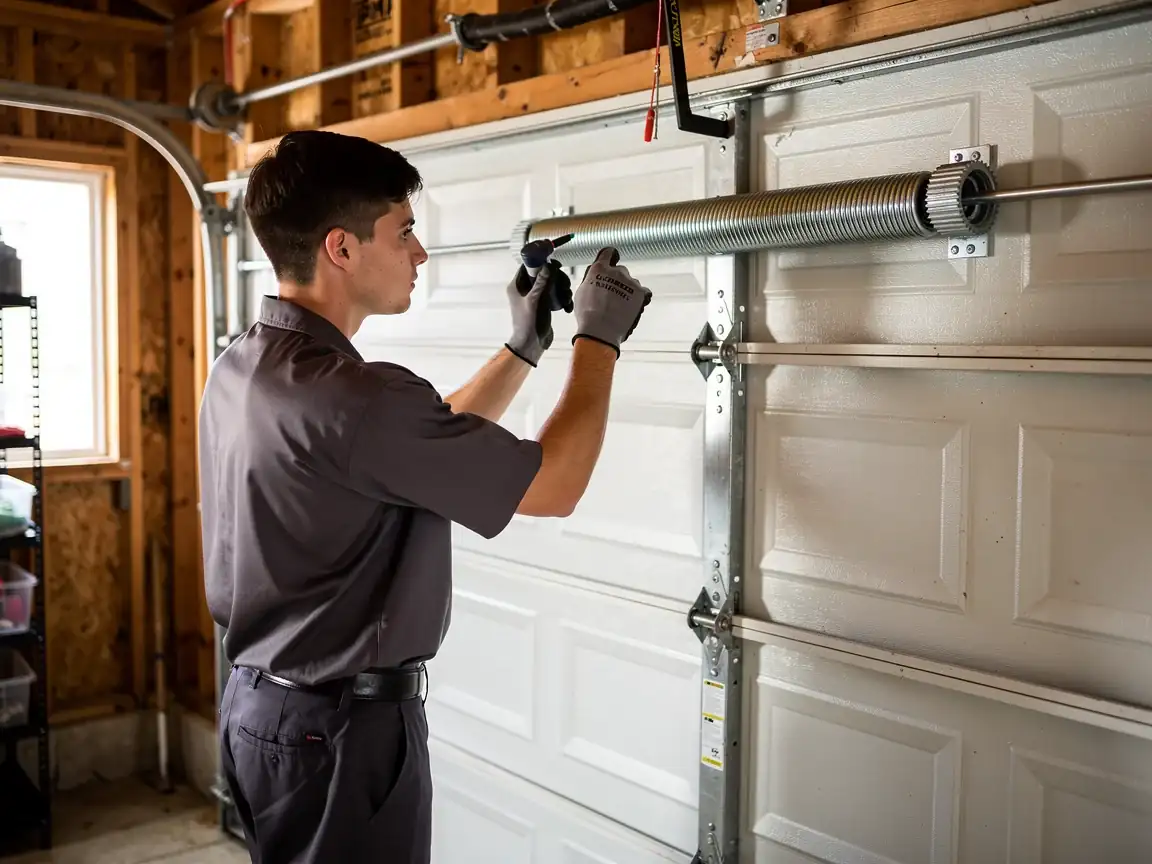
A single cable replacement on a torsion-spring door, parts in hand, is usually the shorter end of our jobs
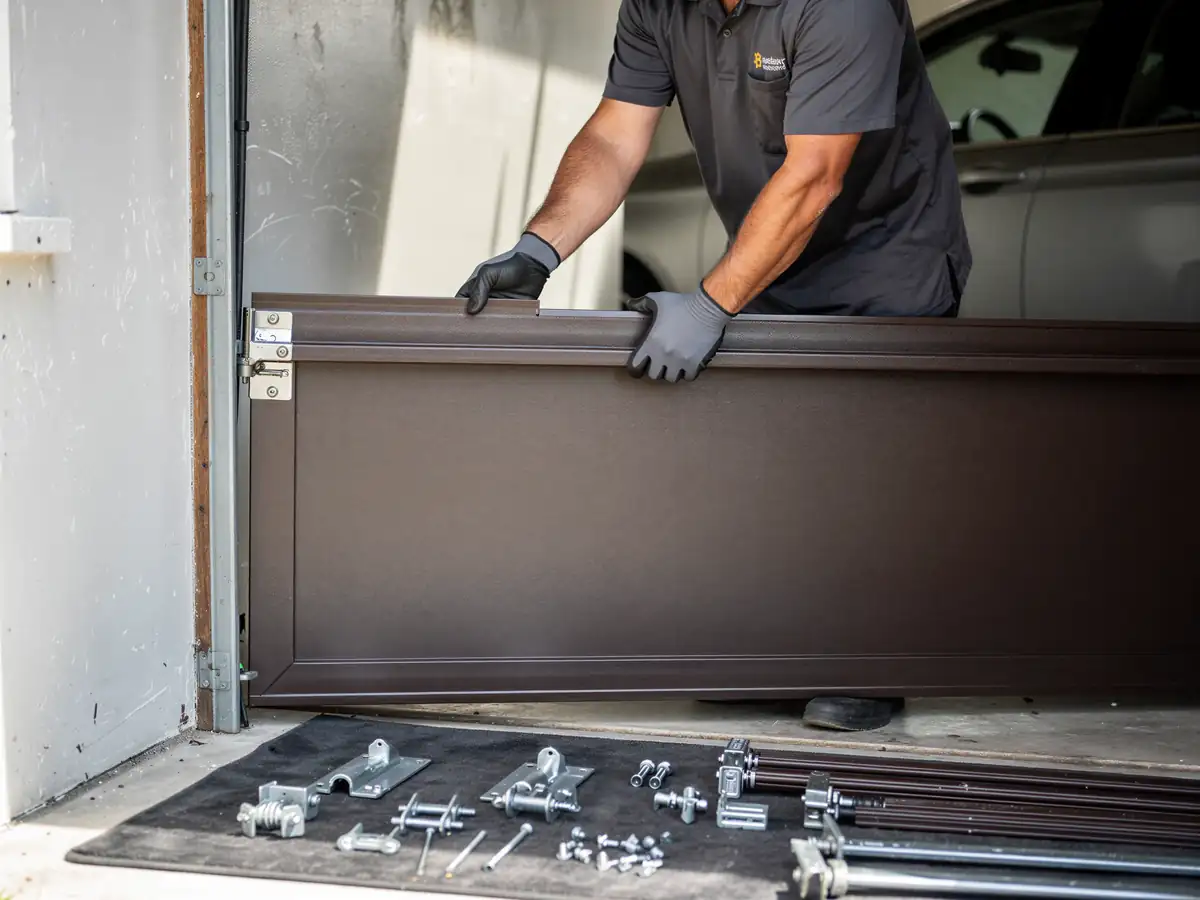
Most of the time goes into releasing tension safely and re-tracking the door, not into the cable itself. Cold matters here: this area sits in a moderate-cold climate band, and cable and cable ends get stiffer and more prone to fraying at the drum in winter months, which is when we see more snapped cables than any other season.
What we can't promise is a same-day slot purely because of the drive
We're coming from Deerfield, roughly 20 miles north of here, so scheduling depends on the route that day as much as the job itself. If both cables are shot, or the drum or bottom bracket got bent when the door dropped, plan for more time on site. We'll give you a window when you call, not a guess.
- 20 miles
What You Are Seeing
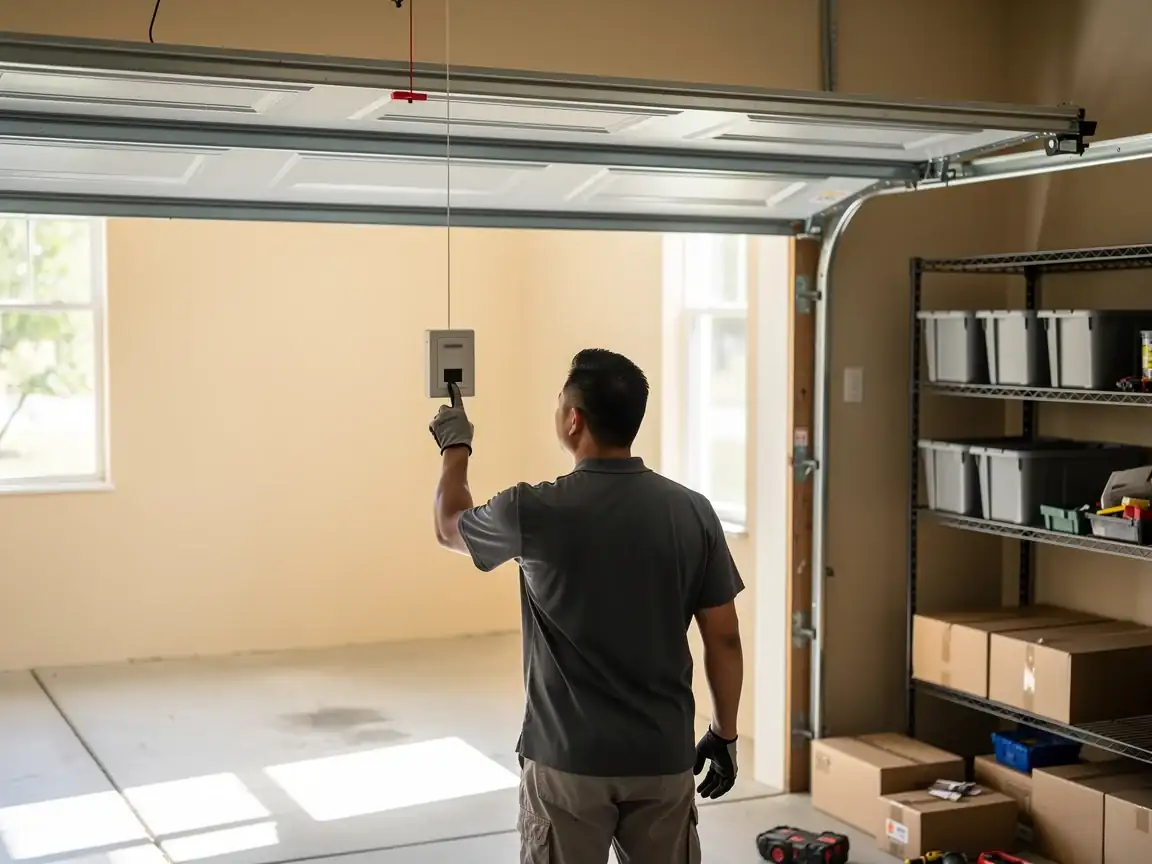
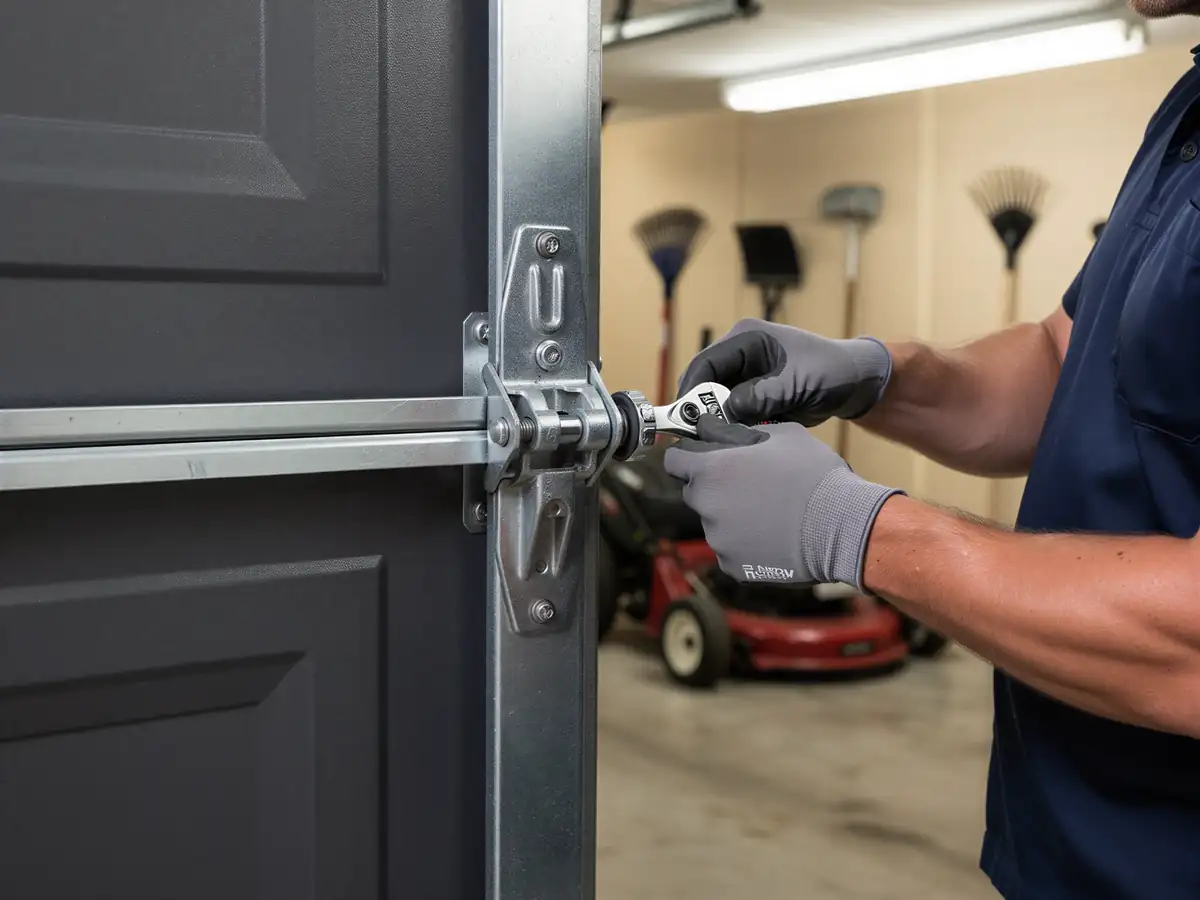
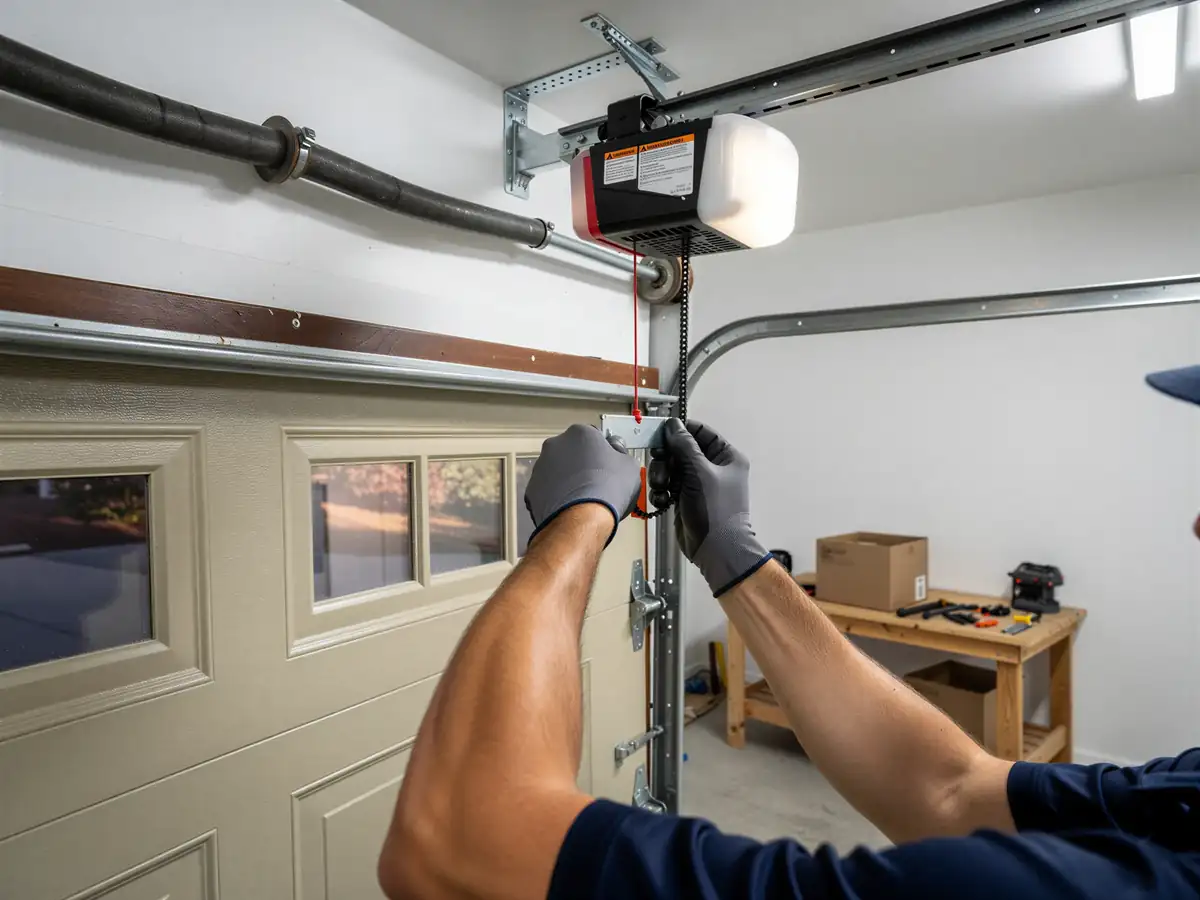
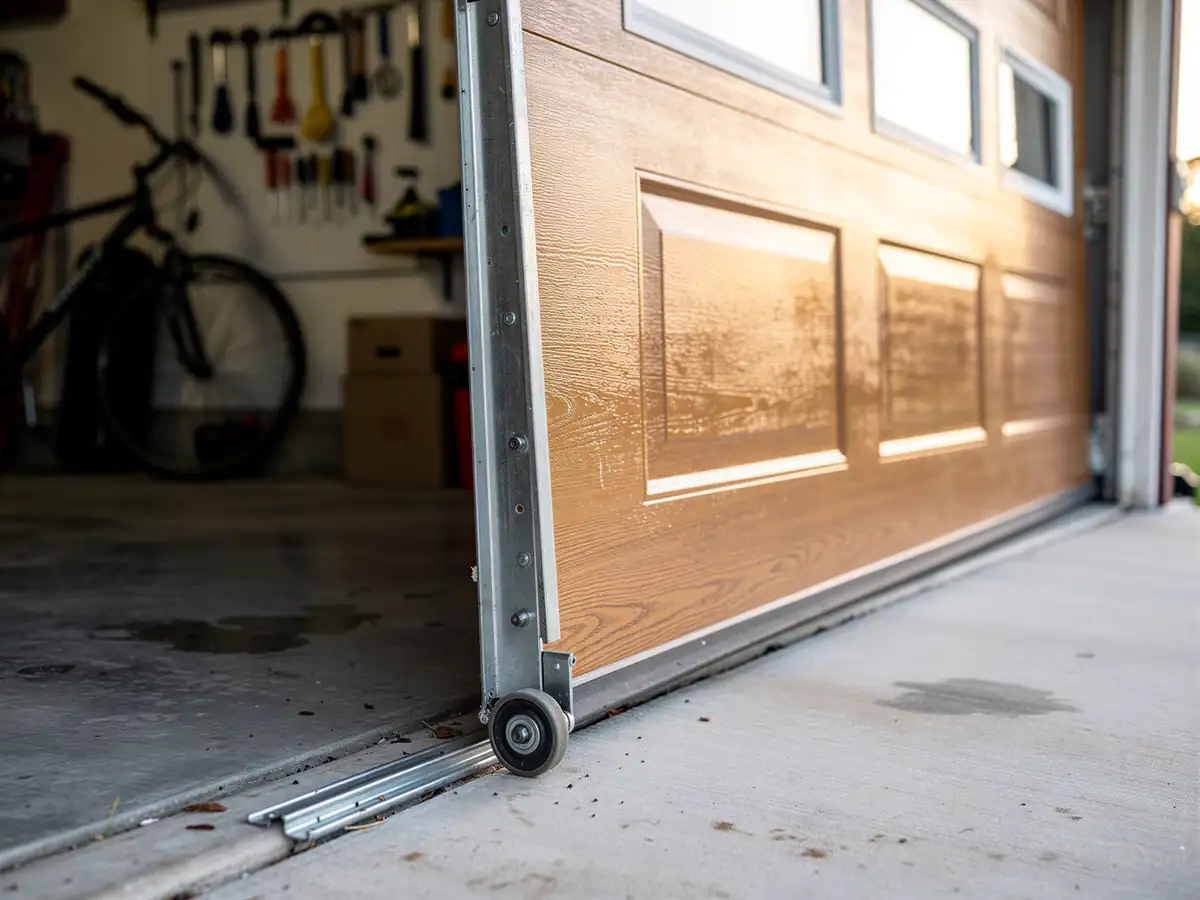
If a cable's gone, the door usually looks lopsided before it fully drops - one side hangs lower than the other because only one cable is still holding tension, and the opener may keep trying to run the door anyway, which grinds the track. On the steel sectional doors common to Lindenhurst's 1980s-era construction, you'll often hear a loud snap or a metallic whip sound at the moment it breaks, since the cable's under real tension on a torsion system.
A frayed cable near the bottom roller bracket is the warning sign before the snap - thin wire strands sticking out, or rust where the cable rides the drum. With roughly 5,081 households in Lindenhurst and a median household income a bit above the wider Deerfield service area's $125,104, we see a fair number of these doors getting original hardware replaced for the first time around now, since cable and springs on a door built in the mid-80s are well past their working life by today.