The Complications
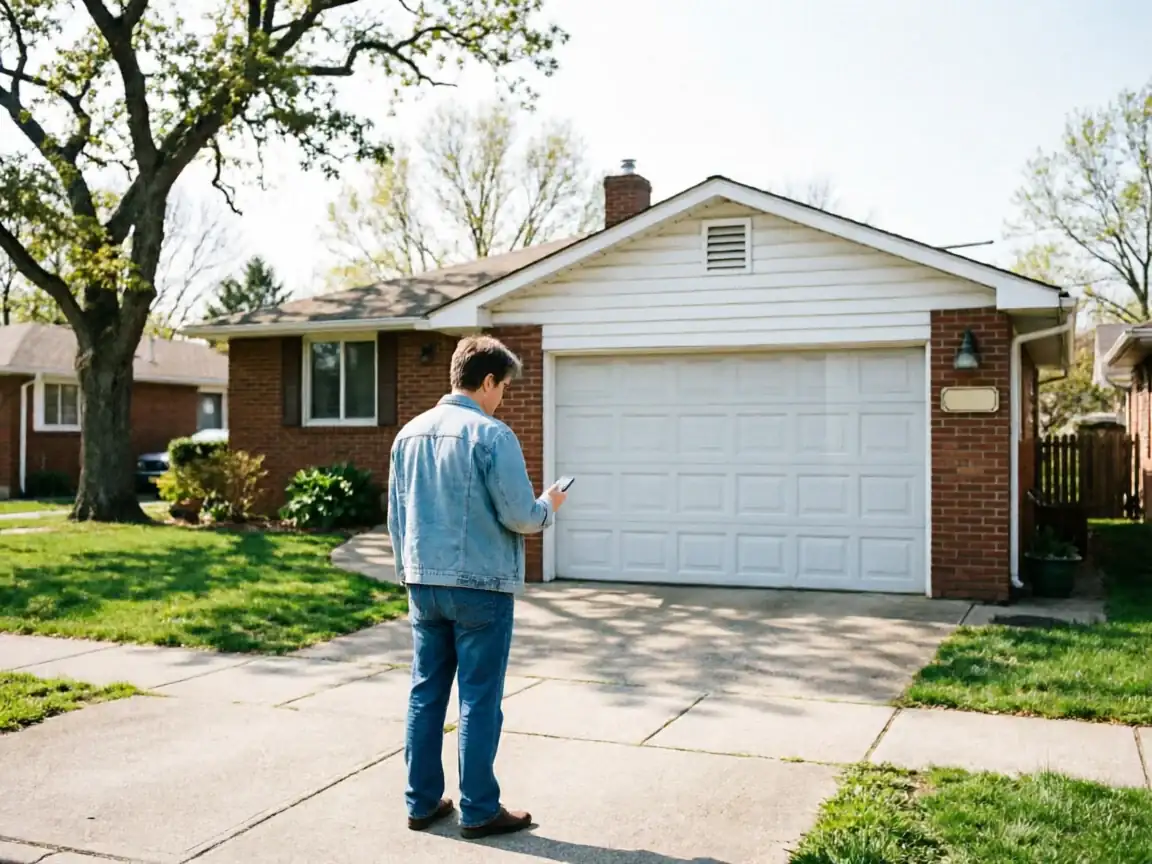
Bannockburn sits two miles from our shop in Deerfield, which sounds like nothing and mostly is. The truck that rolls out already has belt-drive and chain-drive units loaded, along with the brackets and rail sizes that fit houses built in this stretch of the North Shore. A two-mile run means we're not guessing what to bring based on a phone description; if the job turns out to need a different horsepower unit or a longer rail than expected, going back for it costs minutes, not a half-day detour.
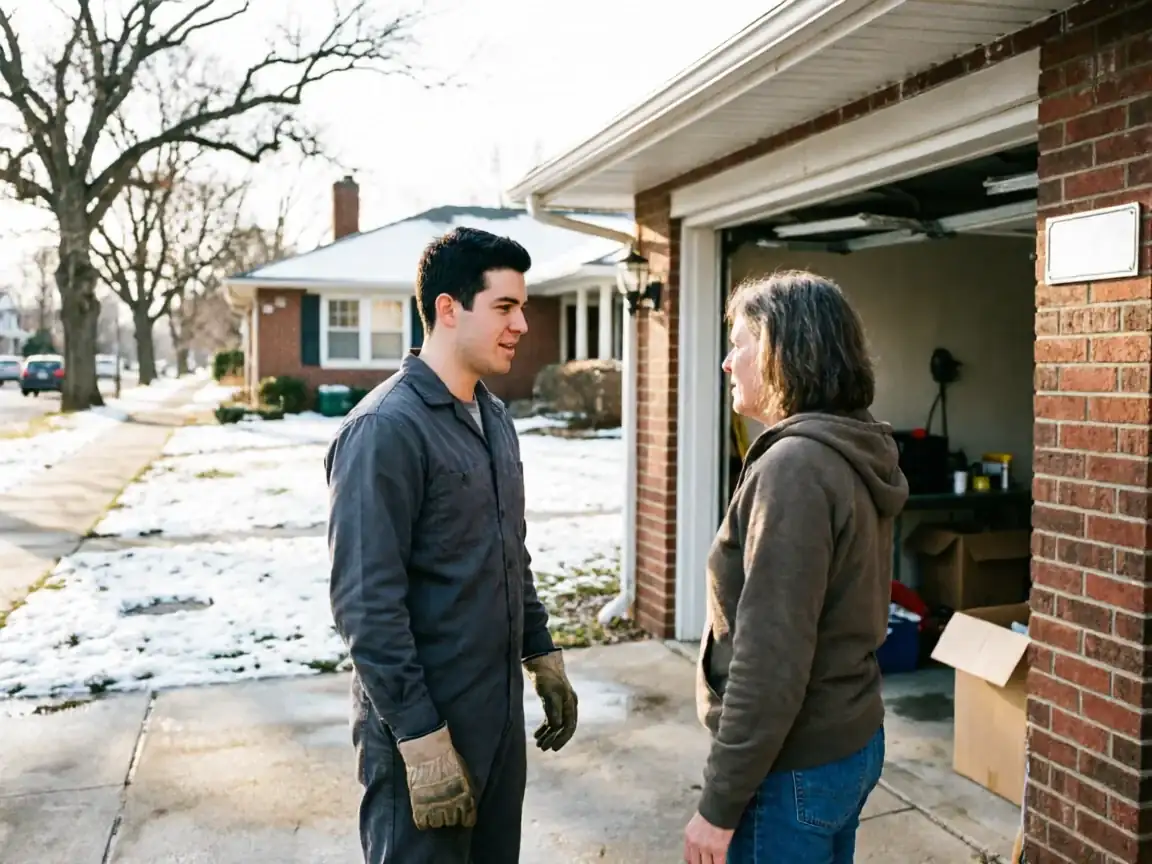
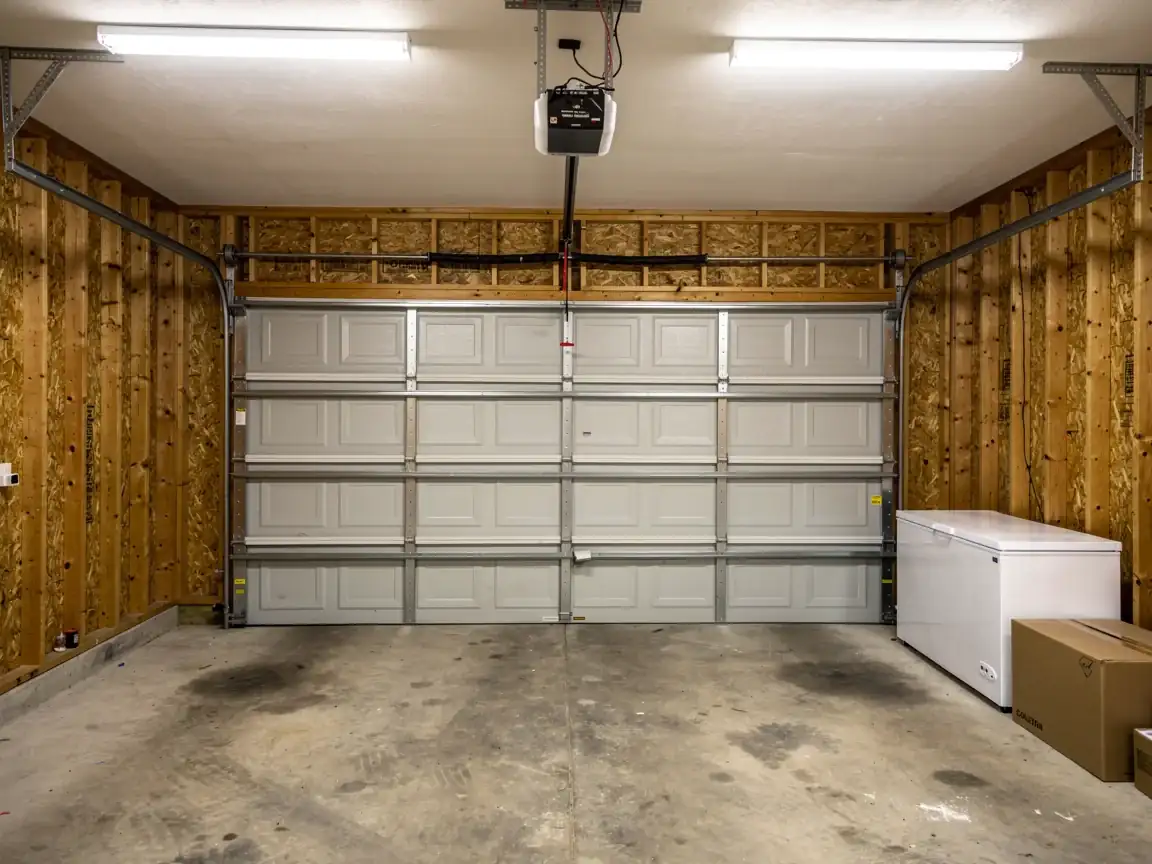
That short distance matters more for scheduling than for the work itself. The actual complication in Bannockburn is what's already bolted to the header above the door. A lot of these openers were installed as upgrades to garages built with hardware from an earlier era, which means the opener bracket, the header clearance, and the door weight don't always match what a big-box unit assumes. We measure before we quote, not after.
The other wrinkle is low household count. With around 257 households in Bannockburn, there isn't a dominant tract-built model the way there is in bigger subdivisions elsewhere in the service area. Houses here were built and modified individually over decades, so two doors on the same street can need two different openers.
How Long It Takes
A straight swap, same rail length, same mounting points, usually runs under two hours once the truck is on site. That's the common case for a house built around 1975, where the original opener has simply worn out and the header and door are still in reasonable shape.
It runs longer when the door itself is original to a mid-70s build and the track or header needs reinforcing to take a new opener's mounting bracket. We won't bolt a new unit to a weak header and call it done; that's a callback waiting to happen. If we find that during the walkthrough, we'll tell you before we start, not after we've opened the box.
Because the drive from Deerfield is short, we're not padding the schedule to account for travel. The time quoted is mostly the work itself: removing the old unit, mounting the new one, running the wiring, setting the travel limits and force settings, and testing the safety reversal more than once before we leave.
Can You Do This Yourself
A belt-drive or chain-drive opener kit from a hardware store comes with instructions that assume a standard header, standard door weight, and a garage built to current code
Plenty of Bannockburn garages don't match that assumption, since the housing stock here runs from 1938 up through 2009 with a lot of mid-70s construction mixed in. If your header isn't square, or the door is heavier than the kit expects, a DIY install can leave you with an opener that strains, slips its limit settings, or doesn't reverse correctly on obstruction - the safety feature that matters most.
We'll say plainly: a capable homeowner with the right tools can hang a basic opener on a straightforward door
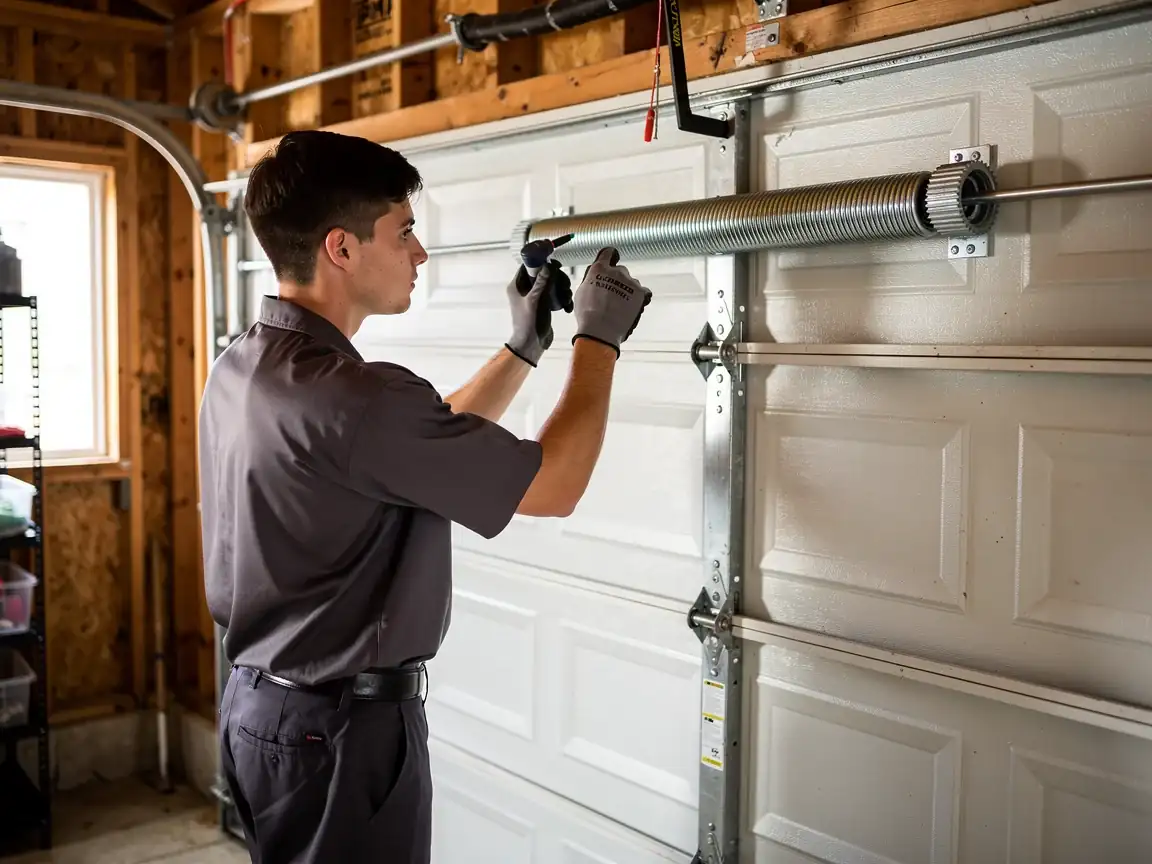
What's harder to get right without the experience is diagnosing why an opener that looks fine keeps failing the force test, or spotting a worn spring that's about to make the new opener work twice as hard as it should. If you want a second opinion before you commit to a DIY install, that's a reasonable call to make.
What You Are Seeing
The opener runs but the door stalls partway, or reverses on its own for no obvious reason. On a lot of Bannockburn houses built in the 1970s, this points to an opener motor that's simply aged past its service life, still turning but no longer strong enough to move a door that's picked up extra weight from old paint, moisture, or added insulation panels over the decades.
Another pattern: the door opens fine but closes slowly or grinds partway down. That's often the opener trying to compensate for a track that's shifted slightly out of alignment, which happens gradually in houses where the garage wasn't part of the original structure or was modified later.
Then there's the remote that works inconsistently from the driveway but not from across the yard. That's usually not the opener at all - it's a weak antenna or an aging logic board nearing the end of its life. Any of these is worth a look before the unit fails outright and leaves the door stuck in whatever position it happens to be in.
What the Fix Involves
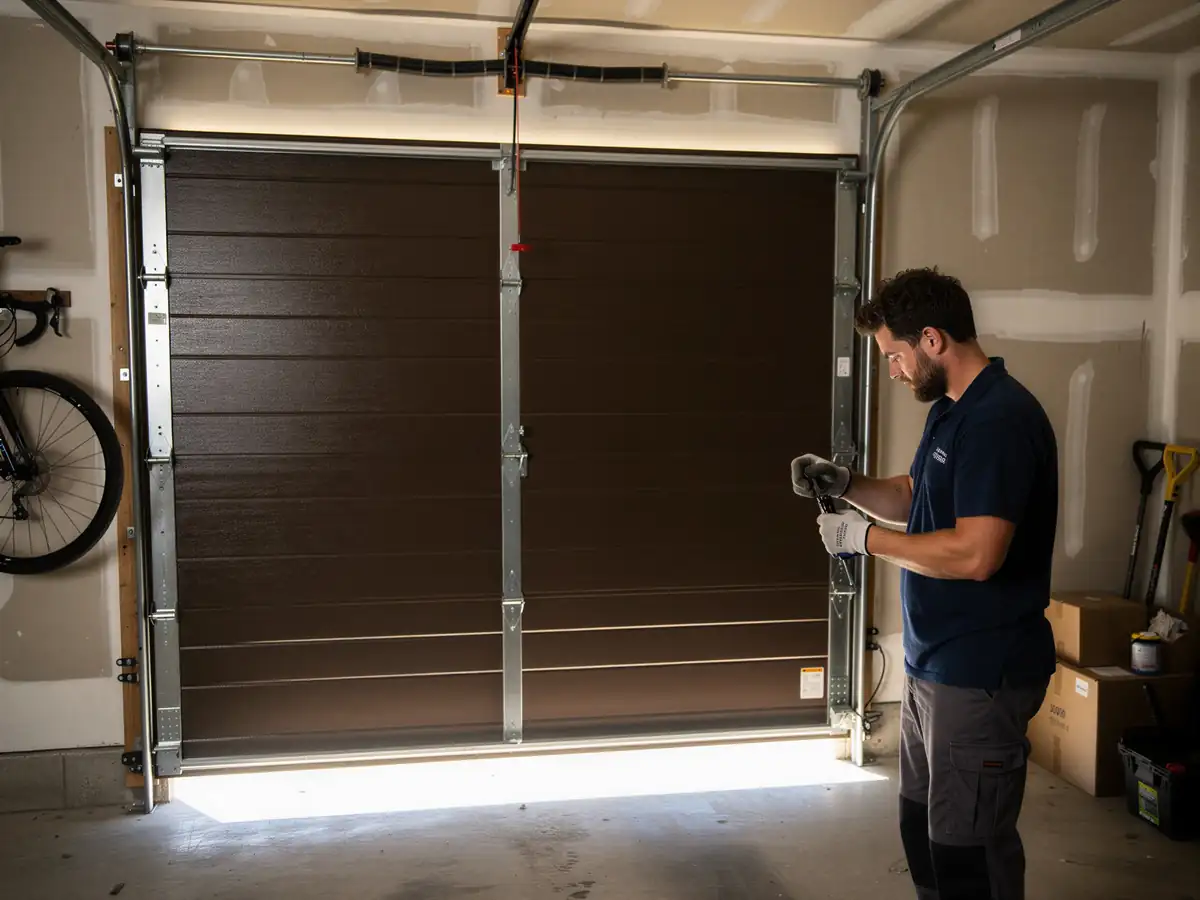
We start by checking the door itself before touching the opener - spring tension, track alignment, panel weight. An opener installed on a door that's out of balance will fail again no matter how good the unit is, and in a 1970s-built garage that's a common root cause.
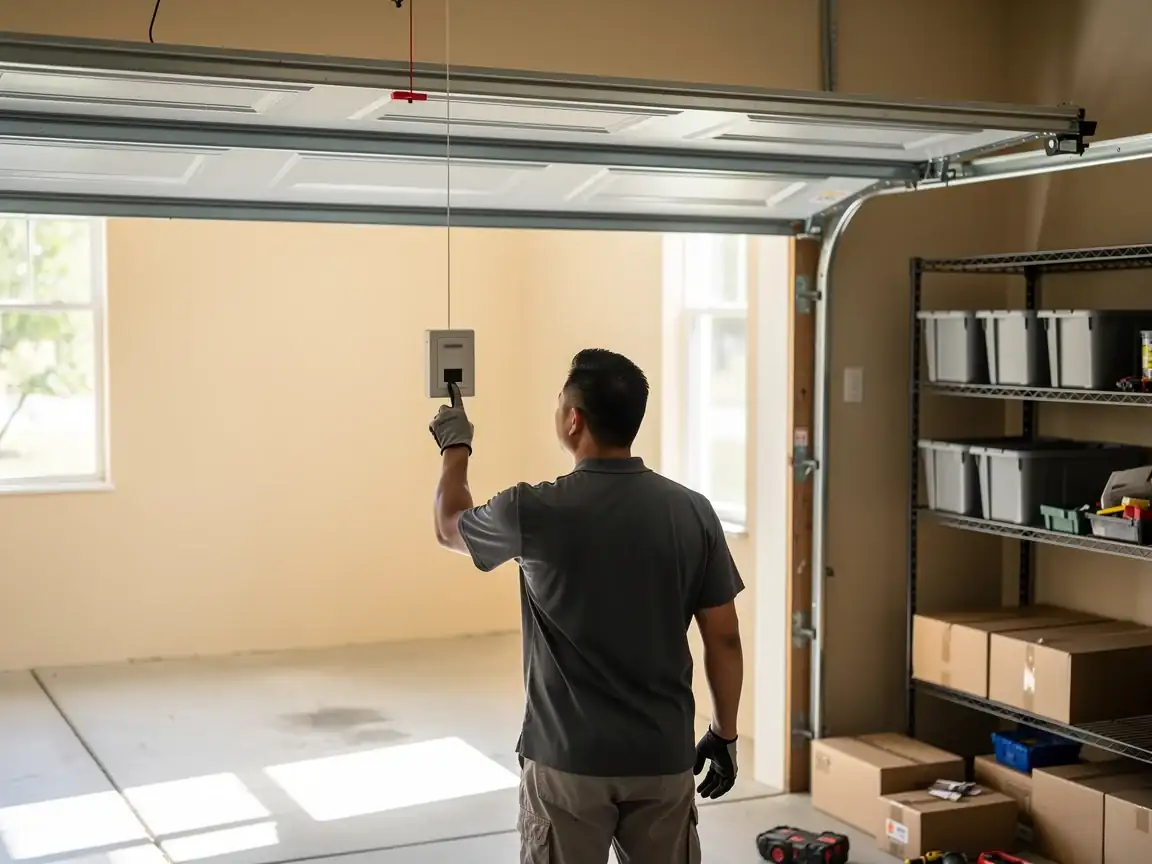
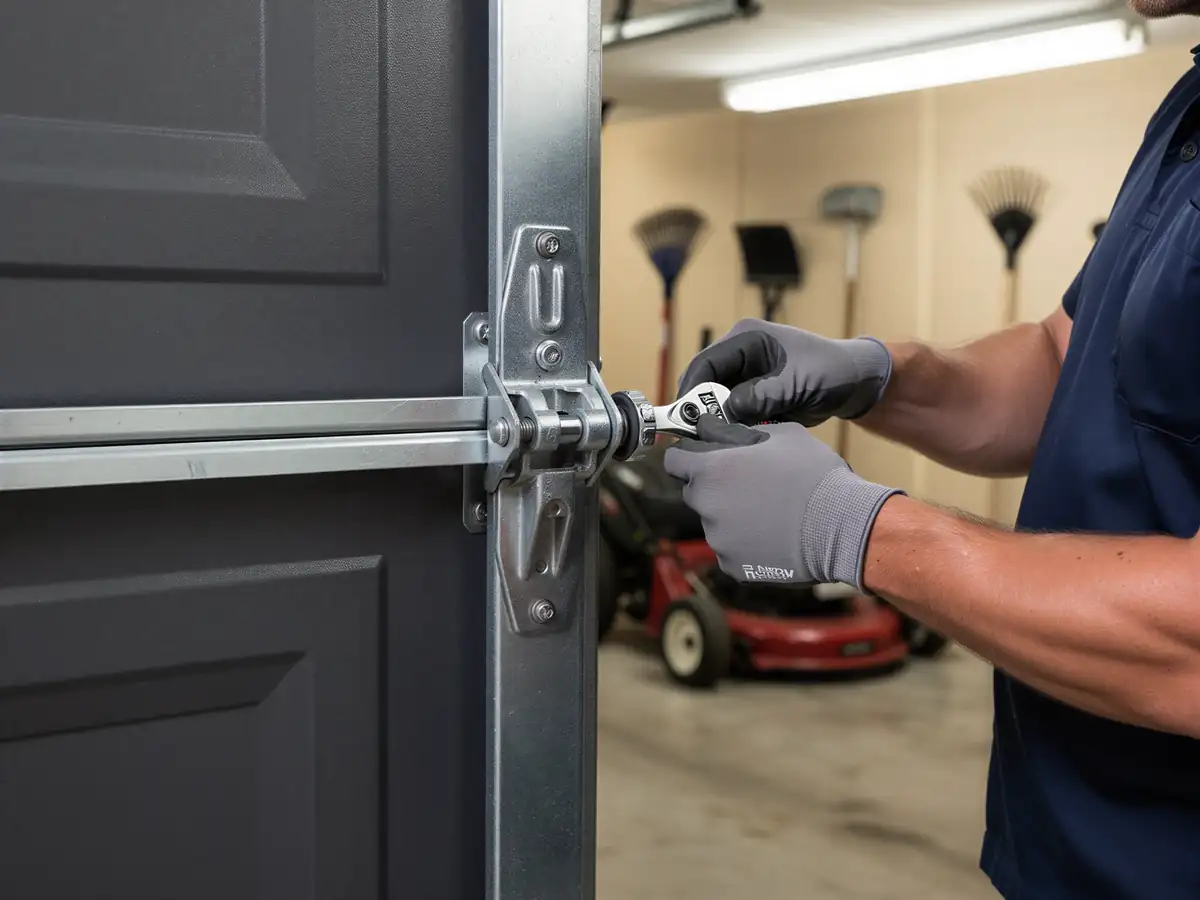
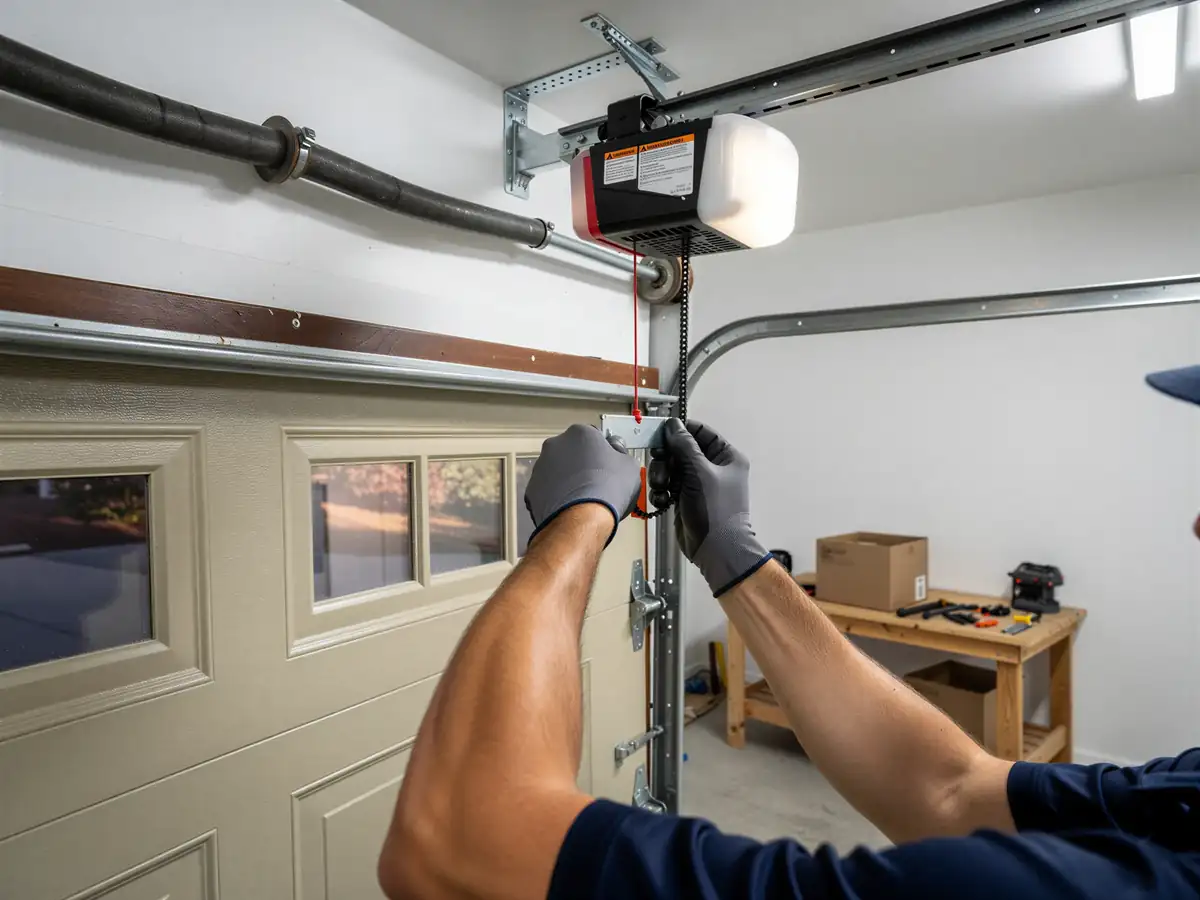
Once the door checks out, we remove the old opener, mount the new rail and head unit to the header, and run fresh wiring rather than splicing into old runs that may not meet current gauge standards. We set the open and close travel limits by hand, then test the force settings against a two-by-four laid flat on the floor - if the door doesn't reverse on contact, it doesn't pass, full stop.
Last step is pairing the remotes and any keypad, and running the safety reversal test twice more before we call it finished. In this climate band, cold affects grease viscosity in the rail and belt tension, so we set both with winter performance in mind, not just how it runs on install day.
Parts We Carry
We stock both belt-drive and chain-drive openers on the truck
Along with standard and jackshaft mounting hardware to fit the header variations common in houses built across this stretch of decades. Belt drives are the quieter option and it's what most owners here choose when they're replacing a noisy chain unit, though chain drives still make sense on heavier doors.
What we don't carry on the truck is every rail length or bracket for unusual header setups
If your garage has a non-standard mount, we may need to order a specific part, which can add a day or two. We'd rather tell you that upfront than install a workaround that won't hold up.
We also carry the safety sensor brackets and wiring kits needed to bring an older setup up to current reversal standards
Since a lot of openers original to houses in this area predate the sensor requirements now considered standard.