The Complications
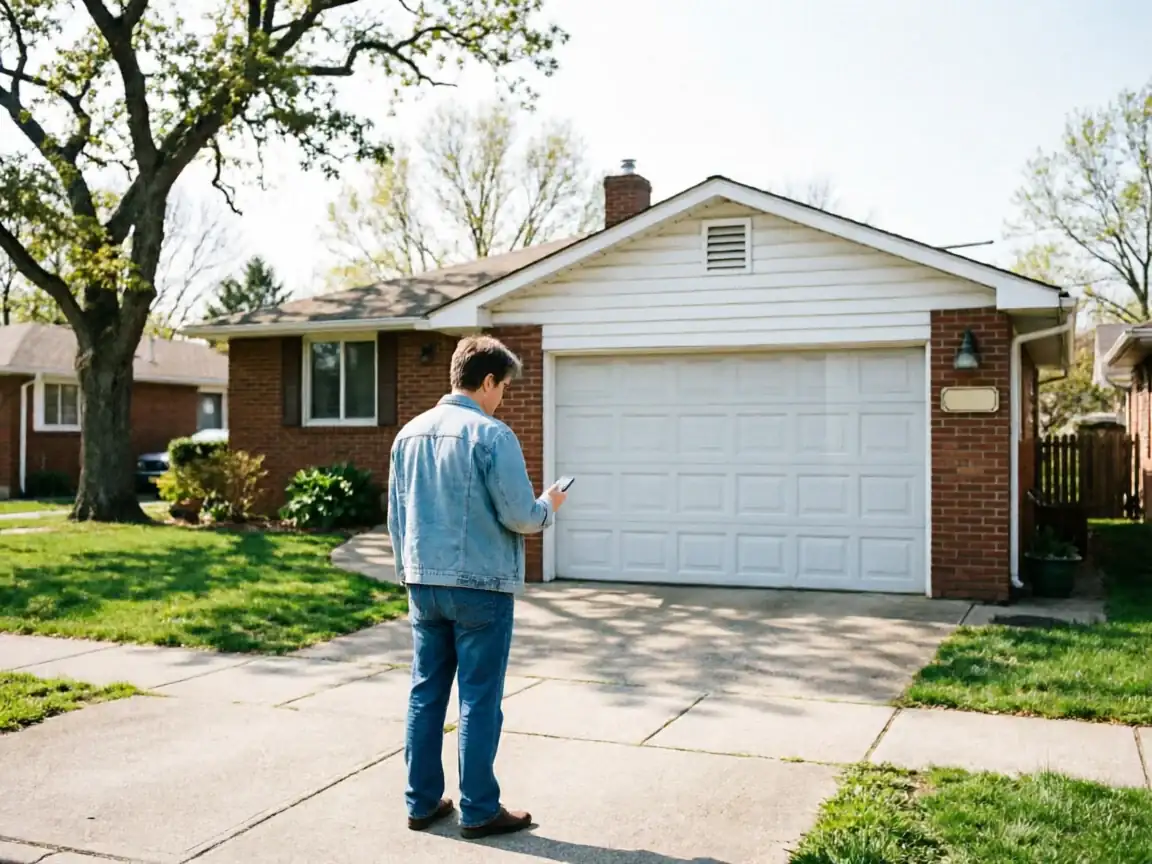
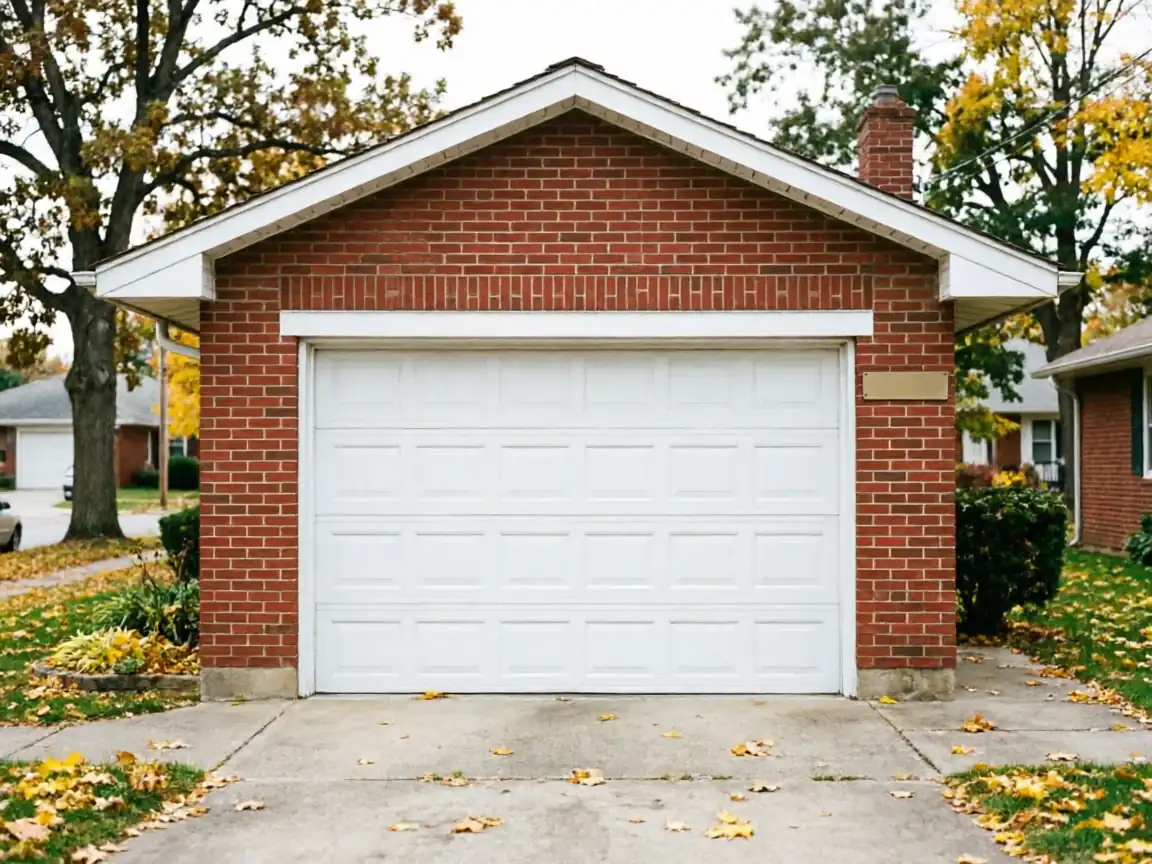
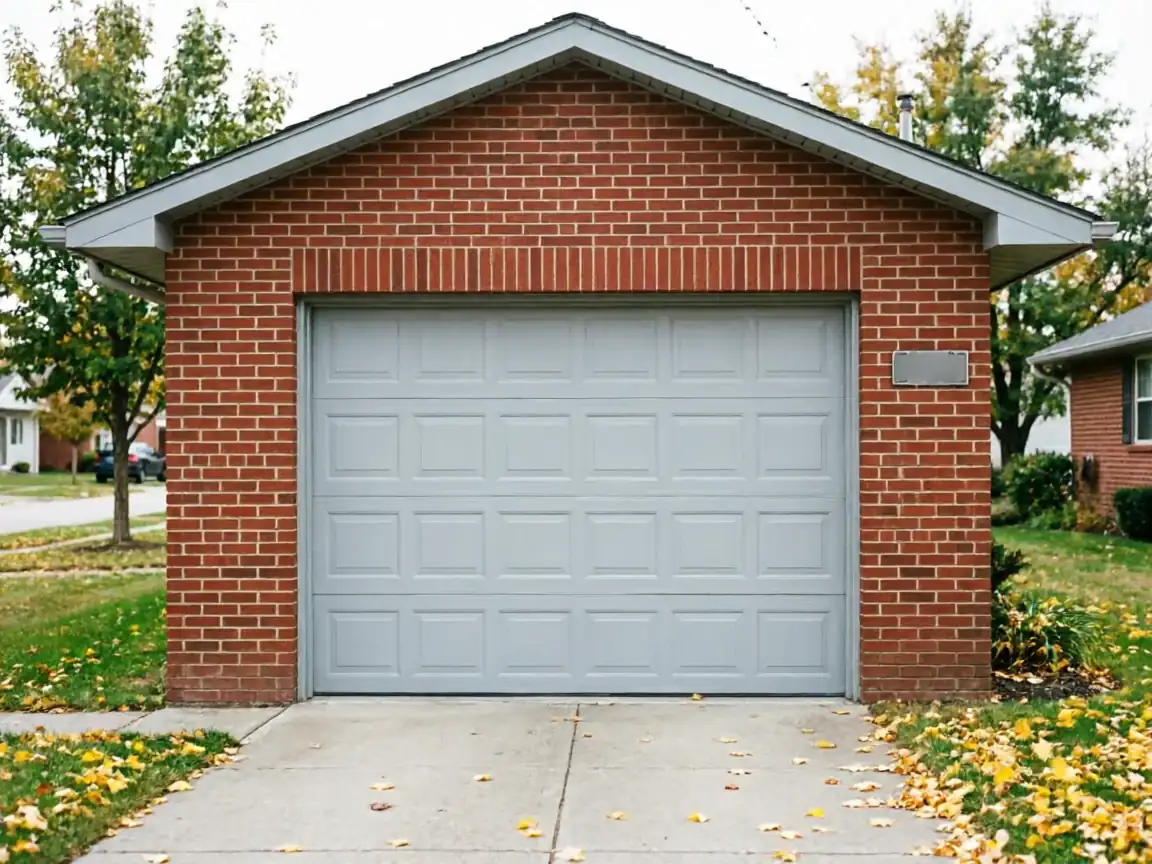
The fault we run into most in Bannockburn isn't a broken spring, it's a mismatch. Most homes here went up around 1975, part of the wider wave of 1960s-70s construction across this part of the service area. Door openings from that era were framed for a single steel panel door, often lighter gauge, with a header that wasn't built to carry a heavier insulated door or a wider two-car opening.
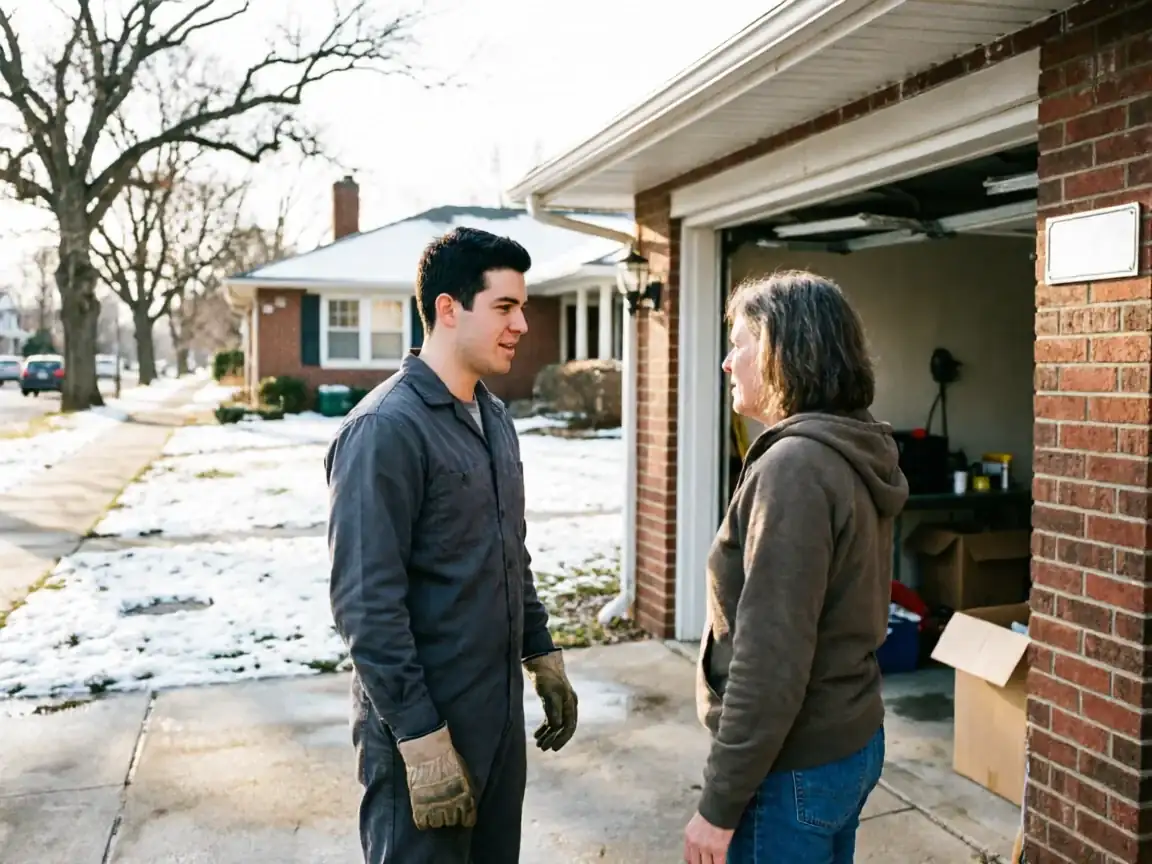
When a homeowner orders a new door off a showroom floor without checking the rough opening and jamb condition first, the install turns into a framing job. We've seen jambs that are a half-inch out of plumb after fifty years of settling, which a new door's weather seal won't forgive the way an old one did. Add in low headroom on some of these garages - common in homes built before double-insulated doors became standard - and a straight swap isn't always straight. This isn't a scare story. It just means the quote has to account for what's actually behind the old door, not just the door itself.
How Long It Takes
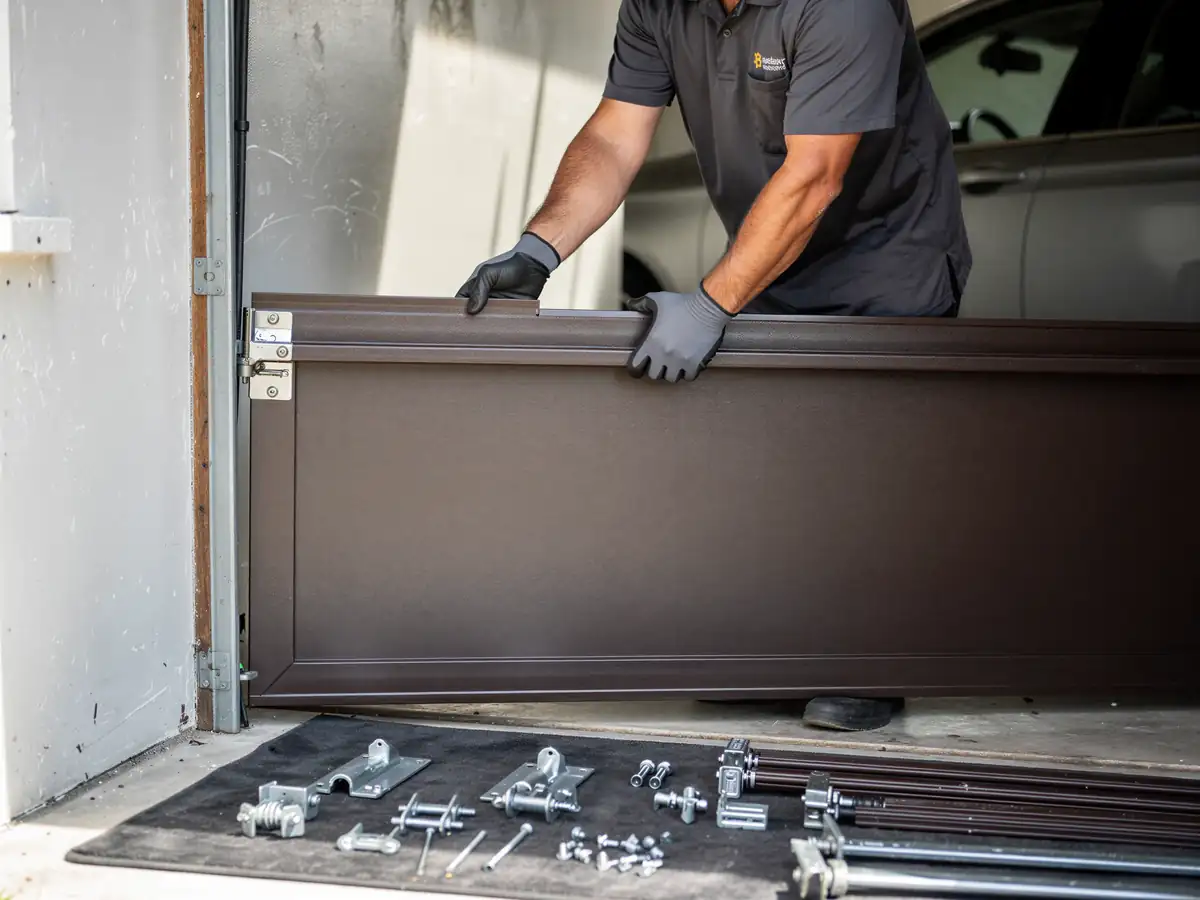
A clean swap, where the opening is square and the jamb is solid, is usually a one-day job: old door out, new door and track in, opener reattached or replaced, balance set. That's the baseline for most of the homes we see in this area.
Where it runs longer is the framing work described above. If we're correcting a jamb or building out a header to carry a heavier insulated panel, add a half day to a full day, depending on what we find once the old door is off. We won't know the exact number until we're standing in the opening - nobody can quote that honestly from a phone call. What we can tell you up front is that a straightforward job doesn't turn into a multi-day project here; it's either simple or it's a half-day more, not a week more.
Can You Do This Yourself
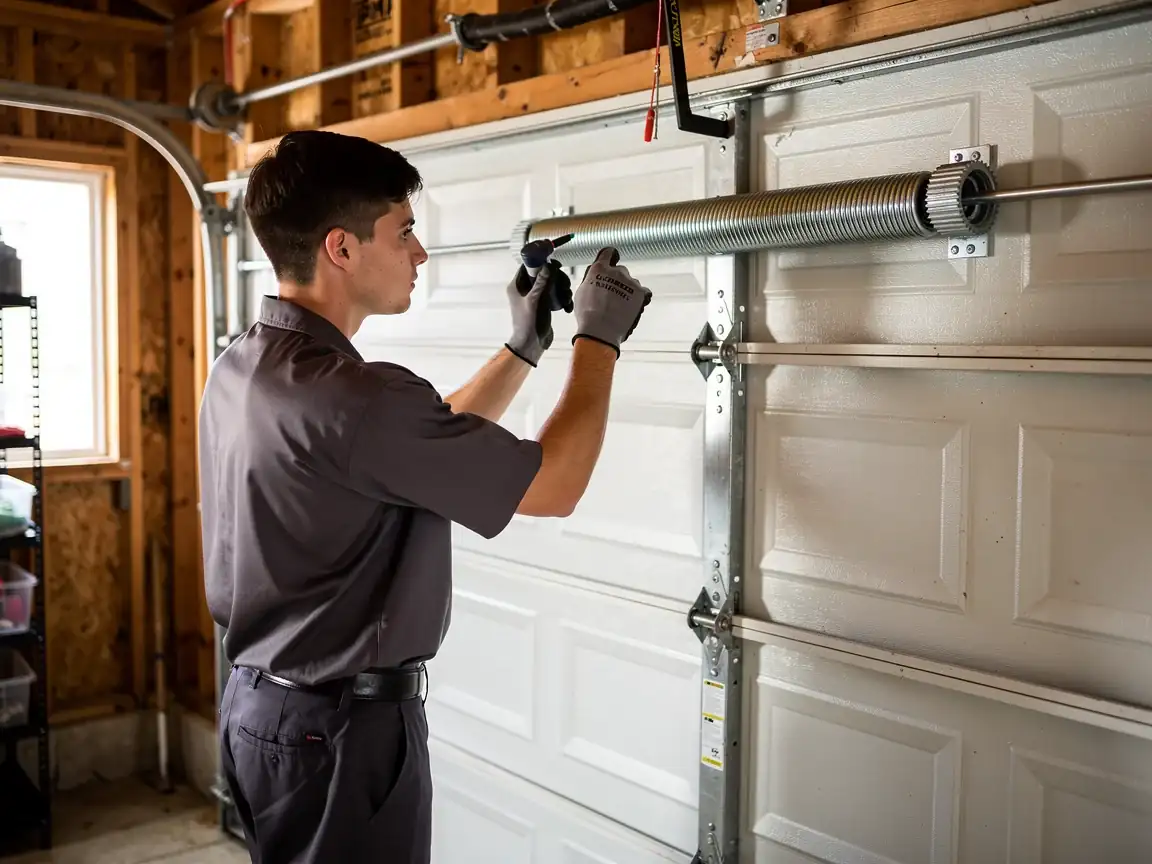
Mounting a new garage door yourself is possible if you've done it before and have the right clamps for the torsion spring
Most people haven't, and that's the part that puts people in the ER - a wound torsion spring under tension is not a DIY learning moment.
The bigger risk in a house from this era is the framing
If the jamb needs correcting or the header needs reinforcing to carry a heavier door, that's carpentry plus door work, and getting it wrong means a door that's heavy on one side of the track within a year. If your current door and opener are working fine and you just want a cosmetic upgrade on sound framing, that's a smaller job and more forgiving. If you're not sure which situation you're in, that's worth a look before you order a door.
What You Are Seeing
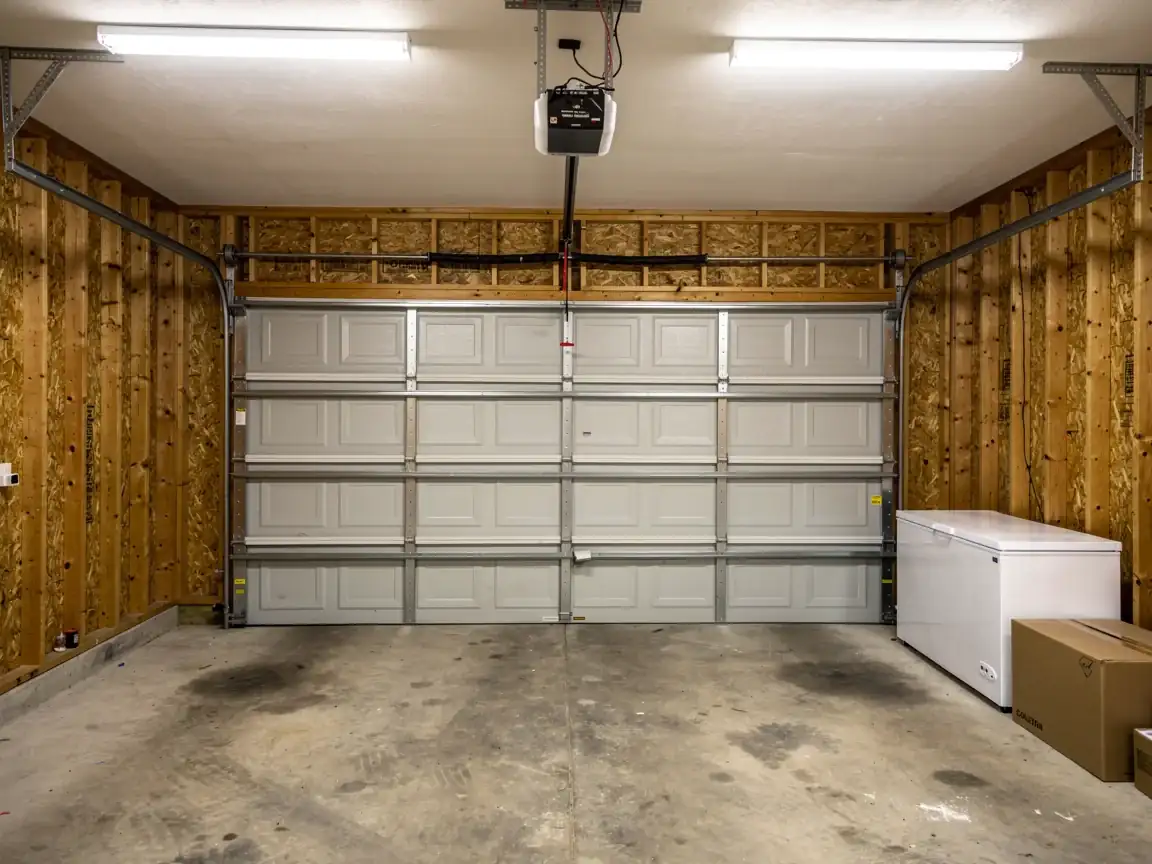
If your garage door was original or near-original to a mid-1970s build, you're probably seeing a thin steel panel with no foam core, extension springs mounted overhead rather than a torsion bar, and a jamb that's taken fifty winters of freeze and thaw. In this climate band - cold enough that moisture and temperature swings work on wood and hardware every season - that combination ages out the weather seal first, then the panel itself starts to dent or bow.
You might also be seeing an opening that looks narrow by today's standard, built for a single door that a lot of households here have since widened or want to widen for two cars. That's a structural change, not just a hardware swap, and it's the kind of thing that decides whether your project is a day or two days.
What the Fix Involves
We start by checking the opening against the new door's actual dimensions, not the box label - width, height, and headroom clearance for the track. If the jamb is out of plumb, we shim or rebuild it before the door goes in, because a door hung on an uneven jamb never seals right no matter how good the weatherstrip is.
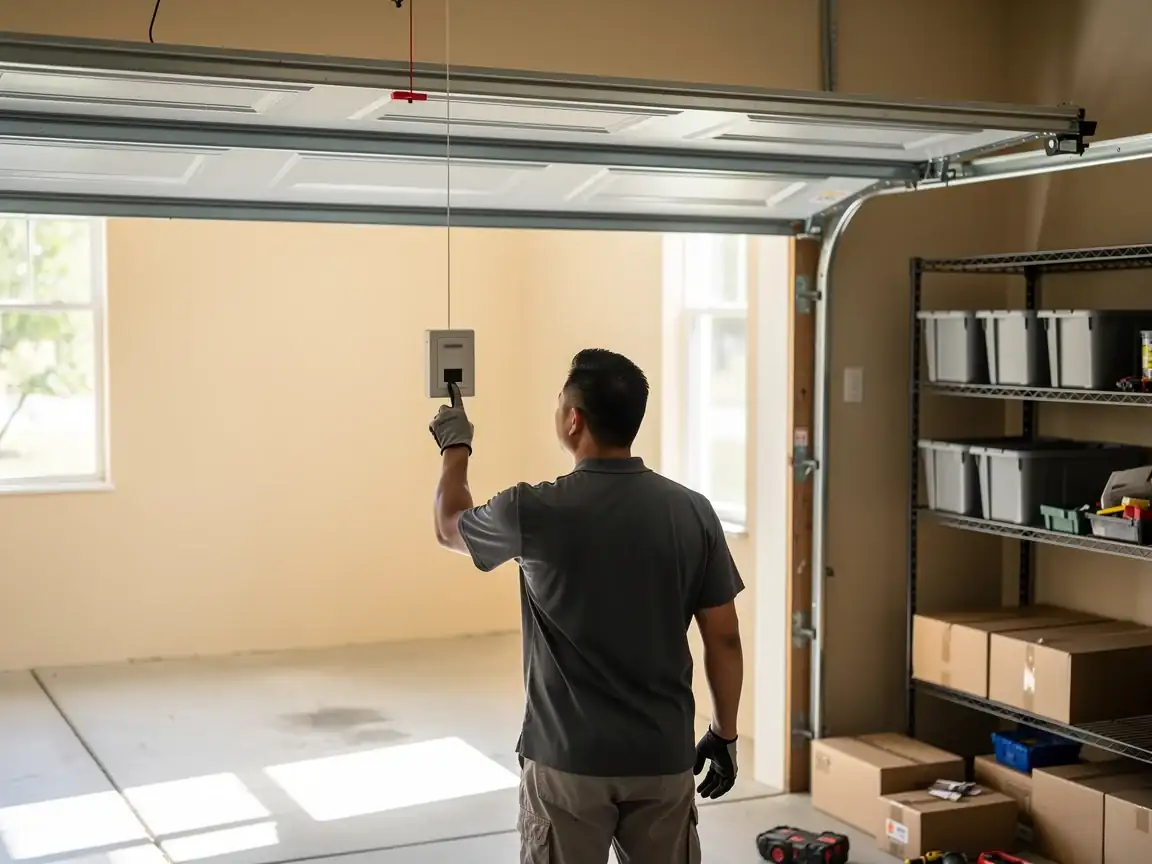
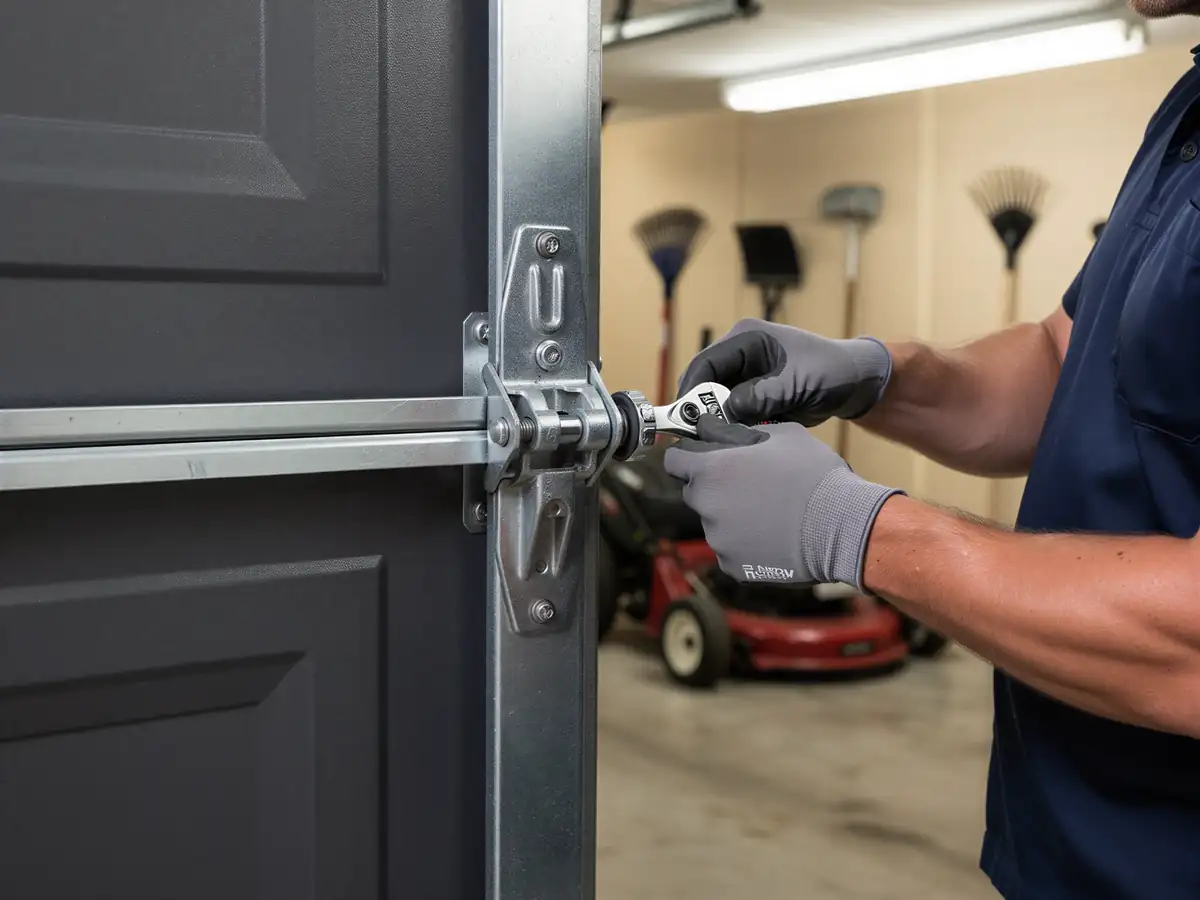
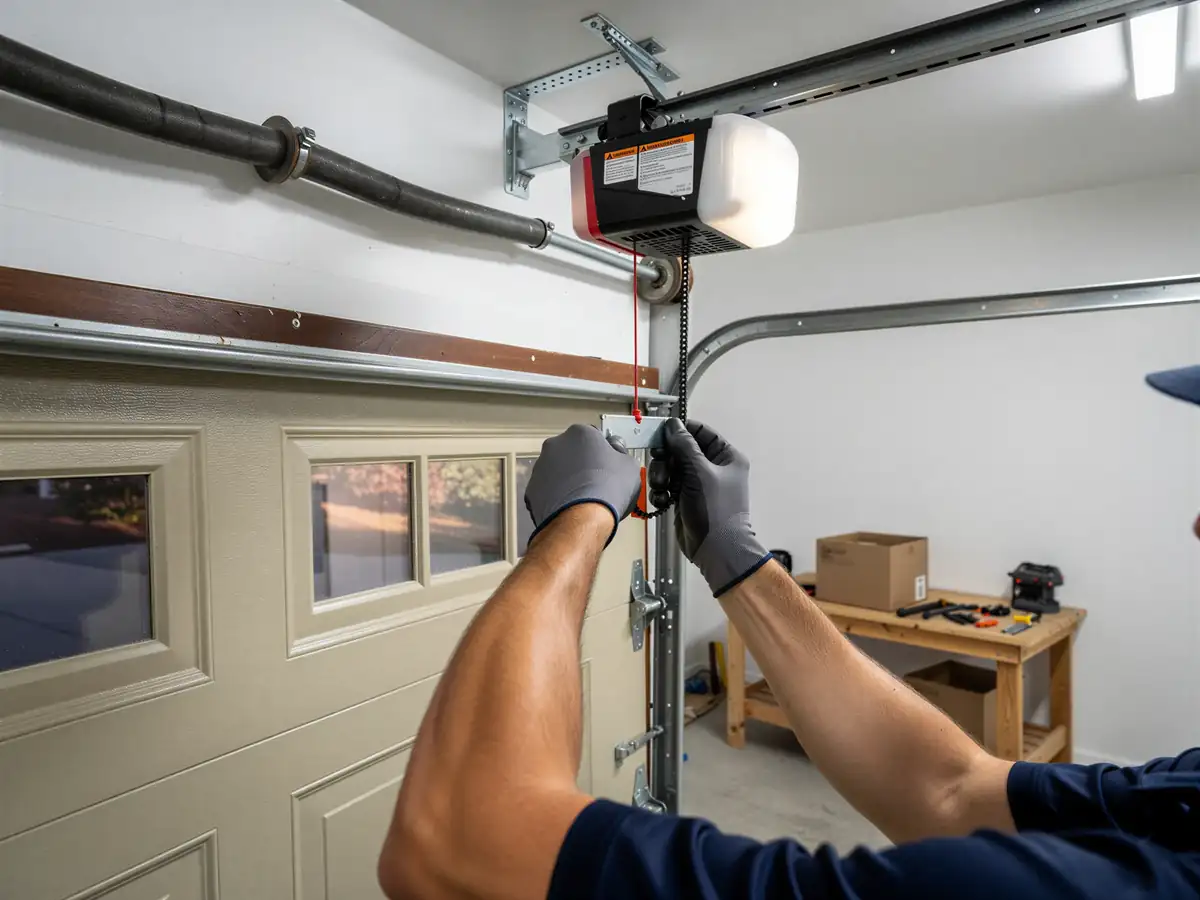
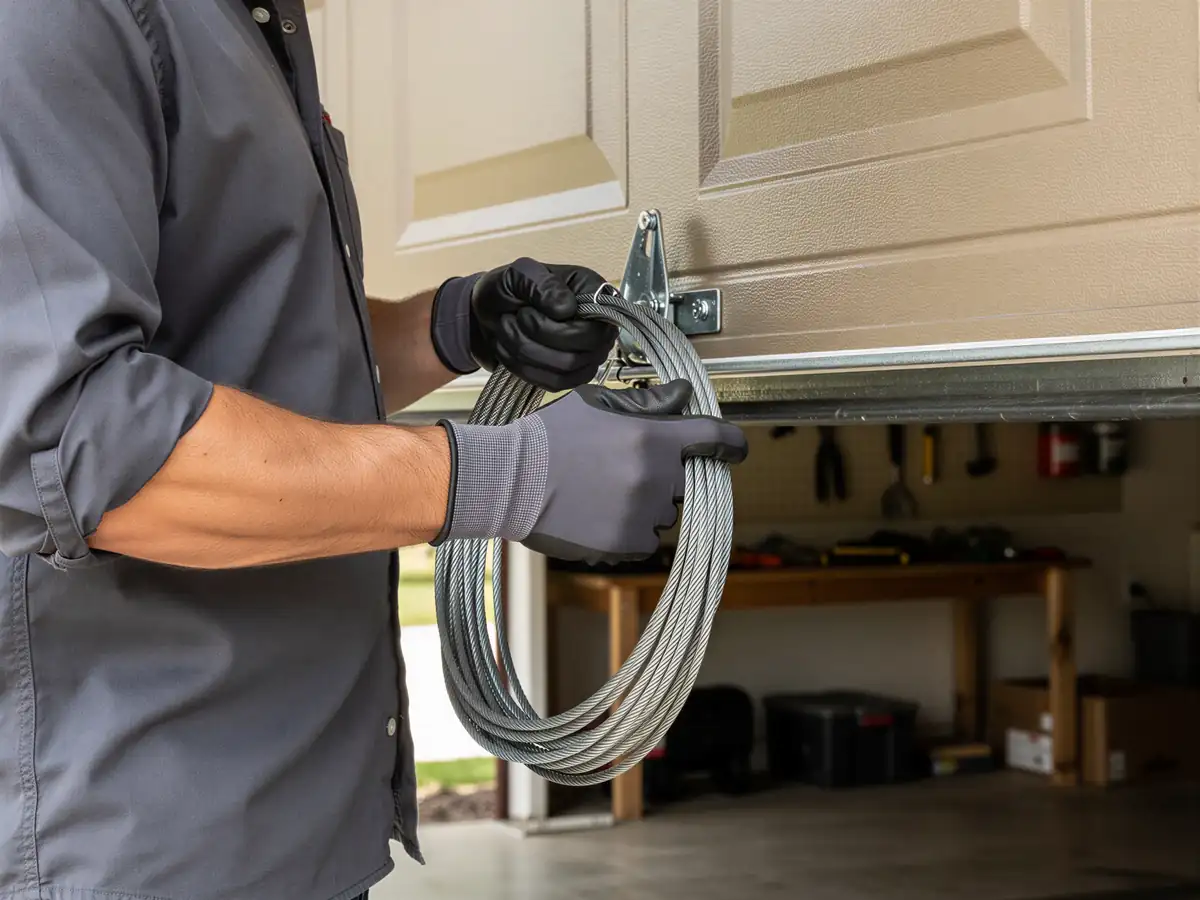
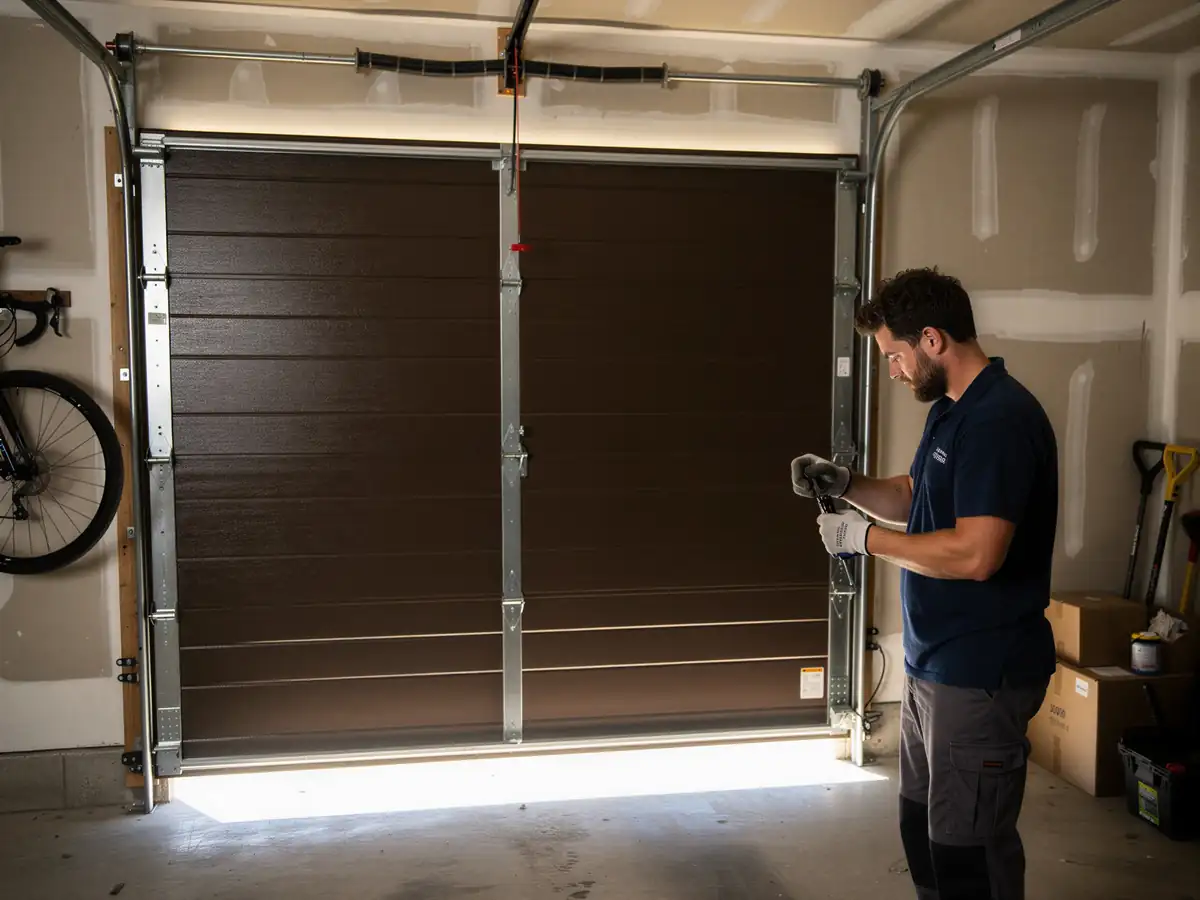
Next is the spring system. Most new installs here go to torsion springs on a bar rather than old-style extension springs, because torsion holds balance better over the life of a heavier insulated door. We set the track, mount the door, balance it so it holds at any point when lifted by hand, then connect the opener and test the travel limits and auto-reverse. If the header needs reinforcing to carry the extra weight of an insulated panel, that gets done before the door, not patched after.
Parts We Carry
We stock common torsion springs sized for standard single and double residential doors
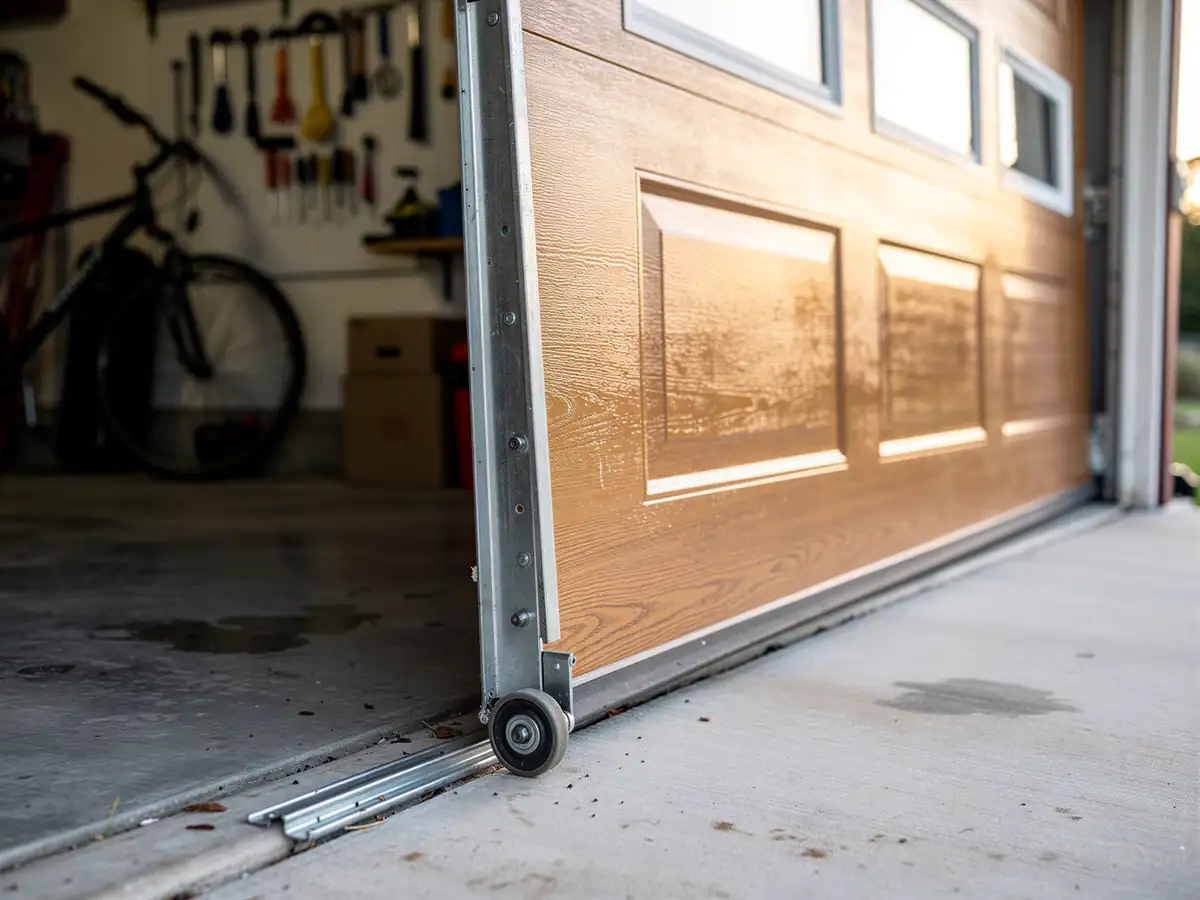
Standard track and roller hardware, and openers in the belt and chain drive styles most homeowners ask for. What we don't keep on the truck is anything custom-sized for an oversized or architecturally unusual opening - those get special-ordered, and lead time on that runs longer than a standard part.
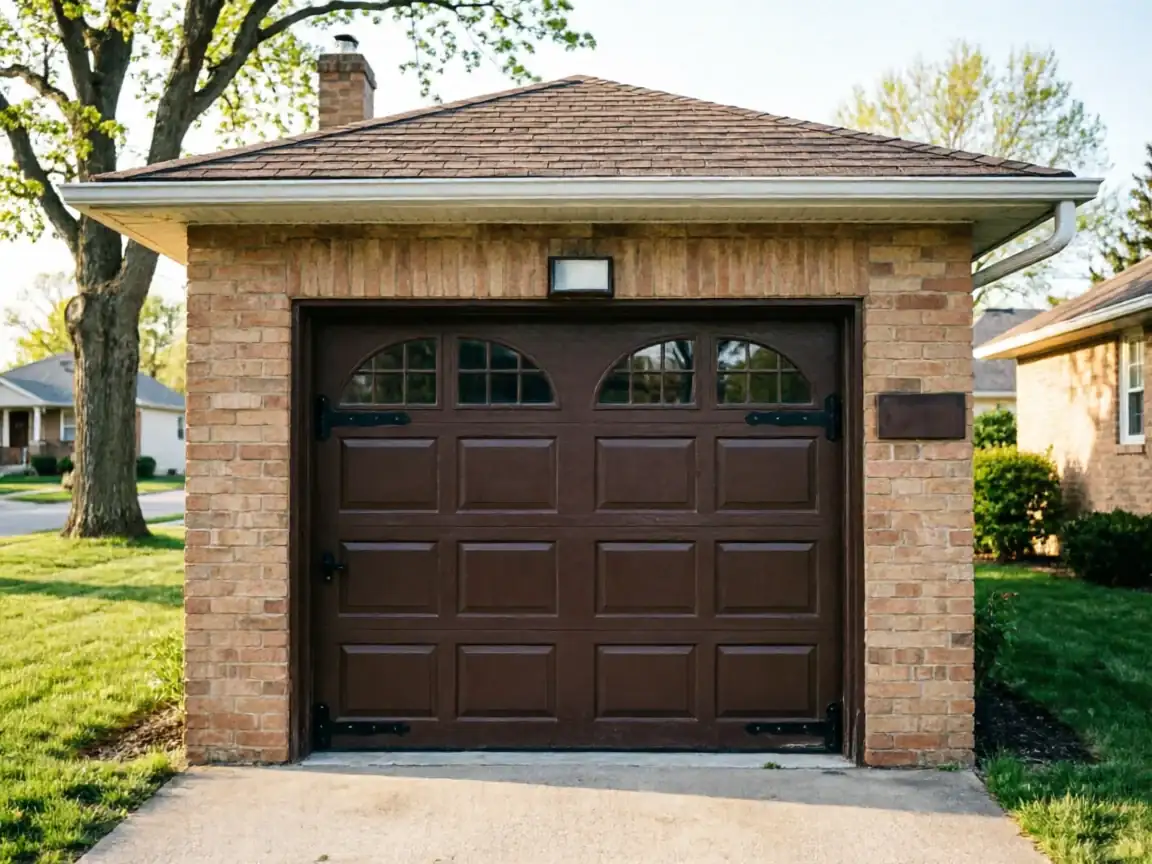
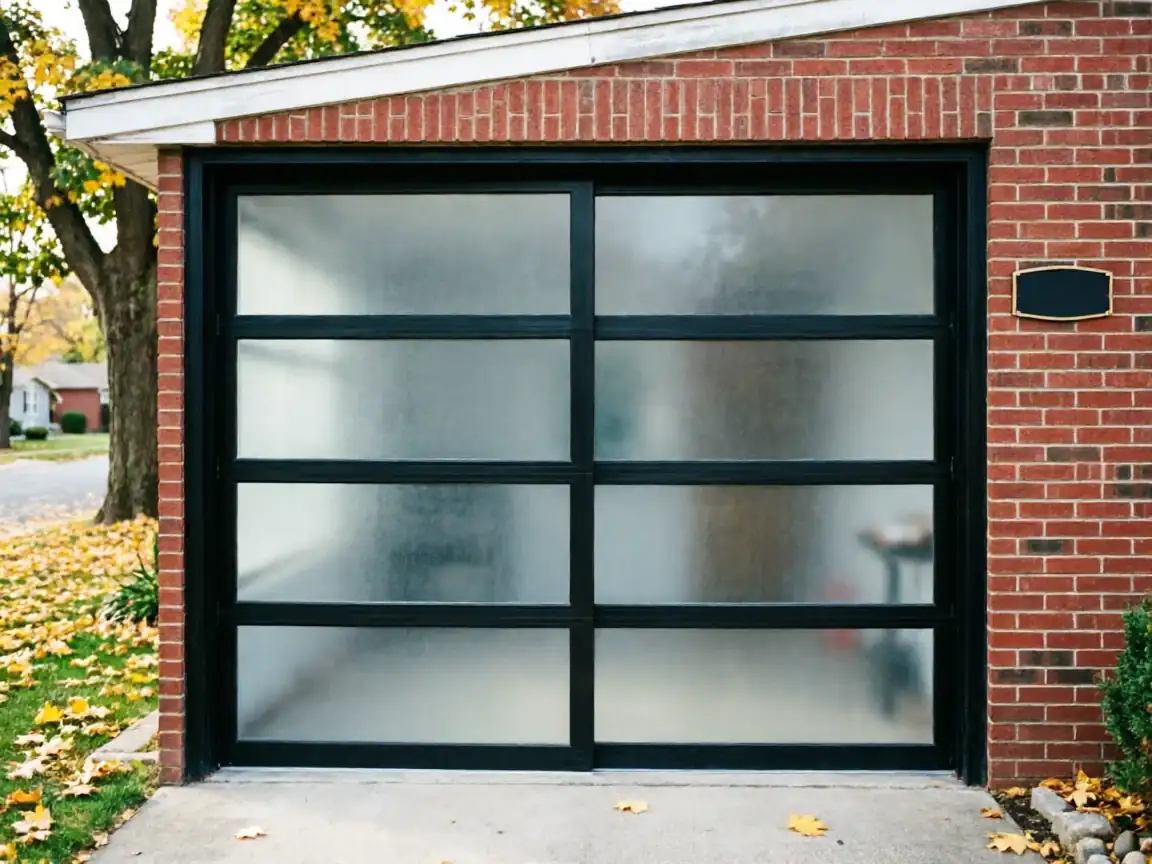
Given the income level in this area, we see more requests for upgraded insulated doors and quieter belt-drive openers than for the baseline builder-grade option
And we carry stock to match that. If your opening turns out to need a non-standard width because of a past widening job, we'll tell you that at the quote stage rather than after the old door's already off the hinges.