The Complications
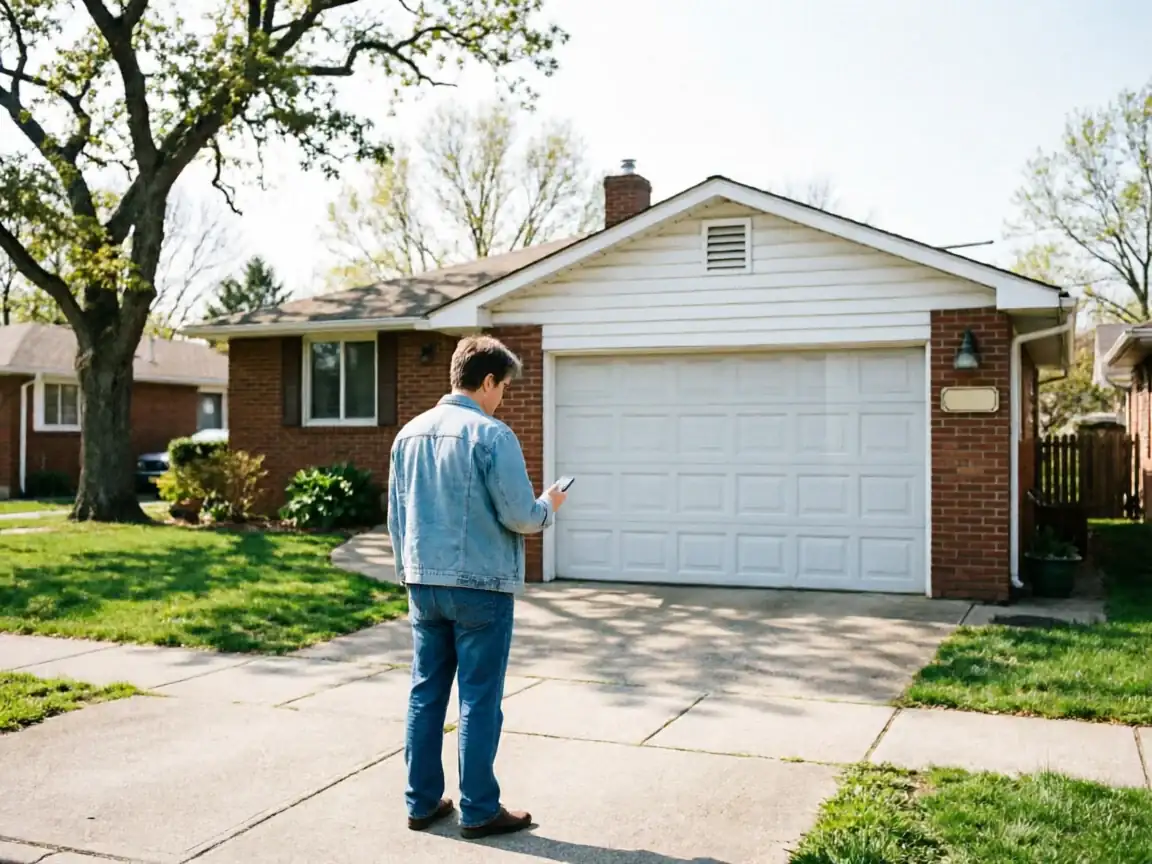
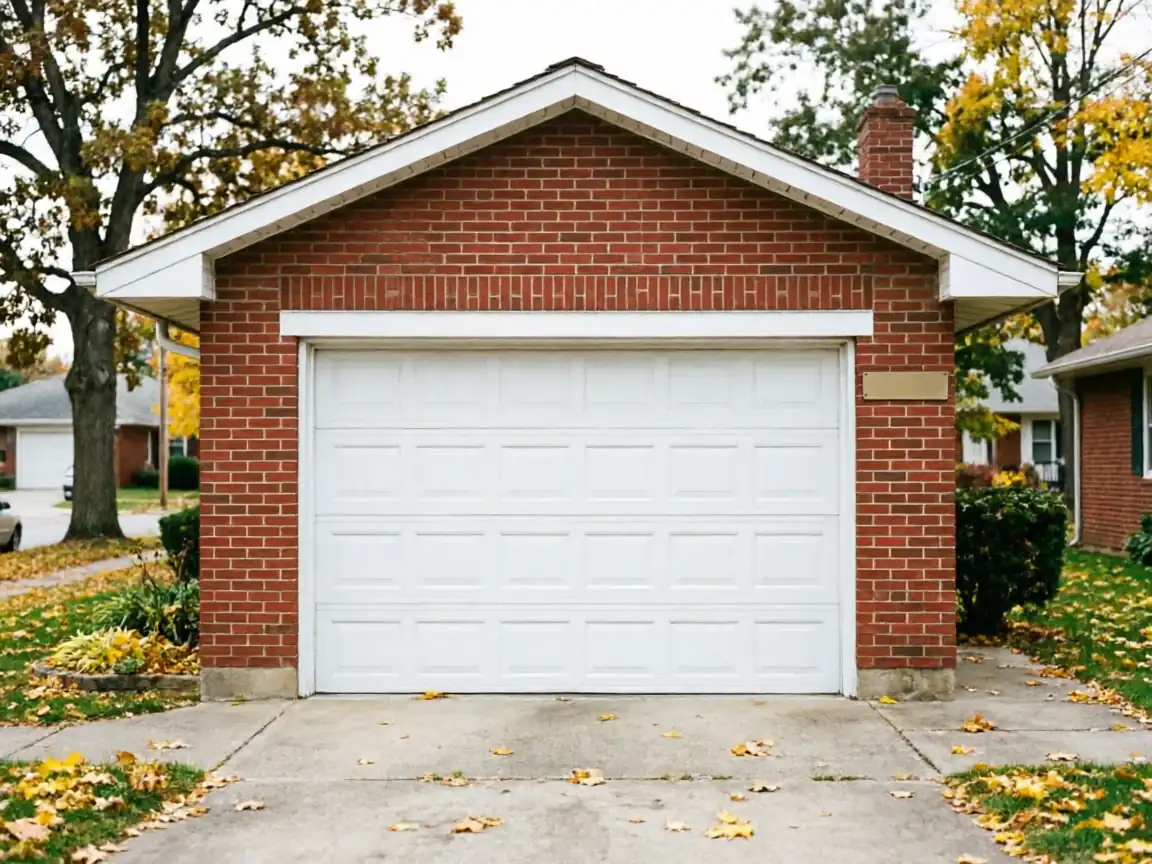
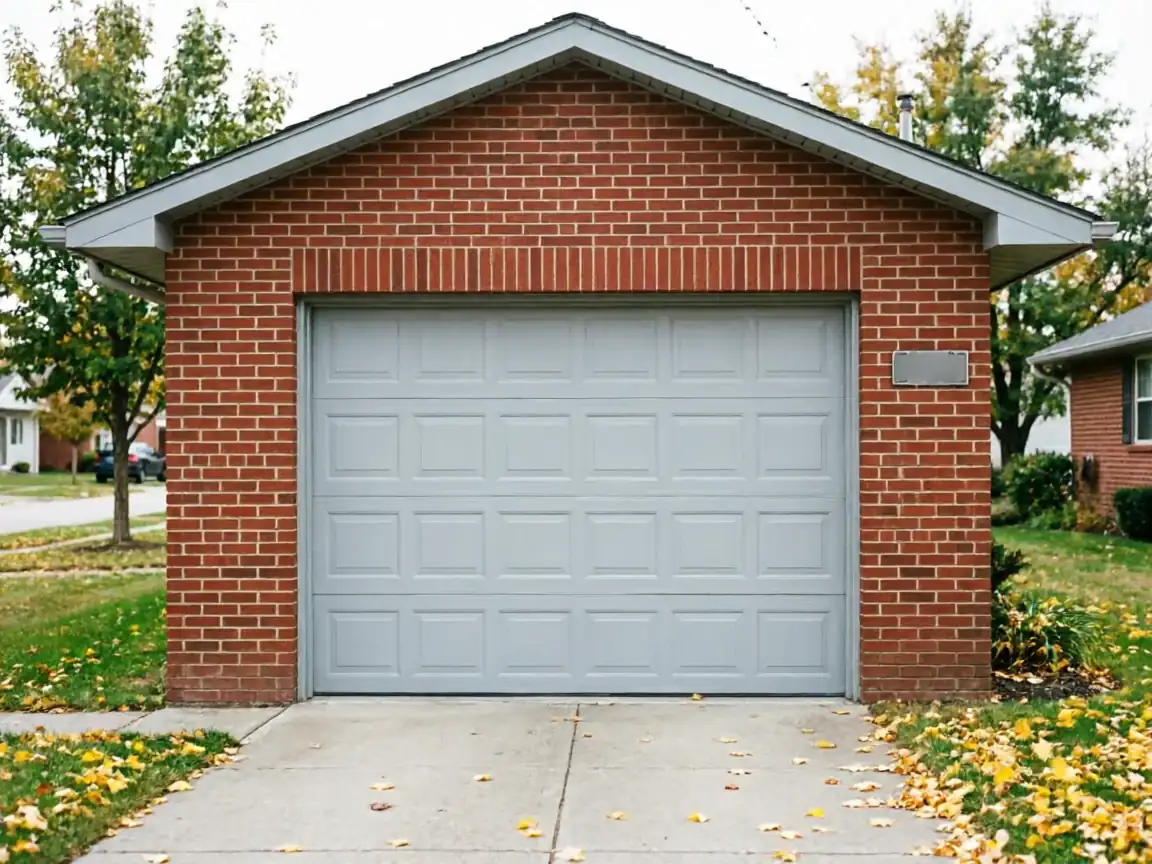
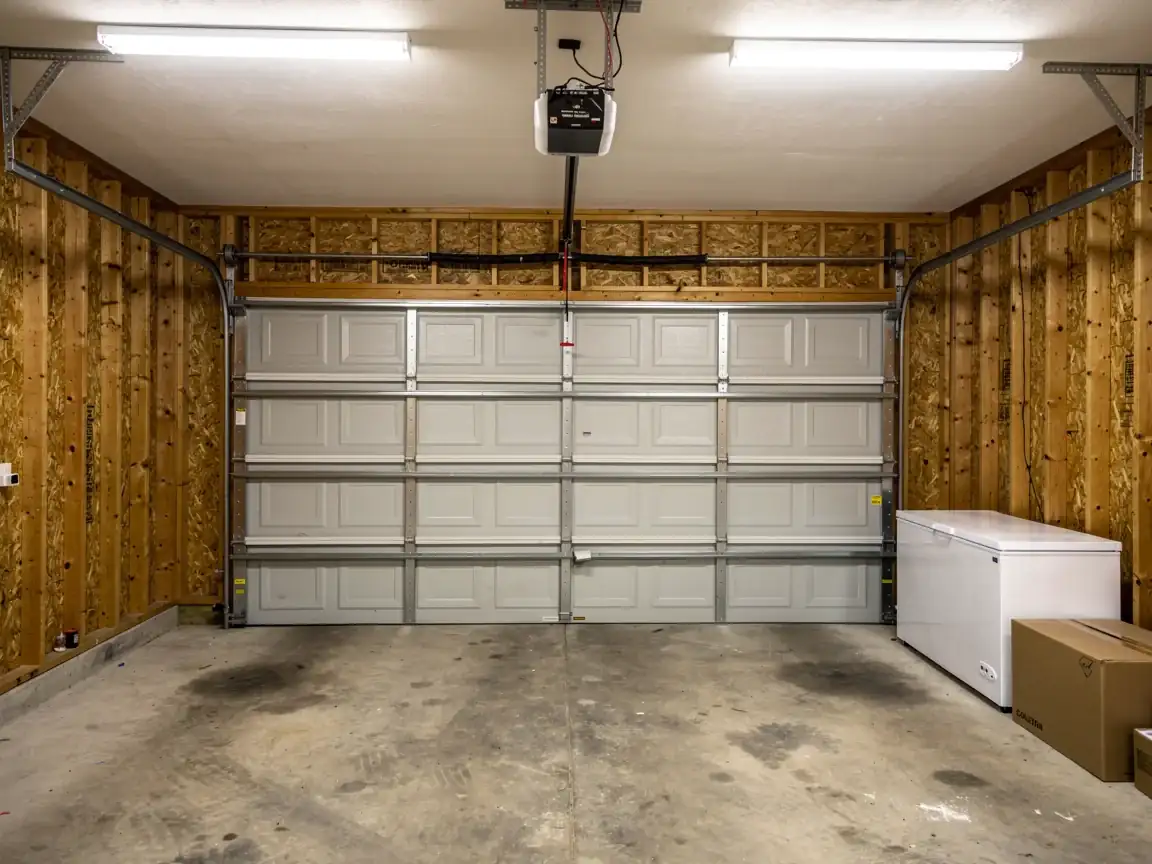
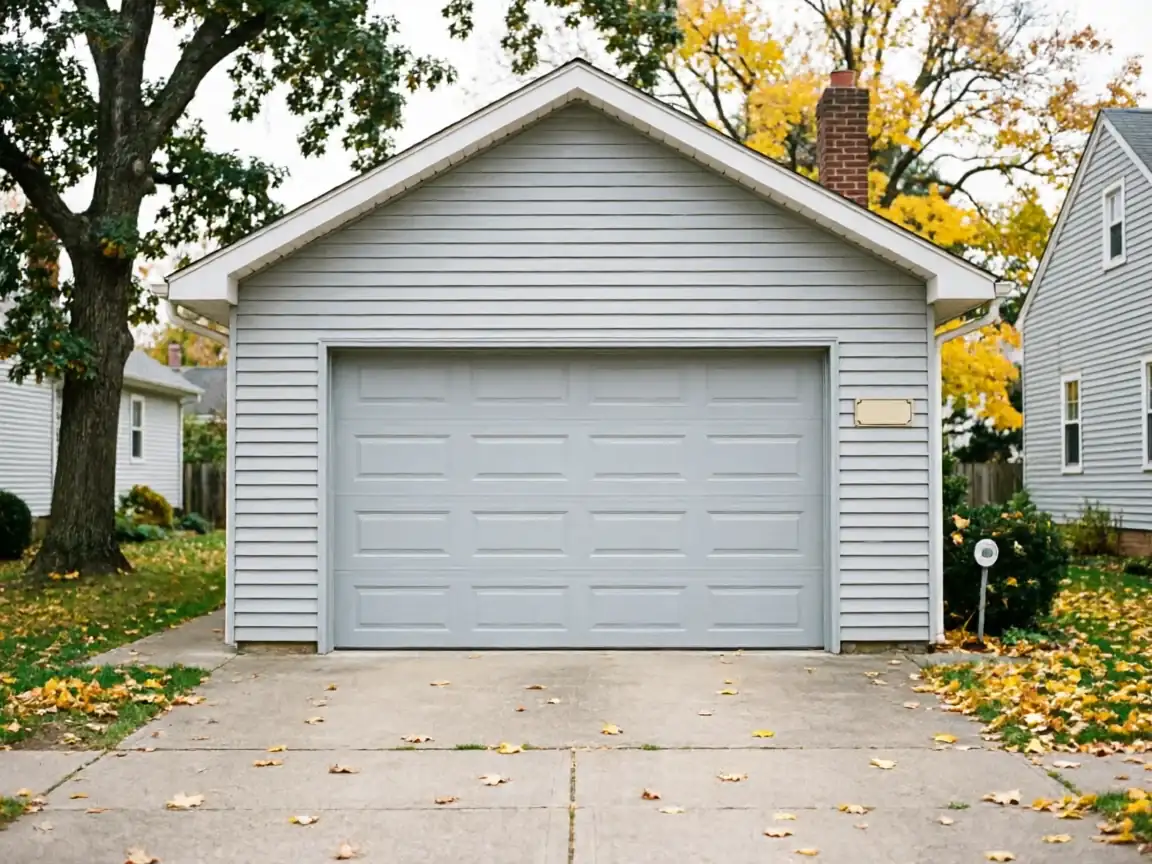
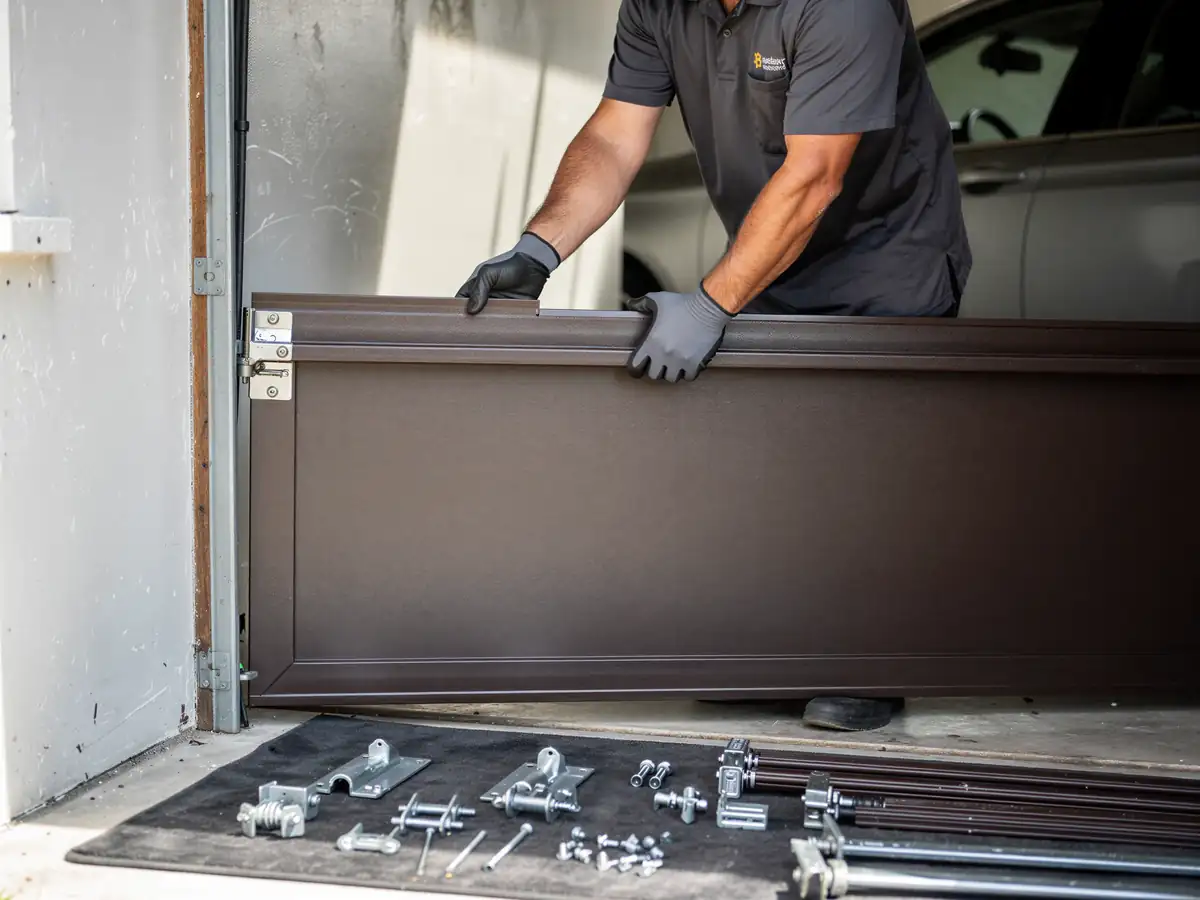
Most of the garage doors standing in Bannockburn today went up around 1975, which was still the era of plain steel sectional doors hung on extension springs with exposed side cables, not the enclosed torsion bar setups builders moved to later. Those doors are heavier than they look, usually a single layer of steel with no insulation sandwiched inside, and they were built with the assumption that someone would grease the track and check the cable drums every so often. Fifty years on, the complication isn't usually the door itself failing all at once. It's that the hardware was never swapped out when it should have been, so a pulley that should have been replaced twenty years ago is still carrying weight, slightly out of round, slowly cutting into the cable it guides. On a door this old, small neglect compounds. A dry hinge doesn't just squeak, it starts to bind the roller against the track, and that extra drag is what finally snaps a spring that had another two or three winters left in it if it had been lubricated on schedule. We see this pattern across the older stock in this part of the service area, and a house built in the mid-1970s is squarely in that window.
How Long It Takes
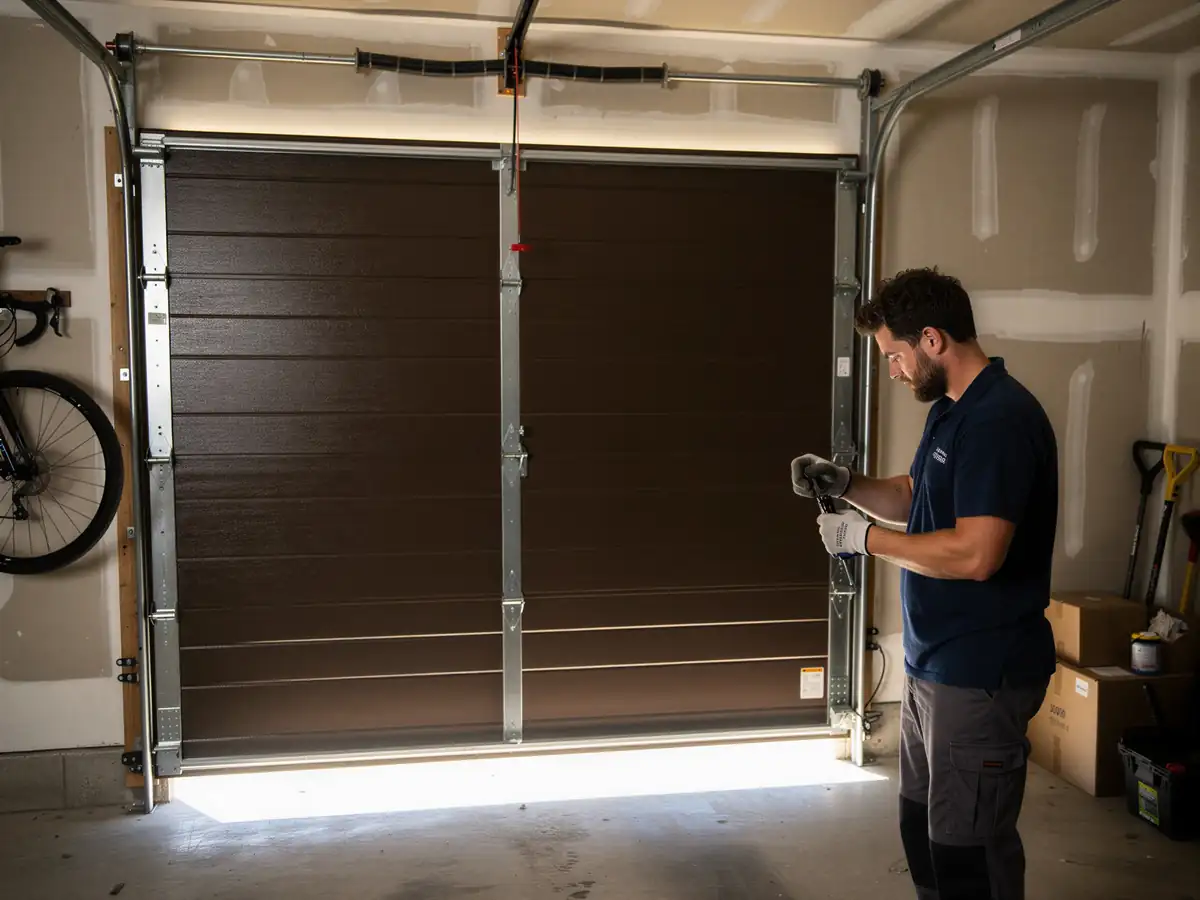
A maintenance visit on an extension-spring door like the ones common in Bannockburn runs longer than it would on a newer torsion setup, mainly because there's more exposed hardware to check by hand. Each spring, each pulley, each cable end gets inspected individually rather than through a single enclosed assembly. We're not going to quote you a fixed number of minutes here, because a door that's been maintained on a regular schedule takes less time than one that hasn't been touched in years and needs every roller cleaned of old grease and grit before new lubricant goes on. What we can tell you is that the visit is built around the door you actually have, not a generic checklist. If the original 1975 hardware is still in place and sound, we service it in place. If a spring or pulley is past the point of safe adjustment, that gets flagged before we move on, not patched over so the visit looks shorter on paper.
What You Are Seeing
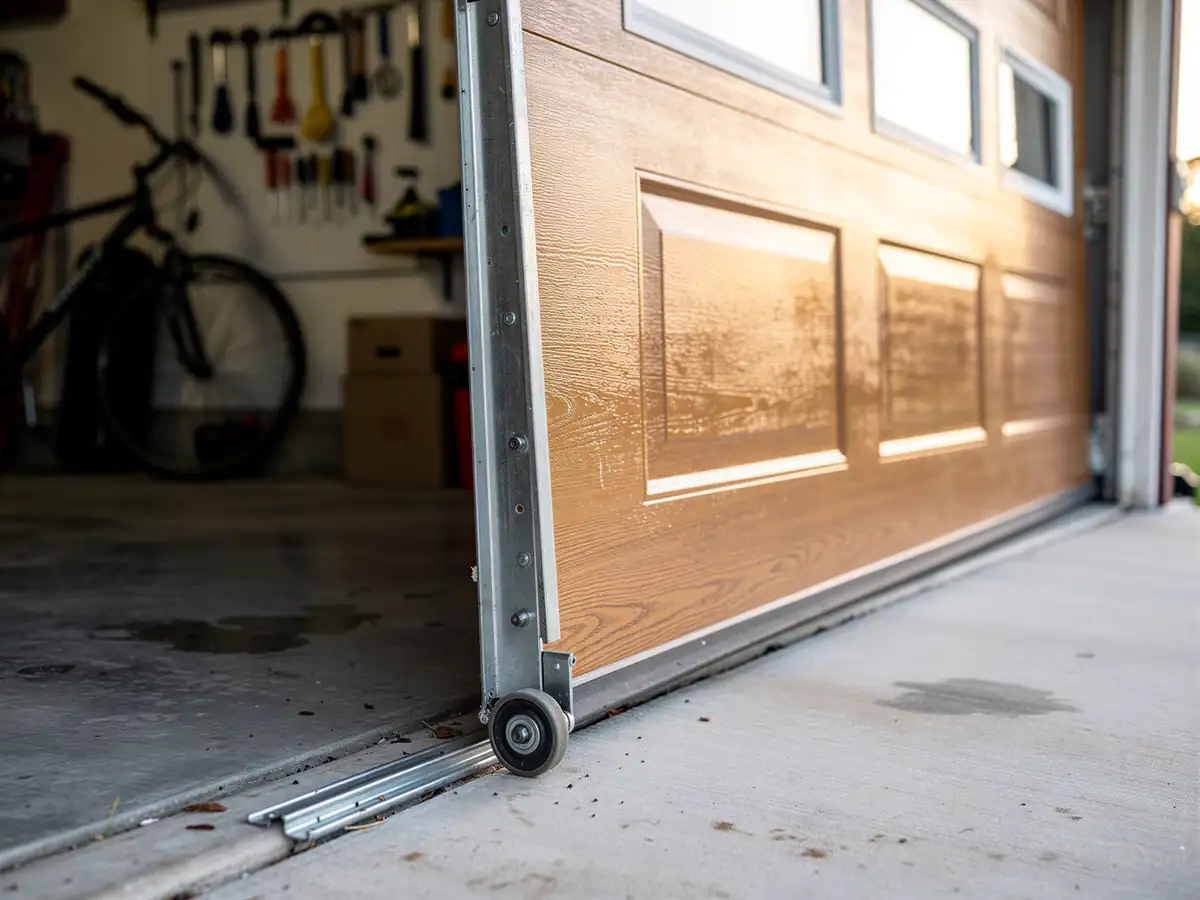
On the doors we see in Bannockburn, the early signs are usually small and easy to dismiss. A roller that chatters instead of rolling smoothly. A door that closes a little crooked, dropping faster on one side than the other, which usually means one cable has stretched or slipped on its drum while the other hasn't. Rust starting at the bottom corners of the panels, where condensation sits longest in a cold winter. Hinges that have gone from a quiet squeak to a grinding sound when the door bends at the joint. None of these mean the door is about to fail tomorrow, but on hardware pushing fifty years old, they're the signs that the next uneven load is more likely to be the one that snaps something. The door doesn't usually give warning right before a spring breaks. The warning is what's happening in the weeks before that, if you know what to listen for.
What the Fix Involves
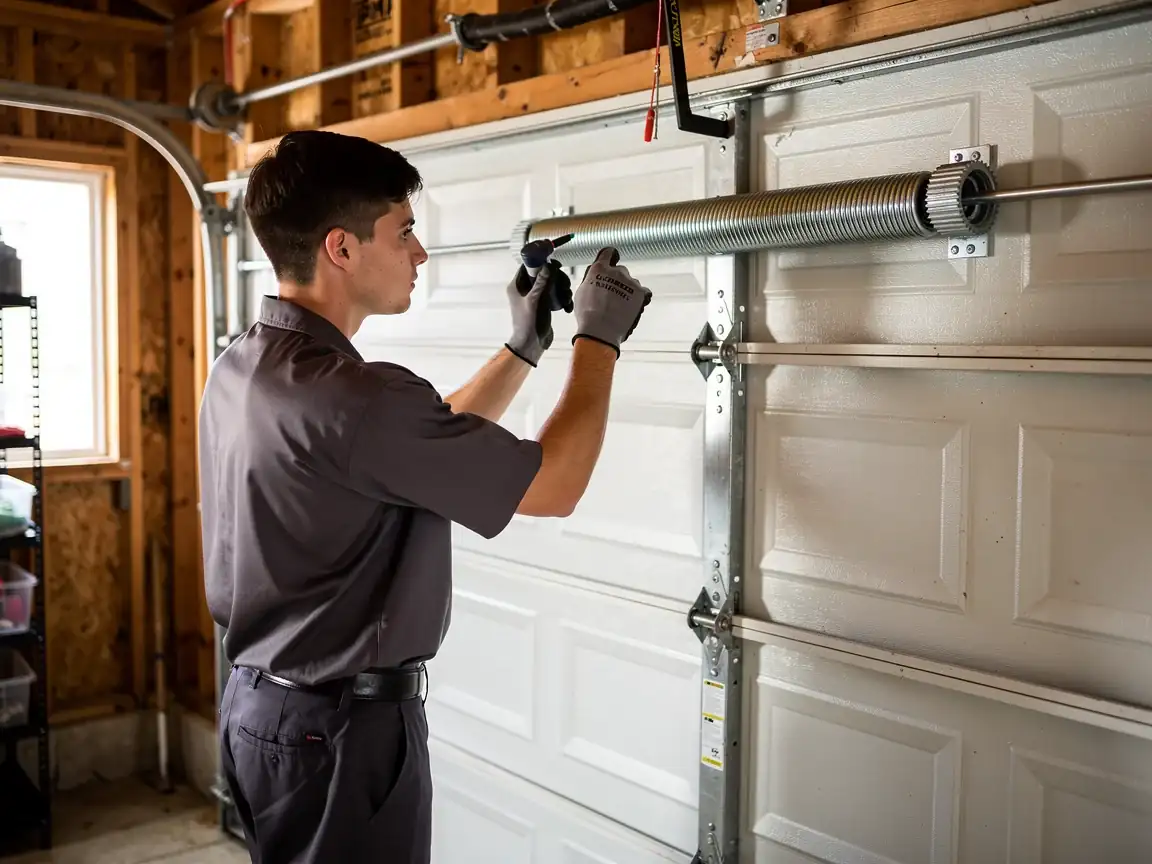
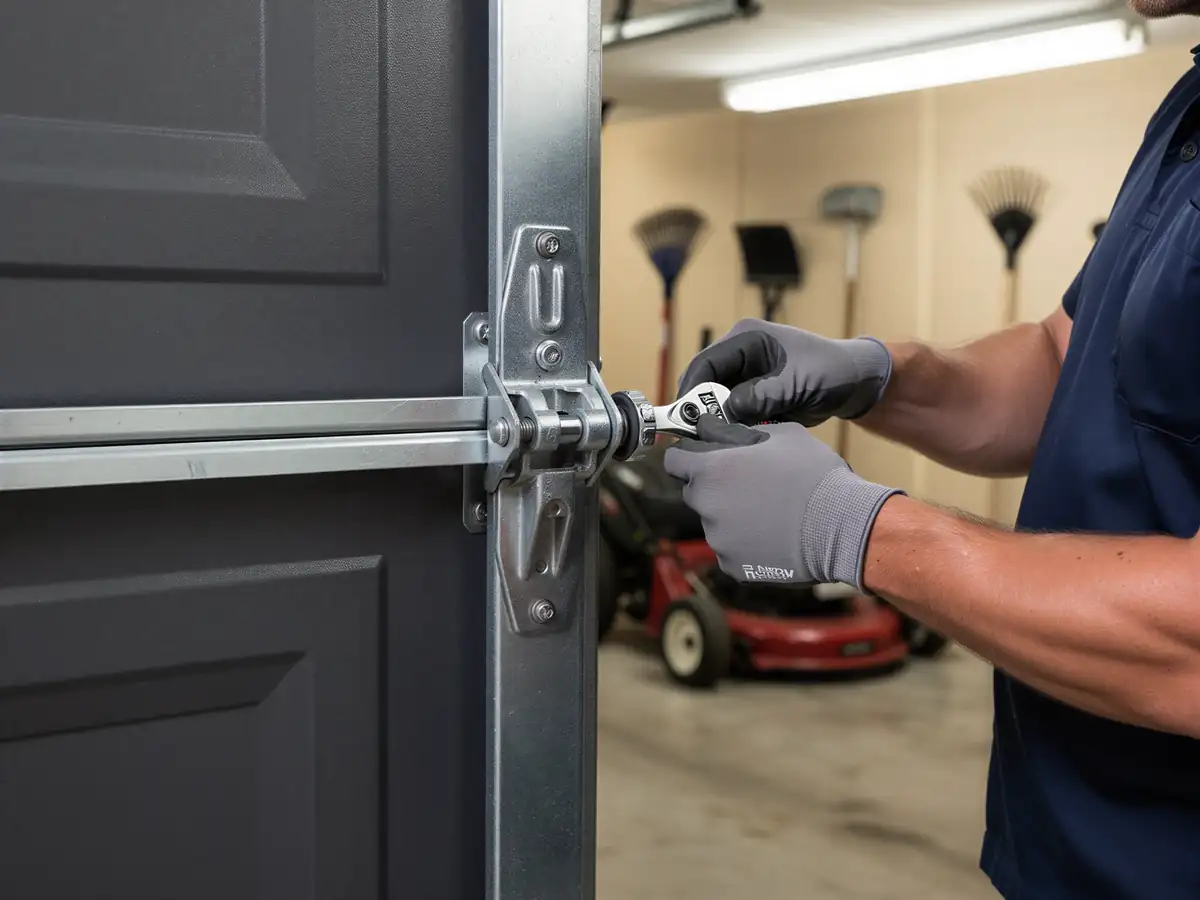
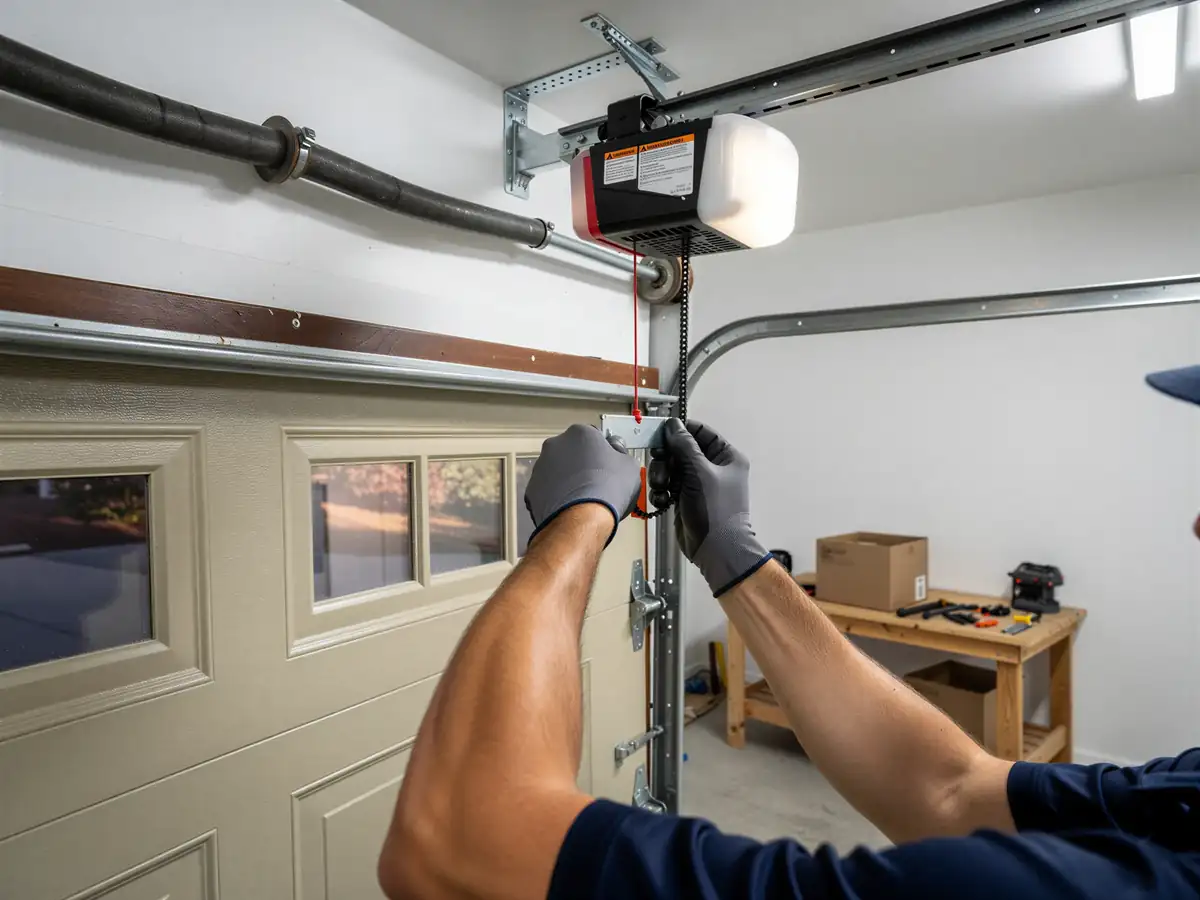
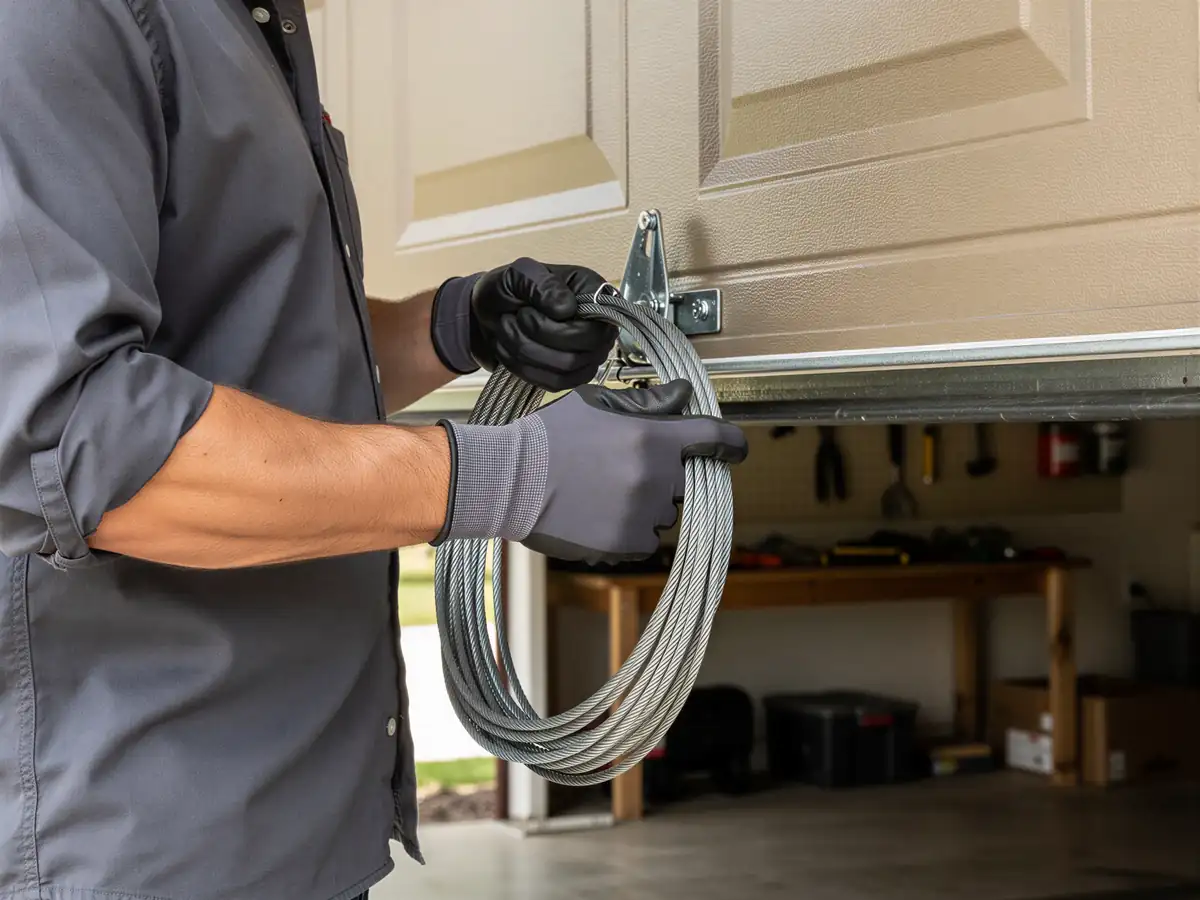
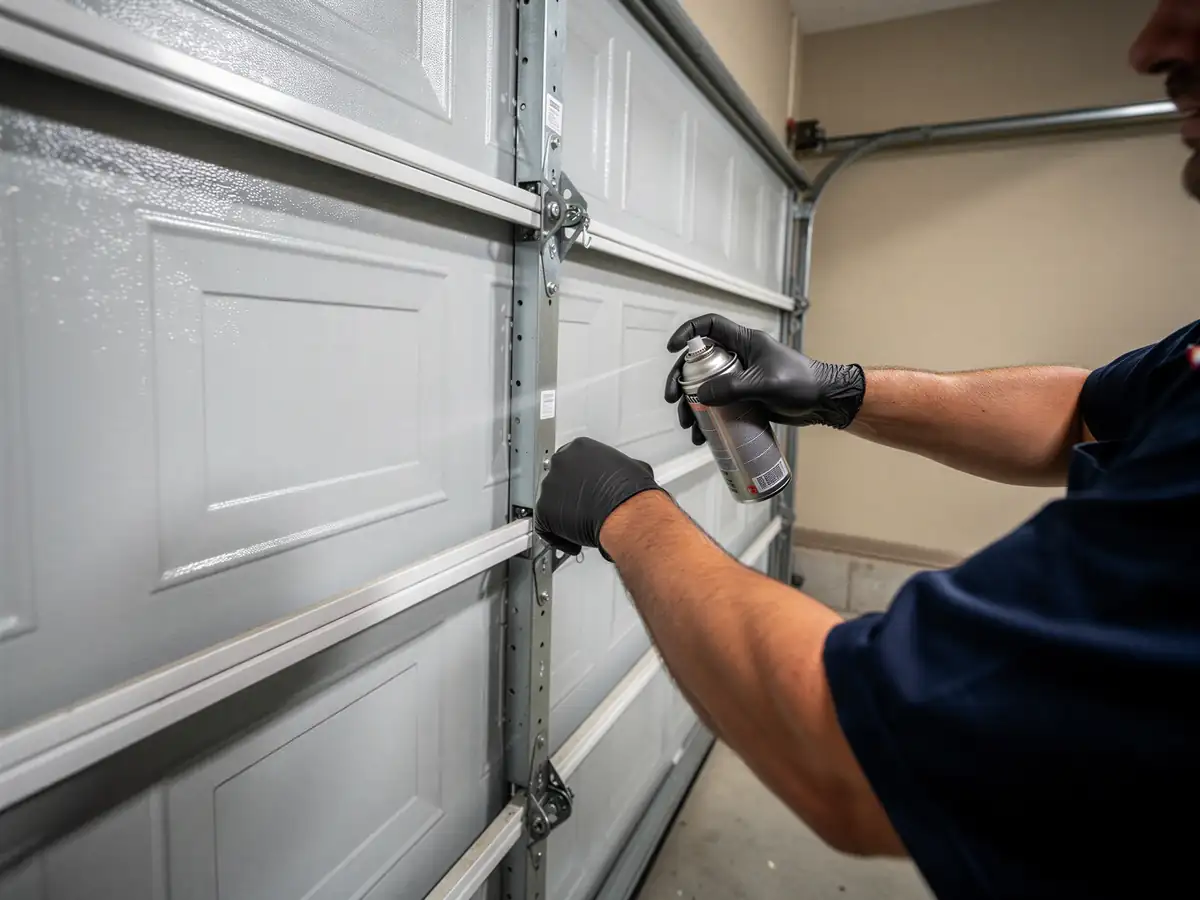
A proper maintenance visit on an older door starts with the track, checking it's still plumb and hasn't shifted with the house settling over the decades, then moves to every roller and hinge, cleaning out old hardened grease before anything new goes on. We check spring tension and look for stretching or gaps between coils, check both lift cables end to end for fraying rather than just at the visible section near the bottom bracket, and check the drums they wind onto for wear grooves. On a steel door from this era we also check the panel seams and the bottom seal, since a worn seal lets cold air and moisture in where it will eventually rust the lowest panel from the inside. None of this replaces the door. It's aimed at getting the original 1975 hardware through another winter safely, and telling you plainly when a part is close enough to failure that maintenance isn't the right call anymore.