The Complications
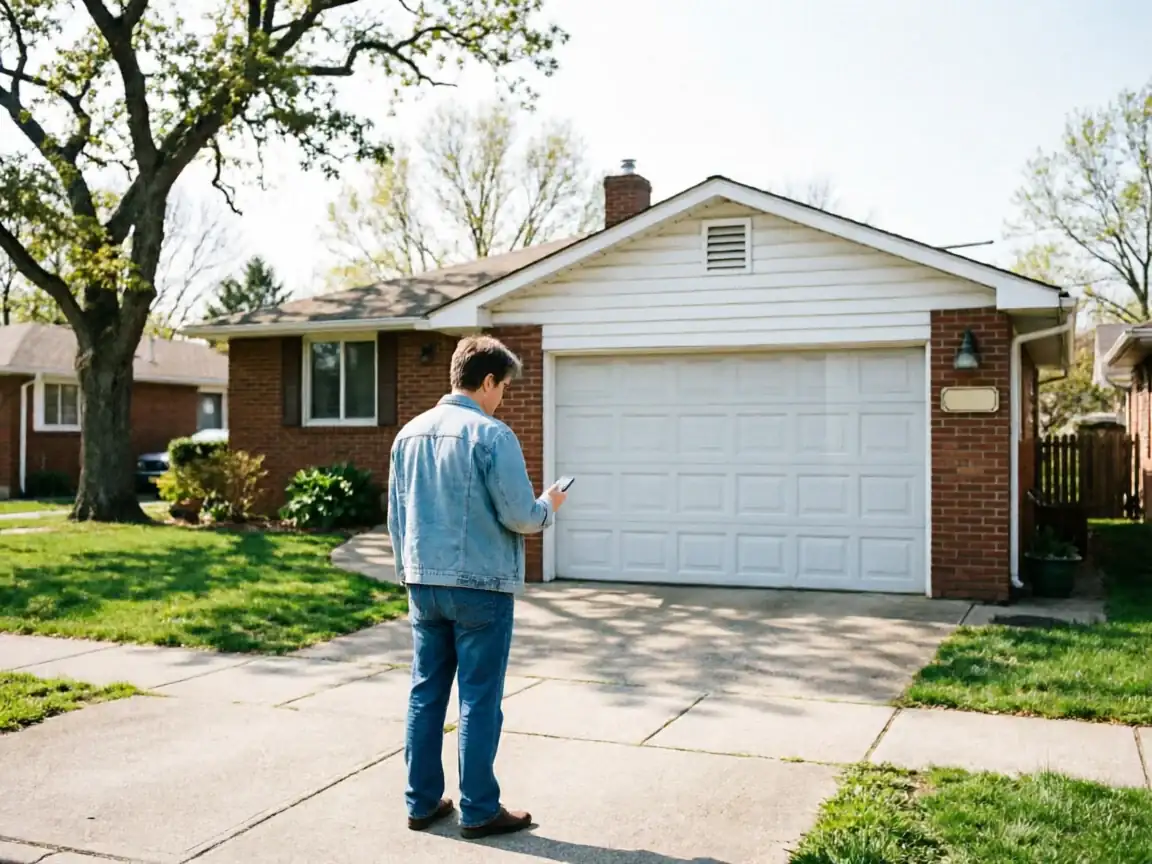
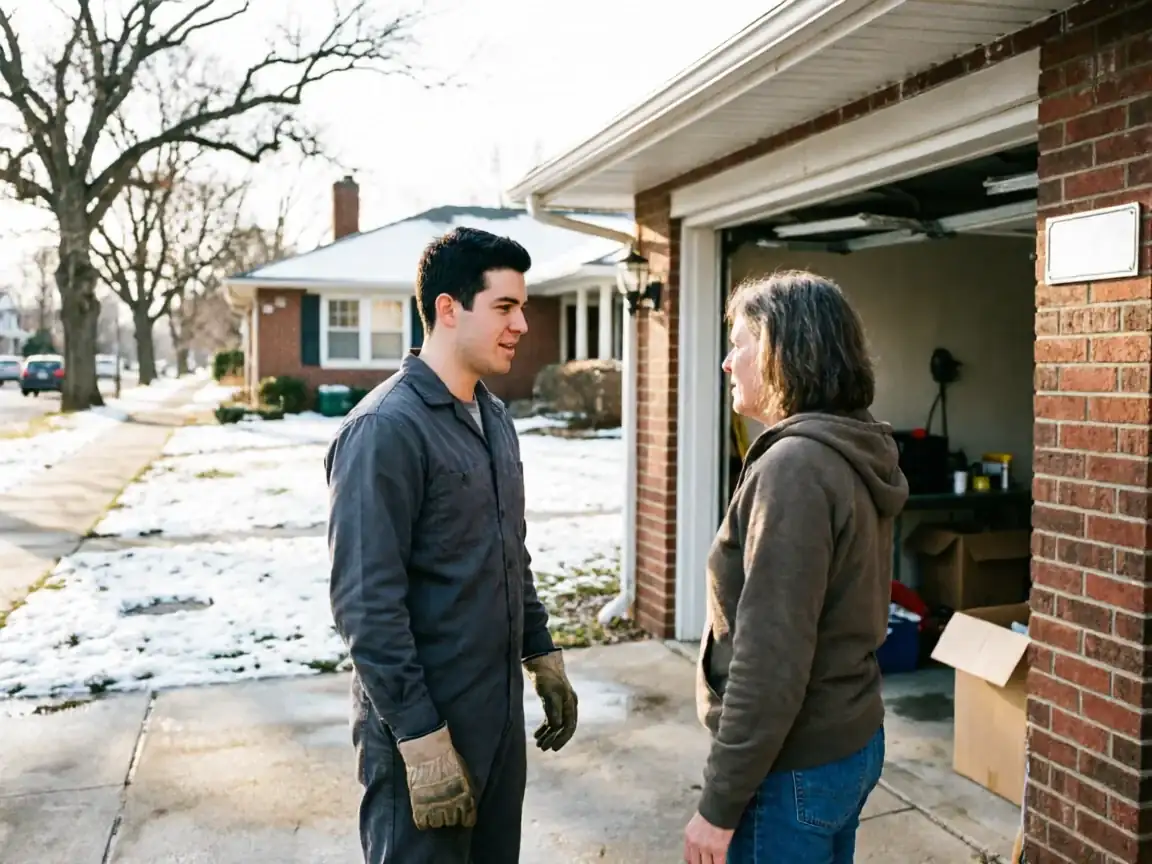
Bannockburn's median household income sits at $195,625, far above the roughly $125,104 median across the wider service area we cover from Deerfield. That number matters more than it sounds like it should. When a torsion spring snaps or an opener board fries, a lot of owners here don't want a patch job that buys two more years - they want the door fixed right, or they want it replaced with something better than what's failing. We see that choice made differently in Bannockburn than in towns where a $300 repair has to stretch as far as it can go. Neither choice is wrong. But it means the first conversation on a service call here is often shorter: is this worth fixing, or is this the door's last repair. Houses in this pocket tend to date to around 1975, which puts them square in the 1960s-70s stock that makes up most of the broader service area. That generation of door and opener hardware has specific failure points, and it's rarely the newest stuff on the market now. We drive the 2 miles over from Deerfield for these calls, same as we do for the rest of the area.
How Long It Takes
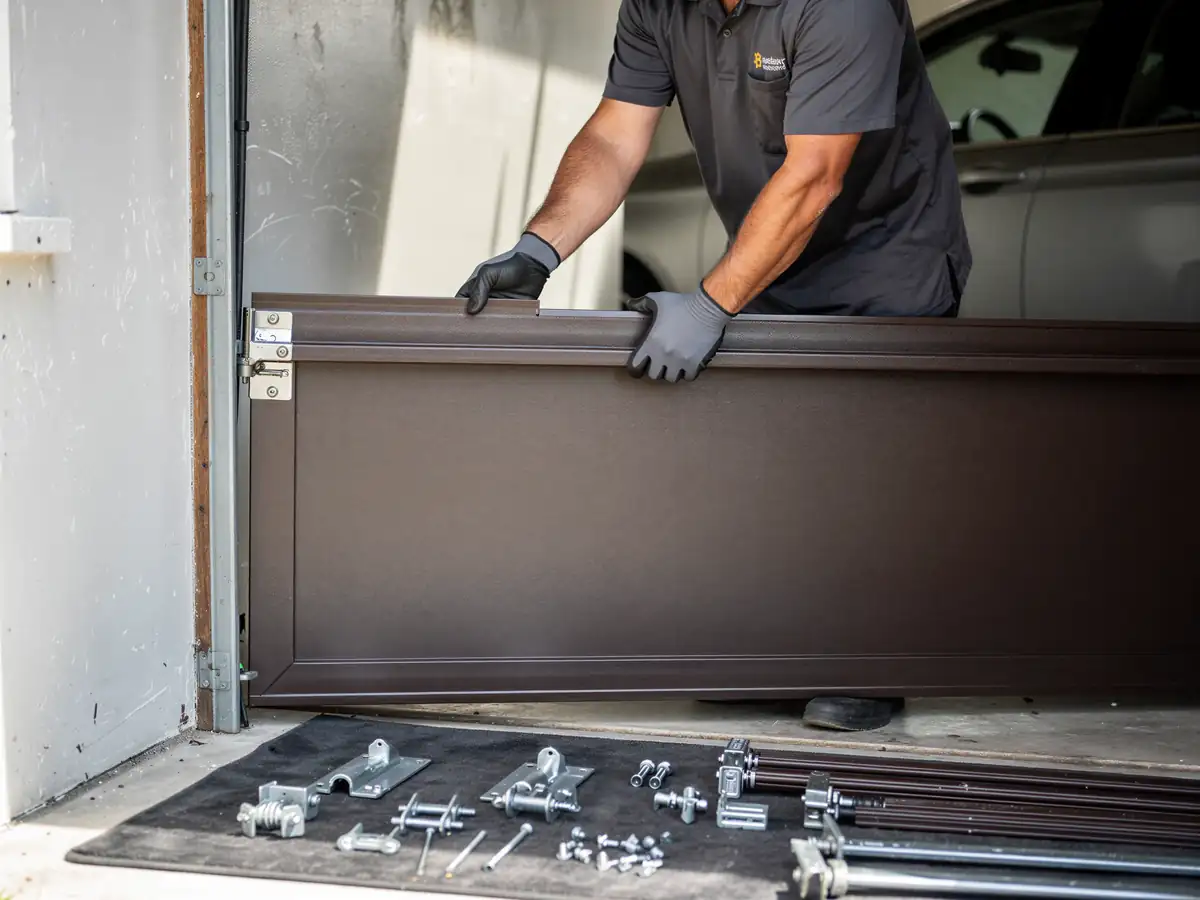
A spring replacement or a broken cable is usually a same-visit fix once we're on site - an hour, sometimes less, depending on what else the door tells us once the panel's open. Opener boards and circuit issues can take longer if the unit is old enough that we have to adapt a replacement to hardware that isn't made anymore, which is common on doors from the 1970s. We don't quote a response time for Bannockburn specifically - we travel from Deerfield, roughly 2 miles away, and timing depends on where the truck already is that day. What we won't do is rush a torsion spring adjustment. That's the one place on a garage door where taking shortcuts gets someone hurt, so we take the time the job needs regardless of what else is on the schedule.
What You Are Seeing
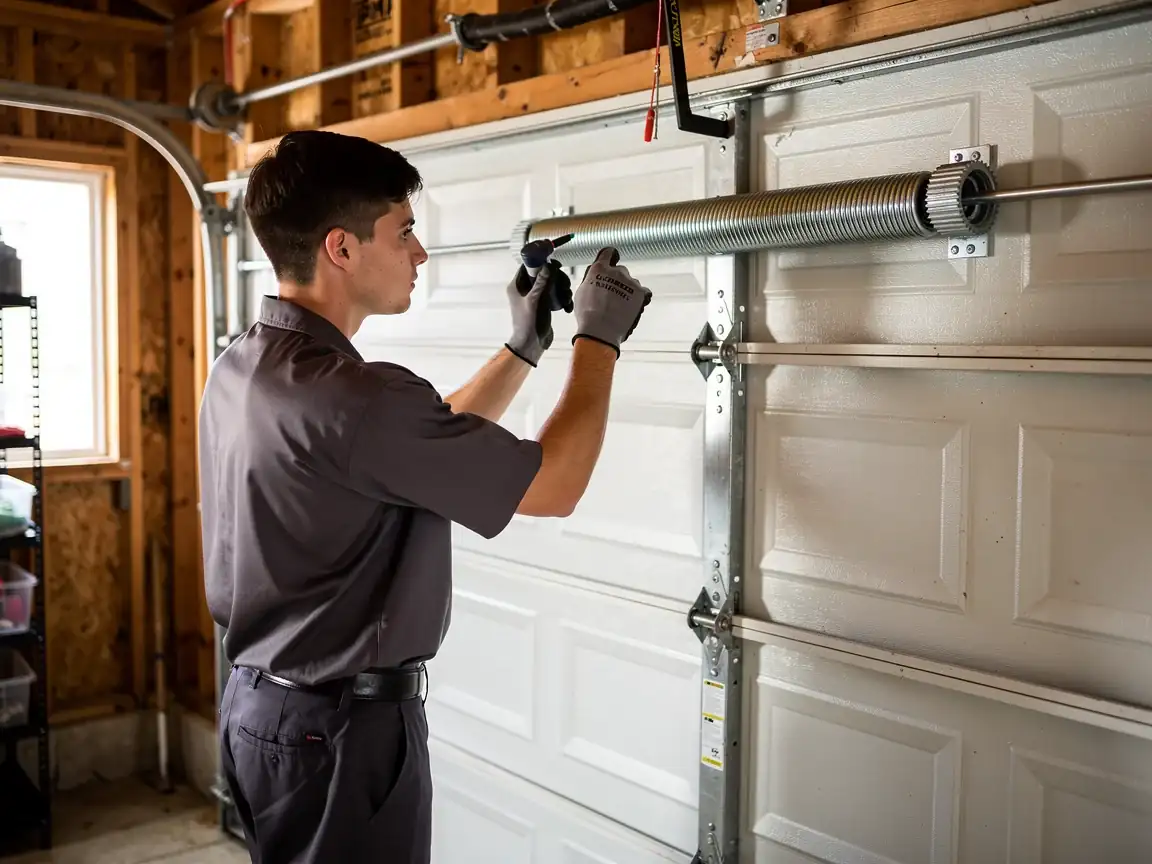
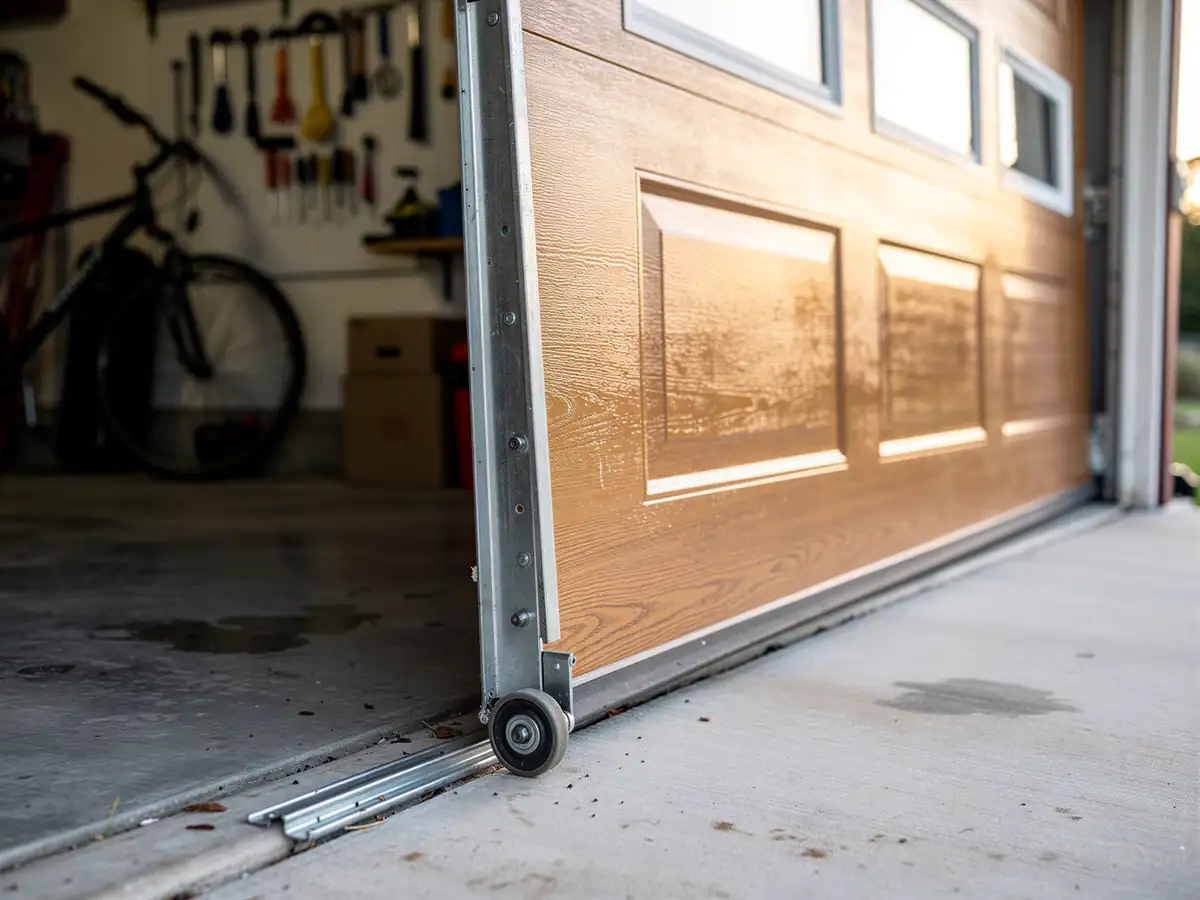
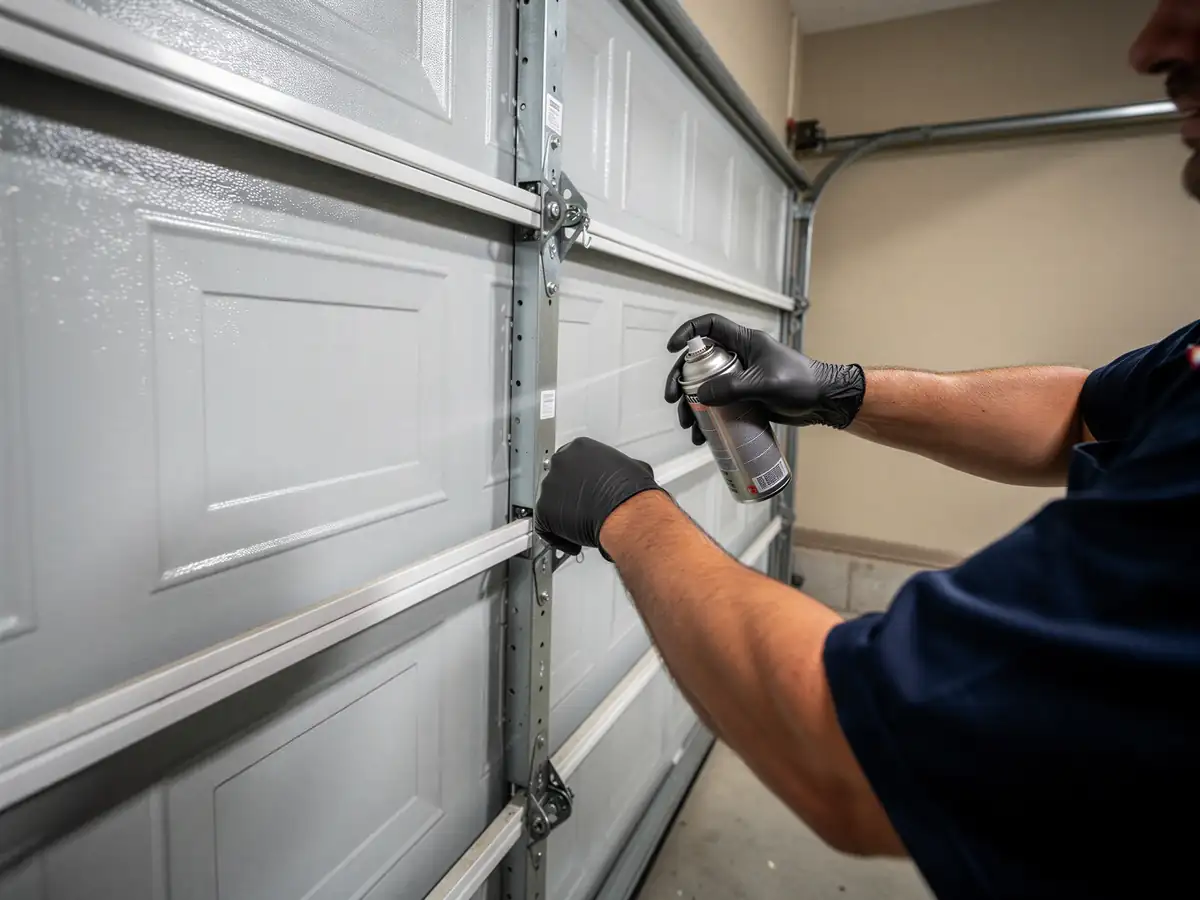
The most common call out of this part of the service area is a door that won't move at all, or one that lurches and bangs partway up. On houses from the 1960s and 70s that's almost always a spring that's lost tension or snapped outright - you'll often hear it go as a loud bang from the garage, sometimes mistaken for something falling. A close second is an opener that runs but the door doesn't respond, which points to a worn drive gear or a dying circuit board rather than the motor itself. Cold-weather stiffness shows up here too; this region sits in a cold-moderate climate band, and winter mornings make old lubricant and tired springs fail faster than they would in a warmer month. If your door drifts closed on its own or won't stay up without you holding it, that's spring tension, not an opener problem - no amount of opener work fixes it.
What the Fix Involves
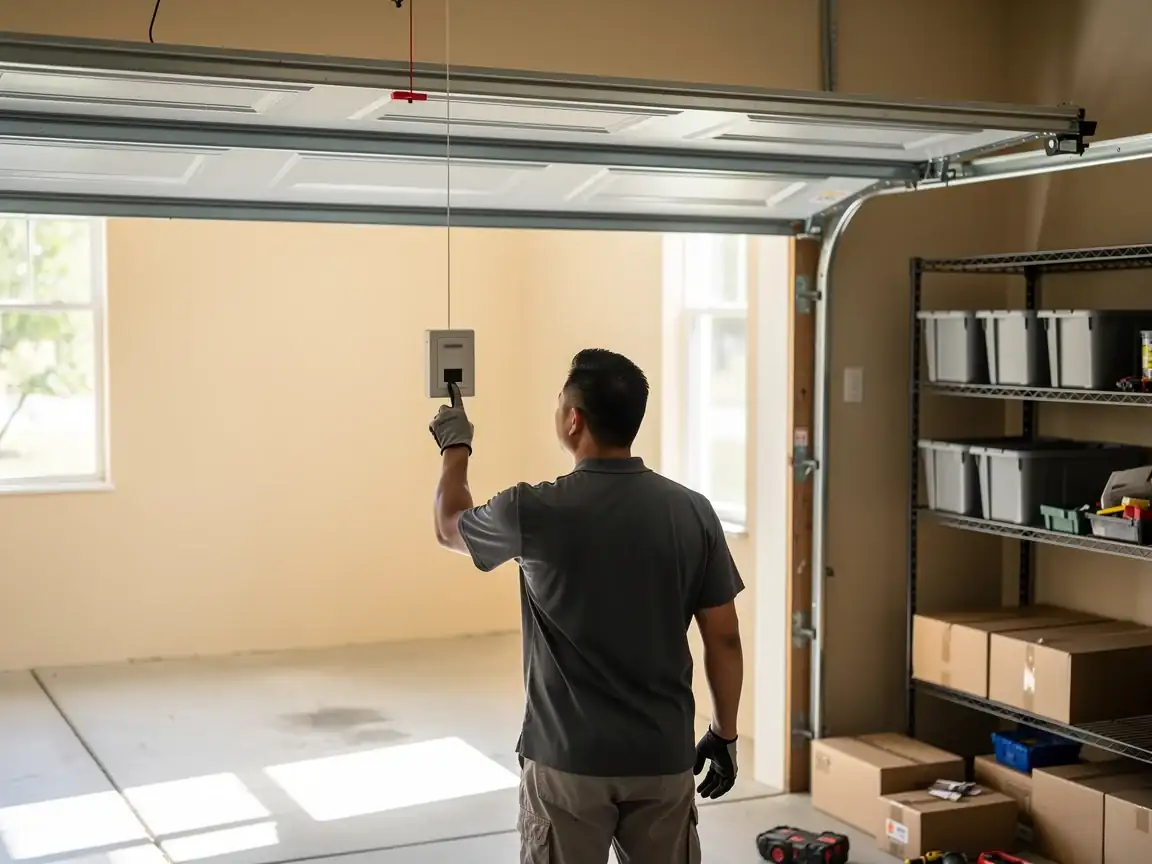
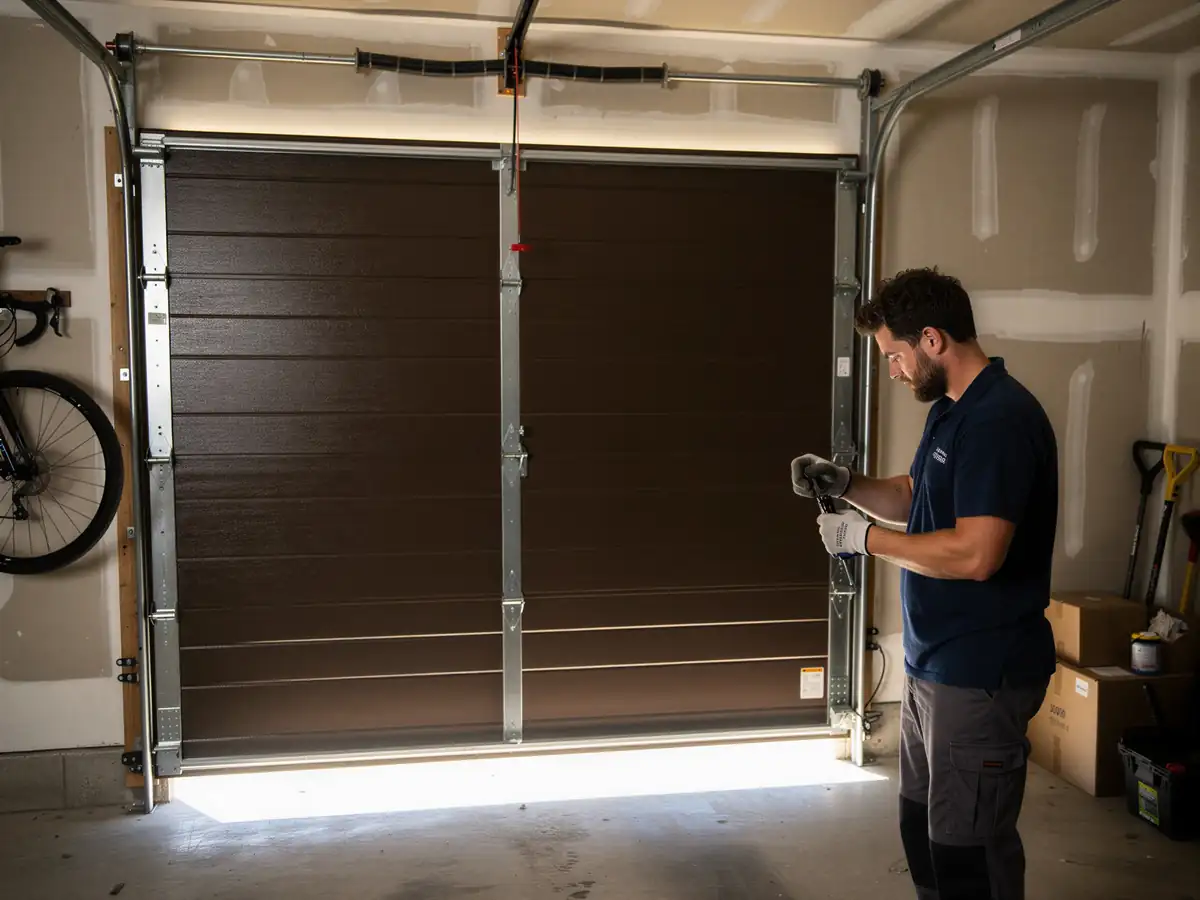
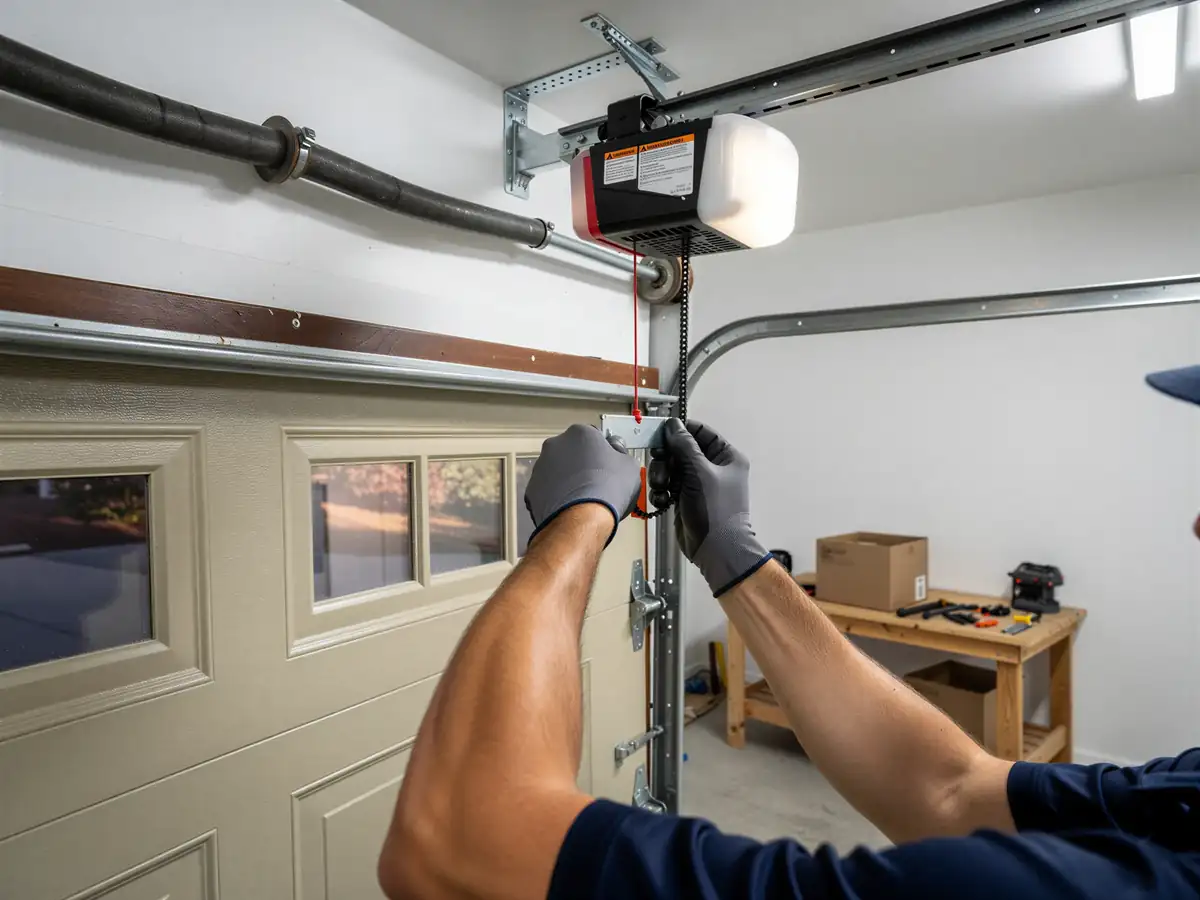
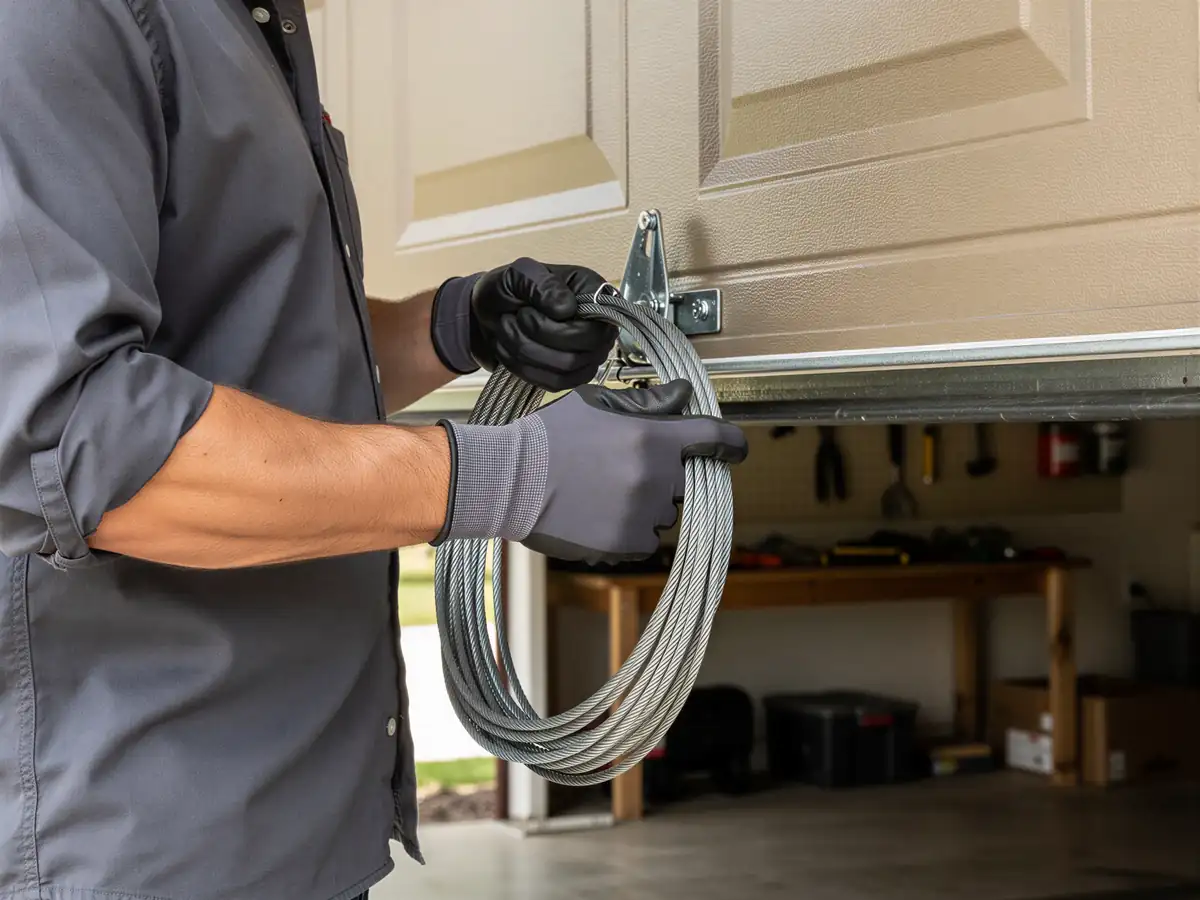
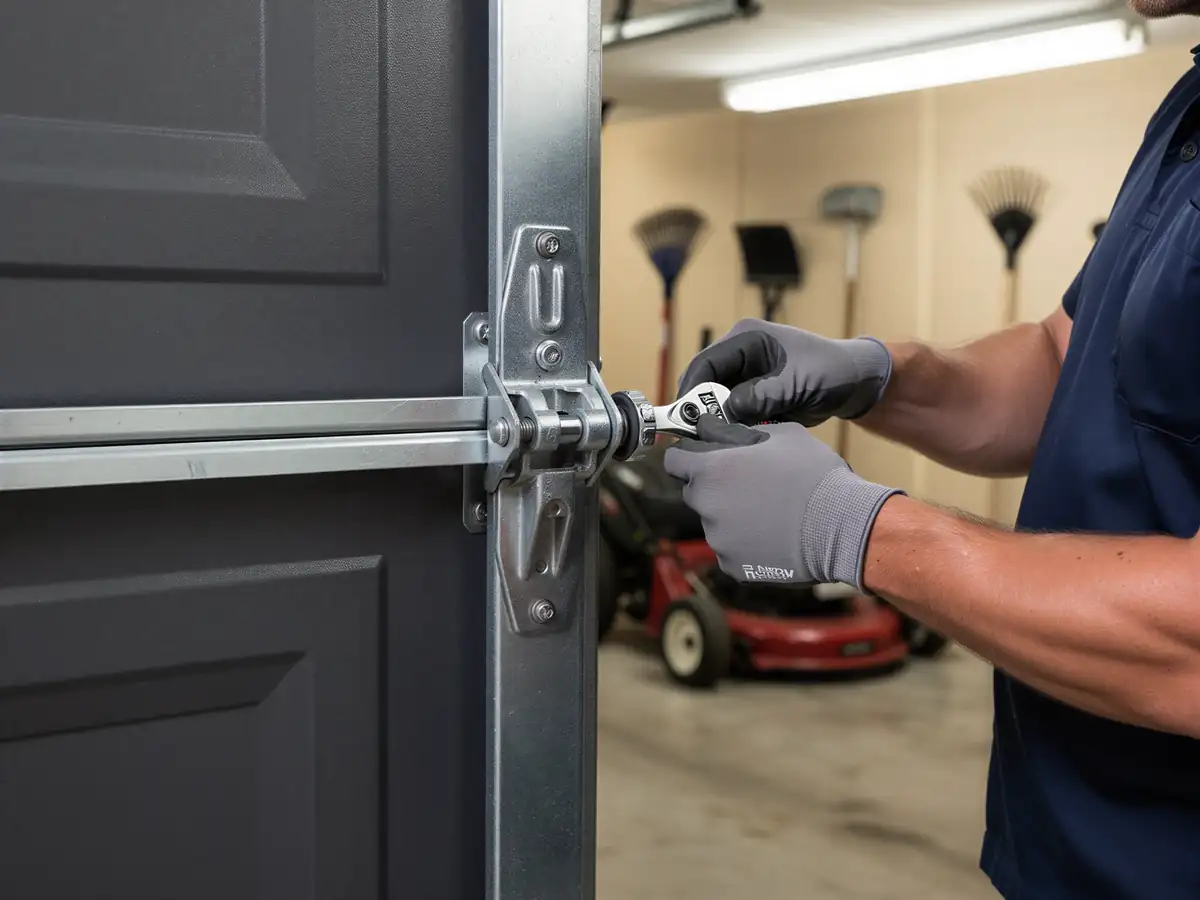
For a broken torsion spring, we match the wire gauge and wind to the door's weight and size rather than grabbing a generic replacement - a mismatched spring either won't lift the door evenly or wears out again within a year. For doors from the 1970s era common in Bannockburn, that often means working with side-mounted or early center-mounted torsion hardware rather than the standardized setups on newer doors, so we carry stock for both. If the opener itself is failing, we test the logic board, the drive gear, and the safety sensors separately before replacing anything - sometimes it's a $40 sensor, not a $200 board. We'll tell you straight if a repair doesn't make sense: a door with a warped panel and a spent opener on a 40-plus-year-old track is usually a replacement conversation, not another patch.