The Complications
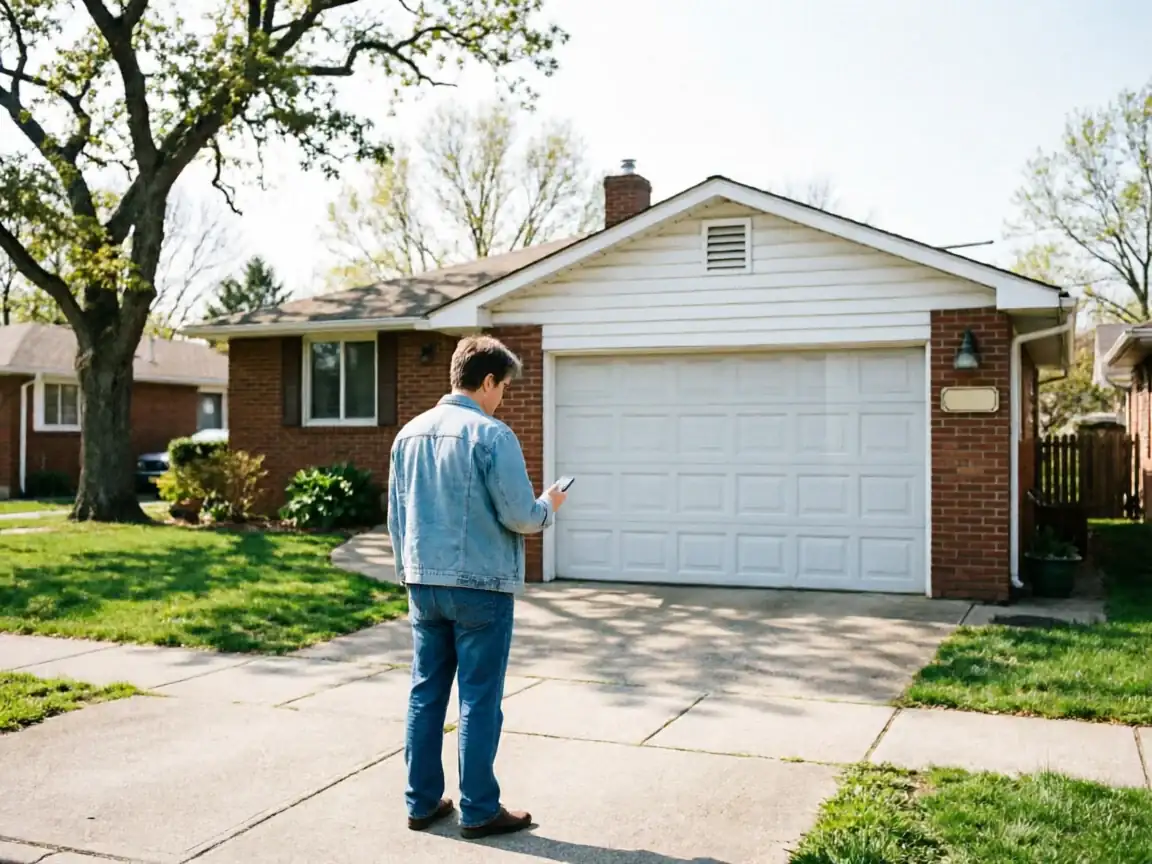
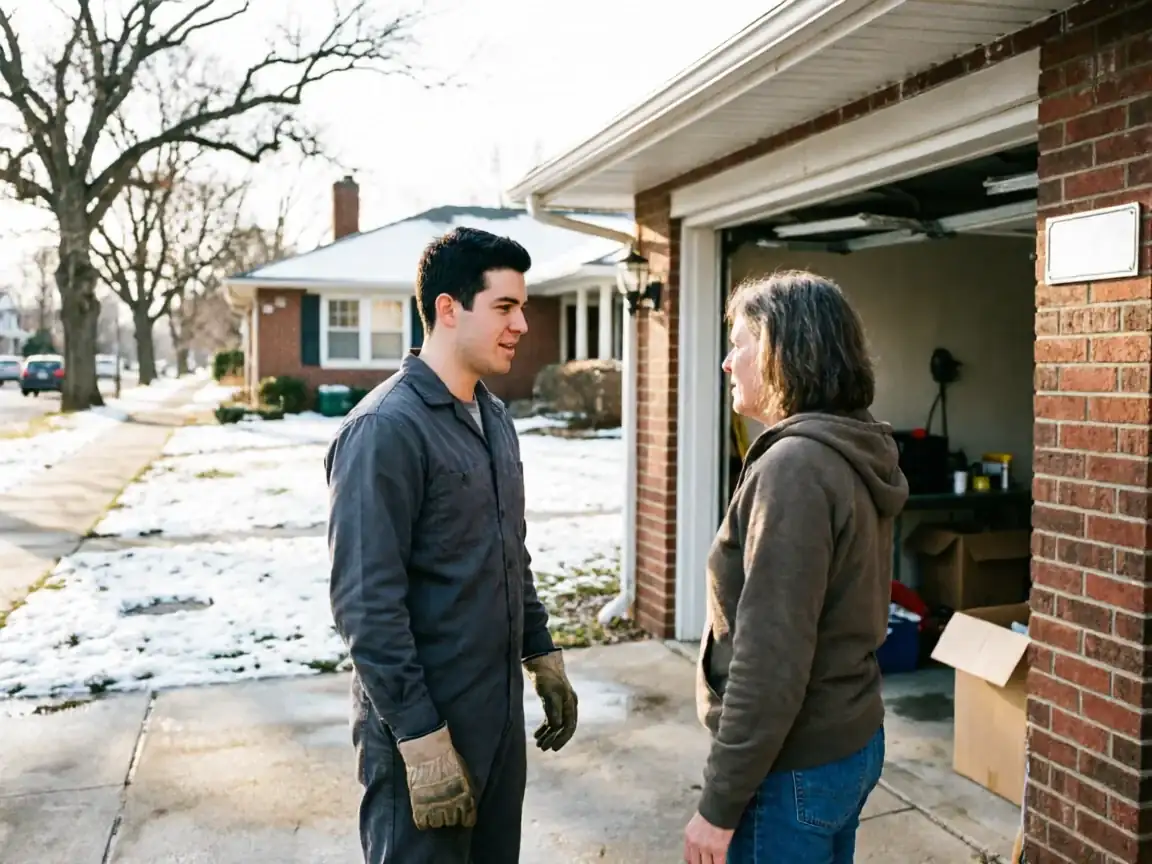
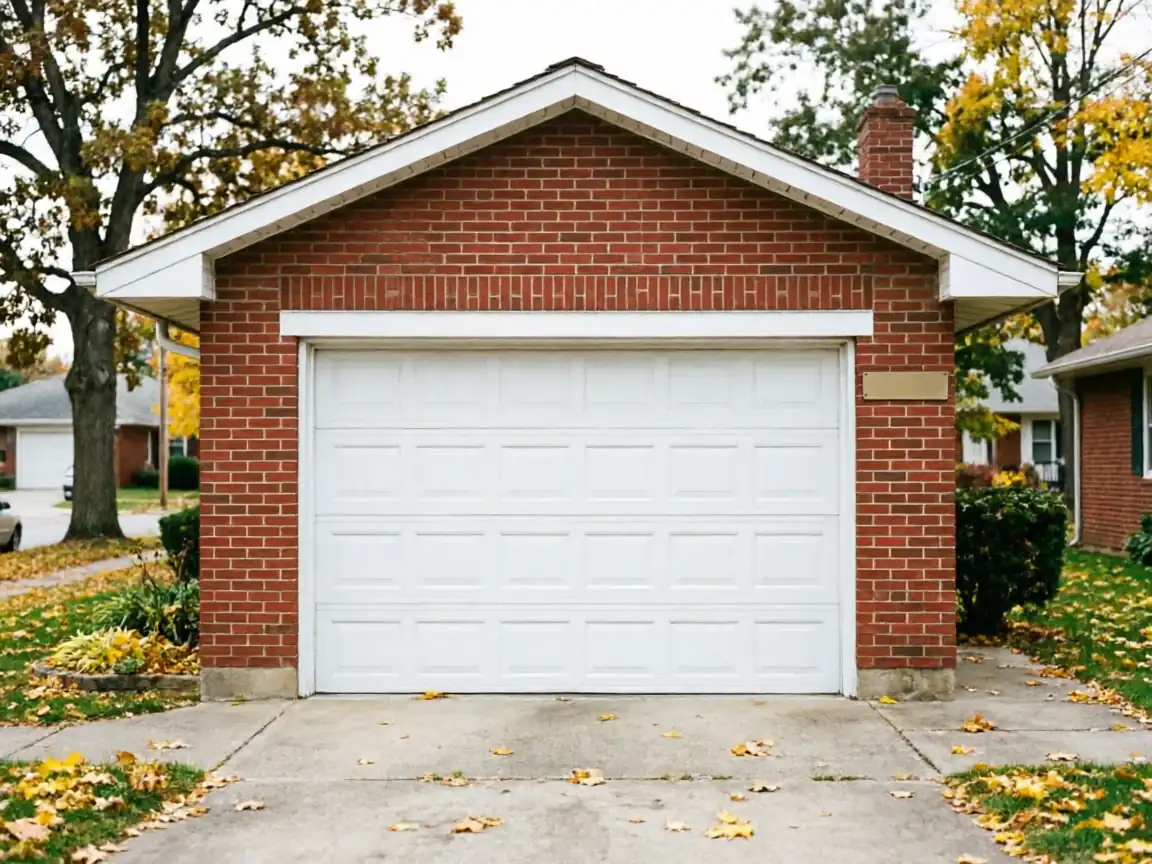
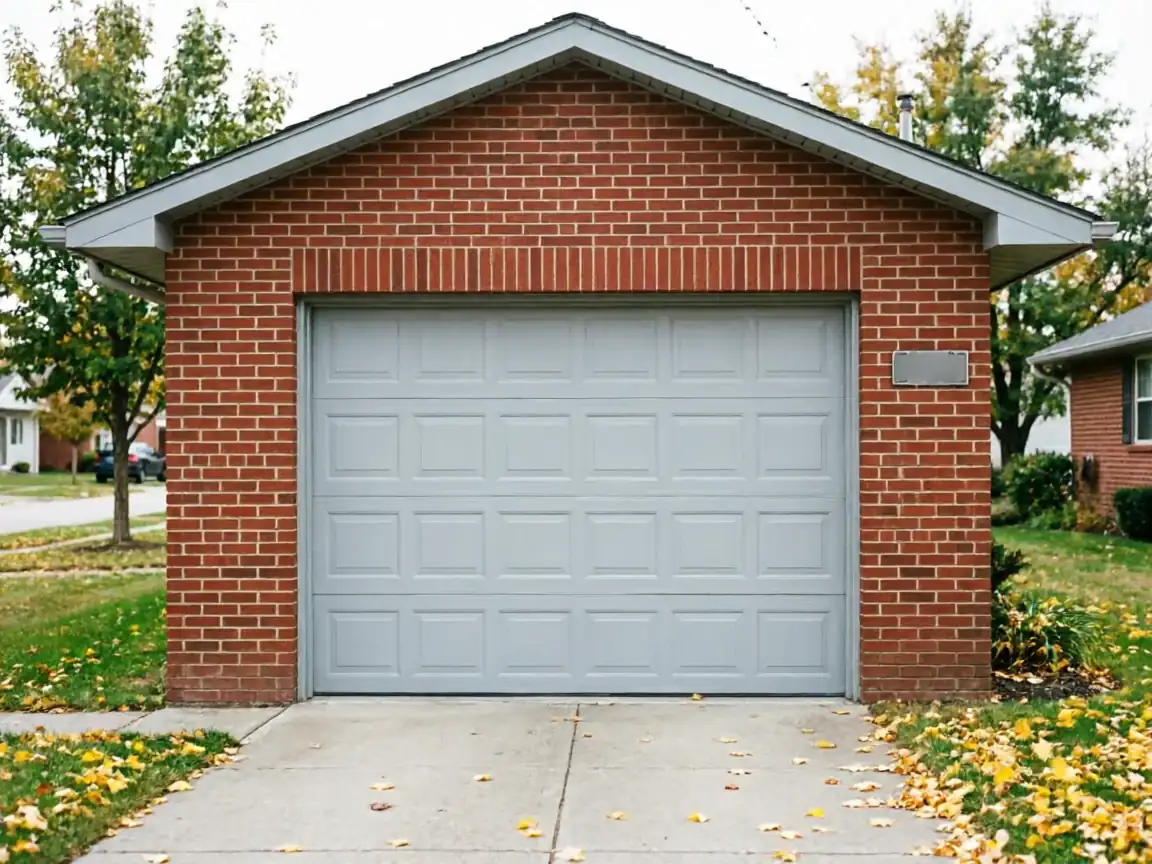
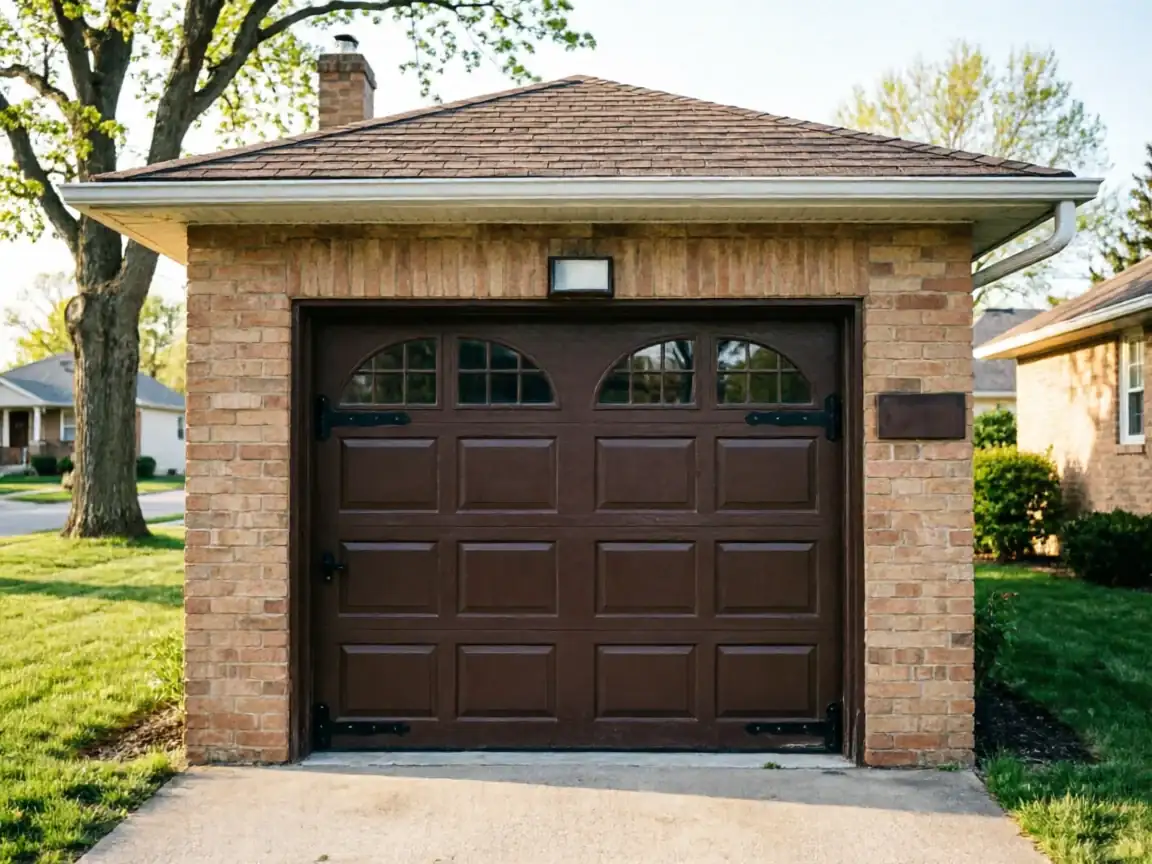
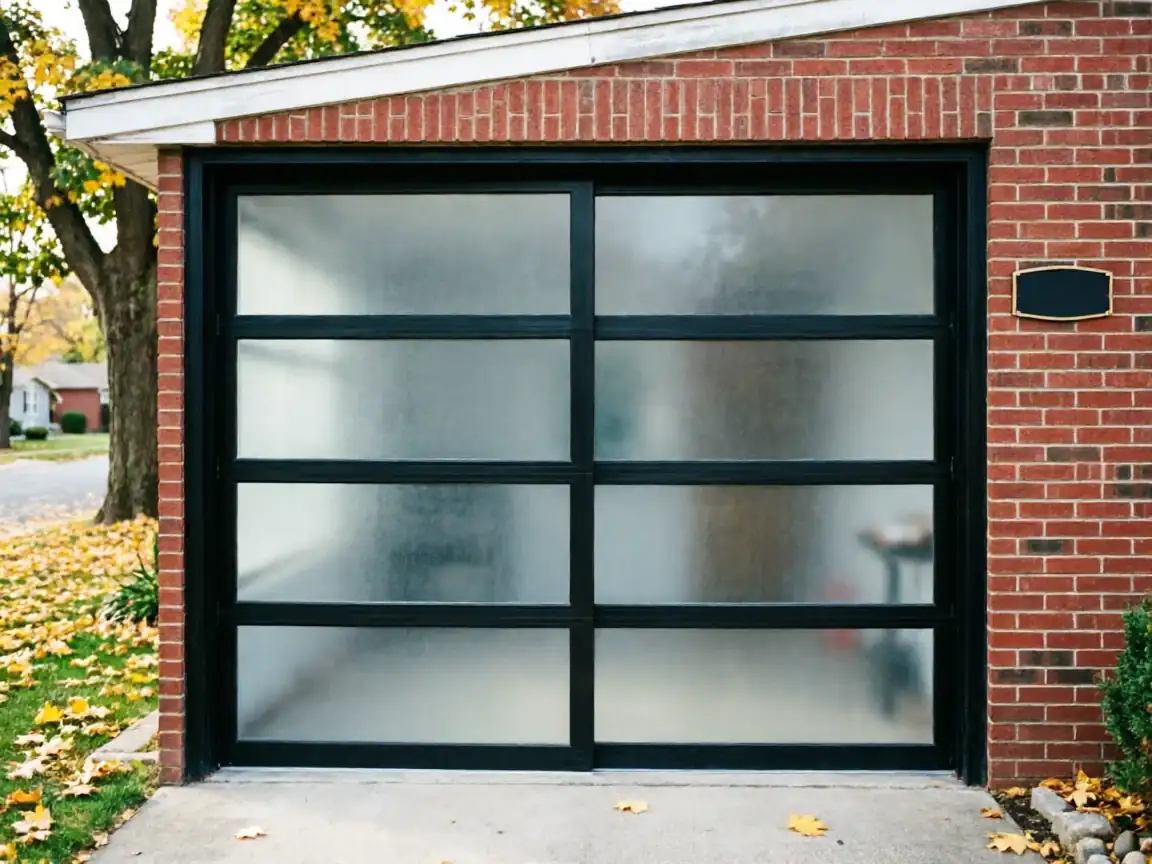
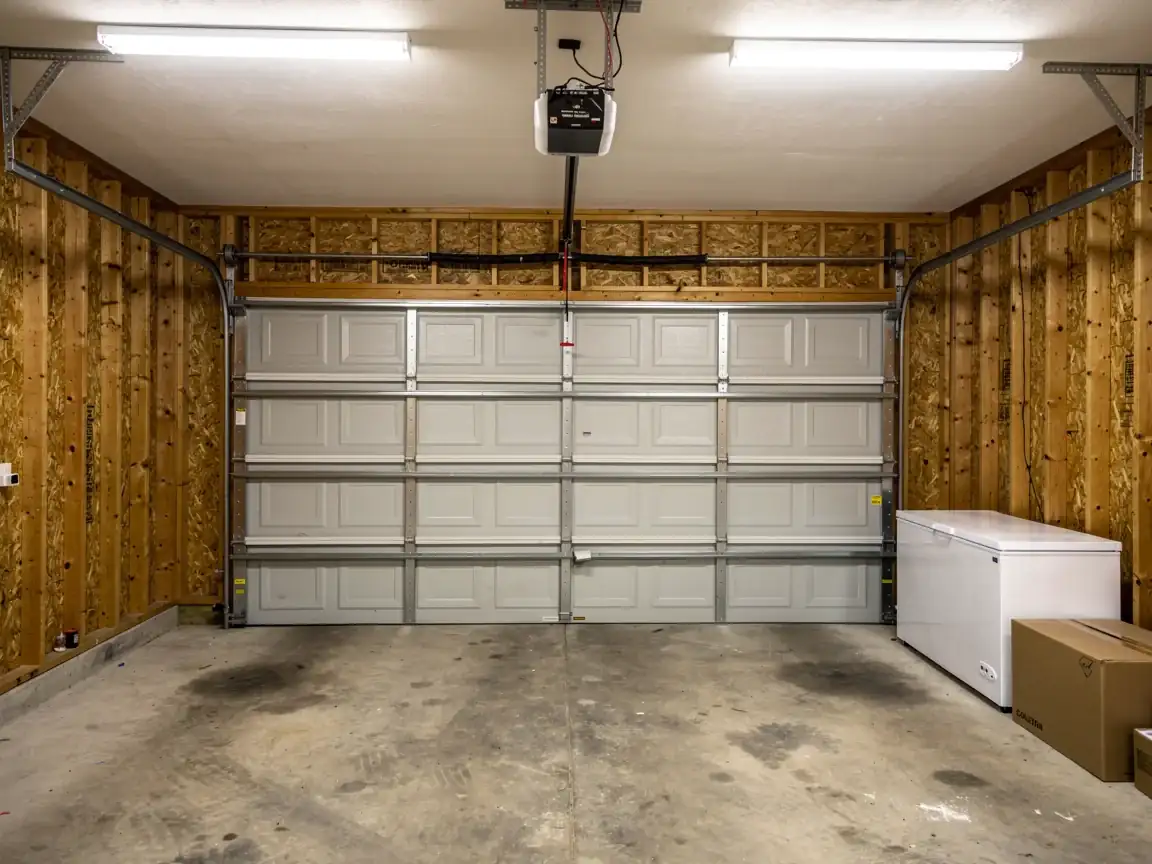
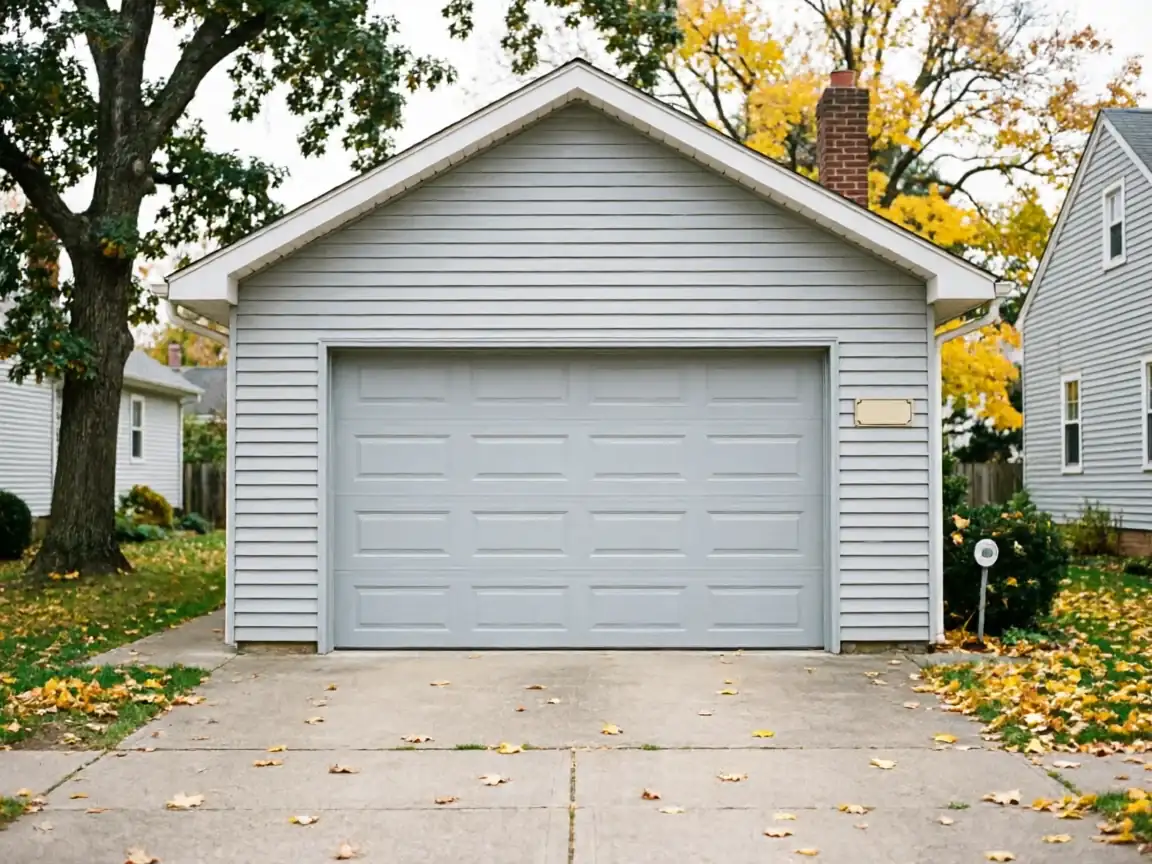
Most houses in Bannockburn went up around 1975, which puts the original garage door hardware squarely in the standard-lift, galvanized-track era. That's not a knock on the door - it's a fact about the rollers and the track brackets, which were built to a tolerance that was fine for the mid-1970s and isn't forgiving forty-some years later. When a door comes off track in a house this age, it's usually because a bracket has worked loose from the jamb over decades of seasonal wood movement, not because something dramatic happened. Add in a winter like the ones this area gets - real cold, real freeze-thaw cycling on an unheated garage slab - and the track alignment that was a sixteenth of an inch off in October becomes a door that jumps the track in January. With only 257 households in Bannockburn, this isn't a high-volume call for us, but the pattern repeats: older track hardware, cold-climate stress, a bracket or a roller that finally gives out. We come from Deerfield, about 2 miles away, so there's no depot or satellite crew here - just a truck that makes the short drive.
How Long It Takes
A straightforward off-track call - one bent track section, one or two rollers, hardware re-aligned and re-fastened to the jamb - is usually a same-visit fix once we're on-site. If the track itself is bent beyond straightening, which happens more often on doors from the 1970s because the gauge of steel used then is lighter than what goes on new doors, we'll replace the section rather than fight it. That adds time only if we don't have the right length on the truck, which is uncommon but not impossible on a double-door track run. We don't promise a response window for Bannockburn specifically - we're honest that every call here starts with a 2-mile drive from Deerfield, not a local stand-by crew.
What You Are Seeing
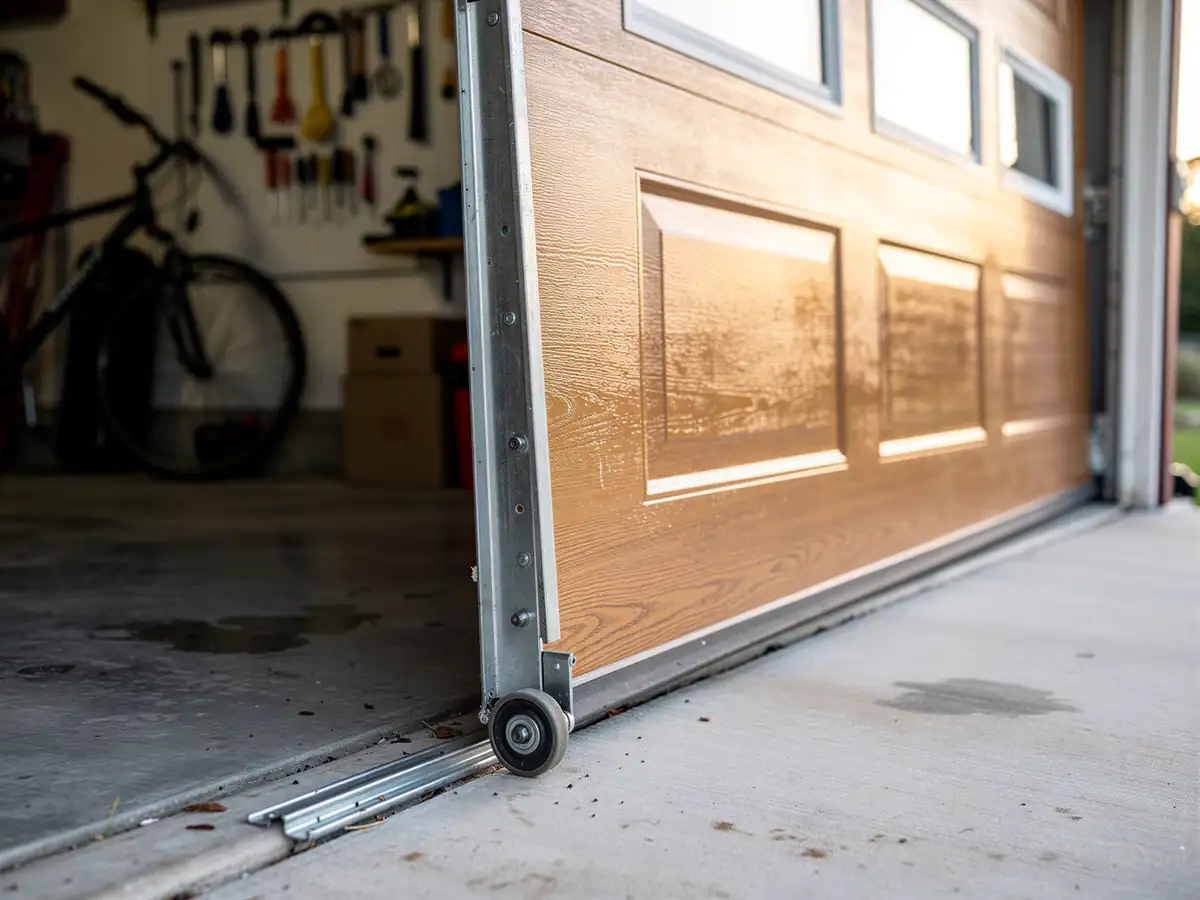
An off-track door in a house this age usually shows up one of two ways. Either the door is visibly crooked in the opening, hanging lower on one side, with a roller sitting outside the track channel - or it's seized halfway, stuck neither open nor shut, because a bracket has pulled away from the framing and the track no longer lines up with itself. On original 1970s-era hardware, the failure point is almost always the bracket-to-jamb connection rather than the track itself; four decades of houses settling and wood expanding and contracting means the screws that held fine in 1975 have worked loose. You might also hear a grinding or popping sound right before it happens, which is the roller catching the edge of the track instead of riding inside it.
What the Fix Involves
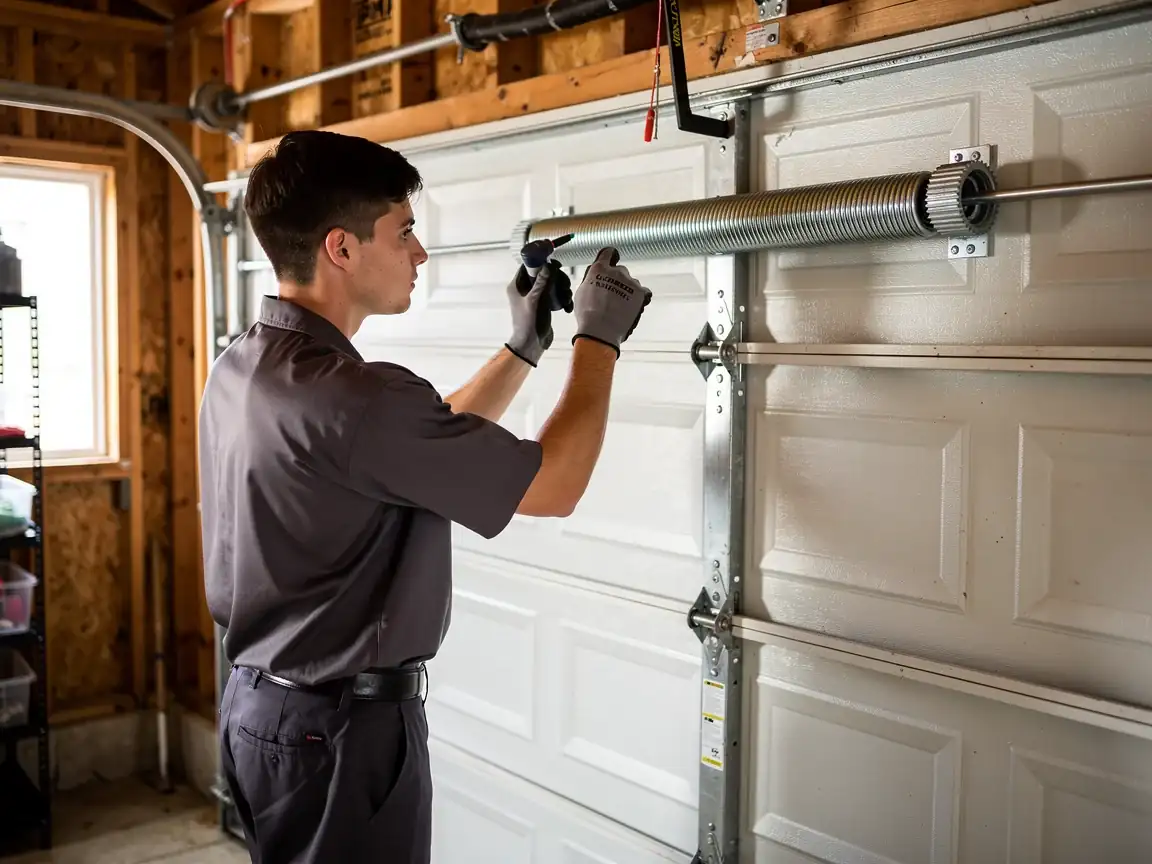
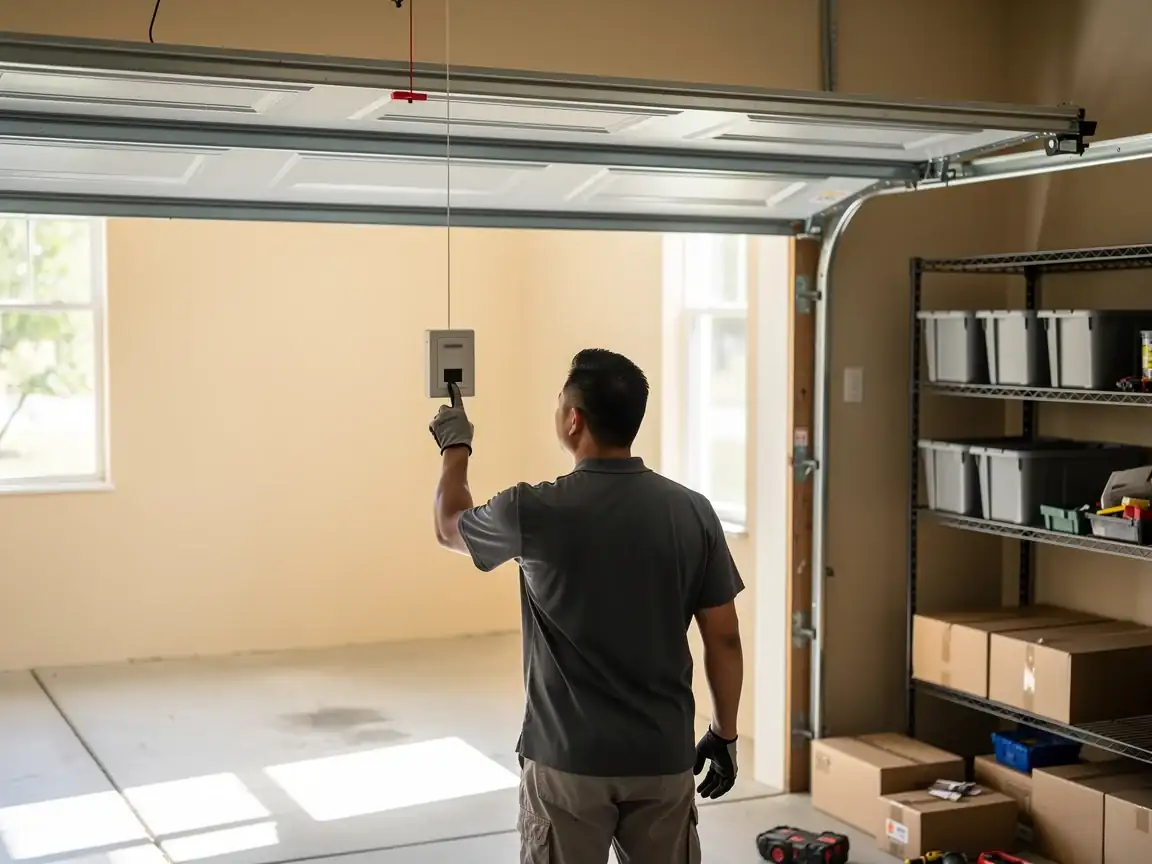
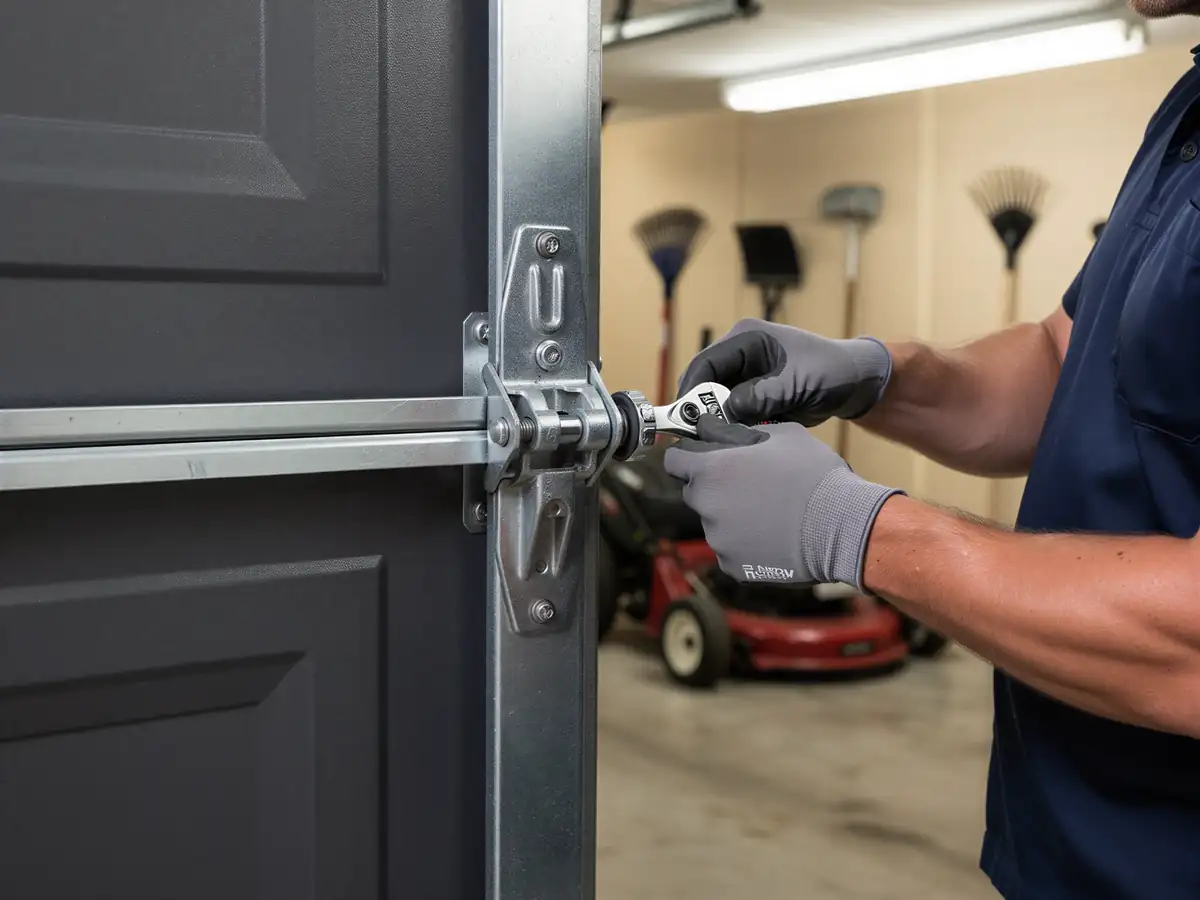
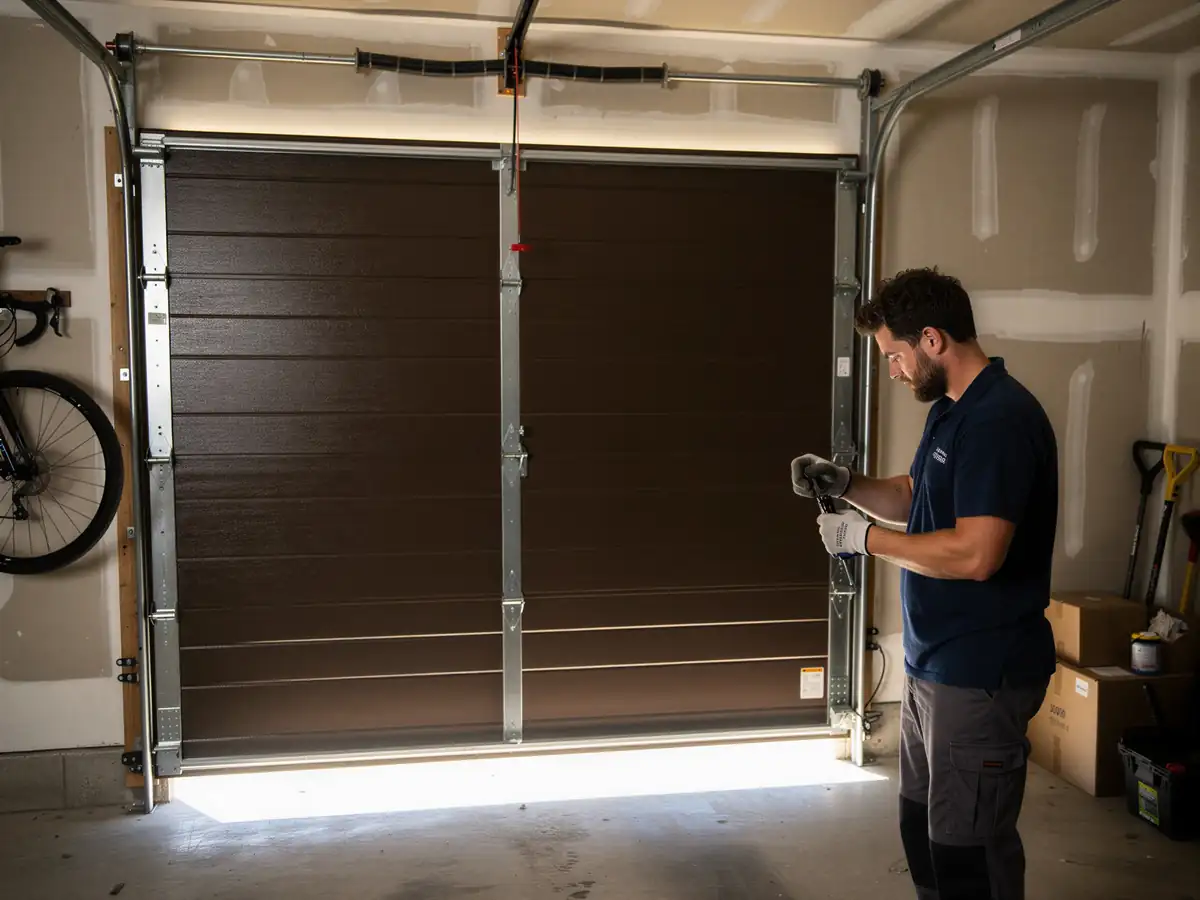
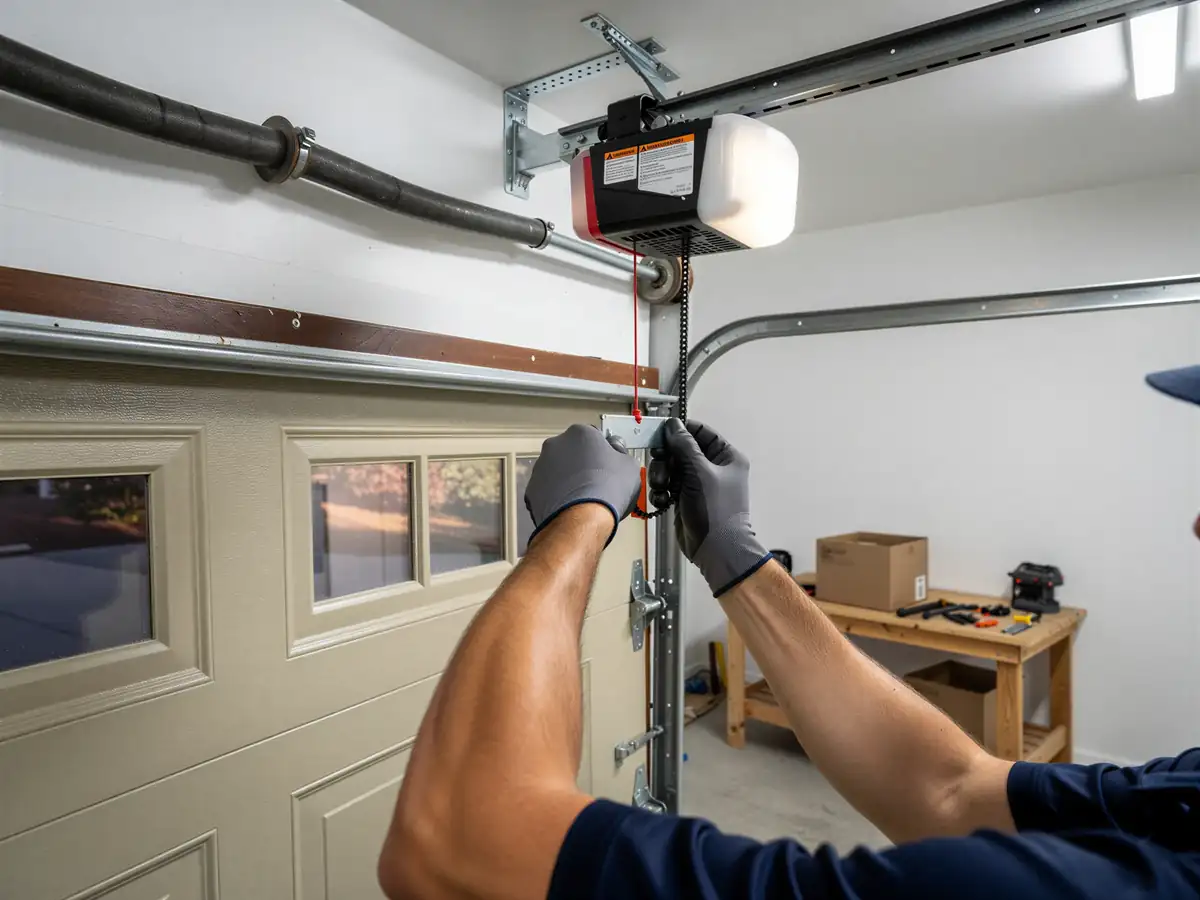
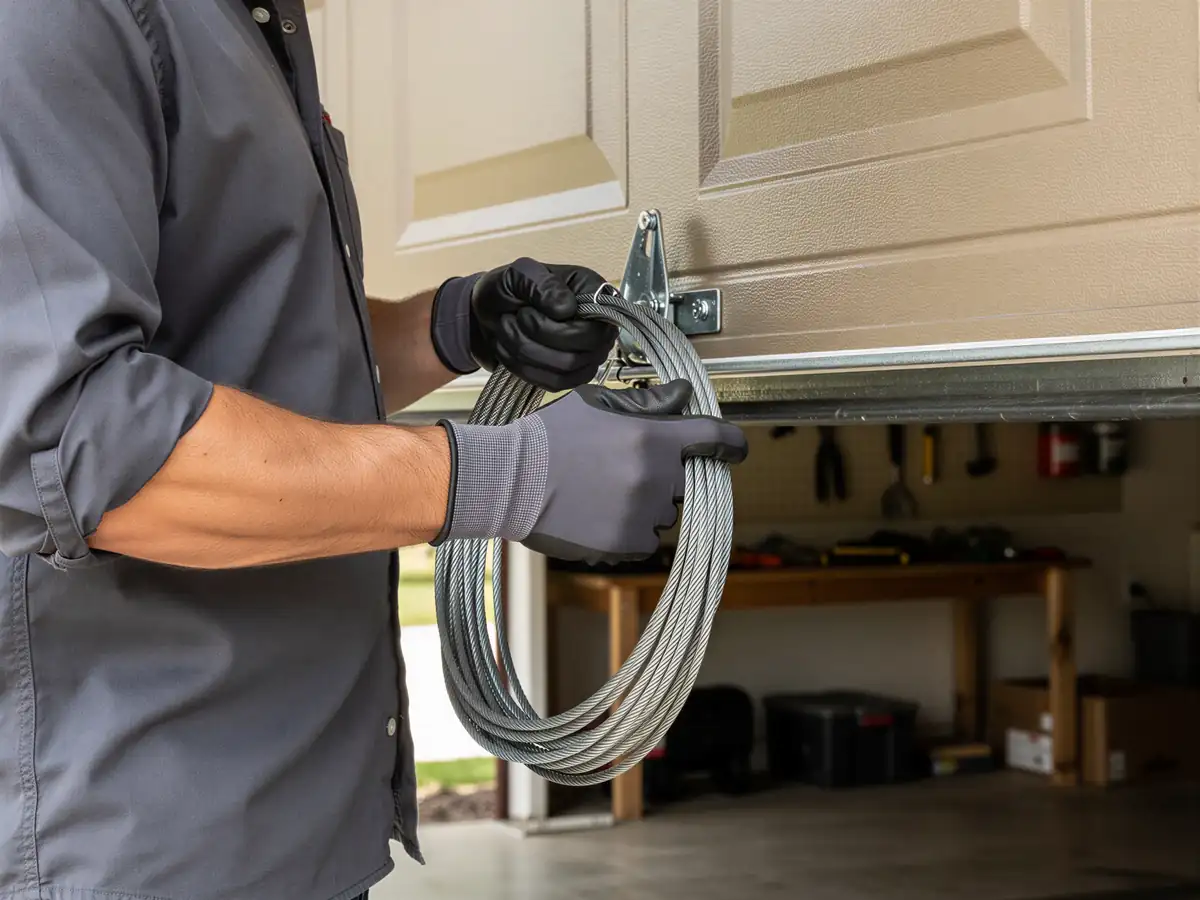
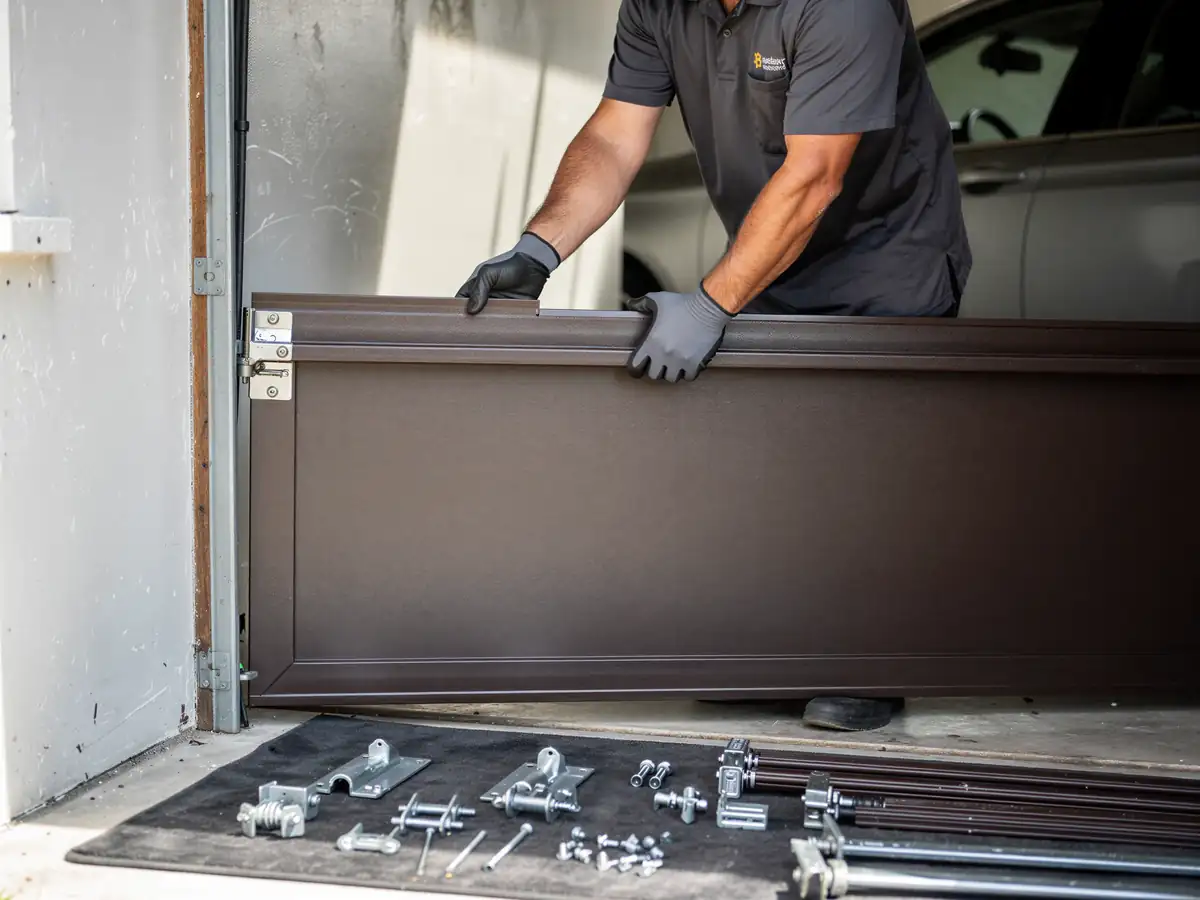
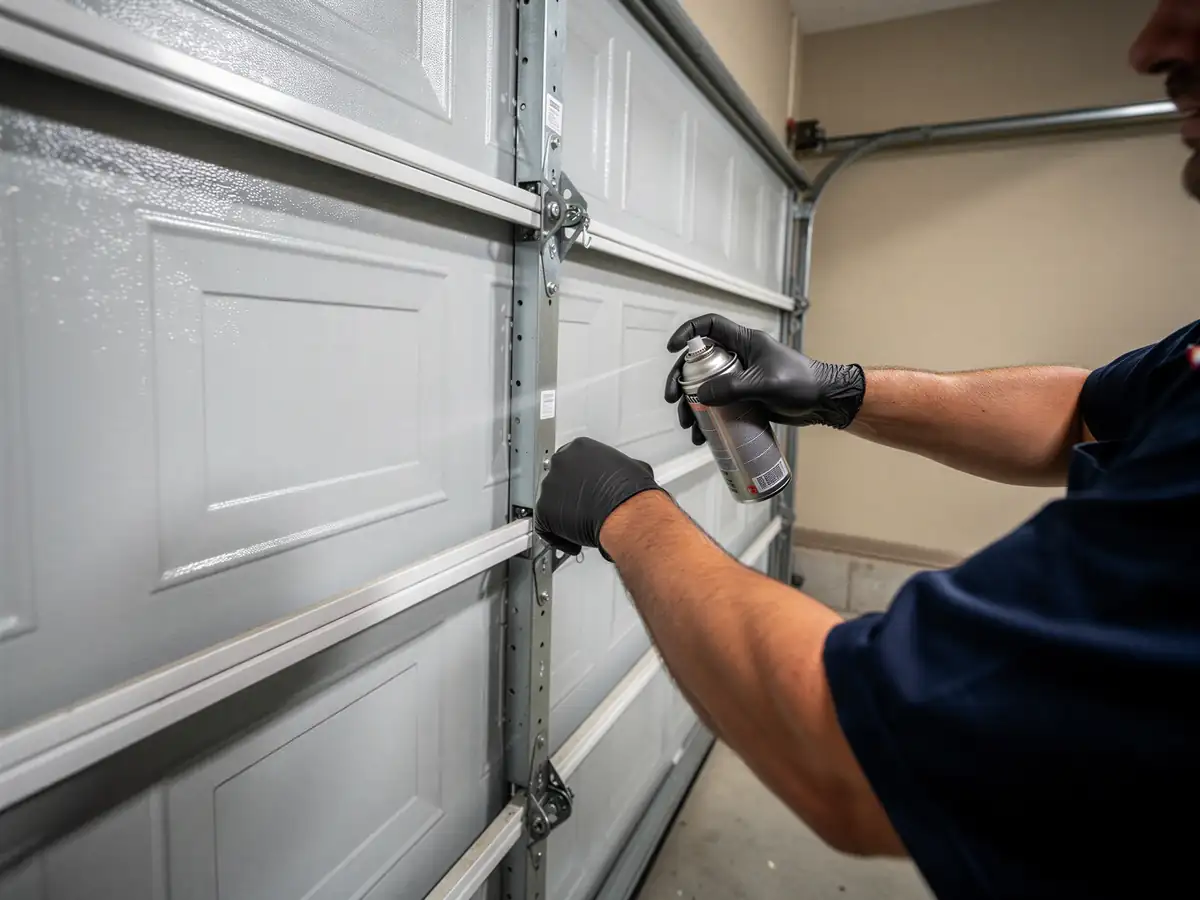
We start by relieving tension safely - disconnecting the opener and, if the spring is still loaded, controlling it before anyone touches the track. From there it's an inspection of every bracket along both tracks, since one loose bracket is rarely the only one on hardware this old. We re-set the door onto the track, replace any roller that's chipped or worn flat on one side, and re-anchor brackets into solid framing rather than just re-driving the same screw holes, which tend to be stripped by now on a house this age. If the vertical track is bent from the door having run on it off-alignment, we replace that section rather than try to hammer it straight - a track that's been bent once is weaker everywhere, not just at the bend.