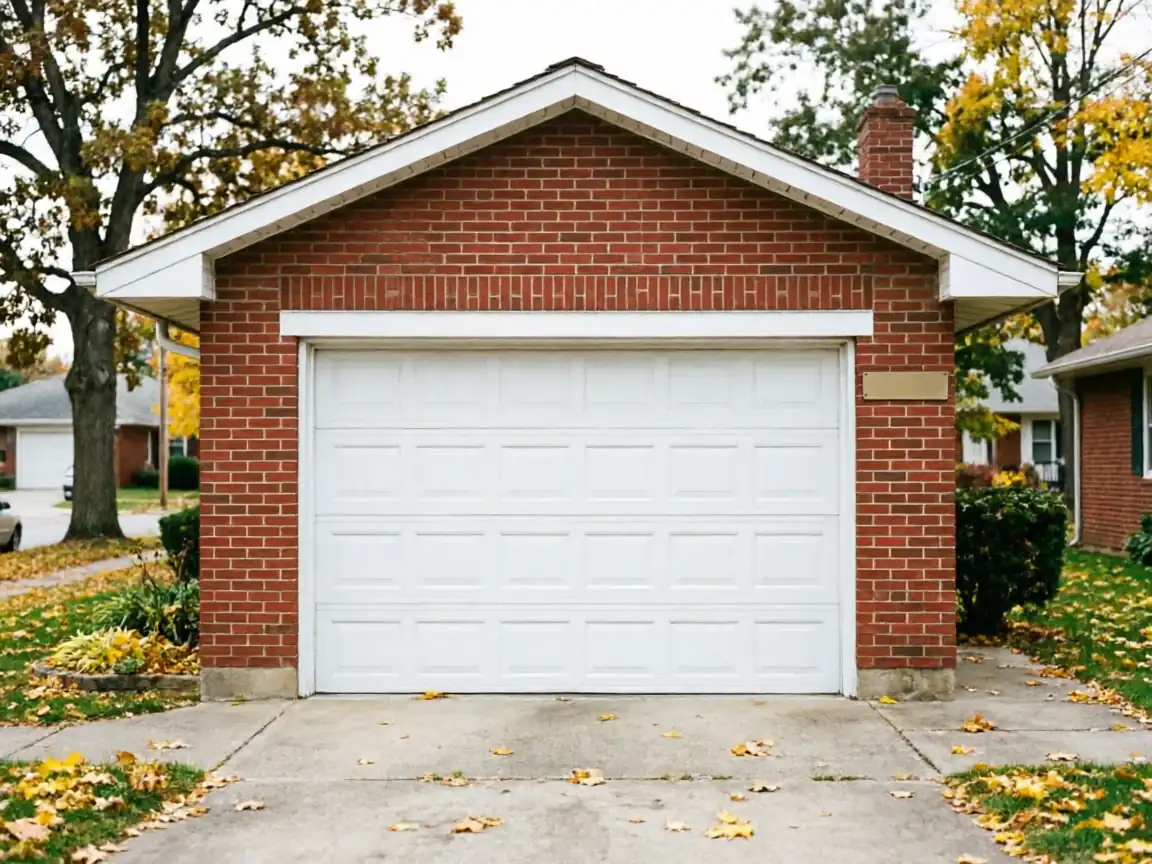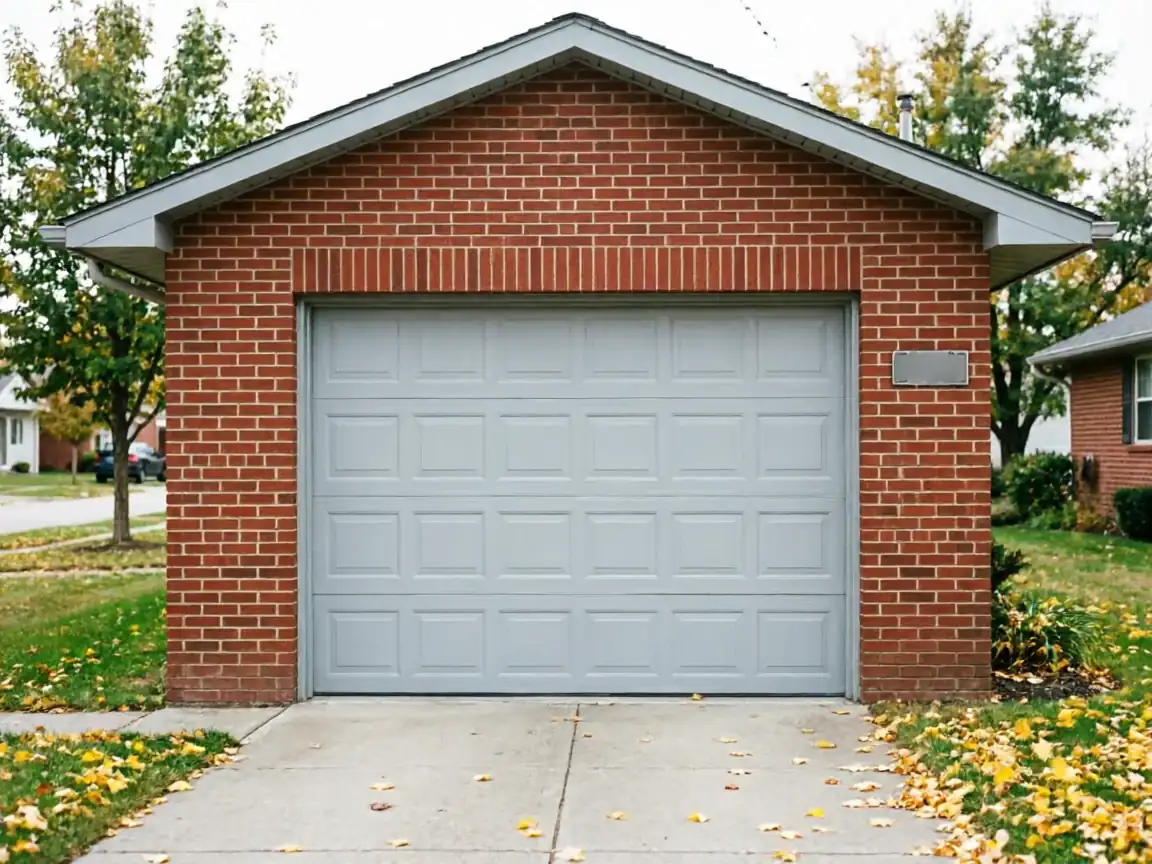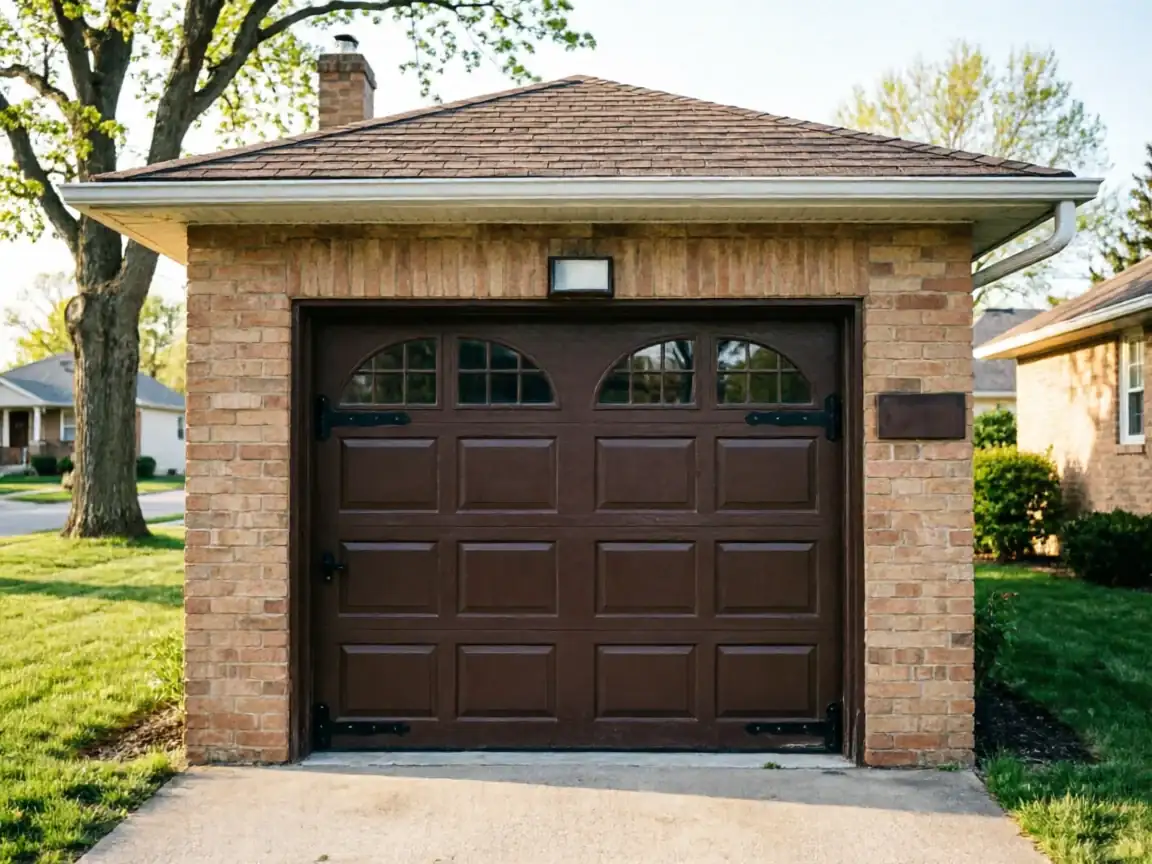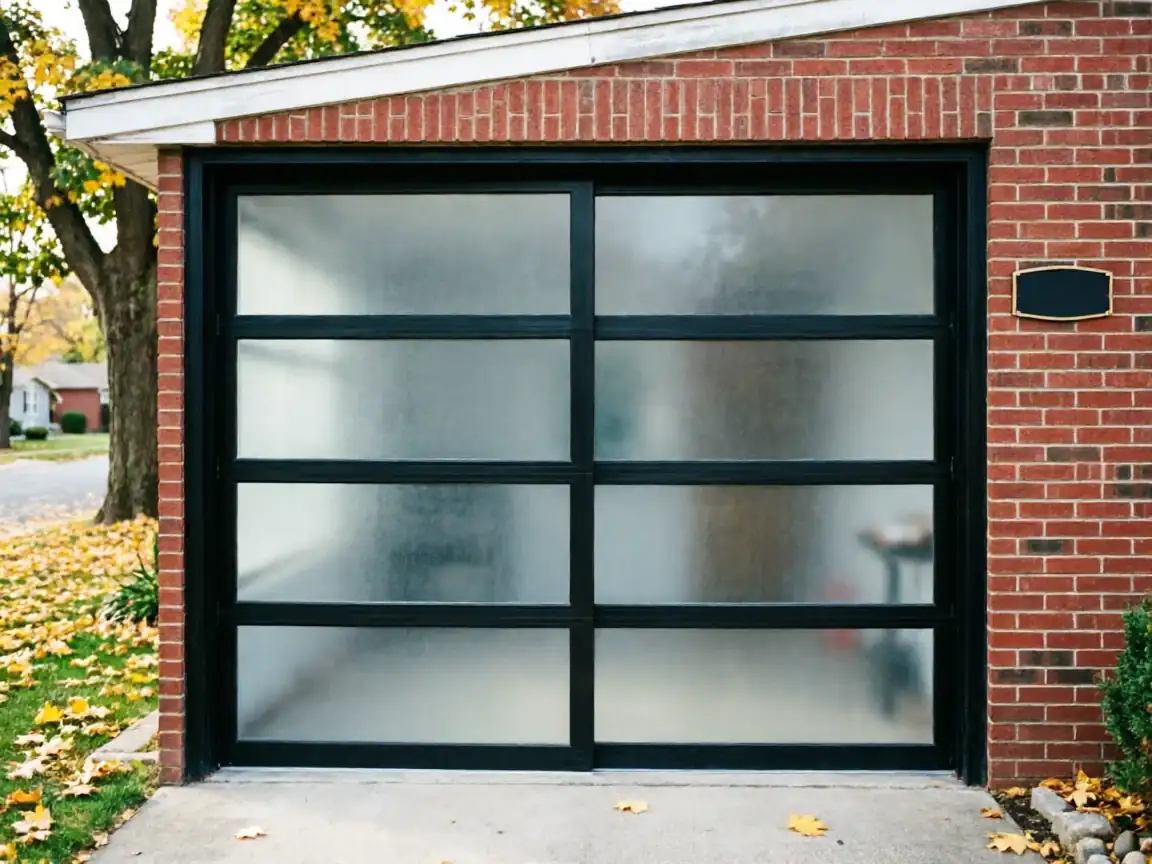
What You Are Seeing
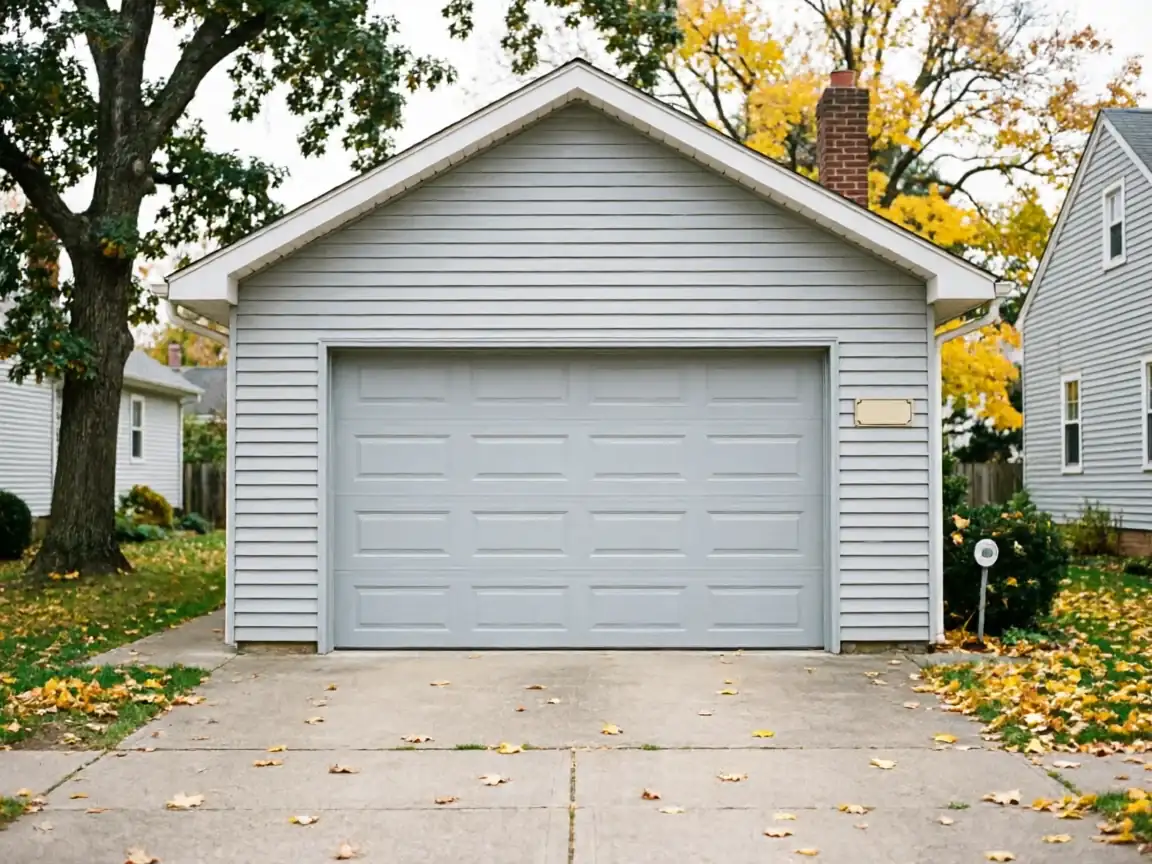
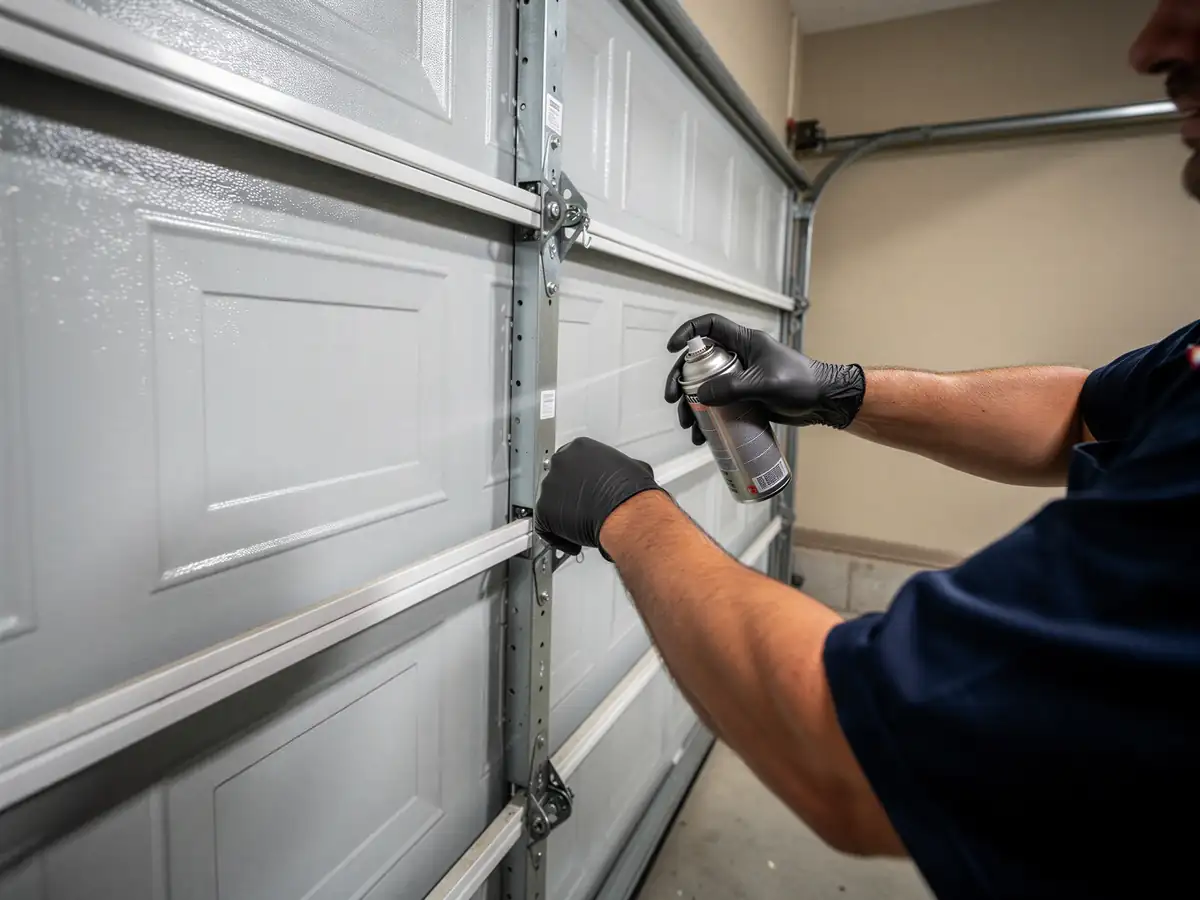
The panel fault we get called out for in Riverwoods is almost never what you'd find on an older door. Riverwoods homes cluster around a 1984 build year, which puts most original garage doors in that first wave of mass-produced steel sectional doors - thin-gauge panels with a raw foam or no insulation core at all, bolted to galvanized hinges that were never meant to outlast the house. What you're seeing is usually one of two things: a bottom panel that's rusted through at the seam where snowmelt and runoff sit against it all winter, or a middle panel caved in from a hail strike or a backed-into bumper that the thin steel just couldn't absorb.
This is a cold-climate problem as much as an age problem. Freeze-thaw cycling works at any seam or dent in steel, and a door built in the early-to-mid 1980s has had forty winters to let water find its way into the panel joints. By the time you notice the rust bubbling through paint, the steel underneath is usually already perforated. That's a panel-replacement job, not a touch-up.
Parts We Carry
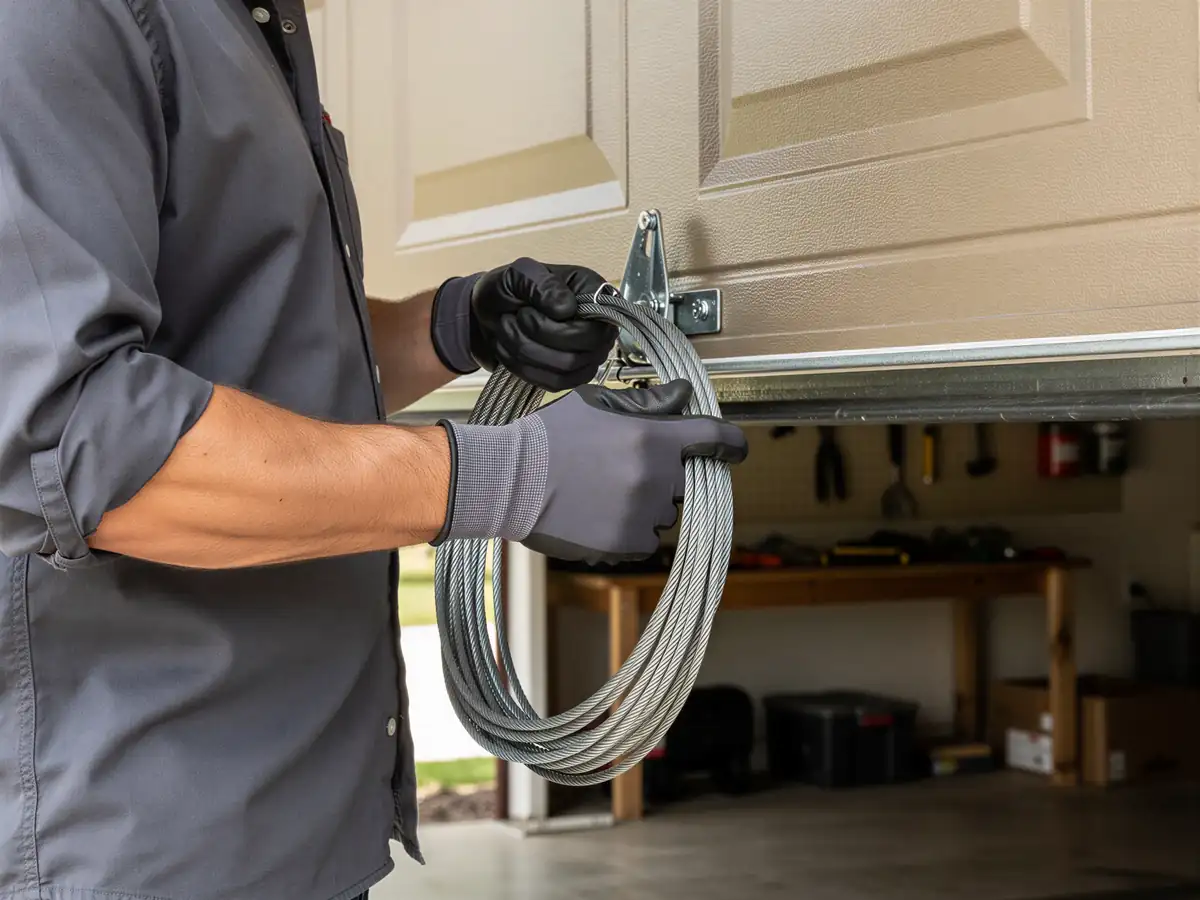
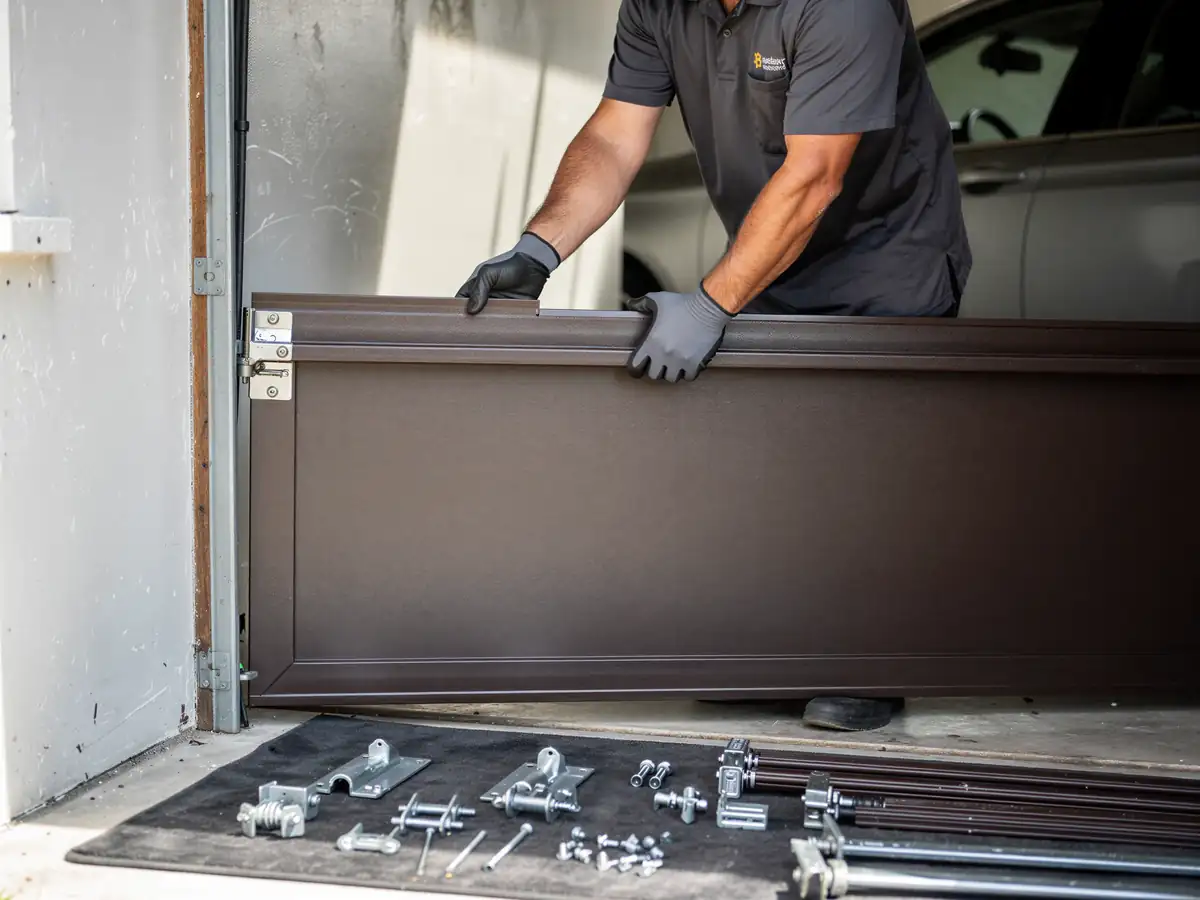
We stock common steel panel sections in the standard widths that fit sectional doors from this era, plus the matching end caps, hinges, and roller brackets that usually fail alongside the panel itself. What we don't carry on the truck is an exact color or embossing match for every door still running its original factory panel from 1984 - some of those runs were discontinued by the manufacturer decades ago, and a close color match is sometimes the honest best we can offer rather than an identical one.
Riverwoods runs a higher share of wider, custom-width garage openings than a lot of the area - households here carry a median income well north of $240,000, and that tends to show up as three-car garages and oversized single doors rather than the standard 16-footer. Wider openings mean wider panel sections, and those aren't always something we have on the shelf in Deerfield; we'll confirm the exact panel width against your door's model plate before we quote the job, not after.
What the Fix Involves
First we pull the model and series tag off the inside of the door
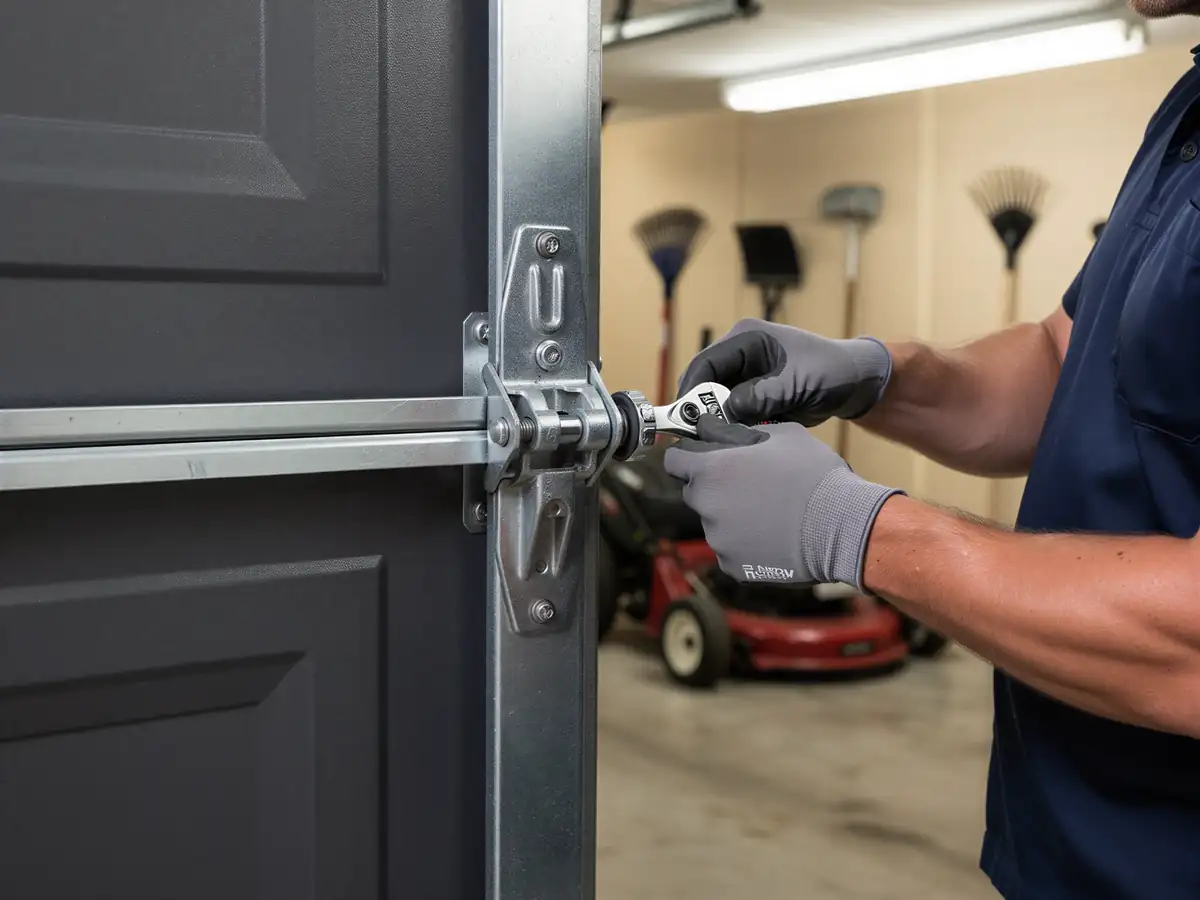
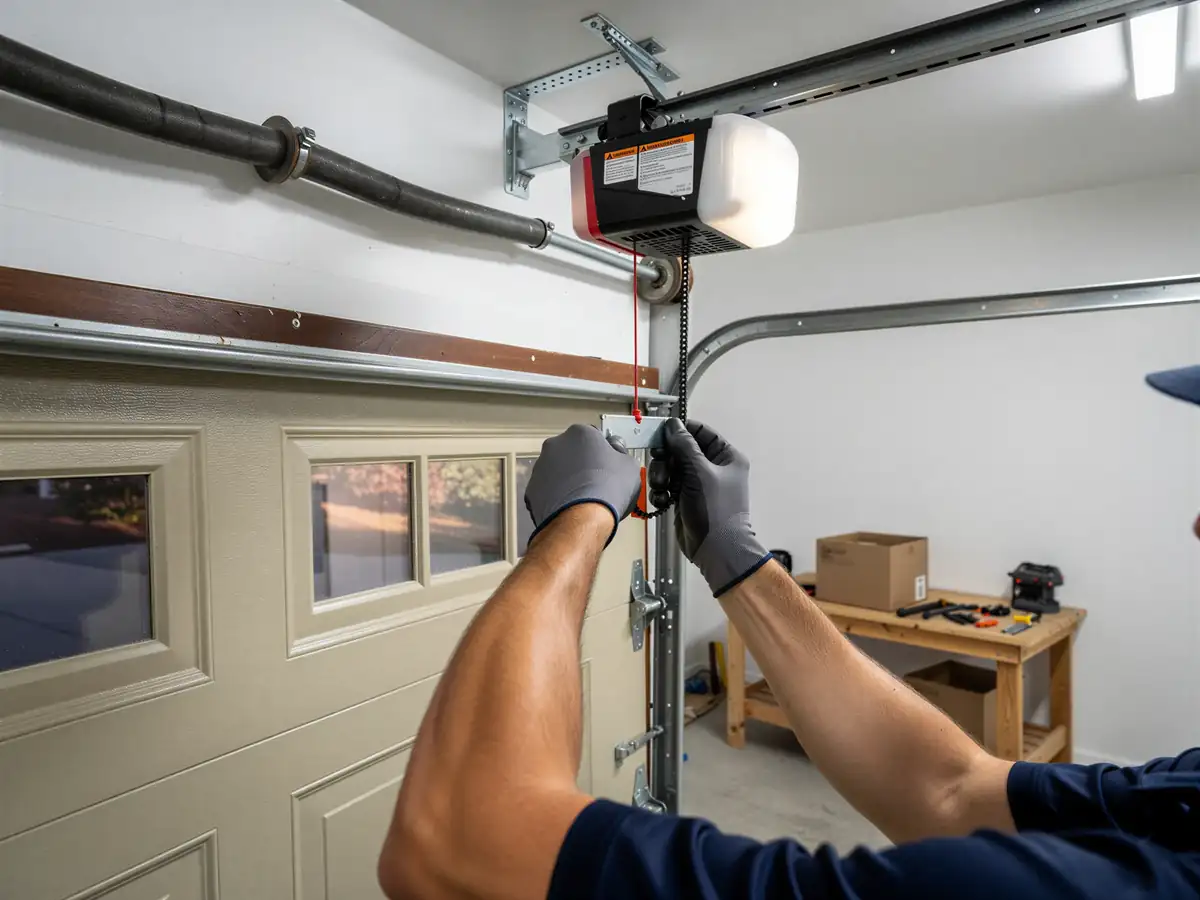
On a door this age it's usually a sticker near the bottom panel's end stile, sometimes worn illegible, in which case we measure the section directly. Panel replacement means disconnecting the door from the opener, pulling the hinges and rollers off the damaged section, swapping in the new panel, and reattaching hardware with new hinge bolts rather than reusing ones that have been torqued and loosened for forty years.
If the rust at the bottom panel has spread to the track or the bottom bracket
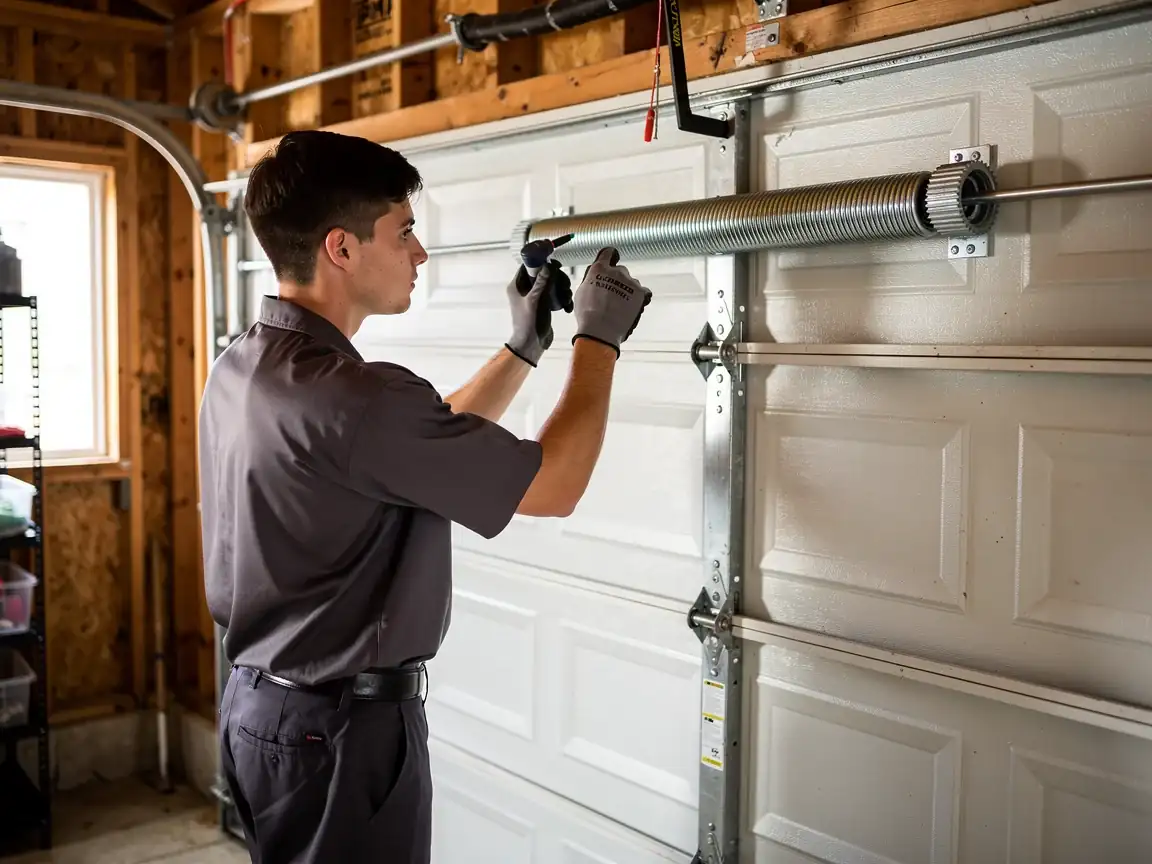
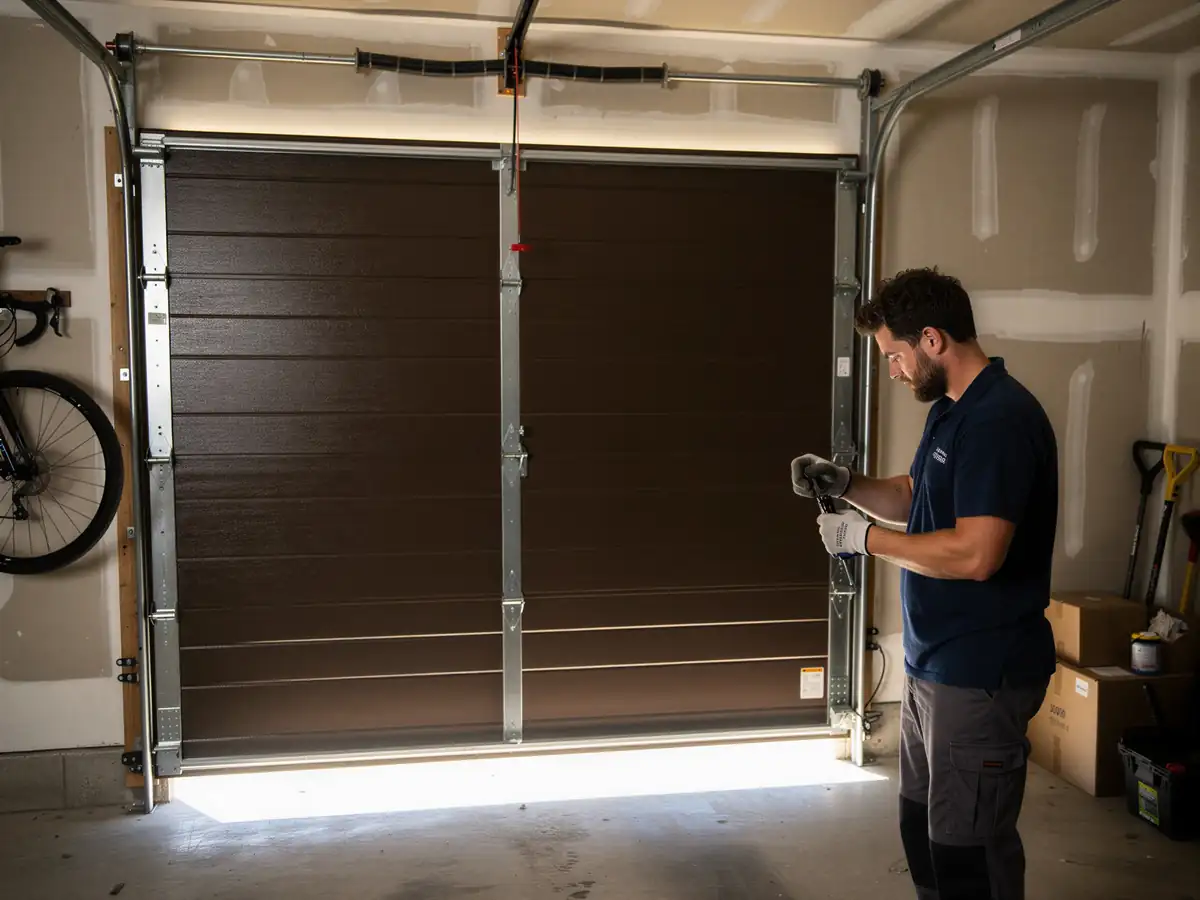
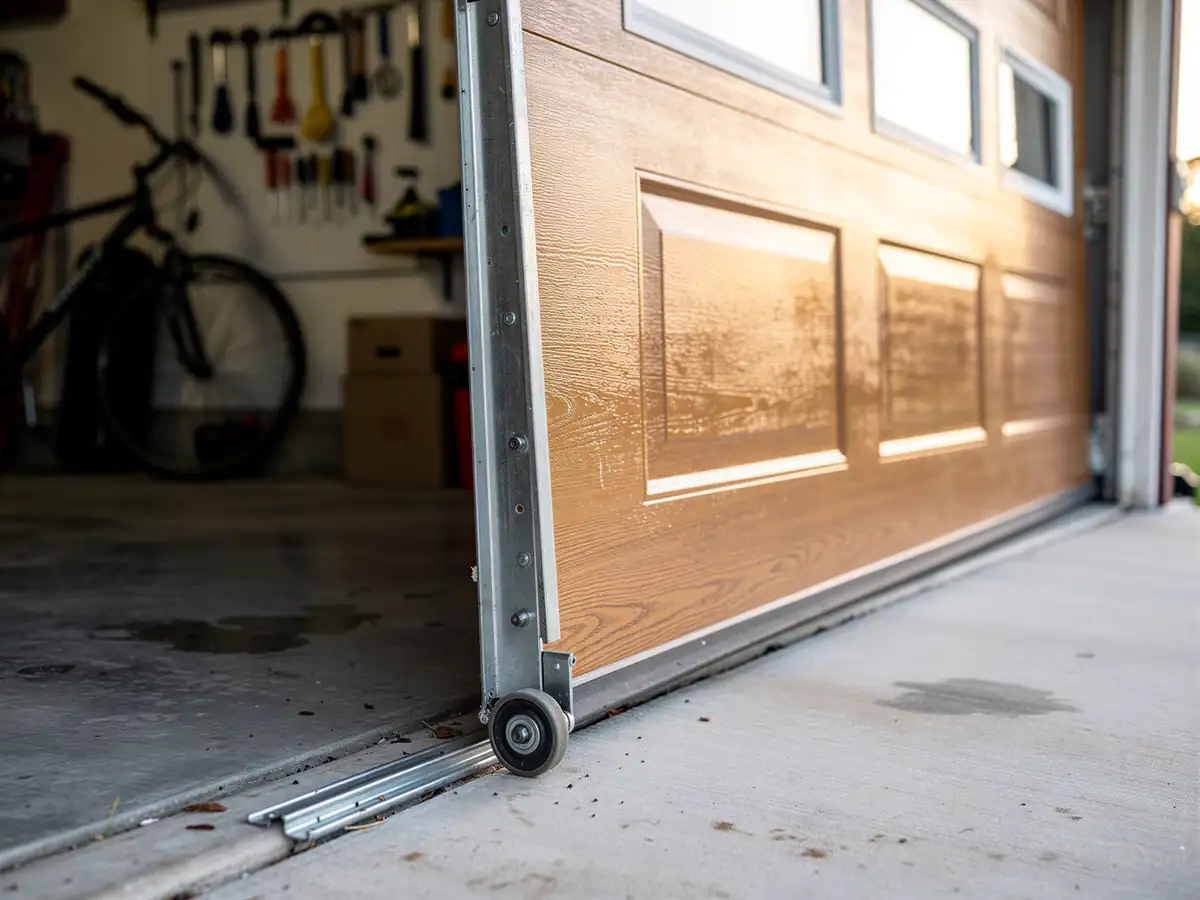
Common on doors built around 1984 that still have their original galvanized track - we'll flag that separately, because a panel swap on rusted-out track just transfers the fault to the next failure point. We balance and test the door on the torsion spring before we leave, since a new panel changes the door's weight distribution slightly, even by a few pounds.
What You Pay
We don't have a posted price list for this job, and we won't invent one here - panel cost varies by width, insulation, and whether your door's run has been discontinued, which pushes you toward a wider color-matched section or, in some cases, a full door replacement instead. What we can tell you is that Riverwoods sits about 2 miles from our shop in Deerfield, so travel isn't a factor that inflates the estimate the way it might on a job further out in the service area.
The honest limitation here: if your original panel run is discontinued and the closest match is a different embossing pattern, we'll say so before we order anything, and you decide whether a visible mismatch on one panel is worth it versus replacing the whole door.
Can You Do This Yourself
A single panel swap is within reach for a homeowner who's comfortable with a ladder, a socket set, and working around a loaded torsion spring - but that last part is the catch. The spring stays under tension whether or not you're touching the panel, and on a door built around 1984 the spring itself is old enough that it's worth inspecting before you put new hardware anywhere near it.
If your door is a standard width and the hinges aren't rusted into the track, unbolting one damaged section and bolting in a replacement is a manageable weekend job. If the hinges are frozen with rust, if the track is pitted at the bottom, or if you're not sure your door's panel width is still in production, that's where we'd rather you call before you order a part that doesn't fit.