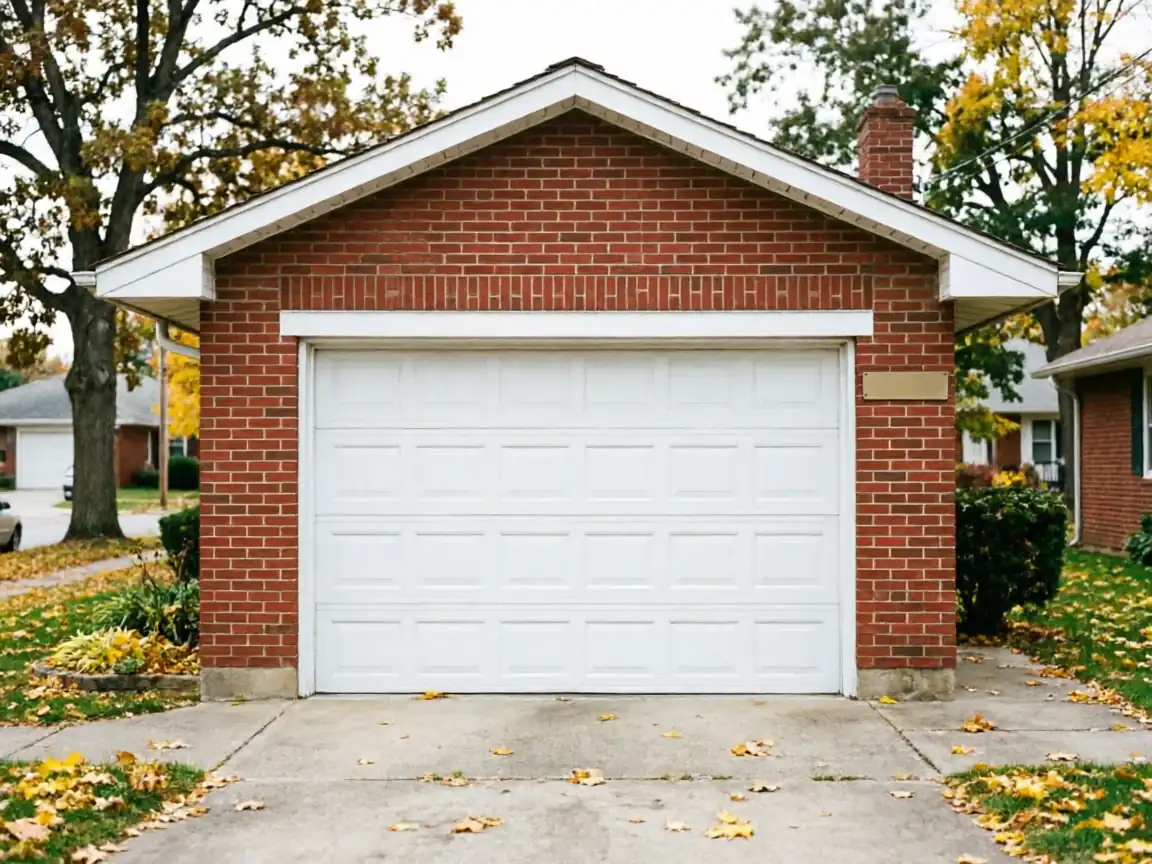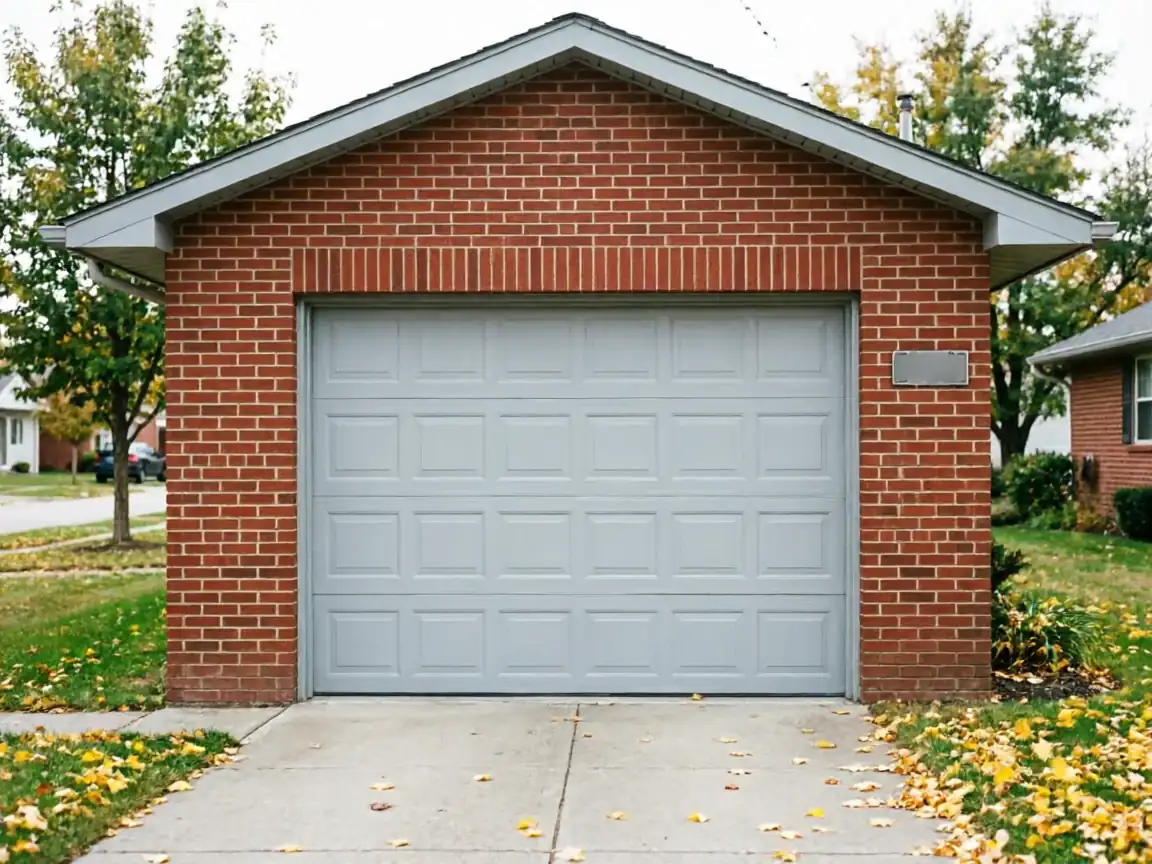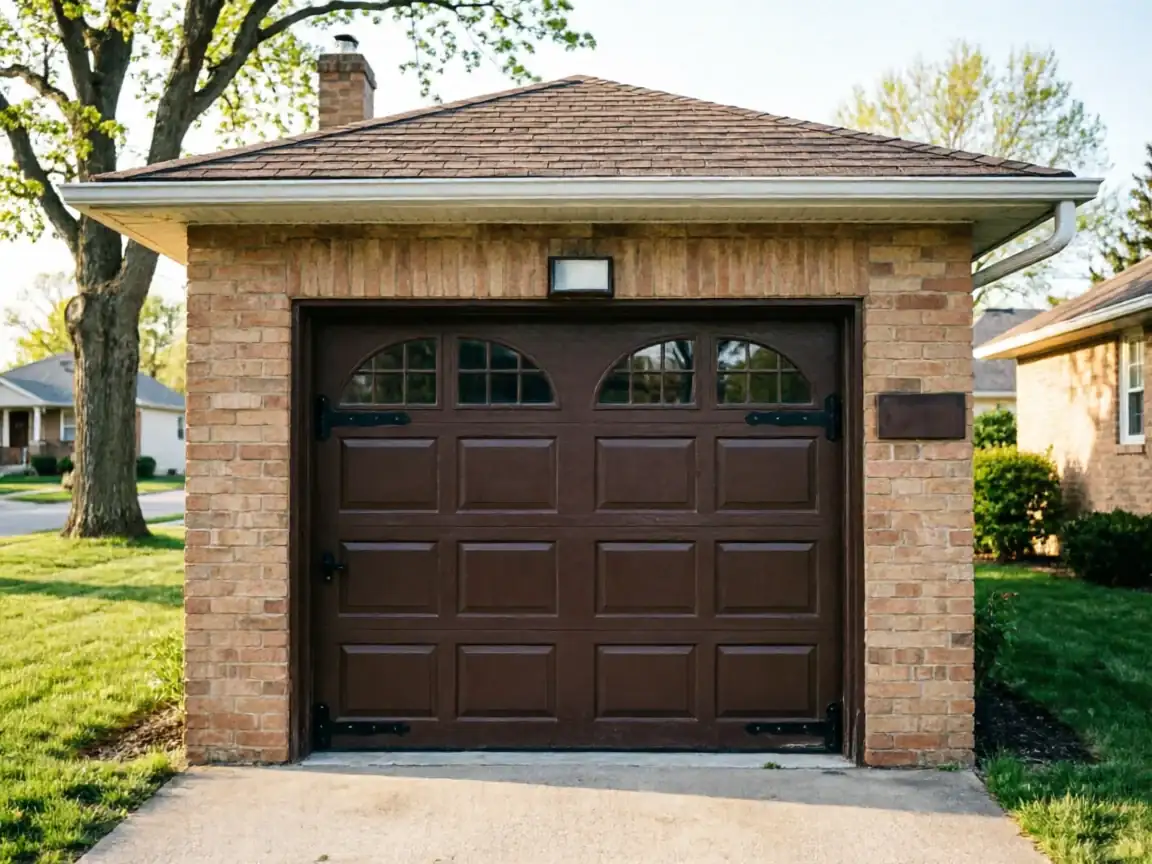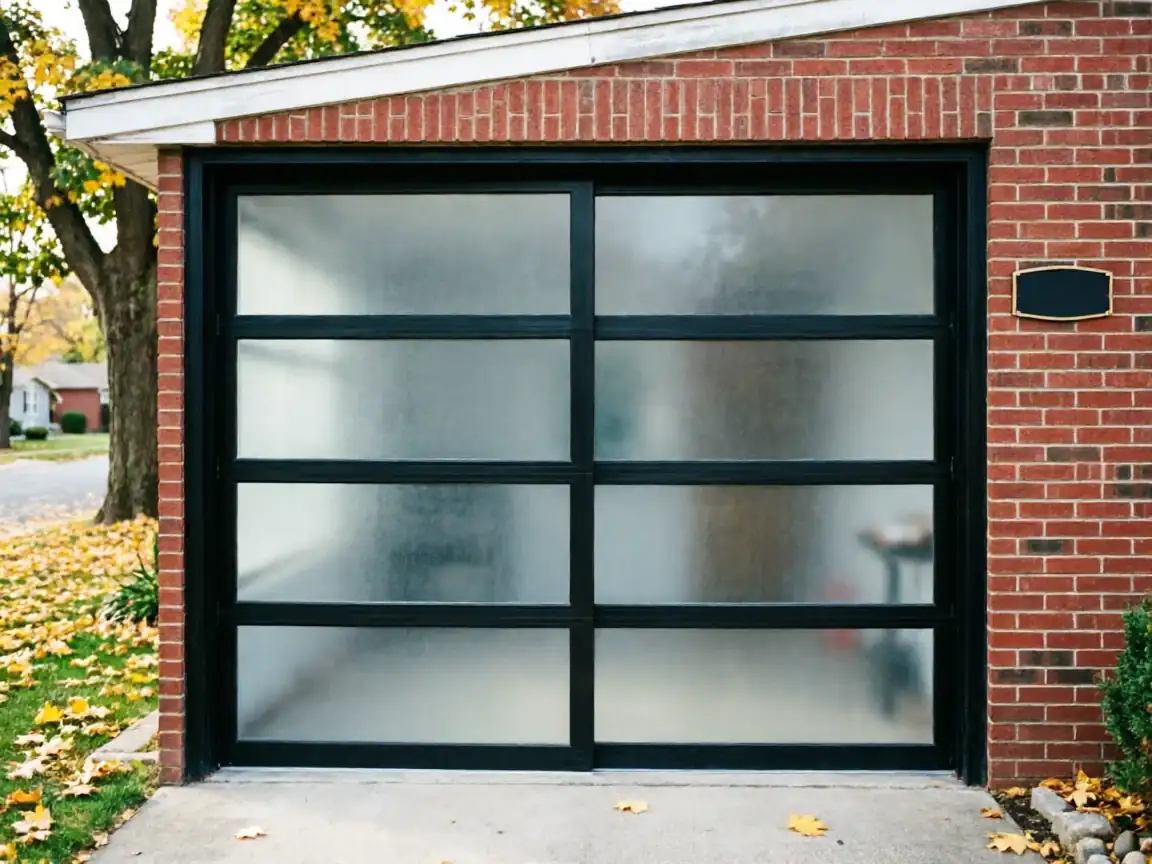
What You Are Seeing
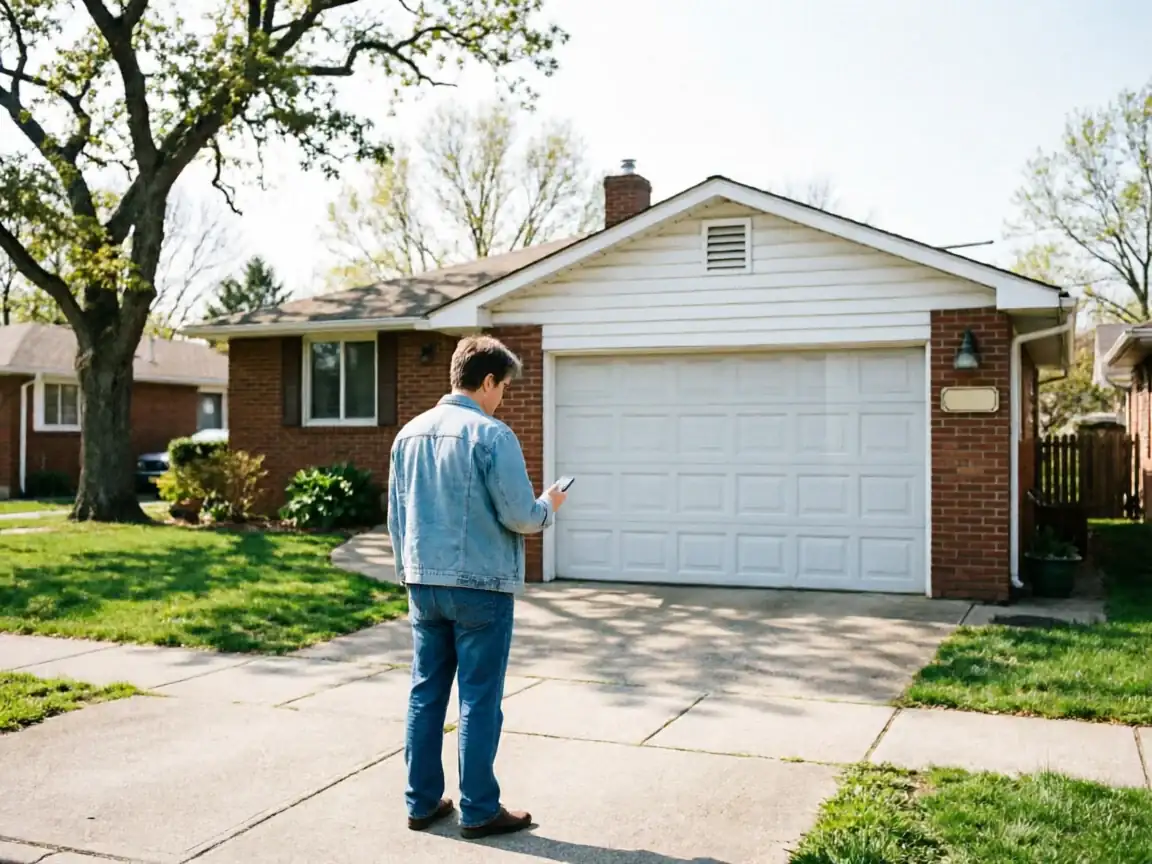
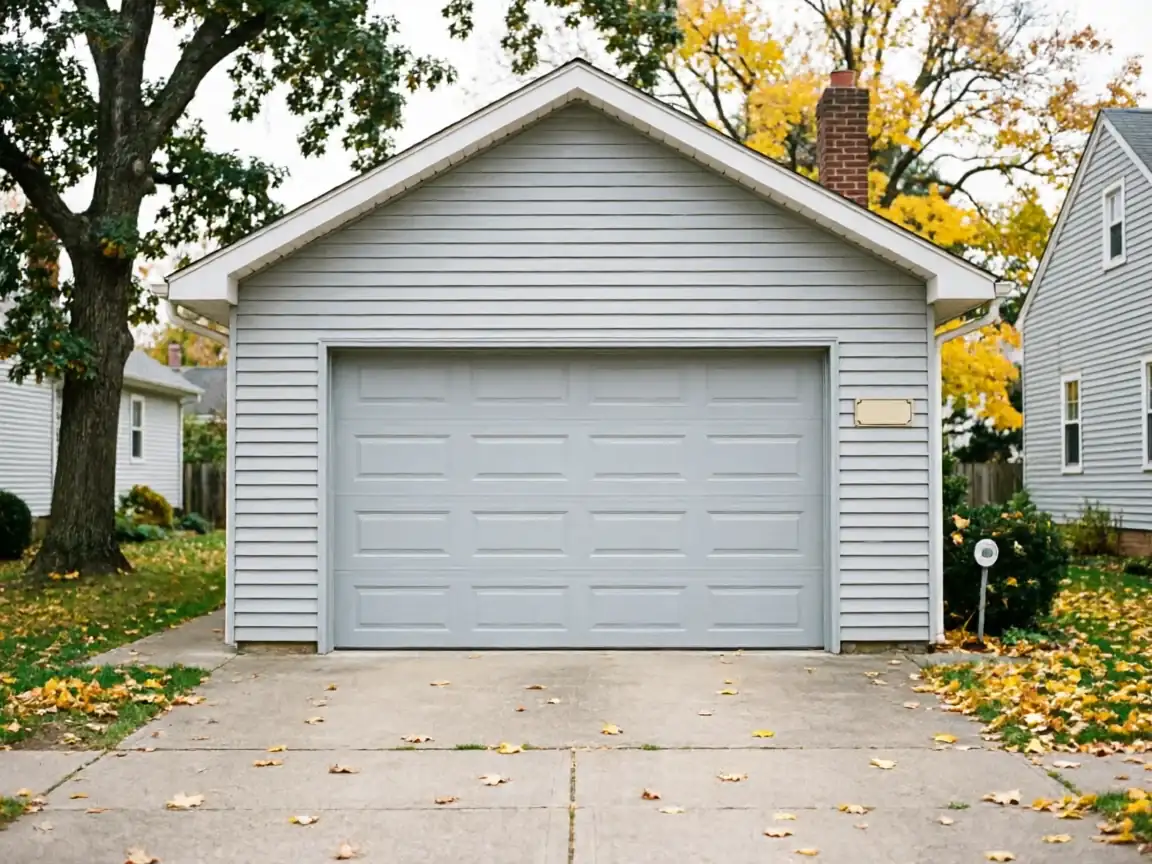
Riverwoods is a small place - about 1,265 households, nothing like the dense suburbs closer to the city. That matters for maintenance because a small household count means fewer doors cycling on a tight schedule, but it also means the doors here skew newer. Median year built is 1984, well past the 1977 midpoint for the wider service area, so you're less likely to be fighting a door from the 1960s stock that shows up elsewhere.
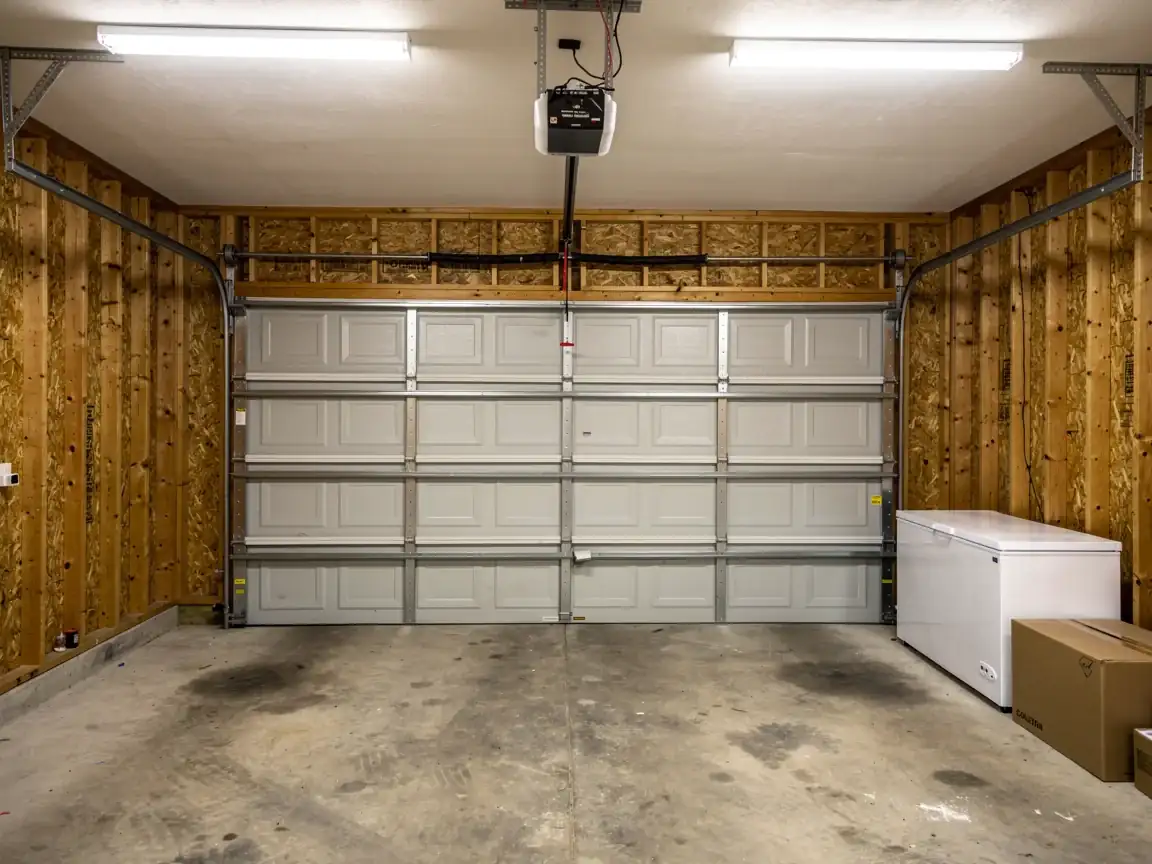
What we actually find on these calls: openers from the late 80s and 90s starting to show their age - worn gears, drifting limit switches, logic boards that have taken forty winters of temperature swings. The hardware is usually in decent shape because it's younger, but nobody has touched the lubrication or the balance in years. Cold-climate strain (we're in a moderate-cold band here) is hard on steel springs and nylon rollers regardless of install date, and that's the part that gets ignored until a spring snaps on a Tuesday morning.
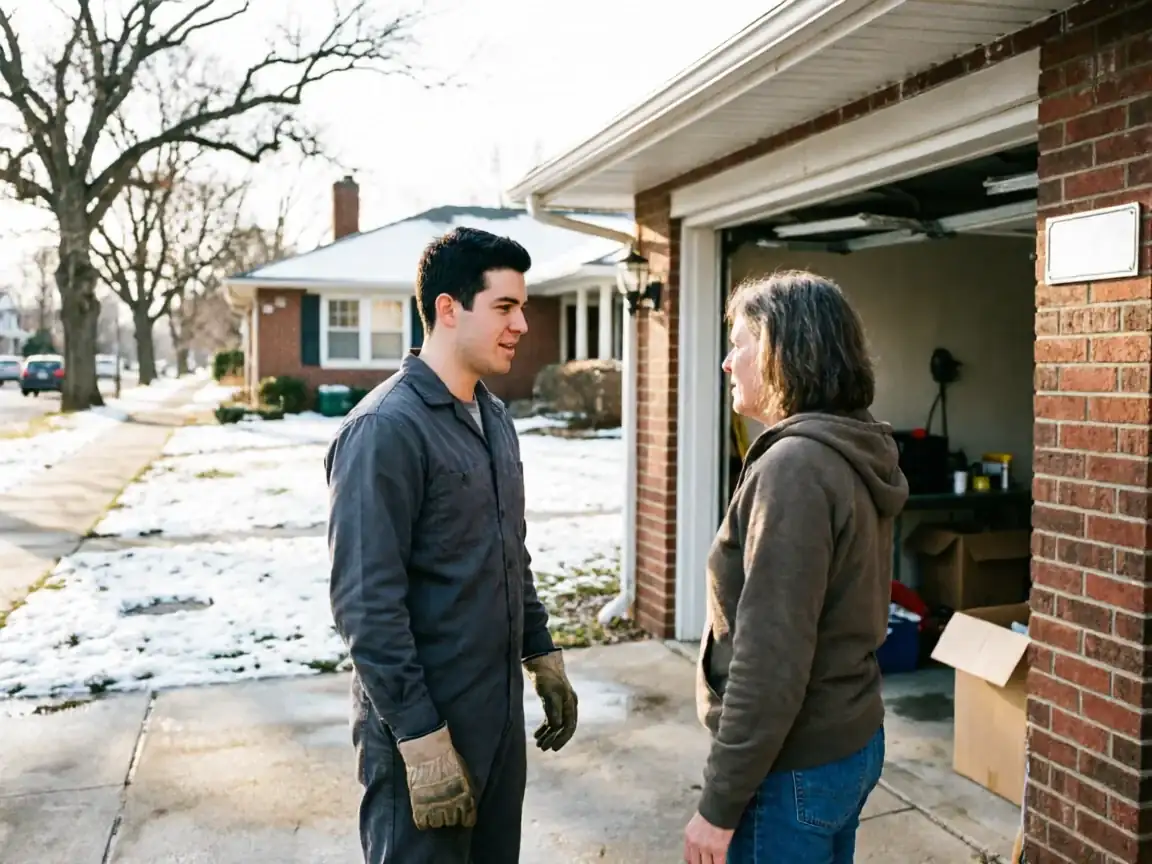
We come out from Deerfield, about 2 miles away, so getting a technician to a Riverwoods address isn't a long haul for us. It's a short trip on a route we already run regularly for other towns nearby.
Parts We Carry
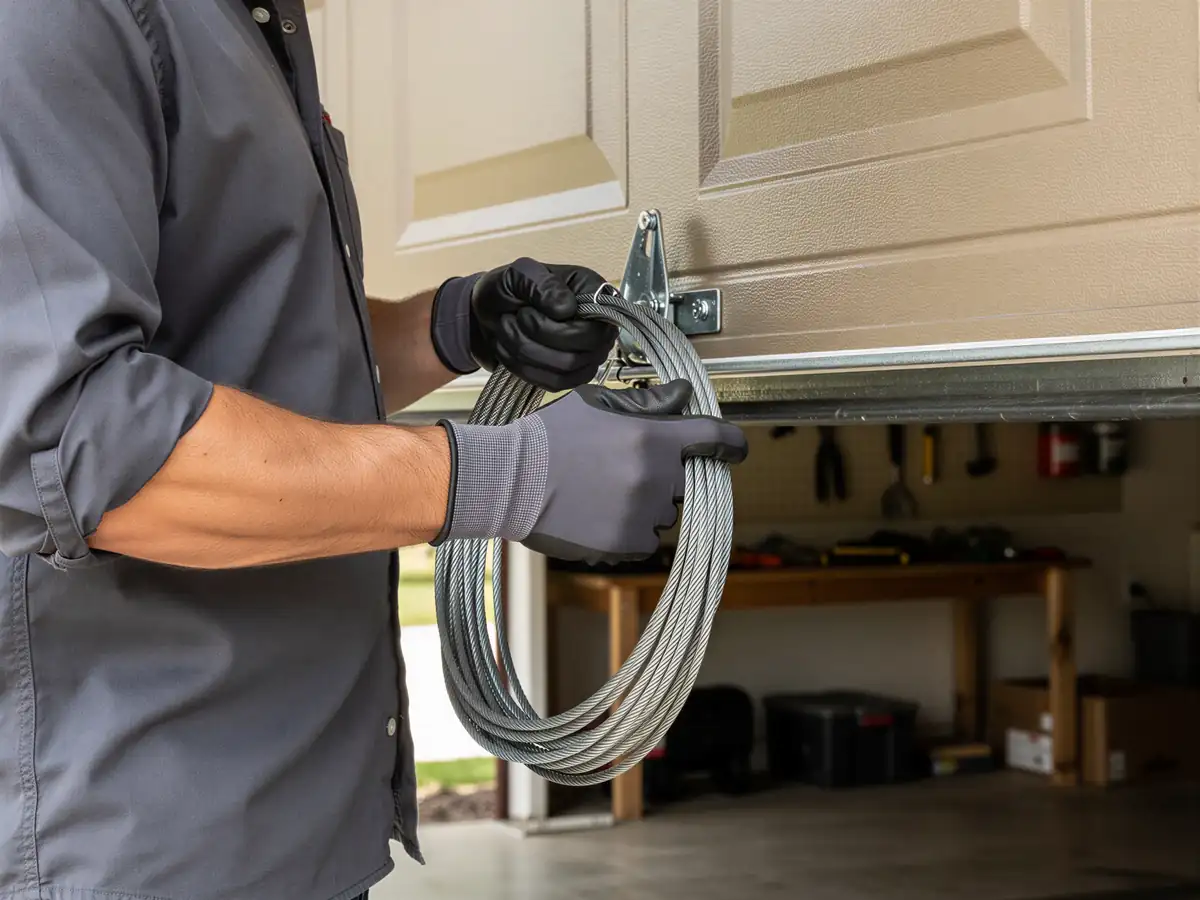
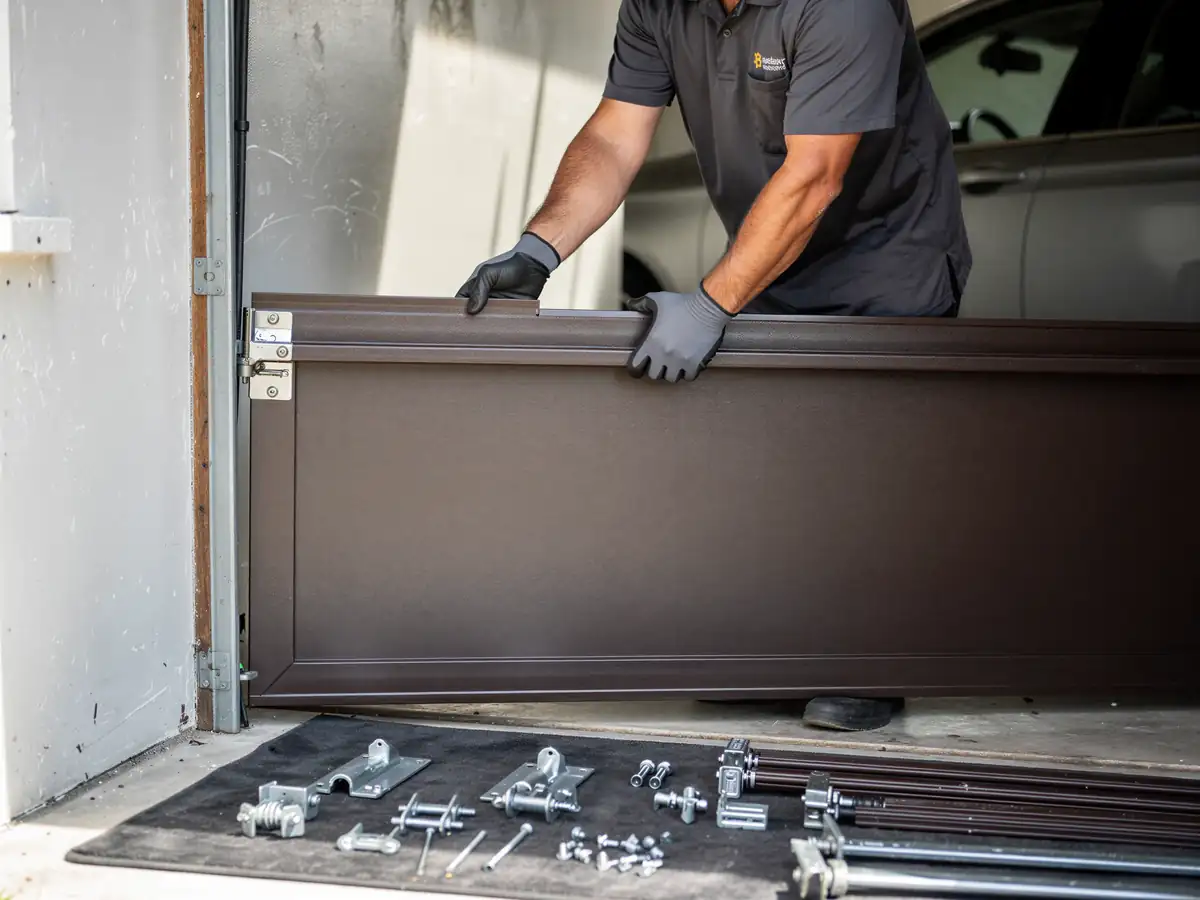
On the truck we keep torsion springs sized for residential double and single doors, nylon and steel rollers, standard lift cables, and the common limit switch and logic board parts for openers from the late 80s through the 2000s - which covers most of what's actually installed on a street built out around 1984. We don't stock obsolete one-piece door hardware or discontinued opener boards from brands that stopped making parts years ago; if your door or opener falls into that category, we'll tell you straight that a repair may mean a special order or a conversation about replacement instead.
Weatherstripping and bottom seals wear out here the same as anywhere in this climate band - cold makes rubber brittle, and brittle seals let in drafts and debris. We carry standard seal stock in common widths. What we don't carry on the truck is custom millwork or anything decorative that was special-ordered when the house was built; those take a lead time we can't shortcut.
What the Fix Involves
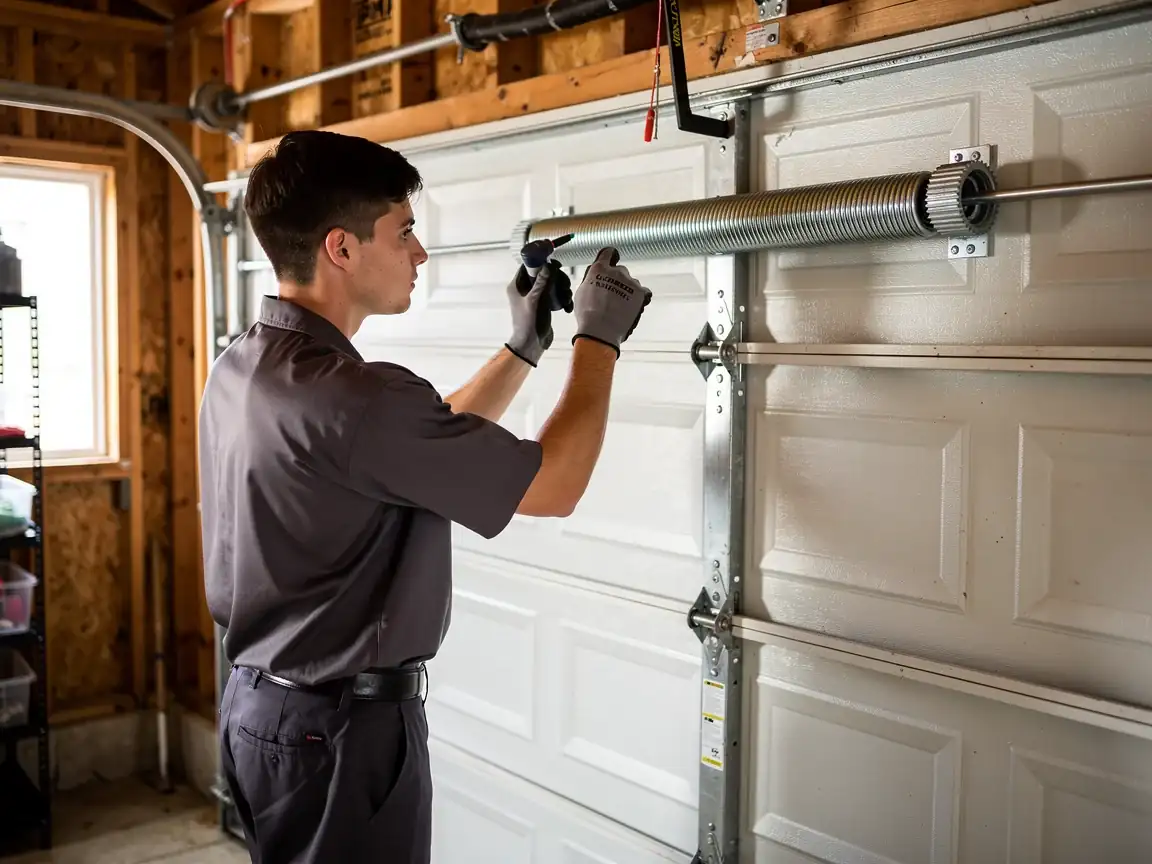
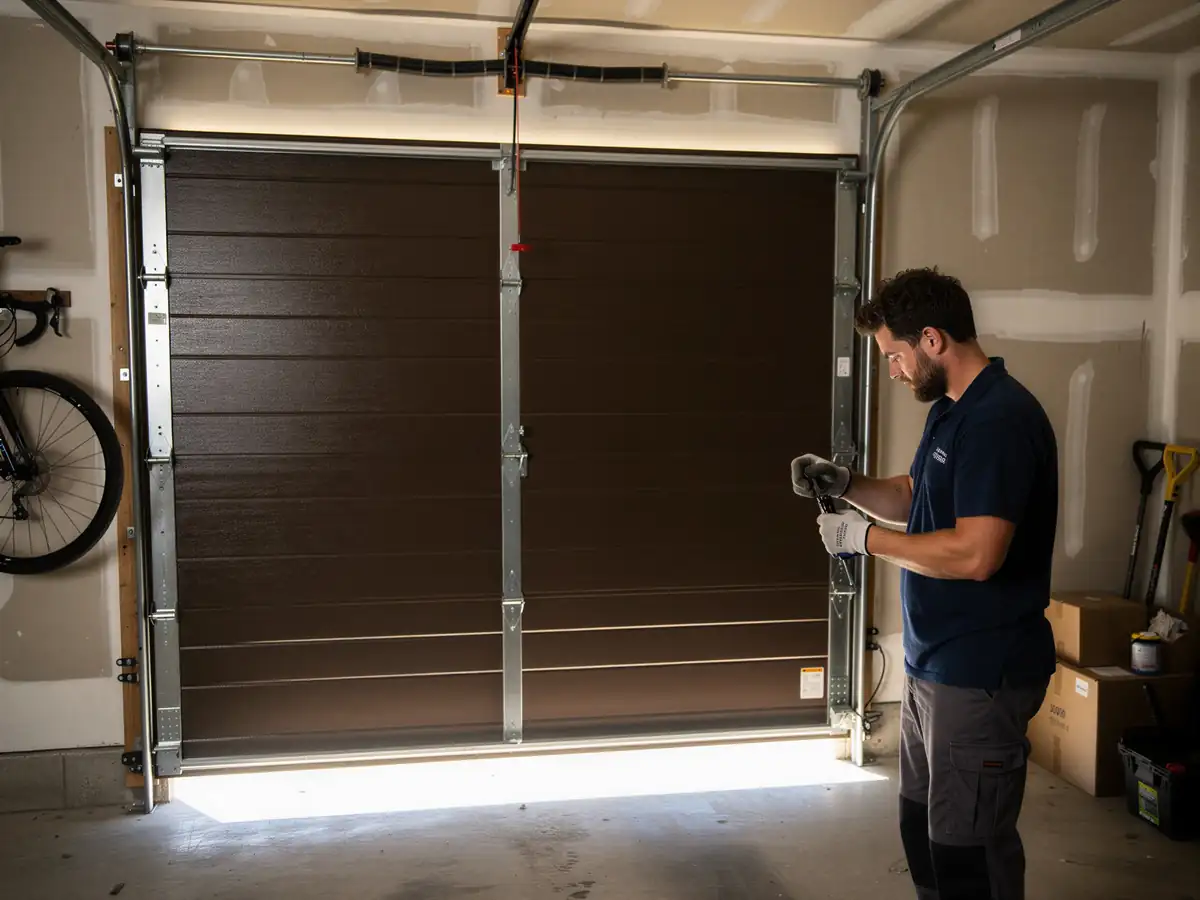
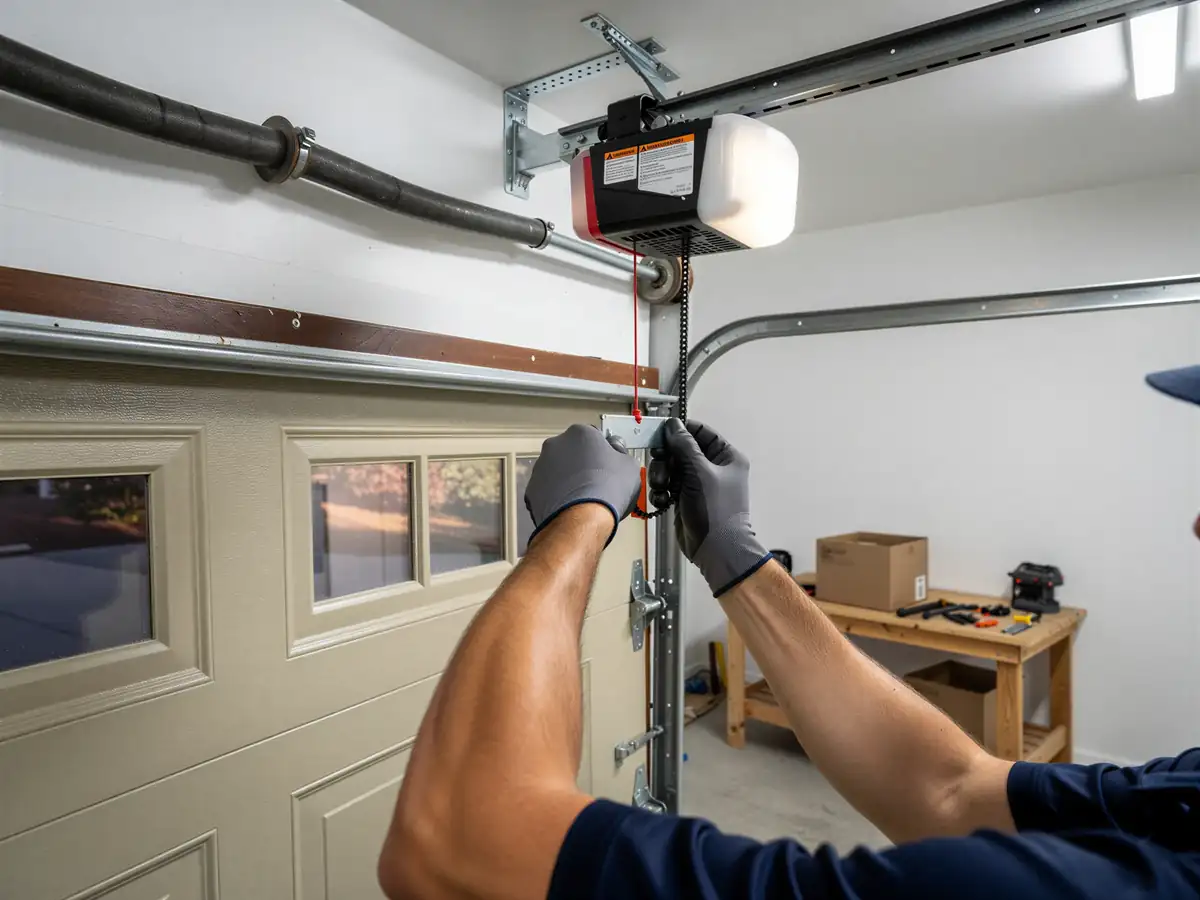
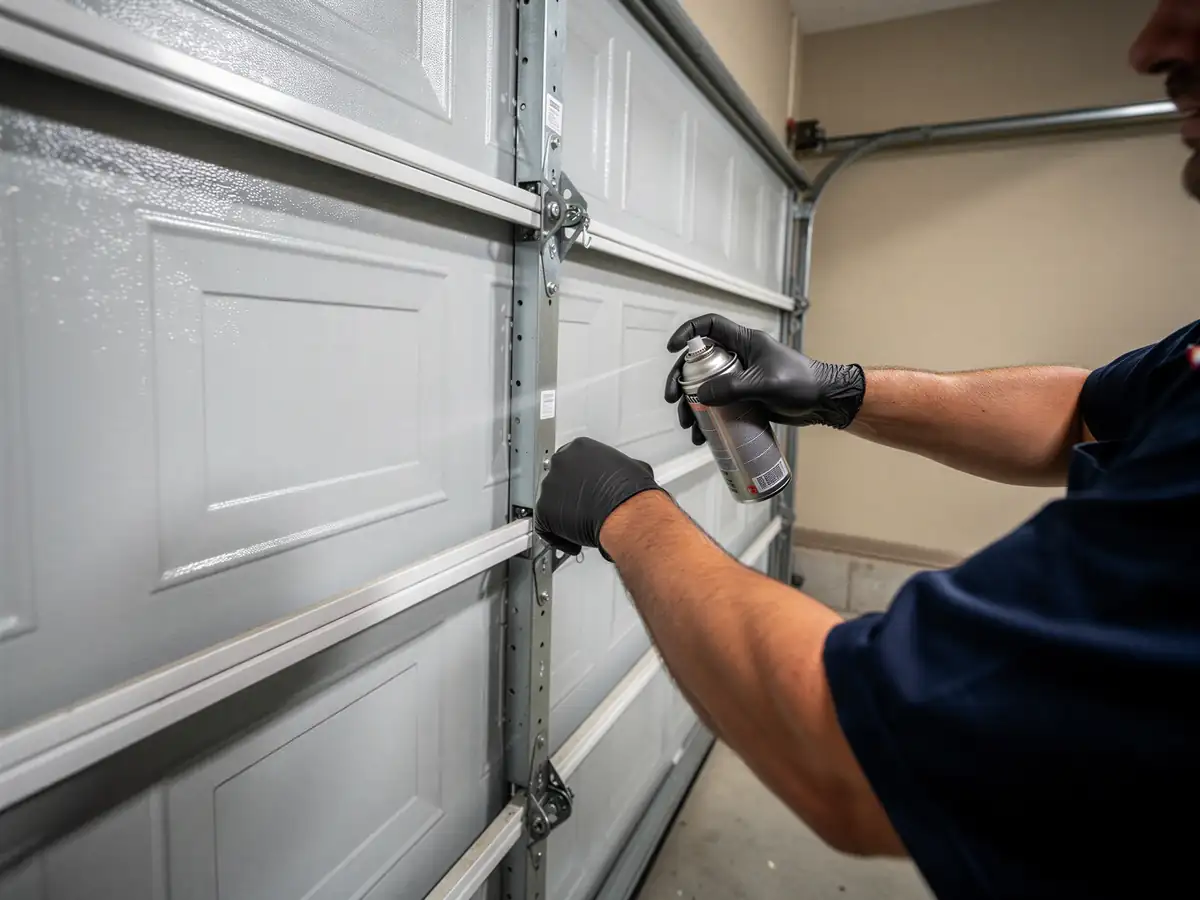
A standard maintenance visit means checking spring tension and balance
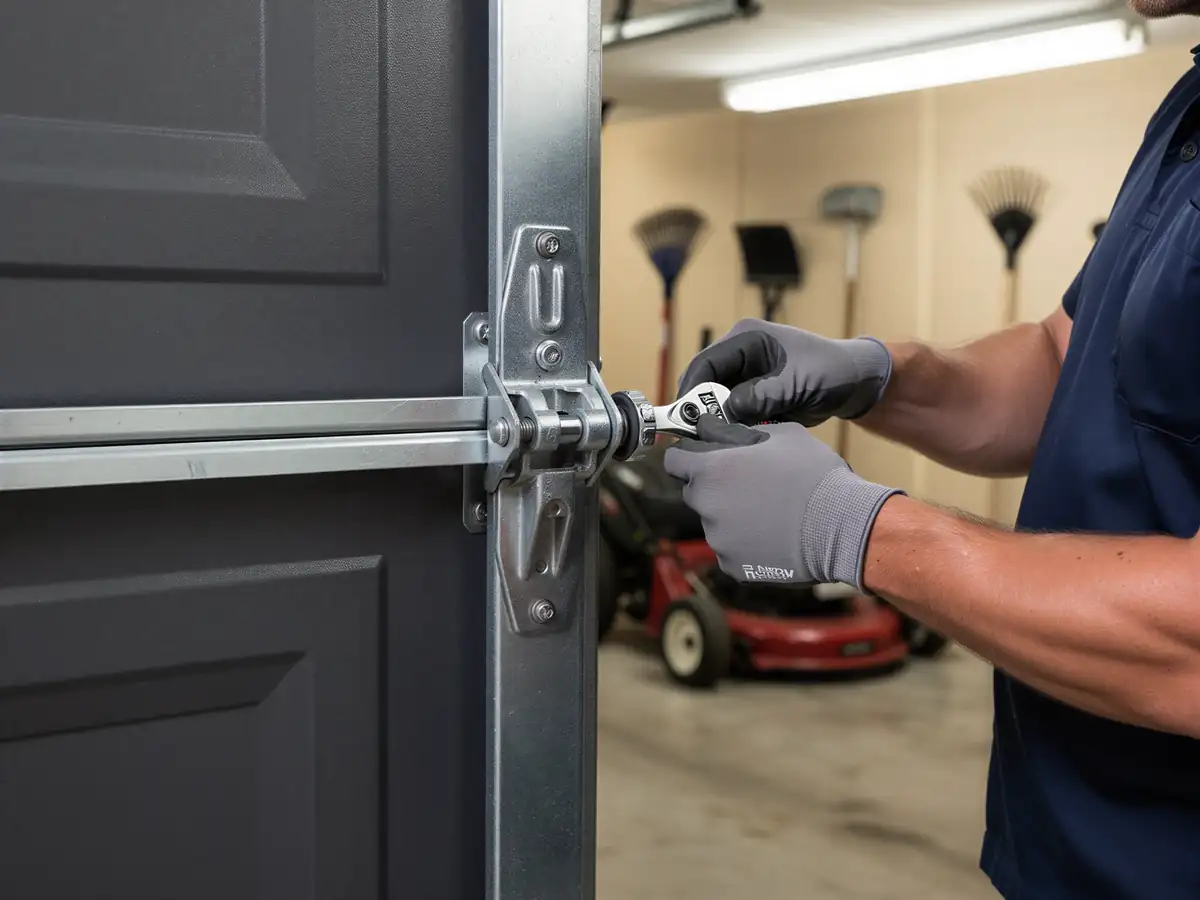
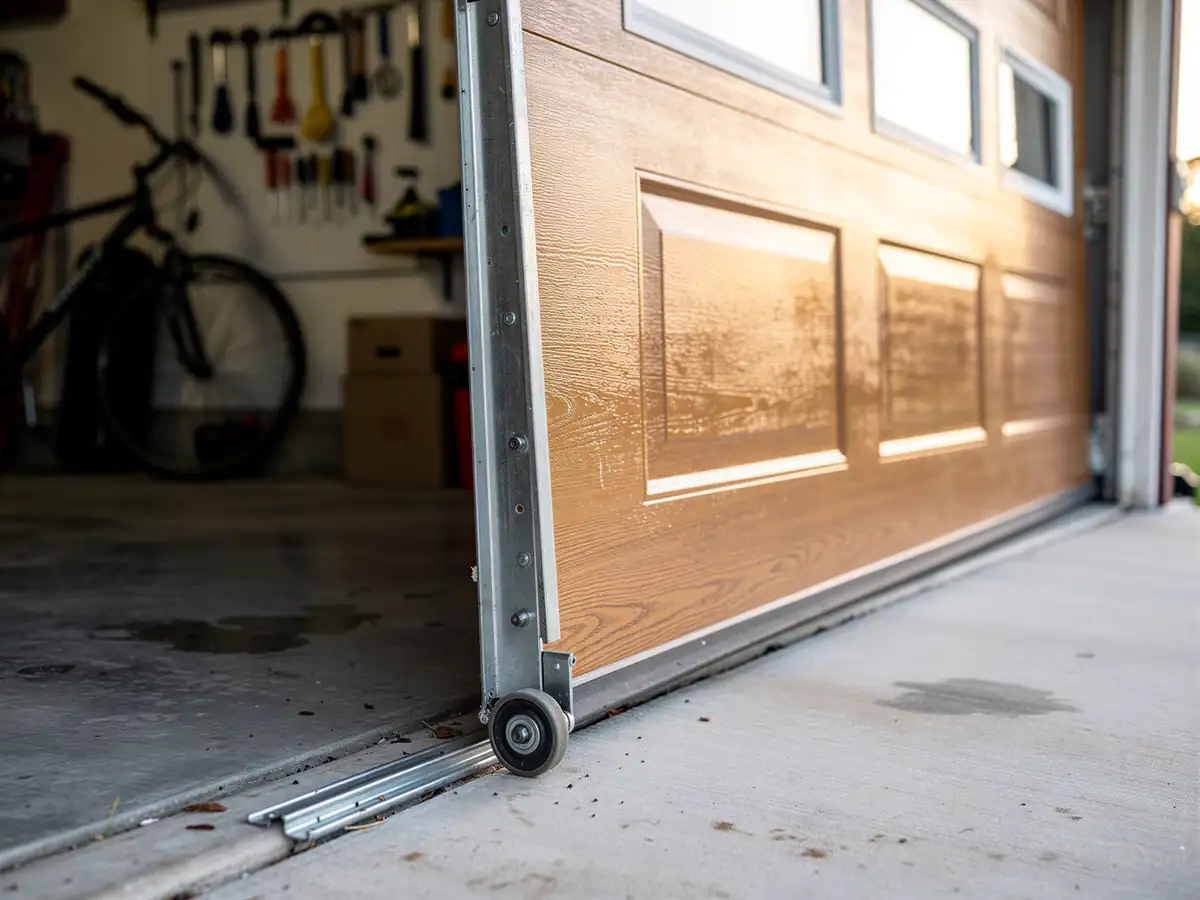
Inspecting cables and rollers for fraying or flat spots, lubricating hinges and track, testing the opener's force and travel limits, and tightening hardware that's worked loose from thousands of cycles. On a door from the mid-80s, the torsion spring is usually original or a first replacement, and the galvanized coating has had decades to react to moisture in an unheated garage - that's the thing we check closest.
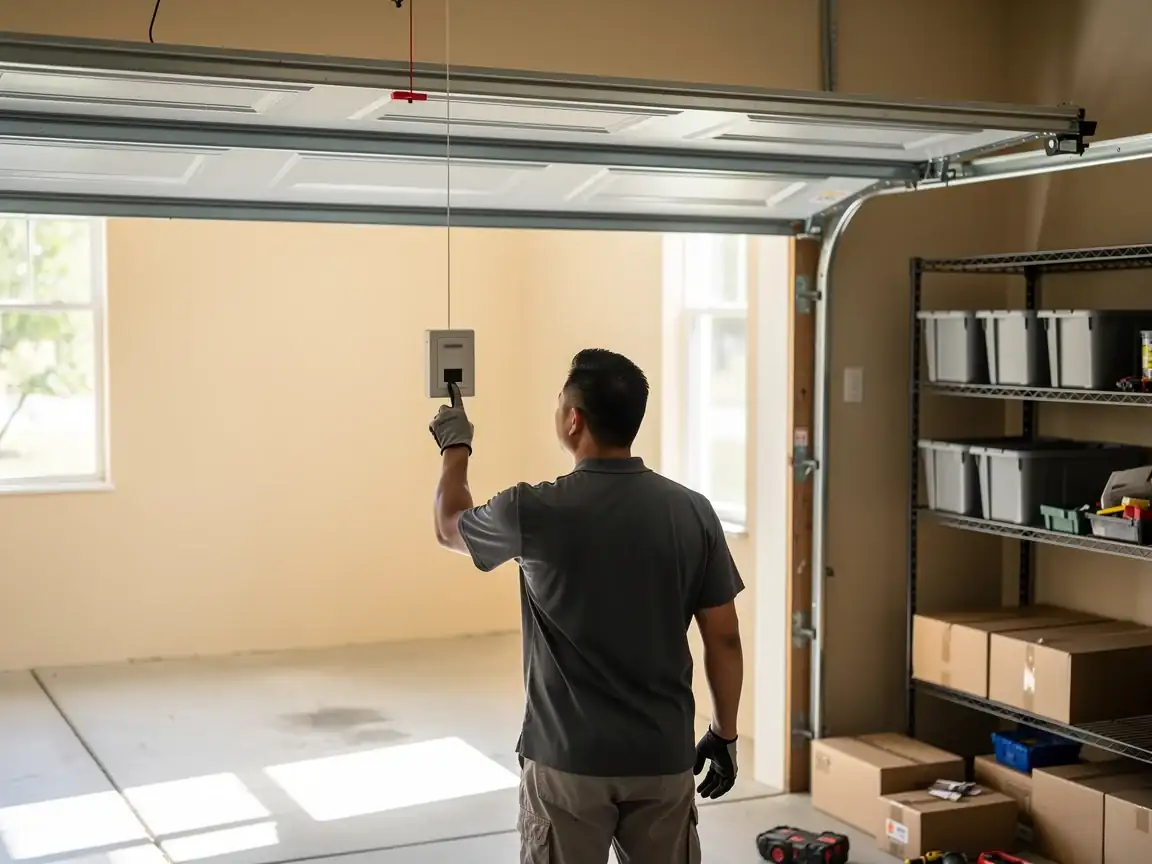
If the opener logic board is original, we test it rather than assume it's failing; a lot of the
What You Pay
We don't have a published flat rate to quote you here, and pricing depends on what the inspection turns up once the technician is on site - a tune-up with no parts needed costs less than a visit where a spring or roller set gets swapped. What we can tell you is that Riverwoods households have a median income well above the wider service area average, which has nothing to do with what we charge but does mean we see a fair number of owners who'd rather pay for a thorough yearly maintenance visit than wait for a spring to fail during a cold snap and turn into an emergency call.
Can You Do This Yourself
Some of this is fair to do on your own: wiping down tracks, checking that the auto-reverse safety feature still works, listening for new grinding or scraping noises, and keeping the weatherstripping clean. A torsion spring is not a DIY job - it's under enough tension to cause a serious injury if it lets go while you're working on it, and that's true whether the door is from 1984 or last year. If you're not sure whether what you're hearing is normal wear or something about to fail, that's worth a call rather than a guess.