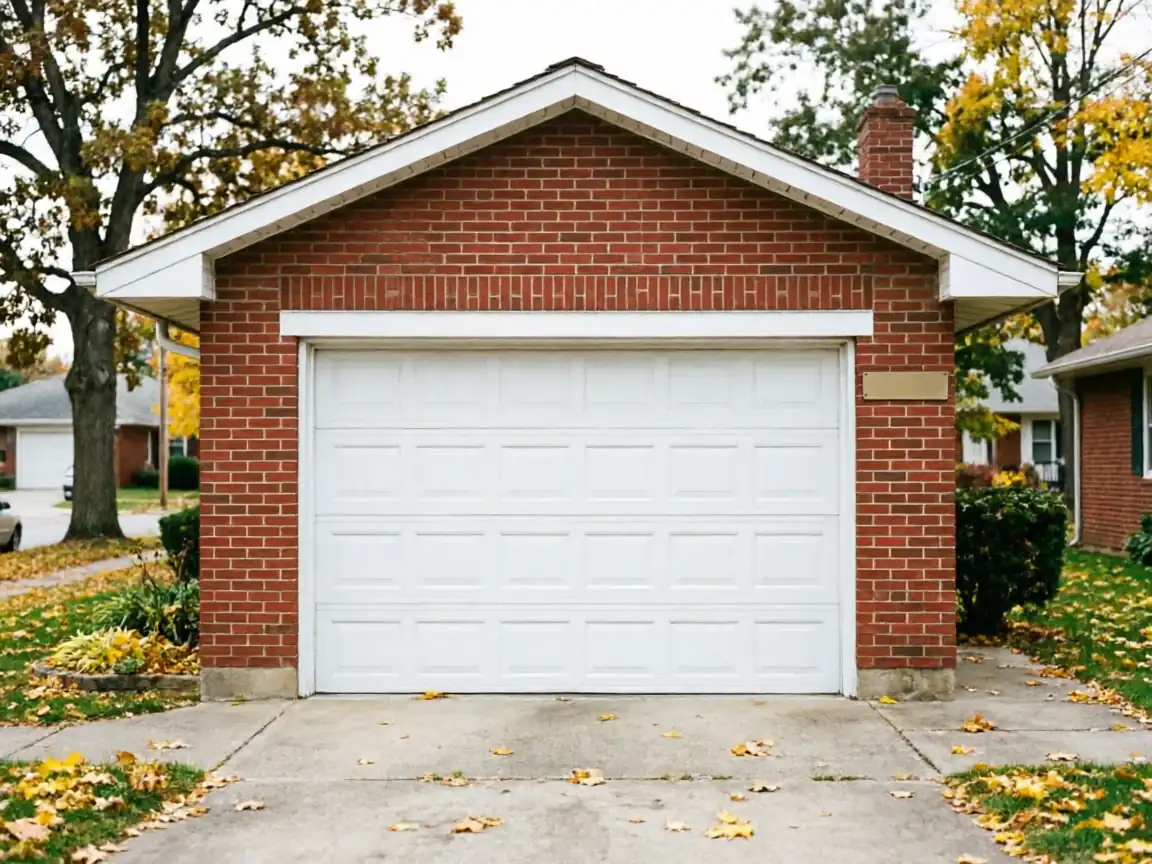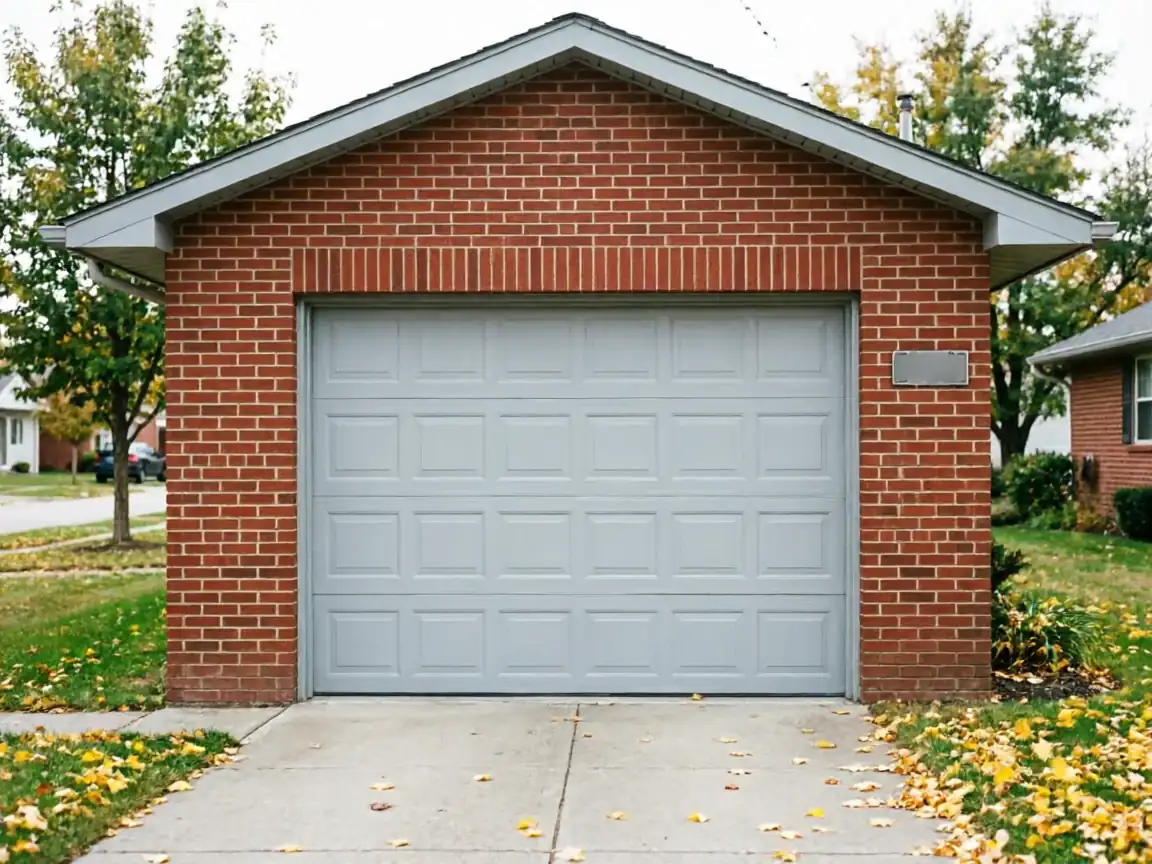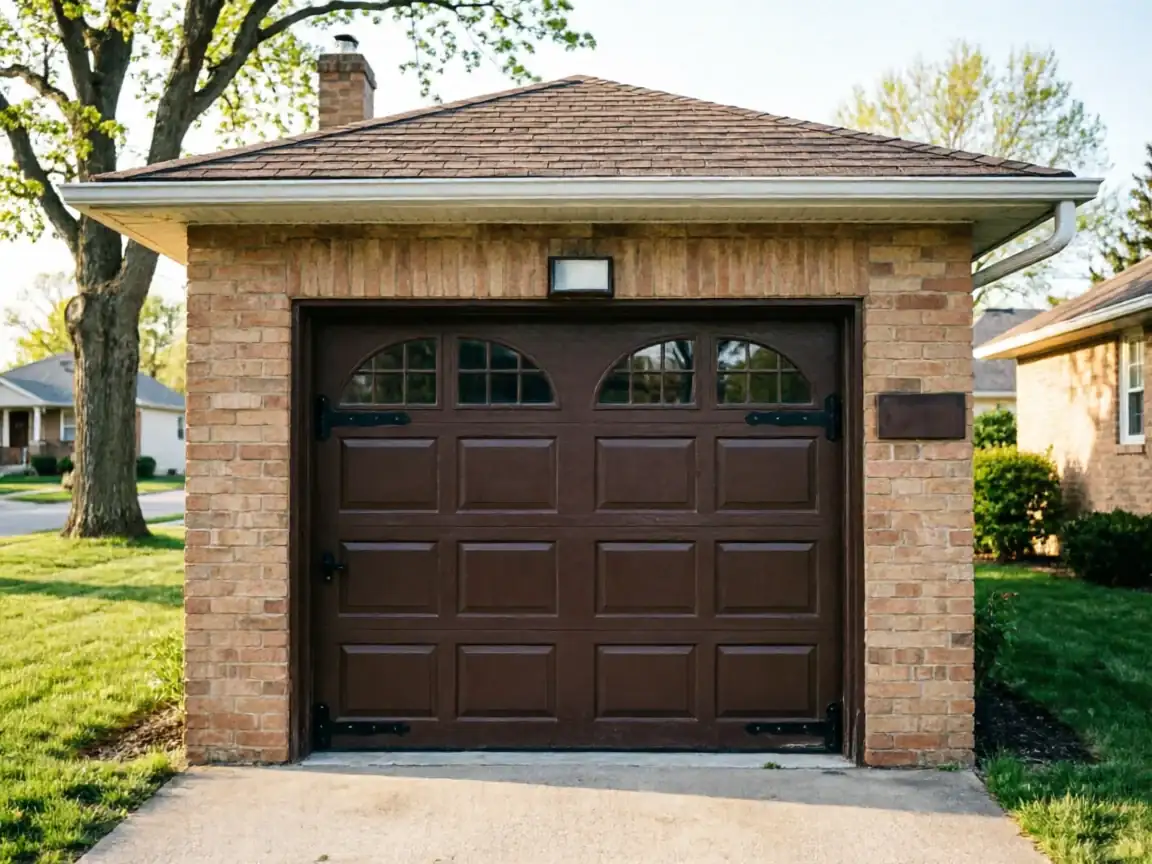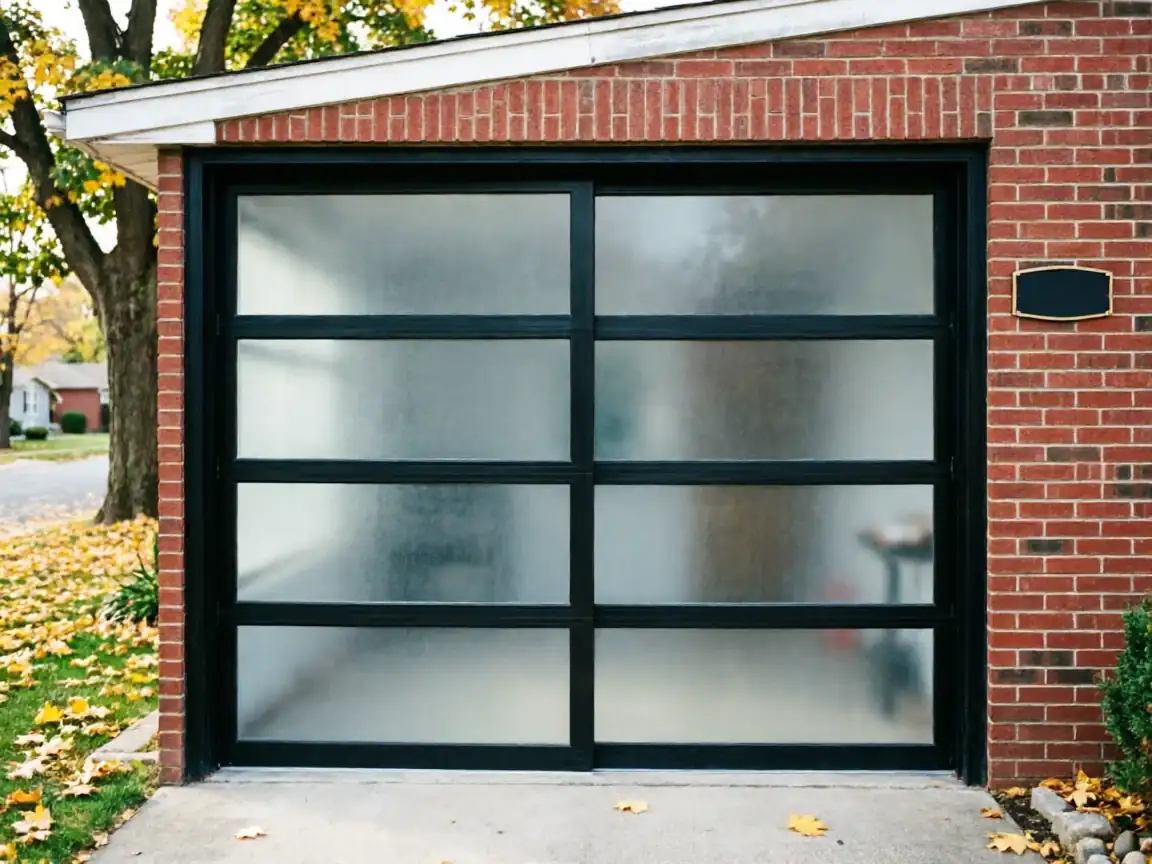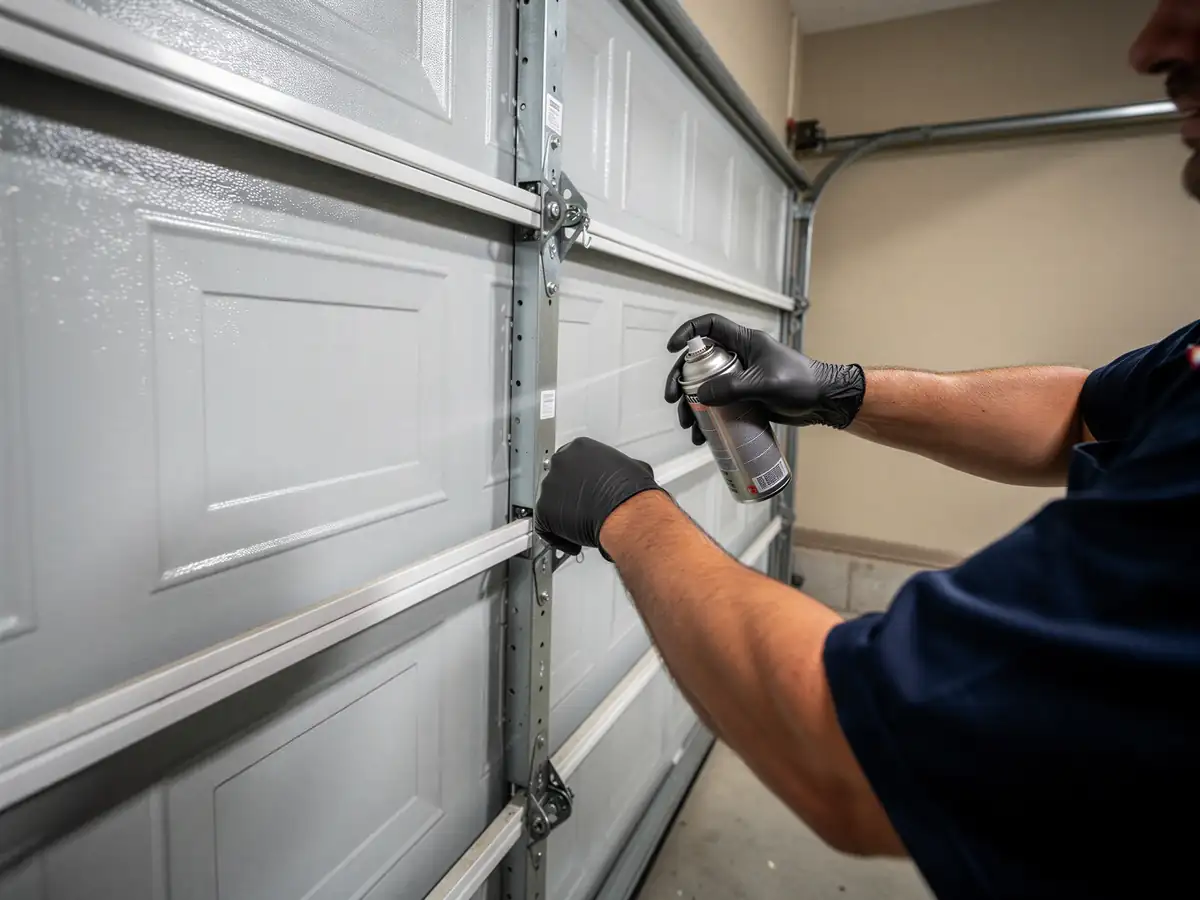
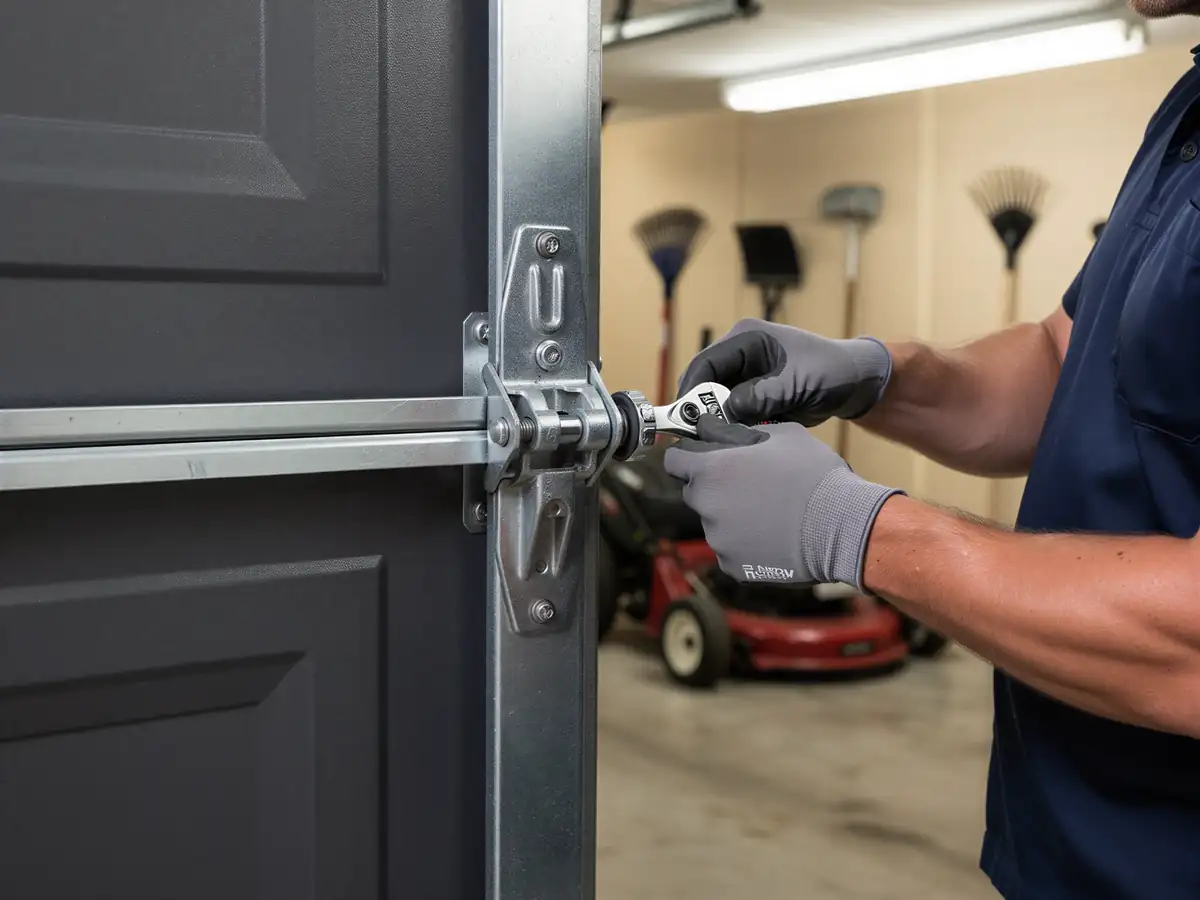
What You Are Seeing
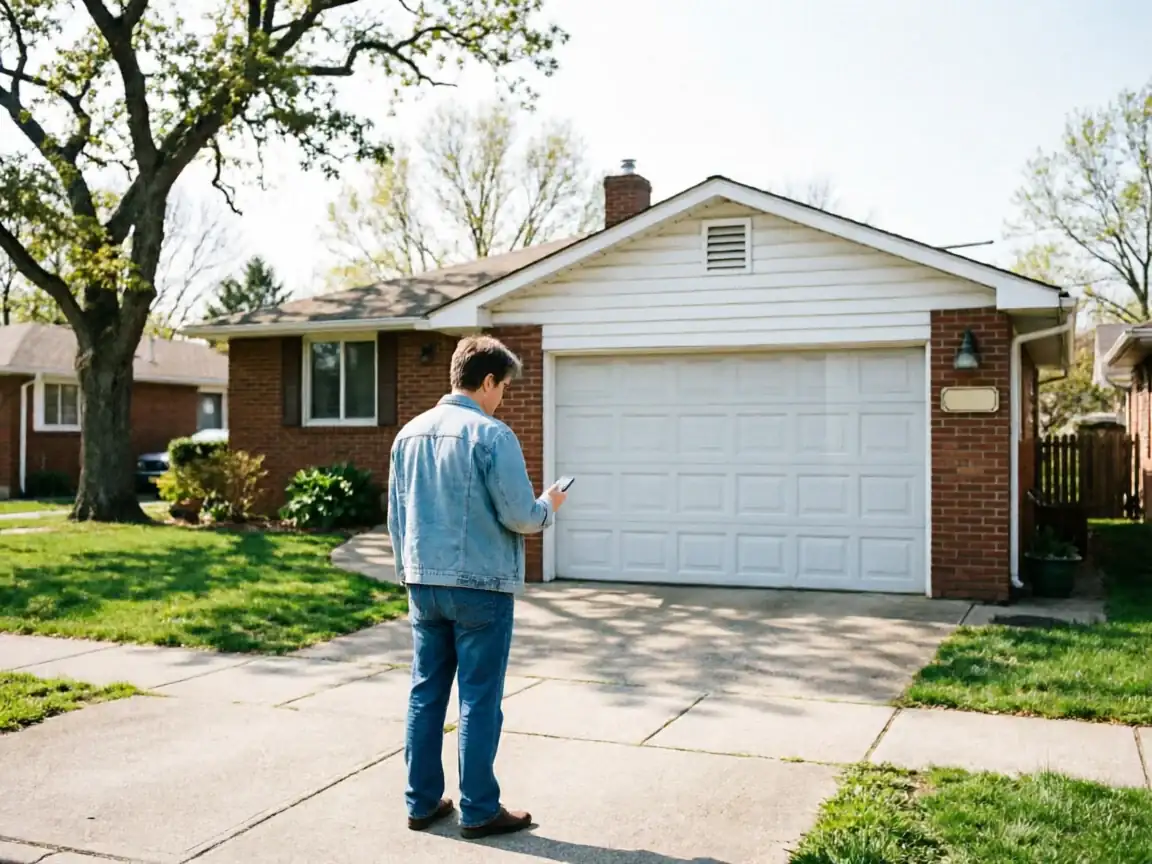
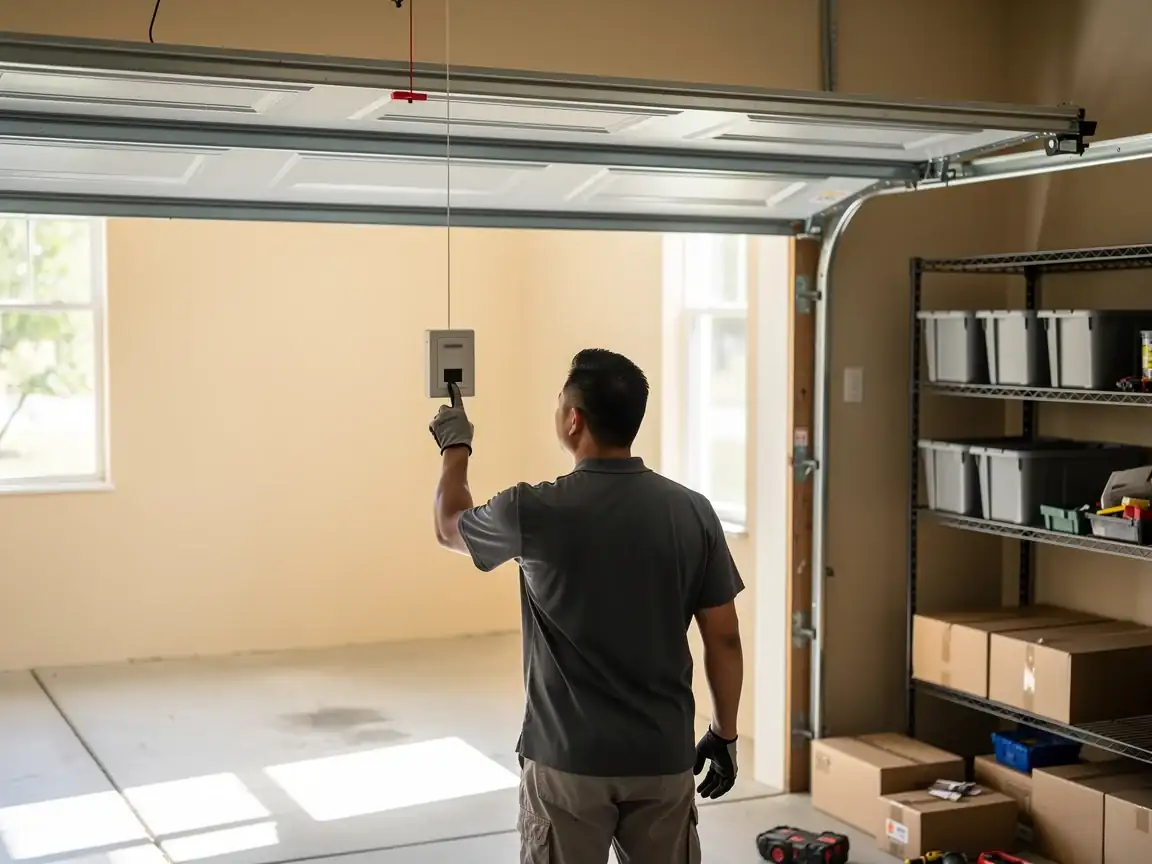
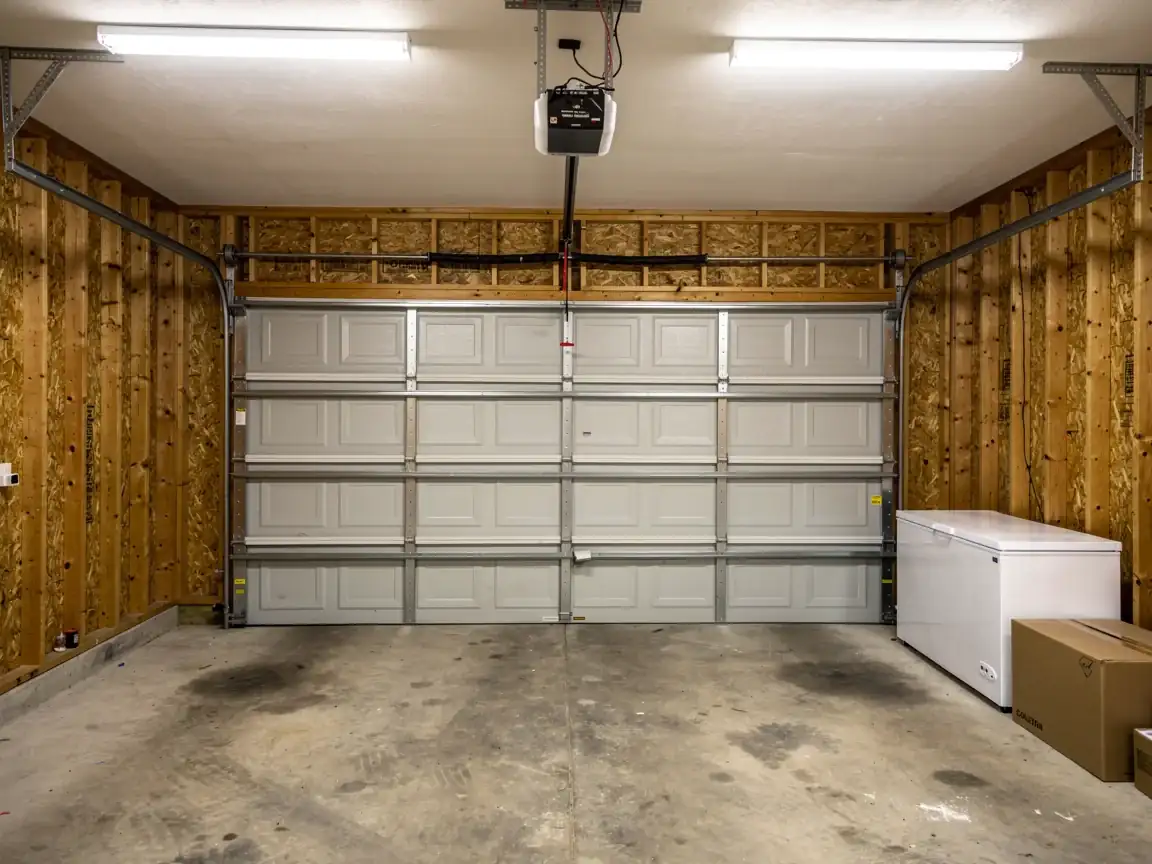
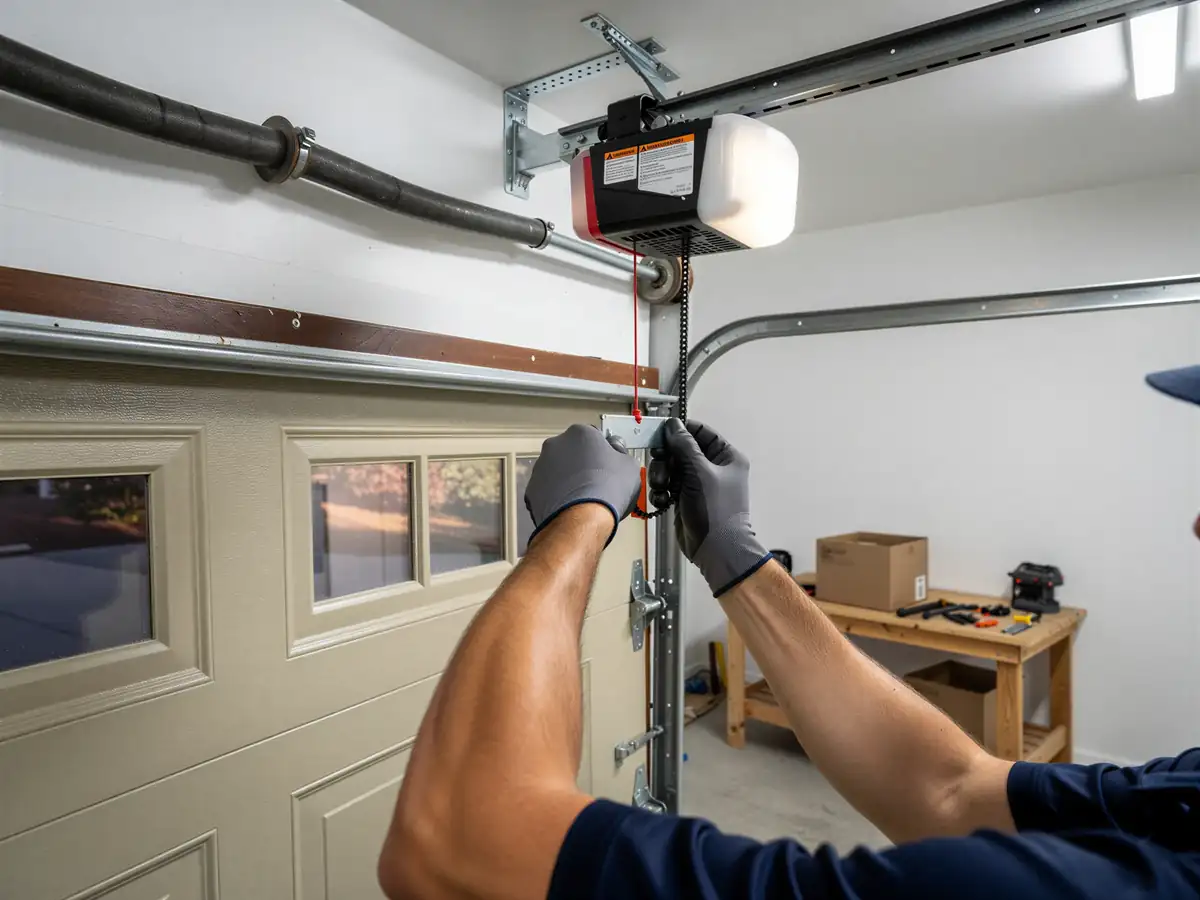
Riverwoods' housing stock centers on 1984, which puts most garage doors in that same build window. That matters because a torsion spring is rated for a set number of open-close cycles, not a set number of years, and most springs from a 1984 install have already failed and been swapped out at least once or twice by whoever owned the house before you. What usually hasn't been touched is the track, the brackets bolted to the header, and sometimes the drum and cable drops - those parts don't wear in the same way a spring does, so they often outlast three or four spring replacements. If your door is sagging on one side, grinding at the top of the track, or the opener strains and reverses partway up, you're likely looking at original brackets that have loosened over 40 years of seasonal expansion, not a brand-new problem. Illinois winters put steel through a lot of contraction and expansion, and in a cold-moderate climate band that cycle happens every year without fail, which is part of why original hardware this age tends to show up as noise and misalignment before it shows up as a full failure.
Parts We Carry
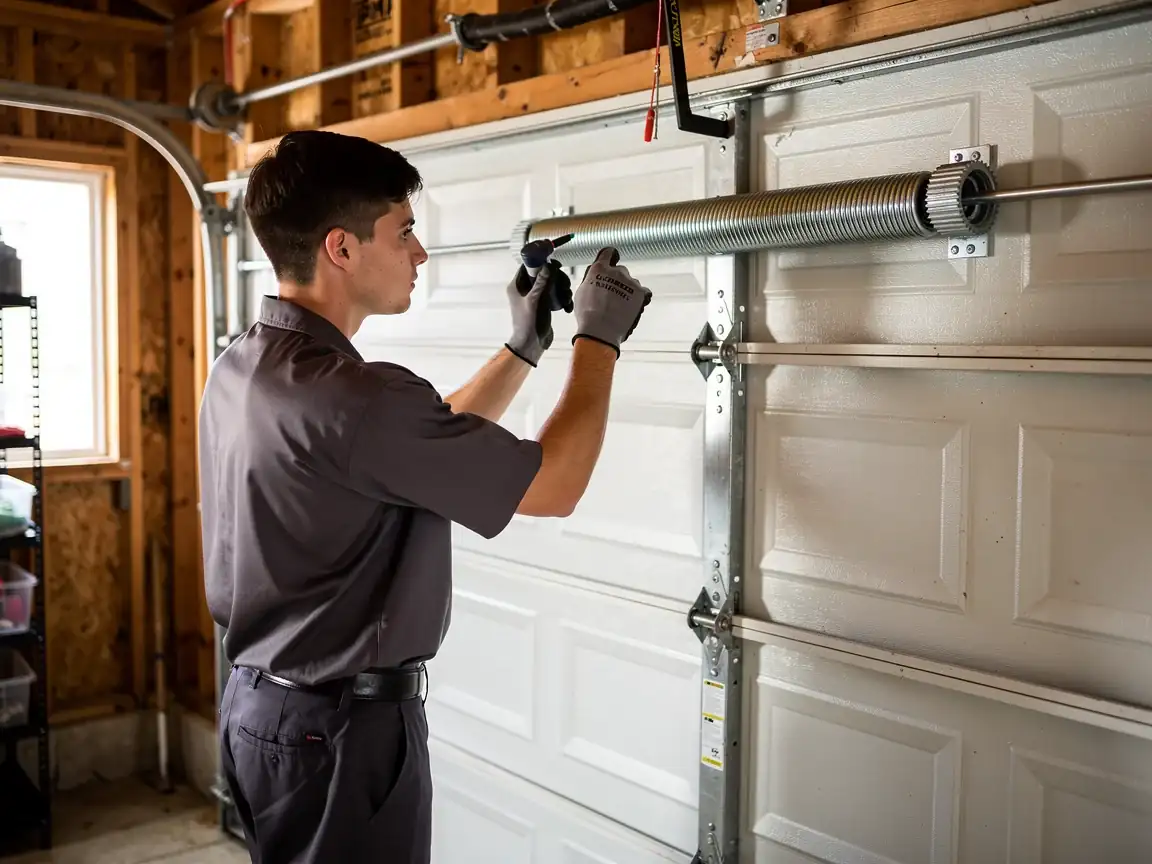
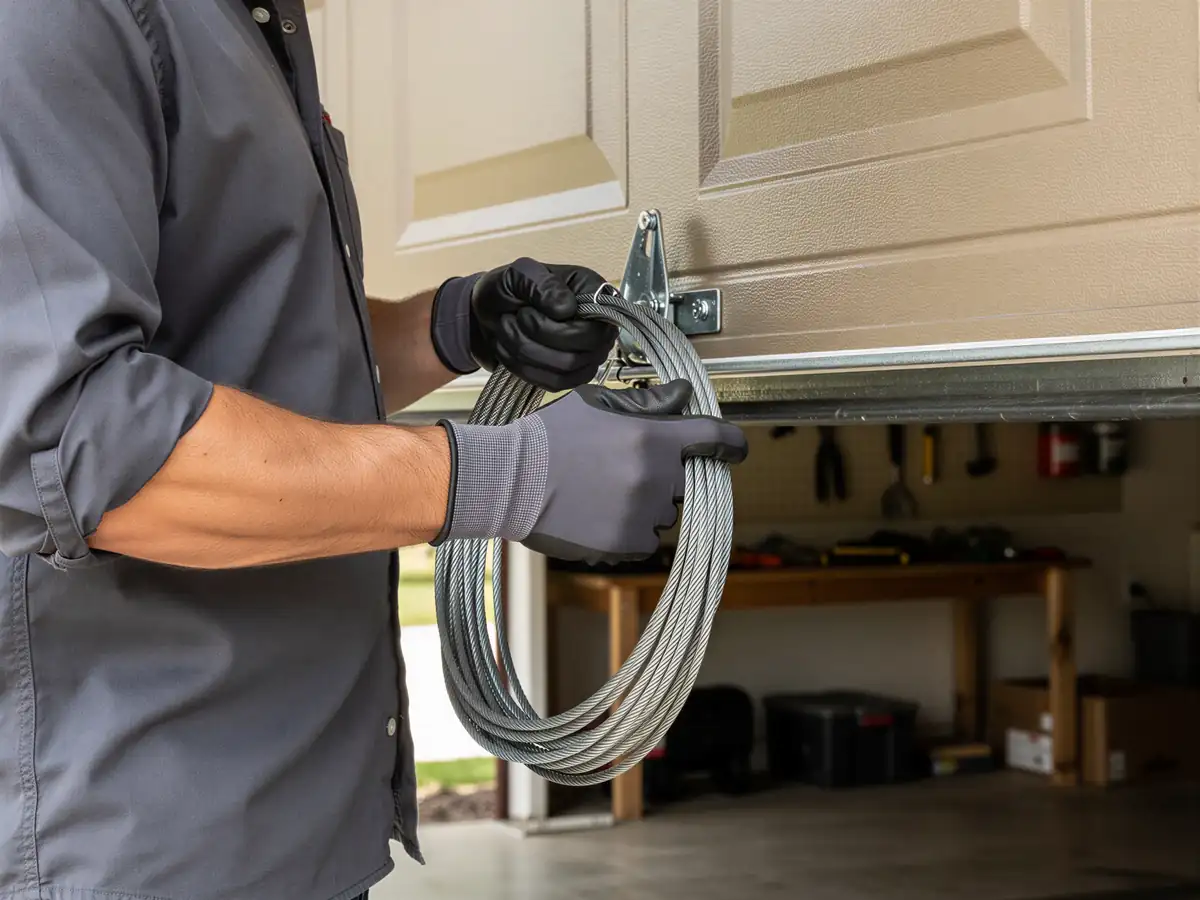
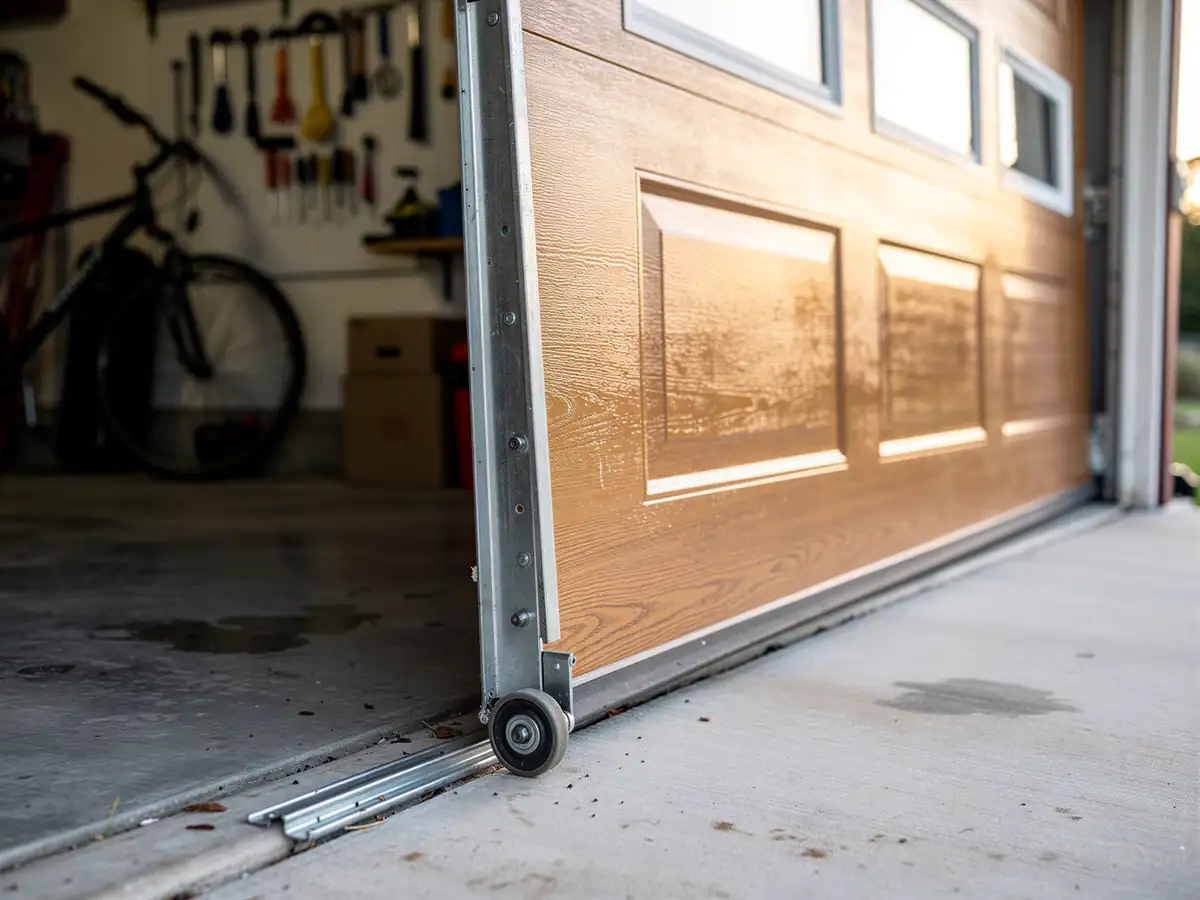
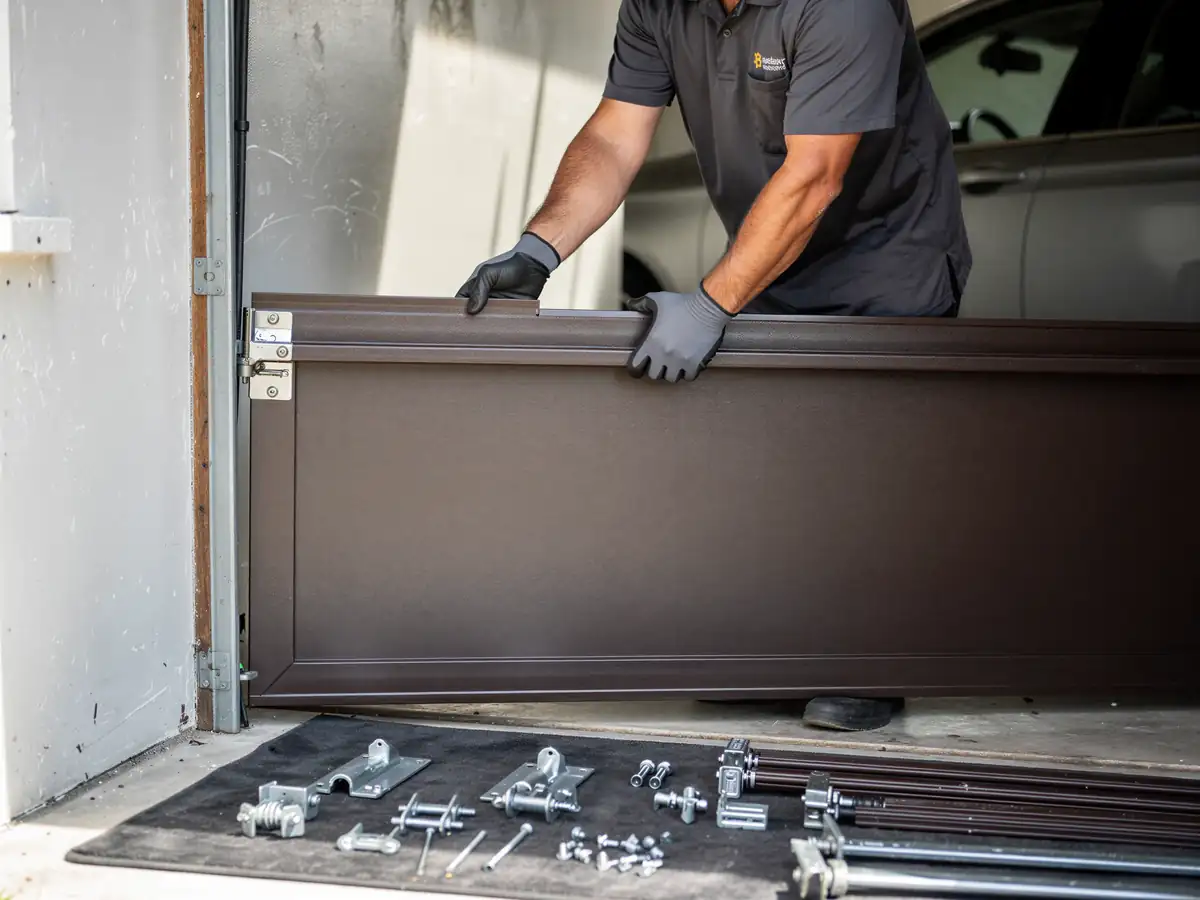
We carry standard torsion springs sized for residential double and single doors, nylon and steel rollers, end bearings, and the cables and drums that go with them - these cover the bulk of what fails on a door built around the early 1980s. Extension spring setups, which were still common in that era on some single-car doors, use a different cable and pulley arrangement, and we carry those too. What we don't stock on the truck is anything specific to a custom panel design or a discontinued opener model; if your door has a less common panel size or an opener that's no longer made, that part has to be ordered, and we'll tell you the lead time before we start the job rather than after.
What You Pay
We travel from Deerfield, about 2 miles to Riverwoods, so there's no separate zone charge tacked onto the job for distance. What drives the price is which parts are original and failing versus which were already replaced by a prior owner - a two-spring torsion replacement with new end bearings costs more than a roller swap, and we won't know which one your door needs until we look at it in person. We quote the job on site before we touch anything, not over the phone, because guessing on a 40-year-old door's hardware from a phone description usually guesses wrong.
Can You Do This Yourself
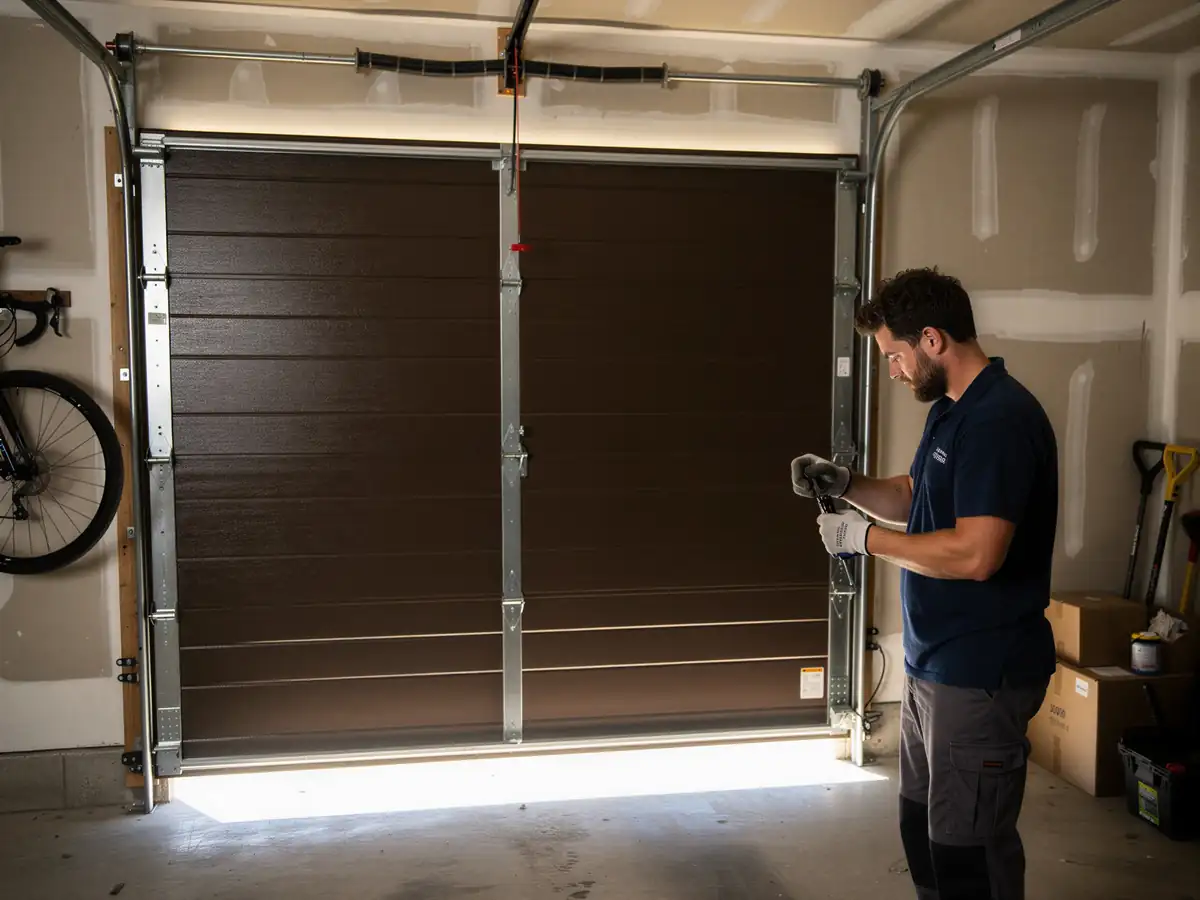
Roller replacement and tightening loose track bolts are reasonable DIY jobs if you're comfortable on a ladder and the door is manually safe to work on. Torsion springs are not a DIY repair - they're under enough stored tension to cause serious injury if the winding bar slips, and on a door this age you're also dealing with hardware that's been stressed by decades of cycles, which makes it less predictable than a spring on a newer door. If you're not sure whether what you're looking at is a spring problem or a track problem, that's a reasonable thing to have us look at before you start taking anything apart.