What You Are Seeing
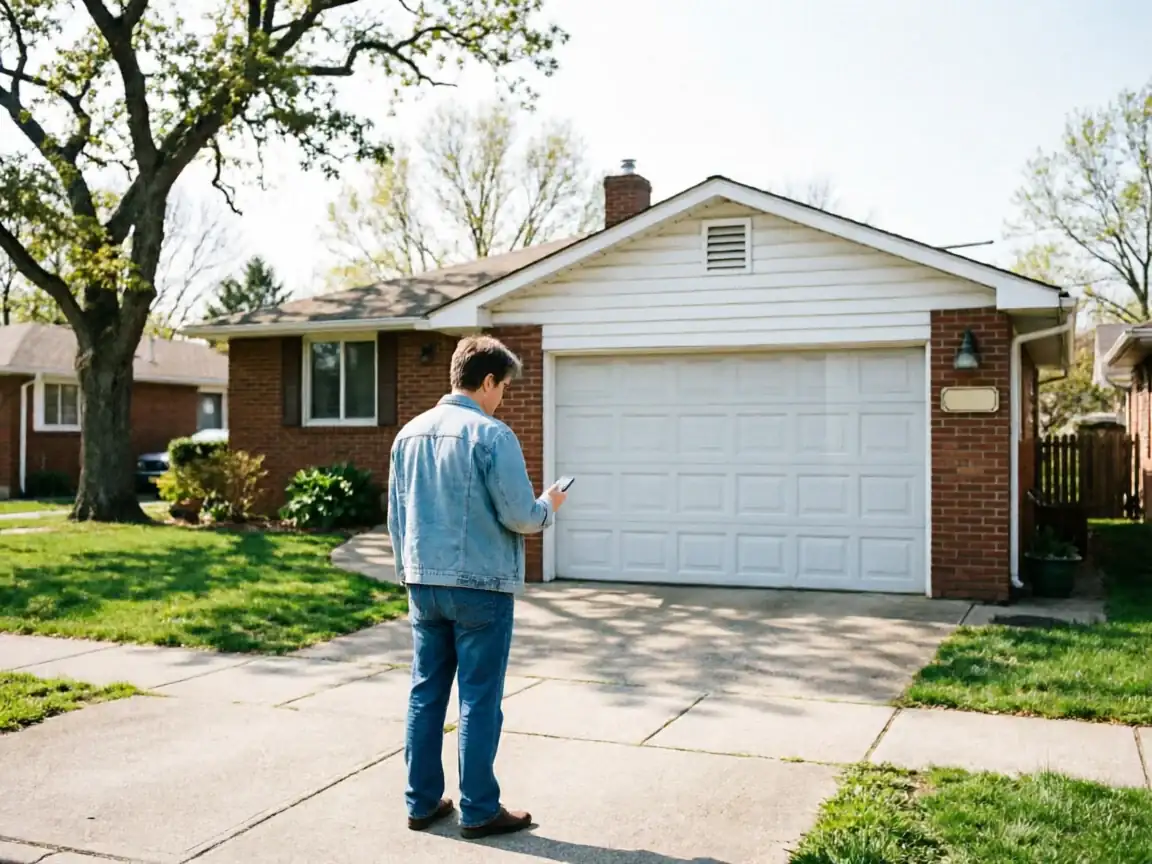
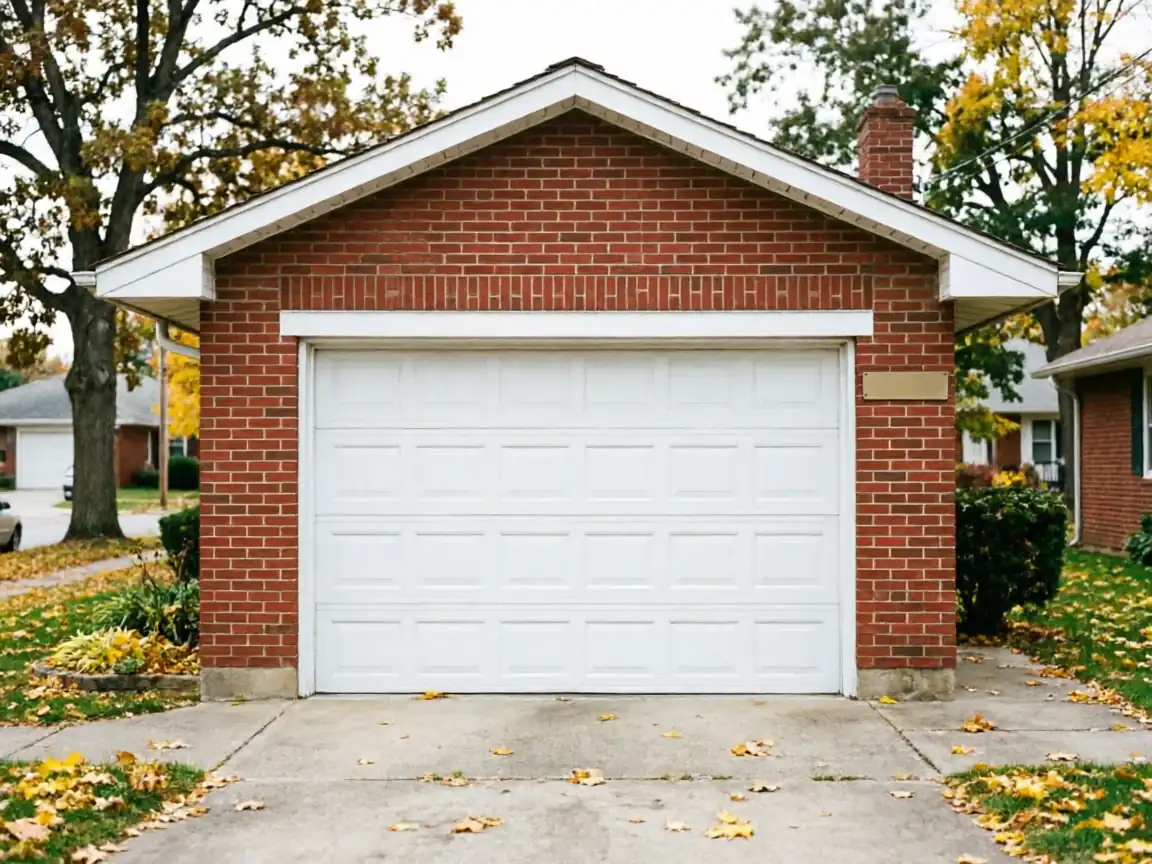
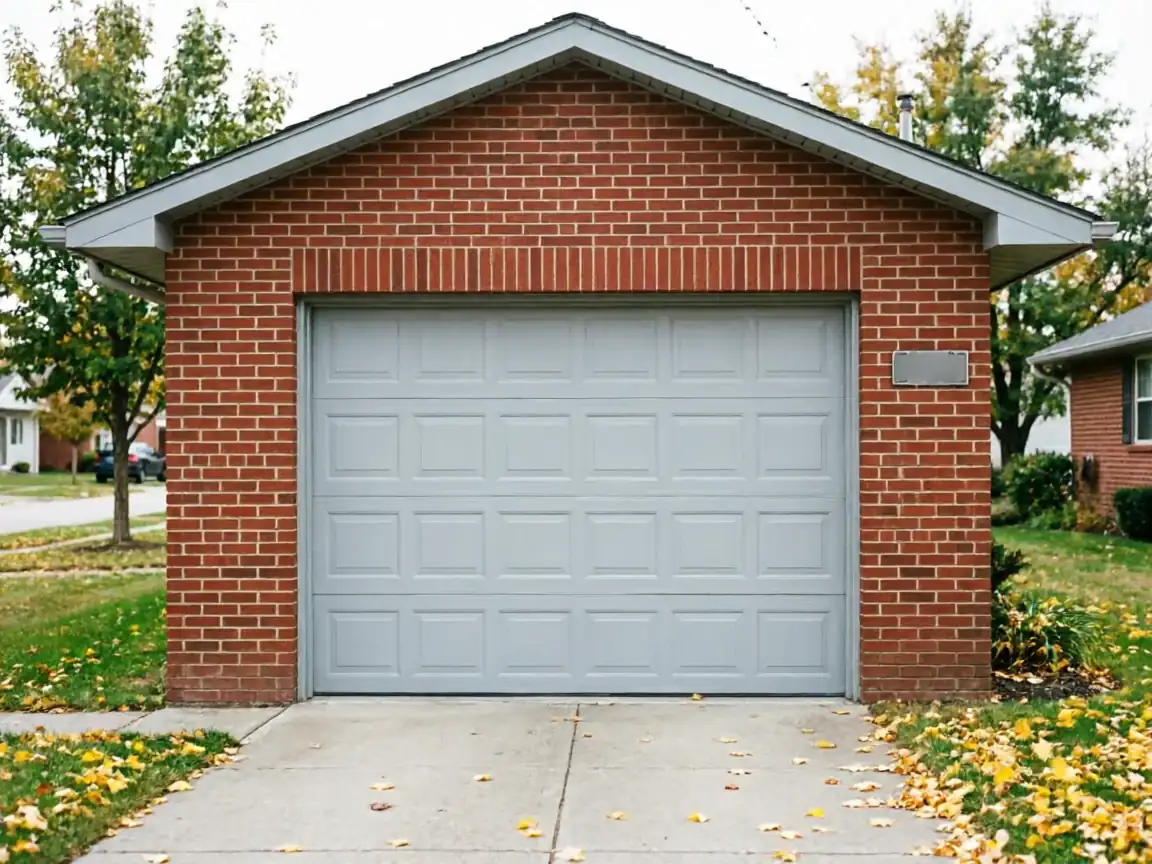
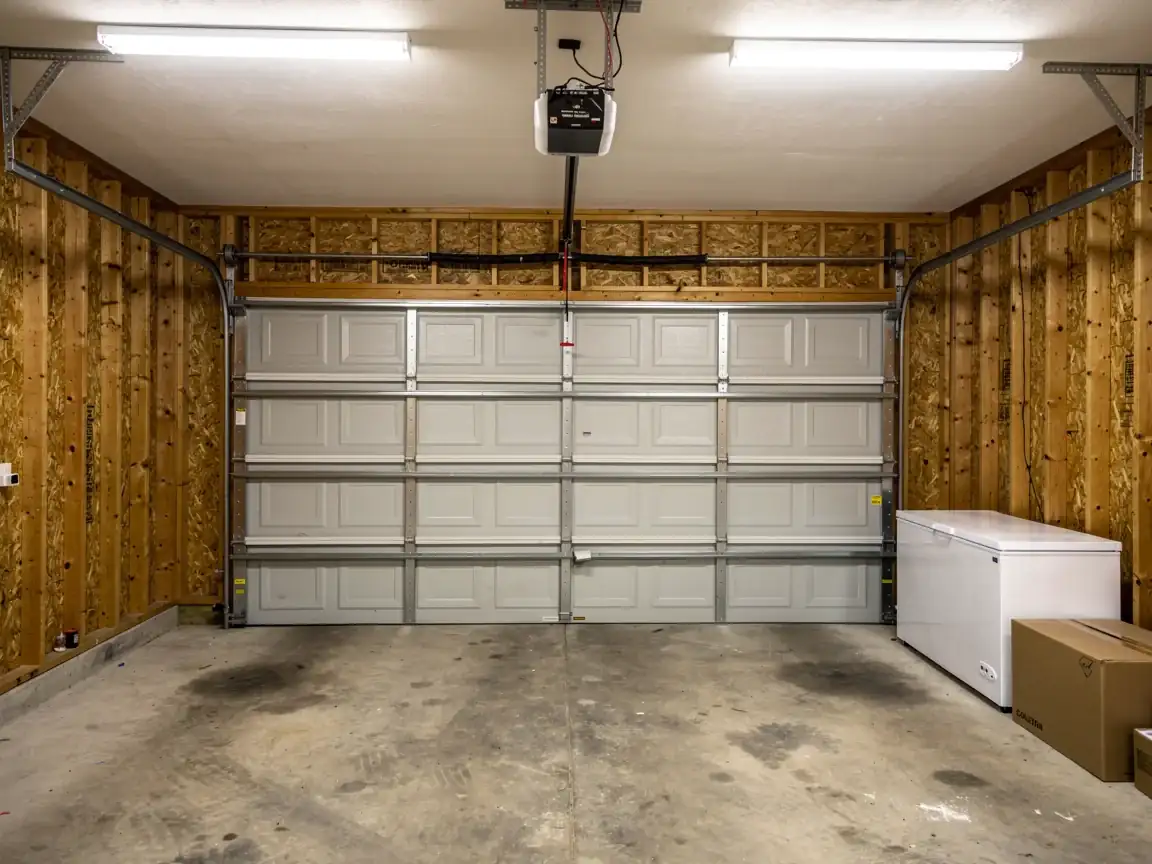
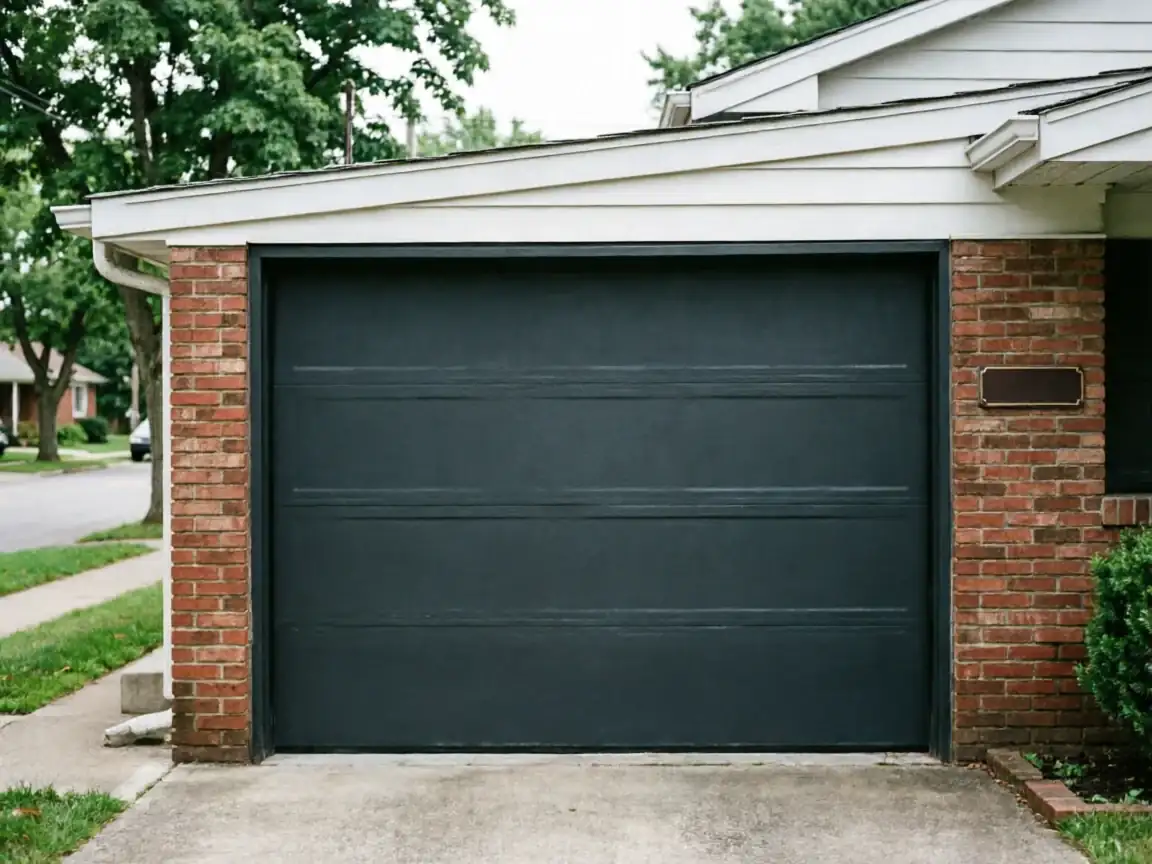
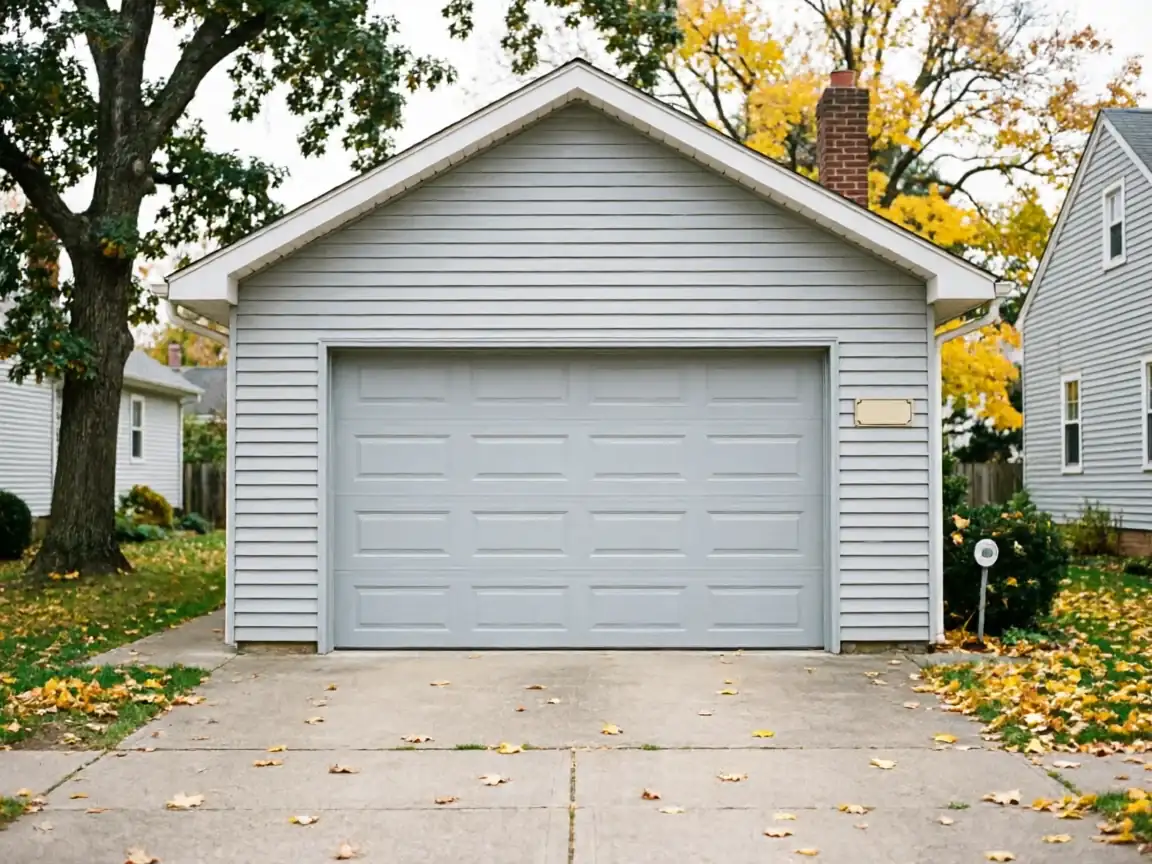
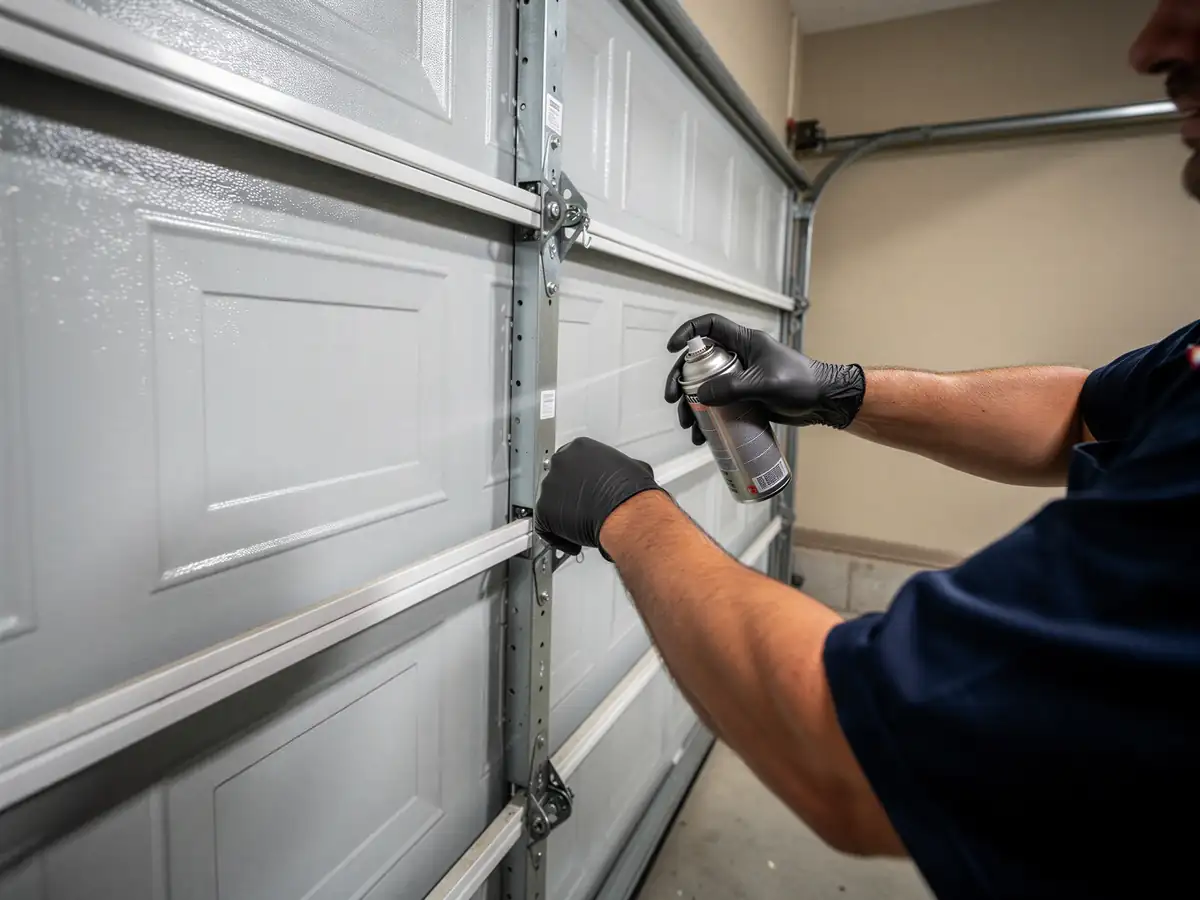
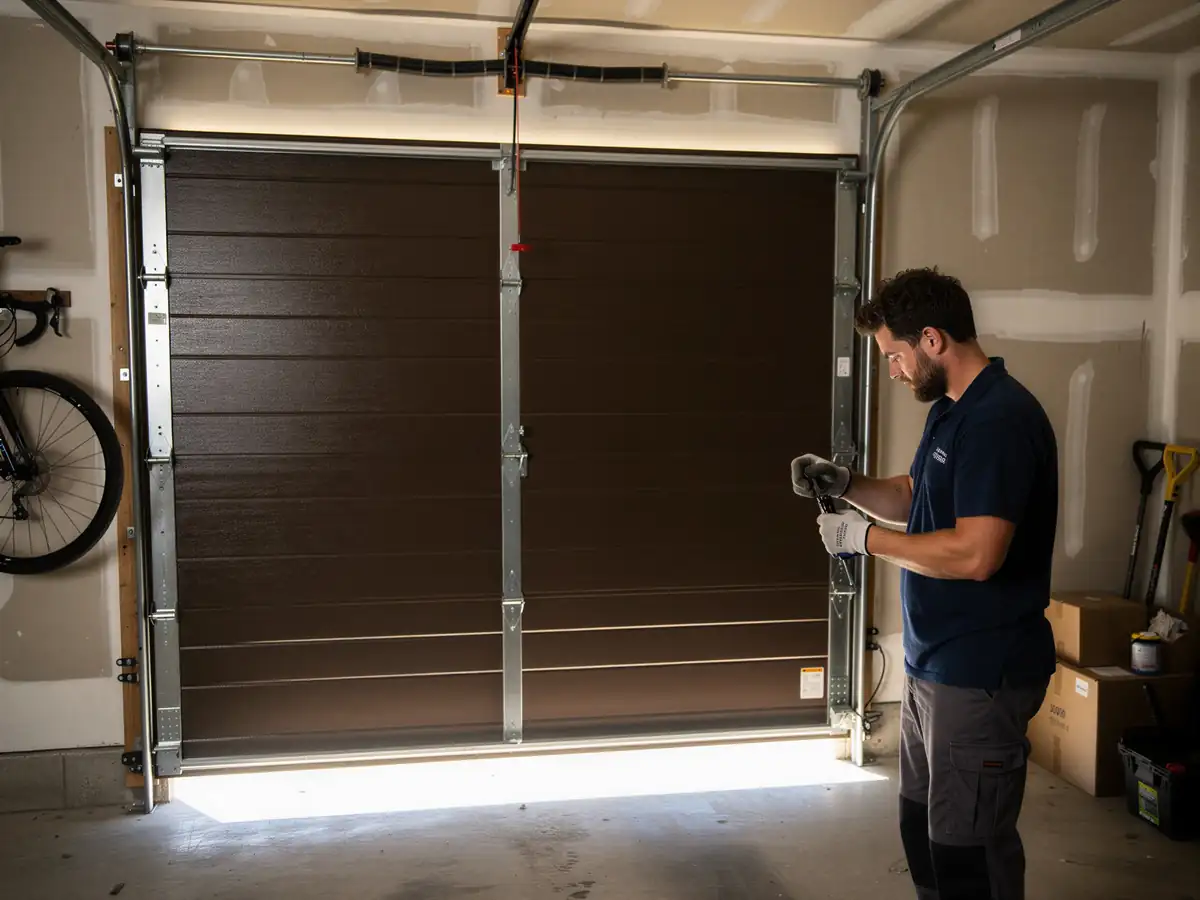
Riverwoods homes mostly date to around 1984, newer than the broader Deerfield service area, where the median build year sits closer to 1977. That seven-year gap matters more than it sounds. By the mid-80s, steel raised-panel doors on torsion springs with a chain-drive opener were becoming the norm, replacing the older extension-spring setups still common on earlier homes nearby. If your door is original to the house, you're likely looking at a torsion system that's now 35 to 40 years past its install date, with an opener motor that was never built to run quietly or to talk to a phone app. The symptoms show up as a door that shudders on the way up, an opener that grinds before it catches, or a panel seam that's started to bow. None of that is unusual for a house this age. It just means the parts holding your door up were sized for a lighter door and a simpler opener than what's sold today, and swapping one piece without the others often just moves the problem down the track.
Parts We Carry
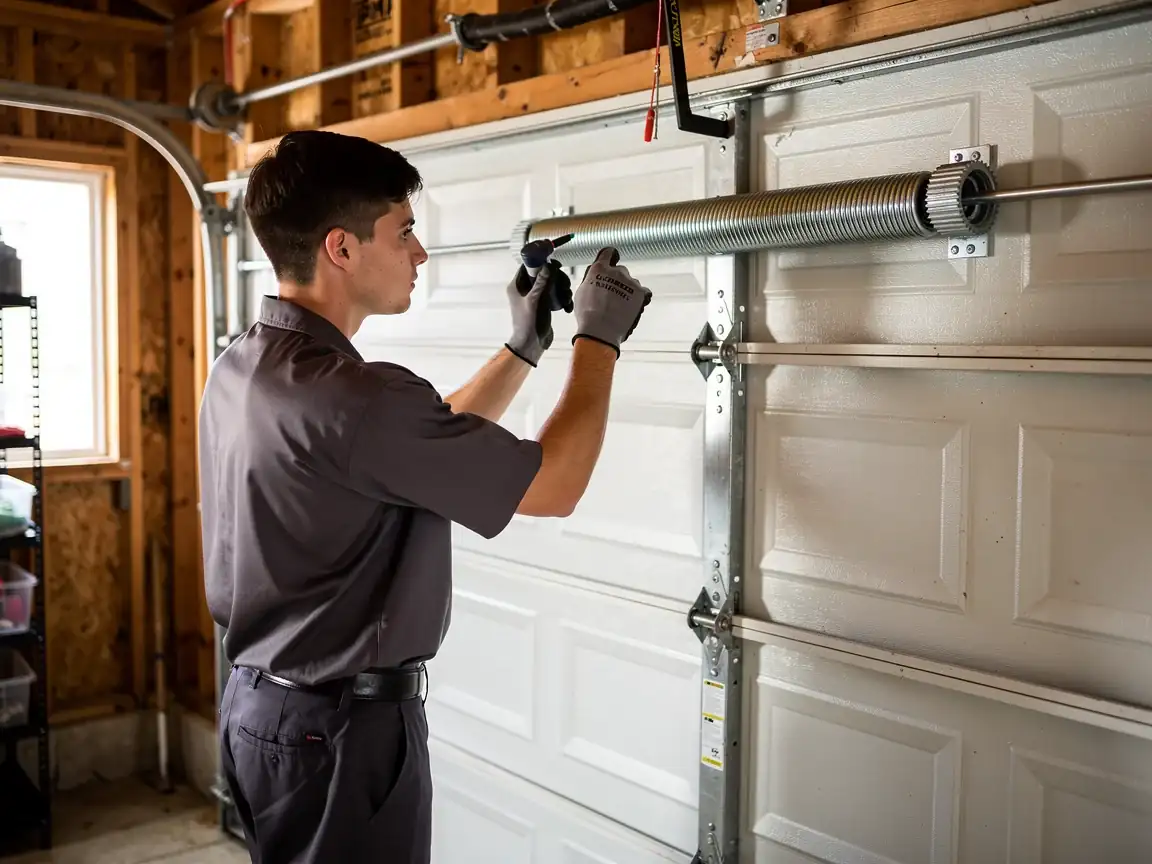
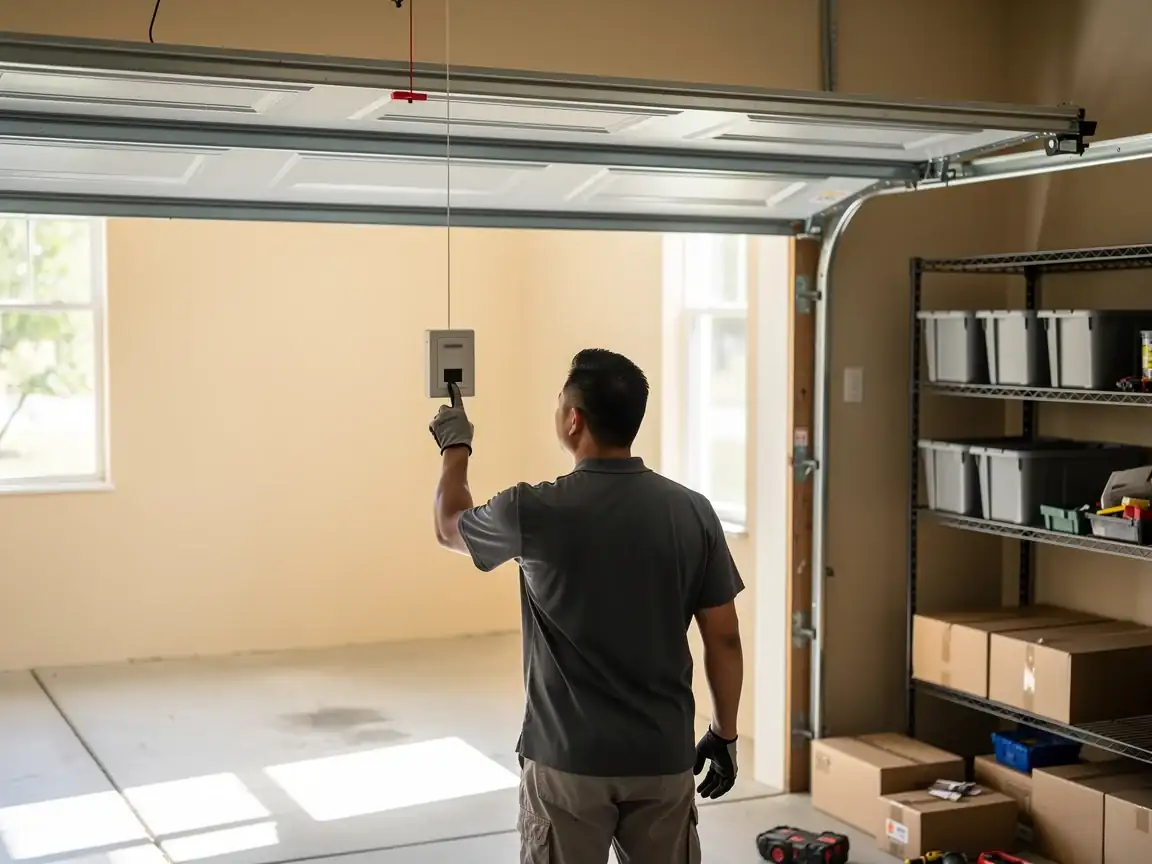
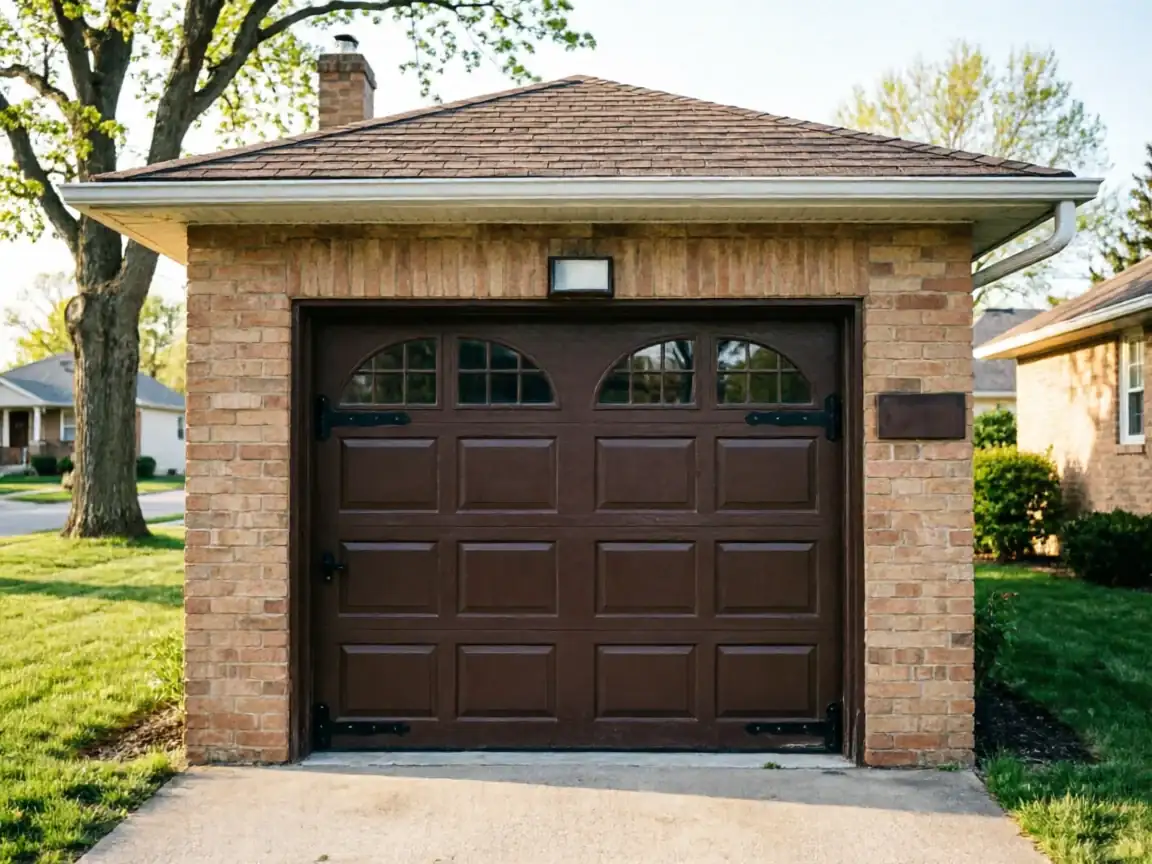
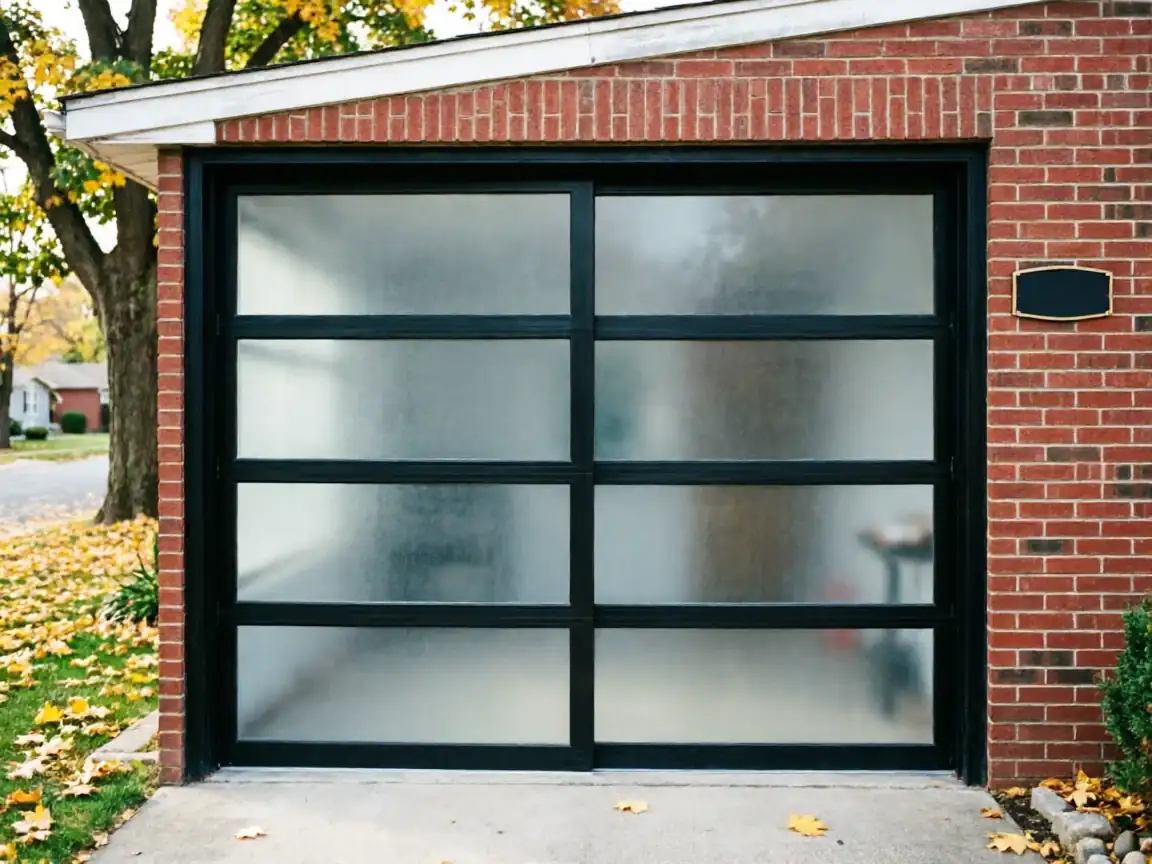
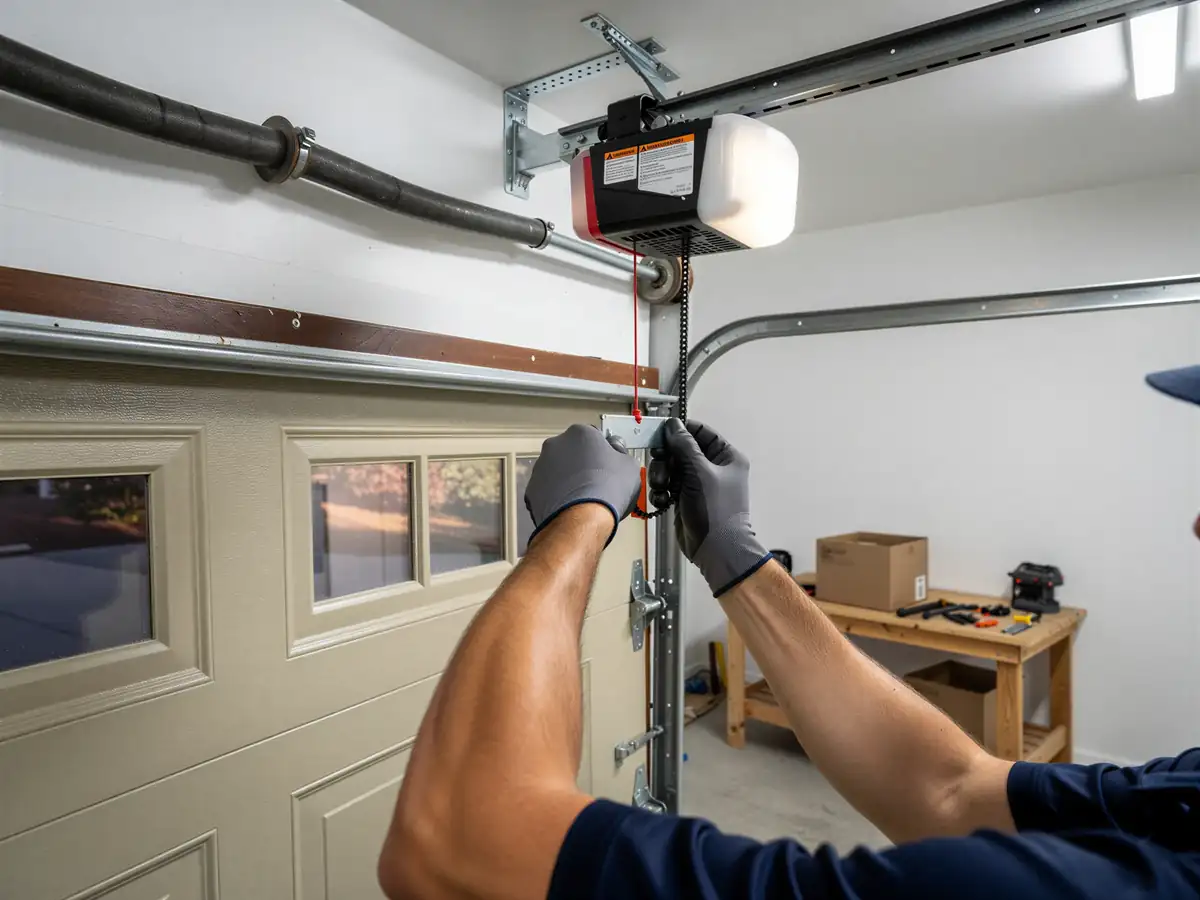
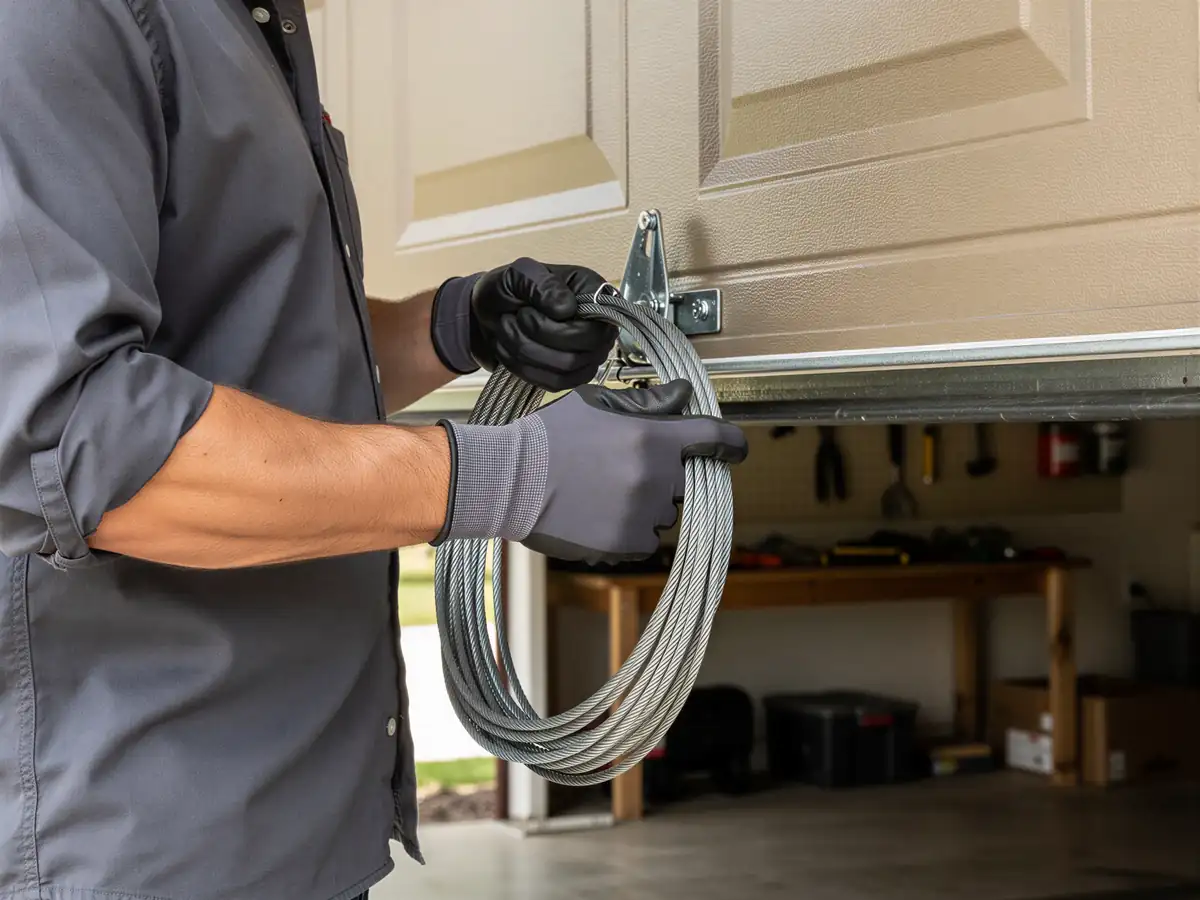
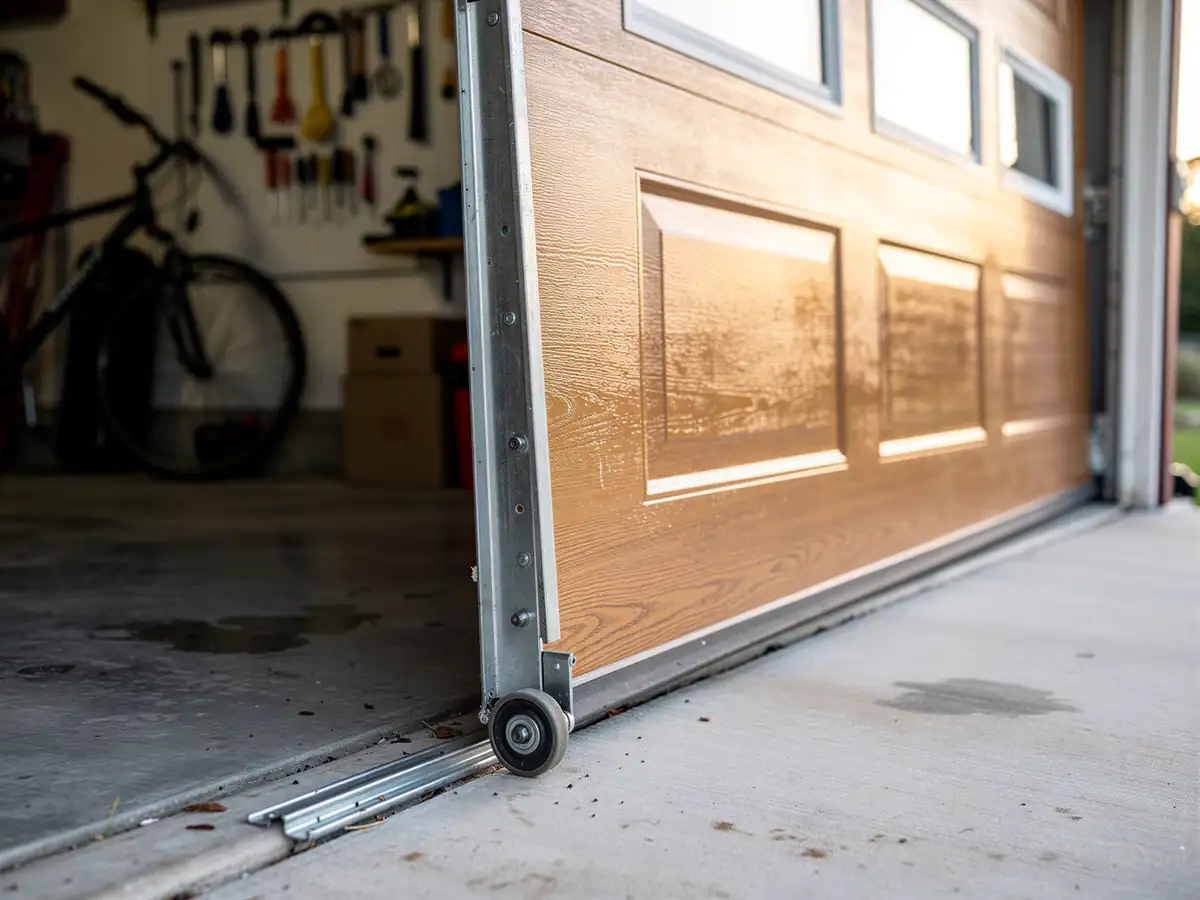
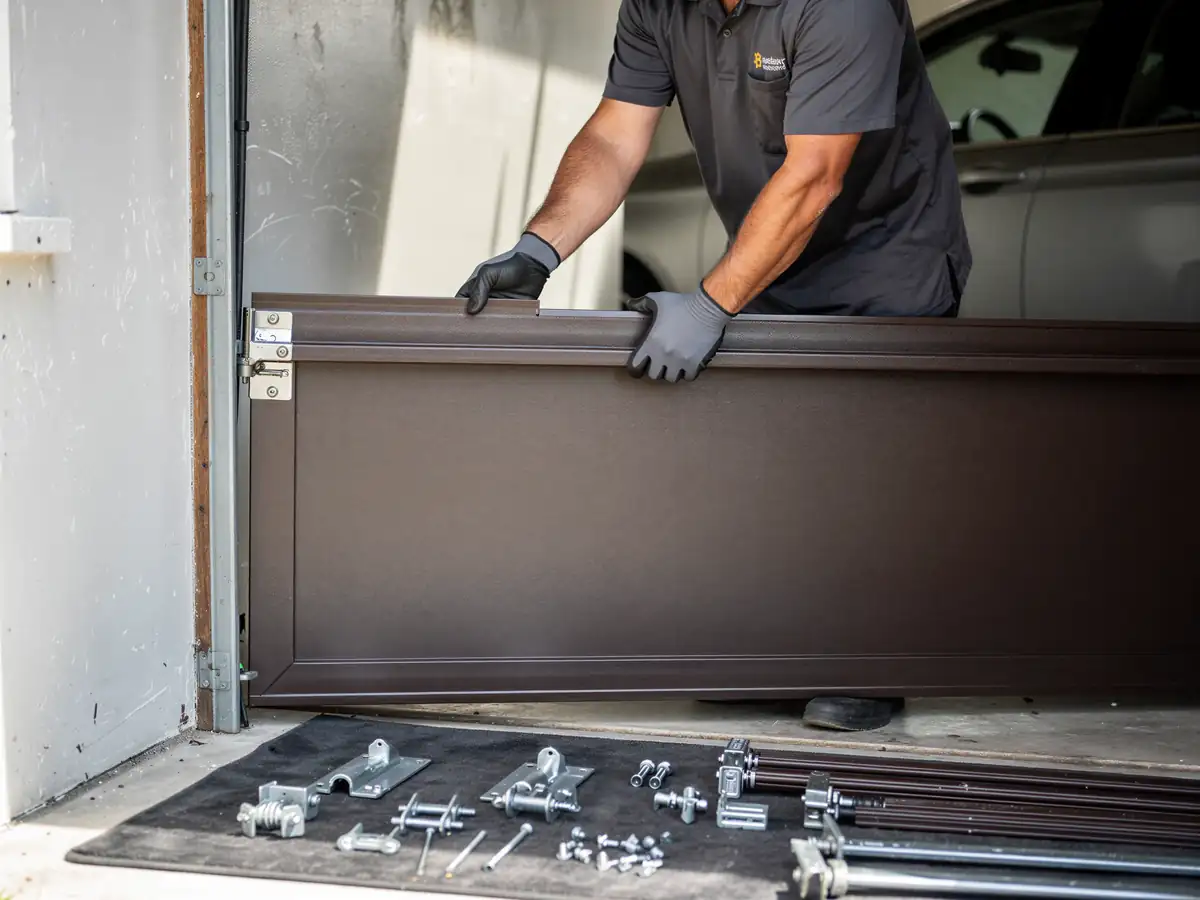
For a torsion setup from this build era, we stock the spring sizes that match a standard two-car steel door of that period, along with galvanized lift cables, nylon rollers, and the flag brackets that mid-80s track hardware used. Given the income profile in this area, we also see more demand for insulated steel doors with a higher R-value and wood-look composite doors than you'd find as the default in older housing stock - those aren't stock items we keep on every truck, so they get ordered to the job rather than installed same-day. On openers, we carry belt-drive units as the quiet upgrade over the chain-drive originals, plus battery backup models, since a door this size with no manual release can strand a car in the garage during an outage. We don't carry every niche designer door line - if you want a specific architectural style, we'll quote it and order it, but it won't be sitting on the truck.
What You Pay
We don't have a fixed number to quote on this page, and giving you one anyway would be a guess dressed up as a fact. Pricing depends on door size, insulation level, and whether you're matching the higher-end finish that's common on newer builds out this way versus a standard steel door. What we can tell you is that the job from Deerfield, two miles out, doesn't carry extra travel charges built into the estimate - distance this short isn't a factor in what you're billed. If you want an exact figure, the honest path is a walk-through quote rather than a number pulled from a brochure.
Can You Do This Yourself
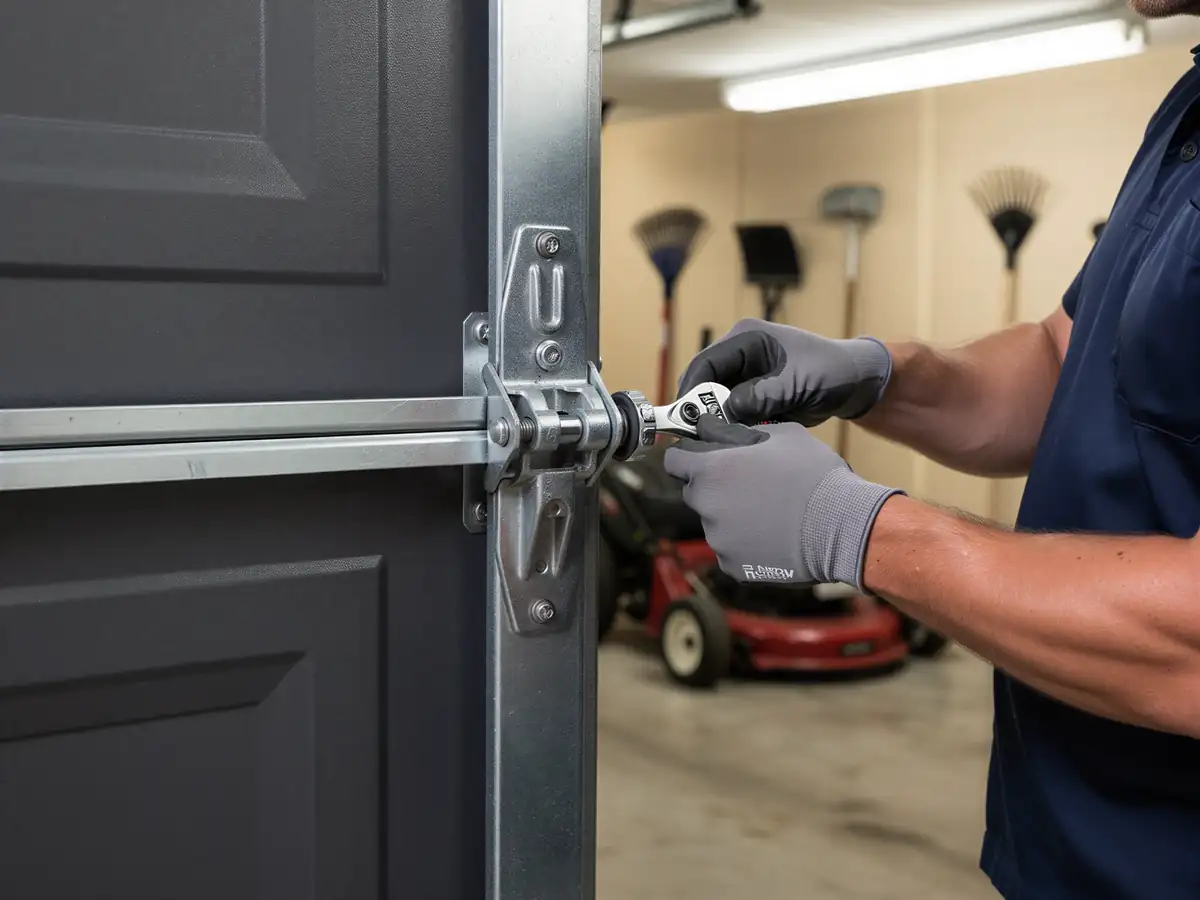
Swapping an opener unit on an existing track is a weekend job a lot of owners handle fine. Replacing the door itself on a torsion system is a different category of risk - a wound spring under tension can break a hand or worse, and on a heavier insulated door the spring tension is higher than most of the online guides assume. If your house still has the original 1984-era hardware, there's a decent chance the bottom bracket or the cable drum is worn enough that it won't hold the new spring safely even if you get the spring size right. We'd rather talk you out of a DIY torsion swap than show up afterward to fix it.