Parts We Carry
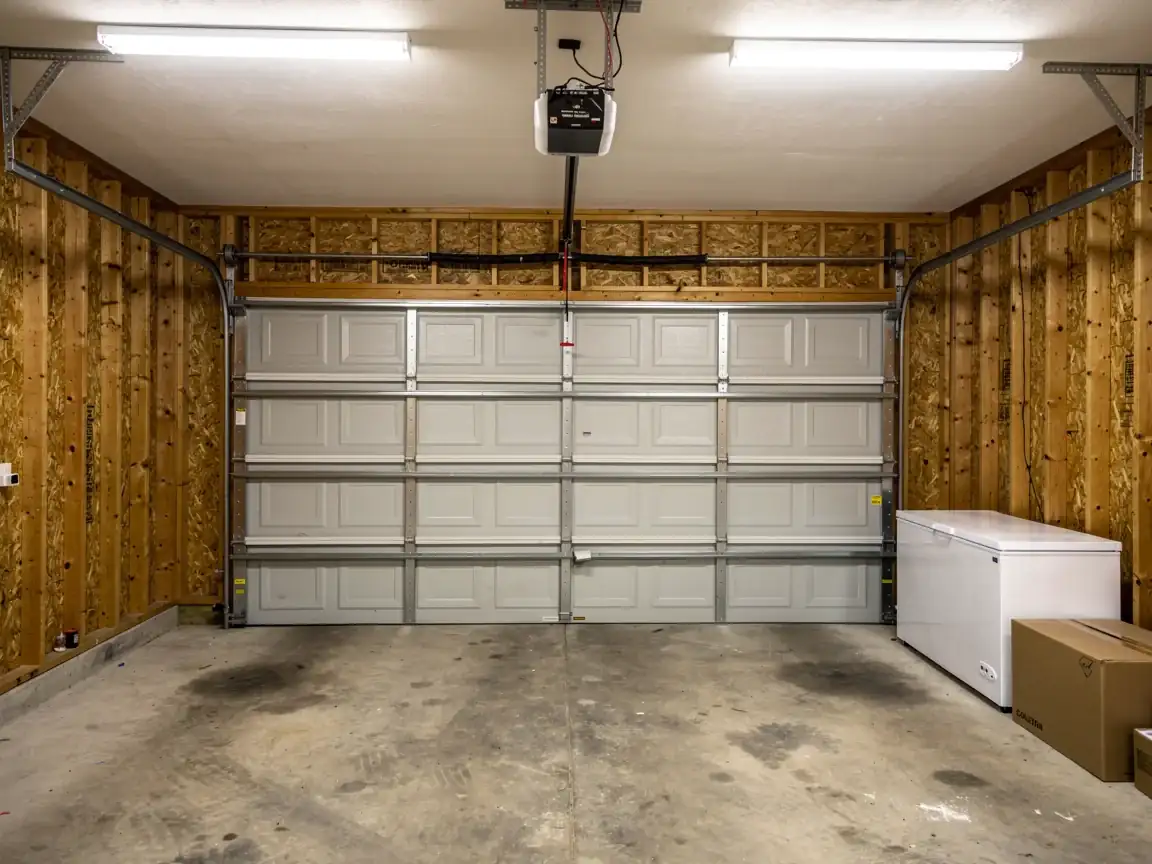
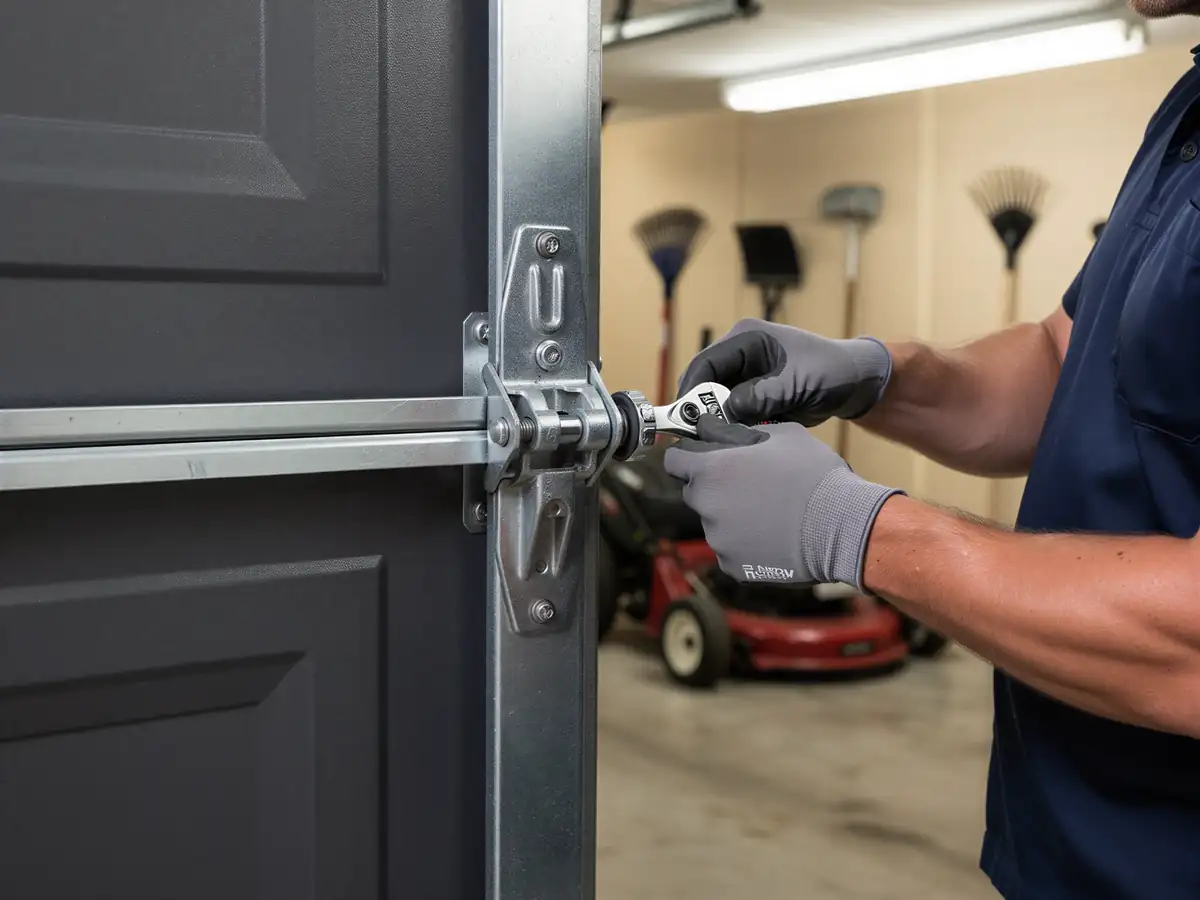
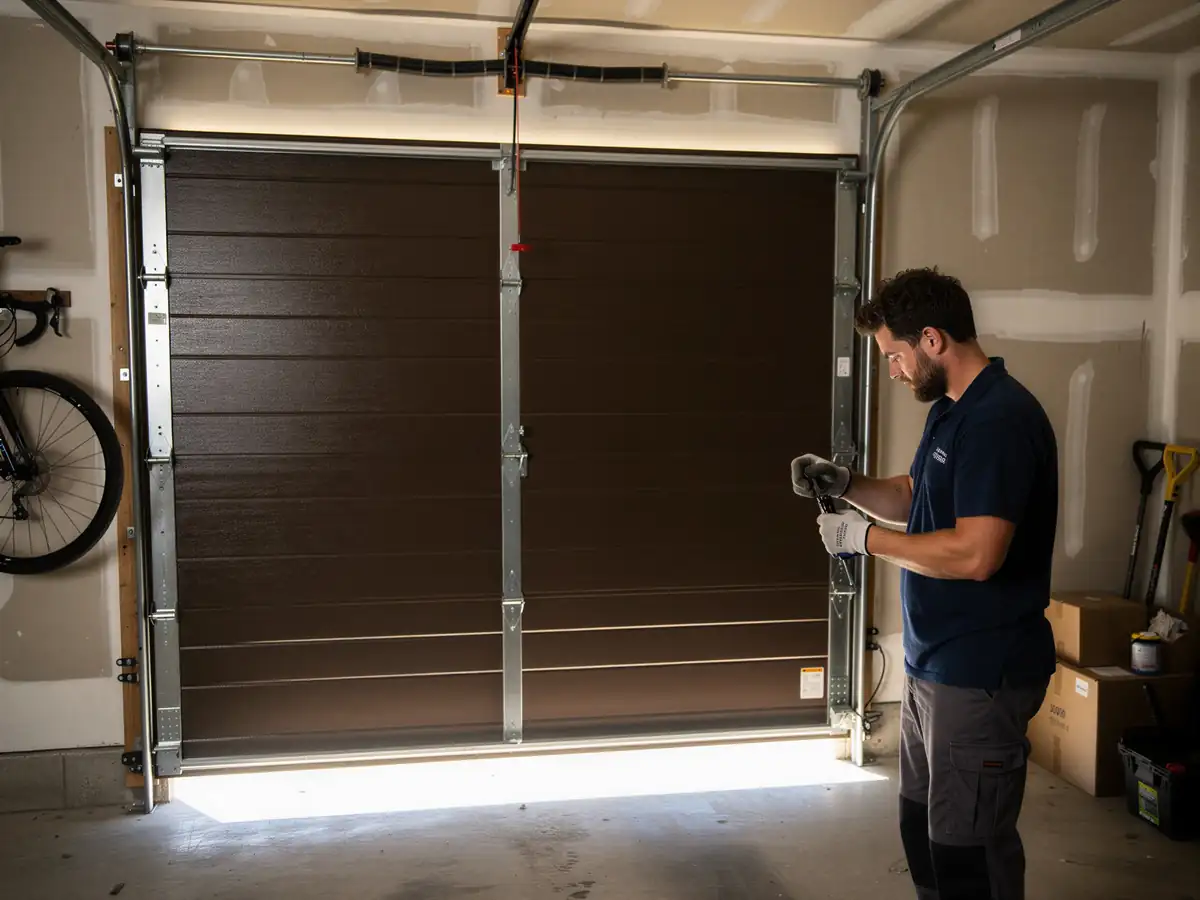
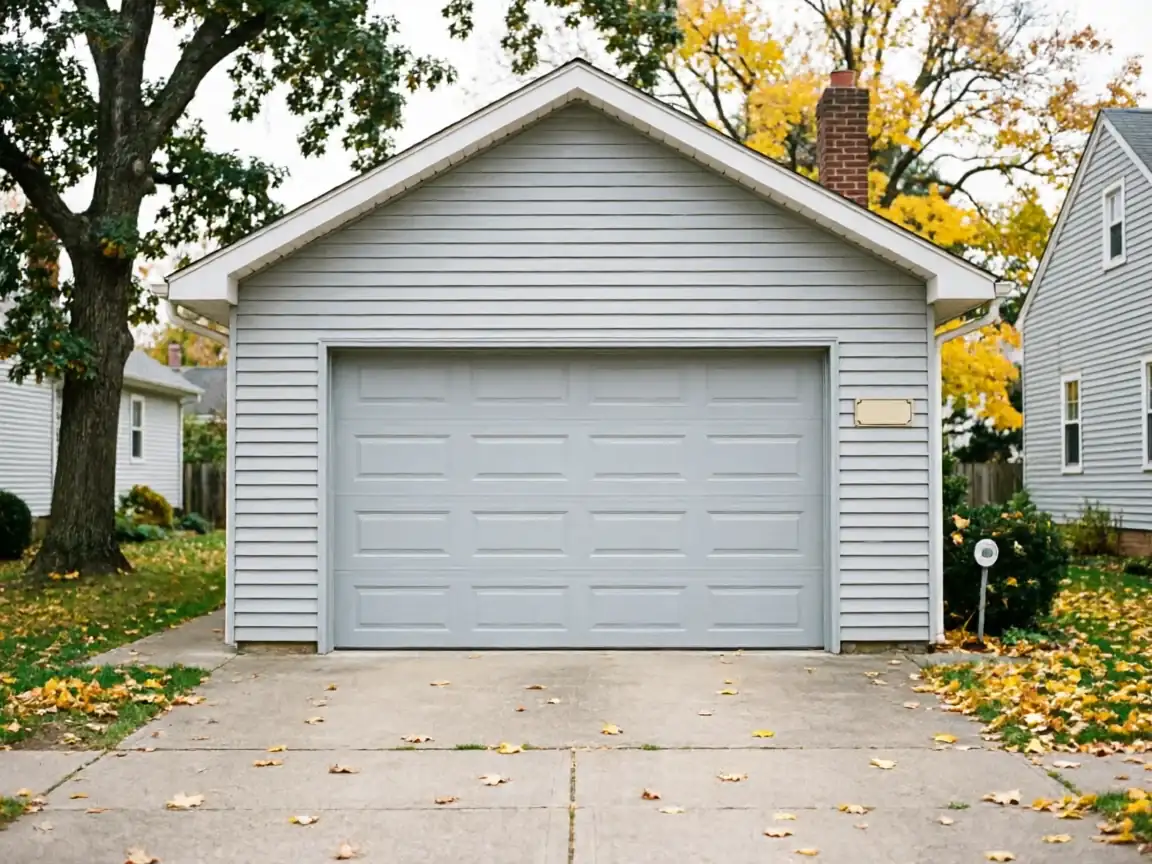
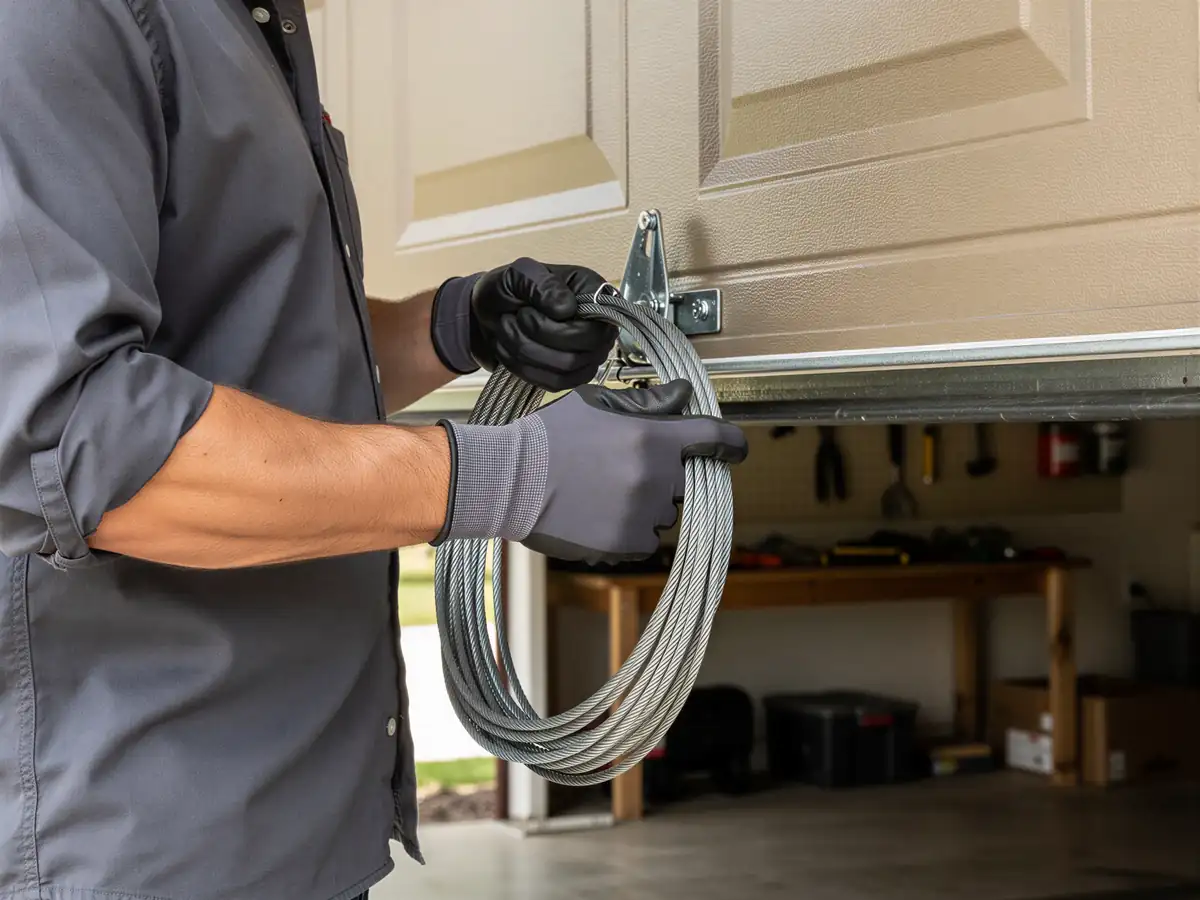
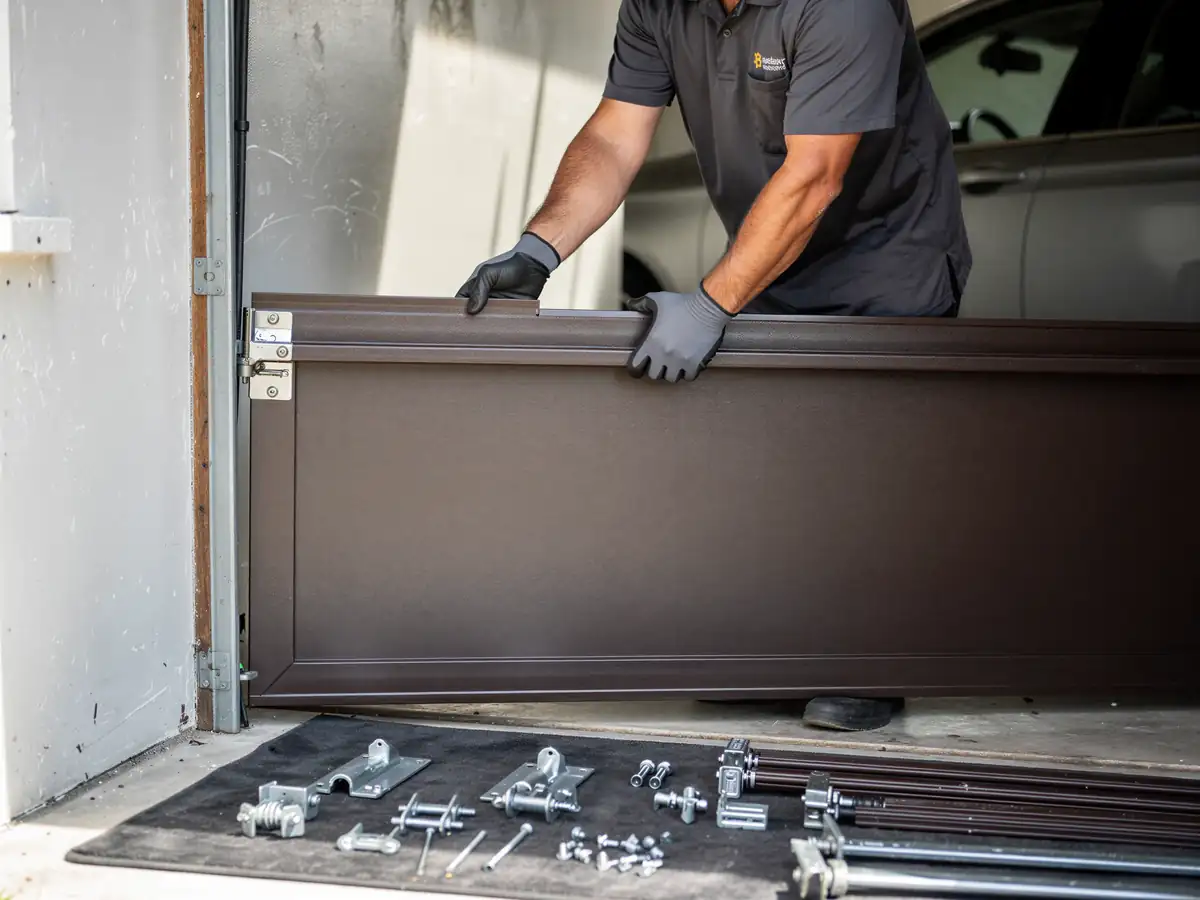
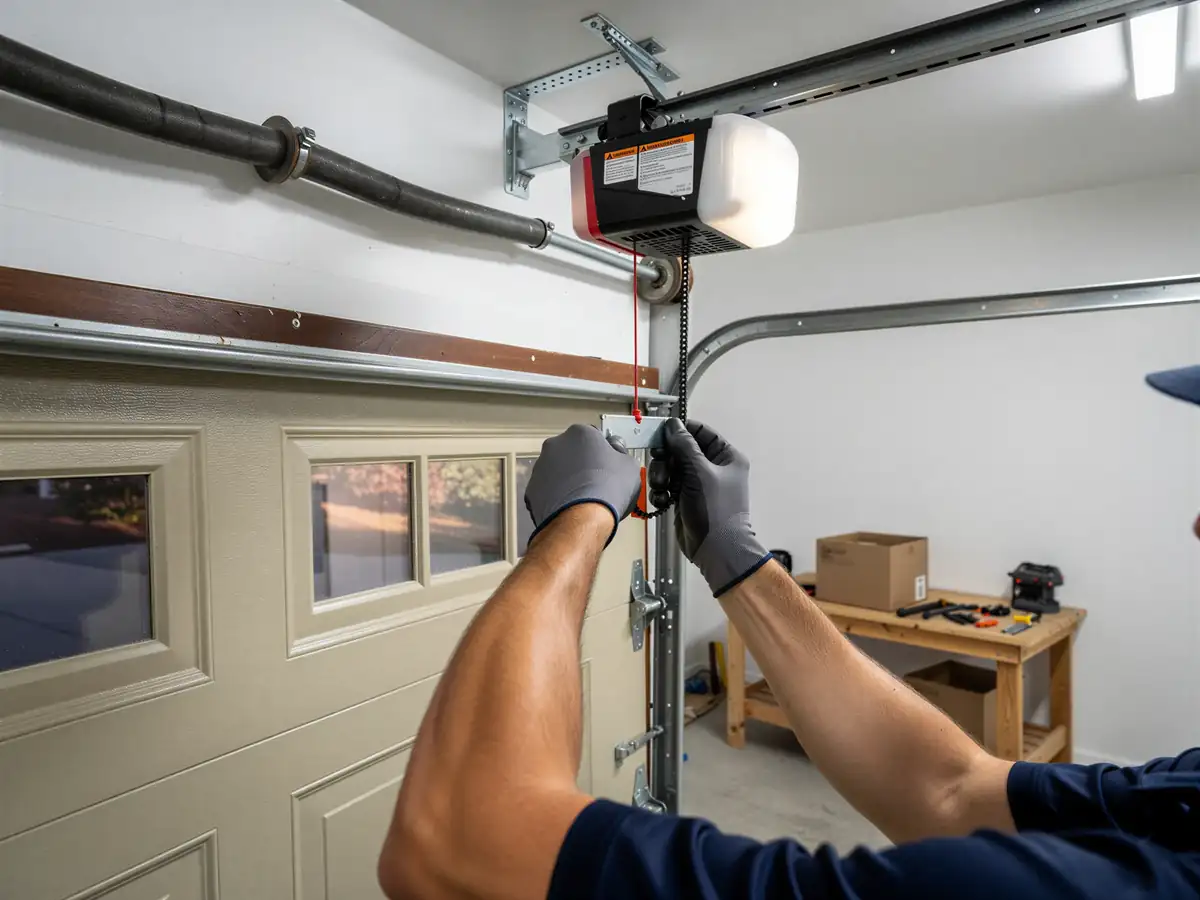
Hawthorn Woods sits about 12 miles from our Deerfield shop, and the truck that comes out carries openers sized for what's actually on the wall here, not a generic stock pull. Most houses in this part of town went up well after the service area's overall median of 1977 - local construction here runs closer to 1996, which means you're mostly looking at sectional doors on standard-lift torsion springs, not the odd low-headroom or extension-spring setups you find in the older 1940s-60s pockets closer to the lake. That matters for opener choice: newer tracks and brackets accept belt and chain-drive units without the bracket fabrication an older door sometimes needs. We bring both drive types on the truck along with the wall controls, safety sensors, and the wiring to match. What we don't carry on every run is a full second door's worth of rail and header bracket stock - if your opening is non-standard width, we confirm that before the trip so the second visit doesn't happen.
Because the drive takes time, we try to fit opener installs alongside any other work on the same truck slot, which keeps the visit worth the mileage for both of us.
Getting It Booked In
A 12-mile drive from Deerfield means Hawthorn Woods jobs get scheduled into a route, not squeezed in same-hour. When you call, we ask for the door's age and whether the opener is dead, weak, or just old, because that changes what's on the truck when it leaves the shop. If your house falls into the newer construction common here - built after the mid-1990s - the bracket and header are usually standard, which keeps the visit to one trip.
We don't keep a branch or drop box in Hawthorn Woods itself; every job here starts from Deerfield, so the appointment window accounts for that drive both ways. If you need the install the same day you call, say so up front - we'll tell you honestly whether the route allows it rather than promise a time we can't hit.
What You Pay
We don't publish a flat number for Hawthorn Woods because opener cost depends on drive type, horsepower, and whether your door's existing wiring and brackets are reusable
What we can say: this area's household income runs well above the wider service area's median of $125,104, and that does change what we're asked to install - mid and upper-tier belt-drive units with battery backup come up more often here than the base chain-drive models we quote in older, lower-turnover pockets of the territory. We price the unit and the labor separately on the call so you're not guessing.
One honest limit: if your opener is tied into a smart-home system or a specific app ecosystem
We install the unit and get it running on its own hardware, but we don't troubleshoot third-party home automation integrations beyond that - that's outside what the opener install covers.
Why This Fails Locally
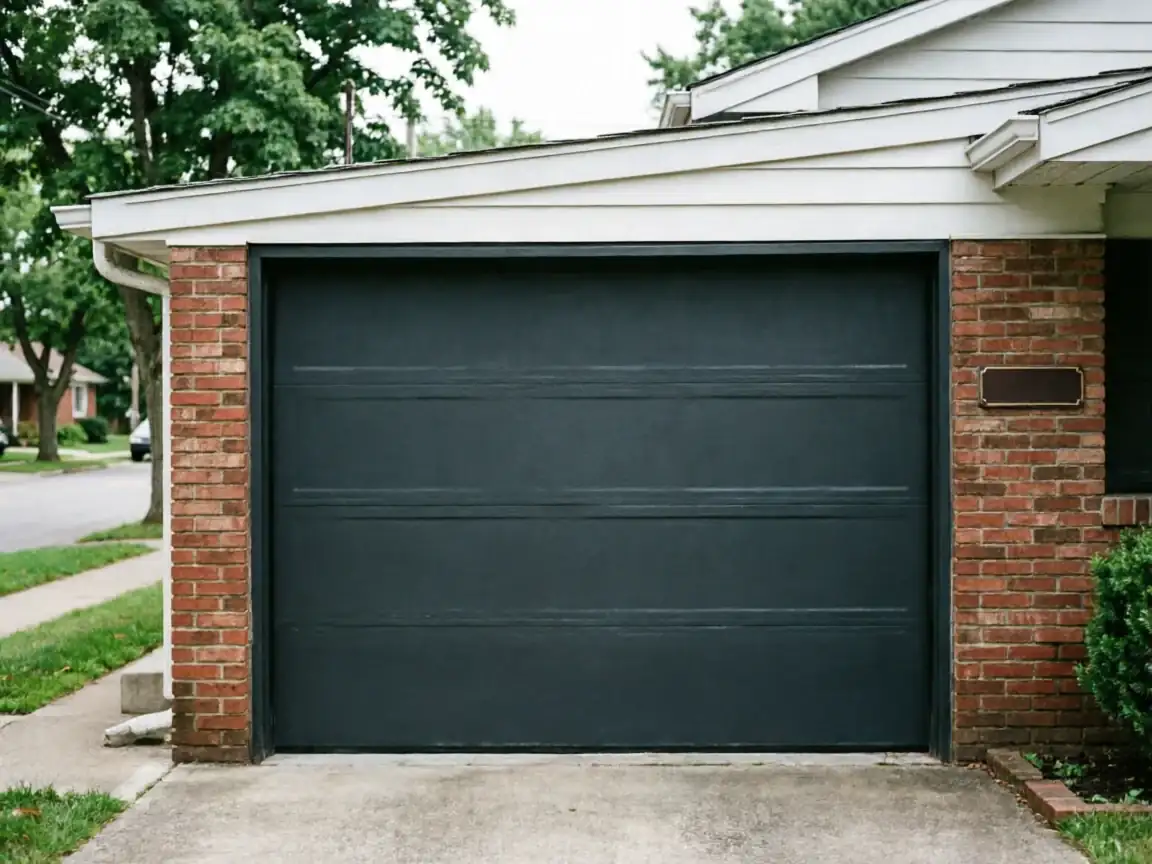
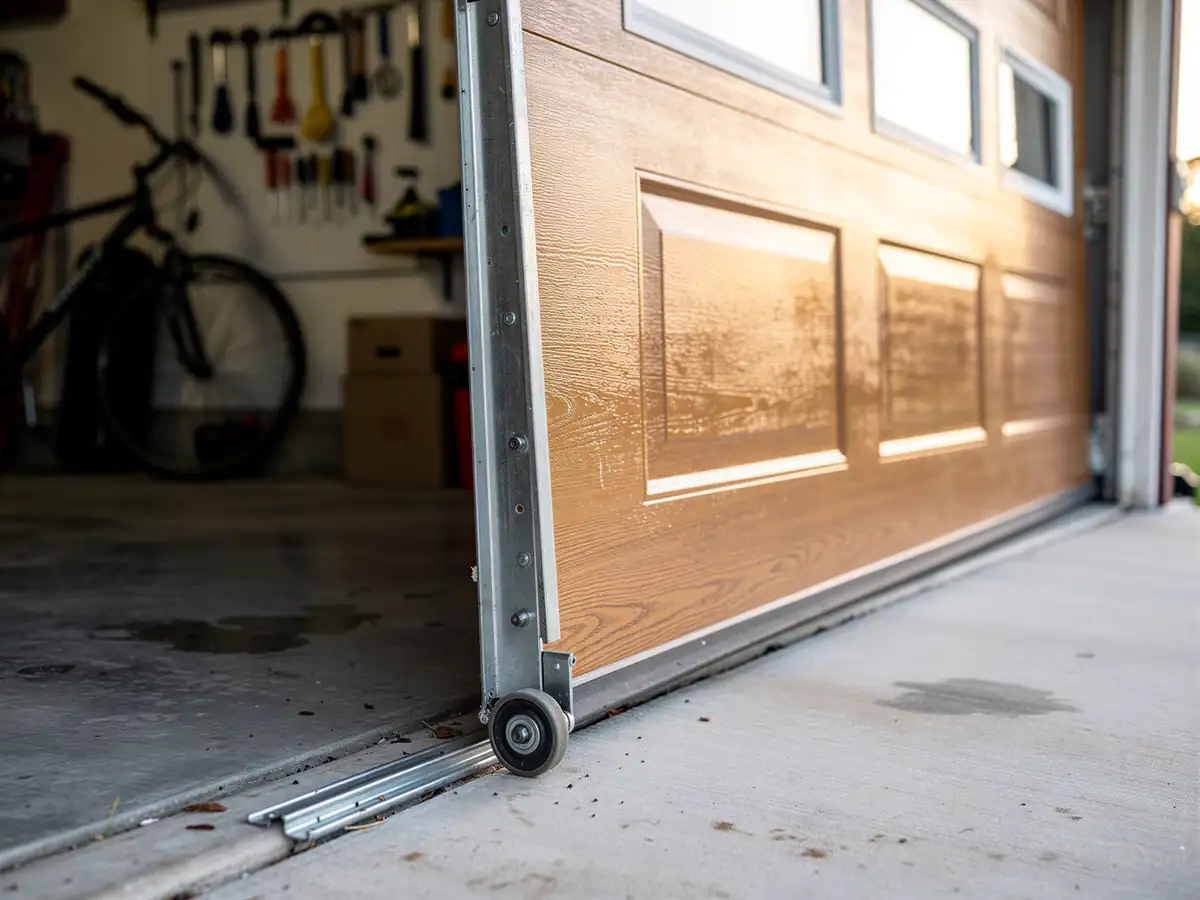
The failures we see on this side of the territory aren't the same ones we see on 1950s stock. With roughly 3,007 households in Hawthorn Woods and most garages built in the 1990s or later, the common issue is a worn drive gear or a dying circuit board on an opener that's simply hit the end of its service life, not a door fighting mismatched hardware from a 1960s retrofit. Cold-climate swings still take a toll - the service area sits in a moderate-cold band, and freeze-thaw cycling on a track that isn't quite plumb will wear a gear-drive opener faster than it should.
Where this goes wrong is when someone installs a heavier-duty unit than the door needs because the house looks substantial from the street. A newer door on standard torsion hardware doesn't need an oversized drive - it needs one matched to the door's actual weight and lift, which is usually less than people assume for a house this size.