Parts We Carry
Most of the calls we get from Hawthorn Woods aren't about a door that's falling apart. The median home here was built in 1996, which puts a lot of these garages into openings sized for bigger lots and bigger houses than you'd find closer into Deerfield - 9-foot and 10-foot single doors, 16-foot doubles, sometimes a third bay. That changes what we load on the truck before we even get out here.
A door built in the mid-90s was usually a builder-grade steel door, two or three layers, foam injection just starting to become common but not universal. Twenty-eight years on, a lot of those panels have delaminated at the bottom section where moisture gets in, and the chain-drive openers from that era are closing in on the end of their usable life whether or not they've ever thrown a code.
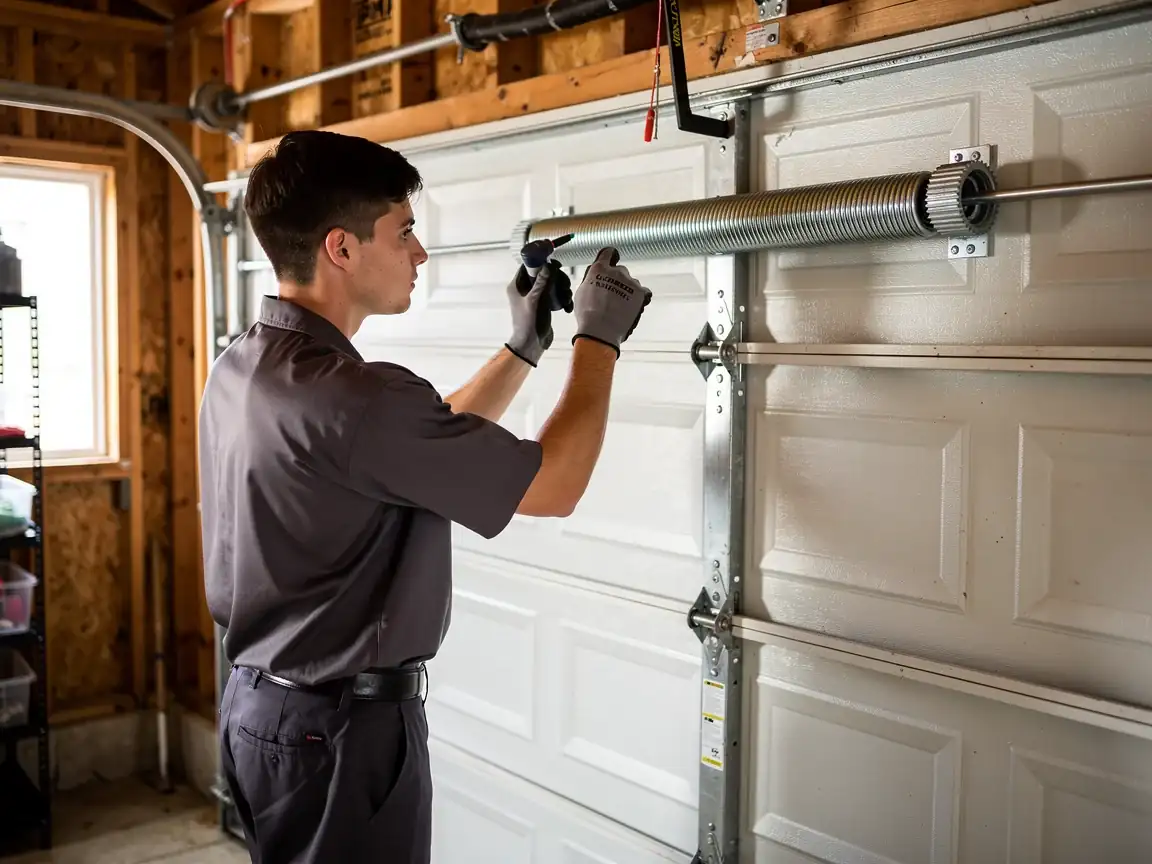
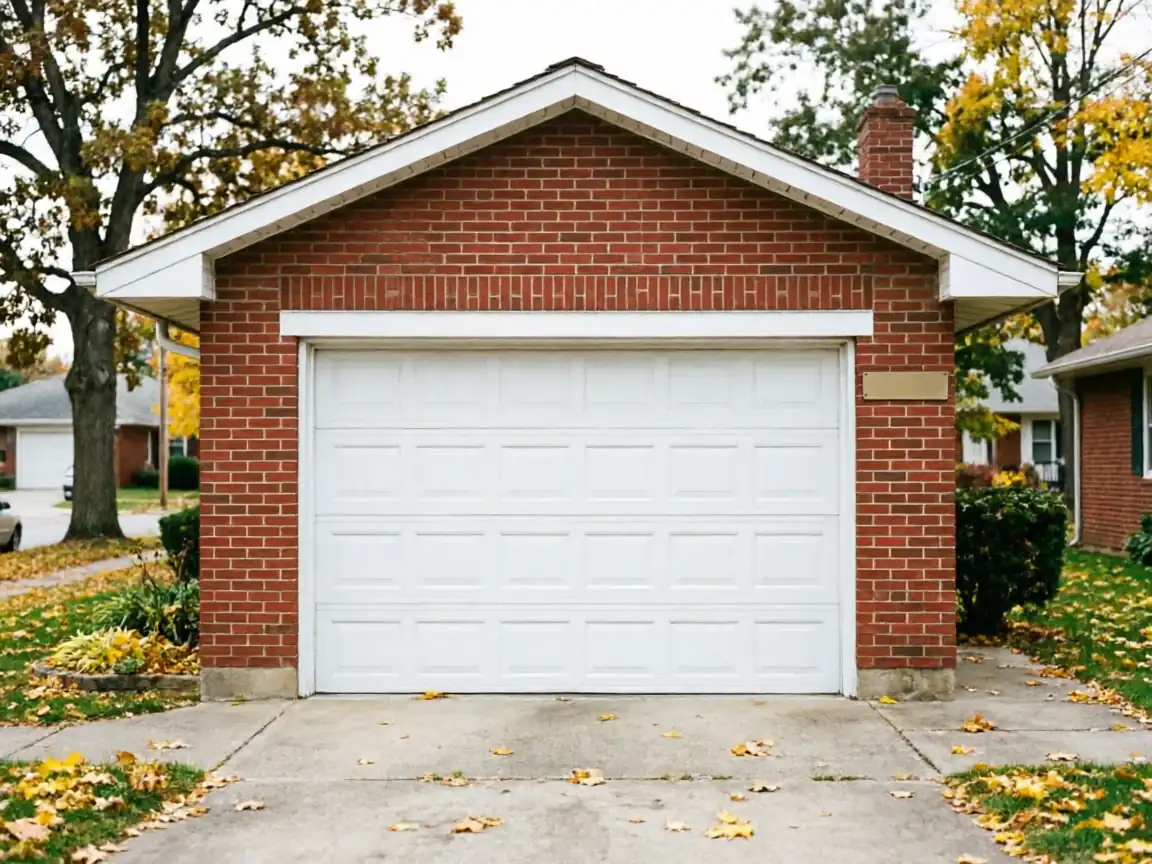
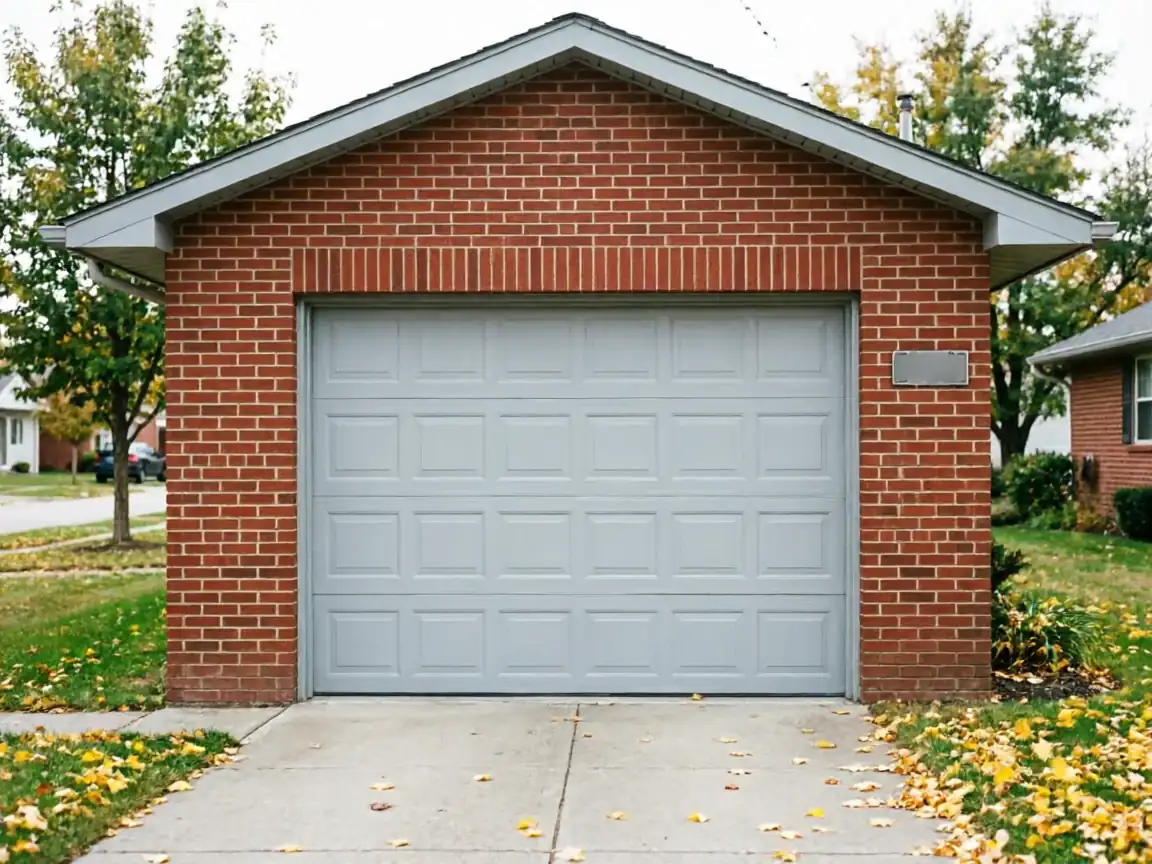
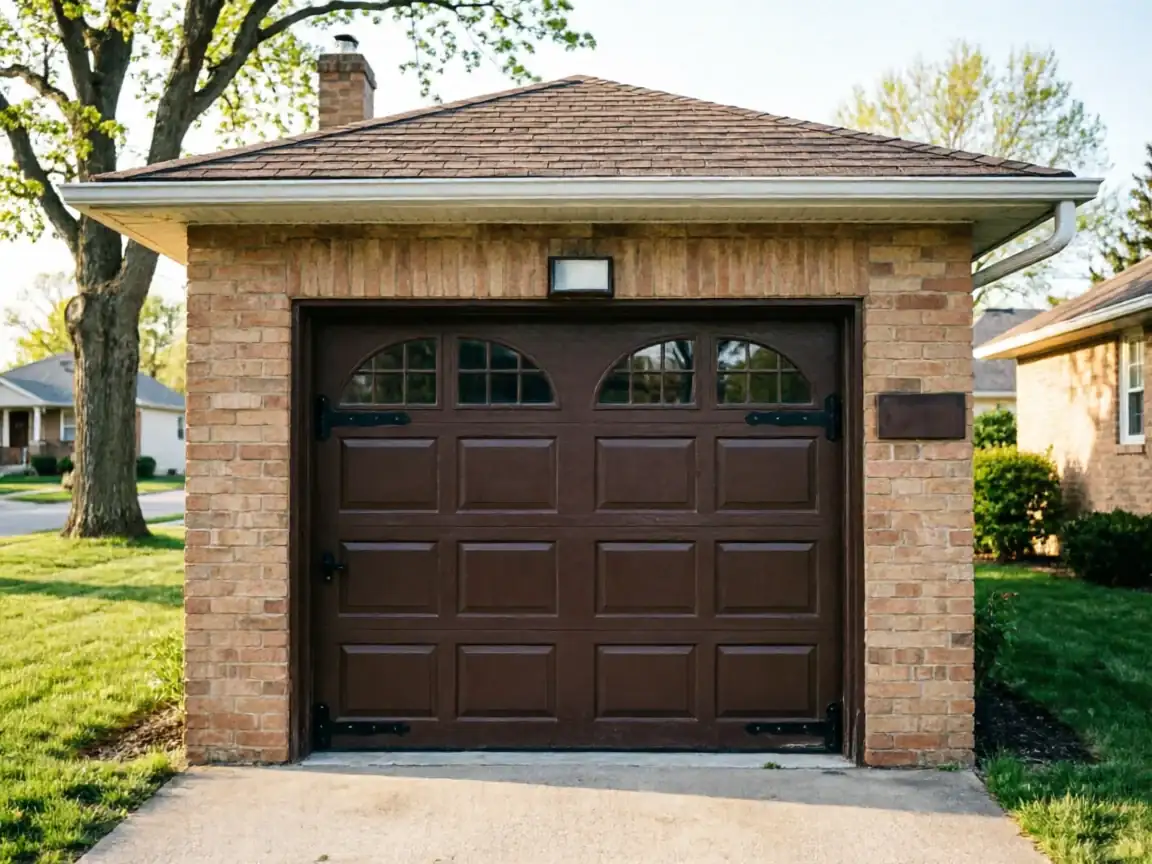
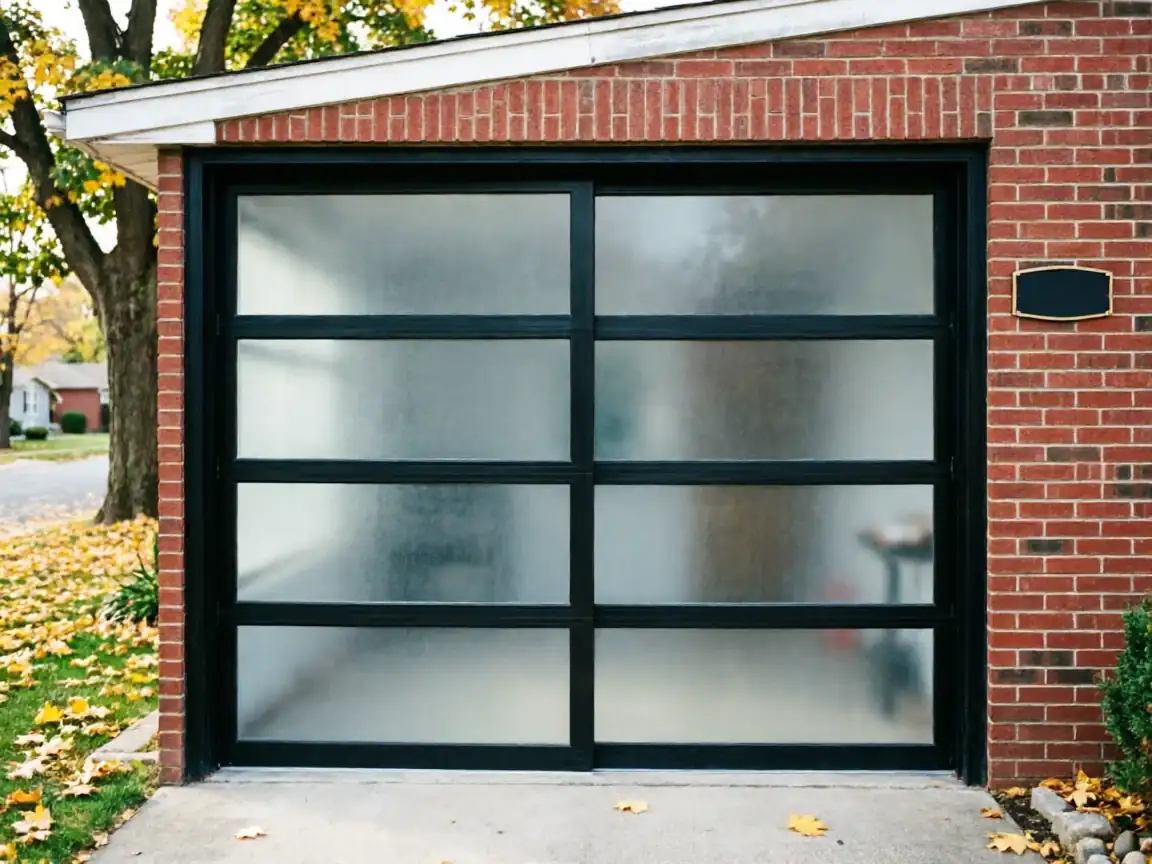
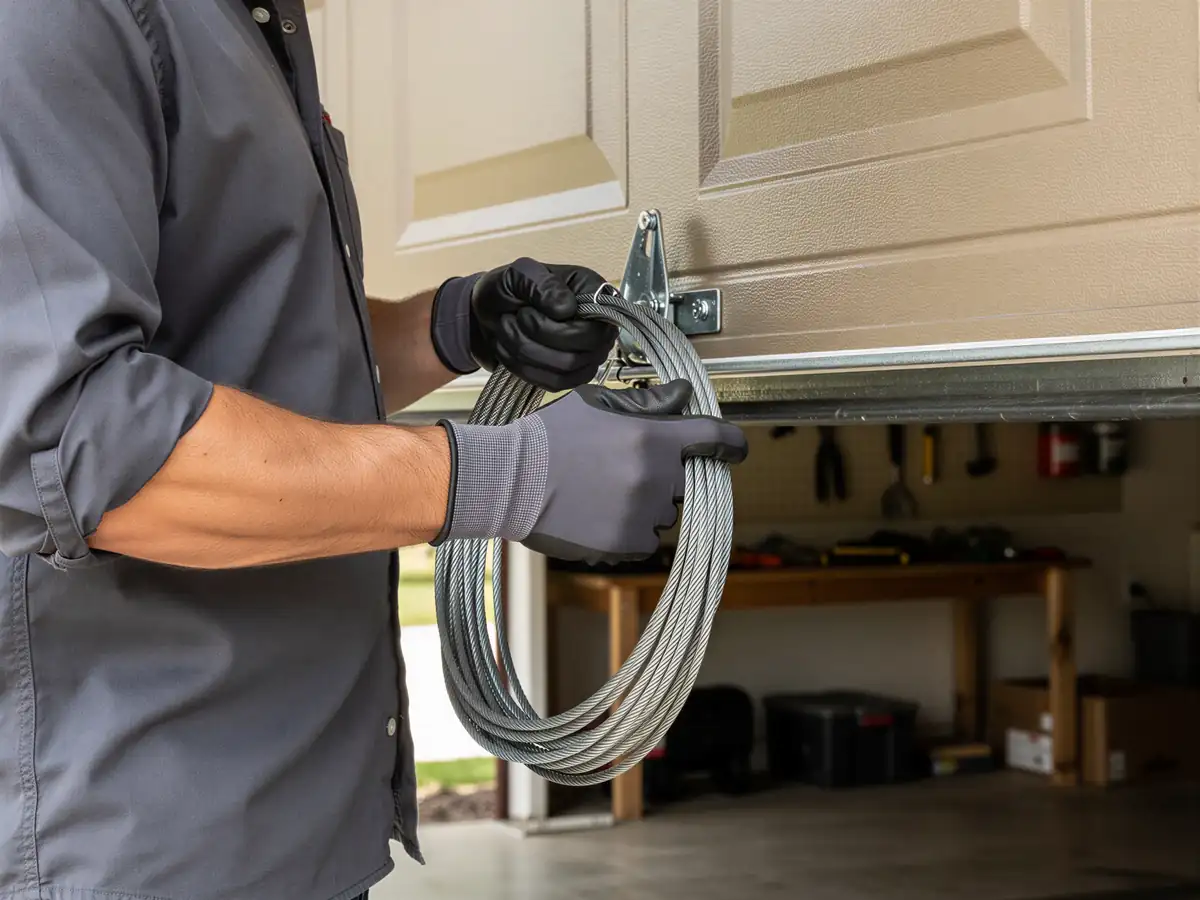
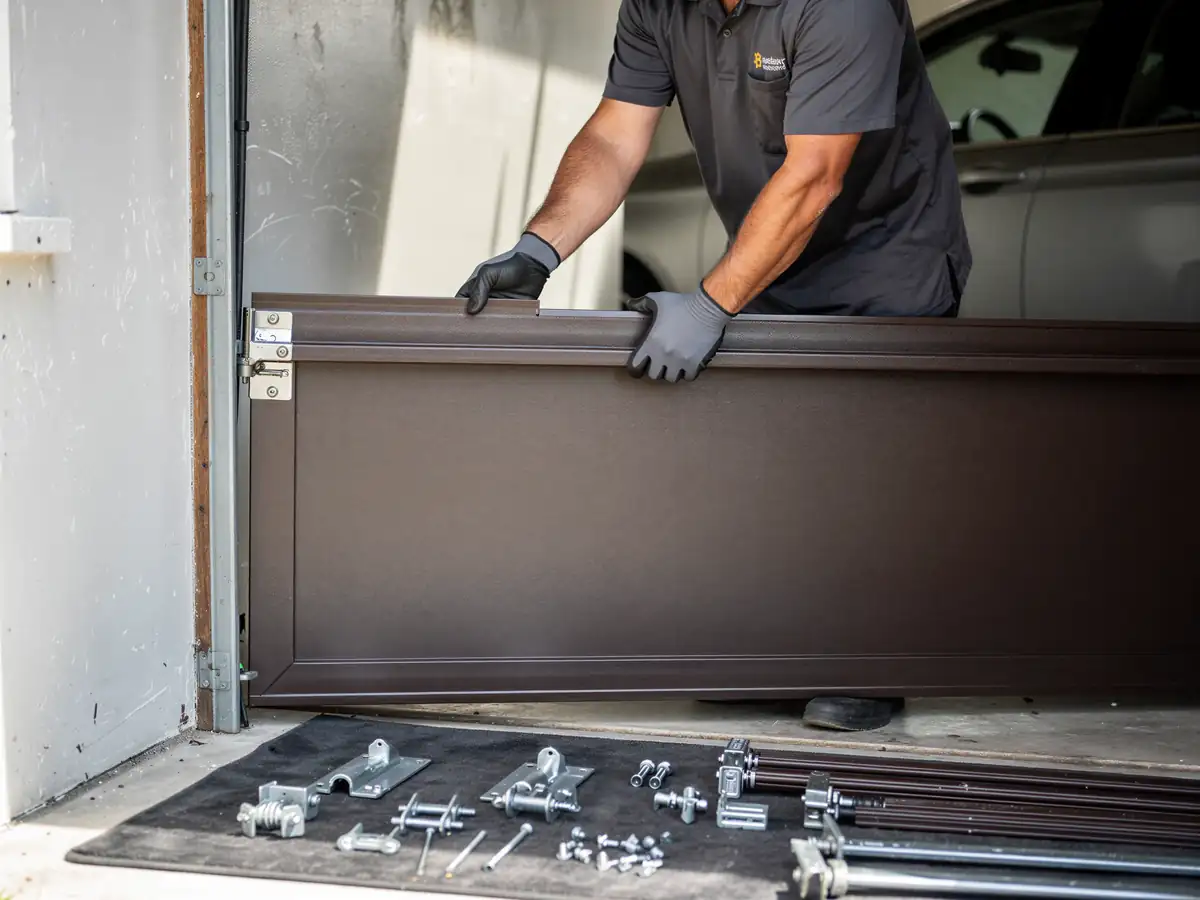
We carry insulated steel in the widths these openings actually need, along with torsion springs sized for the heavier sections that come with a wider door - a 16-foot double needs different spring weight than the 8-foot single doors common on older, tighter lots elsewhere in the area. We don't stock every oversized custom wood or glass-panel door on the truck; if you want something outside standard steel widths, that's a special order, not a same-visit swap.
The cold-climate standard for this region also means we don't install anything without a thermal break and weatherseal rated for sustained cold, not just a door that looks finished.
Getting It Booked In
We run out of Deerfield, about 12 miles south of Hawthorn Woods, so a new door install here gets scheduled as a dedicated trip, not a drop-in between closer jobs. That's worth knowing up front - we're not based in town, and we're not going to pretend otherwise with a local-sounding address.
Because a good share of the homes we see out here are on the newer end of the area's housing stock (median build year 1996, well past the 1977 median across the wider service area), the measuring visit matters more than it does on a standard 8-foot single door install. Wider and taller openings need accurate track and header clearance numbers before we order anything, especially if the existing opener and track were sized for a door that's since sagged or been replaced once already.
We book the measure first, confirm the door width, spring weight and opener compatibility, then schedule the install once the door's in. For standard steel widths that's usually a quicker turnaround than for anything oversized or custom-ordered, since those come from the manufacturer on their own timeline, not ours.
What You Pay
We don't have a flat number to quote you here
Because the range in Hawthorn Woods runs wider than in most of the towns we cover. A standard-width insulated steel door with a new opener is one price. A 16-foot double or a third-bay door, both common on the larger lots out this way, is a different job with a different spring and track bill.
What we can tell you is what drives the number
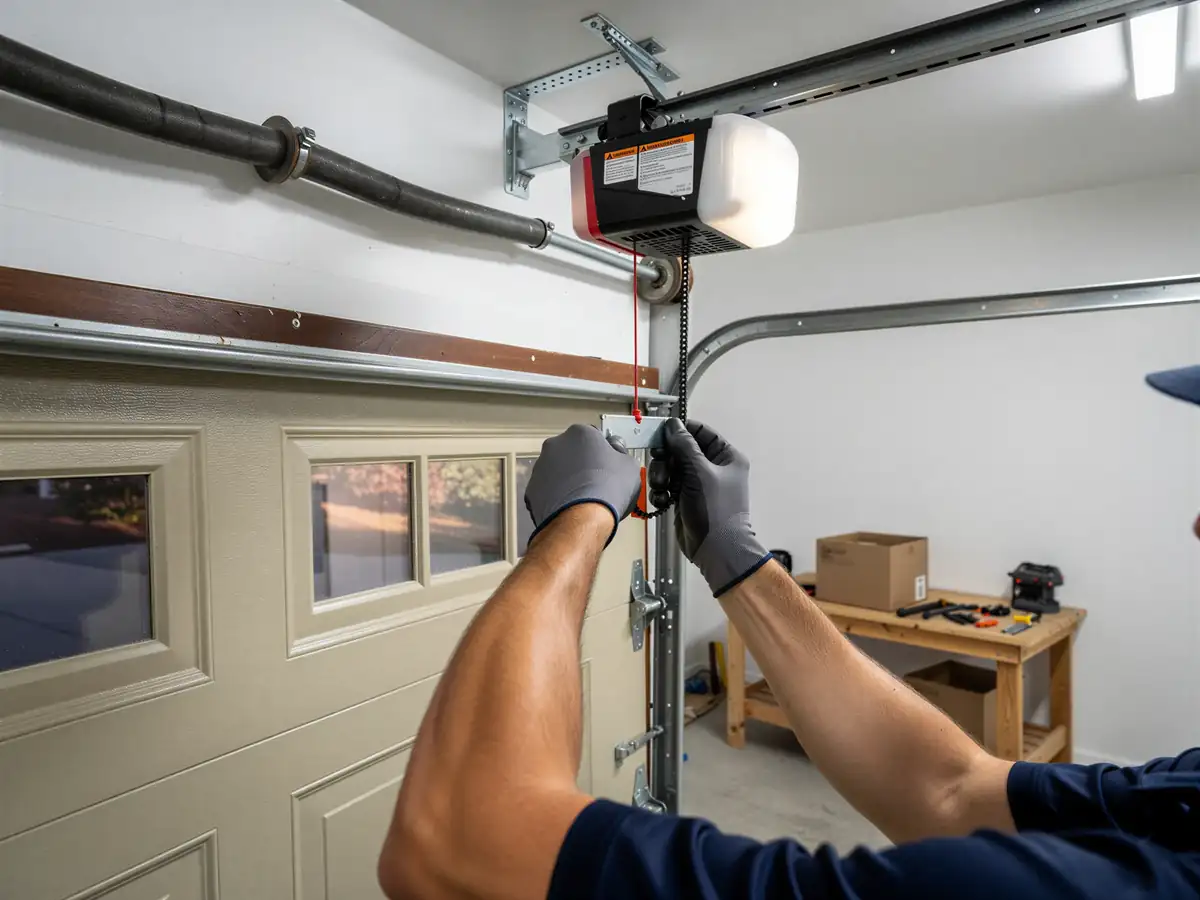
Door width and material, whether the existing track and header need rework for a taller opening, and whether the opener gets replaced along with the door or just re-paired. Homes built in the 90s often still have the original chain-drive unit, and if that's 28 years old, we'll tell you straight that replacing it alongside the door is usually the better call rather than pairing a new door to an opener that's close to failing anyway.
- 28 years
We price the job after the measure visit, not before
Because guessing on an oversized opening wastes your time and ours.
Why This Fails Locally
The failure pattern here isn't rust and rot the way it might be on a 1970s door closer to Deerfield - it's hardware fatigue on doors and openers that are old enough to be tired but not old enough to look obviously worn. A 1996-era door often still looks fine from the driveway. What gives out first is the spring, sized for a heavier double-wide door than most people realize they have, or the opener's logic board, which starts skipping cycles or losing its remote pairing long before the motor itself quits.
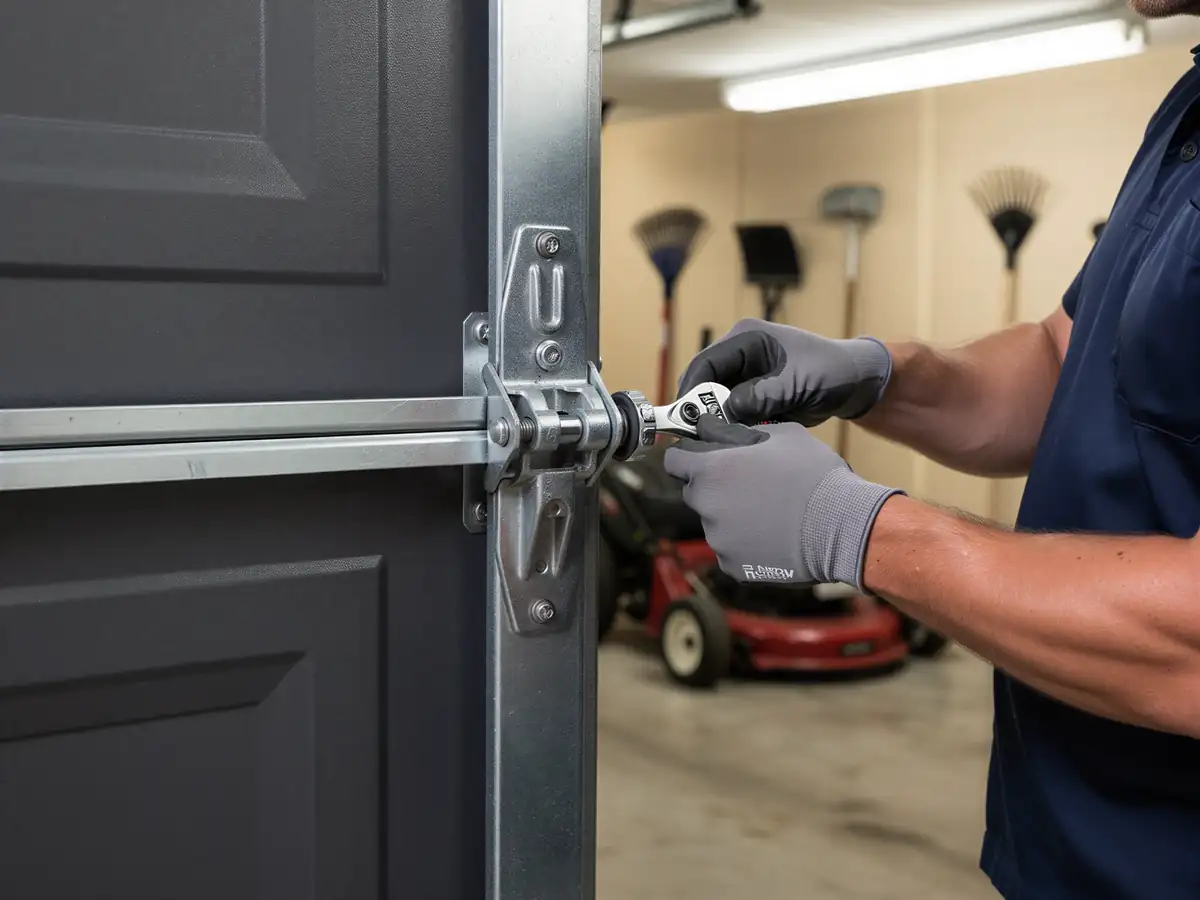
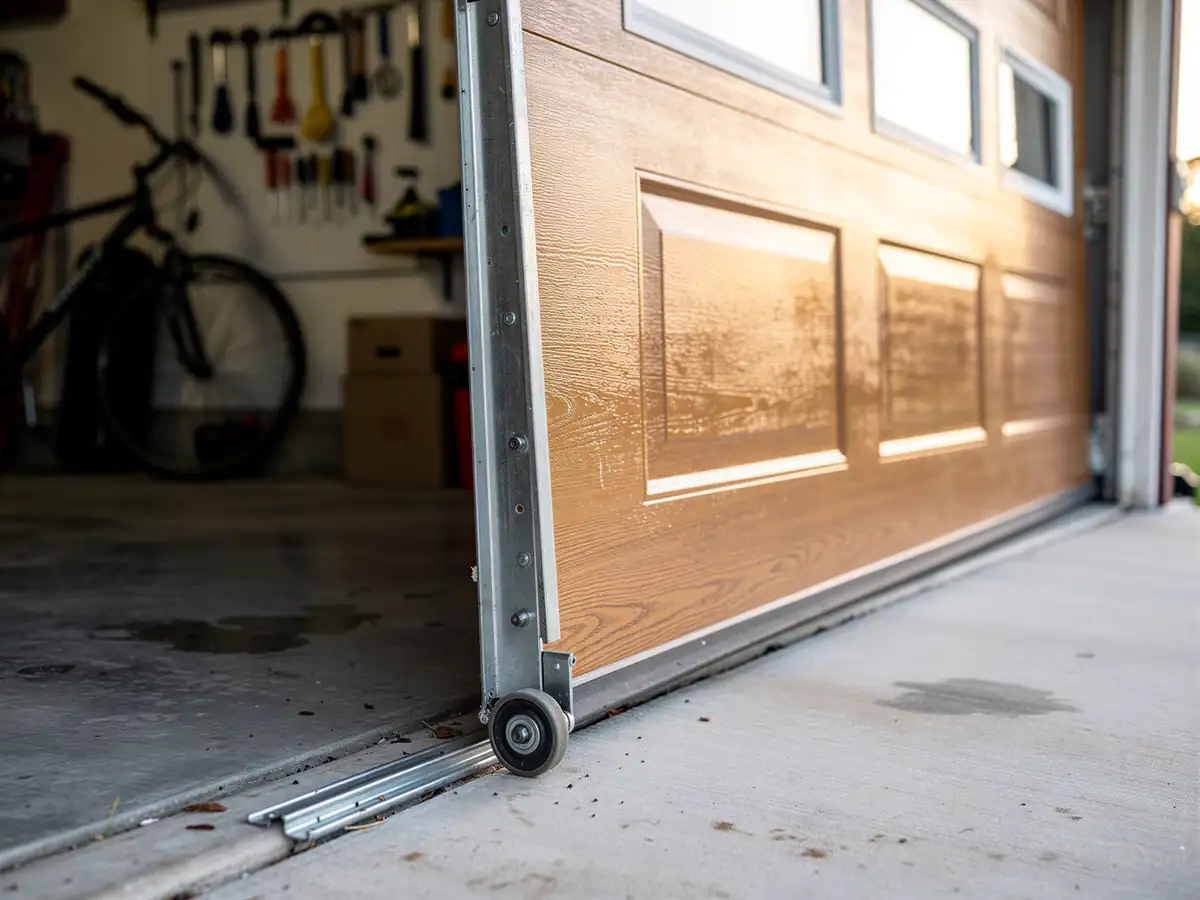
On the wider doors common out here, a worn torsion spring doesn't just make the door hard to lift - it puts uneven strain on the track on one side, and over a few months that shows up as a door that travels crooked or binds halfway up. That's a different failure than what we see on narrower, older doors, and it's why we size the spring to the actual door width here rather than defaulting to what's standard closer to the city.