Parts We Carry
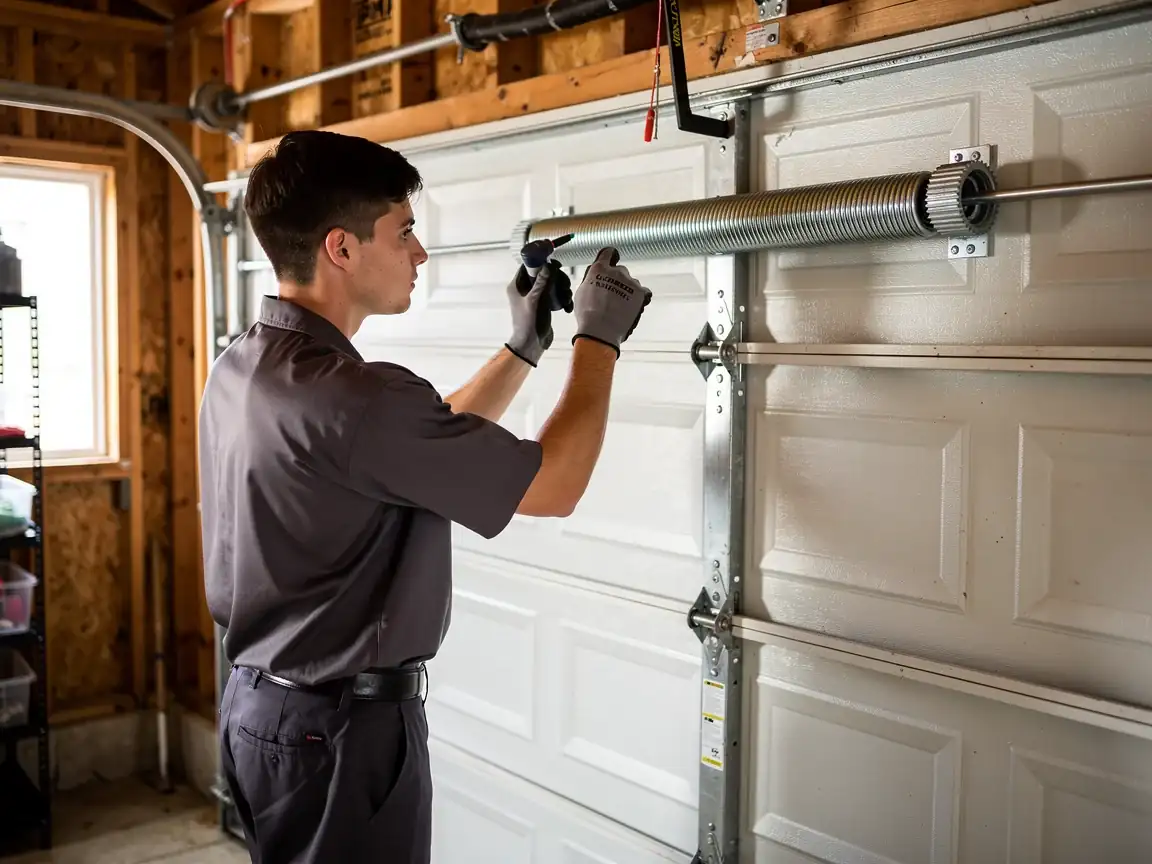
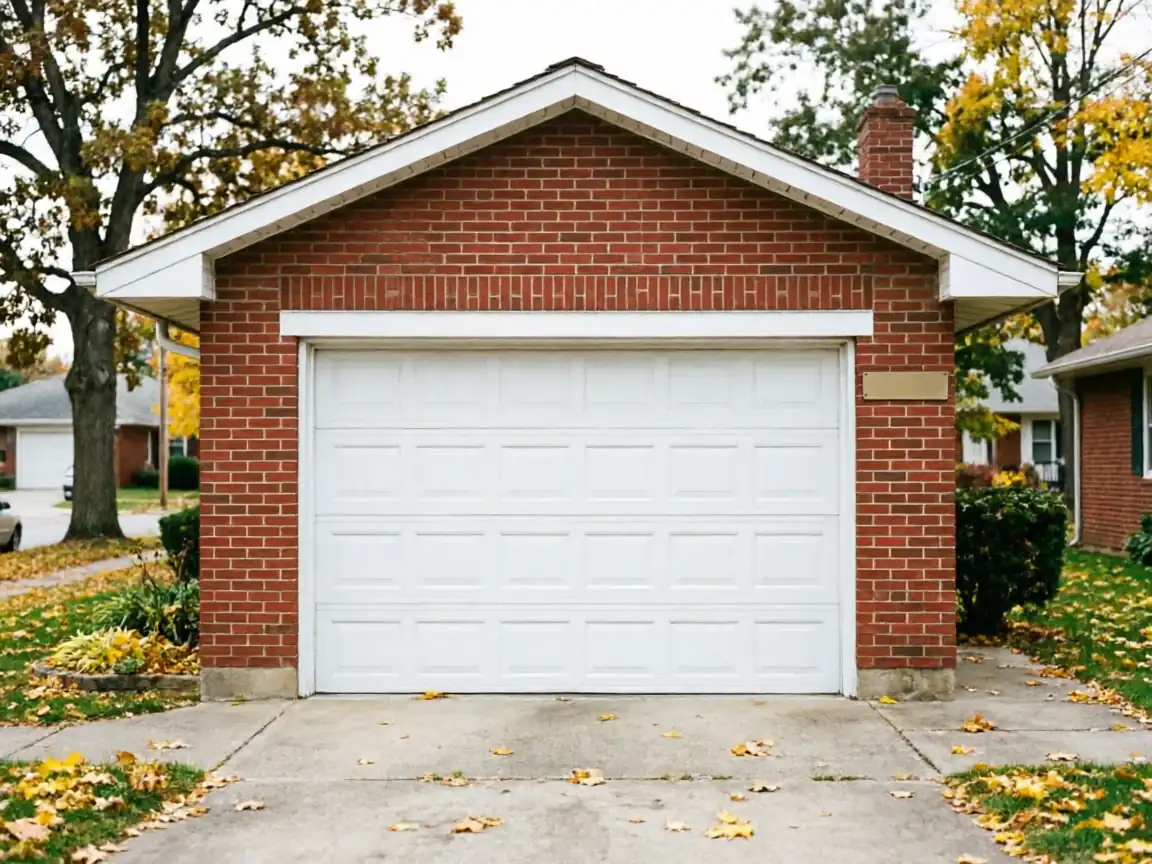
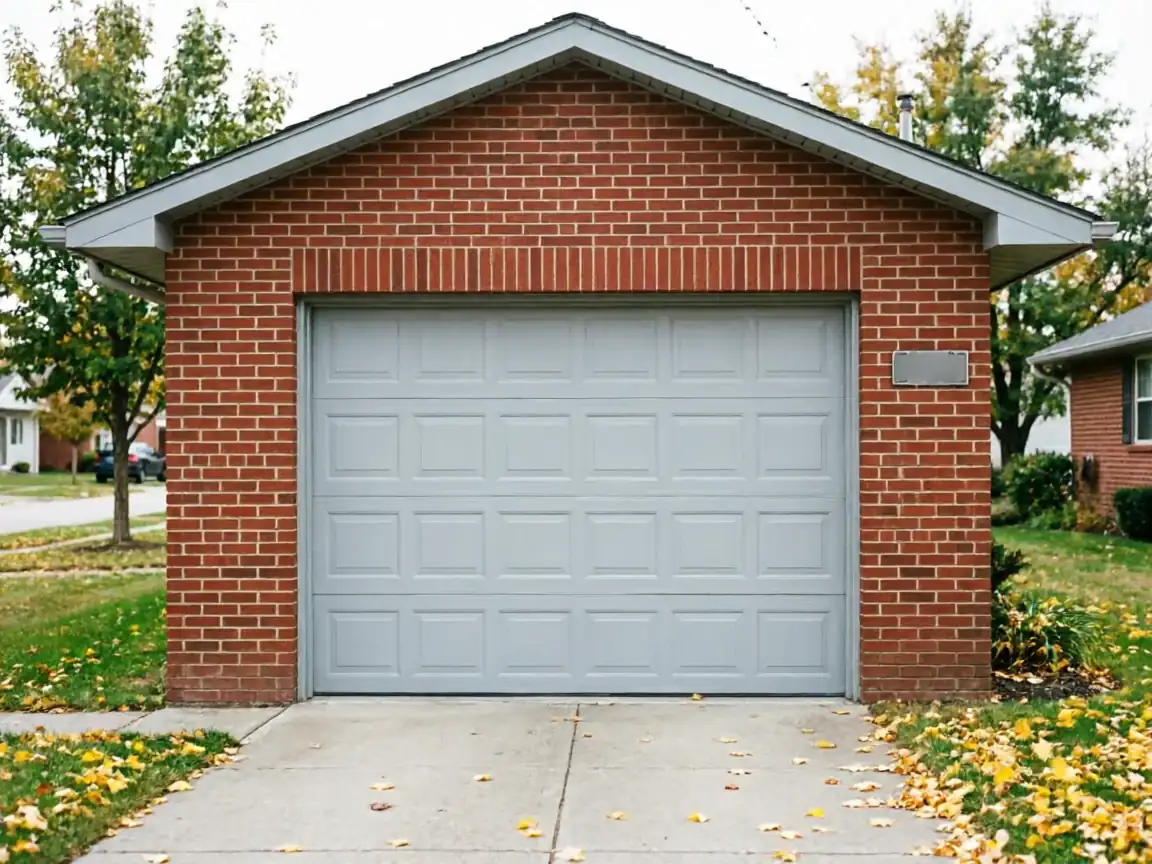
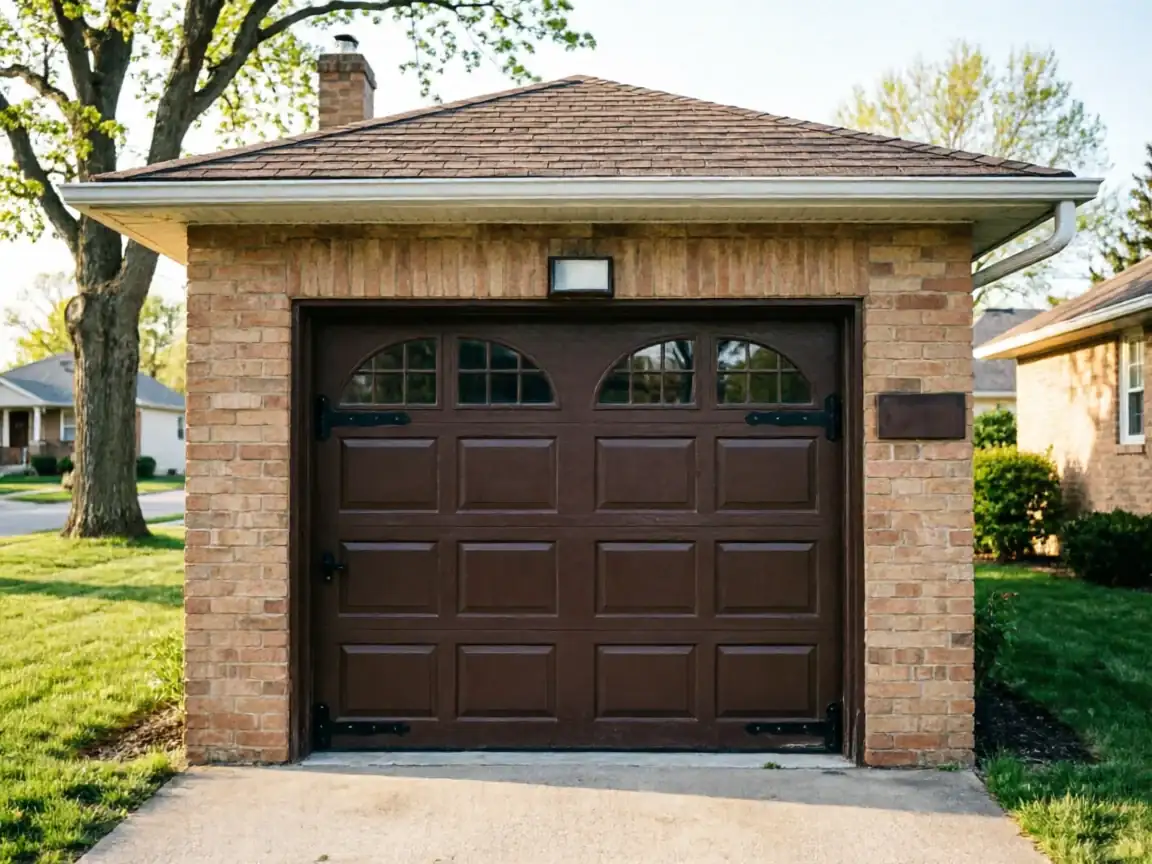
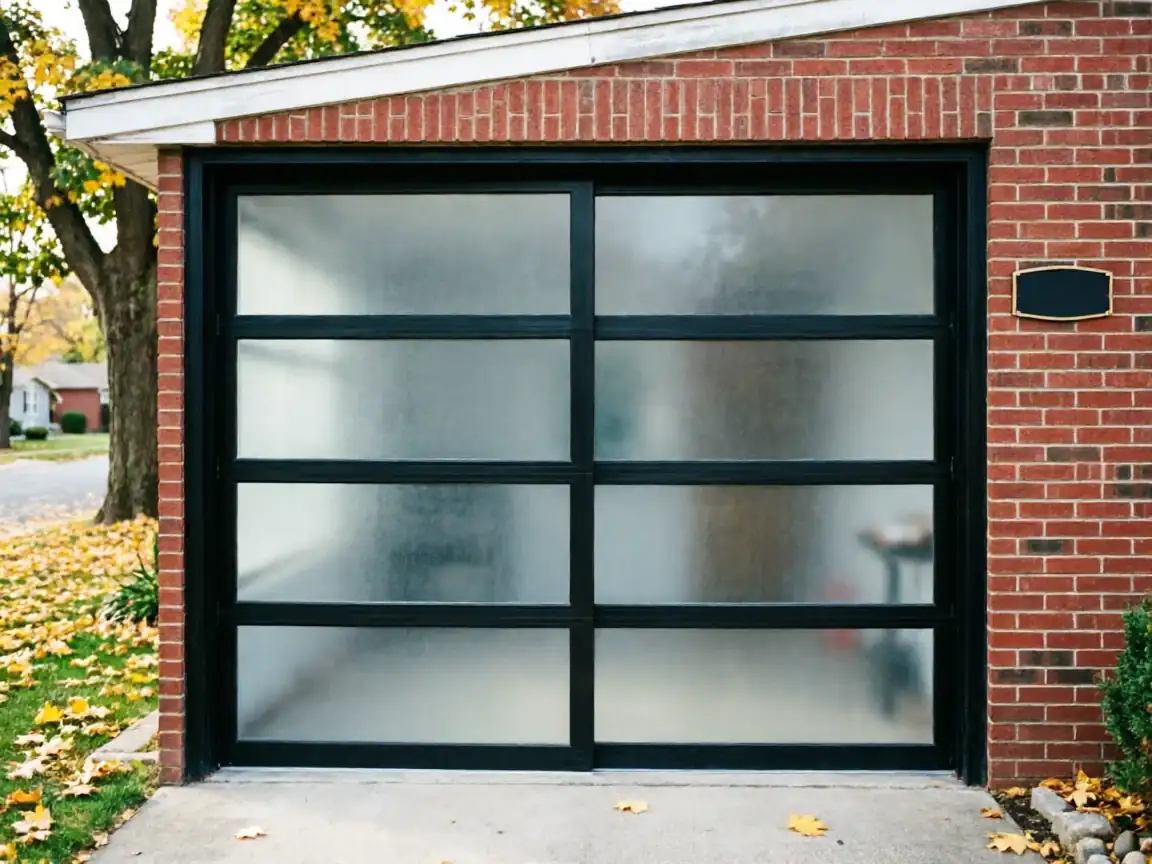
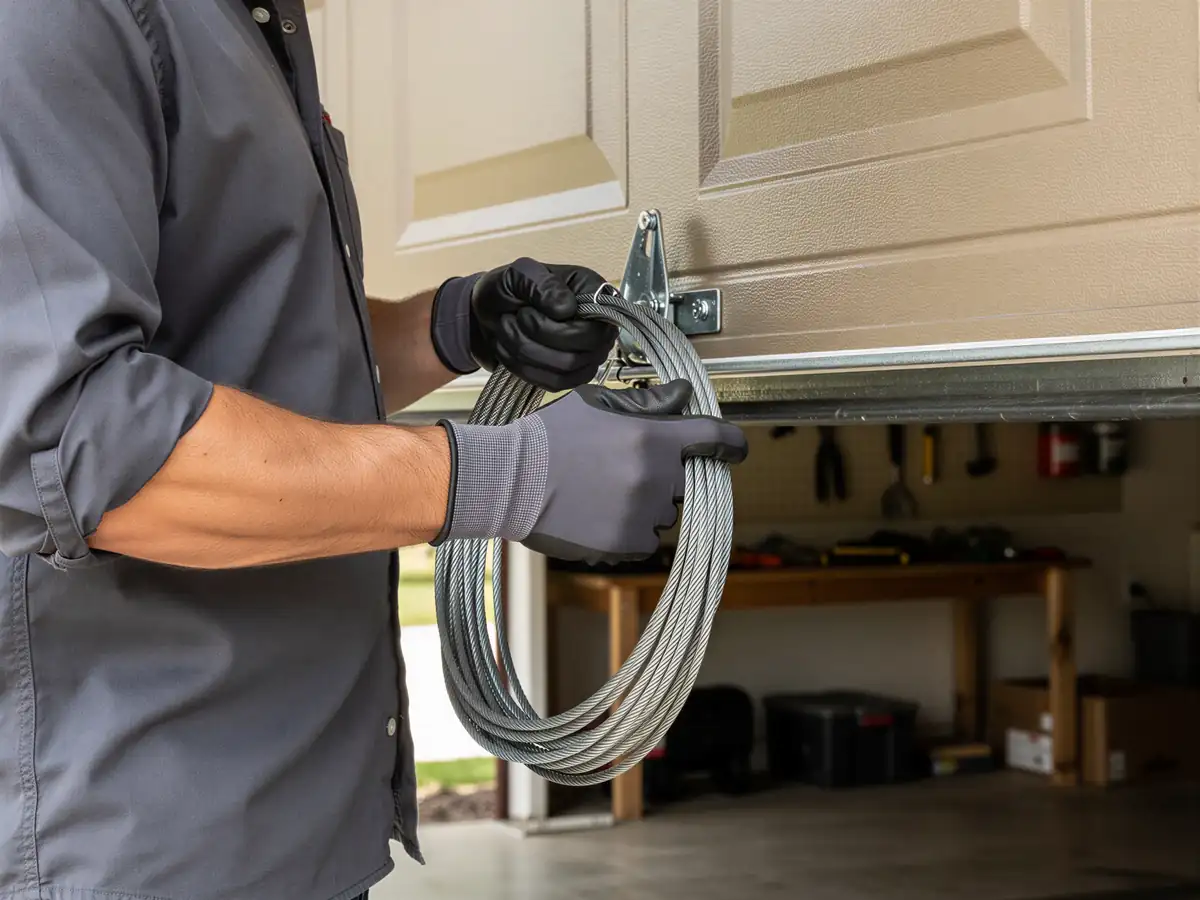
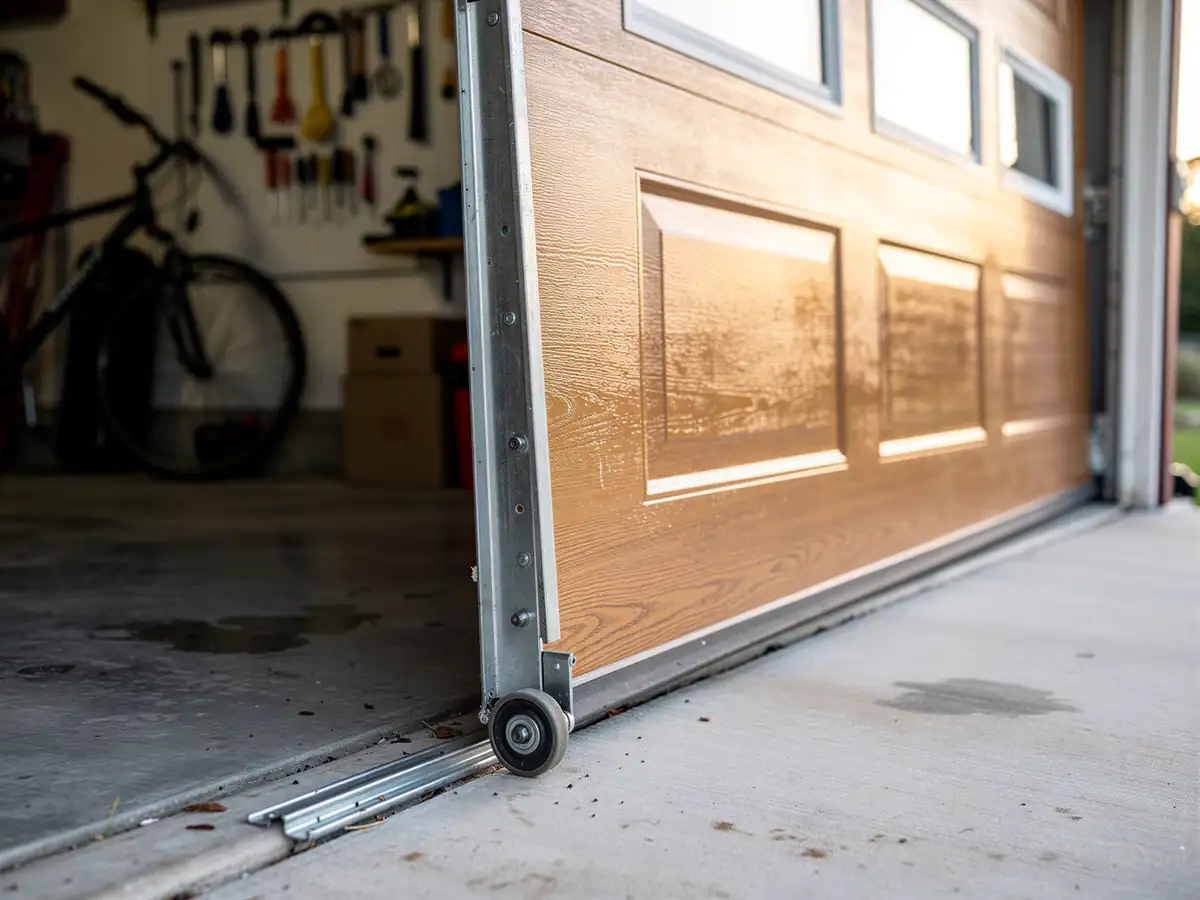
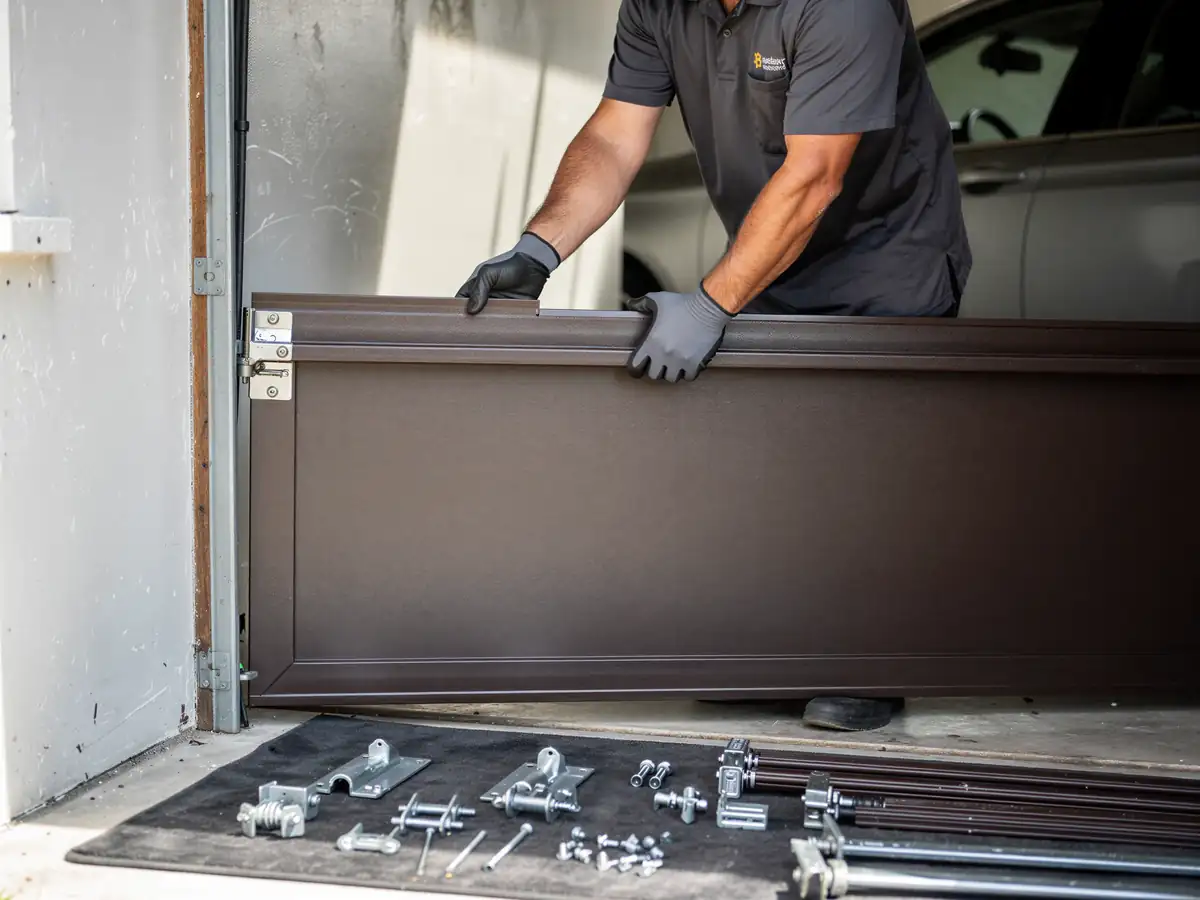
The median income in Hawthorn Woods runs $238,114, nearly double the $125,104 median across our service area, and that shows up in the garages we open here. Doors tend to be wider - two-car and three-car openings - on torsion systems sized for more weight than the single-car setups common in older, denser towns nearby. We stock torsion springs in the heavier wind-load ratings those doors need, along with steel panel sections and the heavier-duty rollers that pair with them.
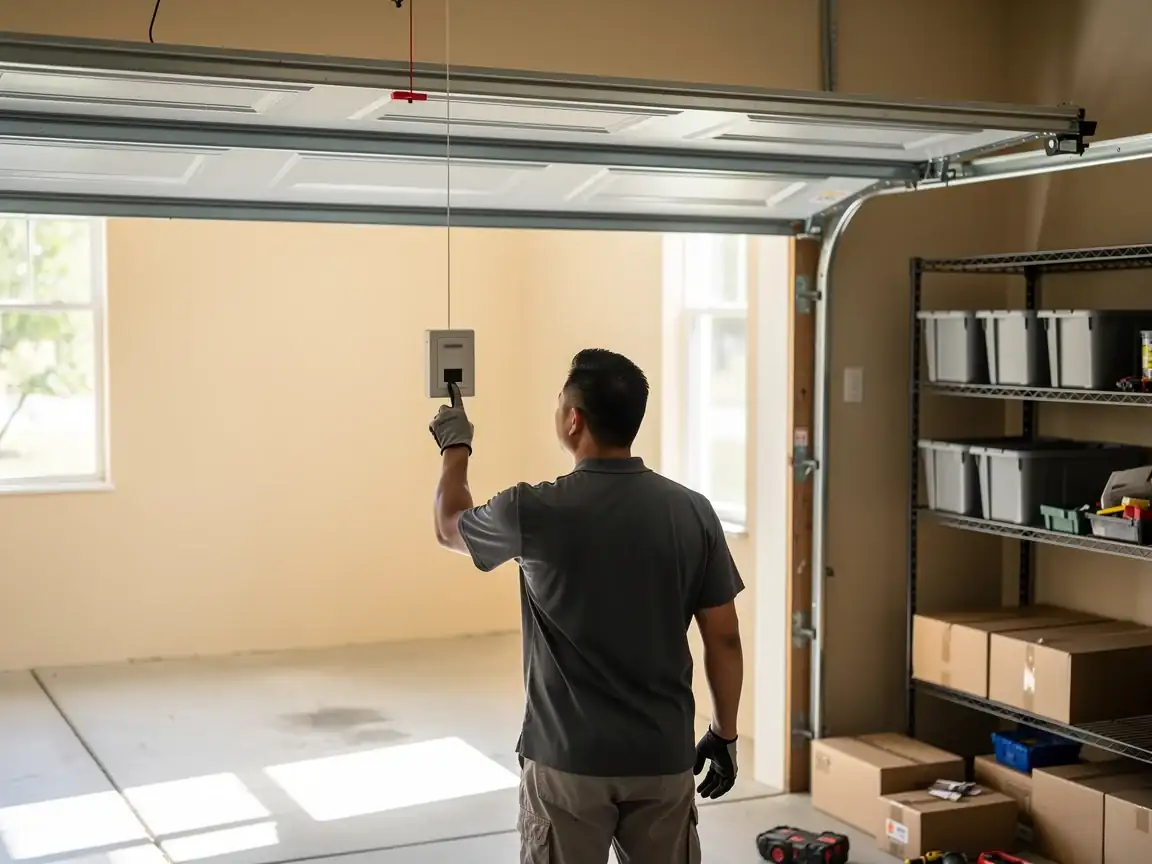
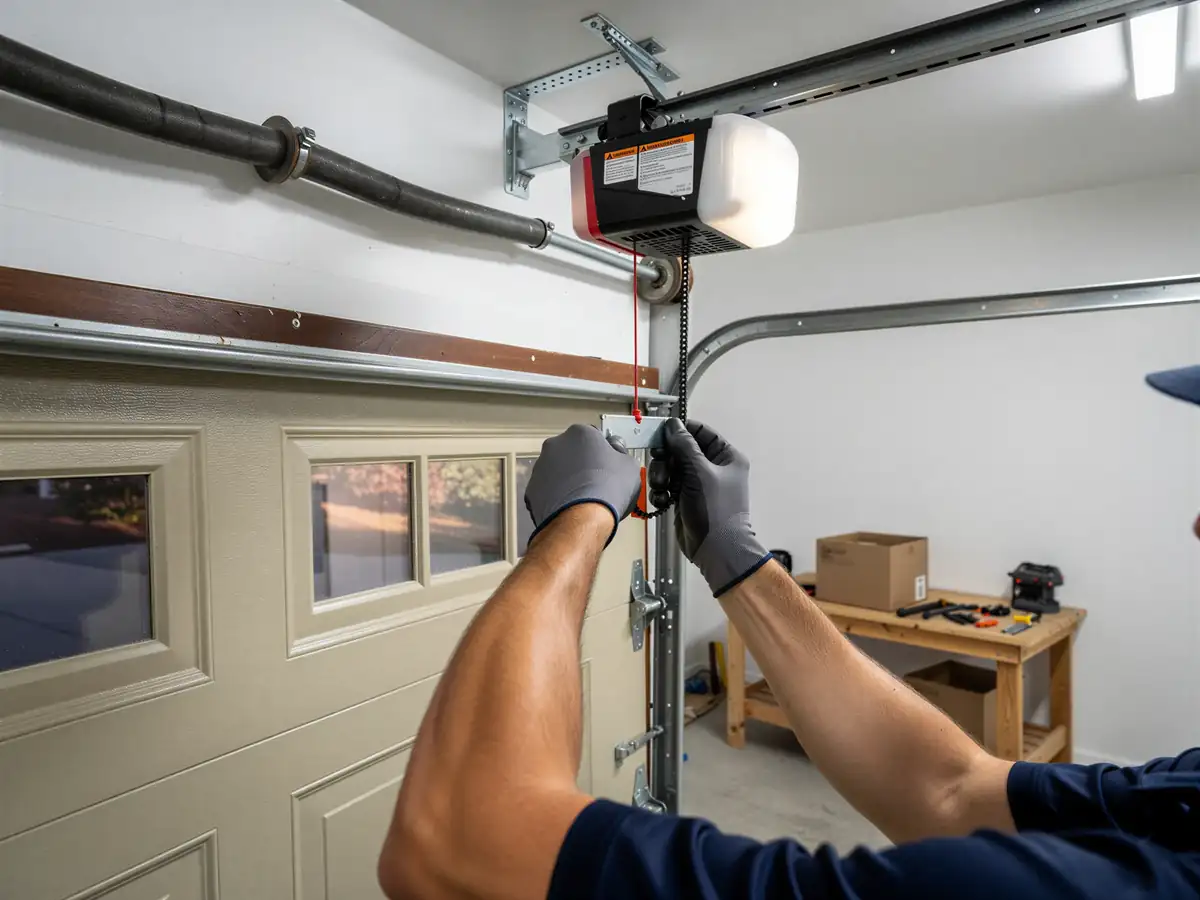
Because the housing stock here centers on 1996 rather than the 1970s builds we see elsewhere, we're not usually pulling obsolete one-piece hardware out of these garages. We're more often replacing openers that were installed with the house and are now pushing 25 to 30 years old - chain-drive units with circuit boards that finally give out, safety sensors that have drifted out of alignment, and belt systems from the early 2000s upgrade wave. We carry current opener models and the logic boards and sensor kits to service the older ones still running. What we don't carry on the truck: parts for openers no longer made at all, which does happen on a house this age - those jobs usually mean a full opener swap rather than a repair.
Getting It Booked In
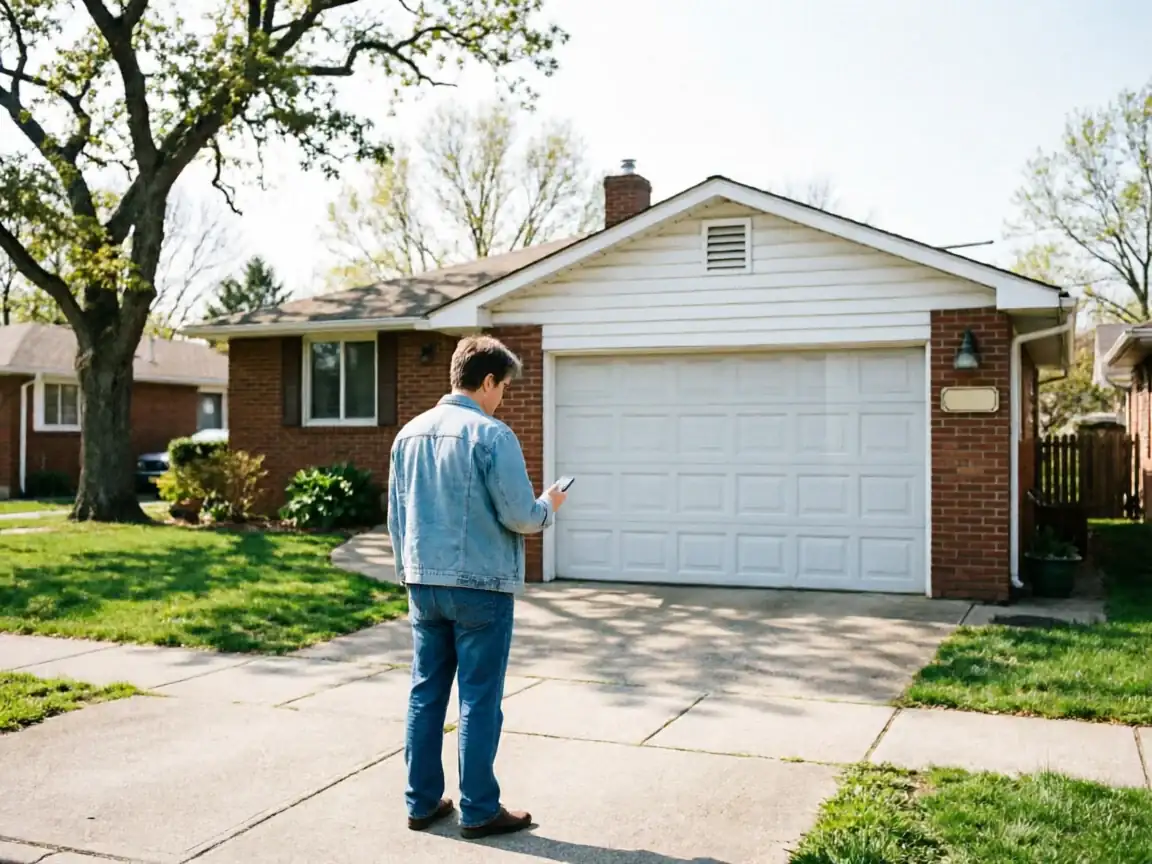
We run out of Deerfield, about 12 miles south, so there's no local branch or drop-in counter in Hawthorn Woods - every job here is a scheduled truck visit, not a walk-up. When you call, tell us the door's width, whether it's one opener or two, and roughly how old the opener is if you know it; on a town where most garages hold two cars and the houses skew newer, that detail narrows down which spring and opener parts we load before we drive out.
With only 3,007 households in Hawthorn Woods, this isn't a route we're already running every day the way we might in a denser suburb, so booking ahead matters more than same-day hope. We'll ask a few questions on the phone to figure out if it's a spring, a cable, or the opener itself, and load the truck accordingly rather than guessing on site. If the issue turns out to be something we didn't anticipate - a bent track section, say - we're honest that it may mean a second trip for the part rather than a fix on the spot.
What You Pay
We don't post a flat price list here because the two biggest cost drivers
Spring size and opener model - vary more in Hawthorn Woods than in older, more uniform housing stock. A torsion spring rated for a heavy two-car door costs more than the lighter spring on a single-car opening, and that's exactly the kind of door this town has more of.
With a median household income of $238,114
We also see more owners choose full opener replacement over patching a 20-plus-year-old unit, simply because the newer safety features and quieter operation are worth it to them at that price point - but that's a decision we lay out for you, not one we push. A repair on a sound door with a blown spring is almost always the better call than replacement, regardless of the house around it. What we can't do is quote a number sight unseen over the phone; opener model and spring size change the parts cost enough that we confirm it at the door before we start.
- $238,114 median household income
Why This Fails Locally
Hawthorn Woods' housing stock centers on 1996, a couple of decades newer than much of the broader service area, which median out closer to 1977 with stock running from 1938 up through 2009. That gap matters: doors and openers here are hitting end-of-life now in a different way. Steel sectional doors from the mid-90s are outlasting their original torsion springs by a wide margin, and the openers installed alongside those doors are now old enough that circuit boards, not belts or chains, are the common failure point.
The cold climate band we work in adds a second pressure: steel spring wire fatigues faster through repeated hard-freeze cycles, and a spring rated for years of use in a moderate climate can still go without much warning on a cold morning. Combine that with wider, heavier double-door openings common on these larger lots, and the failure mode is a spring that's carrying more load than a smaller-town door ever would, cycling through more cold snaps than a newer-climate region sees. That combination - bigger door, aging opener electronics, cold-stressed spring steel - is what we're loading the truck for before we ever turn onto the street.