Parts We Carry
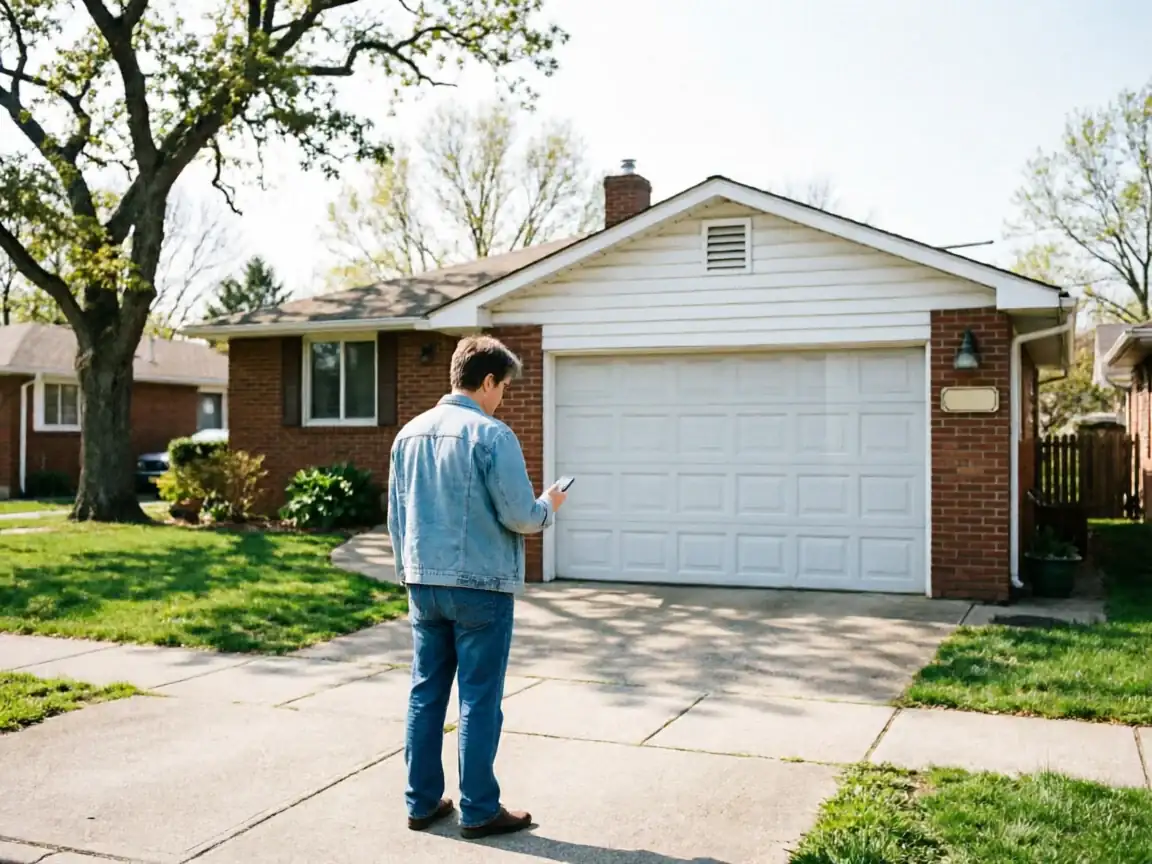
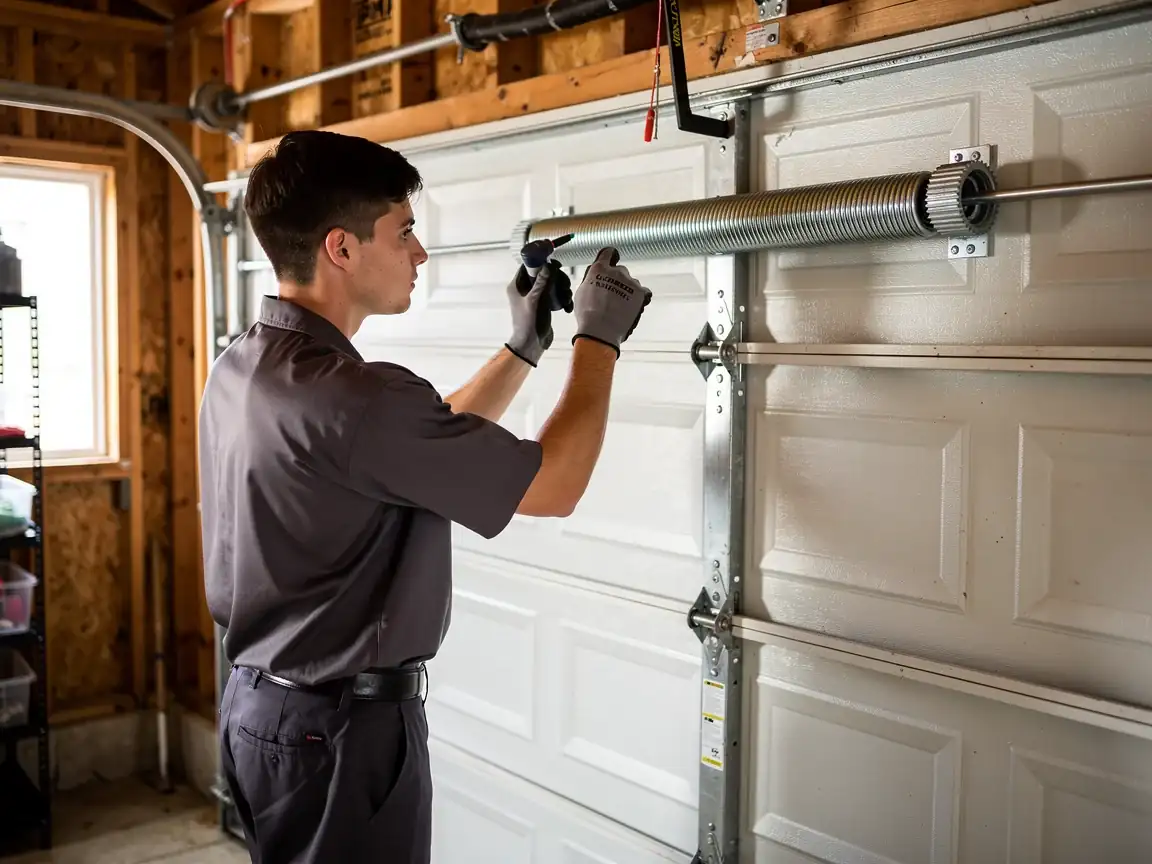
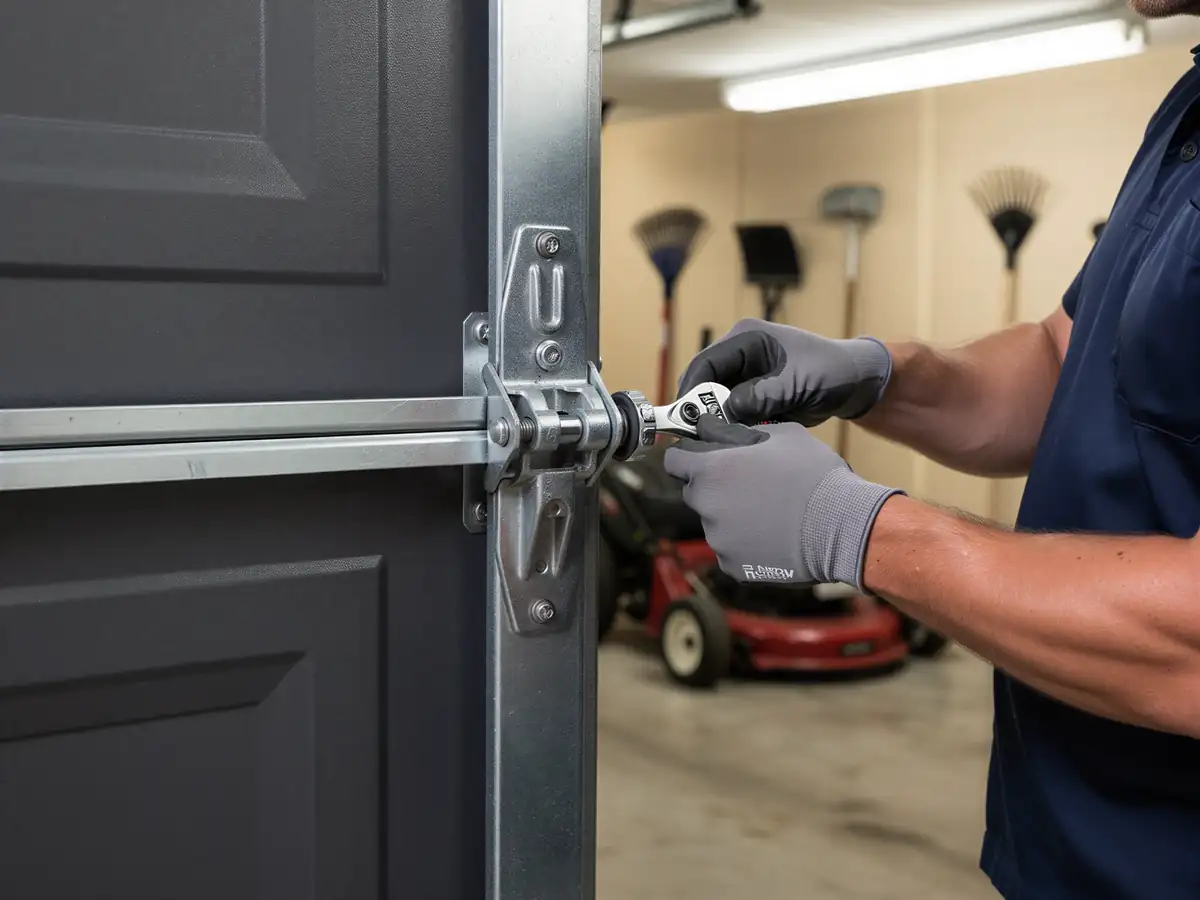
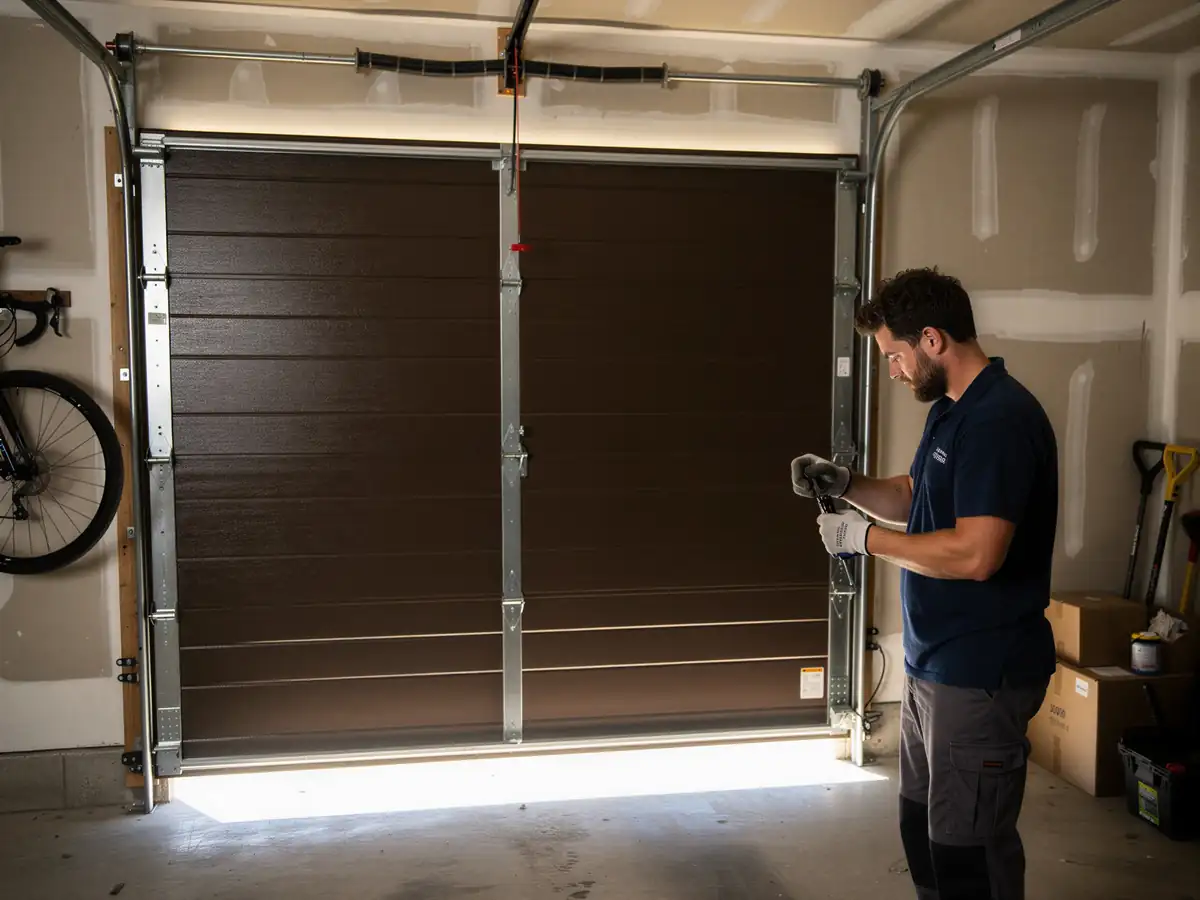
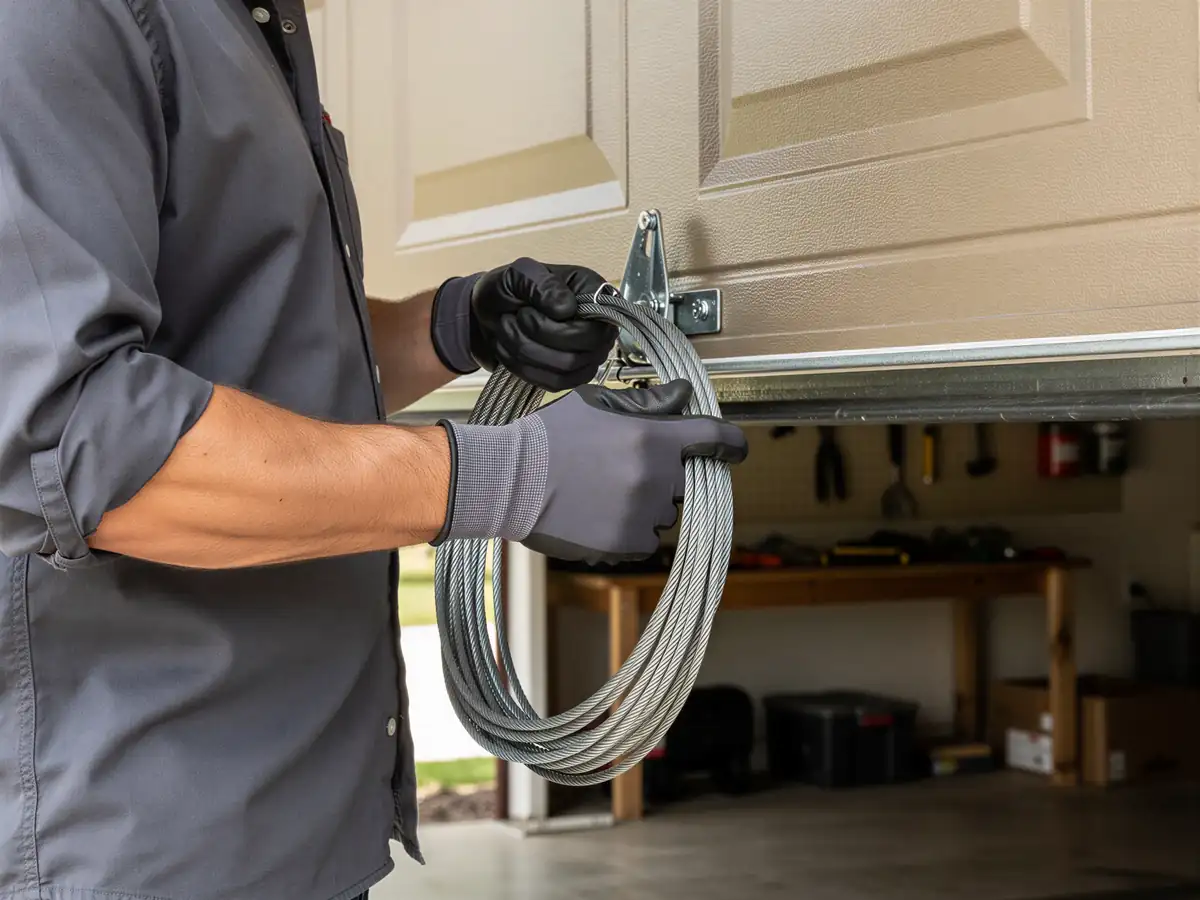
A house in Hawthorn Woods built around 1996 almost certainly still has its original lift cables. Nobody replaces a cable on a schedule - it gets swapped when it frays, slips off the drum, or snaps outright, and for a door installed when Clinton was in his first term, that moment is closer than most owners think. The galvanized aircraft cable used in that era was built to last fifteen to twenty years under normal cycling, not thirty-plus winters of a cold climate putting extra load on the system every time the metal contracts. We carry standard 1/8-inch and 7x19 lift cable in the lengths that fit the torsion and extension setups common to homes from that build period, along with the drums and safety cables that tend to go bad at the same time. What we don't stock is anything custom - if a door was fitted with a non-standard track height or an odd spring conversion somewhere along the way, that part gets ordered, and we'll tell you honestly if that's the case before we start.
Getting It Booked In
We run this job out of Deerfield, about 12 miles from Hawthorn Woods, so we book the visit rather than walk in cold. When you call, tell us whether the cable snapped clean (door won't move, one side hangs low) or is fraying (door jerks, runs crooked, makes a grinding pop near the top of travel). That distinction changes what's in the truck when we show up. A snapped cable on a torsion system usually means the spring side needs attention too, since the two work as a pair - we'll ask about the age of the springs on the phone so we're not guessing at your driveway. There's no walk-in counter or local branch here; everything is scheduled from Deerfield, and the appointment window reflects that drive.
Why This Fails Locally
The reason cable failure shows up differently here than in neighborhoods built decades earlier comes down to the build year. A door hung in 1996 was almost certainly installed with the hardware standards of that moment - lighter-gauge cable, drums sized to the springs of the day - and none of it has been touched since unless something broke. Add a genuinely cold winter climate, where the cable sees repeated cycles of contraction and the drum edges get brittle, and the failure point is usually the same spot: where the cable wraps the drum groove, not the end fittings. That's a different wear pattern than you'd see on a door converted or upgraded more recently, and it's worth knowing before anyone quotes you a fix without looking at the drum first.