Parts We Carry
Most of the houses we work on across the wider service area went up between 1938 and 2009, with the median landing around 1977. Hawthorn Woods sits well past that midpoint - the typical home here was built around 1996, nearly two decades newer than the service-area average. That gap matters more than it sounds like it should.
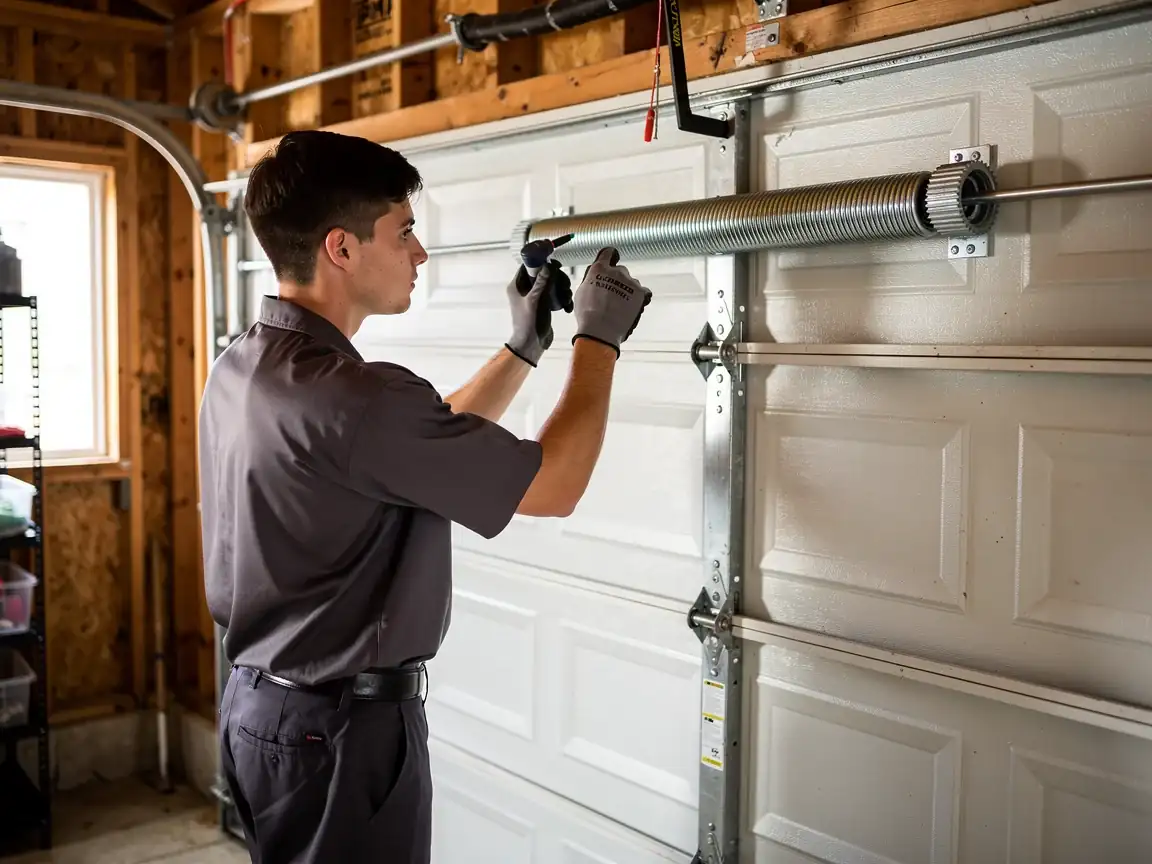
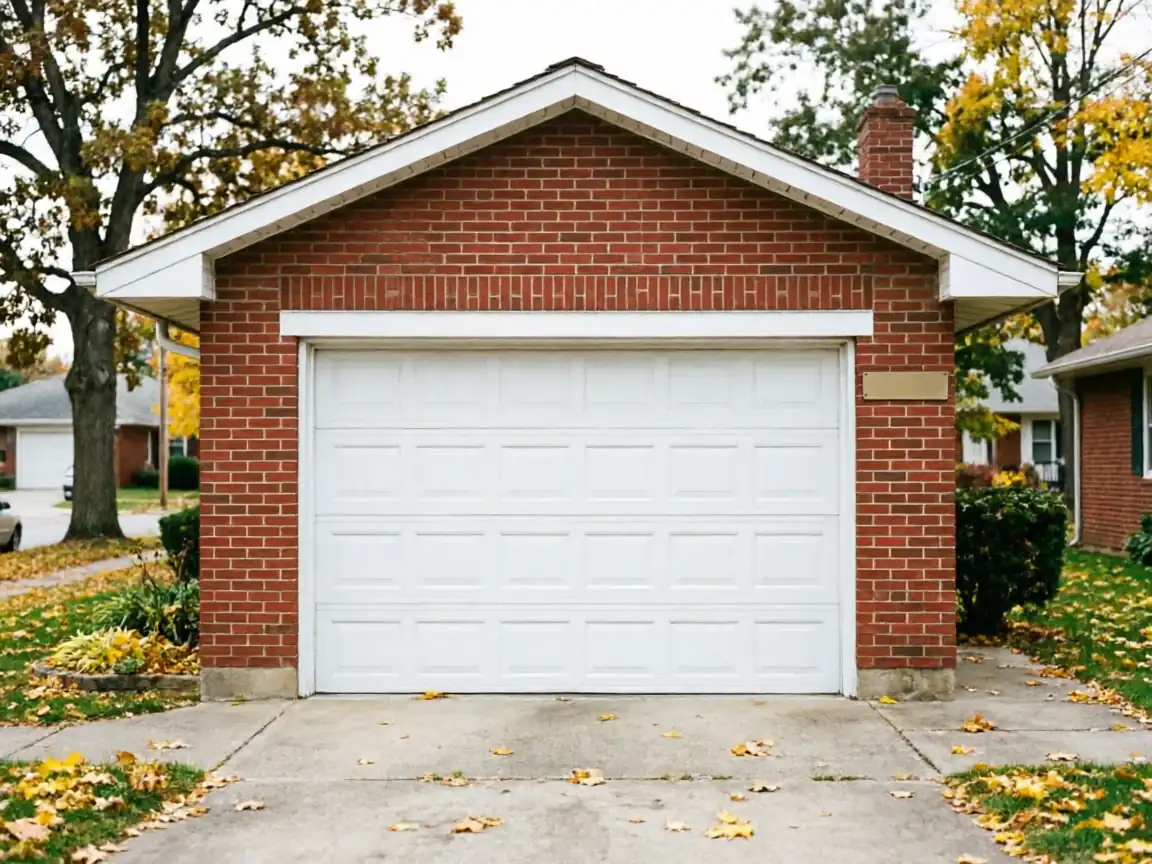
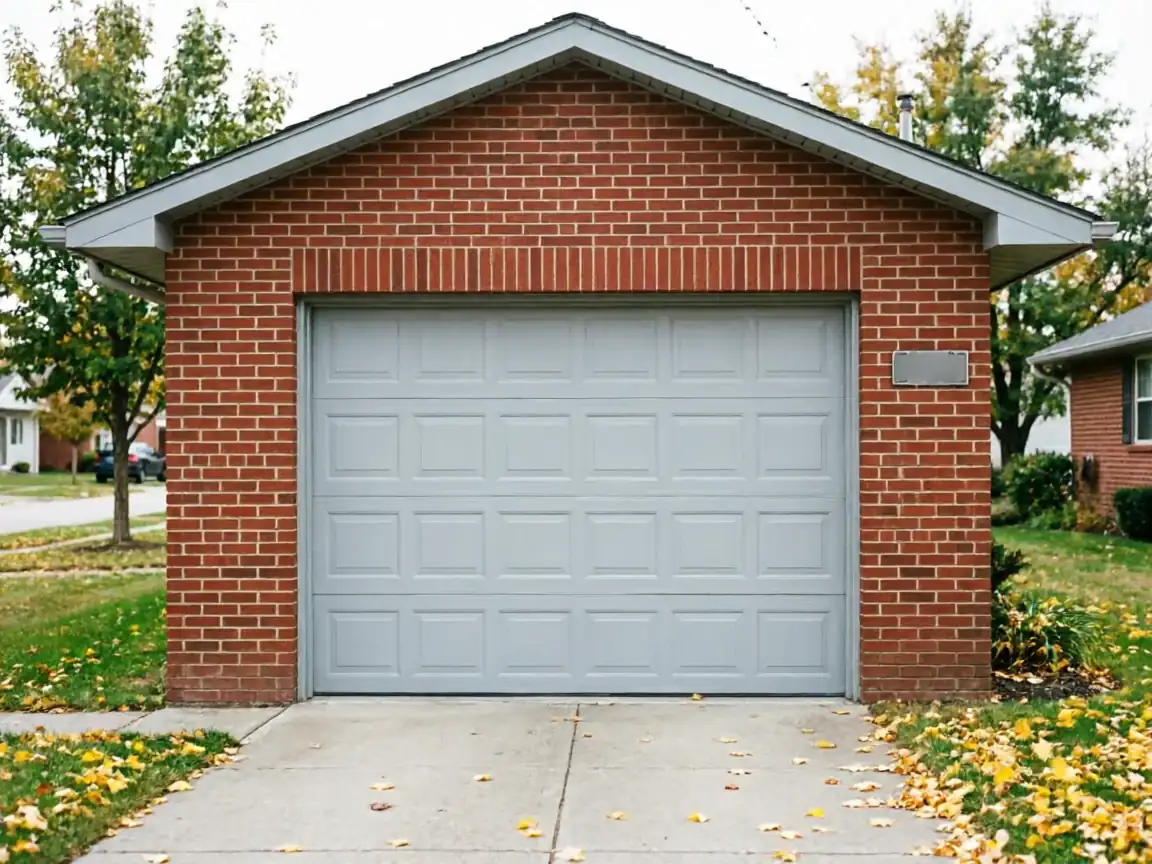
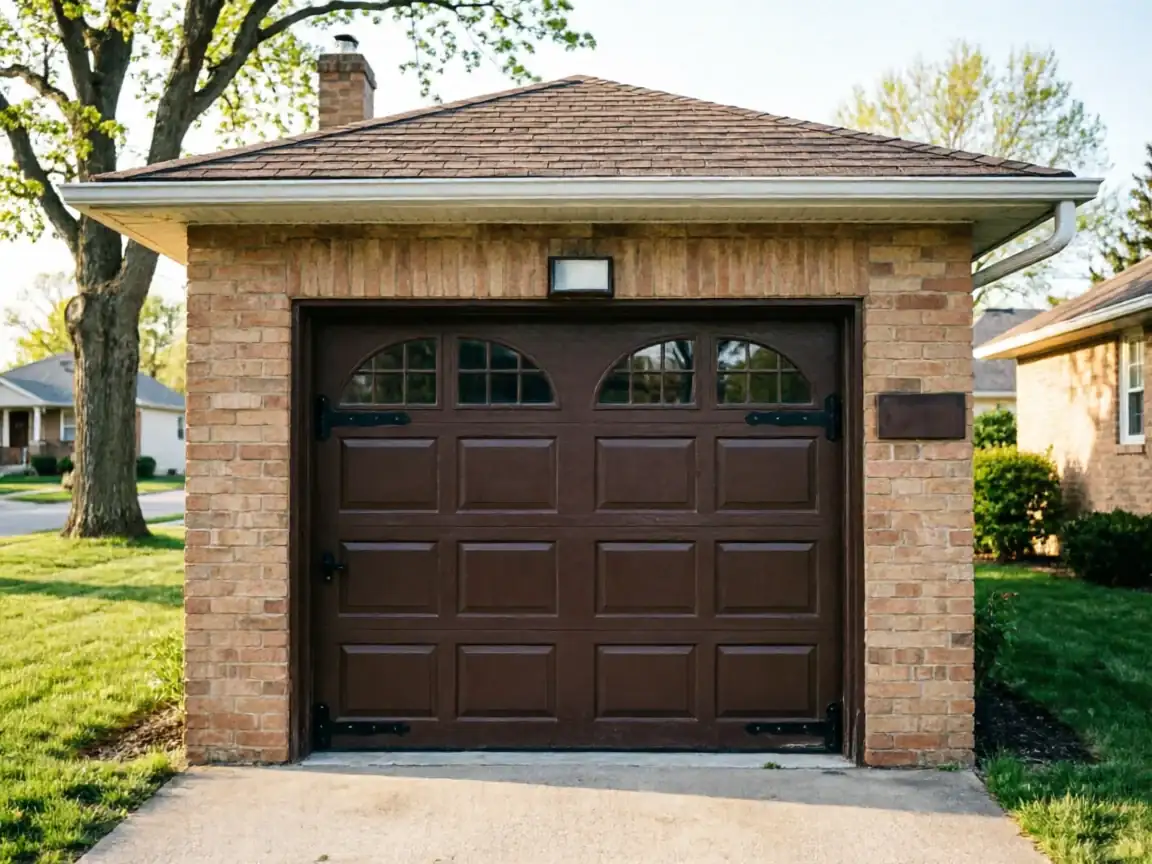
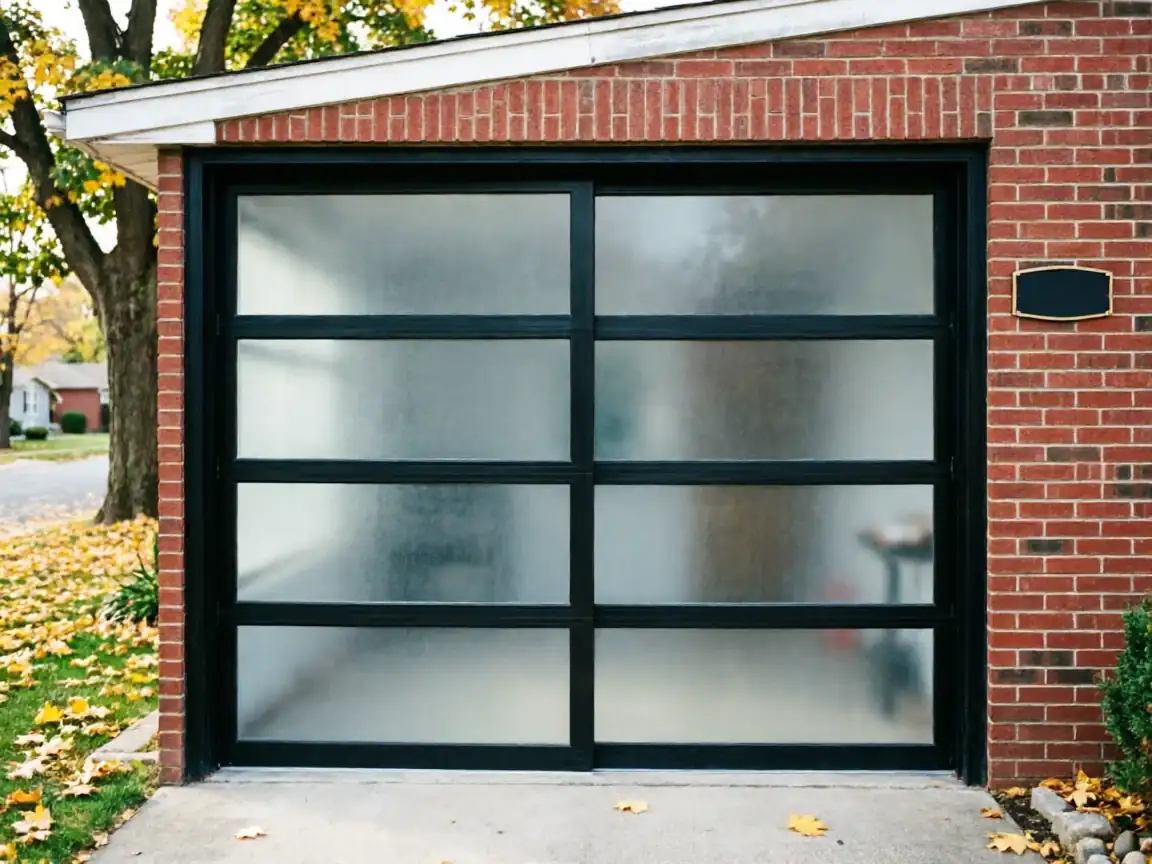
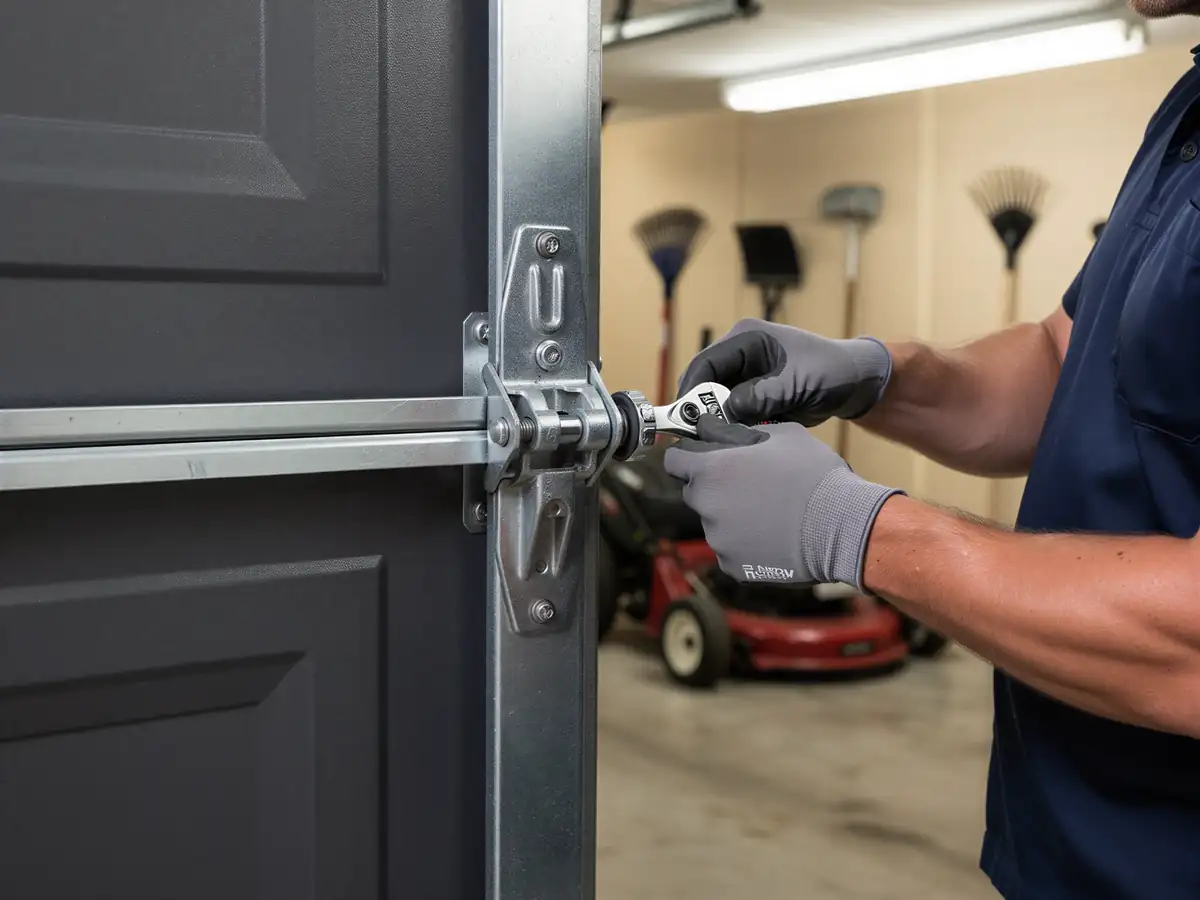
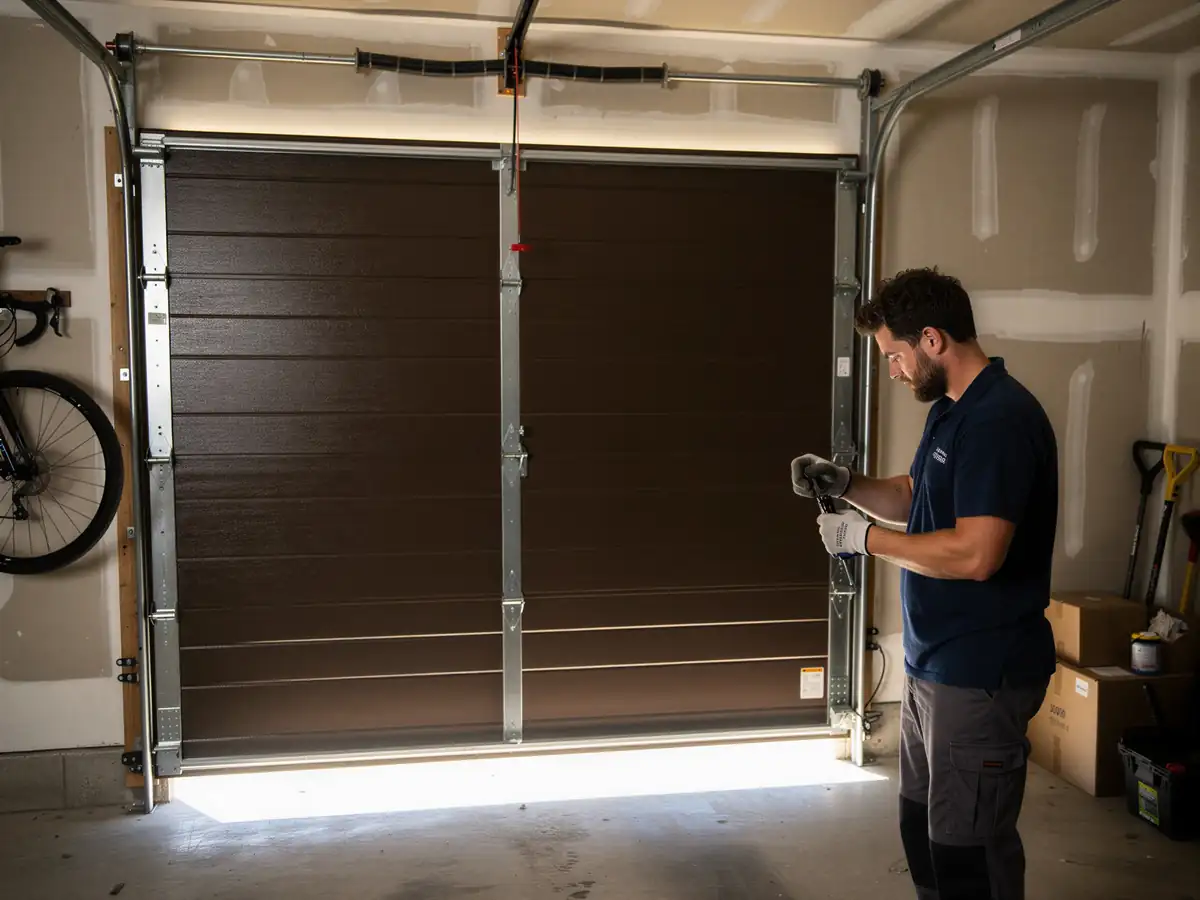
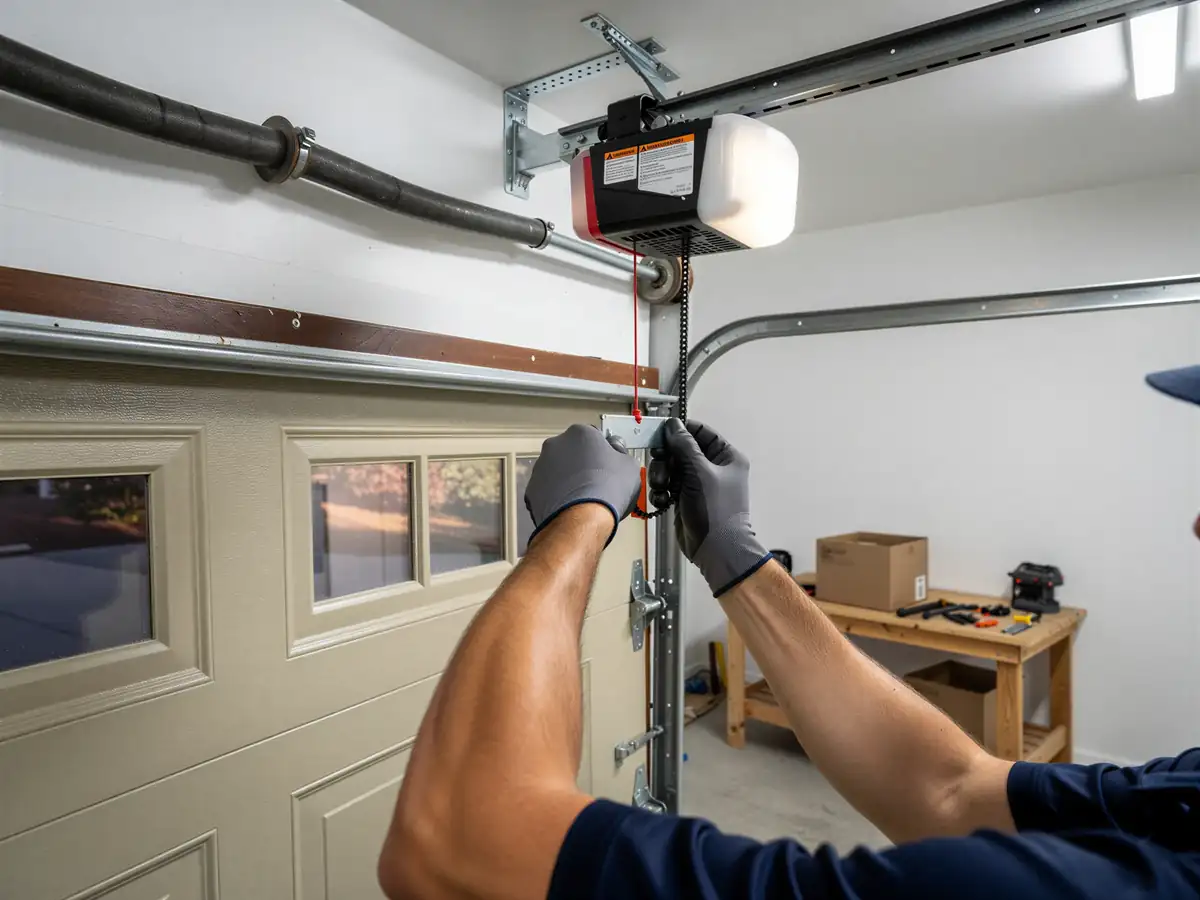
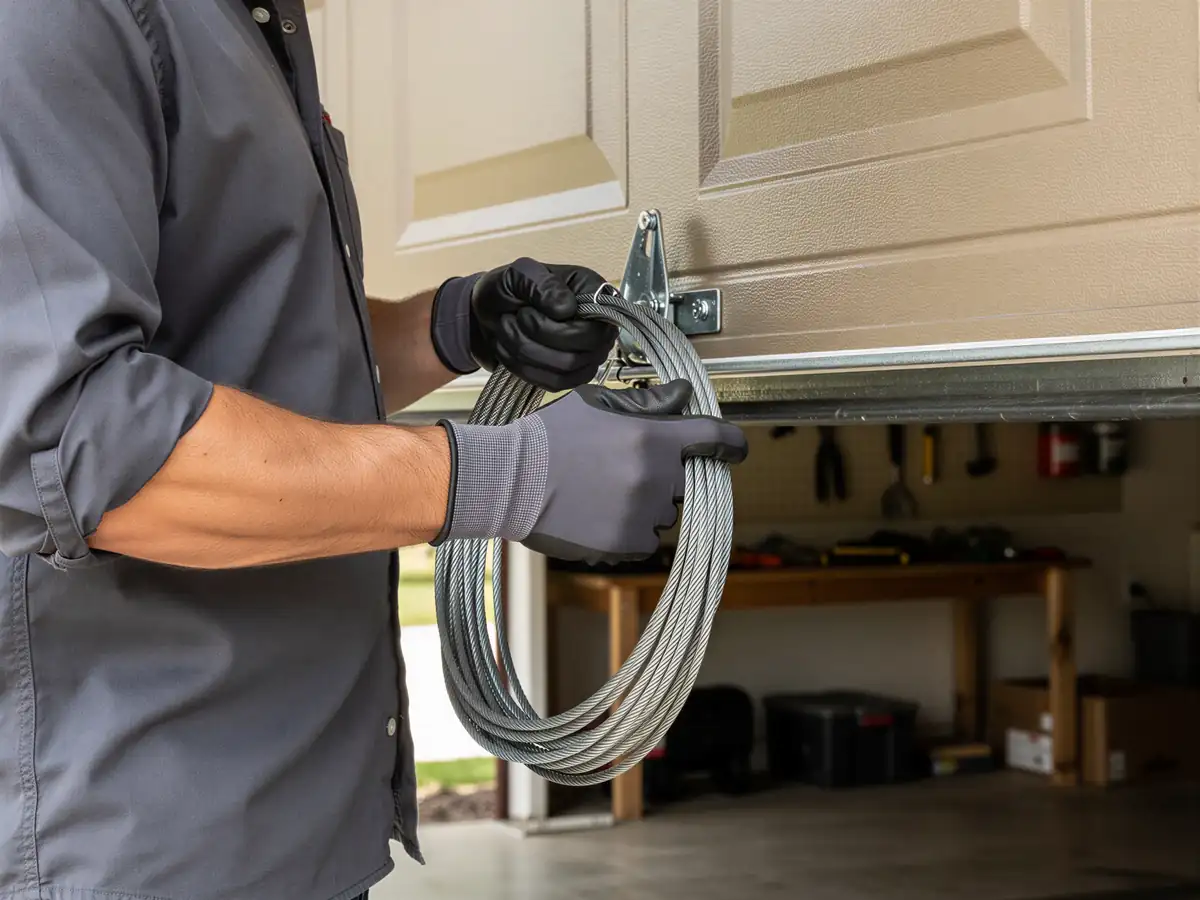
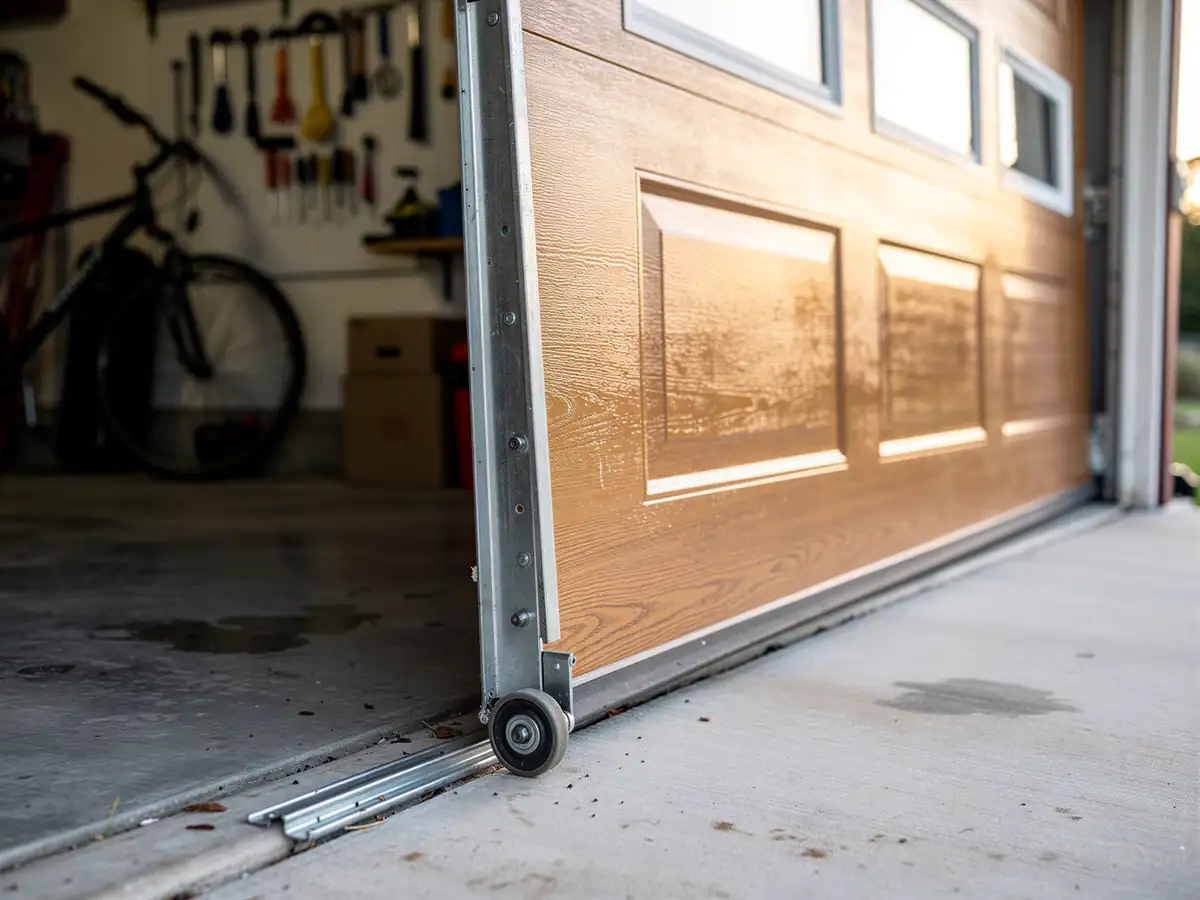
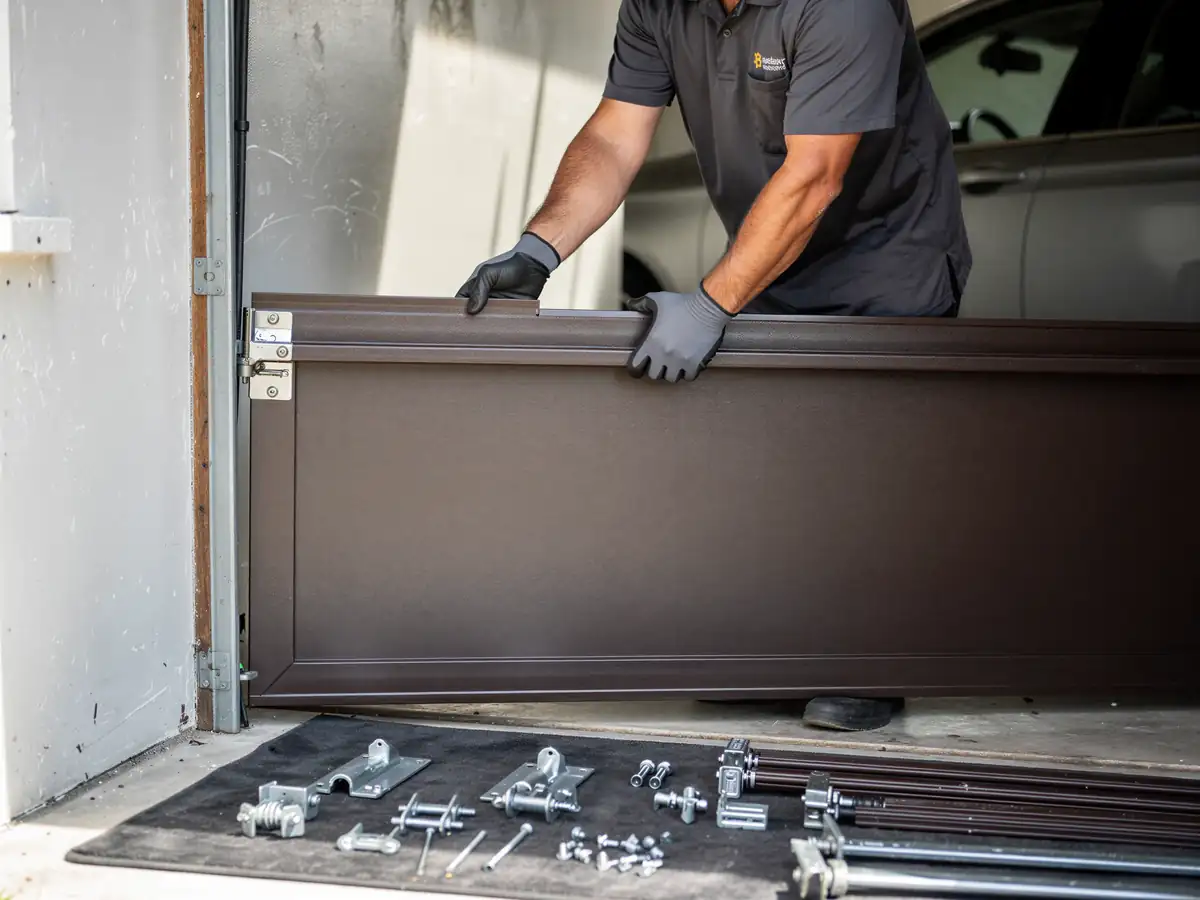
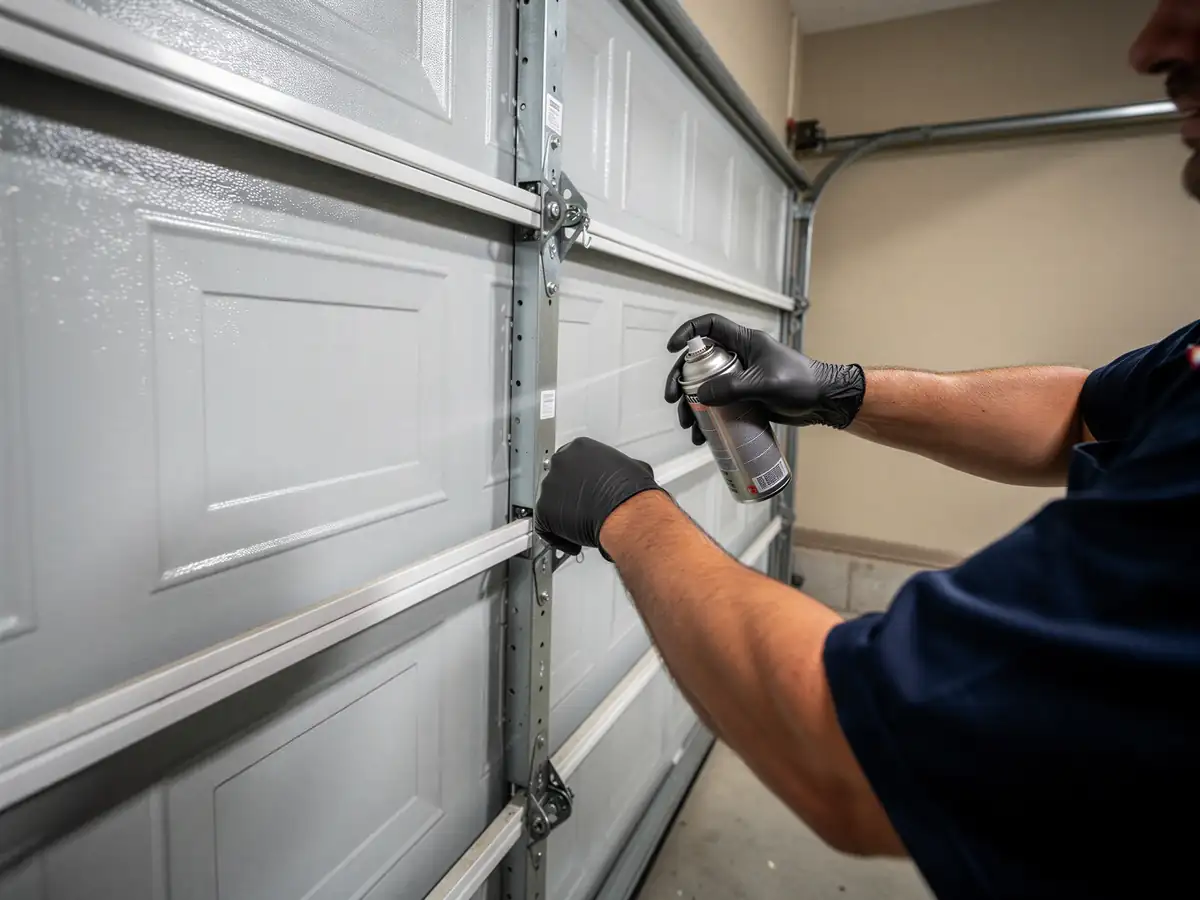
A door installed in the mid-90s is usually a steel sectional on a factory torsion system, not the older extension-spring setups or side-mounted hardware you find on the 1960s and 70s stock that makes up most of the rest of our coverage area. The springs wear differently, the openers are a different generation of chain or belt drive, and the panels are a different gauge of steel. We carry torsion springs sized for mid-90s residential track, standard belt-drive opener boards, and the steel roller and hinge sets that fit that era of door. What we don't keep on the truck is anything for pre-1960s wood-panel doors or the oddball extension-spring brackets - those jobs usually mean ordering a part first, and we'll tell you that up front rather than guess.
Getting It Booked In
We're based in Deerfield, and Hawthorn Woods runs about 12 miles out from there. That's a real drive, not a five-minute hop, so the call gets scheduled rather than squeezed in between closer jobs. When you call, tell us the door's age if you know it - for a house built in the mid-90s range, that already tells us which spring size and opener generation to load before we leave the shop, instead of finding out standing in your driveway.
We don't run a branch or a depot out this way. Every truck comes from Deerfield, so the appointment window reflects that distance rather than a same-block response you'd get from a company actually sitting in Hawthorn Woods. If your door's hardware turns out to be something less common for the area's build era, we may need to confirm a part is in stock before we commit to a day, which can push the job out a bit further.
What You Pay
We don't have a set price list to quote here, and we're not going to make one up
What we can say is that the job itself tends to be more predictable in a neighborhood like this than in older pockets of the service area - mid-90s torsion hardware is a known quantity, the parts are common, and there's less guessing about what's behind the bracket before we open the garage.
Across the broader service area median household income sits around $125,104
But Hawthorn Woods itself runs well above that. That doesn't change what a spring or opener costs at the parts counter, but it does mean replacement over patch-repair is a conversation more homeowners here are willing to have, especially on an opener that's getting old but still technically runs. We'll always tell you when a repair is the cheaper and correct call, even if replacement would be the bigger ticket.
- $125,104 median household income
Why This Fails Locally
The failures we see on newer stock like this aren't the same as what shows up on a 1960s door. Torsion springs rated for a mid-90s door are built to a cycle count, and by now plenty of those original springs are at or past it - that's the single most common call here, not rust-through panels or ancient extension cables. Openers from that era are also hitting the point where the circuit board or the logic board outlasts the motor, and swapping just the motor isn't always possible on that generation of unit.
The winters here are the same cold-moderate climate as the rest of the area, and that still stiffens grease and shortens cable life the way it does anywhere nearby. But the housing age is the bigger driver of what actually breaks first in Hawthorn Woods, and it's worth saying plainly: a technician who shows up expecting 1970s hardware is going to misdiagnose a 1996 door.