Can You Do This Yourself
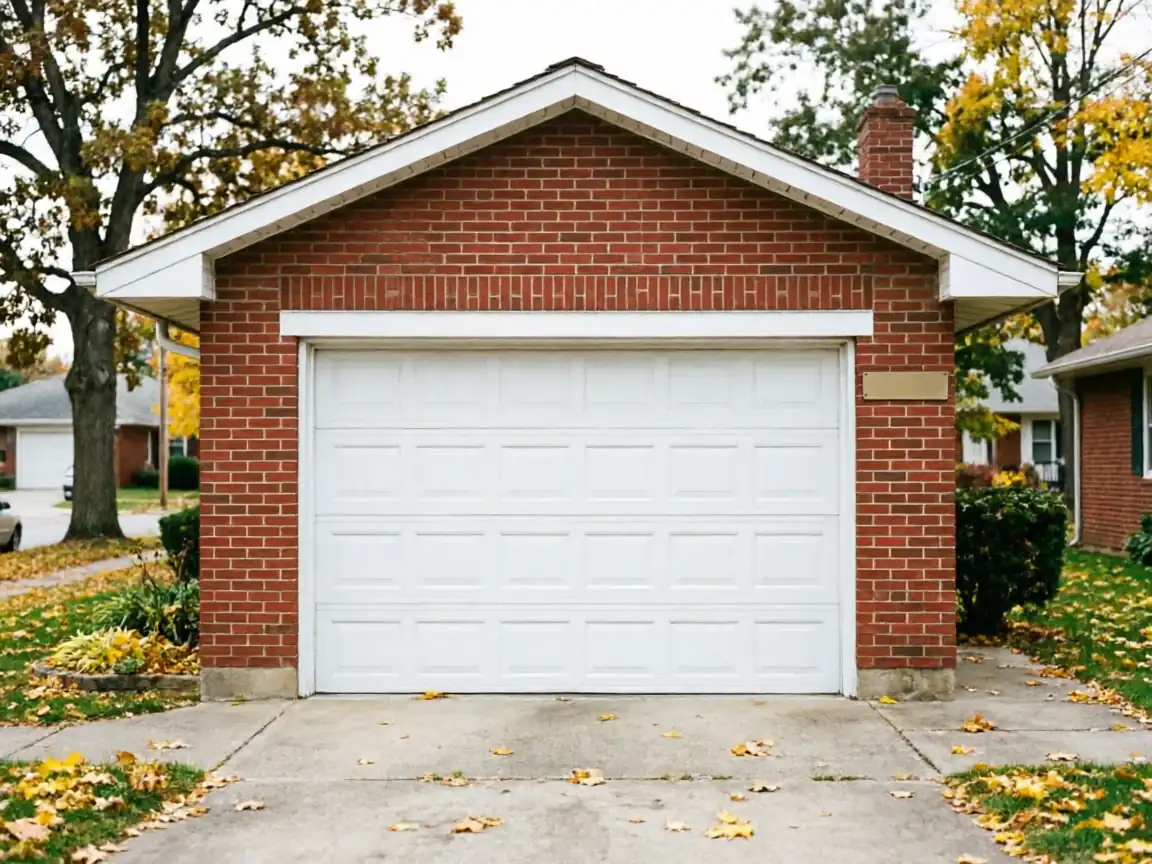
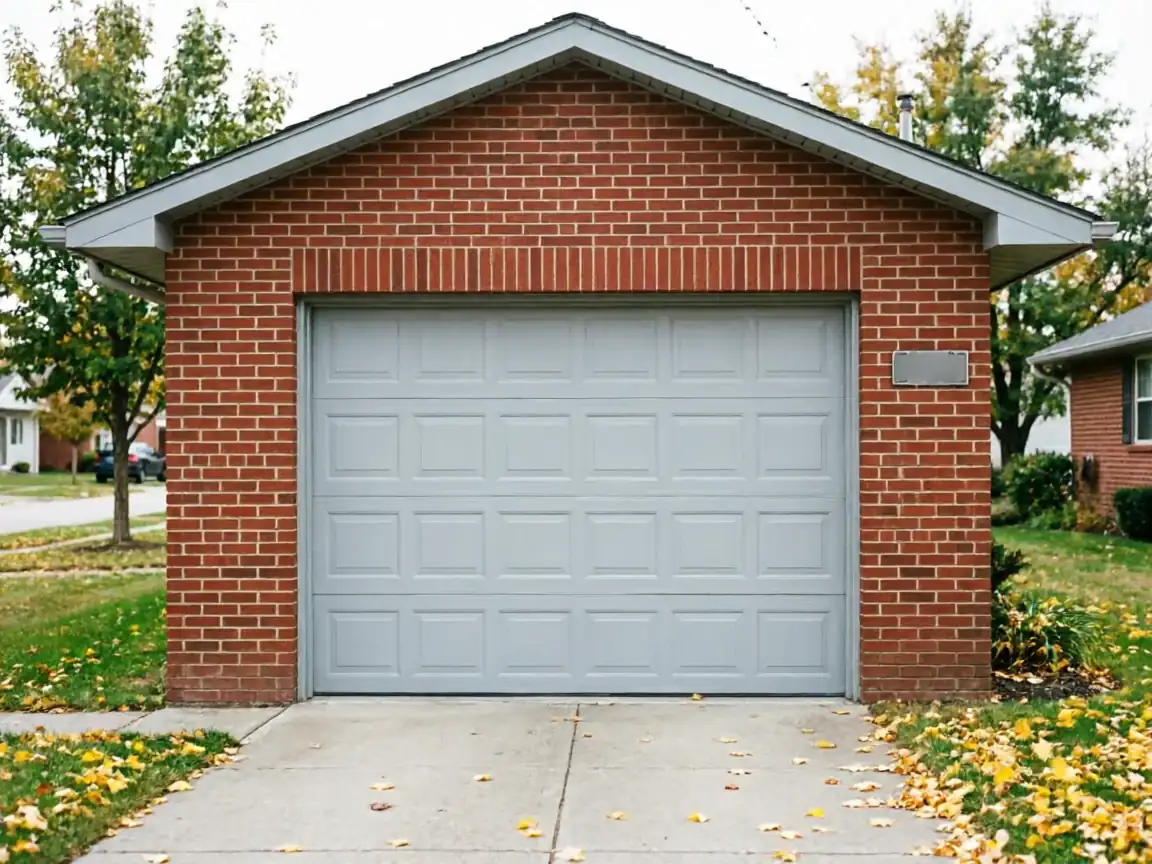
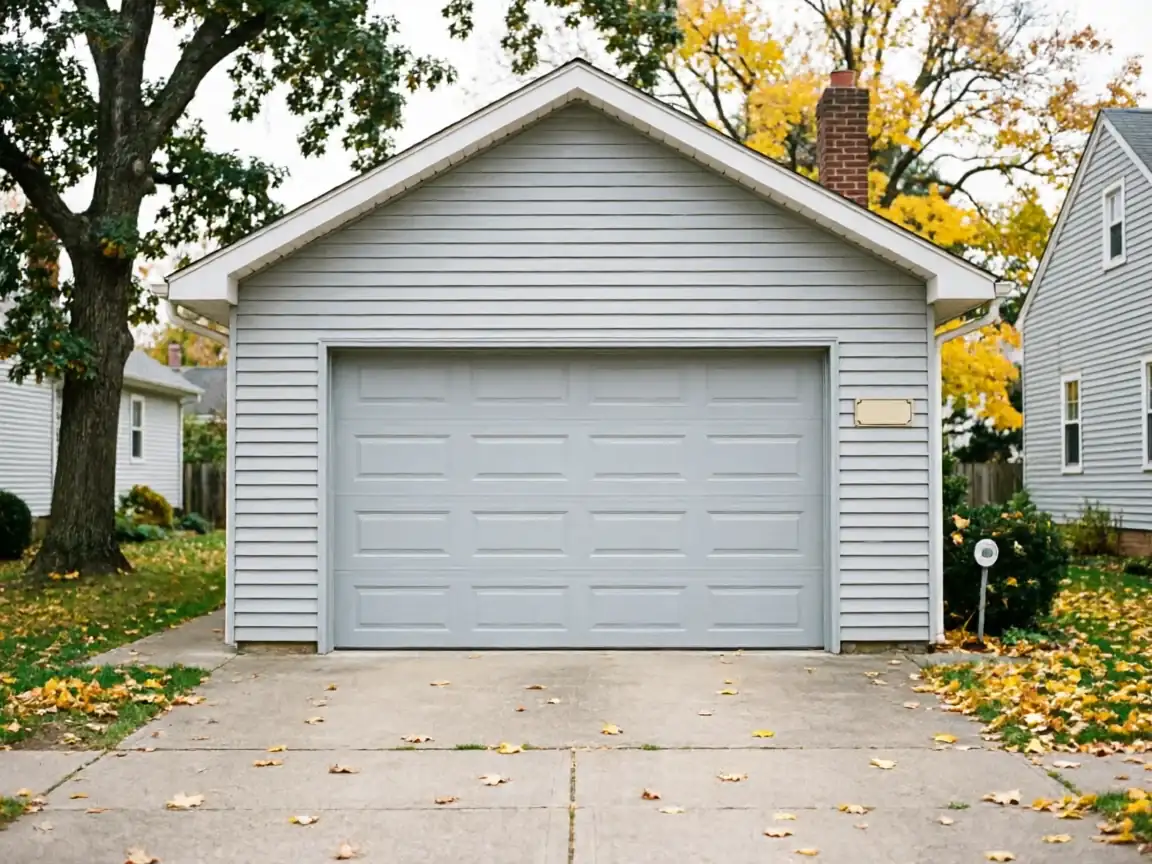
Glencoe's median home dates to 1955, a good two decades ahead of the 1977 median across the rest of the area we cover. That gap matters the moment you try to order a replacement panel online. Doors from the mid-1950s often run on section heights and track widths that newer manufacturers don't stock as standard, so a panel bought off a generic size chart can show up half an inch short or with mounting holes that don't line up with your hinges.
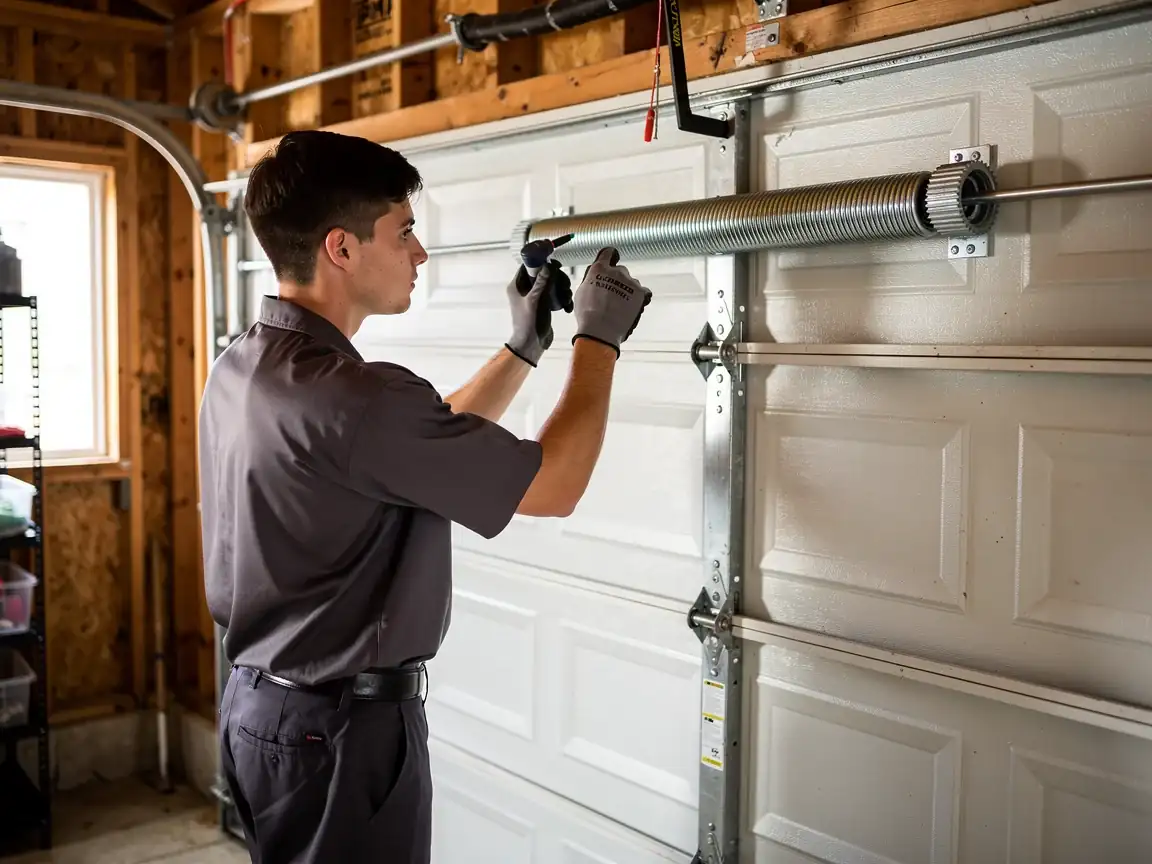
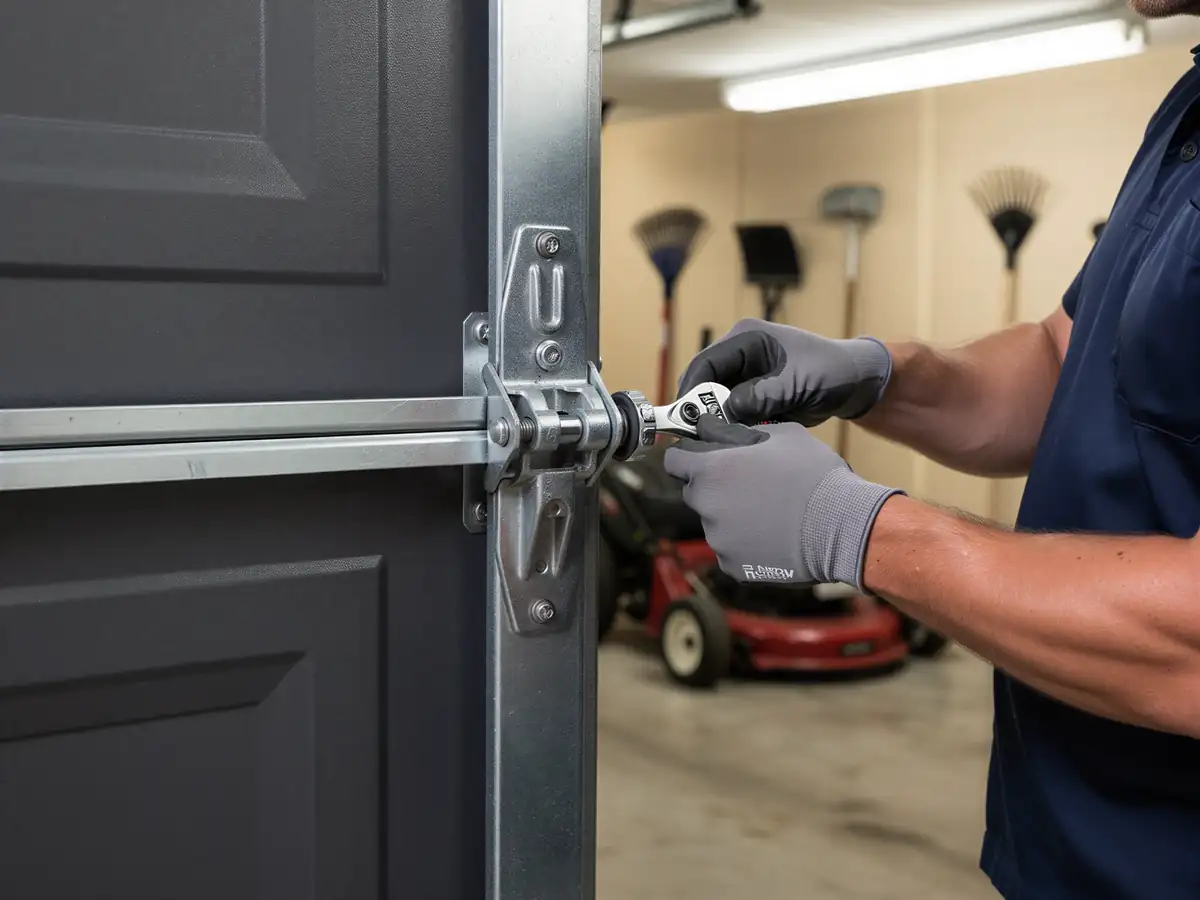
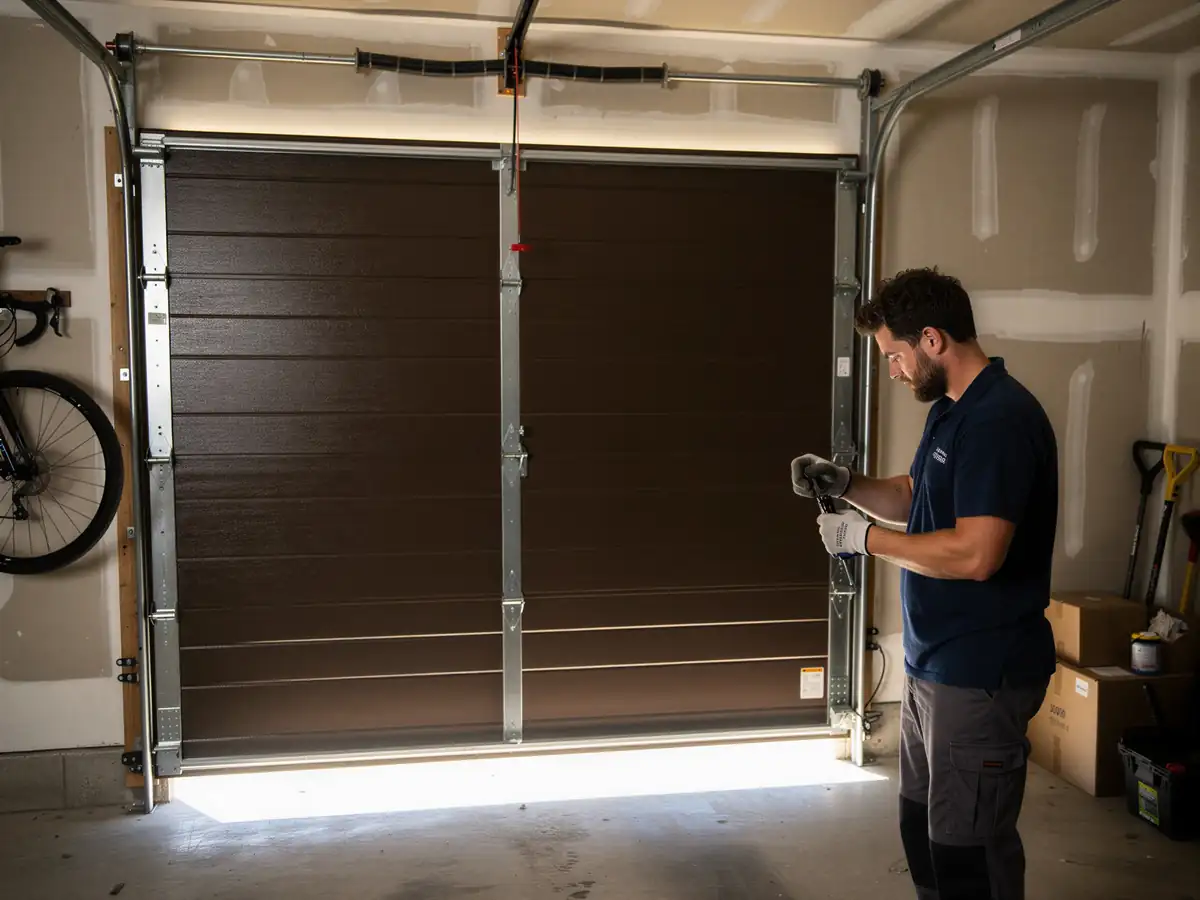
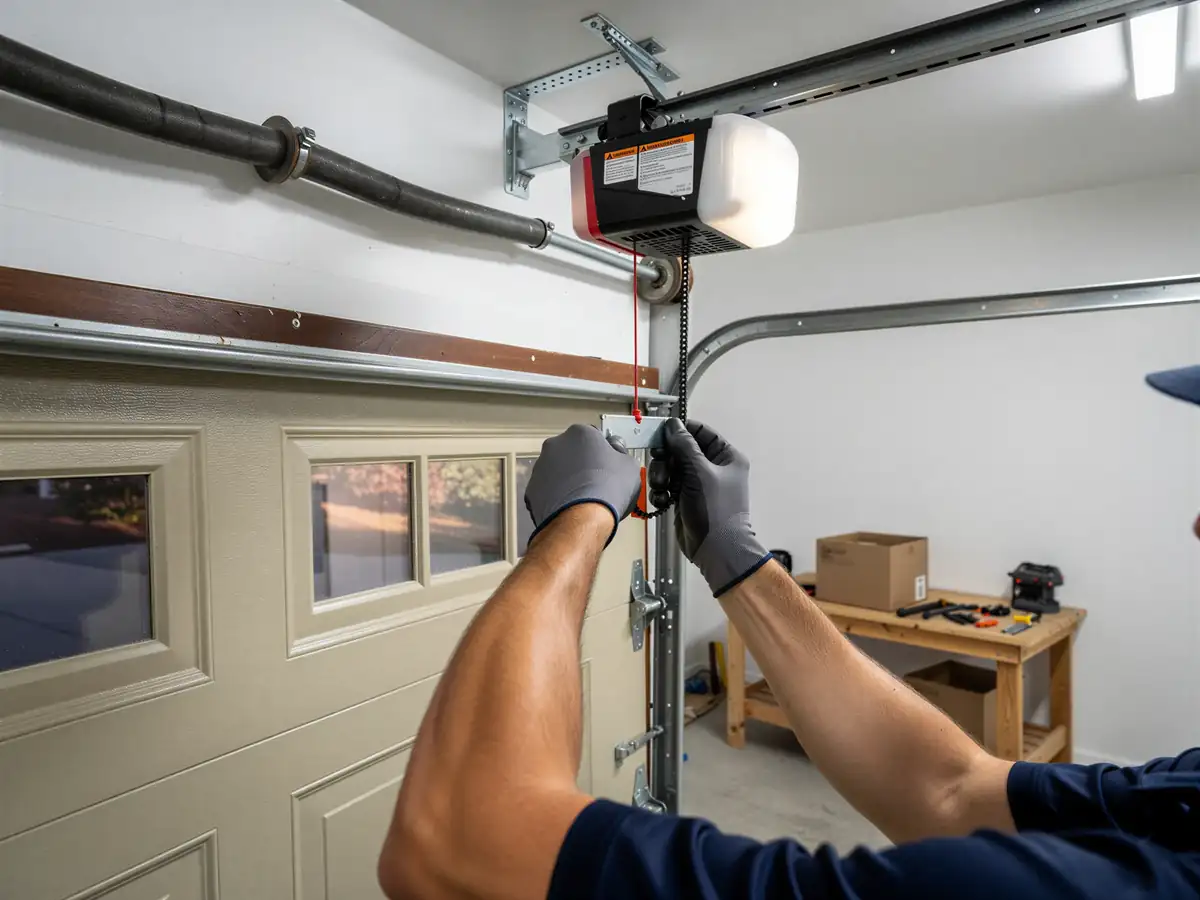
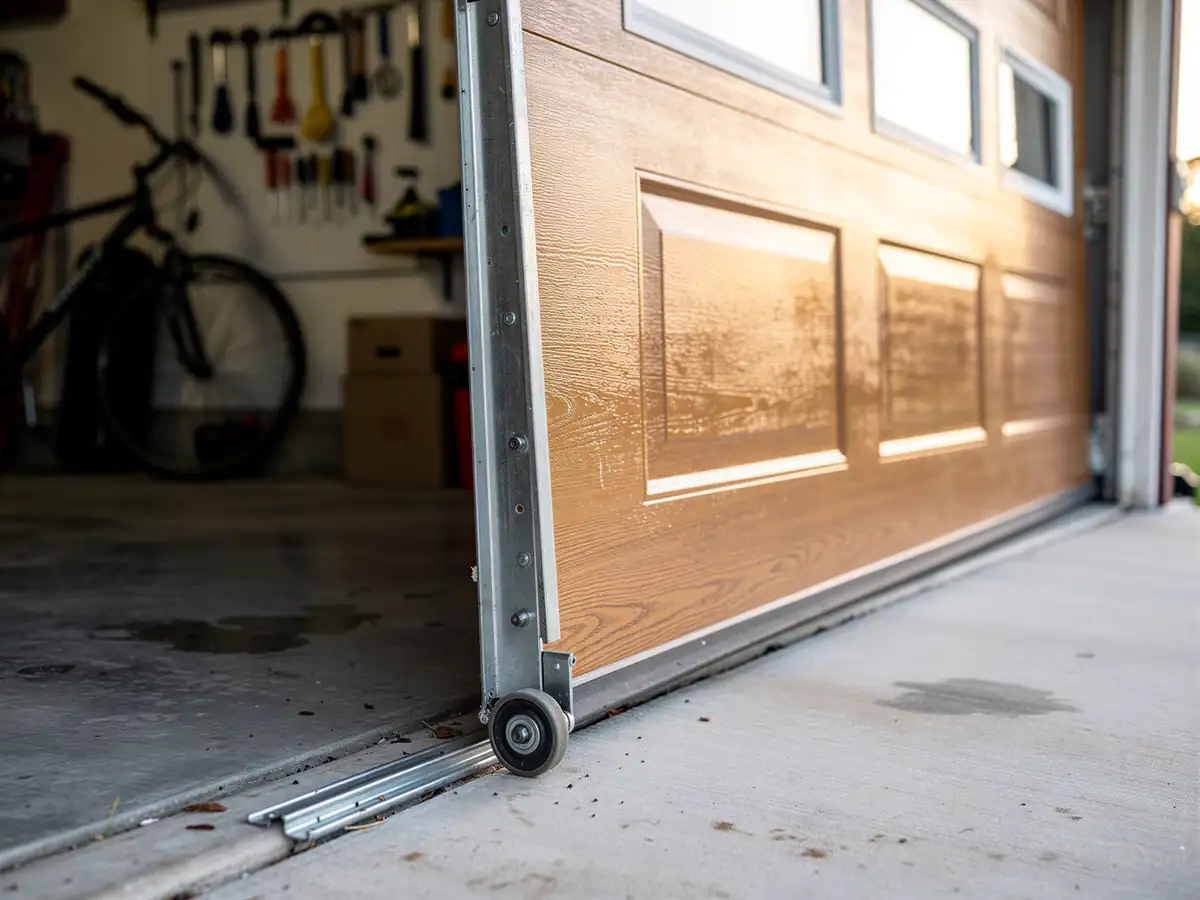
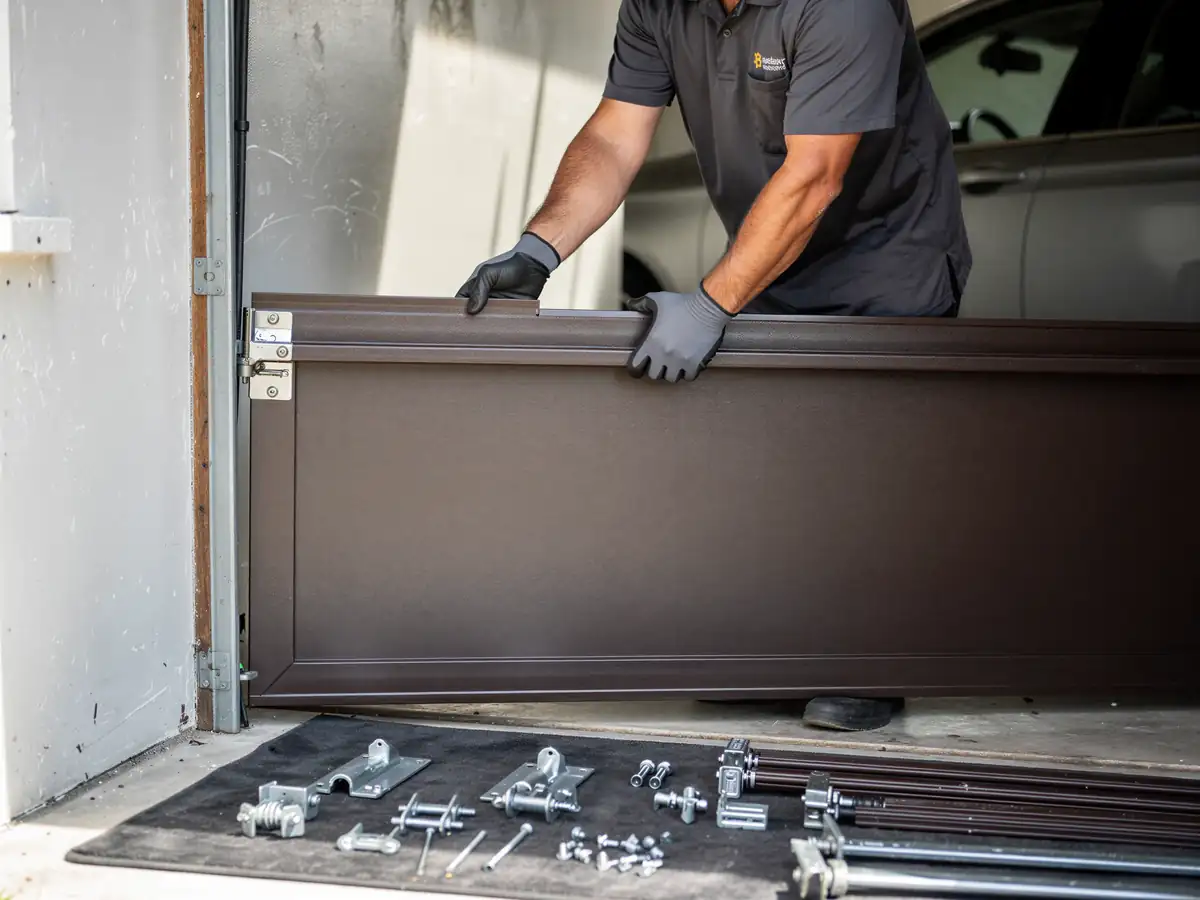
If you're handy and your door is a newer install on an older house, swapping a single damaged panel is within reach for most owners with basic tools and someone to hold the section steady. What trips people up is matching paint, finding the right hinge gauge, and getting the panel square before it's bolted to the rest of the door - skip that step and the whole door runs heavy on one side.
The honest limit: if the dent or crack is on a door from that 1955-era stock and nobody local carries the matching section, you're not doing a panel swap, you're doing a full door replacement. We'll tell you straight if that's where your job is heading instead of selling you a part that won't fit.
Getting It Booked In
We run this job out of Deerfield, about 5 miles from Glencoe, so there's no local branch to swing by - everything starts with a call or a booking through the site. Tell us the door's approximate age and whether you know the brand; for a town with housing this old, that detail changes which panel stock we bring on the truck.
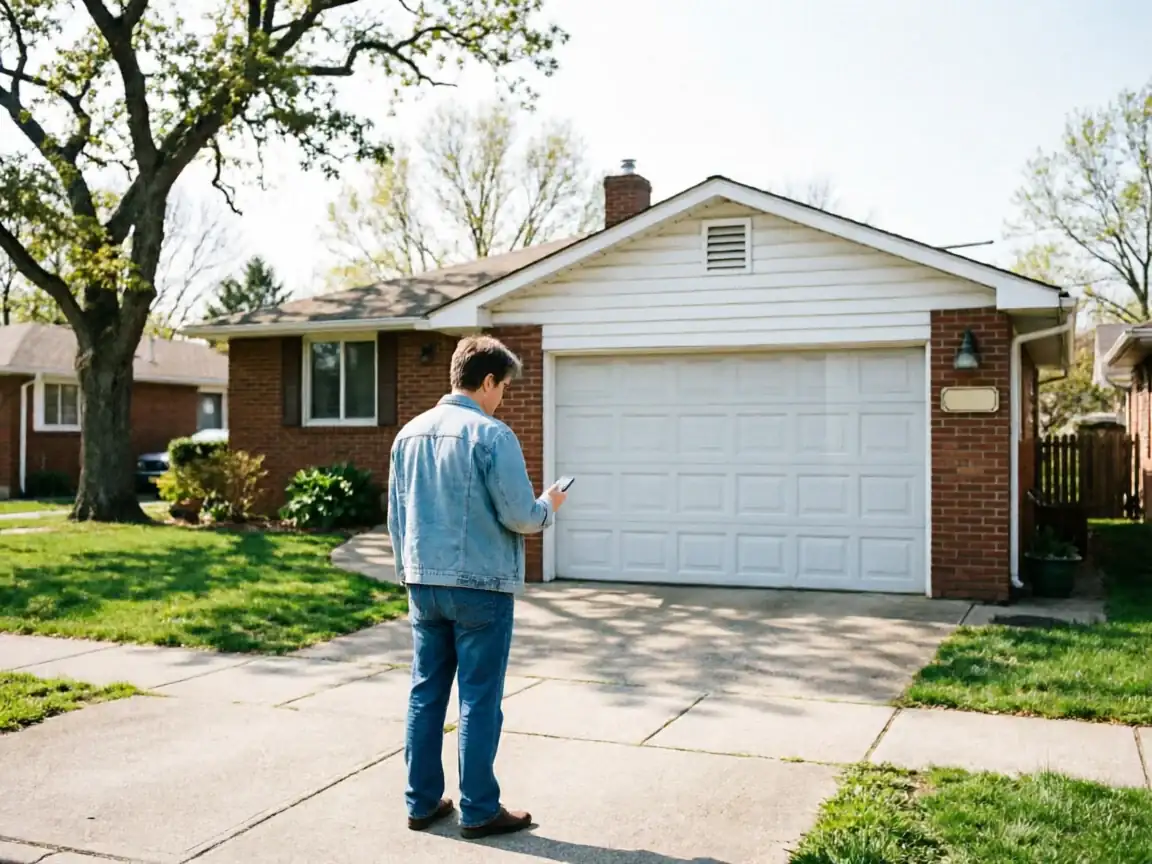
We'd rather confirm the section size against your door in person than guess from a phone description, especially on houses built before the 1970s where trim and track specs vary more than people expect. If a photo of the damaged panel and the full door helps us spec the job ahead of time, send it when you book.
Why This Fails Locally
A panel failing on a 1955-built house in Glencoe usually isn't random
It's age catching up with hardware that was never designed for today's heavier insulated sections. Original doors from that era often carry lighter-gauge steel or wood-composite panels that crack under stress a modern door would absorb. Add in a cold-climate winter cycle of freeze and thaw, and a section that's already thin at the seams is the one that splits first.
Glencoe also sits in a part of the area where household incomes run well above the service area's $125,104 median
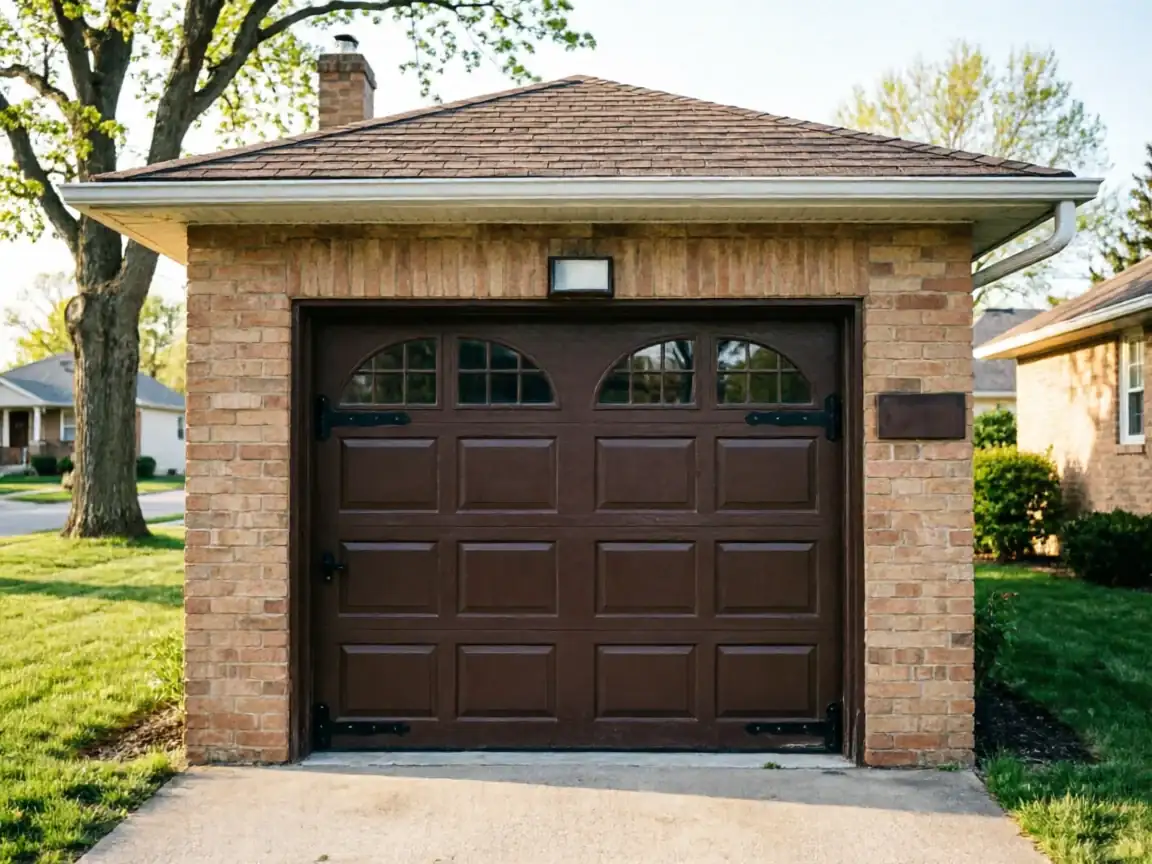
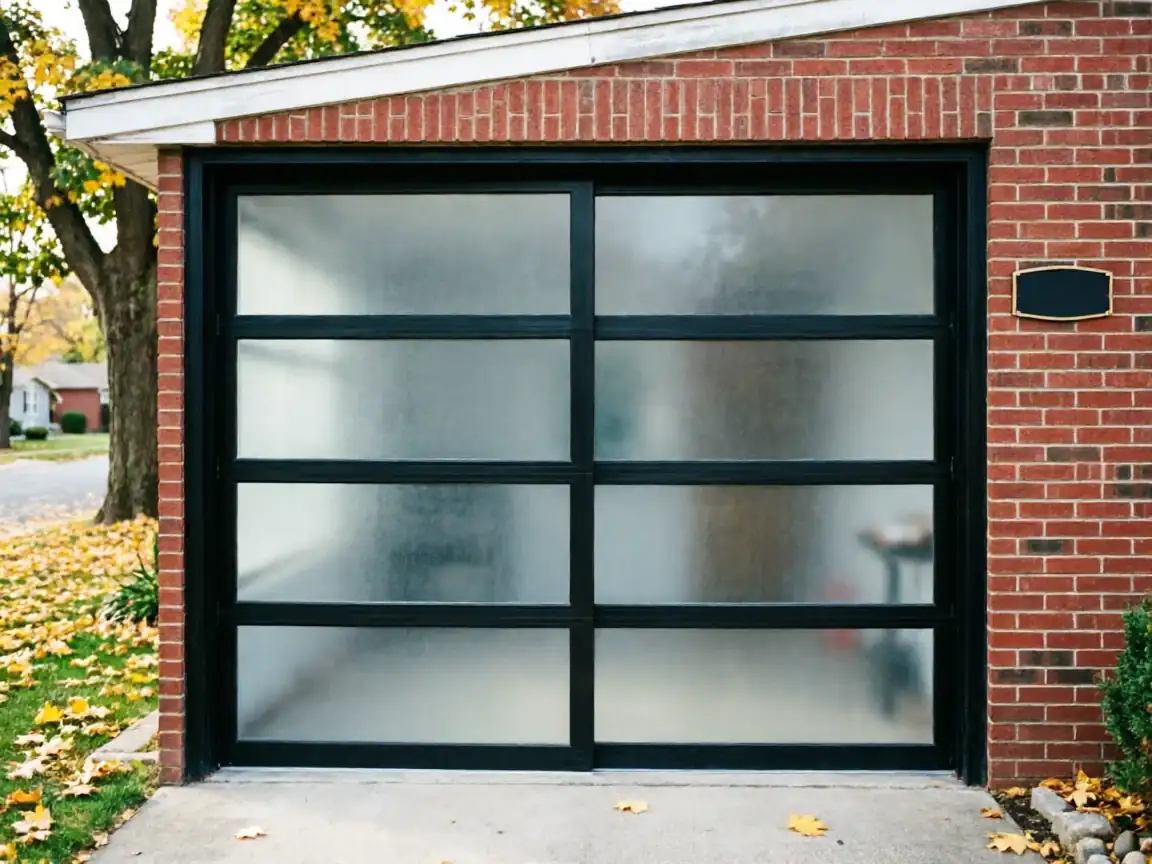
Glencoe's median tops $250,001 - and higher-value homes here more often carry custom or upgraded doors installed at some point after the original build. That means two very different failure patterns on the same block: a stock 1955 panel on one house, a heavier custom replacement from a later remodel next door. We check which one we're dealing with before quoting anything.
What You Pay
We don't publish a flat price for panel work because the two failure patterns above cost differently. A section swap on a standard-size door is a smaller job than sourcing or fabricating a match for an older or custom panel - and on a town like Glencoe, with only around 3,033 households and a mix of original and upgraded doors, we see both. We'll give you a number after we've looked at the panel and confirmed what it'll take to match it, not before.
How Long It Takes
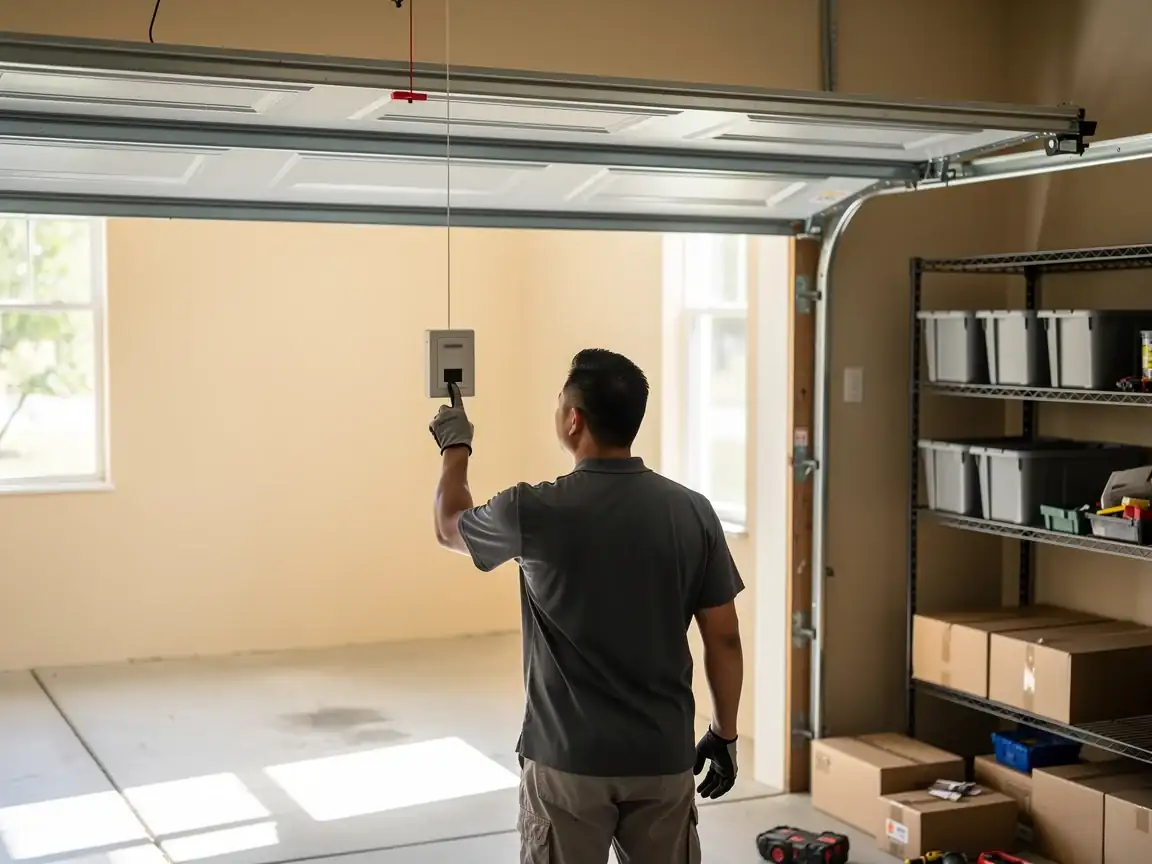
A straightforward panel swap on a common door size is usually a same-visit job once the part is in hand. Where it slows down is sourcing: if your door matches the older 1950s-era stock common in Glencoe and the exact section isn't something we carry on the truck, we're ordering it, and that adds lead time outside our control. We'll tell you at the time of the quote whether your panel is a stock item or a special order, so you're not guessing on timeline.