Can You Do This Yourself
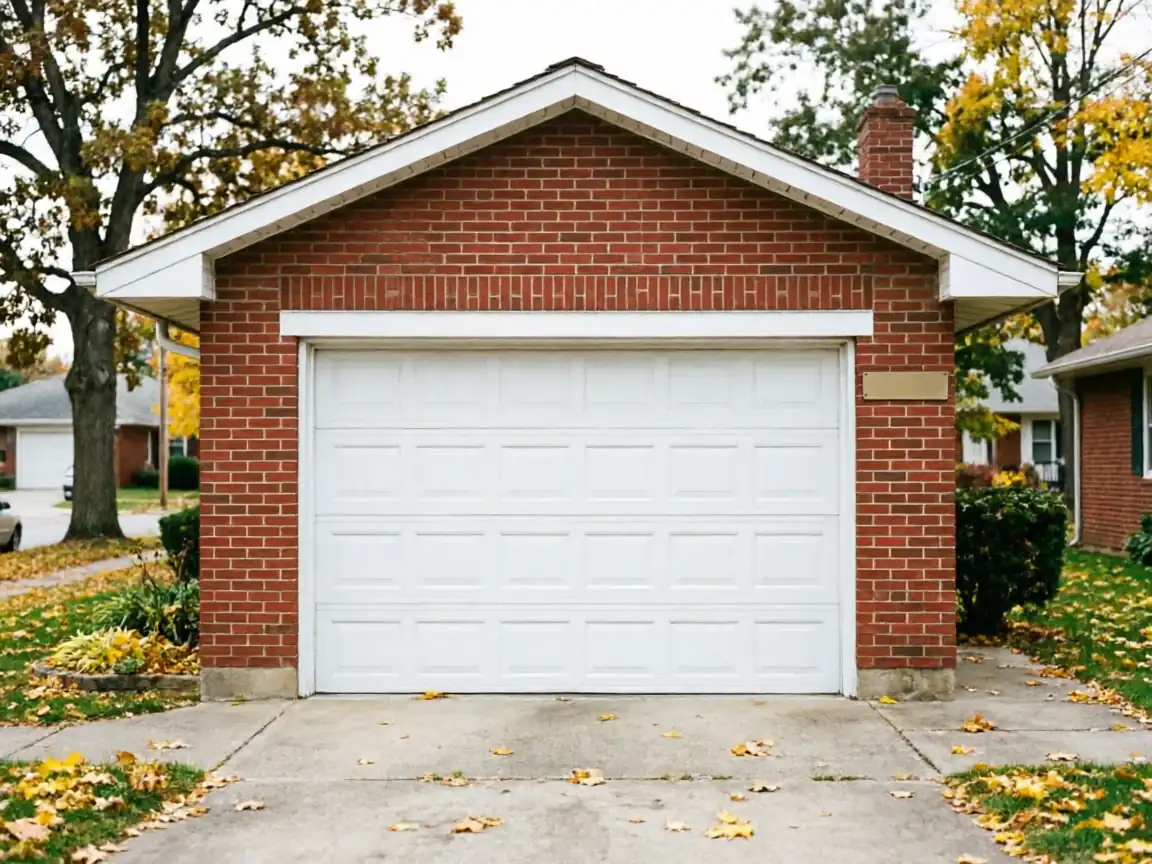
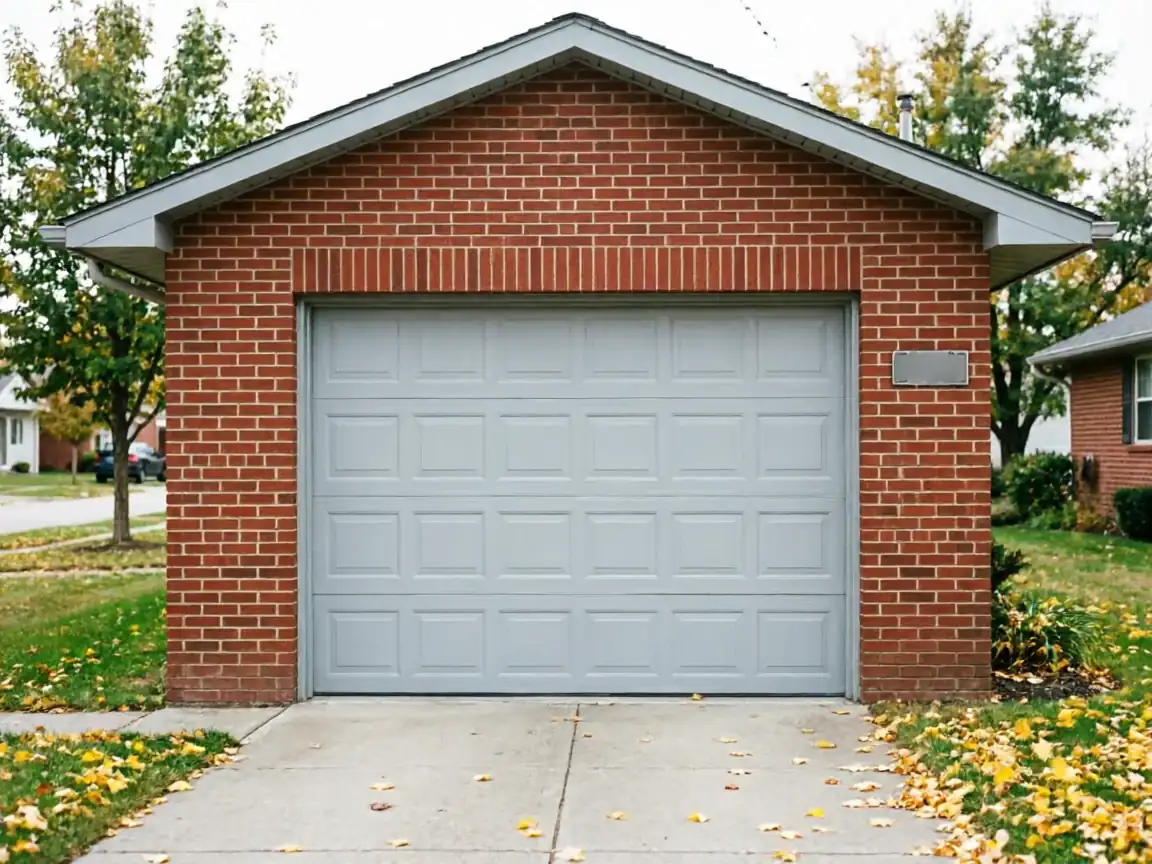
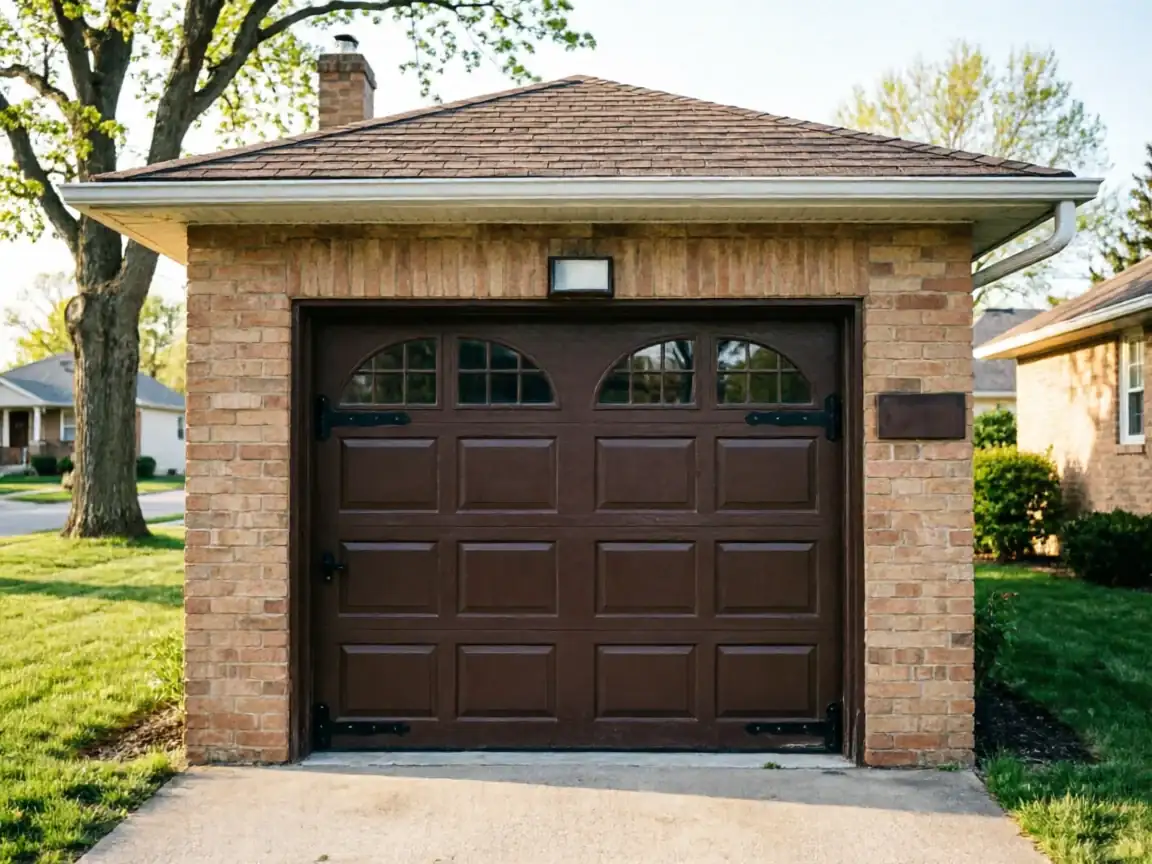
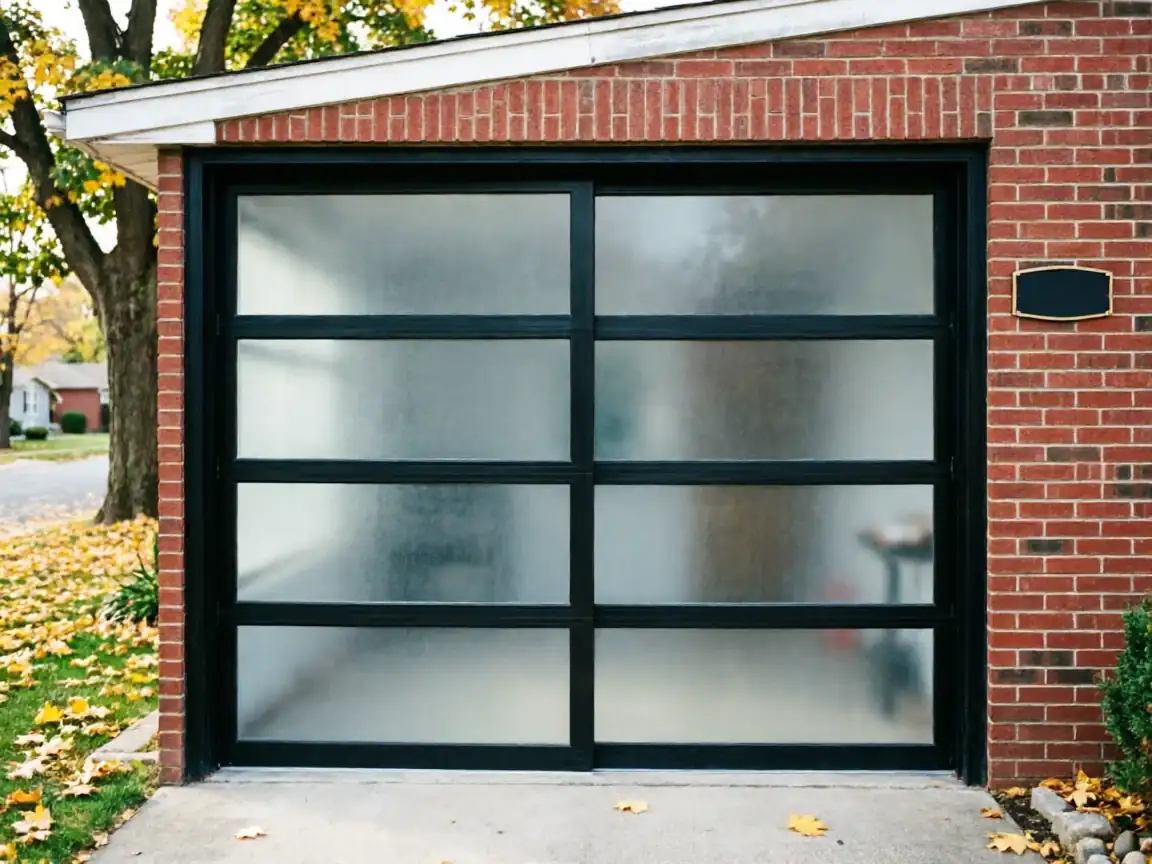
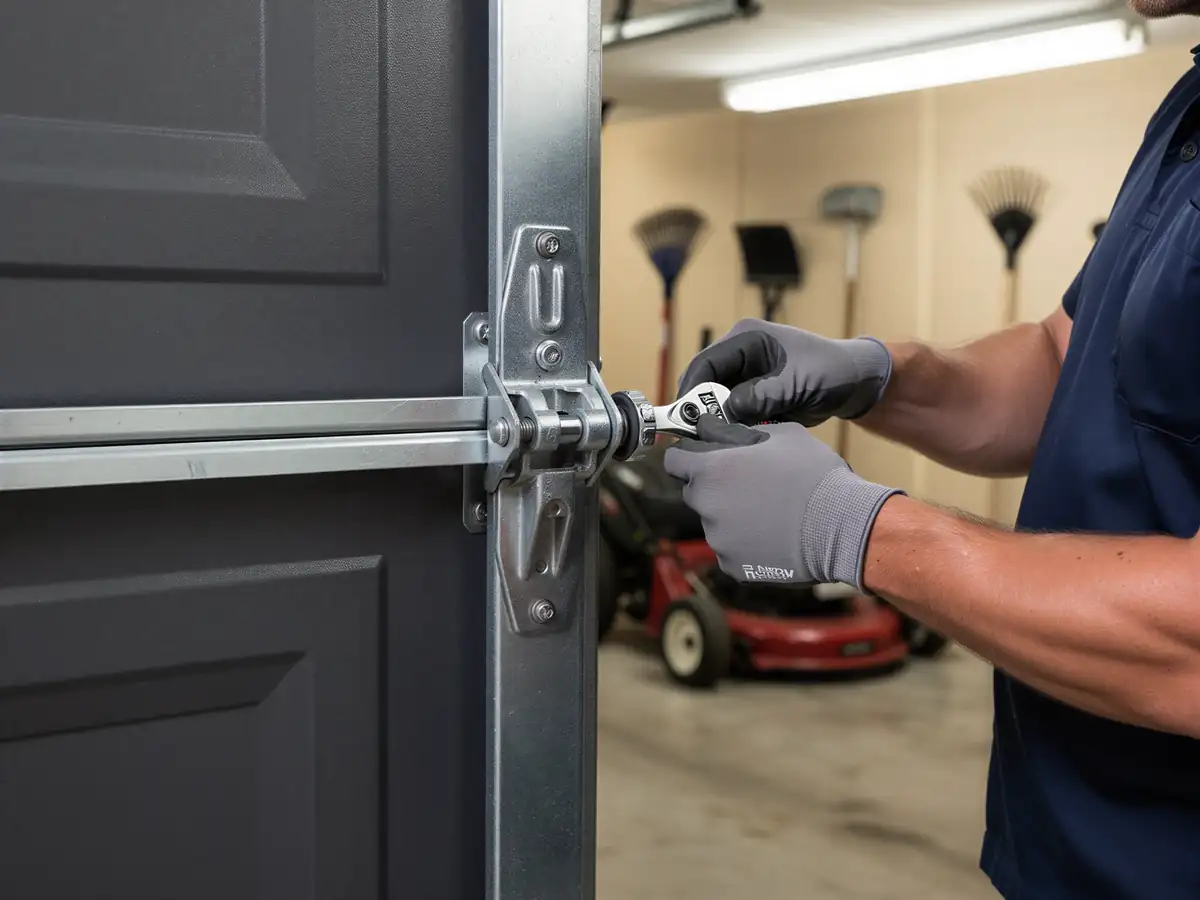
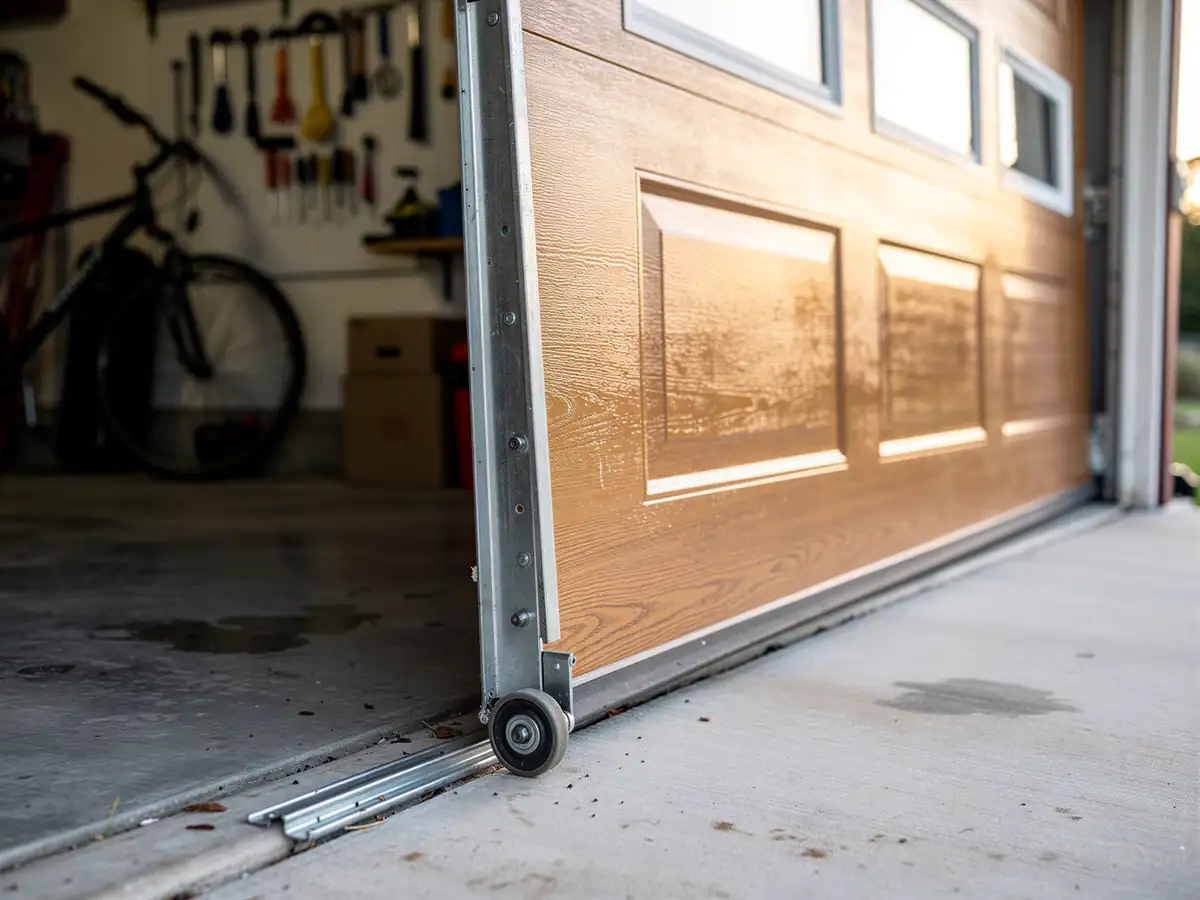
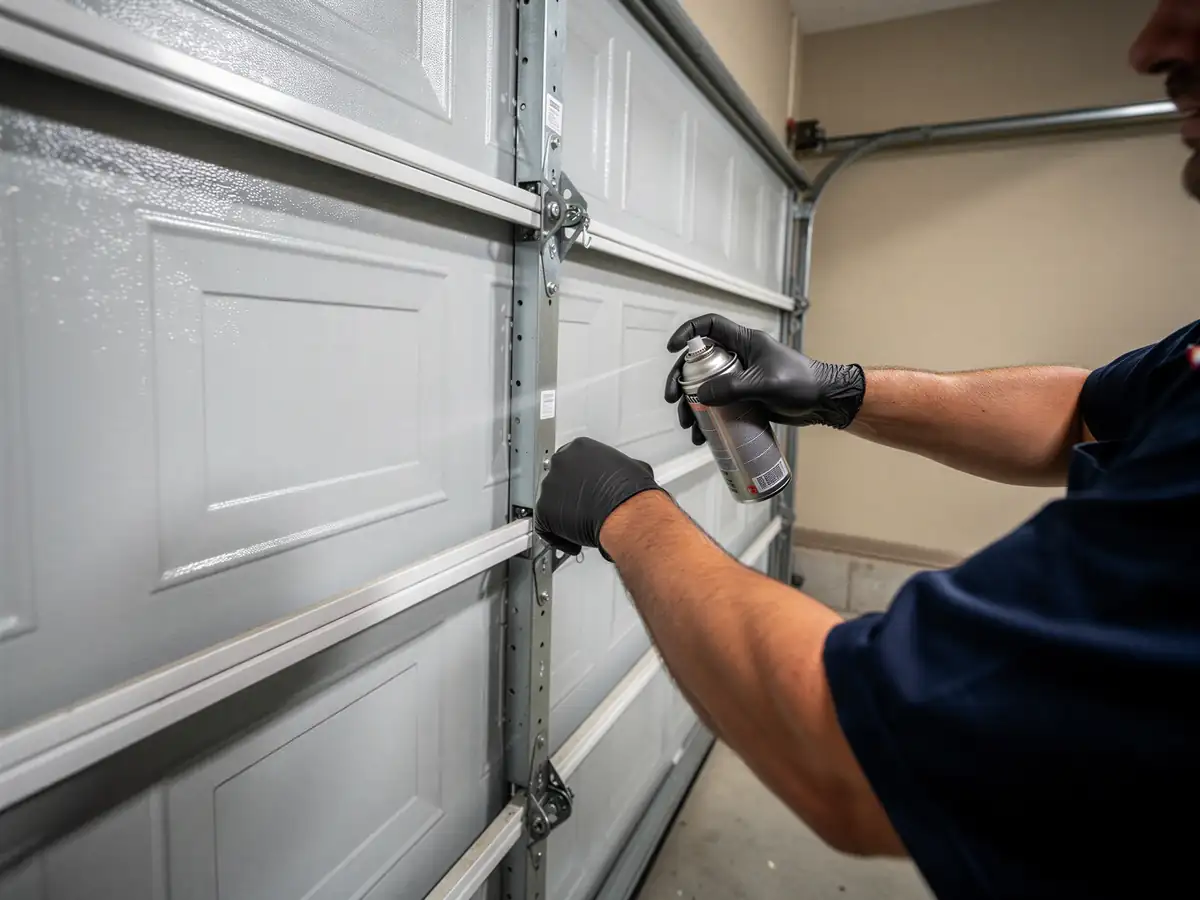
Some of it, yes. Wipe down the tracks, check that the rollers spin freely instead of grinding, and look at the weatherstripping along the bottom panel for cracks - on a house built around 1955, that strip has probably been replaced a few times already and it's worth knowing when it was last done. A can of garage-door lubricant on the hinges and the torsion spring coils once or twice a year is a job most owners can handle with a stepladder and ten minutes.
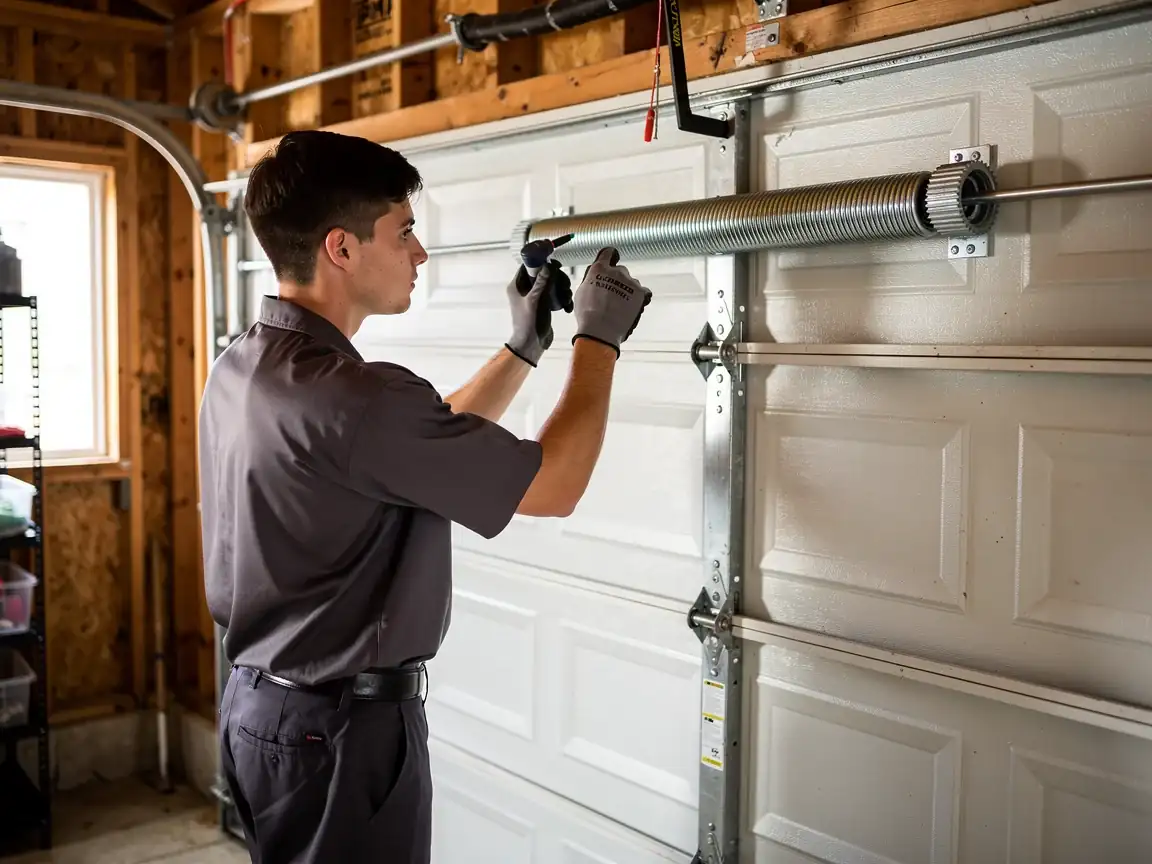
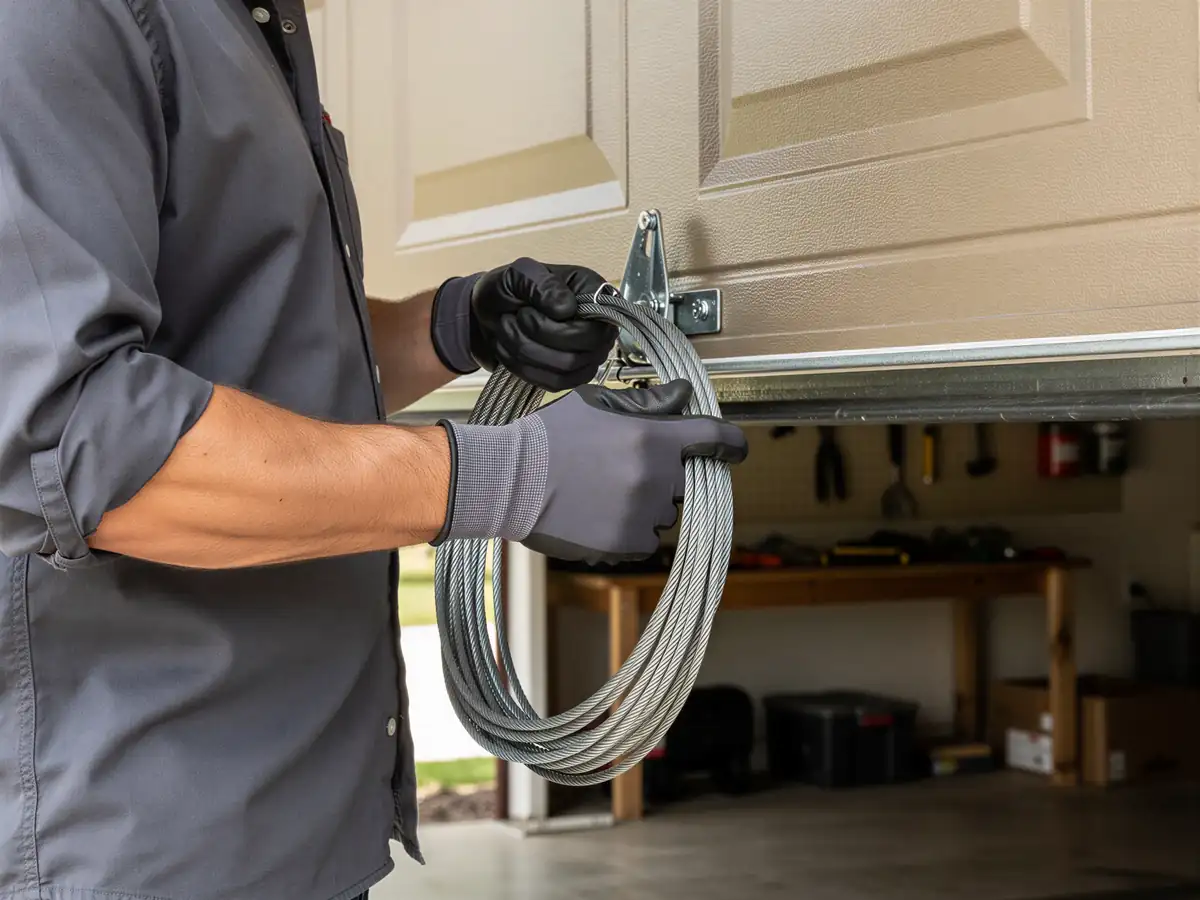
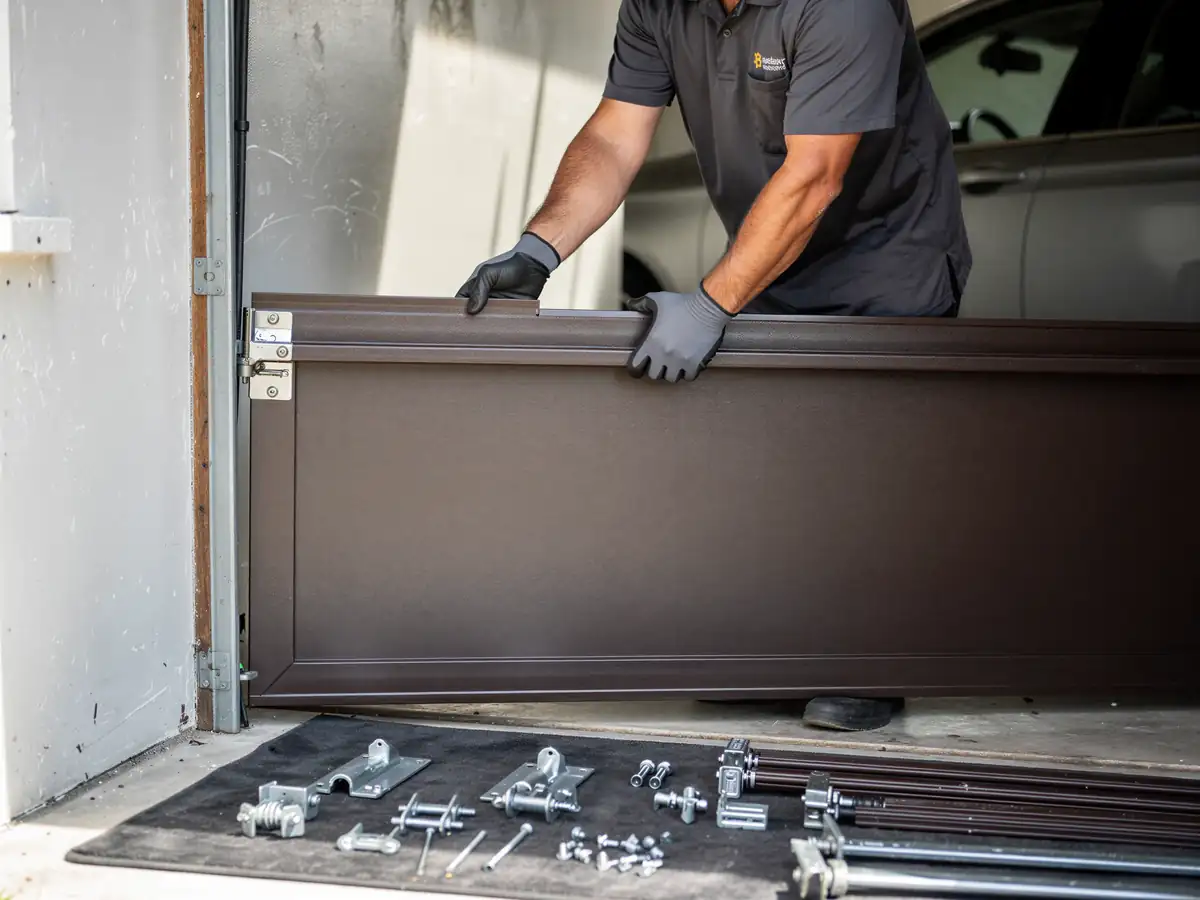
What you shouldn't touch is the spring itself. On houses from this era the torsion hardware is often original or close to it, and a spring under that much tension that's also decades old doesn't give you a second chance if it lets go while you're adjusting it. We won't talk you through loosening a spring over the phone, and if someone else offers to, that's your signal to hang up. Same goes for the cables - if one looks frayed, that's a call, not a weekend project.
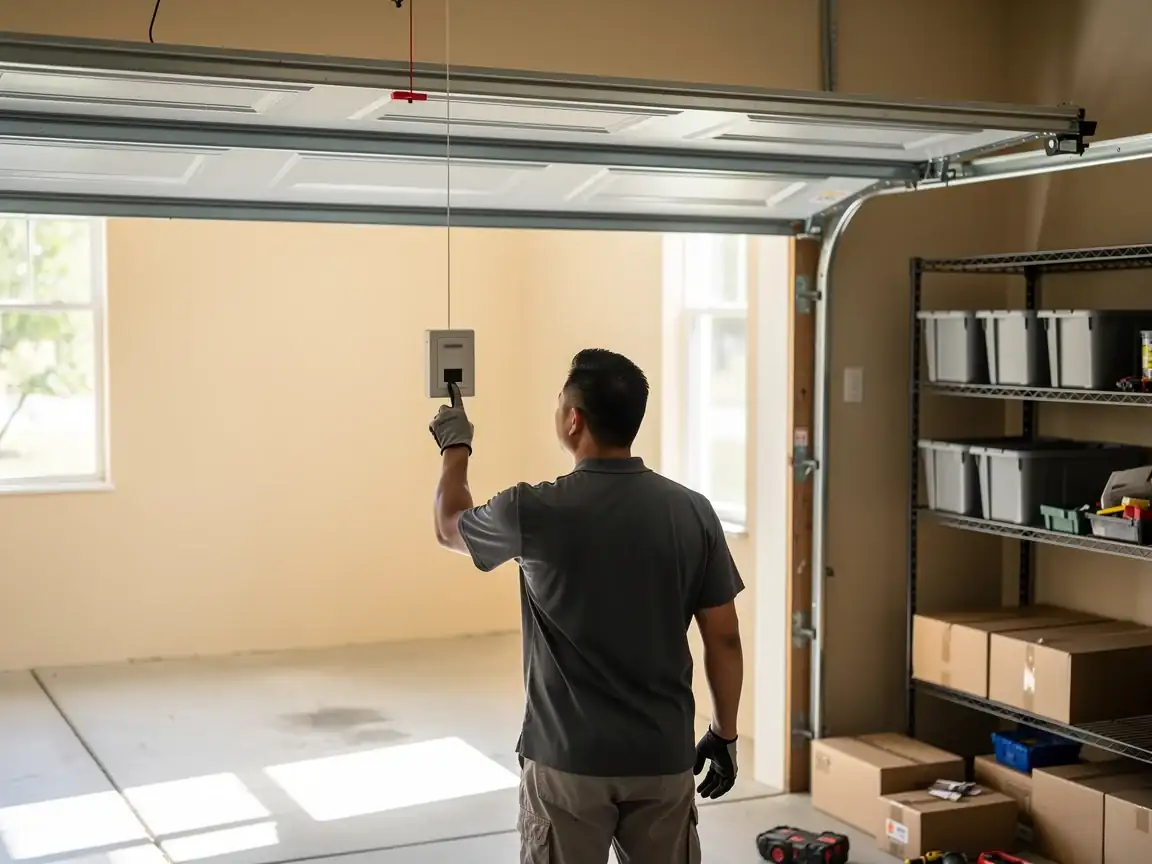
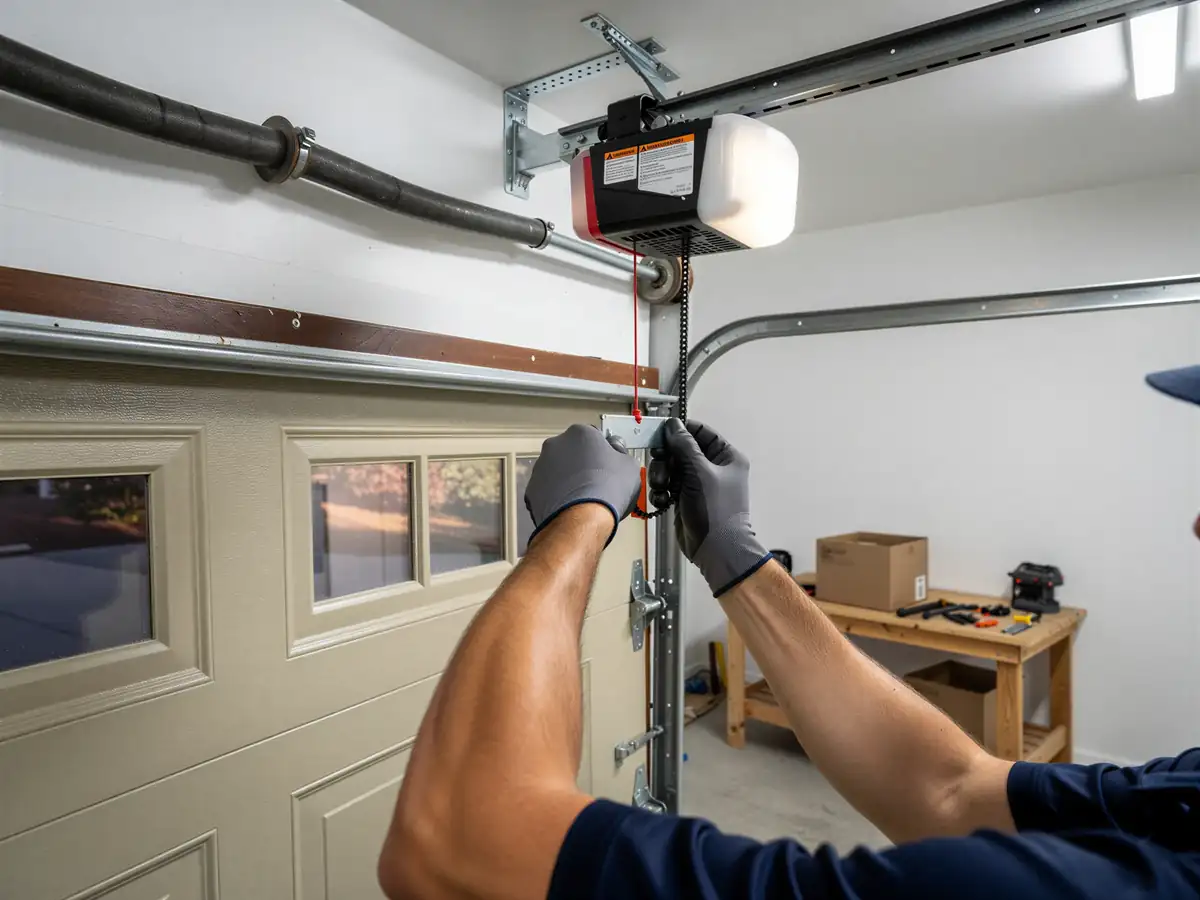
If your opener is original to the house, a visual check won't tell you much about the internal gearing anyway. That's really the limit of the DIY list: lubrication, visual inspection, and knowing when something's past tinkering.
Getting It Booked In
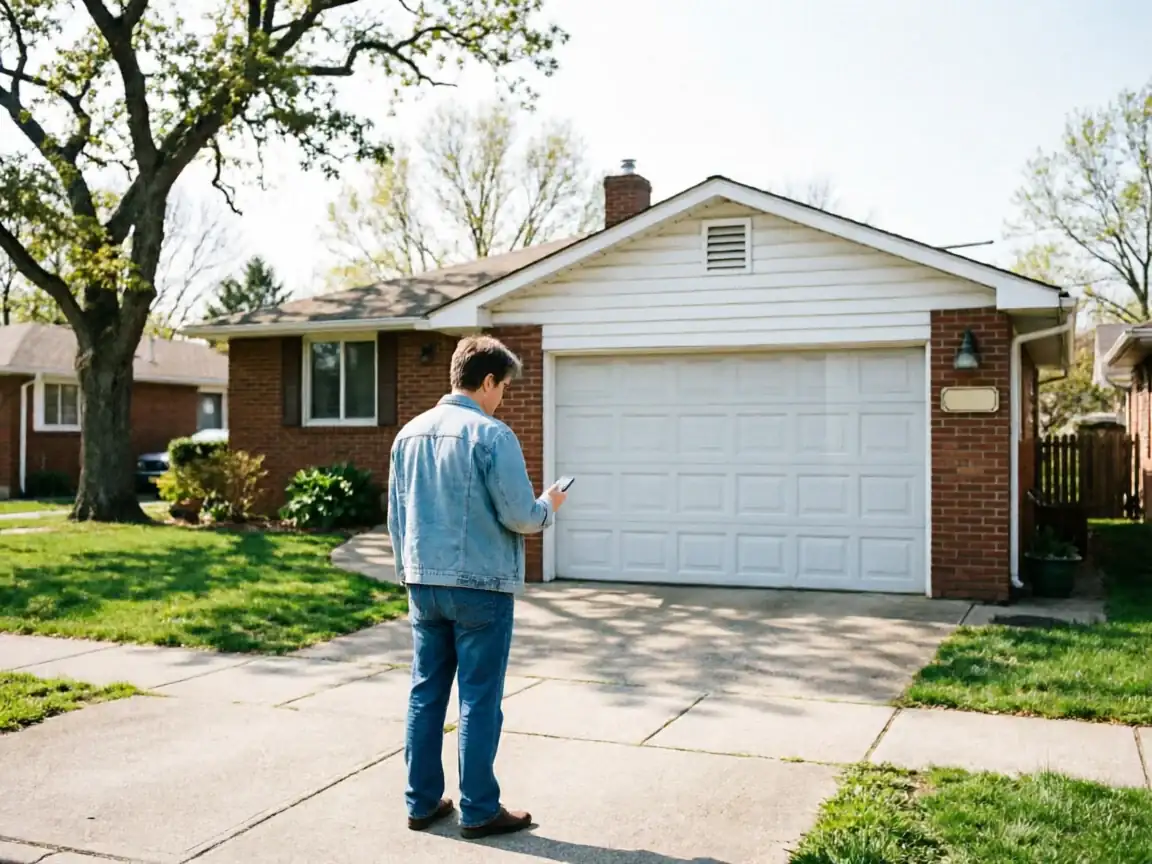
Glencoe is about five miles from our Deerfield shop, which is close enough that we don't treat a maintenance call out here any differently than one closer to home - it's not a special trip, it's just a stop on the route. We do schedule these runs in blocks rather than sending a truck out for one house at a time, so booking a week or two ahead usually gets you a better slot than calling the same morning.
With roughly 3,033 households in Glencoe, it's a smaller town than some of the others on our list, which means fewer calls out this way overall - but it also means we're not stretched thin here, and a maintenance visit gets the same attention as a bigger job. You can see what a standard service visit covers on our Glencoe service page, or compare it against the full maintenance rundown on the Deerfield page if you want the broader picture before you book.
Why This Fails Locally
A door that was installed around 1955 wasn't built to the same spring-cycle ratings or safety-reverse standards as anything made in the last twenty years
That's not a knock on the house - it's just what was normal then. The failure we see most on this stretch of houses is a torsion spring that's simply outlived its rated cycles, often paired with a track that's been reset or shimmed once already by a previous owner trying to stretch its life further.
The climate doesn't help
This area sits in a cold-moderate band, and a door that cycles through freeze-thaw swings every winter puts extra strain on hardware that's already old. Grease that's gone stiff in the cold makes the opener work harder to pull a heavier, older panel, which is exactly the kind of strain that turns a $20 lubrication job into a spring replacement if nobody catches it. Maintenance on a house this age isn't cosmetic - it's about catching the wear pattern before the spring decides for you.
What You Pay
We don't have a flat number to quote here, and we're not going to make one up. What drives the cost on a maintenance visit is mostly what the inspection turns up once we're looking at the hardware - a door with original 1955-era track and springs usually needs more attention than a door replaced in the last decade, simply because there's more old hardware to check and more wear to document.
Households in Glencoe skew well above the area's overall median income, and we mention that only because it tends to mean more owners here choose full replacement over patching an old opener once it starts showing its age, rather than asking us to keep nursing along a door that's past its useful life. Maintenance still has its place even on a door headed for replacement - it buys you time to plan the swap on your own schedule instead of someone else's.
How Long It Takes
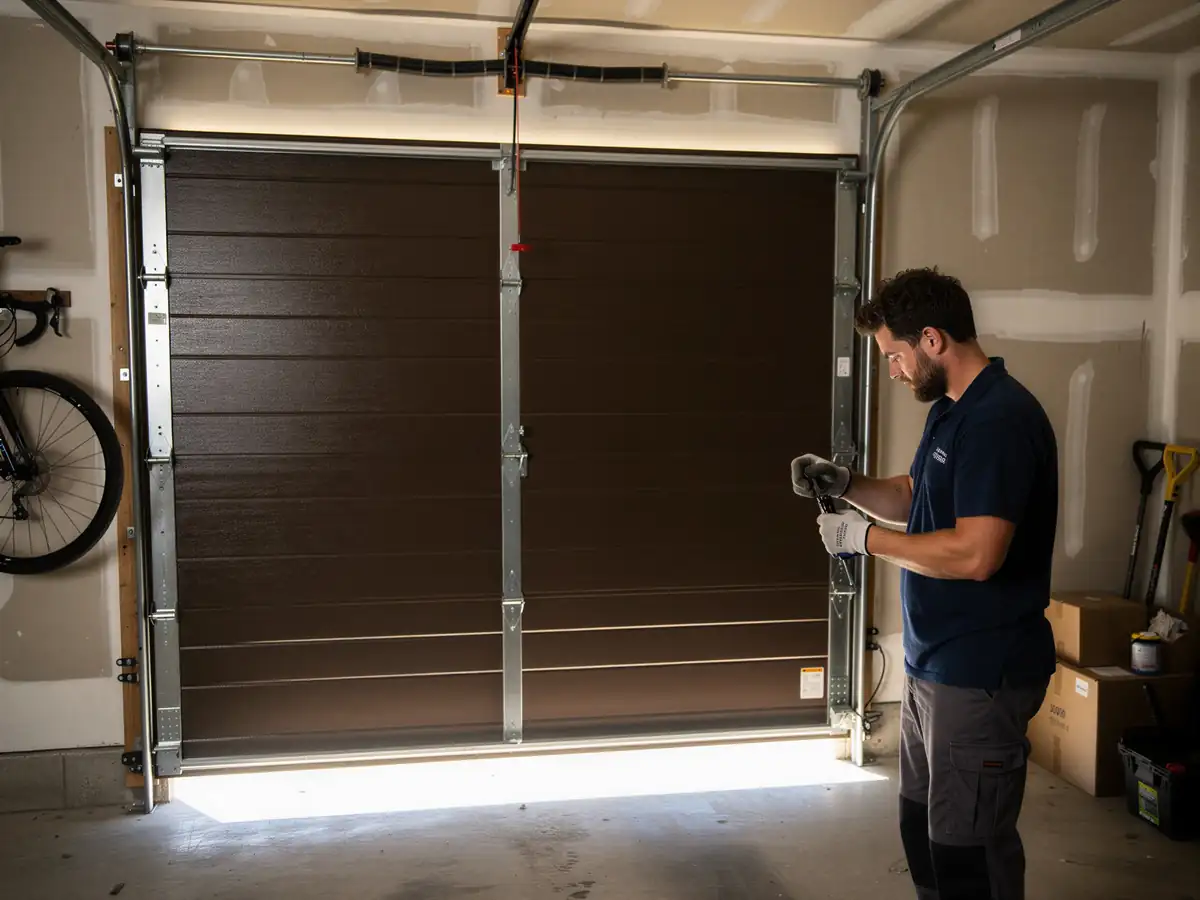
A maintenance visit is built around inspecting every moving part - springs, cables, rollers, track alignment, opener gearing, and the weatherstripping - not just greasing what's easy to reach. On a door with original or near-original hardware from the 1950s, that inspection usually takes longer than it would on a newer door, simply because there's more to check and more wear patterns that need a second look before we sign off on it.
We won't rush that part. If something looks borderline - a cable with a little fraying, a spring with visible wear - we'd rather flag it and give you the choice than tighten a roller and send the truck on its way. That's the honest tradeoff with maintenance on housing this age: a thorough visit takes real time, and a quick one isn't worth much on hardware this old.