Can You Do This Yourself
Glencoe's median household income runs $250,001, more than double the $125,104 figure for the rest of our service area. That number matters here because it usually tips the decision toward replacing an opener outright rather than nursing a dying one along - the labor cost of a repair stops looking worth it a lot sooner for a household at this income level.
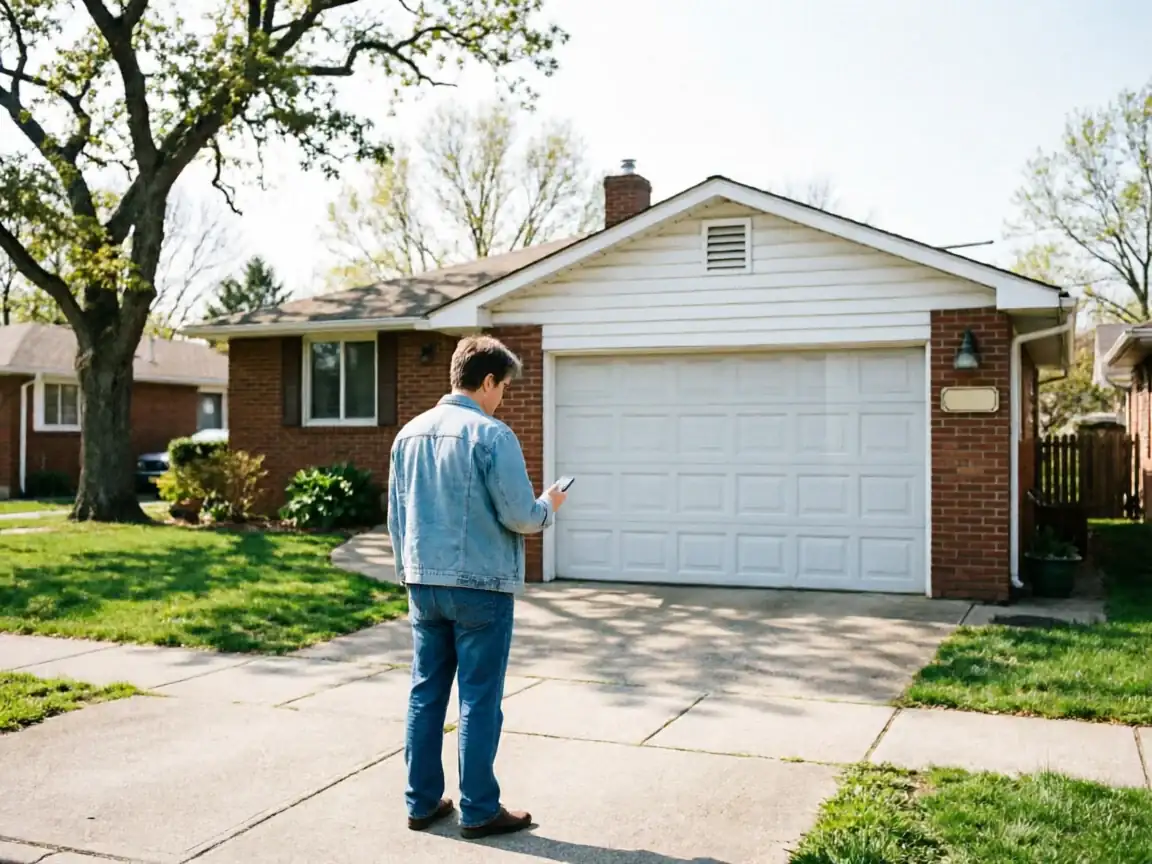
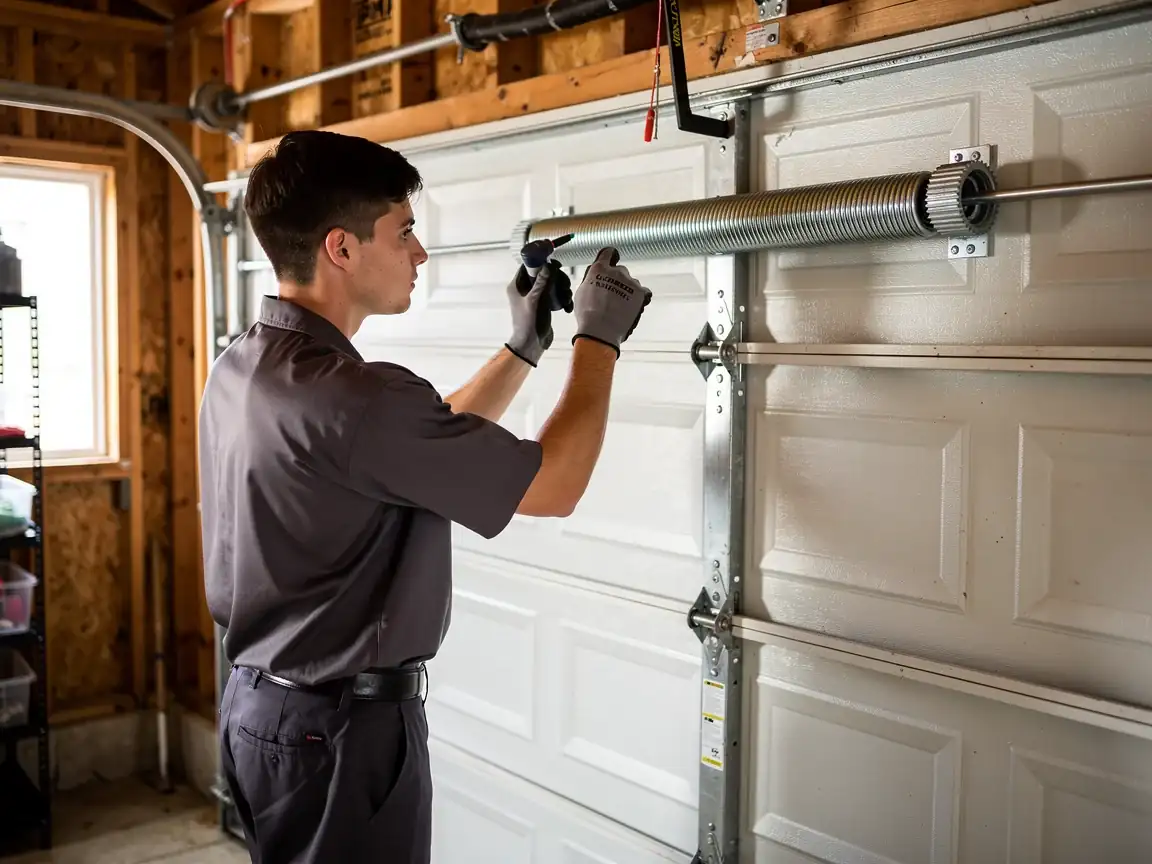
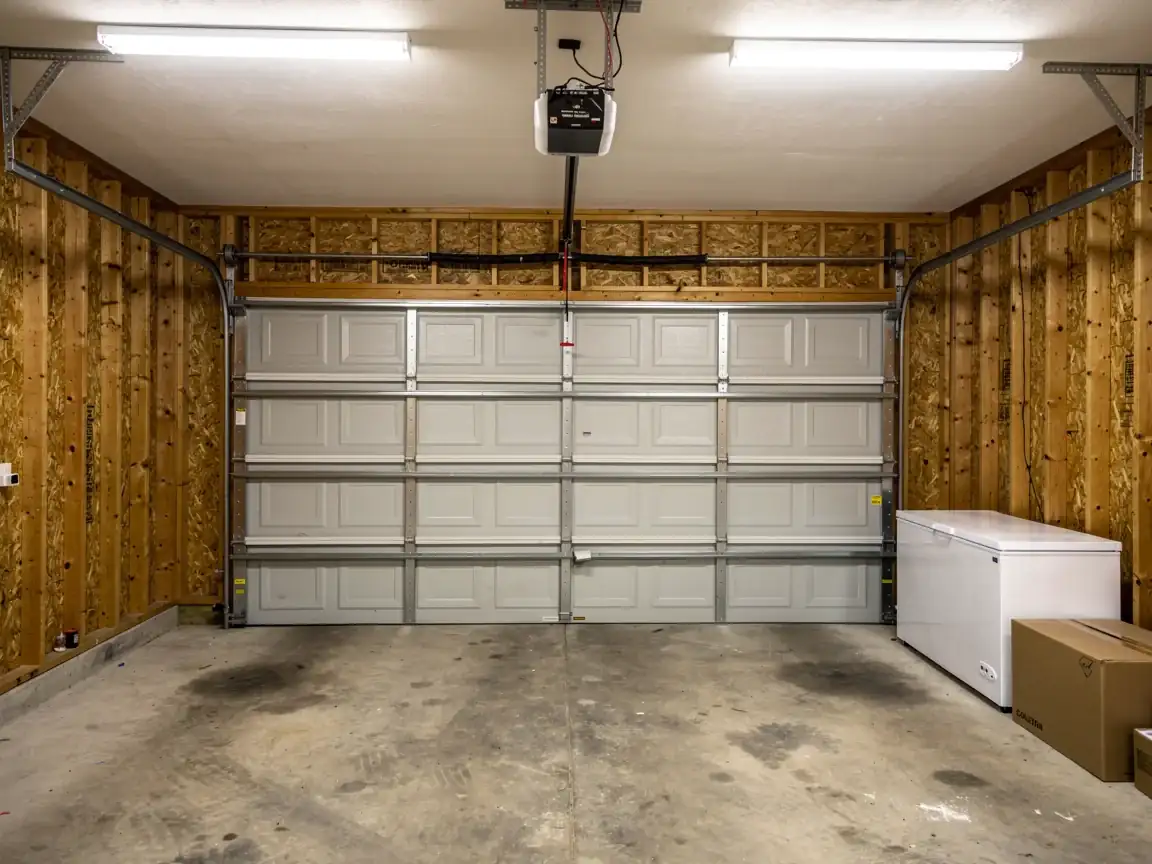
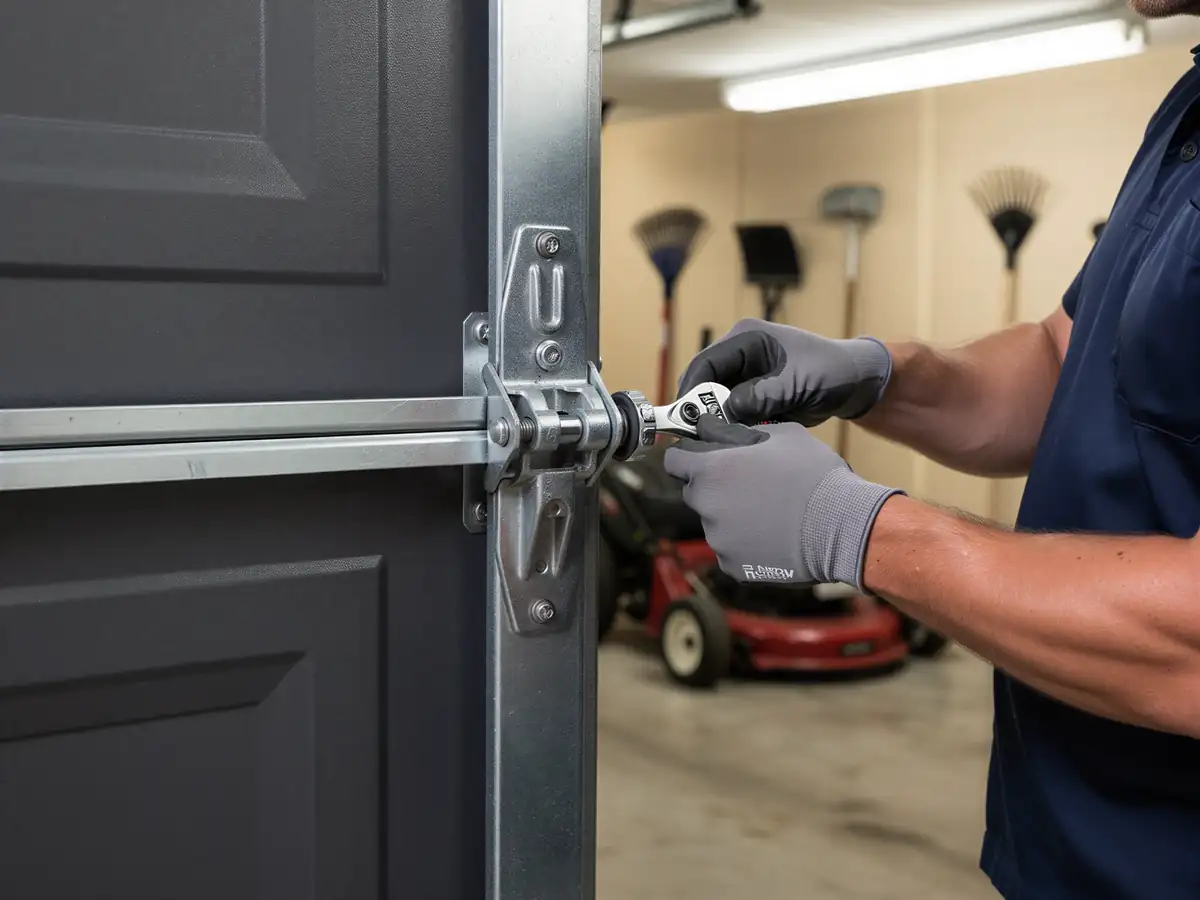
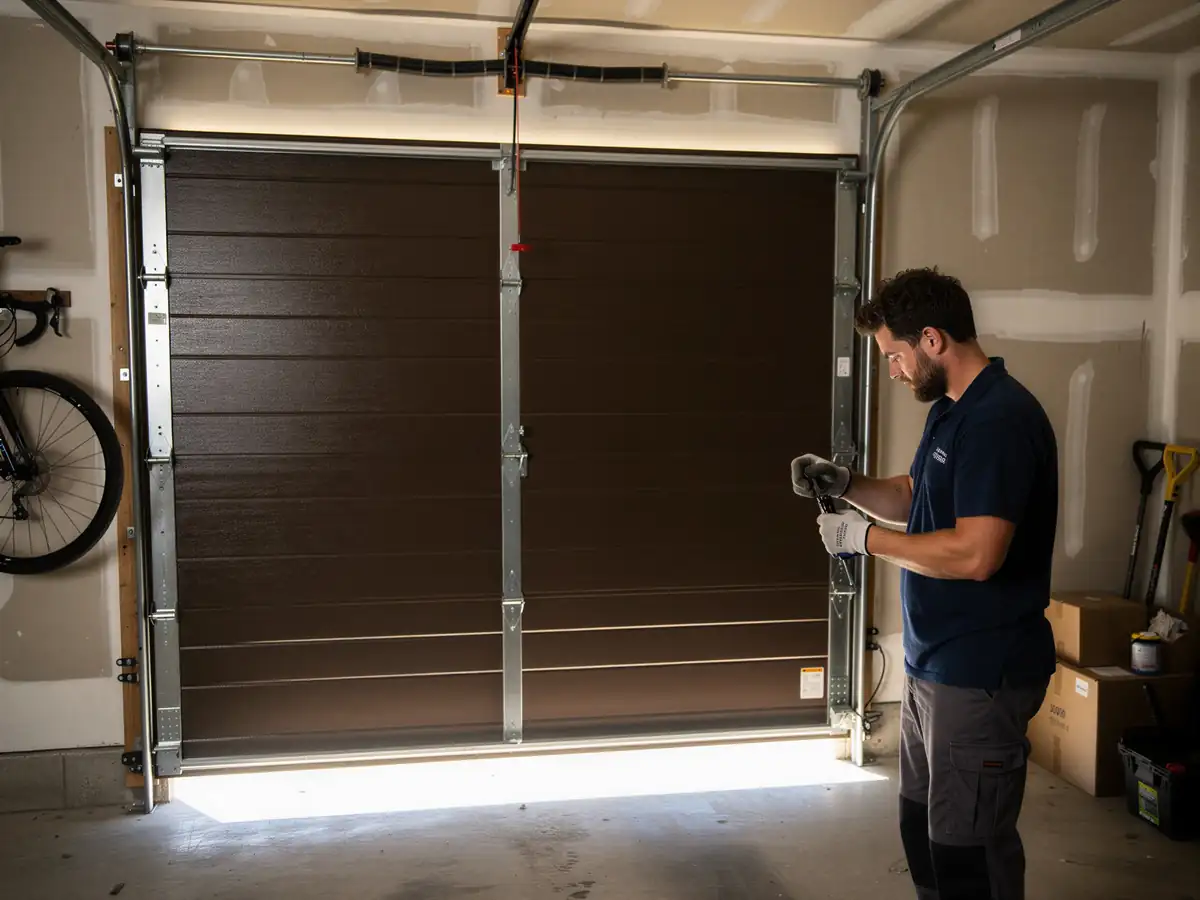
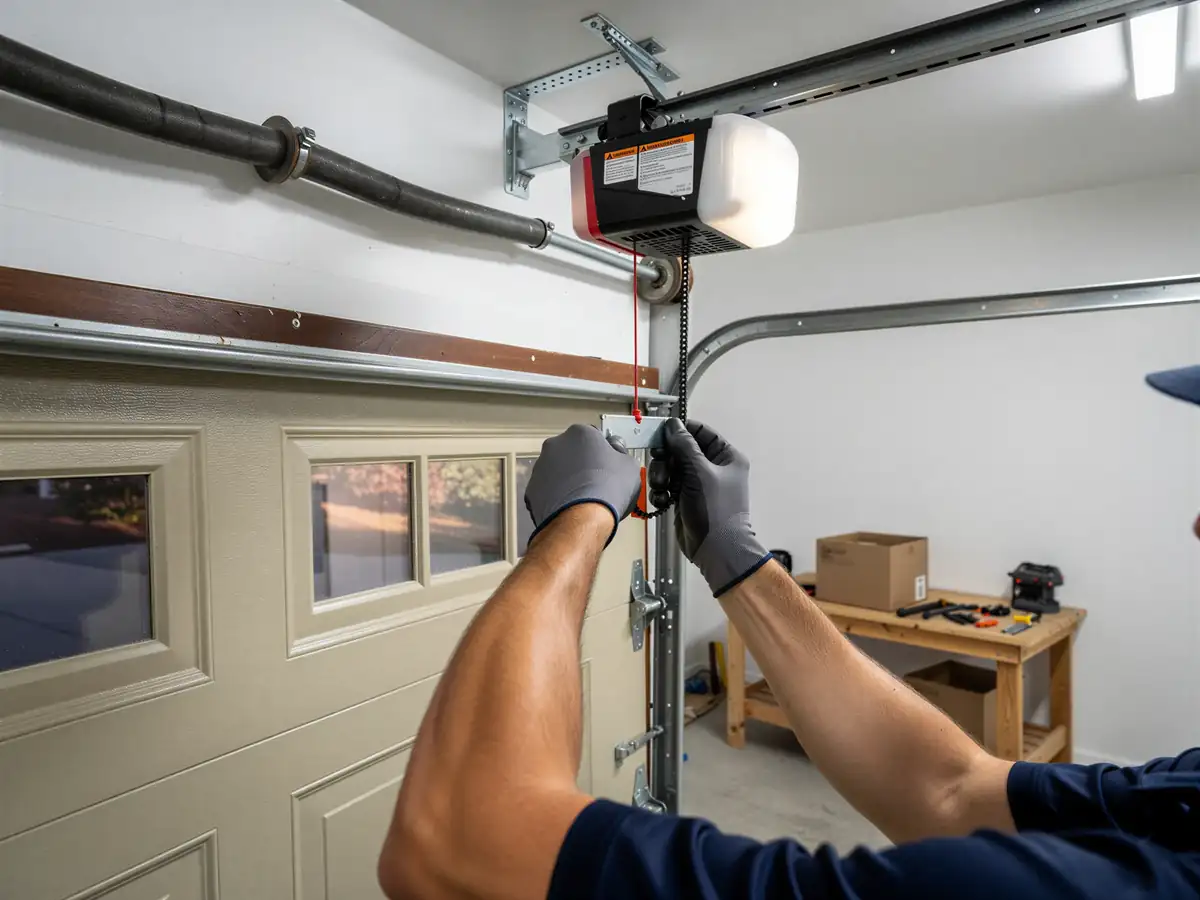
As for doing the install yourself: the mechanical part - mounting the head unit, running the rail, setting the arm - isn't the hard part. The hard part on a house built around 1955, which is the median year here, is the wiring and the header. These garages were framed before anyone thought about a 40-pound motor hanging off the joists, and the electrical was never pulled with an opener circuit in mind. We've seen owners get the opener mounted fine and then find out the header board won't hold the bracket under load, or there's no outlet within reach of the unit. That's not a DIY blocker, but it's why we check the header and the circuit before we quote anything, not after.
Getting It Booked In
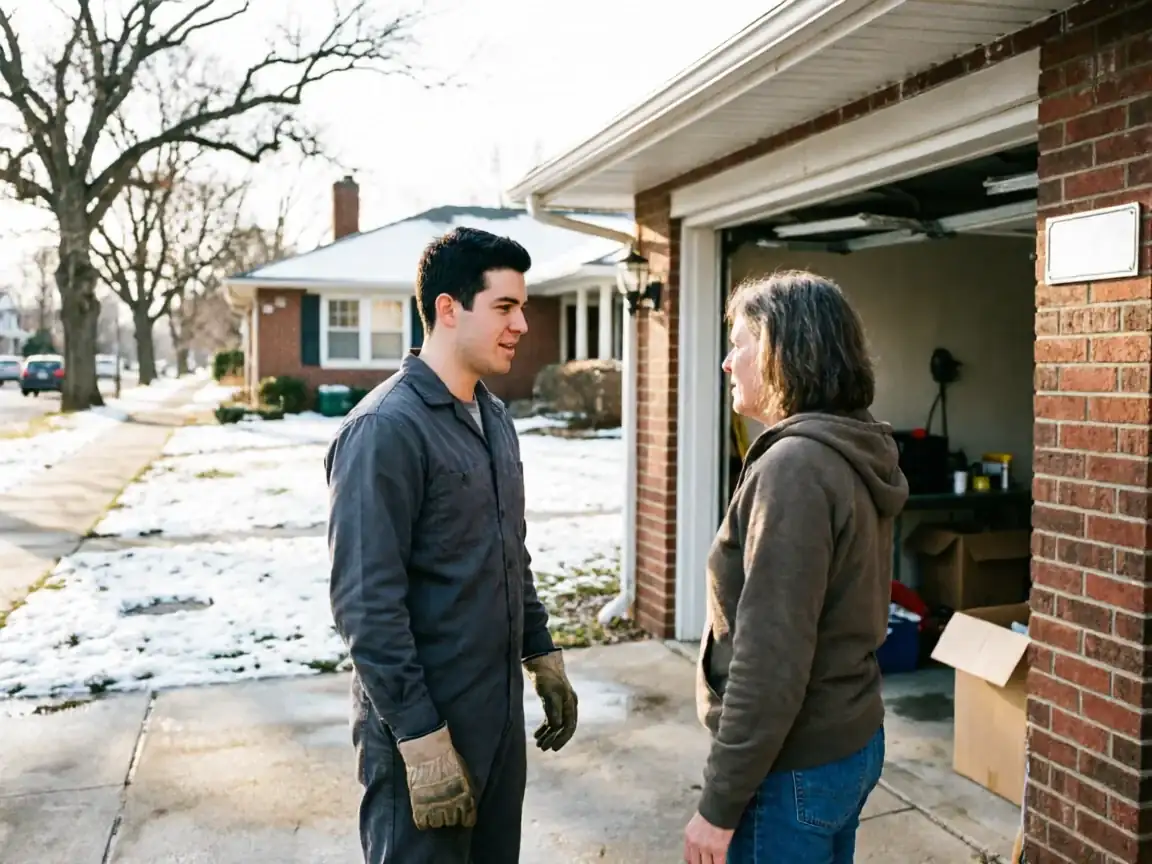
We don't keep a branch in Glencoe. The shop is in Deerfield, about 5 miles out, so every job here is a truck we send rather than a crew that's already local. That's worth knowing because it means your appointment window is built around drive time plus whatever job is ahead of yours, not a dispatcher sitting three streets over.
Booking itself is straightforward: we need the opener's horsepower (or the make and model if you're replacing one), the door's weight class if you know it, and whether the garage already has a dedicated outlet near the head unit. If you don't know those details, that's fine - we confirm them on site before we start, not after we've already ordered the wrong unit. With only 3,033 households in Glencoe, we're not running a daily route through town, so booking a day or two ahead gets you a tighter window than a same-day call.
Why This Fails Locally
The area sits in a cold-moderate climate band
And that matters more for an opener than people expect. Circuit boards and limit switches in an unheated, uninsulated garage - common in a 1955-built house before anyone added garage insulation as a matter of course - work harder through winter swings than the same parts in a newer build with a sealed, insulated bay. Logic boards drift out of calibration, and owners call us thinking the opener is broken when it's really just lost its limit settings from the cold.
The other local failure point is the header itself
A lot of the area's broader housing stock dates to the 1960s and 70s, but Glencoe's median year, 1955, puts a chunk of its garages a decade or more ahead of that wave - meaning older framing, older electrical runs, and headers that were never built to hold a modern opener's torque. We run into brackets that were added as an afterthought, not part of the original framing, and those are the ones that work loose first.
What You Pay
We're not going to put a number here we don't have - price depends on the opener's horsepower, drive type, and whatever we find at the header and the electrical when we look at your garage, and none of that is something we can price sight-unseen. What we can tell you is how the decision usually shakes out at this income level: at a $250,001 median, the gap between a quality repair and a full replacement is often small enough that replacement wins once you factor in a service call for the old unit plus the risk it fails again in a year.
The honest limitation: if your garage still has the original 1955-era header and no dedicated circuit, the opener itself is rarely the biggest line item - the electrical and bracket work to support it can be. We'll flag that before we start, not bury it in the invoice.
How Long It Takes
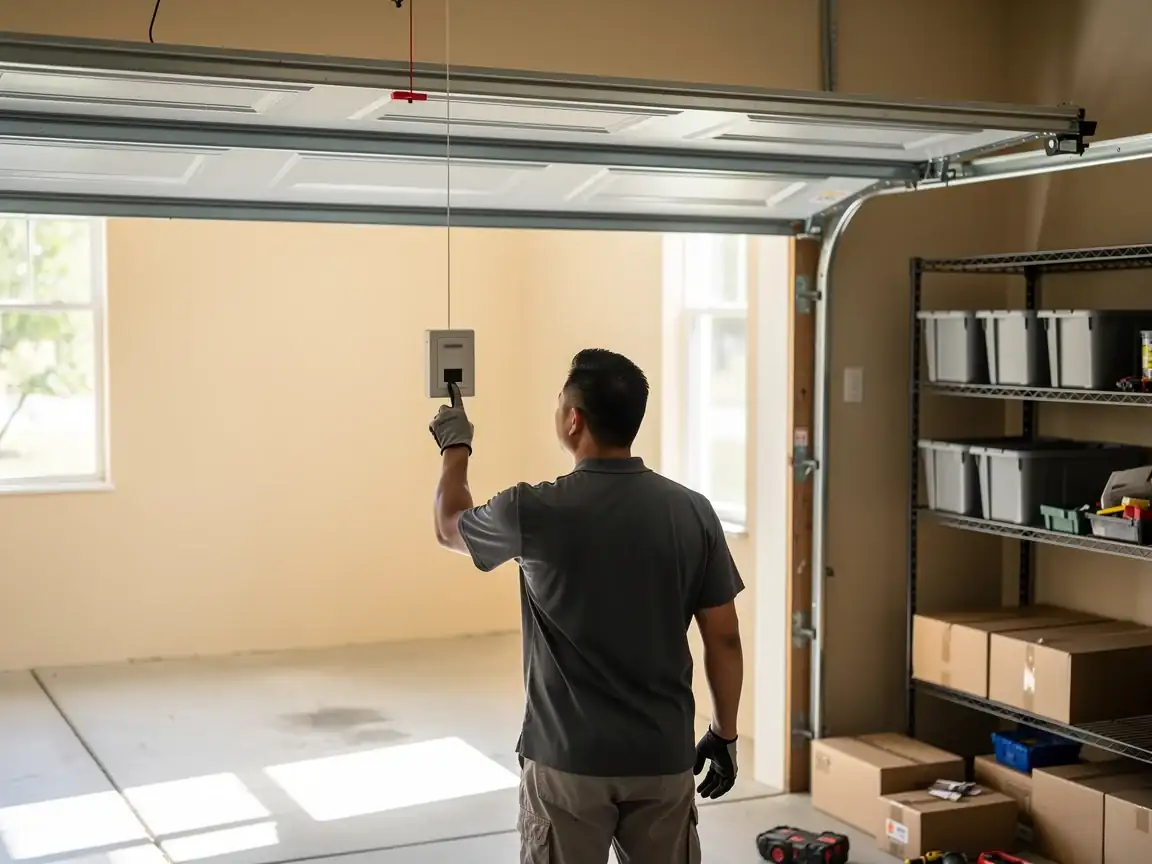
A straightforward swap - same mount points, existing circuit, no header work - usually runs a few hours door to door once the truck's on site. Add header reinforcement or a new electrical run, both of which come up more often in Glencoe's older garages than in newer construction, and you're looking at a longer day.
Because we're coming from Deerfield rather than a shop in town, the 5-mile drive adds a predictable chunk to the front end of your window, but it doesn't change the work itself once we're there. We'd rather give you a realistic arrival window up front than promise a tight slot we can't hold with only one truck covering a 30-plus area radius.