Can You Do This Yourself
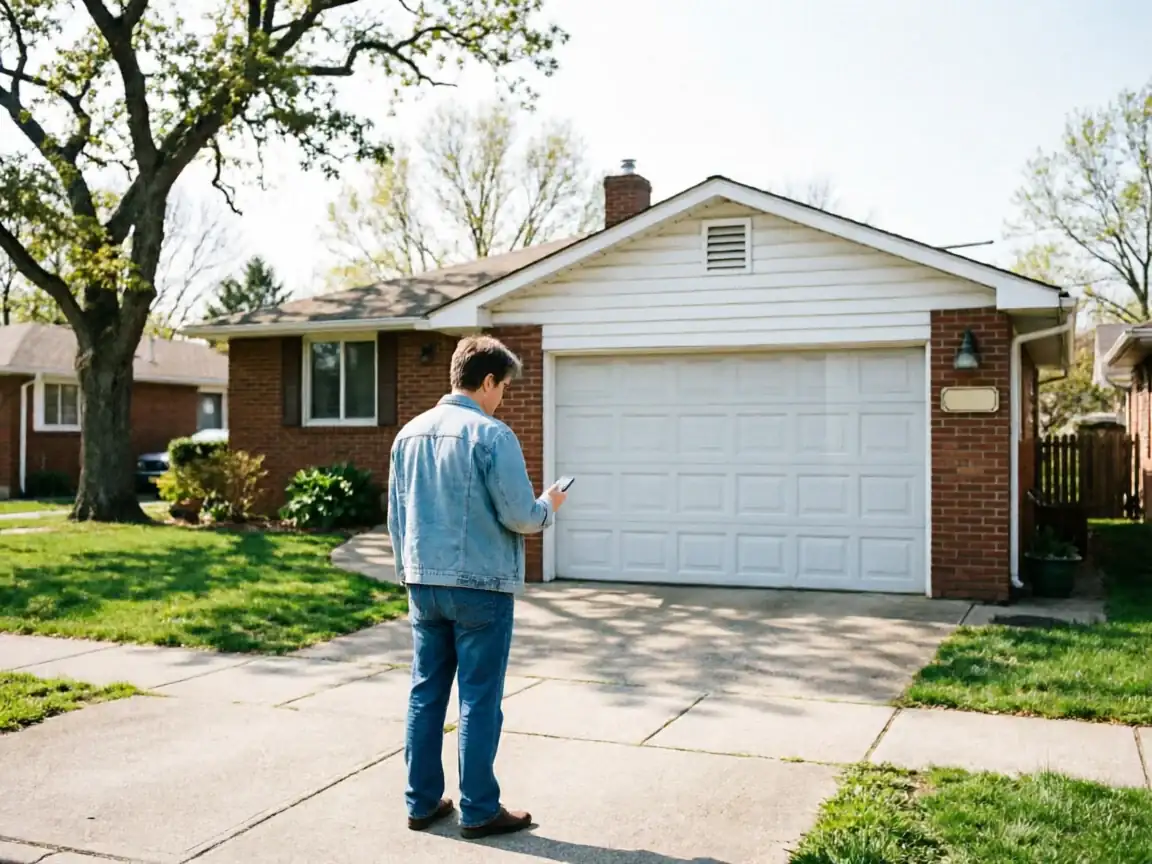
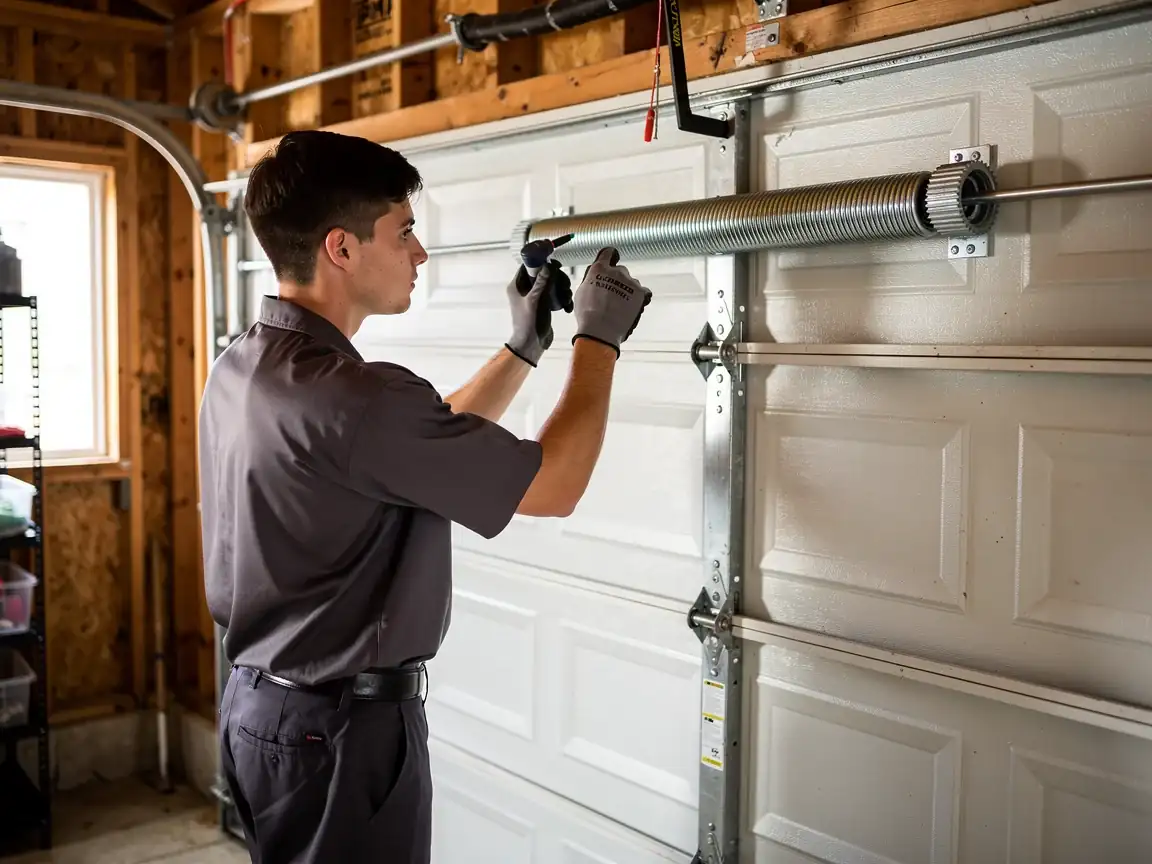
If your garage door in Glencoe was put in when the house was built, you're likely looking at a door from around 1955, and that changes what's safe to touch yourself. A lot of these original setups use extension springs mounted along the horizontal track rather than the torsion springs you'll find in newer builds, and extension springs store energy differently. Unhooking one without knowing which eye bolt is under tension is how people lose fingers.
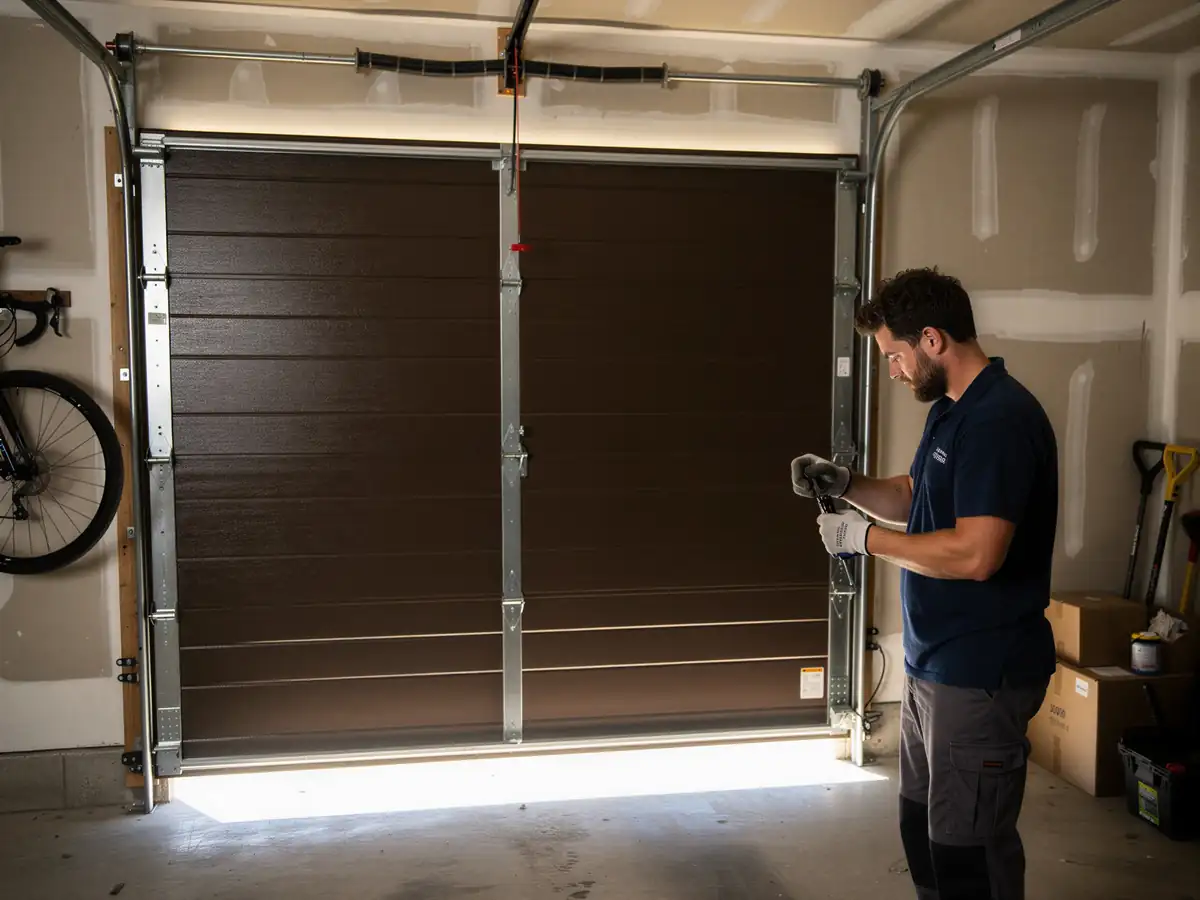
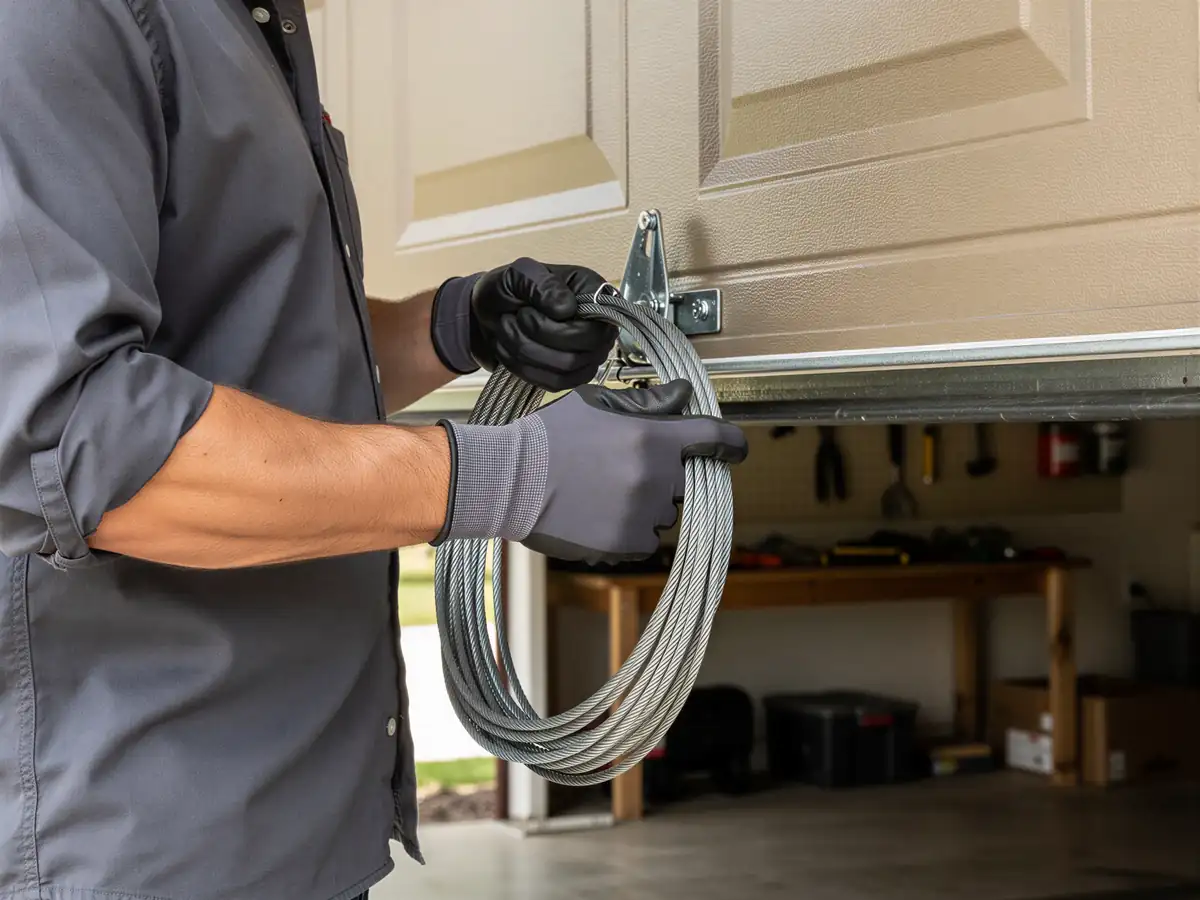
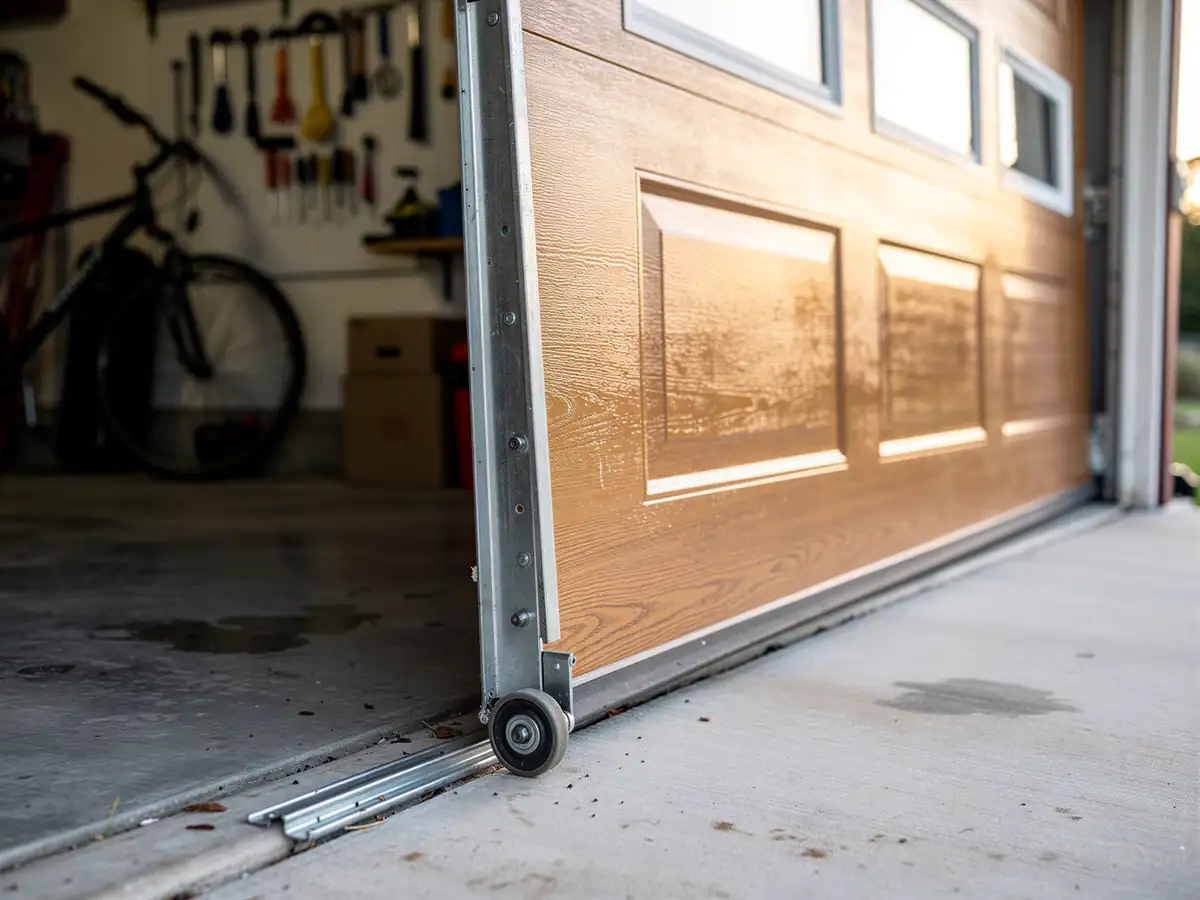
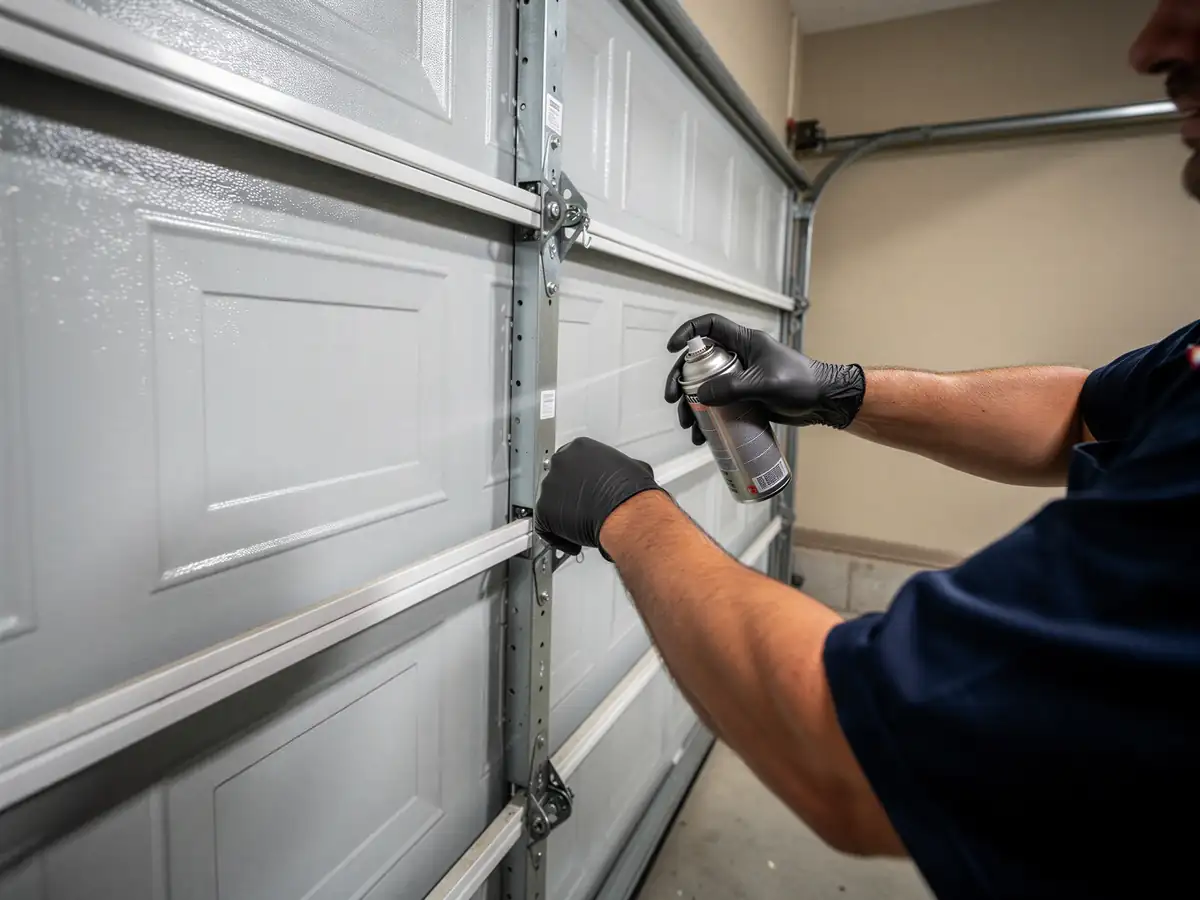
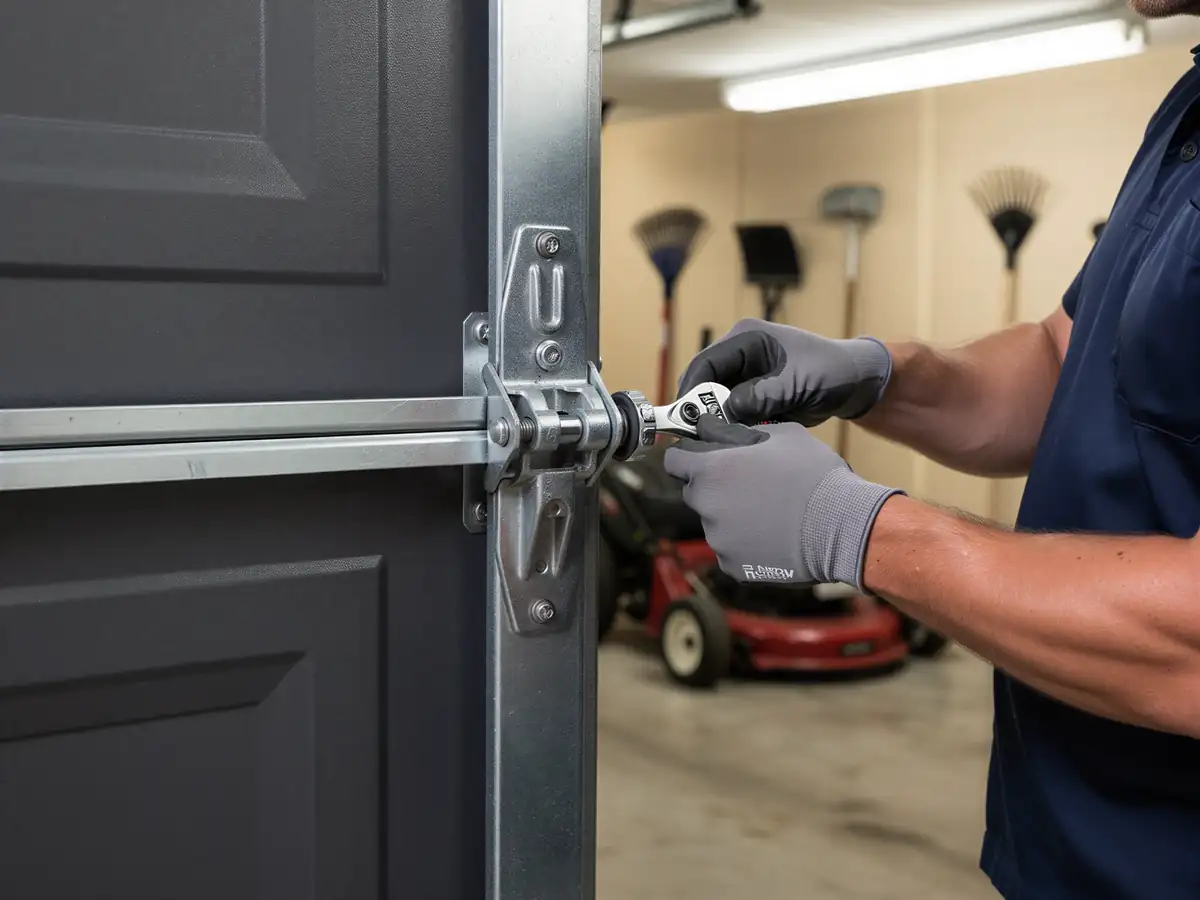
The things you can reasonably check yourself: the track alignment (look down the length of it from the floor, see if it bows), the photo-eye sensors if your opener was added later, and whether the rollers are the original steel ones, which get loud and stiff decades before they fail outright. Tightening loose hinge bolts is fine. Anything involving the spring, the cable drums, or the torsion bar is not a weekend project, especially on hardware this old where the parts aren't a standard size anymore. We'd rather talk you through what you're looking at over the phone than have you find out the hard way what a 70-year-old spring does when it lets go.
Getting It Booked In
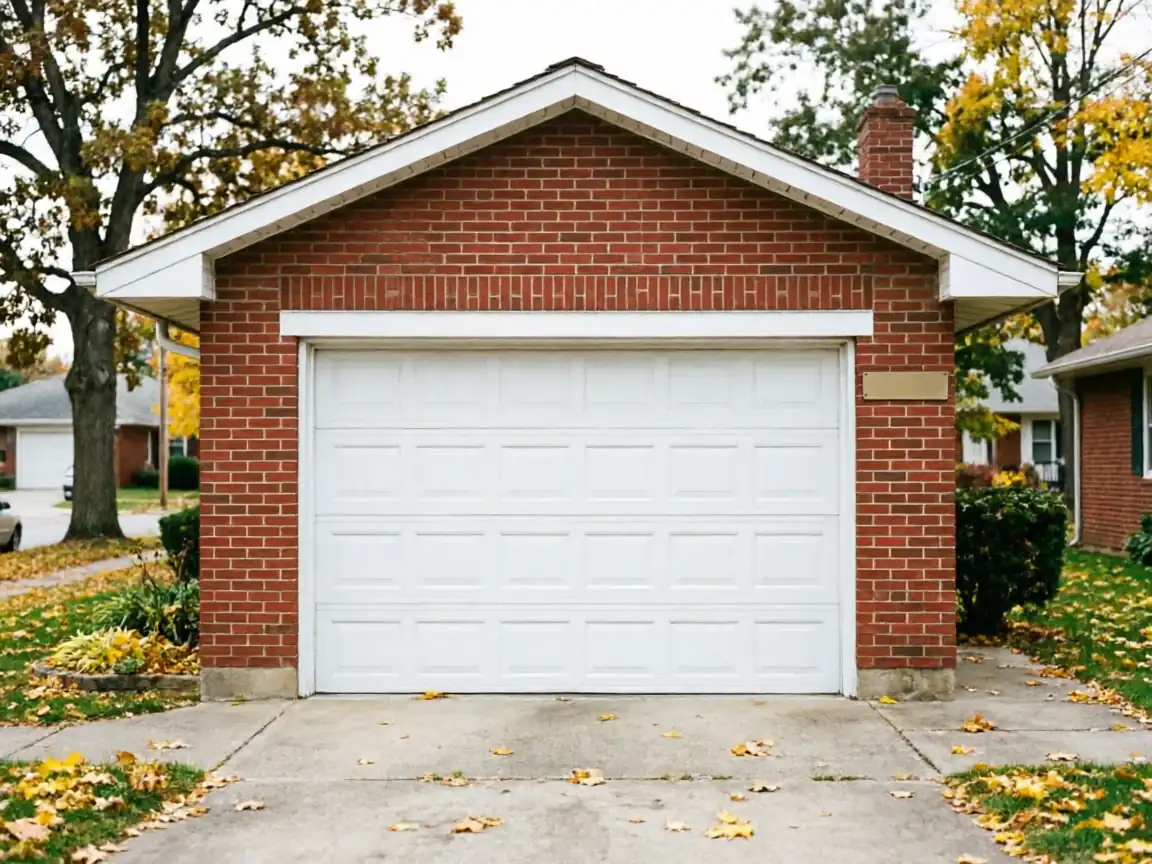
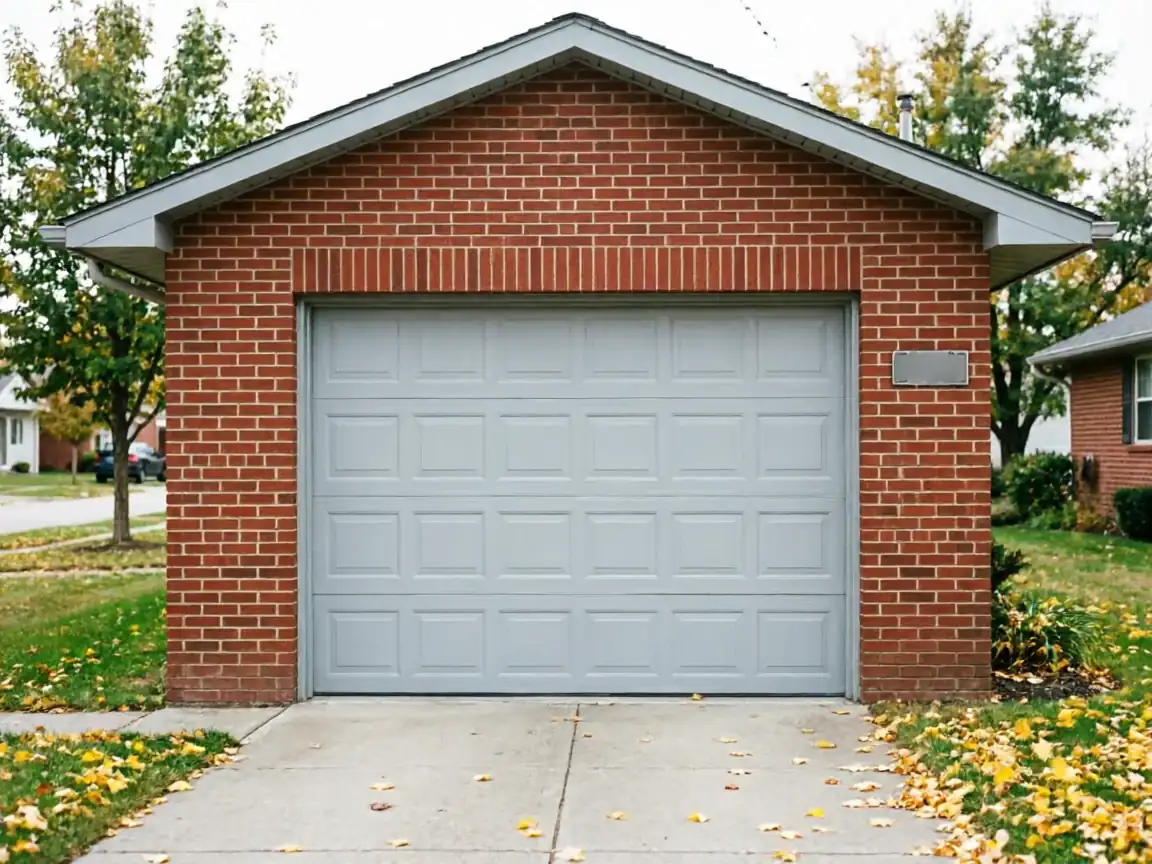
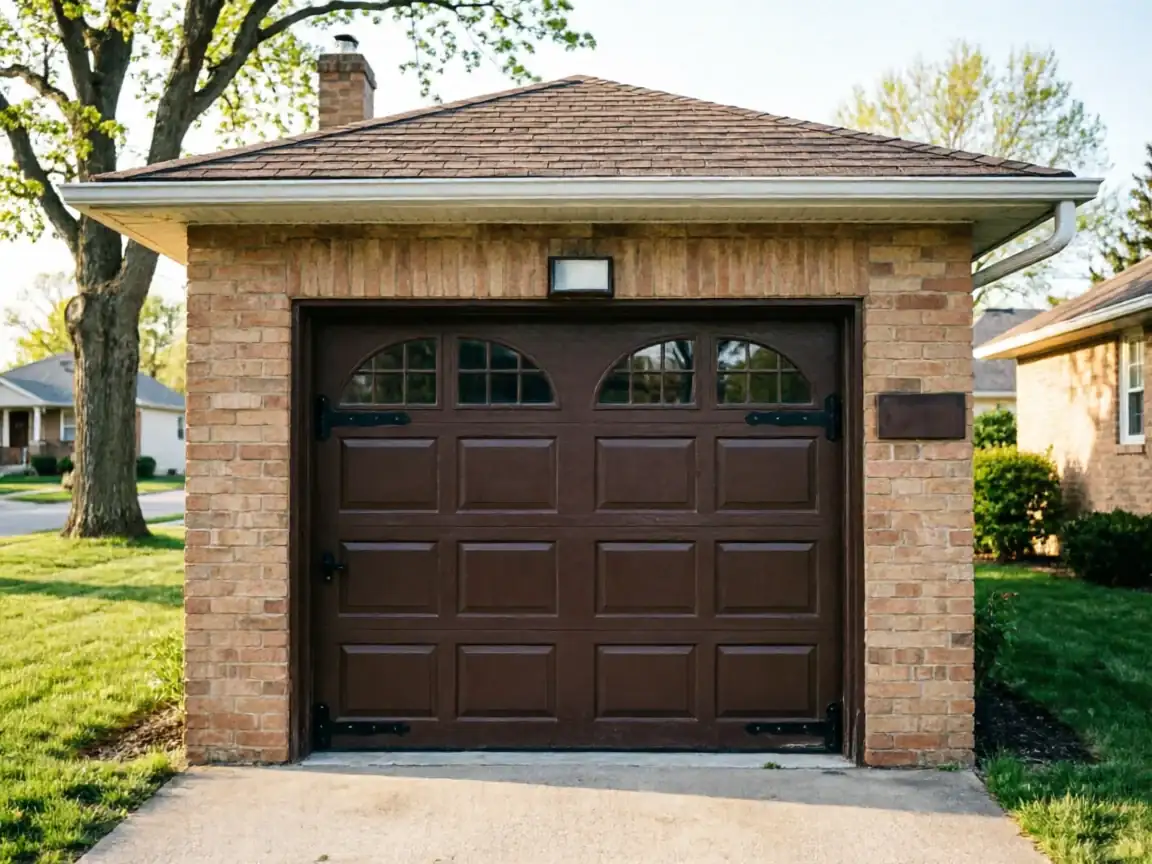
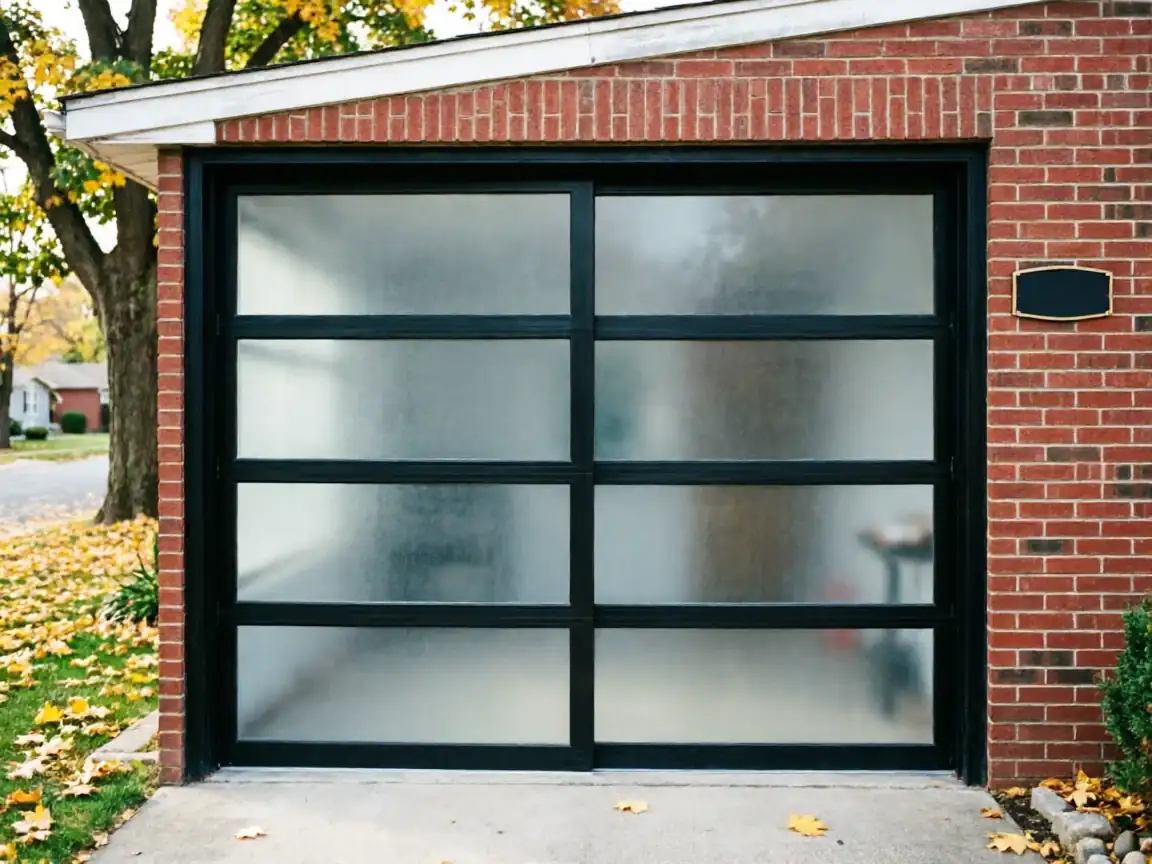
We run out of Deerfield, about 5 miles from Glencoe, so when you call, tell us the year the house was built if you know it and what the door looks like - wood panel, steel, how many sections. That alone tells us a lot about whether we're bringing parts for a modern torsion system or hunting down something closer to the original spec. Describe the fault as specifically as you can: does the door stop partway, does the opener run but the door doesn't move, is there a loud bang followed by the door going dead. That last one is almost always a broken spring.
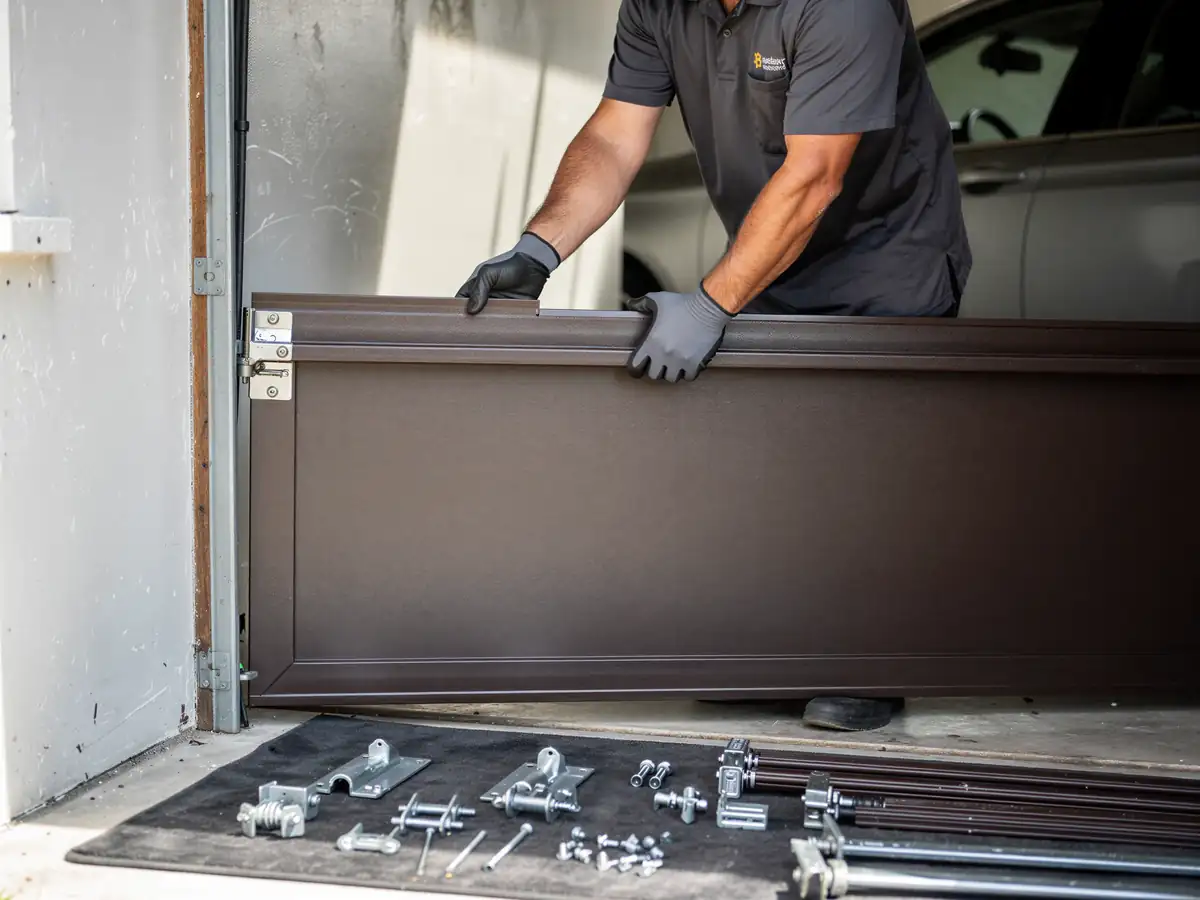
We book the visit, confirm the address, and bring a truck stocked for the common Glencoe-era failures we see on this route - older spring sizes, worn extension pulleys, track that's been reset and reshaped one too many times. If the job turns out to need a part we don't carry because the hardware is genuinely obsolete, we'll tell you that on site rather than guess.
Why This Fails Locally
Glencoe's housing here mostly dates to around 1955
Well inside the broader 1938-2009 range for the area but on the older end of it. A door and track system from that era was engineered for a lighter, often wood-panel door, and over seventy years of freeze-thaw cycles in this climate, the steel brackets holding that track to the jamb loosen and the wood jamb itself shifts slightly. That's a track misalignment that modern reinforced-jamb homes rarely see at the same rate.
The other local factor is simpler
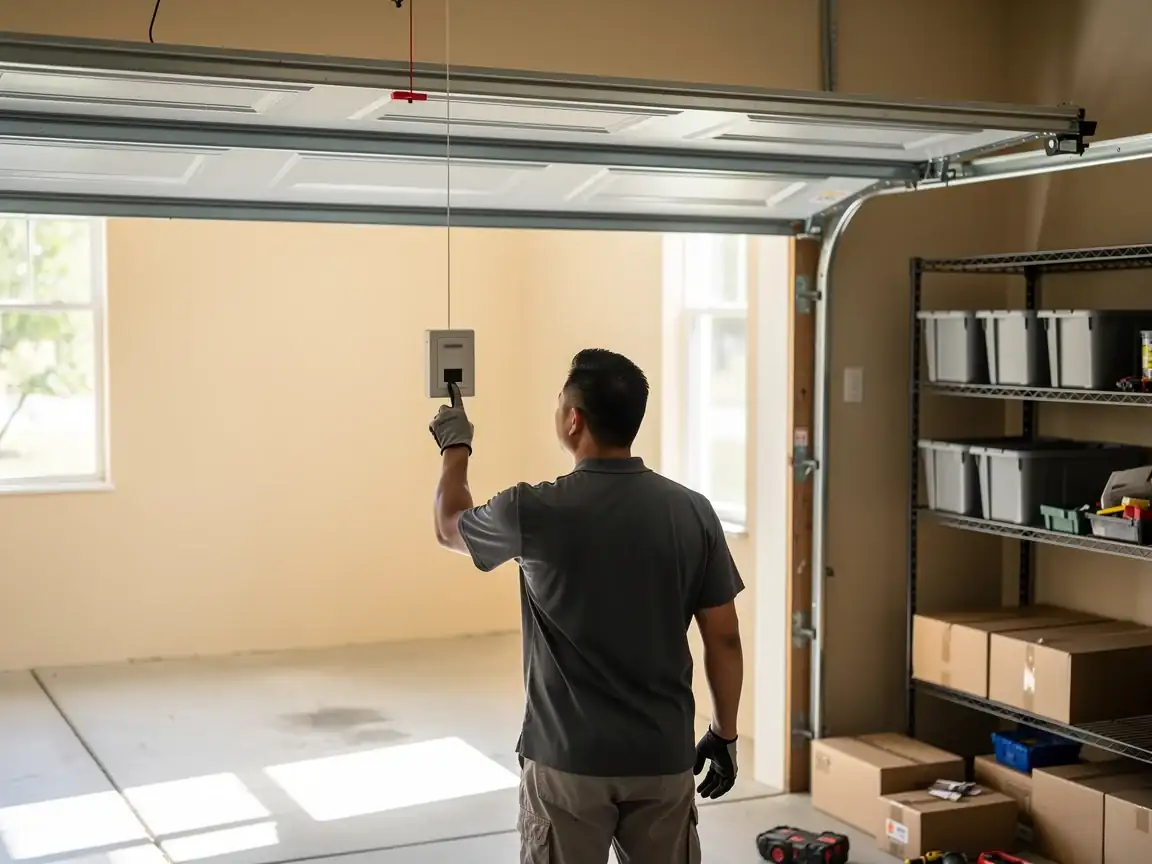
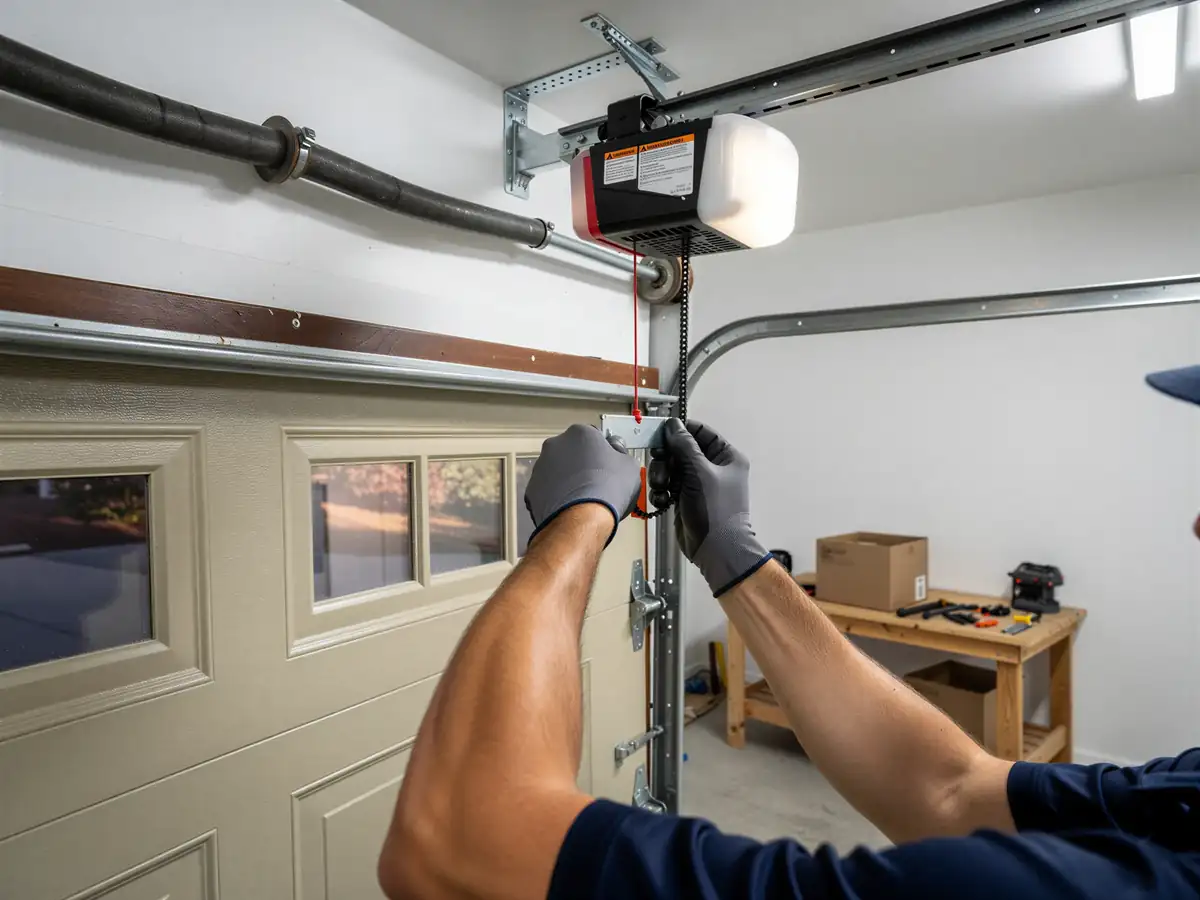
Higher household incomes in this area mean more owners have already upgraded the opener at some point without touching the door or track underneath it. You end up with a 2020s opener bolted to 1955 hardware, and the opener's force sensors fight a door that doesn't move the way the opener expects. That mismatch is what causes a lot of the 'opener runs but door won't budge' calls we get from this stretch of town.
What You Pay
We don't post a flat number here because the spread between a roller adjustment and a full spring-and-cable job on original hardware is wide, and on a house like this the hardware itself is the variable. A torsion conversion or an extension spring replacement sized for an older, lighter door costs differently than parts for a standard modern door, and we won't quote either without seeing what's actually on the wall.
What we can tell you straight: if your track or spring is original to a 1955 install, expect that part of the estimate to run higher than a comparable newer-home repair, because we're either sourcing a less common size or doing more labor to adapt a current part to older brackets. We'll give you the number before we start work, not after.
How Long It Takes
Most spring and roller jobs on this kind of door finish in a single visit once we're on site, same as anywhere else on our route. What can add time in Glencoe specifically is diagnosis - a mismatched opener-and-door pairing from a later upgrade takes longer to trace than a straightforward broken spring, because you have to rule out the sensor and force settings before you touch the hardware.
We're honest about the one thing that does add a day or two: if the job needs a part sized for an older track system and we don't have it on the truck, we order it and come back. That's not common, but on houses built this long ago it happens more often than it does on newer stock.